 Cykeo RFID IoT Solution Products R&D Manufacturer
small tool tracking: RFID-Based Industrial Tool Visibility System | Cykeo
68small tool tracking improves tool visibility, reduces loss, and enables real-time RFID-based control in industrial sites, maintenance teams, and warehouses.
MoreAll RFID Product
You can reprogram rfid card data only when the card supports writable memory and the correct RFID reader writer is used. The process requires compatible software, proper authentication, and verified data writing.
Reprogramming an RFID card is not simply replacing information like editing a file on a computer. The actual process depends on the card type, memory structure, security settings, and whether the stored area allows rewriting.
In professional RFID deployments, engineers first identify the card technology before attempting any modification. A card used for access control, employee identification, payment, or asset management may contain different memory areas, and some sections can be permanently locked after programming.
During RFID equipment testing projects, I have worked with desktop RFID writing stations, card registration systems, and tag management applications. One recurring issue observed in real deployments is that teams often purchase a powerful reader but overlook whether the RFID card itself supports rewriting. The limitation is usually the card architecture, not the reader performance.
For example, an RFID card issuing station in an enterprise environment may need to write employee information, verify the card number, and connect the result with management software. A stable workflow requires controlled writing distance, reliable communication, and data verification after every operation.
According to GS1 RFID Standards Overview, RFID systems rely on communication between readers and tags/cards through standardized identification technologies, allowing organizations to manage identification data across different applications.
Before learning how to reprogram rfid card, the first step is confirming the card capability.
RFID cards can generally be divided into several categories:
| RFID Card Type | Reprogramming Capability |
|---|---|
| Writable RFID cards | Data can be updated within allowed memory areas |
| Read-only RFID cards | Data cannot be changed after manufacturing |
| Protected RFID cards | Requires authentication before writing |
| One-time programmable cards | Limited programming capability |
The ability to rewrite depends on:
A common mistake in RFID projects is assuming every card can be rewritten. In practice, many identification cards are designed specifically to prevent unauthorized modification.
The reader and card must use compatible communication standards.
Common RFID technologies include:
| Frequency | Typical Applications |
|---|---|
| LF 125 kHz | Basic identification cards |
| HF 13.56 MHz | Smart cards, NFC applications |
| UHF 860–960 MHz | Industrial tracking and asset management |
The frequency alone is not enough. The chip protocol and memory structure must also match.
For example, two cards operating at 13.56 MHz may still require different commands because they use different RFID chip families.
A professional RFID reader writer performs both reading and writing operations.
The device must support:
For desktop applications, controlled writing distance is especially important.
A long writing range is not always an advantage. When issuing individual cards, excessive range may increase the possibility of writing the wrong card.
RFID programming software controls communication between the reader and the card.
Typical functions include:
Reading existing card information
Selecting writable memory areas
Writing new data
Checking write results
Exporting card records
A professional RFID workflow normally includes a verification step because successful communication does not always mean correct data storage.
In practical projects, the process usually follows this structure:
| Stage | Operation |
|---|---|
| Card preparation | Confirm card type and writable areas |
| Reader connection | Connect RFID writer to software |
| Data configuration | Prepare required information |
| Writing process | Transfer data to card memory |
| Verification | Read back information and confirm accuracy |
This workflow is commonly used in:
Cykeo desktop RFID reader writer equipment is designed for RFID card reading, writing, and daily management applications.
The solution focuses on practical engineering requirements:
Compact desktop design for workplace use
Near-field antenna for controlled reading and writing range
Stable RFID communication performance
Automatic card writing demo software
Batch fast writing support
Fast tag filtering capability
Mini USB communication
One important design consideration is writing accuracy.
In a card issuing environment, the operator usually does not need to write from a distance. The priority is ensuring that the selected card receives the correct information.
Cykeo desktop RFID writer uses near-field antenna technology to control the operation area, supporting reading distance within approximately 30 cm and writing distance within approximately 10 cm.
This approach reduces accidental interaction with nearby cards and improves daily usability.

Some RFID cards contain protected memory areas.
Before rewriting data, engineers need to confirm:
Security features are essential in applications such as access control and identity management.
Distance influences writing reliability.
During writing operations:
For desktop RFID programming, a fixed operating position provides better repeatability.
A reliable RFID programming process always includes a read-back test.
The system should confirm:
| Verification Item | Purpose |
|---|---|
| Card ID | Confirm correct card selection |
| Written data | Confirm successful storage |
| Application record | Match business database |
| Operation log | Maintain traceability |
This step prevents errors from entering production systems.
In small RFID demonstrations, rewriting one card may appear simple.
However, production environments are different.
A card issuing workstation may process hundreds or thousands of cards. A small error rate can create administrative problems, including incorrect user records, repeated card replacement, and additional verification work.
The engineering focus should therefore move from “can the card be written?” to “can the card be written correctly every time?”
That difference is what separates a laboratory test from a reliable RFID deployment.
Reprogramming an RFID card in a production environment is different from changing information on a test card.
The actual challenge appears when hundreds of cards need to be processed with consistent results. A card issuing operator cannot manually check every memory block or repeat every operation. The system needs predictable hardware behavior, reliable software communication, and a verification mechanism.
In practical RFID projects, I usually separate the process into three layers:
This separation makes troubleshooting much faster because problems can be located instead of guessed.
A professional RFID programming workflow should not immediately overwrite card data.
Before writing new information, the system should:
This is especially important for enterprise applications where an RFID card may already be linked with employee records, inventory information, or access permissions.
One overlooked factor in RFID programming is writing range.
Many users assume a longer range means better performance. For card programming, this is usually incorrect.
A desktop RFID writer normally works better when the writing area is controlled.
A controlled writing zone helps prevent:
Cykeo desktop RFID reader writers use near-field antenna technology to keep the writing area focused. The design supports writing operations within approximately 10 cm, which is suitable for desktop card issuing and tag programming workflows.
Many organizations issue RFID employee cards that contain:
A reliable RFID card programming station allows administrators to create new cards quickly while maintaining accurate records.
Retail environments often use RFID labels attached to products.
Programming operations may include:
| Operation | Purpose |
|---|---|
| Initial encoding | Assign product identification |
| Data updating | Modify product information |
| Verification | Confirm correct writing |
| Batch programming | Improve efficiency |
For these applications, stable batch writing is often more valuable than maximum reading distance.
Libraries, laboratories, and enterprises use RFID cards and tags to identify assets.
The programming workflow usually includes:
The RFID card becomes a bridge between physical objects and digital management systems.
Cykeo desktop RFID writing solutions are designed around real operator requirements.
The key features include:
The device uses the Impinj R500 RFID platform to support stable RFID communication performance. Impinj identifies R500-based reader technology as a foundation for embedded, desktop, and other UHF RFID reader applications.
Instead of creating a large uncontrolled RF area, the near-field antenna design focuses communication around the card placed on the device.
This is useful for:
In real projects, manually writing cards one by one creates unnecessary labor.
Cykeo RFID desktop writer software supports:
This helps operators process larger quantities of RFID cards while reducing repeated manual operations.
Hardware alone is not enough for commercial deployment.
Cykeo provides:
This allows engineering teams to integrate RFID programming functions into customized systems.

Reading and writing are different operations.
Possible reasons include:
A stronger reader cannot unlock memory that the card manufacturer has protected.
Intermittent writing problems are often related to the environment.
Check:
During testing, repeat the same writing operation several times instead of judging performance from one successful attempt.
It depends on the RFID chip design.
Some cards support repeated rewriting, while others have limited writable areas or permanent locked sections.
Always check the chip specifications before selecting cards for a reusable RFID application.
No. Only RFID cards with writable memory areas can be reprogrammed. Some cards are read-only or contain protected memory that requires authentication.
A compatible RFID reader writer, programming software, and writable RFID cards are required. The reader must support the card frequency and communication protocol.
It depends on the RFID chip and reader manufacturer. Professional RFID systems usually provide software tools or SDK resources for integration.
The time depends on card type, data size, reader performance, and verification requirements. Batch programming systems can significantly improve efficiency compared with manual processing.
If the card memory remains writable, data can usually be updated. However, locked memory areas cannot be modified without proper authorization.
Security depends on the RFID chip, authentication mechanism, software control, and operational management process. Enterprise systems normally combine RFID technology with access permissions and data records.
Understanding how to reprogram rfid card requires more than knowing which button starts the writing process.
A reliable RFID card programming solution combines compatible cards, stable reader hardware, controlled RF performance, correct software integration, and verification after every operation.
For desktop RFID applications, precision is often more important than maximum range. A controlled writing area, stable communication, and simple software workflow create better long-term usability.
Cykeo RFID reader writer solutions are designed around this practical requirement: helping organizations write, verify, and manage RFID cards efficiently in real working environments.

SSD-A06 UHF RFID antenna with circular polarization, adjustable 840–960 MHz frequency, ≥4.5 dBi gain, and a compact directional design for RFID systems.
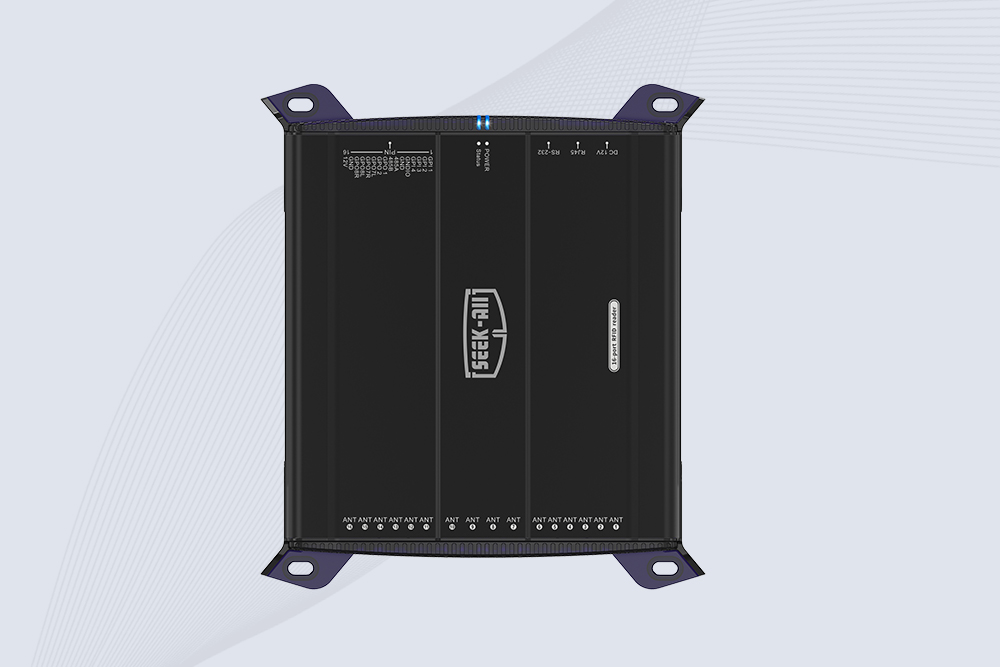
SSD-R16L Multi-Channel RFID Infrastructure for Automated Inventory Management ✔️ 16-Port High-Density RFID Reading Equipped with 16 SMA antenna ports, SSD-R16L supports multi-antenna deployment for warehouses, retail stores, logistics, production lines, and large-area RFID identification. ✔️ High-Speed & Long-Range Performance With up to 33…
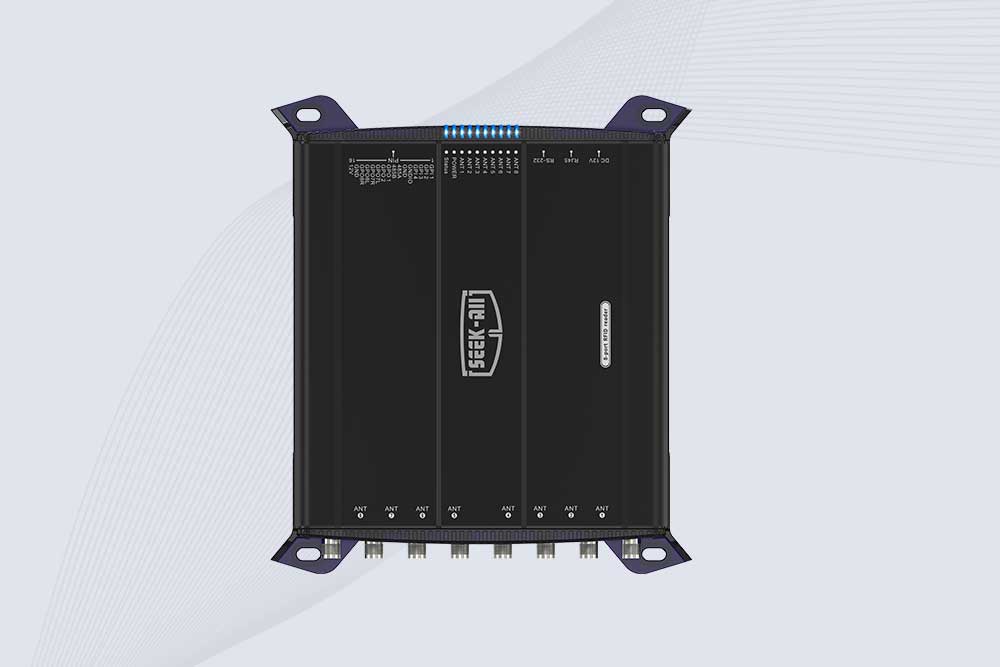
SSD-R8L 8-port UHF RFID reader with 33dBm output, up to 20m reading range and 600+ tags/s recognition. Ideal for warehouse, logistics, retail and asset tracking.
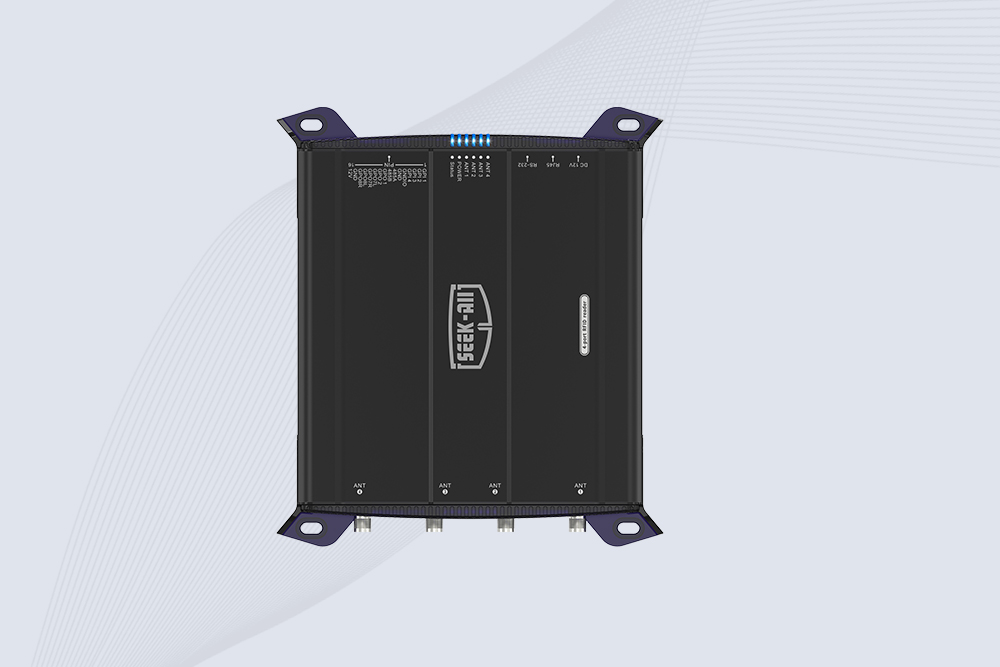
SSD-R4L is a 4-port UHF RFID fixed reader with 33dBm output power, up to 20m reading range, EPC C1G2 support and 600+ tags/s reading speed.
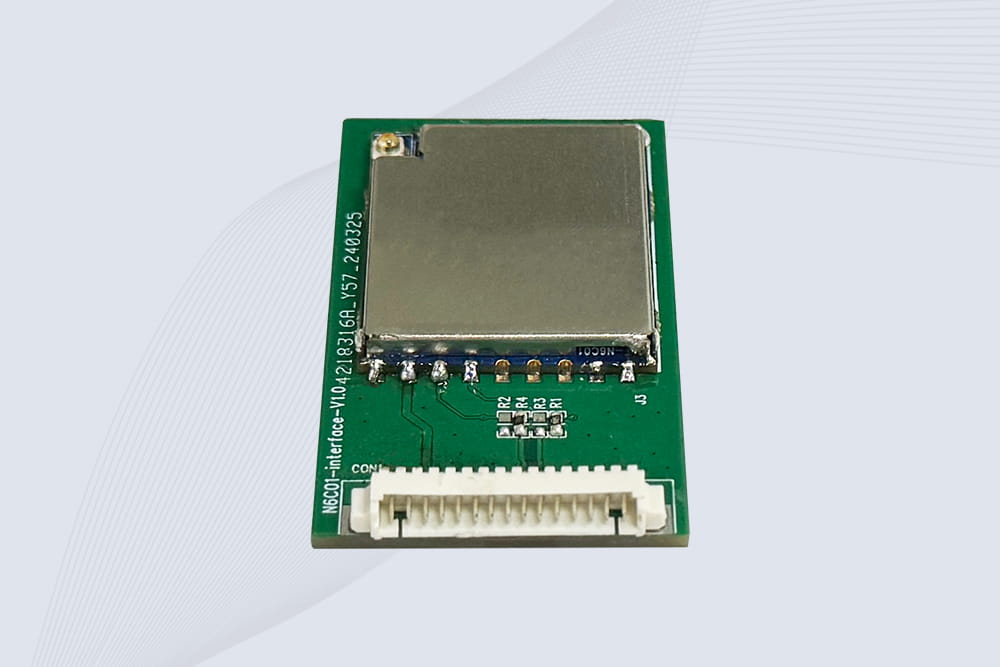
CYKEO Embedded RFID Modules are designed for compact industrial and IoT devices that require stable UHF performance. These UHF RFID Modules support global protocols, flexible power control, and reliable multi-tag reading for smart cabinets, production lines, and asset tracking systems.
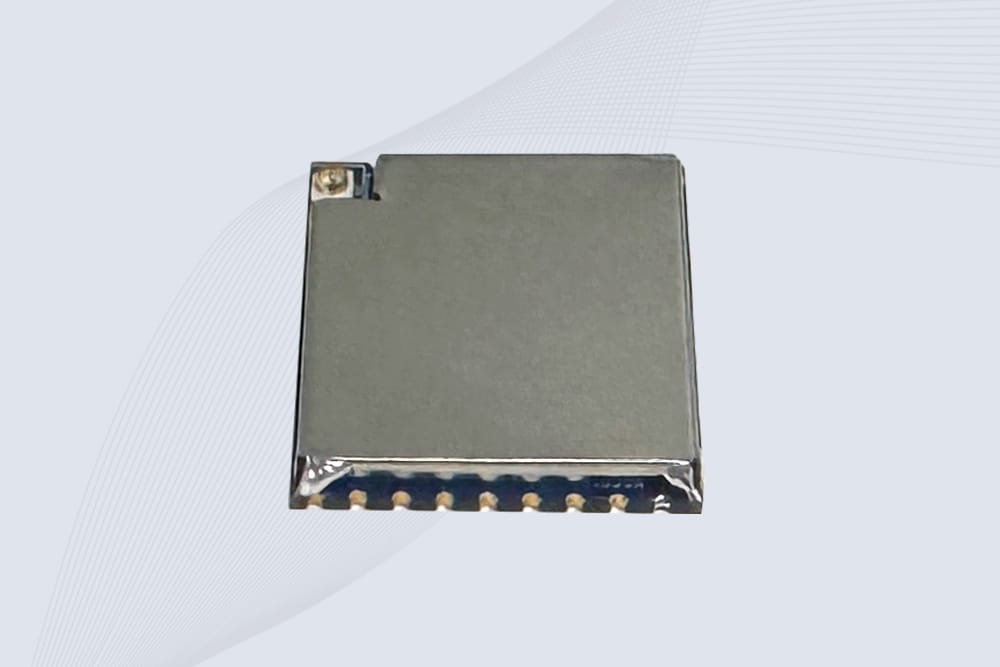
CYKEO Embedded RFID Module is built for compact IoT and industrial devices that need stable UHF performance. This UHF module supports global protocols, low power operation, and reliable multi-tag reading for smart lockers, production lines, and always-on RFID systems.
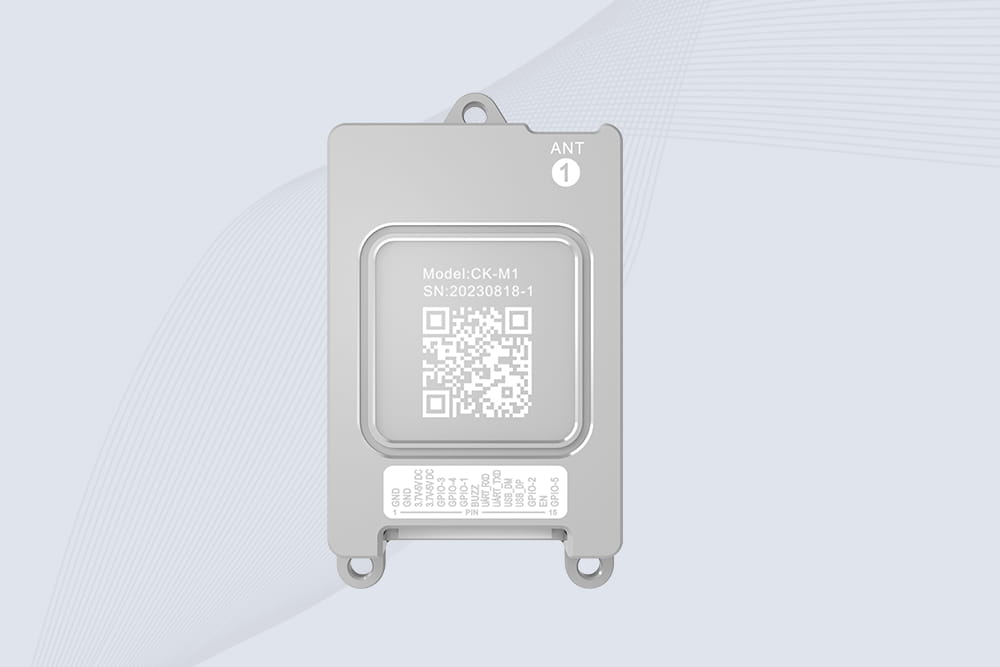
CYKEO CYKEO-M1 drone rfid module is a compact UHF RFID reader module designed for drones and UAV platforms. It supports long-range aerial scanning, fast multi-tag reading, and stable performance in wind, vibration, and outdoor environments.
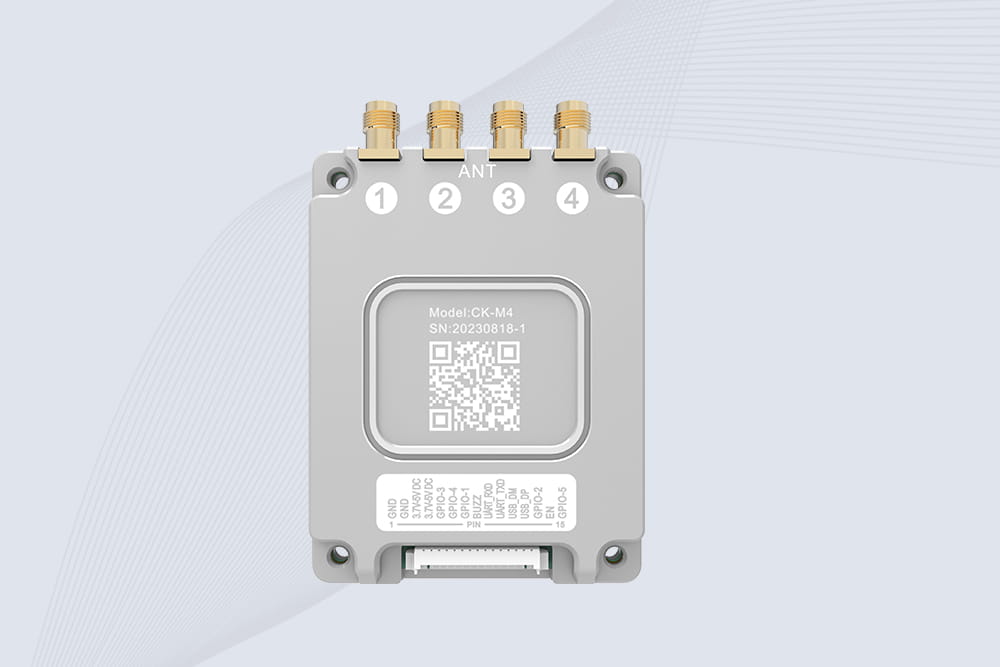
CYKEO CYKEO-M4 RC522 RFID Module is an industrial-grade UHF RFID reader with 4 ports, supporting ISO, EPC, and GB protocols. High-speed, accurate reading for IoT, automation, and warehouse applications.
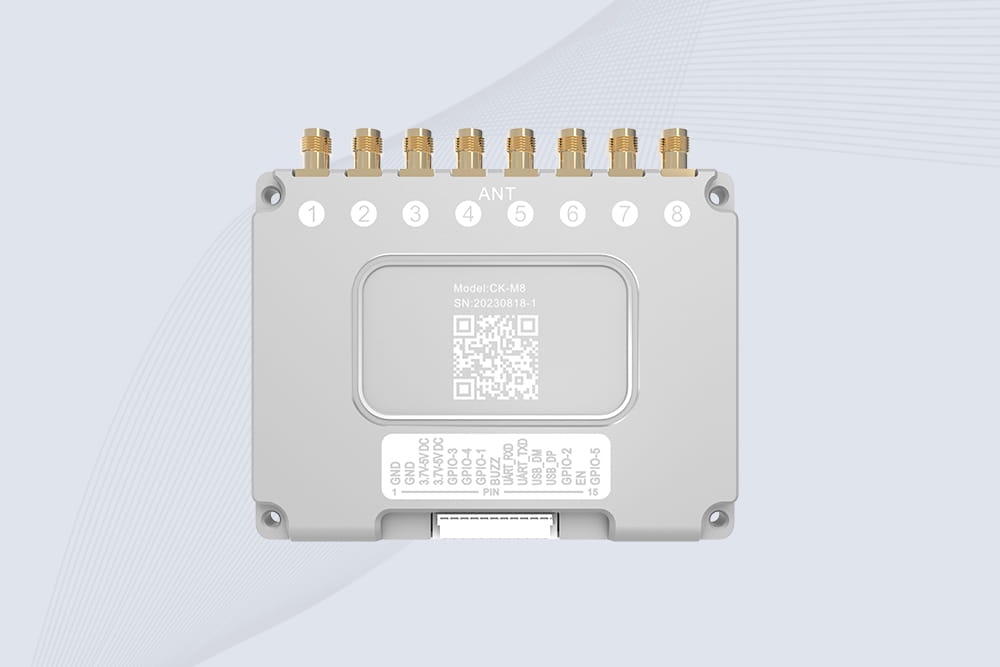
CYKEO CYKEO-M8 Module RFID is an 8-port UHF R2000 RFID Module designed for high-density, multi-tag environments. Stable 33dBm output, ISO & GB protocol support, ideal for warehouses, factories, and automated systems.
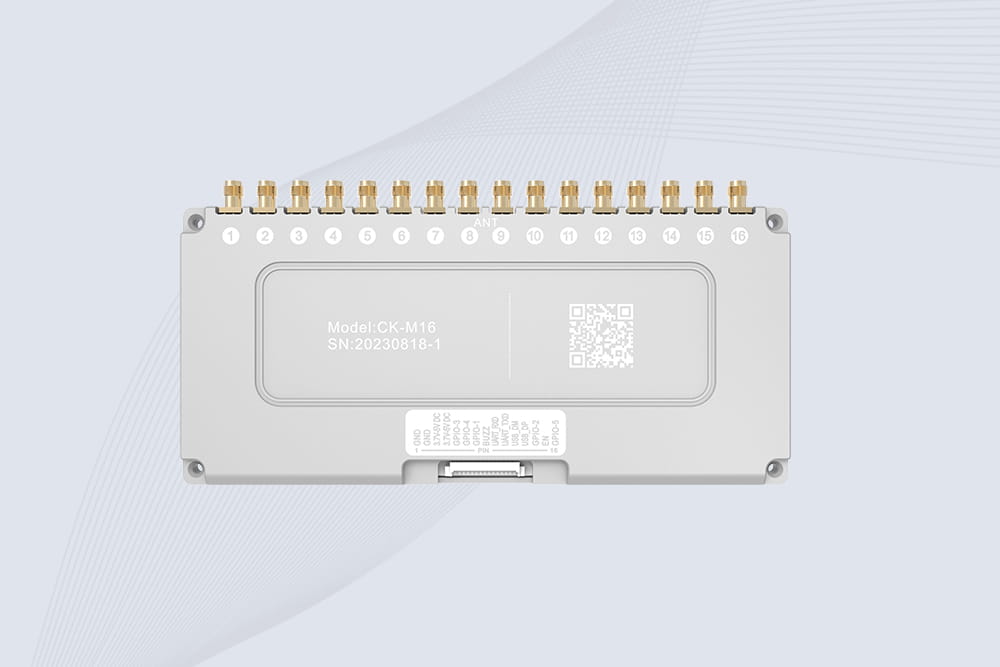
CYKEO CYKEO-M16 RFID Module is a 16-port UHF RFID reader module based on the R2000 chipset. Designed for dense tag environments, it supports ISO and GB standards and delivers stable multi-antenna control for industrial automation.
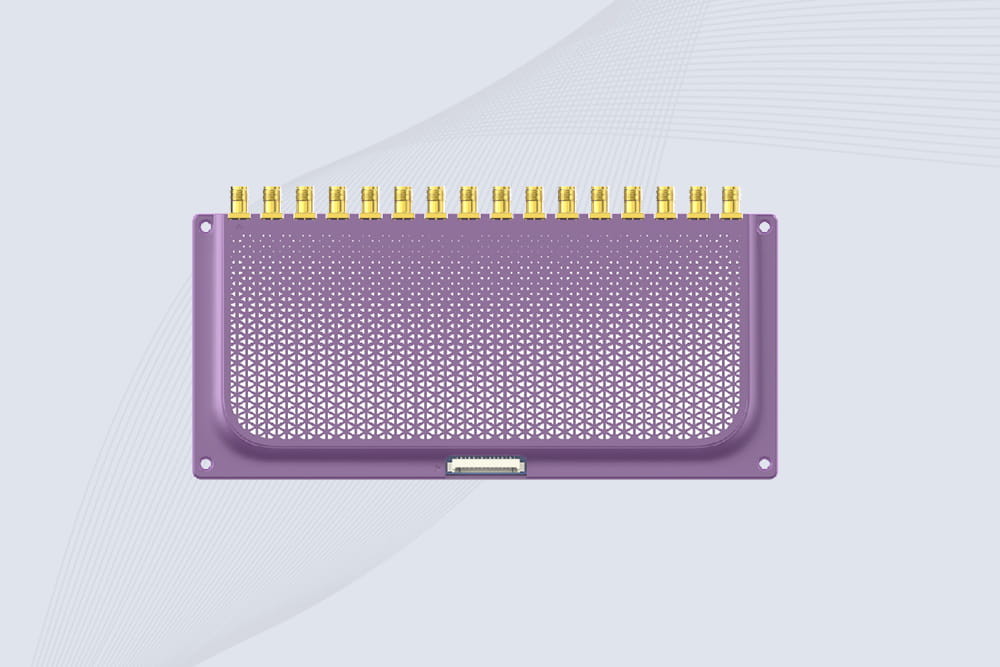
The CYKEO CYKEO-M16L RFID Reader Module is a 16-channel UHF RFID core designed for dense tag environments. With adjustable 33dBm output, multi-protocol support, and stable multi-antenna control, this RFID Tag Reader Module fits industrial automation, warehouse systems, and large-scale IoT deployments.
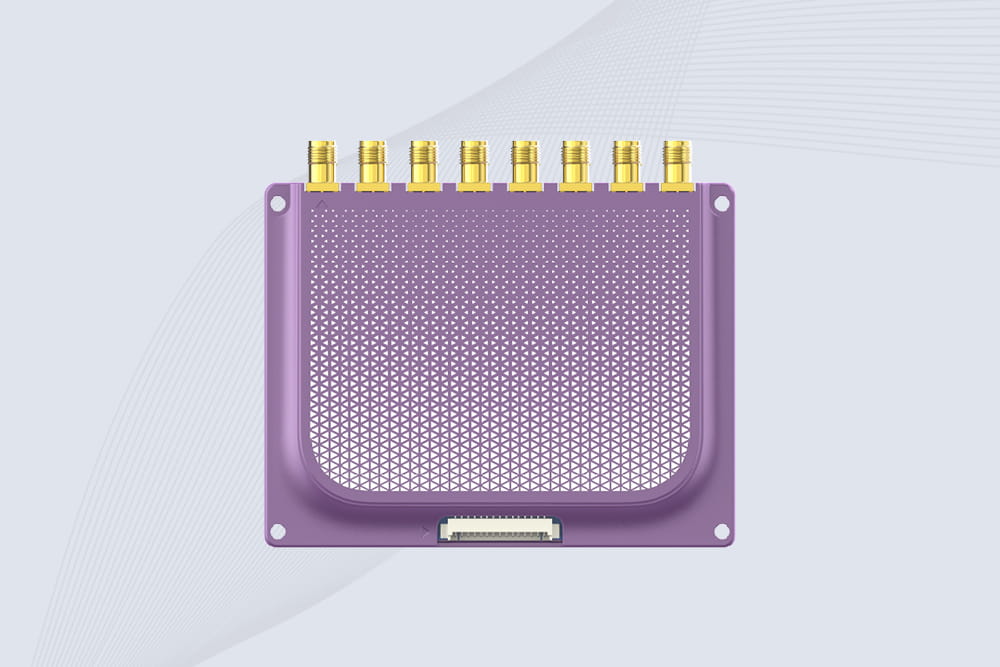
CYKEO CYKEO-M8L module RFID is a compact industrial UHF module built for dense tag and multi-antenna environments. With 8 RF ports, adjustable 33 dBm output, and ISO & GB protocol support, it is widely used in factories, warehouses, and automated tracking systems.
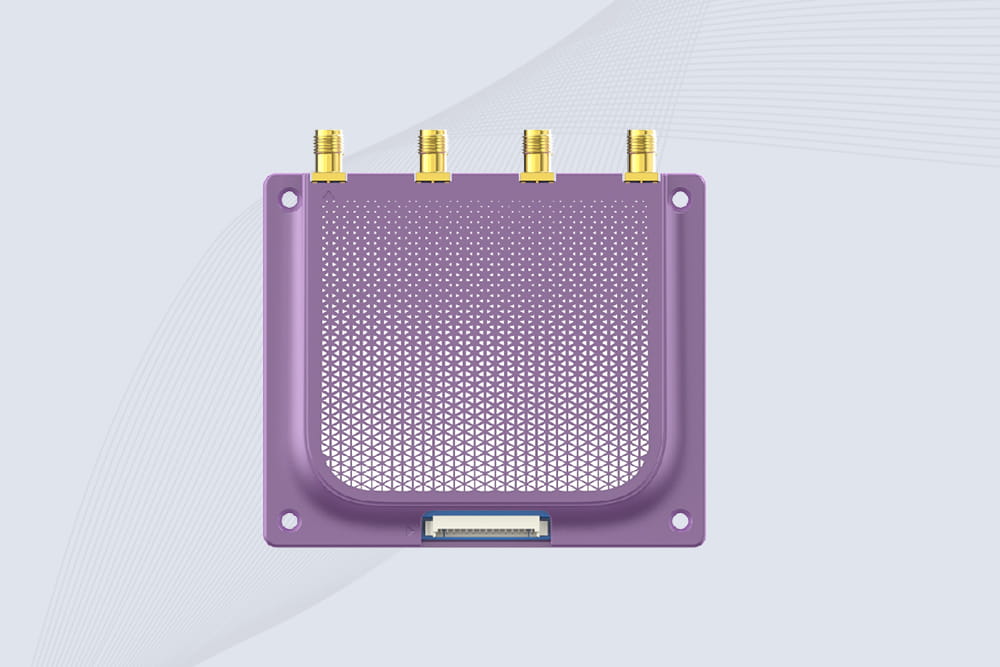
CYKEOCYKEO-M4L UHF RFID Module is a compact 4-channel RFID tag reader module designed for dense tag environments. Supporting ISO and GB protocols, it delivers stable reads up to 10 meters for industrial and IoT systems.
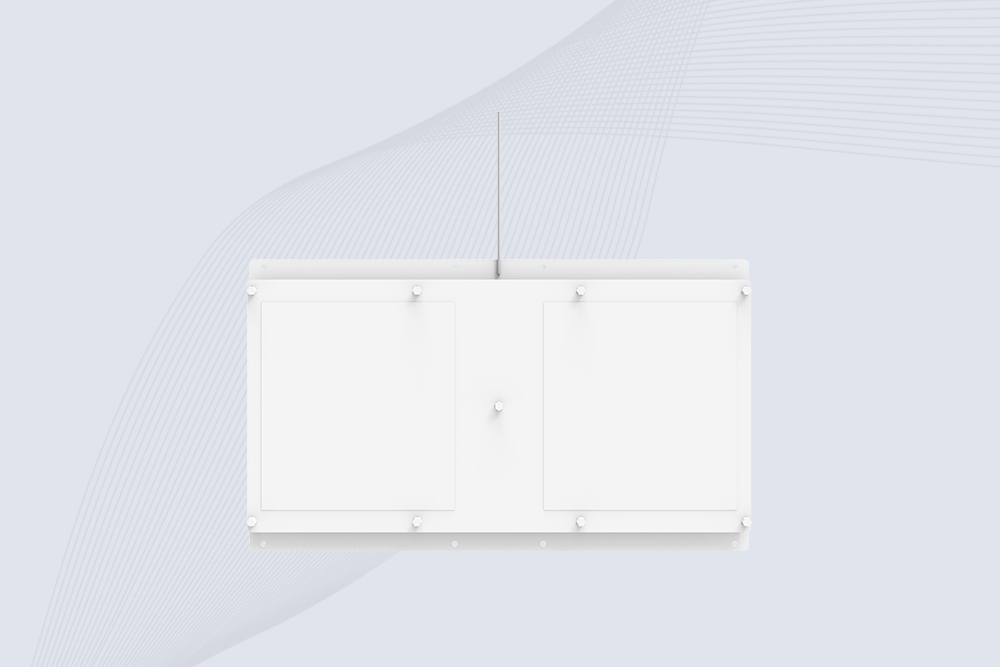
Cykeo CYKEO-A11 UHF RFID reader antenna delivers 11dBi gain, 840-960MHz frequency range, and IP65 ruggedness for retail, logistics, and industrial RFID systems. Features low VSWR and easy installation.
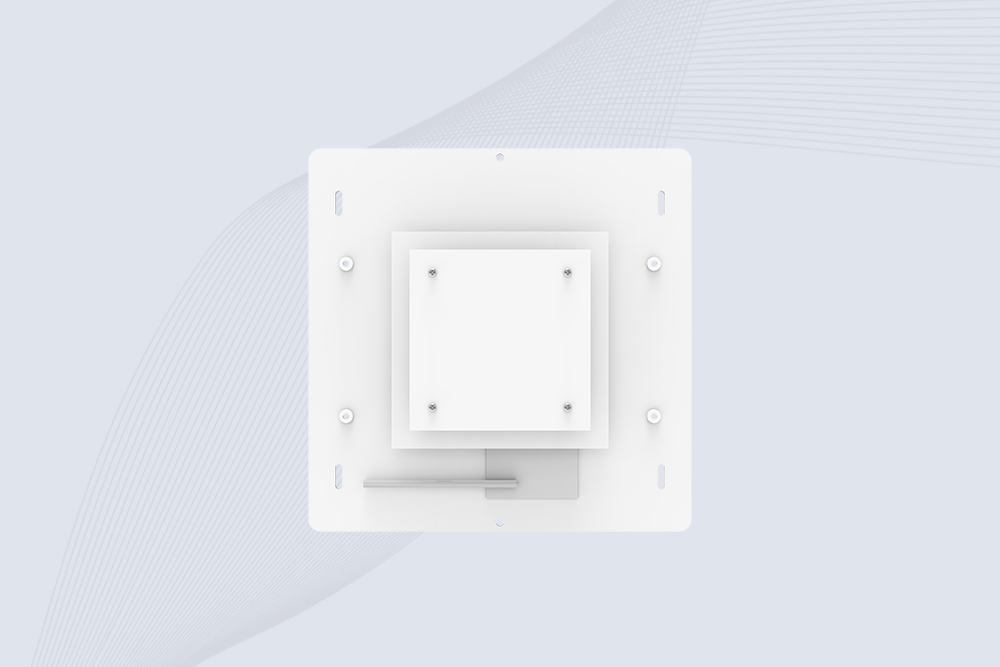
CYKEO Antenna RFID Reader delivers stable long-range UHF performance with a 10.5dBi directional design, built for warehouses, conveyor portals, and industrial RFID systems. This rfid reader antenna provides 20m+ read distance and rugged IP67 protection.

Cykeo CYKEO-PHF3 industrial HF RFID Antenna offers 24-point dynamic tracking, ISO 14443A/15693 protocols, metal-environment stability for archives/libraries/manufacturing.

Cykeo CYKEO-A5B industrial Linear RFID Antenna delivers 5dBi gain, ≤1.5:1 VSWR, and IP65 rugged design for warehouse, production line, and logistics UHF systems.

Cykeo’s CYKEO-B12 Long Range RFID Antenna delivers 15m+ read range with 12dBi gain, IP65 rugged design, and global 840-960MHz UHF support. Ideal for warehouse/logistics asset tracking.
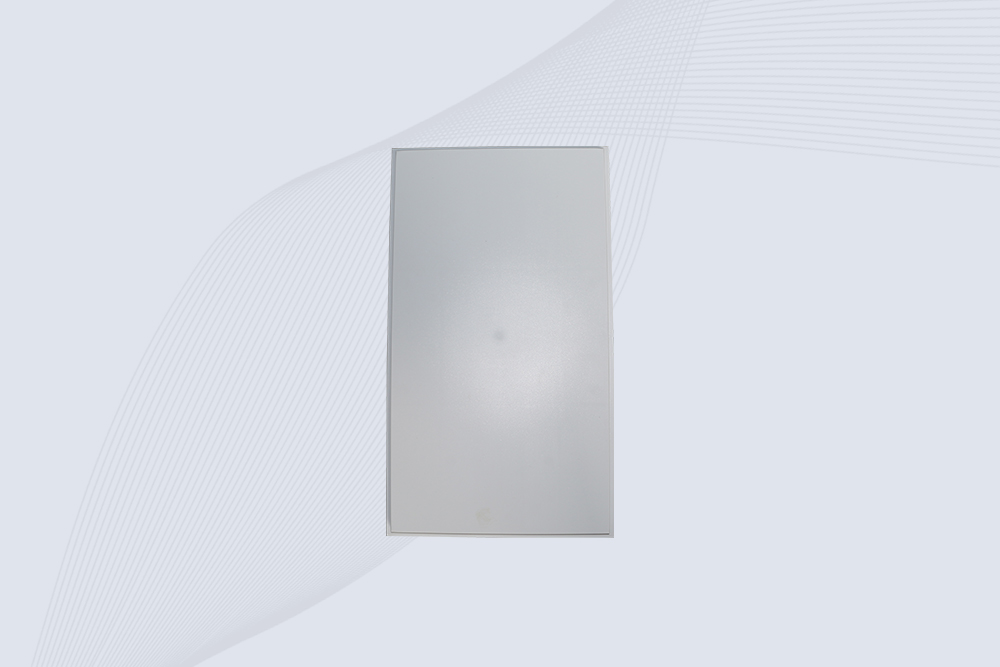
Cykeo CYKEO-B10 Long Distance RFID Antenna offers 10dBi gain, 840-960MHz frequency range, IP65 rating, and 20m+ coverage for logistics/warehousing/ETC systems. Low VSWR ensures stable signal transmission.
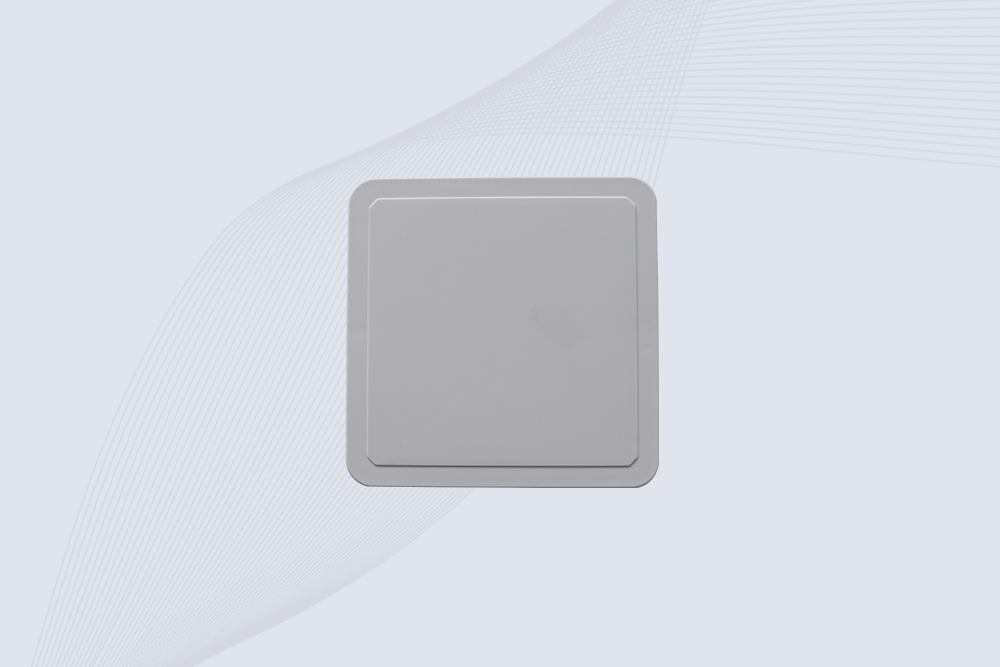
Cykeo CYKEO-A6 UHF RFID panel antenna features 6dBi gain, 840-960MHz broadband, IP65 metal-ready housing for logistics/smart retail. 18mm ultra-thin design with tool-free mounting.

Cykeo CK-A3 industrial antenna RFID UHF offers 5m+ tag detection, ≤1.3:1 VSWR, IP65 rugged design, and global UHF spectrum compatibility (840-960MHz) for warehouses, factories, and retail.
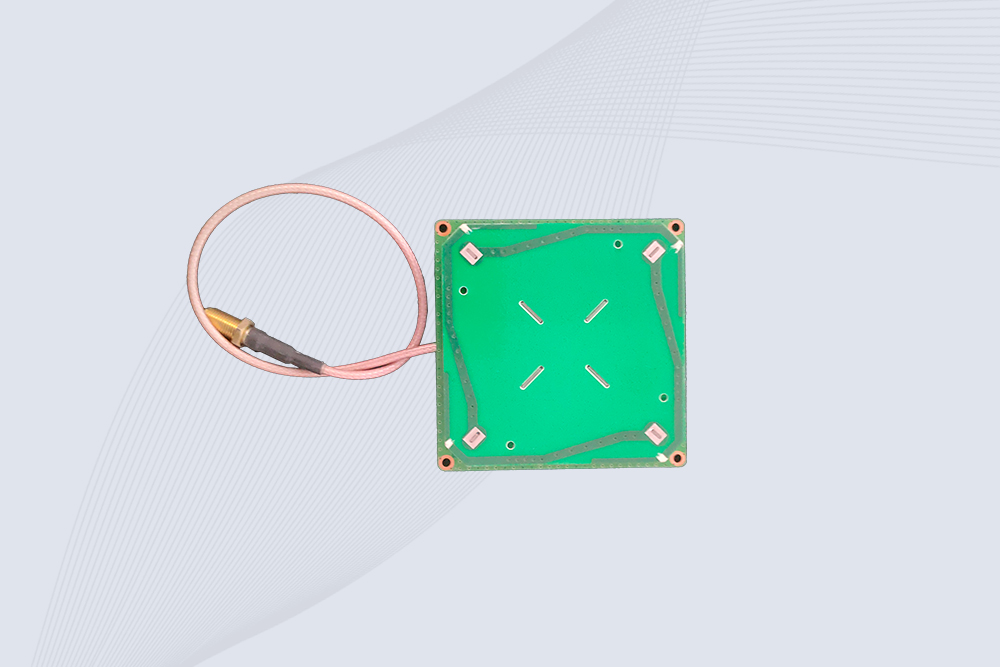
Cykeo CYKEO-B5 directional RFID antenna provides 5dBi gain with 60° narrow beamwidth for precise inventory tracking. IP65-rated, global UHF frequency support, and low VSWR.
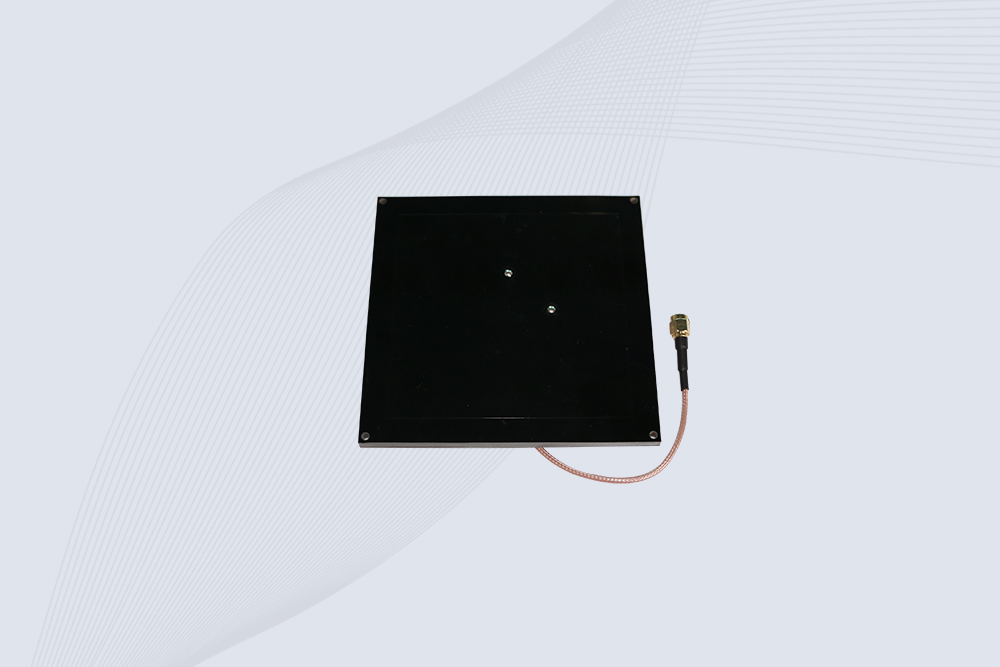
Create your own high-performance DIY RFID antenna! 5dBi gain, 840-960MHz tunable, step-by-step guides. Compatible with Arduino, Raspberry Pi, and commercial UHF readers.
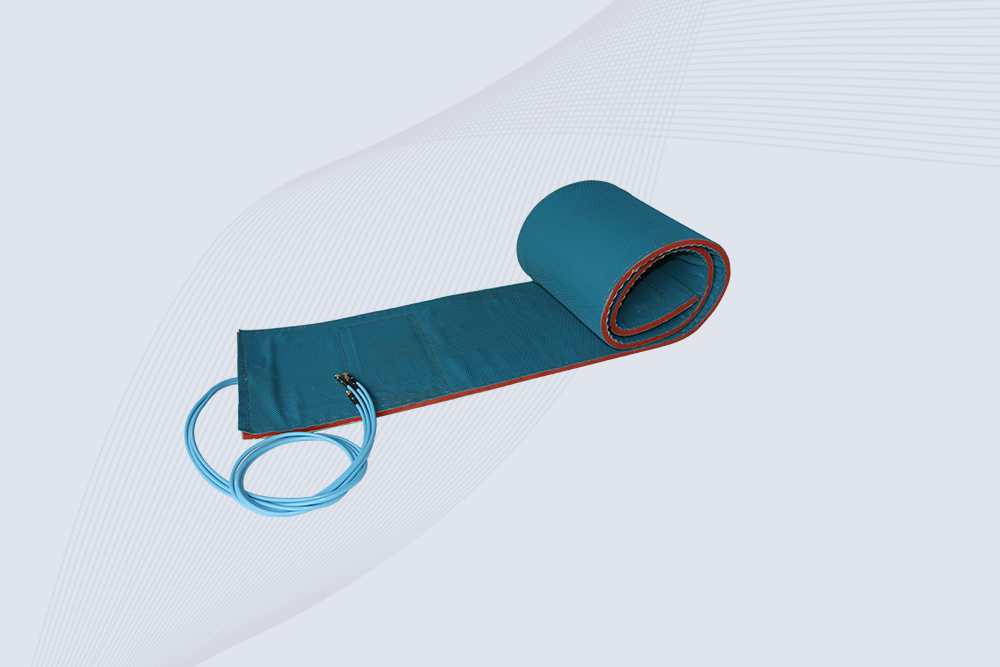
Cykeo CYKEO-A7 Flexible RFID Antenna features 840-960MHz wideband tuning, 7dBi gain, and IP68 rating for medical/retail/industrial curved surface deployments. 98% read accuracy with peel-and-stick installation.
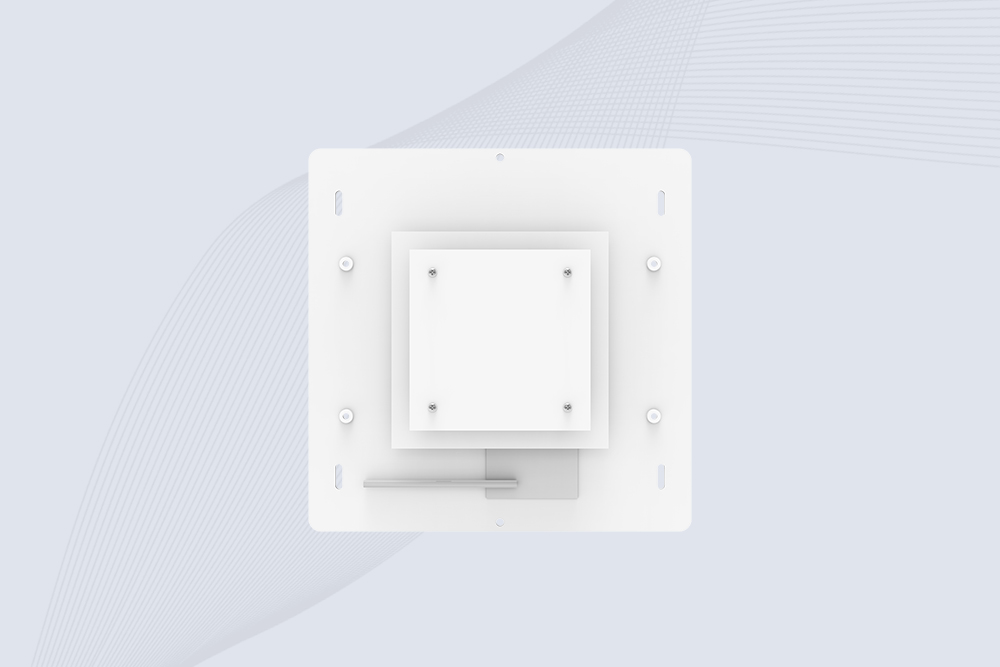
Cykeo CYKEO-B5A industrial Passive RFID Antenna delivers 5dBi gain, 70° beamwidth, and -40°C~55°C operation for warehouses/smart cabinets. Compatible with Zebra/Impinj readers.
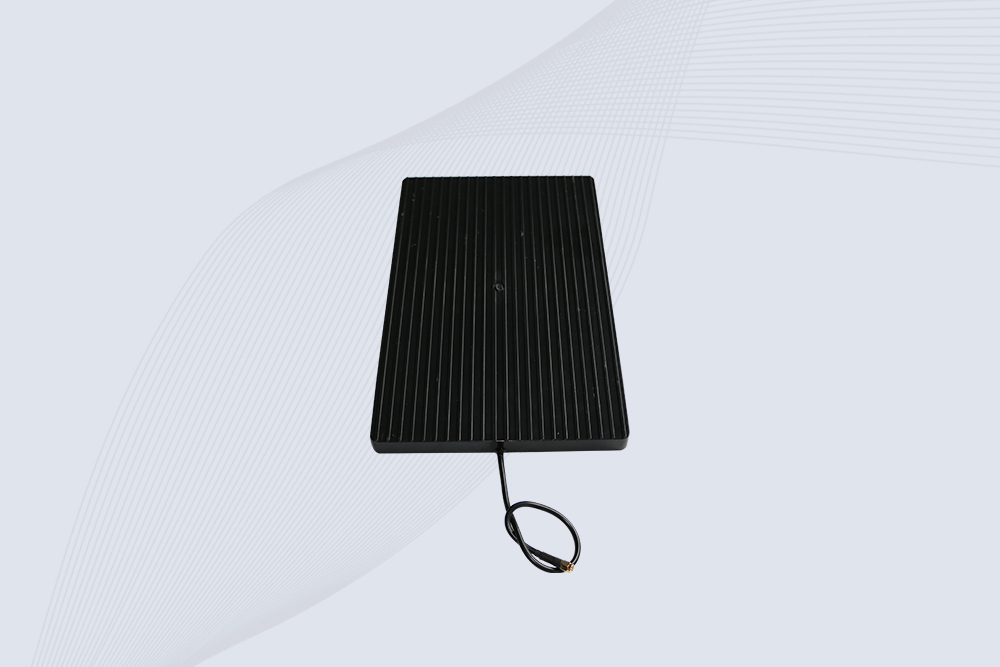
Cykeo’s CYKEO-A9B High Gain RFID Antenna delivers 15m+ read range with 9dBi amplification. Features IP54 rugged design, 840-960MHz bandwidth, and 80° beamwidth for warehouse/manufacturing RFID systems.

Cykeo’s enterprise-grade 8dbi Impinj RFID Antenna 10m+ read range with 840-960MHz tuning. Features IP65 housing, 1.4 VSWR, 35° beamwidth for retail/warehouse RFID systems.
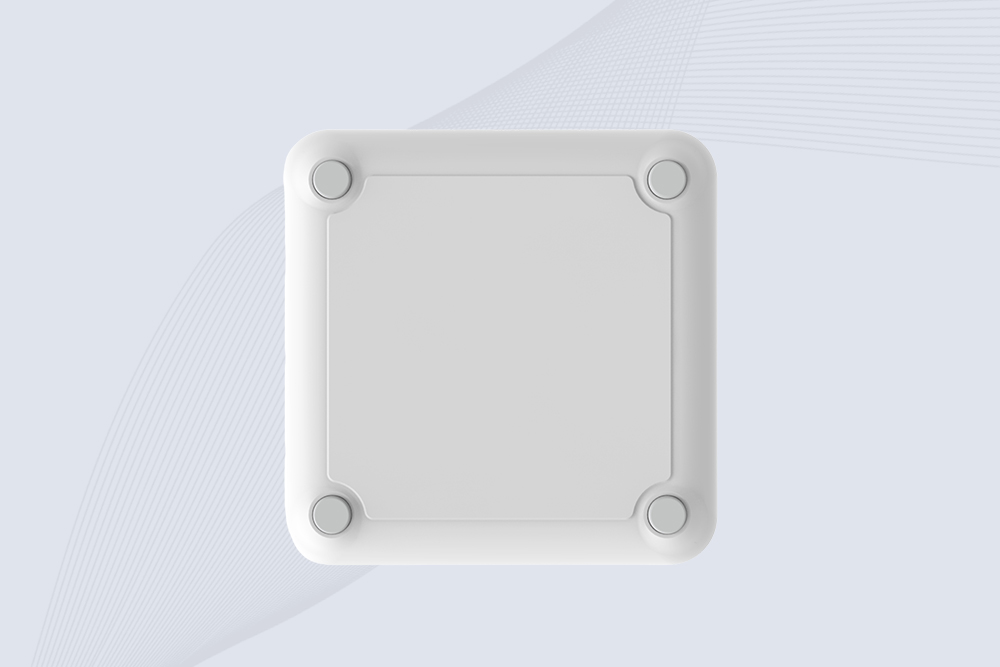
Cykeo CYKEO-A9 industrial UHF RFID antenna delivers 9dBi gain, 840-960MHz frequency range, and IP65 protection for warehouse/logistics/retail RFID systems. Features N-type connector and ≤1.3:1 VSWR.
CYKEO UHF RFID Antenna built for long-distance and industrial applications. This antenna rfid uhf delivers strong gain, outdoor durability, and reliable tag performance in warehouses, yards, and vehicle ID systems.
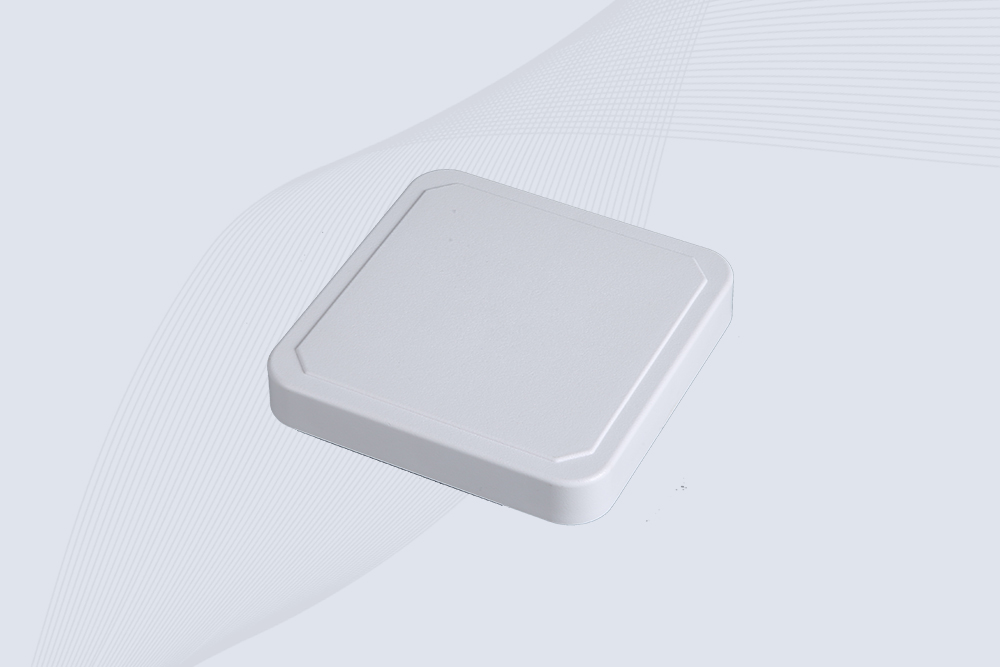
CYKEO Antenna RFID delivers reliable long-range UHF performance in warehouses, retail shelves, and cold-chain environments. This compact uhf rfid antenna provides stable reads with circular polarization and ultra-wide 840–960 MHz support, ideal for industrial tracking, smart shelves, and asset monitoring.
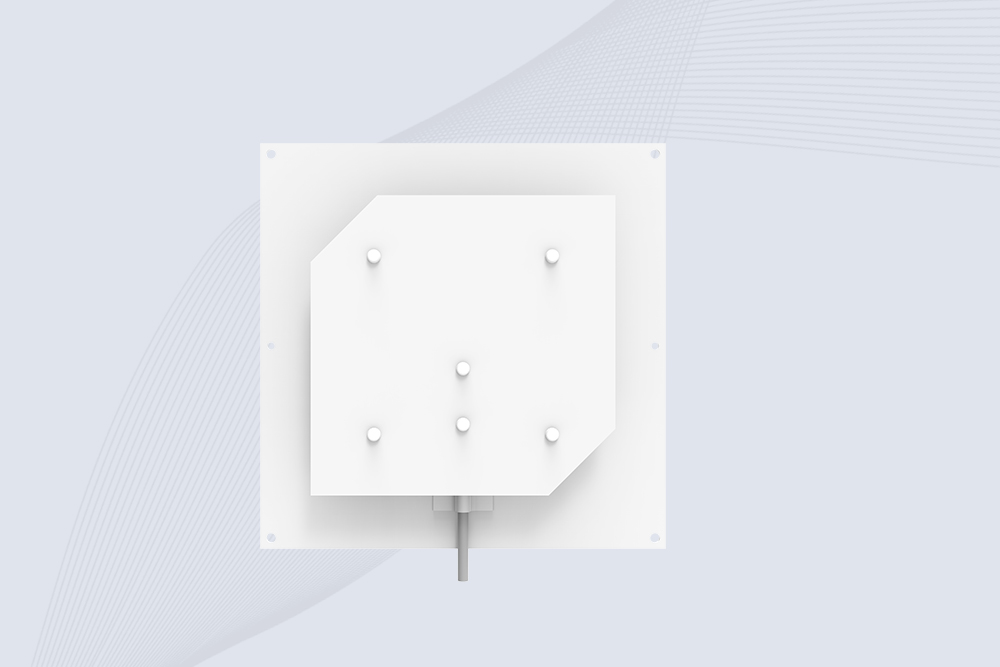
Cykeo’s CYKEO-C8 UHF RFID antennas delivers 8dBi gain, 840-960MHz full-band coverage, and IP65 ruggedness for manufacturing/warehouse RFID systems. Industrial RFID Antennas Features
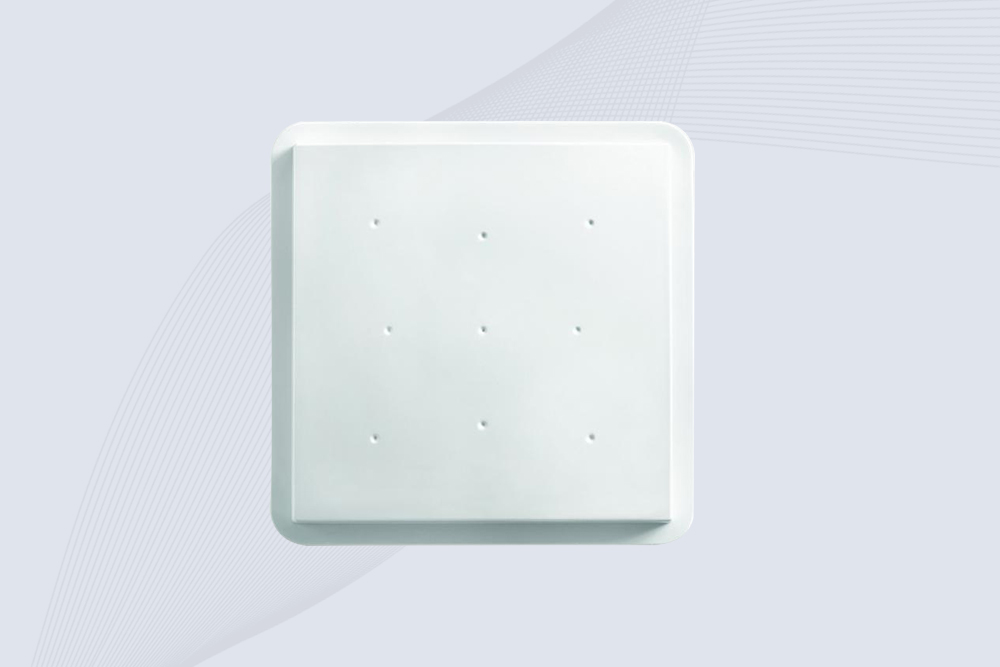
Cykeo’s 8dBi UHF RFID antenna and reader kit delivers 10m+ range, 840-960MHz broadband, and IP65 ruggedness for factories, warehouses, and logistics. ISO 18000-6C & EPC Gen2 certified.
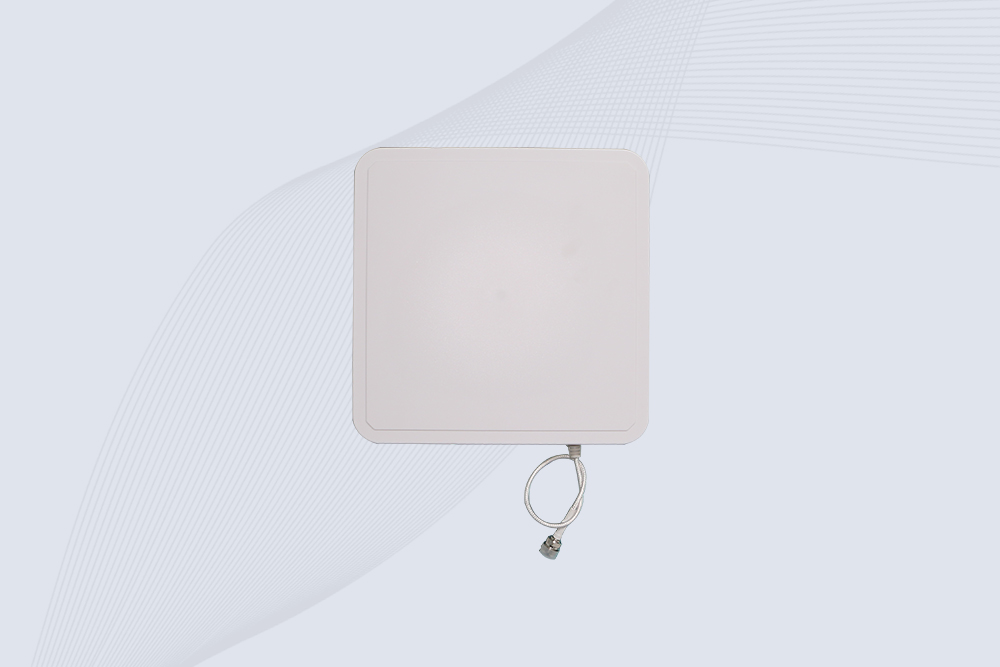
Cykeo CYKEO-A9A industrial UHF RFID reader and antenna kit delivers 10m range, 500 tags/sec, IP65 ruggedness for manufacturing/logistics. Supports EPC Gen2, ISO18000-6C.
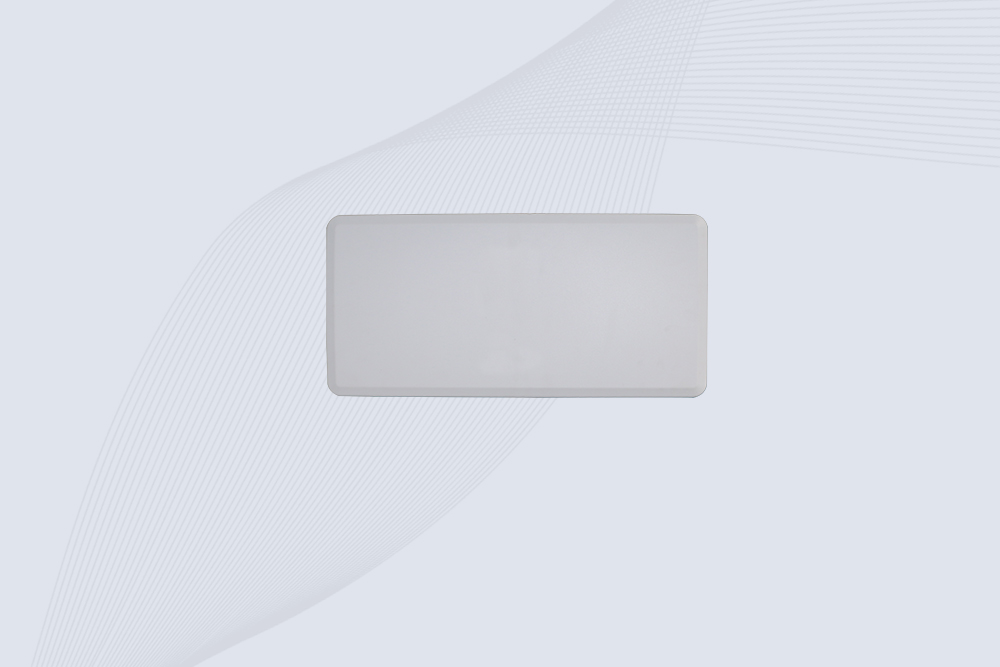
Cykeo’s CYKEO-A12C UHF Large RFID Antenna delivers 12dBi gain, 840-960MHz global frequency, IP65 ruggedness for logistics/warehousing/automotive. 40° beamwidth ensures stable 15m+ tag reads.

CYKEO Near Field RFID Antenna provides precise 5–30 cm reading for shelves, cabinets, and workstations. This compact rfid shelf antenna delivers stable short-range performance around metal and clutter, ideal for pharmacies, libraries, and electronics sorting.
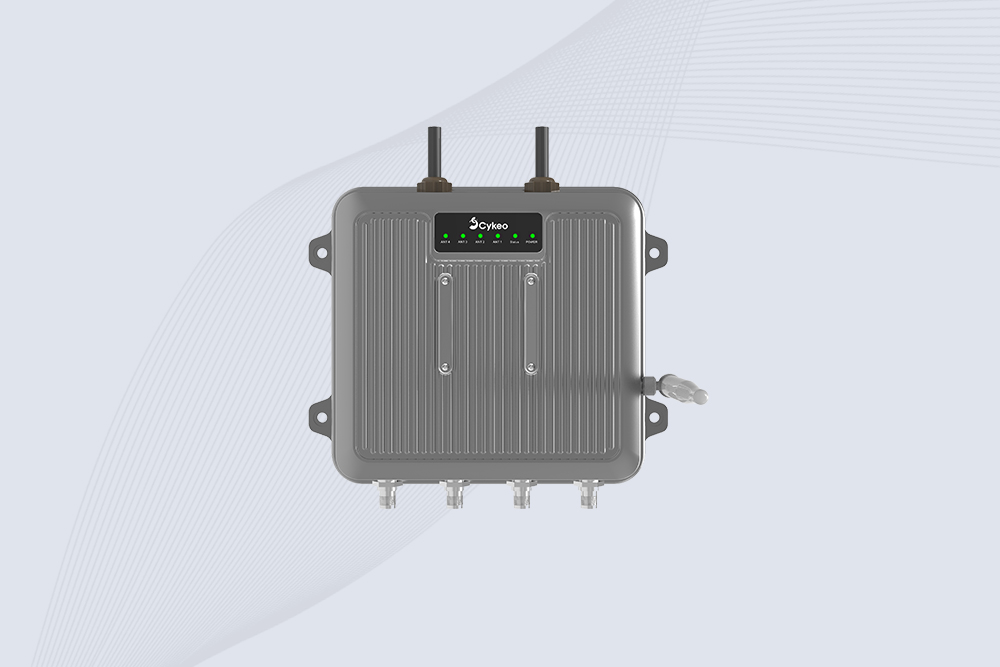
Cykeo CYKEO-C1 industrial Forklift RFID Reader features 20m read range, 600 tags/sec scanning, Impinj R2000 chipset, and IP67 rugged design. Ideal for warehouse logistics and manufacturing. Supports ISO 18000-6C/6B protocols.
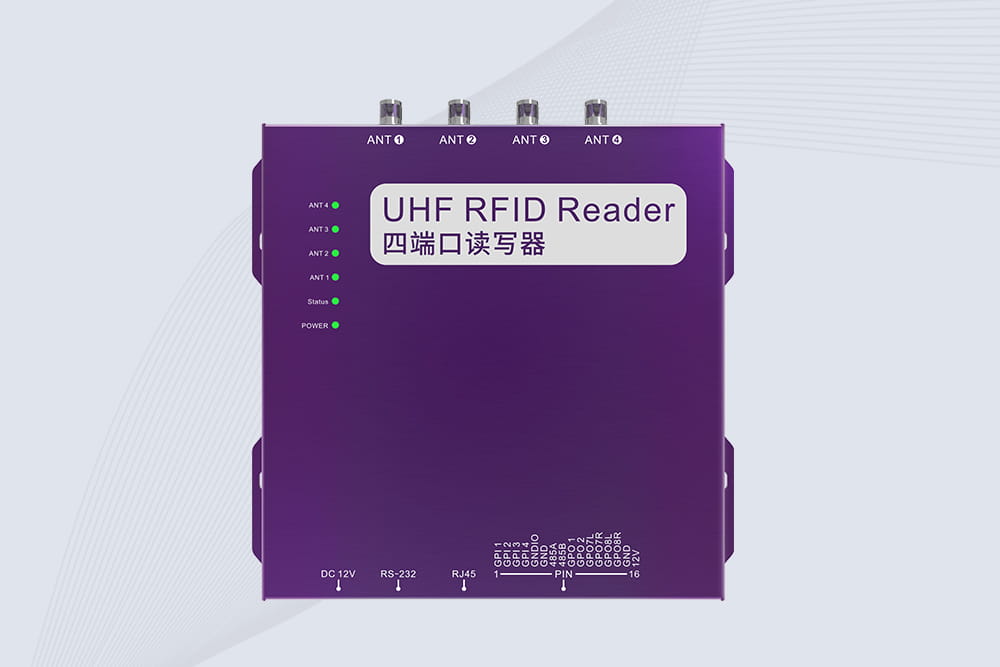
Cykeo CYKEO-R4 industrial UHF RFID Fixed Reader features 4 TNC ports, 400+ tags/sec speed, IP67 housing, and global frequency compliance for vehicle inspection, smart warehouse, and asset management systems.
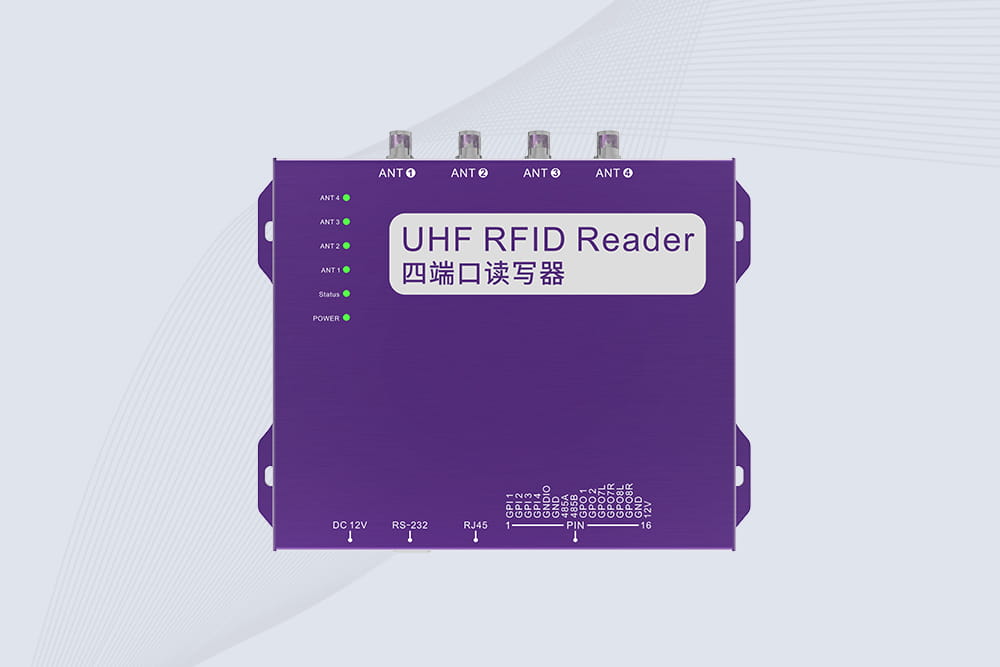
Cykeo’s CYKEO-R4L 4-port Fixed UHF RFID Reader delivers 400 tags/sec scanning, ISO 18000-6C compliance, and IP65 protection. Ideal for warehouse automation, manufacturing WIP tracking, and logistics management.
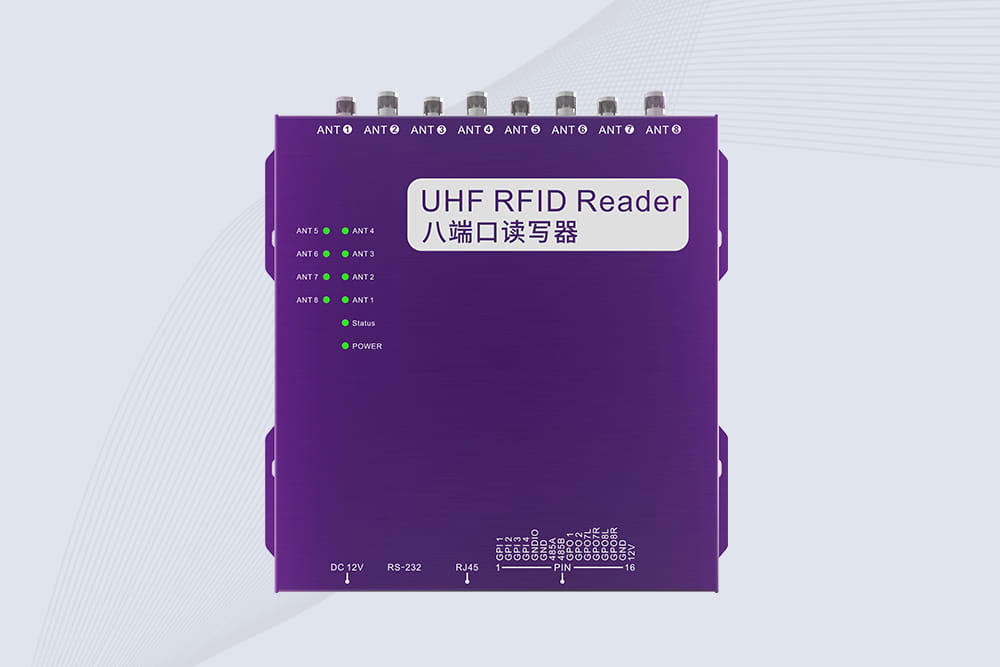
CYKEO CYKEO-R8L Fixed RFID Reader with 8-port UHF design, Impinj-based RF core and up to 20m read range. An industrial Fixed RFID Reader for vehicle inspection, warehouse portals, smart manufacturing lines and secure access checkpoints.
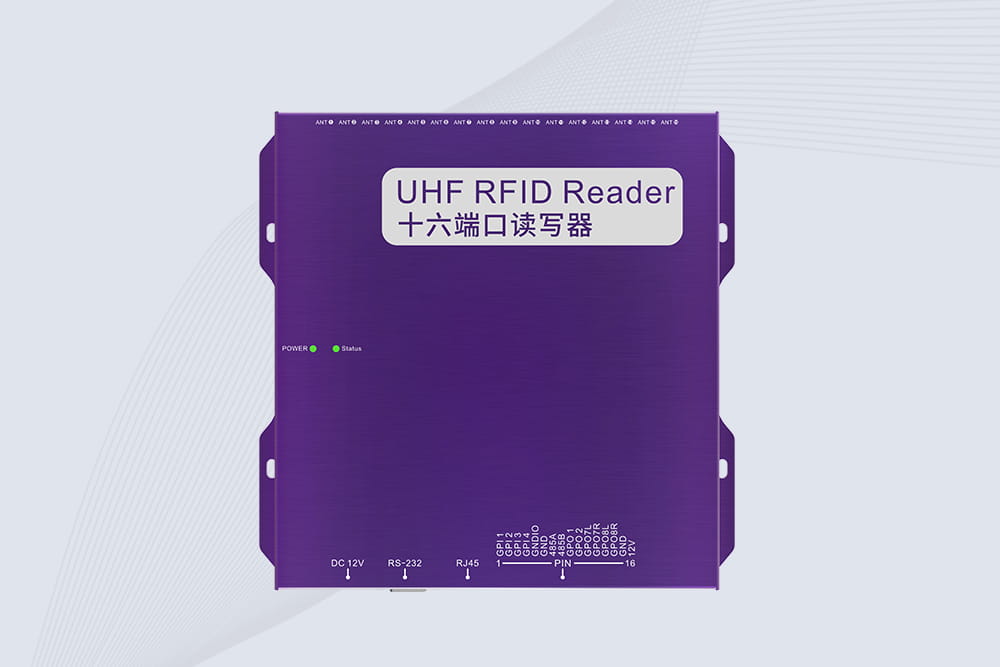
RFID Fixed Reader from CYKEO – the CYKEO-R16L 16-port UHF fixed reader for warehouses, smart cabinets, and production lines. Long-range, multi-tag reading, stable performance for 24/7 industrial use.
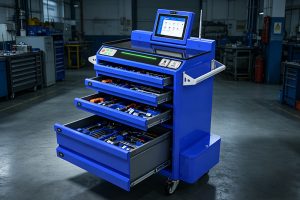
small tool tracking improves tool visibility, reduces loss, and enables real-time RFID-based control in industrial sites, maintenance teams, and warehouses.
More
CK-C2 UHF RFID Inventory Scanner Cart makes tracking tools, books, and medical equipment simple. Roll it down the aisle, scan hundreds of items in minutes, customize with Cykeo antennas and readers, and integrate with ERP or IoT systems using SDK ...
More
A practical guide to building an RFID tracking system using UHF RFID modules and antennas. Covers setup, components, and real-world deployment tips.
More
Learn how a UHF RFID 12dBi antenna improves read range, tag detection accuracy, and RFID system performance. Discover applications, installation tips, and industrial use cases for long-range RFID tracking.
More