 Cykeo RFID IoT Solution Products R&D Manufacturer
Passive RFID Tags vs Active RFID: Which Fits Your Use Case?
1334Compare passive and active RFID tags: costs, range, and use cases. Discover which system (passive or active RFID) fits logistics, healthcare, or industrial tracking.
MoreAll RFID Product
To read an rfid chip, use a compatible RFID reader that sends radio frequency signals to activate the chip and receives the stored identification data. The reader type, chip frequency, antenna design, and environment determine reading accuracy and distance.
An RFID chip is not read by physical contact. Unlike a barcode that requires a direct line of sight, RFID technology uses electromagnetic communication between a reader and a chip. When the reader sends a signal, the RFID chip responds with stored information such as an electronic identification number.
During my work with RFID hardware testing and industrial identification projects, I have seen many teams focus only on the reader specification. In practice, the chip, antenna position, surrounding materials, and software logic often decide whether the system performs reliably.
A factory production line is a typical example. A reader may successfully detect an RFID chip during a laboratory test, but the same setup can behave differently when installed beside metal machinery, moving products, or multiple tags. The challenge is not simply reading a signal; it is creating consistent identification events.
According to GS1, RFID technology enables automatic identification and data capture by using radio waves to communicate between tags and readers. RFID systems are widely used in supply chains to improve visibility, traceability, and operational efficiency.
An RFID chip contains an integrated circuit and antenna. The antenna receives energy from the RFID reader, allowing the chip to transmit stored information back.
The basic communication process includes:
| Stage | Description |
|---|---|
| 1 | RFID reader sends a radio signal |
| 2 | RFID chip receives energy |
| 3 | Chip activates internal circuit |
| 4 | Stored information is transmitted |
| 5 | Reader captures the response |
| 6 | Software processes the data |
Most RFID chips used in logistics and asset tracking are passive RFID chips. They do not contain batteries and rely on energy transmitted from the reader.
The reading process depends on several technical factors:
LF RFID chips usually operate around 125 kHz to 134 kHz.
Common applications include:
LF systems generally provide shorter reading distances but perform well in certain environments.
HF RFID chips operate at 13.56 MHz.
They are commonly used for:
Because HF technology supports short-range communication, it is suitable for controlled reading environments.
UHF RFID chips usually operate between 860 MHz and 960 MHz.
They are widely used for:
UHF RFID systems can support longer reading distances and multiple-chip identification.
The ISO/IEC 18000-63 standard specifies communication protocols for UHF RFID systems operating in this frequency range, supporting communication between RFID readers and tags.
The RFID reader is the device responsible for communicating with the chip.
Common reader types include:
| Reader Type | Typical Usage |
|---|---|
| Desktop RFID reader | Chip registration and writing |
| Fixed RFID reader | Industrial automation |
| Handheld RFID reader | Mobile inventory |
| Embedded RFID module | OEM integration |
The correct reader depends on the application.
A warehouse requiring automatic pallet tracking needs different equipment from a workstation used for RFID chip programming.
The antenna controls how radio signals interact with RFID chips.
Antenna selection affects:
In real deployments, antenna positioning often requires testing because walls, metal structures, liquids, and equipment can affect RFID performance.
The reader only captures chip information.
The software transforms that information into useful business data.
A complete RFID system usually works like this:
RFID Chip
     ↓
RFID Reader
     ↓
Communication Interface
     ↓
RFID Software
     ↓
Database / Business System
The software can manage:
arehouses use RFID chips to improve inventory visibility.
Typical processes include:
Instead of manually scanning individual barcodes, RFID readers can identify multiple tagged items automatically.
Auburn University RFID Lab research has demonstrated that RFID-based inventory systems can improve inventory accuracy in retail environments. One study involving RFID-enabled inventory adjustment reported a reduction in inventory record inaccuracy when automatic RFID data was used.
Manufacturers use RFID chips to track:
The value comes from knowing where an item is and what happened to it.
Hospitals apply RFID technology for:
Healthcare environments require accurate identification because incorrect information can affect workflow efficiency.
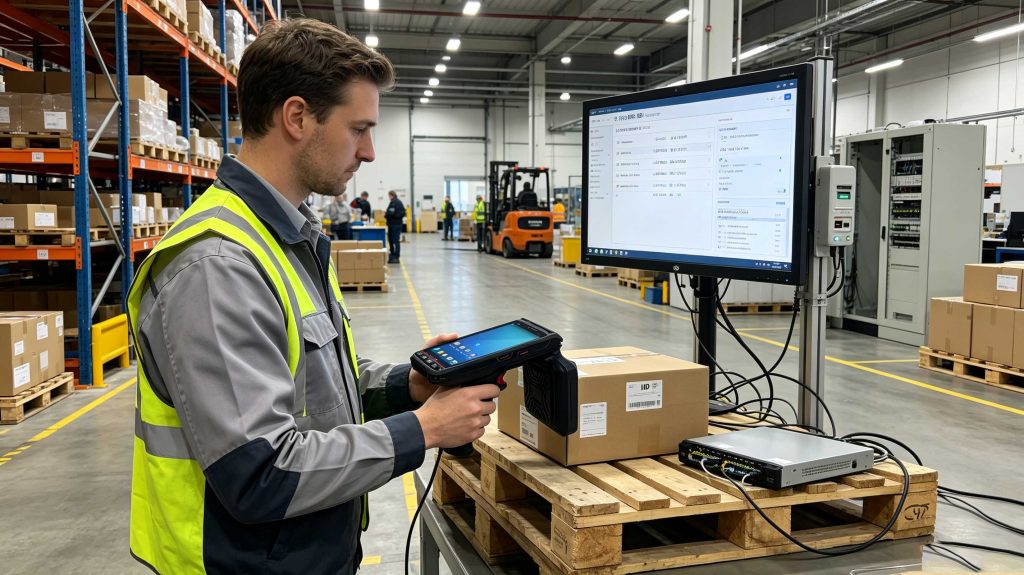
The position of an RFID chip can significantly influence performance.
Important considerations:
For example, an RFID chip attached directly to metal may require a specialized on-metal RFID tag design.
Professional RFID readers allow adjustment of:
Increasing power does not always improve results.
A controlled reading zone is often more valuable than maximum range.
Real-world environments may include:
Testing under actual operating conditions is essential before large-scale deployment.
Cykeo develops RFID hardware solutions for industrial identification, including UHF RFID readers, desktop RFID writing platforms, and embedded RFID modules.
Key capabilities include:
Support for ISO 18000-6C / EPC C1G2 compatible applications
Multi-tag identification algorithms
Adjustable RF output power
Tag data filtering technology
SDK and API integration support
USB, Ethernet, and serial communication options
Cykeo RFID solutions are designed for:
For developers and system integrators, reliable RFID chip reading depends on combining hardware performance with practical application experience.
Reading an RFID chip successfully in a real environment requires more than placing a reader close to the tag. In industrial projects, the reading process involves hardware selection, RF configuration, antenna positioning, and software interpretation.
From my experience working with RFID system evaluation and deployment, I have found that many first-time users focus on “how far can the reader detect the chip?” However, a longer distance does not always mean a better system. In a warehouse, factory, or hospital, uncontrolled reading can create incorrect inventory records.
A professional RFID system should answer three practical questions:
For UHF RFID applications, ISO/IEC 18000-63 defines the air interface communication between RFID readers and tags operating in the 860 MHz to 960 MHz range. The standard describes reader-to-tag communication, tag response mechanisms, and multi-tag collision handling.
Most industrial RFID chips are passive devices. They do not contain a battery. Instead, they receive energy from the reader signal and return information through backscatter communication.
The communication process works as follows:
| Process | Technical Operation |
|---|---|
| Signal transmission | Reader sends RF energy |
| Chip activation | RFID chip receives power |
| Data response | Chip reflects encoded information |
| Reader decoding | Reader interprets the response |
| Software processing | System creates business events |
This method allows RFID systems to identify many tagged objects without direct contact.
For example, a warehouse entrance equipped with UHF RFID readers can detect tagged pallets as they pass through a checkpoint.
The reader does not understand the business meaning.
The software does.
Desktop RFID readers are often used before RFID chips enter operational environments.
Typical uses include:
A controlled reading range is important in these situations.
For example, Cykeo RFID desktop reading platforms use near-field antenna technology to keep the reading area controlled. This helps prevent nearby RFID chips from being accidentally detected during registration.
Common advantages include:
| Feature | Practical Value |
|---|---|
| Short reading distance | Better control |
| USB communication | Simple connection |
| Reading and writing function | Supports chip programming |
| Demo software | Faster deployment |
Fixed RFID readers are designed for continuous operation.
Common applications:
A fixed RFID system normally includes:
The challenge is not detecting the RFID chip.
The challenge is creating accurate events.
Example:
Incorrect system logic:
RFID chip detected near warehouse door.
Correct business event:
Pallet A entered storage area B at 10:25 through receiving gate 02.
Handheld RFID readers provide flexibility when operators move through large areas.
Typical applications:
The operator can scan hundreds of RFID chips while walking through an area.
However, handheld systems require workflow design.
Poor operation methods may create:
Different environments require different RFID chip designs.
| Environment | Recommended RFID Chip Type |
|---|---|
| General products | Standard RFID label |
| Metal equipment | On-metal RFID tag |
| Outdoor assets | Rugged RFID tag |
| Small items | Compact RFID tag |
Metal and liquid are common factors affecting RFID performance.
A standard RFID chip attached directly to metal may have reduced performance because the surface changes the antenna characteristics.
The antenna determines how the RFID signal interacts with chips.
During deployment testing, engineers normally evaluate:
A warehouse gate and a smart cabinet require completely different antenna strategies.
There is no universal antenna placement.
Professional RFID readers allow adjustment of:
Increasing power may increase reading distance, but it can also expand the reading area beyond the required zone.
A controlled reading environment usually creates better data quality.
RFID chip reading helps warehouses improve visibility across:
Instead of scanning each barcode individually, RFID readers can identify multiple tagged items automatically.
Important performance indicators include:
| KPI | Purpose |
|---|---|
| Read accuracy | Measures identification reliability |
| Read speed | Measures operational efficiency |
| False reads | Detects unwanted identification |
| Event delay | Measures system response |
Manufacturers use RFID chips to track:
A production line can automatically record when an item moves between stations.
This reduces manual recording and improves process visibility.
Hospitals use RFID chip reading for:
In healthcare environments, accuracy is more important than maximum reading distance.
A system that reads the wrong item faster is still unreliable.
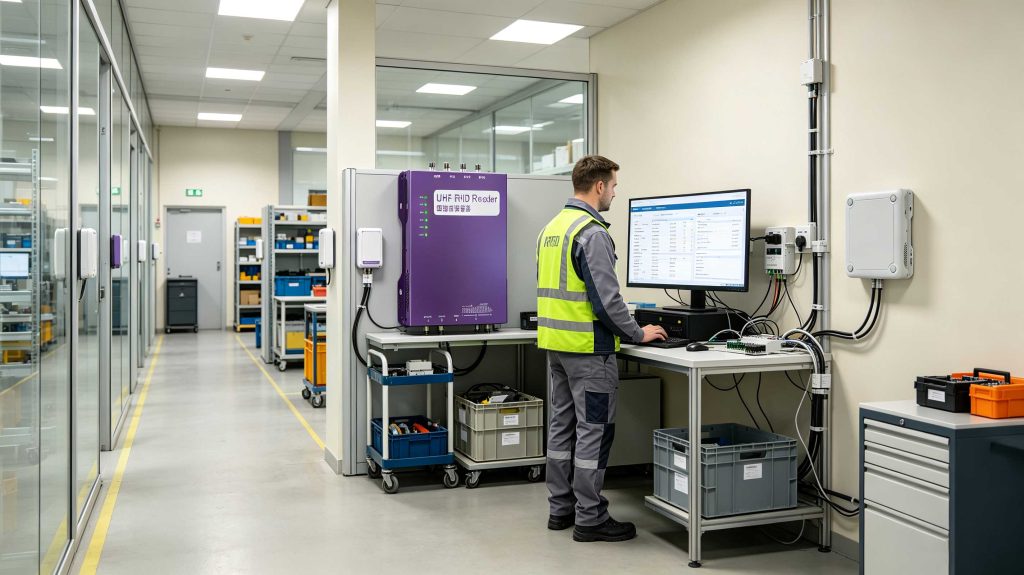
Possible reasons:
Recommended checks:
Common causes:
Solutions:
Cykeo provides RFID hardware designed for industrial identification and automation applications.
Solutions include:
Key capabilities include:
ISO 18000-6C / EPC C1G2 compatibility
Multi-tag identification
Adjustable RF output power
Tag data filtering
SDK and API development support
USB, Ethernet, and serial communication options
Cykeo RFID products are designed for:
An RFID reader compatible with the chip frequency is required. The reader communicates with the chip and transfers identification data to software.
Only some RFID technologies can be read by smartphones. Most phones support NFC/HF RFID but cannot directly read industrial UHF RFID chips.
The reading distance depends on chip type, reader power, antenna design, and environment. UHF RFID systems generally provide longer reading ranges than HF systems.
Yes. UHF RFID systems support multi-tag identification using anti-collision technology defined in RFID communication standards.
Possible reasons include incorrect frequency, damaged tags, unsuitable installation, interference, or incorrect reader settings.
Most passive RFID chips do not require batteries. They receive energy from the reader signal and return information through backscatter communication.

SSD-A06 UHF RFID antenna with circular polarization, adjustable 840–960 MHz frequency, ≥4.5 dBi gain, and a compact directional design for RFID systems.
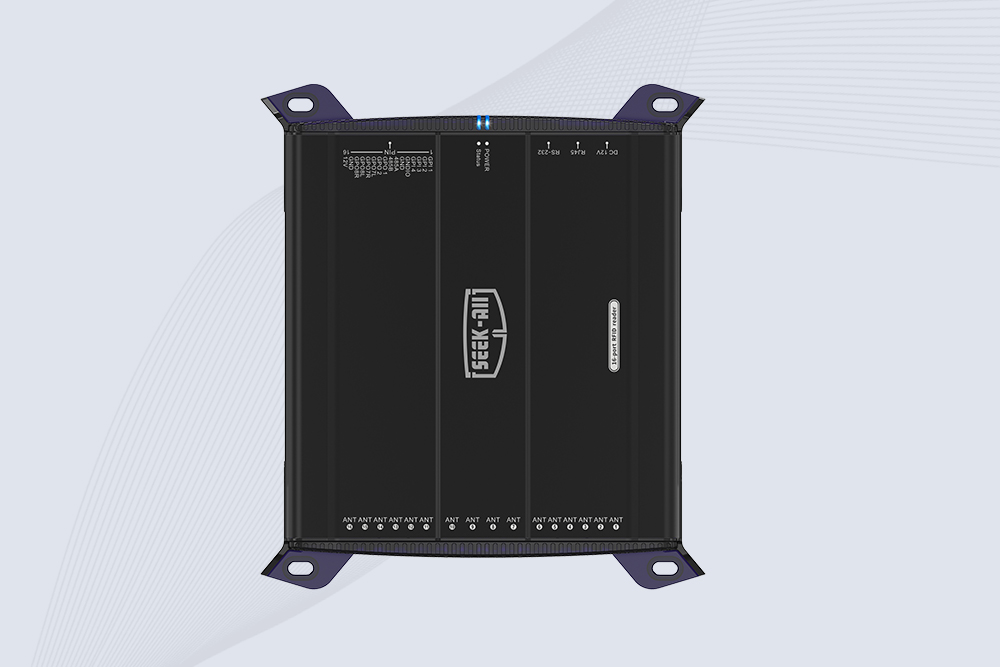
SSD-R16L Multi-Channel RFID Infrastructure for Automated Inventory Management ✔️ 16-Port High-Density RFID Reading Equipped with 16 SMA antenna ports, SSD-R16L supports multi-antenna deployment for warehouses, retail stores, logistics, production lines, and large-area RFID identification. ✔️ High-Speed & Long-Range Performance With up to 33…
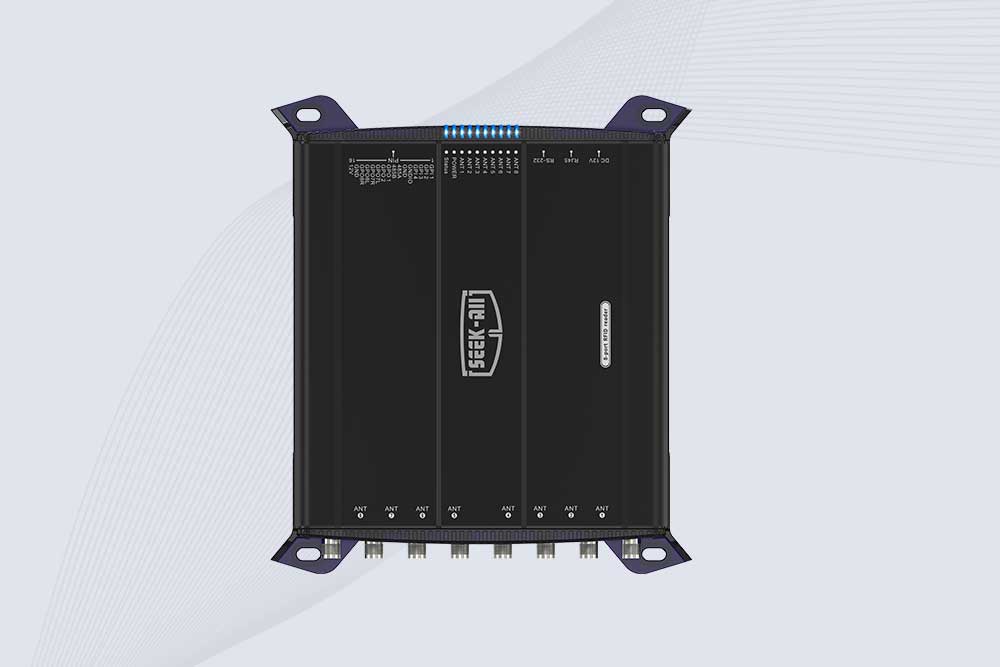
SSD-R8L 8-port UHF RFID reader with 33dBm output, up to 20m reading range and 600+ tags/s recognition. Ideal for warehouse, logistics, retail and asset tracking.
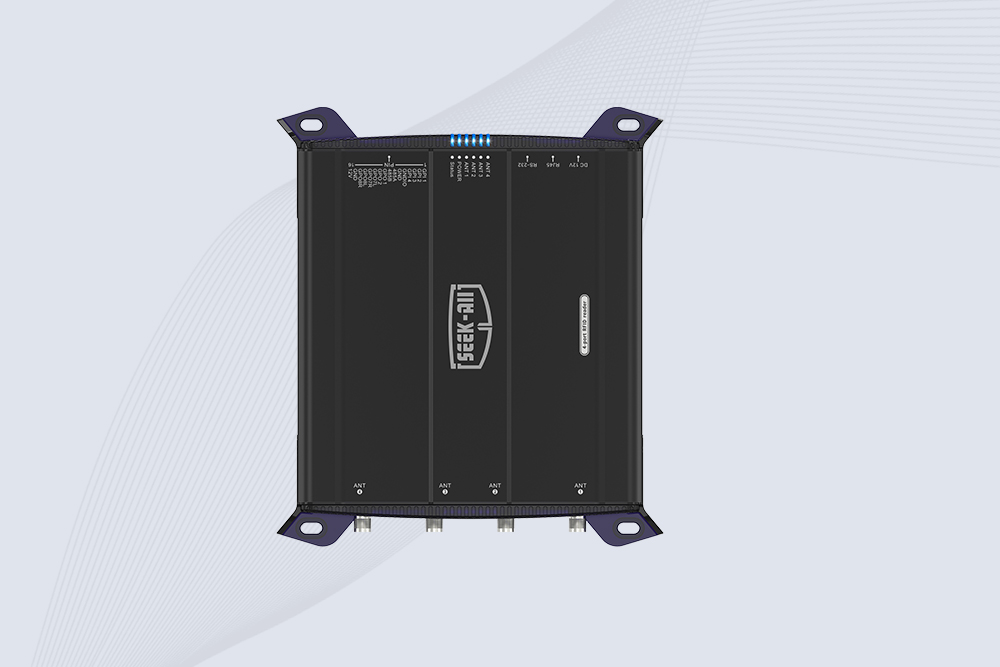
SSD-R4L is a 4-port UHF RFID fixed reader with 33dBm output power, up to 20m reading range, EPC C1G2 support and 600+ tags/s reading speed.
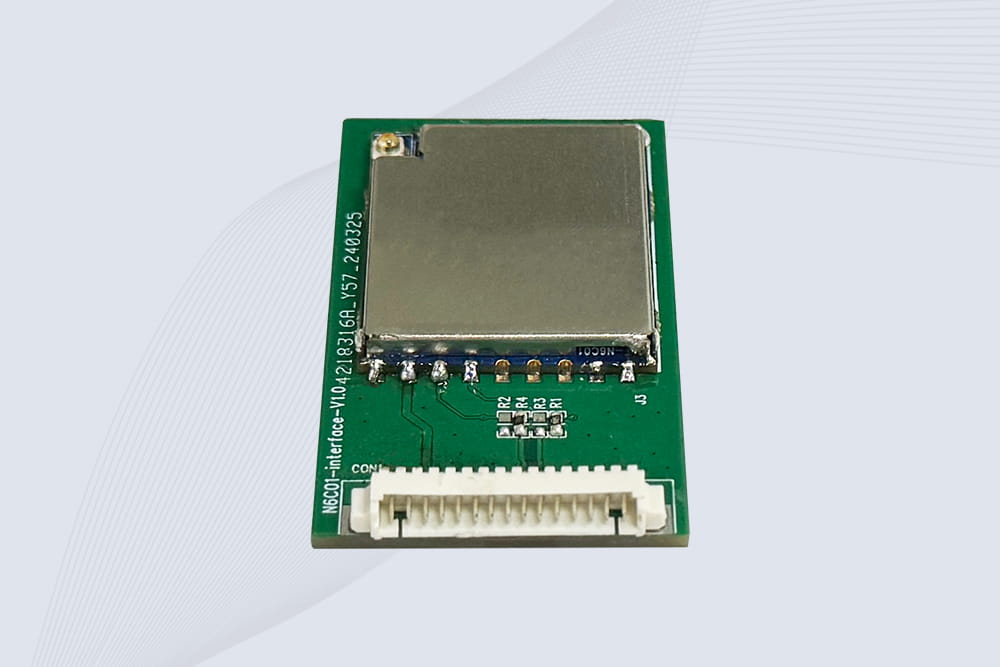
CYKEO Embedded RFID Modules are designed for compact industrial and IoT devices that require stable UHF performance. These UHF RFID Modules support global protocols, flexible power control, and reliable multi-tag reading for smart cabinets, production lines, and asset tracking systems.
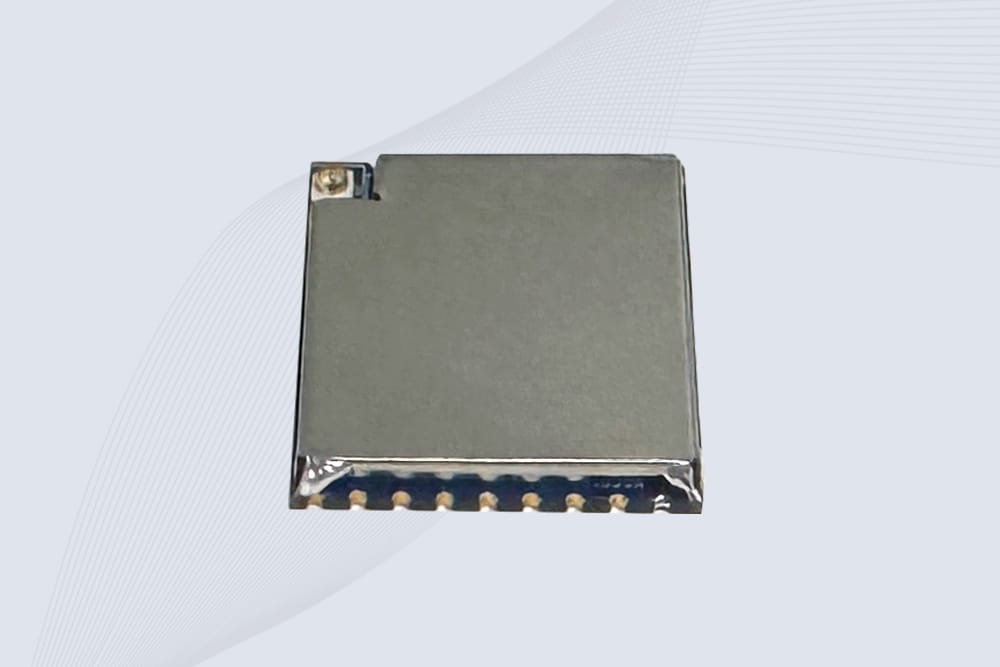
CYKEO Embedded RFID Module is built for compact IoT and industrial devices that need stable UHF performance. This UHF module supports global protocols, low power operation, and reliable multi-tag reading for smart lockers, production lines, and always-on RFID systems.
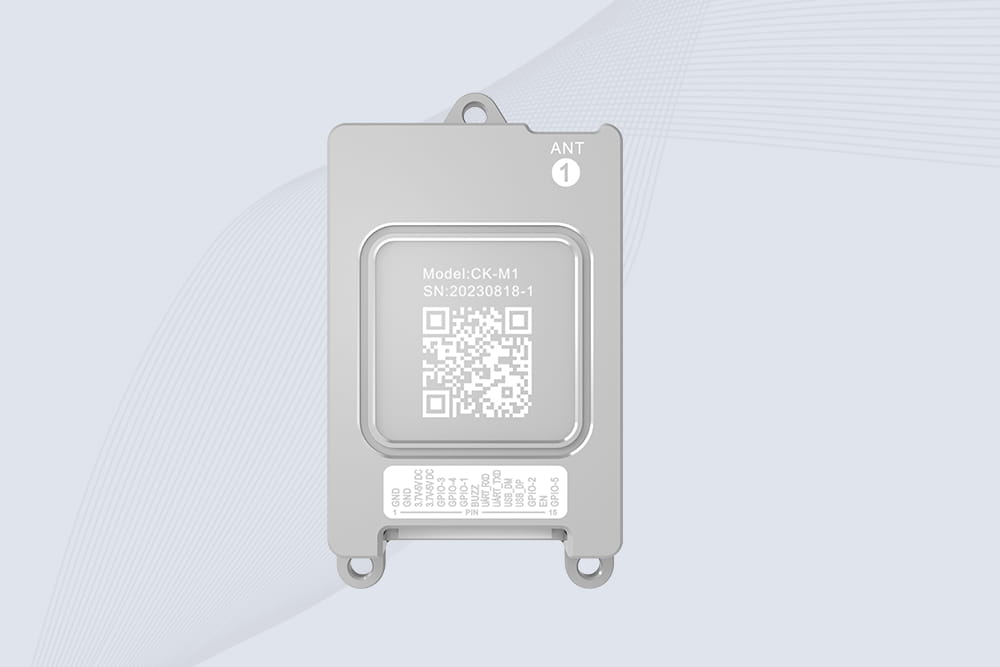
CYKEO CYKEO-M1 drone rfid module is a compact UHF RFID reader module designed for drones and UAV platforms. It supports long-range aerial scanning, fast multi-tag reading, and stable performance in wind, vibration, and outdoor environments.
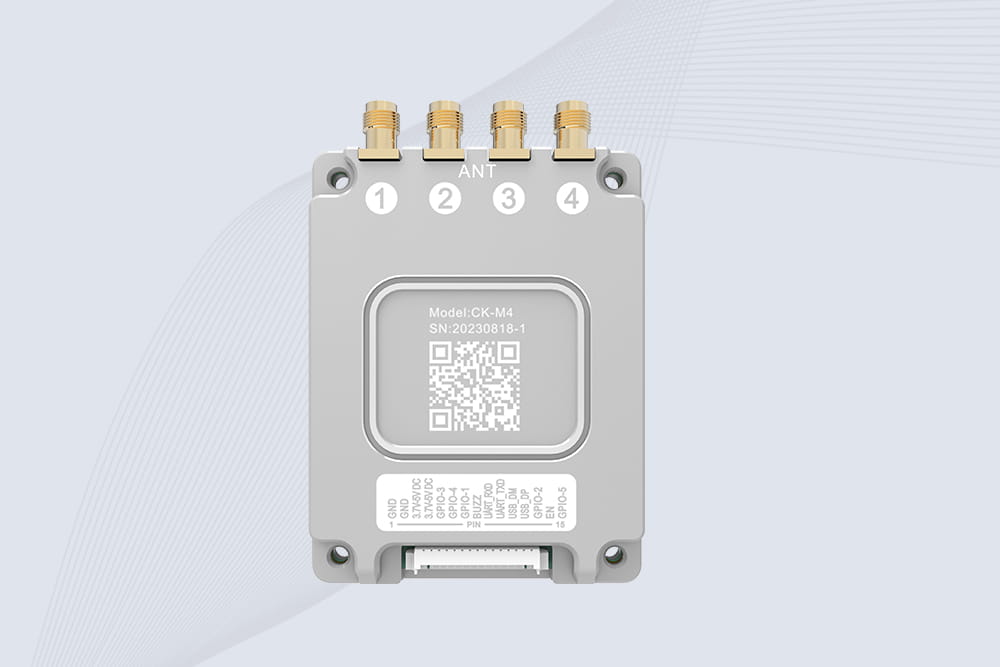
CYKEO CYKEO-M4 RC522 RFID Module is an industrial-grade UHF RFID reader with 4 ports, supporting ISO, EPC, and GB protocols. High-speed, accurate reading for IoT, automation, and warehouse applications.
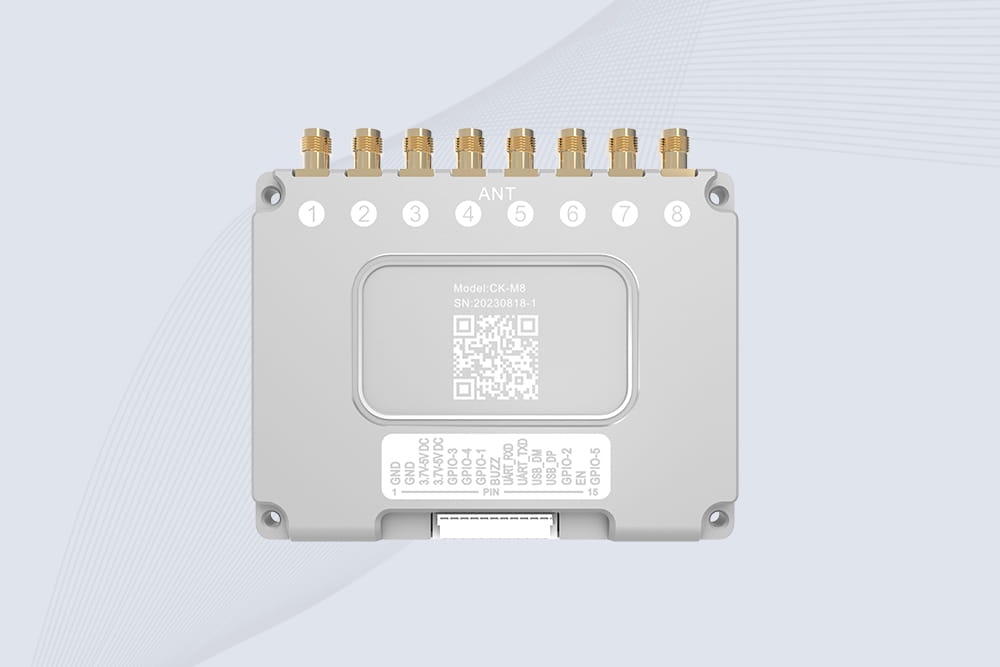
CYKEO CYKEO-M8 Module RFID is an 8-port UHF R2000 RFID Module designed for high-density, multi-tag environments. Stable 33dBm output, ISO & GB protocol support, ideal for warehouses, factories, and automated systems.
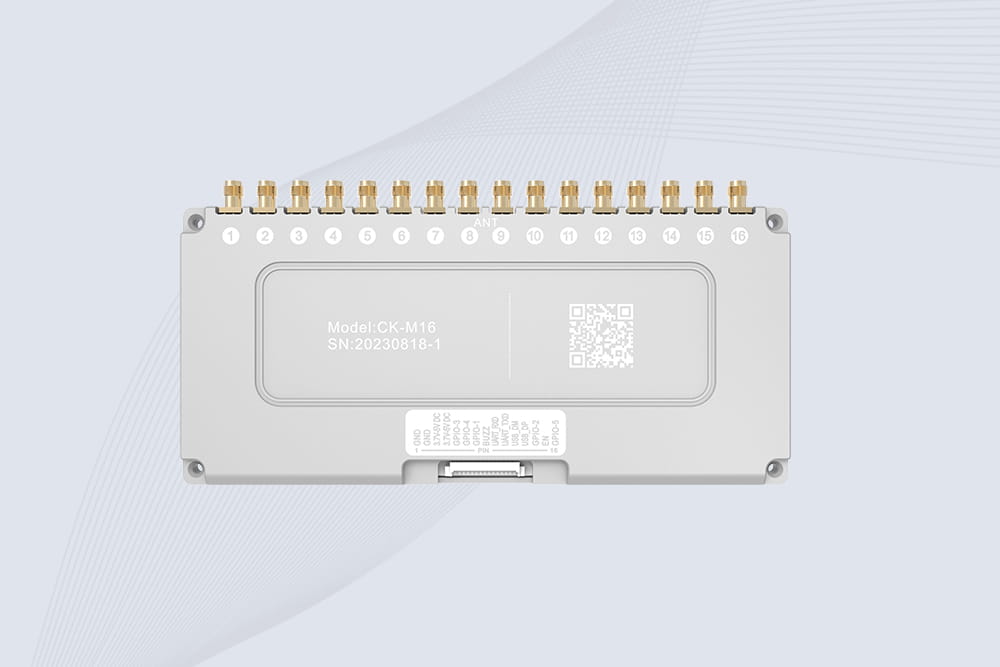
CYKEO CYKEO-M16 RFID Module is a 16-port UHF RFID reader module based on the R2000 chipset. Designed for dense tag environments, it supports ISO and GB standards and delivers stable multi-antenna control for industrial automation.
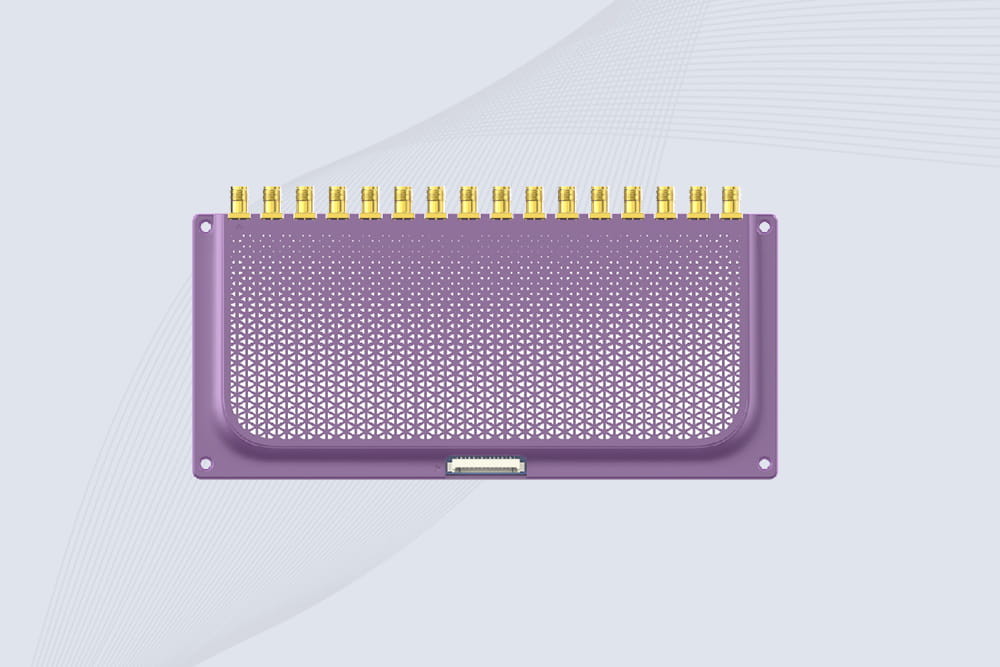
The CYKEO CYKEO-M16L RFID Reader Module is a 16-channel UHF RFID core designed for dense tag environments. With adjustable 33dBm output, multi-protocol support, and stable multi-antenna control, this RFID Tag Reader Module fits industrial automation, warehouse systems, and large-scale IoT deployments.
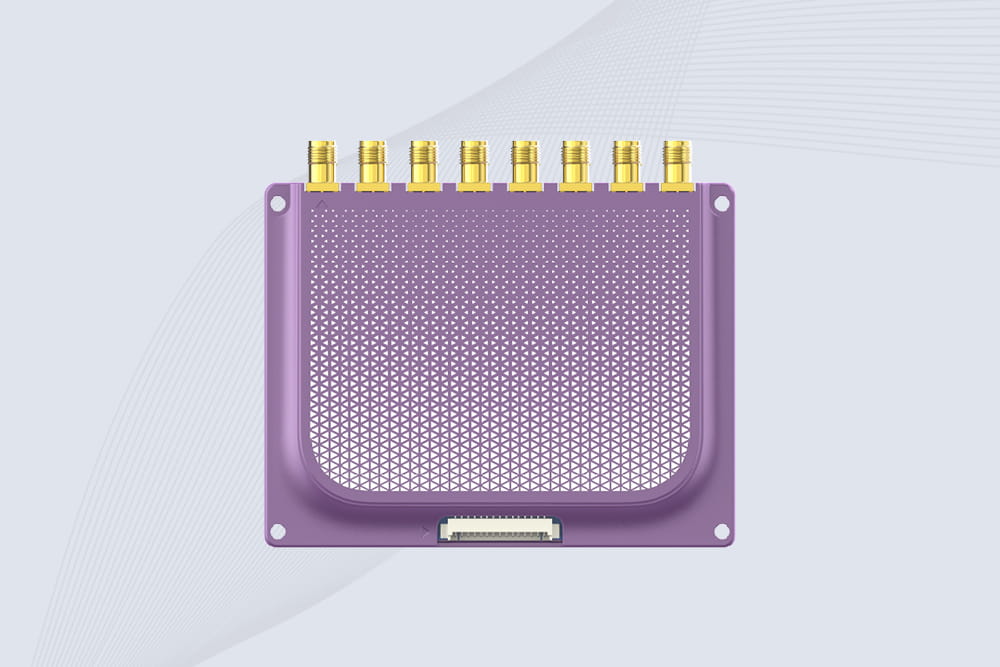
CYKEO CYKEO-M8L module RFID is a compact industrial UHF module built for dense tag and multi-antenna environments. With 8 RF ports, adjustable 33 dBm output, and ISO & GB protocol support, it is widely used in factories, warehouses, and automated tracking systems.
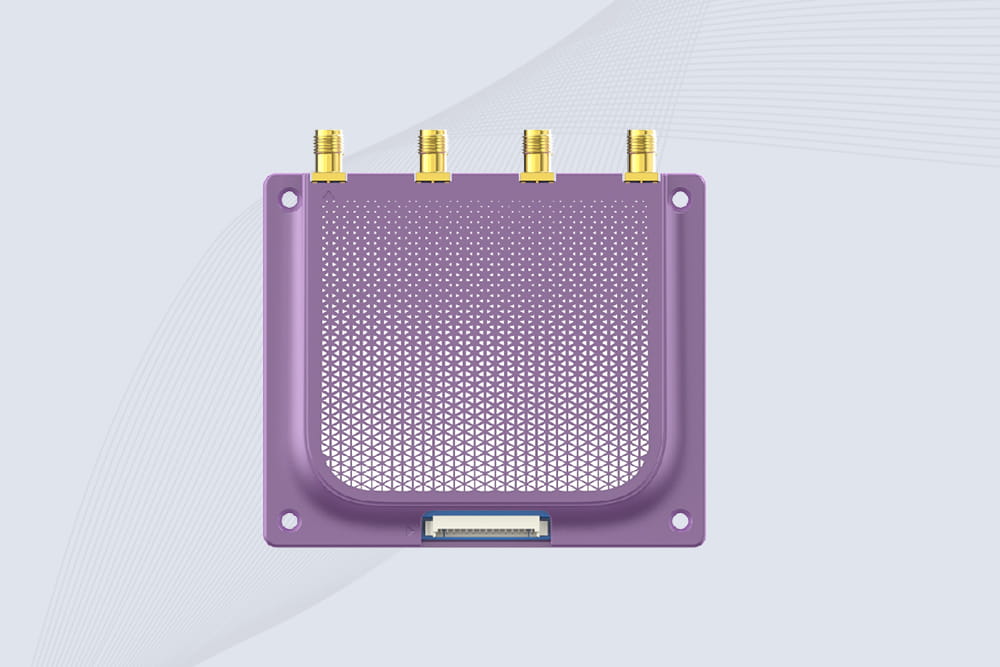
CYKEOCYKEO-M4L UHF RFID Module is a compact 4-channel RFID tag reader module designed for dense tag environments. Supporting ISO and GB protocols, it delivers stable reads up to 10 meters for industrial and IoT systems.
Cykeo CYKEO-A11 UHF RFID reader antenna delivers 11dBi gain, 840-960MHz frequency range, and IP65 ruggedness for retail, logistics, and industrial RFID systems. Features low VSWR and easy installation.

CYKEO Antenna RFID Reader delivers stable long-range UHF performance with a 10.5dBi directional design, built for warehouses, conveyor portals, and industrial RFID systems. This rfid reader antenna provides 20m+ read distance and rugged IP67 protection.

Cykeo CYKEO-PHF3 industrial HF RFID Antenna offers 24-point dynamic tracking, ISO 14443A/15693 protocols, metal-environment stability for archives/libraries/manufacturing.

Cykeo CYKEO-A5B industrial Linear RFID Antenna delivers 5dBi gain, ≤1.5:1 VSWR, and IP65 rugged design for warehouse, production line, and logistics UHF systems.

Cykeo’s CYKEO-B12 Long Range RFID Antenna delivers 15m+ read range with 12dBi gain, IP65 rugged design, and global 840-960MHz UHF support. Ideal for warehouse/logistics asset tracking.
Cykeo CYKEO-B10 Long Distance RFID Antenna offers 10dBi gain, 840-960MHz frequency range, IP65 rating, and 20m+ coverage for logistics/warehousing/ETC systems. Low VSWR ensures stable signal transmission.
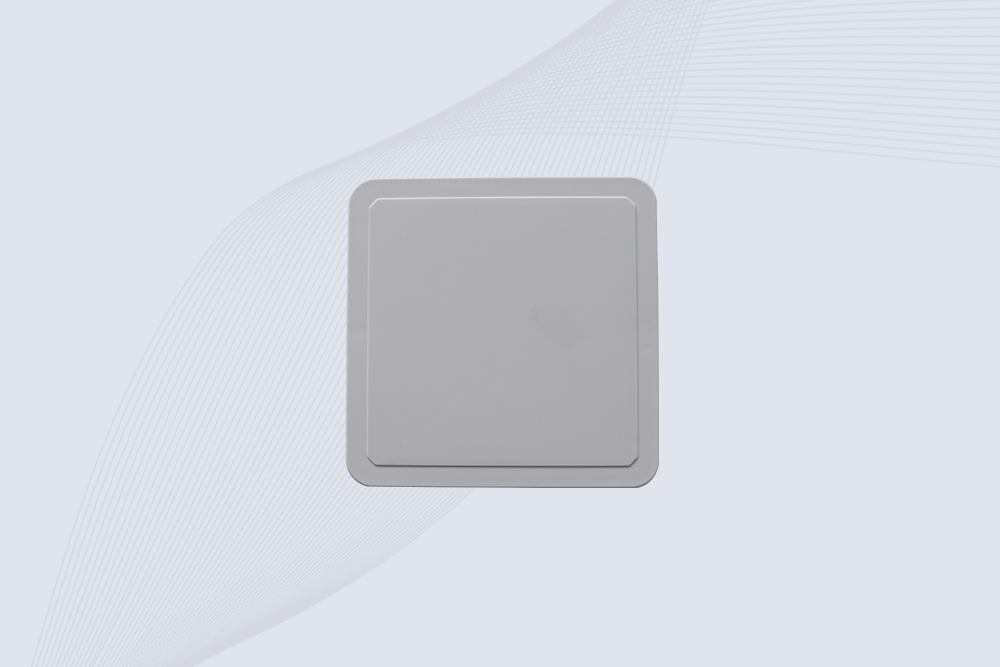
Cykeo CYKEO-A6 UHF RFID panel antenna features 6dBi gain, 840-960MHz broadband, IP65 metal-ready housing for logistics/smart retail. 18mm ultra-thin design with tool-free mounting.

Cykeo CK-A3 industrial antenna RFID UHF offers 5m+ tag detection, ≤1.3:1 VSWR, IP65 rugged design, and global UHF spectrum compatibility (840-960MHz) for warehouses, factories, and retail.
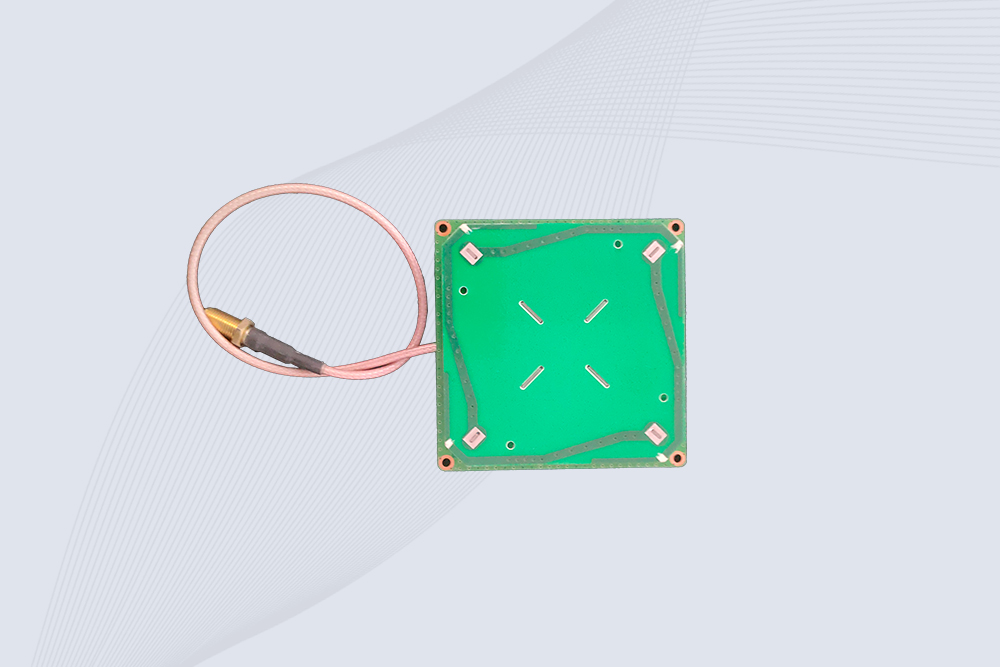
Cykeo CYKEO-B5 directional RFID antenna provides 5dBi gain with 60° narrow beamwidth for precise inventory tracking. IP65-rated, global UHF frequency support, and low VSWR.
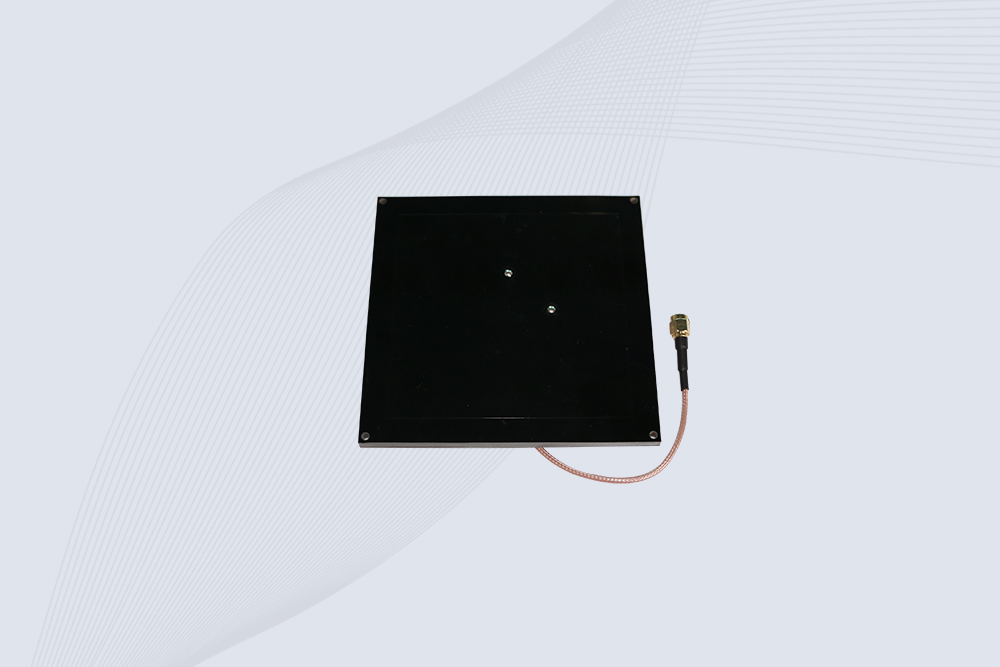
Create your own high-performance DIY RFID antenna! 5dBi gain, 840-960MHz tunable, step-by-step guides. Compatible with Arduino, Raspberry Pi, and commercial UHF readers.
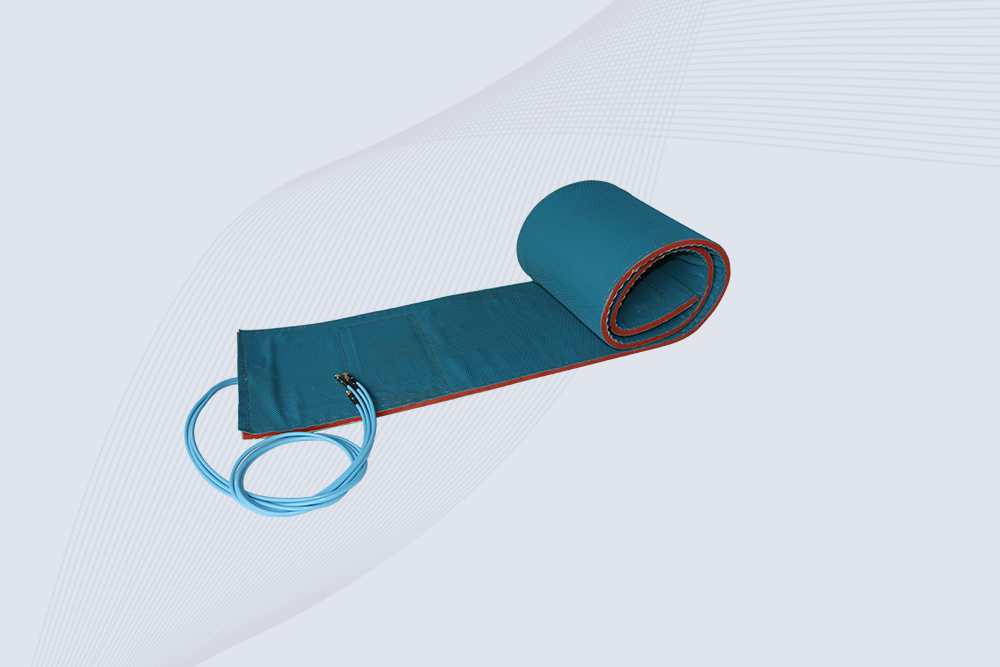
Cykeo CYKEO-A7 Flexible RFID Antenna features 840-960MHz wideband tuning, 7dBi gain, and IP68 rating for medical/retail/industrial curved surface deployments. 98% read accuracy with peel-and-stick installation.

Cykeo CYKEO-B5A industrial Passive RFID Antenna delivers 5dBi gain, 70° beamwidth, and -40°C~55°C operation for warehouses/smart cabinets. Compatible with Zebra/Impinj readers.
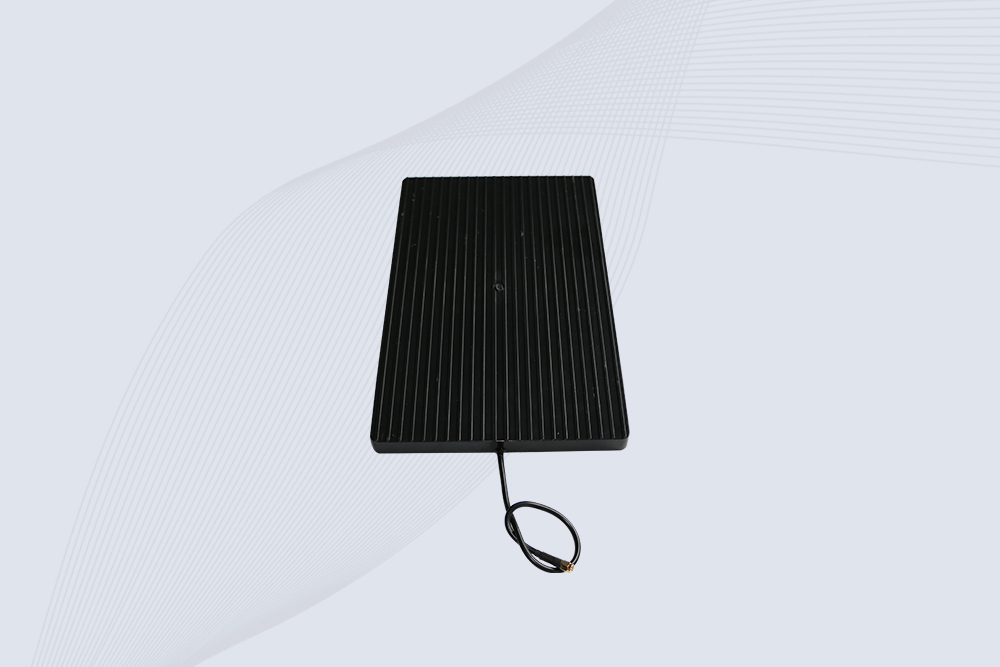
Cykeo’s CYKEO-A9B High Gain RFID Antenna delivers 15m+ read range with 9dBi amplification. Features IP54 rugged design, 840-960MHz bandwidth, and 80° beamwidth for warehouse/manufacturing RFID systems.

Cykeo’s enterprise-grade 8dbi Impinj RFID Antenna 10m+ read range with 840-960MHz tuning. Features IP65 housing, 1.4 VSWR, 35° beamwidth for retail/warehouse RFID systems.
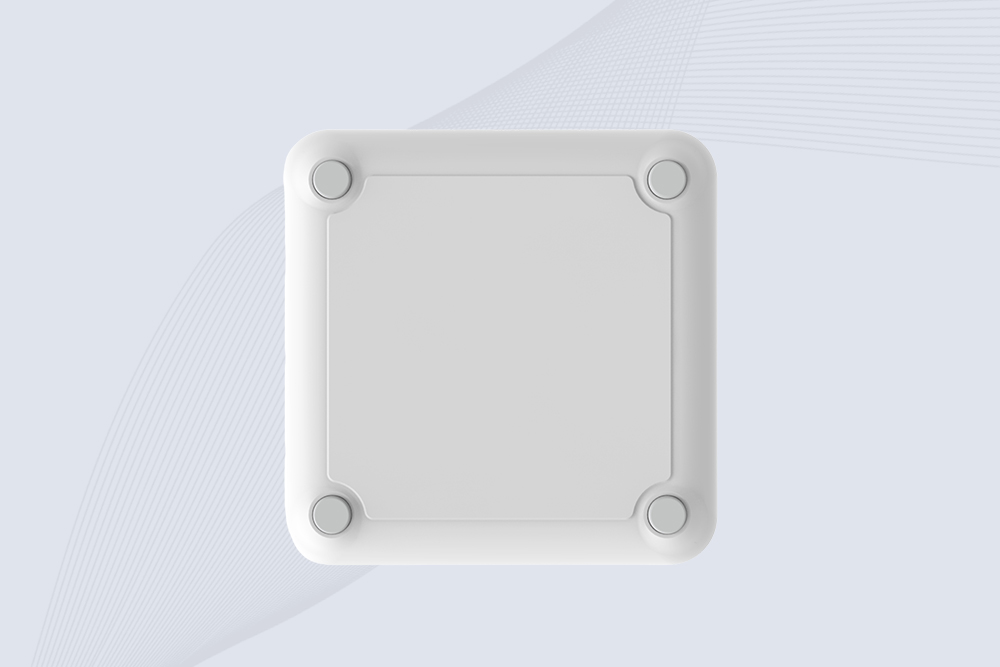
Cykeo CYKEO-A9 industrial UHF RFID antenna delivers 9dBi gain, 840-960MHz frequency range, and IP65 protection for warehouse/logistics/retail RFID systems. Features N-type connector and ≤1.3:1 VSWR.
CYKEO UHF RFID Antenna built for long-distance and industrial applications. This antenna rfid uhf delivers strong gain, outdoor durability, and reliable tag performance in warehouses, yards, and vehicle ID systems.
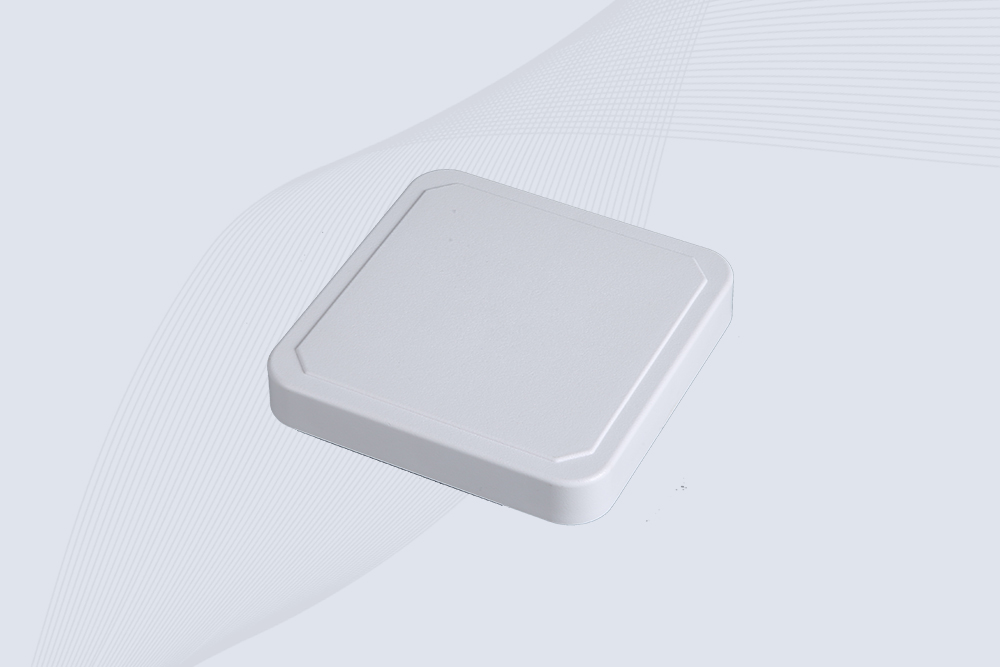
CYKEO Antenna RFID delivers reliable long-range UHF performance in warehouses, retail shelves, and cold-chain environments. This compact uhf rfid antenna provides stable reads with circular polarization and ultra-wide 840–960 MHz support, ideal for industrial tracking, smart shelves, and asset monitoring.
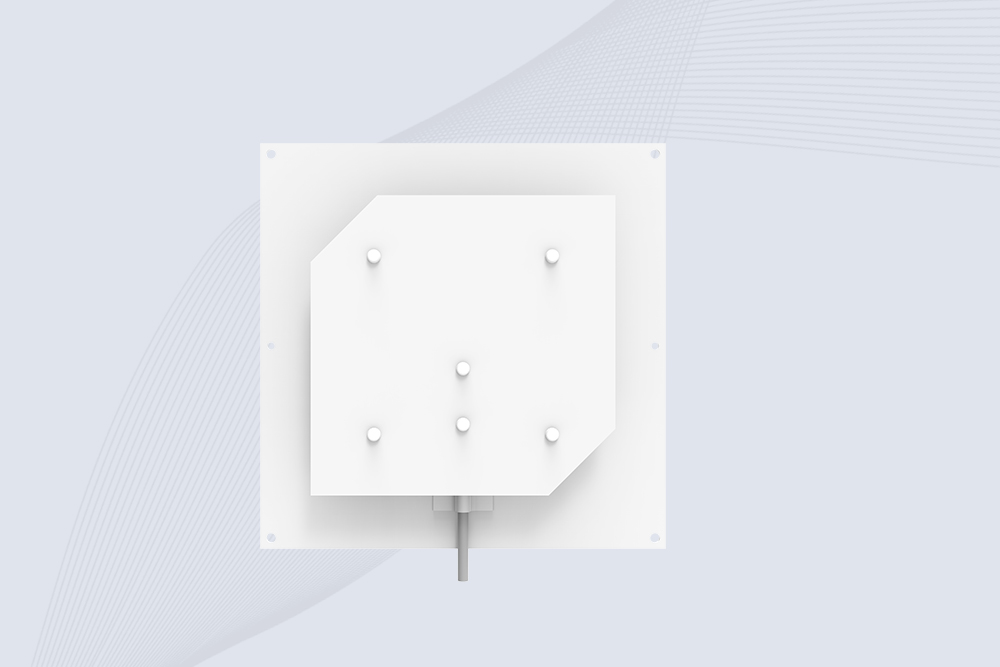
Cykeo’s CYKEO-C8 UHF RFID antennas delivers 8dBi gain, 840-960MHz full-band coverage, and IP65 ruggedness for manufacturing/warehouse RFID systems. Industrial RFID Antennas Features
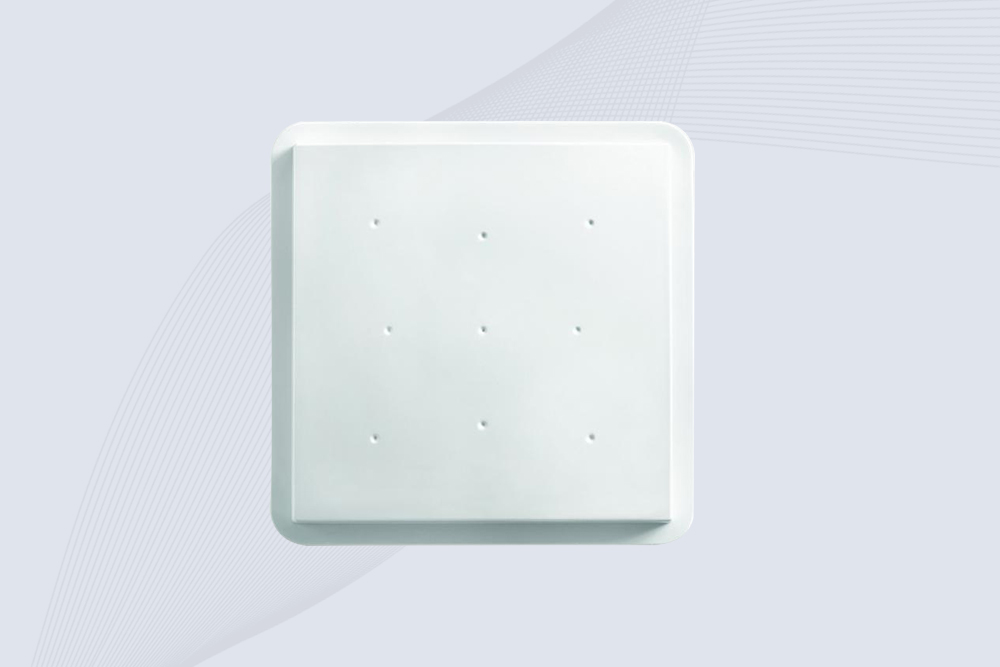
Cykeo’s 8dBi UHF RFID antenna and reader kit delivers 10m+ range, 840-960MHz broadband, and IP65 ruggedness for factories, warehouses, and logistics. ISO 18000-6C & EPC Gen2 certified.
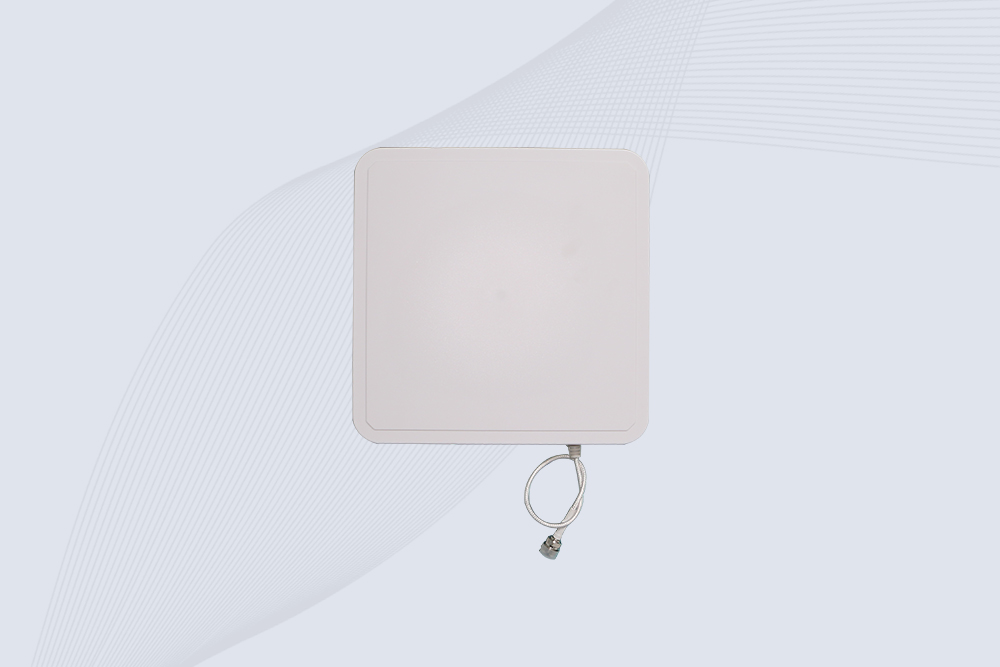
Cykeo CYKEO-A9A industrial UHF RFID reader and antenna kit delivers 10m range, 500 tags/sec, IP65 ruggedness for manufacturing/logistics. Supports EPC Gen2, ISO18000-6C.
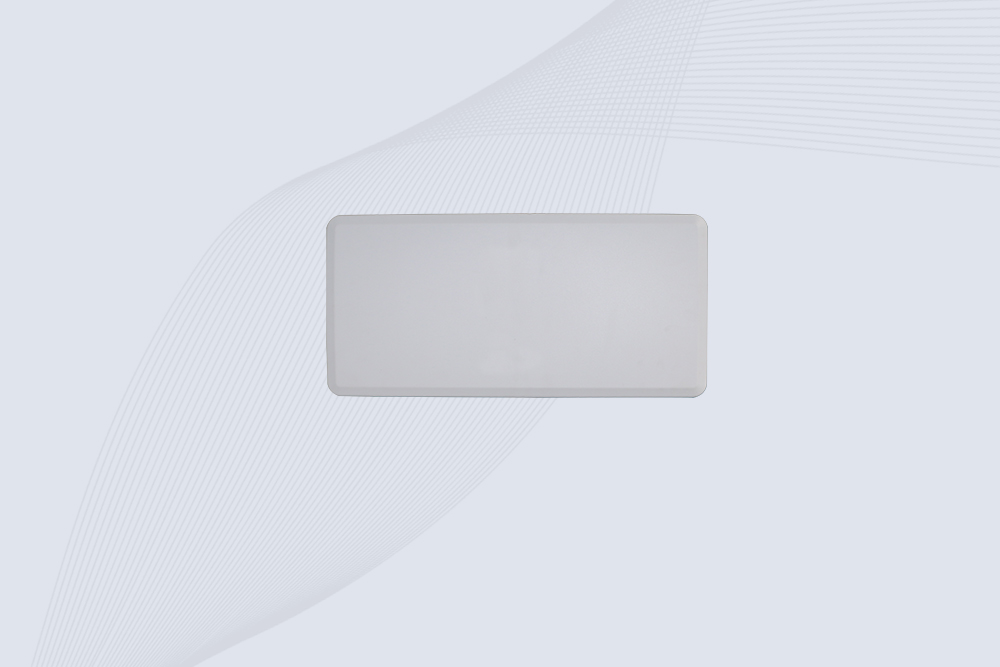
Cykeo’s CYKEO-A12C UHF Large RFID Antenna delivers 12dBi gain, 840-960MHz global frequency, IP65 ruggedness for logistics/warehousing/automotive. 40° beamwidth ensures stable 15m+ tag reads.

CYKEO Near Field RFID Antenna provides precise 5–30 cm reading for shelves, cabinets, and workstations. This compact rfid shelf antenna delivers stable short-range performance around metal and clutter, ideal for pharmacies, libraries, and electronics sorting.
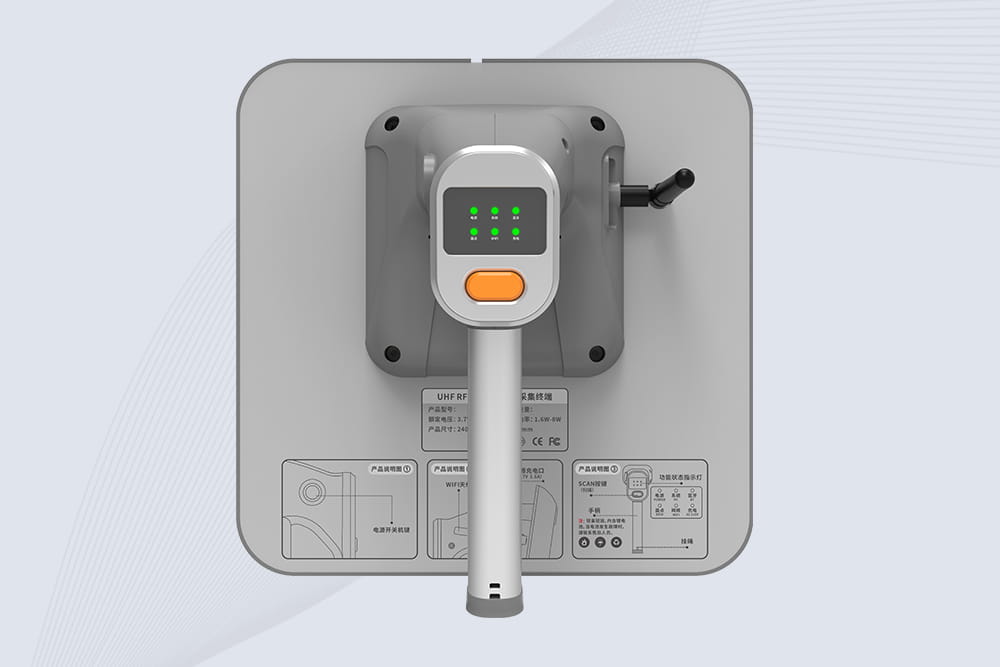
Cykeo CYKEO-B9 UHF Bluetooth handheld RFID scanner features 12m UHF range, 200+ tags/sec scanning, IP67 rugged design for retail/warehouse/pharma. Supports Android SDK & real-time Bluetooth 5.0 transmission.
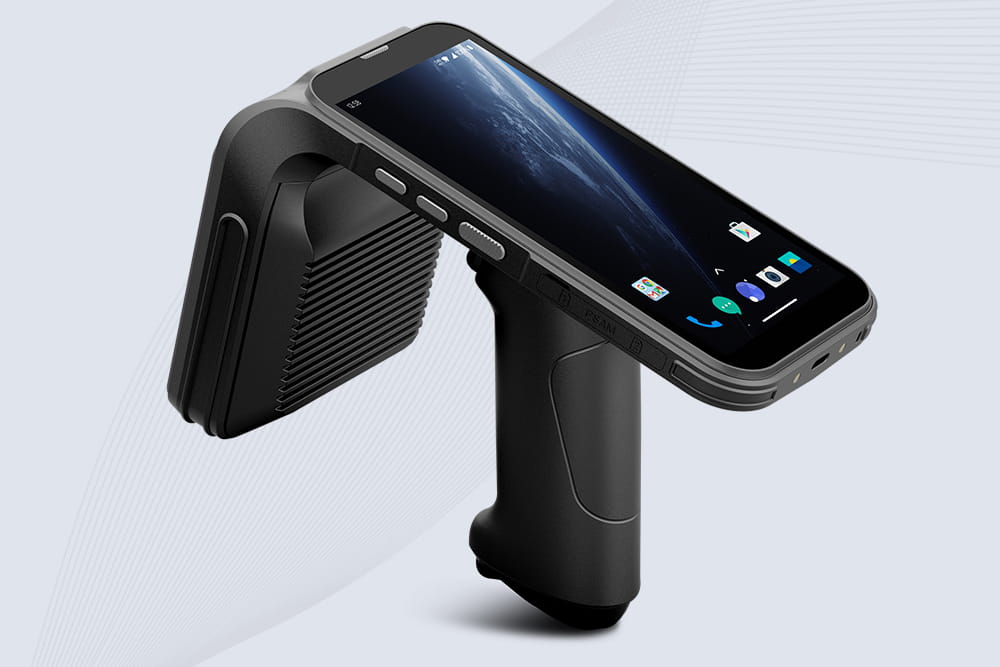
Cykeo CYKEO-B4 UHF Handheld RFID Reader scanner delivers 1300 tags/sec reading, 30m UHF range, and 12-hour battery life. IP65 rugged design with barcode/NFC/ID scanning for retail/manufacturing/logistics.
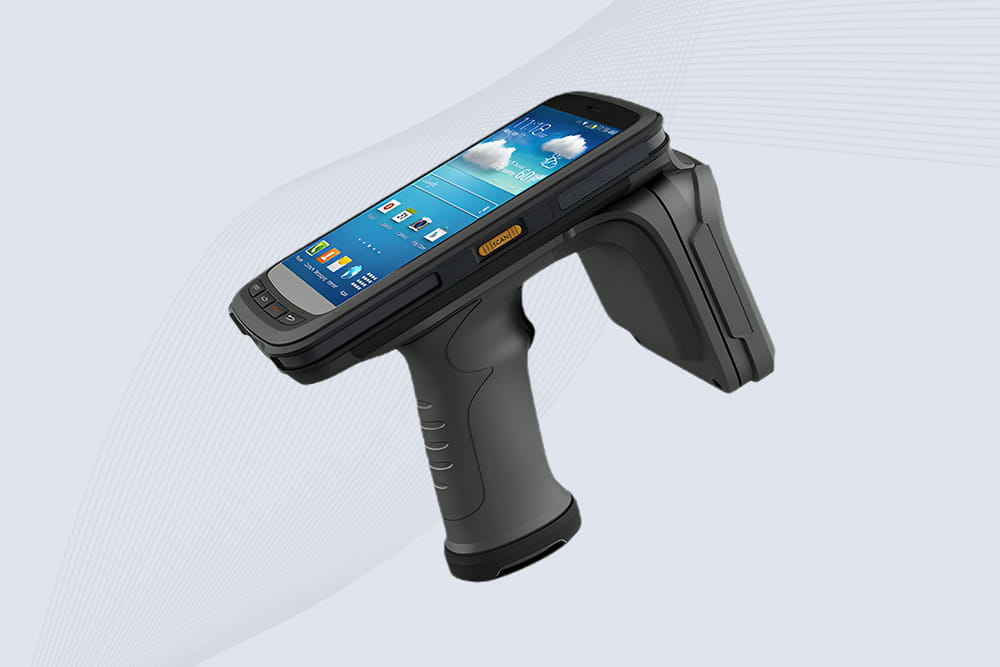
Cykeo CYKEO-B2 industrial UHF RFID handheld Scanner offers 10m range, 500 tags/sec scanning, Android 11 OS, and IP65 rugged design for retail/warehouse/manufacturing.
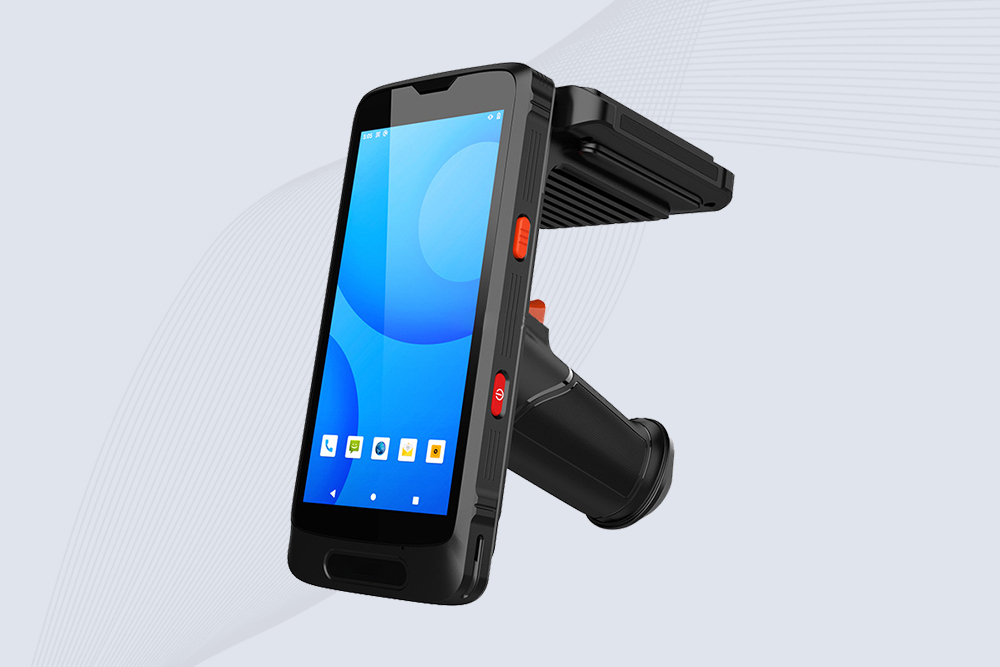
Cykeo CYKEO-B3 industrial RFID Reader Handheld, terminal offers 2m read range, multi-protocol scanning (NFC/barcode/ID), Android 10 OS, and IP65 ruggedness for logistics/retail/manufacturing.
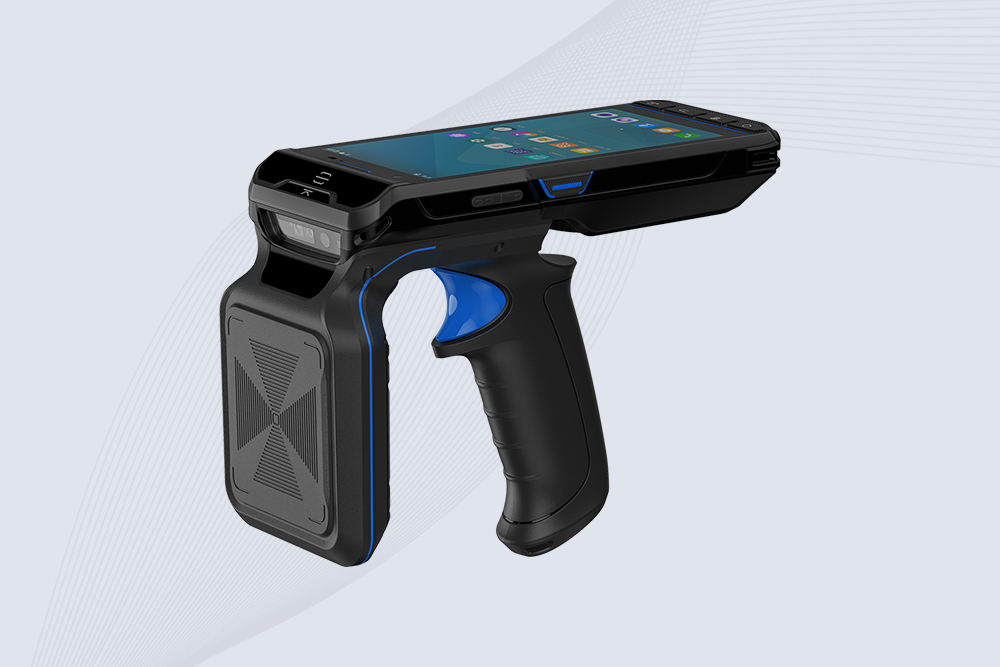
Cykeo CYKEO-B3L industrial handheld UHF RFID Reader terminal features 20m read range, 500 tags/sec scanning, Android 13 OS, 12-hour battery for logistics/retail/manufacturing. Supports barcode/NFC/ID reading.
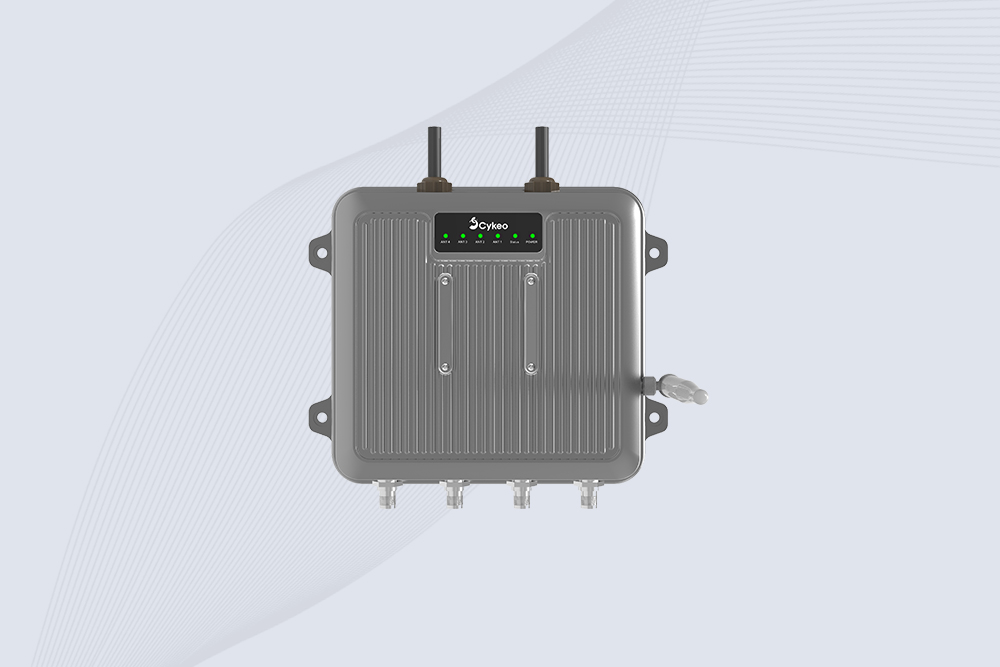
Cykeo CYKEO-C1 industrial Forklift RFID Reader features 20m read range, 600 tags/sec scanning, Impinj R2000 chipset, and IP67 rugged design. Ideal for warehouse logistics and manufacturing. Supports ISO 18000-6C/6B protocols.
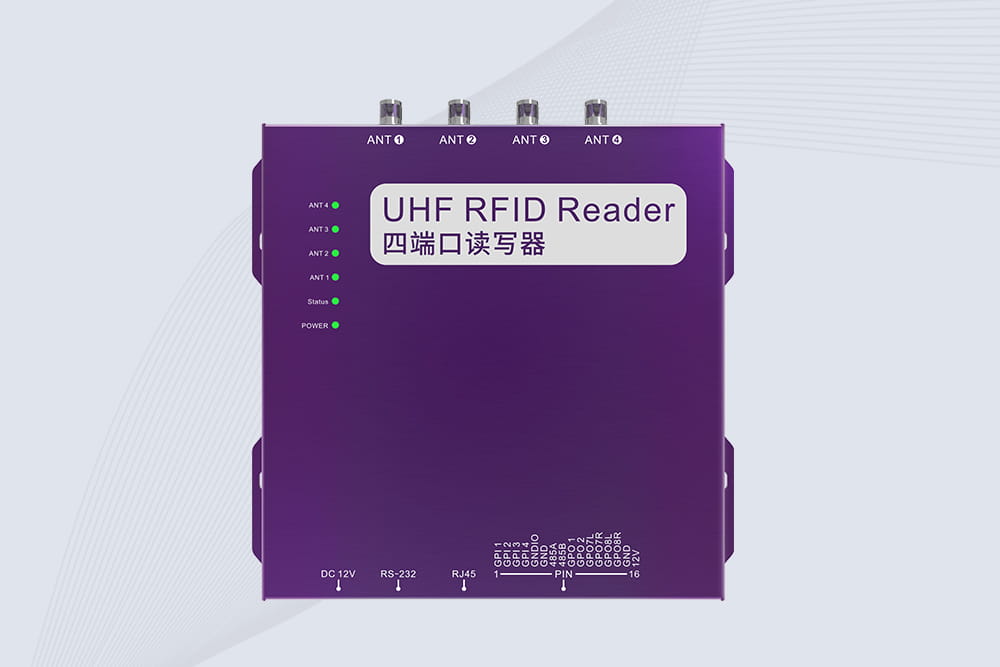
Cykeo CYKEO-R4 industrial UHF RFID Fixed Reader features 4 TNC ports, 400+ tags/sec speed, IP67 housing, and global frequency compliance for vehicle inspection, smart warehouse, and asset management systems.
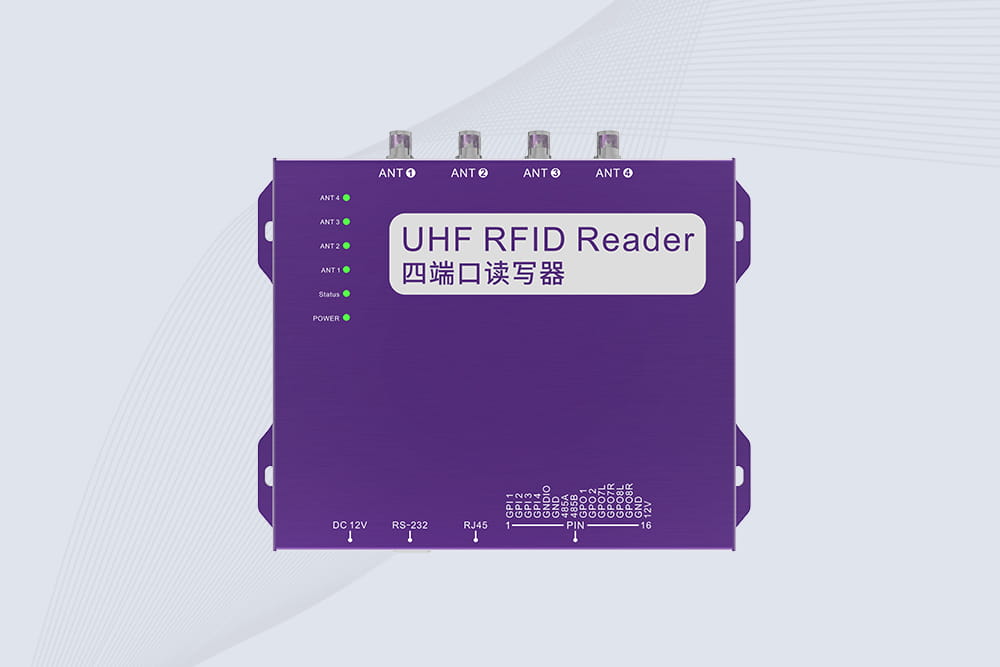
Cykeo’s CYKEO-R4L 4-port Fixed UHF RFID Reader delivers 400 tags/sec scanning, ISO 18000-6C compliance, and IP65 protection. Ideal for warehouse automation, manufacturing WIP tracking, and logistics management.
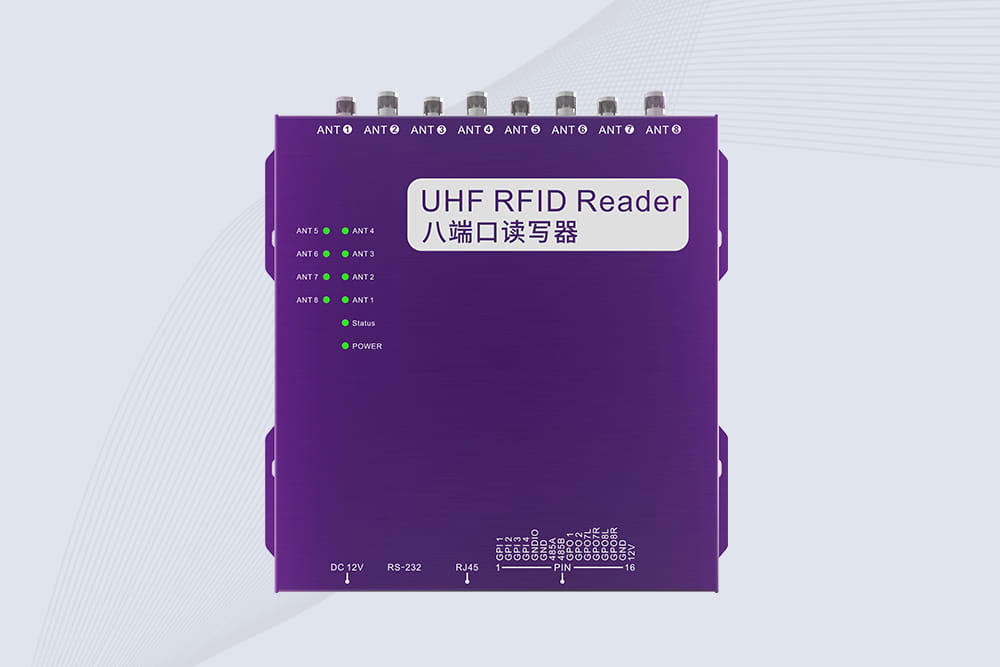
CYKEO CYKEO-R8L Fixed RFID Reader with 8-port UHF design, Impinj-based RF core and up to 20m read range. An industrial Fixed RFID Reader for vehicle inspection, warehouse portals, smart manufacturing lines and secure access checkpoints.
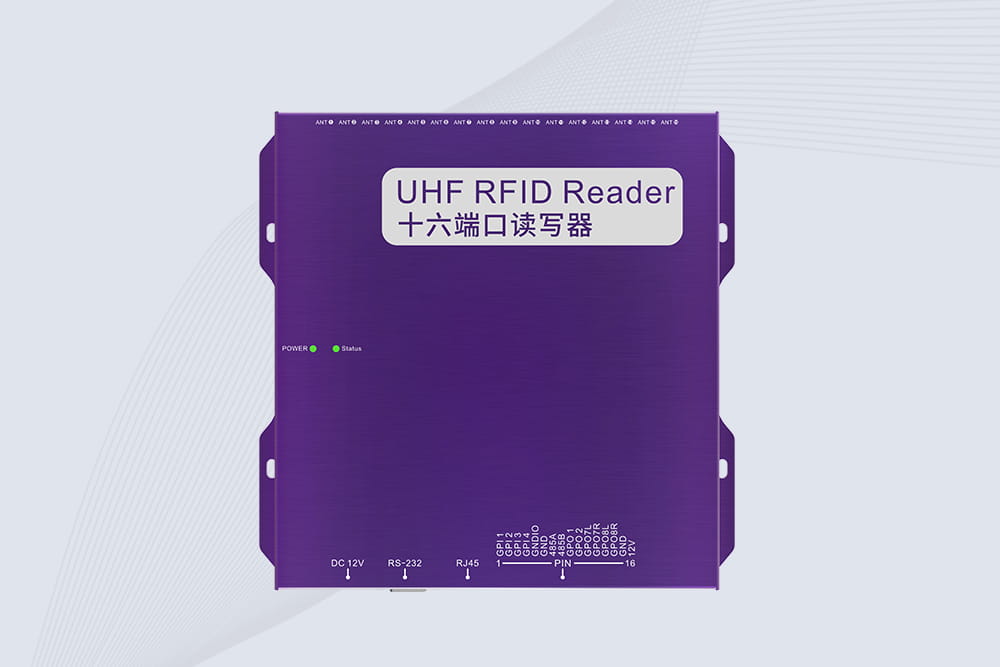
RFID Fixed Reader from CYKEO – the CYKEO-R16L 16-port UHF fixed reader for warehouses, smart cabinets, and production lines. Long-range, multi-tag reading, stable performance for 24/7 industrial use.
Compare passive and active RFID tags: costs, range, and use cases. Discover which system (passive or active RFID) fits logistics, healthcare, or industrial tracking.
More
What makes a universal UHF RFID reader antenna? We explore the real engineering trade-offs between frequency coverage, gain, and form factor for diverse applications.
More
Can RFID reader read credit cards? We explain the technology compatibility, security protections, and key differences between payment and industrial RFID systems.
More
Small RFID tags make it possible to track assets in tight spaces without changing workflows. See how compact RFID tags are used in real projects.
More