 Cykeo RFID IoT Solution Products R&D Manufacturer
Top Impinj RFID Reader Alternatives for System Integrators (2026 Guide)
160Looking for Impinj RFID reader alternatives? Discover cost-effective UHF RFID fixed readers for warehouse, industrial, and large-scale deployments.
MoreAll RFID Product
If you talk to people who run retail stores, inventory accuracy is one of those problems that never fully goes away.
The system might say there are 12 pieces left.
The shelf shows 7.
And the back room… well, nobody is completely sure.
It’s rarely a dramatic failure. Usually it’s just small mismatches that slowly accumulate. A misplaced item here, a missed scan there. After a few weeks the numbers start drifting.
That’s one of the reasons portable RFID scanners have been getting more attention in retail over the past few years. Not because they look impressive — but because they solve a very ordinary, very persistent problem: knowing what’s actually in the store.
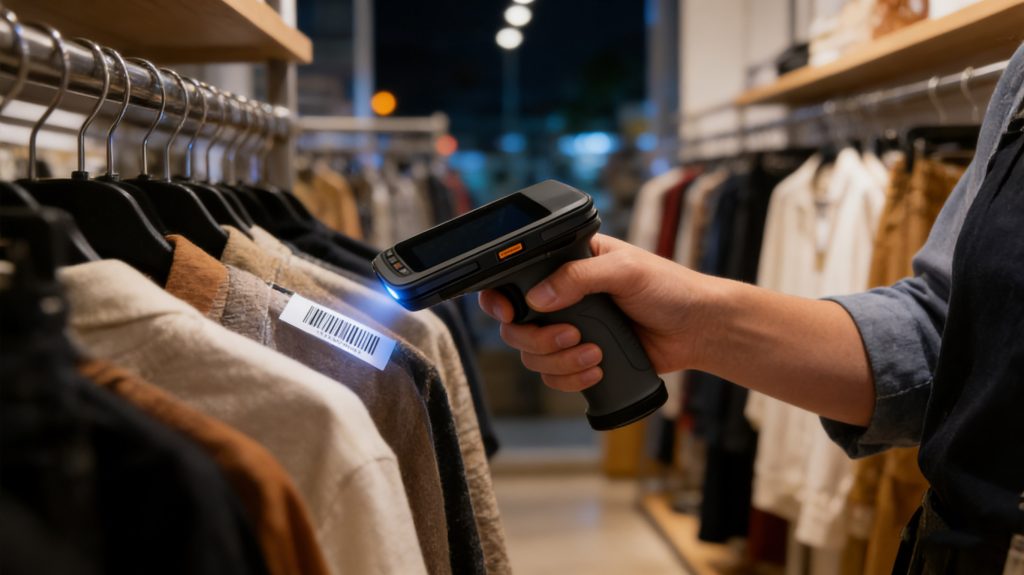
Most stores still rely on barcode scanning for inventory checks.
And to be fair, barcodes work fine. They’re cheap, reliable, and easy to understand. The problem isn’t the technology itself — it’s the process around it.
Barcode inventory requires scanning every single item individually.
In a clothing store, that means lifting garments, finding the label, aiming the scanner, and repeating that hundreds of times. If the rack is crowded, it gets even slower.
I once watched a store team run inventory after closing. The staff had already worked a full shift, and now they were scanning racks one item at a time. After an hour, they had finished only one section of the store.
Nobody complained, but you could tell it wasn’t exactly efficient.
Portable RFID scanners approach the same task differently.
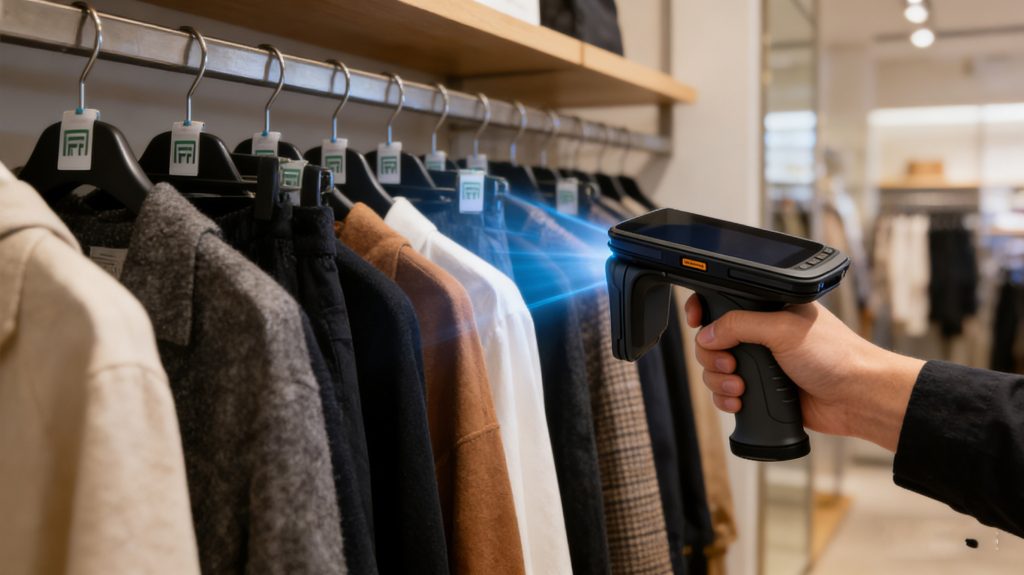
Instead of scanning visible labels, the reader detects RFID tags using radio signals. The tags don’t need to be directly visible, which is surprisingly helpful in retail environments.
Clothing tags, for example, are often hidden inside labels or folds of fabric. With barcodes, that slows things down. With RFID, it doesn’t matter much.
A store associate can walk past a rack holding a handheld RFID scanner, and the device automatically reads the nearby tags.
Sometimes dozens of items are captured in a single pass.
The first time people see this happen, it feels almost too easy. But once staff get used to it, going back to manual scanning feels painfully slow.
One of the less obvious benefits of RFID is how it changes the rhythm of inventory work.
Traditional retail inventory often happens as a scheduled event — usually late at night or before opening hours. The store closes, the counting begins, and everyone hopes the numbers come out right.
Portable RFID scanners make a different approach possible.
Instead of one large counting session, stores can run small, frequent inventory checks throughout the week.
A staff member might scan a few racks during a quiet moment. Another section the next day.
The work spreads out naturally, which makes the process feel much less disruptive.
Over time, inventory accuracy improves simply because the store is checking more often.
Retail workers know this situation well.
A customer asks for a specific size. The system says it’s available. But after searching the rack, the item seems to have vanished.
Usually the product isn’t gone — it’s just somewhere unexpected. Maybe it ended up on the wrong rack, or slipped behind other items.
Portable RFID scanners can help with this type of search.
Many RFID systems include a tag location function. The scanner detects the signal strength of a specific tag and guides the user closer to it.
It’s not perfect GPS-style positioning, but it narrows the search significantly.
In larger apparel stores, this feature alone can save a surprising amount of time.
Retail inventory accuracy isn’t just about record keeping.
It affects whether customers actually find the products they want.
A common issue in stores is that items exist in the building but aren’t on the sales floor. They’re sitting in the back room or misplaced somewhere else.
Portable RFID scanners make it easier to detect those gaps.
Staff can quickly compare shelf inventory with total store inventory. If something should be on display but isn’t, the system highlights it.
Retailers that adopt RFID often discover they were losing sales simply because products weren’t where they were supposed to be.
Once that visibility improves, shelf availability tends to improve as well.

Things get more complicated when retailers operate multiple locations.
Modern retail services — like buy online, pick up in store — depend heavily on accurate store-level inventory data.
If the system claims a product is available but it actually isn’t, the customer experience suffers immediately.
Portable RFID scanners help keep each store’s inventory data more reliable.
Store teams collect accurate counts locally, and the data syncs with central inventory systems. This creates a clearer picture of where products actually exist across the network.
For retailers managing dozens or hundreds of locations, that visibility becomes extremely valuable.
In real stores, RFID scanners tend to support several routine tasks.
Inventory counting is the most obvious one. Entire racks can be scanned in seconds, which makes regular inventory checks much more practical.
Backroom verification is another common use. Staff can quickly confirm what products are stored without opening every carton.
Some retailers also use RFID scanning when preparing online orders. Before shipping or pickup, employees verify that the correct items have been selected.
And occasionally, the scanners are used simply to locate items that went missing somewhere on the sales floor.
None of these tasks are complicated on their own. But together they make daily store operations smoother.
Retail environments have different requirements than warehouses.
Warehouse scanners can be large and rugged. Retail scanners usually need to be lighter and easier to carry during long shifts.
If a device feels bulky, store employees tend to avoid using it unless necessary.
Battery life also matters. Retail stores often operate long hours, so scanners need to last through most of the day.
But one factor is often underestimated: software simplicity.
Retail staff aren’t usually technical specialists. The scanning interface should be straightforward enough that employees can learn it quickly without extensive training.
When the technology feels easy to use, adoption tends to happen naturally.
Retailers didn’t adopt RFID just because it’s new technology.
They adopted it because inventory accuracy directly affects customer experience.
When stores know exactly what products they have — and where those products are — it becomes much easier to serve customers quickly.
Portable RFID scanners make that visibility possible without turning inventory management into a massive project.
They simply make counting faster, searching easier, and inventory data more reliable.
And in retail, those small improvements add up.

Discover SSD-D4AL, a USB-HID UHF RFID reader with 4/8/16 antenna options, Impinj E710/X3M1 chipset, plug-and-play USB power, and OEM customization.
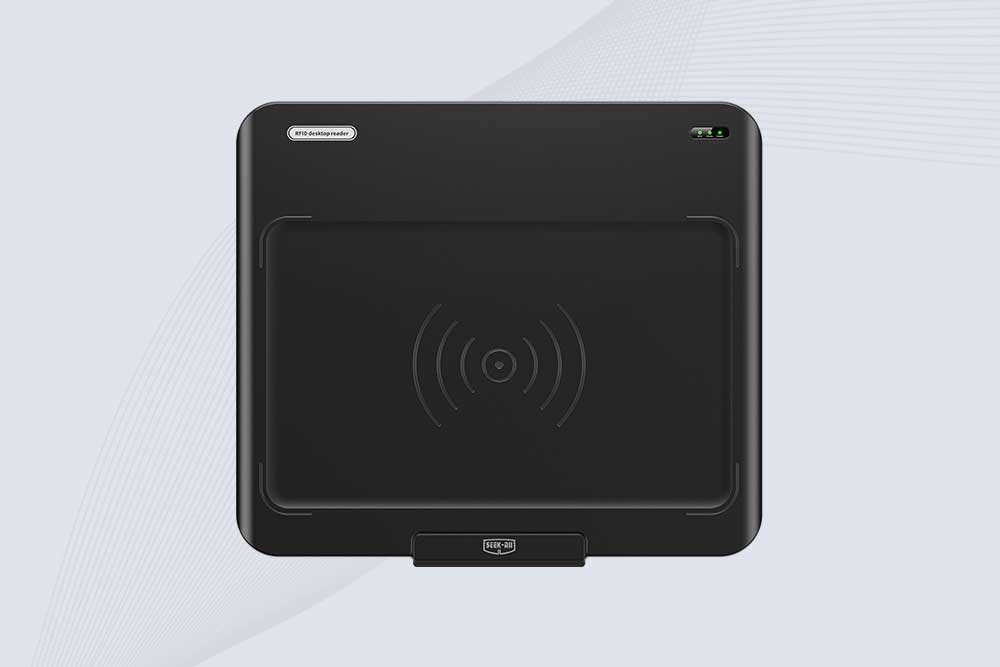
SSD-D3AL is a USB-HID UHF RFID reader with 0–30 cm reading, 0–15 cm writing, over 600 tags/s recognition, USB plug-and-play operation and OEM Logo customization.
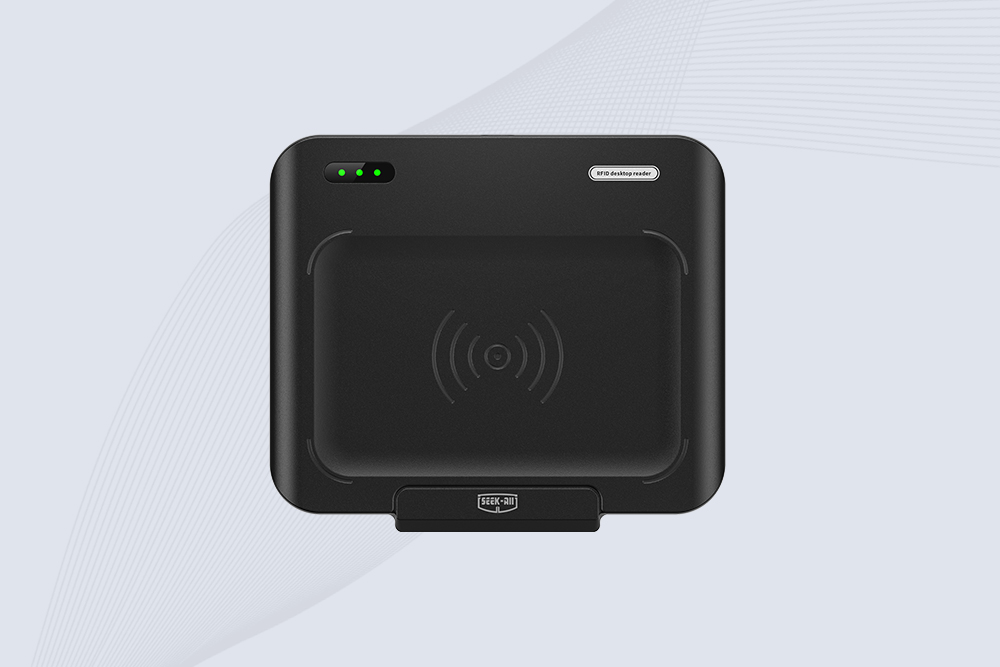
SSD-D1AL is a compact USB UHF RFID reader with Impinj E710/X3M1 chipset, USB-HID, 600+ tags/s recognition, 4/8/16 antenna support and plug-and-play USB power.

CYKEO CYKEO-D1LA USB RFID Reader is a compact desktop solution with near-field control for precise tag reading and encoding. Powered by USB, supporting ISO 18000-6C, and built for stable batch writing, this usb rfid tag reader fits retail, libraries, offices, and controlled RFID encoding tasks.
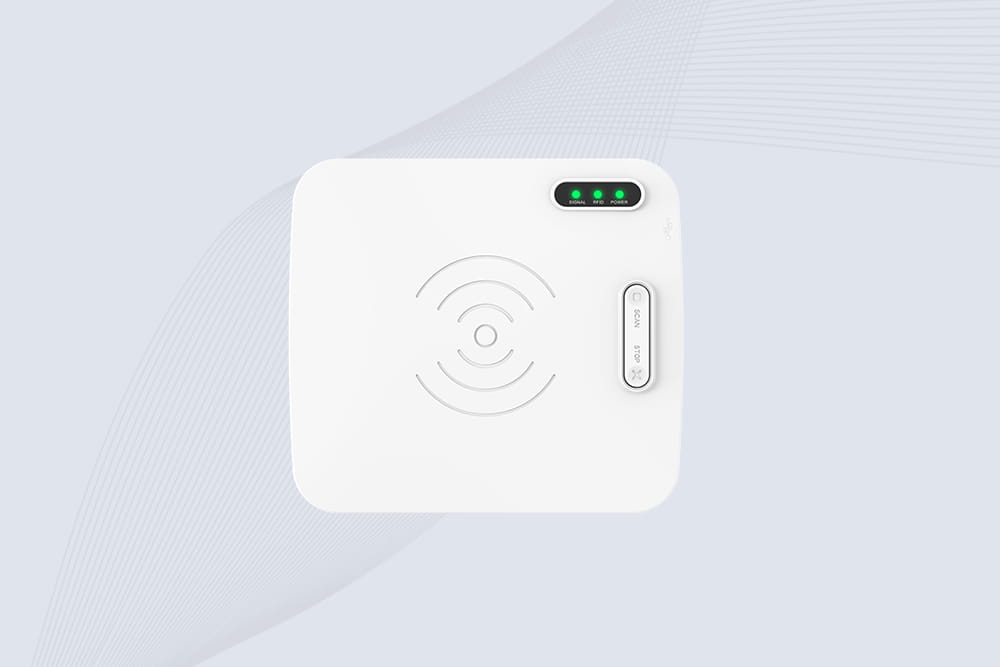
CYKEO CYKEO-D1L RFID scanner USB is a compact desktop UHF RFID scanner designed for short-range tag writing and verification. This usb rfid scanner supports batch encoding, stable 0–26 dBm output, and works across Windows, Linux, and Android systems.
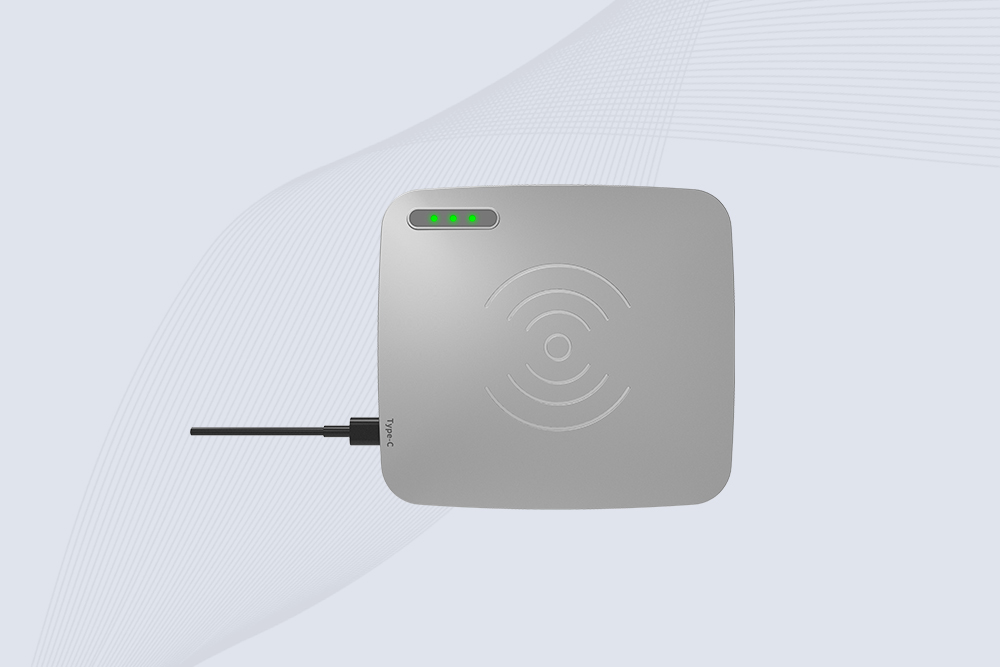
CYKEO CYKEO-D1C USB RFID Card Reader is a near-field UHF desktop writer designed for secure, short-range tag encoding. With USB-C connectivity and stable 26 dBm output, this rfid reader usb c is ideal for badge issuance, label encoding, and controlled desktop RFID workflows.
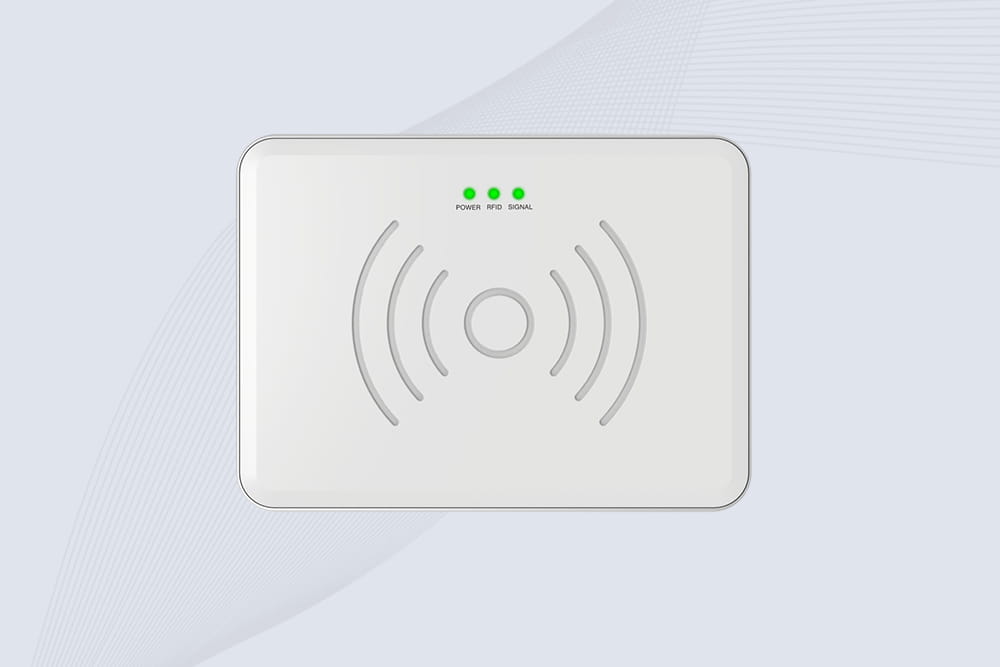
CYKEO CYKEO-D2L RFID Reader USB is a compact desktop encoder built on the Impinj R500 chip. With near-field control and stable USB power, this usb rfid card reader delivers precise tag writing for offices, retail counters, and small-scale logistics encoding tasks.
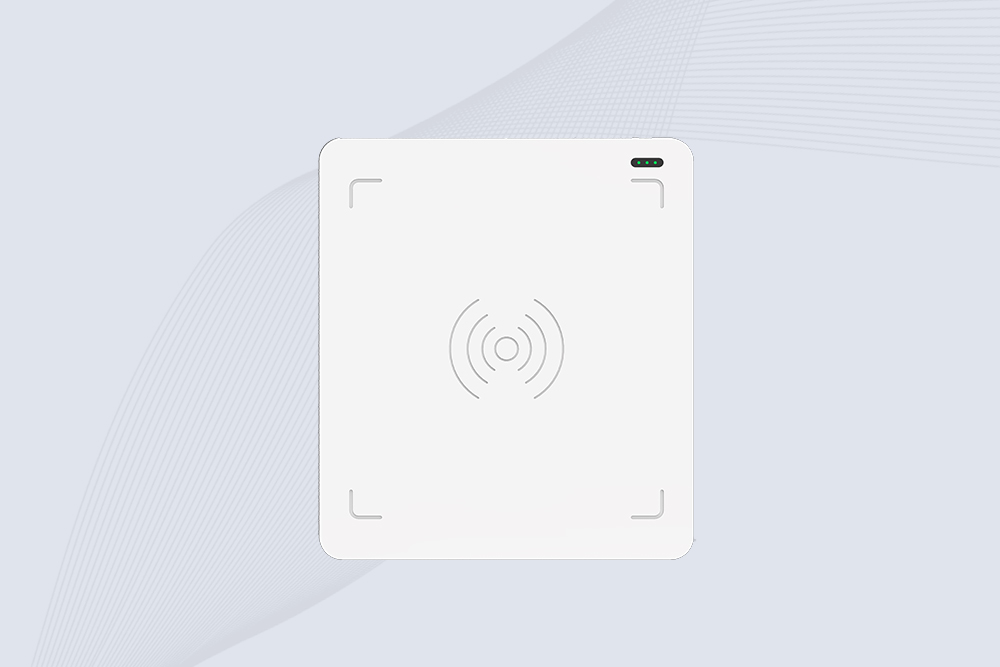
CYKEO CYKEO-D3L USB RFID Tag Reader delivers stable UHF tag reading and writing for daily desktop and light industrial tasks. Designed for controlled short-range operation, this USB RFID Tag Reader works reliably with rfid tag and reader systems in libraries, tool tracking, and inventory registration.
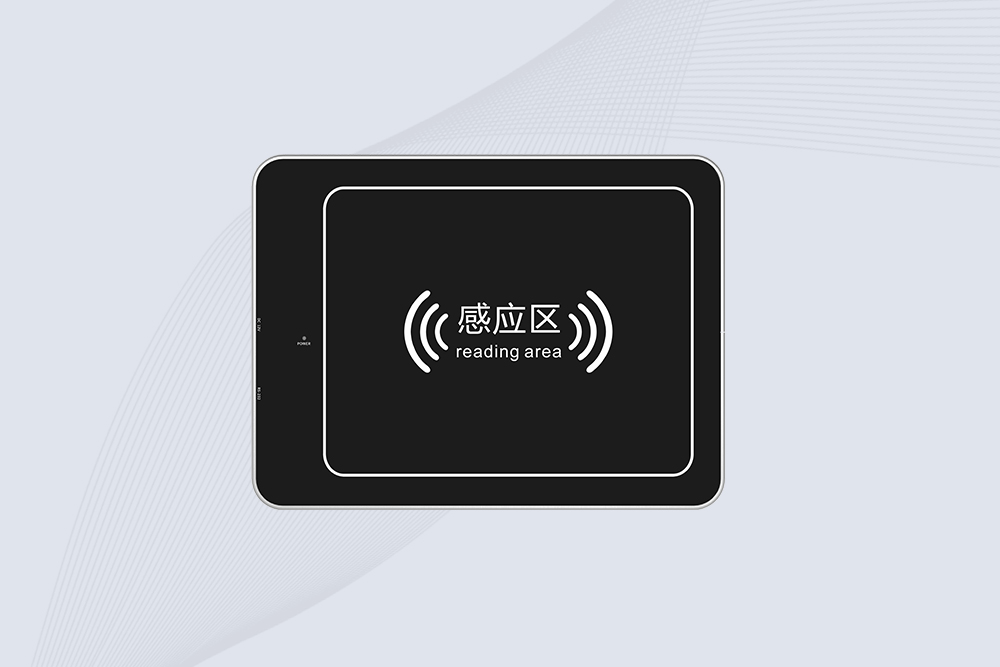
The CYKEO CYKEO-D4L UHF RFID Tag Reader is a stable Desktop RFID Reader designed for accurate tag registration, borrowing, and return workflows. Built with the Impinj R2000 chip, this UHF RFID Tag Reader delivers controlled short-range reads for libraries, asset tracking, and inventory management environments.
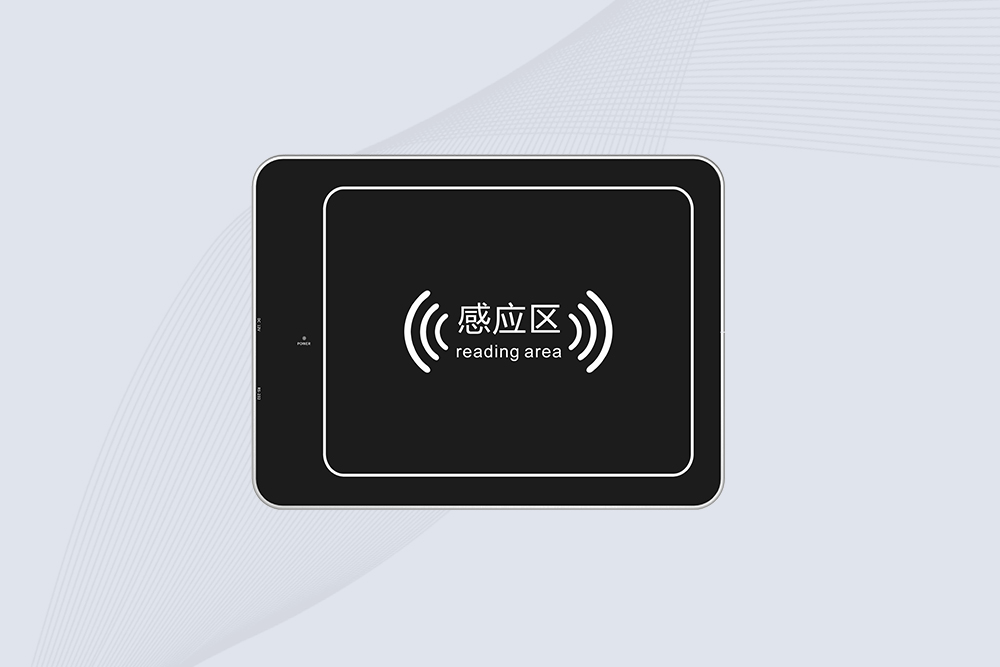
The CYKEO CYKEO-D5L Desktop RFID Card Reader is a stable UHF RFID Card Reader designed for controlled short-range reading and writing. Built for libraries, tool rooms, and asset desks, this UHF RFID Card Reader supports dense tag handling, secure data processing, and easy USB integration.
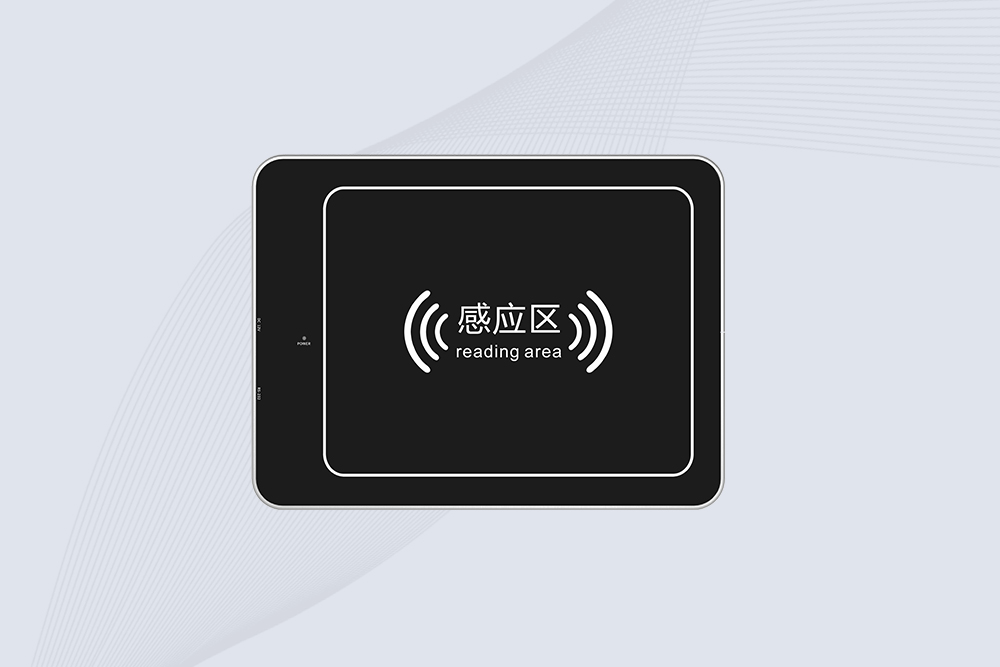
The CYKEO CYKEO-D6L RFID Reader Writer is a heavy-duty Desktop RFID Reader designed for short-range, high-accuracy tag programming. Built for libraries, labs, and asset desks, this RFID Reader Writer supports batch processing, stable 33dBm output, and seamless integration with existing management systems.
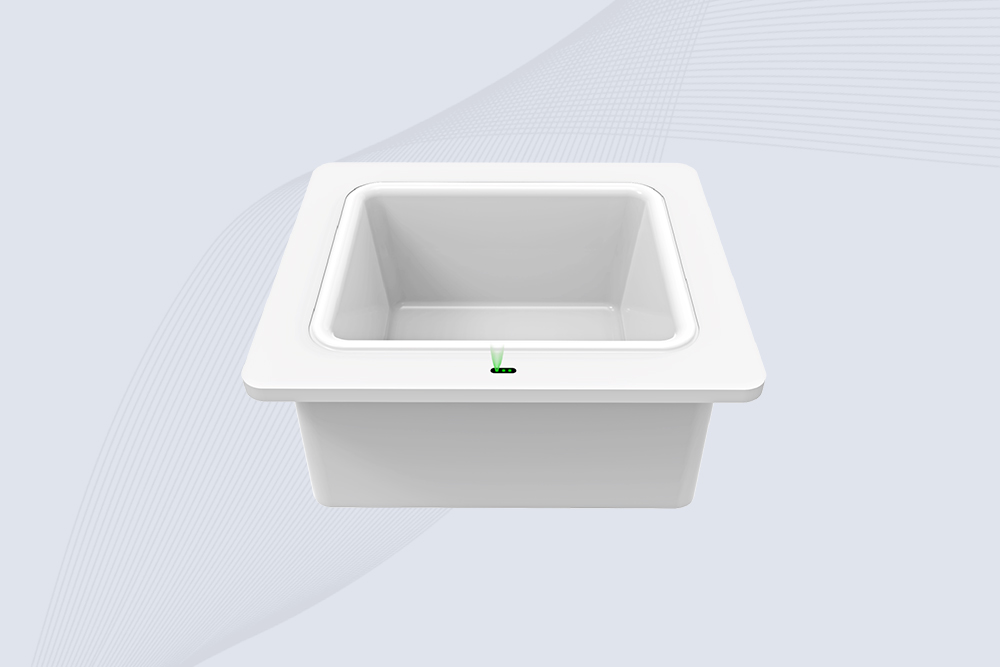
Cykeo CYKEO-D8B UHF RFID tunnel and RFID Desktop Reader features 30+ items batch reading,
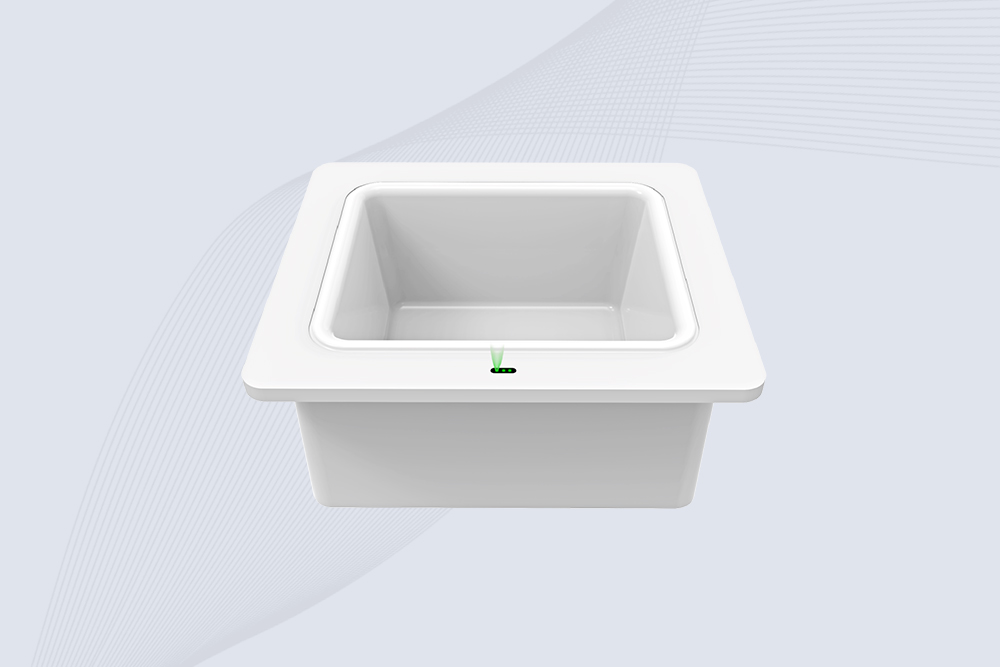
Cykeo CYKEO-D8A embedded RFID badge reader offers 30+ tags/sec scanning, 20cm anti-crosstalk precision, and DC 12V power for unmanned stores, warehouses, and smart inventory systems.
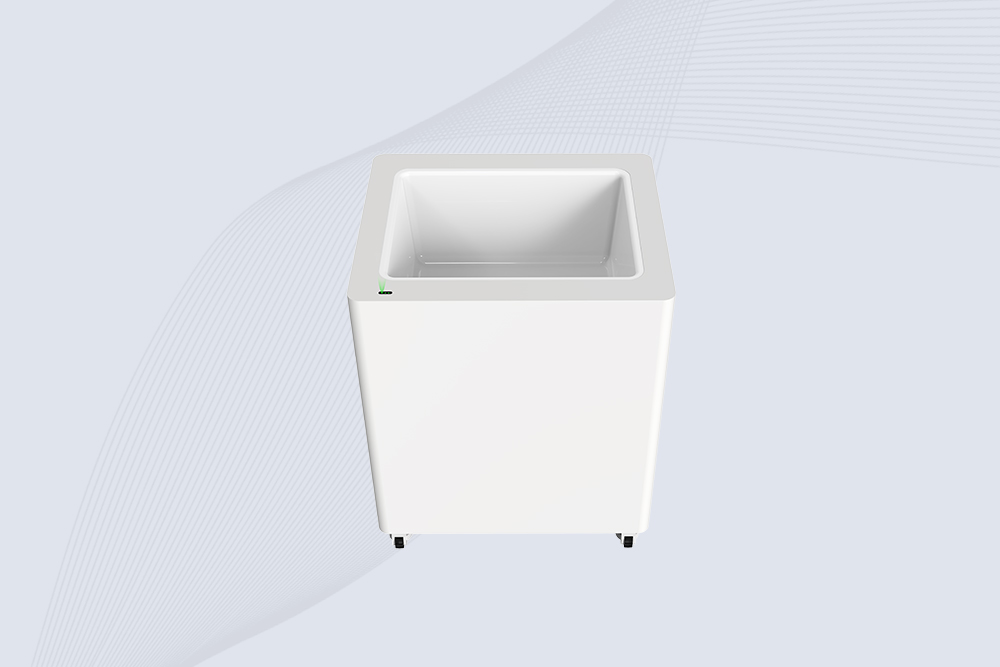
Cykeo’s CYKEO-D8C UHF RFID gate reader achieves 200-tag/batch scanning with adjustable power control, ideal for retail inventory and smart warehouse management.
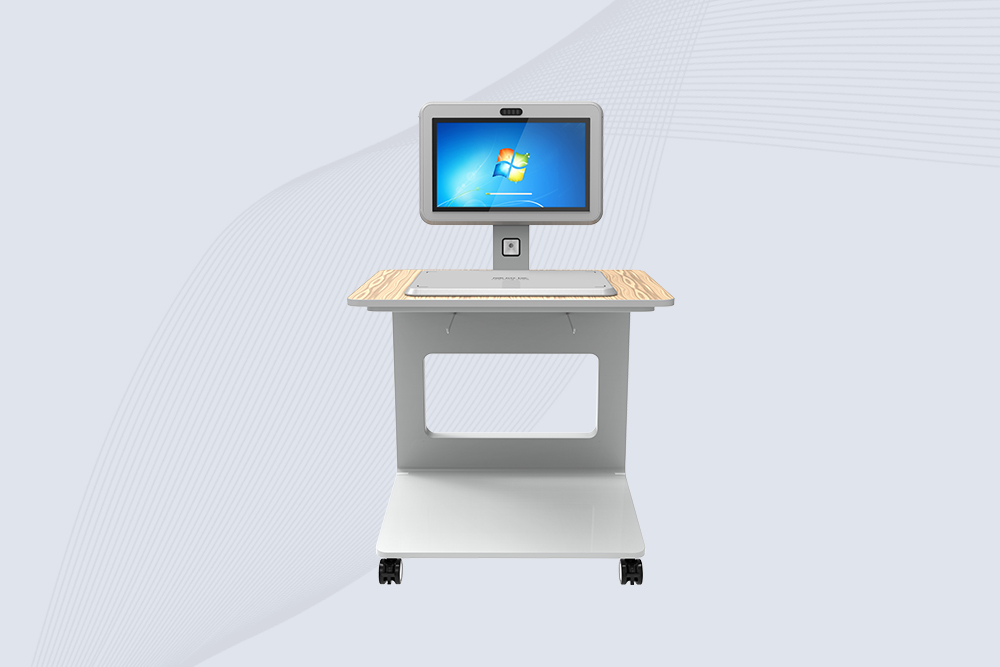
Cykeo’s CYKEO-DP11A RFID payment system combines UHF item recognition, facial authentication, and PCI-certified transactions for retail. Features Windows/Android dual OS, 4G connectivity, and SAP integration.
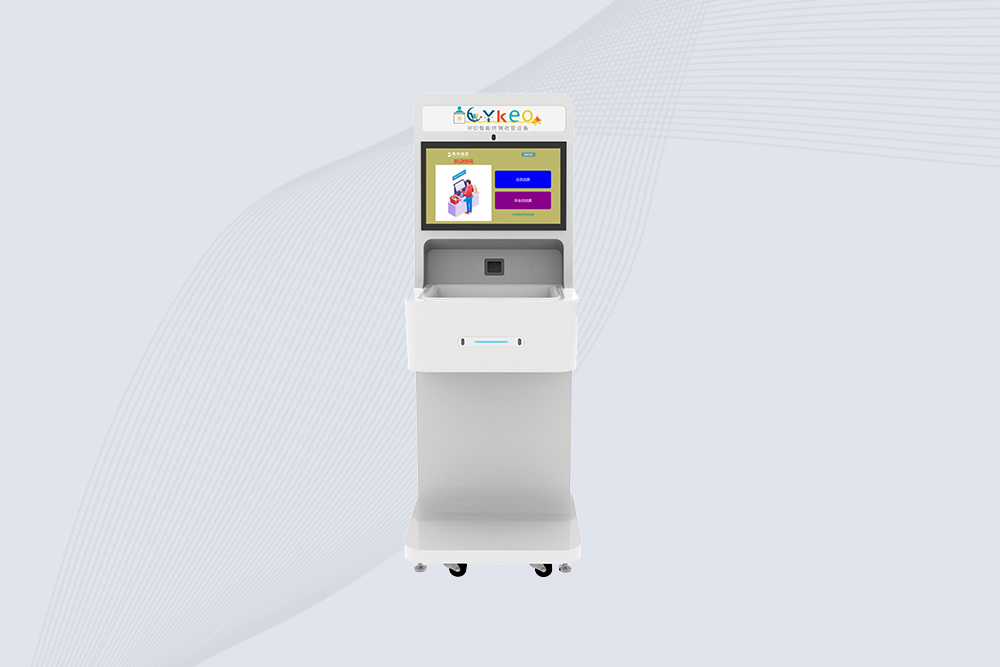
Cykeo CYKEO-DP11 UHF RFID Checkout Terminal streamlines bulk scanning operations with 5-tag/sec efficiency, dual OS compatibility (Windows/Android), and pharmacy-grade inventory management. Ideal for healthcare, retail, and unmanned stores, it ensures high-accuracy RFID bulk scanning with IP54 ruggedness and ISO 18000-6C compliance.
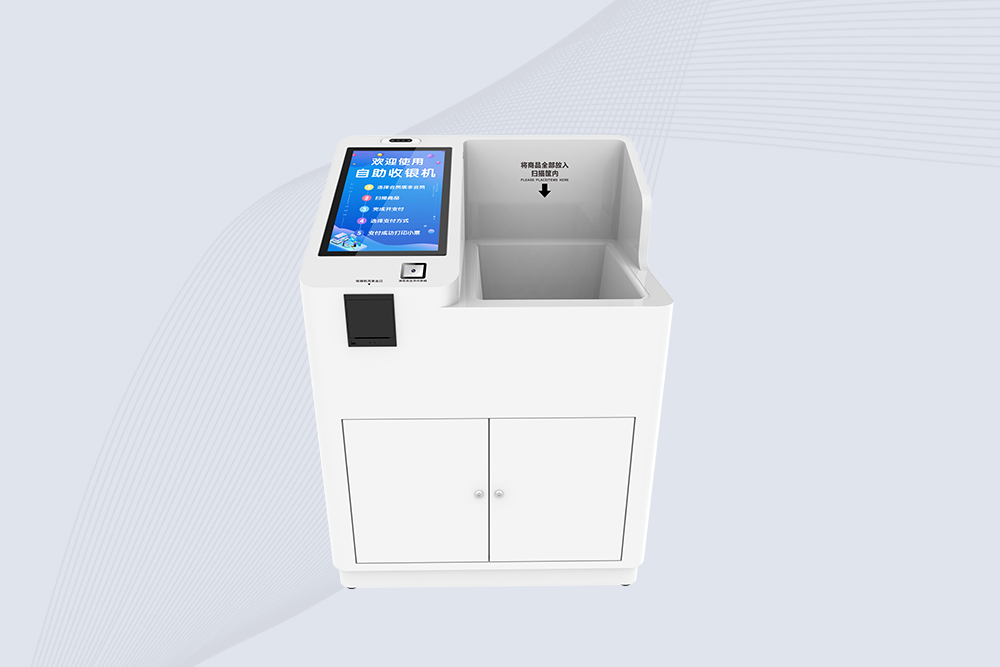
Cykeo’s unmanned RFID checkout Kiosk terminal enables 10-item bulk scanning in 3 seconds with 21.5″ touchscreen, anti-theft tag update, and POS integration for retail automation.
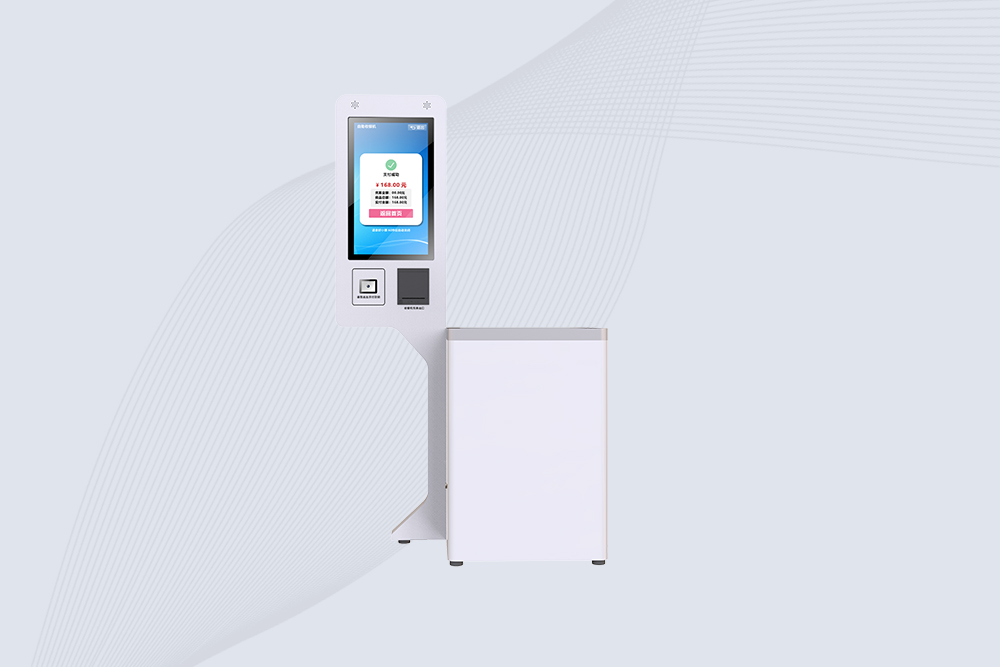
Cykeo’s CYKEO-DP11C UHF RFID self checkout kiosk enables unmanned retail with 10+ items/sec scanning, 21.5″ payment UI, and ISO 18000-6C compliance. Ideal for supermarkets and apparel stores.
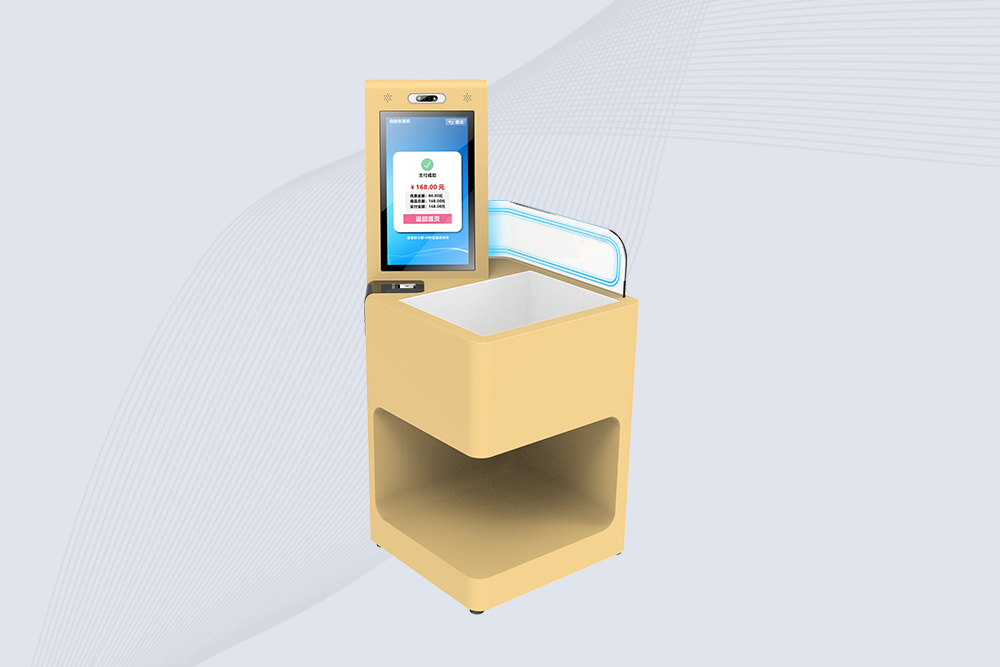
Cykeo CYKEO-DP11E RFID self checkout system offers 21.5″ touchscreen, UHF RFID batch scanning (ISO 18000-6C), and cloud integration for retail automation. Ideal for unmanned supermarkets and apparel stores.
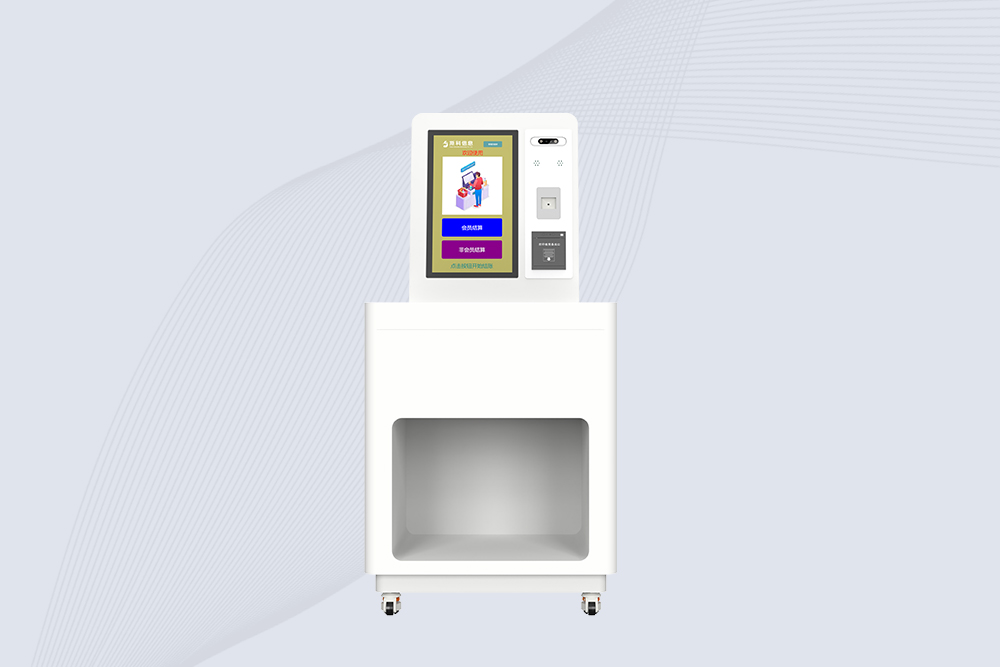
Cykeo’s autonomous RFID payment kiosk enables 10-item/sec contactless checkout, POS integration, and EAS tag deactivation. Features 21.5″ payment interface, PCI-certified security.
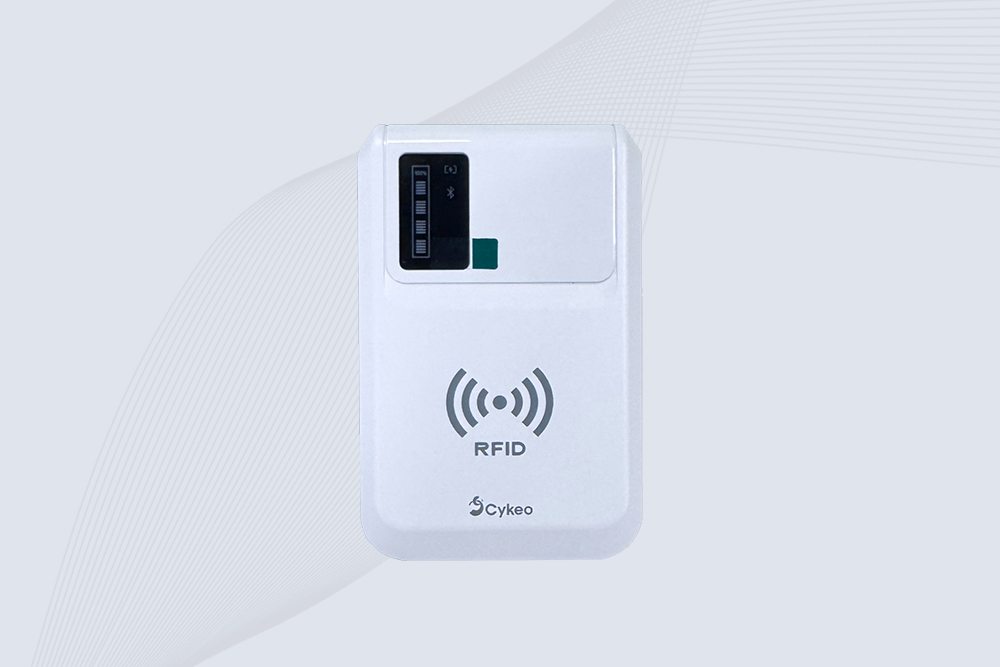
Cykeo CYKEO-B5L portable iPhone RFID reader features 8m range, 500 tags/sec scanning, and built-in 10000mAh charger. Perfect for retail/warehouse teams needing iOS integration.
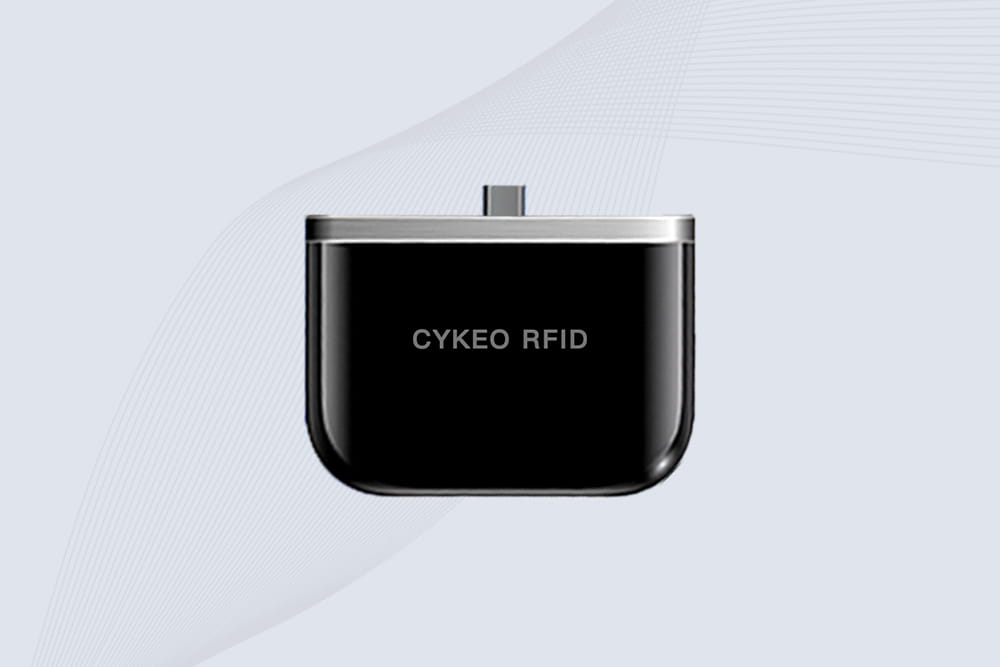
Cykeo CYKEO-B4L Android RFID reader features 37g magnetic phone attachment, 30cm UHF scanning, and Java/C# SDK for mobile asset tracking. Ideal for anti-counterfeit and warehouse verification.
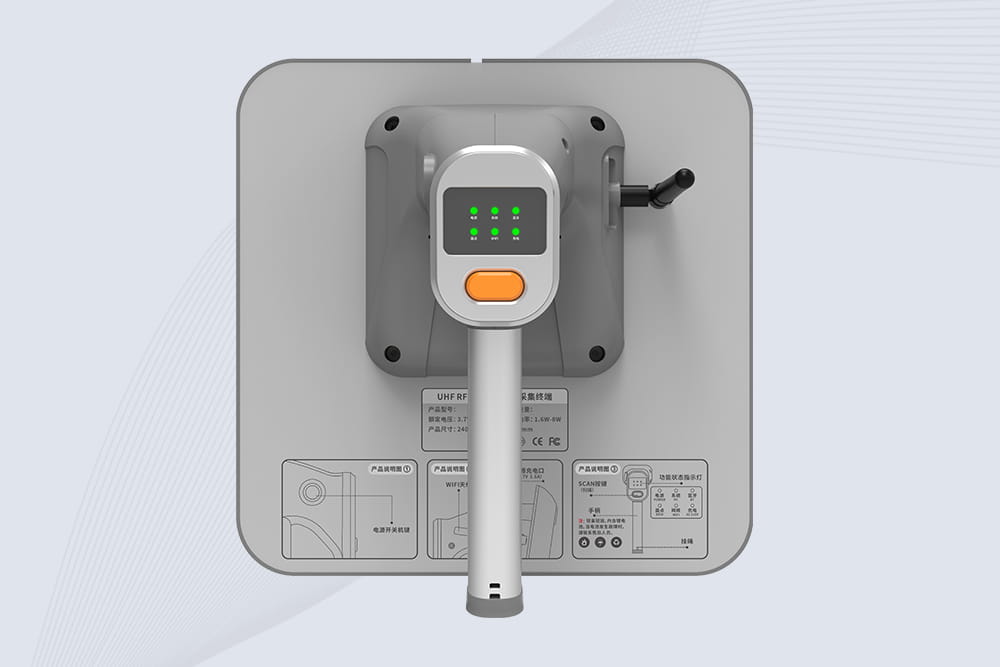
Cykeo CYKEO-B9 UHF Bluetooth handheld RFID scanner features 12m UHF range, 200+ tags/sec scanning, IP67 rugged design for retail/warehouse/pharma. Supports Android SDK & real-time Bluetooth 5.0 transmission.
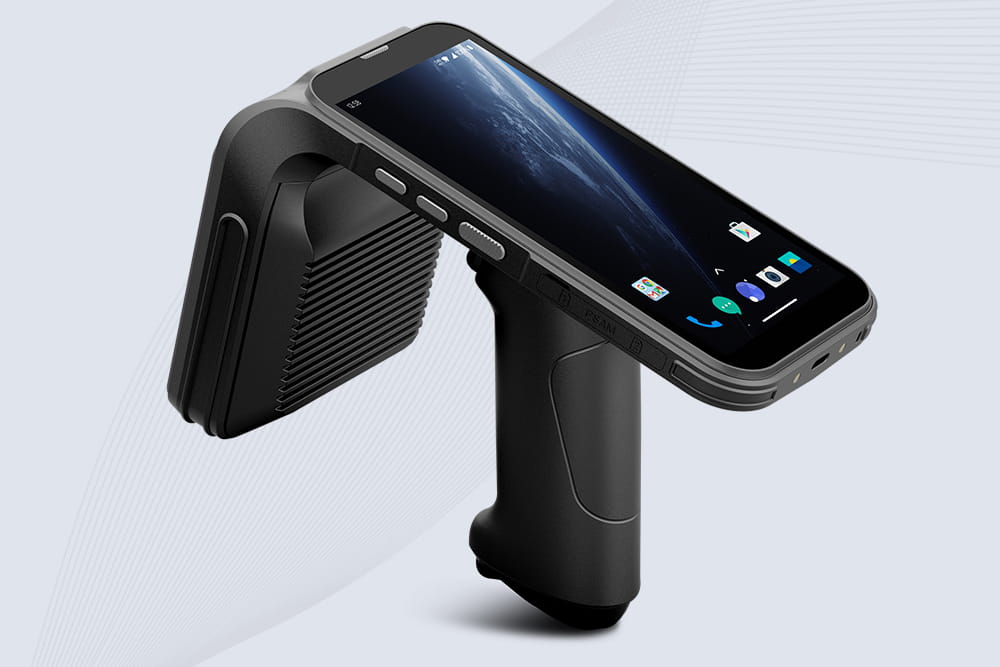
Cykeo CYKEO-B4 UHF Handheld RFID Reader scanner delivers 1300 tags/sec reading, 30m UHF range, and 12-hour battery life. IP65 rugged design with barcode/NFC/ID scanning for retail/manufacturing/logistics.
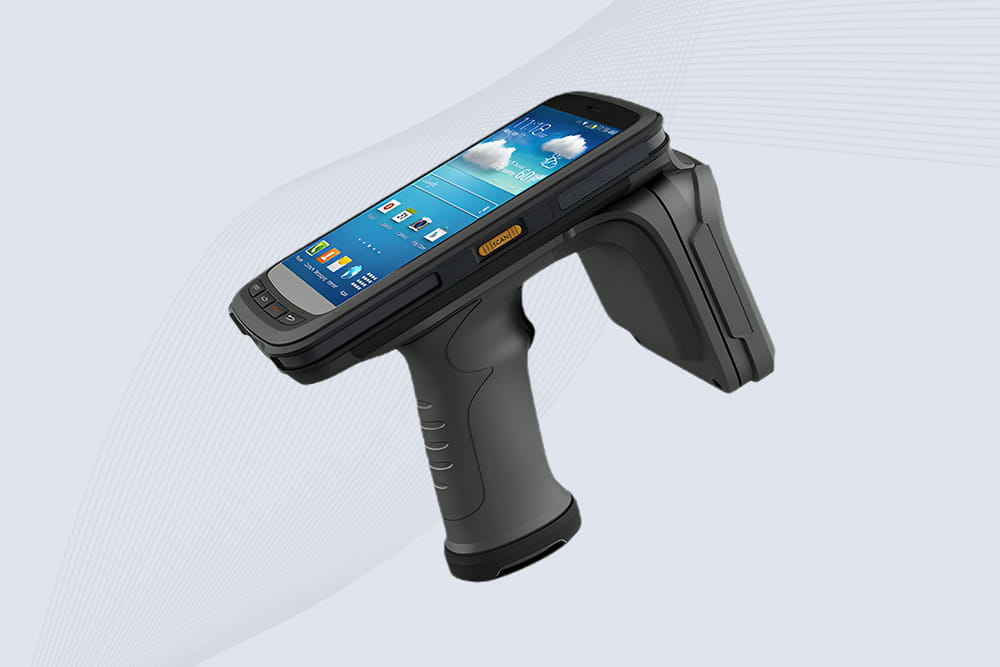
Cykeo CYKEO-B2 industrial UHF RFID handheld Scanner offers 10m range, 500 tags/sec scanning, Android 11 OS, and IP65 rugged design for retail/warehouse/manufacturing.
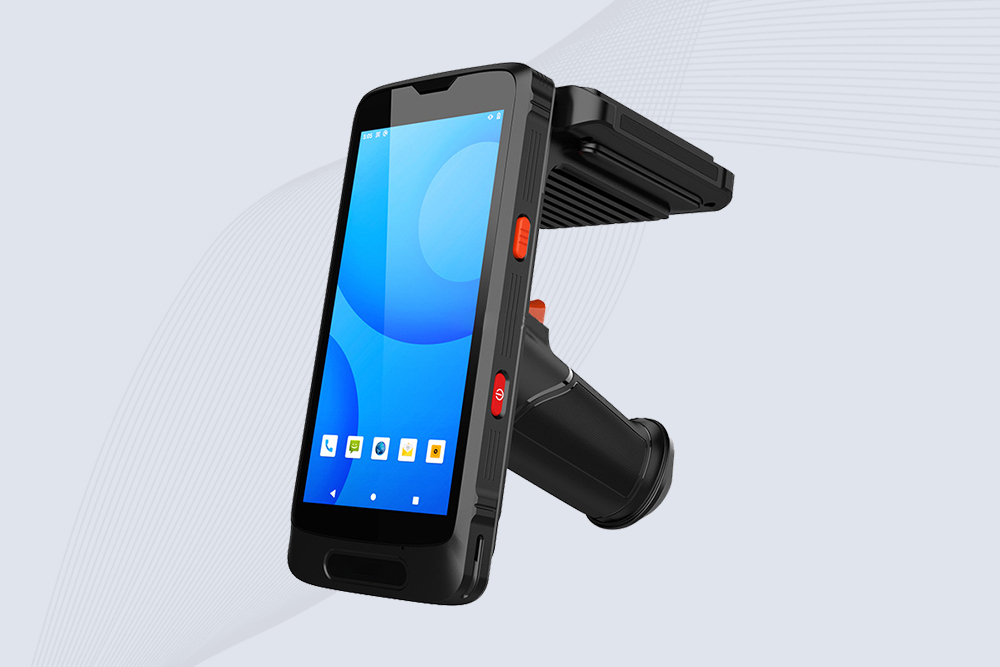
Cykeo CYKEO-B3 industrial RFID Reader Handheld, terminal offers 2m read range, multi-protocol scanning (NFC/barcode/ID), Android 10 OS, and IP65 ruggedness for logistics/retail/manufacturing.
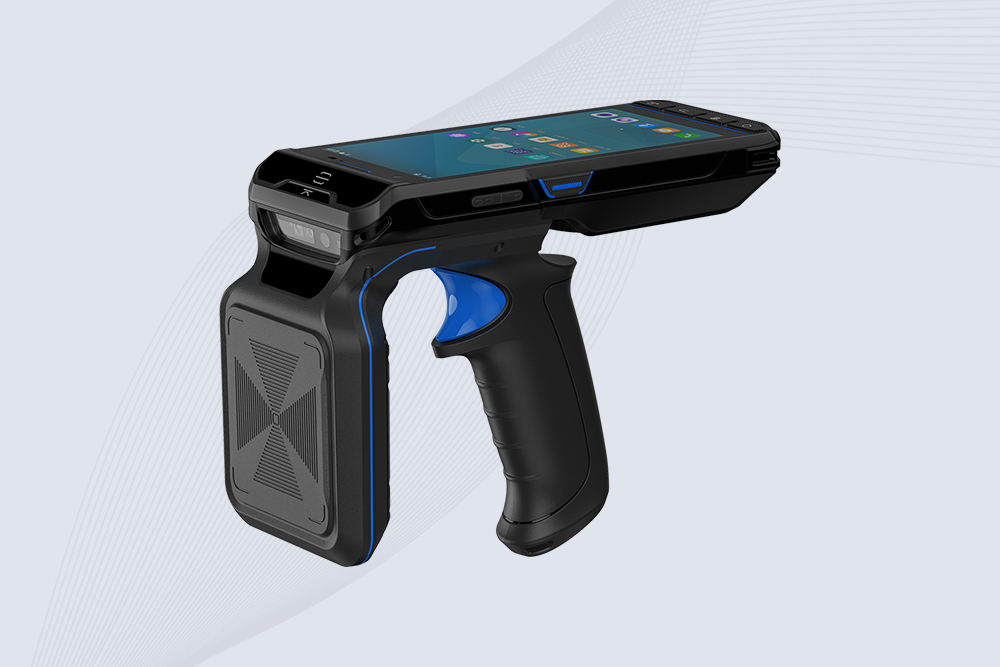
Cykeo CYKEO-B3L industrial handheld UHF RFID Reader terminal features 20m read range, 500 tags/sec scanning, Android 13 OS, 12-hour battery for logistics/retail/manufacturing. Supports barcode/NFC/ID reading.
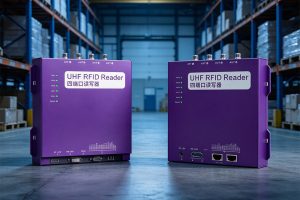
Looking for Impinj RFID reader alternatives? Discover cost-effective UHF RFID fixed readers for warehouse, industrial, and large-scale deployments.
More
Learn how RFID reader modules are used in access control systems, smart cabinets, industrial security devices, and RFID-enabled entry management applications.
More
Discover radio frequency tag solutions from Cykeo for asset tracking, inventory management, logistics, and industrial automation with reliable RFID identification.
More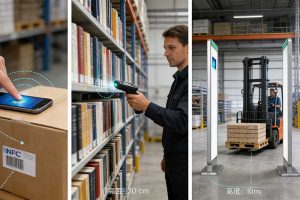
Need practical read distances? Learn how far away RFID chips can be read in LF, HF/NFC, and UHF systems, and what factors change the actual range.
More