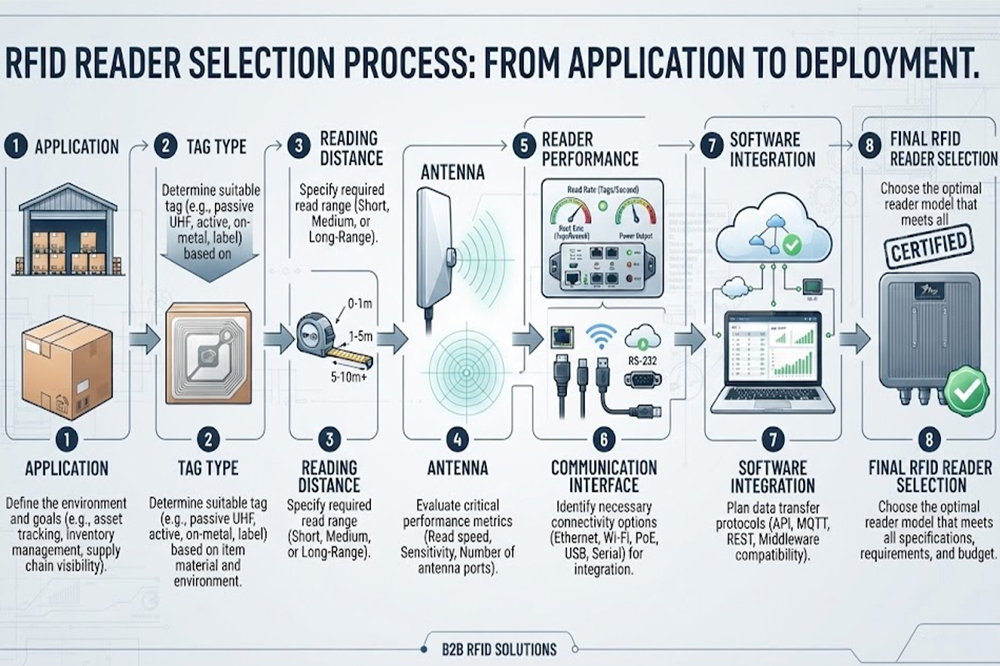
Choosing a long range RFID scanner is not simply about finding the reader with the longest claimed distance. For most RFID projects, frequency, chipset, sensitivity, antenna ports, protocol support, communication interfaces, tag type, reading-zone requirements, and software integration should be considered together.
A customer asks:
“Can you give me a long range RFID scanner with 20-meter reading distance?”
It sounds like a simple request.
It isn’t.
Before choosing the reader, I would want to know what they are actually trying to read.
A pallet?
A carton?
A vehicle?
Clothing?
Industrial tools?
A metal container?
And where will the reader be installed?
A warehouse door and a production line can require completely different RFID setups, even if both customers ask for a “long range RFID scanner.”
This is where RFID specifications start to matter.
Start With the Application, Not the Reader Model
When buying RFID hardware, it is easy to open a product catalog and compare numbers.
Frequency.
Power.
Sensitivity.
Antenna ports.
Reading distance.
Communication interface.
It looks straightforward.
But those numbers don’t mean much without the application.
For example, a reader with eight antenna ports may be unnecessary for a small inventory station.
On the other hand, a four-port reader might not be enough for a large loading gate requiring multiple antennas.
So the first question should be:
What does the RFID system need to do?
Only then should you choose the hardware.
1. Check the RFID Frequency
For long range applications, UHF RFID is commonly used because it can provide relatively long-distance tag identification and support multiple-tag reading.
However, frequency requirements vary by market.
A reader may support a range such as:
840–960 MHz
with regional frequency settings.
For an RFID distributor selling internationally, this matters.
A reader suitable for one region may need different configuration or compliance for another market.
So when a customer says:
“We need UHF RFID.”
that is not quite enough information.
The target market should also be confirmed.
2. Look at Protocol Compatibility
Protocol support is another basic specification.
For many UHF RFID projects, EPC Class 1 Gen 2 / ISO 18000-6C compatibility is important.
Some readers also support other RFID protocols.
Why does this matter?
Because the reader needs to communicate with the tags used in the project.
A distributor may have a customer who already purchased RFID tags.
Before recommending the reader, confirm what those tags support.
It is a small question that can prevent a surprisingly annoying compatibility problem.
3. Reading Distance Is Important—but Don’t Read the Number Too Literally
This is probably the most misunderstood RFID specification.
A product page may say:
Reading distance: up to 20 meters.
A buyer may assume that every tag will be detected at 20 meters.
That is not how RFID works.
Actual reading distance can depend on:
RFID tag design
Tag size
Tag orientation
Reader power
Antenna gain
Antenna direction
Product material
Installation height
Surrounding RF environment
A large, well-designed tag facing the antenna may perform very differently from a small tag attached to metal.
So “20 meters” should usually be treated as a reference rather than a guaranteed distance for every application.
4. Antenna Gain Changes the Result
The RFID reader and antenna work together.
A high-performance reader connected to an unsuitable antenna may not deliver the expected result.
For long range applications, directional antennas are often useful because they focus energy toward a particular area.
For example, imagine a warehouse entrance.
The customer wants to identify pallets passing through one lane.
A directional antenna aimed at the lane may be more practical than an antenna providing broad coverage in every direction.
This also helps reduce unwanted reads.
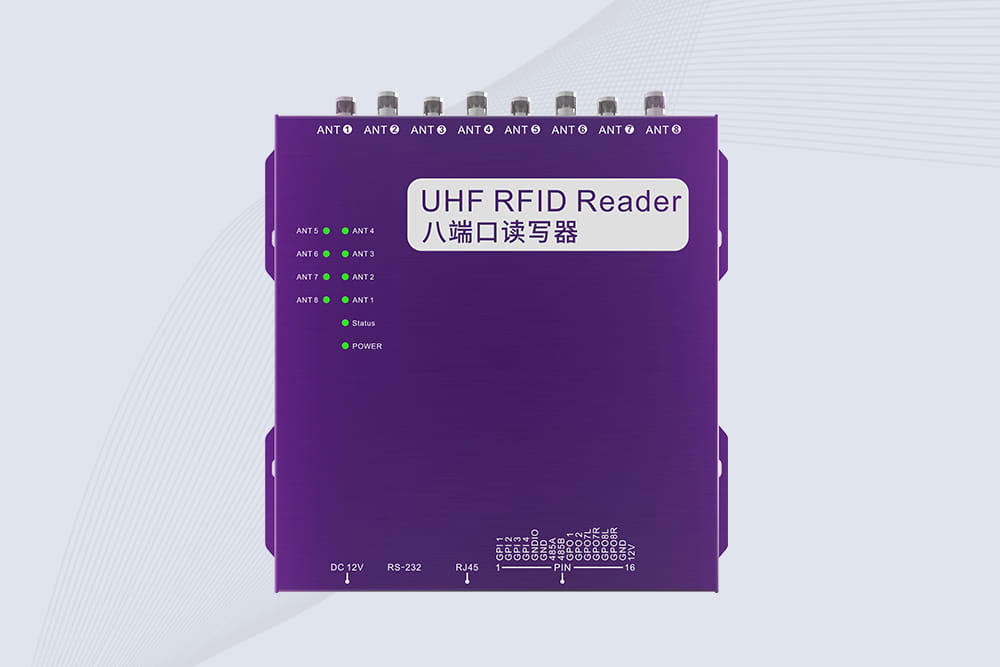
5. How Many Antenna Ports Do You Need?
This is a specification that RFID distributors should pay close attention to.
Readers may come with different numbers of antenna ports.
For example:
1–2 ports
4 ports
8 ports
16 ports
The right number depends on the project.
A single reading point may only need one or two antennas.
A large gate could require several antennas to cover different directions.
More ports can provide greater installation flexibility, but they also increase system complexity and cost.
Don’t automatically recommend the highest-port model.
6. RFID Sensitivity Matters
Sensitivity is easy to overlook because customers often focus on reading distance.
But sensitivity affects the reader’s ability to detect weaker tag signals.
For example, a specification such as:
Sensitivity: -85 dBm
can indicate strong receiver performance.
However, sensitivity should not be viewed alone.
Real-world performance still depends on the tag, antenna, environment, and installation.
If a customer is trying to read small tags from relatively long distances, sensitivity becomes a specification worth discussing.
7. Chipset Can Be Relevant for B2B Buyers
For professional RFID projects, the chipset can matter.
Some UHF readers use established RFID chipsets such as Impinj E710 or other industry-recognized platforms.
Why should a distributor care?
Because chipset choice can influence:
RF performance
Tag handling
Reader stability
Development support
Software integration
Project positioning
For a basic buyer, chipset information may not mean much.
For an RFID solution provider, it can be an important part of technical evaluation.
8. Check the Communication Interface
The RFID reader needs to send tag data somewhere.
That might be a warehouse management system.
A local computer.
A cloud platform.
An industrial controller.
Or custom software.
Common interfaces can include:
Ethernet
TCP/IP
USB
RS232
RS485
Wi-Fi
Other network interfaces
The exact requirements depend on the application.
For example, a fixed warehouse reader may rely heavily on Ethernet.
A portable system may have different requirements.
Before purchasing in bulk, confirm what the customer’s software team actually needs.
9. API and SDK Support
This can become very important in larger RFID projects.
Suppose a logistics company already has its own warehouse software.
The RFID reader detects:
EPC 300833B2DDD9014000000001
The customer’s software needs to know what that EPC represents.
The integration layer might connect the RFID data to:
Pallet → Shipment → Warehouse location → Customer
Without a workable integration method, the reader is basically isolated hardware.
For RFID system integrators, API and SDK availability can therefore be a major purchasing factor.
10. Fixed or Handheld?
The term “long range RFID scanner” can refer to different hardware formats.
Fixed RFID Reader
Useful for:
Warehouse gates
Loading docks
Production lines
Conveyor systems
Retail entrances
Automated checkpoints
Handheld RFID Scanner
Useful for:
Inventory counting
Product searching
Warehouse stock checks
Retail inventory
Asset locating
The customer should decide whether RFID needs to operate automatically or with an employee.
Sometimes the best solution uses both.
A fixed reader can track movement at the door while handheld equipment handles inventory checks inside the warehouse.
11. What Kind of Products Are Being Tagged?
This question can completely change the reader recommendation.
Cardboard cartons are relatively straightforward.
Plastic containers are also common.
Metal products are different.
Liquids can be different again.
A customer tracking automotive parts may need RFID tags specifically designed for metal surfaces.
A retailer tracking clothing may use lightweight RFID labels.
A logistics company tracking reusable plastic bins may have another requirement.
So don’t quote the reader before asking about the tagged object.
12. Tag Orientation Can Change Everything
RFID tags are not equally effective from every angle.
A tag facing the antenna may perform well.
Turn it sideways.
Put another box in front of it.
Attach it to a metal surface.
The reading result can change.
This is why an RFID project should include real-world testing.
If a customer says:
“We need 15 meters.”
the next question should be:
“What is the tag size and where will it be installed?”
That question is often more useful than discussing another decimal place in the reader specifications.
13. Don’t Forget the Reading Zone
Imagine a warehouse door that is four meters wide.
The customer wants to detect pallets passing through it.
If the RFID reader can detect tags 20 meters away in every direction, it may also detect pallets waiting beside the door.
Now the system has too much information.
This is not a reader failure.
It is a system-design issue.
A good RFID installation should define where reading starts and where it stops.
Antenna direction, power adjustment, reader configuration, physical layout, and software filtering can all help.
14. Consider the Working Environment
An RFID reader installed in an office has a very different job from one installed in a warehouse.
Industrial applications may involve:
Dust
Temperature changes
Metal racks
Forklifts
Motors
Conveyors
High-density tags
Outdoor exposure
The enclosure and installation method may matter.
For outdoor logistics applications, weather protection can become important.
For manufacturing, mounting and cable routing may be more important.
Again, the environment should be part of the specification.
A Practical Example
Suppose an RFID distributor receives this inquiry:
“We need 50 long range RFID readers for warehouse pallet tracking.”
The distributor could immediately quote a reader.
But I would ask:
How many reading gates?
How many lanes?
What is the expected distance?
What type of pallet?
Wood, plastic, or mixed?
Where is the RFID tag attached?
How fast are the pallets moving?
How many antennas are needed per gate?
What WMS is being used?
What communication interface is required?
Is the 50-reader quantity for one warehouse or several locations?
The final reader recommendation may change after these questions.
That’s normal.
A Useful RFID Selection Checklist
For a distributor or system integrator, I would keep the first evaluation fairly simple.
Application
What exactly is being tracked?
Frequency
What regional UHF frequency range is required?
Protocol
Does the reader support the customer’s RFID tags?
Reading Distance
What distance is actually required?
Antenna
What gain and directional pattern are suitable?
Antenna Ports
How many antennas will the installation require?
Sensitivity
Is weak-tag detection important?
Interface
How will the reader communicate with the system?
Software
Does the customer require API, SDK, or middleware?
Environment
Indoor, outdoor, warehouse, factory, or retail?
Quantity
Pilot order or large-scale deployment?
This checklist is simple, but it prevents many unnecessary specification discussions.
What RFID Wholesalers Should Watch for in Bulk Orders
For wholesale buyers, technical specifications are only half of the decision.
The commercial side matters too.
A distributor may need:
Competitive bulk pricing
Stable production capacity
OEM branding
Customized firmware
Different antenna configurations
Technical documentation
API or SDK support
Sample units
Pre-shipment testing
Long-term supply
A customer may initially order five readers.
If the pilot works, the order could become 50 or 200 units.
That is why supplier stability matters more than simply finding the cheapest unit price.
Don’t Buy Based on One Number
If there is one thing worth remembering when selecting a long range RFID scanner, it is this:
Don’t choose the reader because one specification looks impressive.
A 20-meter reading distance is not useful if the customer needs a tightly controlled 5-meter gate.
Eight antenna ports are unnecessary if the installation only needs one antenna.
High RF power does not solve a poor RFID tag.
And an excellent reader is still difficult to deploy if the software cannot communicate with it.
The right reader is the one that fits the complete application.
For RFID distributors, wholesalers, and system integrators looking for long range UHF RFID readers, fixed RFID scanners, rfid antennas, handheld RFID equipment, or customized RFID hardware, send us the application, required reading distance, tag type, antenna requirement, communication interface, and estimated quantity for sample testing and bulk quotation.
Frequently Asked Questions
1. What is the most important RFID reader specification?
There is no single specification. Application, tag type, antenna, reading distance, sensitivity, environment, and software integration should be considered together.
2. Does a longer RFID range mean better performance?
Not necessarily. Excessive range can cause unwanted reads. For many projects, a controlled reading zone is more useful than maximum distance.
3. How many antenna ports do I need?
It depends on the installation. Small reading points may need one or two antennas, while larger gates or multiple lanes may require four, eight, or more ports.
4. Why does RFID tag type matter?
Different products and materials affect RF performance. Tags for cardboard, plastic, metal, and other surfaces may have different designs and reading performance.
5. Should RFID distributors test samples first?
Yes. Sample testing with the customer’s actual tags, products, antenna arrangement, and installation environment can reduce the risk of problems during a larger deployment.
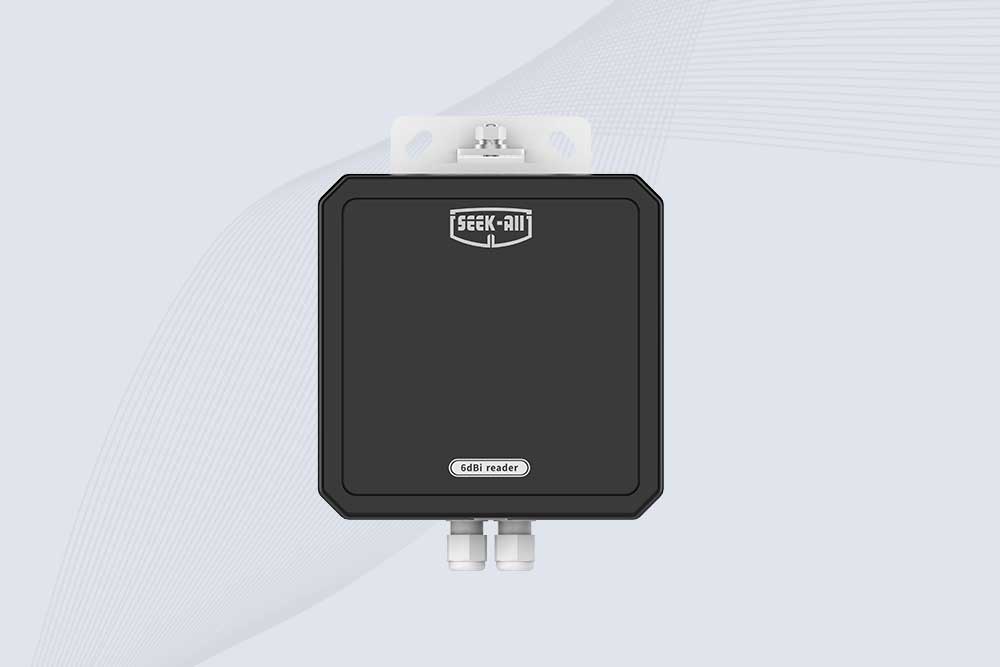
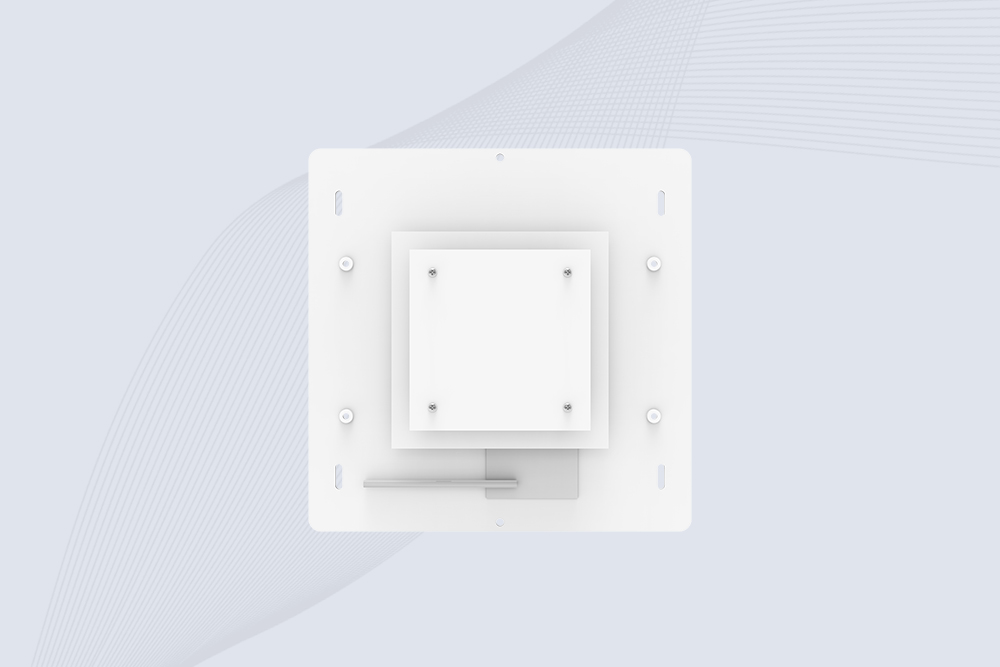
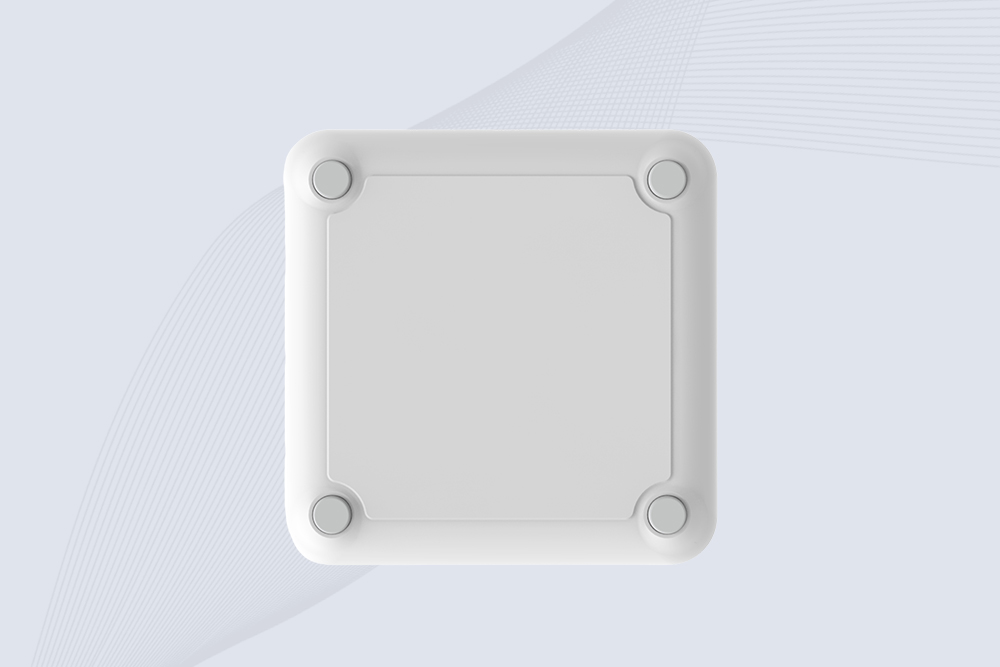
SSD-RA06L is an industrial UHF RFID reader with a built-in 6 dBi antenna, 3 m read range, 600+ tags/s, Ethernet, RS232, and optional Wi-Fi, 4G, and PoE.
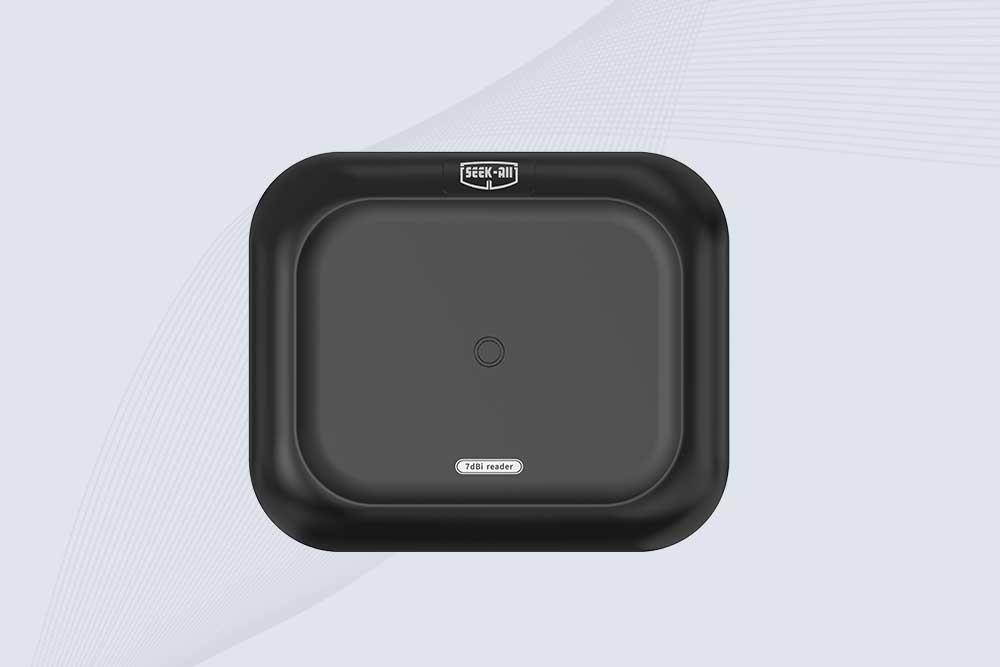
SSD-RA07L industrial UHF RFID reader with integrated 7 dBi antenna, up to 6 m reading distance, over 600 tags/s, Ethernet, RS232, and optional Wi-Fi, 4G, and PoE.
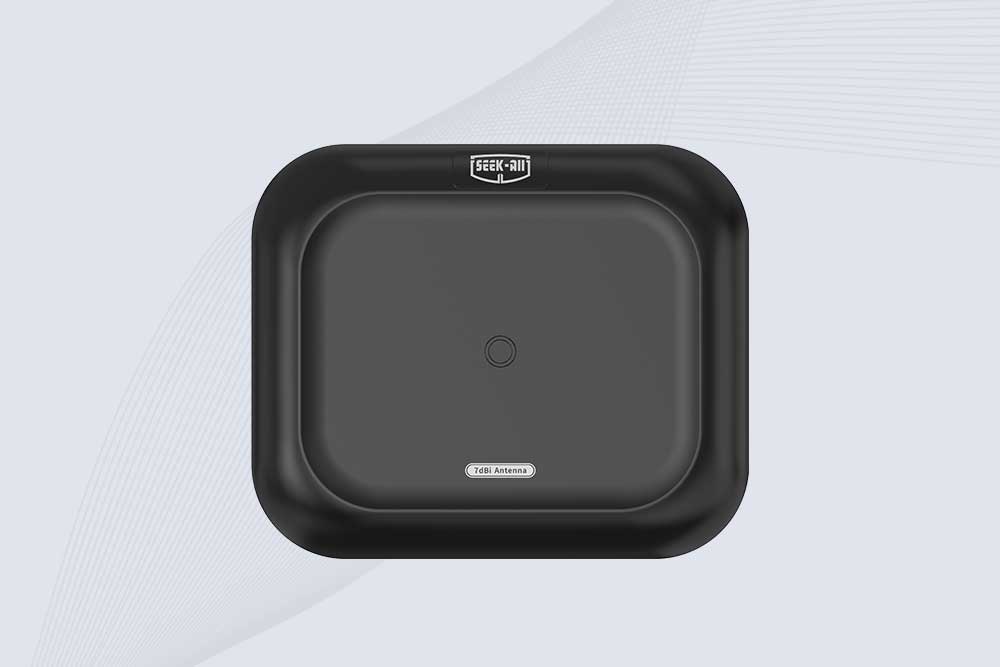
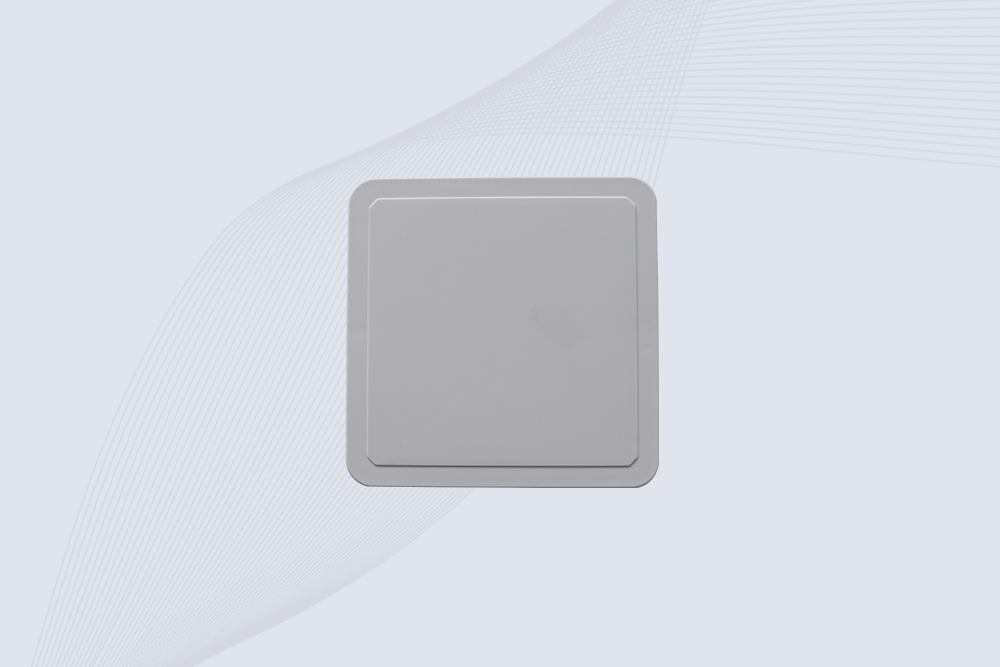
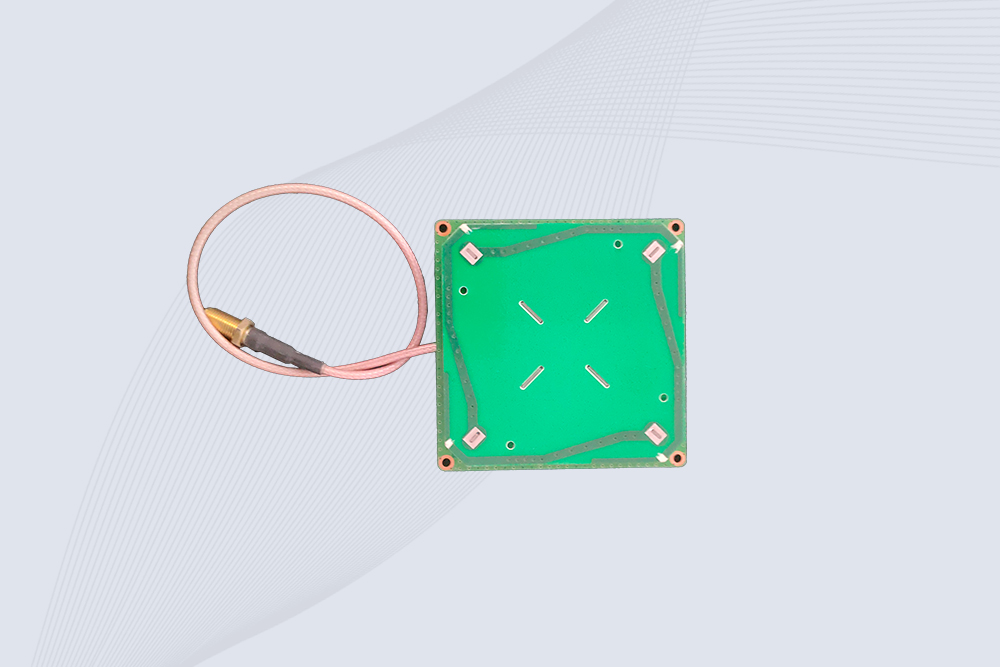
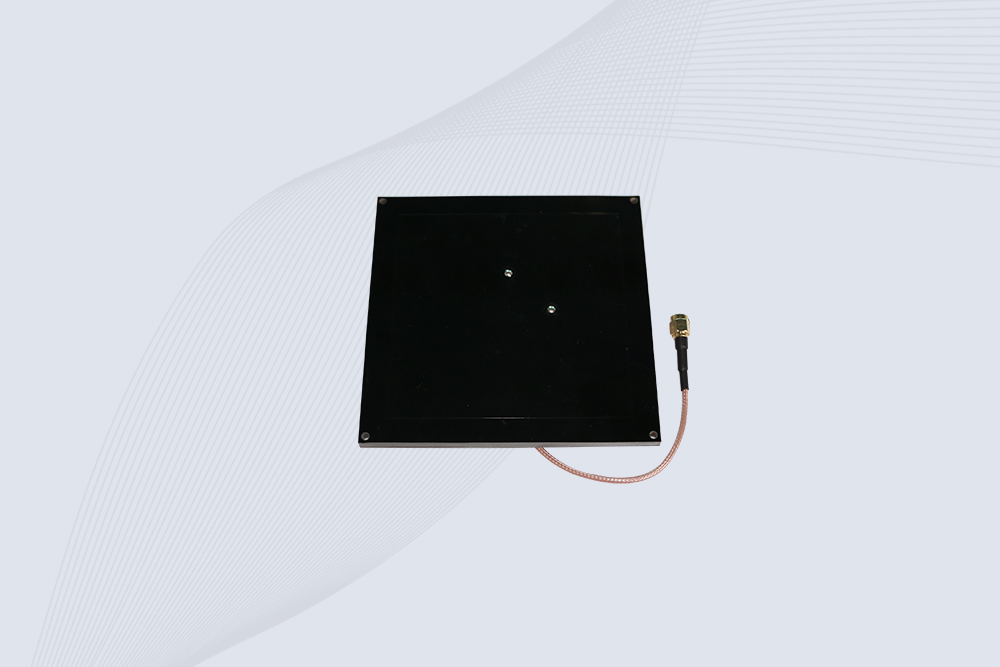
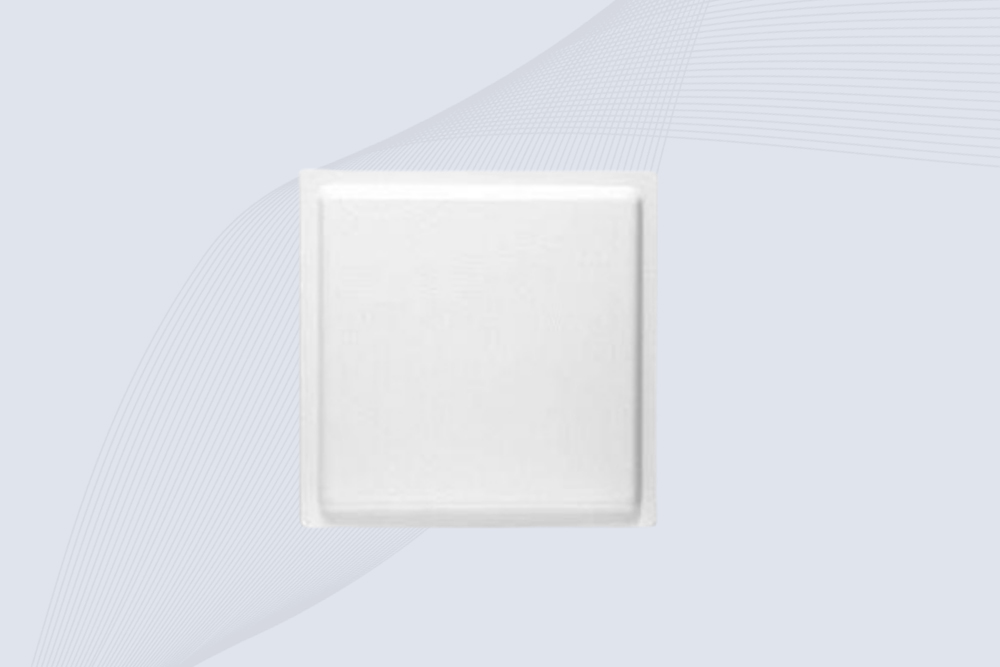
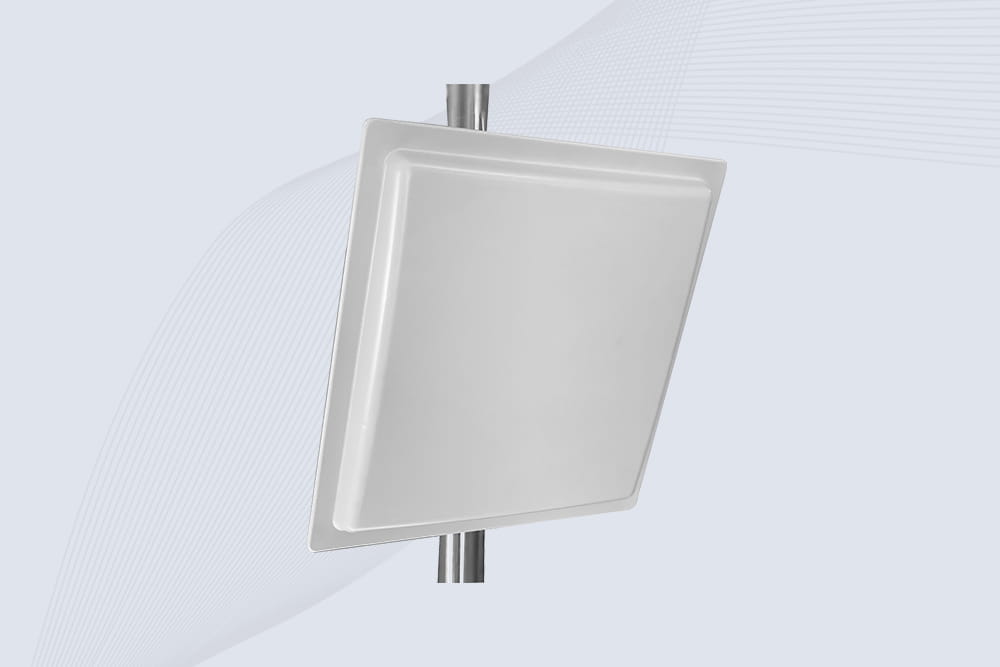
Explore the SSD-A07 UHF RFID antenna with 7 dBi gain, circular polarization, adjustable 840–960 MHz frequency, and 60°/75° beamwidth for stable RFID read/write performance.
SSD-A06 UHF RFID antenna with circular polarization, adjustable 840–960 MHz frequency, ≥4.5 dBi gain, and a compact directional design for RFID systems.
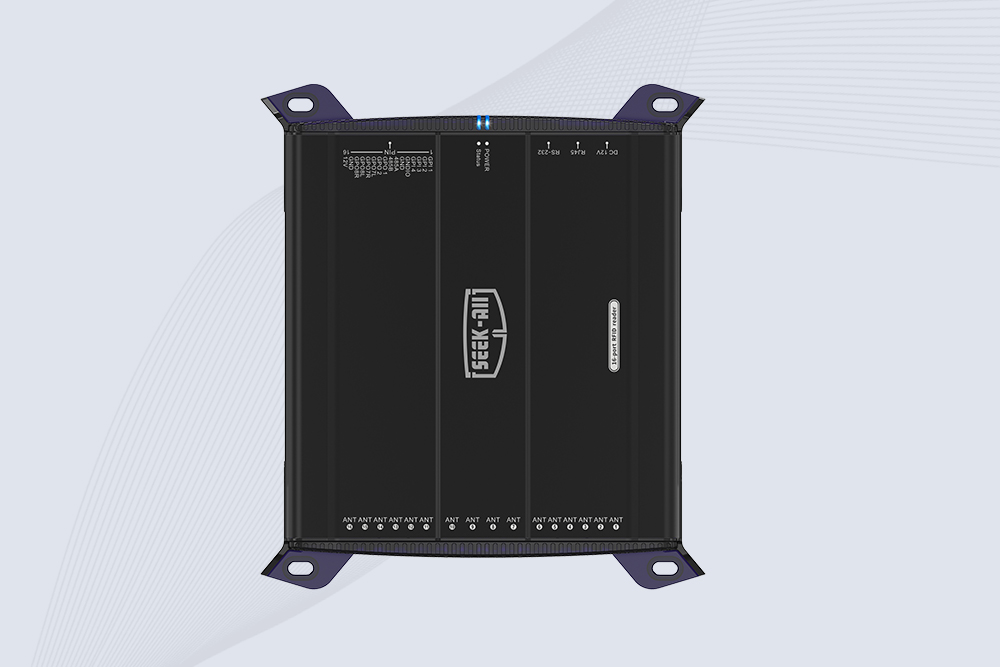
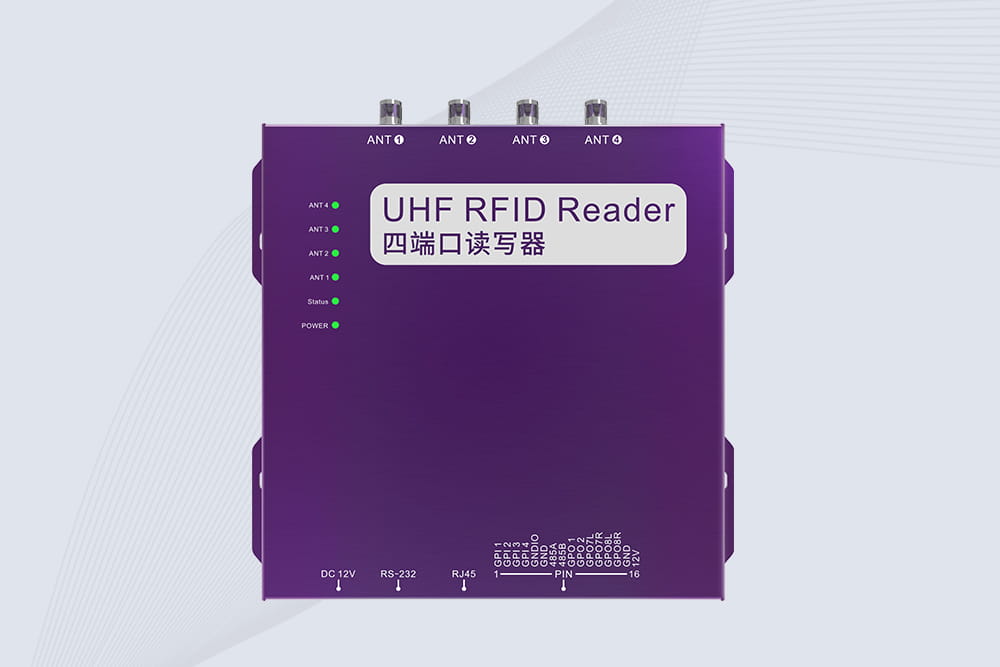
SSD-R16L Multi-Channel RFID Infrastructure for Automated Inventory Management ✔️ 16-Port High-Density RFID Reading Equipped with 16 SMA antenna ports, SSD-R16L supports multi-antenna deployment for warehouses, retail stores, logistics, production lines, and large-area RFID identification. ✔️ High-Speed & Long-Range Performance With up to 33…
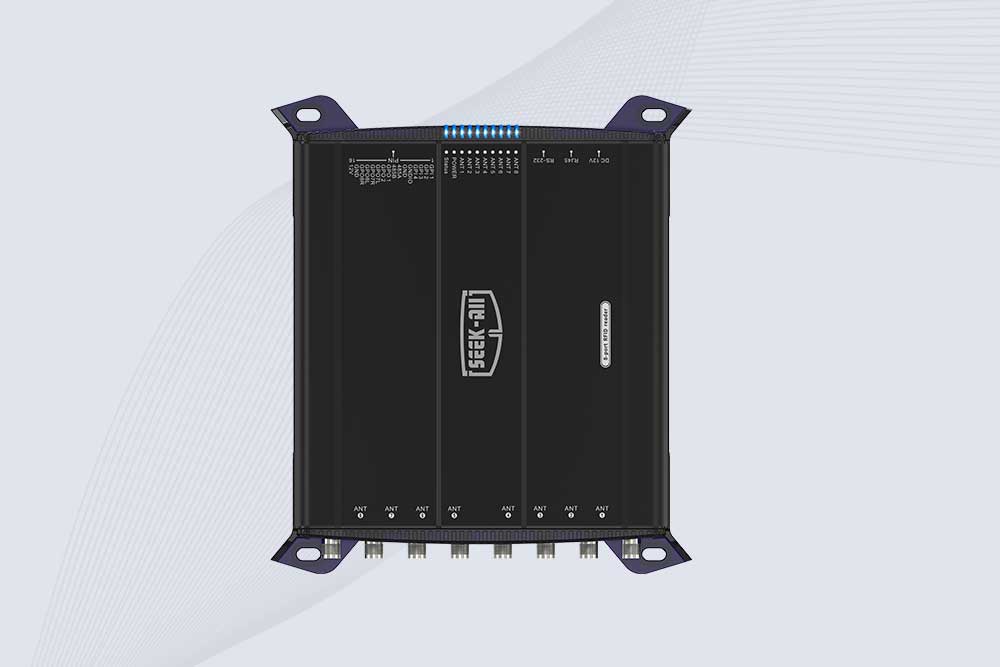
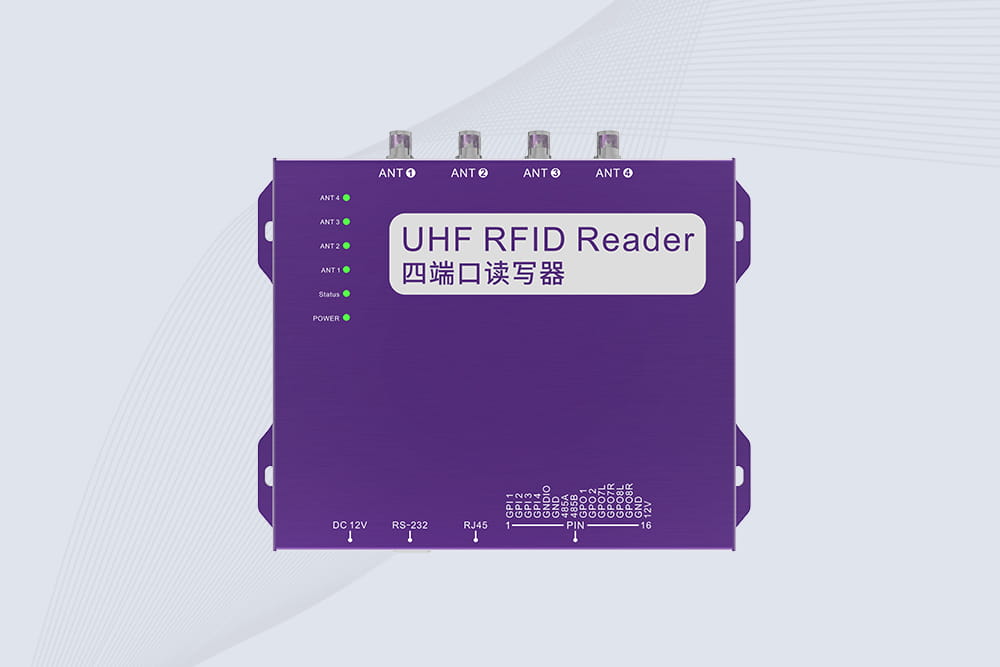
SSD-R8L 8-port UHF RFID reader with 33dBm output, up to 20m reading range and 600+ tags/s recognition. Ideal for warehouse, logistics, retail and asset tracking.
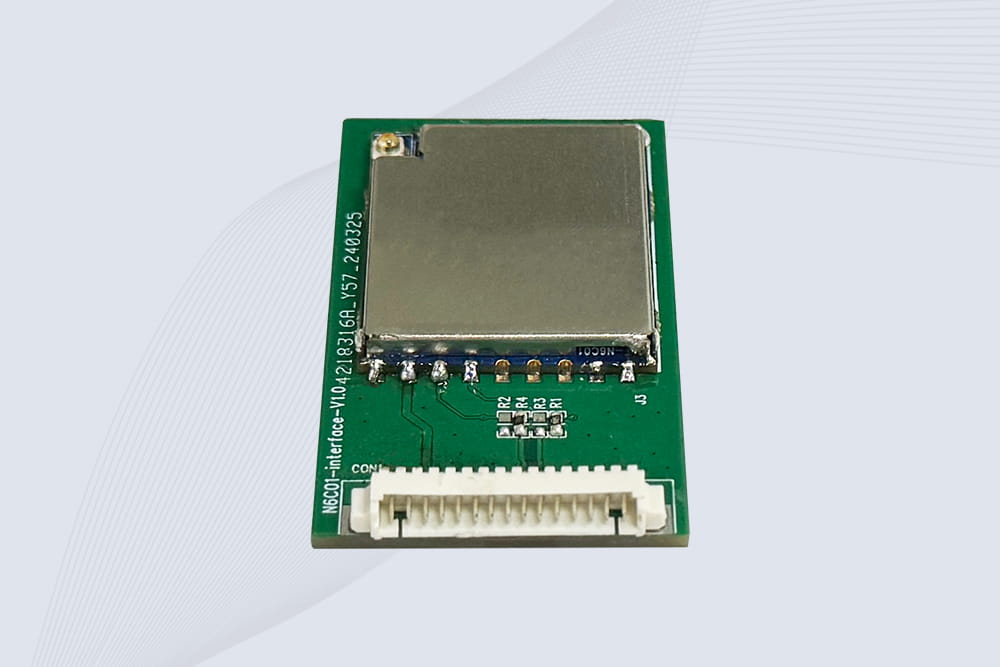
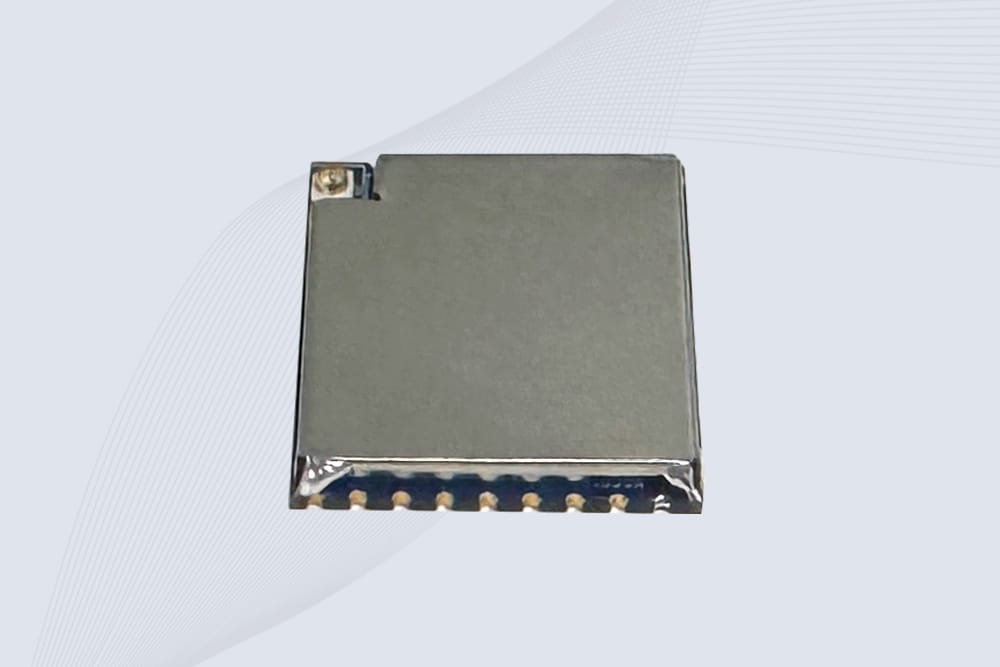
CYKEO Embedded RFID Modules are designed for compact industrial and IoT devices that require stable UHF performance. These UHF RFID Modules support global protocols, flexible power control, and reliable multi-tag reading for smart cabinets, production lines, and asset tracking systems.
CYKEO Embedded RFID Module is built for compact IoT and industrial devices that need stable UHF performance. This UHF module supports global protocols, low power operation, and reliable multi-tag reading for smart lockers, production lines, and always-on RFID systems.
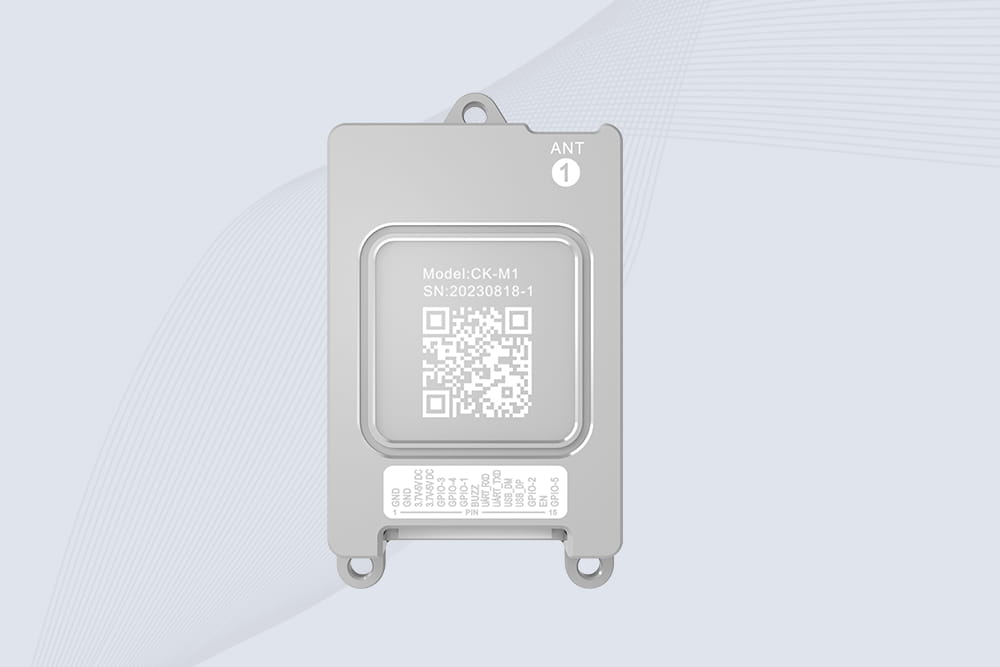
CYKEO CYKEO-M1 drone rfid module is a compact UHF RFID reader module designed for drones and UAV platforms. It supports long-range aerial scanning, fast multi-tag reading, and stable performance in wind, vibration, and outdoor environments.
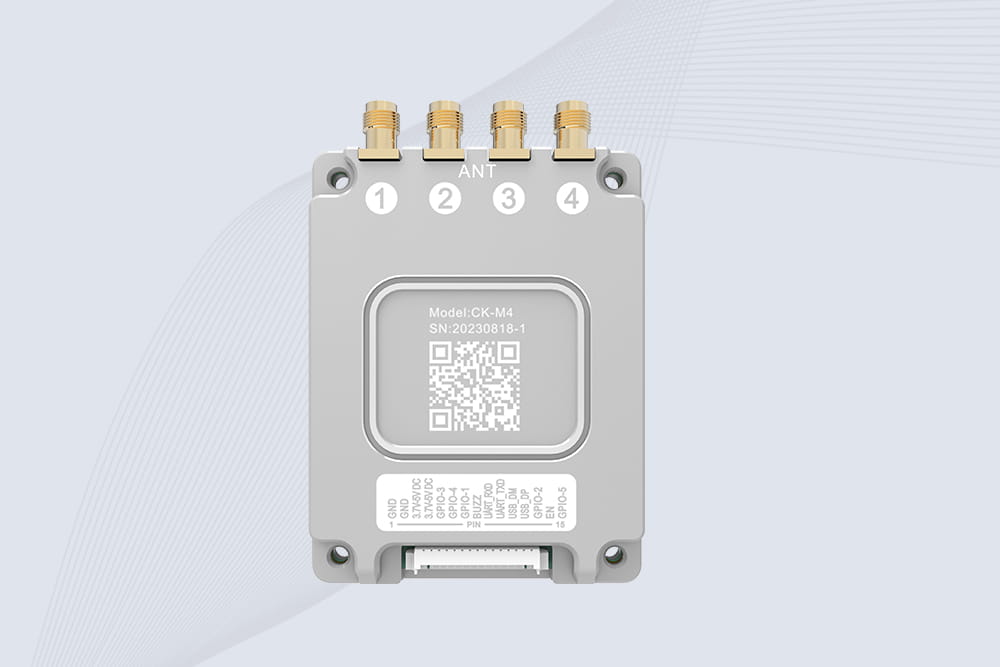
CYKEO CYKEO-M4 RC522 RFID Module is an industrial-grade UHF RFID reader with 4 ports, supporting ISO, EPC, and GB protocols. High-speed, accurate reading for IoT, automation, and warehouse applications.
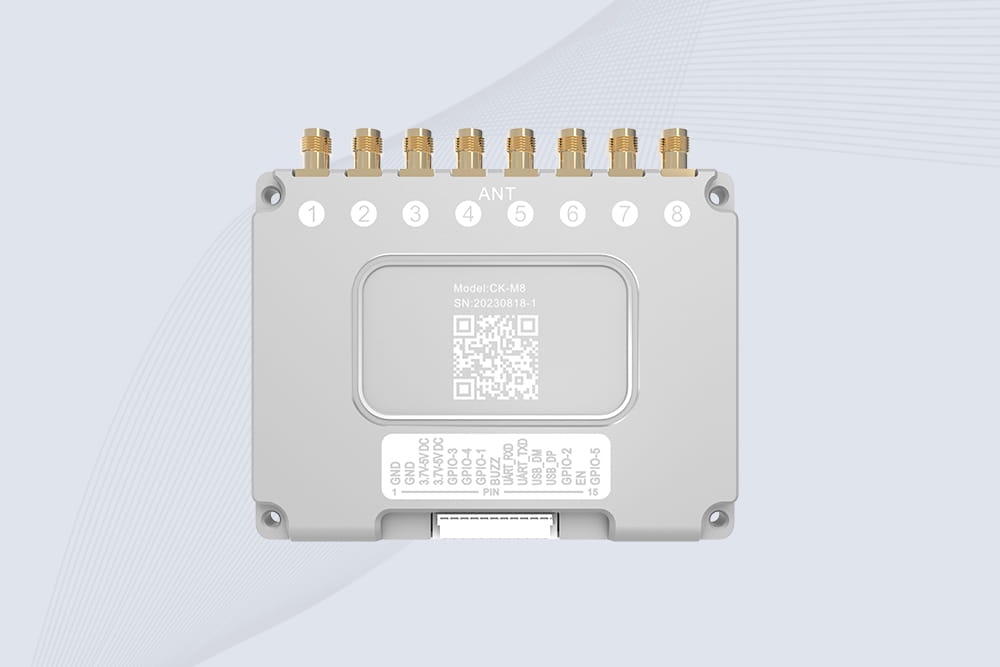
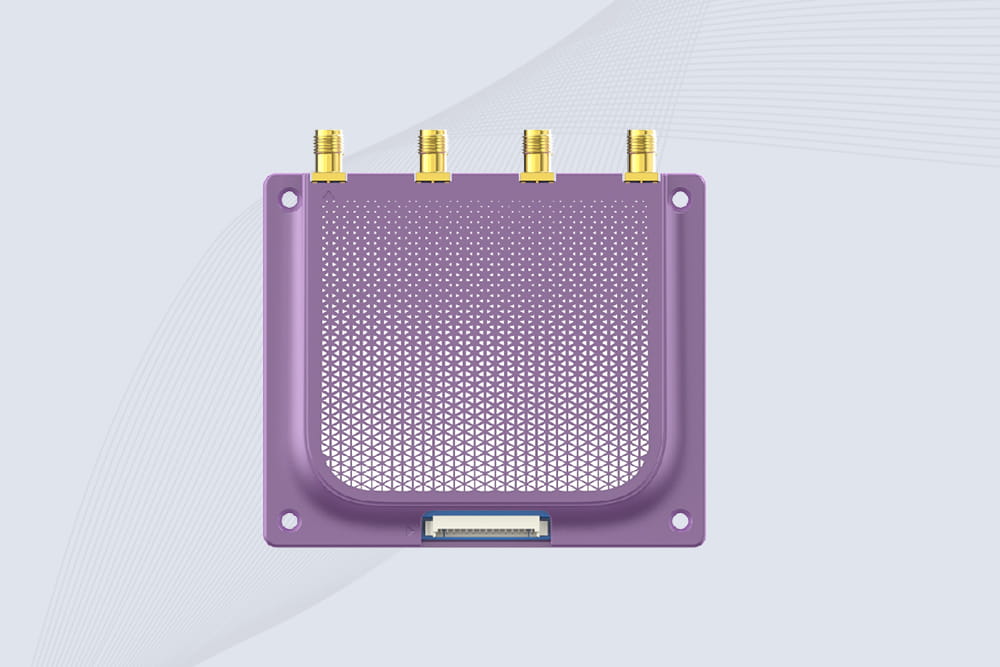
CYKEO CYKEO-M8 Module RFID is an 8-port UHF R2000 RFID Module designed for high-density, multi-tag environments. Stable 33dBm output, ISO & GB protocol support, ideal for warehouses, factories, and automated systems.
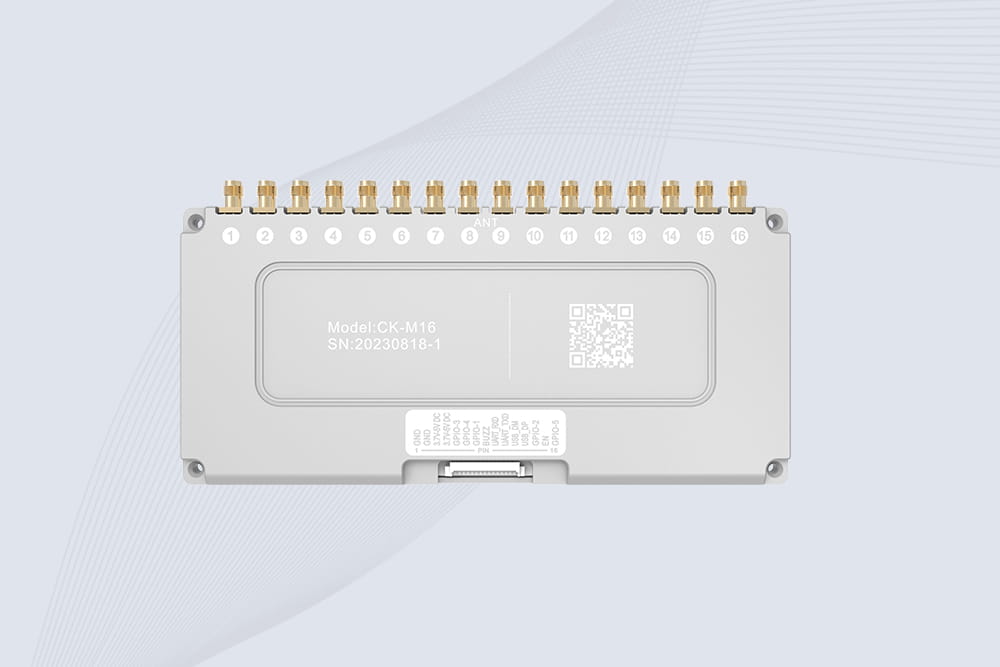
CYKEO CYKEO-M16 RFID Module is a 16-port UHF RFID reader module based on the R2000 chipset. Designed for dense tag environments, it supports ISO and GB standards and delivers stable multi-antenna control for industrial automation.
The CYKEO CYKEO-M16L RFID Reader Module is a 16-channel UHF RFID core designed for dense tag environments. With adjustable 33dBm output, multi-protocol support, and stable multi-antenna control, this RFID Tag Reader Module fits industrial automation, warehouse systems, and large-scale IoT deployments.
CYKEO CYKEO-M8L module RFID is a compact industrial UHF module built for dense tag and multi-antenna environments. With 8 RF ports, adjustable 33 dBm output, and ISO & GB protocol support, it is widely used in factories, warehouses, and automated tracking systems.
CYKEOCYKEO-M4L UHF RFID Module is a compact 4-channel RFID tag reader module designed for dense tag environments. Supporting ISO and GB protocols, it delivers stable reads up to 10 meters for industrial and IoT systems.
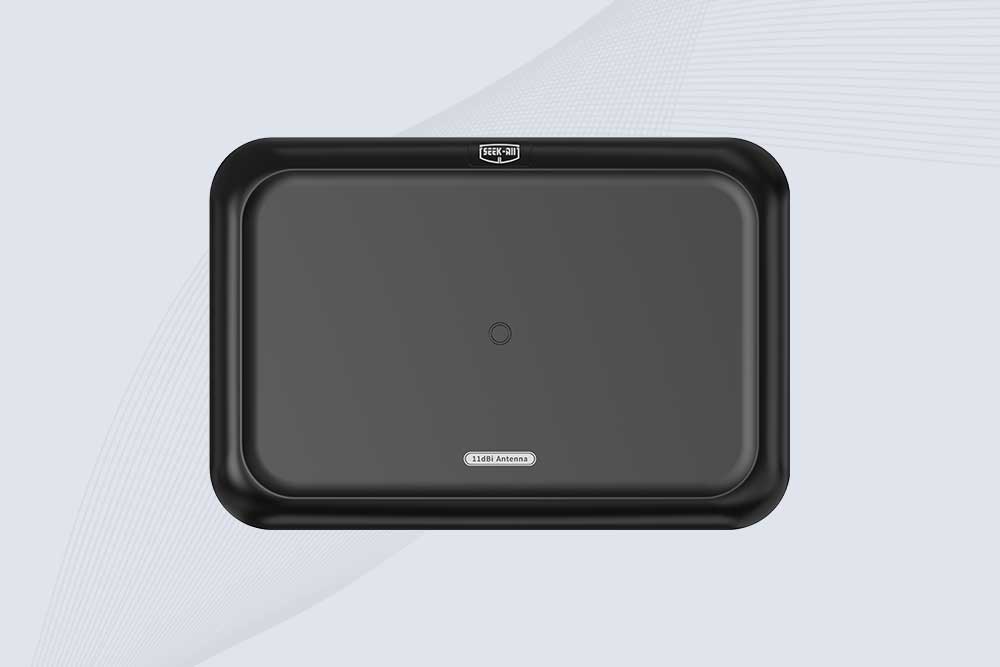
Cykeo CYKEO-A11 UHF RFID reader antenna delivers 11dBi gain, 840-960MHz frequency range, and IP65 ruggedness for retail, logistics, and industrial RFID systems. Features low VSWR and easy installation.
CYKEO Antenna RFID Reader delivers stable long-range UHF performance with a 10.5dBi directional design, built for warehouses, conveyor portals, and industrial RFID systems. This rfid reader antenna provides 20m+ read distance and rugged IP67 protection.
Cykeo CYKEO-A5B industrial Linear RFID Antenna delivers 5dBi gain, ≤1.5:1 VSWR, and IP65 rugged design for warehouse, production line, and logistics UHF systems.
Cykeo’s CYKEO-B12 Long Range RFID Antenna delivers 15m+ read range with 12dBi gain, IP65 rugged design, and global 840-960MHz UHF support. Ideal for warehouse/logistics asset tracking.
Cykeo CYKEO-B10 Long Distance RFID Antenna offers 10dBi gain, 840-960MHz frequency range, IP65 rating, and 20m+ coverage for logistics/warehousing/ETC systems. Low VSWR ensures stable signal transmission.
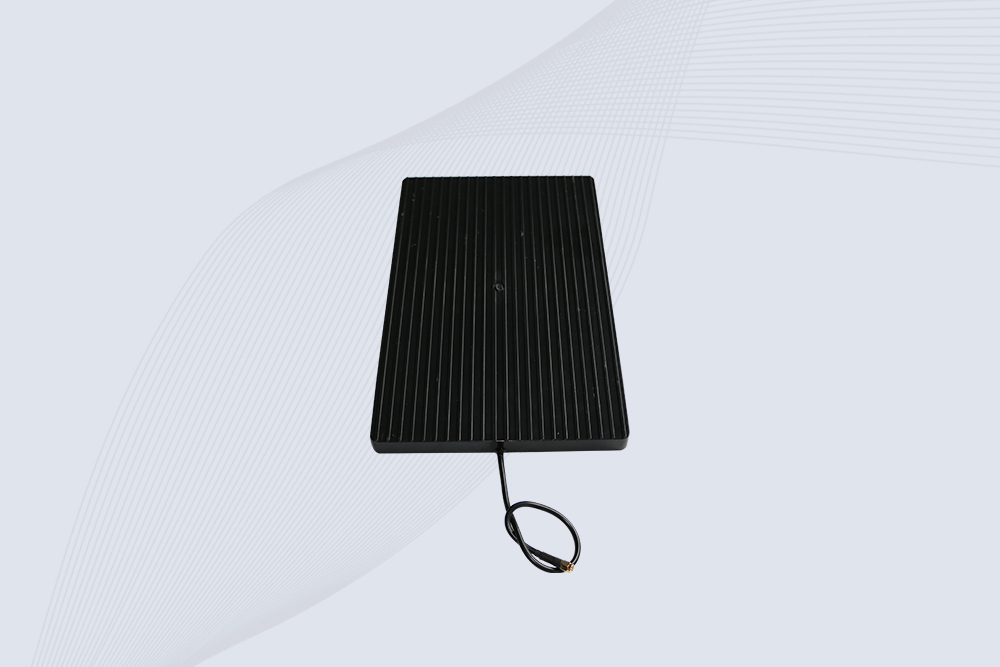
Cykeo CYKEO-A6 UHF RFID panel antenna features 6dBi gain, 840-960MHz broadband, IP65 metal-ready housing for logistics/smart retail. 18mm ultra-thin design with tool-free mounting.
Cykeo CK-A3 industrial antenna RFID UHF offers 5m+ tag detection, ≤1.3:1 VSWR, IP65 rugged design, and global UHF spectrum compatibility (840-960MHz) for warehouses, factories, and retail.
Cykeo CYKEO-B5 directional RFID antenna provides 5dBi gain with 60° narrow beamwidth for precise inventory tracking. IP65-rated, global UHF frequency support, and low VSWR.
Create your own high-performance DIY RFID antenna! 5dBi gain, 840-960MHz tunable, step-by-step guides. Compatible with Arduino, Raspberry Pi, and commercial UHF readers.
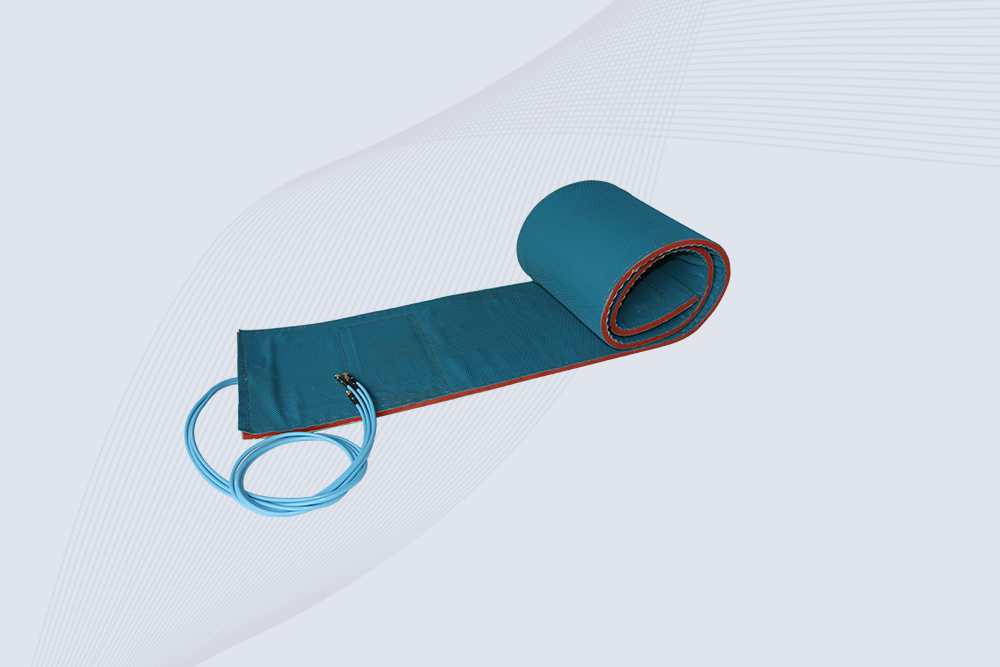
Cykeo CYKEO-A7 Flexible RFID Antenna features 840-960MHz wideband tuning, 7dBi gain, and IP68 rating for medical/retail/industrial curved surface deployments. 98% read accuracy with peel-and-stick installation.
Cykeo CYKEO-B5A industrial Passive RFID Antenna delivers 5dBi gain, 70° beamwidth, and -40°C~55°C operation for warehouses/smart cabinets. Compatible with Zebra/Impinj readers.
Cykeo’s CYKEO-A9B High Gain RFID Antenna delivers 15m+ read range with 9dBi amplification. Features IP54 rugged design, 840-960MHz bandwidth, and 80° beamwidth for warehouse/manufacturing RFID systems.
Cykeo’s enterprise-grade 8dbi Impinj RFID Antenna 10m+ read range with 840-960MHz tuning. Features IP65 housing, 1.4 VSWR, 35° beamwidth for retail/warehouse RFID systems.
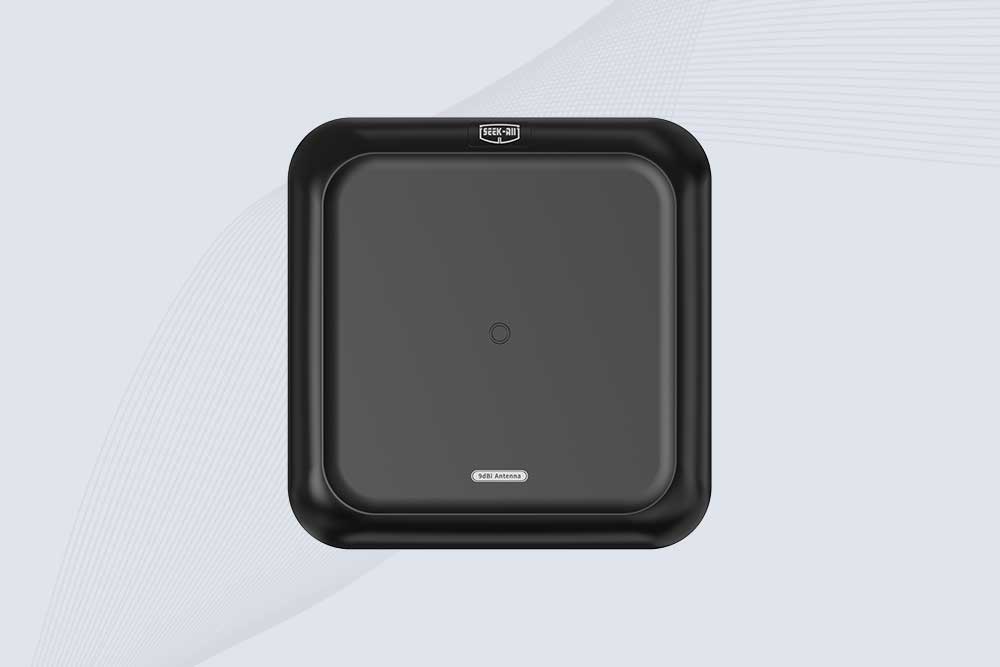
Cykeo CYKEO-A9 industrial UHF RFID antenna delivers 9dBi gain, 840-960MHz frequency range, and IP65 protection for warehouse/logistics/retail RFID systems. Features N-type connector and ≤1.3:1 VSWR.
CYKEO UHF RFID Antenna built for long-distance and industrial applications. This antenna rfid uhf delivers strong gain, outdoor durability, and reliable tag performance in warehouses, yards, and vehicle ID systems.
CYKEO Antenna RFID delivers reliable long-range UHF performance in warehouses, retail shelves, and cold-chain environments. This compact uhf rfid antenna provides stable reads with circular polarization and ultra-wide 840–960 MHz support, ideal for industrial tracking, smart shelves, and asset monitoring.
Cykeo’s CYKEO-C8 UHF RFID antennas delivers 8dBi gain, 840-960MHz full-band coverage, and IP65 ruggedness for manufacturing/warehouse RFID systems. Industrial RFID Antennas Features
Cykeo’s 8dBi UHF RFID antenna and reader kit delivers 10m+ range, 840-960MHz broadband, and IP65 ruggedness for factories, warehouses, and logistics. ISO 18000-6C & EPC Gen2 certified.
Cykeo’s CYKEO-A12C UHF Large RFID Antenna delivers 12dBi gain, 840-960MHz global frequency, IP65 ruggedness for logistics/warehousing/automotive. 40° beamwidth ensures stable 15m+ tag reads.
CYKEO Near Field RFID Antenna provides precise 5–30 cm reading for shelves, cabinets, and workstations. This compact rfid shelf antenna delivers stable short-range performance around metal and clutter, ideal for pharmacies, libraries, and electronics sorting.
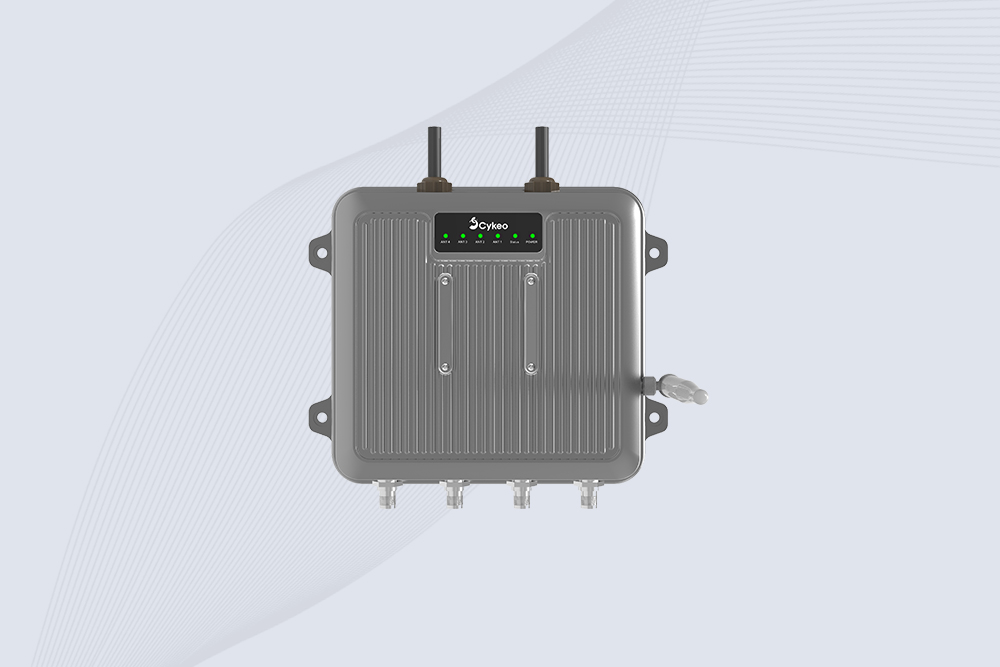
Cykeo’s industrial long range RFID reader delivers 20-meter scanning, 500+ tags/sec speed, and IP67 waterproof design for automated warehouses, logistics, and harsh environment applications.
Cykeo’s CYKEO-RA6L industrial RFID long range reader features 20m read distance, 500 tags/sec speed, and IP67 protection. Ideal for warehouse automation, manufacturing WIP tracking, and smart logistics. Supports ISO 18000-6C/6B protocols.
CYKEO Long Range RFID Tag Reader built for outdoor and industrial operations. This Outdoor RFID Reader delivers 20m read distance, fast tag processing, and IP67 durability for wide-area tracking.
Cykeo CYKEO-RA12L industrial Long Range RFID Reader delivers 20m read range, 200+ tags/sec scanning, and IP67 protection for manufacturing/logistics applications. Supports ISO 18000-6C/GB protocols.
Cykeo CYKEO-C1 industrial Forklift RFID Reader features 20m read range, 600 tags/sec scanning, Impinj R2000 chipset, and IP67 rugged design. Ideal for warehouse logistics and manufacturing. Supports ISO 18000-6C/6B protocols.
Cykeo CYKEO-R4 industrial UHF RFID Fixed Reader features 4 TNC ports, 400+ tags/sec speed, IP67 housing, and global frequency compliance for vehicle inspection, smart warehouse, and asset management systems.
CYKEO CYKEO-R8L Fixed RFID Reader with 8-port UHF design, Impinj-based RF core and up to 20m read range. An industrial Fixed RFID Reader for vehicle inspection, warehouse portals, smart manufacturing lines and secure access checkpoints.
RFID Industry Writer | IoT & Asset Tracking Analyst
James writes about RFID technology, asset tracking, and the practical challenges of digital transformation across warehousing, retail, manufacturing, and logistics.
His work focuses on how RFID is applied in real-world operations—improving inventory visibility, automating workflows, and helping businesses manage assets with greater accuracy and efficiency.
He regularly covers topics including UHF RFID, smart cabinets, RFID portals, tool tracking, warehouse automation, and industrial IoT trends..
Discover proven methods to eliminate RFID signal interference in high-density environments. Learn how Cykeo’s solutions enhance accuracy for warehouses, hospitals, and logistics hubs.
Learn how handheld RF scanners improve RFID inventory management and asset tracking. Discover how mobile RFID scanners help warehouses, retail stores, and hospitals manage assets faster and more accurately.
Wondering what an RFID transmitter is? Learn about active RFID tags that transmit signals, how passive tags use backscatter instead, and when each is used. Clear guidance from CYKEO engineers.
 Cykeo RFID IoT Solution Products R&D Manufacturer