 Cykeo RFID IoT Solution Products R&D Manufacturer

Metal-Proof RFID Readers: 3 Solutions for Industrial Sites
1254Discover Cykeo's 3 proven methods to overcome RFID metal interference. Learn how our UHF readers achieve 99% accuracy in steel plants, oil rigs & automotive factories.
MoreAll RFID Product
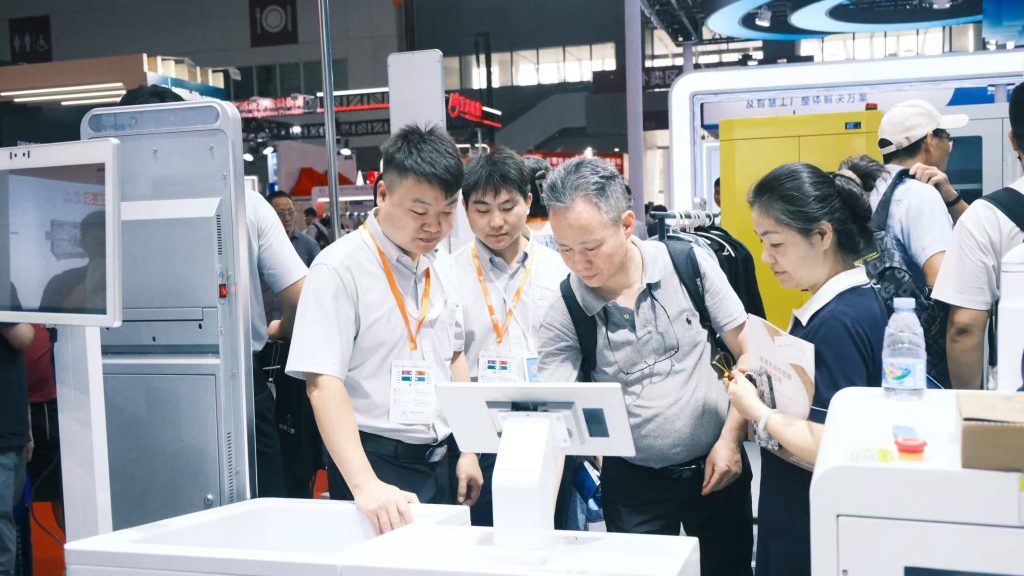
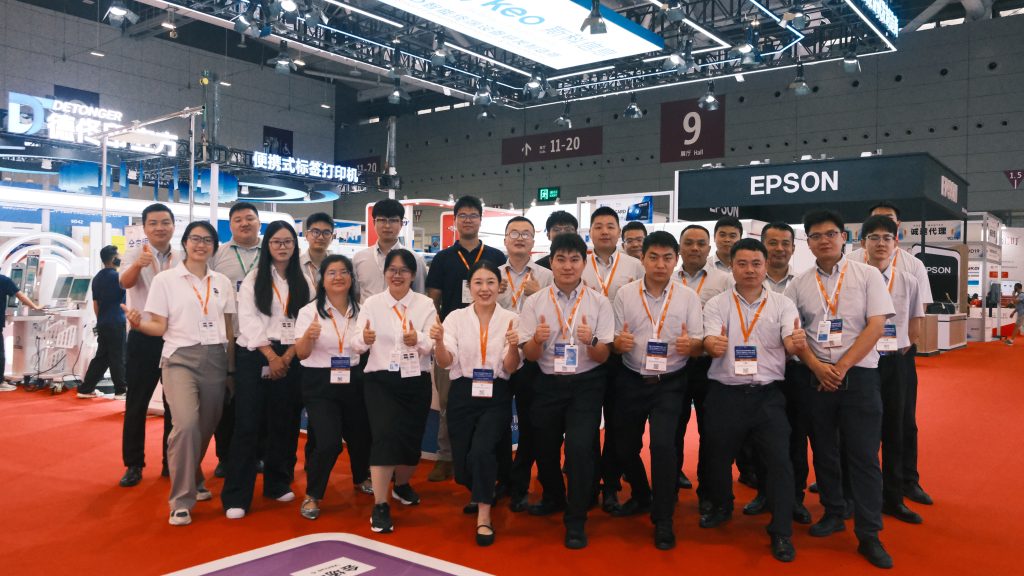
The 25th IOTE International IoT Exhibition · Shenzhen Station came to a successful close on August 28, 2026, after three days at the Shenzhen World Exhibition & Convention Center.
As one of the key events for the IoT industry, IOTE 2026 brought together companies and technology providers across the IoT ecosystem. Hall 9 focused heavily on RFID and passive IoT technologies, with solutions covering identification, asset tracking, warehouse management, retail, logistics, and other applications.
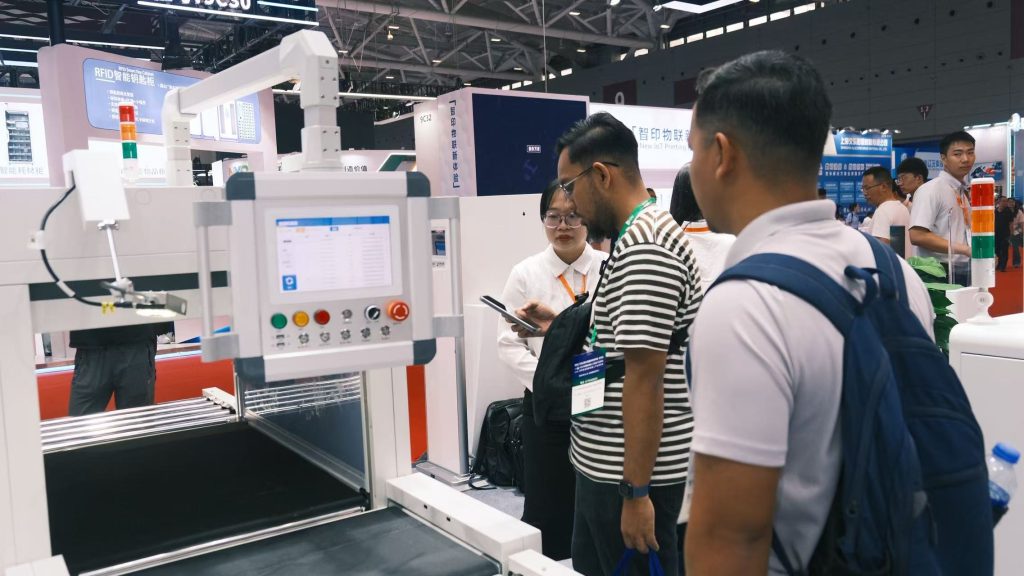
At this year’s exhibition, Cykeo presented its latest RFID products and industry solutions, with a particular focus on the integration of AI and RFID technology.

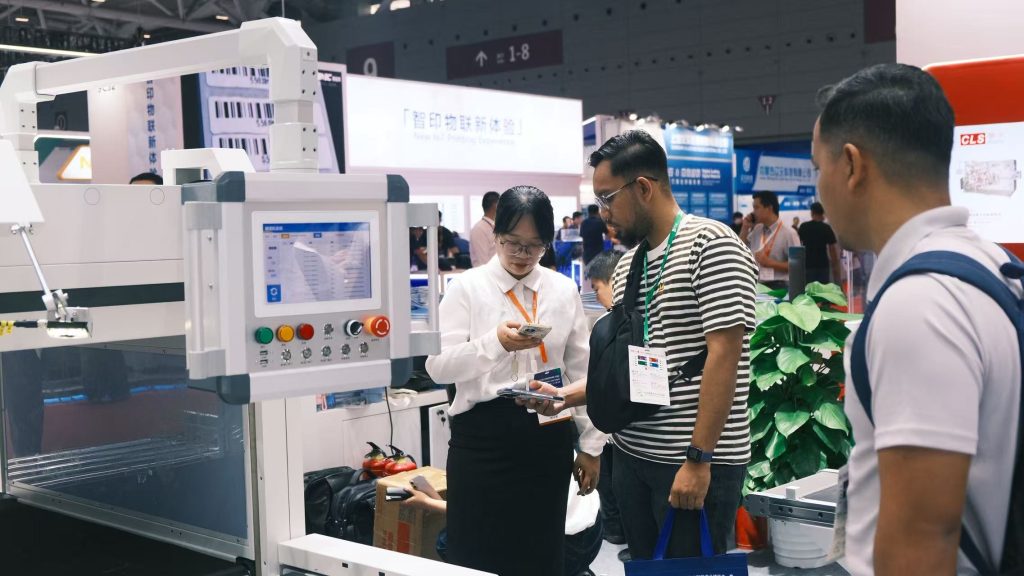
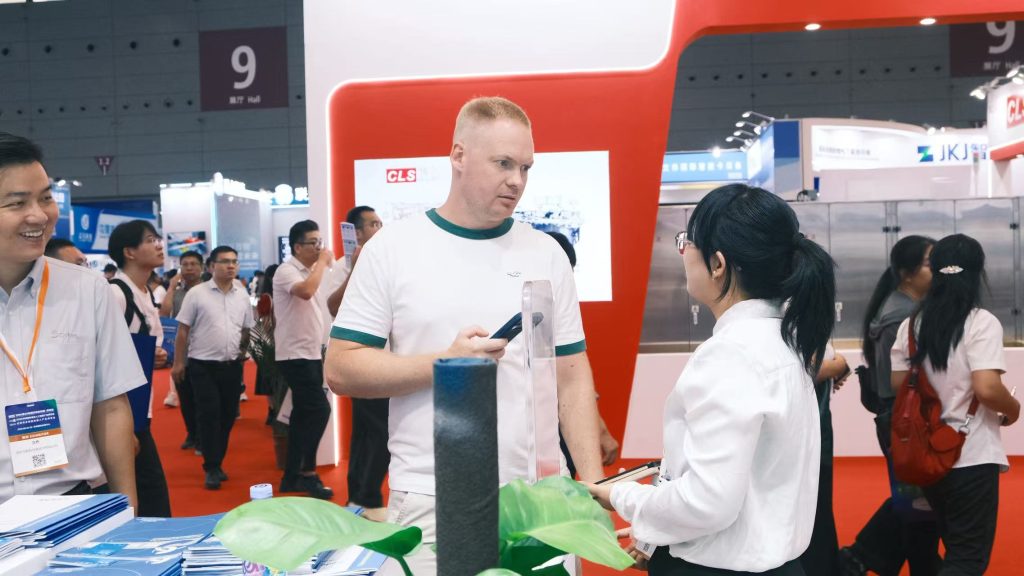
During the exhibition, Cykeo demonstrated RFID solutions for a wide range of real-world applications, including:
Rather than focusing only on individual RFID devices, many visitors were interested in how different devices could work together as part of a complete solution.
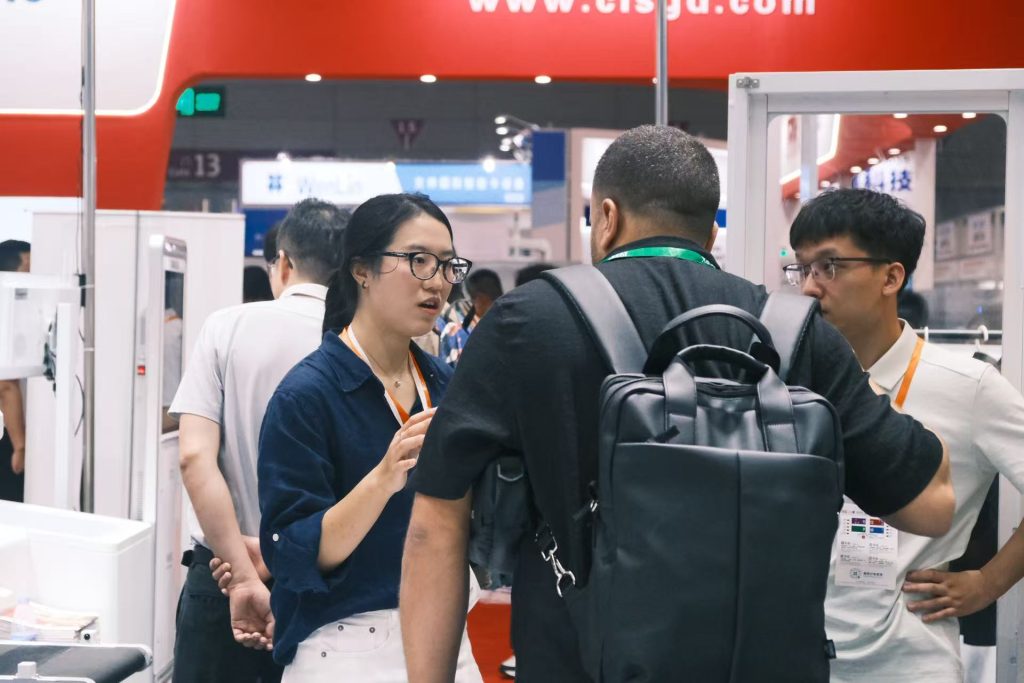
System integrators, software companies, solution providers, and end users visited the booth to discuss RFID reader selection, system architecture, software integration, and project implementation.
One thing that stood out during the three-day event was the growing demand for data connectivity.
Customers were not simply asking, “How far can the reader read?”
They were also asking how RFID data could be collected, processed, transferred, and connected to their existing software platforms.
For Cykeo, this is an important direction for the development of RFID solutions.
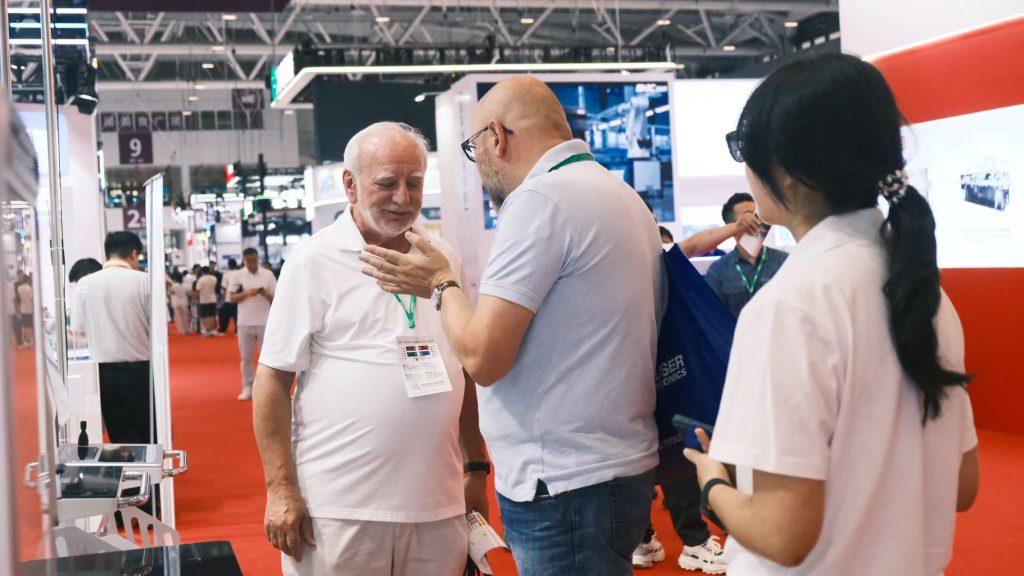
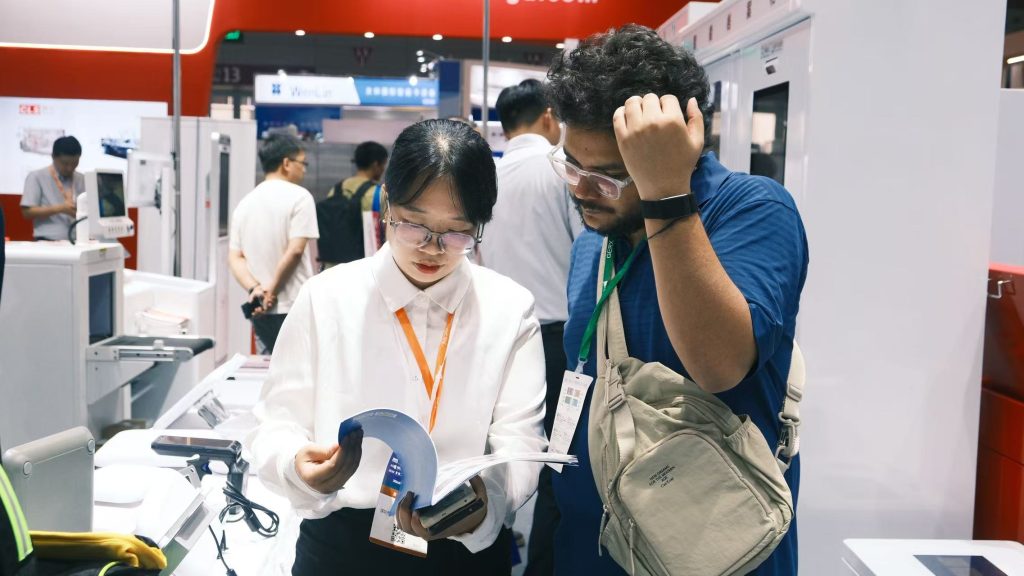
The exhibition also provided an opportunity for Cykeo to meet customers and industry partners from Europe, North America, the Middle East, South Asia, and other international markets.
Several discussions focused on specific projects rather than general product inquiries, giving the Cykeo team a better understanding of how RFID technology is being considered in different industries.
A system integrator from Europe was particularly interested in combining RFID gate readers, RFID tunnel readers, and warehouse RFID portals.

The discussion focused on how different RFID devices could be deployed at multiple checkpoints throughout a warehouse, covering processes from receiving to storage and shipping.
The customer also discussed SDK and API integration with the Cykeo team.
For system integrators, the ability to connect RFID hardware with existing warehouse management software is often just as important as the hardware itself. A reader may perform well on its own, but the real value appears when its identification data can become part of an existing workflow.
Another European visitor, representing a power group, discussed the use of RFID gate and tunnel systems for bulk material handling.
The proposed application was related to substation material management.
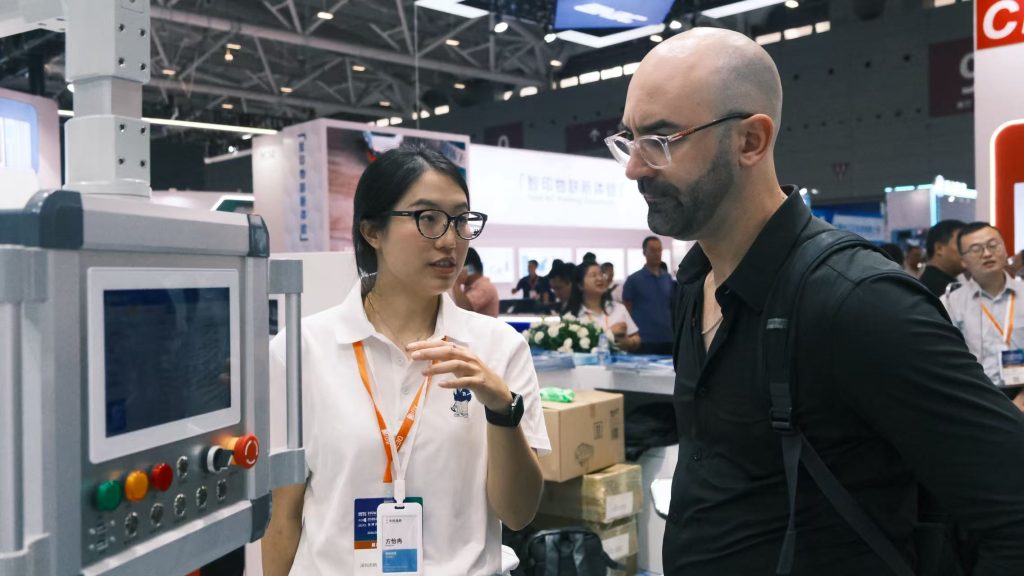
In many power-industry warehouses, materials still need to be checked and counted manually during receiving and dispatch. When a large number of items are handled at the same time, this process can become slow and difficult to manage accurately.
The customer was interested in whether RFID could support batch identification and improve the efficiency of inbound and outbound material operations.
This type of conversation reflects a broader trend we saw at IOTE 2026: RFID is increasingly being considered as part of a complete operational process, rather than simply as an identification tool.
A software service provider from India discussed Cykeo’s AI-powered RFID access control and smart checkout solutions.
The main topic was software integration.
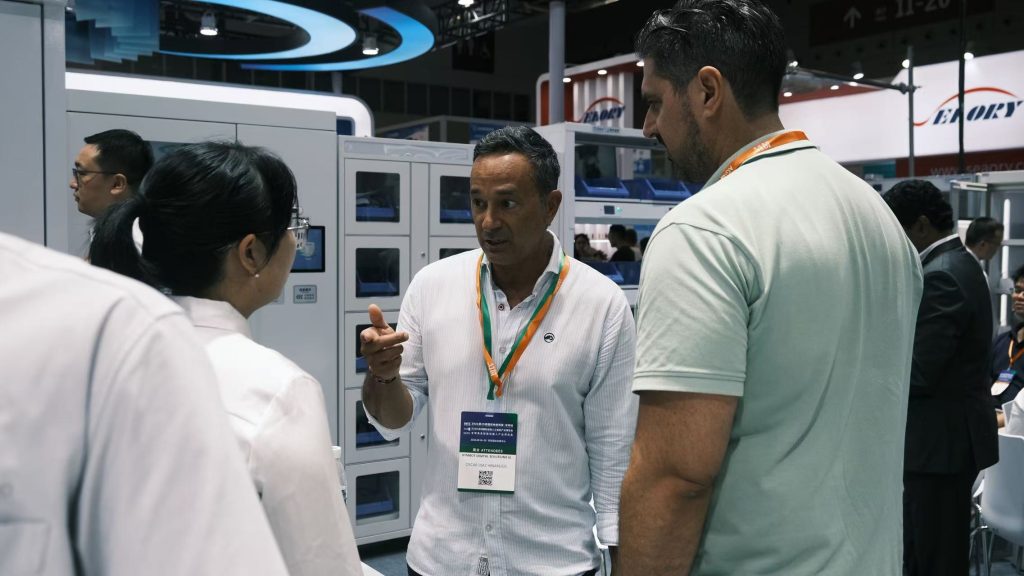
The customer wanted to understand how RFID identification data could be connected with its existing retail management software to support a complete workflow covering:
Loss prevention → Checkout → Inventory management
This is where AI can add another layer of value to traditional RFID systems.
Instead of simply detecting whether an RFID tag is present, AI-based processing can help analyze identification results and improve the way the system handles complex environments and multiple tags.
For software providers and system integrators, flexible APIs and SDKs are also important because they allow RFID hardware to become part of an existing software ecosystem.
A representative from a large infrastructure engineering company in Pakistan discussed Cykeo’s RFID tool management solution.
The focus was on the use of an RFID workstation in a tool storage environment.

For large engineering projects, tools and equipment may move frequently between storage areas, workshops, and outdoor job sites. Knowing what tool was taken, who took it, when it left, and whether it was returned can become difficult when records depend heavily on manual processes.
An RFID-based tool management system can provide a more structured way to track these movements and create a digital record of tool usage.
This application also demonstrates why RFID is becoming increasingly interesting for industries outside traditional retail and logistics.
Across the conversations at the exhibition, a common pattern became clear.
Customers are increasingly looking beyond a single RFID reader.
They want to know how RFID readers, antennas, gates, tunnels, workstations, software, APIs, and AI algorithms can work together.
In other words, the focus is gradually moving from “RFID hardware” to “RFID systems.”
This shift creates new opportunities for RFID solution providers and system integrators.
For example, a warehouse project may require fixed RFID readers at receiving points, tunnel readers for batch identification, RFID gates for outbound verification, and software integration for inventory updates.
A retail project may combine RFID security gates, smart checkout equipment, handheld RFID readers, and inventory management software.
A tool management project may require RFID tags, workstations, fixed readers, and a centralized management platform.
The hardware is different, but the requirement is similar: connect identification with the actual business process.
The integration of AI and RFID was one of the important themes at Cykeo’s booth during IOTE 2026.
RFID provides the identification layer. AI can help make better use of the data generated by that identification process.
In practical applications, this can involve improving tag detection, processing identification results, reducing unwanted reads, supporting more complex environments, and helping customers build more intelligent workflows.
The exact application depends heavily on the project.
A warehouse, retail store, power station, hospital, and tool room all have different layouts and operating conditions. This is why Cykeo continues to focus on developing RFID products that can be adapted to different application scenarios rather than relying on a one-size-fits-all approach.

The exhibition has now come to an end, but the discussions at the booth are only the beginning.
The feedback collected from customers and industry partners will provide useful input for Cykeo’s next stage of product and solution development.
Going forward, Cykeo will continue to explore the combination of AI and RFID, while improving the ability of its RFID systems to process and utilize identification data.
At the same time, Cykeo will continue developing flexible SDK and API interfaces to make integration easier for software companies, system integrators, and solution providers.
The company will also continue to expand RFID applications in industries such as:
During IOTE 2026, Cykeo reached preliminary cooperation intentions with several industry partners, and related project discussions will continue after the exhibition.
Thank you to everyone who visited the Cykeo booth, shared project requirements, exchanged ideas, and discussed the future of RFID with our team.
IOTE 2026 may be over, but the next stage of AI + RFID application is just getting started.
Cykeo looks forward to working with more system integrators, software providers, solution partners, and end users to bring RFID technology into more real-world applications.
RFID Industry Writer | IoT & Asset Tracking Analyst
James writes about RFID technology, asset tracking, and the practical challenges of digital transformation across warehousing, retail, manufacturing, and logistics.
His work focuses on how RFID is applied in real-world operations—improving inventory visibility, automating workflows, and helping businesses manage assets with greater accuracy and efficiency.
He regularly covers topics including UHF RFID, smart cabinets, RFID portals, tool tracking, warehouse automation, and industrial IoT trends..

Discover Cykeo's 3 proven methods to overcome RFID metal interference. Learn how our UHF readers achieve 99% accuracy in steel plants, oil rigs & automotive factories.
More
Learn how to secure RFID readers from cyber threats and protect sensitive data. Discover Cykeo’s best practices for RFID cybersecurity in 2024.
More
Worried about contactless skimming? Here's how to block RFID readers effectively with wallets, sleeves, and simple habits. Learn what works and what's just hype.
More
Explore Cykeo retail security tag system for fast RFID-based self-checkout, anti-theft protection, and multi-item scanning. Ideal for unmanned stores and modern retail efficiency.
More