 Cykeo RFID IoT Solution Products R&D Manufacturer
How Far Can RFID Be Read?
341Get a clear answer to how far can RFID be read. We break down the real ranges for LF, HF, and UHF systems and what factors actually affect reading distance.
MoreAll RFID Product
RFID enables faster dock-to-stock processes by identifying multiple tagged items without line-of-sight scanning, allowing receiving teams to verify pallets, cases, and individual products while goods move through the dock. The result is less manual scanning, quicker receiving confirmation, fewer data-entry delays, and faster release of inventory into warehouse stock.
The biggest receiving delay is not always unloading the truck. It is the verification step that follows.
A conventional barcode workflow often requires an operator to locate a label, aim a scanner, confirm the read, and repeat the operation across cartons or individual products. When a pallet contains dozens of tagged units, the labor is repeated even though the shipment itself has already arrived.
RAIN RFID changes that physical interaction. A reader can identify multiple tags within its read field without requiring each barcode to be presented directly to the scanner. GS1 specifically notes that RAIN RFID can read tagged items on a pallet without requiring every item to be read individually.
That distinction matters at a busy receiving dock.
A truck arrives. Pallets are staged. The receiving operator needs to know three things quickly:
With a properly engineered RFID receiving station, these questions can be answered while the goods are still moving through the receiving area.
RFID does not make a warehouse faster simply because RFID tags are attached to products. The improvement comes from removing unnecessary touches from the receiving workflow.
For example, consider a pallet containing 80 RFID-tagged cartons. With barcode-based receiving, the operator may need to position the scanner repeatedly and maintain a clear optical path to each label. RFID can capture multiple tags in the reader field, allowing the system to compare the observed EPCs against the expected shipment data.
GS1 describes RAIN RFID as a technology that can improve supply-chain visibility and inventory accuracy, while its current guidance highlights the ability to read multiple tagged items without individually scanning every item.
The practical gain is not merely “fewer scans.”
It is fewer interruptions.
A receiving operator can spend more time moving product and resolving exceptions rather than performing repetitive identification work.
A useful RFID dock-to-stock architecture normally connects four layers:
| Receiving layer | RFID function | Operational effect |
|---|---|---|
| RFID tags | Store unique EPC/item identity | Individual products become machine-readable |
| Fixed RFID reader | Captures multiple tags | Reduces repetitive handheld scanning |
| Receiving software | Compares reads with ASN/PO data | Highlights shortages, overages, or unexpected items |
| WMS/ERP | Updates inventory status | Moves verified goods toward available stock |
This is where implementation quality becomes more important than the RFID reader’s headline read distance.
At Cykeo, the engineering question should not simply be “How far can the reader read?” The more useful question is “Can the system reliably distinguish the shipment we are receiving from adjacent inventory?”
That requires antenna positioning, RF power adjustment, tag orientation, reader filtering, shielding where necessary, and software-level event logic.
A receiving dock is a noisy RF environment. Metal pallet structures, liquids, forklifts, neighboring pallets, and stacked cartons can all change tag behavior. A reader that performs well on a test bench can behave very differently beside a loading door.
Faster receiving has limited value if inventory records become less trustworthy.
This is why RFID’s effect on dock-to-stock should also be measured through inventory accuracy. GS1 cites inventory accuracy approaching 95% in EPC/RFID retail applications, while GS1 UK research involving ten global retailers reported RFID inventory accuracy in the 93%–99% range.
Another documented example is Siman Group. RFID Journal reported that its item-level inventory accuracy increased from approximately 65–70% to 95%, while inventory counts that previously required roughly 80–85 employees and more than 24 hours could be completed in hours with about four employees.
These figures are not a promise that every warehouse will achieve the same result. They demonstrate something more useful: RFID can change the labor structure of inventory operations when the identification layer is properly integrated with warehouse processes.
That distinction is important for dock-to-stock projects.
The RFID reader should not operate as an isolated device that merely produces EPC numbers. Those reads need to become receiving events, exceptions, confirmations, and ultimately inventory transactions.
Cykeo’s UHF RFID architecture can be positioned around the receiving point to capture tagged goods as they enter the warehouse. For applications requiring fixed identification, industrial readers, directional antenna arrangements, and controlled read zones can be combined with WMS or middleware logic.
The engineering focus should remain practical:
This last point is frequently underestimated. The receiving dock is a moving environment. Forklifts cross antenna fields, pallets are temporarily staged, and operators do not always place loads in exactly the same position.
A robust RFID deployment is designed around those imperfections rather than assuming perfect operator behavior.
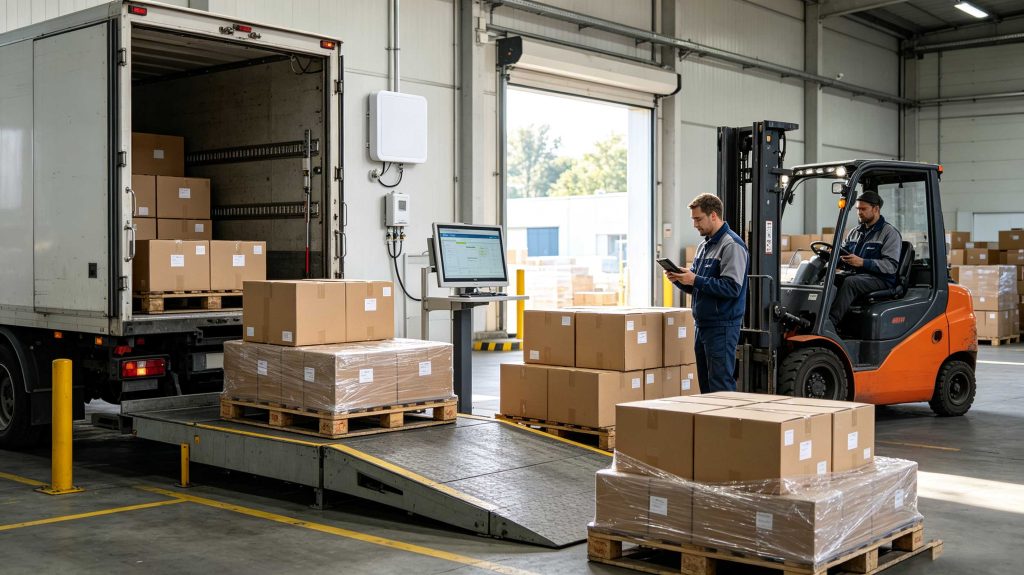
The strongest RFID receiving projects do not measure success by reader speed alone.
They measure the time from physical arrival to trusted inventory availability.
That interval includes unloading, identification, discrepancy checking, receiving confirmation, system update, and put-away release. RFID can compress several of those steps because identification occurs automatically while goods are inside the controlled read zone.
GS1’s warehouse guidance similarly places receiving, put-away, storage, picking, packing, and shipping within the broader WMS process, with identification data captured at warehouse touchpoints to maintain inventory integrity.
For Cykeo deployment planning, that is the more useful definition of dock-to-stock performance: not simply reading tags faster, but reducing the number of physical and digital handoffs between the loading dock and available inventory.
The receiving process becomes genuinely faster when RFID reads are converted into a controlled warehouse event. A reader detecting 60 EPCs is not, by itself, a receiving transaction. The system needs to determine whether those EPCs belong to the expected ASN, PO, pallet, carton, or shipment before inventory is released.
GS1 US describes RFID warehouse management as a coordinated system involving tags, antennas, readers, and the host system, with fixed readers capable of automatically identifying tagged items at loading docks, forklifts, and conveyors.
That distinction is important in real deployments.
A dock door should behave like a controlled checkpoint, not an open RF listening area.
A practical installation normally uses:
The objective is simple: capture the shipment crossing the receiving boundary while minimizing reads from adjacent inventory.
Maximum transmit power is not automatically better. Excessive RF coverage can create false associations when another pallet is sitting beside the receiving lane.
The software layer is where dock-to-stock acceleration becomes measurable.
| RFID event | System decision | Warehouse action |
|---|---|---|
| Expected EPC detected | Shipment matches | Confirm receipt |
| Missing EPC | Shipment discrepancy | Hold or investigate |
| Unexpected EPC | Possible overage/misroute | Send to exception queue |
| Duplicate EPC | Previously processed | Ignore repeat event |
| Complete pallet detected | Receiving condition satisfied | Release for put-away |
| Cross-dock item detected | Destination already known | Route directly to outbound area |
This approach prevents operators from manually comparing every carton against a receiving document.
GS1’s architecture documentation specifically describes RFID capture at goods receiving and the use of EPCIS event data to update inventory databases.
One warehouse study published in the International Journal of Advanced Manufacturing Technology evaluated RFID with more than 10 million parts and approximately 10,000 part types in a distribution center. Fixed UHF RFID readers installed at receiving and shipping docks produced reported average reading rates of 99.3% for electric forklifts and 99.1% for hydraulic carts. The study also reported a 99% reduction in data-transmission processing time at receiving docks.
A related study reported that the number of pallets processed per operator increased by 425%, while data-processing time at receiving and shipping docks fell by more than 90% in the studied warehouse.
These are individual research environments, not universal RFID specifications. I would not use either figure as a sales promise.
What they do demonstrate is more valuable for engineering: once RFID identification is integrated into the warehouse process, the largest gains can occur after the RF read itself, particularly in transaction processing and labor allocation.
For a Cykeo RFID implementation, the hardware should be selected around the physical receiving environment rather than around a single headline specification.
Cykeo UHF RFID readers can be incorporated into fixed receiving stations where the application requires automatic tag identification, configurable communication, multi-tag processing, and integration with warehouse software.
The deployment priorities are:
RF performance
Use appropriate antenna placement and adjustable reader power to establish a predictable read boundary.
Multi-tag identification
Inbound pallets commonly contain many tags. Anti-collision and filtering behavior matters more than a single-tag laboratory demonstration.
Industrial installation
Receiving docks expose equipment to forklifts, dust, vibration, temperature changes, metal structures, and accidental contact. Industrial-grade hardware should be selected accordingly.
Software integration
Reader output should feed the WMS, middleware, or warehouse application rather than remain as an isolated stream of EPC numbers.
Exception management
A missing carton, duplicate tag, wrong shipment, or neighboring pallet should generate a meaningful business event.
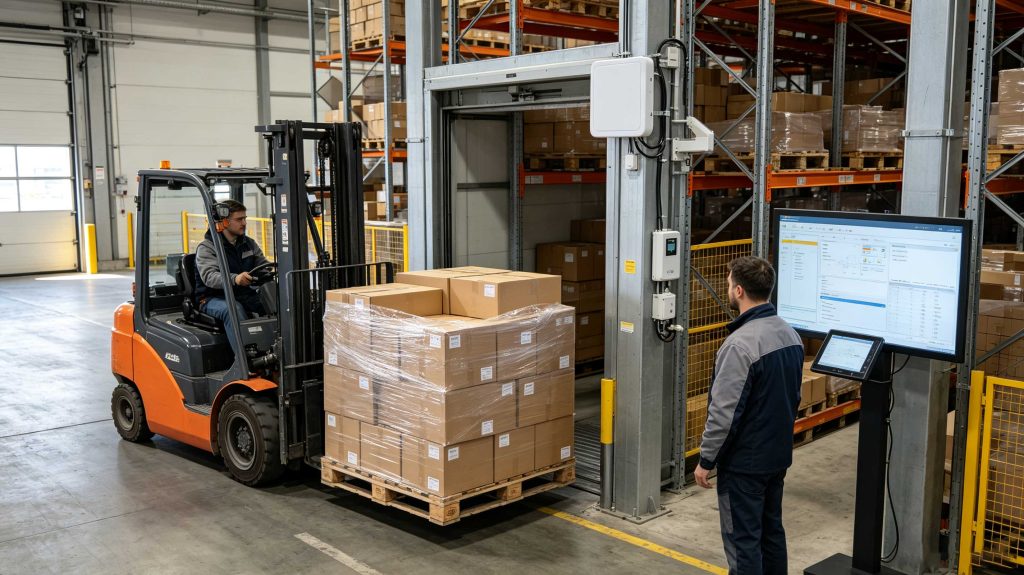
RFID is not a shortcut around poor receiving process design.
Three problems appear repeatedly during implementation:
Metal racks, liquids, machinery and neighboring pallets can influence UHF RFID performance. Antenna orientation and RF power need to be validated with the actual packaging and load configuration.
A tag buried between liquid containers or placed directly against conductive material may perform very differently from the same tag in free space. Tag selection must follow the product, packaging and mounting location.
If the RFID reader captures tags but the WMS still requires an operator to manually enter the shipment, much of the potential gain disappears.
GS1 US also identifies physical limitations, implementation cost, and the need to integrate RFID with other warehouse systems as practical considerations.
In some workflows, yes. RFID can automate identification of tagged pallets, cases, or individual items. Barcodes may still be retained as a backup or used for exceptions, label verification, or products that are not RFID-enabled.
There is no universal percentage. Published warehouse research has reported substantial reductions in receiving data-processing time, including a 99% reduction in one documented study. Actual results depend on tag density, read-zone design, WMS integration, operator workflow, and shipment complexity.
Yes, when the tags, reader, antennas, pallet configuration, and RF environment are engineered correctly. RFID’s ability to identify multiple tags without individual line-of-sight scanning is one of its major advantages over conventional barcode workflows.
Yes. Fixed RFID readers can identify tagged loads as forklifts pass through controlled receiving or shipping zones. Research has specifically evaluated RFID readers installed at receiving and shipping docks with forklift-mounted loads.
Yes. The reader can send EPC data to middleware or an application layer, which can associate the read event with purchase orders, ASNs, pallets, cartons, and inventory transactions. GS1’s architecture explicitly supports RFID event capture and EPCIS-based information exchange.
No. RFID is strongest where warehouses process large volumes of tagged goods and repeated identification creates labor or timing constraints. For low-volume operations, inexpensive barcode workflows may remain sufficient.
Measure the complete process rather than reader performance alone:
The strongest case for RFID is not that it reads tags faster than a worker can scan barcodes. It is that identification can happen while the shipment is moving, allowing receiving, verification, inventory updating, and put-away decisions to occur with fewer manual interruptions.
For warehouses processing significant pallet and carton volumes, that difference can turn the receiving dock from a waiting point into an active data-capture point.
That is how how does rfid enable faster dock-to-stock processes becomes a practical warehouse engineering question rather than simply an RFID technology question.
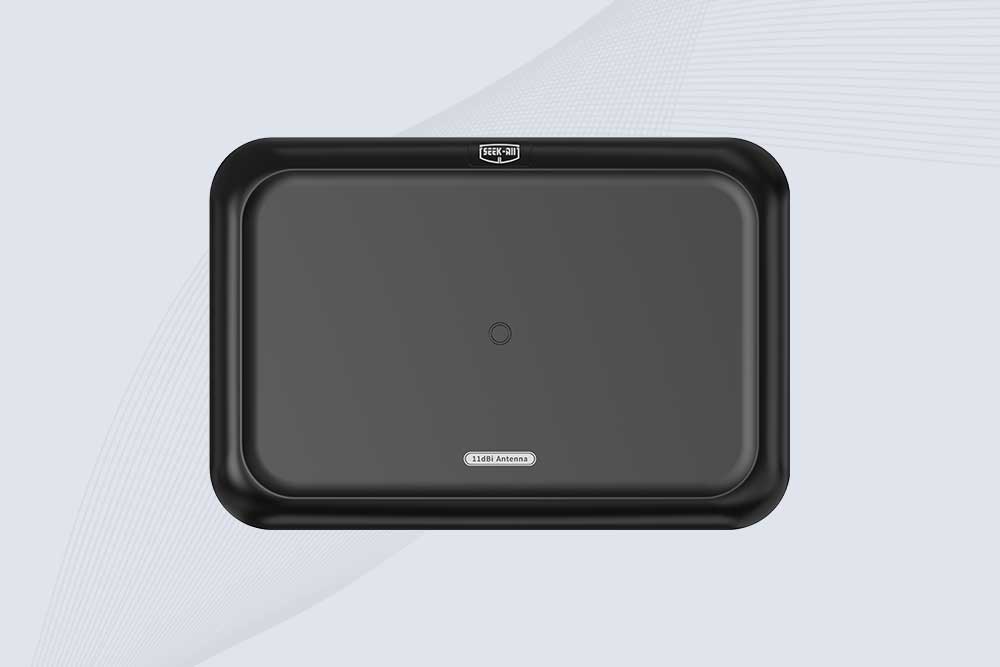
SSD-A11 UHF RFID antenna features 840–960 MHz adjustable frequency, ≥10.5 dBi gain, circular polarization and 50Ω impedance for fixed RFID systems.
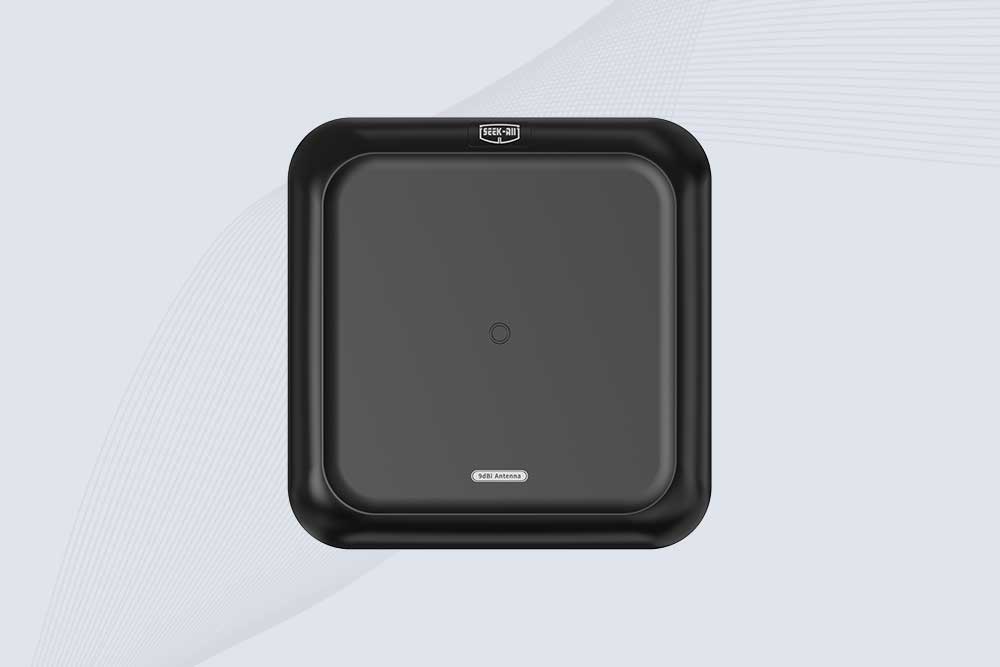
SSD-A09 is a 9 dBi UHF RFID antenna with 840–960 MHz adjustable frequency, circular polarization, 50Ω impedance and directional 60° × 60° coverage.
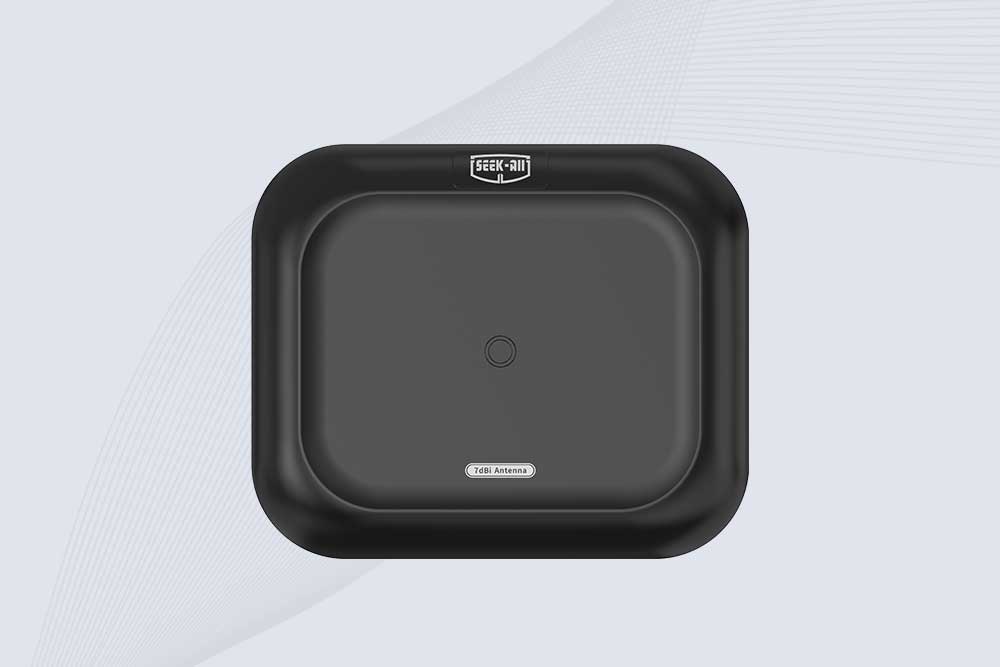
Explore the SSD-A07 UHF RFID antenna with 7 dBi gain, circular polarization, adjustable 840–960 MHz frequency, and 60°/75° beamwidth for stable RFID read/write performance.

SSD-A06 UHF RFID antenna with circular polarization, adjustable 840–960 MHz frequency, ≥4.5 dBi gain, and a compact directional design for RFID systems.

Discover SSD-D4AL, a USB-HID UHF RFID reader with 4/8/16 antenna options, Impinj E710/X3M1 chipset, plug-and-play USB power, and OEM customization.
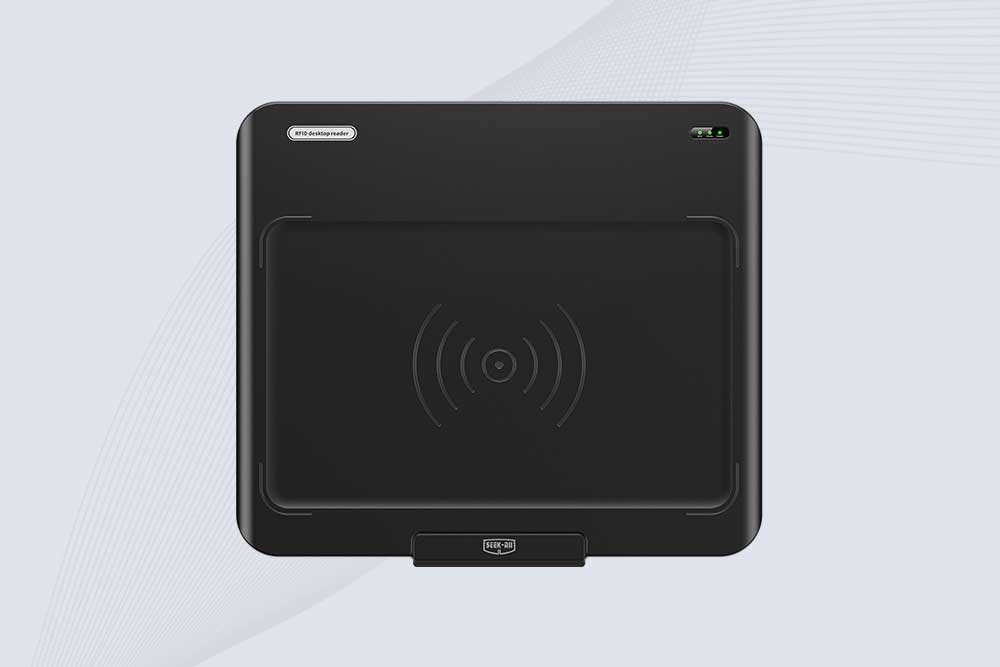
SSD-D3AL is a USB-HID UHF RFID reader with 0–30 cm reading, 0–15 cm writing, over 600 tags/s recognition, USB plug-and-play operation and OEM Logo customization.
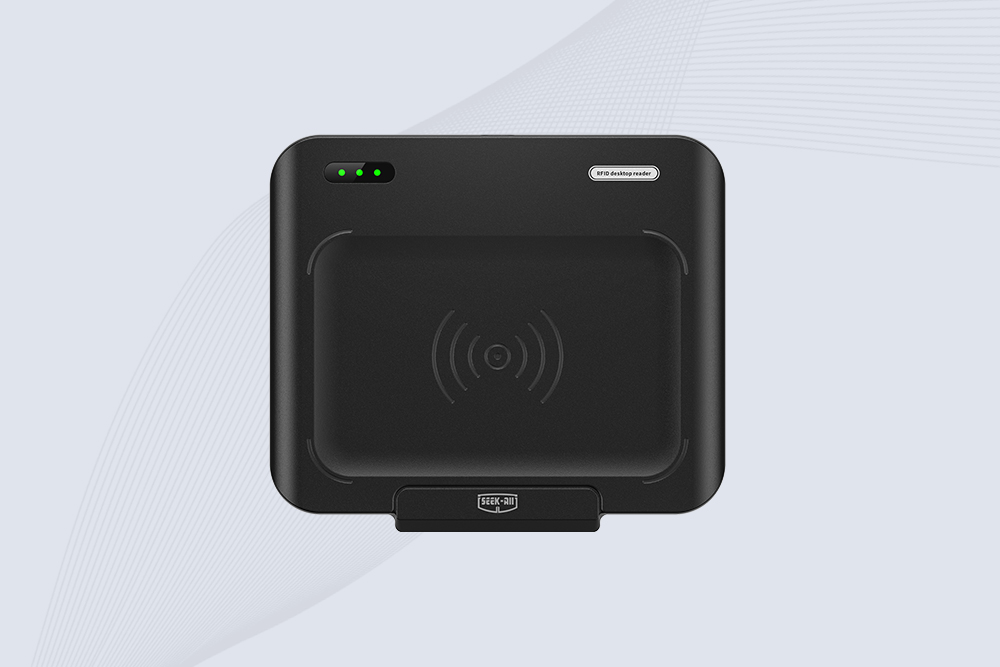
SSD-D1AL is a compact USB UHF RFID reader with Impinj E710/X3M1 chipset, USB-HID, 600+ tags/s recognition, 4/8/16 antenna support and plug-and-play USB power.
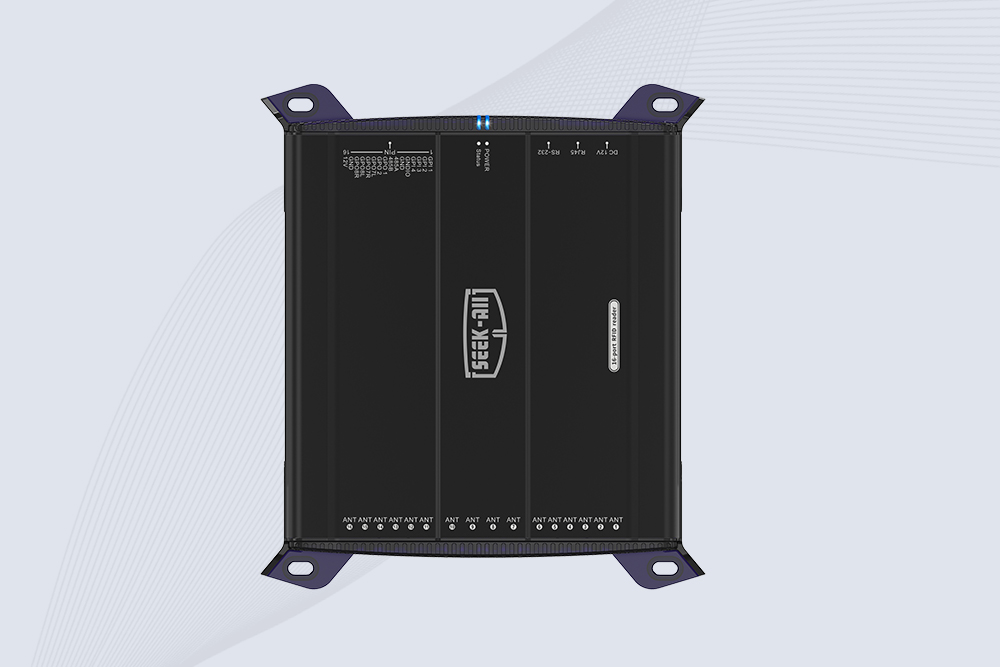
SSD-R16L Multi-Channel RFID Infrastructure for Automated Inventory Management ✔️ 16-Port High-Density RFID Reading Equipped with 16 SMA antenna ports, SSD-R16L supports multi-antenna deployment for warehouses, retail stores, logistics, production lines, and large-area RFID identification. ✔️ High-Speed & Long-Range Performance With up to 33…
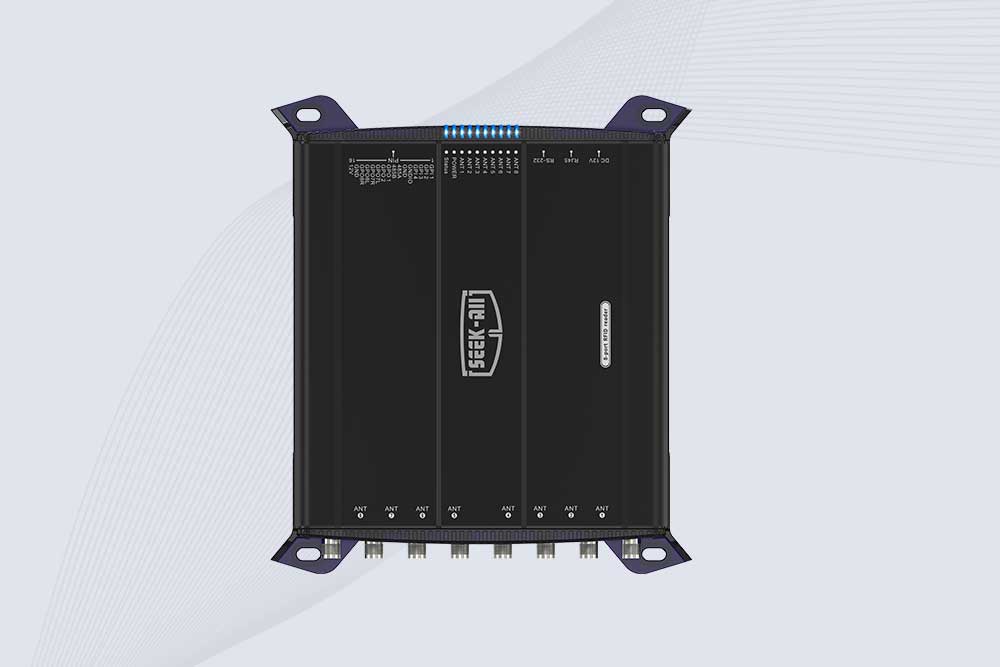
SSD-R8L 8-port UHF RFID reader with 33dBm output, up to 20m reading range and 600+ tags/s recognition. Ideal for warehouse, logistics, retail and asset tracking.
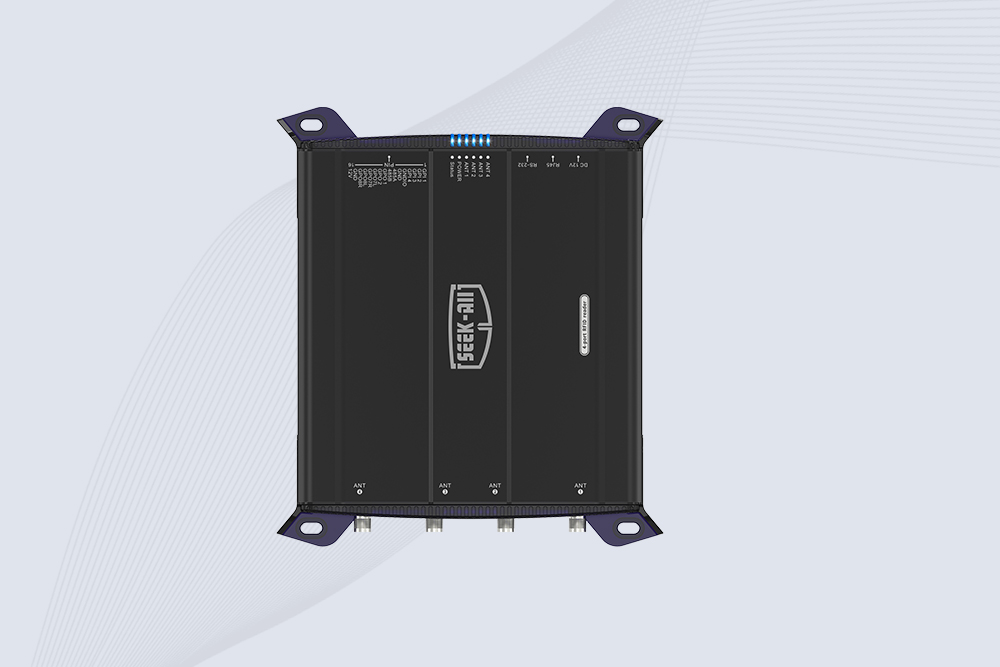
SSD-R4L is a 4-port UHF RFID fixed reader with 33dBm output power, up to 20m reading range, EPC C1G2 support and 600+ tags/s reading speed.

CYKEO CYKEO-D1LA USB RFID Reader is a compact desktop solution with near-field control for precise tag reading and encoding. Powered by USB, supporting ISO 18000-6C, and built for stable batch writing, this usb rfid tag reader fits retail, libraries, offices, and controlled RFID encoding tasks.
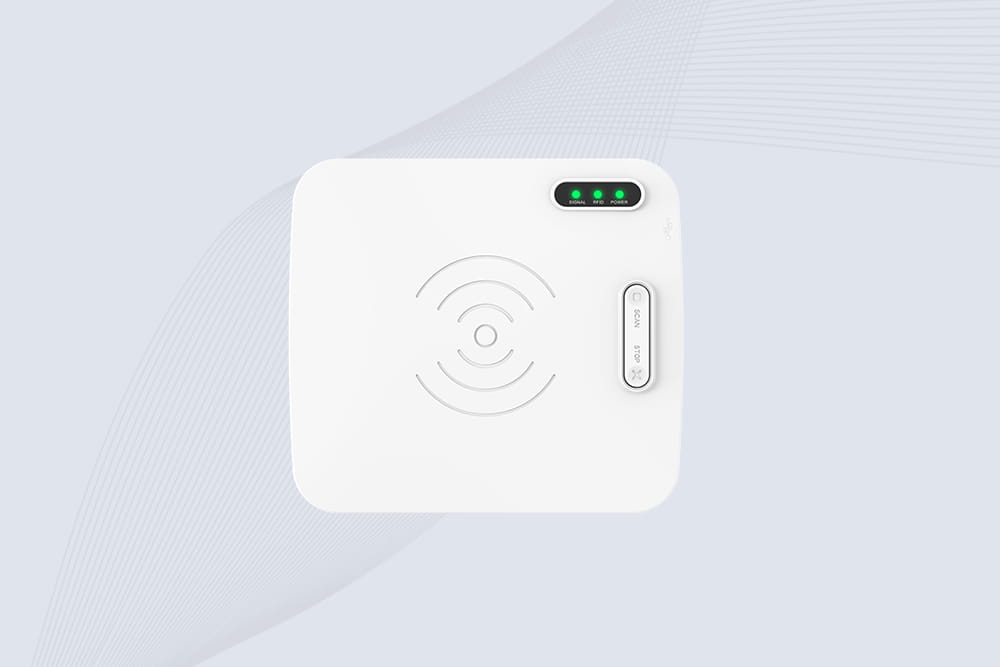
CYKEO CYKEO-D1L RFID scanner USB is a compact desktop UHF RFID scanner designed for short-range tag writing and verification. This usb rfid scanner supports batch encoding, stable 0–26 dBm output, and works across Windows, Linux, and Android systems.
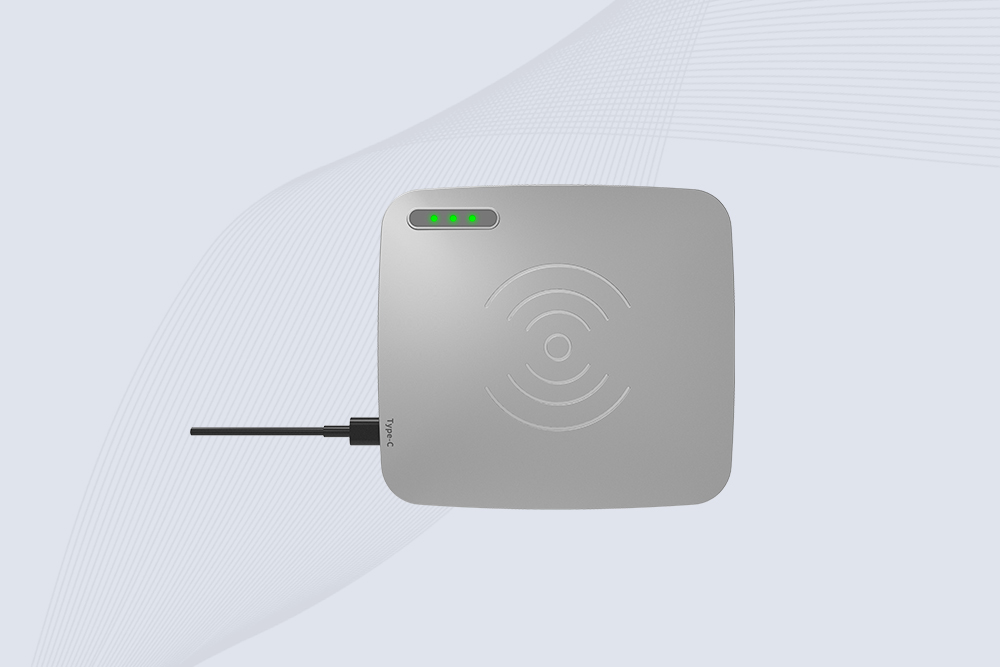
CYKEO CYKEO-D1C USB RFID Card Reader is a near-field UHF desktop writer designed for secure, short-range tag encoding. With USB-C connectivity and stable 26 dBm output, this rfid reader usb c is ideal for badge issuance, label encoding, and controlled desktop RFID workflows.
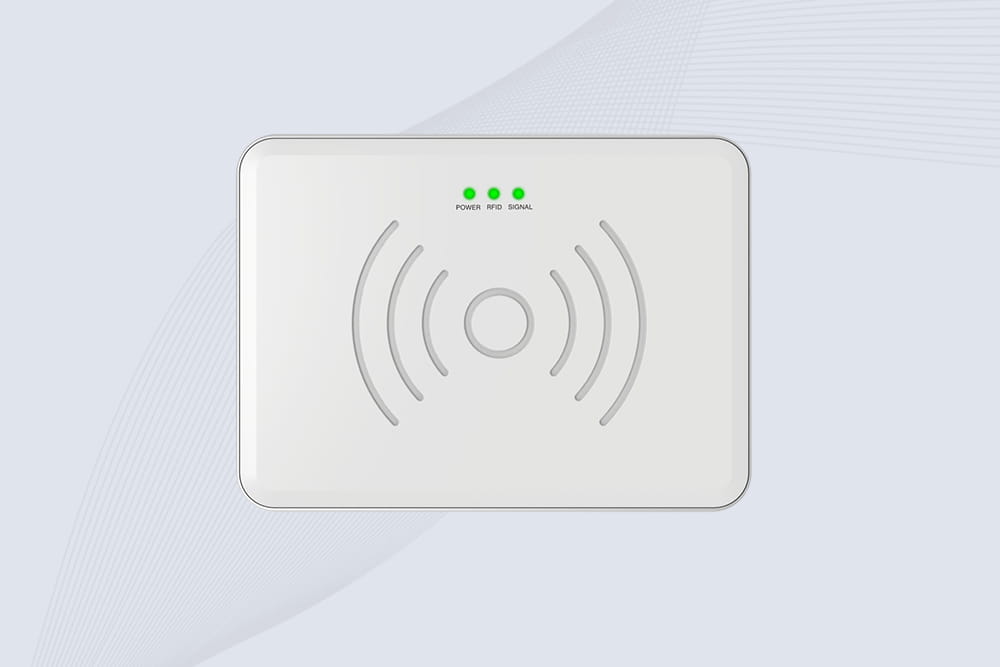
CYKEO CYKEO-D2L RFID Reader USB is a compact desktop encoder built on the Impinj R500 chip. With near-field control and stable USB power, this usb rfid card reader delivers precise tag writing for offices, retail counters, and small-scale logistics encoding tasks.
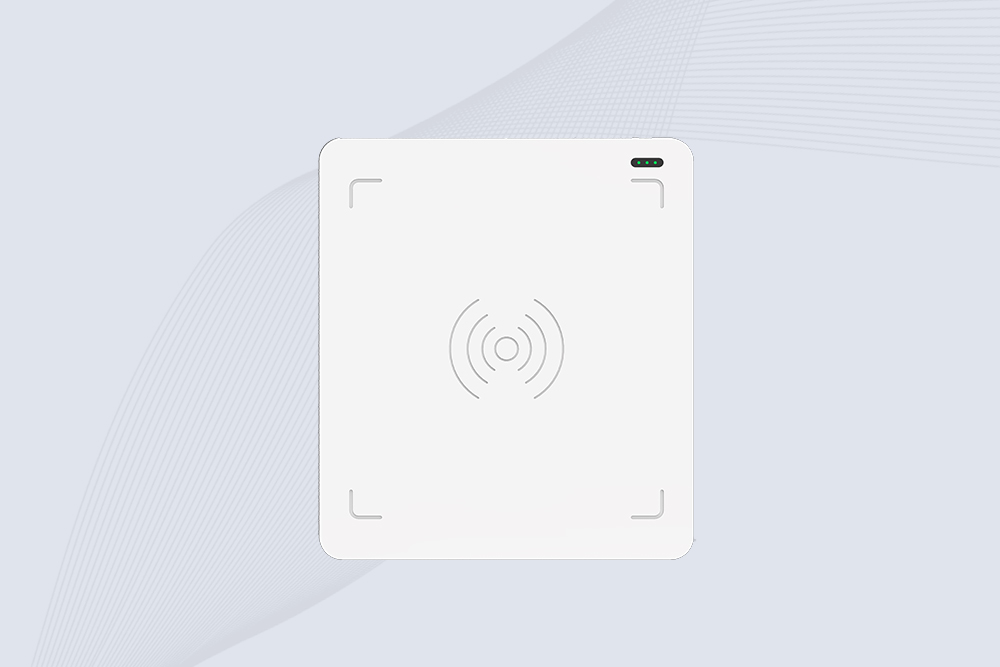
CYKEO CYKEO-D3L USB RFID Tag Reader delivers stable UHF tag reading and writing for daily desktop and light industrial tasks. Designed for controlled short-range operation, this USB RFID Tag Reader works reliably with rfid tag and reader systems in libraries, tool tracking, and inventory registration.
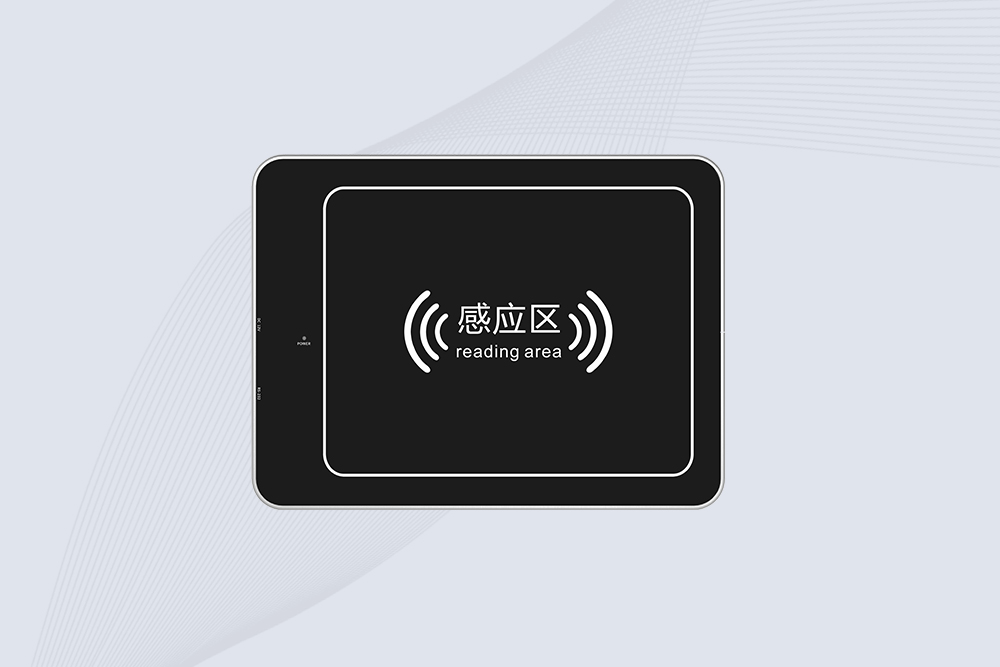
The CYKEO CYKEO-D4L UHF RFID Tag Reader is a stable Desktop RFID Reader designed for accurate tag registration, borrowing, and return workflows. Built with the Impinj R2000 chip, this UHF RFID Tag Reader delivers controlled short-range reads for libraries, asset tracking, and inventory management environments.
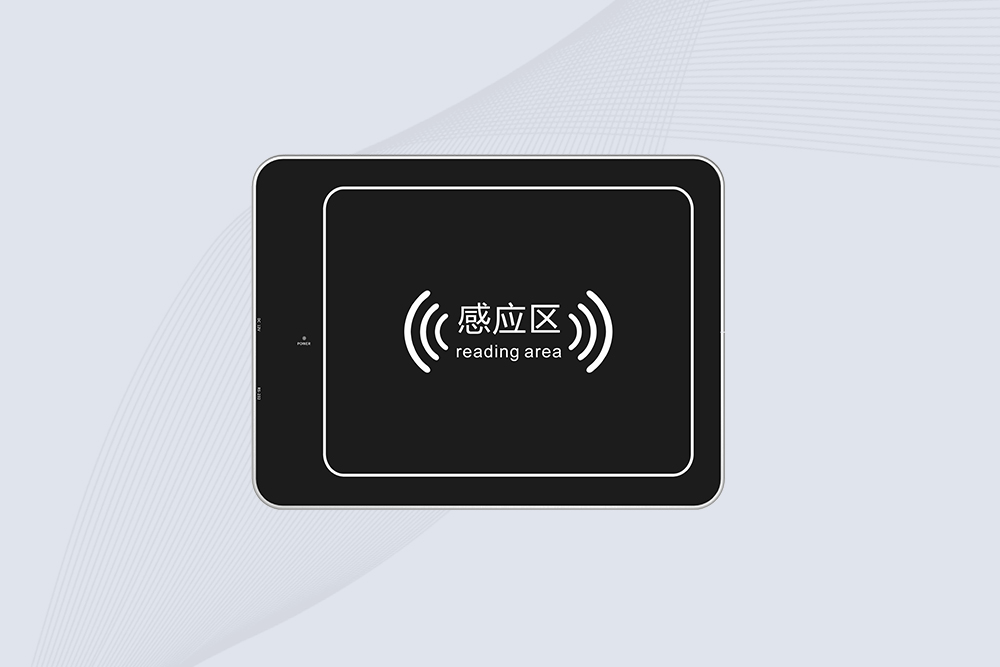
The CYKEO CYKEO-D5L Desktop RFID Card Reader is a stable UHF RFID Card Reader designed for controlled short-range reading and writing. Built for libraries, tool rooms, and asset desks, this UHF RFID Card Reader supports dense tag handling, secure data processing, and easy USB integration.
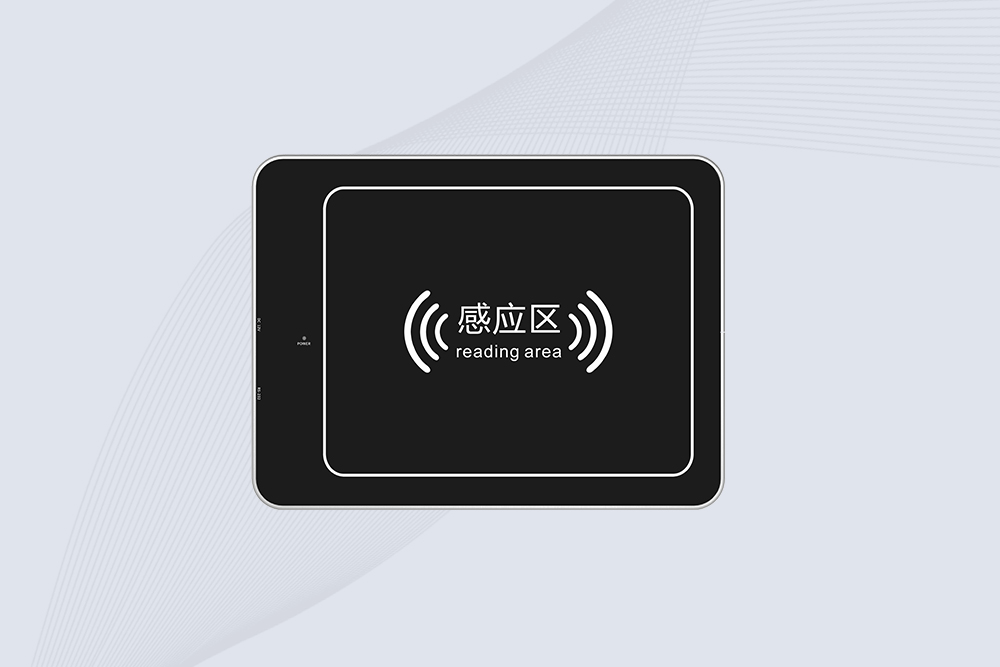
The CYKEO CYKEO-D6L RFID Reader Writer is a heavy-duty Desktop RFID Reader designed for short-range, high-accuracy tag programming. Built for libraries, labs, and asset desks, this RFID Reader Writer supports batch processing, stable 33dBm output, and seamless integration with existing management systems.
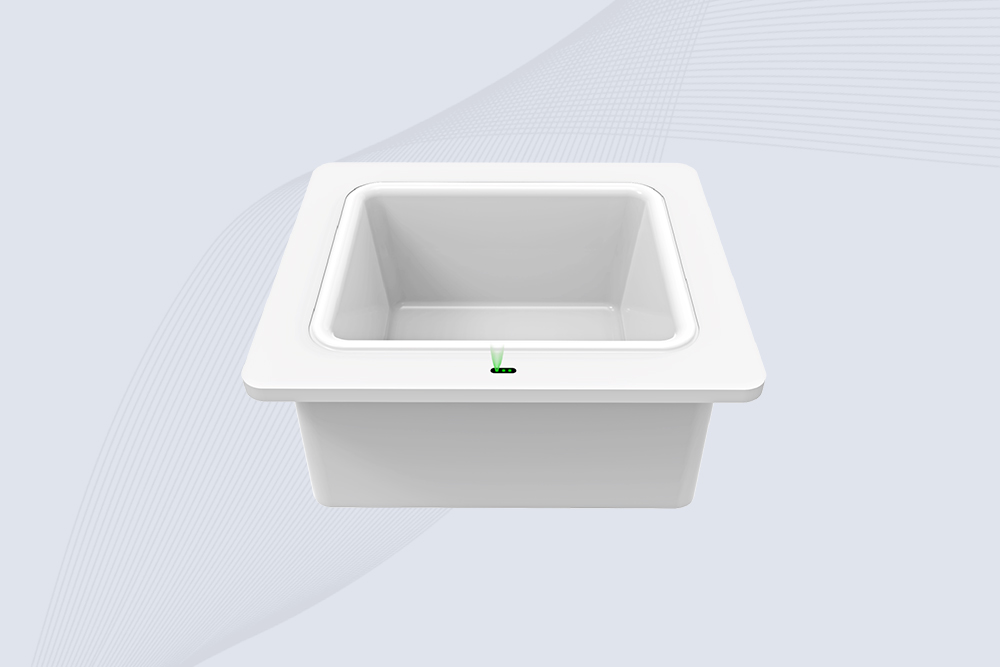
Cykeo CYKEO-D8B UHF RFID tunnel and RFID Desktop Reader features 30+ items batch reading,
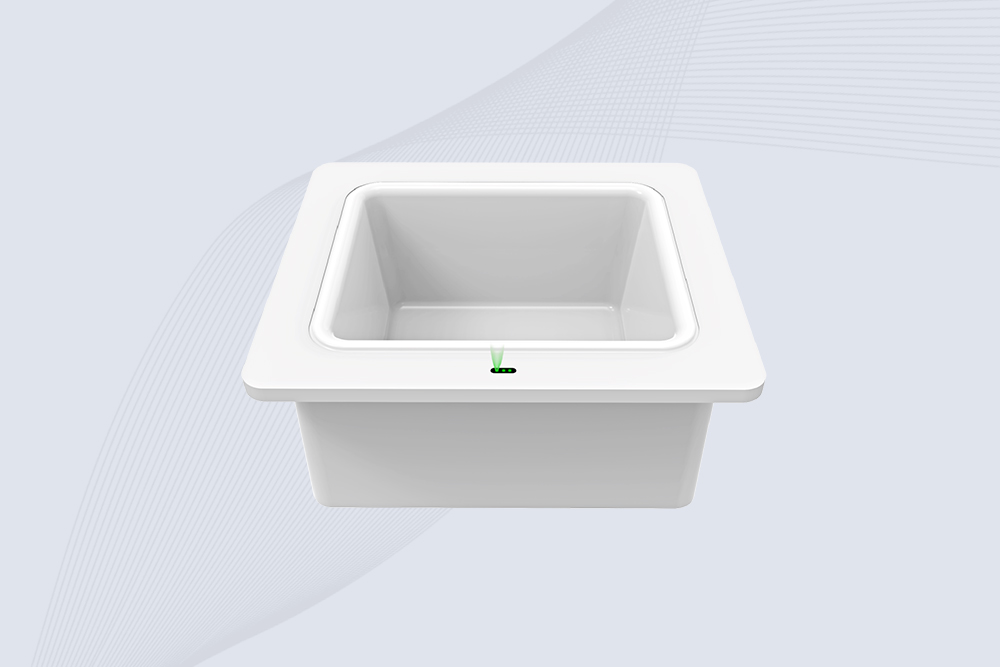
Cykeo CYKEO-D8A embedded RFID badge reader offers 30+ tags/sec scanning, 20cm anti-crosstalk precision, and DC 12V power for unmanned stores, warehouses, and smart inventory systems.
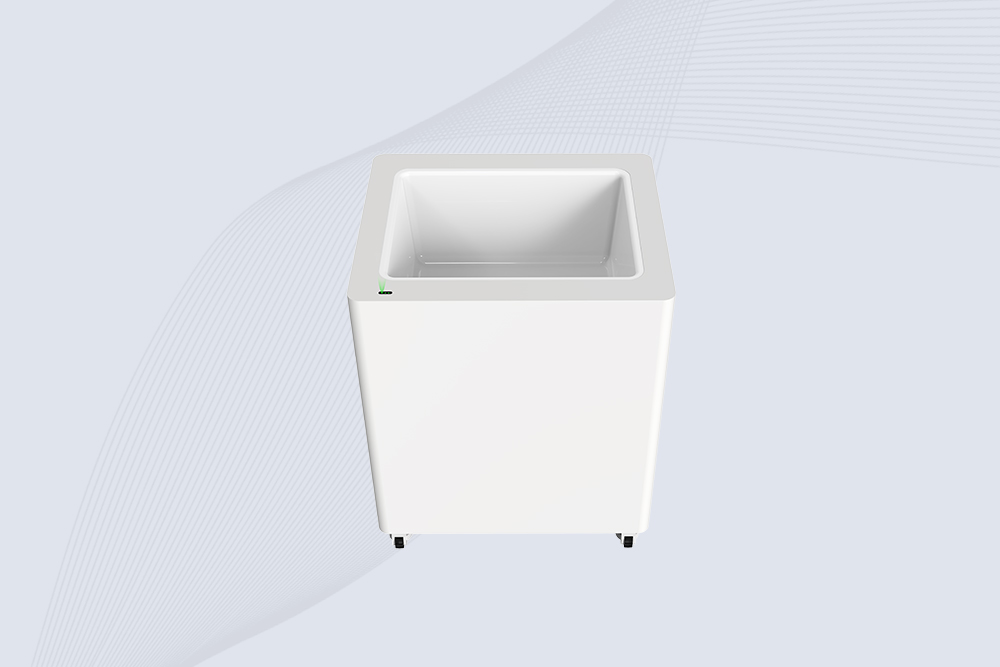
Cykeo’s CYKEO-D8C UHF RFID gate reader achieves 200-tag/batch scanning with adjustable power control, ideal for retail inventory and smart warehouse management.
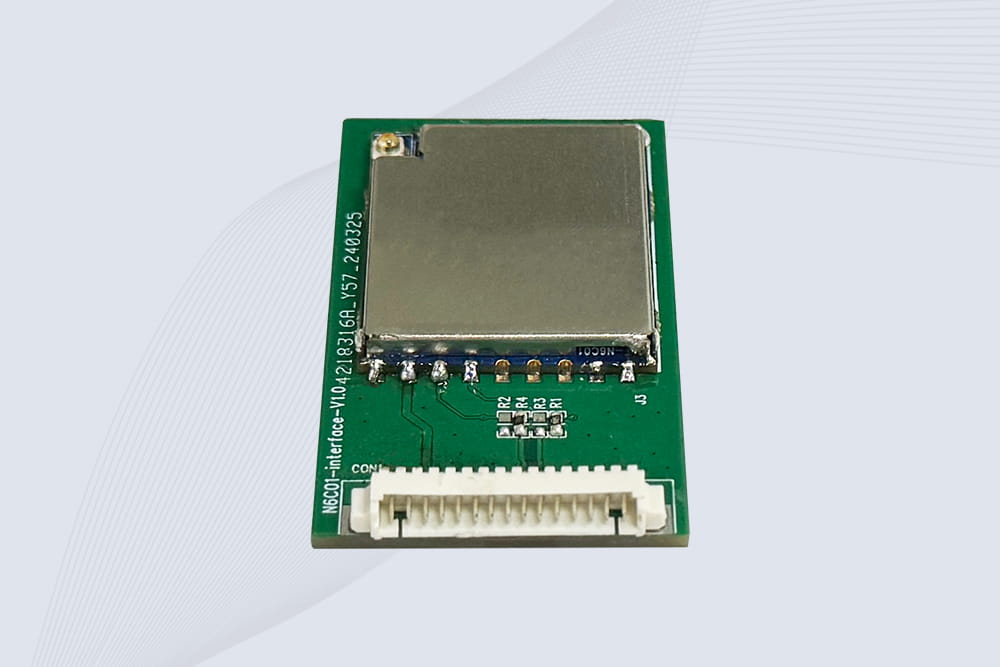
CYKEO Embedded RFID Modules are designed for compact industrial and IoT devices that require stable UHF performance. These UHF RFID Modules support global protocols, flexible power control, and reliable multi-tag reading for smart cabinets, production lines, and asset tracking systems.
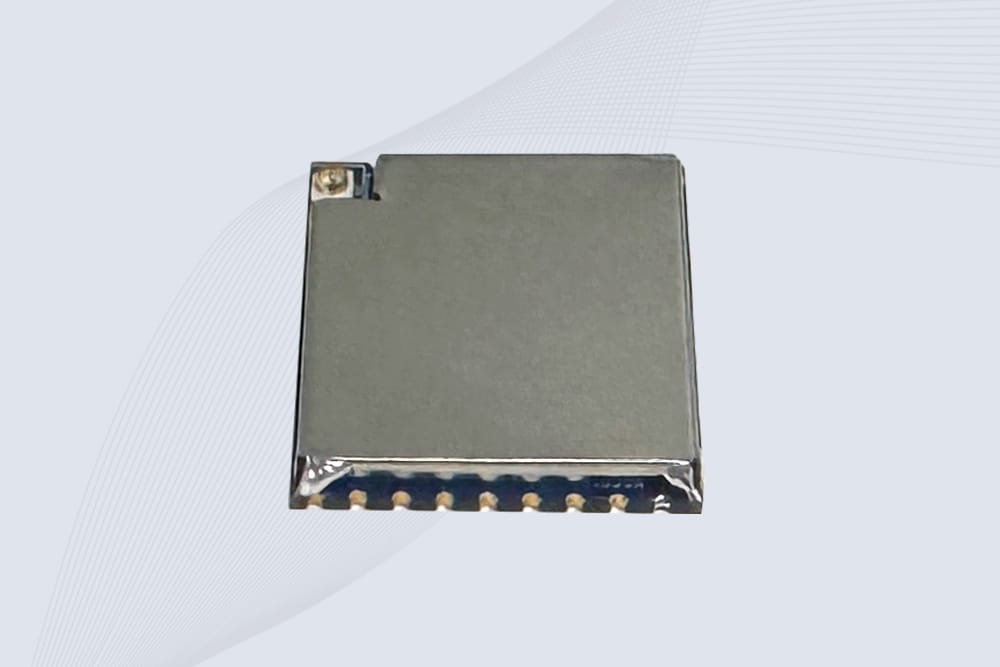
CYKEO Embedded RFID Module is built for compact IoT and industrial devices that need stable UHF performance. This UHF module supports global protocols, low power operation, and reliable multi-tag reading for smart lockers, production lines, and always-on RFID systems.
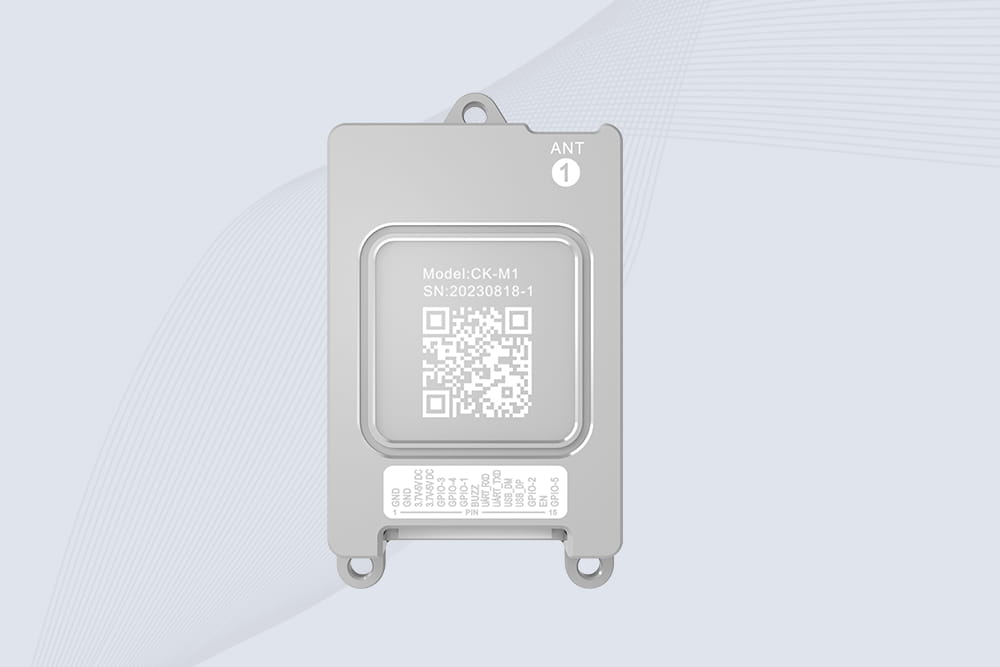
CYKEO CYKEO-M1 drone rfid module is a compact UHF RFID reader module designed for drones and UAV platforms. It supports long-range aerial scanning, fast multi-tag reading, and stable performance in wind, vibration, and outdoor environments.
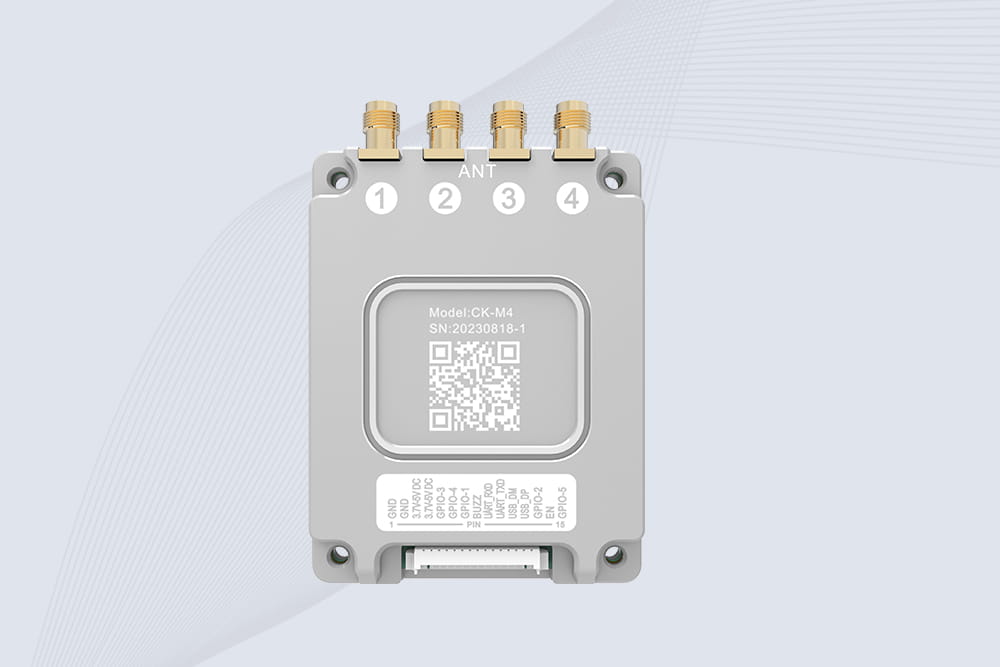
CYKEO CYKEO-M4 RC522 RFID Module is an industrial-grade UHF RFID reader with 4 ports, supporting ISO, EPC, and GB protocols. High-speed, accurate reading for IoT, automation, and warehouse applications.
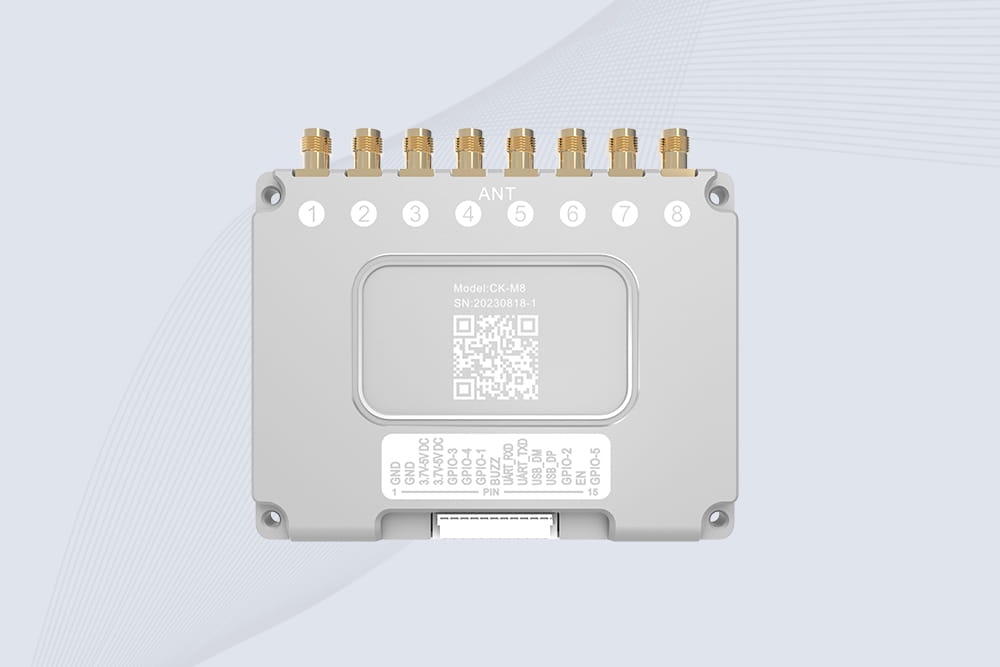
CYKEO CYKEO-M8 Module RFID is an 8-port UHF R2000 RFID Module designed for high-density, multi-tag environments. Stable 33dBm output, ISO & GB protocol support, ideal for warehouses, factories, and automated systems.
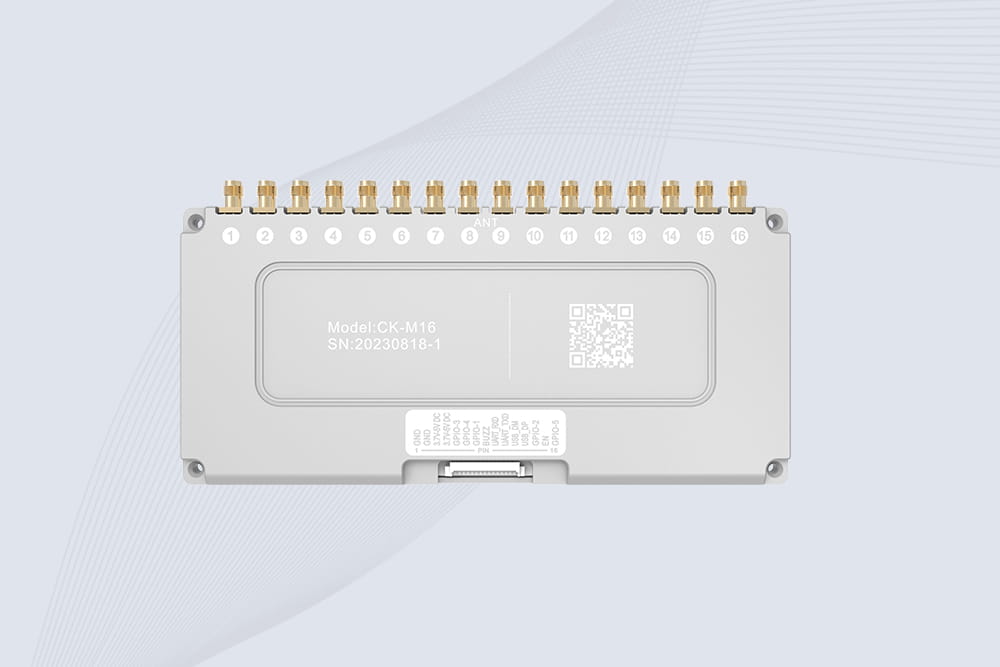
CYKEO CYKEO-M16 RFID Module is a 16-port UHF RFID reader module based on the R2000 chipset. Designed for dense tag environments, it supports ISO and GB standards and delivers stable multi-antenna control for industrial automation.
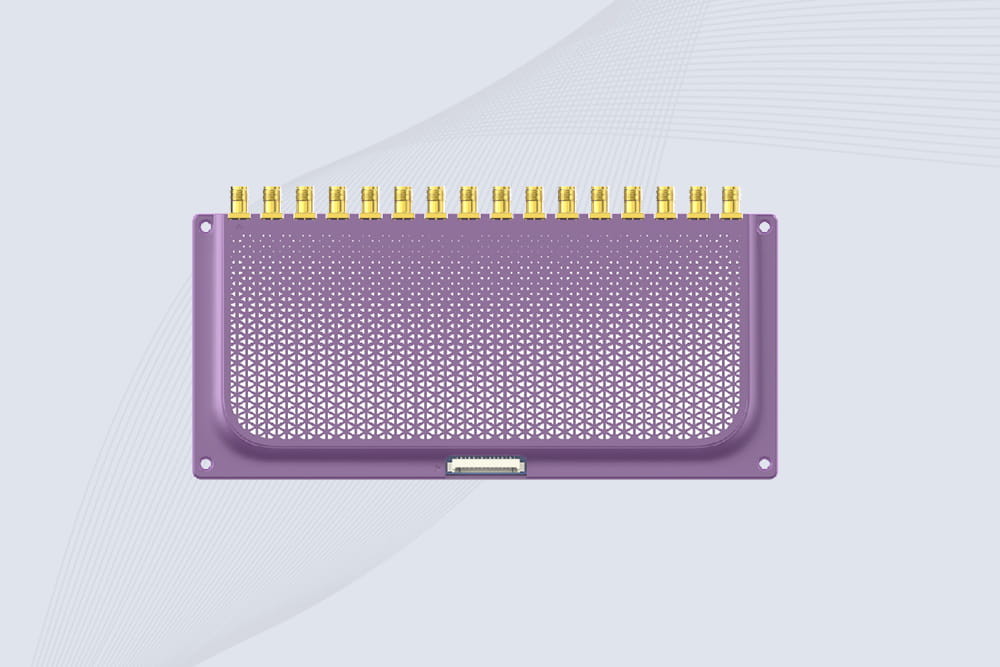
The CYKEO CYKEO-M16L RFID Reader Module is a 16-channel UHF RFID core designed for dense tag environments. With adjustable 33dBm output, multi-protocol support, and stable multi-antenna control, this RFID Tag Reader Module fits industrial automation, warehouse systems, and large-scale IoT deployments.
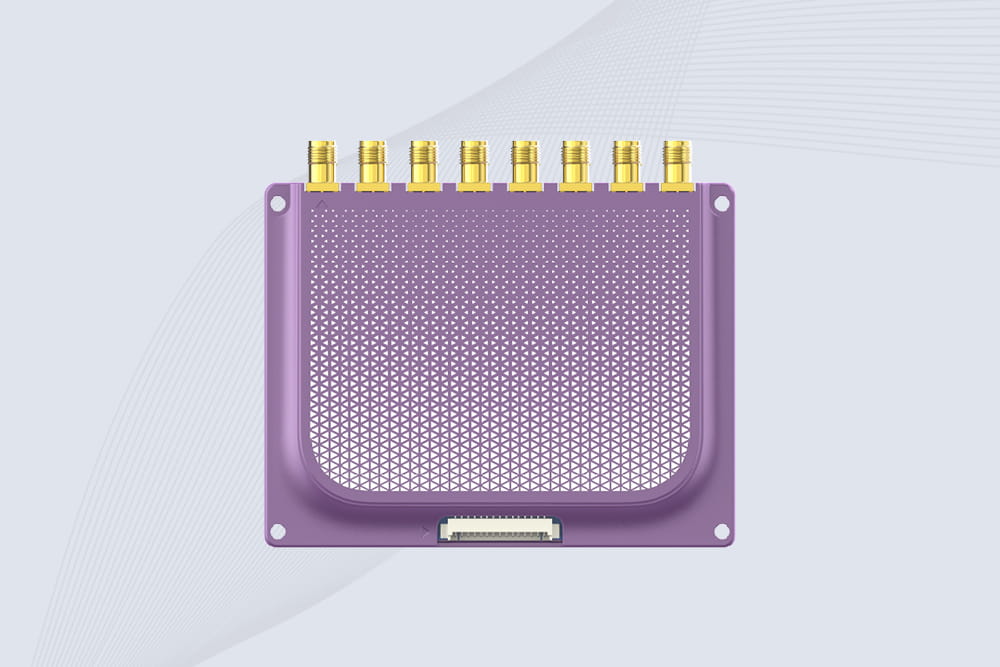
CYKEO CYKEO-M8L module RFID is a compact industrial UHF module built for dense tag and multi-antenna environments. With 8 RF ports, adjustable 33 dBm output, and ISO & GB protocol support, it is widely used in factories, warehouses, and automated tracking systems.
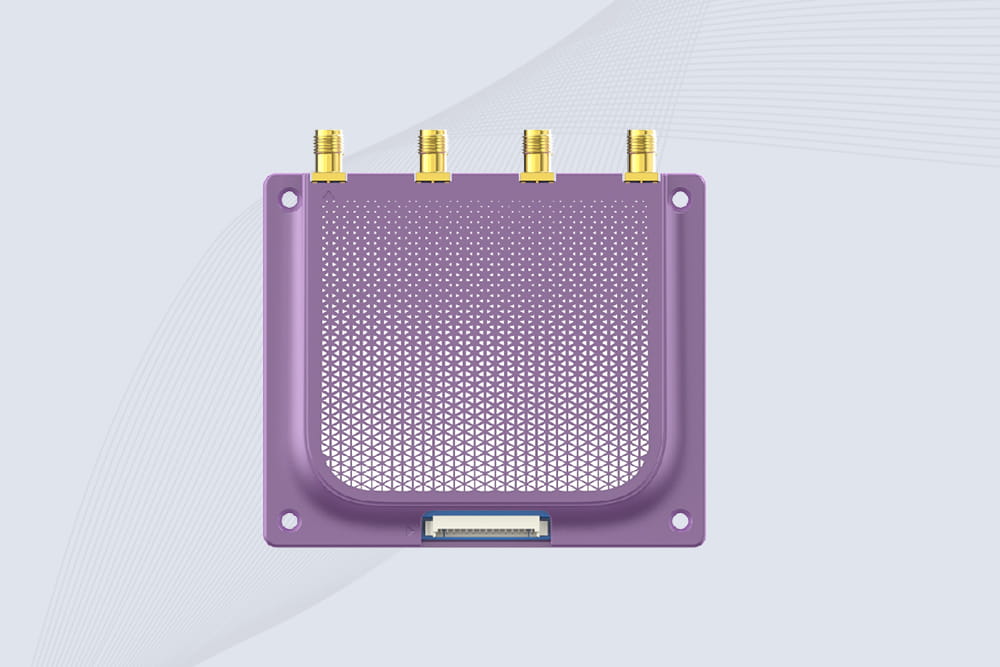
CYKEOCYKEO-M4L UHF RFID Module is a compact 4-channel RFID tag reader module designed for dense tag environments. Supporting ISO and GB protocols, it delivers stable reads up to 10 meters for industrial and IoT systems.
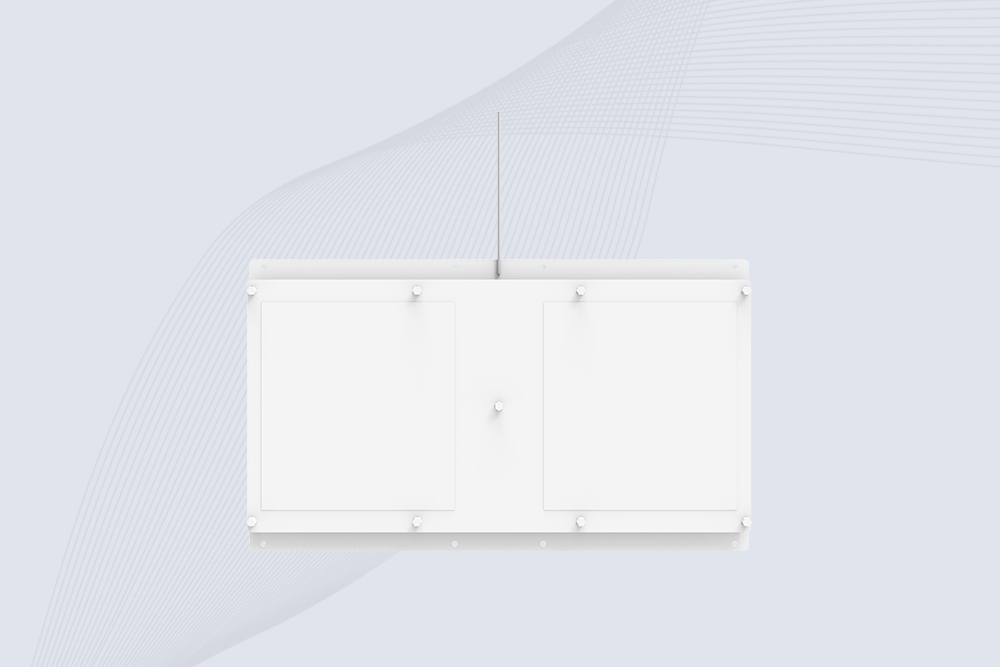
Cykeo CYKEO-A11 UHF RFID reader antenna delivers 11dBi gain, 840-960MHz frequency range, and IP65 ruggedness for retail, logistics, and industrial RFID systems. Features low VSWR and easy installation.

CYKEO Antenna RFID Reader delivers stable long-range UHF performance with a 10.5dBi directional design, built for warehouses, conveyor portals, and industrial RFID systems. This rfid reader antenna provides 20m+ read distance and rugged IP67 protection.

Cykeo CYKEO-PHF3 industrial HF RFID Antenna offers 24-point dynamic tracking, ISO 14443A/15693 protocols, metal-environment stability for archives/libraries/manufacturing.

Cykeo CYKEO-A5B industrial Linear RFID Antenna delivers 5dBi gain, ≤1.5:1 VSWR, and IP65 rugged design for warehouse, production line, and logistics UHF systems.

Cykeo’s CYKEO-B12 Long Range RFID Antenna delivers 15m+ read range with 12dBi gain, IP65 rugged design, and global 840-960MHz UHF support. Ideal for warehouse/logistics asset tracking.
Cykeo CYKEO-B10 Long Distance RFID Antenna offers 10dBi gain, 840-960MHz frequency range, IP65 rating, and 20m+ coverage for logistics/warehousing/ETC systems. Low VSWR ensures stable signal transmission.
Cykeo CYKEO-A6 UHF RFID panel antenna features 6dBi gain, 840-960MHz broadband, IP65 metal-ready housing for logistics/smart retail. 18mm ultra-thin design with tool-free mounting.

Cykeo CK-A3 industrial antenna RFID UHF offers 5m+ tag detection, ≤1.3:1 VSWR, IP65 rugged design, and global UHF spectrum compatibility (840-960MHz) for warehouses, factories, and retail.
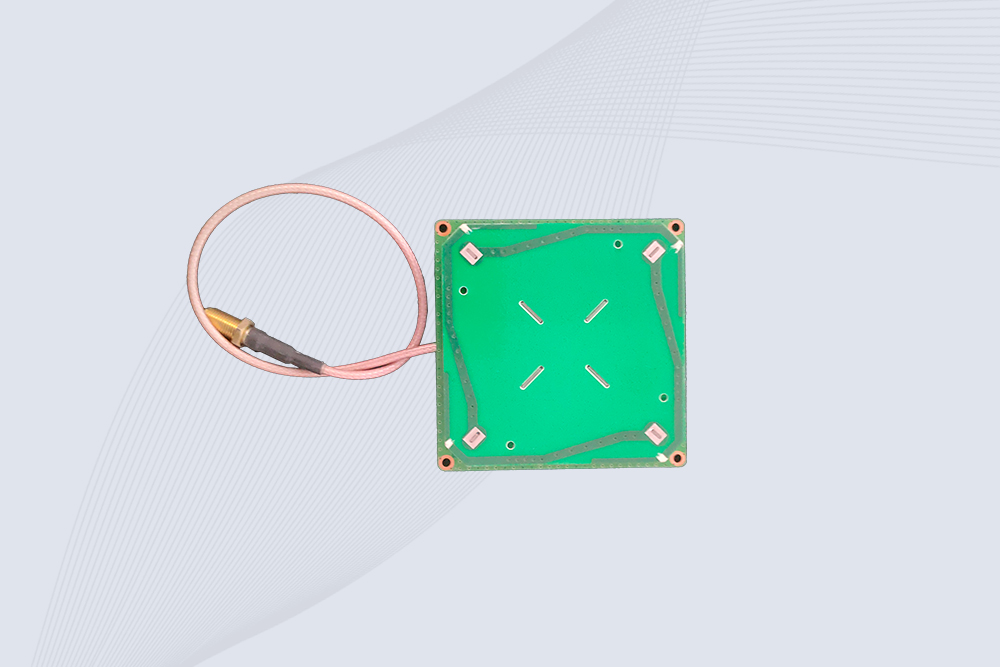
Cykeo CYKEO-B5 directional RFID antenna provides 5dBi gain with 60° narrow beamwidth for precise inventory tracking. IP65-rated, global UHF frequency support, and low VSWR.
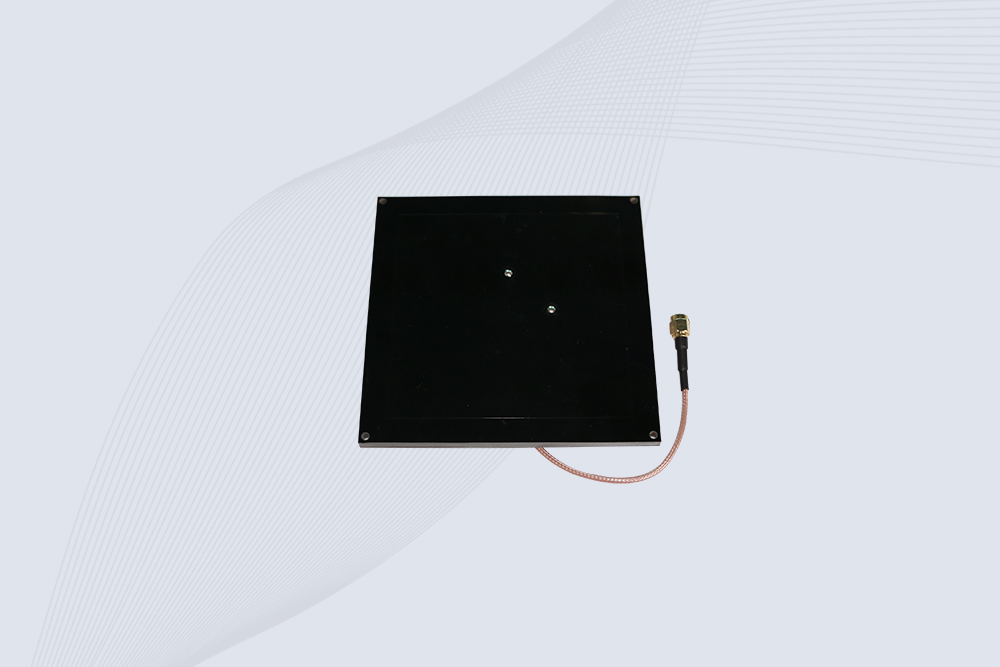
Create your own high-performance DIY RFID antenna! 5dBi gain, 840-960MHz tunable, step-by-step guides. Compatible with Arduino, Raspberry Pi, and commercial UHF readers.
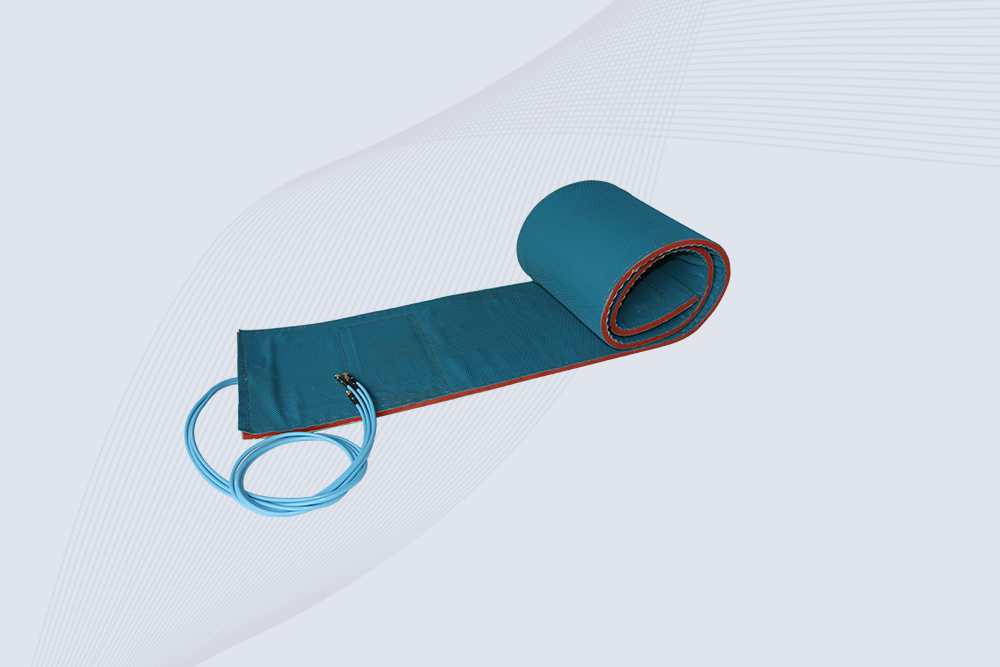
Cykeo CYKEO-A7 Flexible RFID Antenna features 840-960MHz wideband tuning, 7dBi gain, and IP68 rating for medical/retail/industrial curved surface deployments. 98% read accuracy with peel-and-stick installation.

Cykeo CYKEO-B5A industrial Passive RFID Antenna delivers 5dBi gain, 70° beamwidth, and -40°C~55°C operation for warehouses/smart cabinets. Compatible with Zebra/Impinj readers.
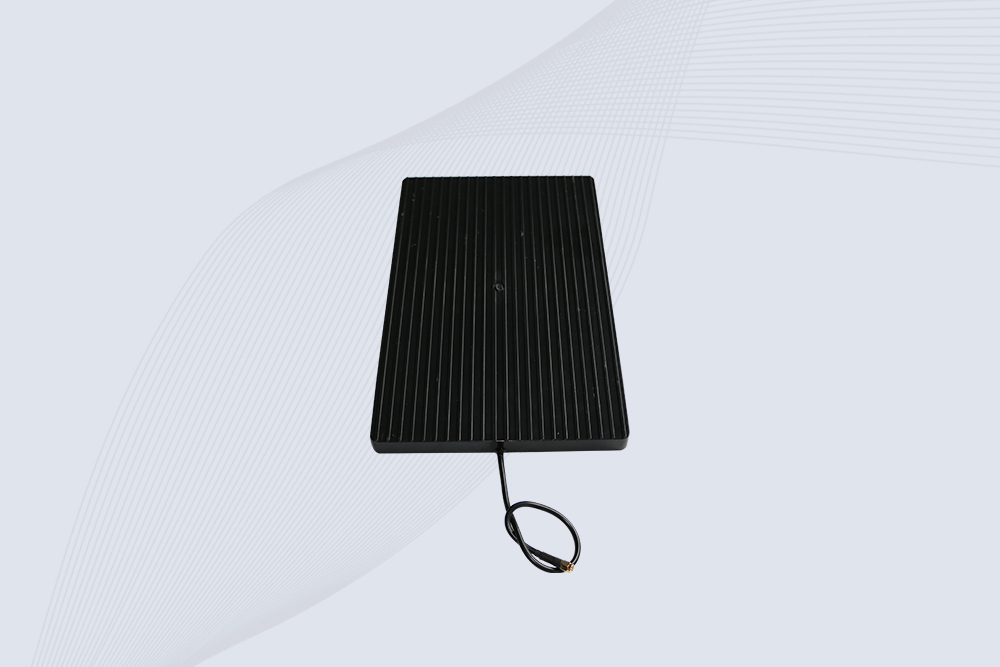
Cykeo’s CYKEO-A9B High Gain RFID Antenna delivers 15m+ read range with 9dBi amplification. Features IP54 rugged design, 840-960MHz bandwidth, and 80° beamwidth for warehouse/manufacturing RFID systems.

Cykeo’s enterprise-grade 8dbi Impinj RFID Antenna 10m+ read range with 840-960MHz tuning. Features IP65 housing, 1.4 VSWR, 35° beamwidth for retail/warehouse RFID systems.
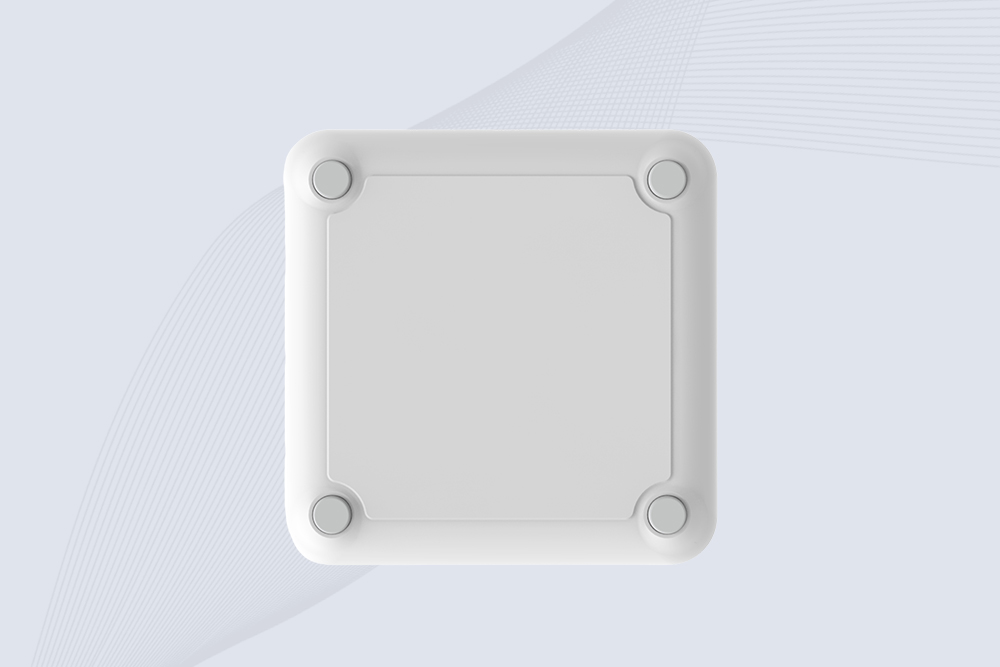
Cykeo CYKEO-A9 industrial UHF RFID antenna delivers 9dBi gain, 840-960MHz frequency range, and IP65 protection for warehouse/logistics/retail RFID systems. Features N-type connector and ≤1.3:1 VSWR.
CYKEO UHF RFID Antenna built for long-distance and industrial applications. This antenna rfid uhf delivers strong gain, outdoor durability, and reliable tag performance in warehouses, yards, and vehicle ID systems.
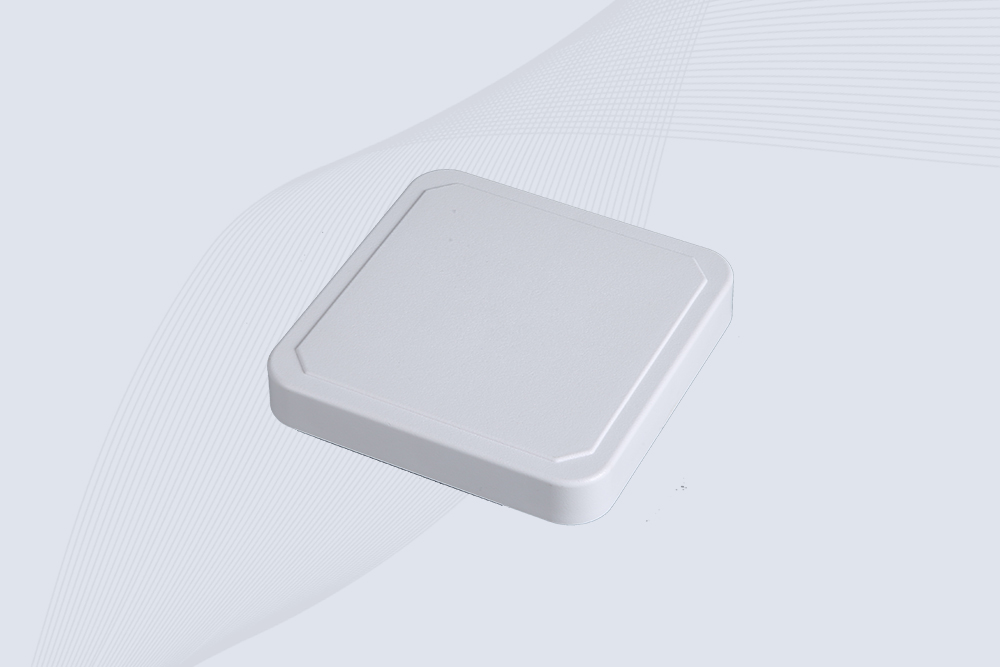
CYKEO Antenna RFID delivers reliable long-range UHF performance in warehouses, retail shelves, and cold-chain environments. This compact uhf rfid antenna provides stable reads with circular polarization and ultra-wide 840–960 MHz support, ideal for industrial tracking, smart shelves, and asset monitoring.
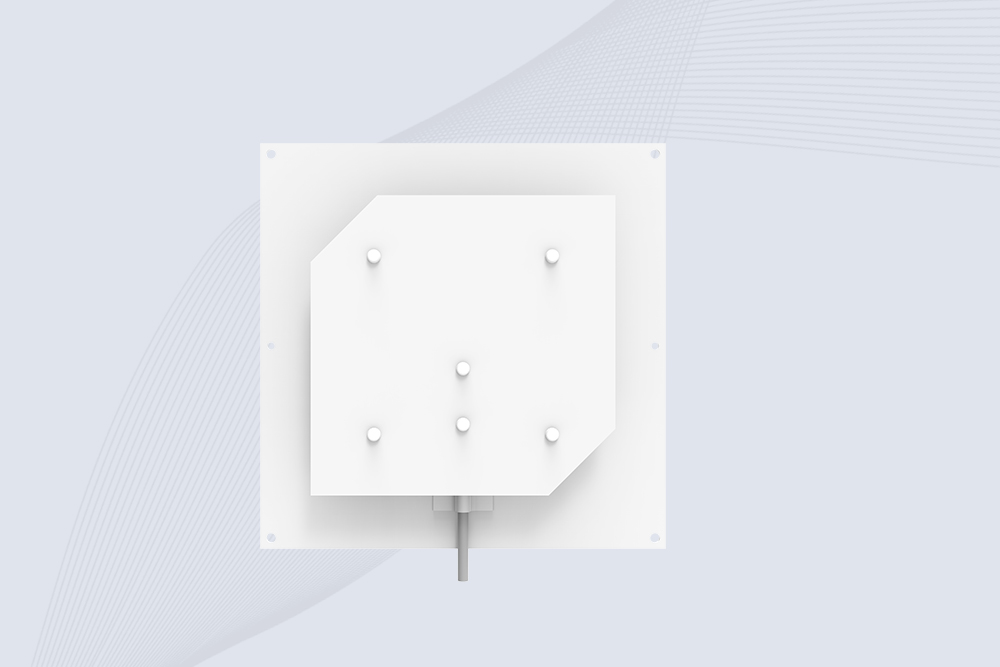
Cykeo’s CYKEO-C8 UHF RFID antennas delivers 8dBi gain, 840-960MHz full-band coverage, and IP65 ruggedness for manufacturing/warehouse RFID systems. Industrial RFID Antennas Features
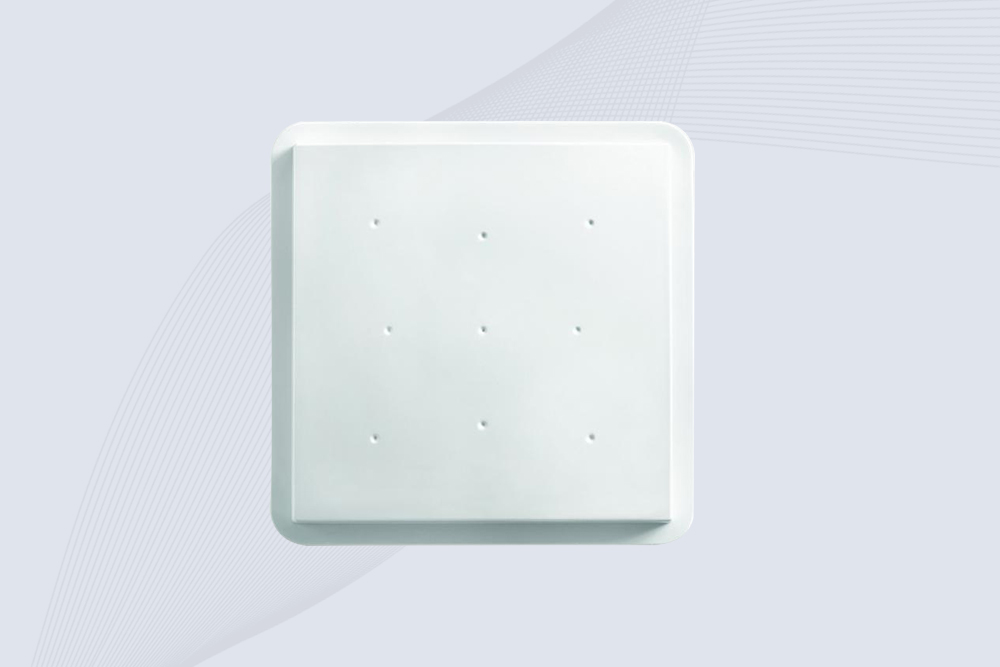
Cykeo’s 8dBi UHF RFID antenna and reader kit delivers 10m+ range, 840-960MHz broadband, and IP65 ruggedness for factories, warehouses, and logistics. ISO 18000-6C & EPC Gen2 certified.
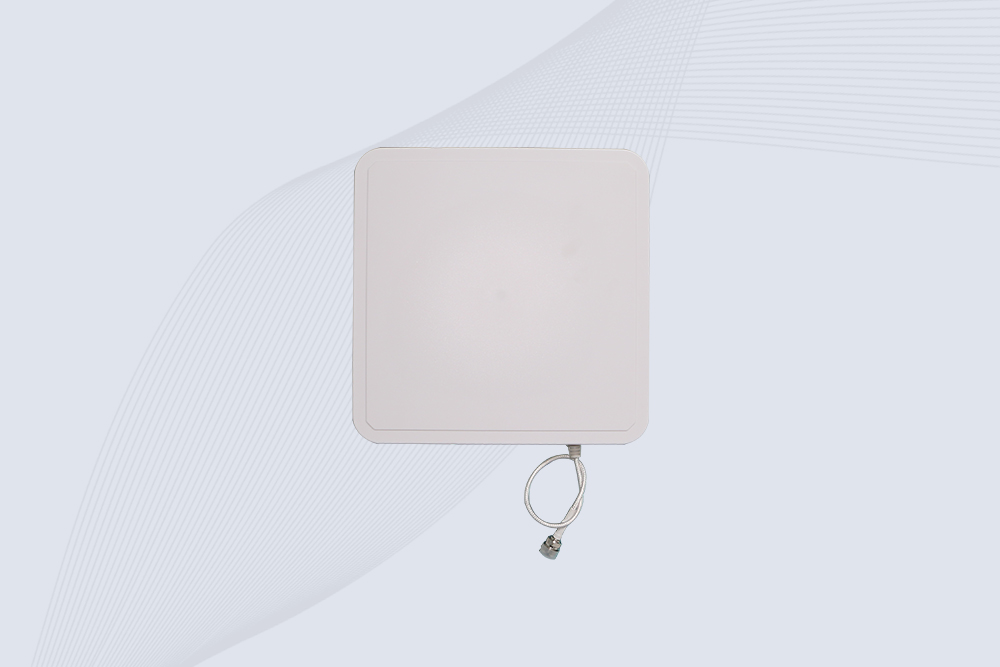
Cykeo CYKEO-A9A industrial UHF RFID reader and antenna kit delivers 10m range, 500 tags/sec, IP65 ruggedness for manufacturing/logistics. Supports EPC Gen2, ISO18000-6C.

Get a clear answer to how far can RFID be read. We break down the real ranges for LF, HF, and UHF systems and what factors actually affect reading distance.
More
Learn how to remove rfid tag safely and correctly. Explore real methods, tools, and RFID deactivation tips using Cykeo professional readers.
More
The 2025 USDA regulation requires cattle to wear RFID electronic ear tags. This article shares selection, deployment, and management insights from frontline ranch experience, helping farmers quickly comply while improving management efficiency.
More
Learn how to connect RFID reader to SQL database. Our guide covers data flow architecture, deduplication strategies, and reliable integration using CYKEO tools.
More