RFID identifies items wirelessly, while barcodes require optical scanning of a visible symbol. RFID can read multiple tagged items without direct line of sight, whereas barcode scanning normally requires the symbol to face the scanner. The better choice depends on workflow, environment, cost, and required automation.
How Does RFID Compared to Barcoding in Real Operations?
The difference becomes obvious on a warehouse floor.
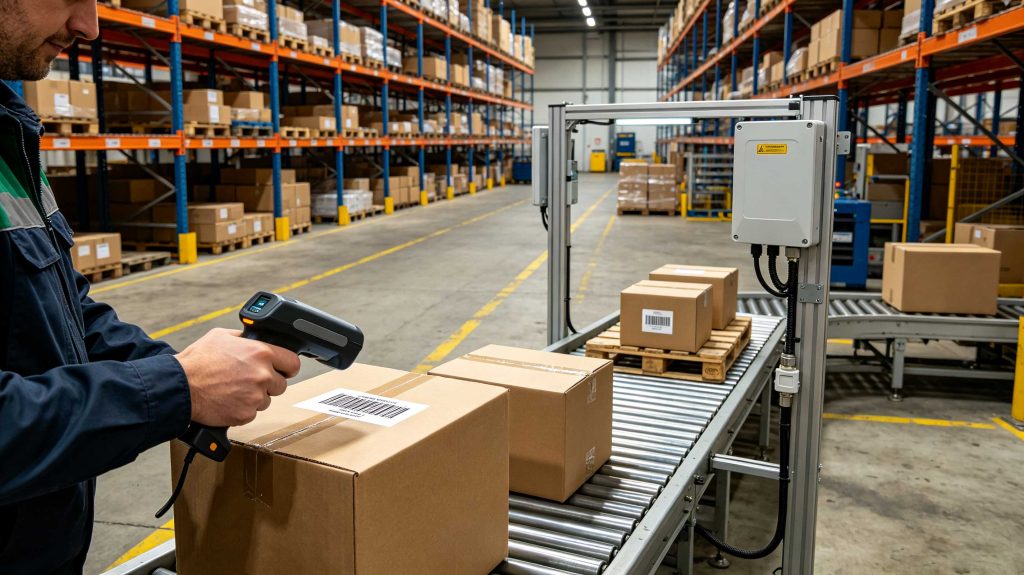
A worker holding a barcode scanner has to find the label, aim at it, trigger the scan, and confirm the result.
With RFID, the operator may simply walk past a pallet or move a tagged container through a reader field.
That difference is not theoretical.
GS1 states that RAIN RFID does not require direct line of sight and can capture tags when they are not directly visible to the reader. It also notes that RFID can be installed to read continuously without requiring an operator to initiate every scan.
Barcode technology remains extremely useful.
It is inexpensive, familiar, easy to print, and already embedded in retail and logistics processes worldwide.
RFID changes the physical process of identification.
That is the real comparison.
RFID vs Barcode: The Fundamental Difference
A barcode is an optical data carrier.
RFID is a radio-frequency data carrier.
The distinction affects the way information is captured.
Feature
RFID
Barcode
Reading method
Radio frequency
Optical scanning
Direct line of sight
Usually not required
Normally required
Multiple-item reading
Yes, depending on system
Usually one symbol at a time
Human positioning
Can be minimized
Usually required
Hidden tag
Can often be read
Cannot be optically scanned
Data modification
Some RFID tags support rewriting
Printed value normally requires reprinting
Read automation
Strong
More operator-dependent
Initial system cost
Generally higher
Generally lower
Printing
Requires RFID inlay/tag
Standard printing
Typical strength
Automated identification
Low-cost visible identification
GS1 explicitly describes RAIN RFID as an alternative to optical data carriers and emphasizes that RFID should not automatically be considered superior to barcodes. The correct technology depends on the use case.
That qualification matters.
A barcode is not an outdated technology.
In many applications, it is exactly the right one.
How Does RFID Compared to Barcoding for Line-of-Sight Reading?
This is probably the most visible difference.
A barcode scanner needs to optically see the barcode.
If the label is facing the opposite direction, covered by another carton, damaged, dirty, or hidden inside a container, the scanner may not be able to identify it.
GS1 notes that barcodes are read by scanning, while EPC/RFID can be read without direct line of sight.
RFID does not depend on visual alignment in the same way.
A tagged item can be inside a carton or mixed with other tagged items, provided the RFID system has been engineered for that material and environment.
There is an important caveat.
RFID does not mean “RF waves pass through everything.”
Metal, liquids, tag orientation, antenna polarization, RF reflections and reader configuration can all affect performance.
GS1 specifically notes that RFID read range and usable reading volume depend on factors including reader power, interference, antenna gain, antenna directivity, polarization and tag orientation.
So the practical advantage is not unlimited penetration.
It is freedom from the optical requirement of presenting a visible symbol to a scanner.
RFID vs Barcode Inventory Counting
Inventory is where the difference becomes expensive in terms of labor.
With conventional barcode counting, a worker generally has to locate each item or barcode and scan it.
RFID can identify multiple tagged items during a single reading event.
RFID Journal documented a practical comparison in which 39 of 40 RFID-tagged items were read in 12 seconds, while barcode scanning of the same racks took nearly three minutes. The publication reported the RFID process as roughly 10–20 times faster in that demonstration.
That was a historical demonstration rather than a universal performance benchmark.
It should not be turned into a promise that every RFID installation is 20 times faster.
The useful lesson is elsewhere.
RFID removes a large amount of physical handling from inventory work.
GS1 currently reports that RAIN RFID can reduce average inventory time by approximately 95% in appropriate applications, while also stressing that suitability depends on the use case.
That is a more meaningful way to look at the technology.
Not “RFID is faster.”
Rather:
How many manual identification actions can the system remove?
How Does RFID Compared to Barcoding for Multiple Items?
A barcode reader generally processes the visible symbol presented to it.
RFID systems can identify many tags within the reader’s field through anti-collision mechanisms.
RFID Journal explains that readers technically communicate with tags one at a time, but anti-collision algorithms allow tags to be identified sequentially so quickly that the process appears simultaneous.
That distinction matters.
Imagine a receiving dock.
A pallet contains 80 tagged cartons.
With barcodes, the operator has to expose and scan the individual symbols.
With RFID, the pallet can pass through a properly designed read zone and the reader can interrogate the tags without requiring individual visual alignment.
The workflow changes from:
Find → Aim → Scan → Confirm
to:
Move → Detect → Capture → Validate
That is one of the strongest operational arguments for RFID.
How Much Data Can RFID Store Compared With Barcodes?
Both technologies can carry identification information, but RFID offers additional memory capabilities depending on the tag.
GS1 reports that a typical RAIN RFID tag generally carries no more than 8 KB of data, while simple license-plate tags may use only a 96-bit or 128-bit identifier. Higher-memory tags can support more application information.
A barcode, meanwhile, stores information within its printed symbol.
If the printed information changes, the physical label normally has to be replaced.
Some RFID tags allow authorized data to be written after deployment.
GS1 notes that selected RAIN RFID user-memory data can be changed after deployment, with password protection available on appropriate tags.
That makes RFID particularly interesting for reusable assets.
For disposable packaging, however, the additional memory may have little value.
Again, application comes first.
RFID vs Barcode Cost: Why the Cheaper Label May Not Be the Cheaper System
A barcode label is difficult to beat on unit cost.
The printer and scanner infrastructure are mature.
RFID introduces:
RFID tags or inlays;
fixed or handheld RFID readers;
antennas;
RF cabling;
software integration;
installation;
RF testing;
reader configuration.
The initial investment is therefore usually higher.
But the unit price of the label is only one part of the business calculation.
Suppose a warehouse employee spends several seconds locating and scanning every carton.
Multiply that by thousands of cartons.
Then repeat it every week.
The labor cost can become much larger than the price difference between a barcode label and an RFID inlay.
GS1 explicitly notes that barcodes can remain cheaper and can be printed directly onto product packaging, while RFID should be selected when its specific capabilities justify the implementation.
This is why a serious RFID feasibility study should measure process cost, not just tag price.
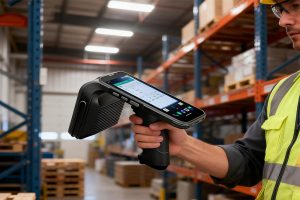
A warehouse worker scans visible barcodes while RFID-tagged cartons can be identified automatically within a controlled reading zone.
When Is Barcode Better Than RFID?
RFID is not automatically the right answer.
Barcode can be the better technology when:
every item is already individually accessible;
line-of-sight scanning is not a problem;
item volume is relatively low;
the process already has efficient scanning;
labels are printed directly on packaging;
the lowest possible identification cost is important;
no automatic bulk reading is required.
GS1’s guidance is direct: RAIN RFID offers capabilities that traditional barcodes do not, but it is not necessarily the better choice for every application.
This is something worth saying plainly because RFID projects can become unnecessarily complicated.
If a worker scans 50 visible boxes efficiently, replacing the barcode process with RFID may produce little operational value.
If that same worker must count 5,000 boxes in a warehouse, the economics can change dramatically.
When Is RFID Better Than Barcoding?
RFID becomes more compelling when the process involves:
large item populations;
repetitive inventory counting;
non-line-of-sight identification;
automatic gate detection;
moving pallets;
conveyor tracking;
reusable assets;
high labor costs;
frequent stock movement;
difficult-to-access labels;
automated production processes.
GS1 identifies non-line-of-sight reading, bulk inventory, writable data and sensor integration among the questions organizations should consider when evaluating RAIN RFID.
The strongest applications are usually not the ones where RFID simply replaces a scanner.
They are the ones where RFID changes the workflow.
RFID and Barcode Can Work Together
A common mistake is treating the decision as:
RFID OR barcode.
It can often be:
RFID AND barcode.
GS1 explicitly describes RFID and barcode interoperability and recommends designing business applications and databases to accept data from different data carriers.
A carton can therefore have:
a printed GS1 barcode for manual fallback;
an RFID tag for automatic identification;
the same product identification encoded into both systems.
This hybrid approach is useful during RFID deployment because the barcode remains available when an RFID read is unavailable or when a worker needs a visual identifier.
It also allows different parts of the supply chain to use different capture technologies. <h2>Cykeo RFID Compared With Traditional Barcode Workflows</h2>
Cykeo focuses on RFID systems where automatic identification, multi-tag recognition and integration with business applications provide measurable operational value.
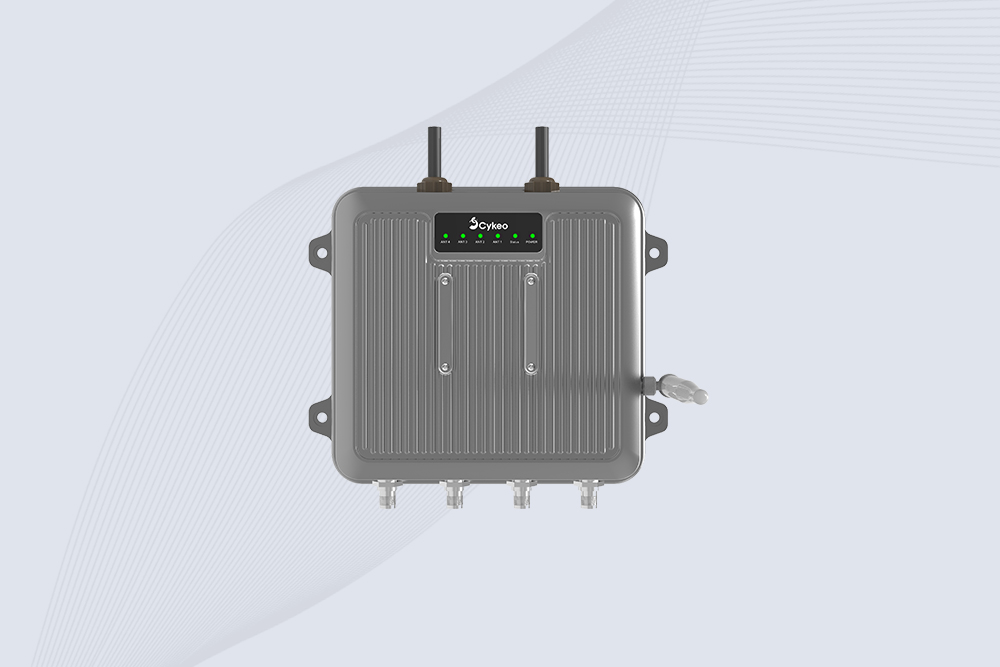
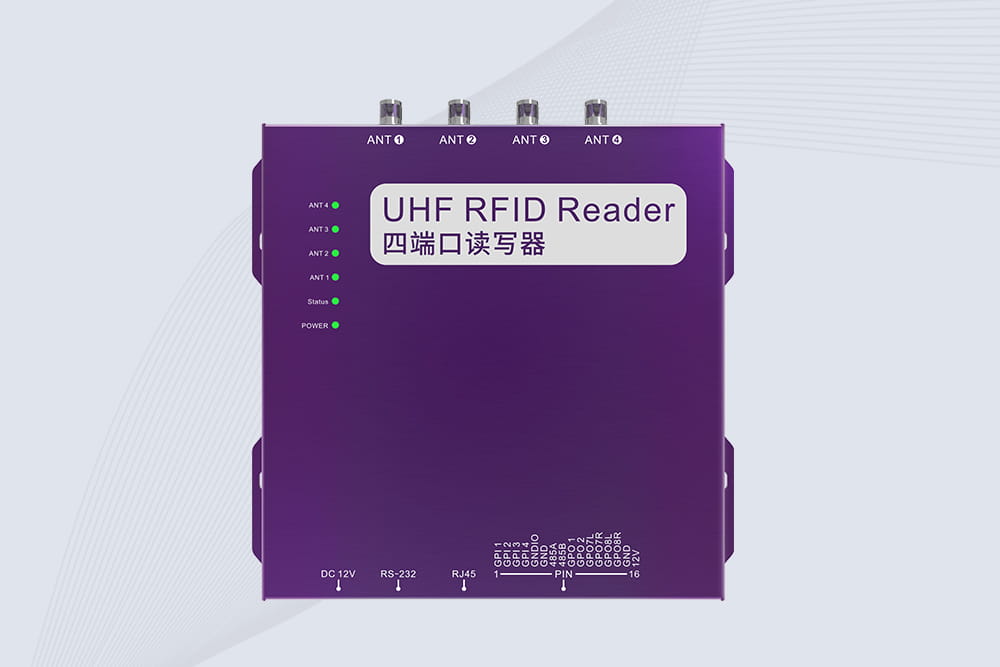
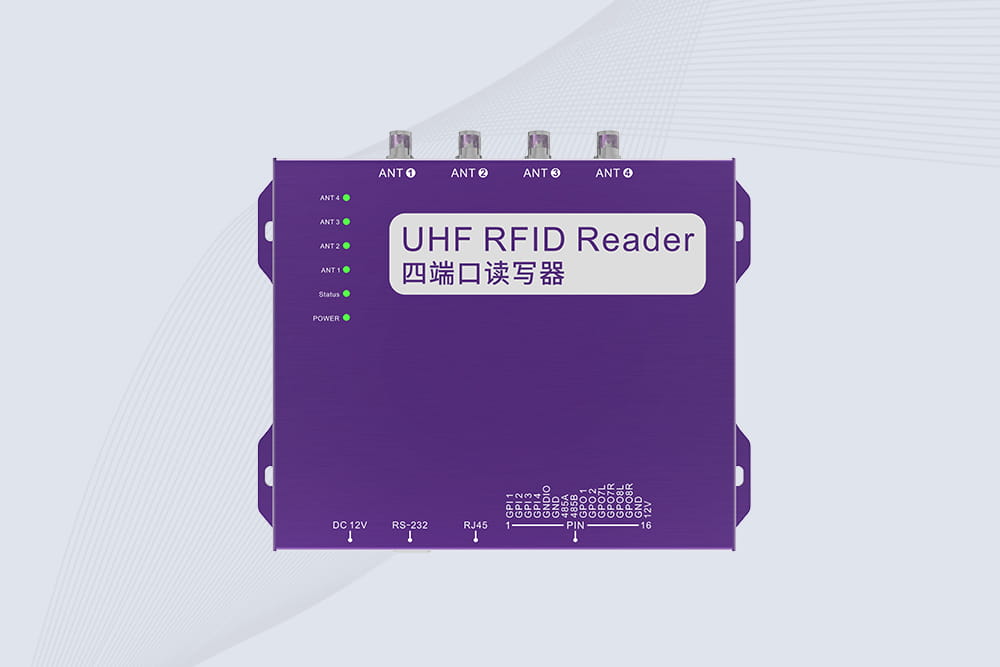
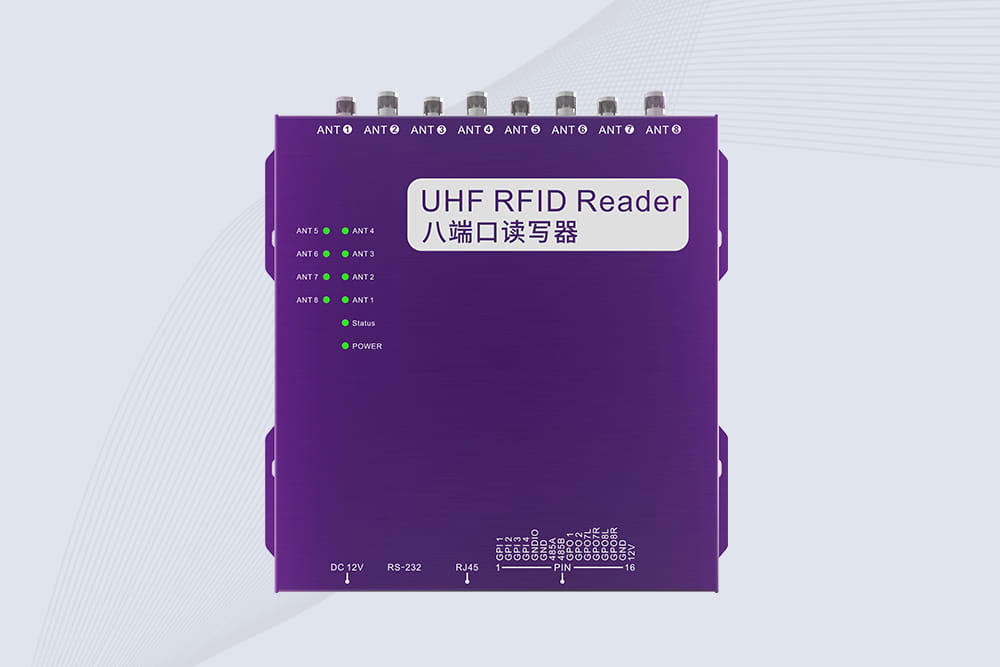
Applicable Cykeo UHF RFID reader platforms support features such as:
Up to 33 dBm RF output on applicable models
Adjustable output power
Multi-tag recognition
Anti-collision algorithms
Tag-data filtering
Fixed-frequency operation
Frequency hopping
ISO 18000-6C / EPC C1G2
ISO 18000-6B on applicable models
GB/T 29768-2013 on applicable models
Ethernet and RS-232 communication options
SDK/API integration
The point is not to make RFID look more impressive than barcode technology.
It is to make the identification process more automatic.
For example, a fixed RFID reader can be positioned at a warehouse entrance so that tagged cartons are detected as they pass.
There is no employee standing beside the doorway with a scanner.
No need to rotate every carton until its label faces the optical sensor.
No separate scan confirmation for every item.
That is where the system-level value appears.
How Should You Compare RFID and Barcode?
Before making a technology decision, measure the current process.
Question
Barcode
RFID
Does the operator need to see the code?
Usually yes
No direct line of sight required
Can many items be captured automatically?
Limited
Yes, depending on system
Can tags be read inside packaging?
No optical visibility
Often possible, depending on material
Can data be changed after deployment?
Usually requires reprinting
Some RFID tags support rewriting
Initial infrastructure cost
Lower
Higher
Manual labor
Usually higher
Can be reduced
Automation potential
Moderate
High
Environmental sensitivity
Optical damage/visibility
RF environment and material effects
Best use case
Simple, visible identification
Automated, bulk, non-line-of-sight identification
The correct comparison is not “RFID is newer.”
It is:
Which technology removes the most friction from the actual process?
RFID vs Barcode Deployment Test
A useful pilot should measure real operational conditions.
Test:
Number of items processed per hour
Average scan time per item
Inventory count time
Labor required
Missed identification events
Re-scan frequency
Tag or label cost
Reader infrastructure cost
Integration cost
Total process cost
For RFID, add RF-specific testing:
tag orientation;
metal exposure;
liquid exposure;
antenna position;
reader power;
read-zone boundaries;
adjacent-reader interaction;
dense-tag performance.
GS1 notes that RFID read performance depends strongly on the rfid antenna, tag orientation, RF environment and installation conditions.
That is why a small pilot is usually more informative than a theoretical comparison chart.
Frequently Asked Questions
1. How does RFID compared to barcoding in terms of speed?
RFID can be substantially faster for bulk identification because multiple tags can be identified without individually positioning each item. GS1 reports that RAIN RFID can reduce average inventory time by approximately 95% in suitable applications.
2. Is RFID more accurate than barcode?
Neither technology has a universal accuracy advantage. RFID can reduce errors caused by manual scanning and improve automated capture, but RF performance depends on tag placement, materials, antenna design and the surrounding environment.
3. Does RFID require line of sight like a barcode?
No. RAIN RFID does not require direct line of sight in the same way optical barcode scanning does. However, materials such as metal and liquids can affect RFID performance.
4. Is RFID more expensive than barcodes?
Usually, yes at the infrastructure and tag level. RFID requires specialized tags, readers and antennas, while barcodes can use inexpensive printed labels. The economic advantage of RFID comes when labor savings and automation offset the additional technology cost.
5. Can RFID and barcodes be used together?
Yes. GS1 supports interoperability between RFID and barcode data carriers. A business can use RFID for automated identification while retaining barcodes as a visible identifier or backup method.
6. Can RFID read several products at once?
Yes. RFID readers use anti-collision mechanisms to identify multiple tags in rapid succession. The actual number depends on reader performance, tag population, RF environment and the time available in the reading zone.
7. Should every barcode system be replaced with RFID?
No. GS1 explicitly states that RAIN RFID will not simply replace barcode technology and recommends evaluating the actual use case before implementation.
Final Answer: How Does RFID Compared to Barcoding?
How does RFID compared to barcoding? RFID replaces visual, item-by-item scanning with wireless identification that can operate without direct line of sight and can capture multiple tagged objects automatically. Barcodes remain cheaper and simpler when visible, individual scanning is sufficient. RFID becomes valuable when automation, bulk reading, labor reduction, or difficult access matters.
The difference is ultimately operational.
A barcode asks the worker to find and scan.
RFID can allow the system to detect and record.
That distinction is why RFID is particularly effective in warehouses, manufacturing, retail inventory, logistics, asset tracking and automated material movement.
But a barcode still wins in plenty of environments.
For Cykeo, the useful engineering question is not “Which technology is better?”
It is:
“Where does automatic identification create enough operational value to justify RFID?”
That is the practical answer to how does rfid compared to barcoding.
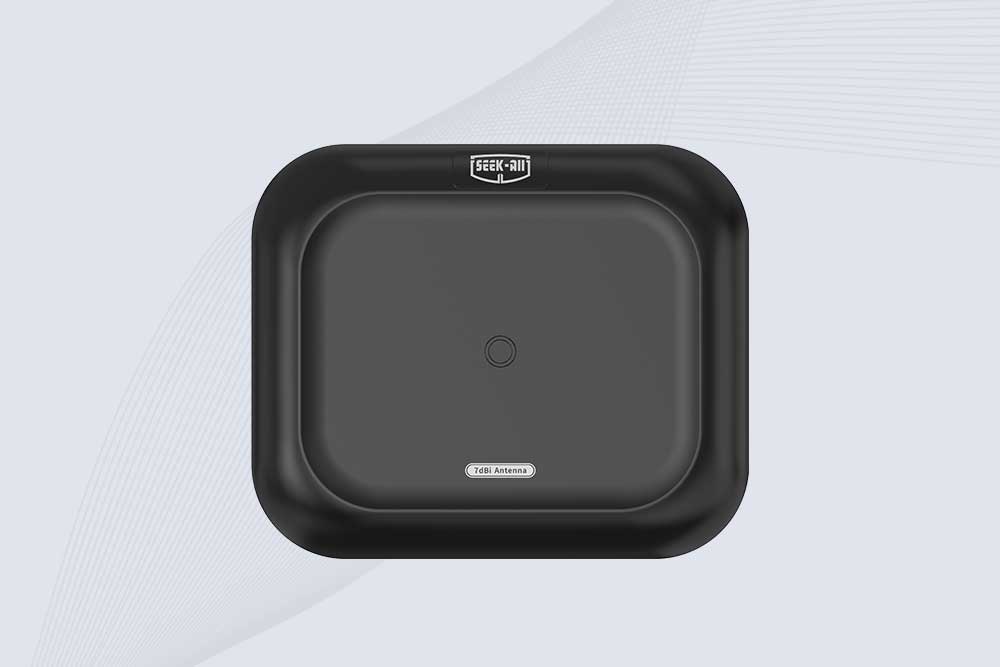
Explore the SSD-A07 UHF RFID antenna with 7 dBi gain, circular polarization, adjustable 840–960 MHz frequency, and 60°/75° beamwidth for stable RFID read/write performance.
SSD-A06 UHF RFID antenna with circular polarization, adjustable 840–960 MHz frequency, ≥4.5 dBi gain, and a compact directional design for RFID systems.
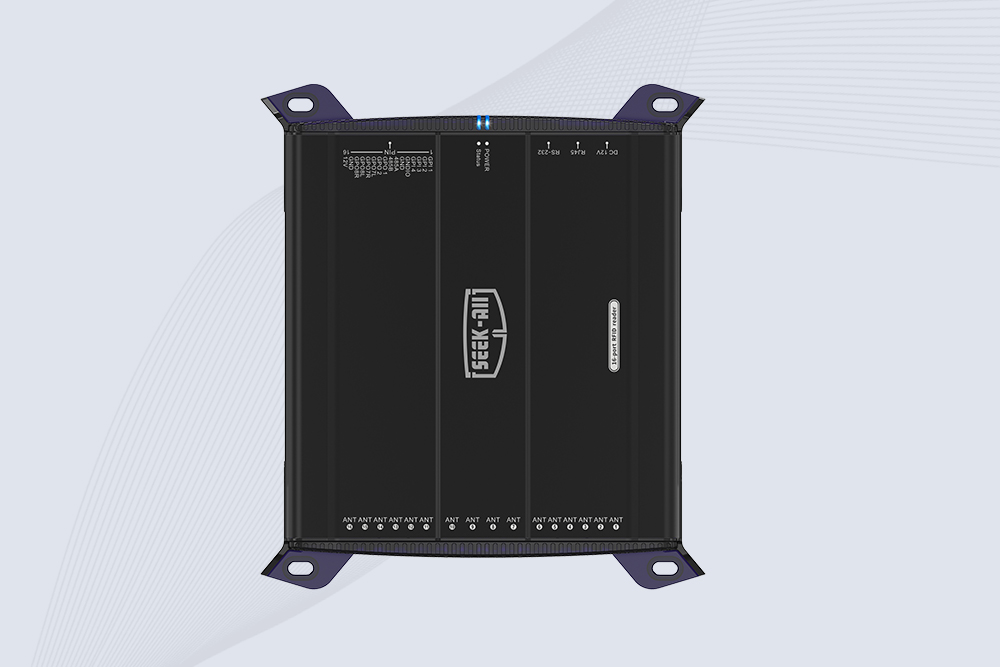
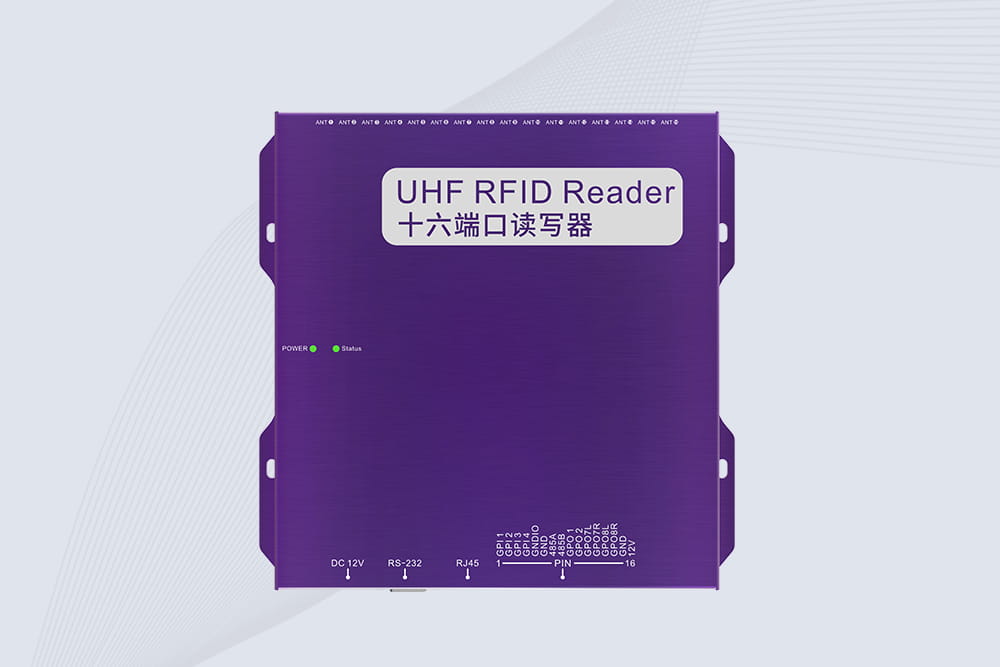
SSD-R16L Multi-Channel RFID Infrastructure for Automated Inventory Management ✔️ 16-Port High-Density RFID Reading Equipped with 16 SMA antenna ports, SSD-R16L supports multi-antenna deployment for warehouses, retail stores, logistics, production lines, and large-area RFID identification. ✔️ High-Speed & Long-Range Performance With up to 33…
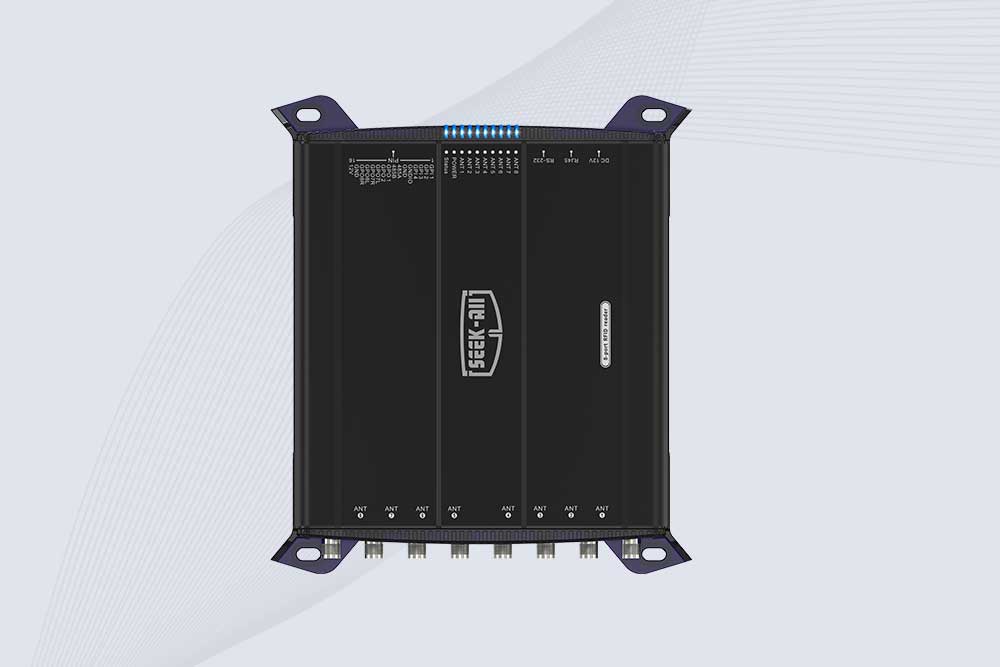
SSD-R8L 8-port UHF RFID reader with 33dBm output, up to 20m reading range and 600+ tags/s recognition. Ideal for warehouse, logistics, retail and asset tracking.
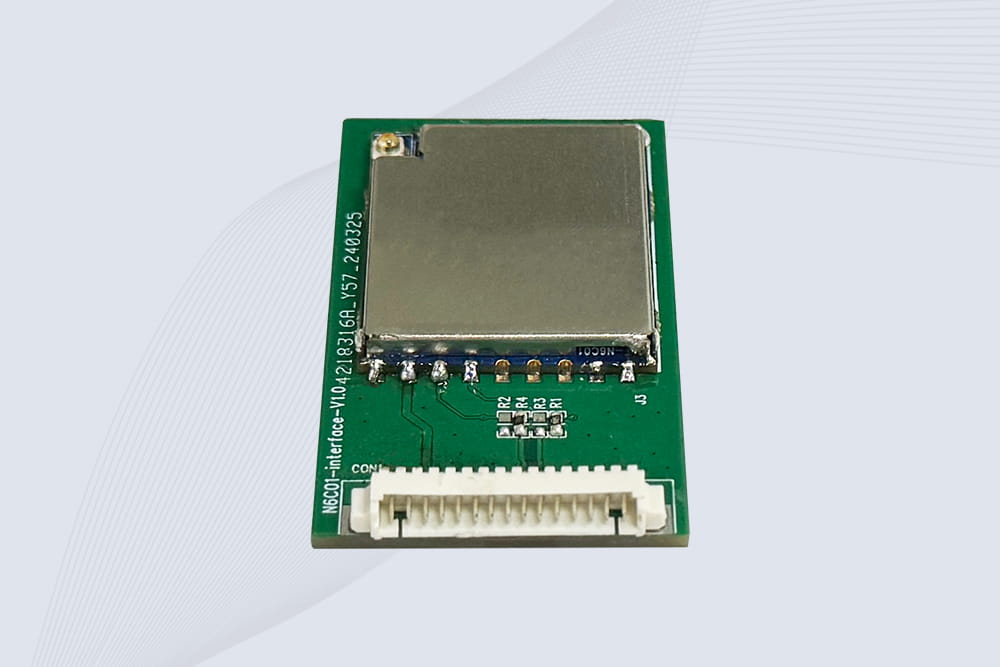
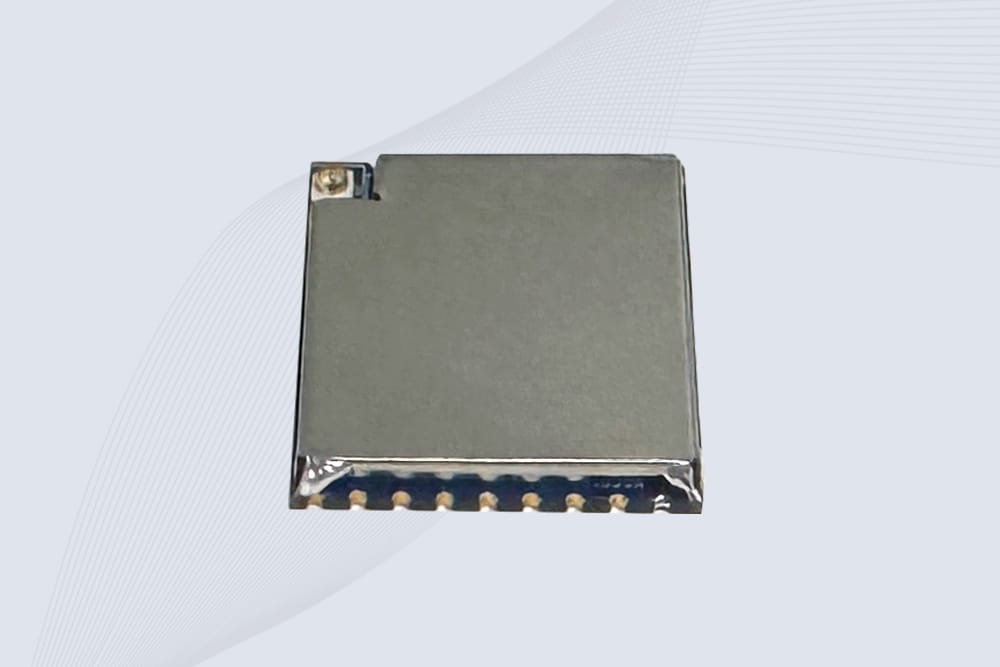
CYKEO Embedded RFID Modules are designed for compact industrial and IoT devices that require stable UHF performance. These UHF RFID Modules support global protocols, flexible power control, and reliable multi-tag reading for smart cabinets, production lines, and asset tracking systems.
CYKEO Embedded RFID Module is built for compact IoT and industrial devices that need stable UHF performance. This UHF module supports global protocols, low power operation, and reliable multi-tag reading for smart lockers, production lines, and always-on RFID systems.
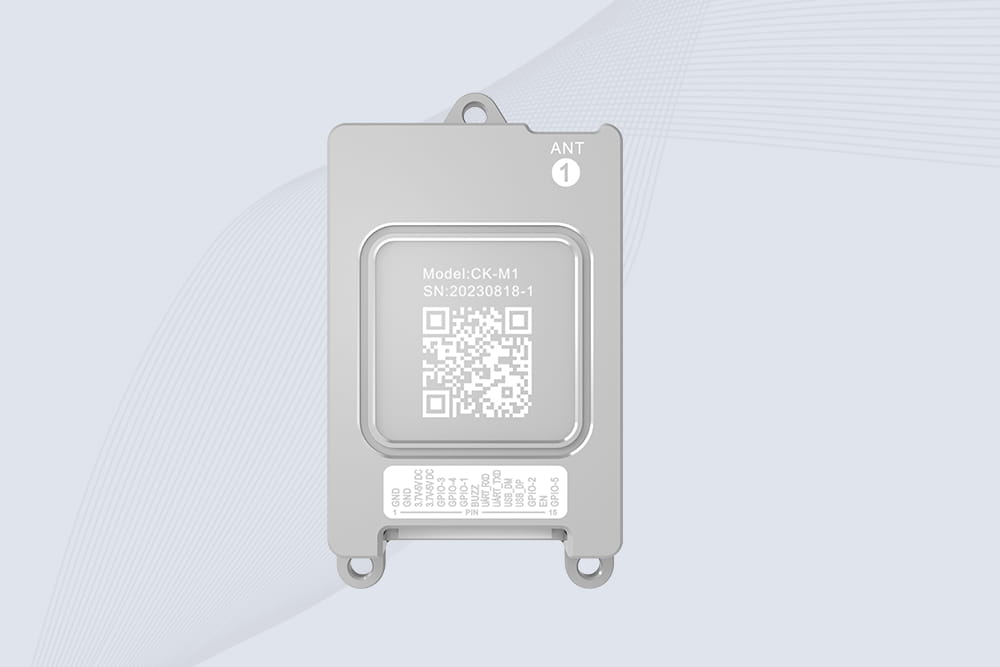
CYKEO CYKEO-M1 drone rfid module is a compact UHF RFID reader module designed for drones and UAV platforms. It supports long-range aerial scanning, fast multi-tag reading, and stable performance in wind, vibration, and outdoor environments.
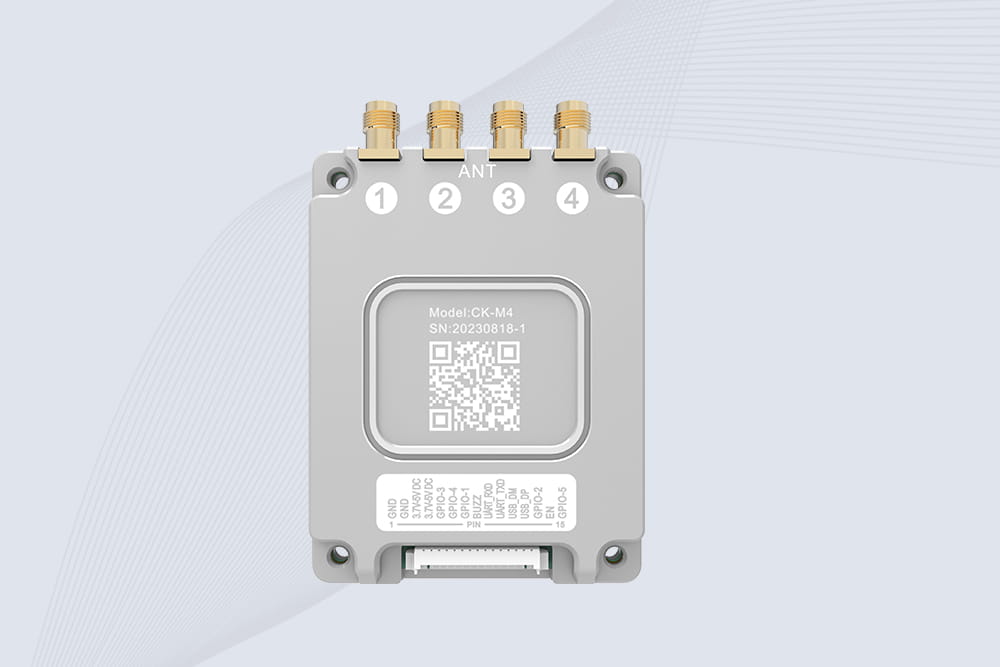
CYKEO CYKEO-M4 RC522 RFID Module is an industrial-grade UHF RFID reader with 4 ports, supporting ISO, EPC, and GB protocols. High-speed, accurate reading for IoT, automation, and warehouse applications.
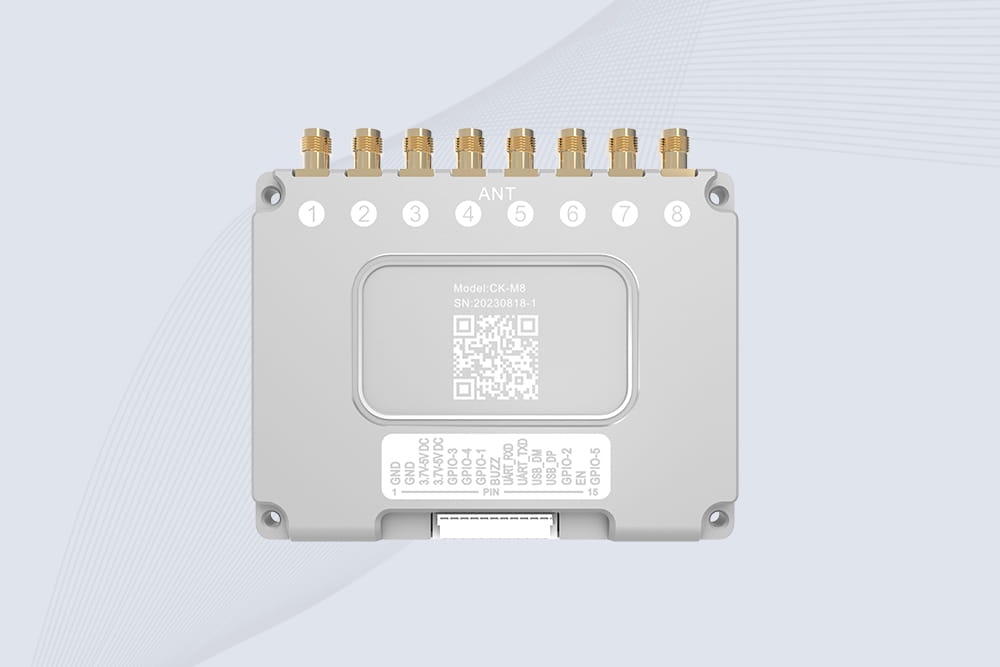
CYKEO CYKEO-M8 Module RFID is an 8-port UHF R2000 RFID Module designed for high-density, multi-tag environments. Stable 33dBm output, ISO & GB protocol support, ideal for warehouses, factories, and automated systems.
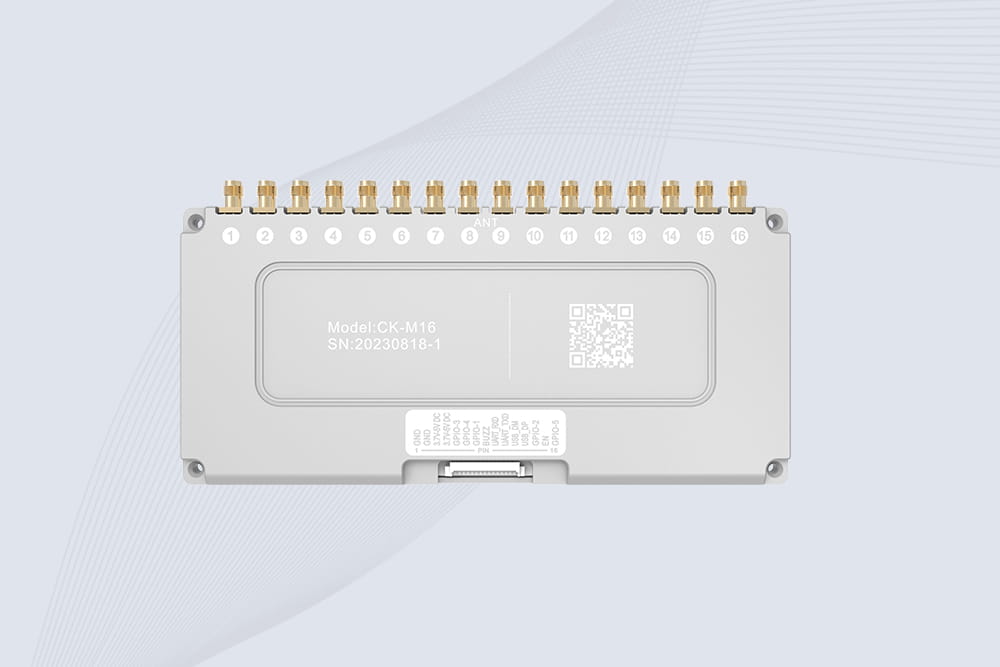
CYKEO CYKEO-M16 RFID Module is a 16-port UHF RFID reader module based on the R2000 chipset. Designed for dense tag environments, it supports ISO and GB standards and delivers stable multi-antenna control for industrial automation.
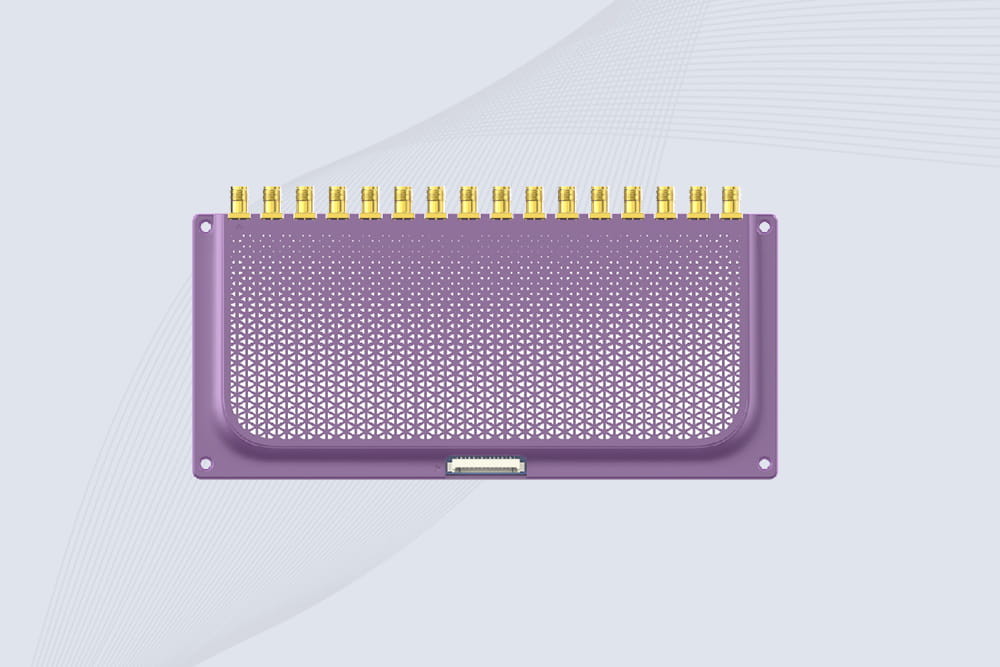
The CYKEO CYKEO-M16L RFID Reader Module is a 16-channel UHF RFID core designed for dense tag environments. With adjustable 33dBm output, multi-protocol support, and stable multi-antenna control, this RFID Tag Reader Module fits industrial automation, warehouse systems, and large-scale IoT deployments.
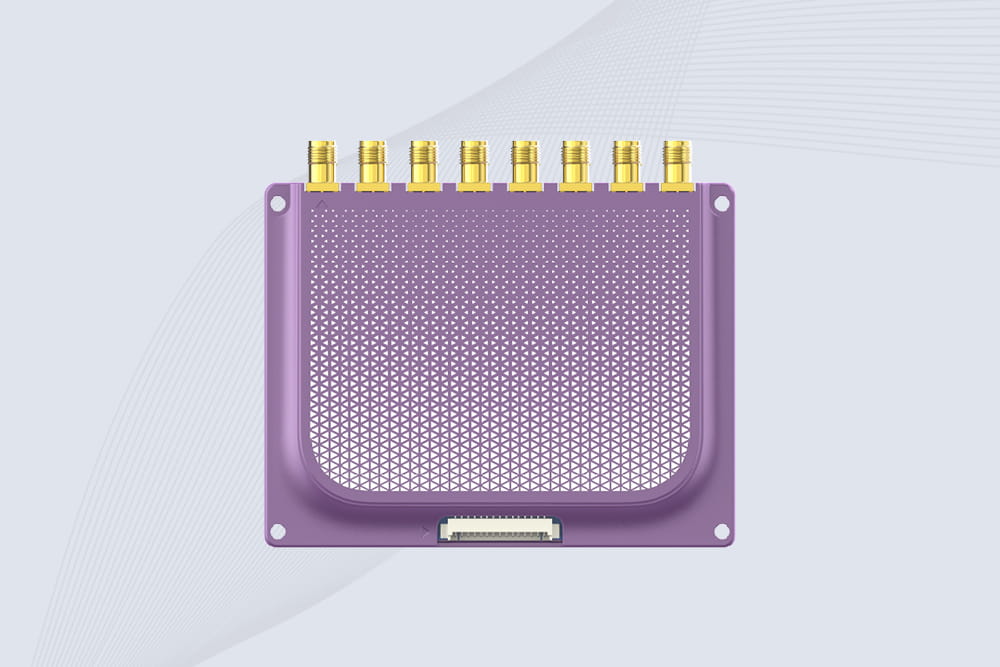
CYKEO CYKEO-M8L module RFID is a compact industrial UHF module built for dense tag and multi-antenna environments. With 8 RF ports, adjustable 33 dBm output, and ISO & GB protocol support, it is widely used in factories, warehouses, and automated tracking systems.
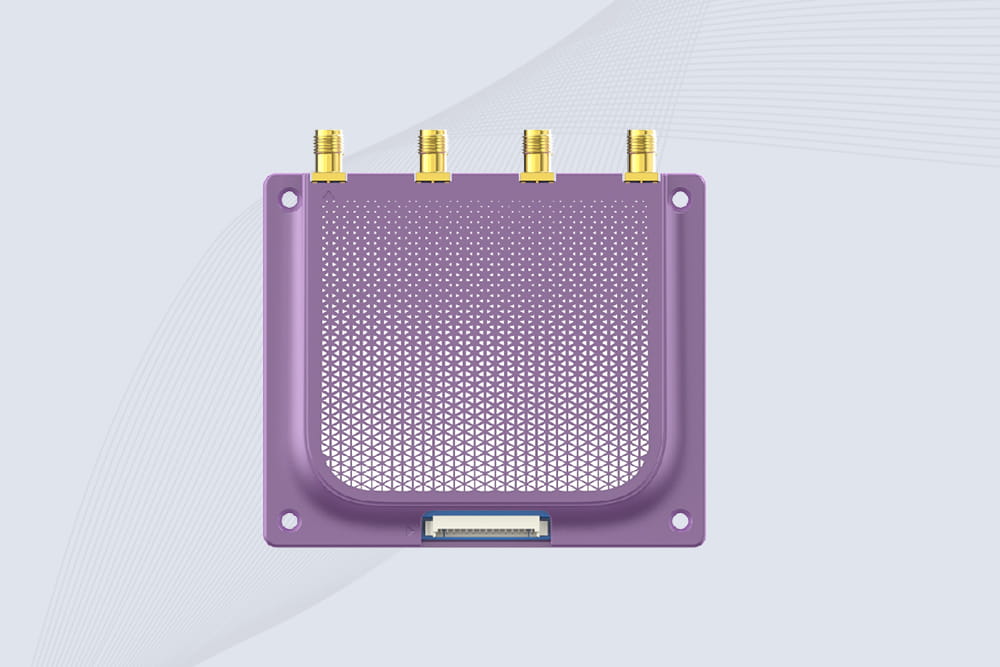
CYKEOCYKEO-M4L UHF RFID Module is a compact 4-channel RFID tag reader module designed for dense tag environments. Supporting ISO and GB protocols, it delivers stable reads up to 10 meters for industrial and IoT systems.
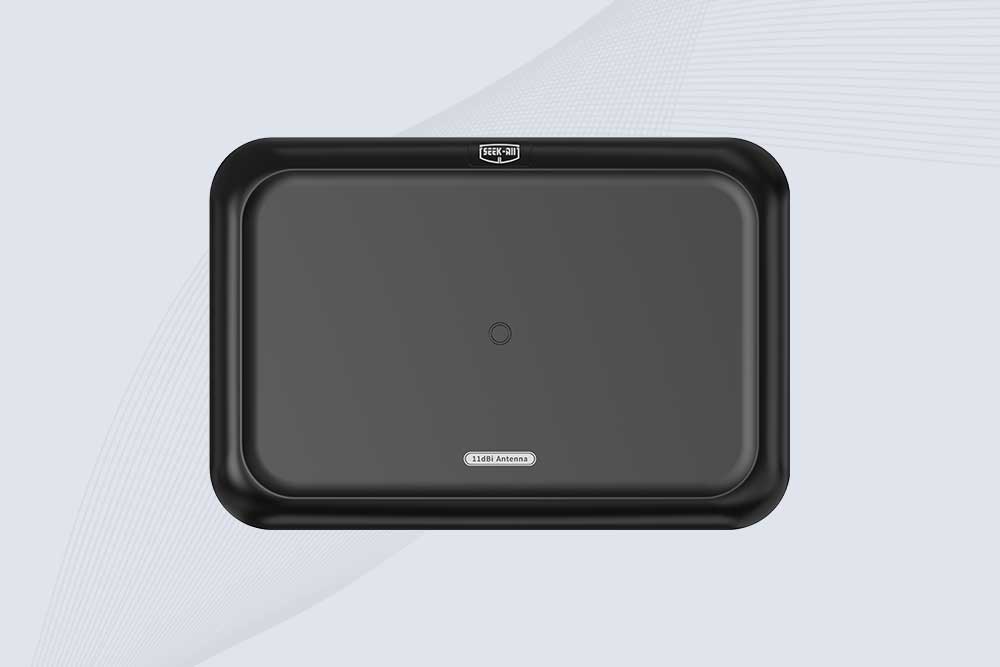
Cykeo CYKEO-A11 UHF RFID reader antenna delivers 11dBi gain, 840-960MHz frequency range, and IP65 ruggedness for retail, logistics, and industrial RFID systems. Features low VSWR and easy installation.
CYKEO Antenna RFID Reader delivers stable long-range UHF performance with a 10.5dBi directional design, built for warehouses, conveyor portals, and industrial RFID systems. This rfid reader antenna provides 20m+ read distance and rugged IP67 protection.
Cykeo CYKEO-A5B industrial Linear RFID Antenna delivers 5dBi gain, ≤1.5:1 VSWR, and IP65 rugged design for warehouse, production line, and logistics UHF systems.
Cykeo’s CYKEO-B12 Long Range RFID Antenna delivers 15m+ read range with 12dBi gain, IP65 rugged design, and global 840-960MHz UHF support. Ideal for warehouse/logistics asset tracking.
Cykeo CYKEO-B10 Long Distance RFID Antenna offers 10dBi gain, 840-960MHz frequency range, IP65 rating, and 20m+ coverage for logistics/warehousing/ETC systems. Low VSWR ensures stable signal transmission.
Cykeo CYKEO-A6 UHF RFID panel antenna features 6dBi gain, 840-960MHz broadband, IP65 metal-ready housing for logistics/smart retail. 18mm ultra-thin design with tool-free mounting.
Cykeo CK-A3 industrial antenna RFID UHF offers 5m+ tag detection, ≤1.3:1 VSWR, IP65 rugged design, and global UHF spectrum compatibility (840-960MHz) for warehouses, factories, and retail.
Cykeo CYKEO-B5 directional RFID antenna provides 5dBi gain with 60° narrow beamwidth for precise inventory tracking. IP65-rated, global UHF frequency support, and low VSWR.
Create your own high-performance DIY RFID antenna! 5dBi gain, 840-960MHz tunable, step-by-step guides. Compatible with Arduino, Raspberry Pi, and commercial UHF readers.
Cykeo CYKEO-A7 Flexible RFID Antenna features 840-960MHz wideband tuning, 7dBi gain, and IP68 rating for medical/retail/industrial curved surface deployments. 98% read accuracy with peel-and-stick installation.
Cykeo CYKEO-B5A industrial Passive RFID Antenna delivers 5dBi gain, 70° beamwidth, and -40°C~55°C operation for warehouses/smart cabinets. Compatible with Zebra/Impinj readers.
Cykeo’s CYKEO-A9B High Gain RFID Antenna delivers 15m+ read range with 9dBi amplification. Features IP54 rugged design, 840-960MHz bandwidth, and 80° beamwidth for warehouse/manufacturing RFID systems.
Cykeo’s enterprise-grade 8dbi Impinj RFID Antenna 10m+ read range with 840-960MHz tuning. Features IP65 housing, 1.4 VSWR, 35° beamwidth for retail/warehouse RFID systems.
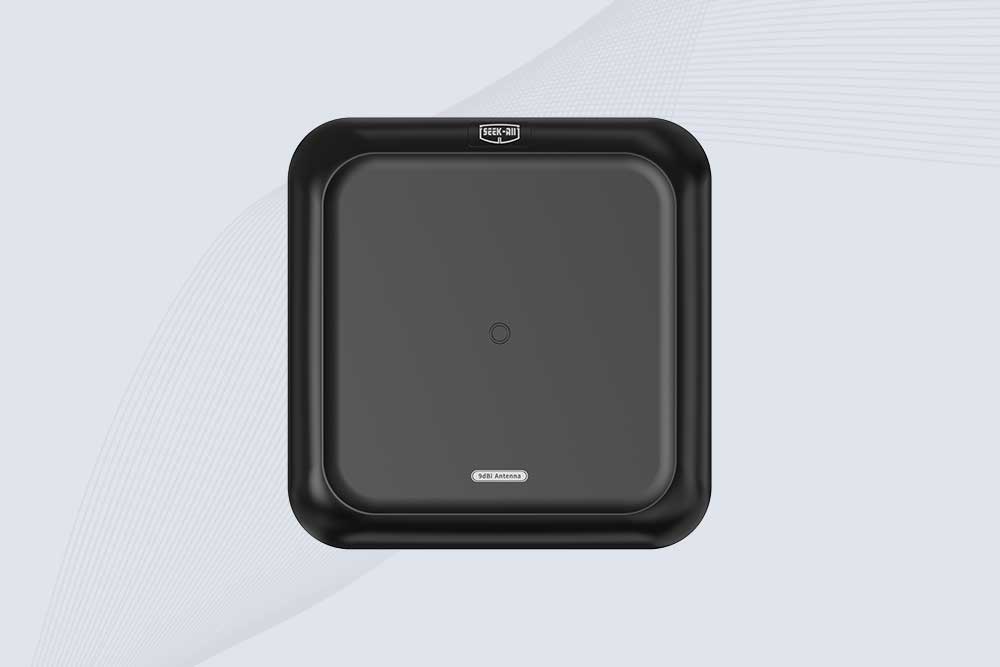
Cykeo CYKEO-A9 industrial UHF RFID antenna delivers 9dBi gain, 840-960MHz frequency range, and IP65 protection for warehouse/logistics/retail RFID systems. Features N-type connector and ≤1.3:1 VSWR.
CYKEO UHF RFID Antenna built for long-distance and industrial applications. This antenna rfid uhf delivers strong gain, outdoor durability, and reliable tag performance in warehouses, yards, and vehicle ID systems.
CYKEO Antenna RFID delivers reliable long-range UHF performance in warehouses, retail shelves, and cold-chain environments. This compact uhf rfid antenna provides stable reads with circular polarization and ultra-wide 840–960 MHz support, ideal for industrial tracking, smart shelves, and asset monitoring.
Cykeo’s CYKEO-C8 UHF RFID antennas delivers 8dBi gain, 840-960MHz full-band coverage, and IP65 ruggedness for manufacturing/warehouse RFID systems. Industrial RFID Antennas Features
Cykeo’s 8dBi UHF RFID antenna and reader kit delivers 10m+ range, 840-960MHz broadband, and IP65 ruggedness for factories, warehouses, and logistics. ISO 18000-6C & EPC Gen2 certified.
Cykeo’s CYKEO-A12C UHF Large RFID Antenna delivers 12dBi gain, 840-960MHz global frequency, IP65 ruggedness for logistics/warehousing/automotive. 40° beamwidth ensures stable 15m+ tag reads.
CYKEO Near Field RFID Antenna provides precise 5–30 cm reading for shelves, cabinets, and workstations. This compact rfid shelf antenna delivers stable short-range performance around metal and clutter, ideal for pharmacies, libraries, and electronics sorting.
Cykeo CYKEO-C1 industrial Forklift RFID Reader features 20m read range, 600 tags/sec scanning, Impinj R2000 chipset, and IP67 rugged design. Ideal for warehouse logistics and manufacturing. Supports ISO 18000-6C/6B protocols.
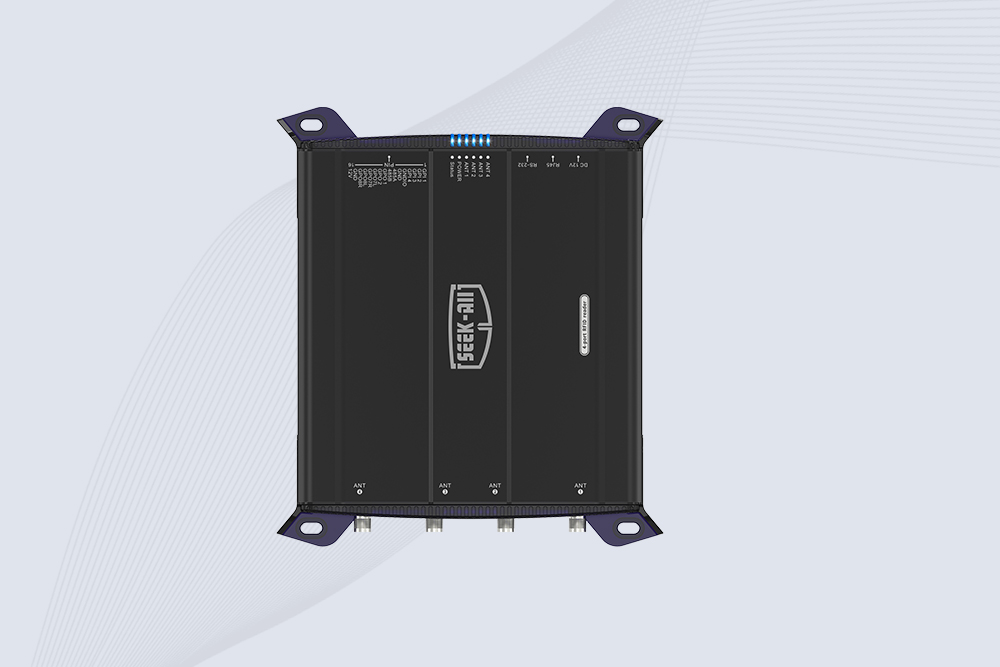
Cykeo CYKEO-R4 industrial UHF RFID Fixed Reader features 4 TNC ports, 400+ tags/sec speed, IP67 housing, and global frequency compliance for vehicle inspection, smart warehouse, and asset management systems.
CYKEO CYKEO-R8L Fixed RFID Reader with 8-port UHF design, Impinj-based RF core and up to 20m read range. An industrial Fixed RFID Reader for vehicle inspection, warehouse portals, smart manufacturing lines and secure access checkpoints.
RFID Fixed Reader from CYKEO – the CYKEO-R16L 16-port UHF fixed reader for warehouses, smart cabinets, and production lines. Long-range, multi-tag reading, stable performance for 24/7 industrial use.
A practical guide to selecting industrial handheld RFID readers for system integration. Focus on SDK/API support, protocol compatibility, and secondary development flexibility for RFID solution providers and developers.
Compare RFID windshield tags, headlight tags, license plate tags, hang tags, and active RFID tags for parking systems. Learn the differences in installation, reading distance, lifespan, cost, and tamper resistance before selecting the right RFID p...
CYKEO CK-R8L is one of thebest fixed rfid readers read range reliability 2025, offering stable long-distance UHF performance, 8 antenna ports, multi-protocol support and flexible deployment for industrial RFID projects.
 Cykeo RFID IoT Solution Products R&D Manufacturer