 Cykeo RFID IoT Solution Products R&D Manufacturer

How RFID Technology Works: Complete Guide to RFID Identification Systems
165Learn how rfid technology works with RFID tags, readers, and software systems. Explore real applications, technical principles, and Cykeo RFID solutions.
MoreAll RFID Product
Long range RFID scanners can automate entry identification for vehicles, personnel, equipment, and industrial assets without requiring direct barcode scanning. The key is not simply achieving long reading distance, but creating a controlled RFID zone that works reliably with the access-control software.
A factory entrance can look quiet for most of the day.
Then 8:00 AM arrives.
Several employees come in at once.
A supplier truck is waiting outside.
A forklift is moving across the yard.
Another vehicle is trying to leave.
If every entry needs to be checked manually, the gate can become a bottleneck surprisingly quickly.
This is one situation where a long range RFID scanner for access control can make sense.
An RFID tag can be associated with an authorized vehicle, person, equipment item, or asset. A fixed UHF RFID reader detects the tag as it enters a defined reading area, and the access-control system can then decide what action to take.
The RFID reader identifies.
The software decides.
The gate responds.
Keeping those three parts separate makes the system much easier to design.
Traditional access-control methods often require some type of direct interaction.
A person presents a card.
A driver scans a credential.
A security employee checks the vehicle manually.
RFID can make the identification step more automatic.
For example:
Vehicle approaches → RFID tag detected → ID verified → Gate opens
The driver may not need to stop and scan anything manually.
This can be useful at:
The application does not necessarily require an extremely long reading distance.
What it needs is a predictable detection zone.
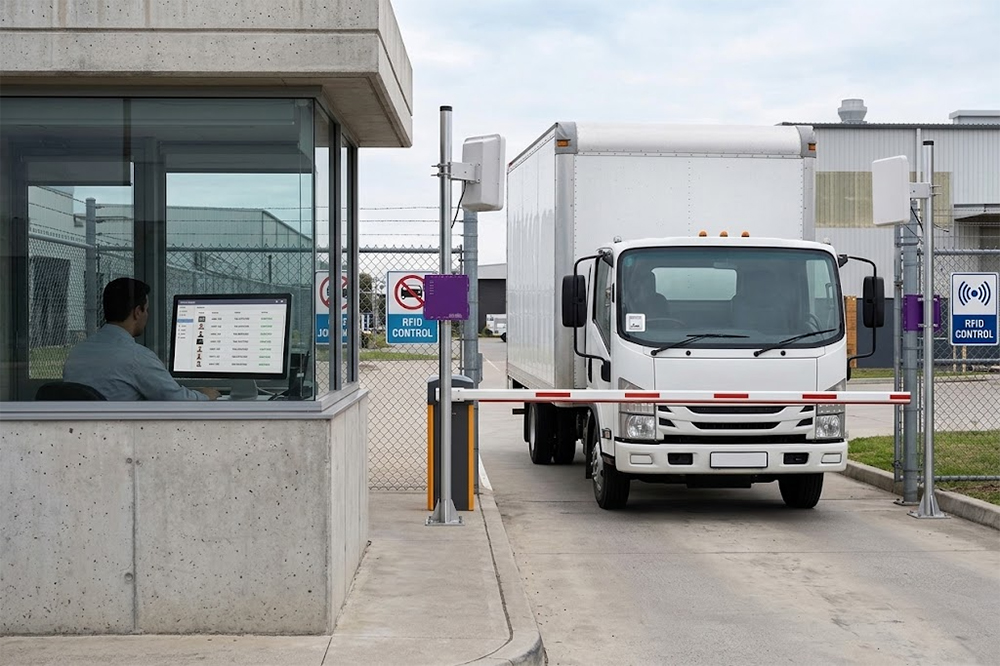
Vehicle access is probably one of the easiest applications to understand.
A company gives each authorized vehicle an RFID tag.
A long range RFID reader is installed near the entrance.
When the vehicle approaches, the reader detects the tag.
The software checks whether the vehicle is authorized.
If everything matches the access rules, the barrier can open automatically.
This can save time at busy gates.
But there is an important detail.
If the gate has two lanes and the reader detects a vehicle in the neighboring lane, the system has a problem.
That is why antenna direction and reading-zone control matter so much.
This comes up repeatedly in RFID projects.
A customer asks for the longest possible reading range.
It sounds reasonable.
But imagine a factory entrance where the gate is only 4 meters wide.
A scanner that detects tags 20 meters away may also detect vehicles waiting outside, vehicles leaving another gate, or tags stored inside a nearby building.
Now the access-control software receives information it did not ask for.
A shorter but more controlled reading zone may actually produce a better system.
For access control, I would normally focus on:
Where should the reader start detecting the tag?
and
Where should it stop detecting it?
Those questions are more useful than simply asking for the maximum distance.
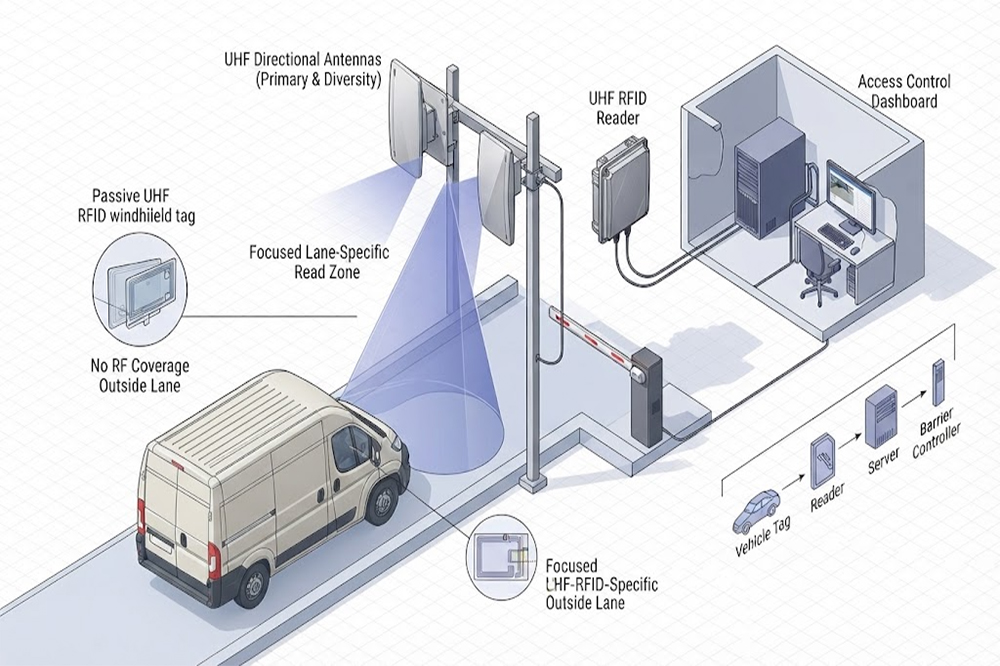
A long range RFID reader normally works with one or more antennas.
At a vehicle gate, directional antennas can help focus the RF coverage toward the intended lane.
The installer may need to consider:
A small adjustment can sometimes make a noticeable difference.
For example, moving an antenna slightly inward may reduce reads from the neighboring lane.
Changing the angle may improve tag detection on vehicles with different tag positions.
This is why real-site testing is difficult to replace with a specification sheet.
Vehicle access is only one option.
RFID can also identify:
RFID credentials can be used as one identification method for controlled entrances.
Temporary credentials can be associated with approved personnel.
Factories can identify authorized machines or equipment entering restricted areas.
RFID can identify approved containers entering or leaving a production area.
Certain high-value tools can be monitored when they pass through controlled points.
The system architecture may be similar, but the RFID tag and operating environment can be very different.
Factories often have several entrances.
There may be:
It is not necessary to use exactly the same RFID hardware at every location.
A vehicle gate may need a directional long range reader.
An employee entrance may use a shorter-range credential reader.
A warehouse entrance may need another antenna arrangement.
This is where an RFID solution provider can add value.
The goal is not to sell the same reader everywhere.
The goal is to match the hardware to each access point.
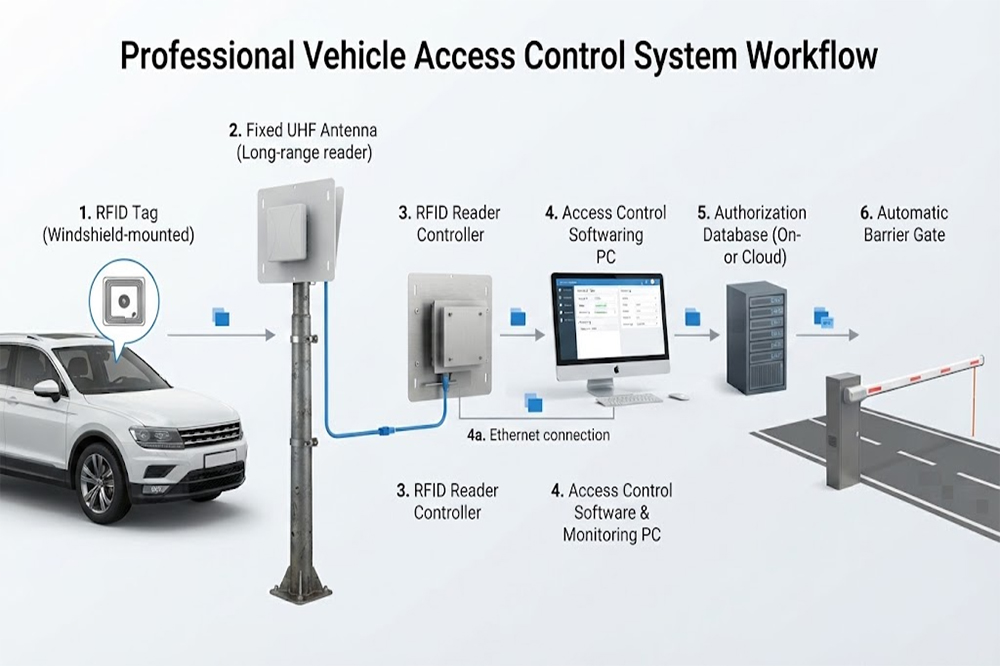
The RFID reader itself normally does not physically open the gate.
Instead, the reader sends an identification event to the access-control system.
A simplified process looks like this:
RFID tag detected
↓
Vehicle or credential identified
↓
Authorization checked
↓
Gate controller receives command
↓
Barrier opens
This distinction matters when integrating RFID into an existing security system.
The customer may already have a barrier controller, access-control software, cameras, or license plate recognition.
RFID can be added as another identification layer instead of replacing everything.
Some industrial customers want more than one form of identification.
For example:
RFID + License Plate Recognition + Camera
RFID identifies the vehicle’s assigned tag.
The camera identifies the license plate.
The software compares the information.
If both match, the system can continue with the access workflow.
This kind of combination can provide stronger verification than relying on one identification method alone.
Of course, whether it is necessary depends on the security requirements.
A simple private factory entrance may not need such a complicated setup.
Long range RFID is not always the best choice for people.
For an employee walking through a doorway, a short-range RFID credential may be more appropriate because the system can define a much tighter identification area.
Long range RFID becomes more interesting when employees need to be identified without stopping, or when the system is intended for vehicles and assets rather than people.
Again, application comes before hardware.
A factory gate is not an office.
Outdoor equipment may be exposed to:
The reader enclosure, antenna, connectors, cables, and RFID tags should all be selected for the environment.
For distributors, this is worth discussing with customers before quoting.
A reader that works perfectly indoors may not be the right product for a gate exposed to weather all year.
Imagine a factory with 150 approved supplier vehicles.
Every truck entering the site currently stops at the security booth.
The guard checks the vehicle number manually.
The process works, but during busy delivery periods a queue forms.
The company adds RFID tags to approved vehicles.
A long range RFID reader is installed at the entrance.
When a registered truck approaches, the reader detects its tag.
The software retrieves the vehicle record.
The security system confirms the authorization.
The gate opens.
The security team can still intervene when something unusual happens, but routine identification becomes much faster.
A reader detects a tag from the neighboring lane.
Two vehicles arrive almost simultaneously.
The RFID tag is mounted where the vehicle structure weakens performance.
The reader detects vehicles before they reach the intended checkpoint.
The same vehicle remains in the reading zone and generates multiple RFID events.
The software usually needs filtering logic to turn these repeated reads into one meaningful access event.
Before selecting a long range RFID scanner for access control, ask:
How many lanes are there?
One lane is much easier to control than four adjacent lanes.
How fast do vehicles approach the gate?
The reader needs enough time to detect the tag reliably.
Where will the RFID tag be mounted?
Windshield, vehicle body, trailer frame, or another position?
How far should the detection zone extend?
This is often more important than maximum reading distance.
What gate controller is already installed?
The RFID system needs to communicate with the existing infrastructure.
Does the customer need a second identification method?
Some sites may benefit from RFID combined with cameras or license plate recognition.
A sample installation should ideally include the real:
Test one vehicle.
Then two vehicles.
Then vehicles in neighboring lanes.
Try different tag positions.
Check repeated reads.
Check whether the system detects vehicles too early.
This kind of testing can reveal problems long before hundreds of readers are installed.
For an RFID wholesaler, helping customers through this stage can also reduce returns and configuration problems later.
For a commercial RFID project, the reader is only part of the purchase.
An integrator may need:
Long range RFID reader + antenna + RFID tag + mounting hardware + communication interface + software support.
OEM requirements may also appear.
For example, a customer may want a different enclosure, connector, mounting bracket, antenna configuration, or firmware behavior.
Stable bulk production matters too.
A system integrator may start with a small pilot and then expand the same design to multiple factories.
A supplier that can support both stages is more useful than one that only sells individual units.
If you are sourcing long range RFID scanners, UHF RFID gate readers, antennas, or RFID access-control hardware, send us your gate layout, number of lanes, required reading distance, RFID tag type, application environment, and estimated quantity for bulk pricing and solution support.
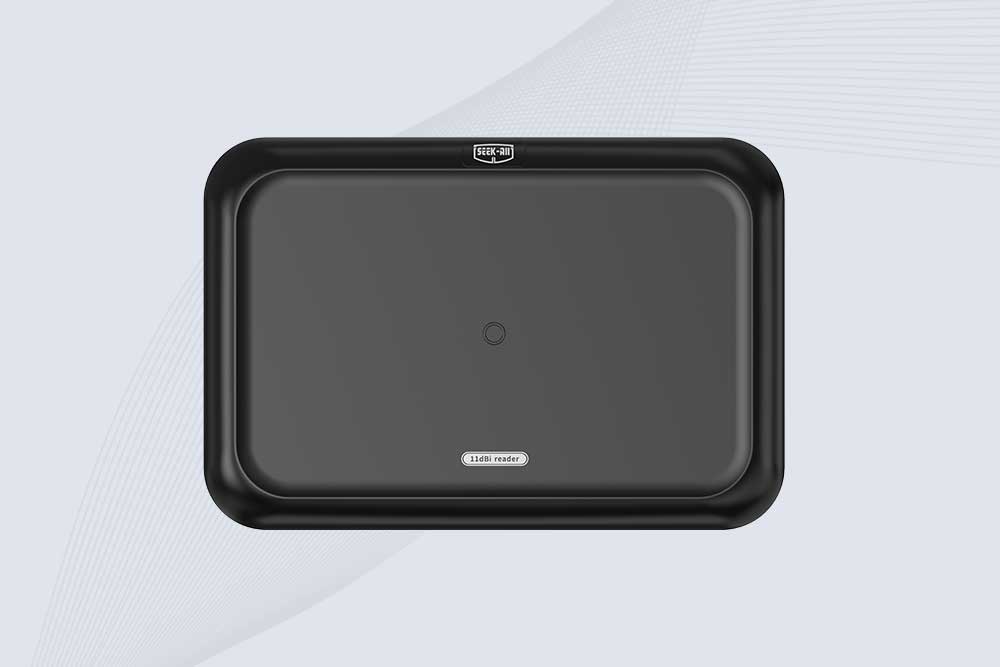
SSD-RA11L is an 11 dBi UHF RFID reader with up to 15m reading distance, 600+ tags/s speed, integrated antenna and flexible connectivity.
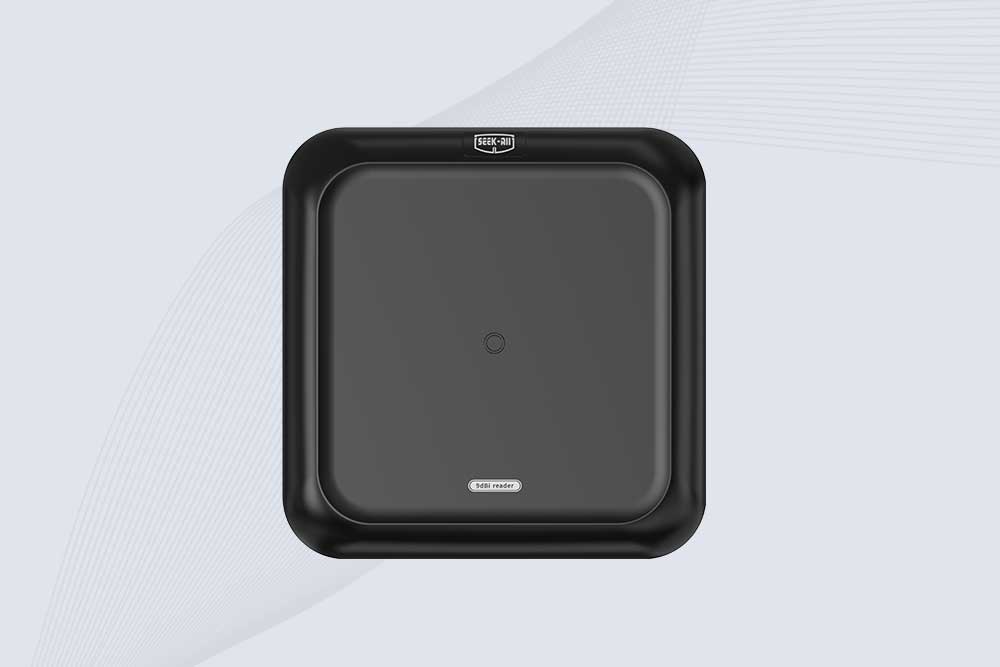
SSD-RA09L is a long range UHF RFID reader with a built-in 9 dBi antenna, 10m reading range, 600+ tags/s speed and flexible interfaces.
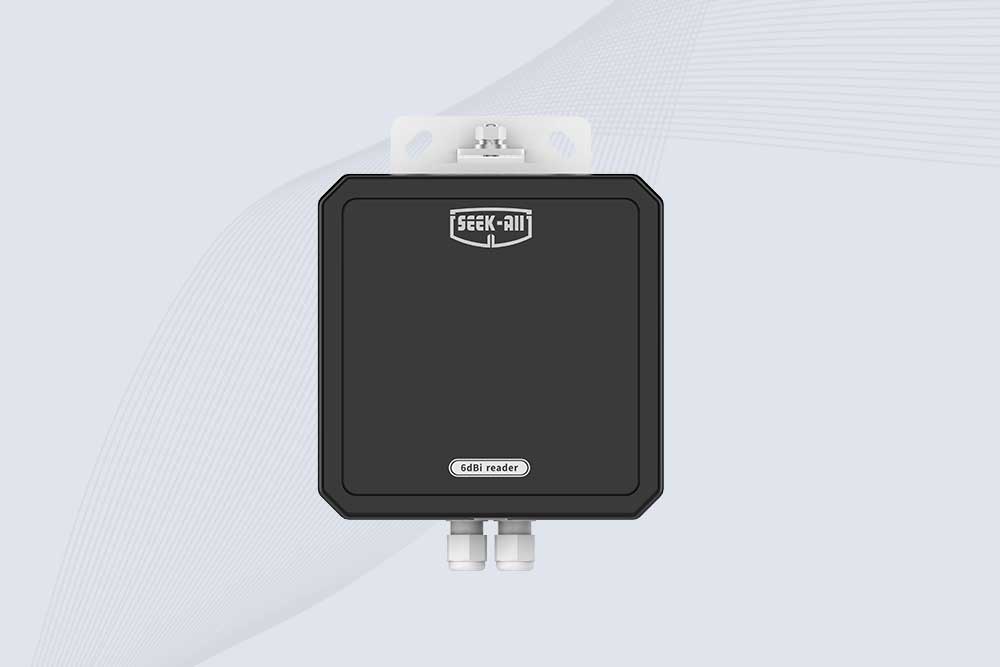
SSD-RA06L is an industrial UHF RFID reader with a built-in 6 dBi antenna, 3 m read range, 600+ tags/s, Ethernet, RS232, and optional Wi-Fi, 4G, and PoE.
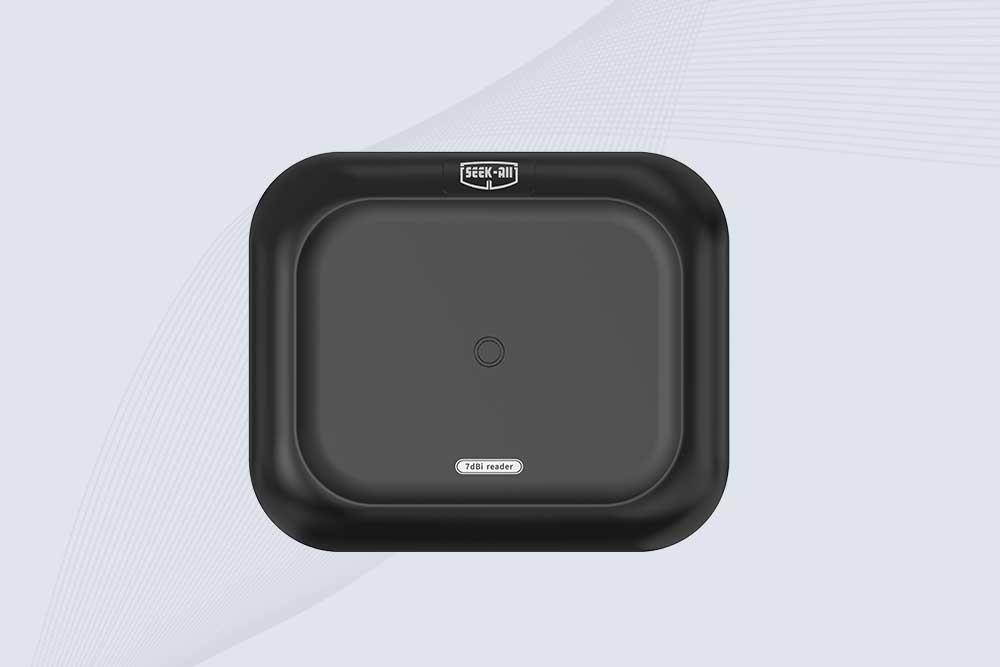
SSD-RA07L industrial UHF RFID reader with integrated 7 dBi antenna, up to 6 m reading distance, over 600 tags/s, Ethernet, RS232, and optional Wi-Fi, 4G, and PoE.
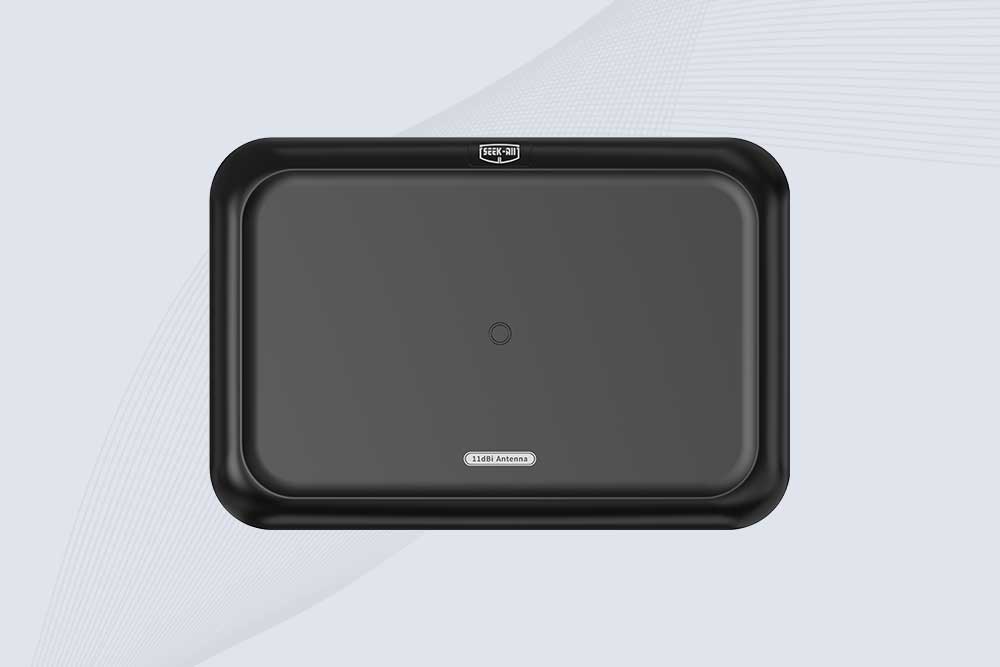
SSD-A11 UHF RFID antenna features 840–960 MHz adjustable frequency, ≥10.5 dBi gain, circular polarization and 50Ω impedance for fixed RFID systems.
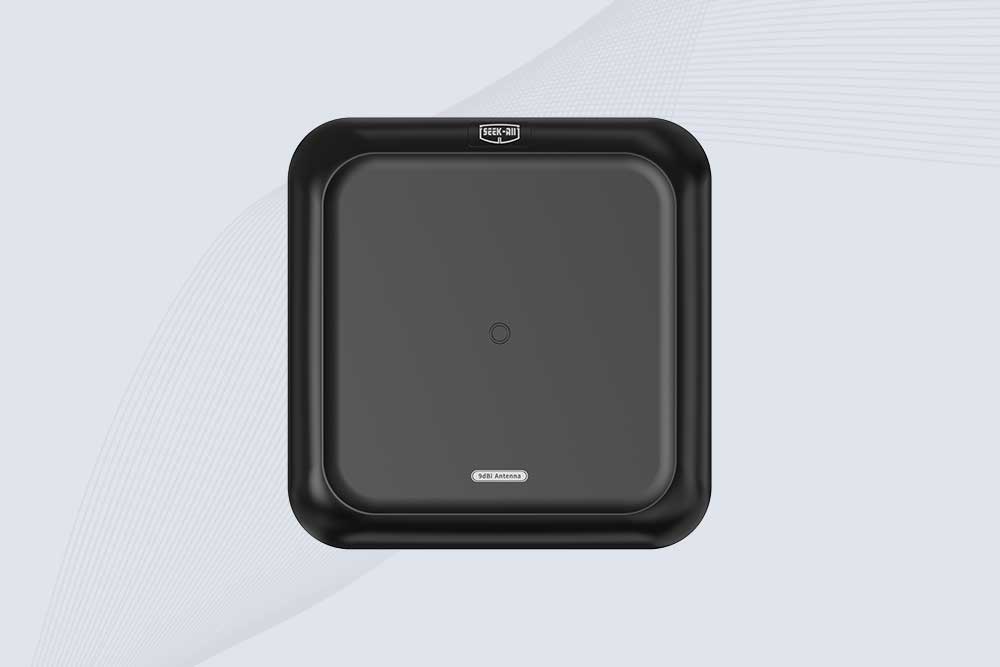
SSD-A09 is a 9 dBi UHF RFID antenna with 840–960 MHz adjustable frequency, circular polarization, 50Ω impedance and directional 60° × 60° coverage.
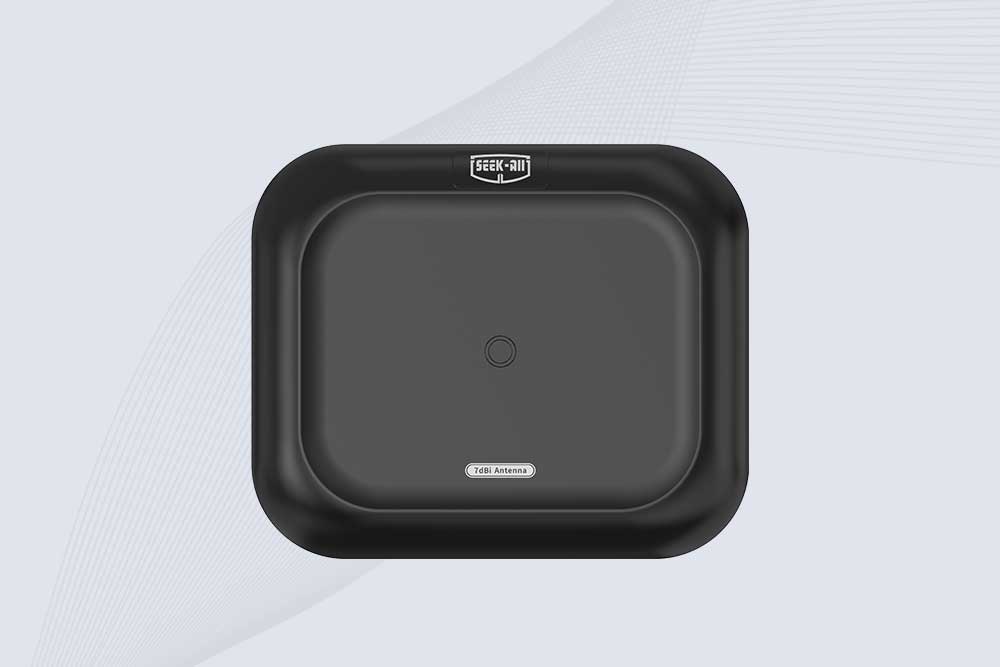
Explore the SSD-A07 UHF RFID antenna with 7 dBi gain, circular polarization, adjustable 840–960 MHz frequency, and 60°/75° beamwidth for stable RFID read/write performance.

SSD-A06 UHF RFID antenna with circular polarization, adjustable 840–960 MHz frequency, ≥4.5 dBi gain, and a compact directional design for RFID systems.

SSD-R16L Multi-Channel RFID Infrastructure for Automated Inventory Management ✔️ 16-Port High-Density RFID Reading Equipped with 16 SMA antenna ports, SSD-R16L supports multi-antenna deployment for warehouses, retail stores, logistics, production lines, and large-area RFID identification. ✔️ High-Speed & Long-Range Performance With up to 33…
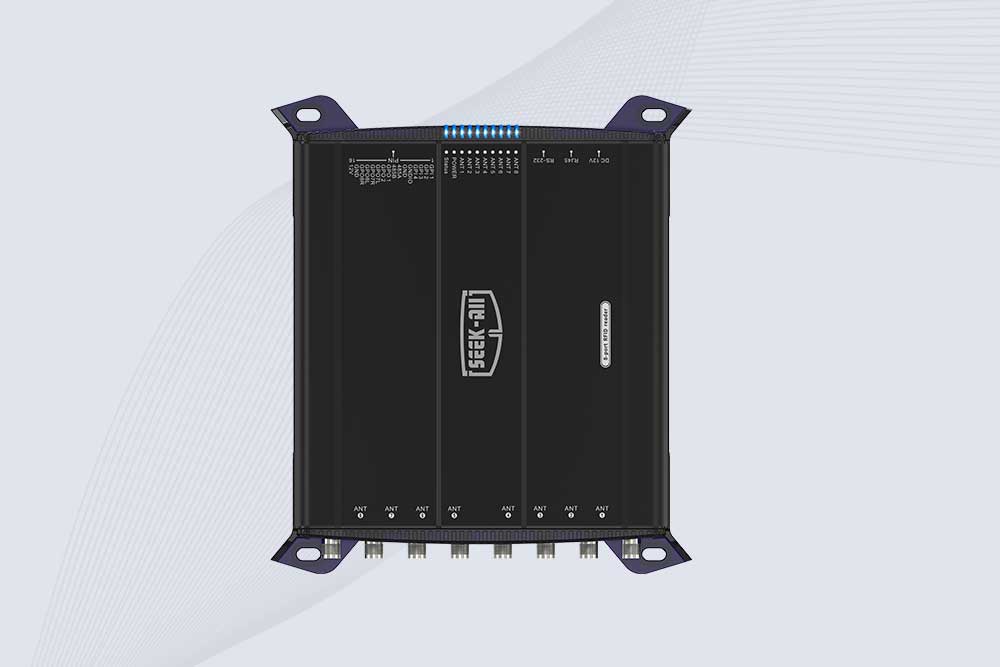
SSD-R8L 8-port UHF RFID reader with 33dBm output, up to 20m reading range and 600+ tags/s recognition. Ideal for warehouse, logistics, retail and asset tracking.
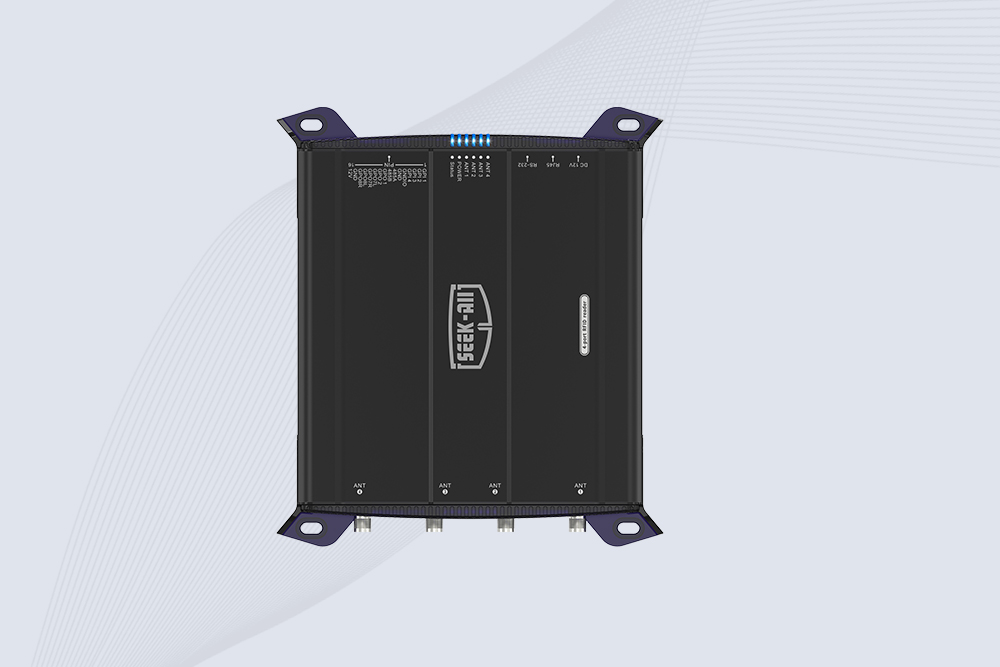
SSD-R4L is a 4-port UHF RFID fixed reader with 33dBm output power, up to 20m reading range, EPC C1G2 support and 600+ tags/s reading speed.
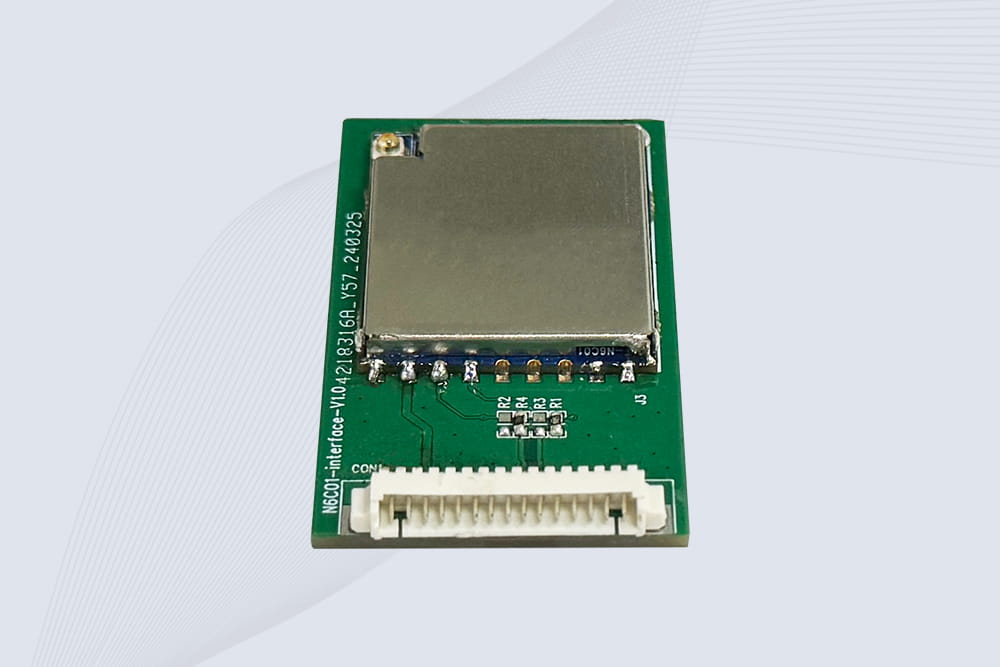
CYKEO Embedded RFID Modules are designed for compact industrial and IoT devices that require stable UHF performance. These UHF RFID Modules support global protocols, flexible power control, and reliable multi-tag reading for smart cabinets, production lines, and asset tracking systems.
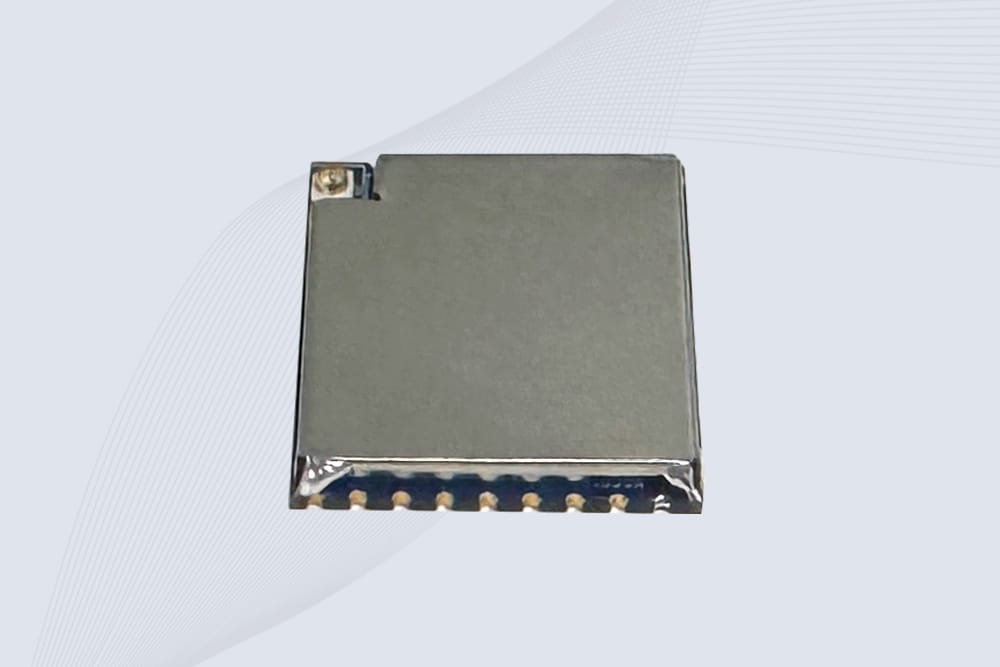
CYKEO Embedded RFID Module is built for compact IoT and industrial devices that need stable UHF performance. This UHF module supports global protocols, low power operation, and reliable multi-tag reading for smart lockers, production lines, and always-on RFID systems.
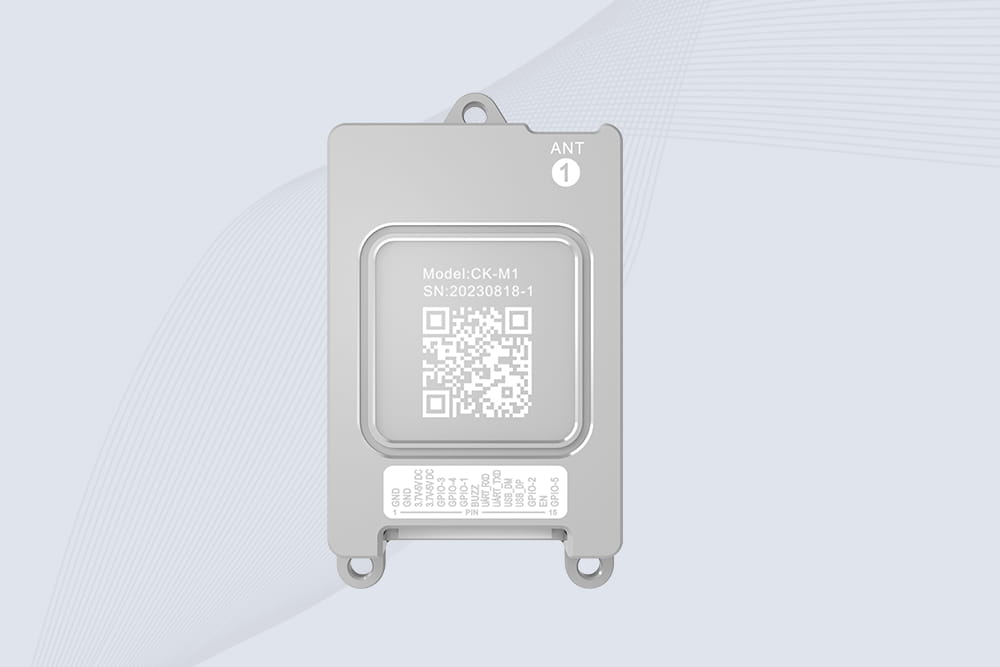
CYKEO CYKEO-M1 drone rfid module is a compact UHF RFID reader module designed for drones and UAV platforms. It supports long-range aerial scanning, fast multi-tag reading, and stable performance in wind, vibration, and outdoor environments.
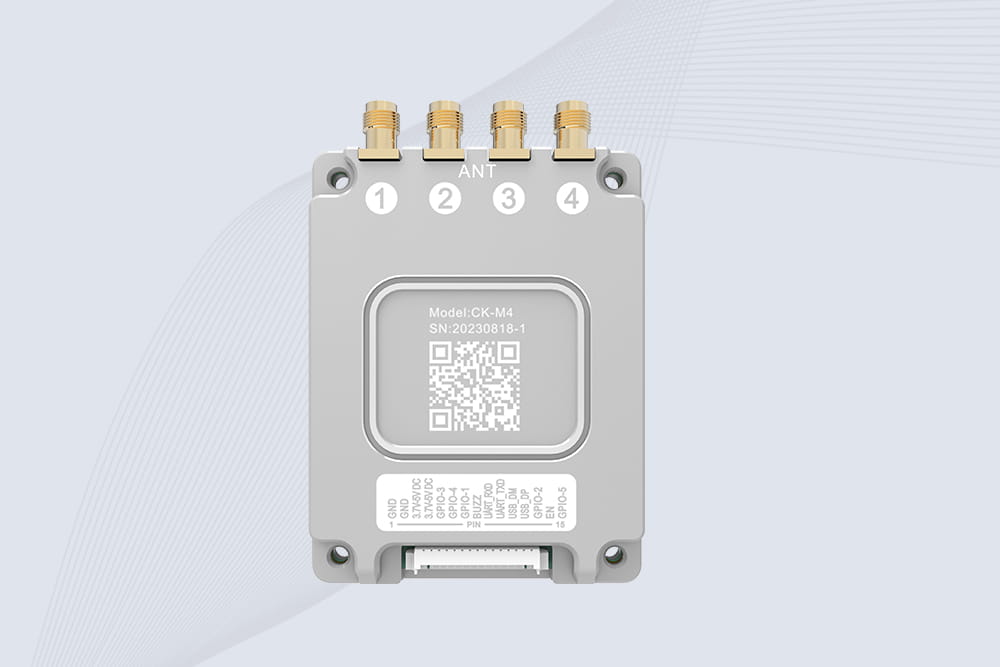
CYKEO CYKEO-M4 RC522 RFID Module is an industrial-grade UHF RFID reader with 4 ports, supporting ISO, EPC, and GB protocols. High-speed, accurate reading for IoT, automation, and warehouse applications.
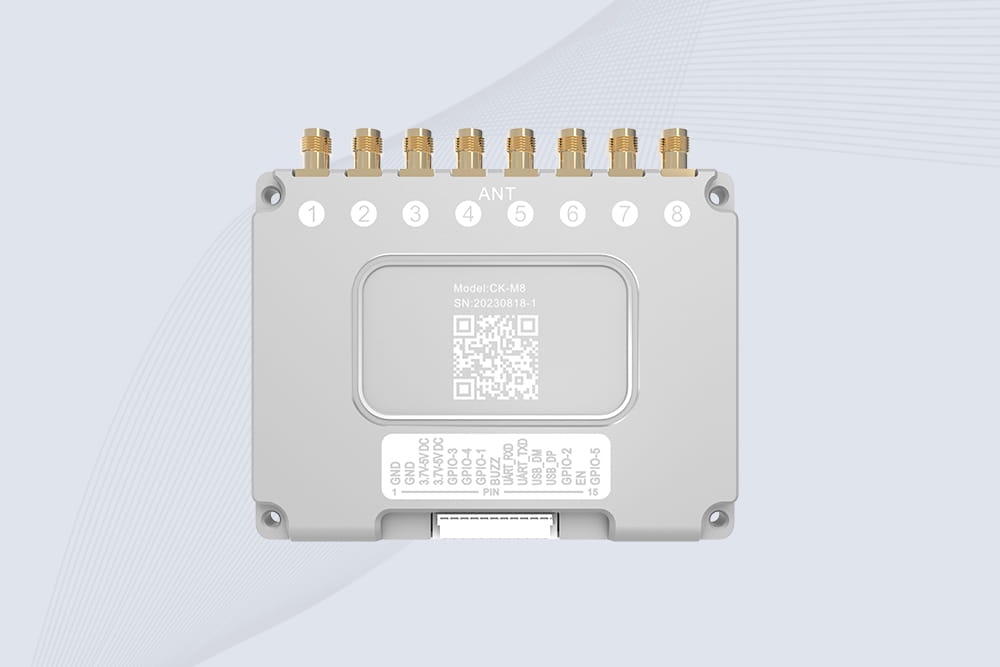
CYKEO CYKEO-M8 Module RFID is an 8-port UHF R2000 RFID Module designed for high-density, multi-tag environments. Stable 33dBm output, ISO & GB protocol support, ideal for warehouses, factories, and automated systems.
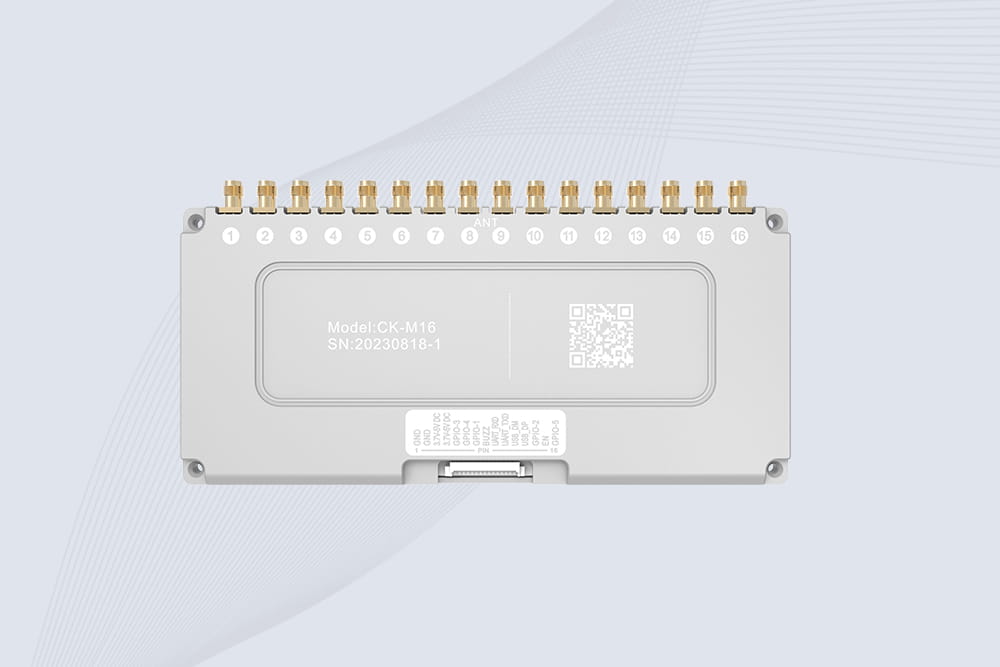
CYKEO CYKEO-M16 RFID Module is a 16-port UHF RFID reader module based on the R2000 chipset. Designed for dense tag environments, it supports ISO and GB standards and delivers stable multi-antenna control for industrial automation.
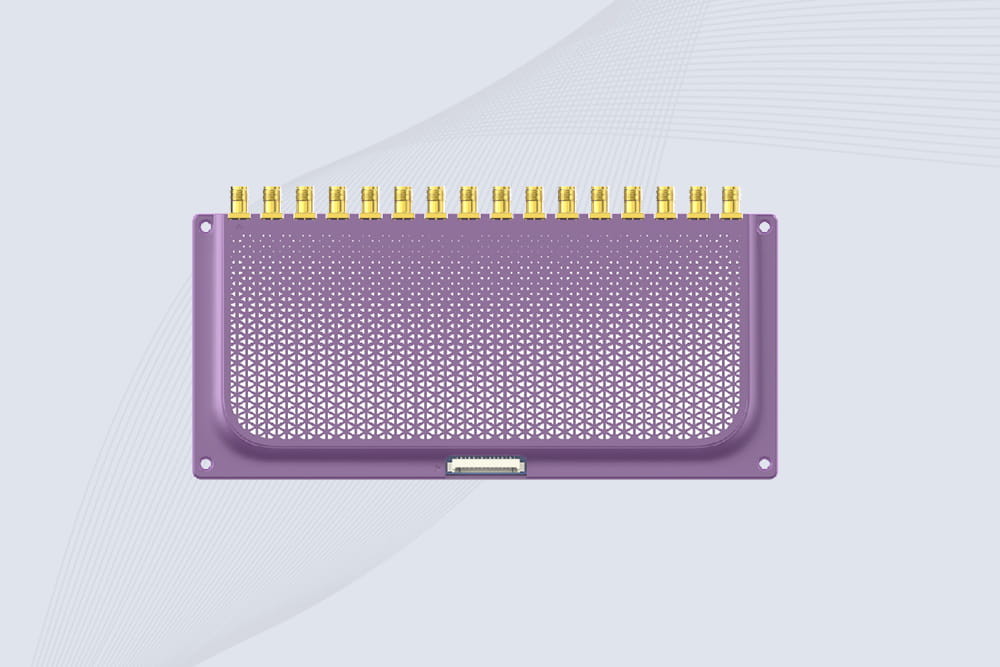
The CYKEO CYKEO-M16L RFID Reader Module is a 16-channel UHF RFID core designed for dense tag environments. With adjustable 33dBm output, multi-protocol support, and stable multi-antenna control, this RFID Tag Reader Module fits industrial automation, warehouse systems, and large-scale IoT deployments.
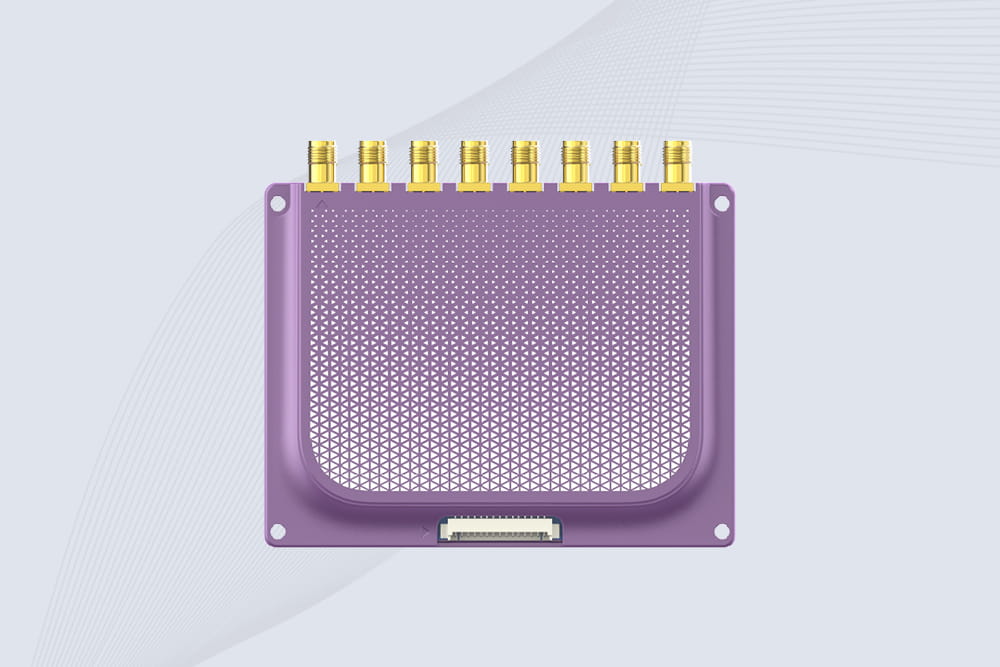
CYKEO CYKEO-M8L module RFID is a compact industrial UHF module built for dense tag and multi-antenna environments. With 8 RF ports, adjustable 33 dBm output, and ISO & GB protocol support, it is widely used in factories, warehouses, and automated tracking systems.
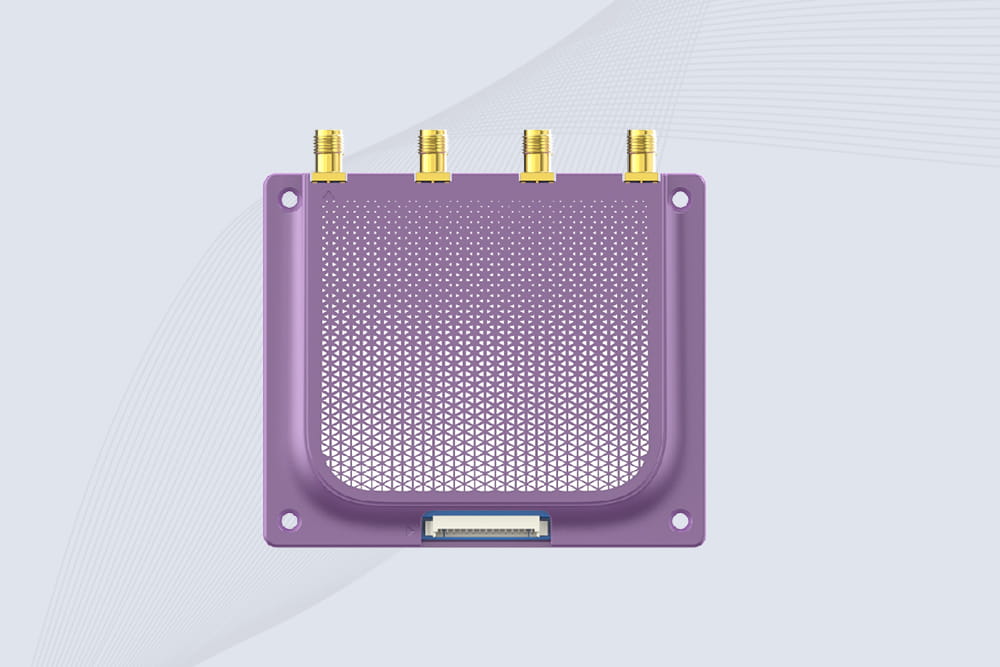
CYKEOCYKEO-M4L UHF RFID Module is a compact 4-channel RFID tag reader module designed for dense tag environments. Supporting ISO and GB protocols, it delivers stable reads up to 10 meters for industrial and IoT systems.

Cykeo CYKEO-A11 UHF RFID reader antenna delivers 11dBi gain, 840-960MHz frequency range, and IP65 ruggedness for retail, logistics, and industrial RFID systems. Features low VSWR and easy installation.

CYKEO Antenna RFID Reader delivers stable long-range UHF performance with a 10.5dBi directional design, built for warehouses, conveyor portals, and industrial RFID systems. This rfid reader antenna provides 20m+ read distance and rugged IP67 protection.

Cykeo CYKEO-PHF3 industrial HF RFID Antenna offers 24-point dynamic tracking, ISO 14443A/15693 protocols, metal-environment stability for archives/libraries/manufacturing.

Cykeo CYKEO-A5B industrial Linear RFID Antenna delivers 5dBi gain, ≤1.5:1 VSWR, and IP65 rugged design for warehouse, production line, and logistics UHF systems.

Cykeo’s CYKEO-B12 Long Range RFID Antenna delivers 15m+ read range with 12dBi gain, IP65 rugged design, and global 840-960MHz UHF support. Ideal for warehouse/logistics asset tracking.

Cykeo CYKEO-B10 Long Distance RFID Antenna offers 10dBi gain, 840-960MHz frequency range, IP65 rating, and 20m+ coverage for logistics/warehousing/ETC systems. Low VSWR ensures stable signal transmission.

Cykeo CYKEO-A6 UHF RFID panel antenna features 6dBi gain, 840-960MHz broadband, IP65 metal-ready housing for logistics/smart retail. 18mm ultra-thin design with tool-free mounting.

Cykeo CK-A3 industrial antenna RFID UHF offers 5m+ tag detection, ≤1.3:1 VSWR, IP65 rugged design, and global UHF spectrum compatibility (840-960MHz) for warehouses, factories, and retail.

Cykeo CYKEO-B5 directional RFID antenna provides 5dBi gain with 60° narrow beamwidth for precise inventory tracking. IP65-rated, global UHF frequency support, and low VSWR.

Create your own high-performance DIY RFID antenna! 5dBi gain, 840-960MHz tunable, step-by-step guides. Compatible with Arduino, Raspberry Pi, and commercial UHF readers.

Cykeo CYKEO-A7 Flexible RFID Antenna features 840-960MHz wideband tuning, 7dBi gain, and IP68 rating for medical/retail/industrial curved surface deployments. 98% read accuracy with peel-and-stick installation.

Cykeo CYKEO-B5A industrial Passive RFID Antenna delivers 5dBi gain, 70° beamwidth, and -40°C~55°C operation for warehouses/smart cabinets. Compatible with Zebra/Impinj readers.

Cykeo’s CYKEO-A9B High Gain RFID Antenna delivers 15m+ read range with 9dBi amplification. Features IP54 rugged design, 840-960MHz bandwidth, and 80° beamwidth for warehouse/manufacturing RFID systems.

Cykeo’s enterprise-grade 8dbi Impinj RFID Antenna 10m+ read range with 840-960MHz tuning. Features IP65 housing, 1.4 VSWR, 35° beamwidth for retail/warehouse RFID systems.

Cykeo CYKEO-A9 industrial UHF RFID antenna delivers 9dBi gain, 840-960MHz frequency range, and IP65 protection for warehouse/logistics/retail RFID systems. Features N-type connector and ≤1.3:1 VSWR.

CYKEO UHF RFID Antenna built for long-distance and industrial applications. This antenna rfid uhf delivers strong gain, outdoor durability, and reliable tag performance in warehouses, yards, and vehicle ID systems.

CYKEO Antenna RFID delivers reliable long-range UHF performance in warehouses, retail shelves, and cold-chain environments. This compact uhf rfid antenna provides stable reads with circular polarization and ultra-wide 840–960 MHz support, ideal for industrial tracking, smart shelves, and asset monitoring.

Cykeo’s CYKEO-C8 UHF RFID antennas delivers 8dBi gain, 840-960MHz full-band coverage, and IP65 ruggedness for manufacturing/warehouse RFID systems. Industrial RFID Antennas Features

Cykeo’s 8dBi UHF RFID antenna and reader kit delivers 10m+ range, 840-960MHz broadband, and IP65 ruggedness for factories, warehouses, and logistics. ISO 18000-6C & EPC Gen2 certified.

Cykeo CYKEO-A9A industrial UHF RFID reader and antenna kit delivers 10m range, 500 tags/sec, IP65 ruggedness for manufacturing/logistics. Supports EPC Gen2, ISO18000-6C.
Cykeo’s CYKEO-A12C UHF Large RFID Antenna delivers 12dBi gain, 840-960MHz global frequency, IP65 ruggedness for logistics/warehousing/automotive. 40° beamwidth ensures stable 15m+ tag reads.

CYKEO Near Field RFID Antenna provides precise 5–30 cm reading for shelves, cabinets, and workstations. This compact rfid shelf antenna delivers stable short-range performance around metal and clutter, ideal for pharmacies, libraries, and electronics sorting.
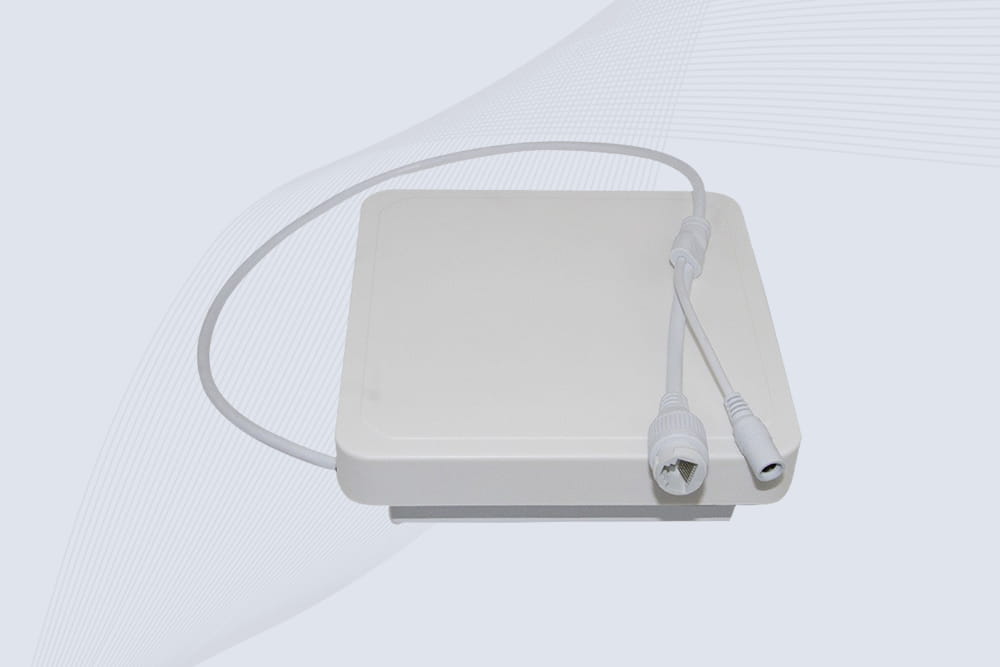
Cykeo’s industrial long range RFID reader delivers 20-meter scanning, 500+ tags/sec speed, and IP67 waterproof design for automated warehouses, logistics, and harsh environment applications.
Cykeo’s CYKEO-RA6L industrial RFID long range reader features 20m read distance, 500 tags/sec speed, and IP67 protection. Ideal for warehouse automation, manufacturing WIP tracking, and smart logistics. Supports ISO 18000-6C/6B protocols.
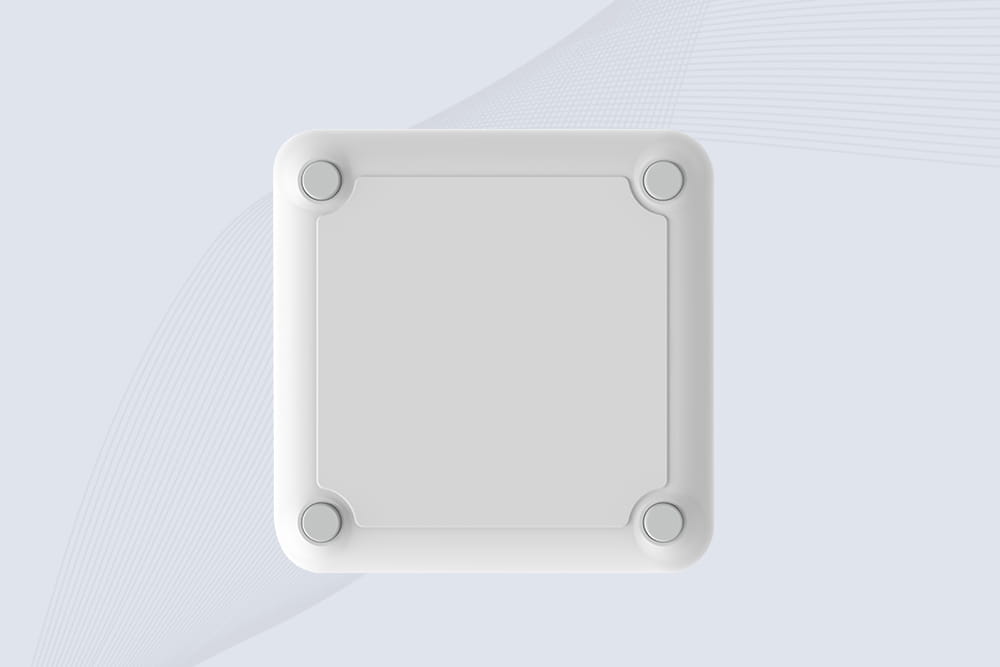
CYKEO Long Range RFID Tag Reader built for outdoor and industrial operations. This Outdoor RFID Reader delivers 20m read distance, fast tag processing, and IP67 durability for wide-area tracking.
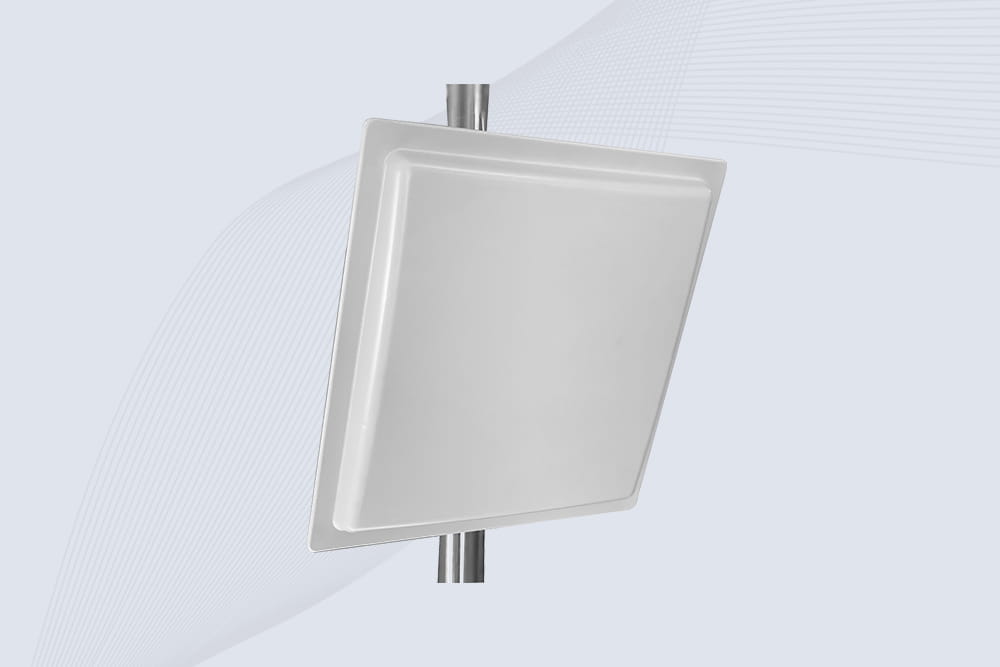
Cykeo CYKEO-RA12L industrial Long Range RFID Reader delivers 20m read range, 200+ tags/sec scanning, and IP67 protection for manufacturing/logistics applications. Supports ISO 18000-6C/GB protocols.
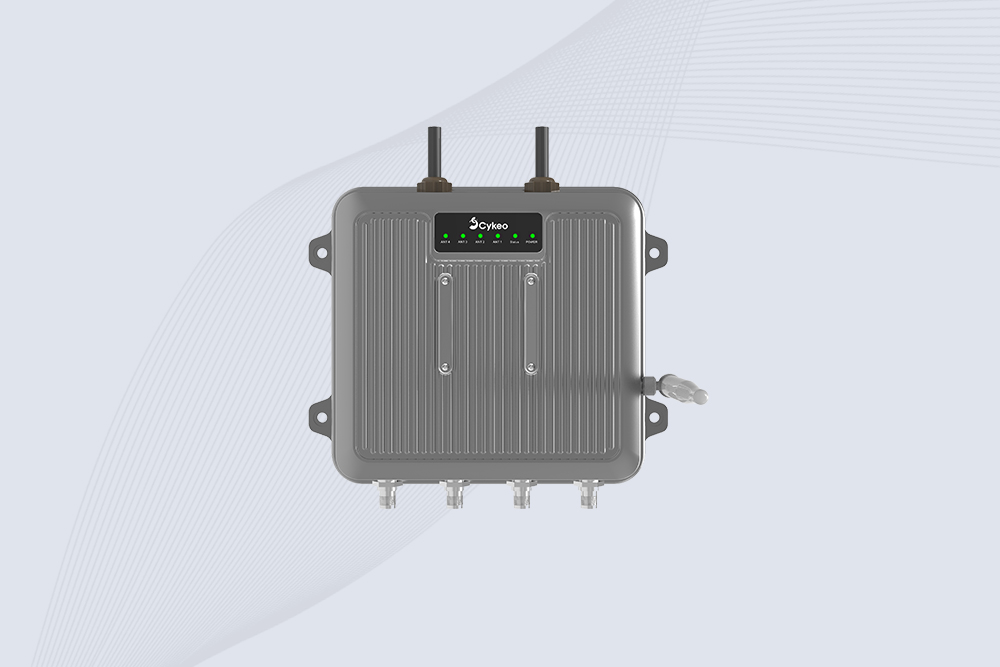
Cykeo CYKEO-C1 industrial Forklift RFID Reader features 20m read range, 600 tags/sec scanning, Impinj R2000 chipset, and IP67 rugged design. Ideal for warehouse logistics and manufacturing. Supports ISO 18000-6C/6B protocols.
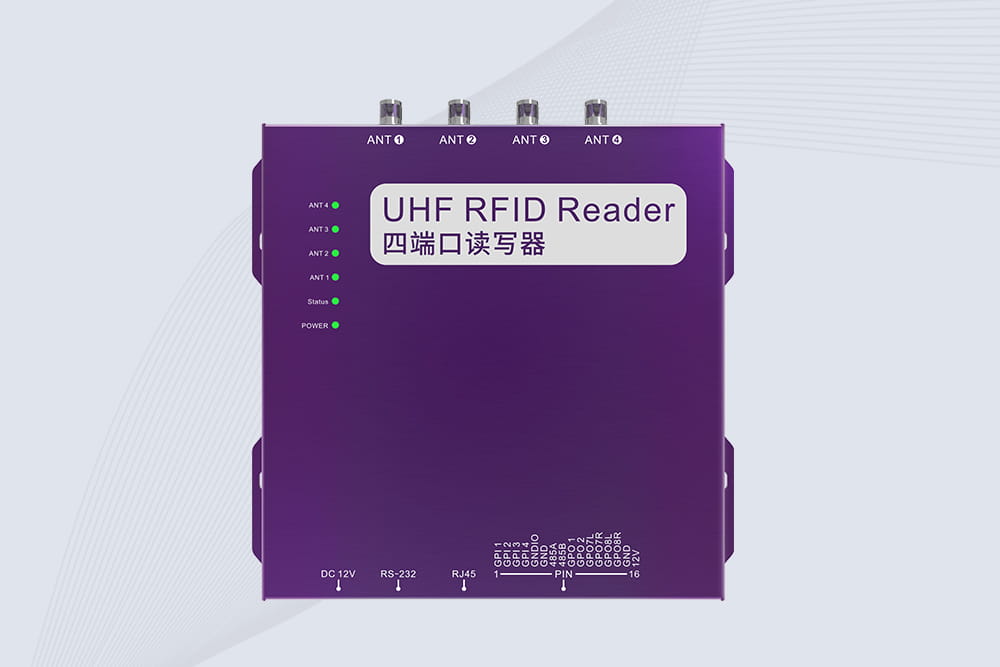
Cykeo CYKEO-R4 industrial UHF RFID Fixed Reader features 4 TNC ports, 400+ tags/sec speed, IP67 housing, and global frequency compliance for vehicle inspection, smart warehouse, and asset management systems.
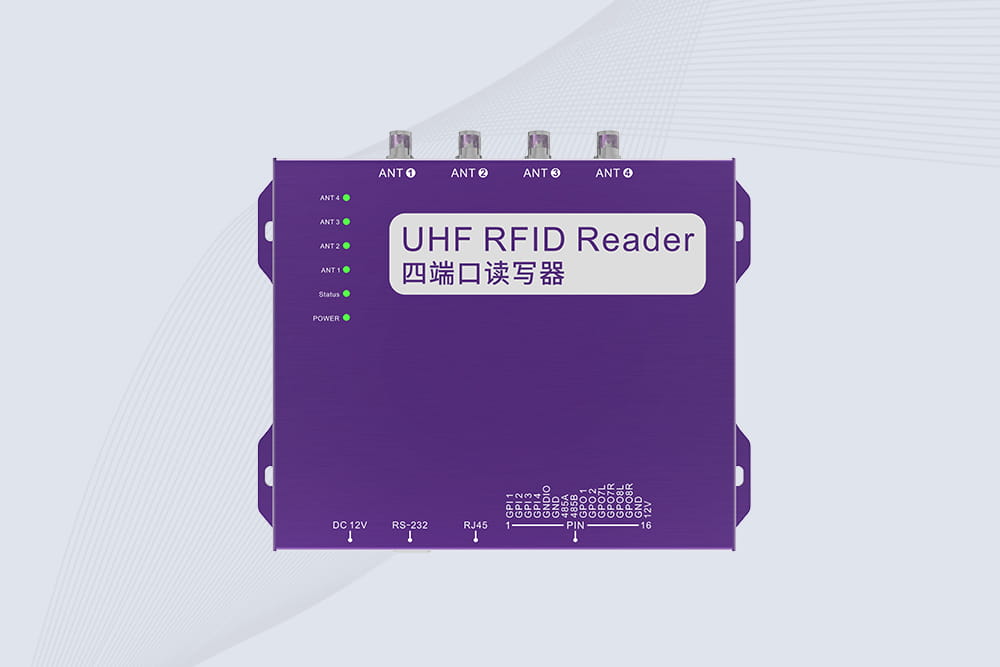
Cykeo’s CYKEO-R4L 4-port Fixed UHF RFID Reader delivers 400 tags/sec scanning, ISO 18000-6C compliance, and IP65 protection. Ideal for warehouse automation, manufacturing WIP tracking, and logistics management.
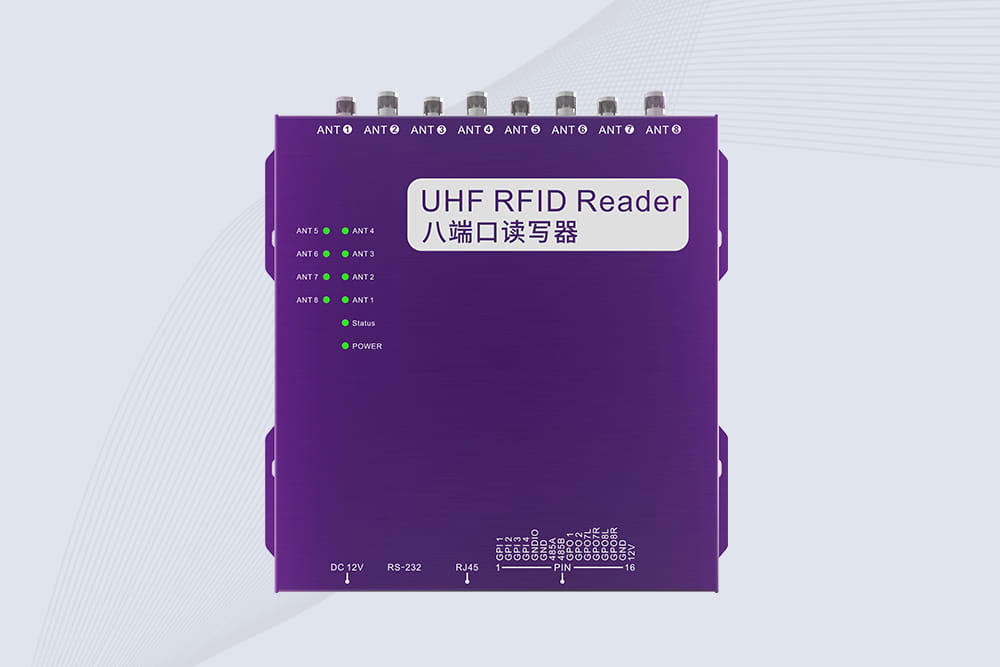
CYKEO CYKEO-R8L Fixed RFID Reader with 8-port UHF design, Impinj-based RF core and up to 20m read range. An industrial Fixed RFID Reader for vehicle inspection, warehouse portals, smart manufacturing lines and secure access checkpoints.
RFID Industry Writer | IoT & Asset Tracking Analyst
James writes about RFID technology, asset tracking, and the practical challenges of digital transformation across warehousing, retail, manufacturing, and logistics.
His work focuses on how RFID is applied in real-world operations—improving inventory visibility, automating workflows, and helping businesses manage assets with greater accuracy and efficiency.
He regularly covers topics including UHF RFID, smart cabinets, RFID portals, tool tracking, warehouse automation, and industrial IoT trends..

Learn how rfid technology works with RFID tags, readers, and software systems. Explore real applications, technical principles, and Cykeo RFID solutions.
More
Discover if fixed RFID readers can operate in extreme temperatures. Learn how Cykeo’s industrial-grade solutions handle freezing cold, intense heat, and harsh environments.
More
See how RFID improves hospital equipment tracking efficiency in real-world scenarios. Learn where it actually saves time and how smart cabinets streamline inventory.
More
Learn how RFID barcode tags combine barcode simplicity with RFID automation. Discover applications, tag types, material options, industry use cases, and wholesale buying tips for businesses.
More