 Cykeo RFID IoT Solution Products R&D Manufacturer
What Does RFID Tag Look Like? A Guide Before Buying RFID Tags in Bulk
231Wondering what an RFID tag looks like? Learn the different shapes, sizes, and applications of RFID tags used in clothing, inventory, logistics, and retail systems.
MoreAll RFID Product
What does rfid do? RFID identifies, tracks, and manages objects automatically by using radio waves to exchange data between RFID tags and readers. It enables organizations to collect real-time information without manual scanning, improving inventory control, asset visibility, and operational efficiency across industries such as healthcare, logistics, manufacturing, and libraries.
During more than ten years of RFID system implementation, I have worked with engineering teams and enterprise customers to deploy RFID identification solutions in factories, archives, hospitals, and logistics environments. The most noticeable change is not the RFID tag itself, but the moment when companies stop relying on manual records and begin making decisions from live data.
A warehouse manager once showed me a handwritten tool checkout sheet covered with corrections and missing entries. After introducing a Cykeo RFID tracking workstation and UHF RFID identification system, every tool movement could be recorded through EPC-based identification. The problem was not that employees were careless; the process simply depended too much on human memory.
So, what does rfid do in practical environments? It creates a digital connection between physical items and software systems.
RFID stands for Radio Frequency Identification. The technology uses electromagnetic fields to transfer information between an RFID tag and an RFID reader.
A typical RFID system includes three core components:
| Component | Function |
|---|---|
| RFID Tag | Stores identification data such as EPC code or product information |
| RFID Reader | Sends radio signals and receives tag information |
| RFID Software Platform | Stores, analyzes, and manages collected data |
Unlike traditional barcode systems, RFID does not require direct visual contact. Multiple tags can be identified simultaneously, which makes it suitable for large-scale inventory and asset management.
For example, a Cykeo UHF RFID smart workstation can write EPC serial numbers into tags during production and associate each unique code with corresponding product information in a database.
The workflow is simple:
One of the main purposes of RFID is transforming physical objects into identifiable digital assets.
In traditional management systems, employees often record information manually. This creates delays and possible errors.
RFID allows companies to know:
According to a study published by the GS1, RFID adoption can significantly improve inventory accuracy because automated identification reduces dependence on manual counting processes.

Hospitals often manage thousands of mobile assets, including:
RFID helps hospitals reduce search time and improve equipment availability.
A medical department can attach RFID tags to equipment and automatically identify items through fixed RFID readers or handheld devices.
Libraries are one of the classic RFID application fields.
RFID can be used for:
A librarian no longer needs to scan each barcode individually. Multiple books can be identified in batches.
Manufacturing companies use RFID for:
| Application | RFID Function |
|---|---|
| Production Line | Track components and work orders |
| Warehouse | Monitor inventory movement |
| Tool Management | Prevent loss and improve utilization |
| Quality Control | Link products with production records |
During factory deployments, I found that the most valuable RFID data was often not the location information itself, but the historical record behind every movement.
A component that repeatedly causes delays can be identified through accumulated RFID records.
Cykeo focuses on industrial RFID identification systems designed for real working environments.
Our RFID solutions support:
The Cykeo RFID smart workstation is designed for professional tag binding operations.
Key features include:
| Feature | Advantage |
|---|---|
| 21.5-inch HD touchscreen | Easy interaction and operation |
| Controlled 50cm reading area | Prevents accidental tag writing |
| Batch reading capability | Supports more than 50 tags simultaneously |
| Integrated camera/scanner options | Combines image capture and QR identification |
| Network communication | Connects directly with enterprise software |

| Technology | RFID | Barcode |
|---|---|---|
| Contact required | No | Usually yes |
| Multiple item reading | Yes | No |
| Data storage | Larger memory options | Limited |
| Environmental resistance | Strong | Lower |
| Automation capability | High | Medium |
RFID is not designed to replace every identification method. Instead, it solves situations where speed, automation, and visibility matter.
RFID can identify objects, cards, or badges associated with people. However, RFID itself does not provide GPS-style tracking. It requires readers installed in specific locations to collect identification events.
Common RFID applications include:
Yes. RFID tags can store identification data such as EPC codes. Most enterprise systems store detailed product information in databases and use the EPC number as a unique reference.
RFID accuracy depends on tag type, reader performance, environment, and installation design. Properly configured UHF RFID systems can achieve very high identification rates in controlled environments.
What does rfid do is no longer only a technical question. In modern enterprises, RFID acts as a bridge between physical assets and digital management systems.
From a library shelf to a manufacturing workshop, the value comes from creating reliable data around every item. After years working with RFID deployments, my observation is that successful projects are rarely about installing readers everywhere. They succeed when companies design RFID around real operational problems.
Cykeo continues developing RFID identification solutions that help organizations improve visibility, reduce manual work, and build smarter management processes.
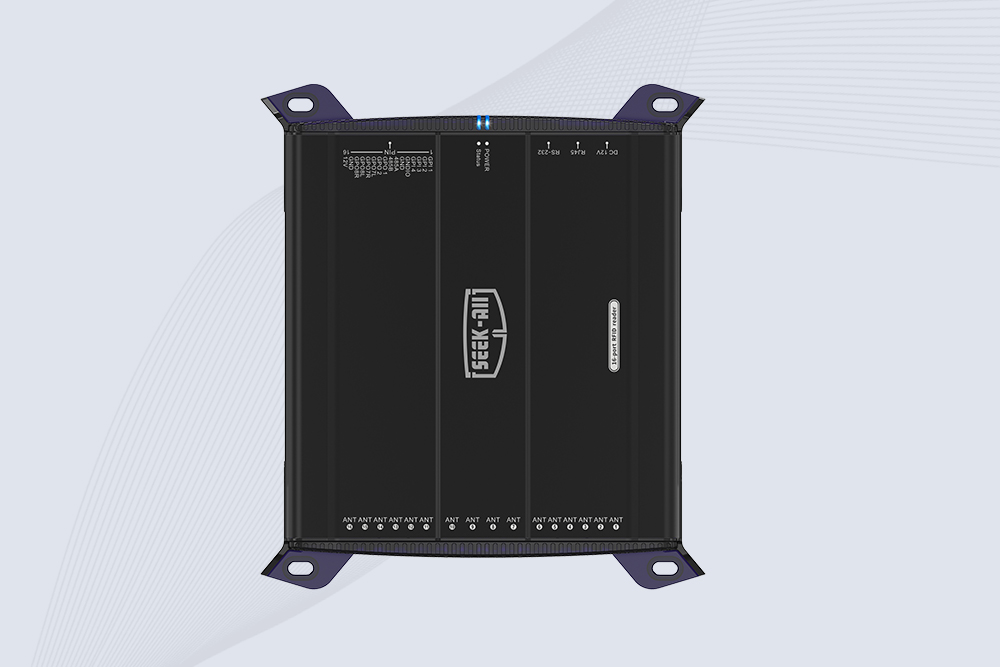
SSD-R16L Multi-Channel RFID Infrastructure for Automated Inventory Management ✔️ 16-Port High-Density RFID Reading Equipped with 16 SMA antenna ports, SSD-R16L supports multi-antenna deployment for warehouses, retail stores, logistics, production lines, and large-area RFID identification. ✔️ High-Speed & Long-Range Performance With up to 33…
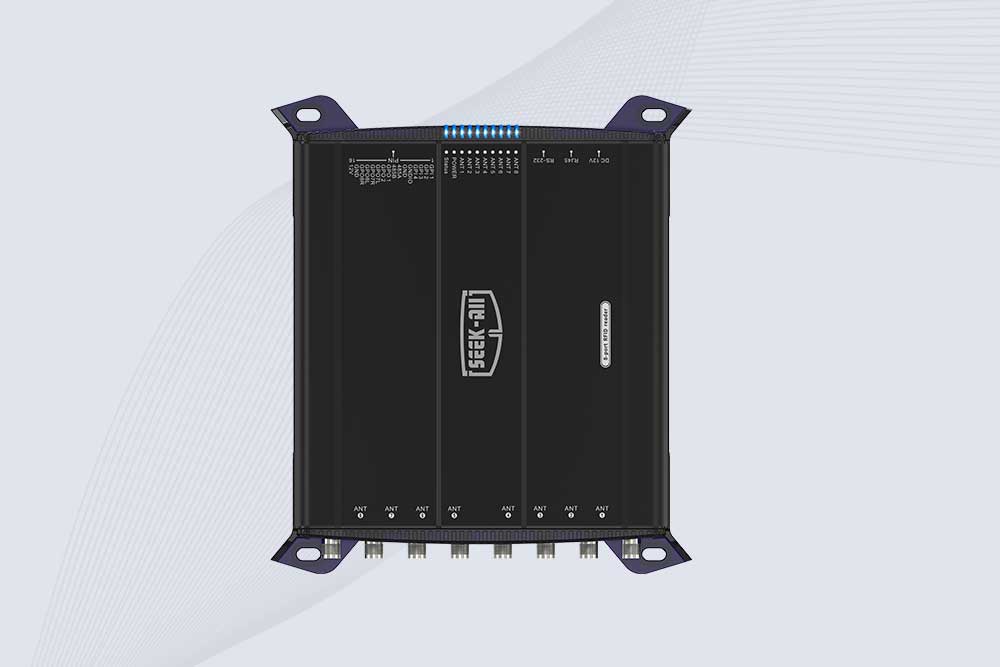
SSD-R8L 8-port UHF RFID reader with 33dBm output, up to 20m reading range and 600+ tags/s recognition. Ideal for warehouse, logistics, retail and asset tracking.
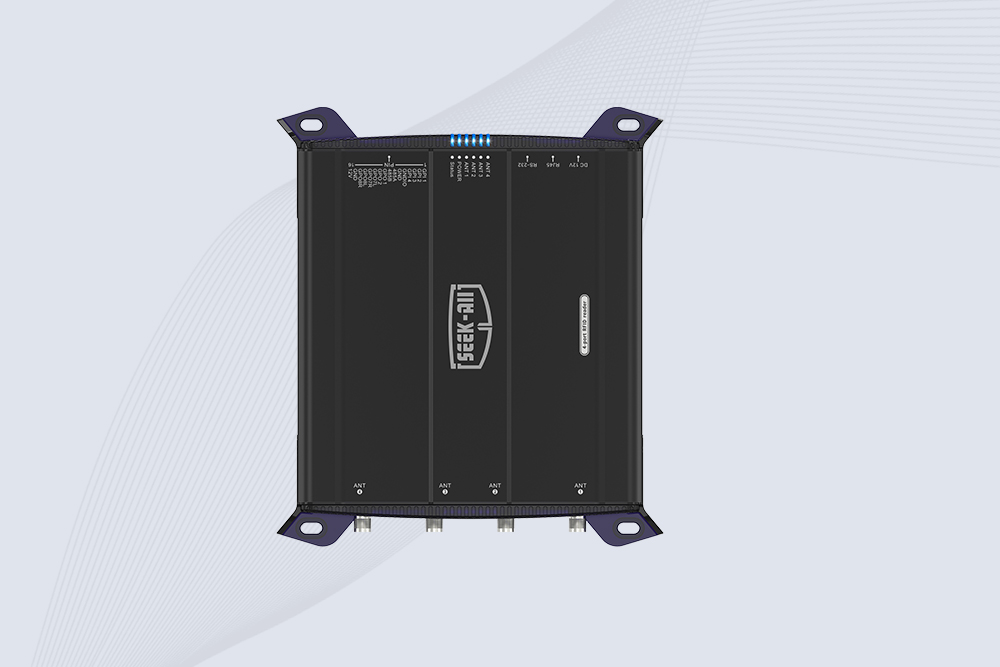
SSD-R4L is a 4-port UHF RFID fixed reader with 33dBm output power, up to 20m reading range, EPC C1G2 support and 600+ tags/s reading speed.
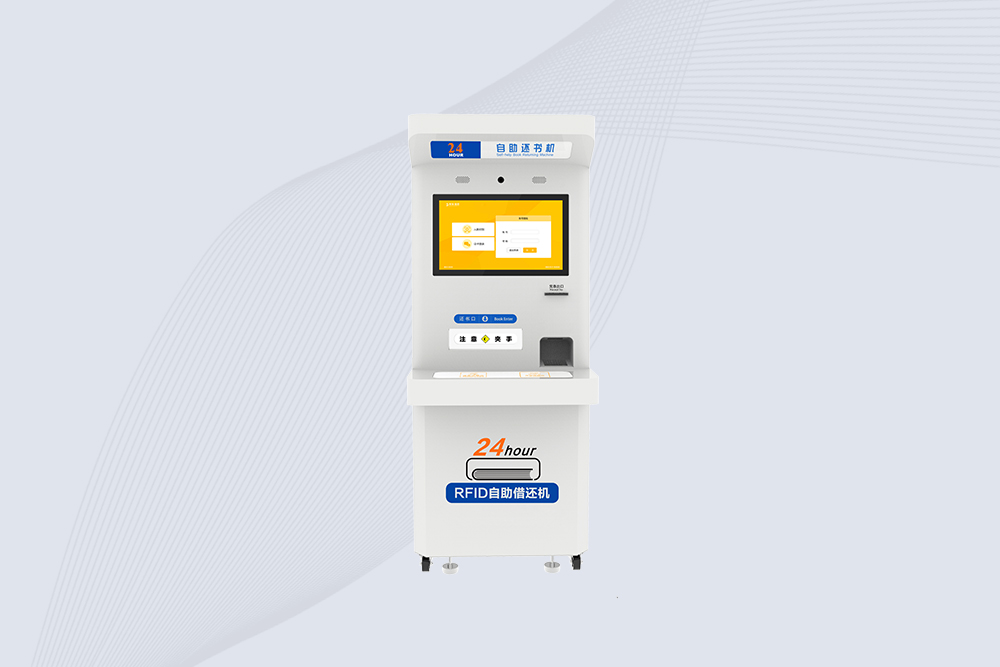
Cykeo’s CYKEO-DP10 library RFID Writer Reader terminal features HF/UHF dual-frequency, 10-channel scanning, automatic book sorting, and self-service payment. Ideal for 24/7 unmanned library operations.
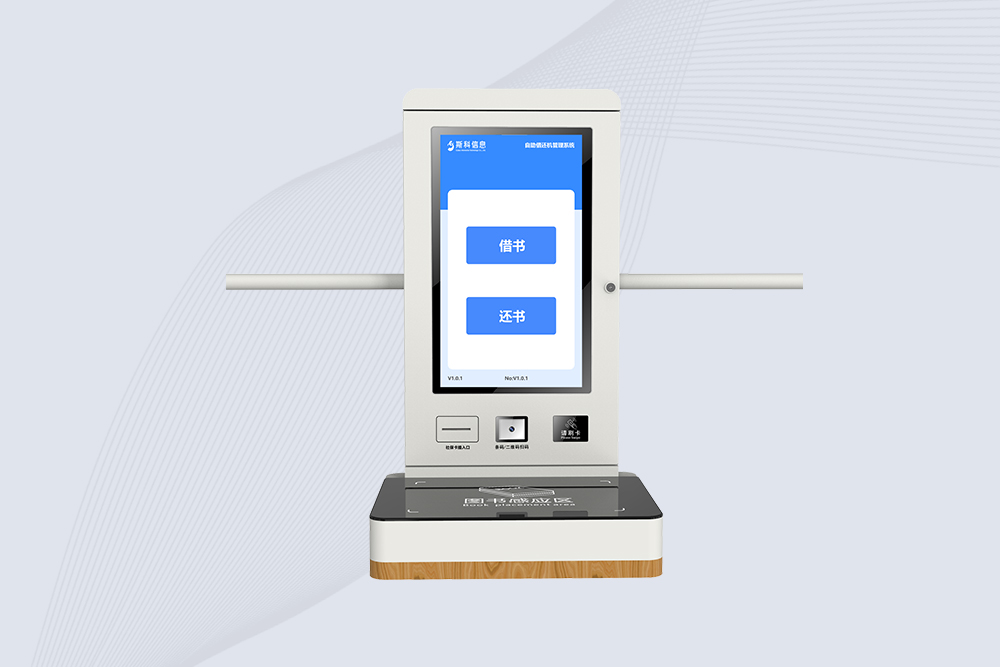
Cykeo’s CYKEO-DP4B RFID chip scanner kiosk offers 60+ tags/sec scanning, 21.5″ touchscreen, and wall-mounted design for libraries, warehouses, and retail. Supports ISO 18000-6C and customizable protocols.
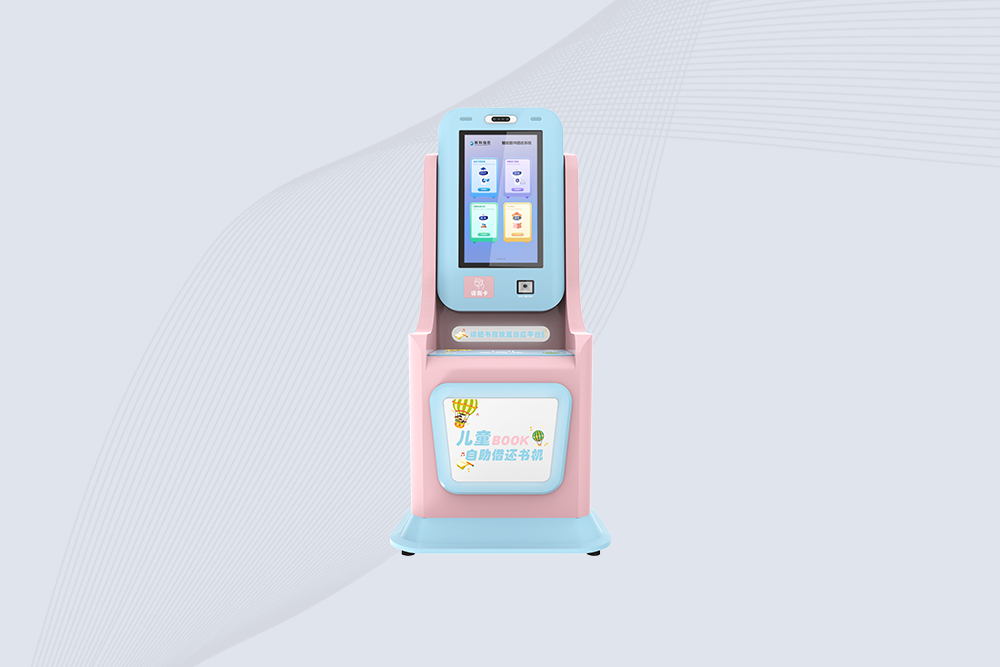
Cykeo CYKEO-DP5A passive RFID tag reader offers 10-tag/sec batch scanning, 840–960MHz frequency, and Windows/Android OS for libraries/archives. Features 4G/WiFi, self-service kiosk, and carbon steel housing.
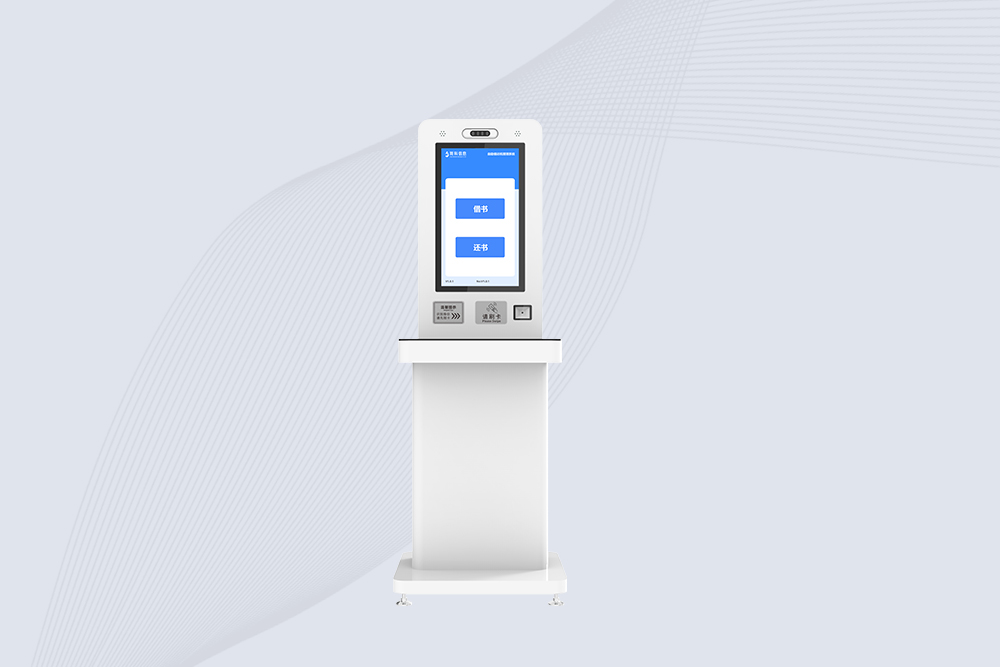
Cykeo CYKEO-DP6 vertical RFID Card and Reader terminal combines HF/UHF technology, 22″ touchscreen, and Windows/Android OS for libraries, archives, and retail. Features multi-protocol support, rugged design, and global certifications.
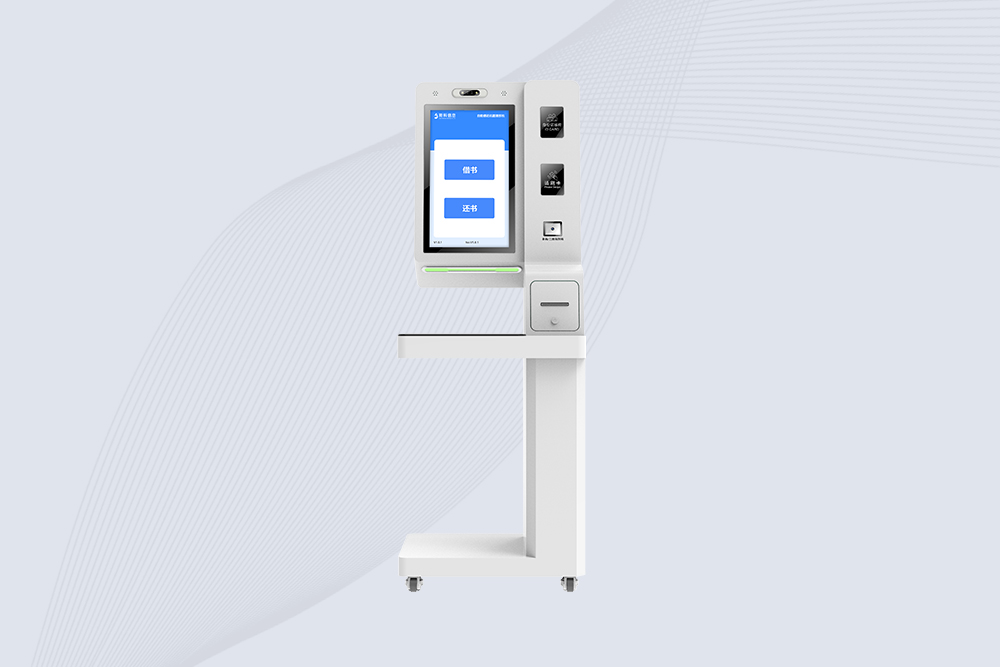
Cykeo’s CYKEO-DP6A library kiosk features UHF RFID tags reader technology, 21.5″ touchscreen, and Windows/Android OS for 24/7 book circulation. Achieves 99.9% inventory accuracy with ISO 18000-6C compliance.
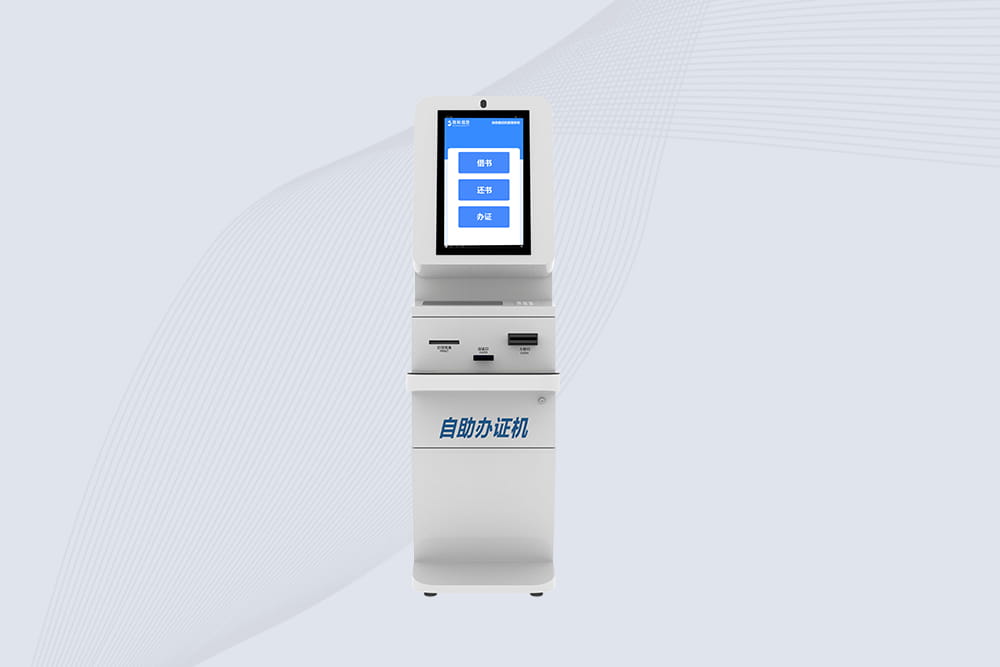
Cykeo’s CYKEO-DP9 card reader RFID kiosk enables 50-card issuance, book loans, and cash handling. Features ISO 18000-6C RFID, Windows/Android OS, 24/7 operation.
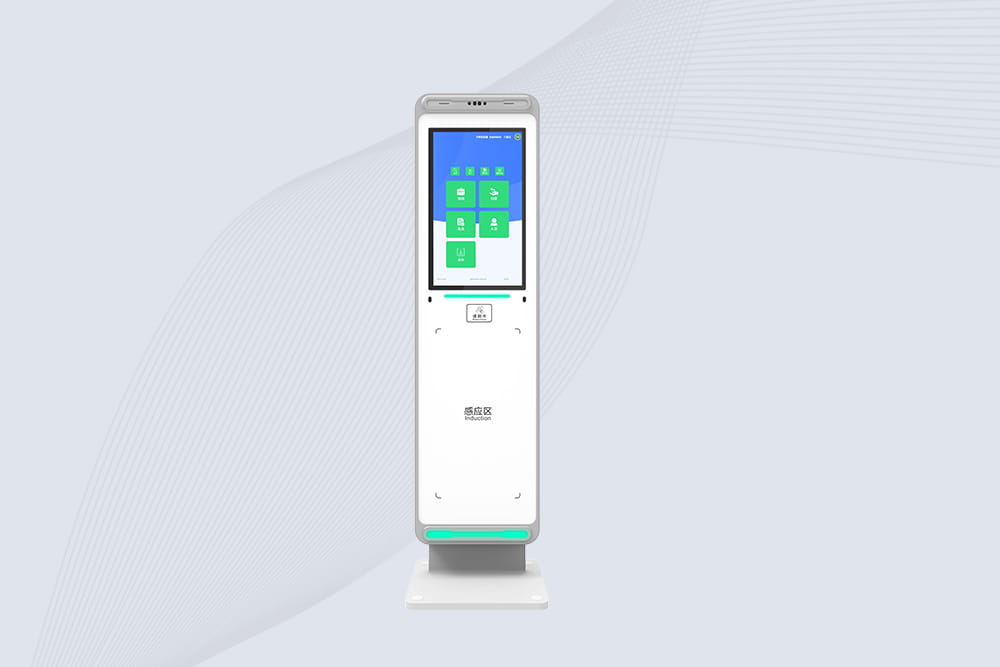
Cykeo’s medical-grade RFID scanner station features bulk UHF RFID scanning, anti-crosstalk technology, and dual OS compatibility for hospital inventory management and smart warehouses.
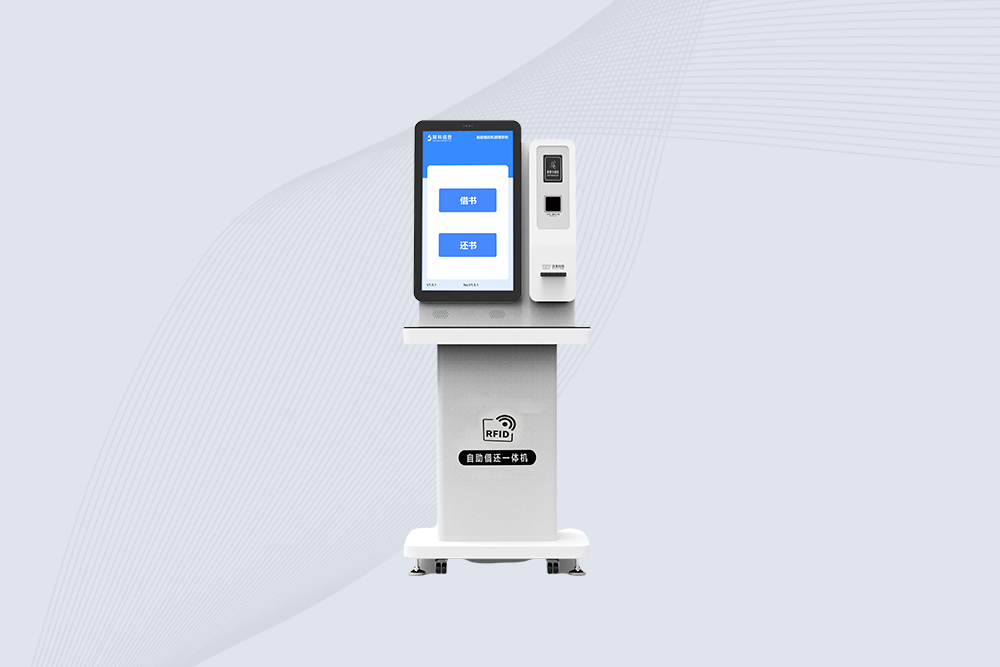
Cykeo CYKEO-DP7 UHF RFID scanner features 27″ touchscreen, 10-book simultaneous scanning, and ISO 18000-6C protocol for libraries. Supports receipt printing and SAP/Oracle integration.

Cykeo’s CYKEO-DP8 professional RFID card reader writer features dual-band operation, 300 cards/min encoding speed, and military-grade encryption. Ideal for library systems/access control.
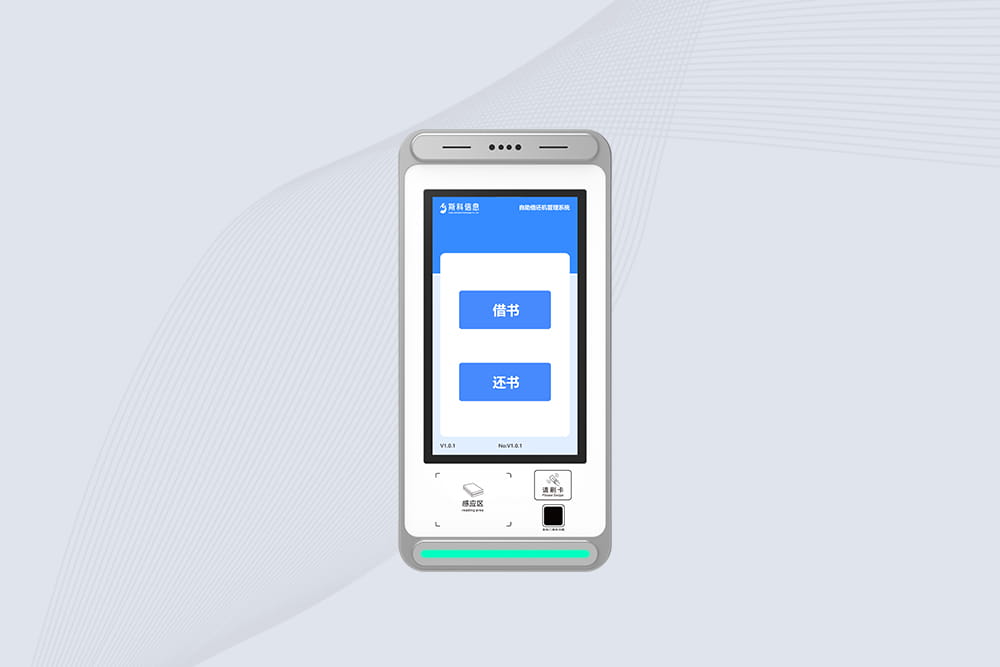
Cykeo CYKEO-DP4 wall-mounted RFID card scanner features 21.5″ touchscreen, 100+ tags/sec scanning, dual authentication (card/face), perfect for libraries/archives. IP54 rated with -20℃~60℃ operation.

Cykeo’s UHF reader RFID weighing scales combine 840-960MHz RFID scanning, 30kg/±1g precision, and SAP connectivity for chemical/pharma inventory. IP65 rated with biometric login.
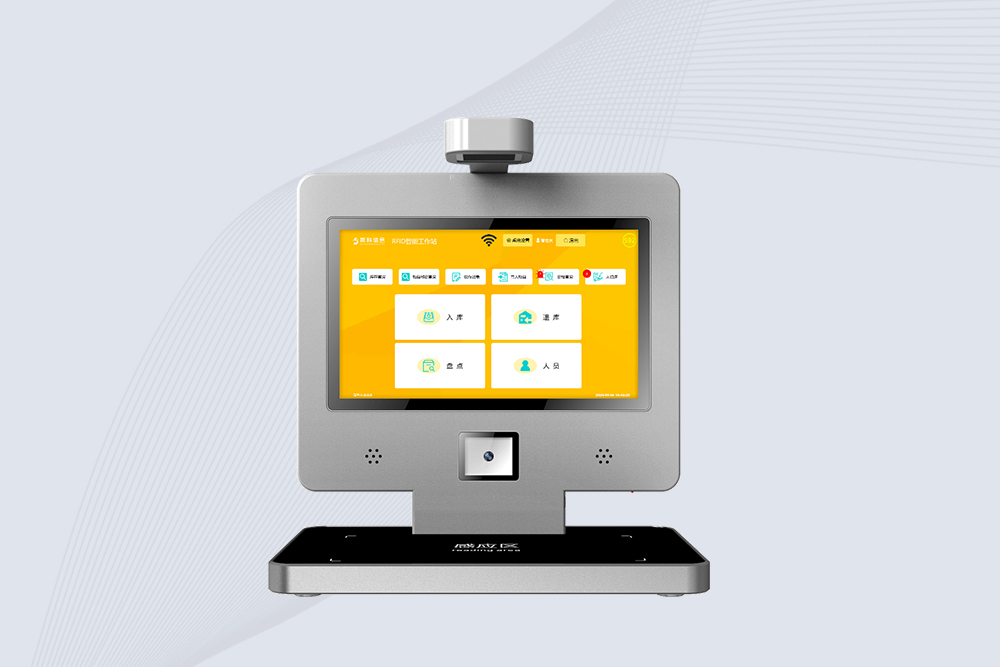
Cykeo CYKEO-DPA Desktop Reader RFID Workstation features 50+ tags/sec batch processing, IP65 rugged design, and Windows IoT for manufacturing/warehouse RFID operations. Supports ISO 18000-6C.
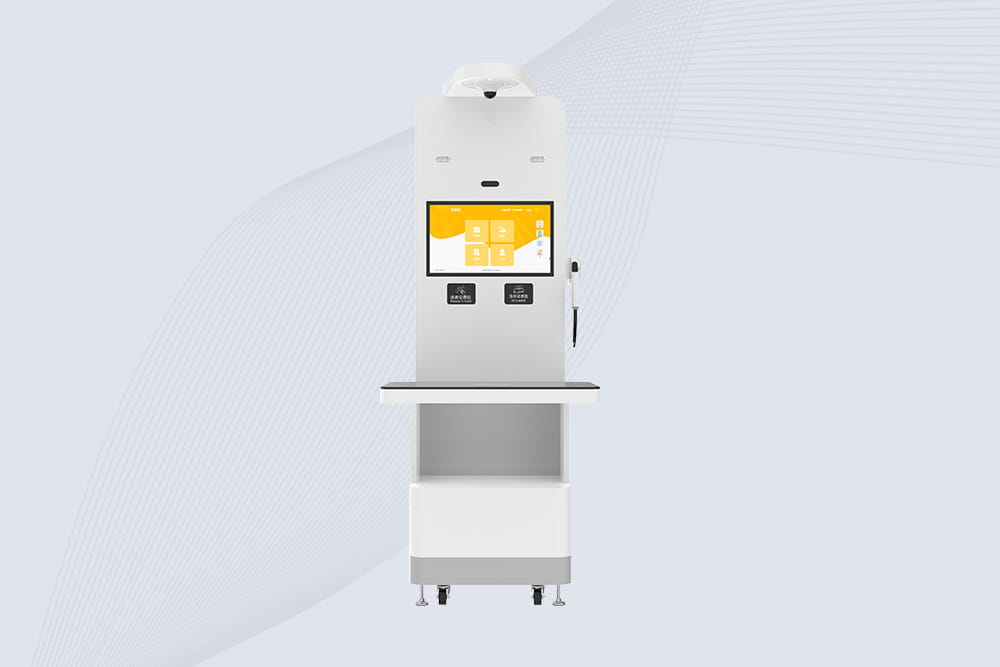
Cykeo CYKEO-DP12 vertical RFID workstation features 21.5″ touchscreen, 30-tool simultaneous tracking, and military-grade -20℃~70℃ operation for manufacturing/aviation/automotive sectors. Supports Windows & Android OS.
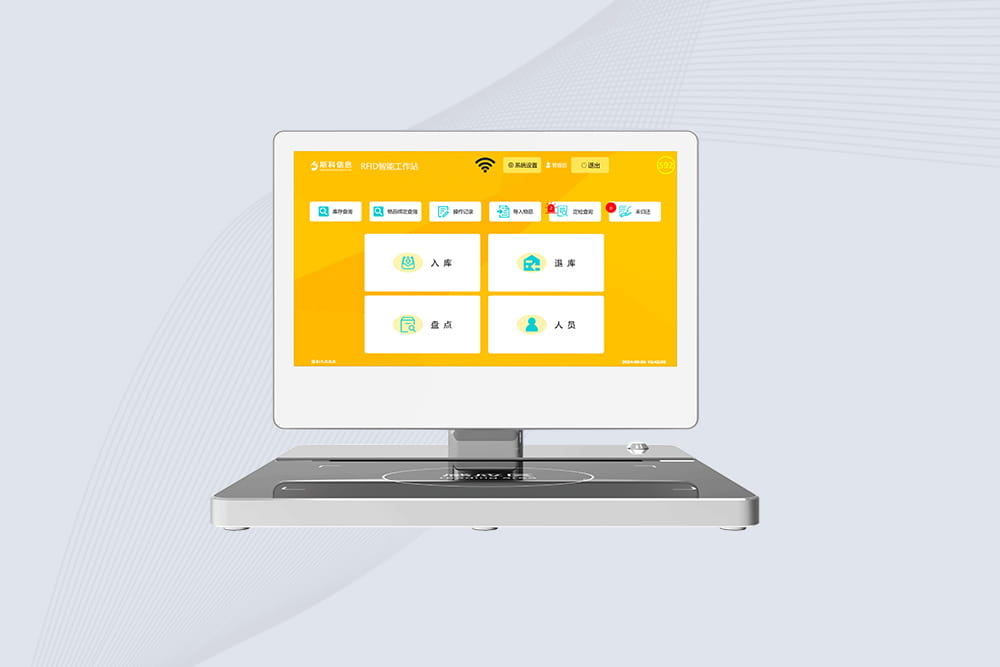
Cykeo’s professional RFID workstation features controlled 50cm encoding field, 50+ tags/batch processing, and integrated 12MP camera. Ideal for medical/library/archival asset registration.

Cykeo’s CYKEO-DP13 industrial RFID Smart workstation features 24″ touchscreen, UHF/HF dual-frequency scanning, military-grade durability for manufacturing/pharma/logistics. Supports batch-tagging of 200+ items with ERP integration.
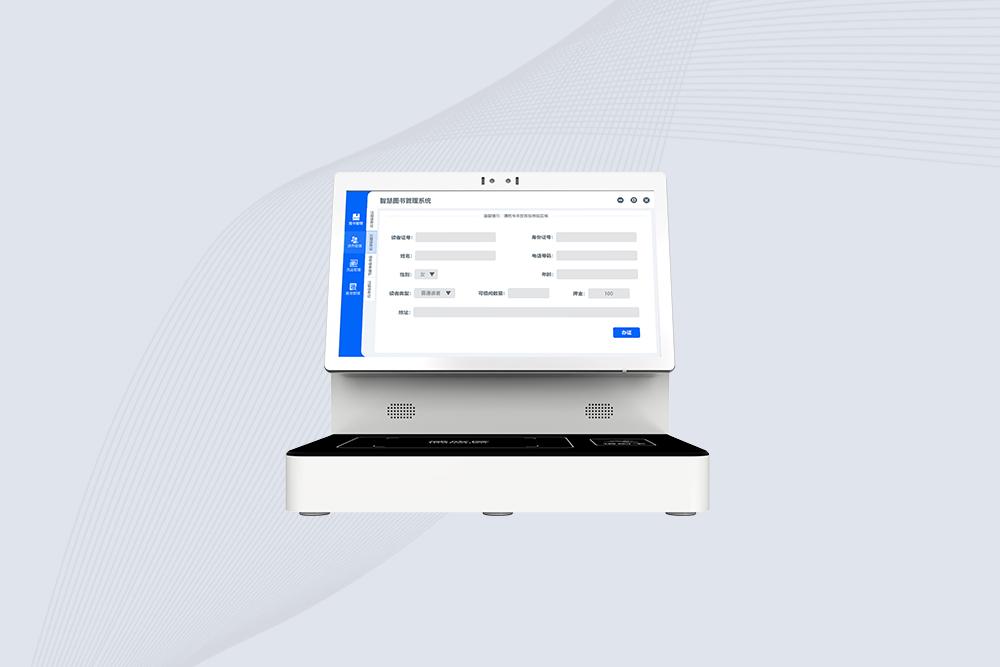
Cykeo’sCYKEO-DP3 RFID desktop reader workstation features 22″ touchscreen, multi-protocol UHF RFID, dual OS, and industrial connectivity for libraries, retail, and healthcare. Supports 10-tag simultaneous reading.

Cykeo CYKEO-DP2 Desktop RFID Reader workstation features 22″ touchscreen, 15+ tags/sec scanning, Windows/Android OS, and customizable protocols for libraries/archives. Supports face recognition and anti-theft integration.
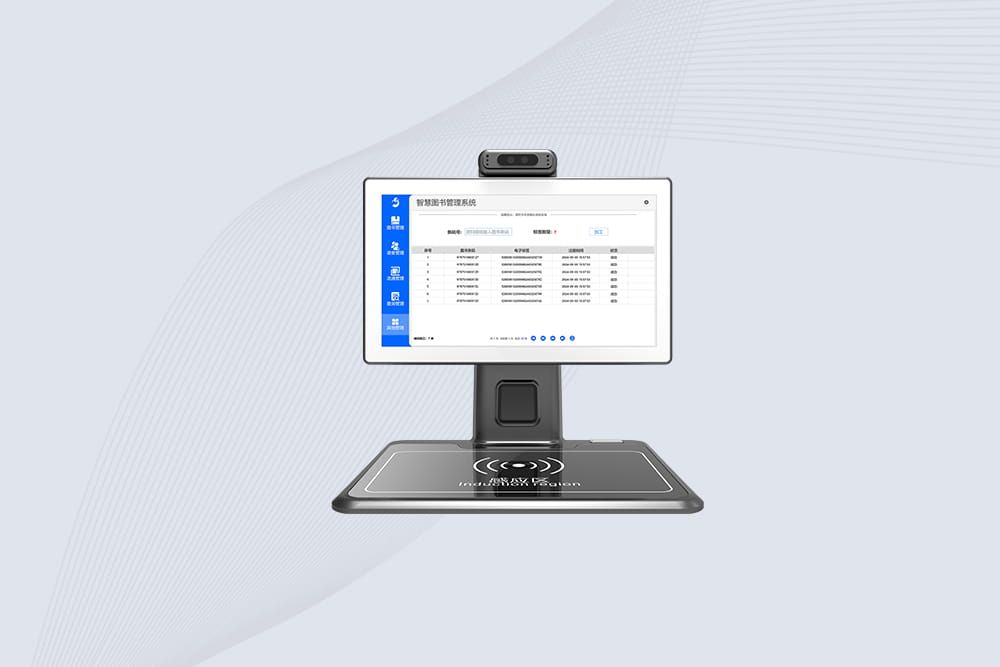
Cykeo CYKEO-DP2A Desktop UHF RFID Reader Workstation offers precision batch encoding of 50+ tags, 21.5″ touch interface, and ISO 18000-6C compliance. Ideal for libraries/archives with metal-environment adaptability.
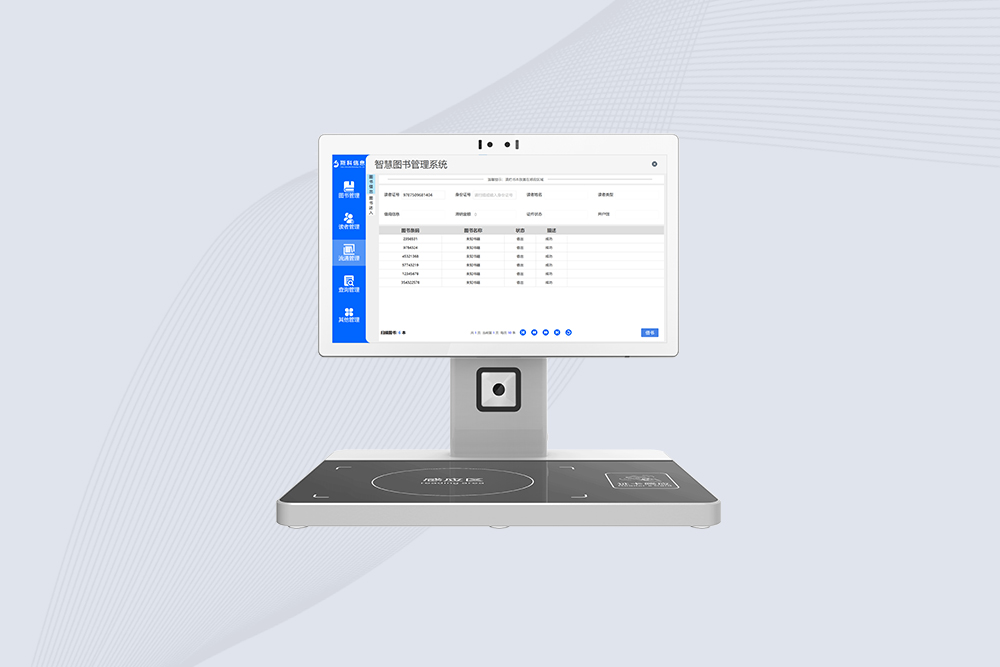
Cykeo CYKEO-DP2B industrial UHF RFID desktop Reader workstation features 15+ tag reading, 2m UHF range, Windows/Android OS, and IP54 design for libraries/warehouses. Supports ISO 18000-6B/6C protocols.
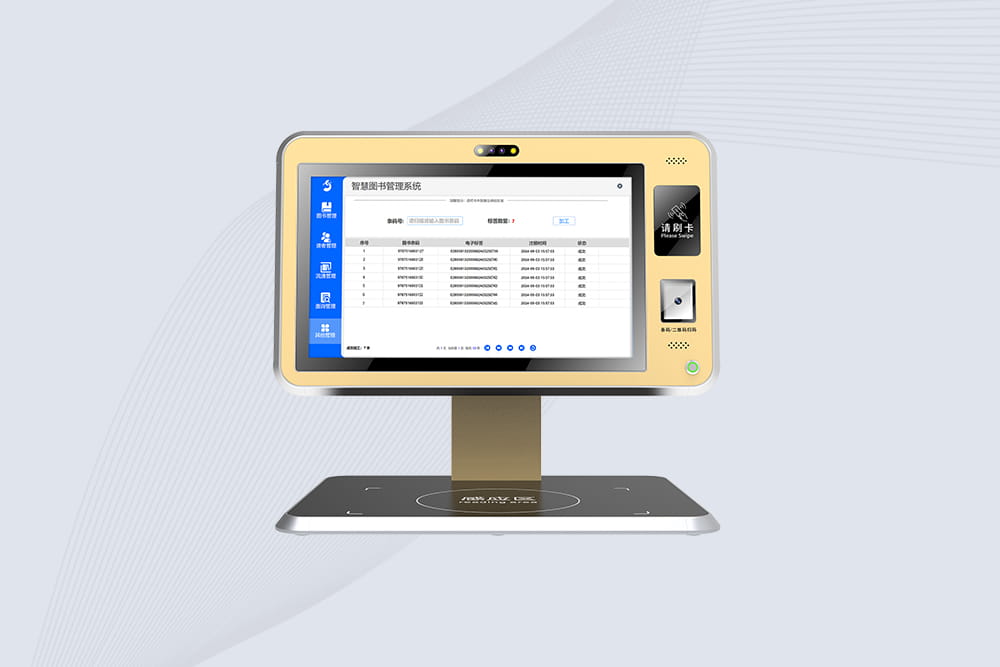
Cykeo CYKEO-DP3B industrial UHF RFID Desktop Reader Writer workstation features 15-tag batch processing, 840-960MHz frequency range, payment/voucher printing for libraries/hospitals/retail. Supports ISO 18000-6B/C protocols.
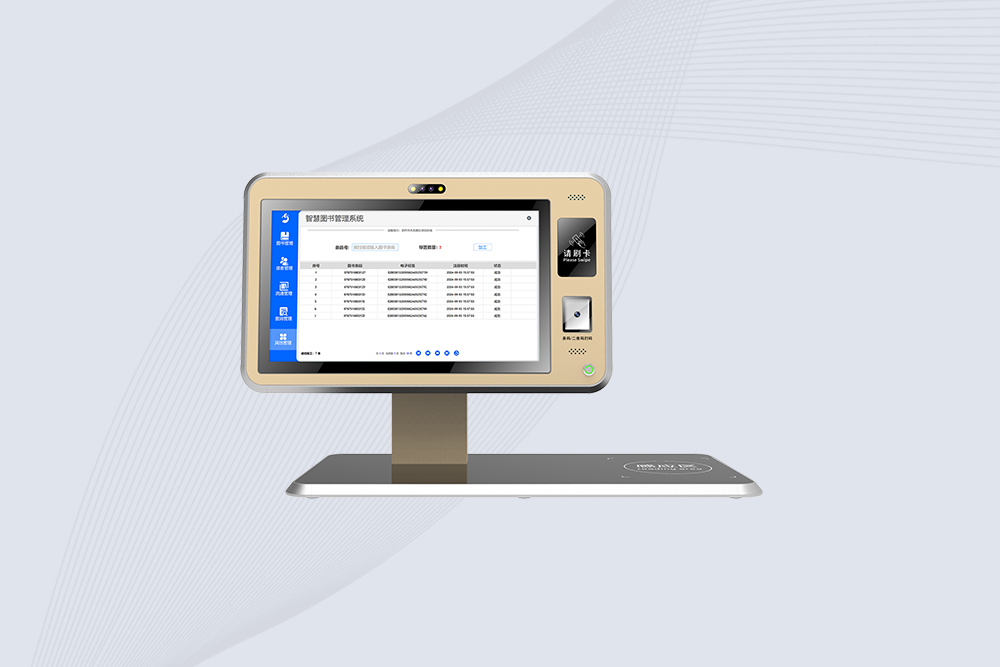
Cykeo CYKEO-DP3A library Desktop RFID Card Reader workstation features 21.5″ dual touchscreens, 10-item batch processing, and Windows/Android OS for archival/library asset management. UHF RFID card reader with ISO 18000-6C/B compliance.
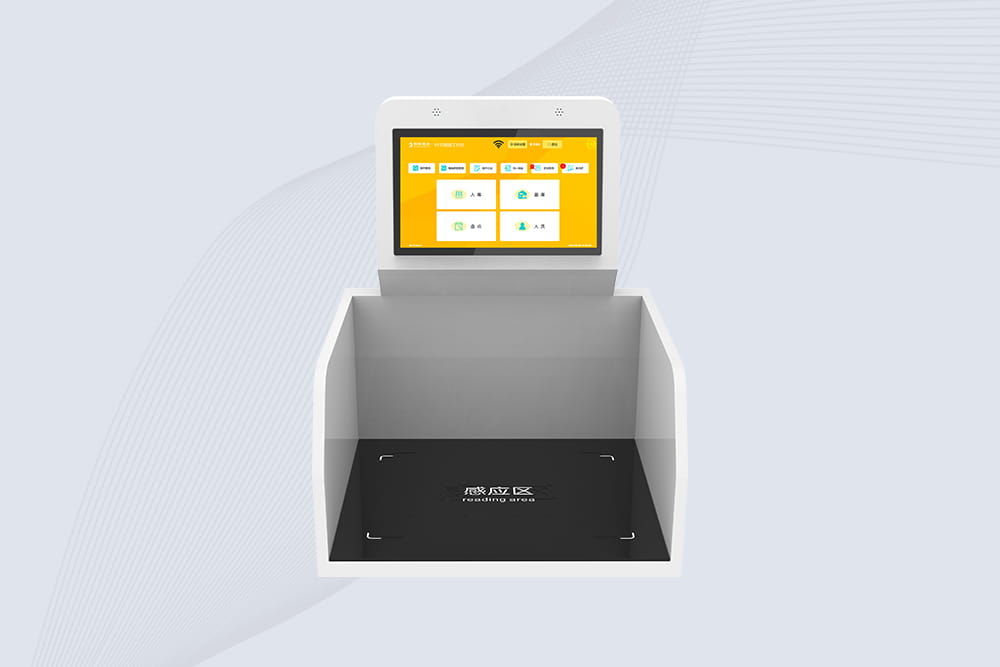
Cykeo’s industrial UHF Reader RFID Workstation features 40+ tags/sec RFID processing, Windows/Android OS, and bulk scanning for apparel/logistics operations.
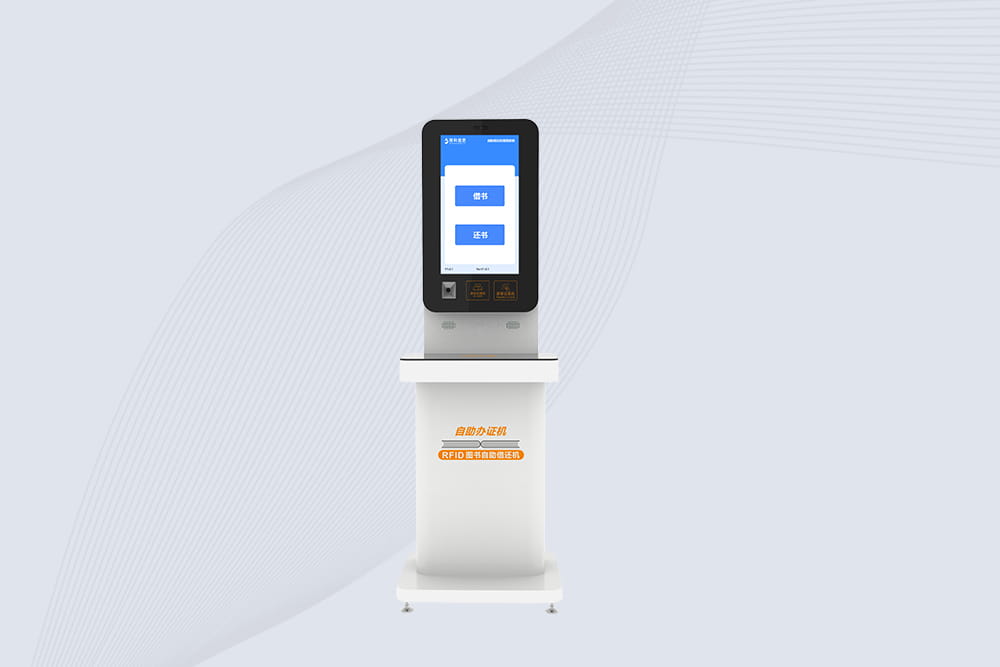
Cykeo CYKEO-DP6 Pro industrial RFID card reader offers dual-frequency scanning, MIL-STD ruggedness, and smart card compatibility for access control and payment systems.
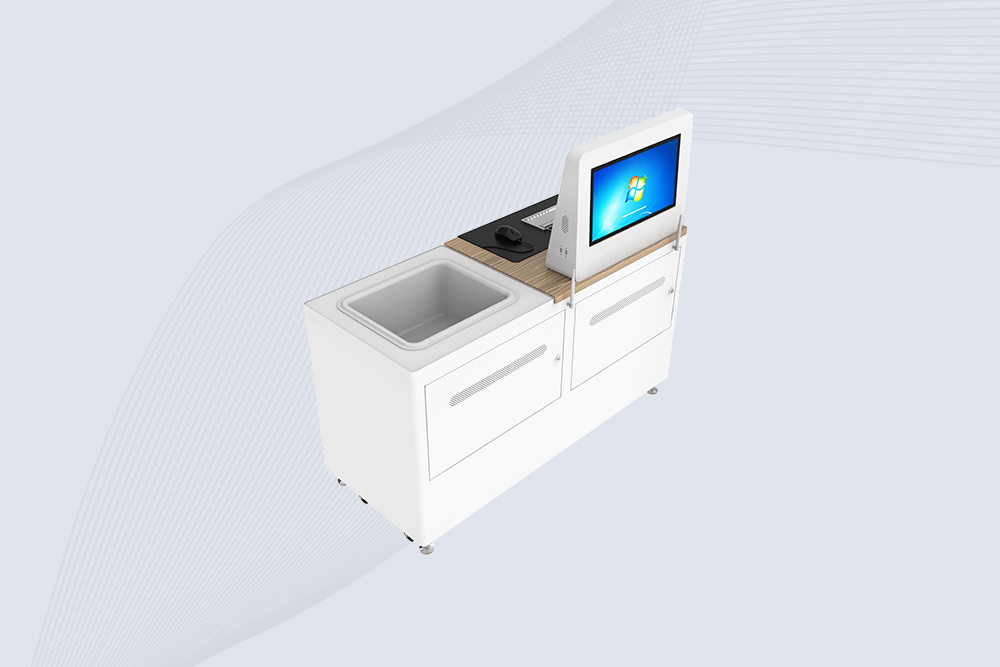
Cykeo CYKEO-DP13B dual-screen RFID workstation features dual 21.5″ touchscreens, 100-tag capacity, and integrated camera system for comprehensive asset tracking and management.
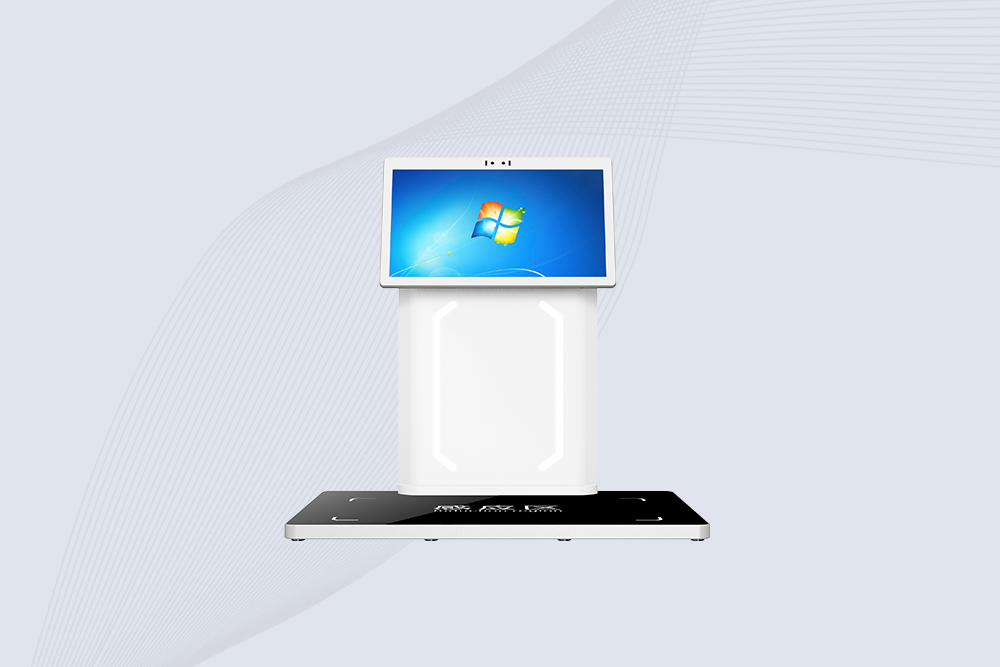
Cykeo CYKEO-DP14B desktop RFID workstation manages 200+ assets per scan. Features a 21.5″ touchscreen, UHF RFID, HF access control, and Windows/Android OS for secure tool tracking in police, medical, and bank environments.
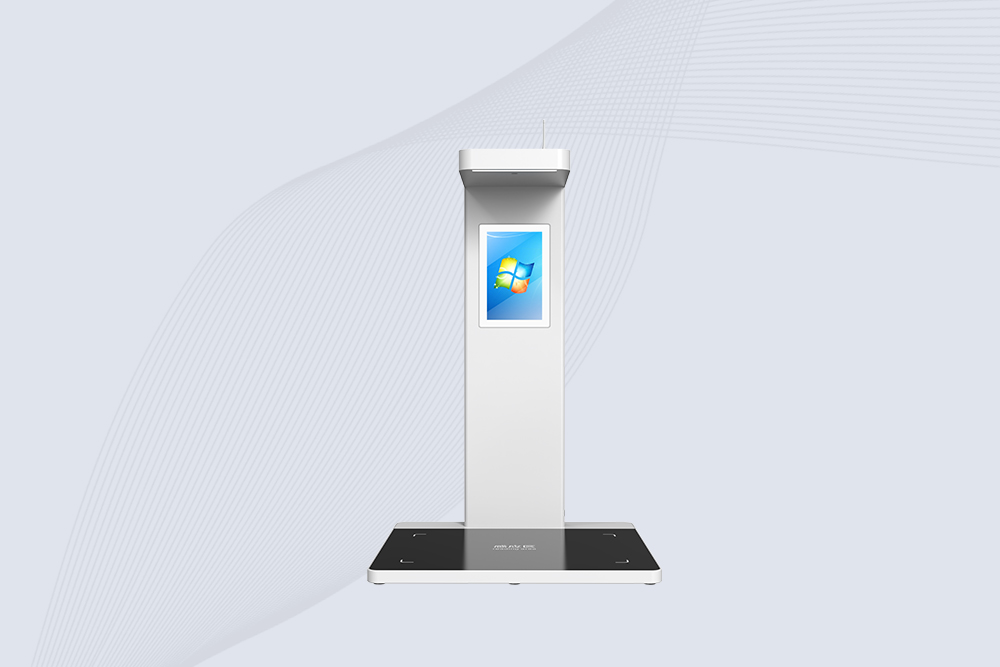
Cykeo CYKEO-DP1 RFID settlement station enables bulk UHF RFID and barcode verification for warehouse shipping. Features 10.1″ touchscreen, automatic data binding, and supports Windows/Android OS for seamless WMS integration. Ideal for inventory management and logistics.
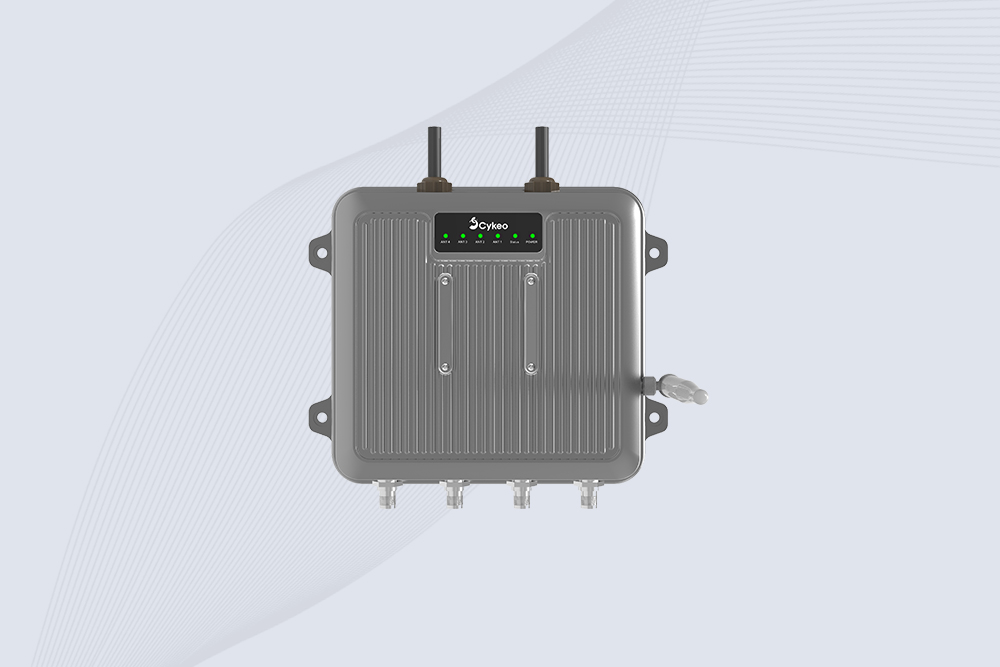
Cykeo CYKEO-C1 industrial Forklift RFID Reader features 20m read range, 600 tags/sec scanning, Impinj R2000 chipset, and IP67 rugged design. Ideal for warehouse logistics and manufacturing. Supports ISO 18000-6C/6B protocols.
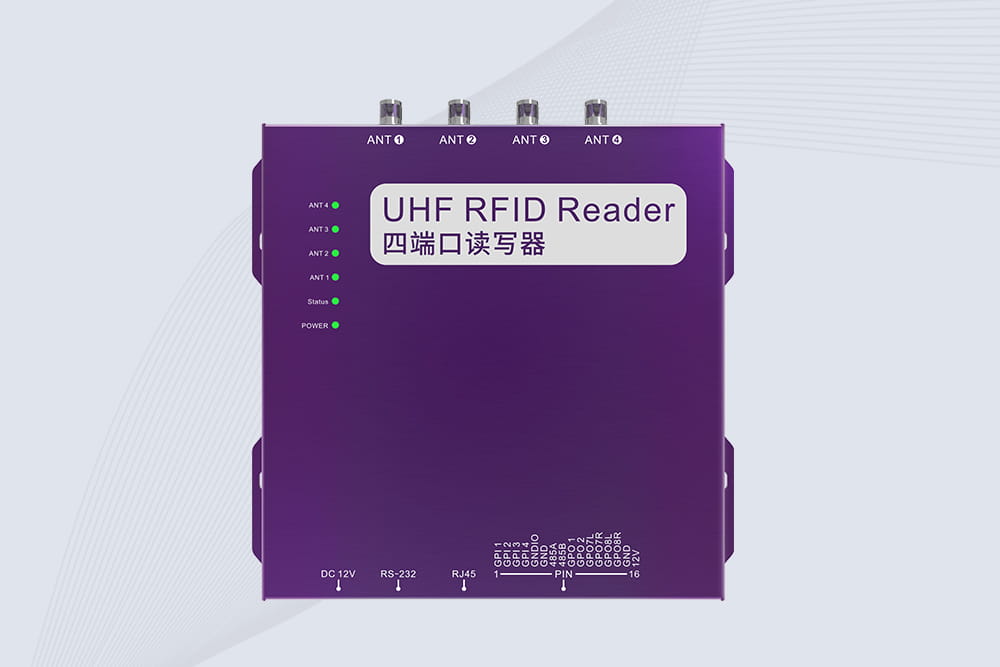
Cykeo CYKEO-R4 industrial UHF RFID Fixed Reader features 4 TNC ports, 400+ tags/sec speed, IP67 housing, and global frequency compliance for vehicle inspection, smart warehouse, and asset management systems.
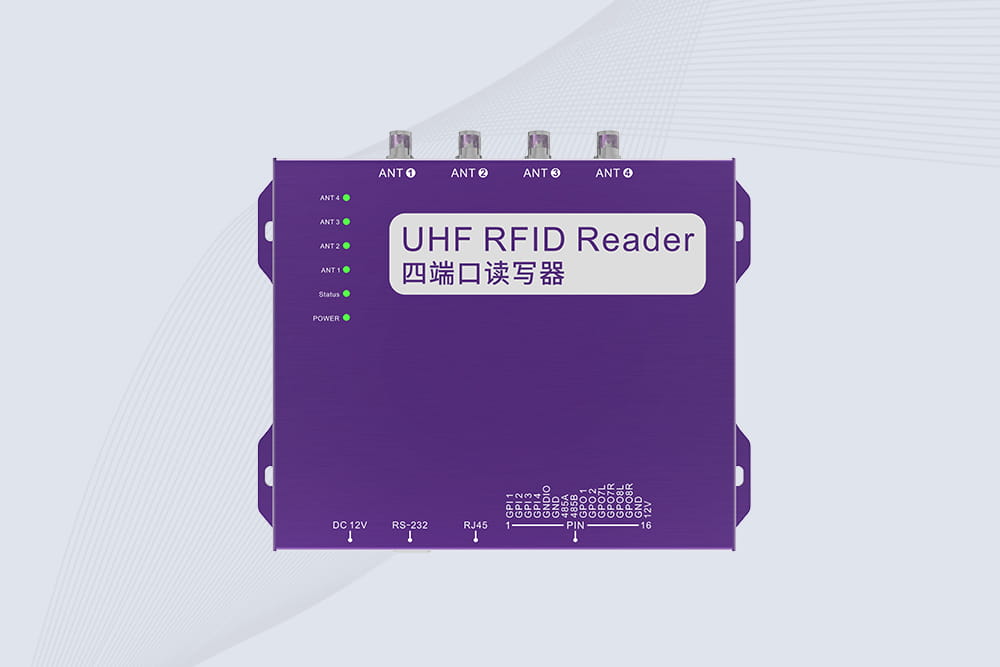
Cykeo’s CYKEO-R4L 4-port Fixed UHF RFID Reader delivers 400 tags/sec scanning, ISO 18000-6C compliance, and IP65 protection. Ideal for warehouse automation, manufacturing WIP tracking, and logistics management.
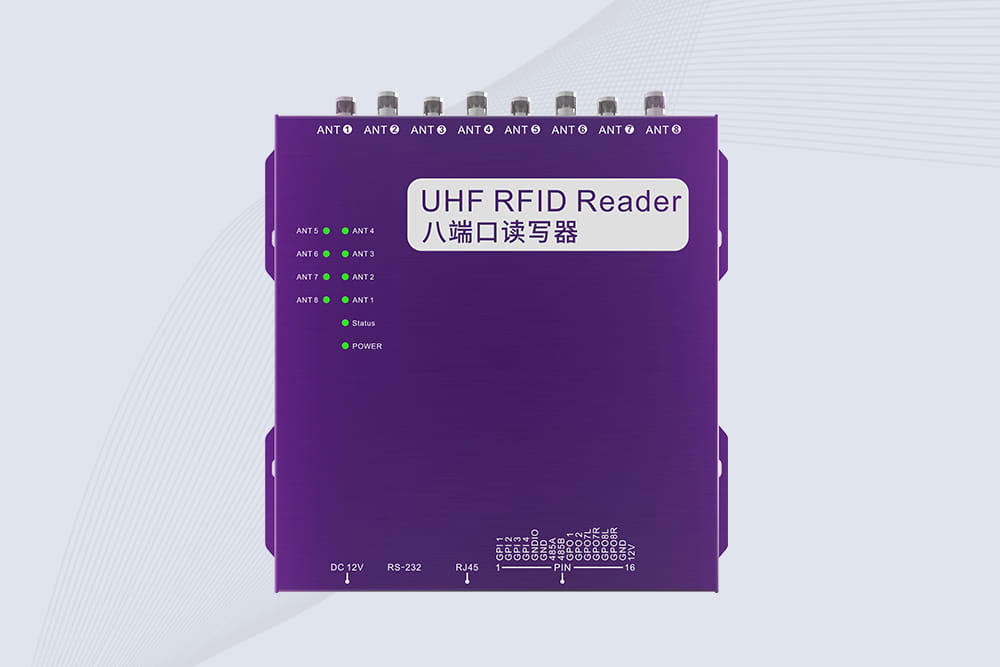
CYKEO CYKEO-R8L Fixed RFID Reader with 8-port UHF design, Impinj-based RF core and up to 20m read range. An industrial Fixed RFID Reader for vehicle inspection, warehouse portals, smart manufacturing lines and secure access checkpoints.
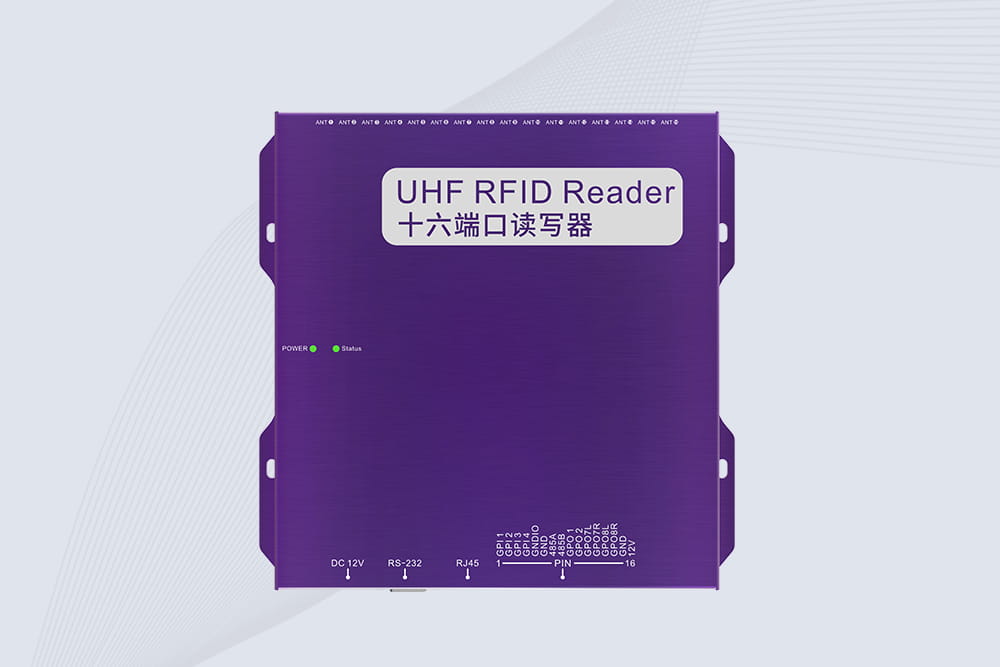
RFID Fixed Reader from CYKEO – the CYKEO-R16L 16-port UHF fixed reader for warehouses, smart cabinets, and production lines. Long-range, multi-tag reading, stable performance for 24/7 industrial use.

Wondering what an RFID tag looks like? Learn the different shapes, sizes, and applications of RFID tags used in clothing, inventory, logistics, and retail systems.
More
Discover advanced rfid chips from Cykeo for asset tracking, inventory visibility, retail automation, and industrial RFID applications. Improve efficiency with reliable RFID technology.
More
how IoT and RFID are transforming parking management. Find available parking spots in real-time, reserve spaces via mobile app, and reduce traffic congestion with smart parking systems.
More
Wondering how many tags can RFID read at once? In bulk, UHF systems can handle hundreds simultaneously. We explain real-world anti-collision limits, not just lab specs.
More