 Cykeo RFID IoT Solution Products R&D Manufacturer

UHF RFID Book Tags for Libraries: What Actually Matters When You Buy
227A practical guide to choosing UHF RFID book tags for library projects, including performance, cost, and bulk purchasing tips.
MoreAll RFID Product
What’s RFID stand for? RFID stands for Radio Frequency Identification. It is a technology that uses radio waves to identify tagged objects and transfer identification data to a reader. Businesses use RFID to manage inventory, track assets, record item movements, and automate identification without scanning every label individually.
RFID is not the name of one specific machine. It is a broad technology used in everything from contactless cards to industrial warehouse systems. The equipment, frequency, reading distance, and software requirements depend on the application.
In a warehouse, for example, a reader may identify tagged cartons as they pass through a receiving area. The system can then send the identification data to inventory software. The objective is not simply to read a tag; it is to turn that read into a useful business record.
RFID stands for Radio Frequency Identification. The technology uses radio-frequency communication to identify objects carrying compatible tags.
A typical RFID system contains three main components:
With passive UHF RFID, the reader transmits a radio-frequency signal. A compatible passive tag uses energy from that field to respond, commonly through a process called backscatter. The reader receives the response and forwards the data to the connected system.
This differs from barcode scanning. A barcode scanner reads an optical pattern, while RFID uses radio communication. Depending on the reader, tags, and operating conditions, an RFID system can identify multiple tagged items within its effective reading area without requiring an operator to scan every label individually.
That capability is useful, but it is not magic. Metal surfaces, liquids, tag orientation, antenna placement, and interference can affect whether a tag is detected. The right system is the one that performs reliably in the actual environment, not merely in a product demonstration.
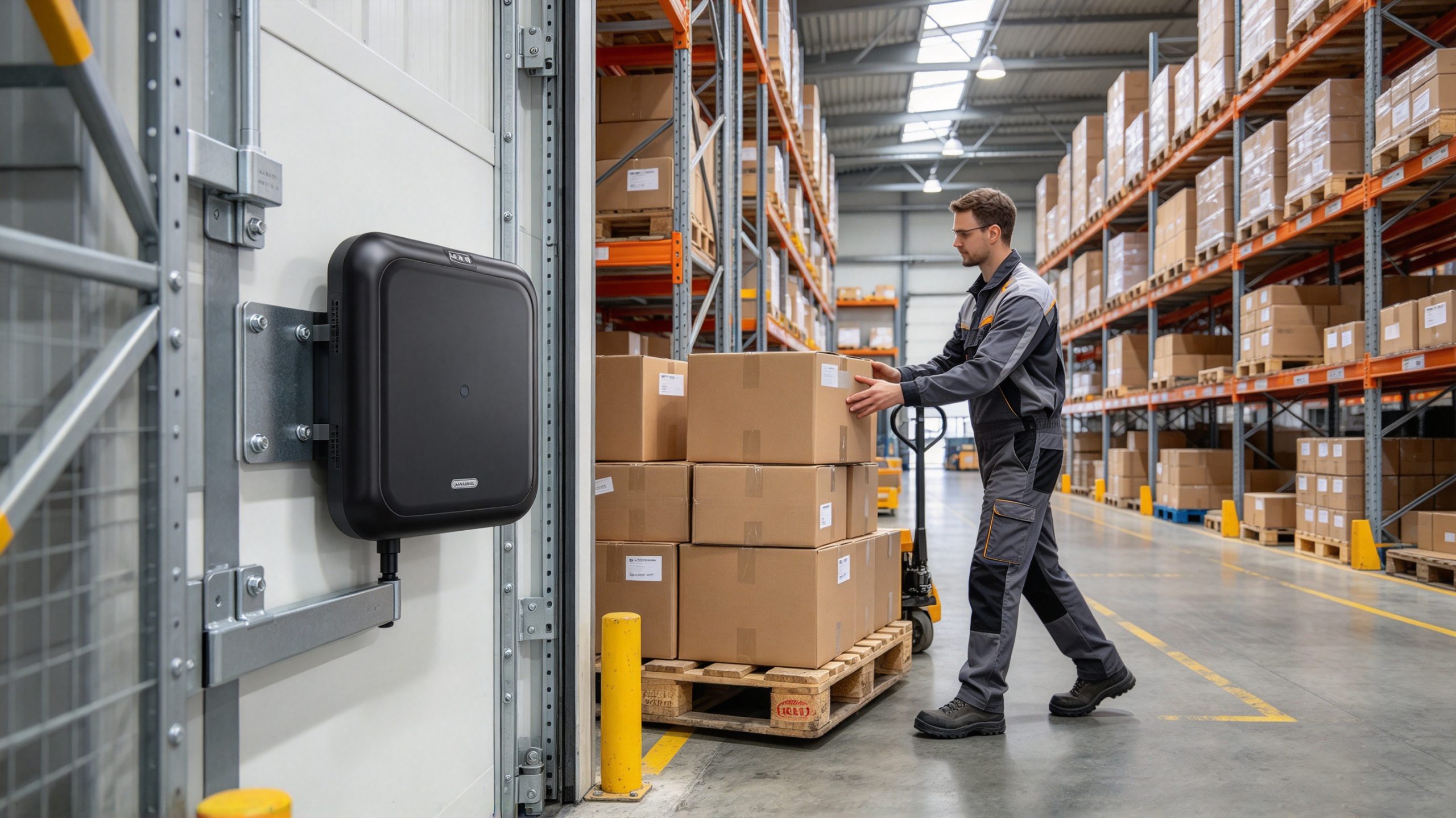
A typical RFID identification workflow has several stages:
Consider a warehouse receiving point. When a pallet arrives, the system may detect several tagged cartons. Software can associate those detections with a receiving event, provided the application has the relevant item records and event rules. If a tag is missed or a nearby item is read unintentionally, the record may need investigation.
For this reason, antenna positioning, tag placement, and read-zone testing are part of system design, not minor installation details.
RFID systems operate at different frequencies, and the frequency affects how tags communicate with readers. GS1 identifies three main categories: low frequency (LF), high frequency (HF), and ultra-high frequency (UHF).
| RFID category | Typical frequency | Common applications |
|---|---|---|
| LF RFID | 125 or 134 kHz | Animal identification and selected access applications |
| HF RFID | 13.56 MHz | Contactless cards, library systems, and NFC-related applications |
| UHF RFID | Region-dependent, commonly within 860–960 MHz | Industrial tracking, retail inventory, and logistics |
For industrial item tracking, passive UHF RFID is often worth evaluating because compatible systems can identify multiple tagged objects from several metres away under suitable conditions. GS1 notes that passive UHF RFID typically reaches up to around 10 metres, although the actual range can be shorter or longer depending on tag design, reader configuration, and surrounding materials.
The shape of the reading area matters just as much as its maximum distance. At a warehouse entrance, a reader needs to identify the cartons passing through the doorway without continually detecting unrelated stock on nearby shelves.
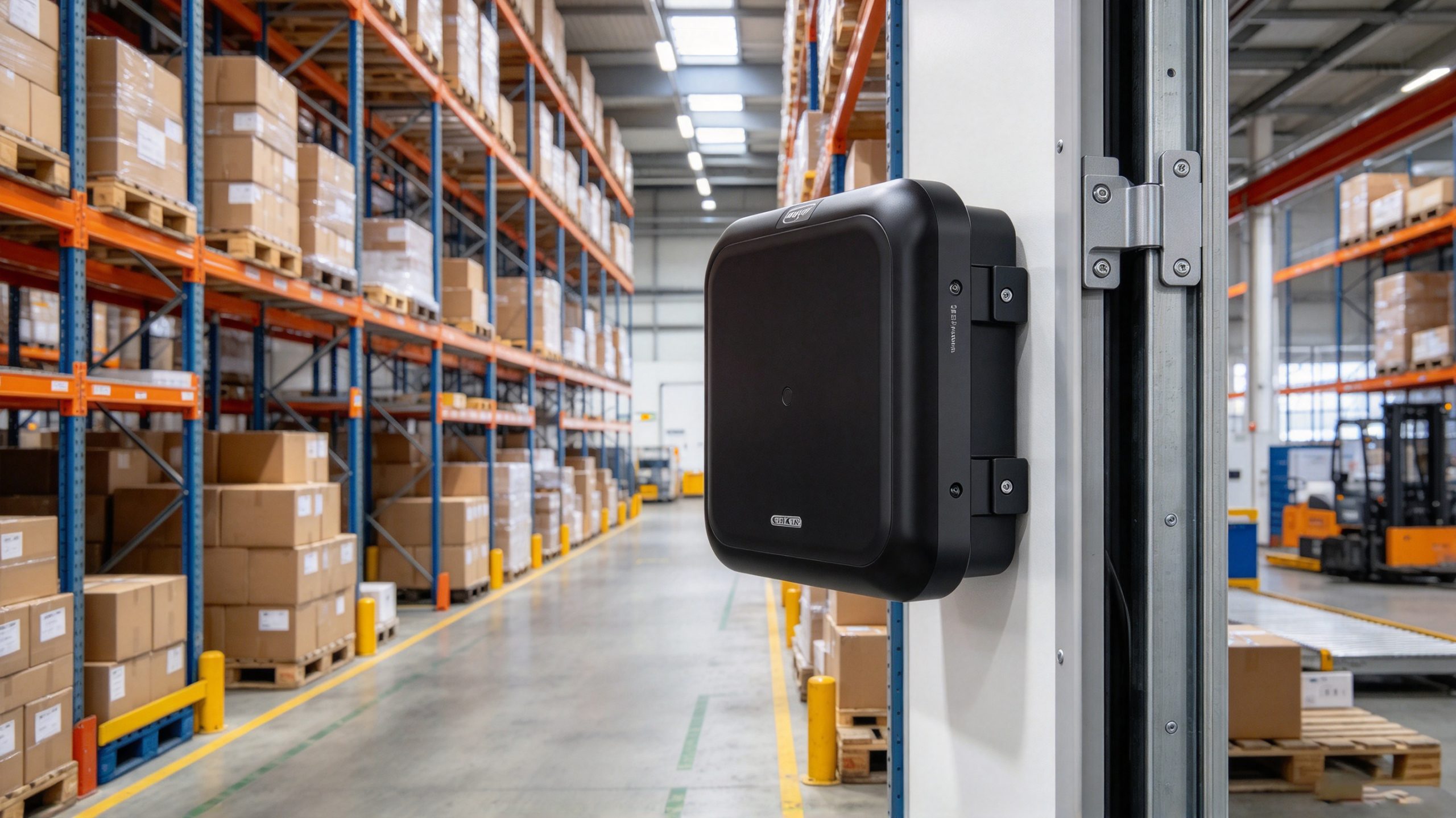
The CK-D9L is specified as an industrial-grade, integrated UHF RFID reader with a 9 dBi antenna. Its listed capabilities include:
These features can support projects that need to record tagged items as they enter or leave a designated area. However, the reader alone does not guarantee fully automated inventory management. The application still needs to interpret tag detections, handle duplicate reads, and associate each event with the correct item record.
Before deployment, verify the complete environmental protection rating and regional operating configuration. Test representative tags at the intended installation distance, including the effects of nearby metal, item orientation, and normal movement through the reading zone.
RFID adoption is not limited to a small group of specialist applications. The RAIN Alliance reported that 52.8 billion RAIN RFID tag chips were shipped globally in 2024, up from 44.8 billion in 2023. The figures were based on shipment information from five leading chip manufacturers.
RAIN RFID is a form of passive UHF RFID. These shipment figures do not represent the number of readers installed or the number of individual projects, but they provide a useful measure of the technology’s scale.
For businesses, the practical takeaway is straightforward: RFID can support large-scale item identification, but the success of a particular installation depends on matching the tags, reader, antenna placement, and software to the operating conditions.
Understanding what RFID stands for is the starting point. In an industrial setting, the more important question is whether the system can identify the right items at the right moment and deliver usable data to the business application.
A warehouse receiving area is a practical example. Tagged cartons arrive at a designated passage, an RFID reader captures their tag identifiers, and the connected software compares those identifiers with expected delivery records. The same principle can support dispatch checks, asset tracking, and movement recording. The result depends on more than the reader alone: tag selection, antenna placement, reader settings, and software integration all influence performance.
A long read range is not automatically an advantage. If a reader captures tags on nearby shelves when it should only identify items passing through a doorway, the system may create duplicate or misleading movement records.
Before installation, define the physical area where identification should occur. Then test the reader with actual tagged items moving through that area. Check for missed reads, unwanted reads from adjacent storage locations, and repeated records generated by the same tag.
Metal surfaces, liquids, dense packaging, and tag orientation can affect UHF RFID performance. A tag that reads consistently on a cardboard carton may behave differently when attached to a metal tool case or placed beside liquid containers.
Test representative items in their intended positions. For difficult materials, the solution may involve selecting a suitable tag, changing its mounting position, adjusting antenna placement, or narrowing the read zone—not simply increasing reader power.
The Cykeo CK-D9L is a 9 dBi integrated UHF RFID reader designed for industrial identification applications. Its antenna section uses ABS engineering plastic, while the rear housing uses aluminum alloy. Depending on the configured version, communication options include RS-232 and Ethernet.
Its listed protocol support includes ISO 18000-6C, ISO 18000-6B, and GB/T 29768-2013. Carrier-cancellation technology, an anti-collision algorithm, frequency hopping, and surge/lightning protection are among its stated features. Cykeo also provides DEMO software, an SDK, and API materials for development and integration.
These features help establish whether the device fits a project, but they do not replace site testing. Confirm the exact interface on the ordered version, verify compatibility with the selected tags and software, and test performance under the expected operating conditions.
RFID stands for Radio Frequency Identification. It is a technology that uses radio waves to identify objects carrying RFID tags. Depending on the tag type, reader, and application, RFID can support inventory management, asset tracking, access control, and automated item identification.
In a warehouse, RFID usually refers to using tagged goods, RFID readers, and software to identify items and record their movement. For example, a fixed reader at a receiving point can capture tag identifiers as cartons pass through a designated area. Connected software can then compare the captured data with expected delivery records.
No. RFID is the general term for Radio Frequency Identification. UHF RFID is one category of RFID that operates in the ultra-high-frequency band. Passive UHF systems are commonly used in logistics, retail, and industrial inventory applications because they can identify tags without requiring direct visual contact with each label. The permitted operating band varies by region.
The 9 dBi specification describes antenna gain relative to an ideal isotropic antenna. It does not mean that the reader has a guaranteed reading distance. Actual performance depends on factors such as tag sensitivity, antenna orientation, reader output power, installation geometry, and surrounding materials.
Yes, when the reader is integrated with suitable software and the read zone is configured for the intended workflow. The system can capture tag identifiers and use them to support entry or exit records. Reliable event recording requires appropriate filtering and business rules so that unrelated or repeated reads are not incorrectly treated as new movements.
The CK-D9L is available with communication options that include RS-232 and Ethernet, depending on the configured version. Cykeo provides DEMO software, an SDK, and API materials to support software development and integration. Confirm the exact interface configuration and integration requirements before ordering.
Yes, but performance depends on the tag design and installation. Metal can interfere with conventional RFID tags, while liquids can absorb RF energy and reduce tag performance. Purpose-designed on-metal tags, suitable placement, and testing with the actual product can help address these challenges.
What’s RFID stand for? Radio Frequency Identification—a technology that allows tagged objects to be identified using radio waves. Its practical value lies in connecting physical items with digital records, helping businesses improve inventory visibility, asset tracking, and movement recording.
For industrial applications, selecting a reader is only one part of the decision. Tag compatibility, the physical read zone, communication interfaces, software integration, and on-site testing all influence the result. The Cykeo CK-D9L offers an integrated 9 dBi UHF reader design with industrial housing, multiple interface options depending on configuration, and development resources for integration.
A successful RFID deployment is not simply one that reads tags at a long distance. It is one that captures the correct items, at the correct point, and turns those reads into reliable operational information.
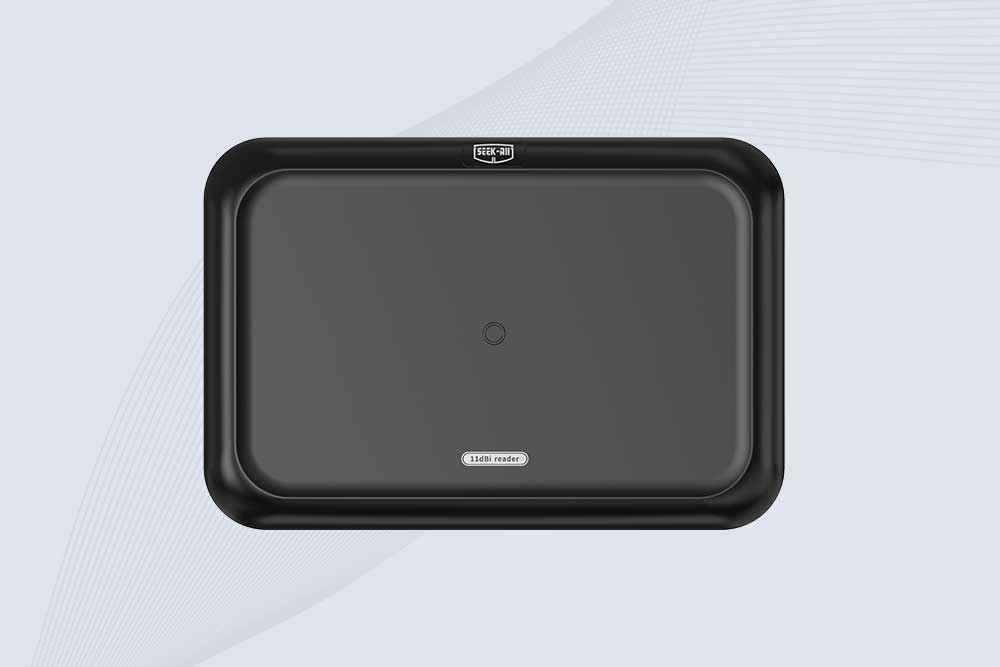
SSD-RA11L is an 11 dBi UHF RFID reader with up to 15m reading distance, 600+ tags/s speed, integrated antenna and flexible connectivity.
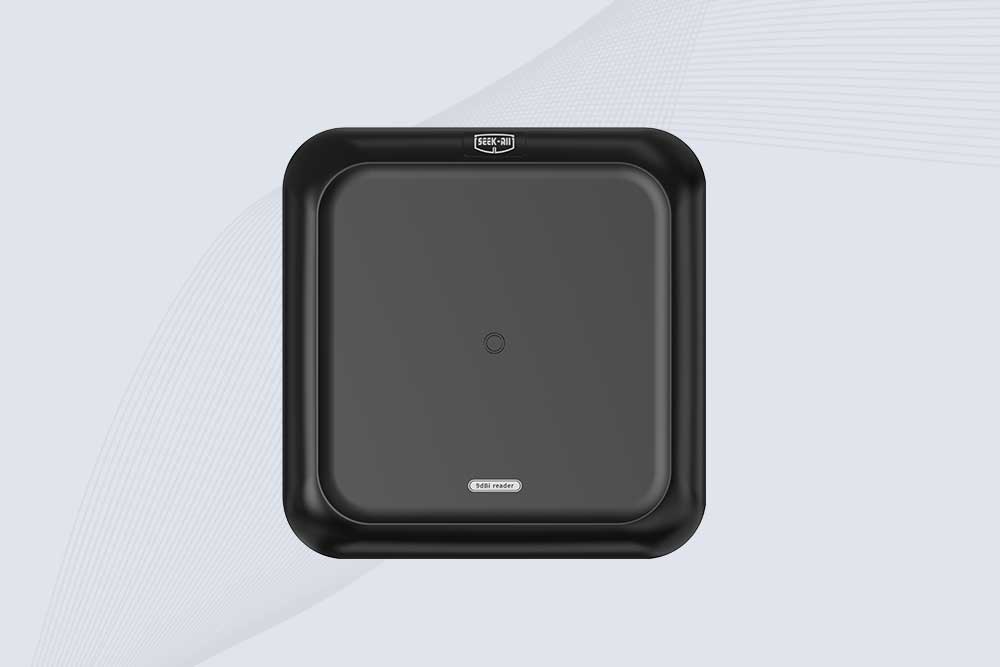
SSD-RA09L is a long range UHF RFID reader with a built-in 9 dBi antenna, 10m reading range, 600+ tags/s speed and flexible interfaces.
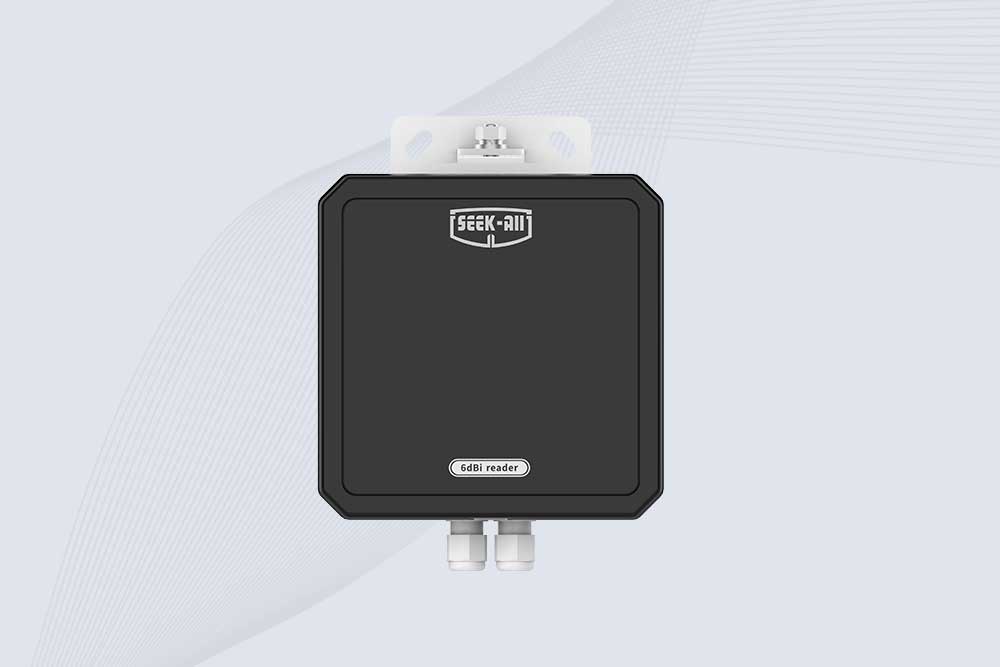
SSD-RA06L is an industrial UHF RFID reader with a built-in 6 dBi antenna, 3 m read range, 600+ tags/s, Ethernet, RS232, and optional Wi-Fi, 4G, and PoE.
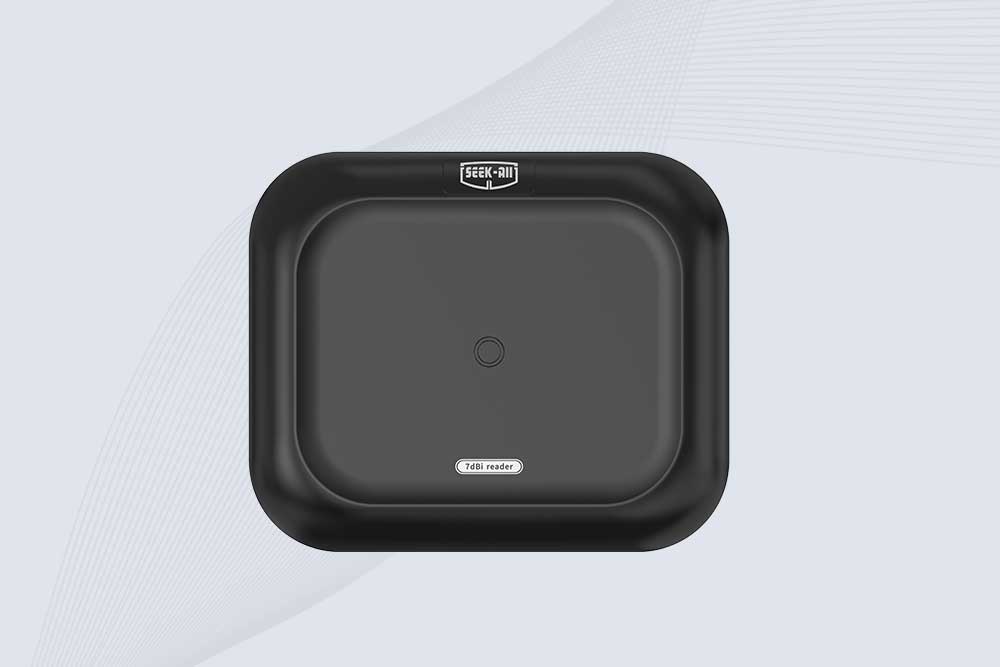
SSD-RA07L industrial UHF RFID reader with integrated 7 dBi antenna, up to 6 m reading distance, over 600 tags/s, Ethernet, RS232, and optional Wi-Fi, 4G, and PoE.

Discover SSD-D4AL, a USB-HID UHF RFID reader with 4/8/16 antenna options, Impinj E710/X3M1 chipset, plug-and-play USB power, and OEM customization.
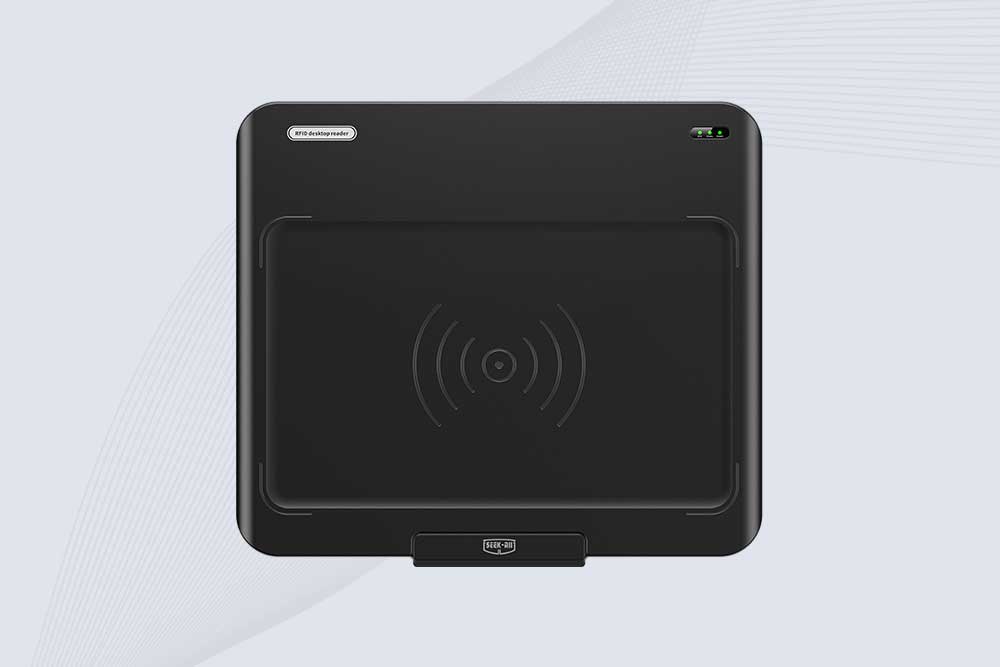
SSD-D3AL is a USB-HID UHF RFID reader with 0–30 cm reading, 0–15 cm writing, over 600 tags/s recognition, USB plug-and-play operation and OEM Logo customization.
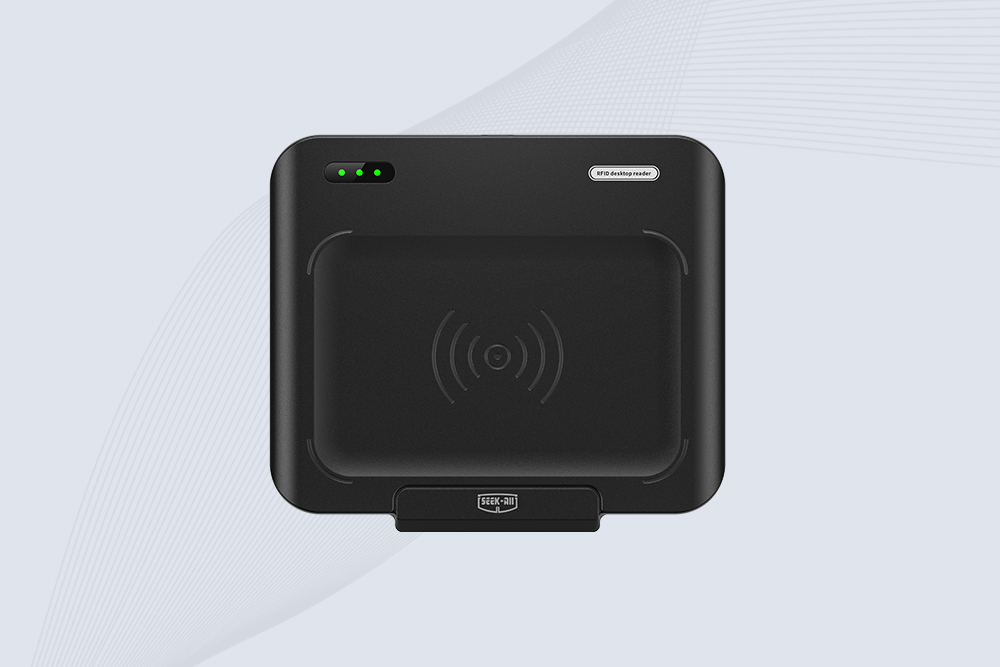
SSD-D1AL is a compact USB UHF RFID reader with Impinj E710/X3M1 chipset, USB-HID, 600+ tags/s recognition, 4/8/16 antenna support and plug-and-play USB power.
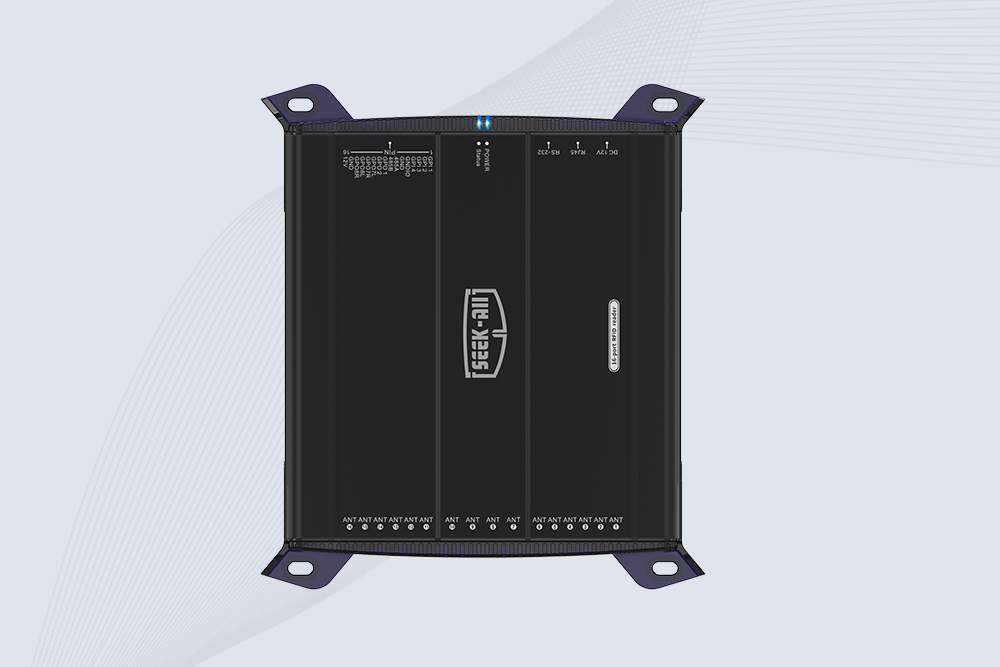
SSD-R16L Multi-Channel RFID Infrastructure for Automated Inventory Management ✔️ 16-Port High-Density RFID Reading Equipped with 16 SMA antenna ports, SSD-R16L supports multi-antenna deployment for warehouses, retail stores, logistics, production lines, and large-area RFID identification. ✔️ High-Speed & Long-Range Performance With up to 33…
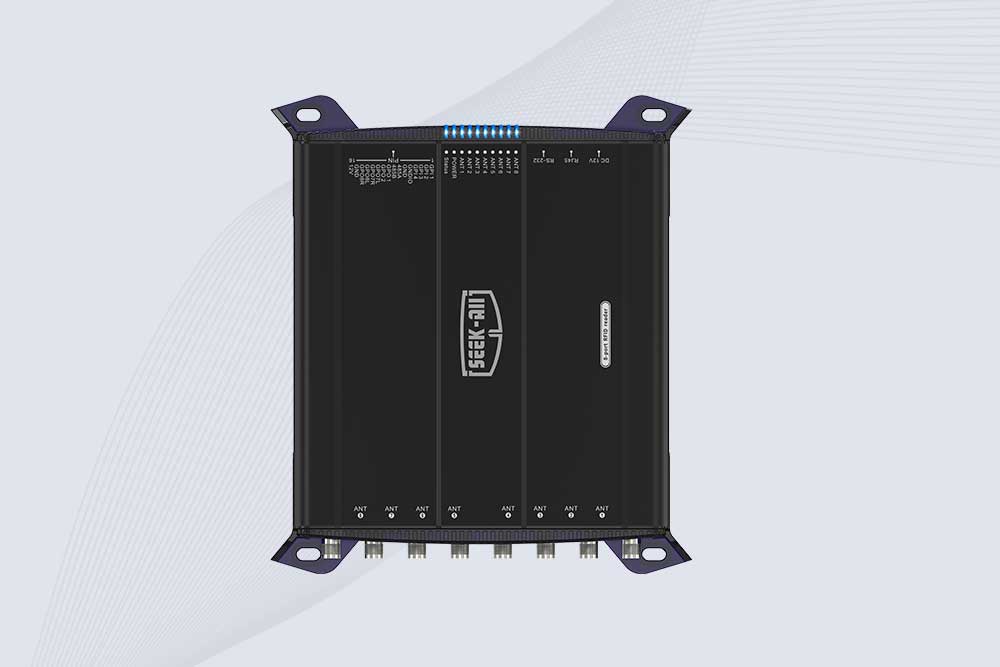
SSD-R8L 8-port UHF RFID reader with 33dBm output, up to 20m reading range and 600+ tags/s recognition. Ideal for warehouse, logistics, retail and asset tracking.
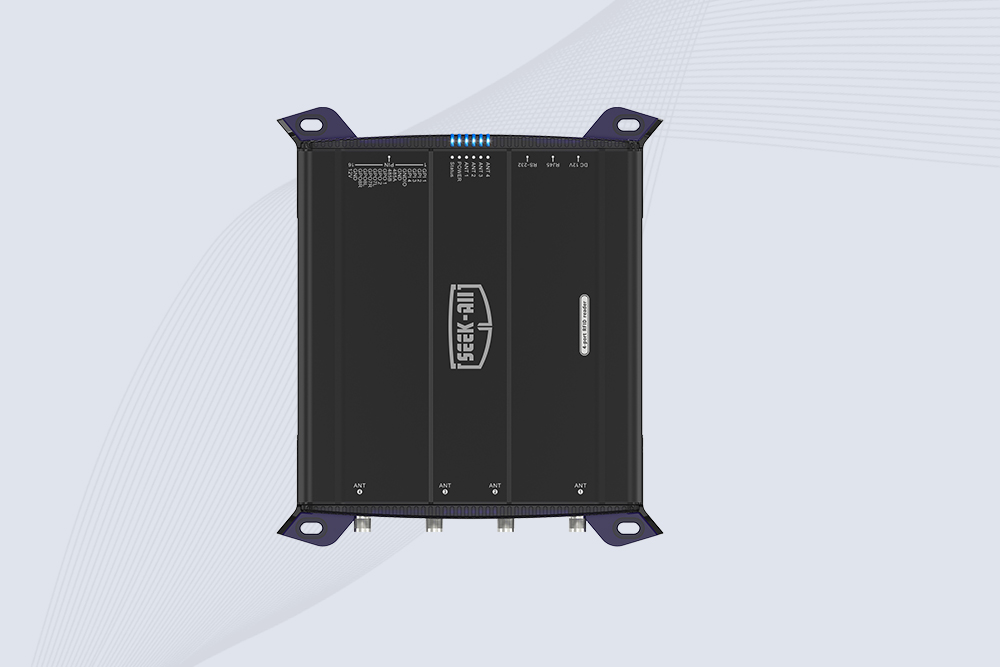
SSD-R4L is a 4-port UHF RFID fixed reader with 33dBm output power, up to 20m reading range, EPC C1G2 support and 600+ tags/s reading speed.

CYKEO CYKEO-D1LA USB RFID Reader is a compact desktop solution with near-field control for precise tag reading and encoding. Powered by USB, supporting ISO 18000-6C, and built for stable batch writing, this usb rfid tag reader fits retail, libraries, offices, and controlled RFID encoding tasks.
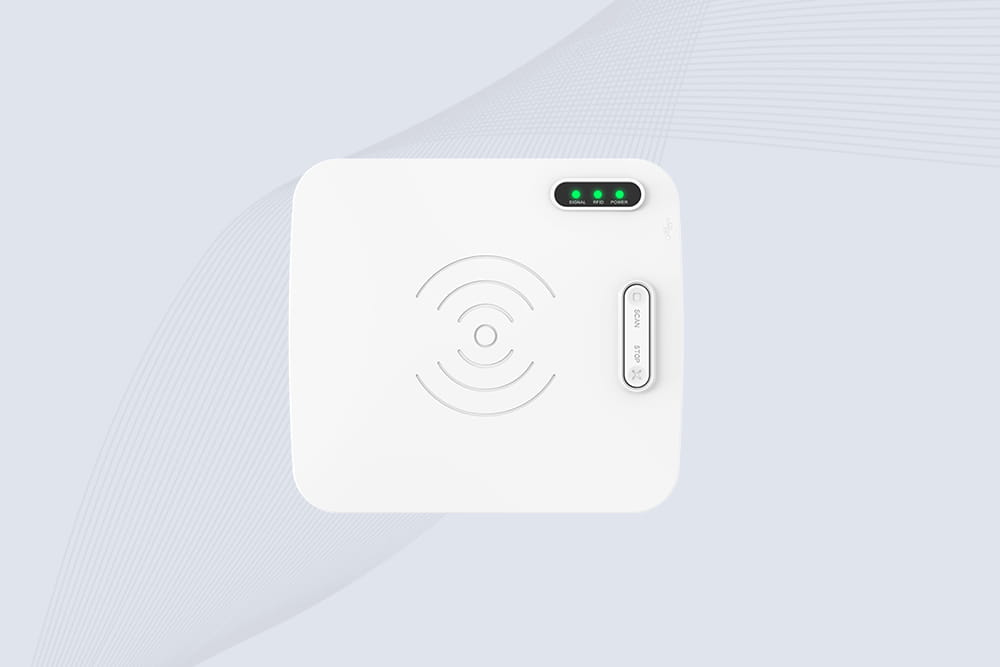
CYKEO CYKEO-D1L RFID scanner USB is a compact desktop UHF RFID scanner designed for short-range tag writing and verification. This usb rfid scanner supports batch encoding, stable 0–26 dBm output, and works across Windows, Linux, and Android systems.
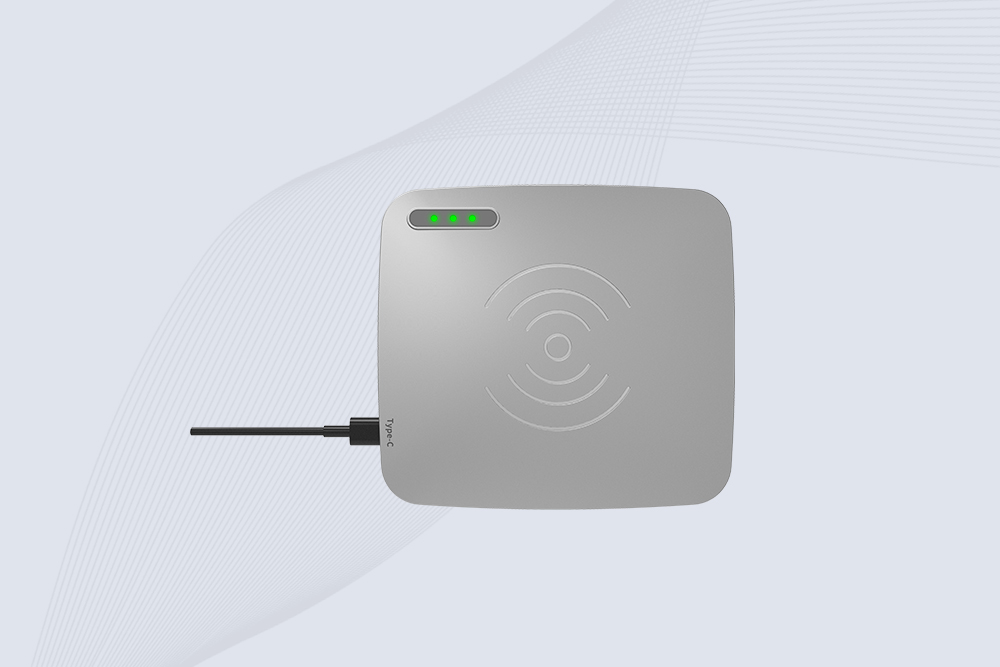
CYKEO CYKEO-D1C USB RFID Card Reader is a near-field UHF desktop writer designed for secure, short-range tag encoding. With USB-C connectivity and stable 26 dBm output, this rfid reader usb c is ideal for badge issuance, label encoding, and controlled desktop RFID workflows.
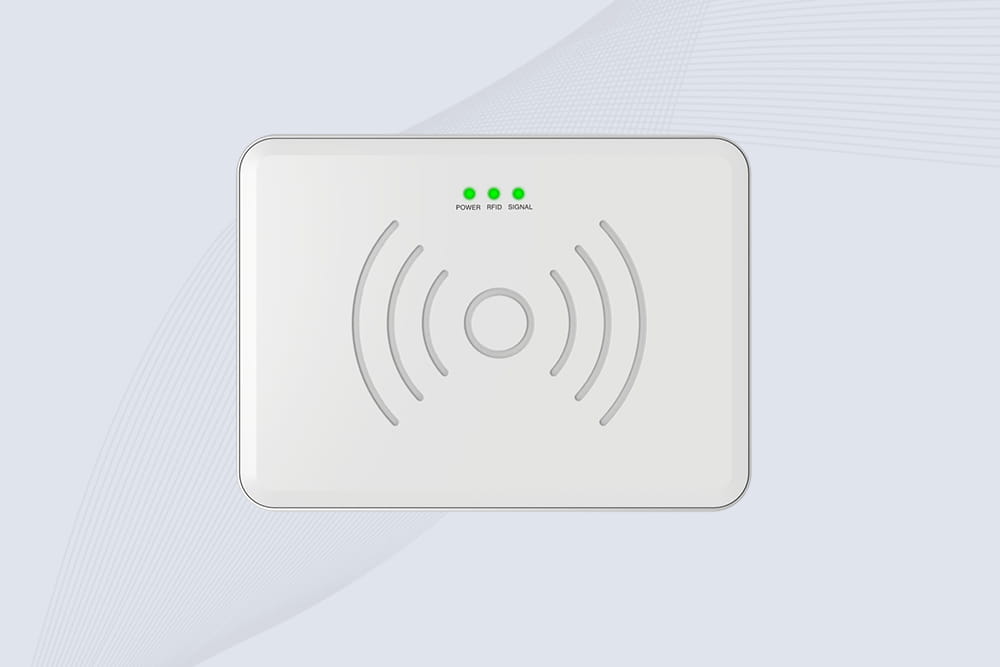
CYKEO CYKEO-D2L RFID Reader USB is a compact desktop encoder built on the Impinj R500 chip. With near-field control and stable USB power, this usb rfid card reader delivers precise tag writing for offices, retail counters, and small-scale logistics encoding tasks.
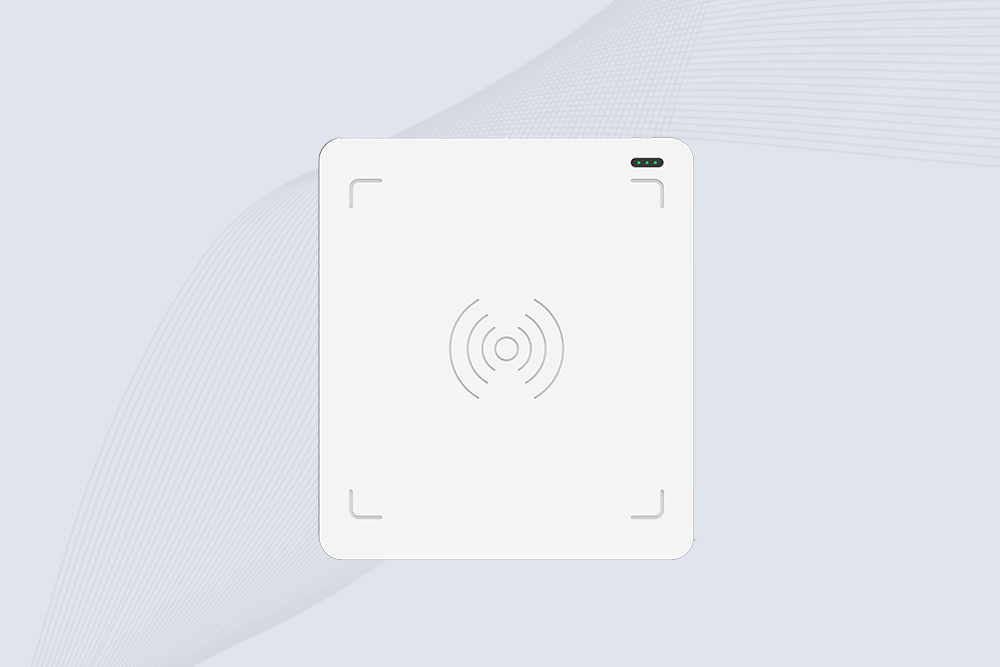
CYKEO CYKEO-D3L USB RFID Tag Reader delivers stable UHF tag reading and writing for daily desktop and light industrial tasks. Designed for controlled short-range operation, this USB RFID Tag Reader works reliably with rfid tag and reader systems in libraries, tool tracking, and inventory registration.
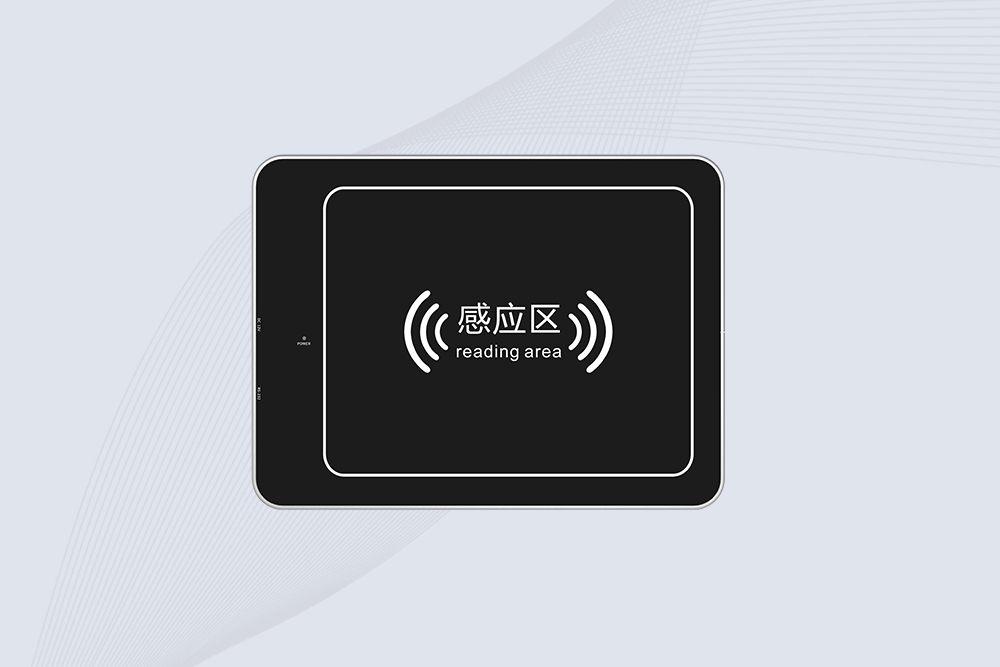
The CYKEO CYKEO-D4L UHF RFID Tag Reader is a stable Desktop RFID Reader designed for accurate tag registration, borrowing, and return workflows. Built with the Impinj R2000 chip, this UHF RFID Tag Reader delivers controlled short-range reads for libraries, asset tracking, and inventory management environments.
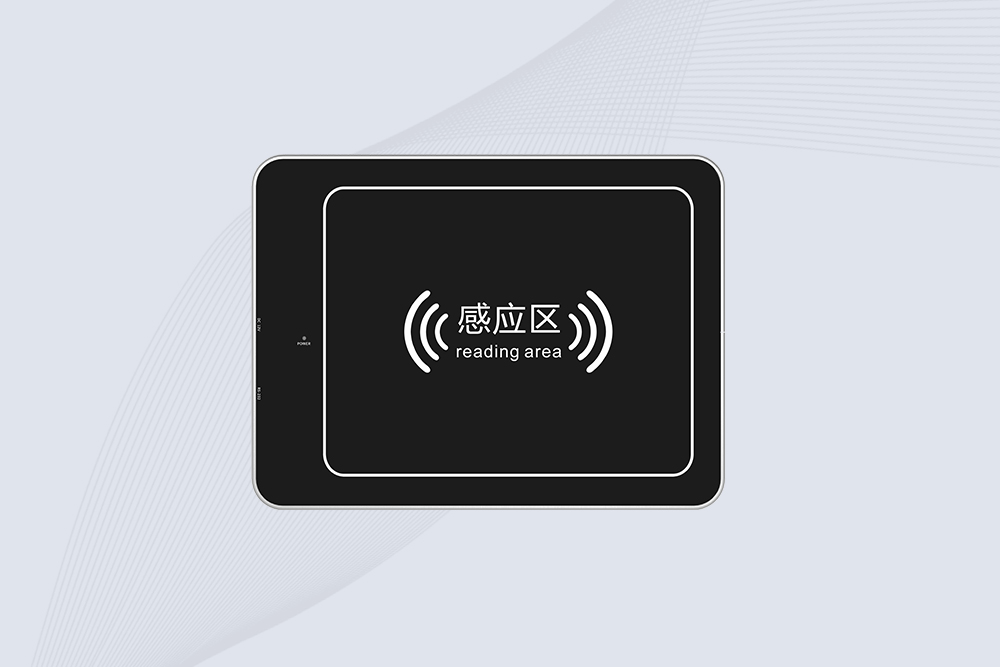
The CYKEO CYKEO-D5L Desktop RFID Card Reader is a stable UHF RFID Card Reader designed for controlled short-range reading and writing. Built for libraries, tool rooms, and asset desks, this UHF RFID Card Reader supports dense tag handling, secure data processing, and easy USB integration.
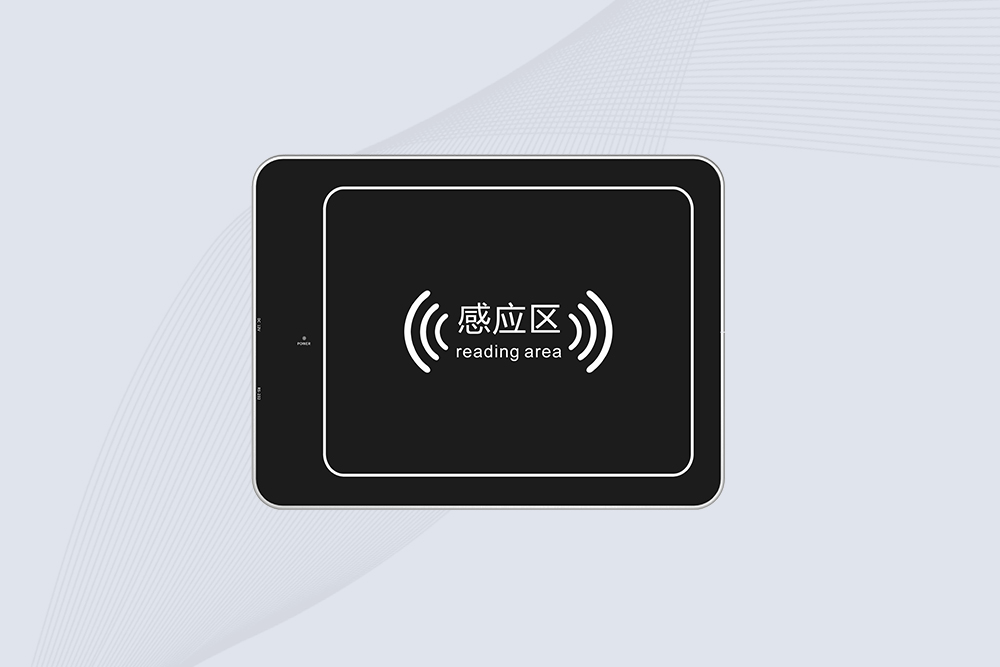
The CYKEO CYKEO-D6L RFID Reader Writer is a heavy-duty Desktop RFID Reader designed for short-range, high-accuracy tag programming. Built for libraries, labs, and asset desks, this RFID Reader Writer supports batch processing, stable 33dBm output, and seamless integration with existing management systems.
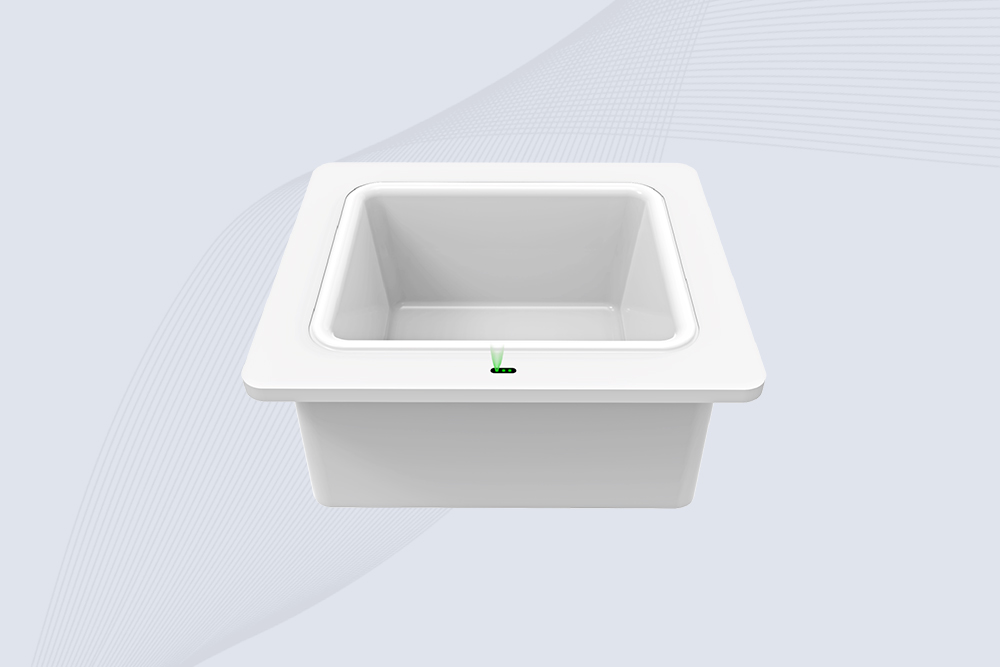
Cykeo CYKEO-D8B UHF RFID tunnel and RFID Desktop Reader features 30+ items batch reading,
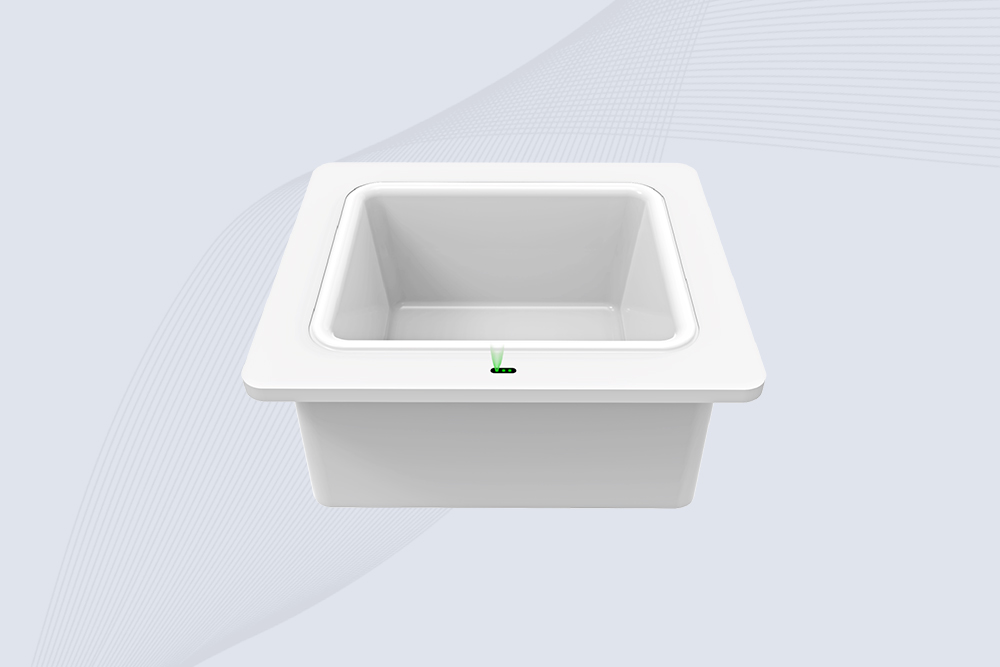
Cykeo CYKEO-D8A embedded RFID badge reader offers 30+ tags/sec scanning, 20cm anti-crosstalk precision, and DC 12V power for unmanned stores, warehouses, and smart inventory systems.
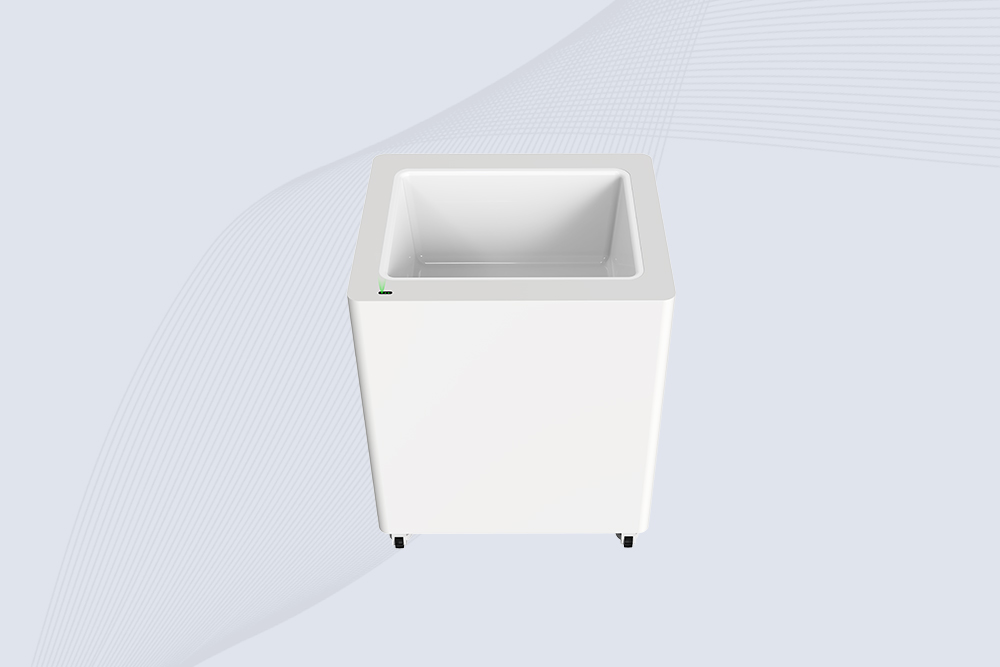
Cykeo’s CYKEO-D8C UHF RFID gate reader achieves 200-tag/batch scanning with adjustable power control, ideal for retail inventory and smart warehouse management.
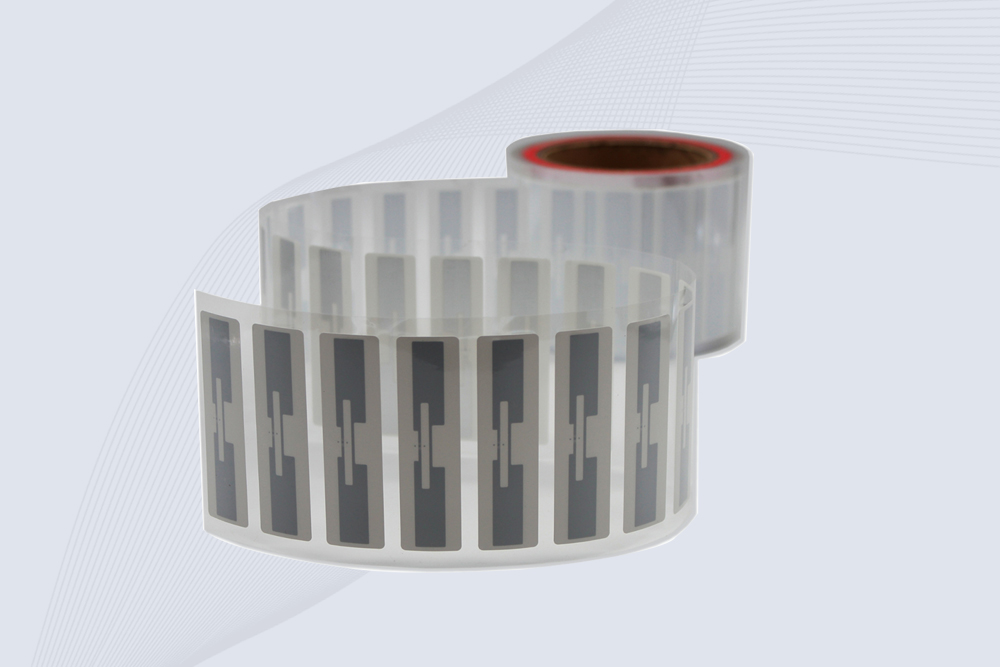
CYKEO Passive RFID Tags are made for wet and high-humidity environments where standard labels do not last. This rfid passive tag is often used around liquids, chemicals and temperature changes, providing stable reading distance and long data life for industrial tracking.
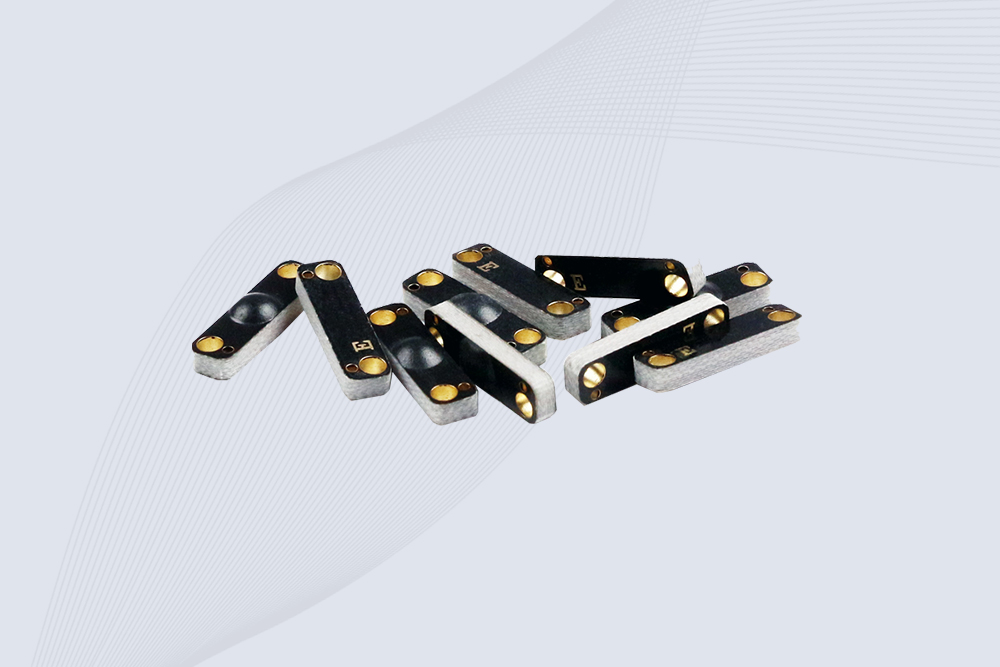
CYKEO CYKEO-PCB1504 Metal RFID Tags is a compact anti-metal UHF RFID solution built for direct mounting on metal surfaces. With stable 8-meter read range, Ucode-8 chip, and long data retention, this rfid metal tag fits tools, containers, automotive parts, and industrial asset tracking.
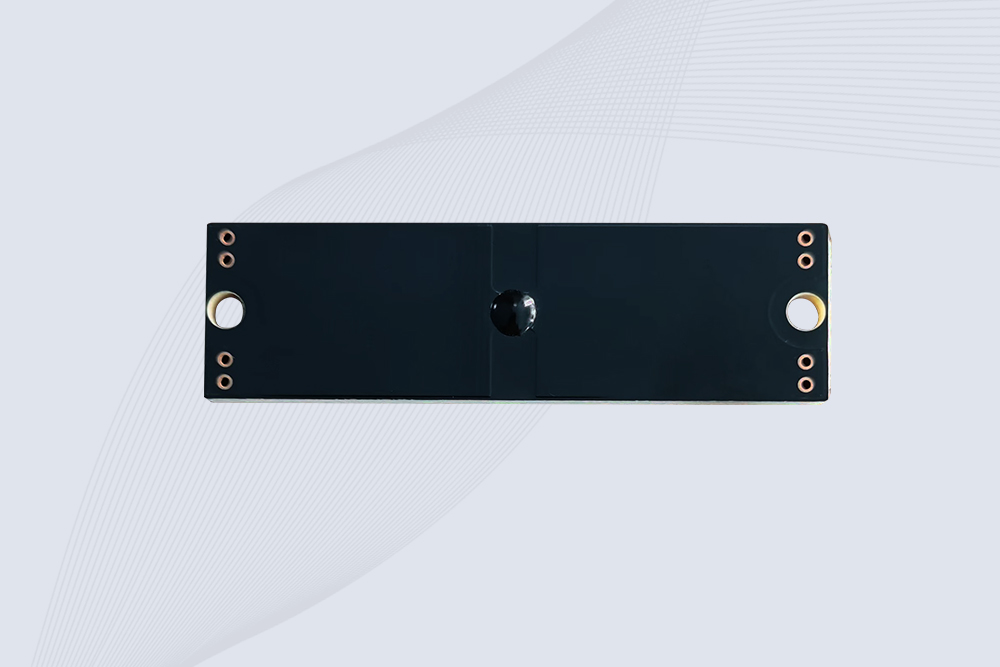
CYKEO CYKEO-PCB7020 On-Metal RFID Tags are designed for reliable tracking on steel and metal surfaces. Built with an FR4 epoxy body and industrial-grade chips, these On-Metal RFID Tags deliver stable performance, long data life, and chemical resistance, making them a dependable RFID anti-metal tag for harsh environments.
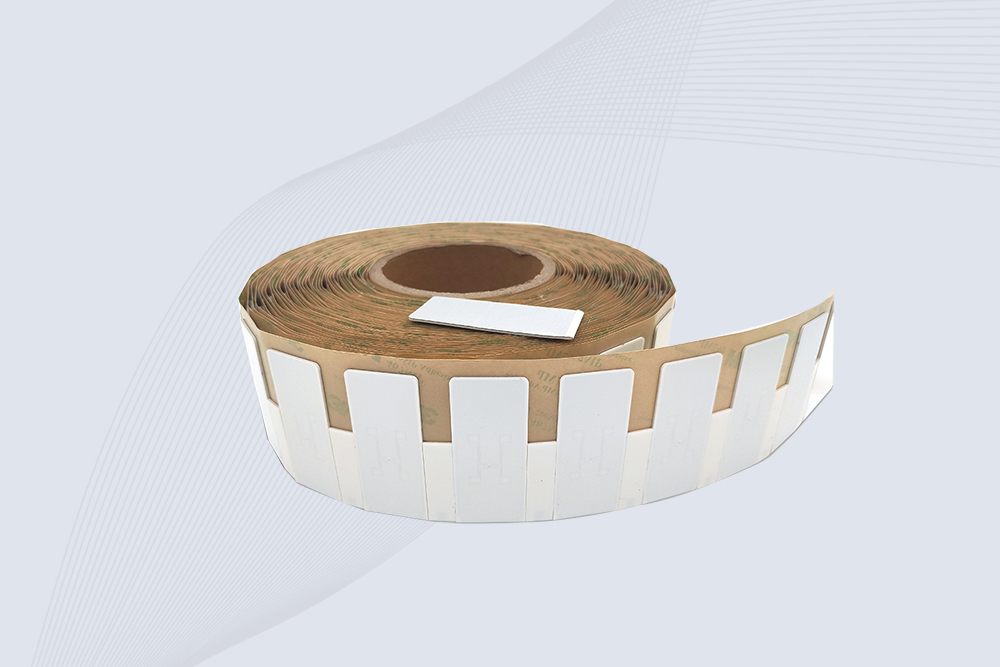
The CYKEO CYKEO-60-25 Anti-Metal RFID Tag is built for metal surfaces where standard tags fail. Designed for long-range performance, harsh environments, and stable data retention, this Anti-Metal RFID Tag is ideal for industrial assets, containers, and equipment tracking using on metal RFID tags.
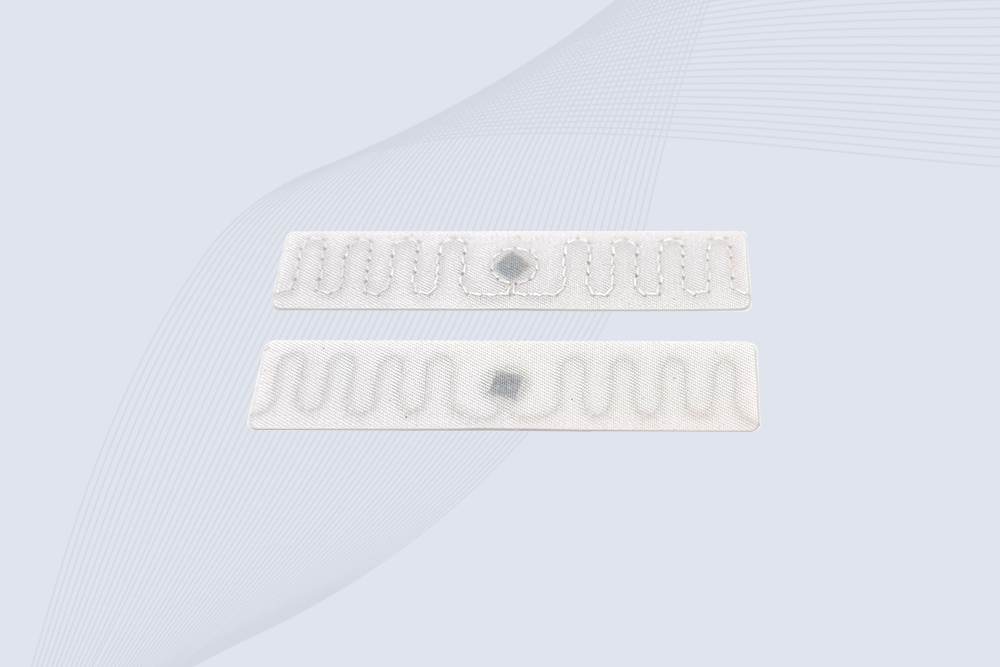
The CYKEO RFID Laundry Tag is designed for long-term textile identification in harsh laundry environments. Built to withstand high heat, chemicals, and repeated washing, this RFID Laundry Tag delivers stable performance for hotels, hospitals, and industrial laundry operations using laundry rfid tags at scale.
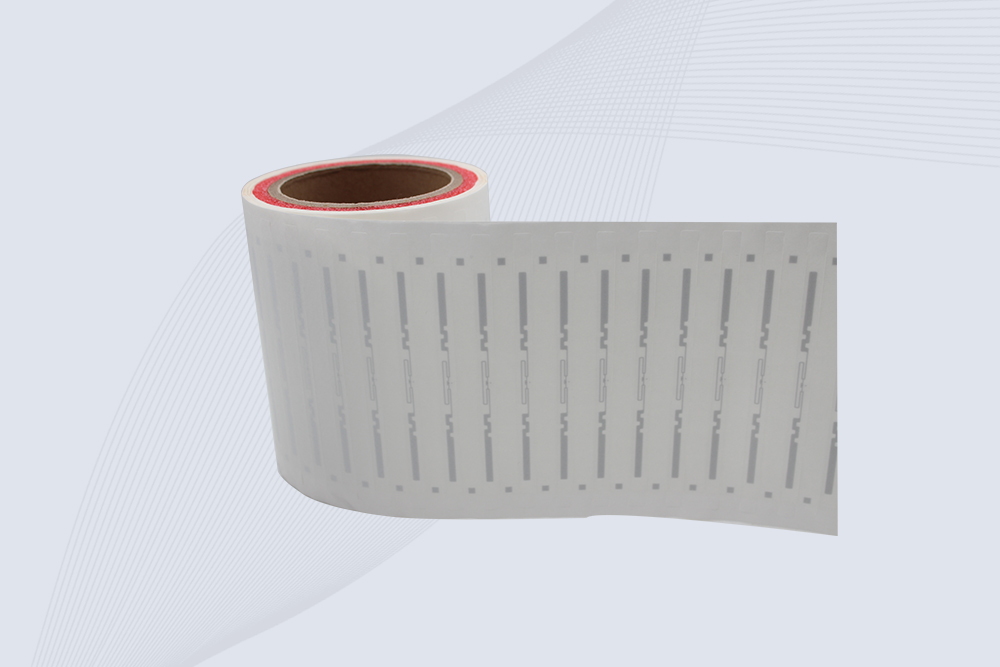
The CYKEO CYKEO-125-7 RFID Book Tag is designed for reliable book and document tracking in libraries and archives. This RFID Book Tag delivers long read range, dense placement support, and stable performance on shelves, making it a practical rfid tag on books for library automation, file management, and archival systems.
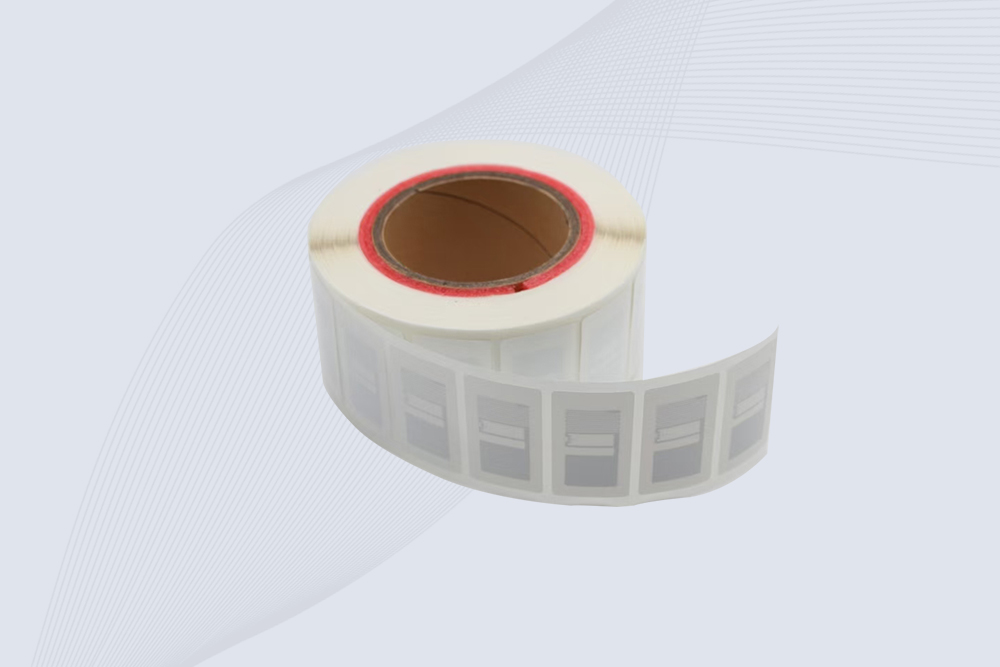
CYKEO RFID tags in hospitals are designed for sterile environments where accuracy matters. These autoclavable RFID tags support long-term tracking of surgical tools, implants, and medications, helping hospitals improve visibility, compliance, and patient safety.

CYKEO RFID Cable Tie Tag is built for reliable identification on metal surfaces. This UHF RFID Cable Tie Tag is widely used in rfid tags for inventory systems, industrial asset management and Hospital RFID Tags, offering stable read performance, long service life and global EPC Gen2 compatibility.
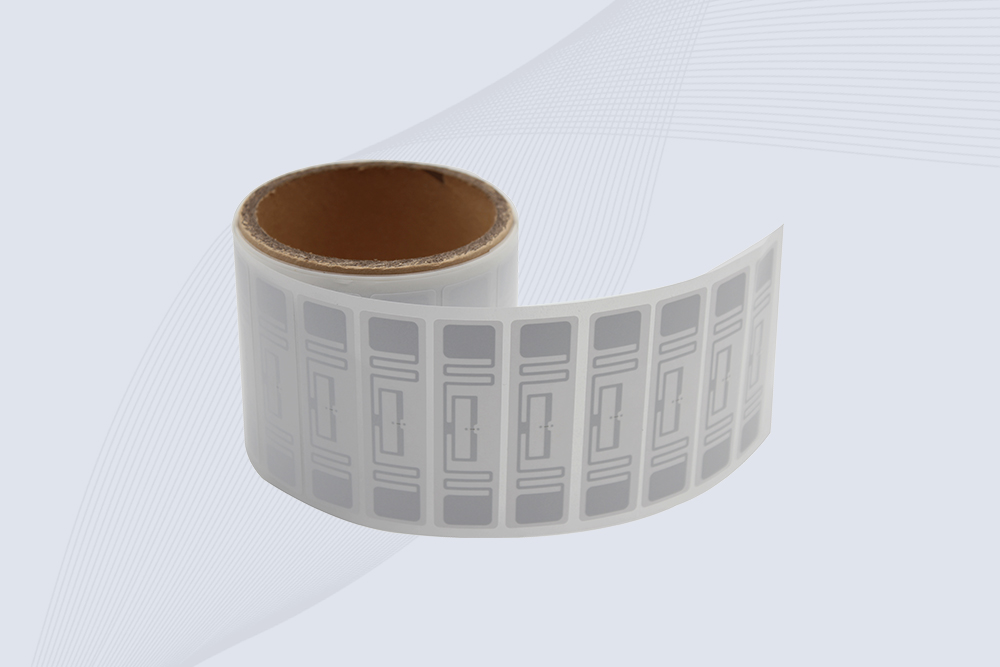
CYKEO RFID Asset Tag is designed for stable identification of metal assets in industrial environments. This UHF RFID Asset Tag is commonly used for rfid tag asset tracking on equipment, tools and containers, providing reliable reads, long service life and ISO/IEC 18000-6C support.
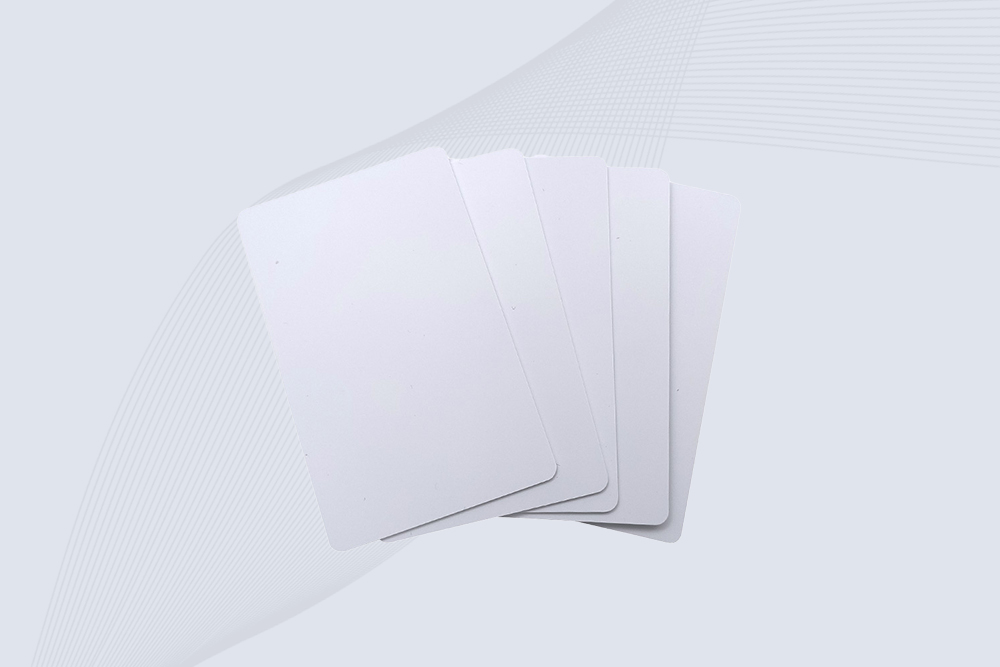
CYKEO UHF RFID Card is designed for fast identification and long-term use in industrial and commercial systems. Supporting ISO 18000-6C, this UHF RFID Card works at 860–960 MHz and is suitable for custom RFID cards used in asset tracking, access control and inventory management.
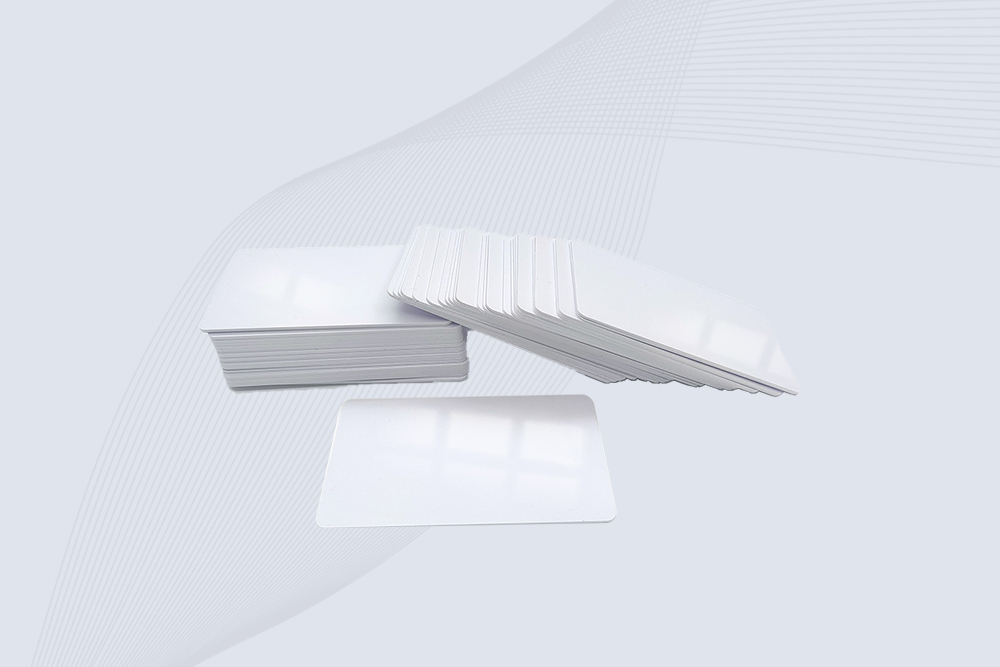
CYKEO HF RFID Cards are designed for secure and stable access control systems. These 13.56 MHz RFID key cards support ISO 14443-A, reliable rewriting and long service life, making HF RFID Cards suitable for offices, campuses, events and membership management.
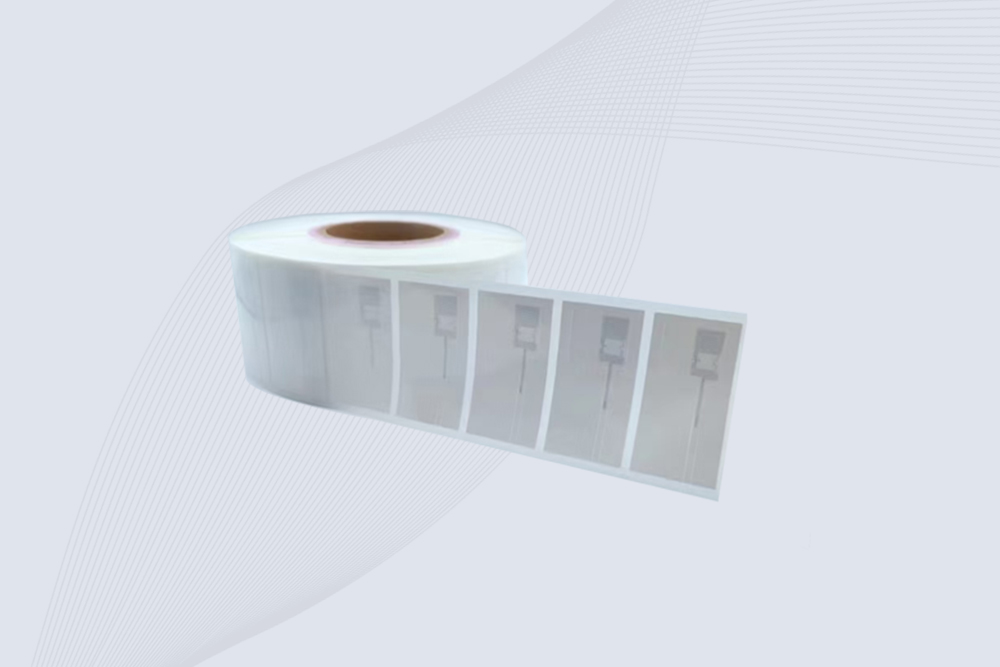
CYKEO UHF RFID Tag is designed for reliable tracking of metal jewelry and high-value items. This Jewelry RFID Tag supports long-range reading up to 8 meters, anti-counterfeit protection and stable performance on metal, making it suitable for retail, inventory control and asset management.
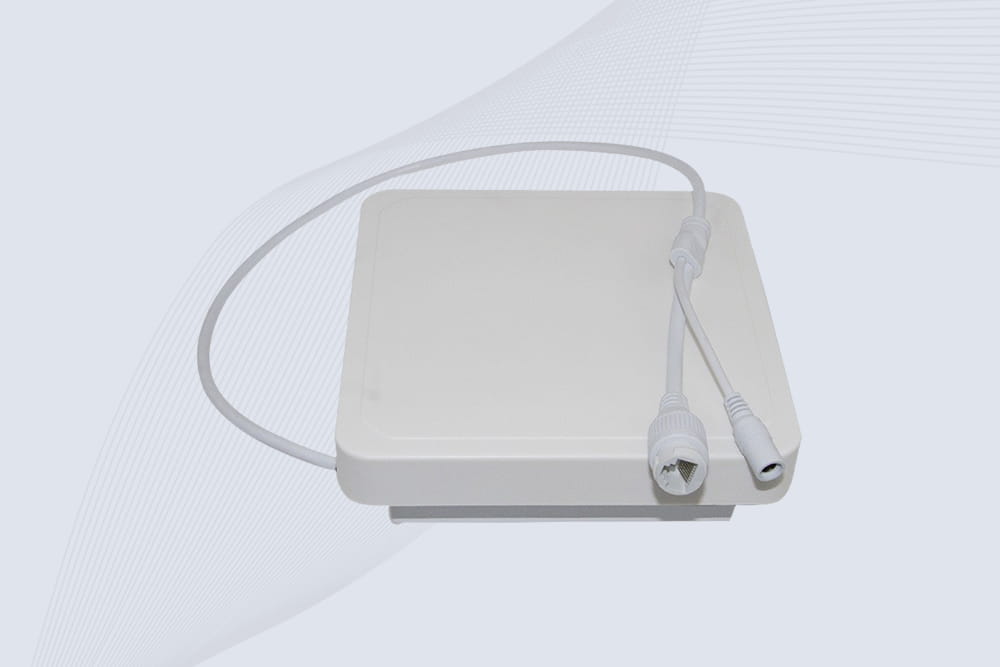
Cykeo’s industrial long range RFID reader delivers 20-meter scanning, 500+ tags/sec speed, and IP67 waterproof design for automated warehouses, logistics, and harsh environment applications.
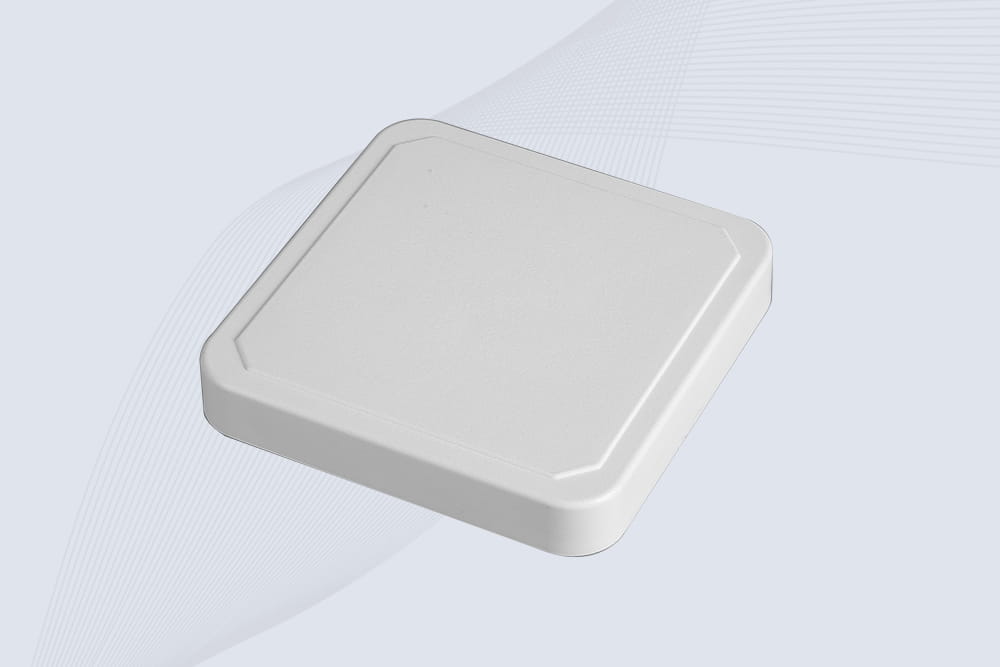
Cykeo’s CYKEO-RA6L industrial RFID long range reader features 20m read distance, 500 tags/sec speed, and IP67 protection. Ideal for warehouse automation, manufacturing WIP tracking, and smart logistics. Supports ISO 18000-6C/6B protocols.
CYKEO Long Range RFID Tag Reader built for outdoor and industrial operations. This Outdoor RFID Reader delivers 20m read distance, fast tag processing, and IP67 durability for wide-area tracking.
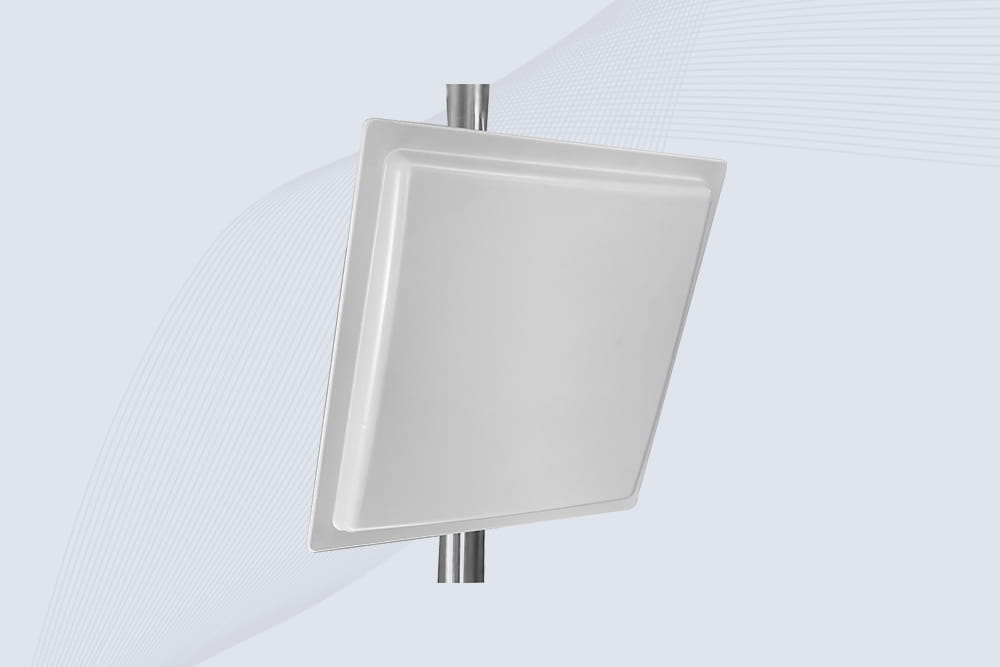
Cykeo CYKEO-RA12L industrial Long Range RFID Reader delivers 20m read range, 200+ tags/sec scanning, and IP67 protection for manufacturing/logistics applications. Supports ISO 18000-6C/GB protocols.
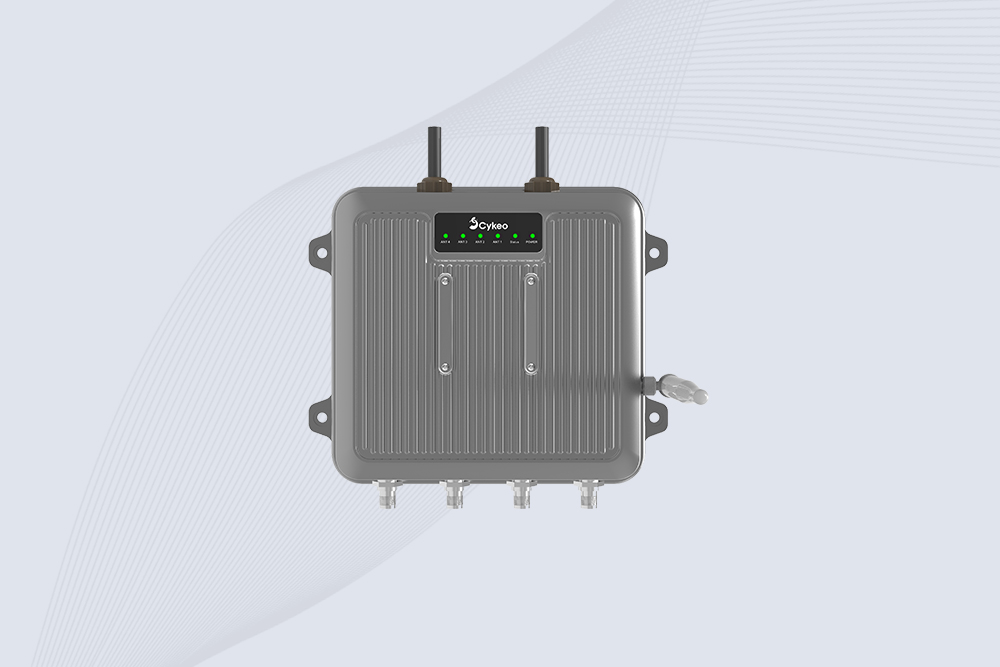
Cykeo CYKEO-C1 industrial Forklift RFID Reader features 20m read range, 600 tags/sec scanning, Impinj R2000 chipset, and IP67 rugged design. Ideal for warehouse logistics and manufacturing. Supports ISO 18000-6C/6B protocols.
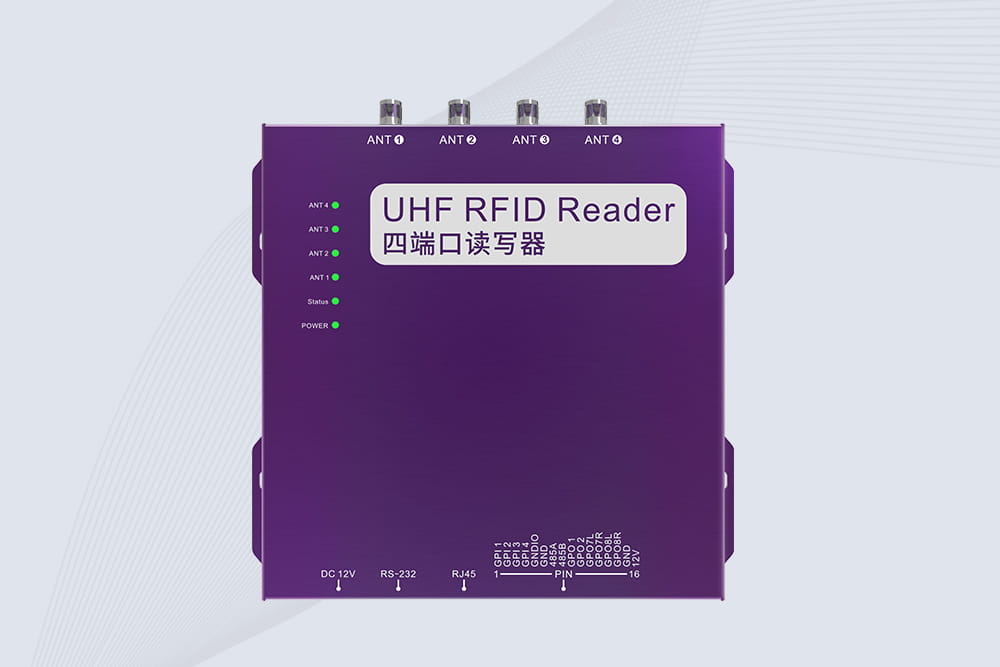
Cykeo CYKEO-R4 industrial UHF RFID Fixed Reader features 4 TNC ports, 400+ tags/sec speed, IP67 housing, and global frequency compliance for vehicle inspection, smart warehouse, and asset management systems.
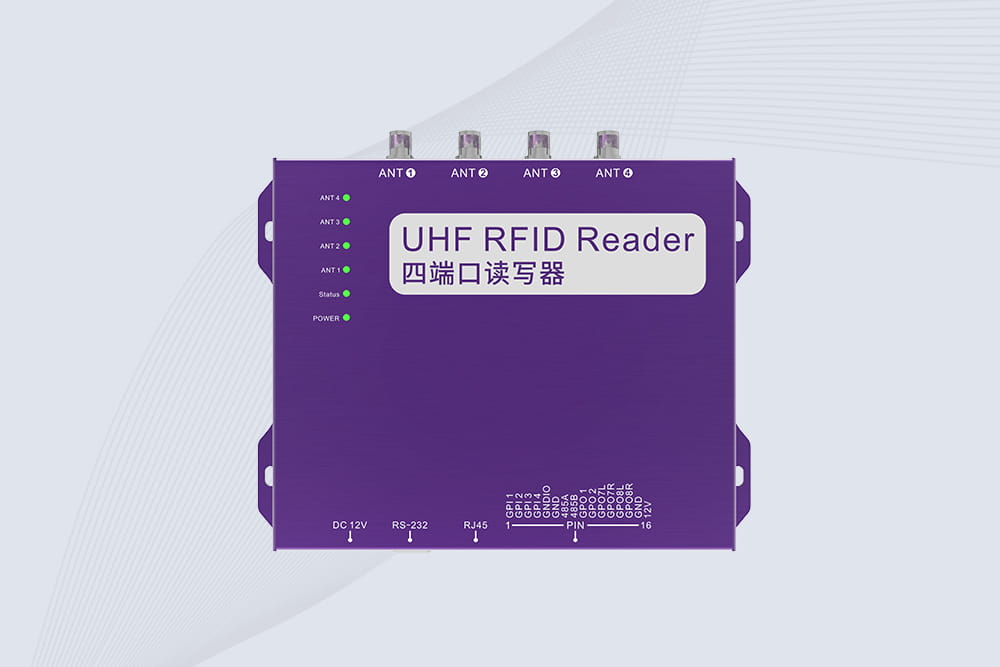
Cykeo’s CYKEO-R4L 4-port Fixed UHF RFID Reader delivers 400 tags/sec scanning, ISO 18000-6C compliance, and IP65 protection. Ideal for warehouse automation, manufacturing WIP tracking, and logistics management.
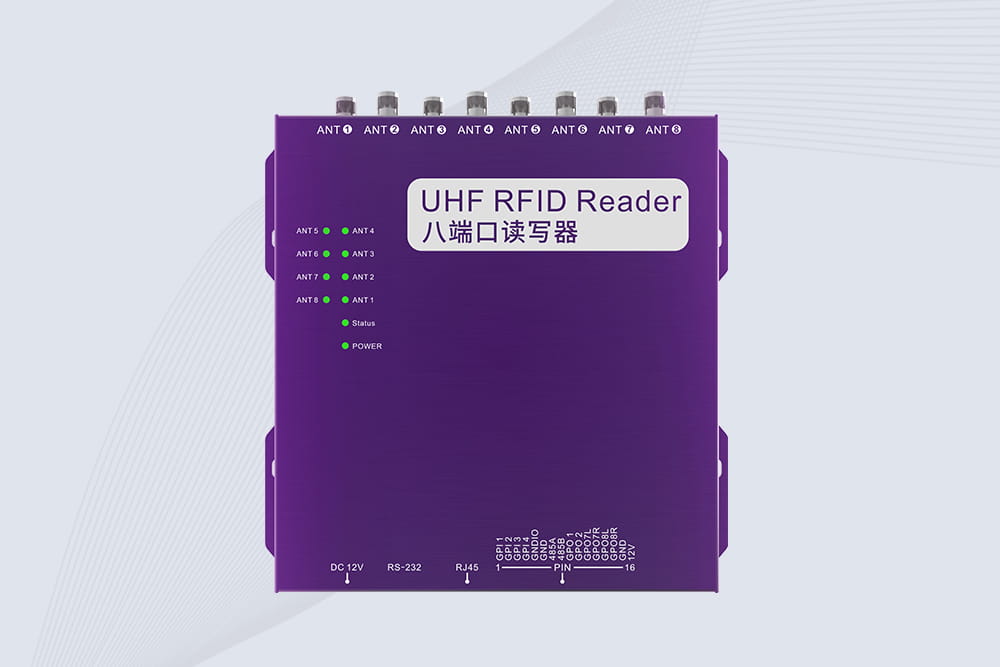
CYKEO CYKEO-R8L Fixed RFID Reader with 8-port UHF design, Impinj-based RF core and up to 20m read range. An industrial Fixed RFID Reader for vehicle inspection, warehouse portals, smart manufacturing lines and secure access checkpoints.
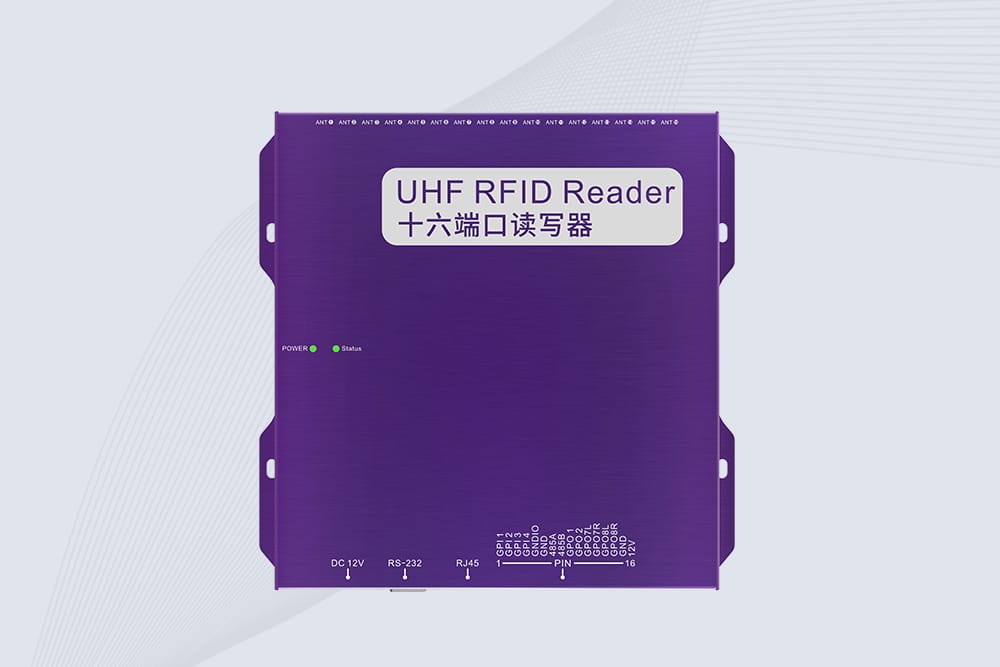
RFID Fixed Reader from CYKEO – the CYKEO-R16L 16-port UHF fixed reader for warehouses, smart cabinets, and production lines. Long-range, multi-tag reading, stable performance for 24/7 industrial use.

A practical guide to choosing UHF RFID book tags for library projects, including performance, cost, and bulk purchasing tips.
More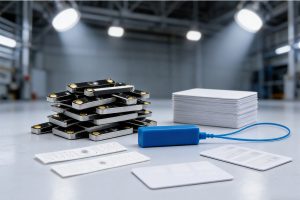
Learn about different types of RFID tags including passive, active, and UHF tags. Discover industrial RFID tag examples for metal, laundry, jewelry, and asset tracking.
More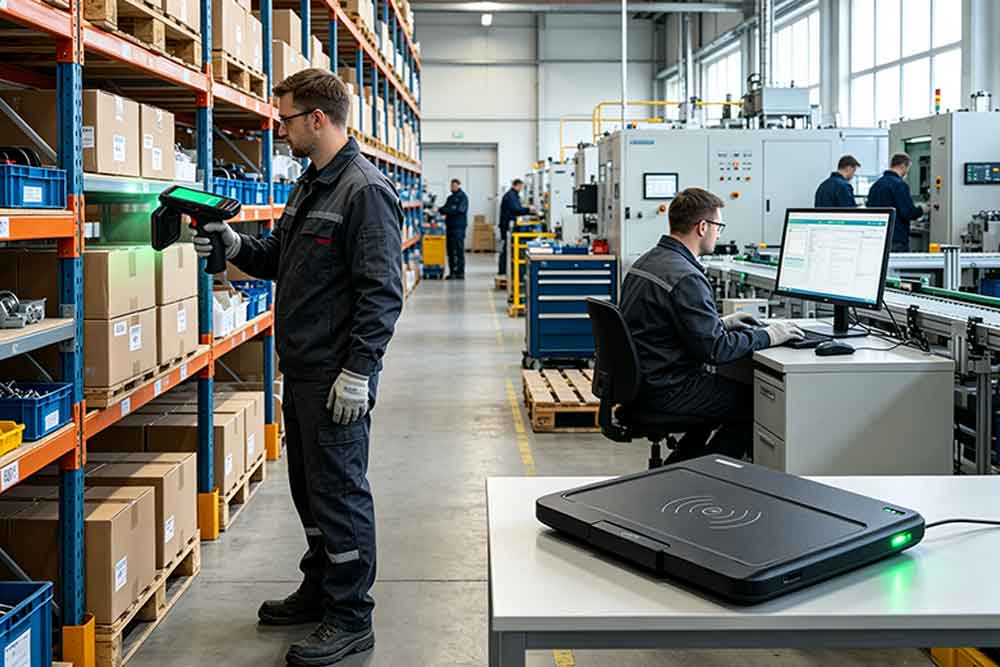
An RFID scanner can be a handheld terminal, desktop device, or industrial reader that uses radio frequency communication to identify and manage RFID tags.
More
Learn how hospitals demonstrate ROI for RFID investments through asset tracking, inventory control, workflow efficiency, medication management, and RFID-enabled parking systems that improve operational performance and reduce costs.
More