 Cykeo RFID IoT Solution Products R&D Manufacturer
Rfid School Attendance System: Game-Changer in Educational Management
1236Rfid School Attendance System, with its advanced technology and innovative management approach, is rapidly becoming a preferred choice in the education sector.
MoreAll RFID Product
If you’re getting into RFID, one thing becomes obvious pretty fast—there isn’t just one kind of tag. There are dozens. And choosing the wrong one can mess up your whole system.
So instead of overcomplicating things, let’s break down the different types of RFID tags in a simple, real-world way—what they are, how they work, and where each one actually makes sense.
At the highest level, RFID tags fall into three categories:
These are the ones you’ll see everywhere.
They basically “wake up” when a reader scans them and send data back.
Where they’re used:
Most industrial RFID deployments use passive tags because they’re low cost and maintenance-free.
These are the opposite.
Where they’re used:
Downside? Expensive, and batteries don’t last forever.
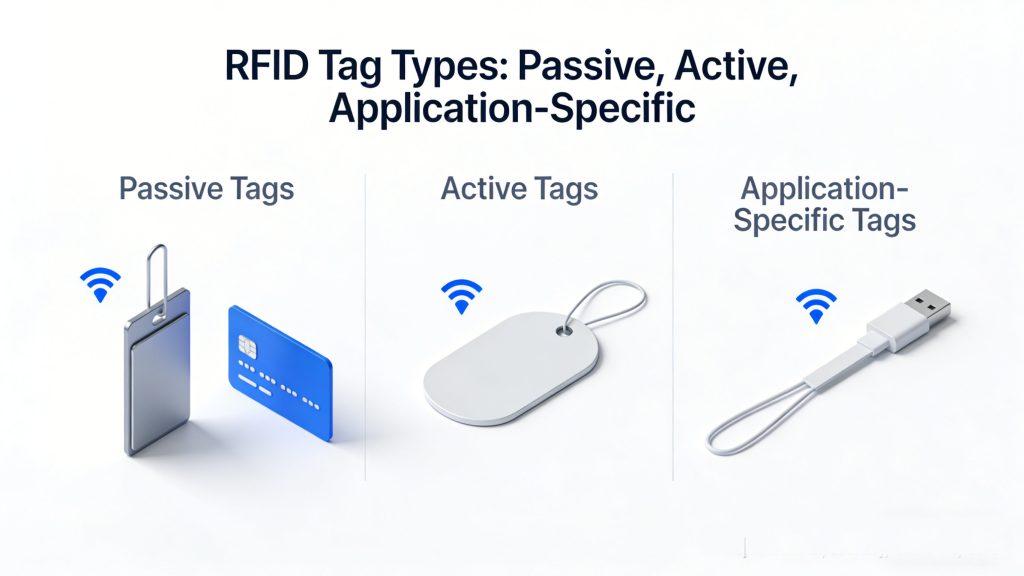
Think of these as a hybrid.
Where they’re used:
Even within passive tags, there are different frequency types:
Example:
You’ll typically see HF cards like access badges, such as CK-BQ8554HF HF RFID Cards
used in offices, hotels, and campuses.
This is the go-to for:
Here’s where things get practical. In real projects, tags are chosen based on environment + use case, not just type.
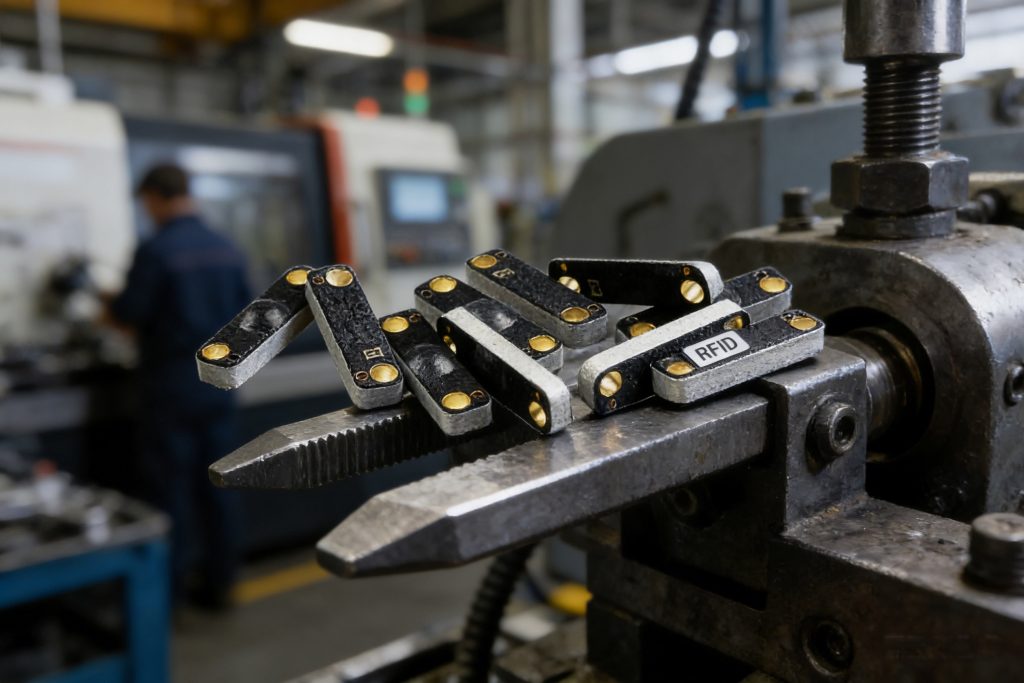
Metal usually kills RFID signals—but not these.
Example:Industrial Metal RFID Tags
Used for:
If you’re tagging metal surfaces, this is non-negotiable.
Liquids can mess with RF signals too.
Example:CK-BQY7320 Anti-Liquid Passive RFID Tags
Used for:
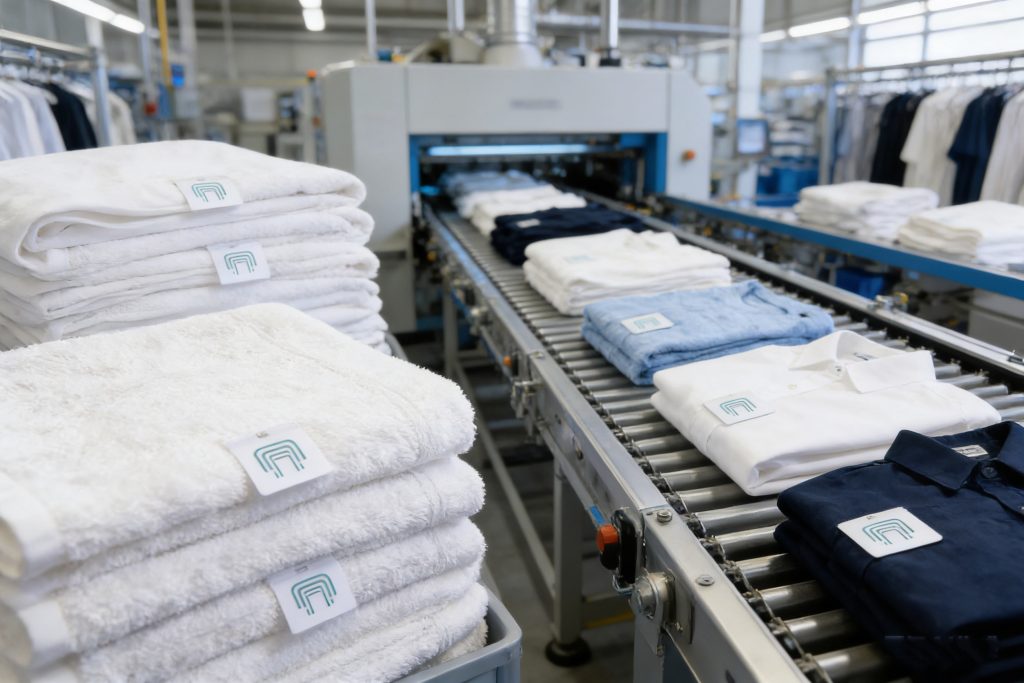
Built to survive heat, pressure, and washing cycles.
Example:CK-BQ7015 Industrial RFID Laundry Tag
Used for:
These are designed to last through hundreds of washes.
Simple but super effective.
Example:CK-BQ8828 UHF RFID Cable Tie Tag
Used for:
Great for fast deployment—just lock and go.
Small, lightweight, and precise.
Example:CK-BQ6826 Jewelry UHF RFID Tag
Used for:
Beyond function, tags also differ in physical form:
Most passive tags fall into either inlays (thin) or hard tags (rugged) depending on the environment.
Instead of overthinking specs, just answer these:
There’s no “best” RFID tag—only the one that fits your job.
Most real-world systems use:
If you get the tag choice right from the start, everything else—read accuracy, system stability, ROI—gets way easier.

Rfid School Attendance System, with its advanced technology and innovative management approach, is rapidly becoming a preferred choice in the education sector.
More
Learn how to hook up an RFID antenna to Arduino using common modules like the RC522. Our guide covers the connections, code basics, and what to do when it doesn't work.
More
Wondering "can RFID reader read NFC tag"? Discover the technical relationship between RFID and NFC, compatibility factors, and how CYKEO solutions bridge both technologies for seamless access control.
More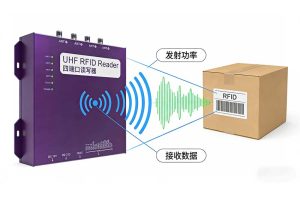
Ever wondered how does an RFID reader work? We break down the process into simple steps, from powering tags to reading data, without the confusing jargon.
More