When most people hear RFID card reader, they think of a badge on a lanyard—tap, beep, door opens. Simple enough, right? Well, I’ve spent enough time installing these systems to know it’s rarely that smooth.
These readers talk to cards using radio waves. Tags can be passive (no battery) or active (battery-powered), and each type behaves differently. I remember one office where low-frequency readers kept missing cards if employees held them slightly sideways—it caused a lot of sighs at the entrance.
The thing is, RFID readers aren’t just tech toys—they’re part of an access management ecosystem. Cards, readers, and a backend controller work together, but each environment throws its own curveballs.
Breaking Down the System
At the core, an RFID setup has three pieces:
The Tag or Card: Stores information and sends it back to the reader.
The Reader: Emits radio waves to “wake up” the card and grab its data.
The Backend/Controller: Checks permissions, logs access, and sometimes sends alerts.
In theory, it sounds straightforward. In practice, it’s full of quirks. Metal shelves, forklifts, even liquid containers can interfere with the signal. My rule of thumb? Test in the real environment before committing to one setup. Moving a reader a few inches can make all the difference.
Office Life with RFID
In office buildings, these systems are everywhere—mostly for employee entry. The trick is balancing convenience with security.
I once saw a company implement card-plus-password entry. It was secure, yes, but employees complained about long lines at peak hours. Eventually, management gave in and went back to card-only access. The takeaway: even the most “secure” setup can backfire if it frustrates users. Humans, it turns out, are unpredictable.
Warehouses and Industrial Hiccups
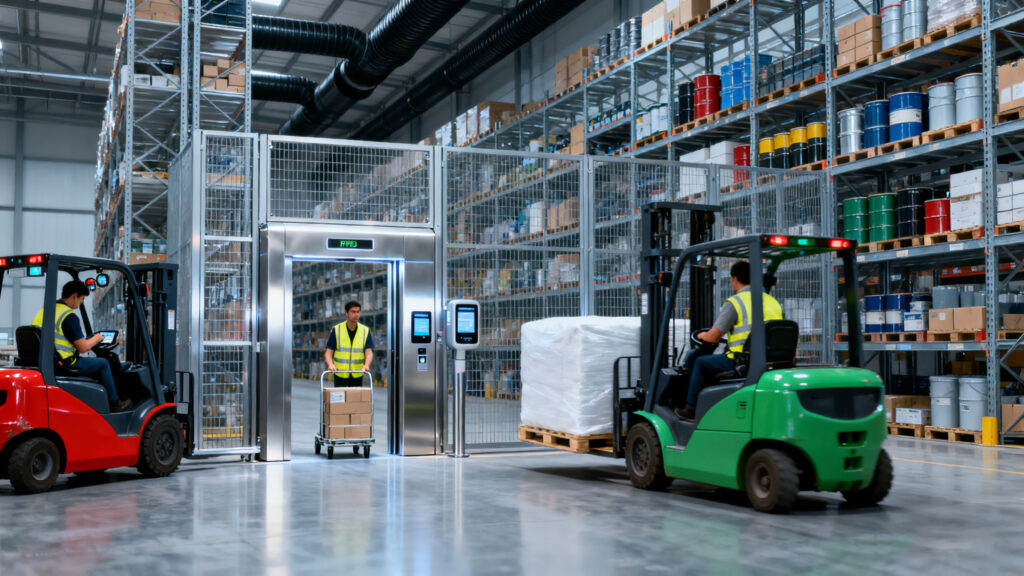
Now, try the same thing in a warehouse. Metal racks, moving forklifts, and machinery love to mess with signals.
Some common headaches:
Cards only read when held right on the reader.
Forklifts can accidentally trigger doors.
Liquid containers sometimes block the signal entirely.
The usual fix? Install multiple readers and cross-check logs. Not perfect, but it works. The key is to accept that human oversight is still necessary.
Schools and Campus Use
Schools use RFID readers for safety and efficiency.
Examples I’ve seen:
Library access logs study hours.
Dorm entry is tied to attendance.
Parents get notifications about kids’ comings and goings.
It’s convenient, but students sometimes feel watched too closely. Privacy concerns are real, and systems often need tweaking based on feedback.
DIY Projects and Learning
For hobbyists, modules working at 13.56 MHz can integrate with Arduino or other microcontrollers.
Lessons I’ve learned the hard way:
Card detection depends on antenna placement—slightly off and it won’t read.
Nearby electronics can interfere.
Code mistakes can completely stop recognition.
Start small. Don’t expect a perfect system on the first try. Play, fail, adjust, repeat—that’s how you really learn.
Security You Can’t Ignore
People sometimes forget: RFID isn’t just about opening doors.
Encrypted cards prevent cloning and unauthorized access.
Backend logs should be protected. You don’t want someone snooping on employee or student movements.
Regular audits are essential.
Lessons I’ve Learned
From my experience, RFID card readers are about 70% tech, 30% human behavior.
Technology solves most problems. People and environments create unpredictability.
Pilot before rolling out. Test, adjust, repeat.
Accept occasional glitches. Perfect systems don’t exist.
Installing hardware is the easy part. The long-term work comes from observing how people actually use it and making adjustments accordingly.
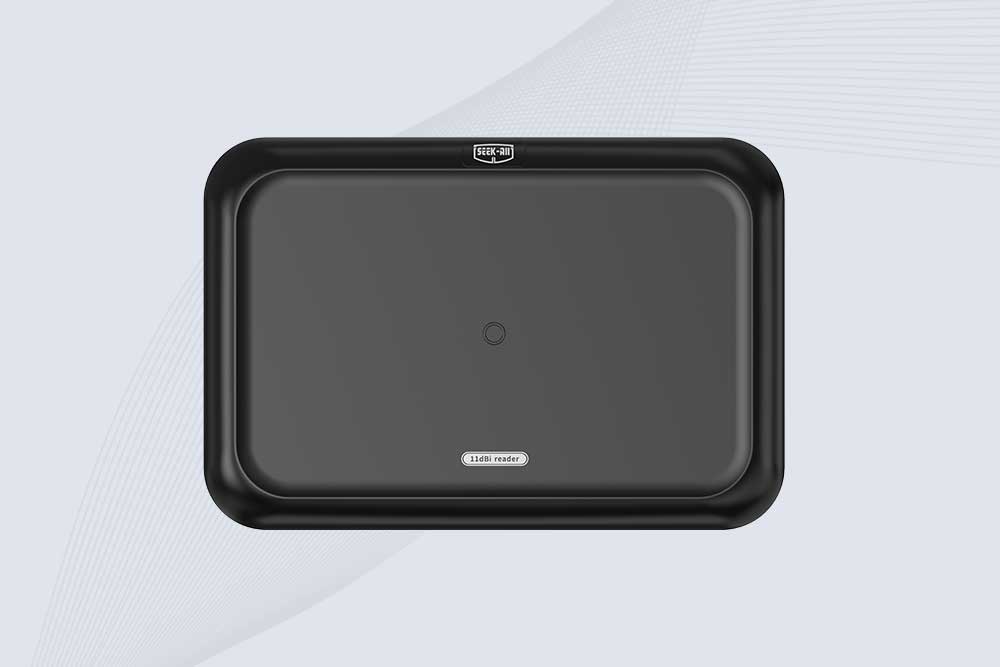
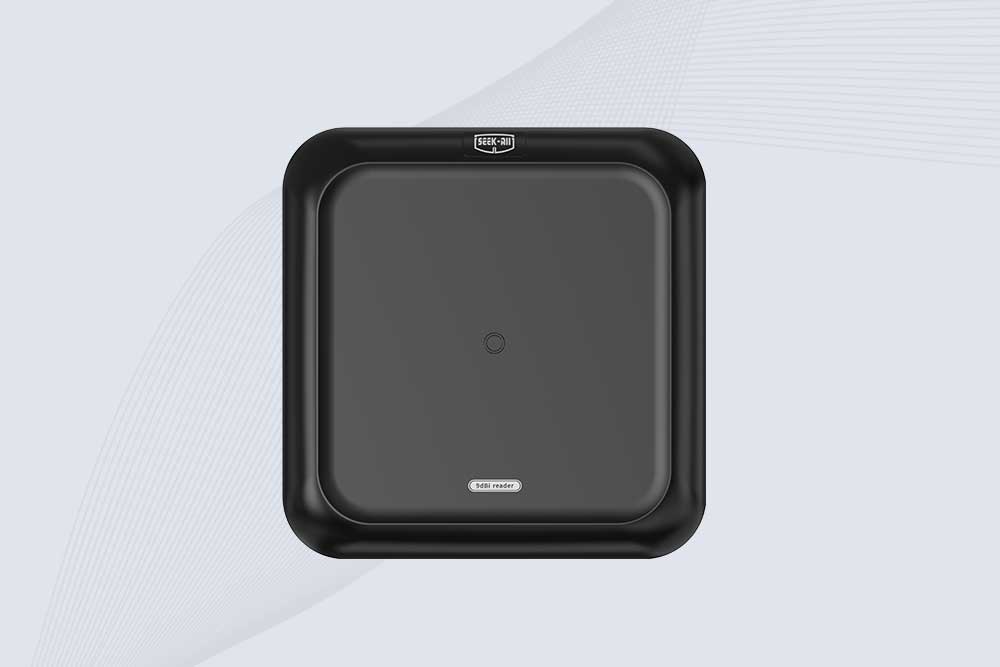
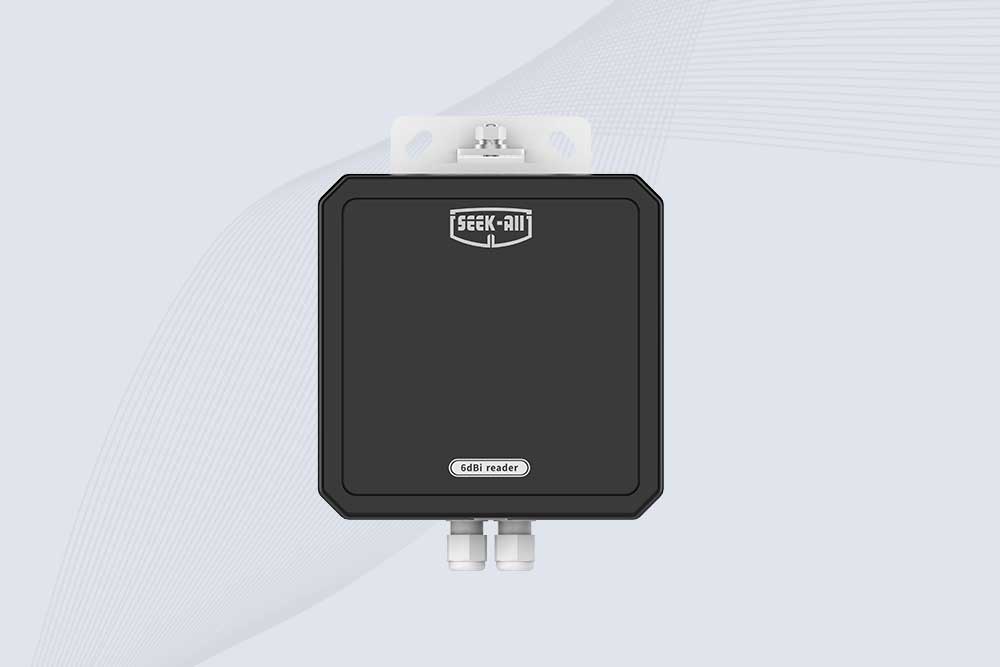
SSD-RA06L is an industrial UHF RFID reader with a built-in 6 dBi antenna, 3 m read range, 600+ tags/s, Ethernet, RS232, and optional Wi-Fi, 4G, and PoE.
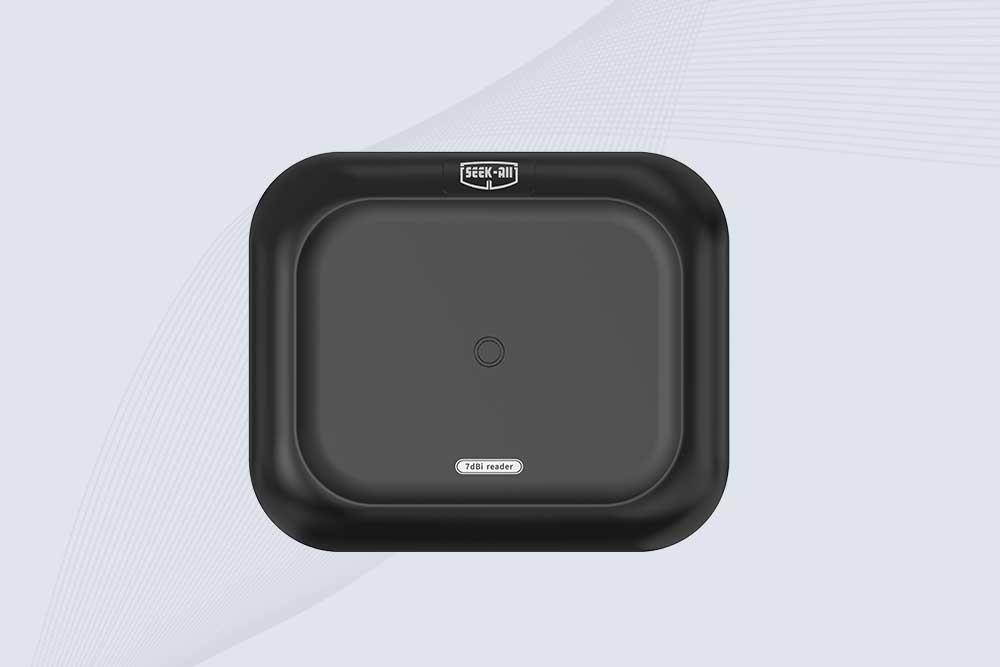
SSD-RA07L industrial UHF RFID reader with integrated 7 dBi antenna, up to 6 m reading distance, over 600 tags/s, Ethernet, RS232, and optional Wi-Fi, 4G, and PoE.
Explore how RFID kiosks transform self-checkout and payment workflows for businesses. Learn from real deployments, understand integration with Cykeo RFID readers and antennas, and discover solutions for developers and integrators.
Discover why modular RFID readers are trending in 2024. Learn how flexibility, scalability, and Cykeo’s innovations make them essential for modern industries.
What makes a universal UHF RFID reader antenna? We explore the real engineering trade-offs between frequency coverage, gain, and form factor for diverse applications.
Wondering "how far can a long-range RFID reader reach"? Real numbers from 12m to 200m+ for parking, yards, and warehouses. No fluff, just actual ranges with CYKEO.
 Cykeo RFID IoT Solution Products R&D Manufacturer