 Cykeo RFID IoT Solution Products R&D Manufacturer


RFID Medical Cabinet vs Traditional Storage: What Hospitals Are Switching To
95Comparing RFID medical cabinets with traditional hospital storage? See the real differences in efficiency, control, and inventory accuracy.
MoreAll RFID Product
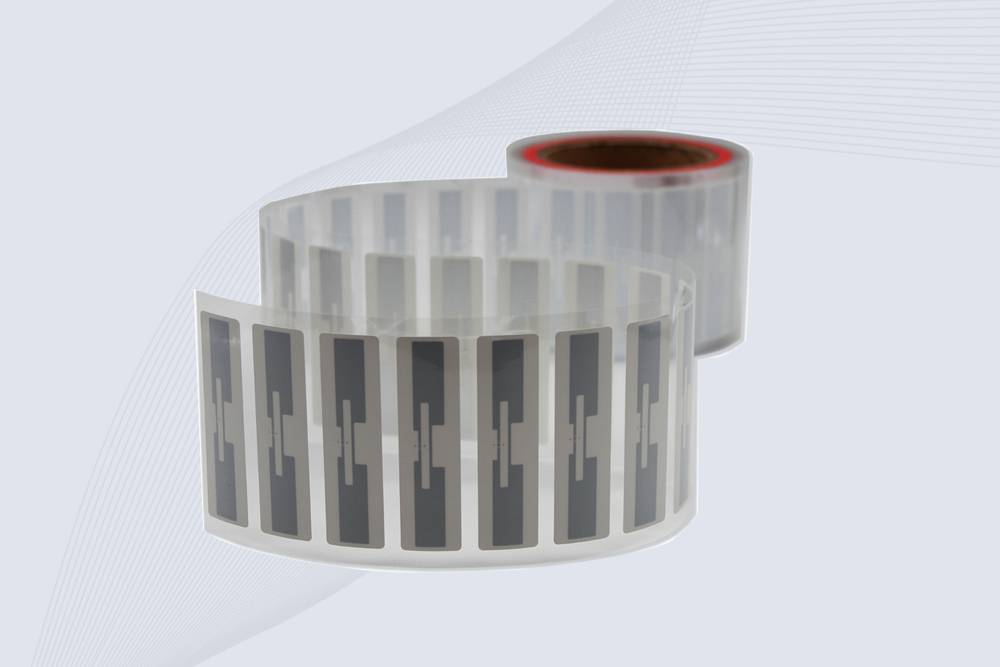
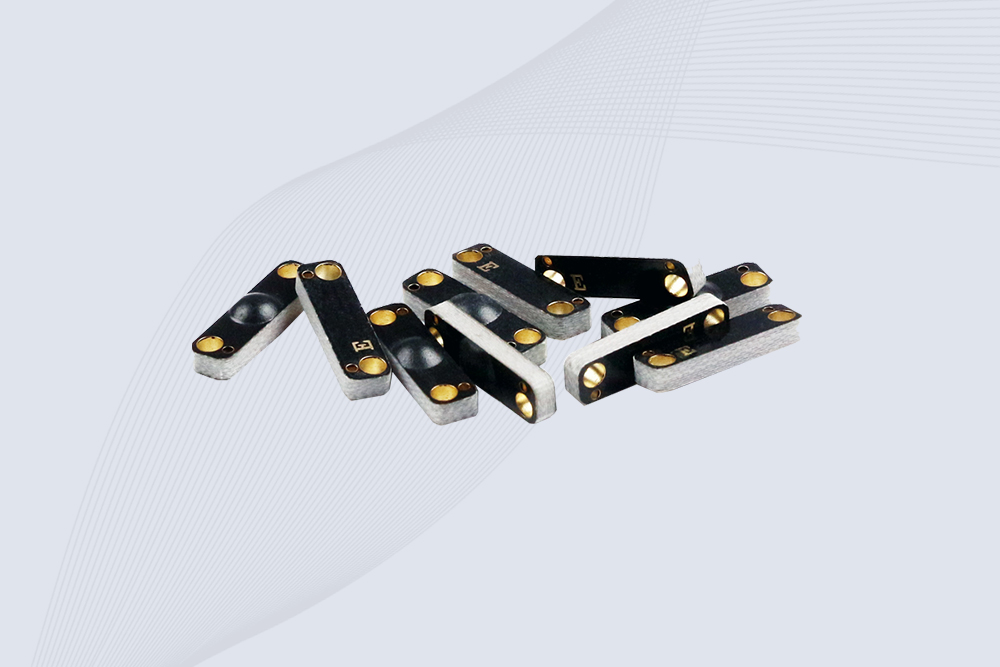
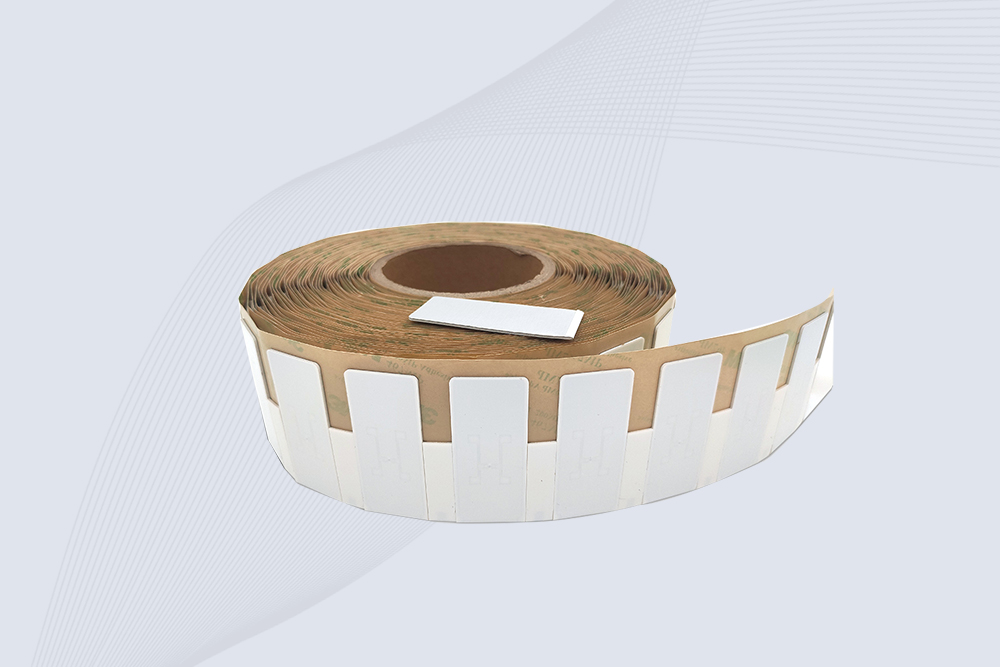
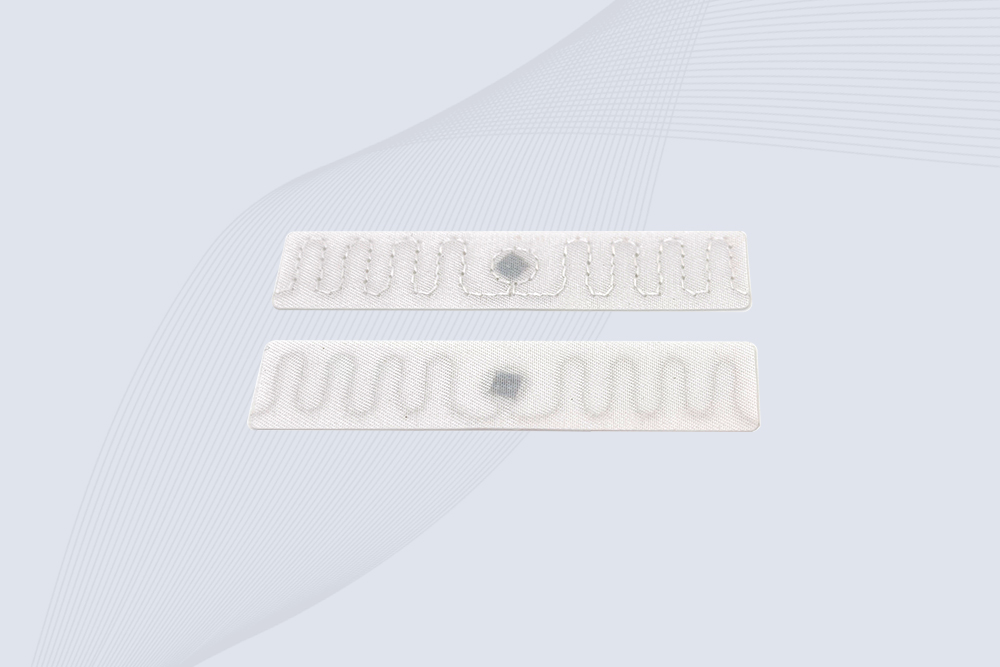
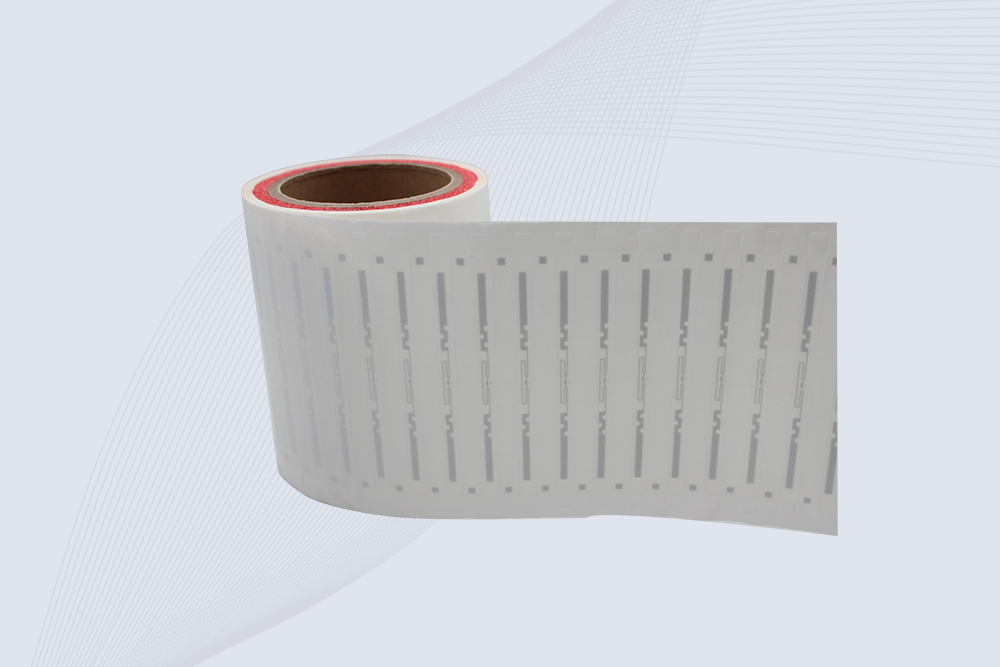
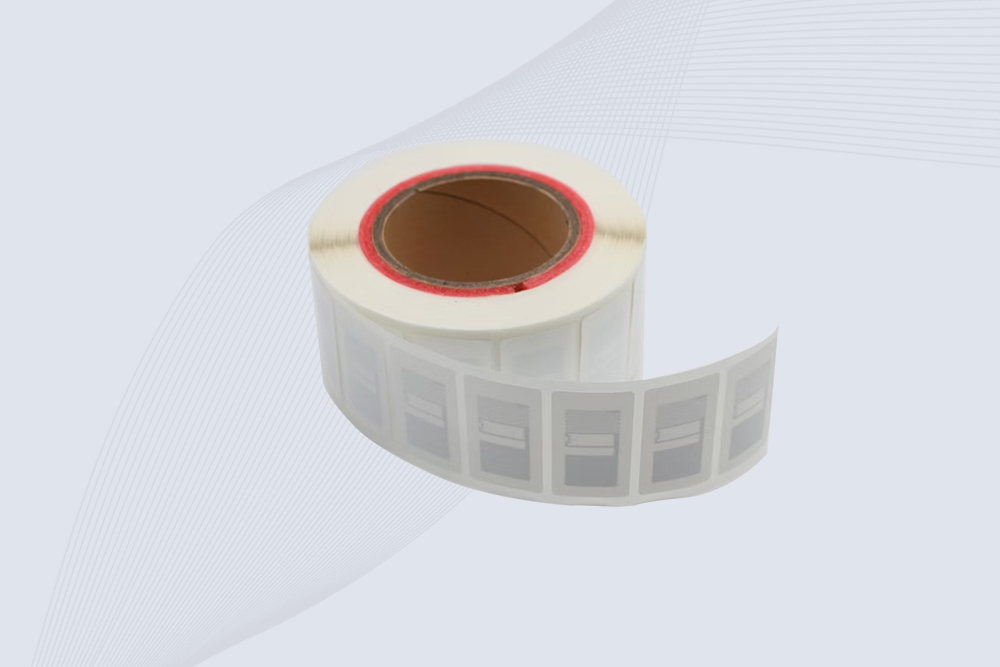
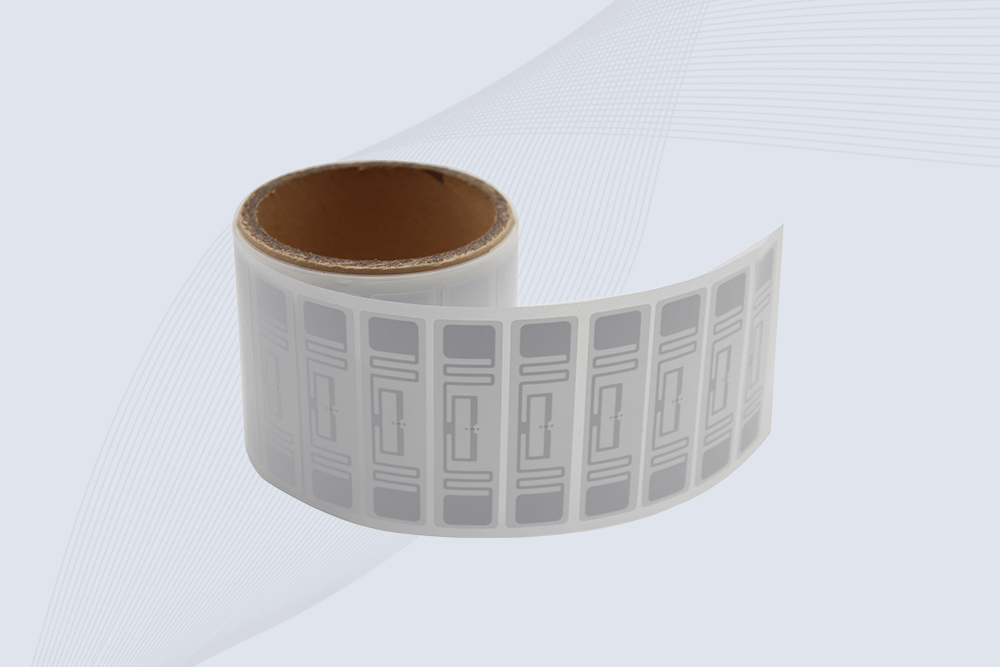
RFID (Radio-Frequency Identification) tags use radio waves to wirelessly transmit data to a reader, enabling automated identification and tracking. These tags consist of a microchip and antenna, and they operate in passive, active, or semi-passive modes. Here’s a detailed breakdown of their functionality and applications.
| Feature | Passive Tags | Active Tags |
|---|---|---|
| Power Source | Reader’s RF energy | Internal battery |
| Cost | 0.10–2.00 | 20–100+ |
| Lifespan | Unlimited (no battery) | 3–10 years (battery-dependent) |
| Range | Short (1–10m) | Long (100m+) |
A logistics company reduced inventory audit times by 95% using Cykeo’s passive RFID tags, scanning 500+ boxes per hour without line-of-sight.

Comparing RFID medical cabinets with traditional hospital storage? See the real differences in efficiency, control, and inventory accuracy.
More
Can an iPhone copy an RFID card? Learn why some RFID cards cannot be duplicated to a smartphone, the difference between RFID and NFC, and how modern mobile access systems work.
More
hospitality rfid tags improve hotel asset tracking, linen management, and guest service efficiency with Cykeo intelligent RFID solutions.
More
RFID scanners use RF energy and backscatter to identify multiple tags and transmit digital data to connected systems.
More