When people talk about RFID laundry tags, they usually think about hotels or commercial laundries first.
But apparel manufacturers are starting to use RFID textile tracking more frequently as well — especially companies dealing with workwear, reusable garments, sample management, and large-scale clothing circulation.
For garment manufacturers, inventory problems don’t only happen inside warehouses. Clothing items often move between factories, washing facilities, showrooms, repair centers, logistics hubs, and customer locations.
Once textile movement becomes complicated, manual tracking starts creating delays and inaccuracies.
That’s where RFID laundry management systems become useful.
Garment Tracking Becomes Difficult at Scale
Small apparel businesses can usually manage inventory manually without too many issues.
But larger manufacturers often handle:
Production samples
Staff uniforms
Rental garments
Return processing
Repair workflows
Quality inspection circulation
Once thousands of textile items move between multiple departments and external partners, visibility becomes much harder to maintain.
Garments get misplaced. Sample pieces disappear. Returned items are sorted incorrectly. Staff spend unnecessary time searching for missing inventory.
Many manufacturers realize the problem only after operations become large enough that manual systems can no longer keep up.
RFID Gives Each Garment a Digital Identity
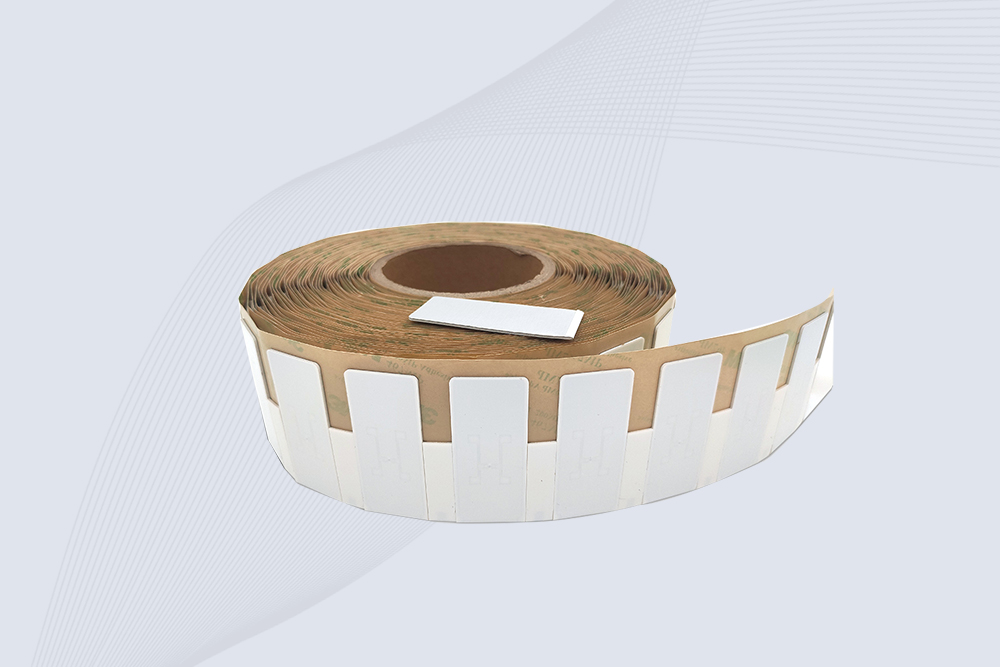
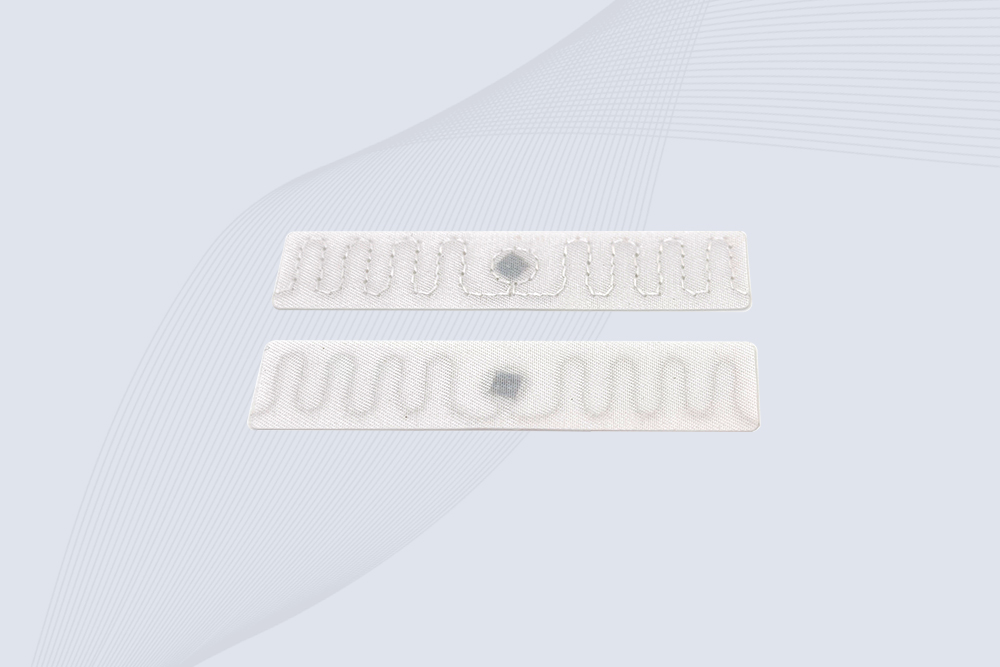
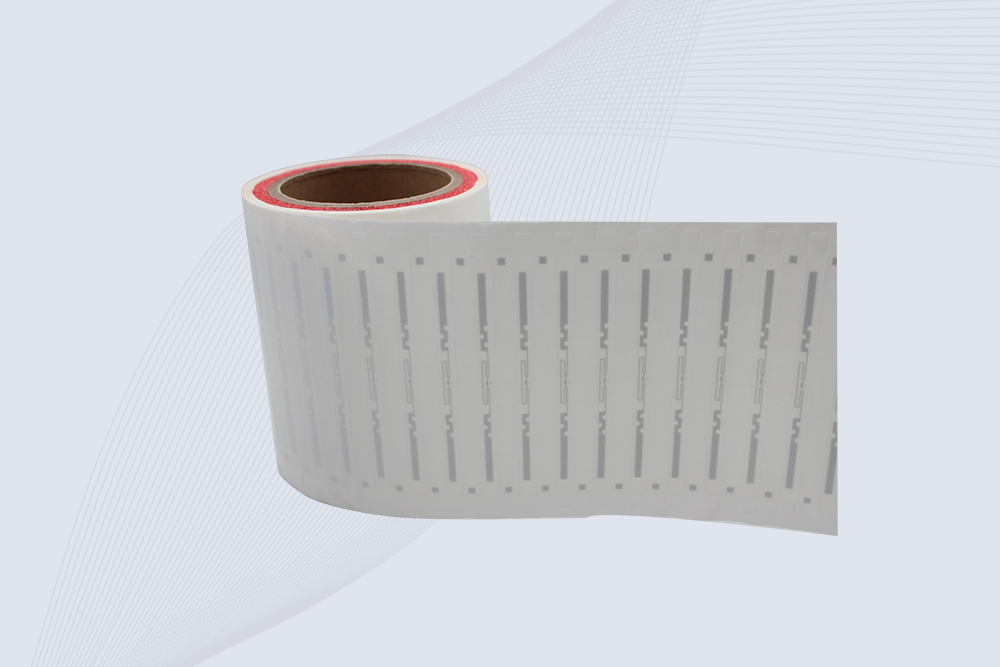
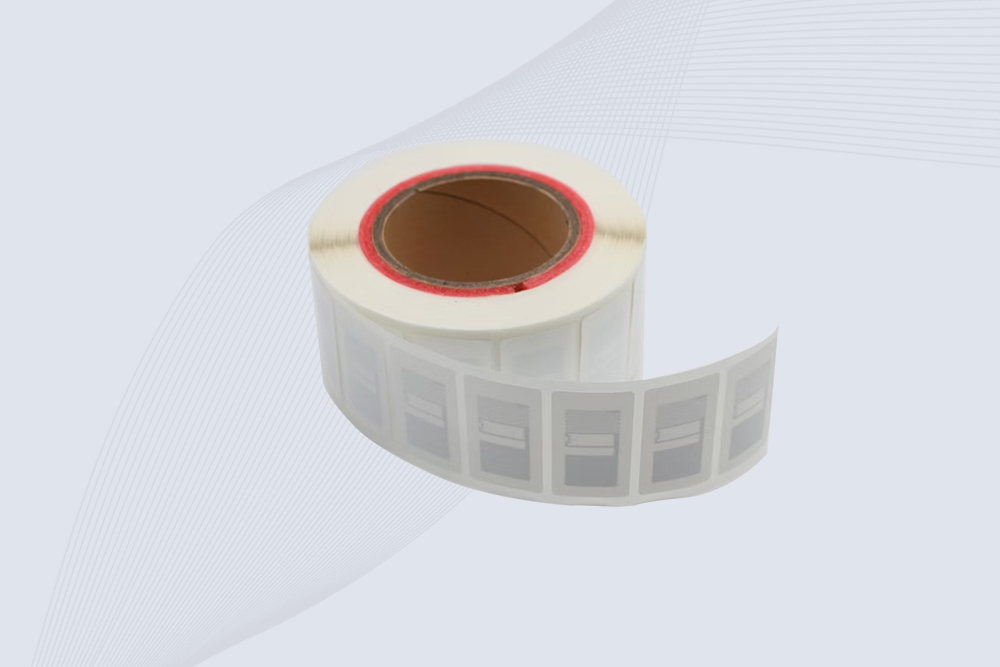
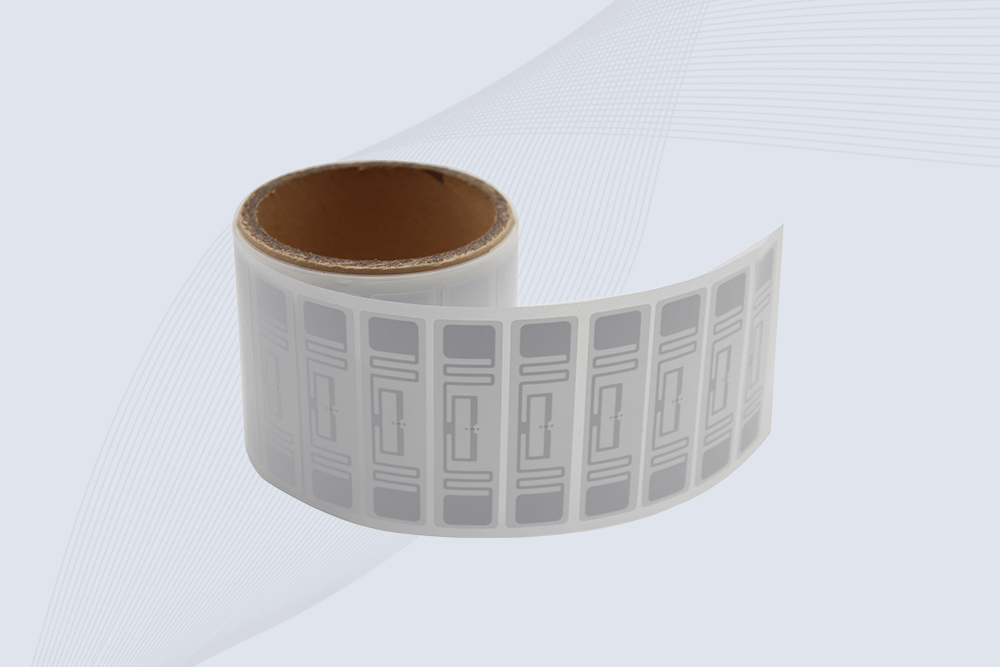
RFID laundry tags allow every textile item to carry its own traceable ID throughout its lifecycle.
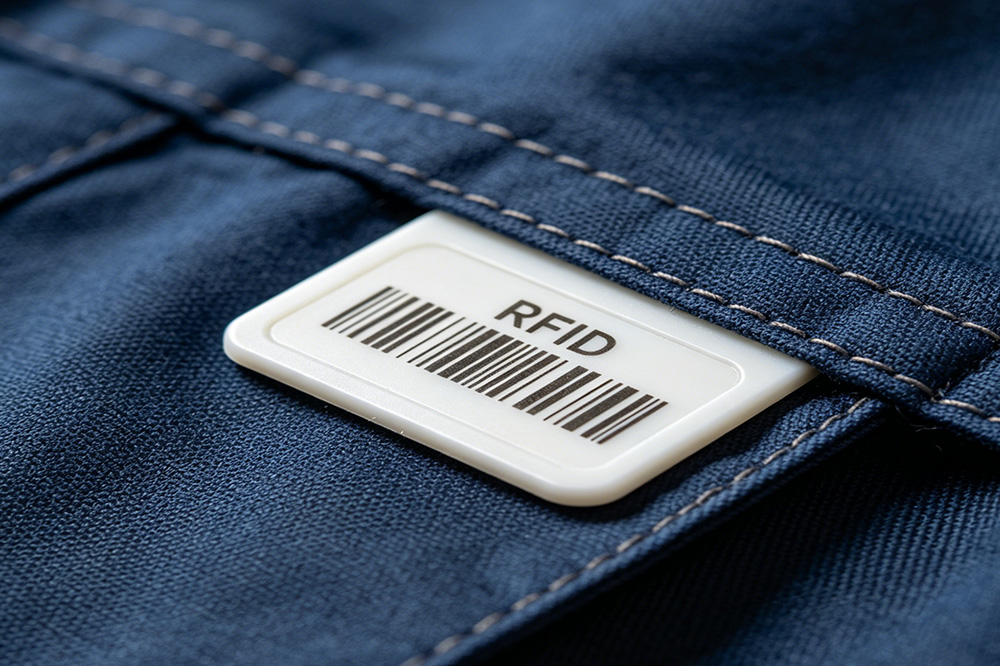
The tag is usually sewn directly into the garment and remains readable during storage, transportation, washing, and repeated handling.
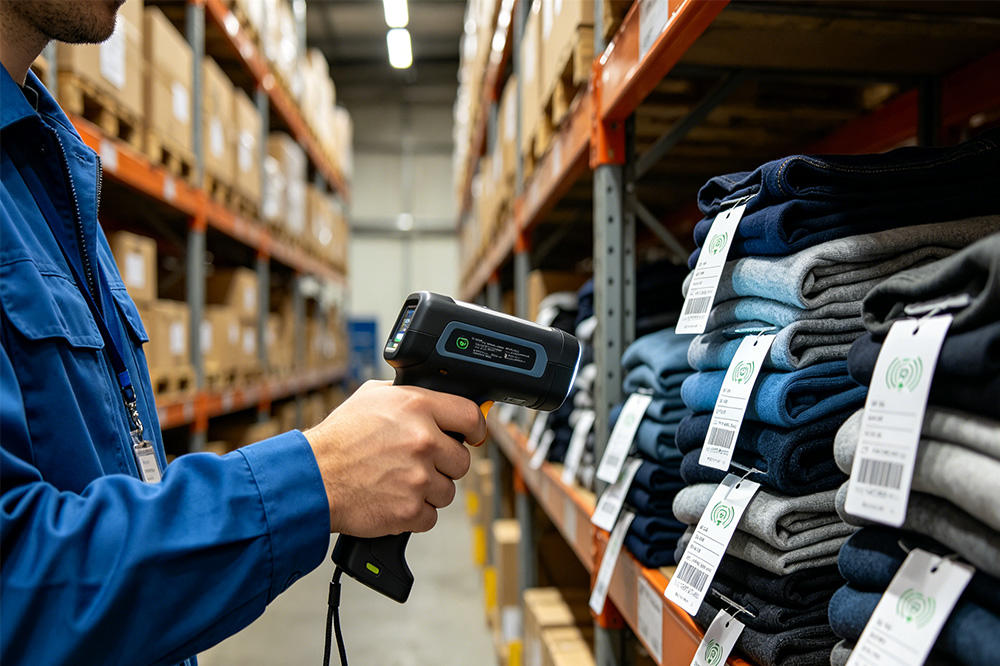
As garments move through production or circulation processes, RFID readers automatically capture tracking information.
A durable industrial RFID laundry tag is designed to tolerate repeated washing, fabric movement, heat exposure, and industrial handling conditions commonly found in textile environments.
This creates much better visibility compared to manual inventory systems or ordinary barcode workflows.
Sample Garment Management Is a Common Problem
Apparel manufacturers often manage large numbers of samples.
Design teams, sales departments, distributors, and overseas buyers may all request garments for review or presentation. Over time, sample inventory becomes difficult to track accurately.
Without proper visibility, companies frequently deal with:
Missing samples
Duplicate production
Delayed returns
Incorrect inventory records
RFID tracking helps manufacturers monitor where garments are located and when they move between departments.
For companies handling international apparel sourcing or large customer networks, this saves considerable administrative time.
RFID Helps Manage Workwear and Reusable Garments
Some apparel manufacturers also manage reusable textile programs, especially in industries involving uniforms or industrial clothing.
In these cases, garments move repeatedly between:
Employees
Laundry facilities
Storage areas
Repair stations
Distribution centers
RFID systems simplify this process because garments can be identified automatically during washing, sorting, and inventory counting.
Instead of manually checking labels, operators can process large garment batches quickly using RFID readers.
This improves:
Inventory accuracy
Sorting efficiency
Delivery verification
Garment lifecycle tracking
The larger the textile circulation volume becomes, the more noticeable the operational improvement usually is.
Wash Cycle Tracking Supports Quality Control
For reusable garments, washing history matters.
Repeated industrial washing gradually affects fabric condition, color stability, stitching quality, and overall garment lifespan.
Without tracking, manufacturers often replace garments based only on rough estimates.
RFID systems allow operators to monitor wash cycle counts for individual items.
This helps apparel businesses:
Identify garments nearing end-of-life
Maintain more consistent product quality
Improve replacement planning
Analyze textile durability performance
For companies supplying industrial workwear or rental uniforms, this type of data can also support long-term product development decisions.
RFID Reduces Manual Inventory Work
Many apparel operations still rely heavily on manual counting.
Workers scan barcodes individually or check garment labels manually during storage and shipment preparation.
As order volume increases, those workflows become slower and more error-prone.
RFID systems automate much of the process.
Entire garment batches can be identified automatically without opening boxes or scanning each item individually.
That reduces labor requirements while improving inventory visibility at the same time.
For manufacturers dealing with high garment turnover, automation becomes increasingly valuable as production scales grow.
More Apparel Companies Are Adopting RFID Textile Tracking
RFID was once viewed mainly as a retail anti-theft or warehouse inventory technology.
Now textile manufacturers are using it much more broadly across garment lifecycle management.
The shift is happening because apparel operations are becoming more complex while customers expect faster response times and better inventory accuracy.
RFID helps manufacturers track textile movement more efficiently without relying entirely on manual processes.
For many apparel businesses today, RFID laundry management is no longer considered experimental infrastructure. It is gradually becoming part of modern garment tracking operations.
CYKEO Passive RFID Tags are made for wet and high-humidity environments where standard labels do not last. This rfid passive tag is often used around liquids, chemicals and temperature changes, providing stable reading distance and long data life for industrial tracking.
CYKEO CYKEO-PCB1504 Metal RFID Tags is a compact anti-metal UHF RFID solution built for direct mounting on metal surfaces. With stable 8-meter read range, Ucode-8 chip, and long data retention, this rfid metal tag fits tools, containers, automotive parts, and industrial asset tracking.
CYKEO CYKEO-PCB7020 On-Metal RFID Tags are designed for reliable tracking on steel and metal surfaces. Built with an FR4 epoxy body and industrial-grade chips, these On-Metal RFID Tags deliver stable performance, long data life, and chemical resistance, making them a dependable RFID anti-metal tag for harsh environments.
The CYKEO CYKEO-60-25 Anti-Metal RFID Tag is built for metal surfaces where standard tags fail. Designed for long-range performance, harsh environments, and stable data retention, this Anti-Metal RFID Tag is ideal for industrial assets, containers, and equipment tracking using on metal RFID tags.
The CYKEO RFID Laundry Tag is designed for long-term textile identification in harsh laundry environments. Built to withstand high heat, chemicals, and repeated washing, this RFID Laundry Tag delivers stable performance for hotels, hospitals, and industrial laundry operations using laundry rfid tags at scale.
The CYKEO CYKEO-125-7 RFID Book Tag is designed for reliable book and document tracking in libraries and archives. This RFID Book Tag delivers long read range, dense placement support, and stable performance on shelves, making it a practical rfid tag on books for library automation, file management, and archival systems.
CYKEO RFID tags in hospitals are designed for sterile environments where accuracy matters. These autoclavable RFID tags support long-term tracking of surgical tools, implants, and medications, helping hospitals improve visibility, compliance, and patient safety.
CYKEO RFID Cable Tie Tag is built for reliable identification on metal surfaces. This UHF RFID Cable Tie Tag is widely used in rfid tags for inventory systems, industrial asset management and Hospital RFID Tags, offering stable read performance, long service life and global EPC Gen2 compatibility.
CYKEO RFID Asset Tag is designed for stable identification of metal assets in industrial environments. This UHF RFID Asset Tag is commonly used for rfid tag asset tracking on equipment, tools and containers, providing reliable reads, long service life and ISO/IEC 18000-6C support.
CYKEO UHF RFID Card is designed for fast identification and long-term use in industrial and commercial systems. Supporting ISO 18000-6C, this UHF RFID Card works at 860–960 MHz and is suitable for custom RFID cards used in asset tracking, access control and inventory management.
CYKEO HF RFID Cards are designed for secure and stable access control systems. These 13.56 MHz RFID key cards support ISO 14443-A, reliable rewriting and long service life, making HF RFID Cards suitable for offices, campuses, events and membership management.
CYKEO UHF RFID Tag is designed for reliable tracking of metal jewelry and high-value items. This Jewelry RFID Tag supports long-range reading up to 8 meters, anti-counterfeit protection and stable performance on metal, making it suitable for retail, inventory control and asset management.
Compare QR codes, NFC, Bluetooth, and RFID technologies. Learn how NFC works, its unique advantages, and Cykeo’s solutions for seamless wireless communication.
Learn the difference between RFID antennas and RFID readers, how they work together, and what businesses should consider when selecting RFID hardware for industrial and bulk RFID projects
A practical, field-style discussion on UHF RFID readers in real industrial environments. Covers deployment surprises, integration issues, and what wholesale buyers usually only discover after installation starts.
 Cykeo RFID IoT Solution Products R&D Manufacturer