From the outside, many washable RFID tags look similar, but the material and encapsulation structure behind the tag usually determine whether it survives six months or several years inside a commercial laundry operation.
That matters more than many buyers expect.
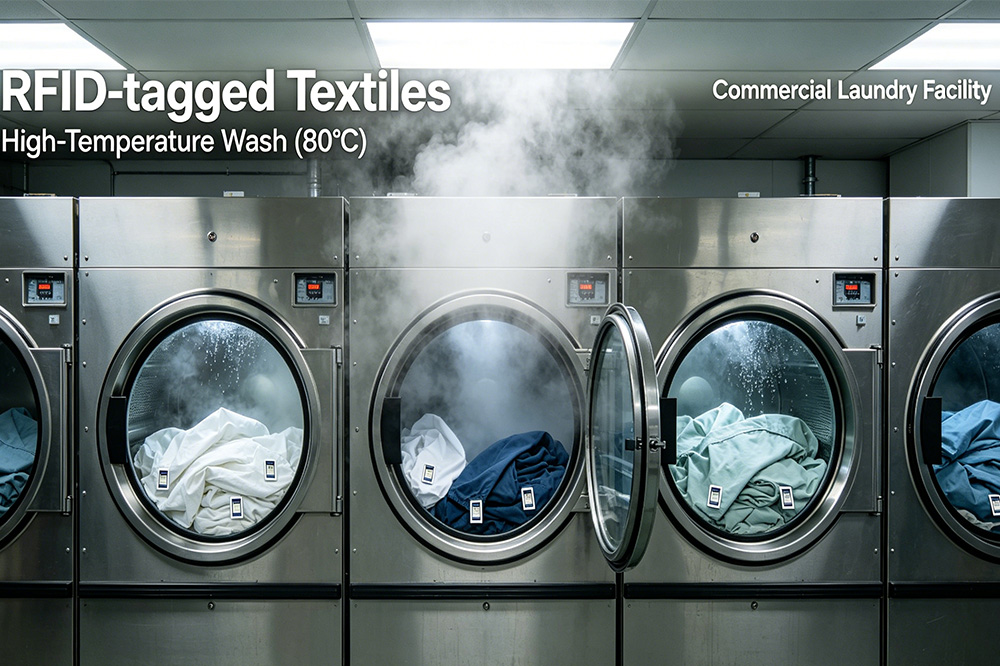
Industrial laundry environments are extremely demanding. Tags are exposed to high temperatures, chemical detergents, pressure extraction, ironing equipment, and constant fabric movement. If the material selection is wrong, the tag may fail long before the textile itself wears out.
For RFID solution providers and laundry operators, choosing the right RFID laundry tag material is often just as important as selecting the reader or software platform.
Why RFID Laundry Tag Material Matters
A laundry tag may go through hundreds of industrial washing cycles during its lifetime.
Every cycle creates stress from:
Hot water
Chemicals
High-pressure dehydration
Mechanical twisting
Continuous drying
Folding and stretching
If the tag material cannot handle those conditions, several problems usually appear:
Cracked encapsulation
Broken antennas
Water penetration
Reduced reading distance
Tag deformation
Early failure during washing
Once tag failure rates increase, inventory accuracy drops quickly.
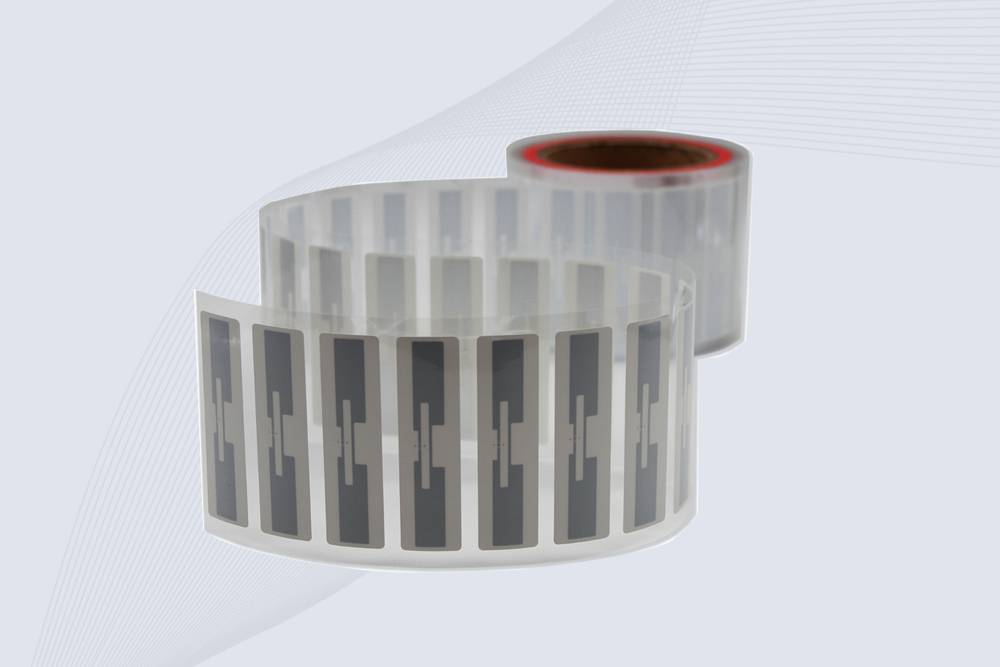
That’s why industrial laundry RFID tags are designed very differently from ordinary RFID labels used in retail or warehouse environments.
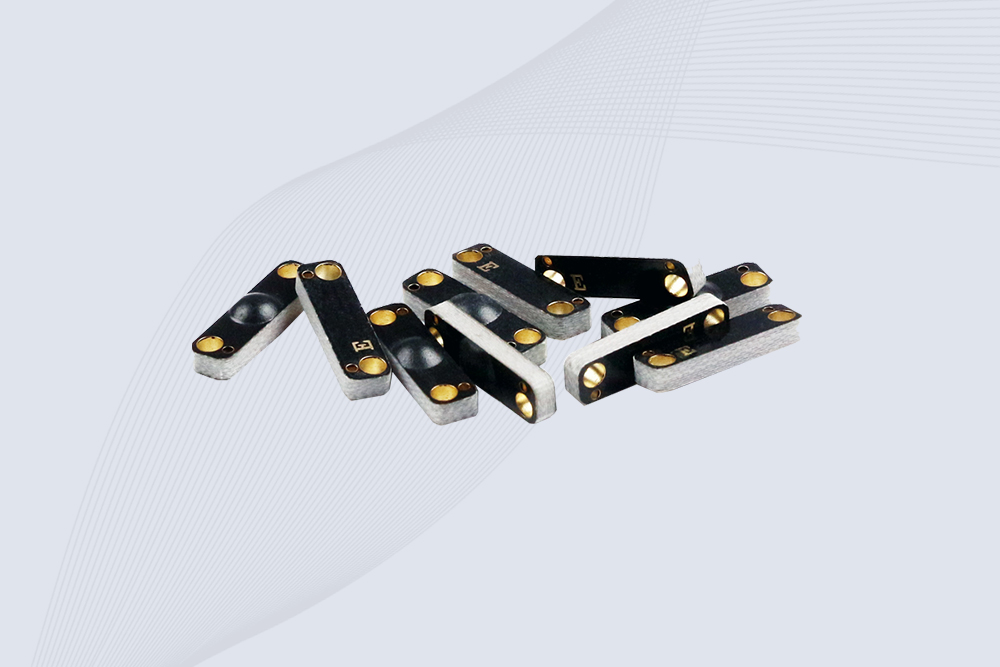
PPS RFID Laundry Tags
PPS (Polyphenylene Sulfide) is one of the most common materials used for industrial RFID laundry tags.
PPS tags are known for strong heat resistance and chemical durability, which makes them suitable for harsh washing environments.
They are often used in:
Hotel laundry systems
Industrial workwear tracking
Healthcare textile management
Uniform rental operations
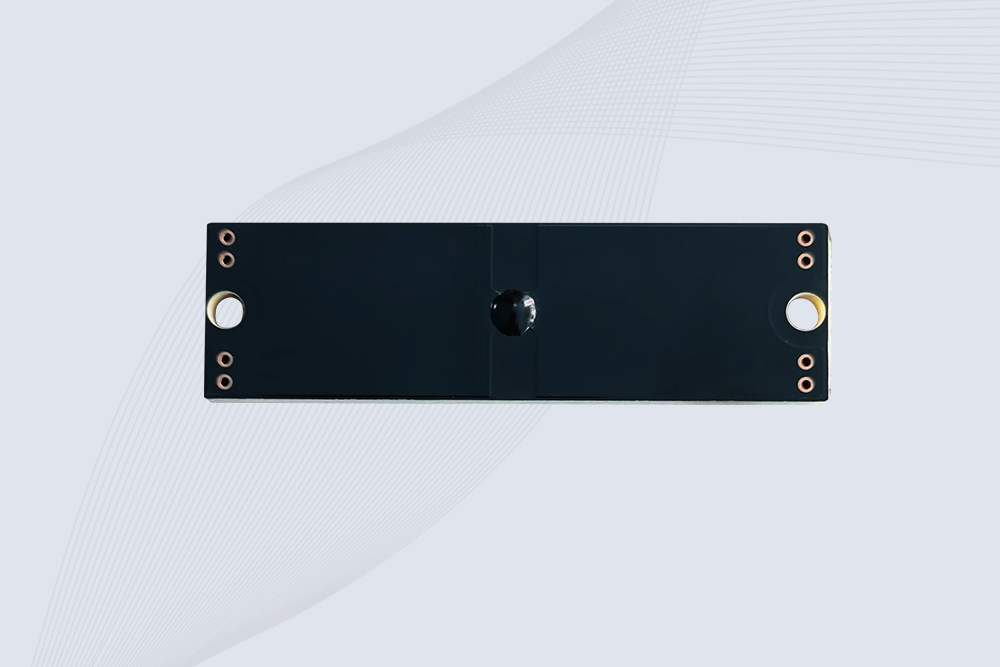
PPS tags are usually small, rigid, and highly durable. Many are designed to tolerate repeated high-temperature washing and industrial drying cycles.
However, because PPS tags are relatively rigid, they may not always be ideal for softer textile applications where flexibility is important.
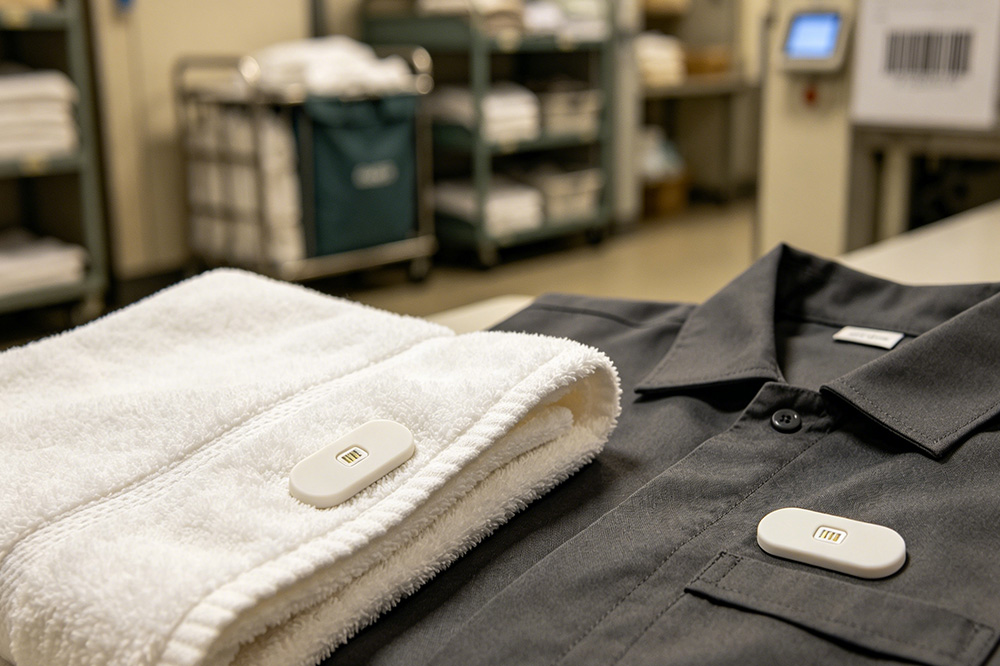
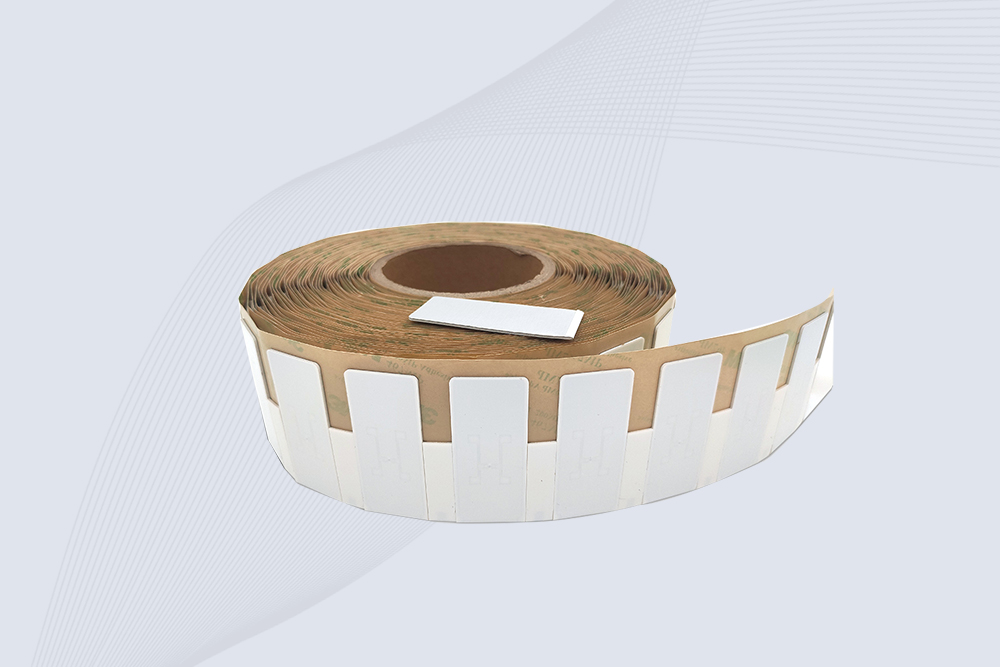
Silicone RFID Laundry Tags
Silicone-based RFID laundry tags are popular because they combine flexibility with strong environmental resistance.
Compared to rigid materials, silicone tags move more naturally with fabric during washing and daily use.
This helps reduce stress on the internal antenna structure over time.
Silicone RFID tags are commonly used for:
Hotel linens
Medical garments
Uniform management
Textile rental systems
Their waterproof structure also helps protect internal electronic components from moisture and detergents during repeated washing cycles.
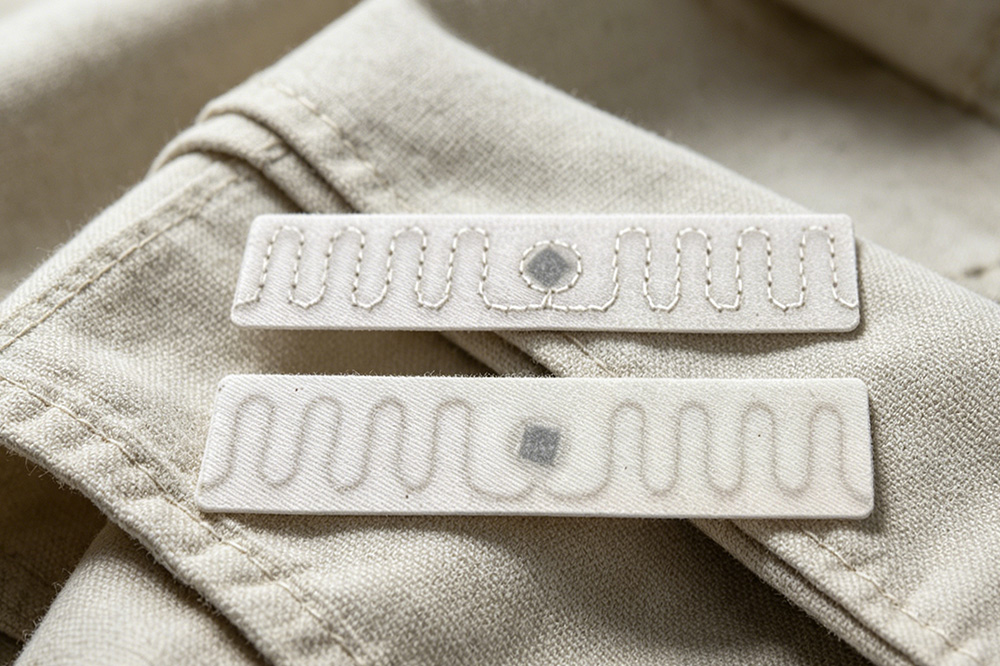
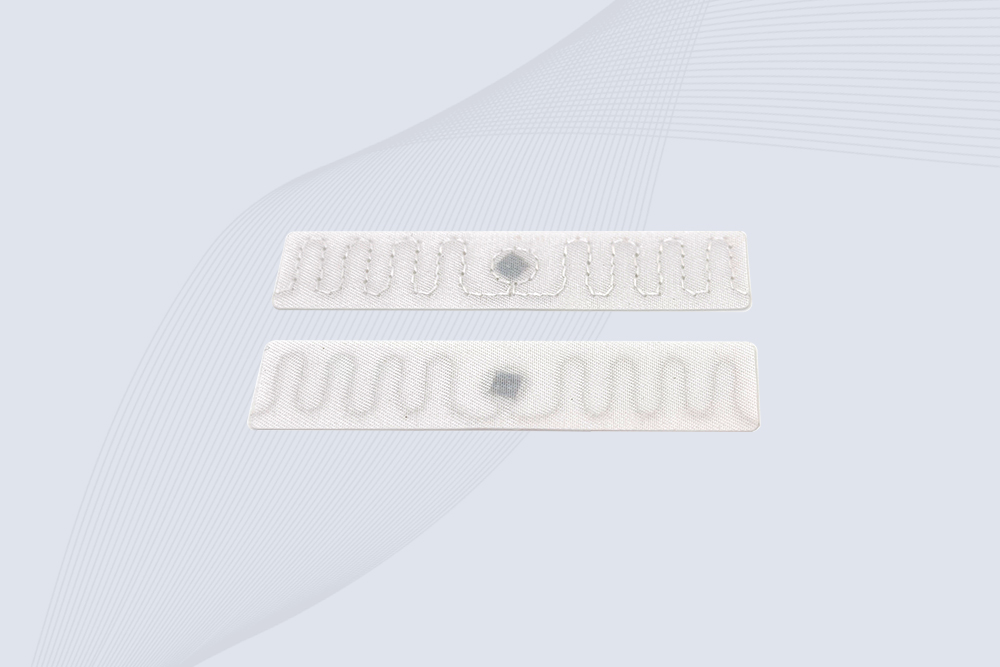
Fabric RFID Laundry Tags
Fabric-based RFID laundry tags are designed to integrate directly into textiles with minimal impact on comfort or appearance.
They are usually softer and more flexible than rigid encapsulated tags.
Because of that, fabric RFID tags are often preferred for garments that employees or patients wear regularly.
Common applications include:
Staff uniforms
Healthcare garments
Hospitality textiles
Wearable workwear tracking
A well-designed industrial RFID laundry tag often combines flexible textile-friendly construction with industrial washing durability.
For many clothing-related projects, balancing comfort and durability becomes important.
Heat Resistance Is Only One Factor
Some buyers focus only on washing temperature ratings when comparing RFID laundry tags.
Temperature matters, but long-term durability depends on several combined factors.
A tag also needs to survive:
Chemical exposure
Mechanical bending
Continuous compression
Ironing pressure
Moisture penetration
Fabric movement
In real industrial laundry environments, repeated mechanical stress often causes failures earlier than heat alone.
This is why experienced RFID solution providers usually evaluate overall structural durability instead of looking only at temperature specifications.
Different Applications Need Different Materials
There is no single “best” RFID laundry tag material for every project.
The ideal choice depends on the textile type, washing conditions, and operational environment.
For example:
Hotels
Hotels often prioritize flexible tags that remain comfortable inside towels, robes, and bed linens.
Hospitals
Healthcare environments usually require strong chemical resistance and reliable long-term tracking.
Uniform Rental
Workwear rental companies may focus more on durability because garments go through heavy industrial washing repeatedly.
Industrial Workwear
Factories and industrial laundries often prefer rugged tag structures capable of surviving aggressive washing conditions.
The application usually determines which material performs best long term.
Long-Term Stability Matters More Than Initial Cost
Some RFID projects focus too heavily on reducing initial tag cost.
But in commercial laundry operations, replacing failed tags creates additional labor, downtime, and inventory inconsistencies.
A cheaper tag that fails early often becomes more expensive over time.
That’s why many experienced operators prioritize stable performance over minimum purchase price.
Reliable textile tracking depends heavily on tag survival rates.
If the RFID infrastructure becomes inconsistent after repeated washing cycles, the entire inventory system becomes harder to trust.
RFID Laundry Tags Continue Evolving
As textile tracking systems become more common, RFID laundry tag materials continue improving as well.
Manufacturers are developing lighter, thinner, and more flexible designs while still maintaining industrial-level durability.
For laundry operators, the focus is no longer simply adding RFID capability.
The real goal is finding tag materials that can survive years of real commercial use without creating ongoing maintenance problems.
CYKEO Passive RFID Tags are made for wet and high-humidity environments where standard labels do not last. This rfid passive tag is often used around liquids, chemicals and temperature changes, providing stable reading distance and long data life for industrial tracking.
CYKEO CYKEO-PCB1504 Metal RFID Tags is a compact anti-metal UHF RFID solution built for direct mounting on metal surfaces. With stable 8-meter read range, Ucode-8 chip, and long data retention, this rfid metal tag fits tools, containers, automotive parts, and industrial asset tracking.
CYKEO CYKEO-PCB7020 On-Metal RFID Tags are designed for reliable tracking on steel and metal surfaces. Built with an FR4 epoxy body and industrial-grade chips, these On-Metal RFID Tags deliver stable performance, long data life, and chemical resistance, making them a dependable RFID anti-metal tag for harsh environments.
The CYKEO CYKEO-60-25 Anti-Metal RFID Tag is built for metal surfaces where standard tags fail. Designed for long-range performance, harsh environments, and stable data retention, this Anti-Metal RFID Tag is ideal for industrial assets, containers, and equipment tracking using on metal RFID tags.
The CYKEO RFID Laundry Tag is designed for long-term textile identification in harsh laundry environments. Built to withstand high heat, chemicals, and repeated washing, this RFID Laundry Tag delivers stable performance for hotels, hospitals, and industrial laundry operations using laundry rfid tags at scale.
The CYKEO CYKEO-125-7 RFID Book Tag is designed for reliable book and document tracking in libraries and archives. This RFID Book Tag delivers long read range, dense placement support, and stable performance on shelves, making it a practical rfid tag on books for library automation, file management, and archival systems.
CYKEO RFID tags in hospitals are designed for sterile environments where accuracy matters. These autoclavable RFID tags support long-term tracking of surgical tools, implants, and medications, helping hospitals improve visibility, compliance, and patient safety.
CYKEO RFID Cable Tie Tag is built for reliable identification on metal surfaces. This UHF RFID Cable Tie Tag is widely used in rfid tags for inventory systems, industrial asset management and Hospital RFID Tags, offering stable read performance, long service life and global EPC Gen2 compatibility.
CYKEO RFID Asset Tag is designed for stable identification of metal assets in industrial environments. This UHF RFID Asset Tag is commonly used for rfid tag asset tracking on equipment, tools and containers, providing reliable reads, long service life and ISO/IEC 18000-6C support.
CYKEO UHF RFID Card is designed for fast identification and long-term use in industrial and commercial systems. Supporting ISO 18000-6C, this UHF RFID Card works at 860–960 MHz and is suitable for custom RFID cards used in asset tracking, access control and inventory management.
CYKEO HF RFID Cards are designed for secure and stable access control systems. These 13.56 MHz RFID key cards support ISO 14443-A, reliable rewriting and long service life, making HF RFID Cards suitable for offices, campuses, events and membership management.
CYKEO UHF RFID Tag is designed for reliable tracking of metal jewelry and high-value items. This Jewelry RFID Tag supports long-range reading up to 8 meters, anti-counterfeit protection and stable performance on metal, making it suitable for retail, inventory control and asset management.
A hands-on, realistic guide to wiring the RC522 RFID module with Arduino. Written from real bench experience — voltage quirks, wiring mistakes, multiple readers setup, and what actually happens when it doesn’t work.
Discover the differences between passive and active RFID readers. Learn which system suits your business needs with Cykeo’s expert guide. Optimize asset tracking today!
Discover top long-range RFID readers compliant with EPCglobal Gen2 standards. Ensure seamless global interoperability and accuracy with Cykeo’s certified solutions.
 Cykeo RFID IoT Solution Products R&D Manufacturer