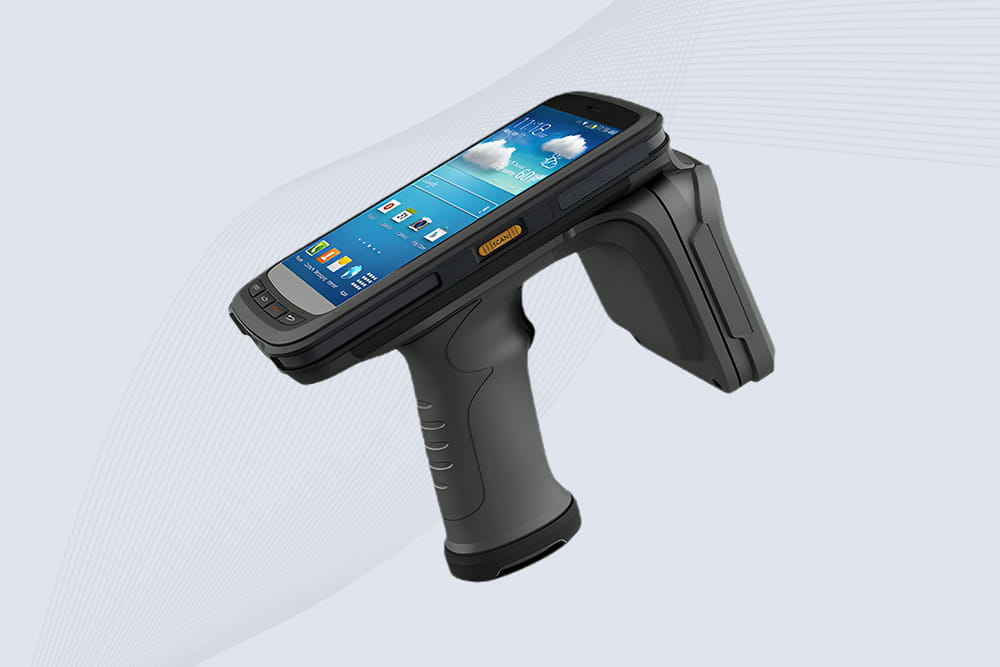
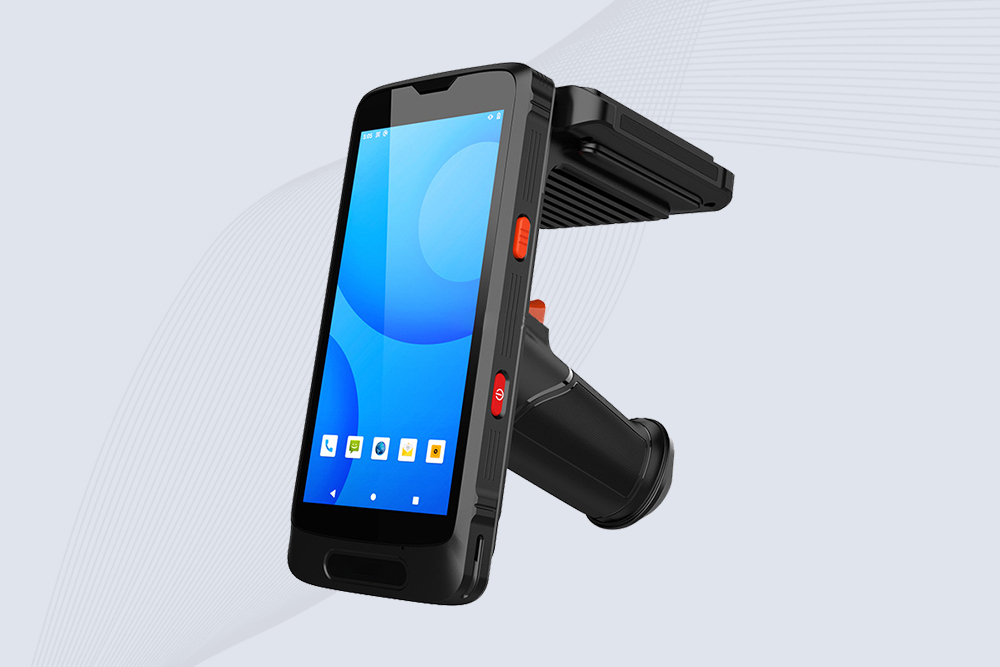
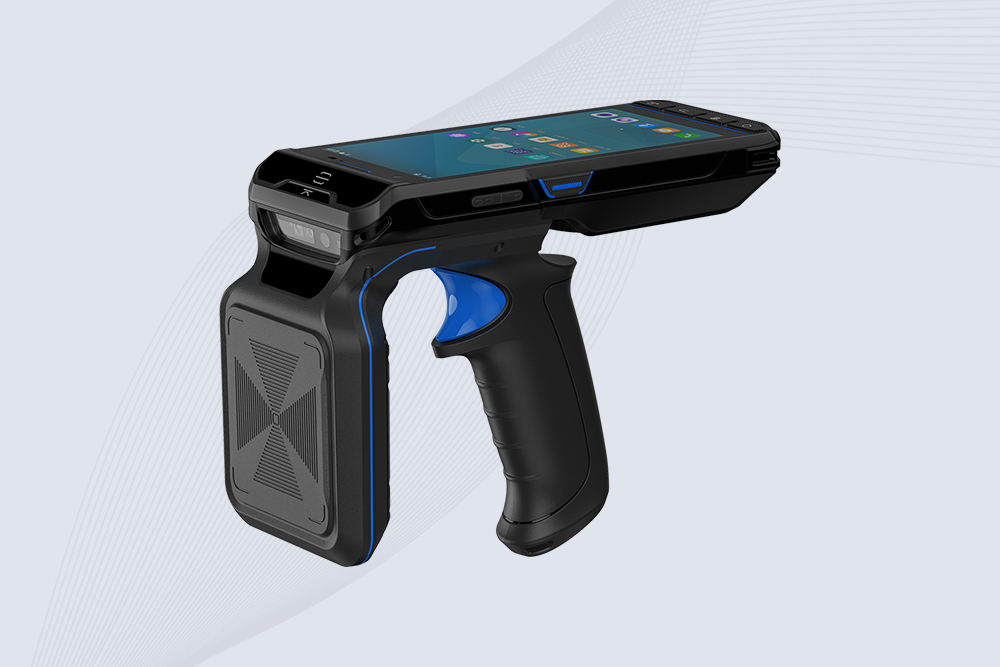
The first time I watched a warehouse worker walk down an aisle with a handheld RFID reader, I honestly thought it was just another barcode scanner with a bigger antenna.
Then the inventory count finished in minutes instead of hours.
That’s usually the moment people understand the difference.
A handheld RFID reader doesn’t need direct line of sight. In many situations, it can identify multiple tagged items while the operator keeps moving. For businesses dealing with hundreds or thousands of products every day, that changes the entire workflow rather than just speeding up one task.
So what exactly is a handheld RFID reader?
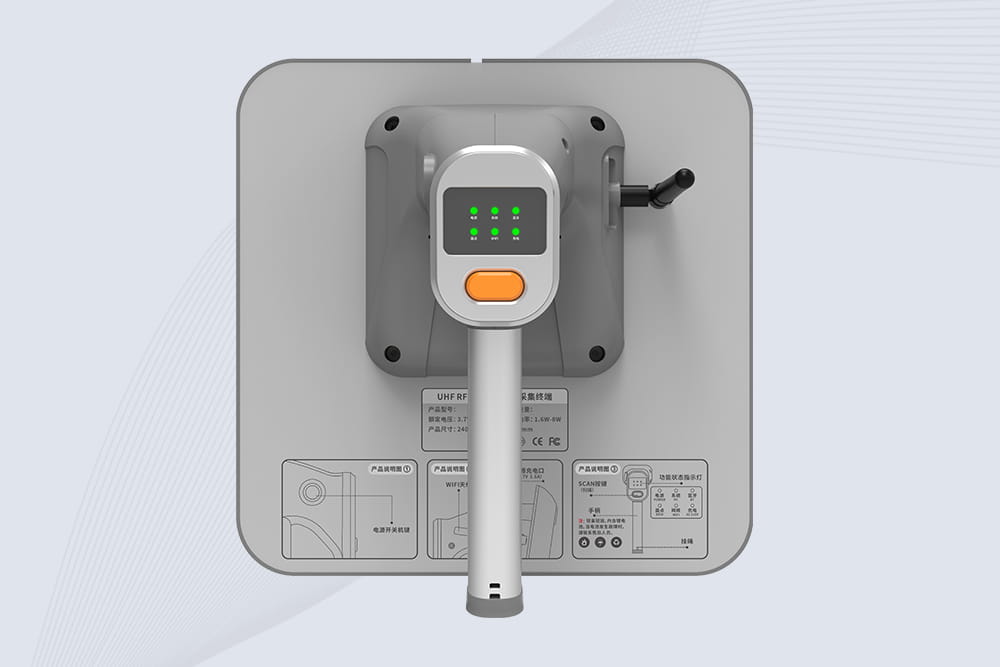
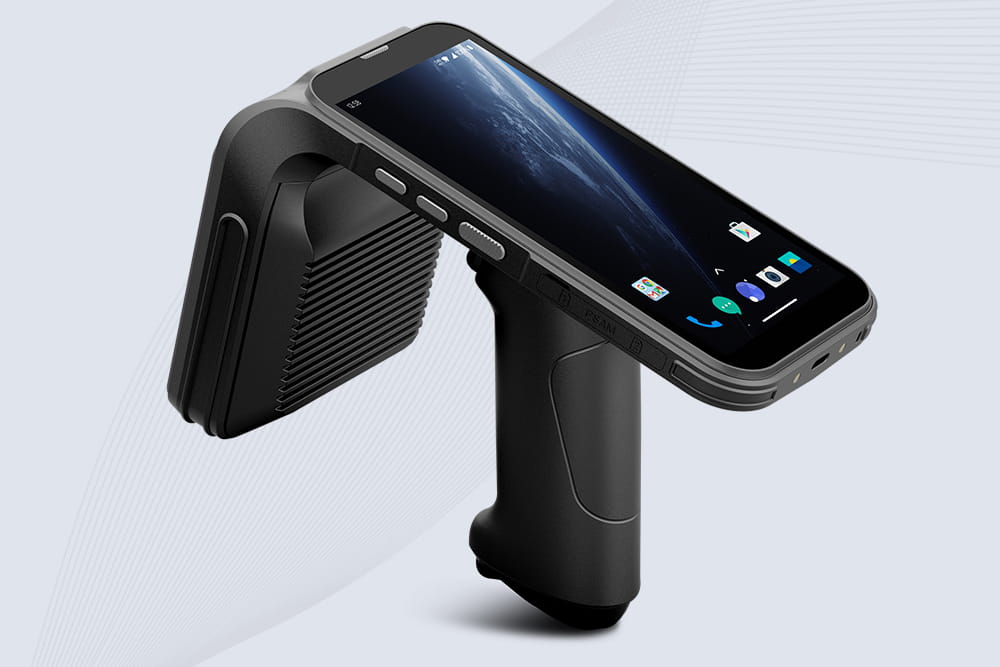
Think of it as a mobile computer combined with an RFID radio module and antenna.
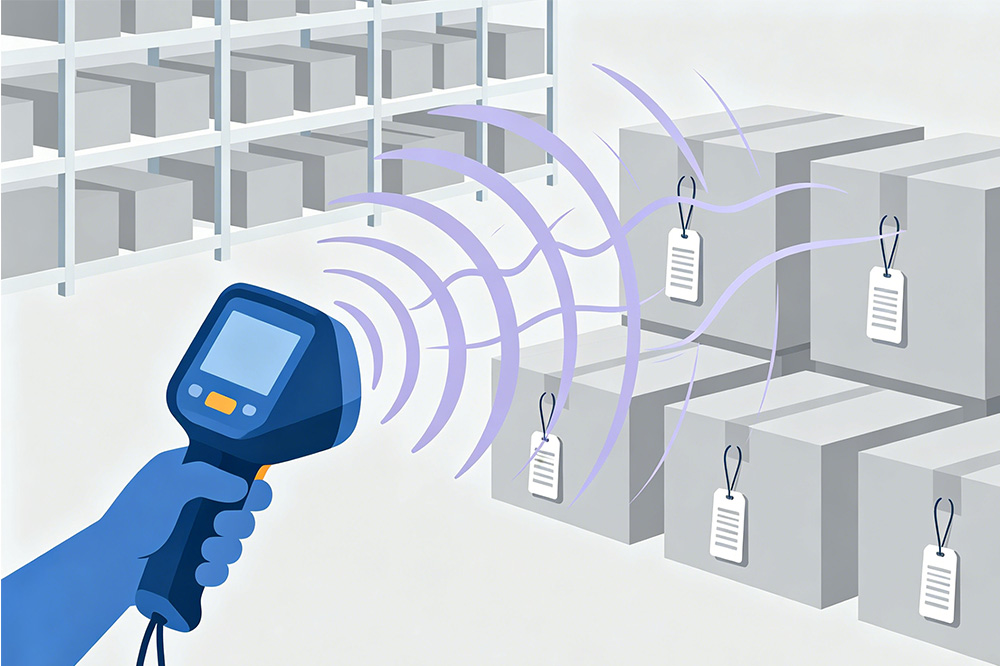
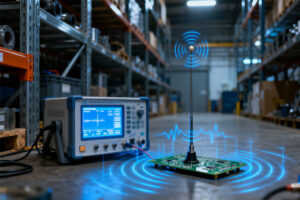
When the reader emits radio frequency energy, compatible RFID tags within range receive that energy and respond with their stored identification data. The device processes those responses and displays them on the screen or sends them directly to inventory software.
Most industrial deployments today rely on UHF technology because it offers longer reading distances and supports fast multi-tag identification, making it practical for warehouses, manufacturing facilities, logistics centers, and asset management projects.
The interesting part is that the reader isn’t “seeing” products. It’s communicating wirelessly with tags, even when dozens of them are present at once.
Why companies keep replacing manual inventory with handheld RFID readers
I’ve talked with operations teams that used to shut down part of a warehouse for stock counting.
Workers carried clipboards.
Then barcode scanners.
Eventually they switched to RFID.
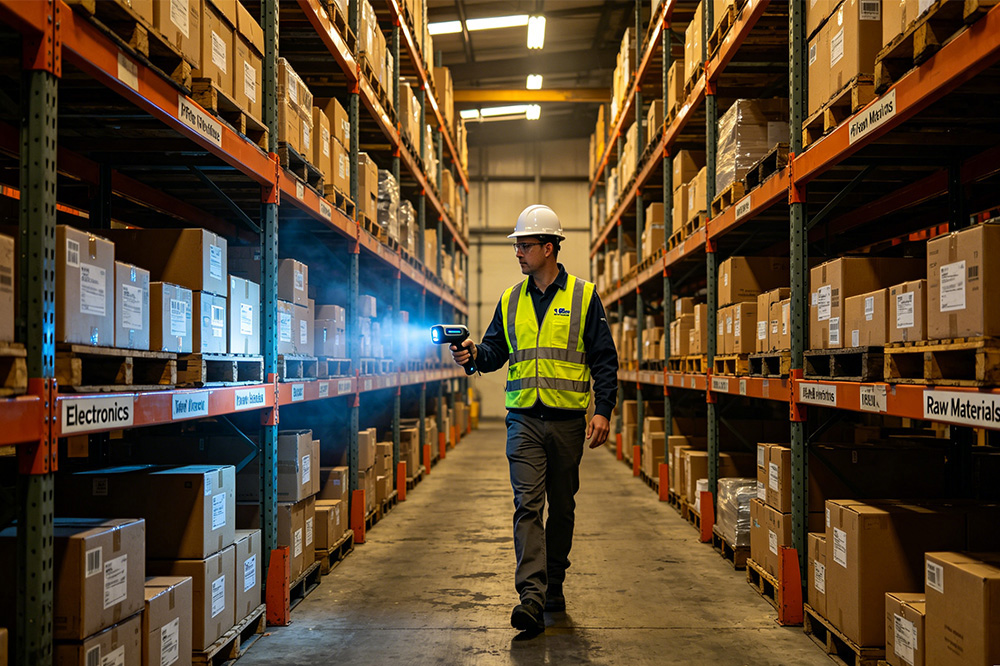
Instead of scanning every carton individually, employees simply walked through storage locations while the handheld continuously collected tag IDs. Inventory verification that once occupied an afternoon became something completed before lunch.
That’s not magic, though. It depends heavily on system design.
Poor tag placement or metal interference can reduce performance, something many first-time buyers underestimate.
The read range isn’t the whole story
A common purchasing mistake is asking only one question:
“How many meters can it read?”
That sounds reasonable, but experienced integrators often focus elsewhere.
Actual performance depends on several factors:
RFID tag quality and antenna design
Reader transmit power
Antenna orientation
Environmental reflections
Presence of metal shelves or liquids
Movement speed of the operator
Software filtering and duplicate handling
I’ve seen a reader detect tags perfectly from several meters away in open space but struggle inside densely packed metal storage racks until antenna positioning was adjusted.
Real-world conditions almost always matter more than laboratory specifications.
Where handheld RFID readers perform especially well
Warehouses are probably the obvious example, but they’re far from the only one.
Manufacturing plants use handheld readers to verify work-in-progress materials before assembly.
Retail teams perform rapid stock checks without removing every item from shelves.
Healthcare organizations track mobile equipment and reduce time spent searching for expensive assets.
Field technicians identify tagged tools or service equipment across large facilities.
Some logistics providers even use handheld readers during loading operations to confirm shipment accuracy before trucks leave the dock.
The flexibility comes from mobility. Fixed readers monitor designated checkpoints, while handheld devices bring identification capability directly to wherever staff are working.
A small story from a warehouse audit
During one inventory audit, two pallets appeared to be missing.
The paperwork suggested they had already shipped.
The loading team insisted they were still inside the building.
Rather than opening every wrapped pallet, an operator walked through several aisles with a handheld RFID reader. Within a couple of minutes, both pallet tags responded from behind stacked inventory near the rear wall.
No boxes were opened.
No labels had to be visible.
Situations like this explain why RFID often delivers value beyond labor savings.
Features worth checking before placing a wholesale order
Not every handheld reader is built for the same environment.
When evaluating devices for deployment, buyers often compare:
Multi-tag reading capability
Fast inventory mode
Android-based operating systems
Wi-Fi and Bluetooth connectivity
Cloud or ERP integration support
Long battery life for full work shifts
Rugged housing for industrial environments
Barcode scanning combined with RFID functionality
Software development kits (SDKs) for custom applications
Some organizations also prefer devices capable of both reading and writing RFID data when workflow updates require modifying tag information.
Why software matters almost as much as hardware
Here’s something that doesn’t get discussed enough.
A fast reader connected to poor software still creates frustration.
Businesses frequently need functions such as duplicate filtering, offline data collection, user authentication, batch uploads, ERP synchronization, and custom reporting.
Without those capabilities, operators may spend more time cleaning data than collecting it.
That’s one reason pilot testing before a large rollout can reveal issues that product specifications never mention.
Choosing handheld RFID readers for OEM or large-scale deployment
For distributors, system integrators, and enterprise buyers, purchasing isn’t only about today’s project.
Questions like these become more important:
Can firmware be customized?
Are SDKs available?
Is private labeling supported?
Can frequency configurations match regional regulations?
Does the supplier provide technical assistance during deployment?
Are accessories and replacement batteries available for long-term maintenance?
The answers can significantly affect total ownership cost over several years.
Final thoughts
In practice, handheld RFID readers aren’t replacing people. They’re removing repetitive manual work so teams can focus on decisions instead of counting labels.
The companies that benefit the most usually don’t buy the reader with the biggest specification sheet. They choose the one that fits their workflow, environment, software ecosystem, and long-term expansion plans.
For wholesalers, distributors, and enterprise projects, evaluating hardware together with integration capability often produces better results than comparing read distance alone.
RFID Industry Writer | IoT & Asset Tracking Analyst
James writes about RFID technology, asset tracking, and the practical challenges of digital transformation across warehousing, retail, manufacturing, and logistics.
His work focuses on how RFID is applied in real-world operations—improving inventory visibility, automating workflows, and helping businesses manage assets with greater accuracy and efficiency.
He regularly covers topics including UHF RFID, smart cabinets, RFID portals, tool tracking, warehouse automation, and industrial IoT trends..
Discover how RFID technology streamlines library processes like book lending, returns, and inventory management. Learn about automation, accuracy, and Cykeo’s library solutions.
Learn how do rfid scanners work and how Cykeo RFID technology enables accurate tracking, smart retail security, automatic identification, and loss prevention.
This article dives into rfid antenna design basics, key parameters, and hands-on tuning lessons, mixing theory with field experience for people who want to design or tweak RFID antenna systems.
Wondering "how do i use a rfid card reader"? Discover simple steps for access control, USB reader setup, card positioning tips, and troubleshooting with CYKEO.
 Cykeo RFID IoT Solution Products R&D Manufacturer