 Cykeo RFID IoT Solution Products R&D Manufacturer

RFID Antennas: The Invisible Heroes Behind Every Scan
322how RFID antennas work, optimize read zones, handle industrial interference, and ensure reliable tag reading in warehouses and logistics systems.
MoreAll RFID Product
I’ve lost count of how many times someone asked for “the strongest RFID reader.”
Oddly enough, after a few conversations, it turned out the reader wasn’t the real issue at all.
It was the rfid antenna.
In many UHF RFID projects, the antenna quietly determines whether tags are detected smoothly or missed completely. Two systems may use the same reader module, yet perform very differently simply because the antenna choice doesn’t match the environment.
That catches a lot of first-time buyers by surprise.
People often picture the RFID reader as the brain of the system, and that’s fair. It controls communication, processes data, and connects with software.
But the antenna is what sends and receives the radio energy that makes tag communication possible.
Without a properly selected antenna, even a high-performance reader can struggle to identify tags consistently.
You could compare it to using a powerful flashlight with the wrong lens. The light exists, but it isn’t directed where you actually need it.
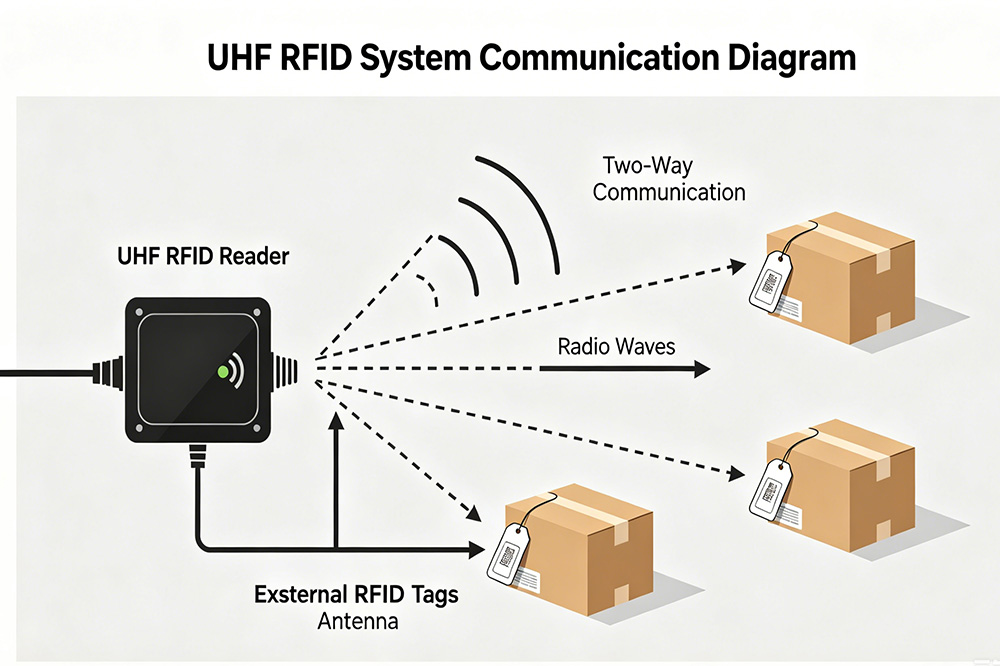
When a UHF RFID system starts scanning, the reader transmits radio frequency energy through the antenna.
Passive RFID tags don’t have their own battery. Instead, they harvest part of that transmitted energy to briefly power their chip and send back stored information.
The antenna then receives those responses and passes them to the reader for decoding.
On paper the process sounds straightforward. On an actual warehouse floor, reflections from metal racks, liquids, machinery, and even moving forklifts can change signal behavior in unexpected ways.
That’s why experienced engineers often spend more time positioning antennas than configuring software.
One question comes up in almost every project meeting.
Should we choose a circularly polarized antenna or a linearly polarized one?
There isn’t a universal answer.
Circular polarization usually works well when tag orientation is unpredictable. Think about cartons moving on conveyors or mixed products stacked on pallets. Since tags may face different directions, circular polarization helps maintain reliable detection without requiring perfect alignment.
Linear polarization can provide stronger performance when tags maintain a known orientation. In controlled environments where products always face the same direction, it may achieve better efficiency and longer effective read distances.
I’ve seen installations where changing polarization solved inconsistent reads without replacing the reader itself.

Marketing materials often emphasize maximum reading distance.
Real projects tell a different story.
Imagine a packing station where operators need to identify only one carton at a time. A long-range rfid antenna could accidentally read neighboring packages several meters away, creating duplicate records or incorrect transactions.
In that case, controlled coverage is actually preferable.
Likewise, some manufacturing cells intentionally create small reading zones to prevent cross-reading between adjacent workstations.
The goal isn’t simply to read farther. It’s to read accurately.
One warehouse manager once complained that tags disappeared randomly during inventory counts.
The hardware checked out fine.
Eventually the installation team moved the antenna from the side of a metal shelving unit to an overhead mounting position with a different angle.
The missing tags suddenly became readable.
Little adjustments like height, tilt, spacing, and mounting direction often produce larger improvements than increasing transmission power.
That’s why pilot testing on-site is usually worth the effort.
Depending on the design, RFID antennas support a wide range of business scenarios:
Each environment presents different challenges. Metal tools behave differently from apparel. Liquids behave differently from cartons of electronics.
Choosing the same antenna for every project rarely delivers the best outcome.

When purchasing antennas for integration projects or distribution, technical specifications only tell part of the story.
It often helps to ask practical questions:
Thinking about these details early can avoid expensive redesigns later.
There’s another point people sometimes miss.
Poor reading performance isn’t always caused by the antenna.
RFID tags have their own antenna structures, and tag size, substrate material, mounting surface, and placement all influence communication quality. A tag attached directly to metal may behave differently from the same tag placed on cardboard.
In other words, an RFID system works as a partnership between reader, antenna, tag, and environment.
Optimizing only one piece rarely guarantees success.
As RFID adoption expands into manufacturing, logistics, healthcare, and automated inventory systems, antenna design continues to evolve. Engineers are experimenting with more compact structures, specialized radiation patterns, and application-specific layouts that improve coverage in difficult environments.
For businesses planning large-scale deployments or OEM projects, choosing a UHF RFID reader antenna shouldn’t be treated as an afterthought.
Quite often, it’s the component that quietly determines whether the whole solution feels reliable—or frustrating—once it reaches the warehouse floor.
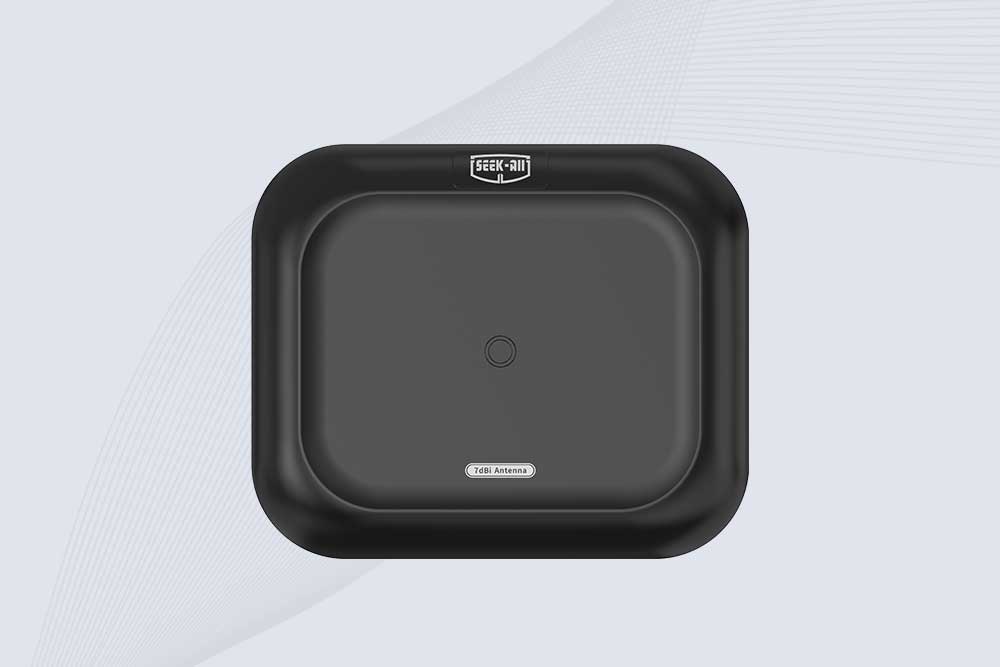
Explore the SSD-A07 UHF RFID antenna with 7 dBi gain, circular polarization, adjustable 840–960 MHz frequency, and 60°/75° beamwidth for stable RFID read/write performance.

SSD-A06 UHF RFID antenna with circular polarization, adjustable 840–960 MHz frequency, ≥4.5 dBi gain, and a compact directional design for RFID systems.
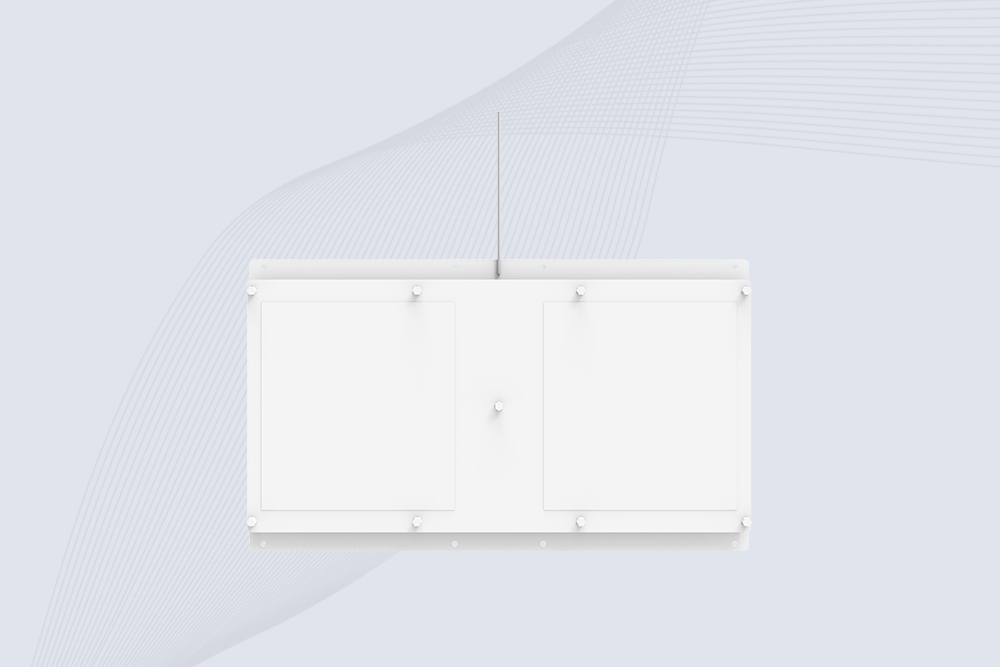
Cykeo CYKEO-A11 UHF RFID reader antenna delivers 11dBi gain, 840-960MHz frequency range, and IP65 ruggedness for retail, logistics, and industrial RFID systems. Features low VSWR and easy installation.

CYKEO Antenna RFID Reader delivers stable long-range UHF performance with a 10.5dBi directional design, built for warehouses, conveyor portals, and industrial RFID systems. This rfid reader antenna provides 20m+ read distance and rugged IP67 protection.

Cykeo CYKEO-PHF3 industrial HF RFID Antenna offers 24-point dynamic tracking, ISO 14443A/15693 protocols, metal-environment stability for archives/libraries/manufacturing.

Cykeo CYKEO-A5B industrial Linear RFID Antenna delivers 5dBi gain, ≤1.5:1 VSWR, and IP65 rugged design for warehouse, production line, and logistics UHF systems.

Cykeo’s CYKEO-B12 Long Range RFID Antenna delivers 15m+ read range with 12dBi gain, IP65 rugged design, and global 840-960MHz UHF support. Ideal for warehouse/logistics asset tracking.
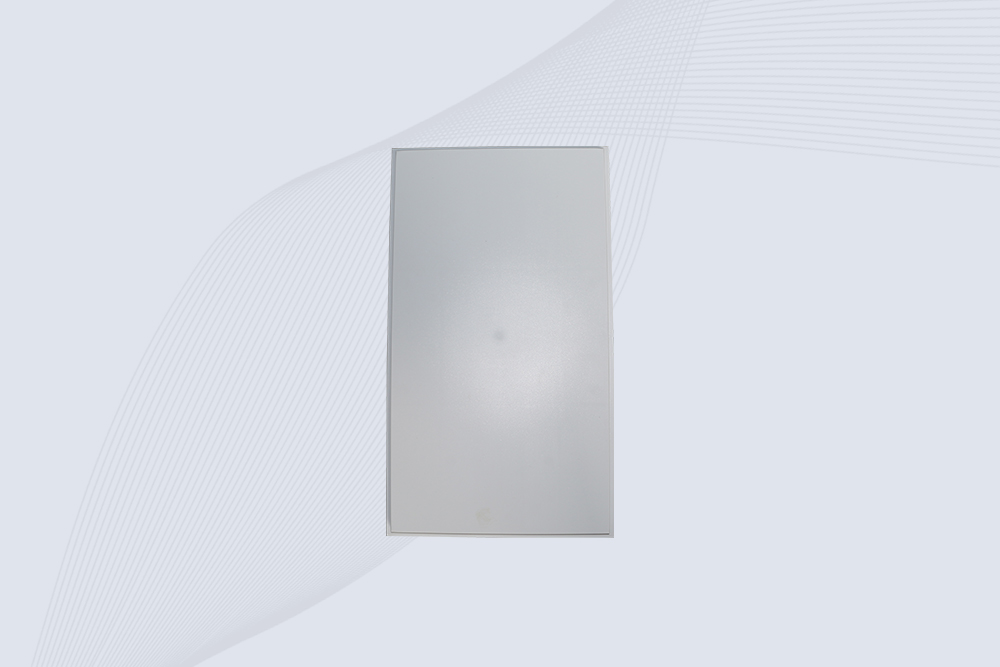
Cykeo CYKEO-B10 Long Distance RFID Antenna offers 10dBi gain, 840-960MHz frequency range, IP65 rating, and 20m+ coverage for logistics/warehousing/ETC systems. Low VSWR ensures stable signal transmission.
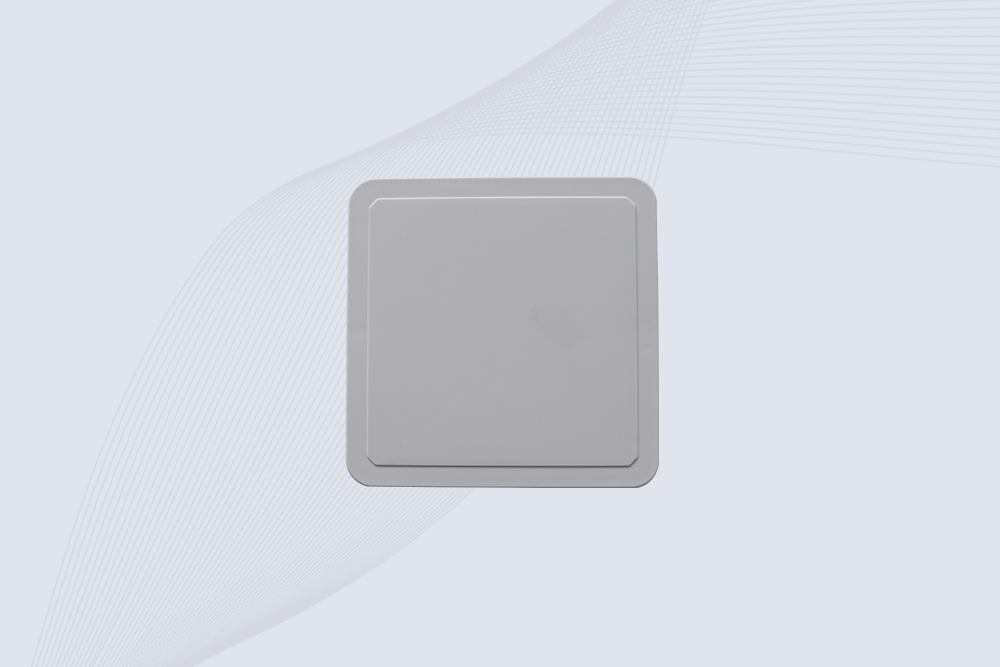
Cykeo CYKEO-A6 UHF RFID panel antenna features 6dBi gain, 840-960MHz broadband, IP65 metal-ready housing for logistics/smart retail. 18mm ultra-thin design with tool-free mounting.

Cykeo CK-A3 industrial antenna RFID UHF offers 5m+ tag detection, ≤1.3:1 VSWR, IP65 rugged design, and global UHF spectrum compatibility (840-960MHz) for warehouses, factories, and retail.
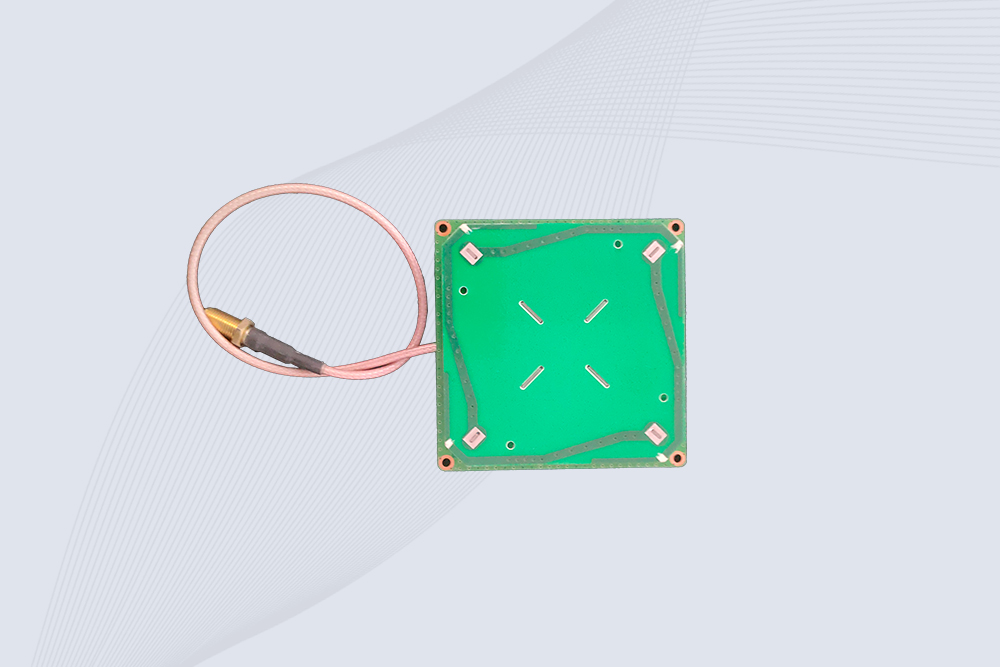
Cykeo CYKEO-B5 directional RFID antenna provides 5dBi gain with 60° narrow beamwidth for precise inventory tracking. IP65-rated, global UHF frequency support, and low VSWR.
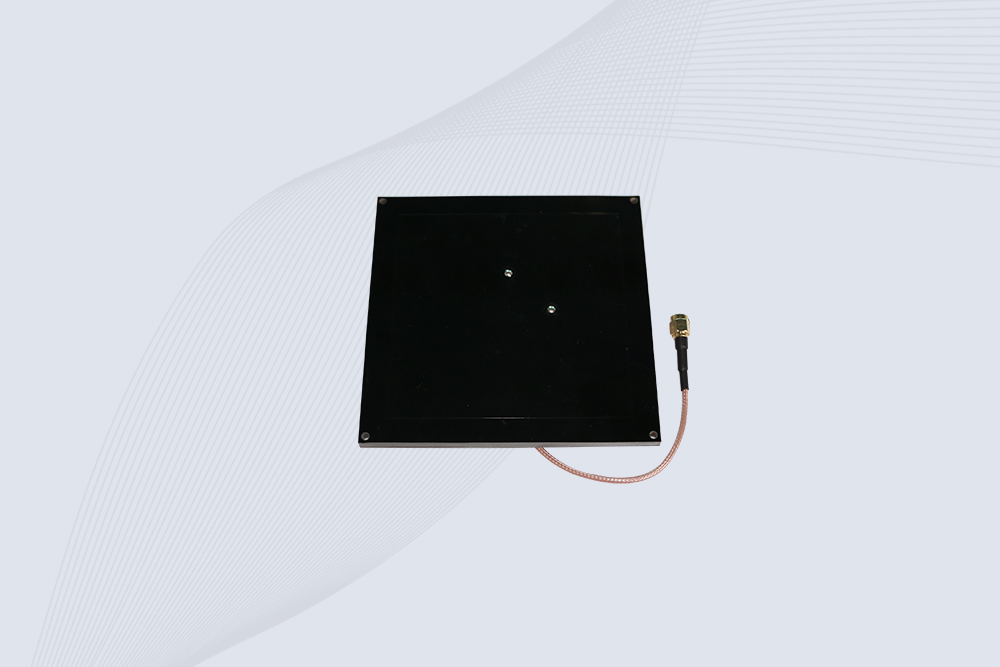
Create your own high-performance DIY RFID antenna! 5dBi gain, 840-960MHz tunable, step-by-step guides. Compatible with Arduino, Raspberry Pi, and commercial UHF readers.
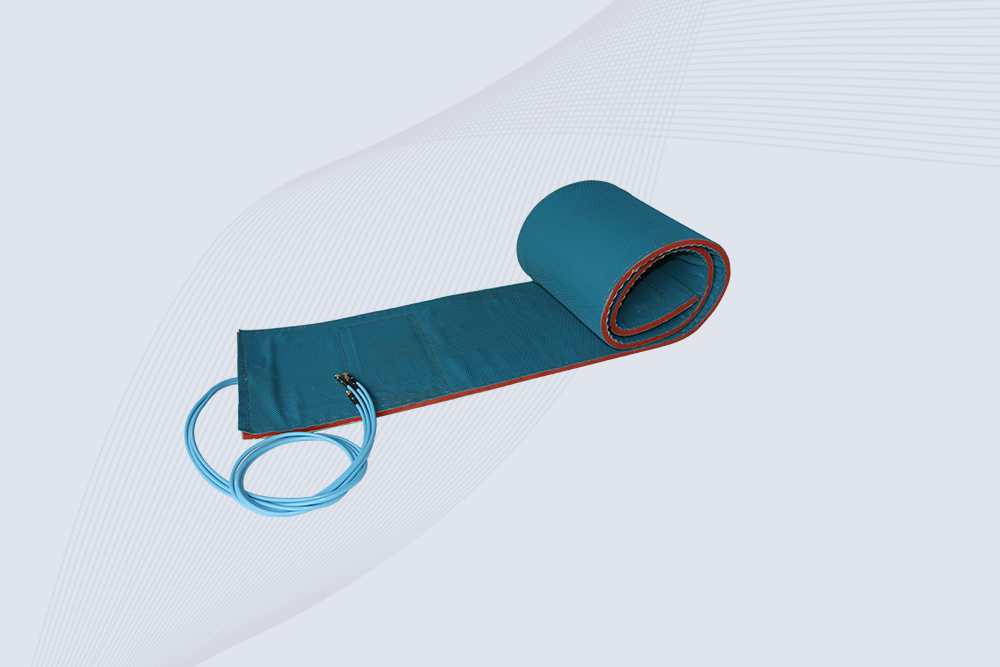
Cykeo CYKEO-A7 Flexible RFID Antenna features 840-960MHz wideband tuning, 7dBi gain, and IP68 rating for medical/retail/industrial curved surface deployments. 98% read accuracy with peel-and-stick installation.

Cykeo CYKEO-B5A industrial Passive RFID Antenna delivers 5dBi gain, 70° beamwidth, and -40°C~55°C operation for warehouses/smart cabinets. Compatible with Zebra/Impinj readers.
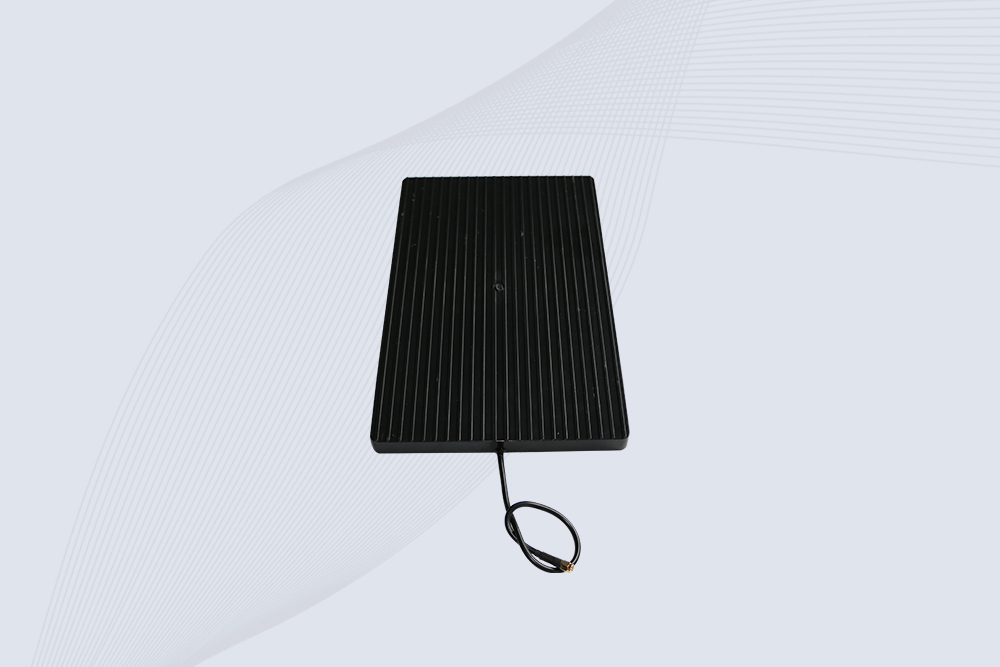
Cykeo’s CYKEO-A9B High Gain RFID Antenna delivers 15m+ read range with 9dBi amplification. Features IP54 rugged design, 840-960MHz bandwidth, and 80° beamwidth for warehouse/manufacturing RFID systems.

Cykeo’s enterprise-grade 8dbi Impinj RFID Antenna 10m+ read range with 840-960MHz tuning. Features IP65 housing, 1.4 VSWR, 35° beamwidth for retail/warehouse RFID systems.
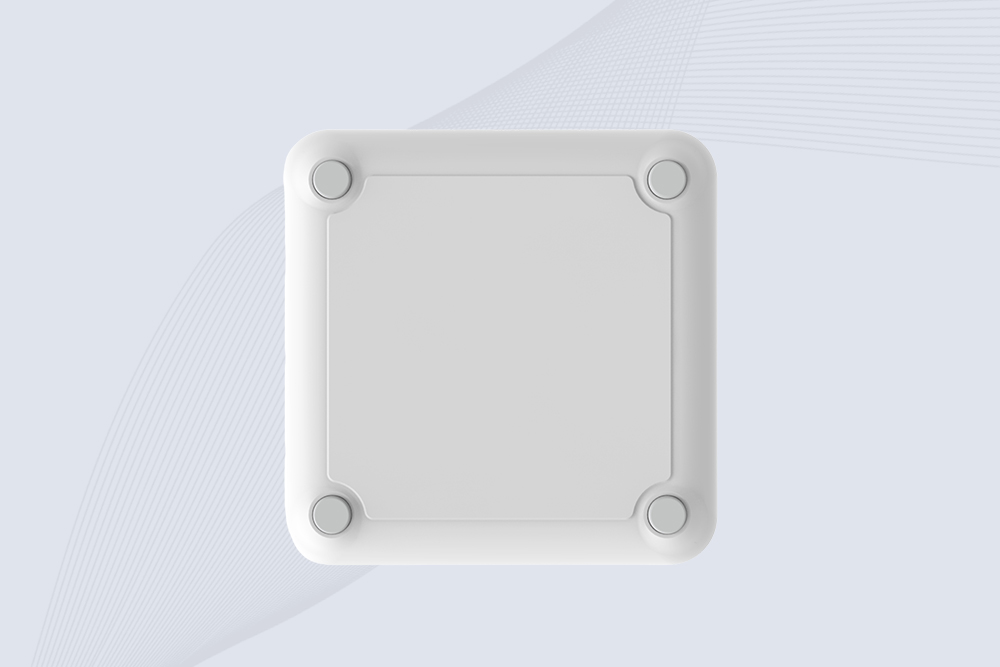
Cykeo CYKEO-A9 industrial UHF RFID antenna delivers 9dBi gain, 840-960MHz frequency range, and IP65 protection for warehouse/logistics/retail RFID systems. Features N-type connector and ≤1.3:1 VSWR.

CYKEO UHF RFID Antenna built for long-distance and industrial applications. This antenna rfid uhf delivers strong gain, outdoor durability, and reliable tag performance in warehouses, yards, and vehicle ID systems.
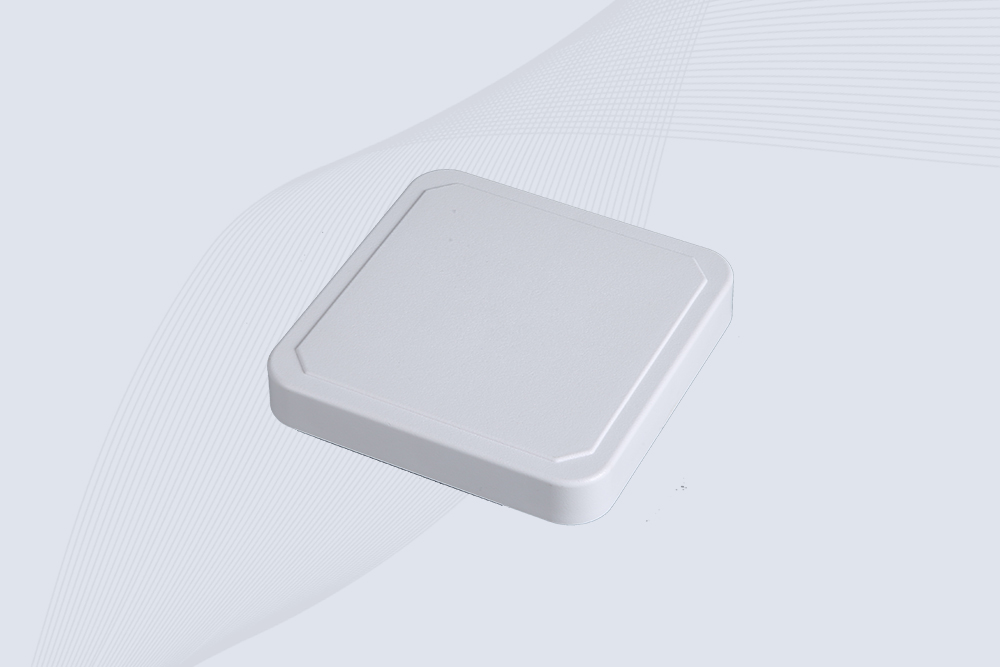
CYKEO Antenna RFID delivers reliable long-range UHF performance in warehouses, retail shelves, and cold-chain environments. This compact uhf rfid antenna provides stable reads with circular polarization and ultra-wide 840–960 MHz support, ideal for industrial tracking, smart shelves, and asset monitoring.

Cykeo’s CYKEO-C8 UHF RFID antennas delivers 8dBi gain, 840-960MHz full-band coverage, and IP65 ruggedness for manufacturing/warehouse RFID systems. Industrial RFID Antennas Features

Cykeo’s 8dBi UHF RFID antenna and reader kit delivers 10m+ range, 840-960MHz broadband, and IP65 ruggedness for factories, warehouses, and logistics. ISO 18000-6C & EPC Gen2 certified.
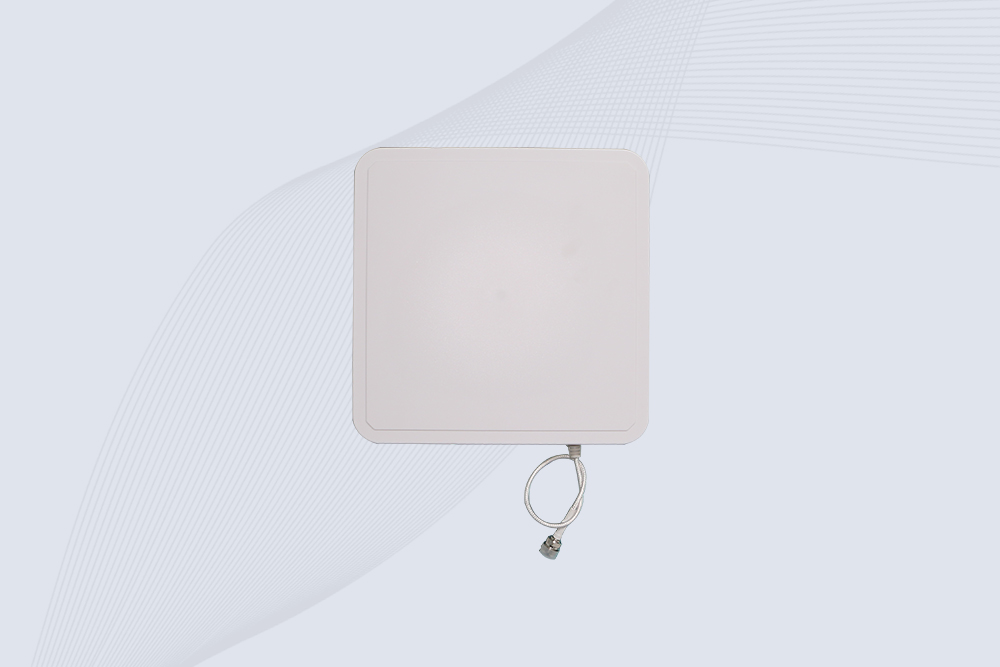
Cykeo CYKEO-A9A industrial UHF RFID reader and antenna kit delivers 10m range, 500 tags/sec, IP65 ruggedness for manufacturing/logistics. Supports EPC Gen2, ISO18000-6C.
Cykeo’s CYKEO-A12C UHF Large RFID Antenna delivers 12dBi gain, 840-960MHz global frequency, IP65 ruggedness for logistics/warehousing/automotive. 40° beamwidth ensures stable 15m+ tag reads.

CYKEO Near Field RFID Antenna provides precise 5–30 cm reading for shelves, cabinets, and workstations. This compact rfid shelf antenna delivers stable short-range performance around metal and clutter, ideal for pharmacies, libraries, and electronics sorting.
RFID Industry Writer | IoT & Asset Tracking Analyst
James writes about RFID technology, asset tracking, and the practical challenges of digital transformation across warehousing, retail, manufacturing, and logistics.
His work focuses on how RFID is applied in real-world operations—improving inventory visibility, automating workflows, and helping businesses manage assets with greater accuracy and efficiency.
He regularly covers topics including UHF RFID, smart cabinets, RFID portals, tool tracking, warehouse automation, and industrial IoT trends..

how RFID antennas work, optimize read zones, handle industrial interference, and ensure reliable tag reading in warehouses and logistics systems.
More
Discover how Cykeo's new Beijing branch delivers cutting-edge RFID technology and tailored IoT solutions across six North China provinces, driving industrial digitalization with 48-hour delivery assurance.
More
In aerospace and MRO environments, tool accountability is critical. Learn how RFID for tools helps reduce risks, improve traceability, and support compliance requirements.
More
RFID gate opener sticker solutions improve vehicle access control, parking automation, and gated entry security with fast hands-free RFID identification.
More