 Cykeo RFID IoT Solution Products R&D Manufacturer
How RFID Jewelry Tags Smart Inventory Management
0RFID jewelry tags help jewelers achieve real-time inventory visibility, faster stock counts, and enhanced security. Discover how Cykeo RFID solutions transform jewelry retail operations.
MoreAll RFID Product
If you’ve worked with hospital inventory systems before, you probably already know this:
Most problems don’t come from the system itself — they come from how people use it.
Manual records get skipped. Barcode scans get delayed. And sooner or later, the numbers stop matching reality.
That’s why more hospitals are starting to move away from traditional inventory methods and look at RFID-based solutions, especially RFID medical cabinets.
This isn’t just a “technology upgrade.” It’s more about reducing the number of things that can go wrong in daily operations.
In many hospitals, the process is still something like this:
On paper, it works.
In real situations, especially in operating rooms or emergency departments, it often doesn’t.

From what we’ve seen in actual projects, the issues are quite consistent:
Even a well-trained team won’t be 100% consistent during busy shifts.
Items are used now, but records are updated later — sometimes much later.
When something goes missing, it’s difficult to trace responsibility.
Manual counting still has to be done regularly, and it interrupts normal work.
An RFID medical cabinet doesn’t try to improve manual discipline.
It removes the need for it.
The workflow becomes:
There’s no “remember to scan” step anymore.
Instead of listing features, here’s how it usually feels in real use:
It’s usually not because they want “new tech.”
It’s because certain problems keep repeating:
At some point, improving manual processes further doesn’t really help. The structure itself needs to change.

From project experience, the impact is most obvious in:
These are places where:
A common concern is whether RFID systems can work with existing hospital software.
In most cases, RFID medical cabinets can integrate with:
So instead of replacing the system, they act as a data input layer that improves data quality.
Not necessarily.
For small clinics with limited inventory, traditional methods may still be enough.
But once you have:
RFID starts to make more sense.
The biggest difference between traditional inventory and RFID systems is not speed or technology.
It’s reliability.
Manual systems depend on people doing the right thing every time.
RFID systems are designed so that even when people are busy, the system still captures what’s happening.
That’s usually the point where hospitals decide to switch.
If you’re working on hospital projects or supplying healthcare equipment, RFID medical cabinets are often introduced as part of:
We support:
Feel free to reach out if you need specifications, pricing, or project support.
Related products
CYKEO-GY1B Medical RFID Cabinet
CYKEO-GY1A Smart Medical Cabinet RFID
CYKEO-GY2A UHF RFID Hospital Asset Cabinet
CYKEO-GY2B Medical RFID Storage Cabinet
CYKEO-GY1 Smart RFID Medical Cabinet
FTNG-L-CK-03 FENTANYL SMARTDRUG CABINET
FTNG-L-CK-02 RFID Fentanyl Secure Pharmacy Cabinet
FTNG-L-CK-01 Medical RFID Medicine Cabinet
CYKEO-MFX RFID Operating Room Cabinet
CYKEO-MFY Operating Room RFID Cabinet
CYKEO-MH RFID Scrub Return Cabinet
CYKEO-GY3 Low-Value Consumables Cabinet
Guide Recommendations
RFID Technology Reshapes Hospital Management: Driving Intelligent Transformation in Healthcare
RFID in Medical Equipment and Asset Management: A Smart Solution for Efficiency and Cost Reduction
RFID in Healthcare: Tracking Equipment, Improving Care
RFID in Healthcare: Is It Really Solving Hospital Problems or Just Adding Tech?
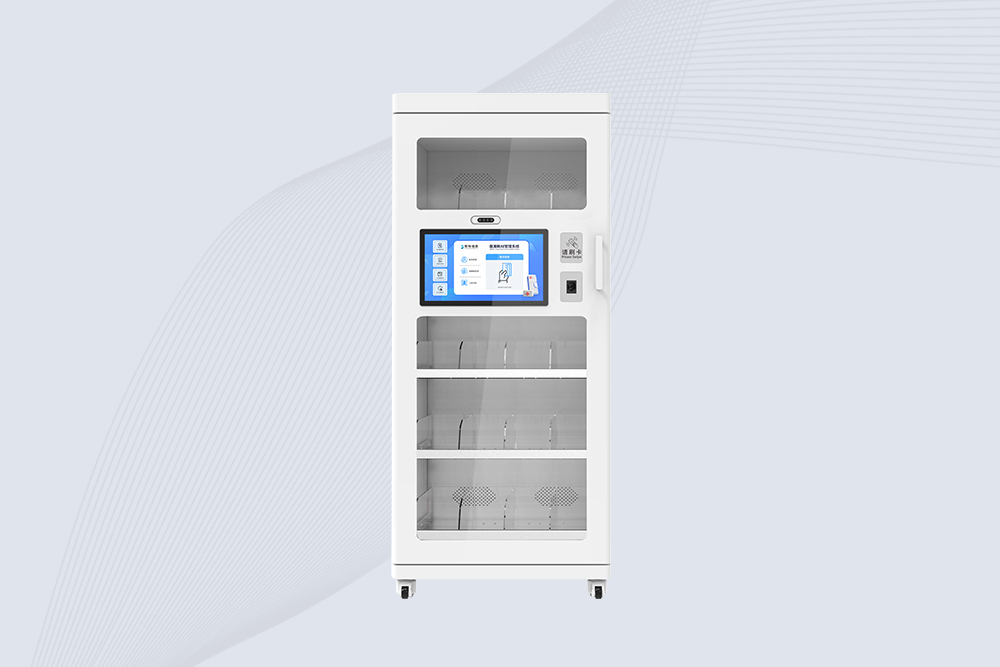
Cykeo’s medical RFID cabinet features 21.5″ touchscreen, dual-door security & HIPAA compliance for OR/pharmacy. Tracks implants, gauze & consumables. Request demo.
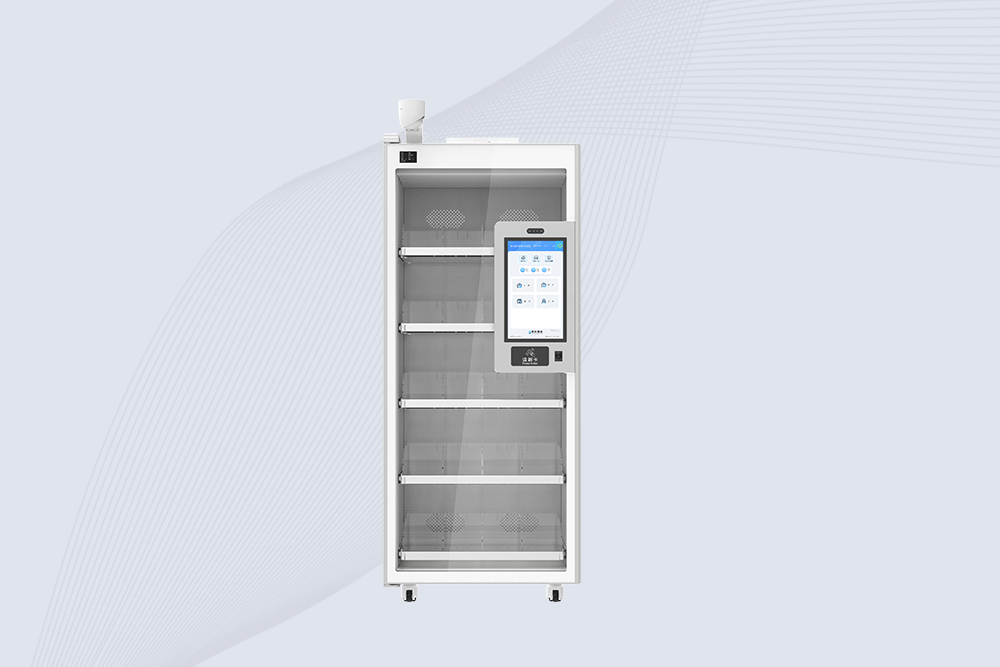
Cykeo’s smart medical cabinet RFID features 21.5″ touchscreen & 99.9% accuracy for OR instrument tracking. Modular shelves for 500+ items. HIPAA compliant. Request demo.
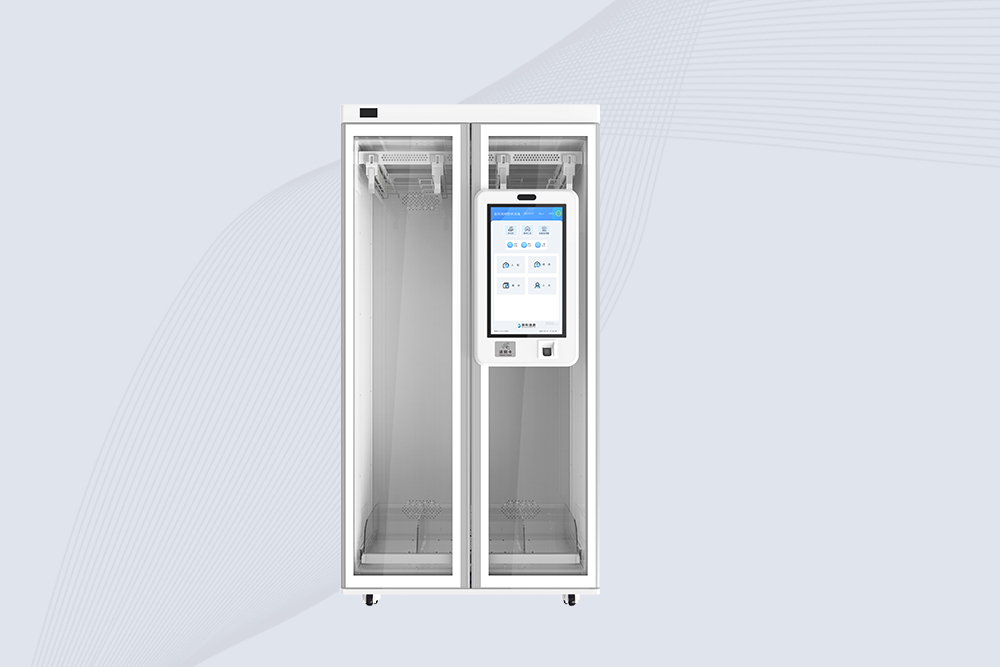
Cykeo’s UHF RFID hospital asset cabinet features dual-door security, antibacterial coating & 99.9% accuracy for OR implants. ISO 13485 compliant. Tracks 2000+ items.
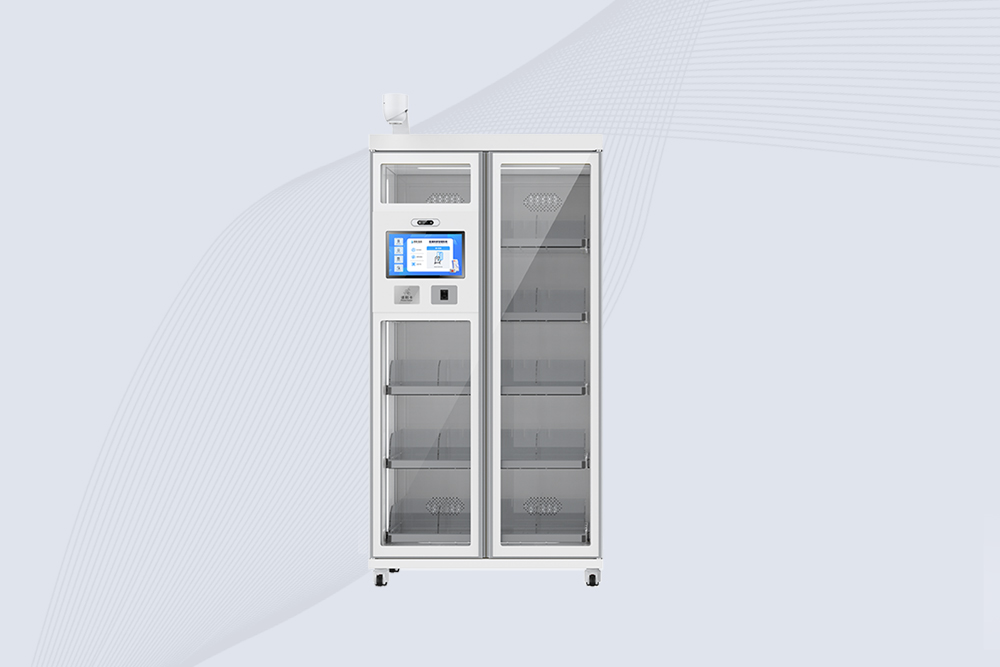
Cykeo’s medical RFID storage cabinet features 14″ touchscreen, 600 tags/sec scanning & 1.2mm steel security. Tracks 500+ surgical consumables. Reduces staff workload by 70%.
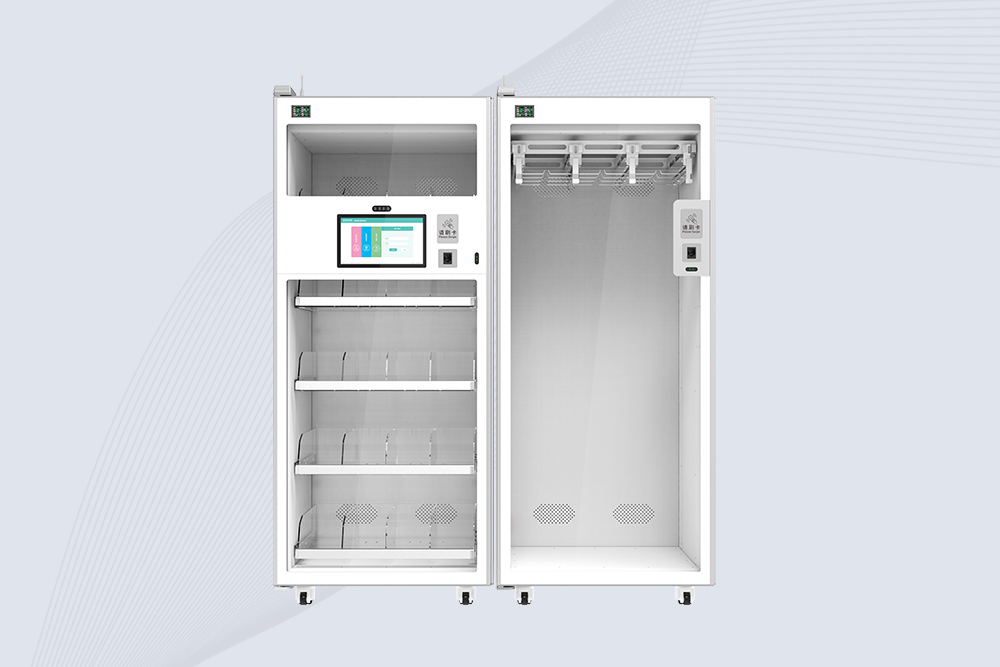
Cykeo’s smart RFID medical cabinet features dual-camera verification, 14″ touchscreen & 99% inventory accuracy. Reduces surgical errors & staff workload. FDA 21 CFR Part 11 compliant.
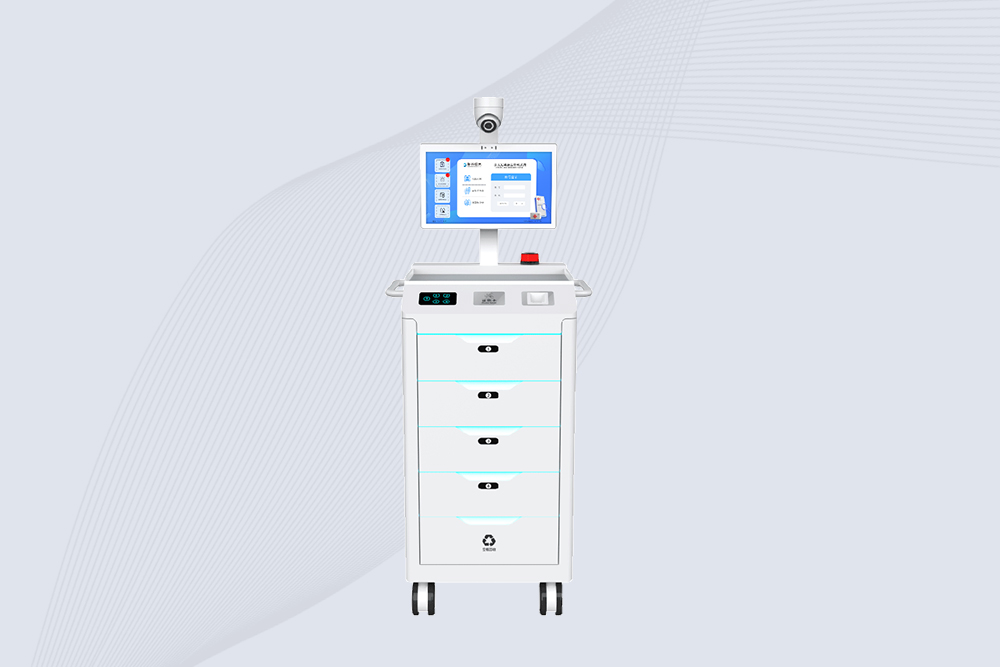
Cykeo’s RFID pharmacy security cabinet features 22″ touchscreen, residual liquid recovery & dual authentication for fentanyl storage. FDA compliant. Manages 1000+ narcotics.
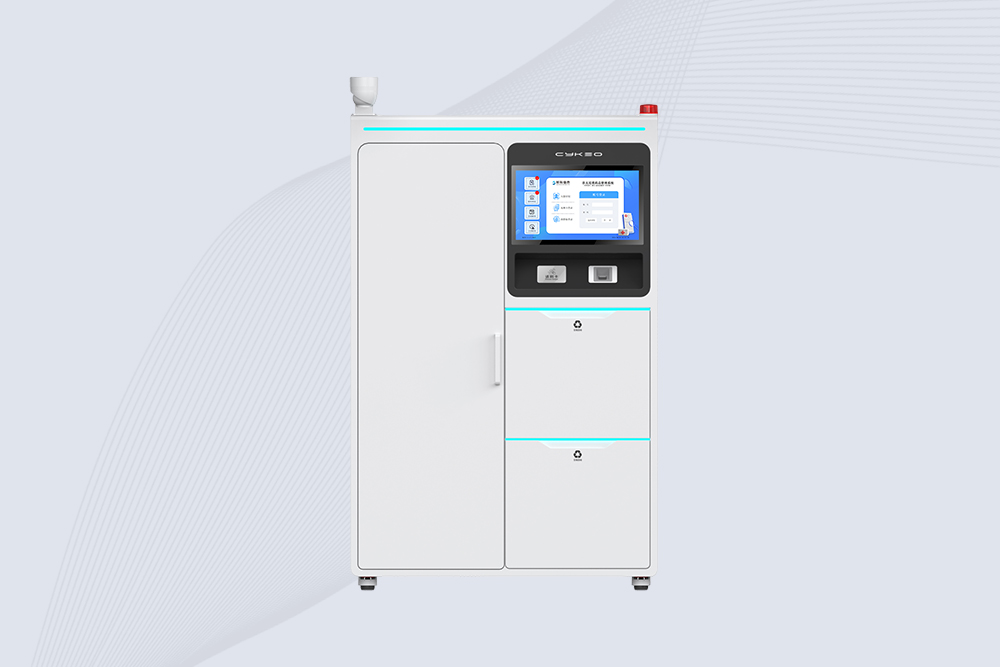
Cykeo’s RFID Anesthesia Medication Cabinet features blockchain auditing, MIL-STD-810G security & real-time reconciliation for Schedule II drugs. DEA/GMP compliant. Configurable 3-10 storage units.
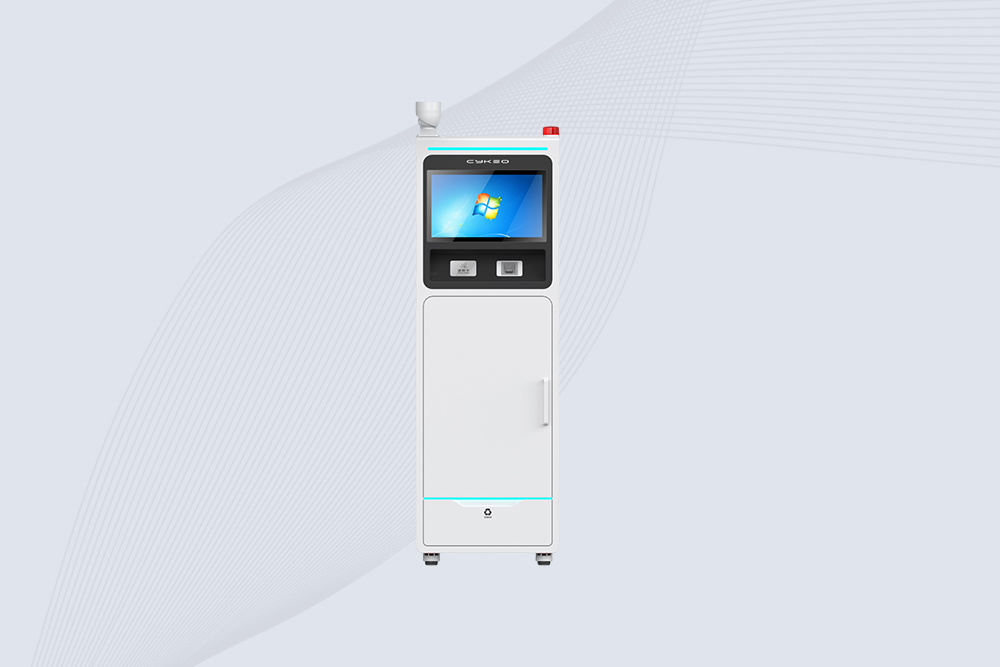
Cykeo medical RFID medicine cabinet features ≤5cm drug tracking, real-time HIS sync, military security, and USP-compliant climate control for Schedule II drugs.
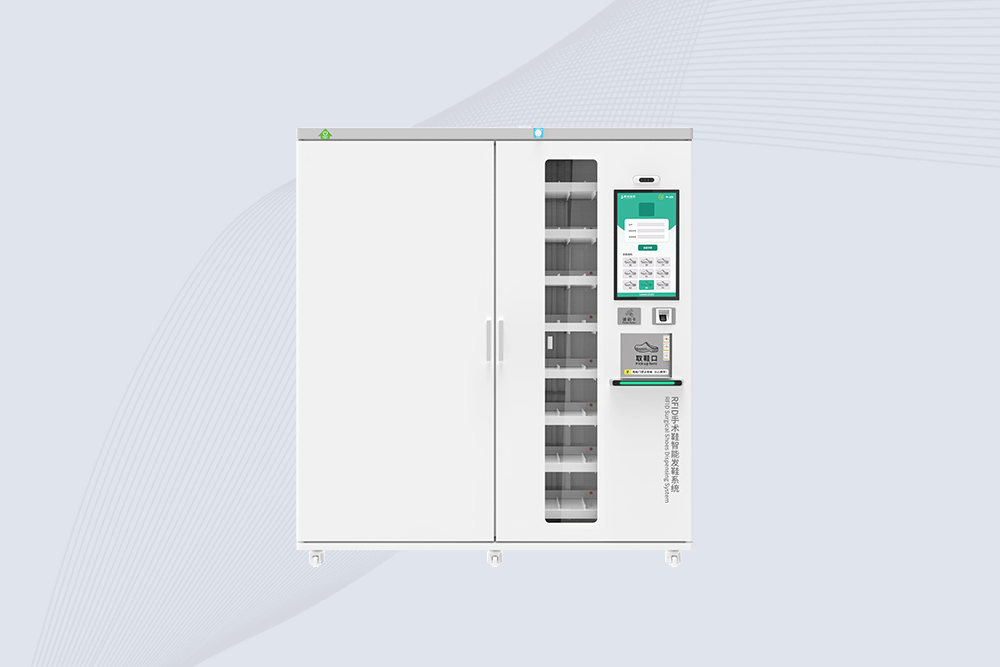
Cykeo RFID operating room cabinet features ≤55s shoe delivery, UHF RFID inventory control, ISO 13485 certification, and biometric access for OR workflow optimization.
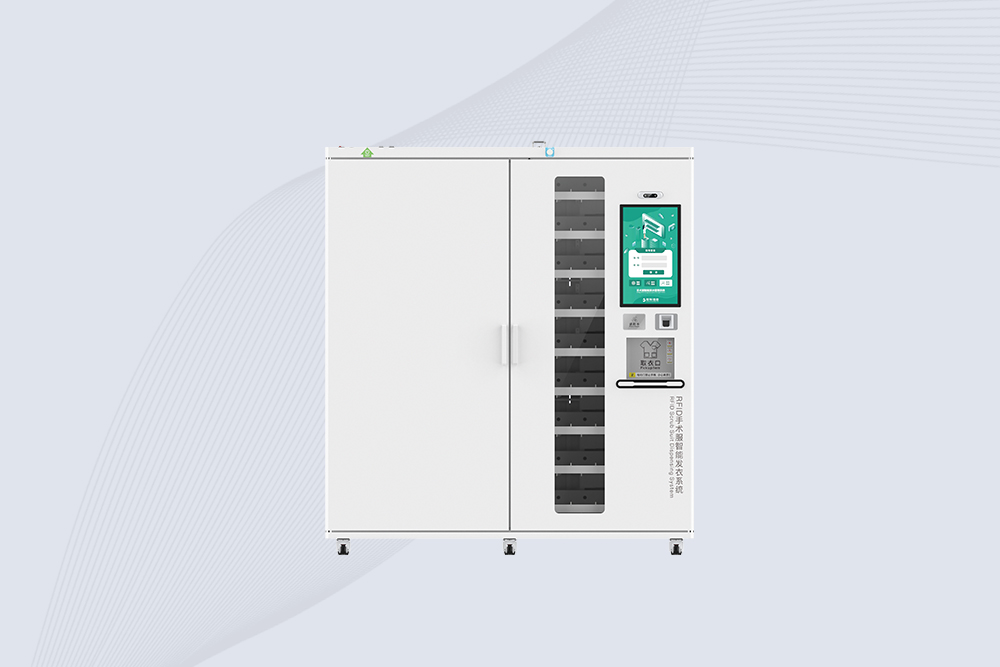
Cykeo operating room RFID cabinet features 108-gown capacity, UHF RFID tracking, real-time SPD integration, and biometric access for sterile OR management.
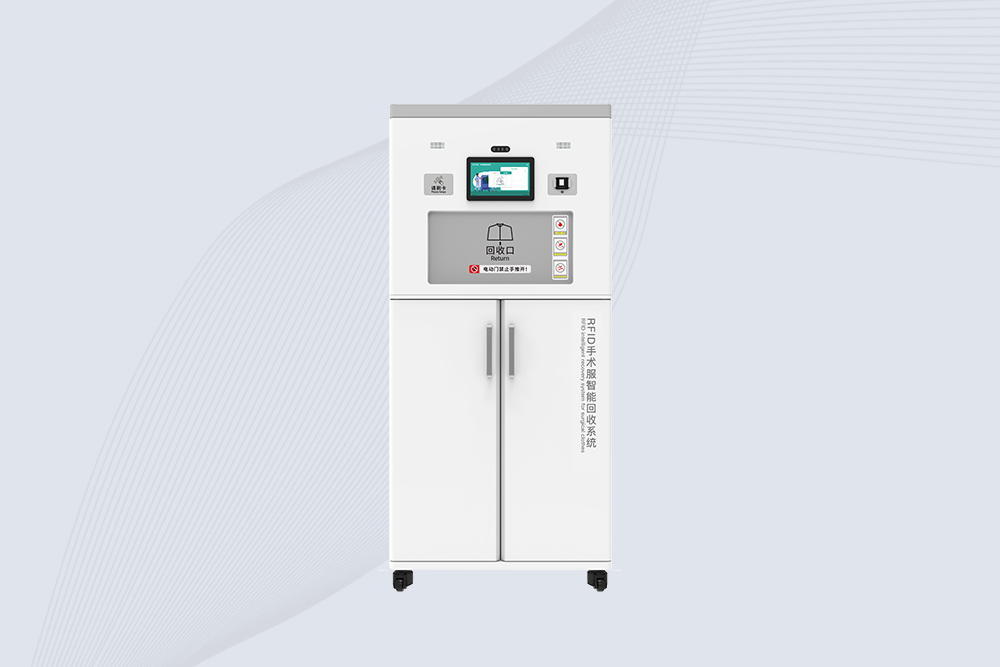
Cykeo’s RFID scrub return cabinet offers 50-gown batch scanning, HL7 integration, UV decontamination, and JCAHO compliance for hospitals/surgical centers.
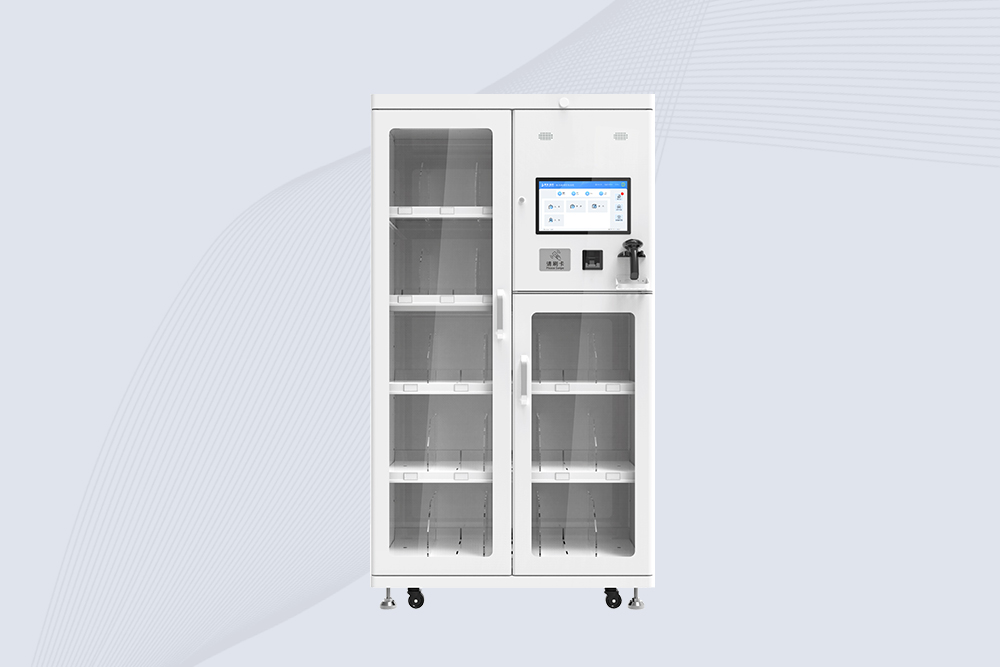
Cykeo’s low-value consumables cabinet offers 5-tier storage, HIPAA encryption, FDA compliance, and SAP integration for hospitals/clinics. Reduces stockouts by 70%.
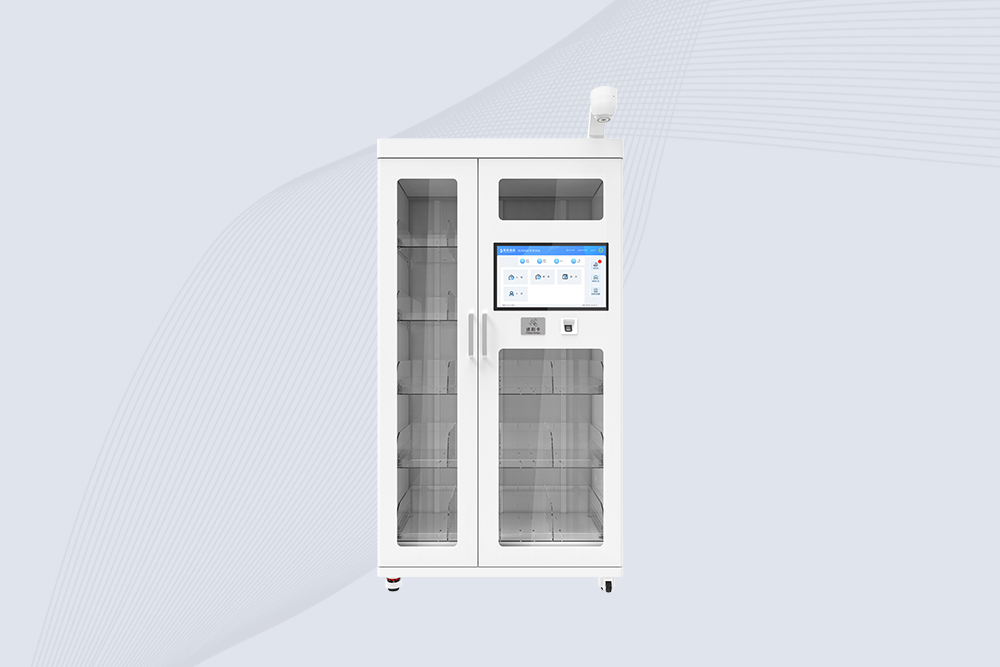
Cykeo’s RFID high-value consumables cabinet offers 500-implant capacity, FDA compliance, real-time Epic sync, and theft prevention for ORs/surgery centers.
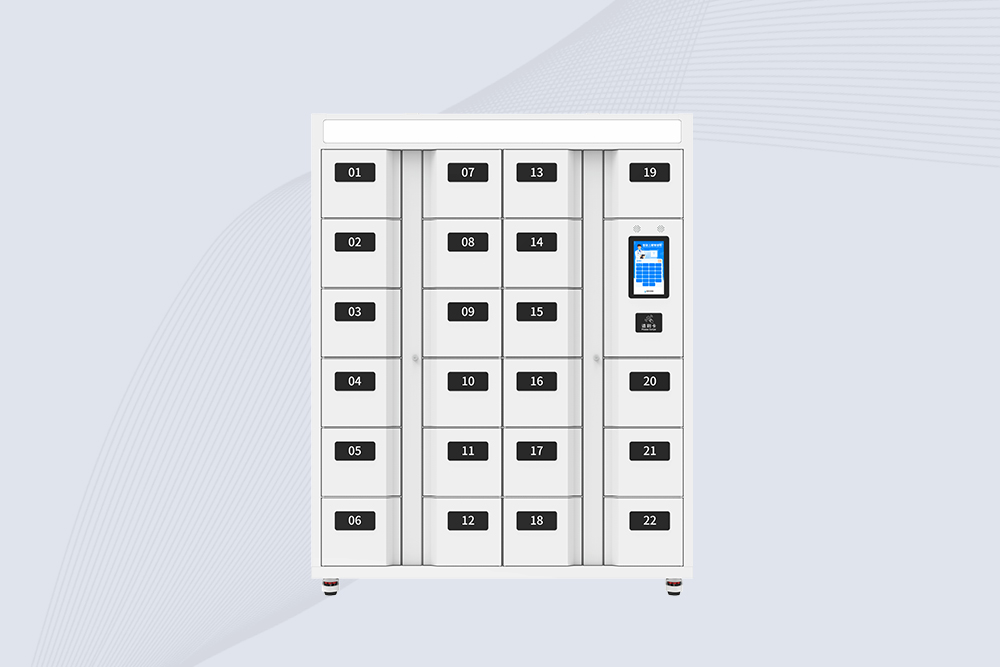
Cykeo CYKEO-G2224 rfid linen management cabinet features modular lockers, 10.1″ Android screen, and 200+/sec scanning for hospitals/hotels. SAP/Oracle integration.

RFID jewelry tags help jewelers achieve real-time inventory visibility, faster stock counts, and enhanced security. Discover how Cykeo RFID solutions transform jewelry retail operations.
More
Learn what it truly means to program an RFID reader. Our guide covers configuration, software integration, and the realities of custom firmware development.
More
Discover how RFID tags work, their components, and real-world applications. Learn about passive vs. active tags and Cykeo’s innovative RFID solutions.
More
Keep your handheld RFID scanners in top shape! Learn step-by-step maintenance for battery care, cleaning, firmware updates, and troubleshooting.
More