 Cykeo RFID IoT Solution Products R&D Manufacturer
RFID Reader for Industrial Automation: Practical Applications and Buying Guide
105Discover how RFID readers support industrial automation, production lines, material tracking and machine identification. Learn what to consider before buying...
MoreAll RFID Product
In many RFID projects, the basic setup is already familiar:
reader, antenna, tags—and a system that tracks movement.
But once projects move beyond simple tracking, a new requirement shows up:
control + decision-making in real time
That’s where a standard Impinj RFID reader–based system starts to feel limited on its own.
Because reading data is one thing.
Understanding what’s happening—and reacting instantly—is another.
This is exactly where RFID + AI gate systems come in.
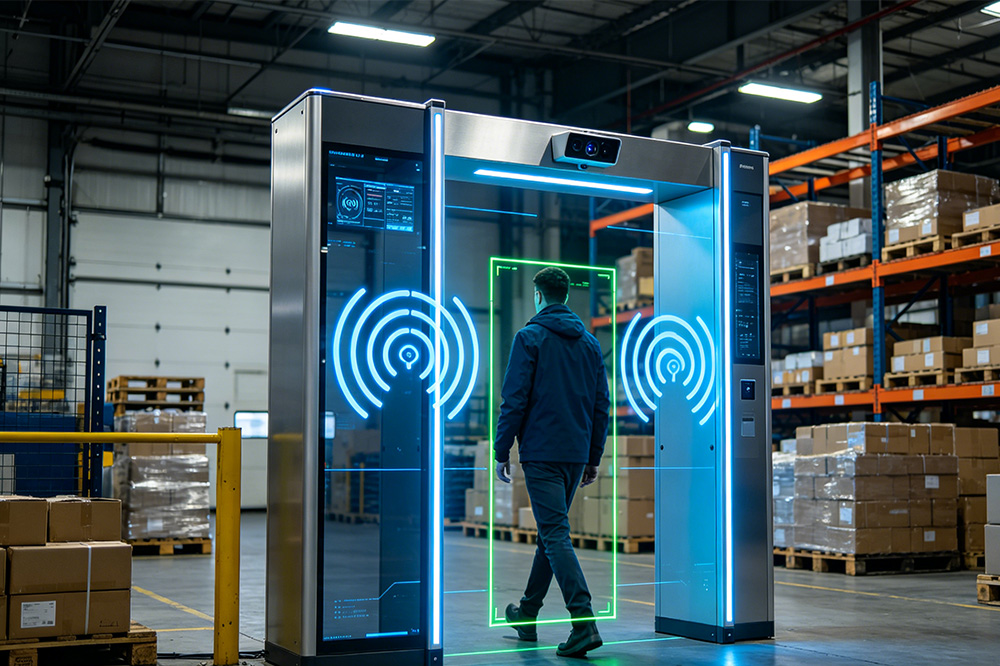
At a basic level, an RFID gate does this:
Now add AI into the mix:
The system doesn’t just read—it interprets
Standard RFID gate deployments work well for identification.
But in real-world environments, they often run into issues:
For example:
A pallet passes through a gate.
The system logs it—but:
Without additional intelligence, the system can’t answer these.
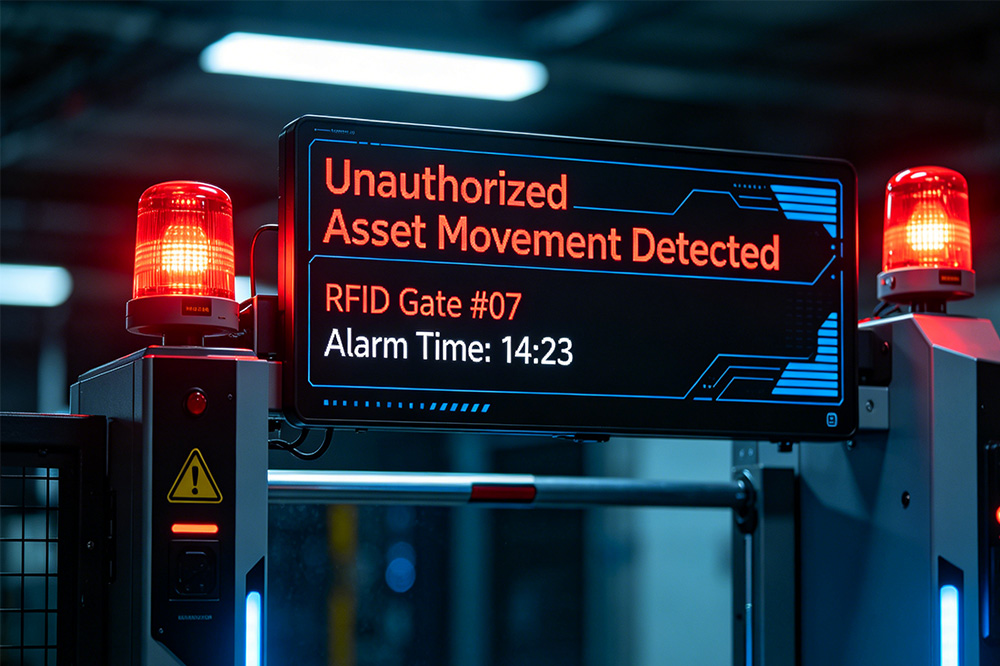
By combining RFID with AI vision, you get a much more complete system:
Reduces errors and false reads significantly
Even when multiple items pass through:
You don’t just get data—you get evidence:
This kind of system isn’t for every scenario—but when it fits, it’s powerful.
Even with AI in the system, RFID hardware remains the foundation.
If the reader misses tags,
the entire system loses reliability.
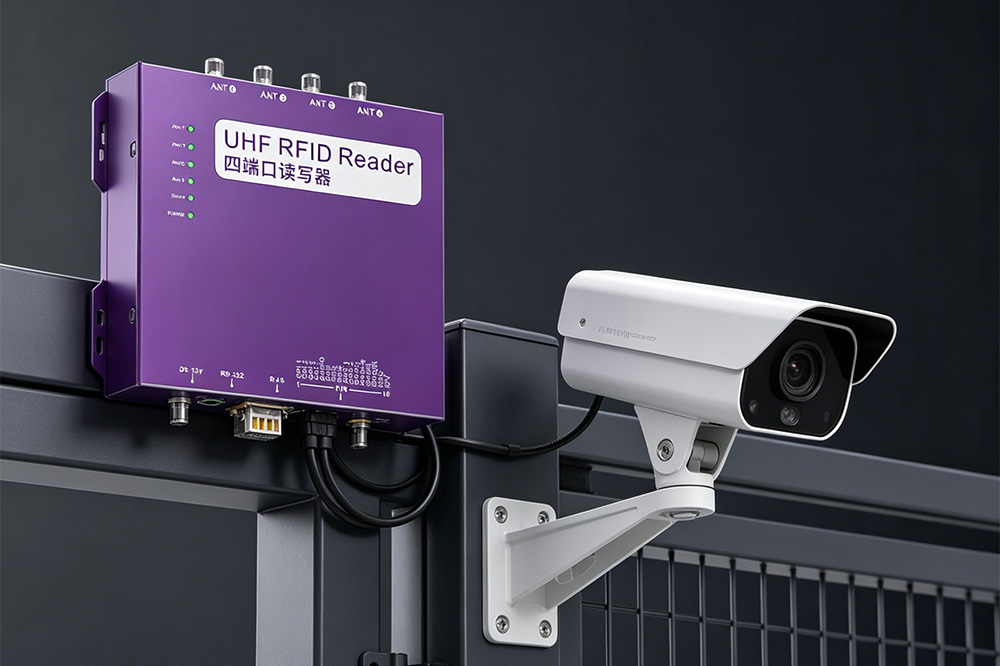
That’s why most deployments still rely on stable, industrial-grade readers like:
In RFID + AI gate setups, readers typically need:
In short:
AI adds intelligence, but RFID ensures accuracy
This is where many systems succeed—or fail.
Instead of deploying everywhere at once:
Start with one critical control point
Usually:
Once the system proves reliable, expand gradually.
A few years ago, RFID alone was enough.
Today, expectations have changed:
RFID + AI gate systems meet that demand.
A traditional Impinj RFID reader–based system is still a strong foundation.
But as projects become more complex, it’s no longer the full solution.
By adding AI into the gate layer, you move from:
Passive tracking
to Active decision-making
And that shift is exactly what many warehouses and industrial environments need right now.
Guide Recommendations
Fixed RFID Reader: Why It’s Becoming Must-Have
Fixed RFID Readers: What I Didn’t Expect and What I Learned
RFID Handheld Reader vs. Fixed Reader: Which Is Better for Retail?
Different Types of RFID Readers: A Simple Introduction
Best Budget USB RFID Readers Under $100 for Small Business Inventory Systems
RFID Module vs. RFID Reader: What’s the Difference?
Fixed RFID Reader Buying Guide: 5 Core Parameters You Must Know
What is an RFID Reader Used For?
How RFID Reader Works: The Simple Explanation
How to Choose the Best Long-Range RFID Reader for Warehouse Management
RFID Readers for Boom Barriers ,Where Efficiency Meets Access Control
Why Your Warehouse Needs Smarter RFID Readers in 2025
Understanding RFID Readers,Essential Devices for Efficient Tracking
Discover how RFID readers support industrial automation, production lines, material tracking and machine identification. Learn what to consider before buying...
More
Learn how to use rfid for inventory tracking with smart RFID systems. Discover accurate stock visibility, faster counting, and automated inventory control solutions by Cykeo.
More
Wondering "how is RFID read"? Discover the step-by-step process from energizing tags to decoding data. Learn about anti-collision and memory banks with CYKEO.
More
The Android RFID Emulator leverages Host-based Card Emulation (HCE) to turn Android phones into RFID/EPC tags. It enables low-cost testing, access control simulation, and rapid prototyping—making it an essential tool for RFID system integrators an...
More