 Cykeo RFID IoT Solution Products R&D Manufacturer






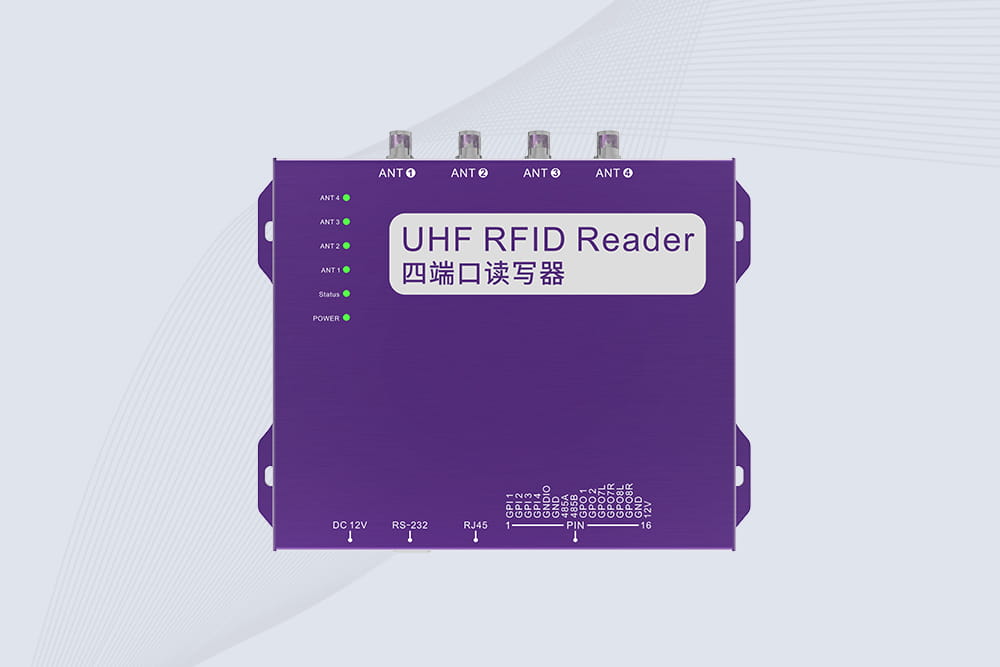
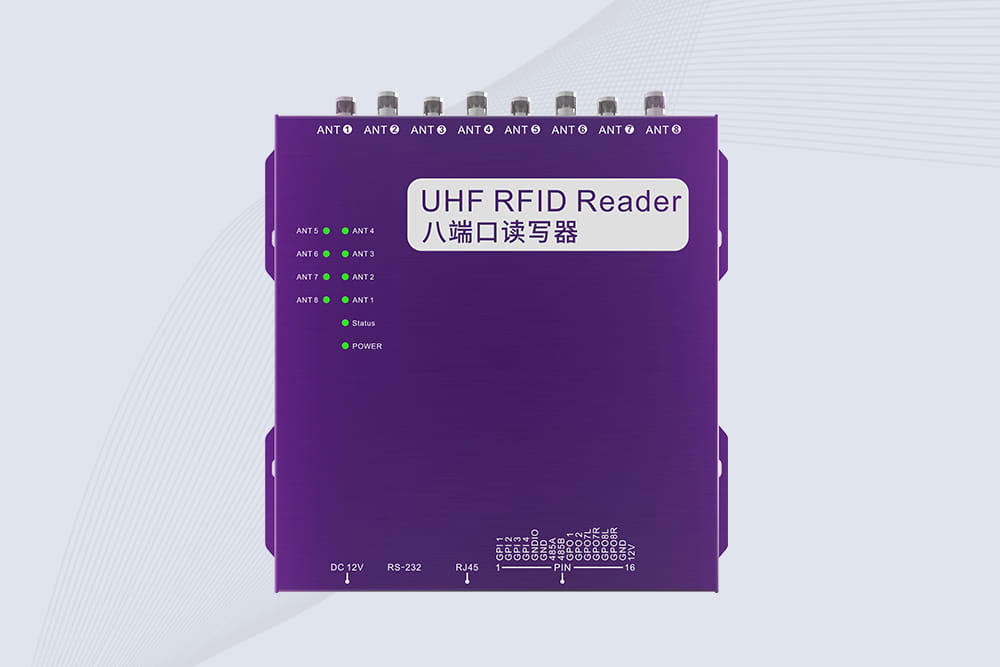
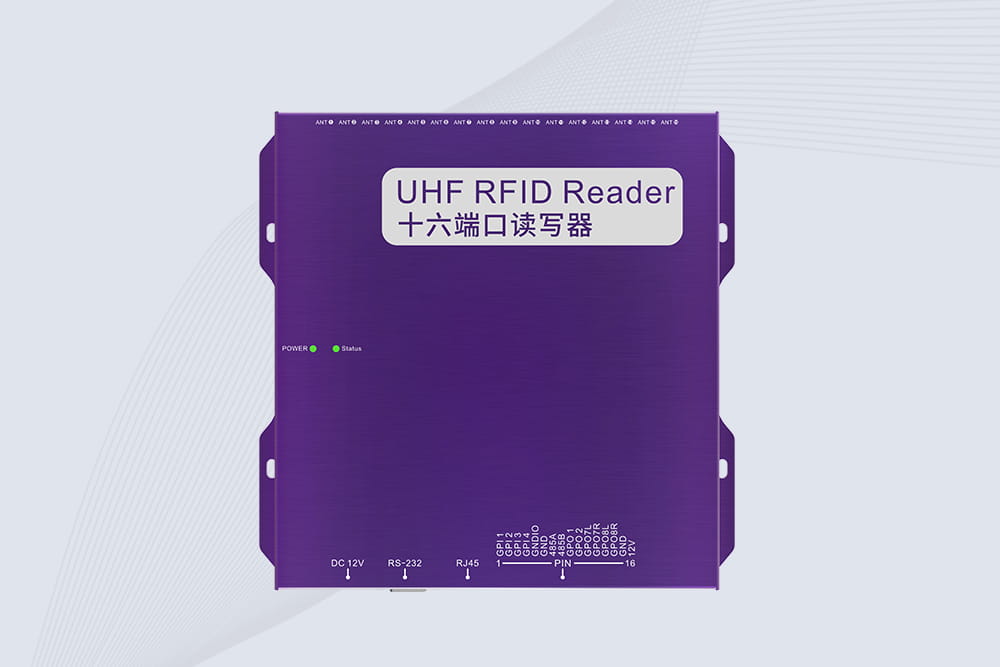
Understanding RFID Readers,Essential Devices for Efficient Tracking
319Wondering what RFID readers actually do? Check out our simple guide to RFID readers and how they help businesses keep track of inventory and assets in real-time.
MoreAll RFID Product
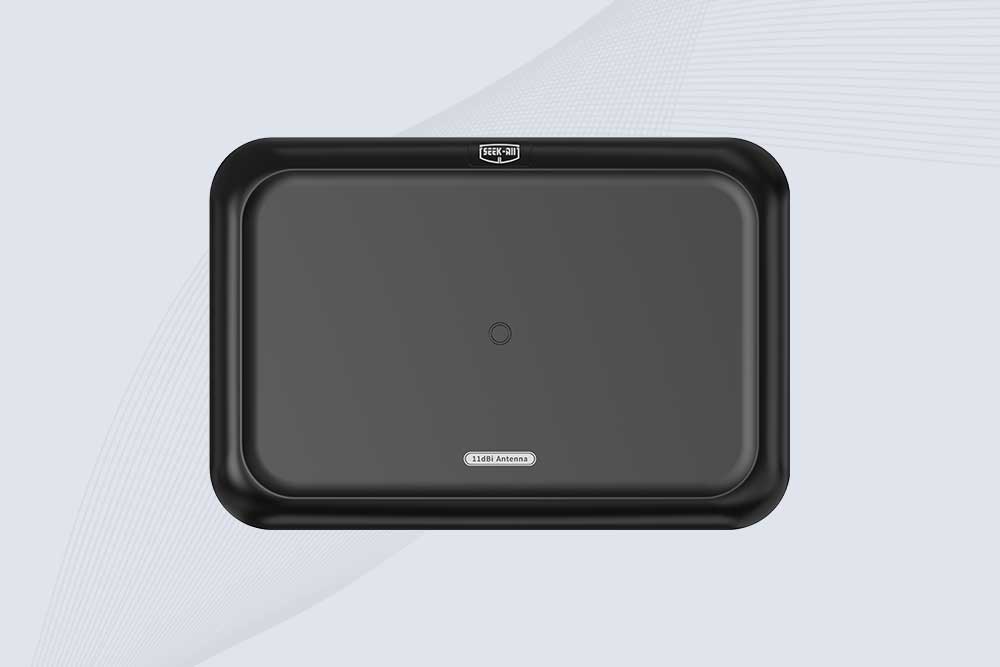
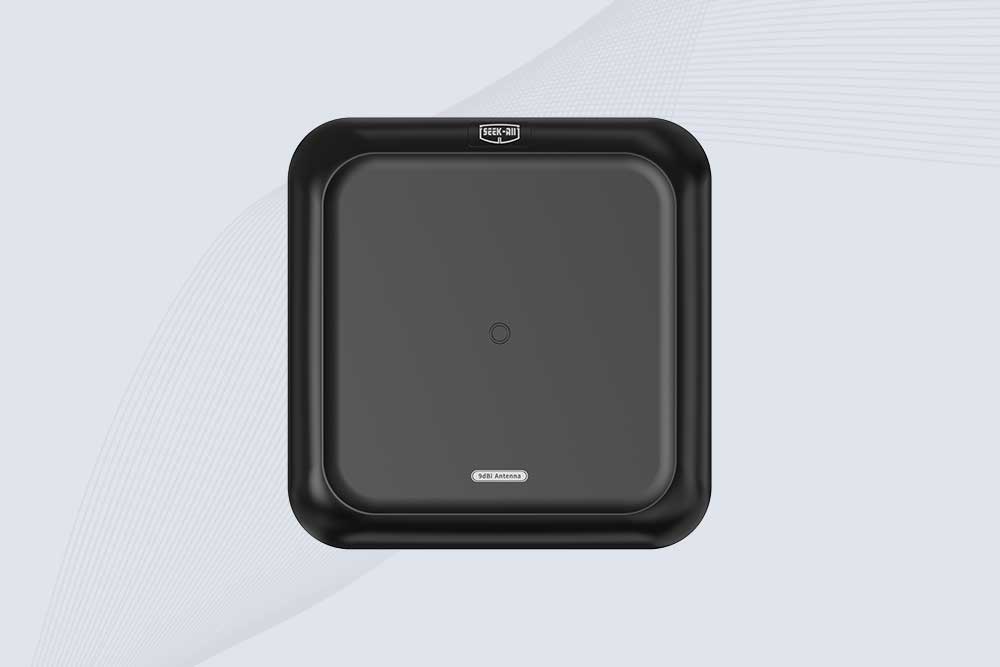
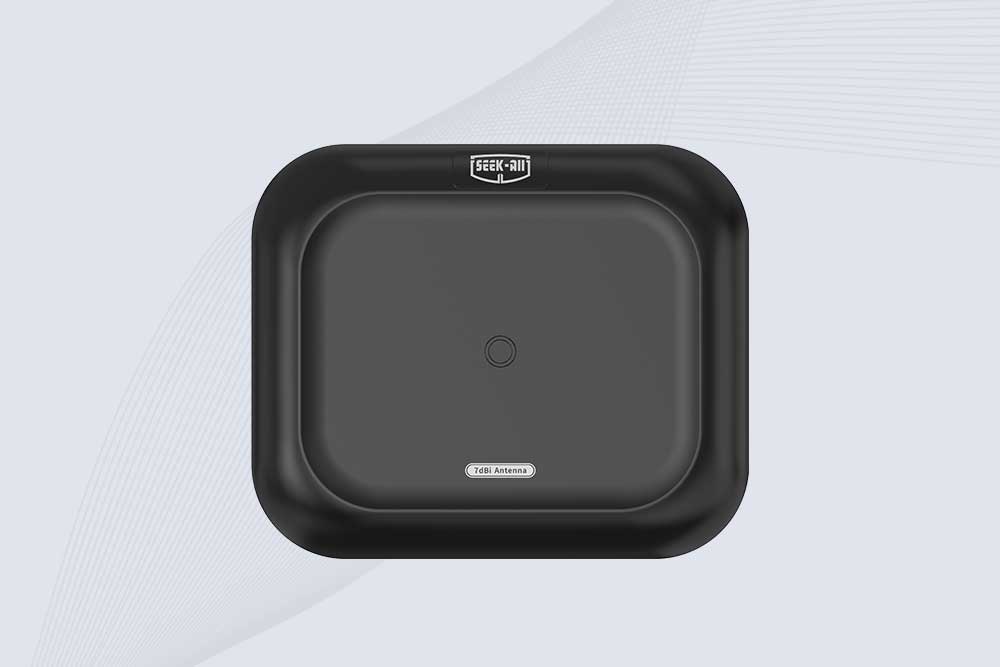
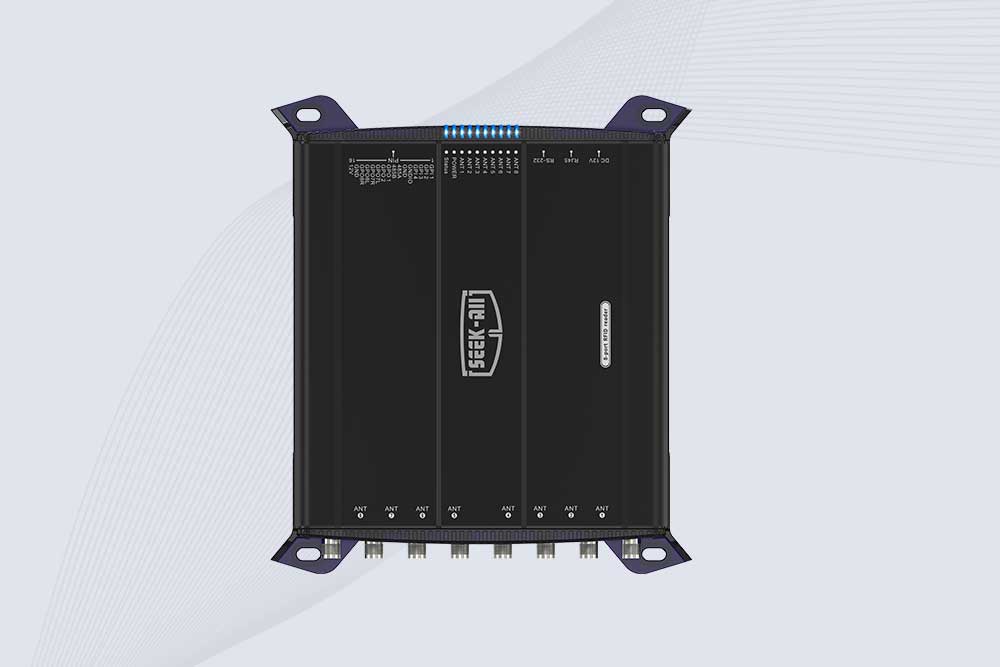
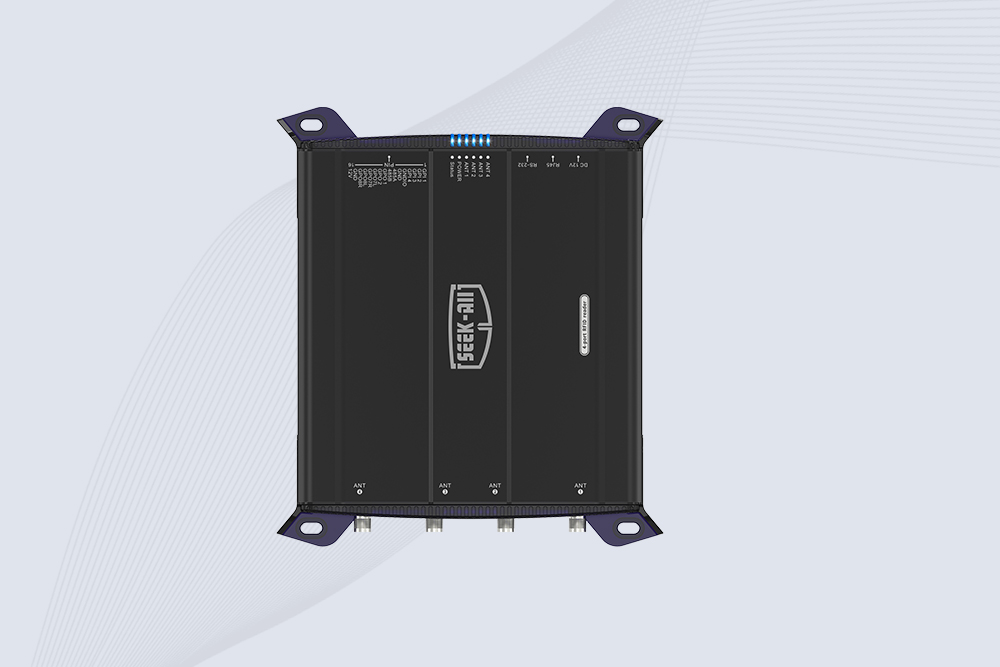
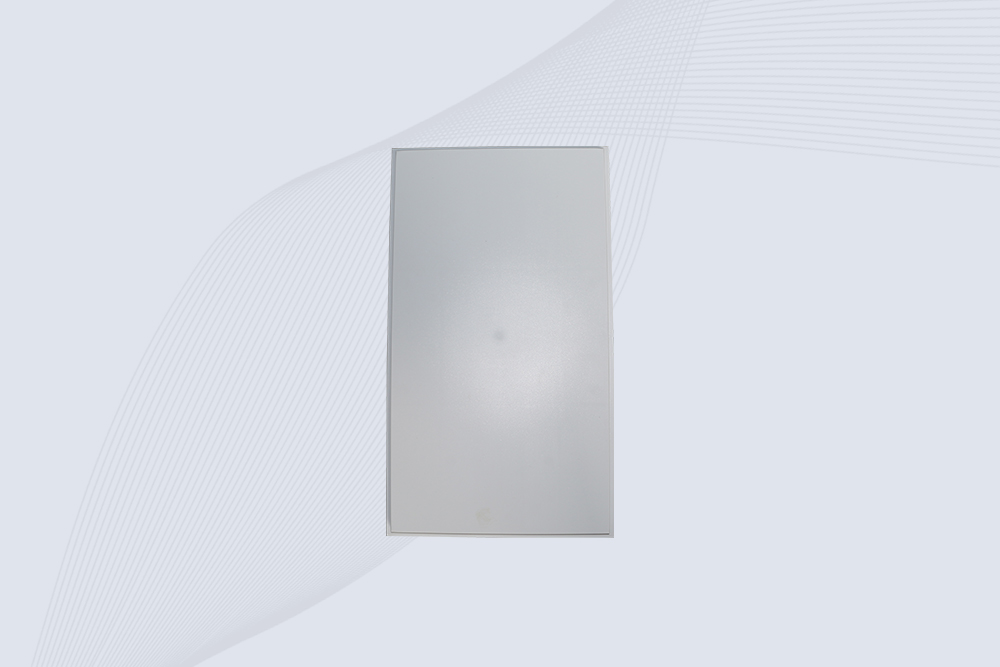
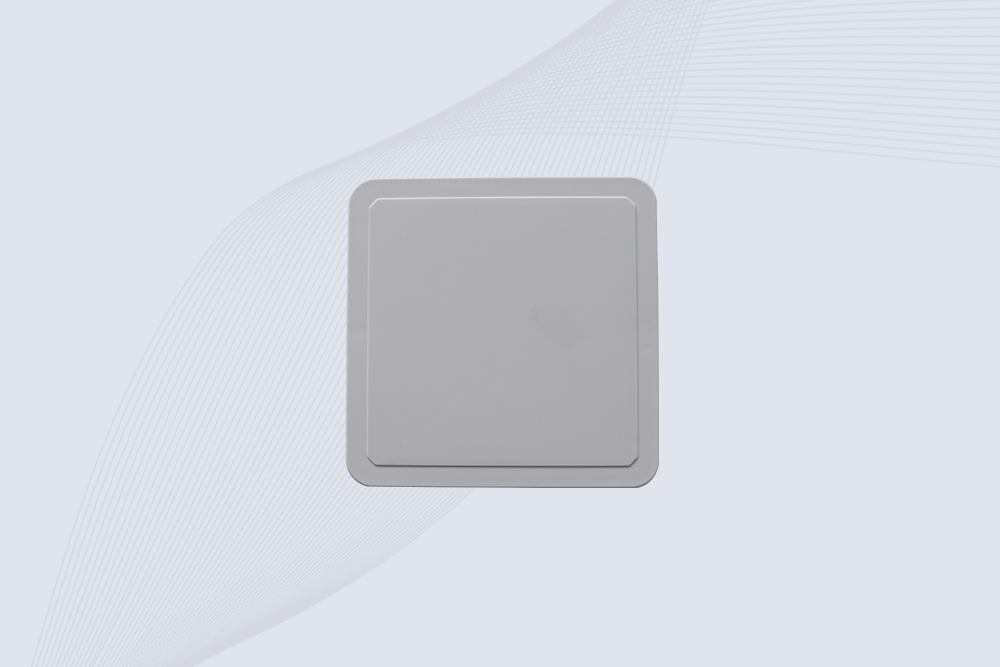
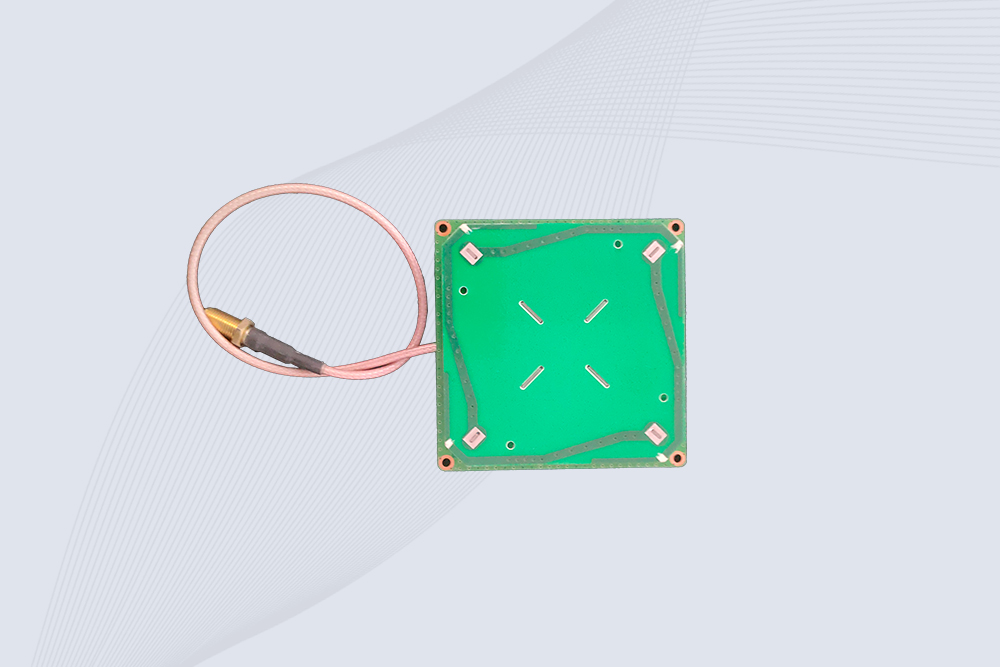
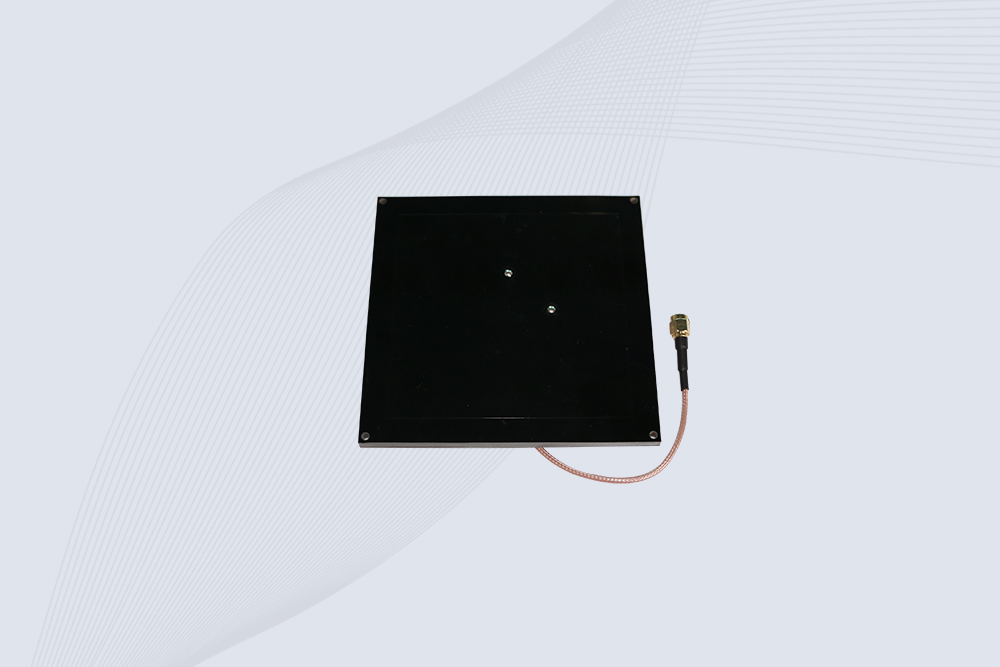
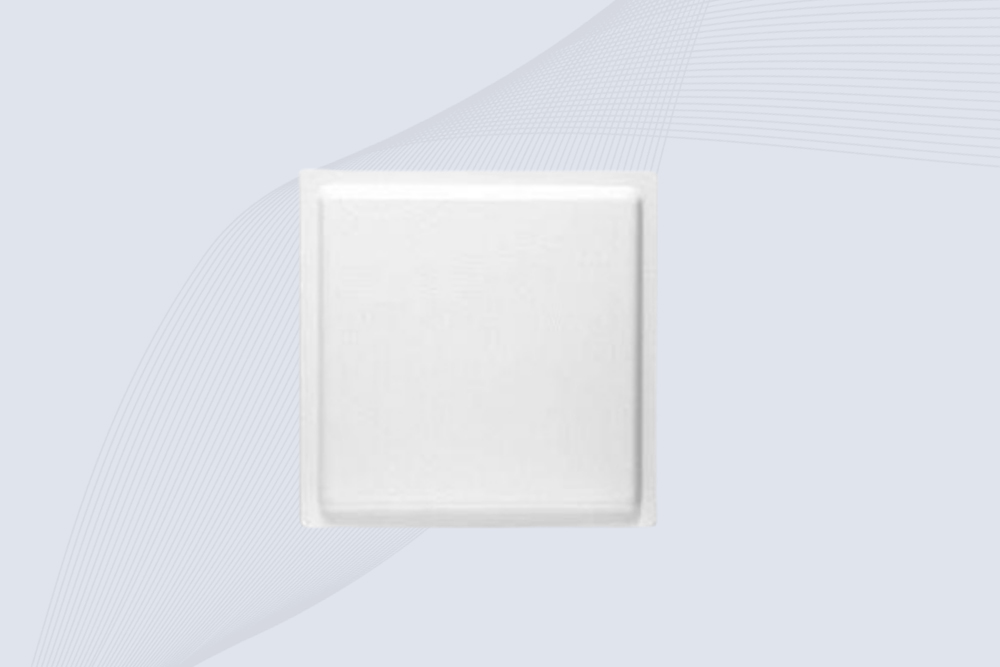
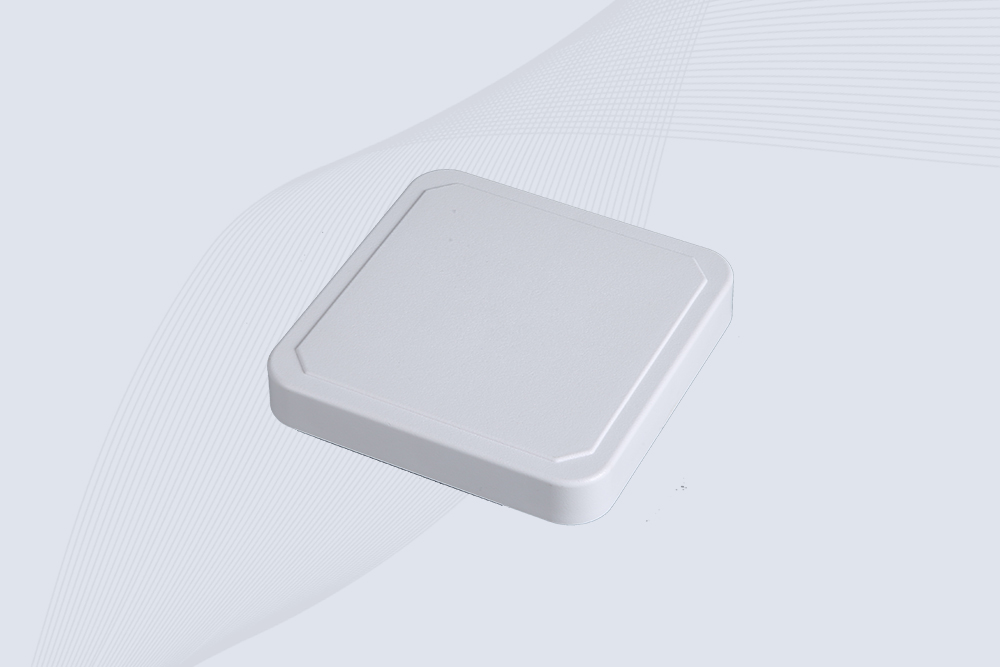
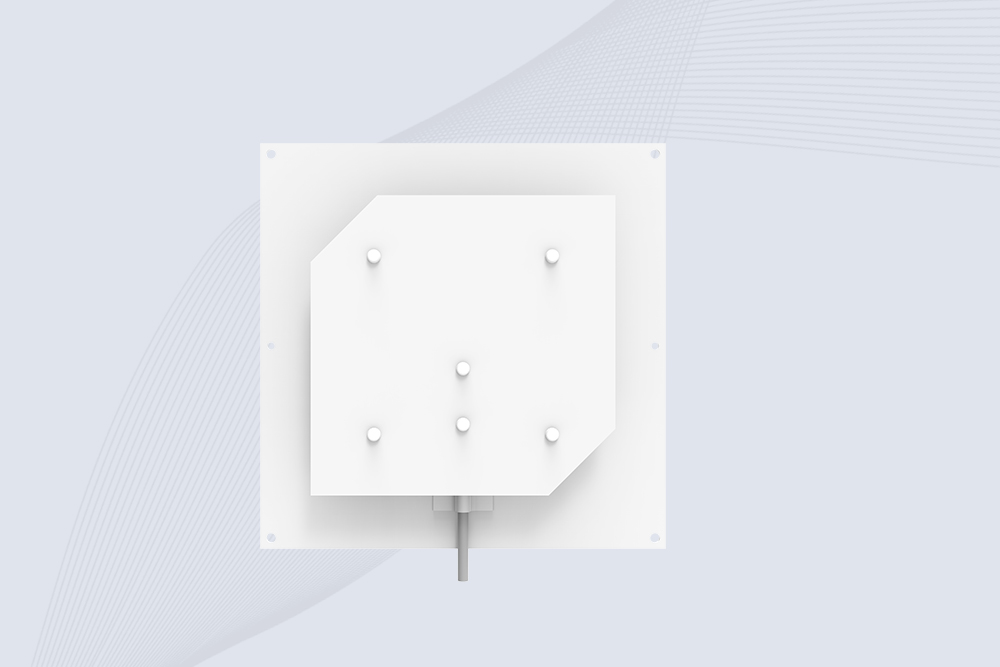
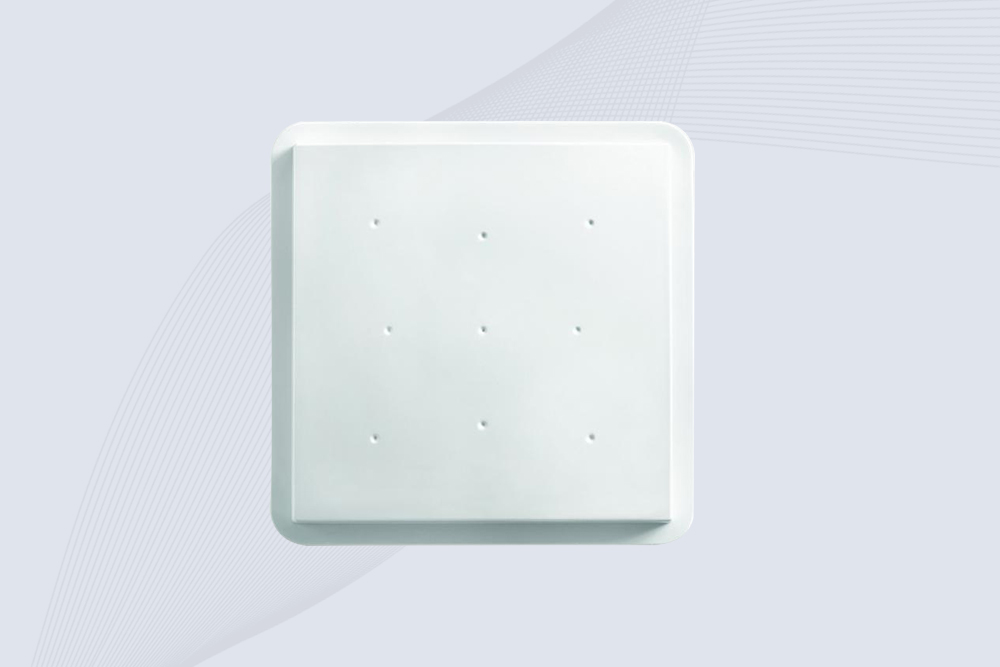
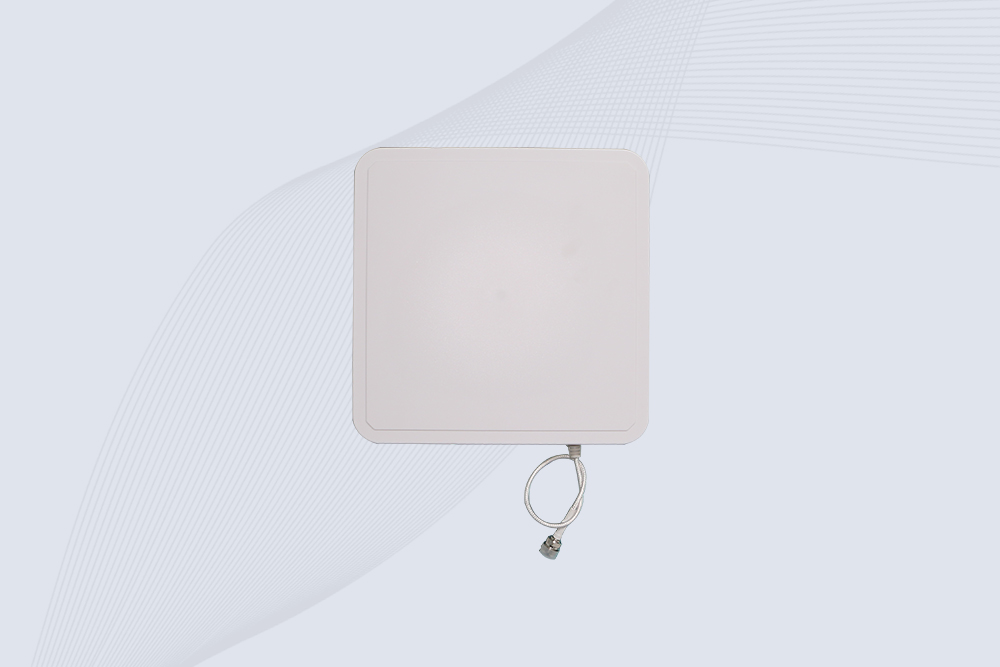
Question: We’re setting up a fixed station to track tools. I bought an RFID reader, but the manual says I need to buy rfid antennas separately. That seems weird. What is RFID reader antenna actually, and why isn’t it just built in?
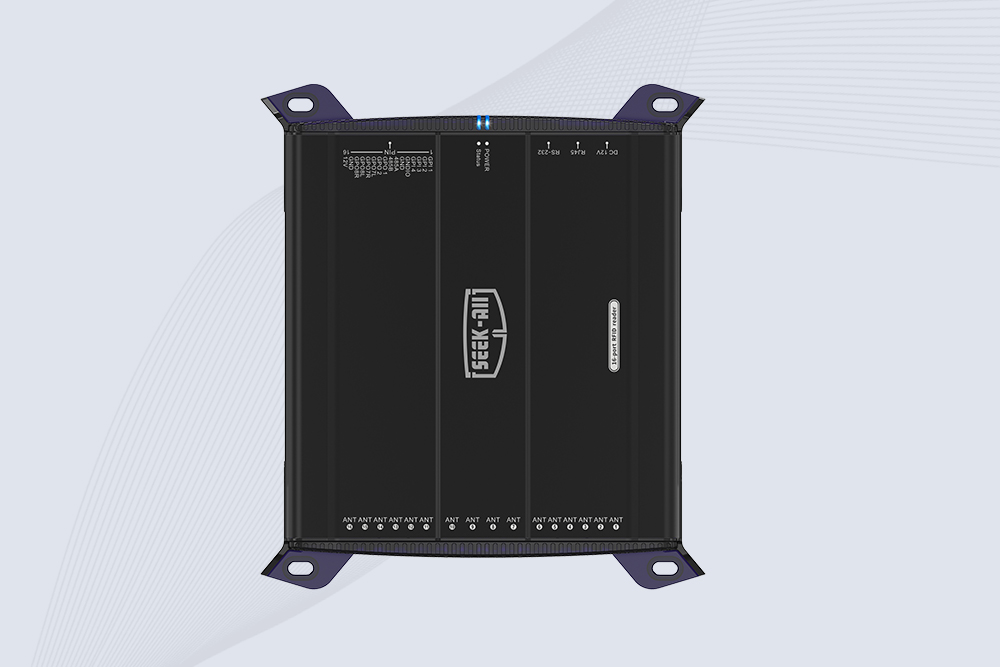
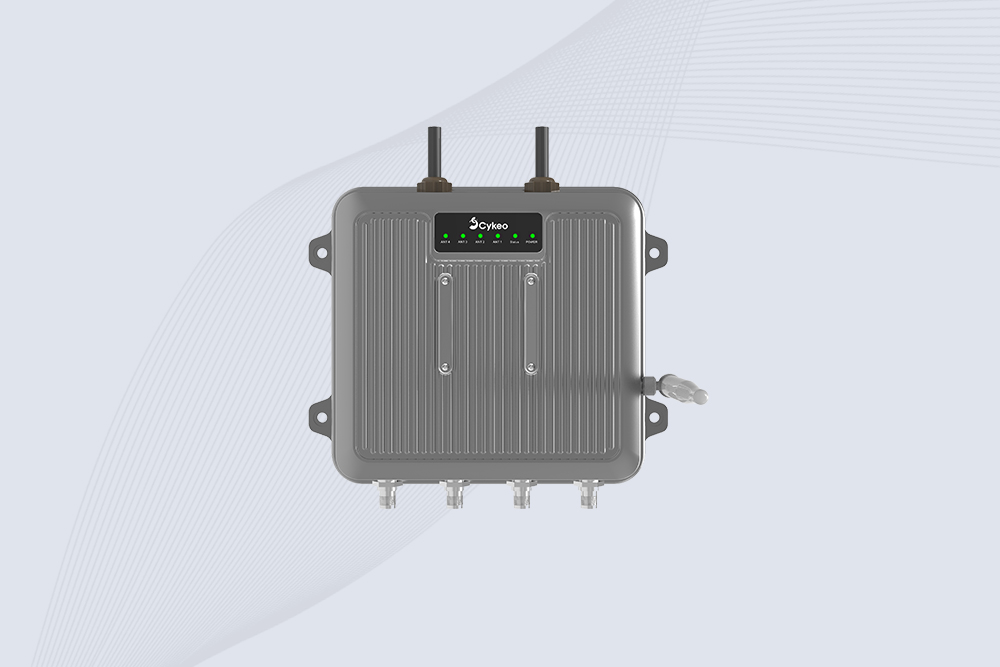
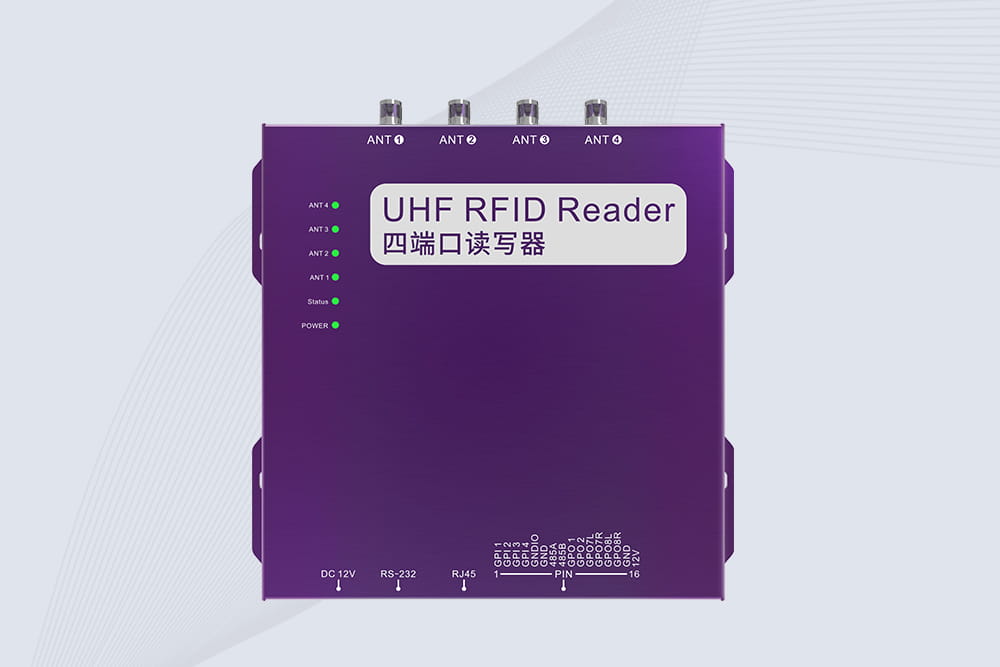
Answer: Ah, the classic “wait, I need to buy what?” moment. It trips up everyone at first. Here’s the straight answer: the RFID reader antenna is the specialized muscle attached to your reader’s brain.
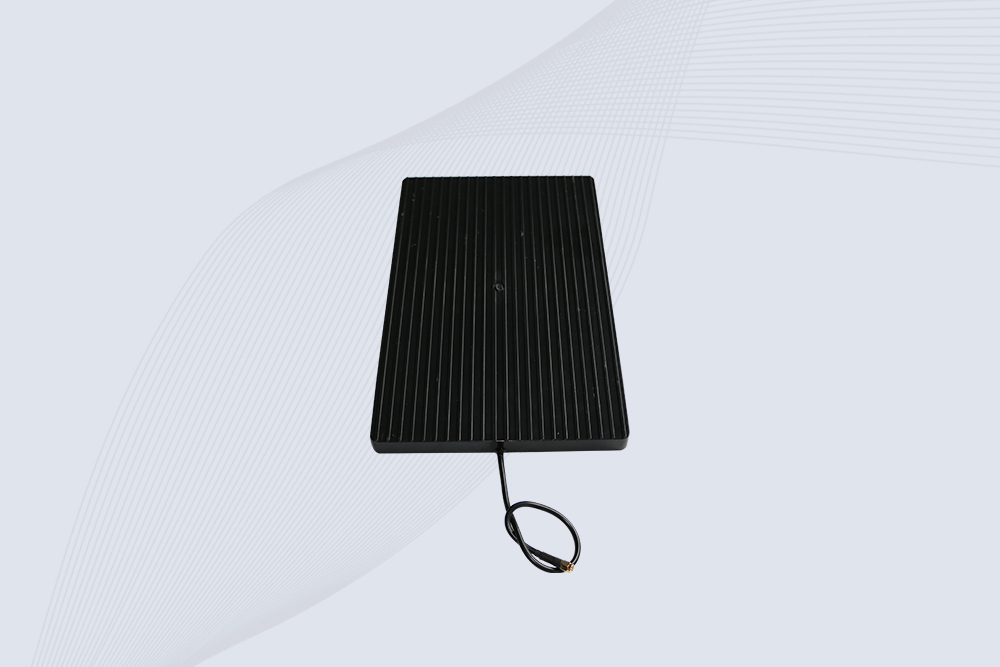
Think of your reader as a computer—it processes commands and data. But to talk to the physical world (your tags), it needs a specific tool. That tool is the uhf antenna. The reason it’s often separate is simple: flexibility and performance.
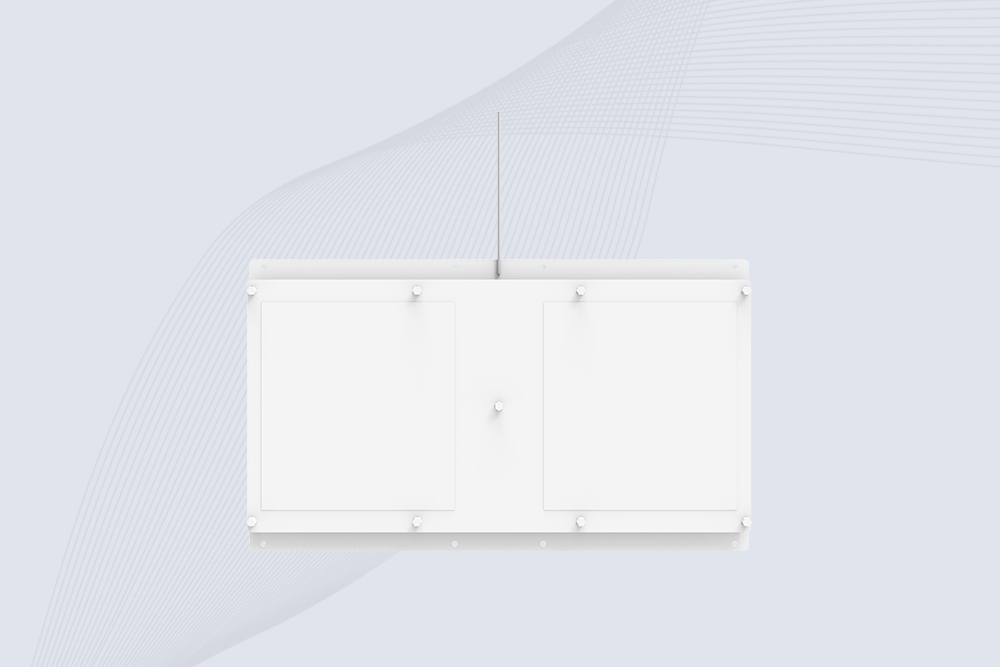
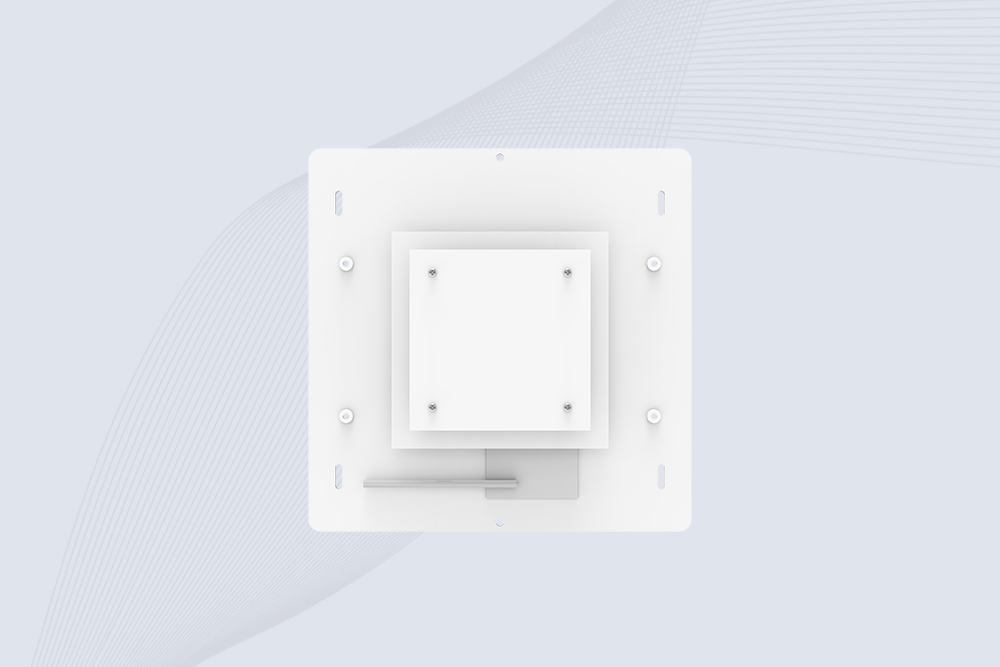
A built-in antenna, like on a handheld, locks you into one read pattern and one location. A separate antenna lets you mount the brain (reader) somewhere safe—like a closet or control room—while you position the muscle (antenna) right where the action is: over a doorway, down a conveyor, or on a tool crib gate.
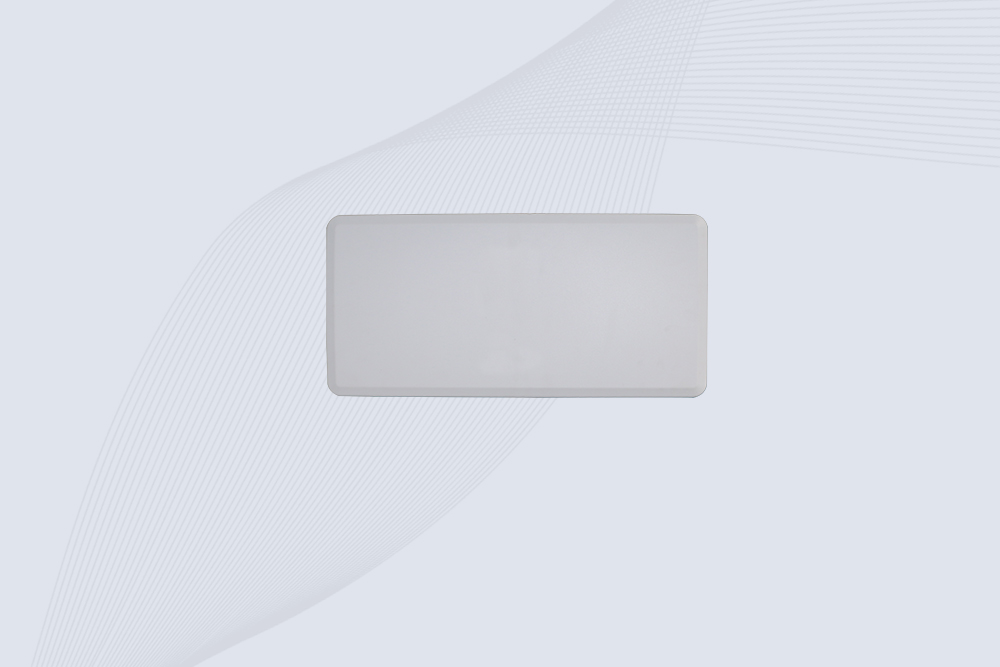
The magic is in the “controlled” part. Different antennas give you different “shout” shapes. Need to cover a wide gate? Use a fan-shaped antenna. Need to focus energy down a long aisle? Use a narrow, high-gain model. You match the antenna to the physical job, something you can’t do with a built-in.
Here’s where people get burned: They buy a great RFID tag reader but slap on a cheap, mismatched antenna or use a cable that’s too long and weakens the signal. It’s like putting bald tires on a sports car. Suddenly, your read range is terrible, and you blame the whole system.
Pro tip: The cable (like LMR-400) matters almost as much as the antenna. Every foot of cable loses signal strength. We once saw a client’s read range drop by 40% because they used a thin, 50-foot cable instead of a proper low-loss one. The fix was simple, but finding the problem took weeks of frustration.
Bottom line: What is RFID reader antenna? It’s the critical, active component that defines your system’s effective range and accuracy. It’s not an accessory; it’s a core part of the system architecture. At CYKEO, our design philosophy treats the antenna and cable as part of the signal engine. We’ll help you spec the right combination—reader, antenna, and cable—so your investment performs as promised on the shop floor, not just on the data sheet.
Wondering what RFID readers actually do? Check out our simple guide to RFID readers and how they help businesses keep track of inventory and assets in real-time.
More
high temp rfid tags explained from factory floors. Learn where they survive, where they fail, and how CYKEO engineers deploy them in real heat.
More
Learn how to check if RFID blocker works using simple tests. Verify protection accuracy with real RFID readers and improve data security.
More
RFID asset tracking cost depends on tags, readers, and deployment scale. Learn what drives pricing and how to budget without surprises.
More