 Cykeo RFID IoT Solution Products R&D Manufacturer

RFID Labels Meaning: From Basics to Real-World Uses
851Understand the real meaning of RFID labels, how they are built, their types, and why they matter. See how RFID labels are used in retail, healthcare, logistics, and manufacturing.
MoreAll RFID Product
Long range RFID scanner can help logistics companies automatically identify pallets, cartons, containers, and shipments as they move through warehouses and distribution points. By combining UHF RFID readers, antennas, tags, and logistics software, companies can reduce manual scanning and improve shipment visibility.
shipment can be in the warehouse and still be difficult to track.
The database says it arrived.
The truck driver says it was unloaded.
The warehouse team says they moved it somewhere near Dock 4.
Then someone asks:
“Where is pallet 1837 now?”
That is the kind of situation where RFID can become useful.
A long range RFID scanner can automatically identify tagged pallets, cartons, containers, or other logistics units as they pass through specific points in the supply chain.
Instead of relying entirely on manual barcode scanning, the system can collect identification data while products are moving.
But there is an important detail here.
RFID does not magically know where a shipment is.
The system knows that a tag was detected at a particular reader, antenna, or checkpoint.
That distinction is important when designing a real logistics tracking system.
A typical shipment may pass through several stages:
Supplier → inbound dock → warehouse → picking area → outbound dock → truck → distribution center → customer
RFID readers can be installed at selected checkpoints.
For example:
When a tagged shipment passes through one of these locations, the reader detects the RFID tag and sends the information to the software platform.
The system can then update the shipment status.
This creates a series of location events.
It is a relatively simple concept, but it can be quite powerful when there are thousands of shipments moving every day.
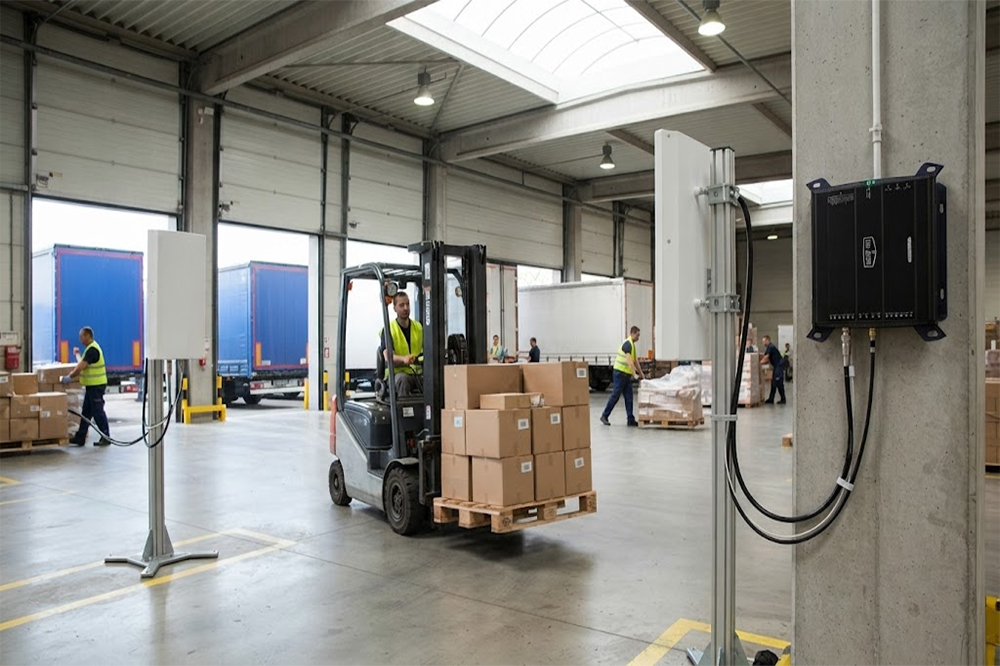
Manual scanning works well when workers have time to stop.
Logistics operations don’t always provide that luxury.
A forklift may move a pallet through a loading area.
A truck may be waiting.
The warehouse team may have several pallets ready for shipment.
Stopping to scan every barcode can slow the process.
With UHF RFID, multiple tags can be detected as products pass through a reading zone.
The operator can potentially continue working without individually presenting every barcode to a scanner.
That is one of the practical reasons logistics companies consider long range RFID scanners.
Let’s look at receiving first.
A truck arrives at the warehouse.
Several pallets are unloaded.
Each pallet or carton carries RFID tag.
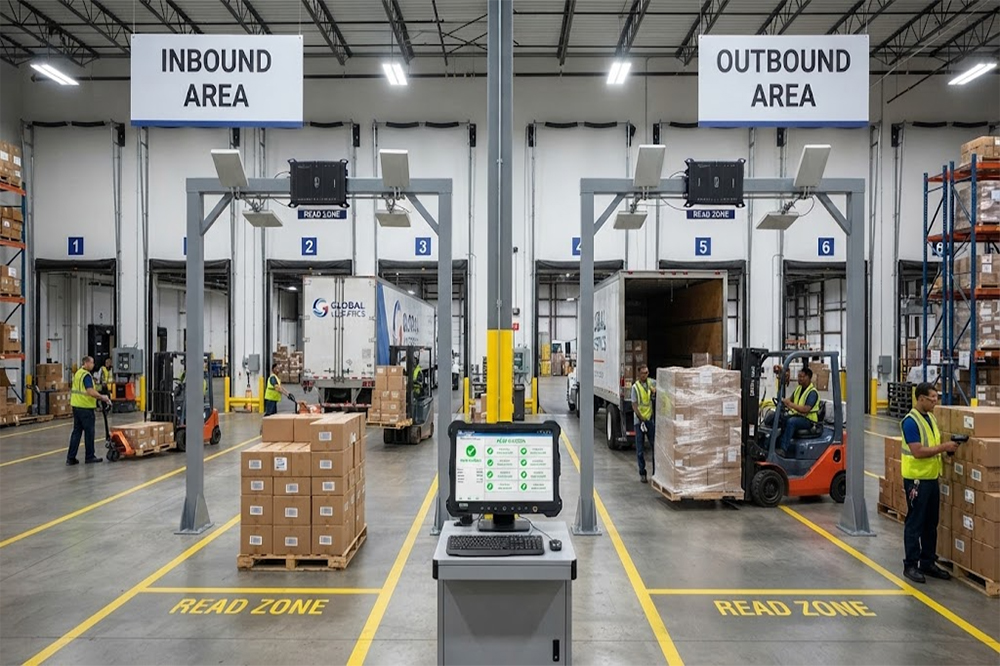
As the shipment passes through the inbound RFID checkpoint, the reader collects the EPC numbers.
The logistics software can compare those EPCs with the expected shipment.
For example:
Expected: 120 cartons
Detected: 118 cartons
That immediately gives the warehouse team something to investigate.
Maybe two cartons remain on the truck.
Maybe two tags were damaged.
Maybe the shipment data was incorrect.
RFID does not solve every problem automatically, but it can make these exceptions visible much earlier.
Outbound operations can use the same concept.
A warehouse prepares an order.
The cartons or pallets are staged for shipment.
They pass through RFID gate.
The system identifies the tags and associates them with the outbound order.
This can help answer:
Was the correct shipment loaded?
Was anything left behind?
Did the pallet go through the correct gate?
When did the shipment leave the warehouse?
For high-volume logistics operations, having these events recorded automatically can be useful.
This is where the long range part of an RFID scanner needs some thought.
A loading dock may have several pallets waiting nearby.
If the reader detects everything within a very large area, the software may receive tags from shipments that have not actually passed the checkpoint.
That’s not useful.
The system should ideally create a controlled reading zone.
A directional antenna can help focus RF coverage toward the desired passage.
Reader power can also be adjusted.
Physical separation between staging areas and the RFID gate may help.
Software filtering provides another layer of control.
The objective isn’t maximum range.
It is correct event detection.
This depends on the customer’s tracking model.
A company may assign:
One tag per pallet
or:
One tag per carton
or even:
One tag per individual product
These approaches produce very different amounts of RFID data.
One pallet-level tag gives a relatively simple tracking system.
Carton-level tagging provides more detail.
Item-level tagging provides even more information, but also increases the number of tags the reader needs to process.
Before choosing a long range RFID scanner, the integrator should understand the customer’s tagging strategy.
These terms are sometimes used interchangeably.
They shouldn’t always be.
Pallet tracking answers:
Where is this pallet?
Shipment tracking may involve:
Which cartons belong to this shipment?
Has the shipment been completely loaded?
Which truck received it?
Which distribution point handled it?
A single shipment may contain several pallets.
So the software needs to understand the relationship between:
RFID tag → carton → pallet → order → shipment → destination
The reader provides the identification data.
The software creates the business relationship.
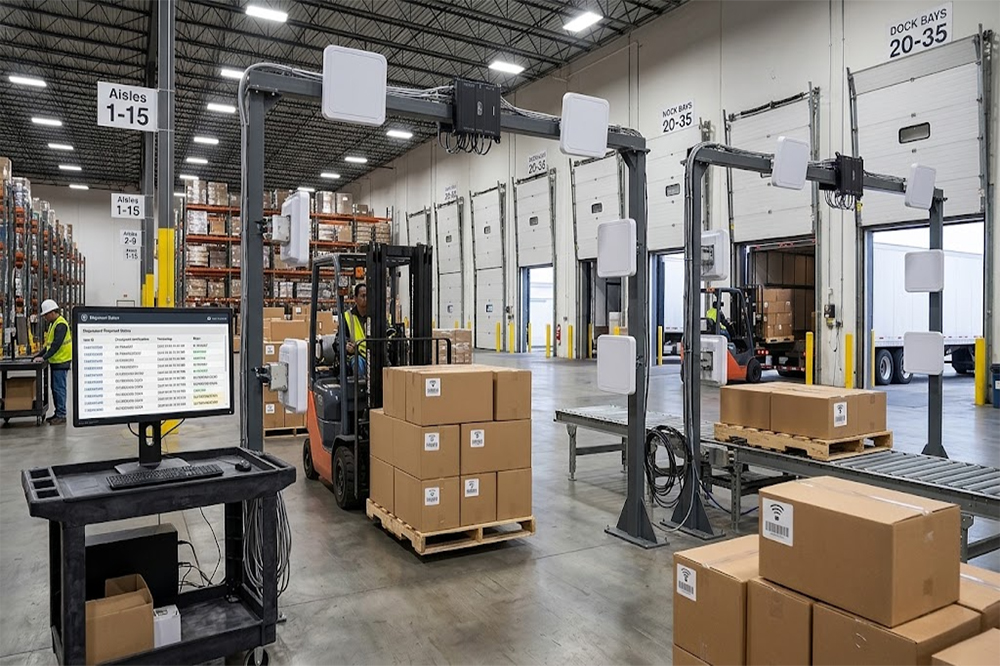
RFID antenna installed too high may produce an unwanted reading area.
Rfid antenna installed too low may miss tags on taller loads.
Antenna angle also matters.
For a loading dock, the ideal position depends on the pallet dimensions, tag location, forklift direction, gate width, and surrounding structures.
There isn’t a universal mounting height that works everywhere.
This is why sample testing at the customer’s site is valuable.
A small physical change can sometimes improve performance more than changing to a more expensive reader.
In logistics, the forklift is effectively part of the test environment.
The pallet may:
The RFID system needs to handle normal operating behavior.
A laboratory test with a stationary pallet may look excellent.
The same system can behave differently when a loaded forklift passes through at an angle.
For this reason, I would always include real forklift movement in acceptance testing.
Long range RFID scanners can also support larger logistics assets.
For example:
The challenge is that larger assets can create larger reading environments.
If tags are mounted on metal containers or vehicles, standard RFID labels may not be appropriate.
Specialized on-metal tags may be required.
Again, the tag and reader should be treated as a pair rather than two completely separate purchasing decisions.
Distribution centers often contain plenty of metal.
Steel racks.
Forklifts.
Loading equipment.
Metal containers.
Machinery.
Some products themselves may be metal.
RFID performance can change significantly around these materials.
If a customer handles metal products, the integrator should test the intended RFID tag on the actual product.
Don’t assume a normal adhesive RFID label will perform the same way on every surface.
This is another practical situation.
Suppose two forklifts enter the same loading zone.
Both carry RFID-tagged pallets.
The reader may detect tags from both.
Technically, the reader is doing its job.
The application now needs to determine what happened.
This is where lane design, antenna placement, timing, and software logic become important.
If each lane has its own RFID reader or controlled antenna zone, event identification can become easier.
For busy logistics facilities, the physical workflow should be considered before the RFID hardware is installed.
RFID reader is only one component.
The data usually needs to reach a warehouse management system, transportation system, ERP, or custom logistics platform.
Common communication options may include:
The exact interface depends on the reader model.
For system integrators, software compatibility should be checked early.
It is frustrating to complete the RF installation and then discover that the customer needs an interface the reader doesn’t support.
Consider this example.
A pallet carries RFID tag:
EPC: 300833B2DDD9014000000001
The pallet passes through an outbound gate.
The reader detects the EPC.
The system knows:
Reader: Gate 3
Time: 14:32
Order: SO-45821
Destination: Dallas
The software records the event.
Later, the customer can check when the pallet left the warehouse.
This is the real value of RFID tracking.
It isn’t just about reading a tag.
It is about turning a tag detection into a useful logistics event.
A logistics system should not treat every RFID detection as a confirmed shipment movement.
For example, a pallet may remain beside the gate for several minutes.
The reader could detect its tag repeatedly.
Software can apply rules such as:
First read → identify location → check shipment status → filter duplicates → confirm event
The exact logic depends on the customer’s workflow.
Some systems may also use timestamps, reader IDs, antenna ports, or direction sensors to improve event accuracy.
The more complex the logistics operation, the more important this software layer becomes.
This depends on the workflow.
If pallets move slowly through a warehouse gate, the reader has more time to identify tags.
If cartons move quickly on a conveyor, the reading window becomes much shorter.
A logistics integrator should therefore consider:
A reader should be evaluated under the actual operating conditions rather than only in a static demonstration.
Before deploying a logistics RFID system, I recommend testing several scenarios.
Check basic tag performance.
Use the customer’s actual products.
Check dense tag reading.
Test normal operating speed.
Change tag positions and directions.
Place another tagged pallet near the gate.
Test around actual racks, equipment, or metal products.
Run the same shipment through the gate several times.
This gives a much more realistic picture of system performance.
For RFID wholesalers and distributors, the commercial side matters too.
A logistics customer may start with one warehouse and later deploy the same system across multiple sites.
That means the supplier should ideally be able to provide consistent hardware over time.
Before placing a large order, check:
A stable supply chain can be just as important as the initial reader specification.
I would strongly recommend testing before committing to a large quantity.
The sample should be tested with:
Actual RFID tags
Actual products
Actual antennas
Actual forklift movement
Actual warehouse environment
This is particularly important when the customer wants a specific reading distance.
A reader may perform very differently with a lightweight carton compared with a pallet containing metal components.
The sample stage gives the integrator room to adjust the antenna layout, reader power, tag type, and software settings before the final deployment.
Not necessarily in every situation.
Barcode remains inexpensive and familiar.
But RFID becomes attractive when the customer wants:
Some logistics operations use both.
RFID can handle automated checkpoints while barcodes remain available for manual exception handling.
That hybrid approach can be practical during an RFID rollout.
Logistics is not just about selling one reader.
A customer may need:
RFID tags + fixed readers + antennas + cables + software integration + installation support
This creates an opportunity for RFID solution providers and distributors to offer a more complete package.
For wholesalers, understanding the application also makes product selection easier.
A customer asking for a “long range RFID scanner” may actually need a complete outbound gate solution.
The more clearly the supplier understands the workflow, the easier it becomes to recommend the right hardware.
A long range RFID scanner can give logistics companies much better visibility into the movement of pallets, cartons, containers, and shipments.
But the reader itself is only the starting point.
The real system depends on where the antennas are installed, how tags are attached, how products move, how reading zones are controlled, and how RFID data is connected to warehouse or logistics software.
A successful logistics RFID deployment doesn’t try to detect everything.
It tries to detect the right shipment, at the right checkpoint, at the right time.
For RFID distributors, wholesalers, and system integrators sourcing long range UHF RFID scanners for logistics, shipment tracking, warehouse gates, loading docks, or pallet identification, providing the required reading distance, tag type, product material, number of lanes, expected tag volume, and order quantity is a practical starting point for sample testing and bulk quotation.
SSD-A11 UHF RFID antenna features 840–960 MHz adjustable frequency, ≥10.5 dBi gain, circular polarization and 50Ω impedance for fixed RFID systems.
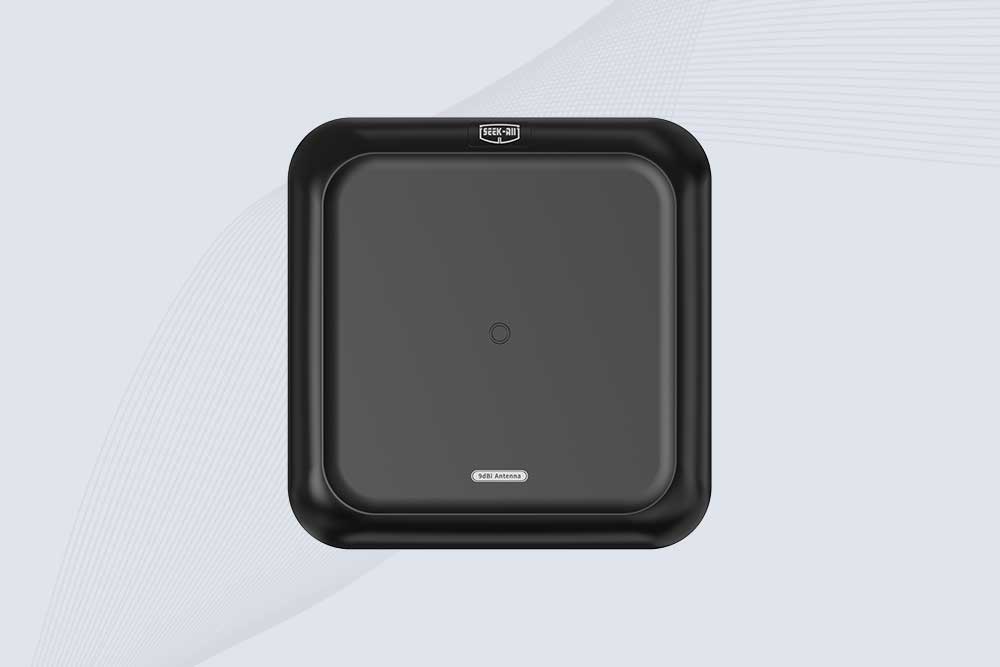
SSD-A09 is a 9 dBi UHF RFID antenna with 840–960 MHz adjustable frequency, circular polarization, 50Ω impedance and directional 60° × 60° coverage.
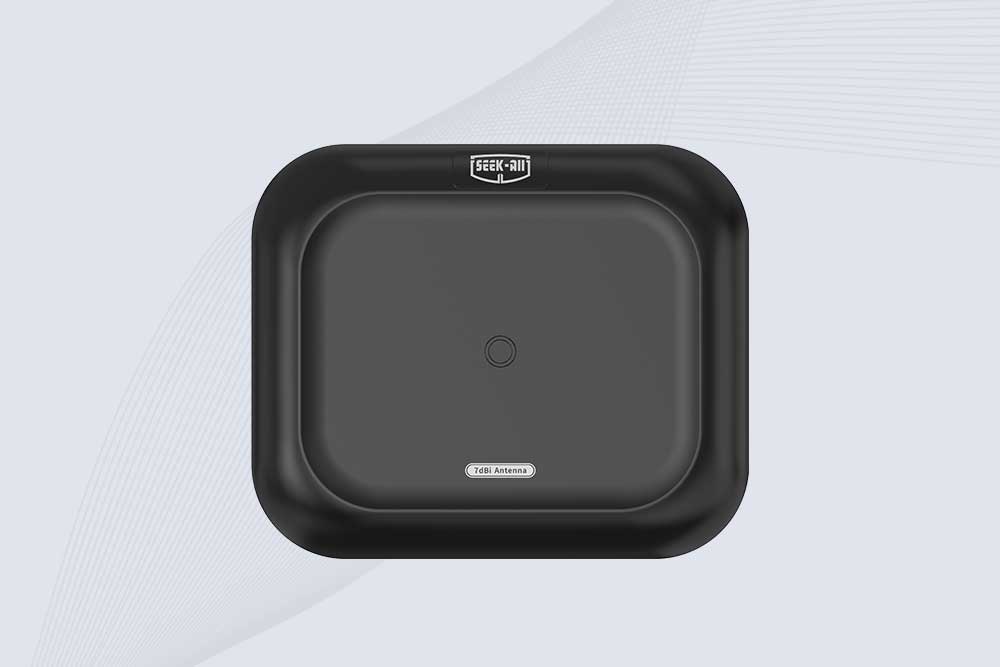
Explore the SSD-A07 UHF RFID antenna with 7 dBi gain, circular polarization, adjustable 840–960 MHz frequency, and 60°/75° beamwidth for stable RFID read/write performance.

SSD-A06 UHF RFID antenna with circular polarization, adjustable 840–960 MHz frequency, ≥4.5 dBi gain, and a compact directional design for RFID systems.

Discover SSD-D4AL, a USB-HID UHF RFID reader with 4/8/16 antenna options, Impinj E710/X3M1 chipset, plug-and-play USB power, and OEM customization.
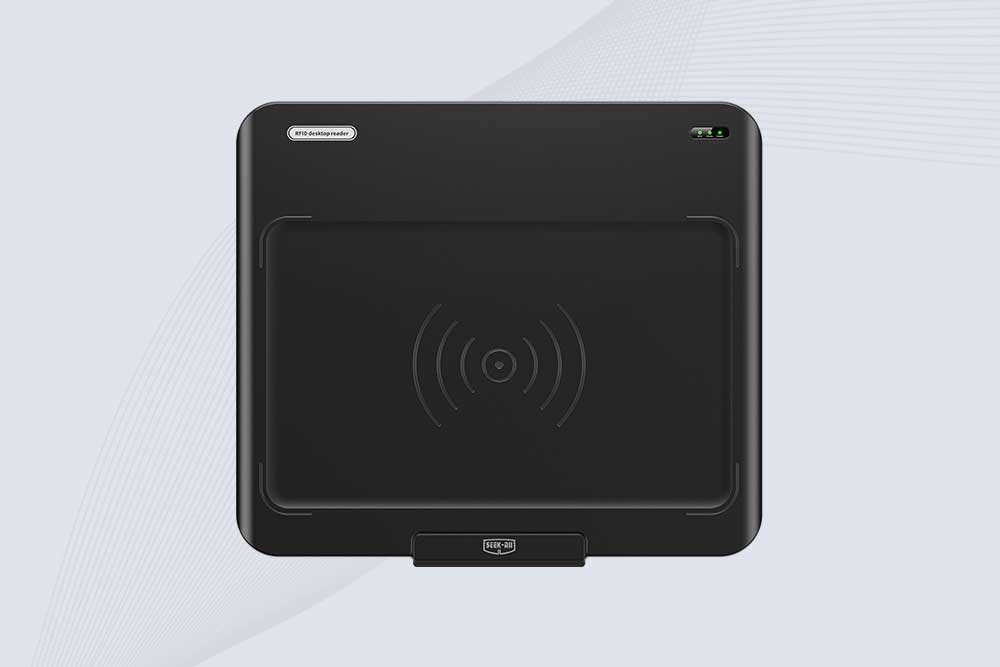
SSD-D3AL is a USB-HID UHF RFID reader with 0–30 cm reading, 0–15 cm writing, over 600 tags/s recognition, USB plug-and-play operation and OEM Logo customization.
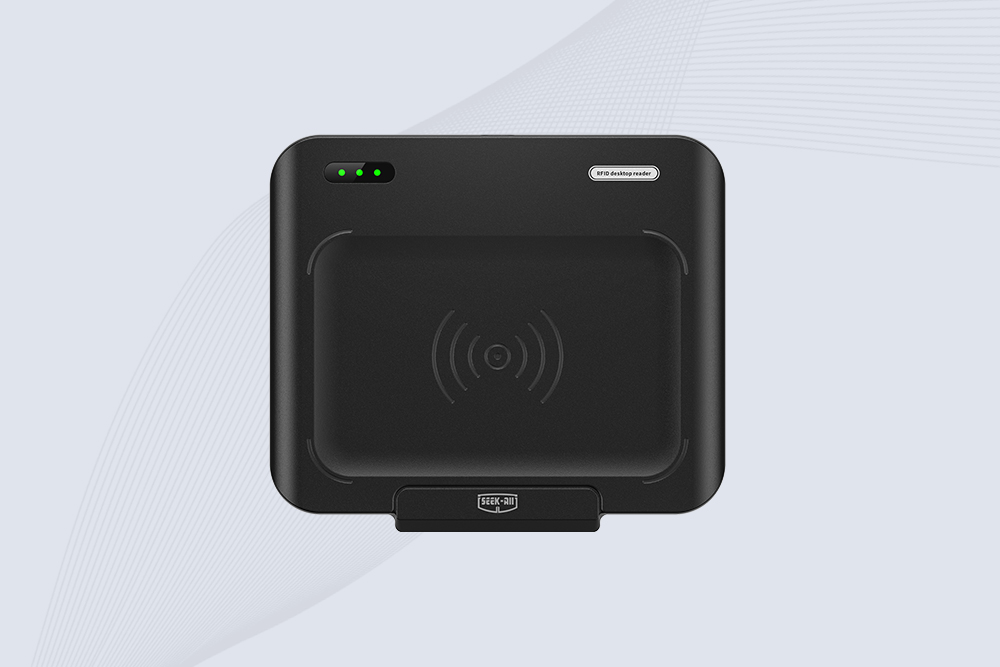
SSD-D1AL is a compact USB UHF RFID reader with Impinj E710/X3M1 chipset, USB-HID, 600+ tags/s recognition, 4/8/16 antenna support and plug-and-play USB power.
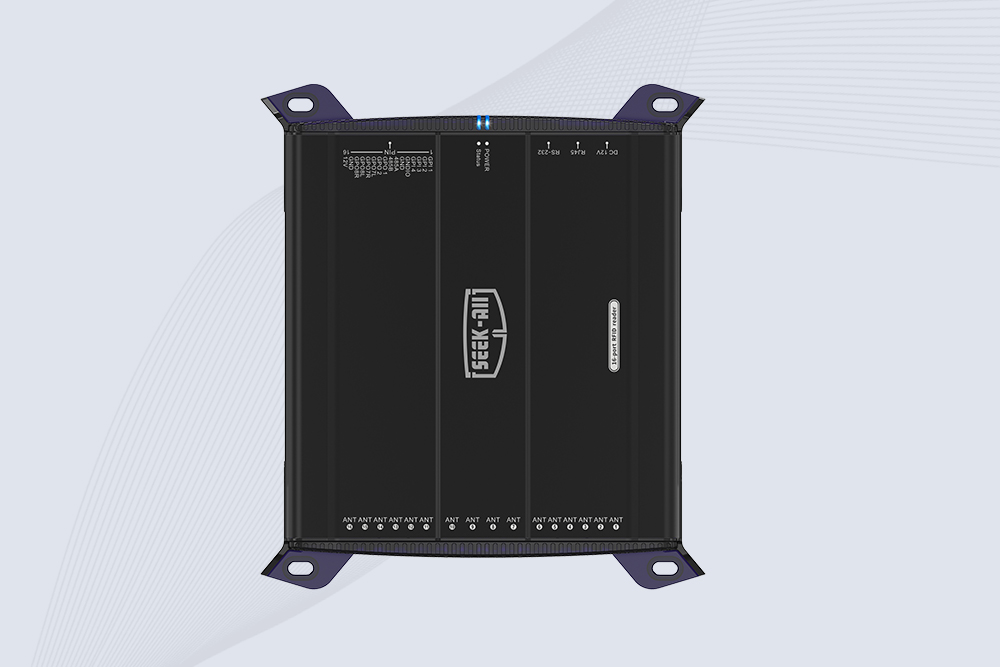
SSD-R16L Multi-Channel RFID Infrastructure for Automated Inventory Management ✔️ 16-Port High-Density RFID Reading Equipped with 16 SMA antenna ports, SSD-R16L supports multi-antenna deployment for warehouses, retail stores, logistics, production lines, and large-area RFID identification. ✔️ High-Speed & Long-Range Performance With up to 33…
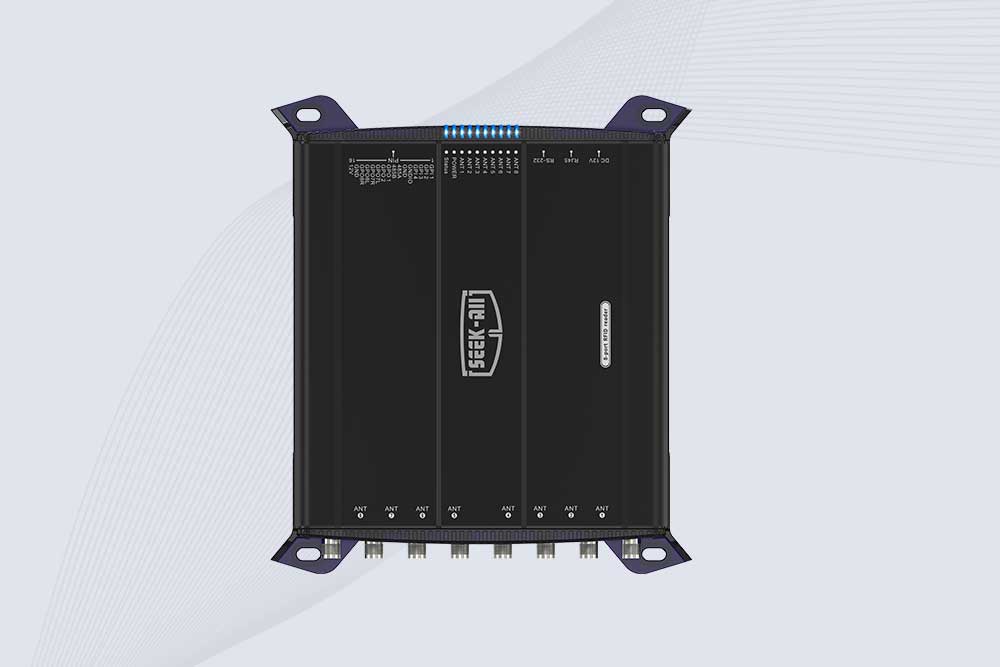
SSD-R8L 8-port UHF RFID reader with 33dBm output, up to 20m reading range and 600+ tags/s recognition. Ideal for warehouse, logistics, retail and asset tracking.
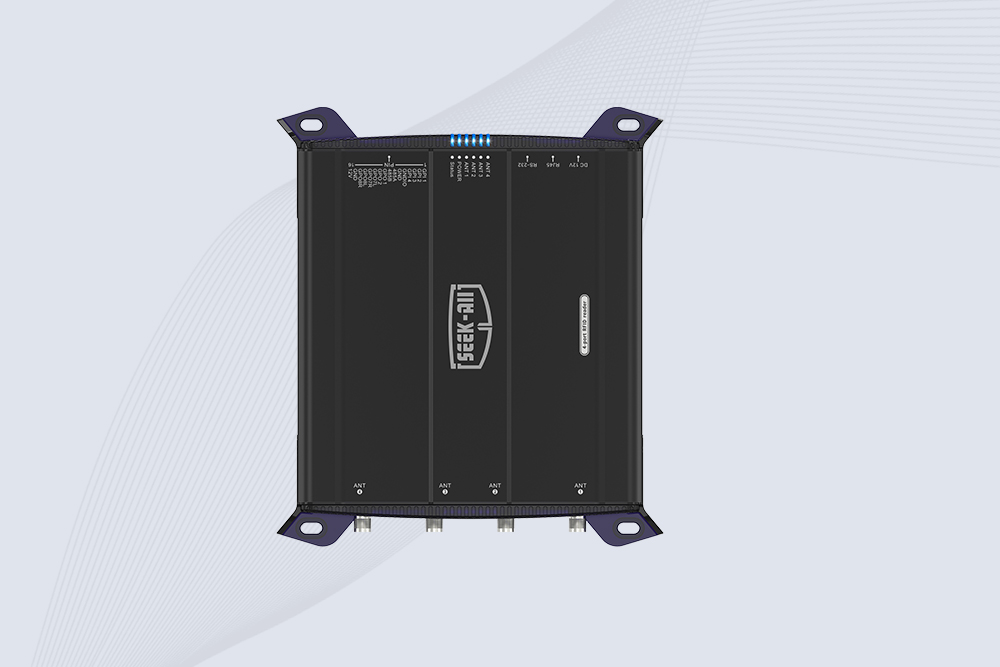
SSD-R4L is a 4-port UHF RFID fixed reader with 33dBm output power, up to 20m reading range, EPC C1G2 support and 600+ tags/s reading speed.

CYKEO CYKEO-D1LA USB RFID Reader is a compact desktop solution with near-field control for precise tag reading and encoding. Powered by USB, supporting ISO 18000-6C, and built for stable batch writing, this usb rfid tag reader fits retail, libraries, offices, and controlled RFID encoding tasks.
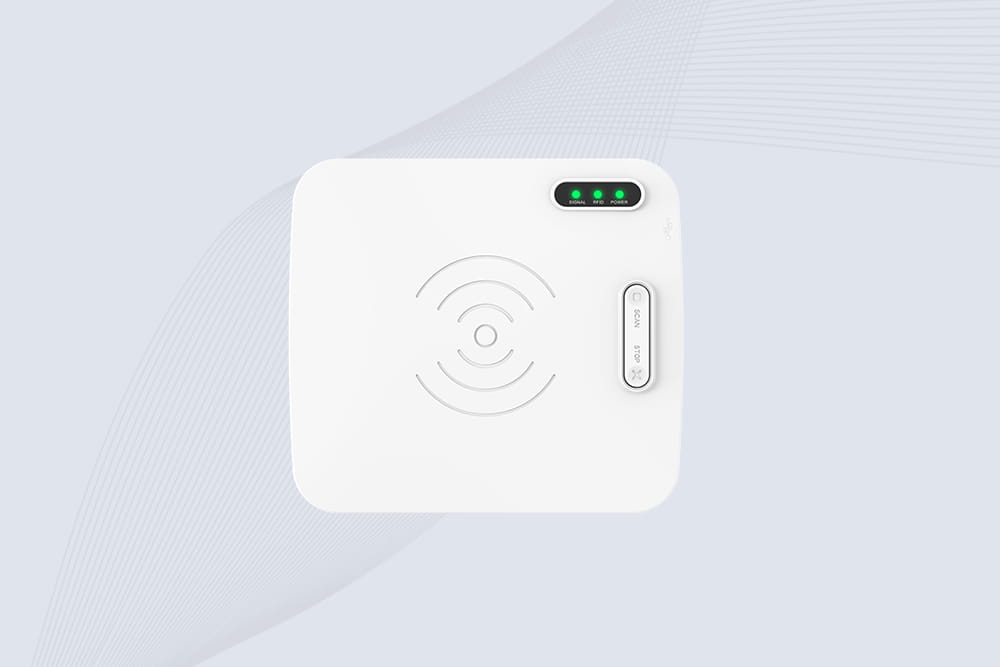
CYKEO CYKEO-D1L RFID scanner USB is a compact desktop UHF RFID scanner designed for short-range tag writing and verification. This usb rfid scanner supports batch encoding, stable 0–26 dBm output, and works across Windows, Linux, and Android systems.
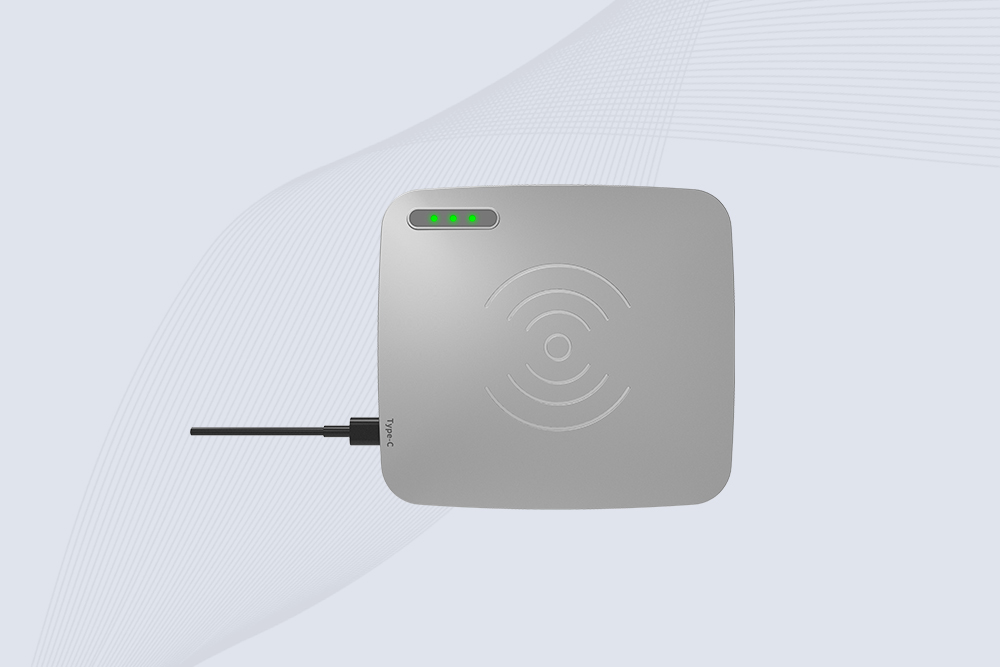
CYKEO CYKEO-D1C USB RFID Card Reader is a near-field UHF desktop writer designed for secure, short-range tag encoding. With USB-C connectivity and stable 26 dBm output, this rfid reader usb c is ideal for badge issuance, label encoding, and controlled desktop RFID workflows.
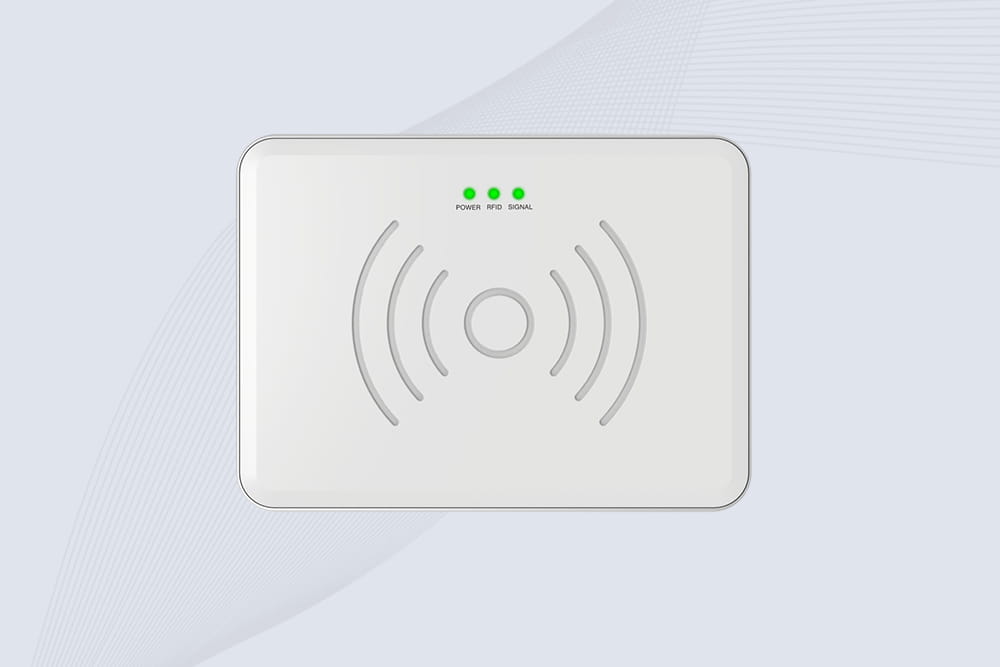
CYKEO CYKEO-D2L RFID Reader USB is a compact desktop encoder built on the Impinj R500 chip. With near-field control and stable USB power, this usb rfid card reader delivers precise tag writing for offices, retail counters, and small-scale logistics encoding tasks.
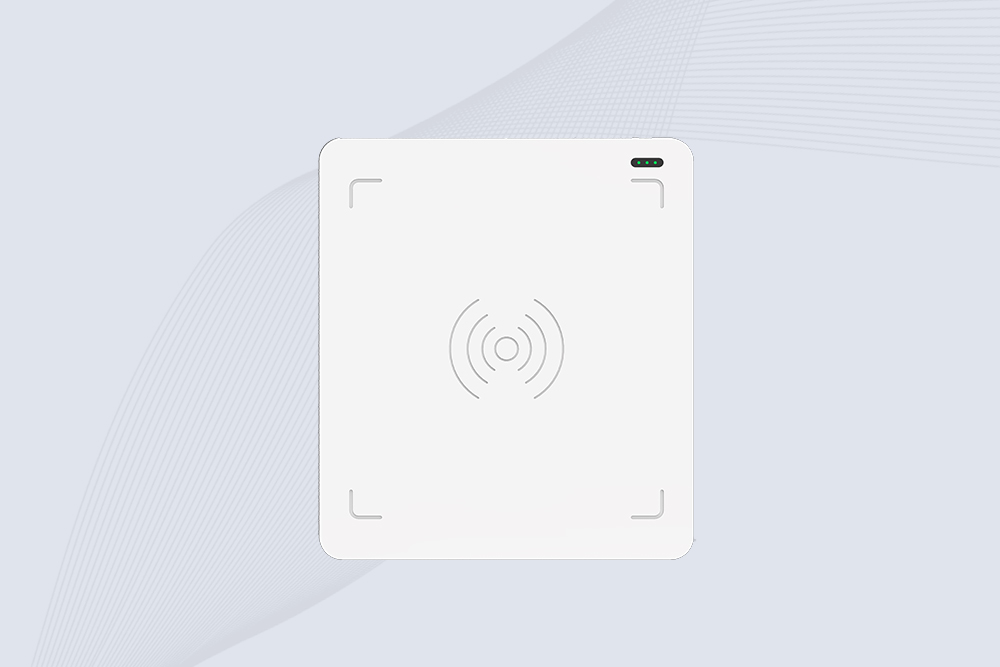
CYKEO CYKEO-D3L USB RFID Tag Reader delivers stable UHF tag reading and writing for daily desktop and light industrial tasks. Designed for controlled short-range operation, this USB RFID Tag Reader works reliably with rfid tag and reader systems in libraries, tool tracking, and inventory registration.
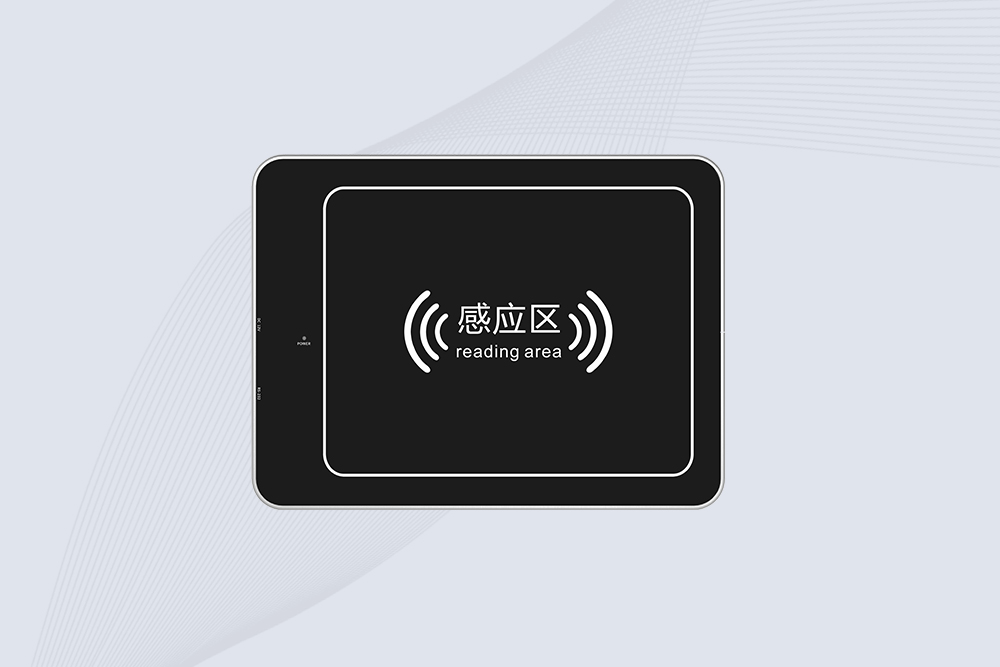
The CYKEO CYKEO-D4L UHF RFID Tag Reader is a stable Desktop RFID Reader designed for accurate tag registration, borrowing, and return workflows. Built with the Impinj R2000 chip, this UHF RFID Tag Reader delivers controlled short-range reads for libraries, asset tracking, and inventory management environments.
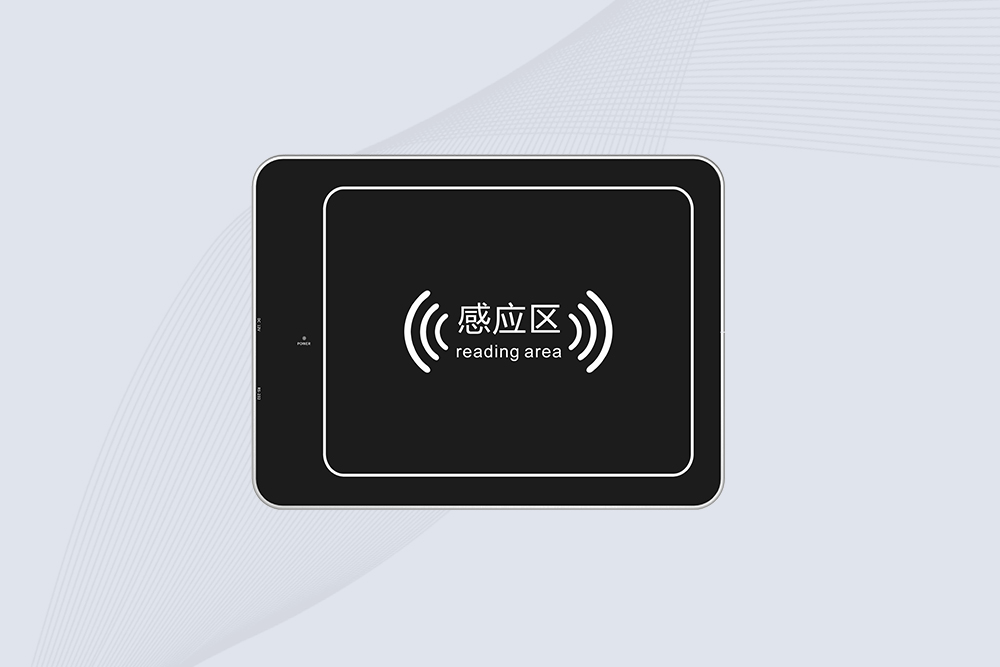
The CYKEO CYKEO-D5L Desktop RFID Card Reader is a stable UHF RFID Card Reader designed for controlled short-range reading and writing. Built for libraries, tool rooms, and asset desks, this UHF RFID Card Reader supports dense tag handling, secure data processing, and easy USB integration.
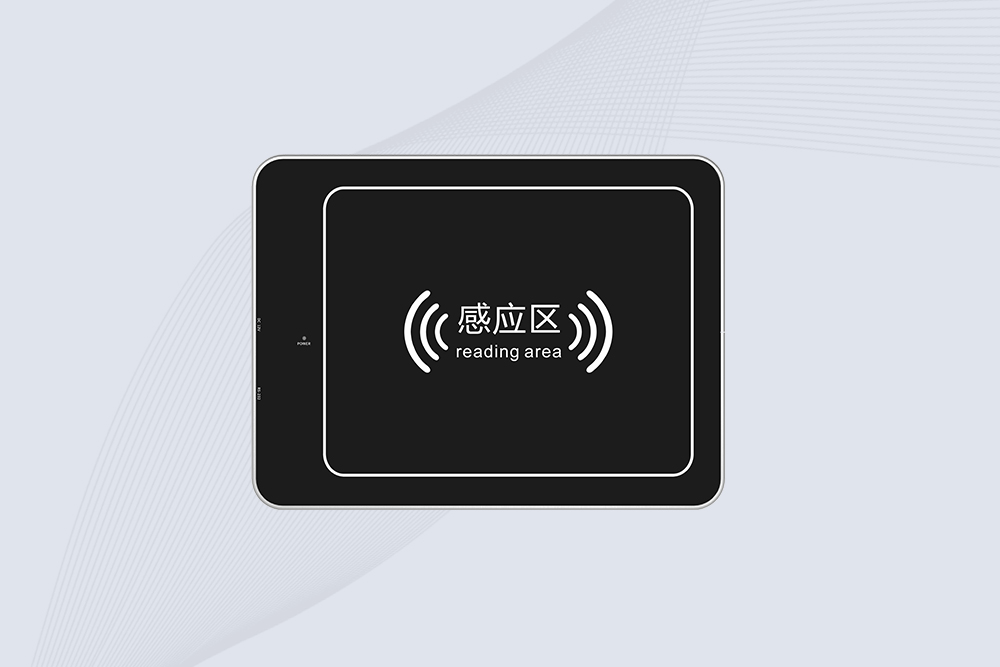
The CYKEO CYKEO-D6L RFID Reader Writer is a heavy-duty Desktop RFID Reader designed for short-range, high-accuracy tag programming. Built for libraries, labs, and asset desks, this RFID Reader Writer supports batch processing, stable 33dBm output, and seamless integration with existing management systems.
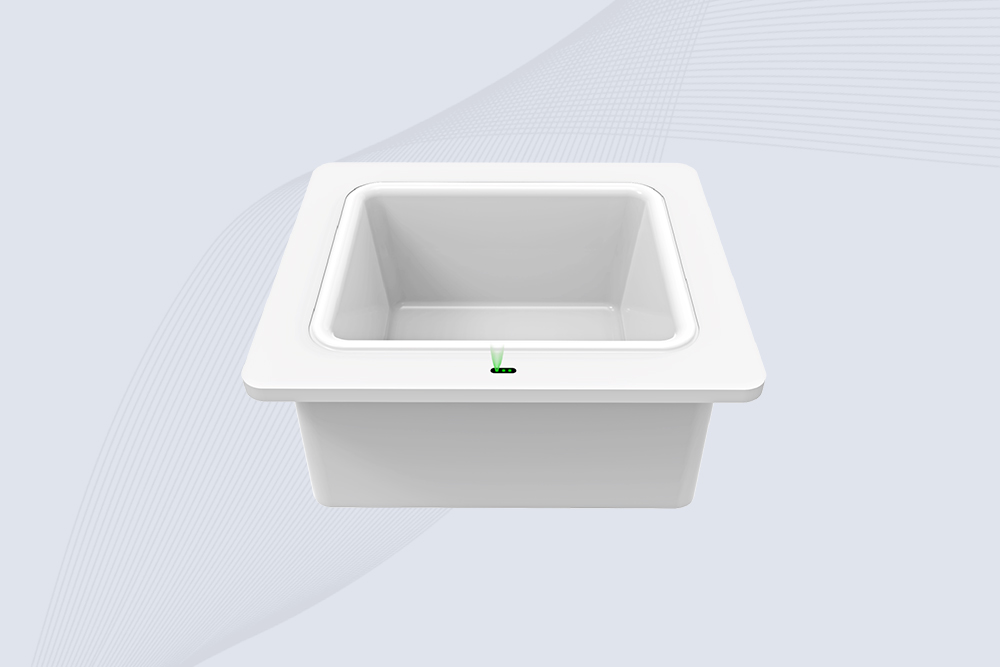
Cykeo CYKEO-D8B UHF RFID tunnel and RFID Desktop Reader features 30+ items batch reading,
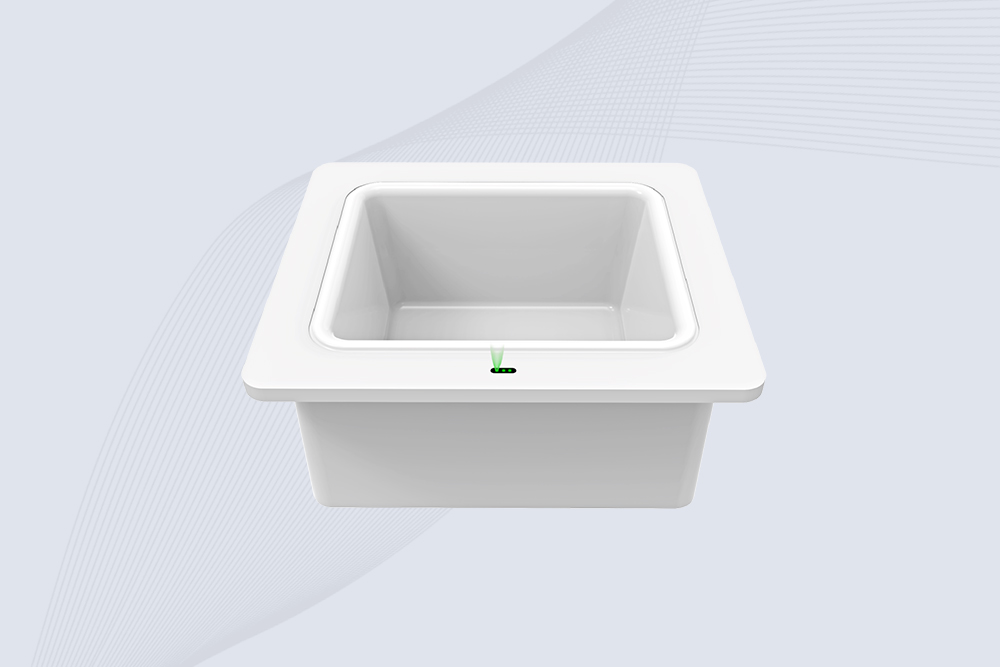
Cykeo CYKEO-D8A embedded RFID badge reader offers 30+ tags/sec scanning, 20cm anti-crosstalk precision, and DC 12V power for unmanned stores, warehouses, and smart inventory systems.
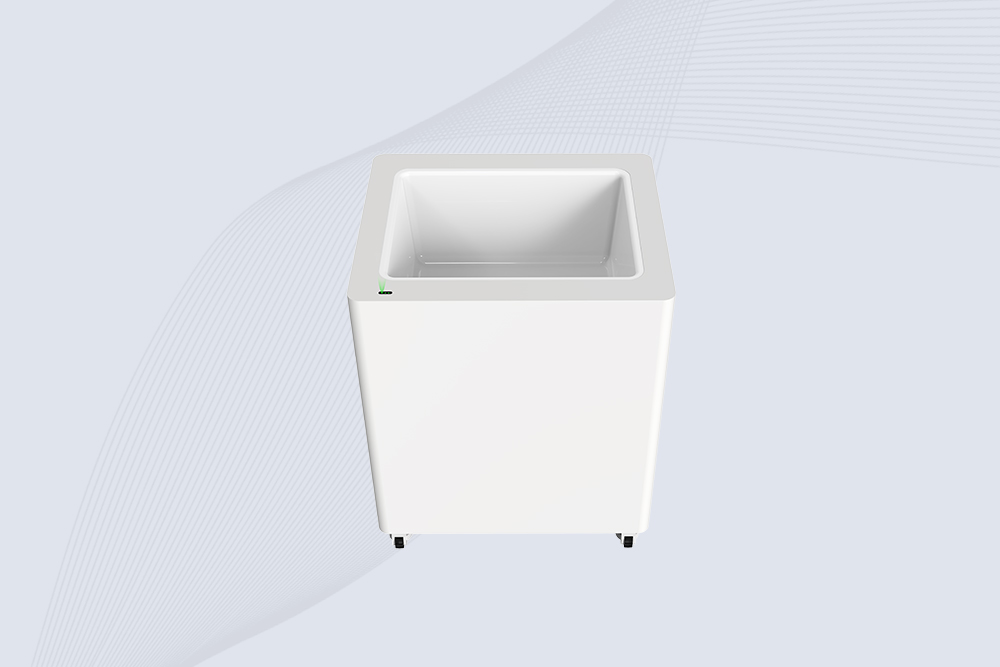
Cykeo’s CYKEO-D8C UHF RFID gate reader achieves 200-tag/batch scanning with adjustable power control, ideal for retail inventory and smart warehouse management.
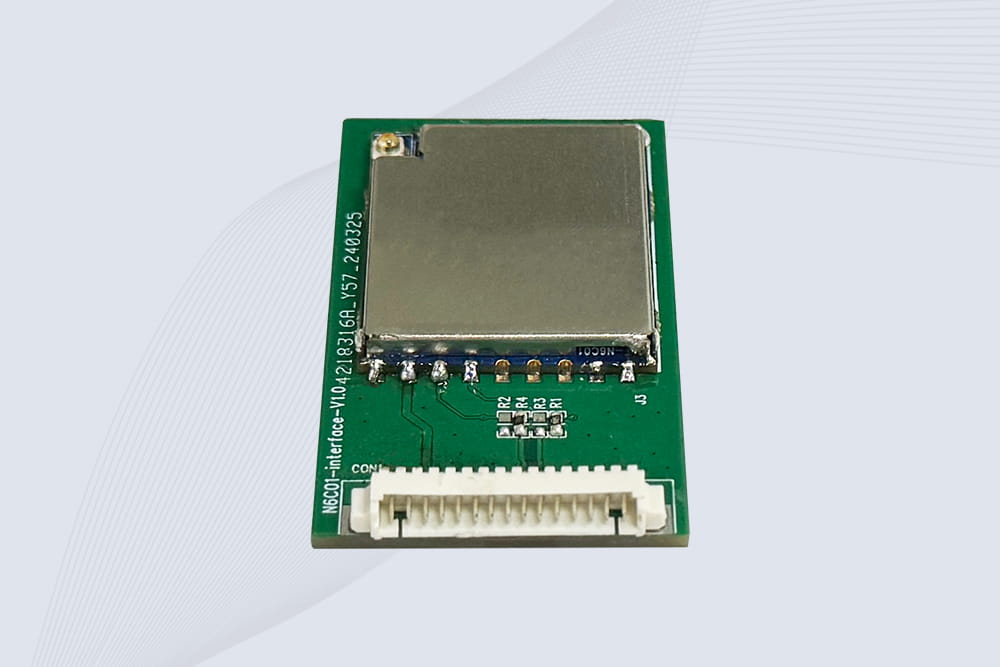
CYKEO Embedded RFID Modules are designed for compact industrial and IoT devices that require stable UHF performance. These UHF RFID Modules support global protocols, flexible power control, and reliable multi-tag reading for smart cabinets, production lines, and asset tracking systems.
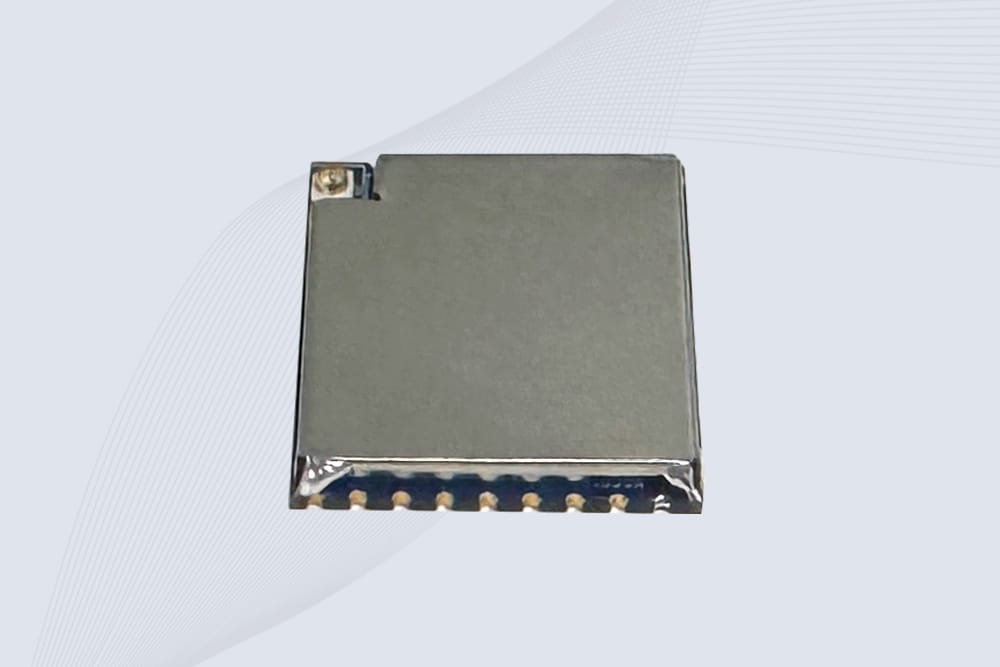
CYKEO Embedded RFID Module is built for compact IoT and industrial devices that need stable UHF performance. This UHF module supports global protocols, low power operation, and reliable multi-tag reading for smart lockers, production lines, and always-on RFID systems.
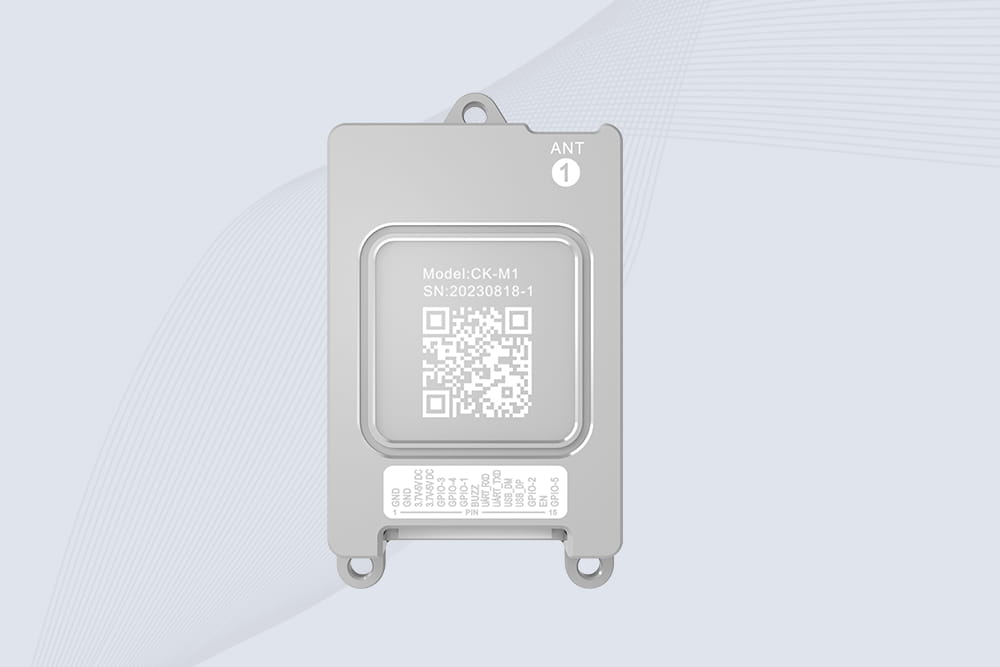
CYKEO CYKEO-M1 drone rfid module is a compact UHF RFID reader module designed for drones and UAV platforms. It supports long-range aerial scanning, fast multi-tag reading, and stable performance in wind, vibration, and outdoor environments.
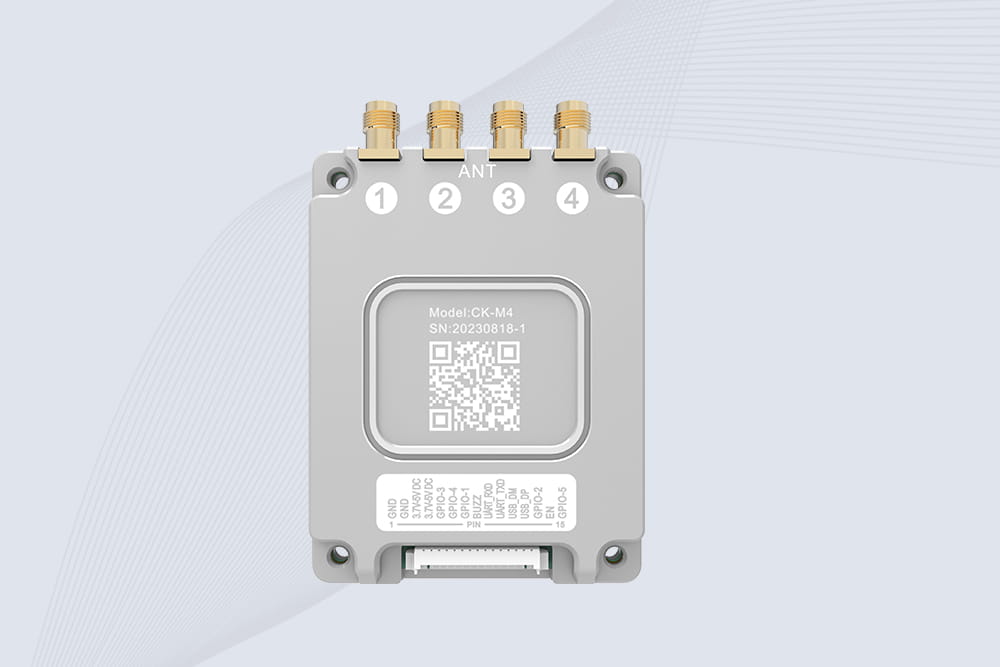
CYKEO CYKEO-M4 RC522 RFID Module is an industrial-grade UHF RFID reader with 4 ports, supporting ISO, EPC, and GB protocols. High-speed, accurate reading for IoT, automation, and warehouse applications.
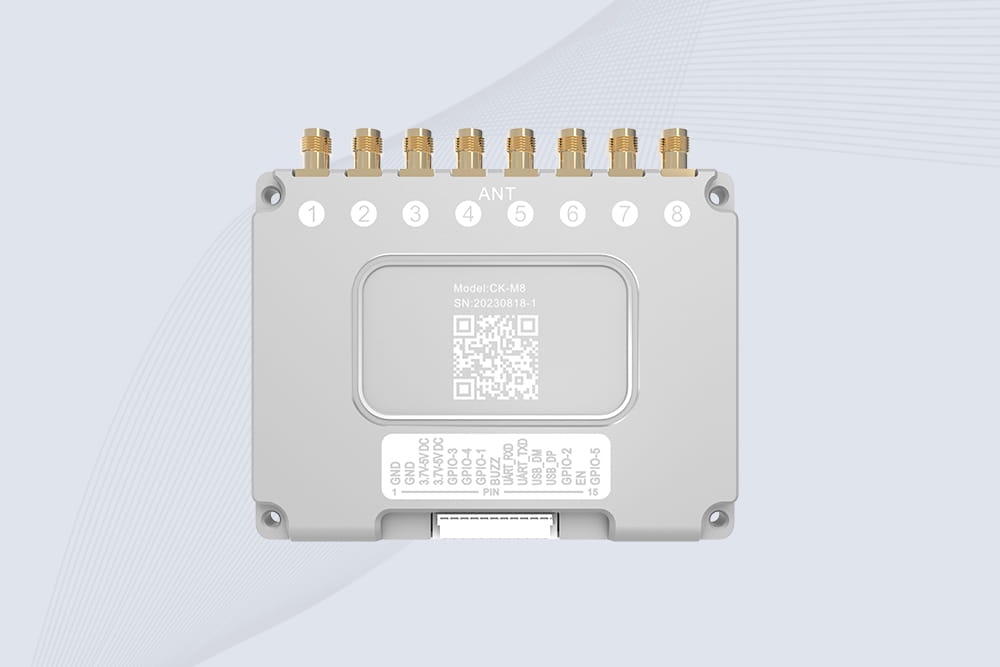
CYKEO CYKEO-M8 Module RFID is an 8-port UHF R2000 RFID Module designed for high-density, multi-tag environments. Stable 33dBm output, ISO & GB protocol support, ideal for warehouses, factories, and automated systems.
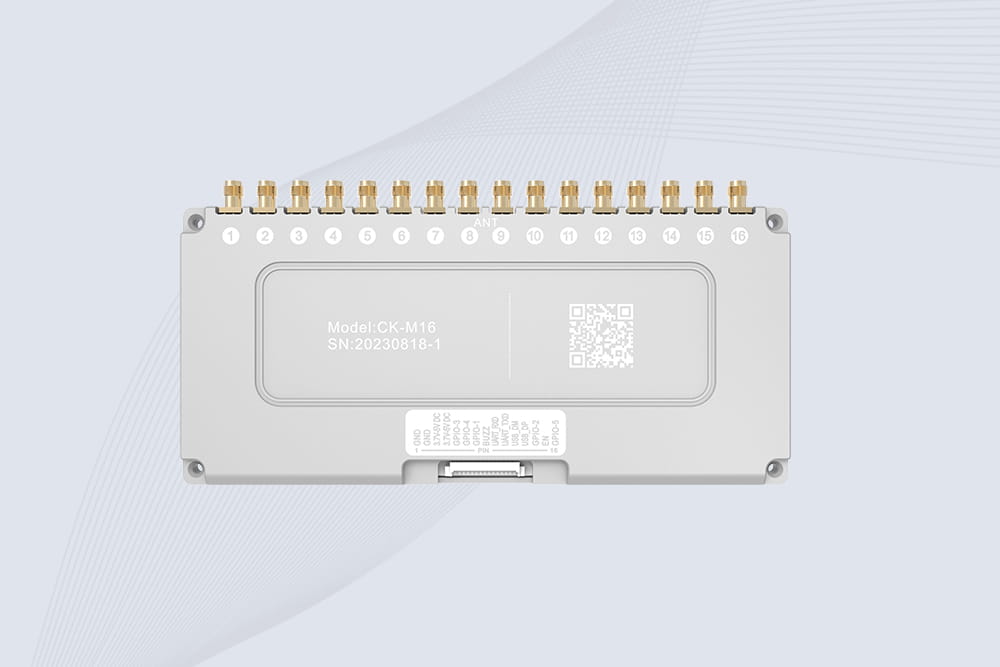
CYKEO CYKEO-M16 RFID Module is a 16-port UHF RFID reader module based on the R2000 chipset. Designed for dense tag environments, it supports ISO and GB standards and delivers stable multi-antenna control for industrial automation.
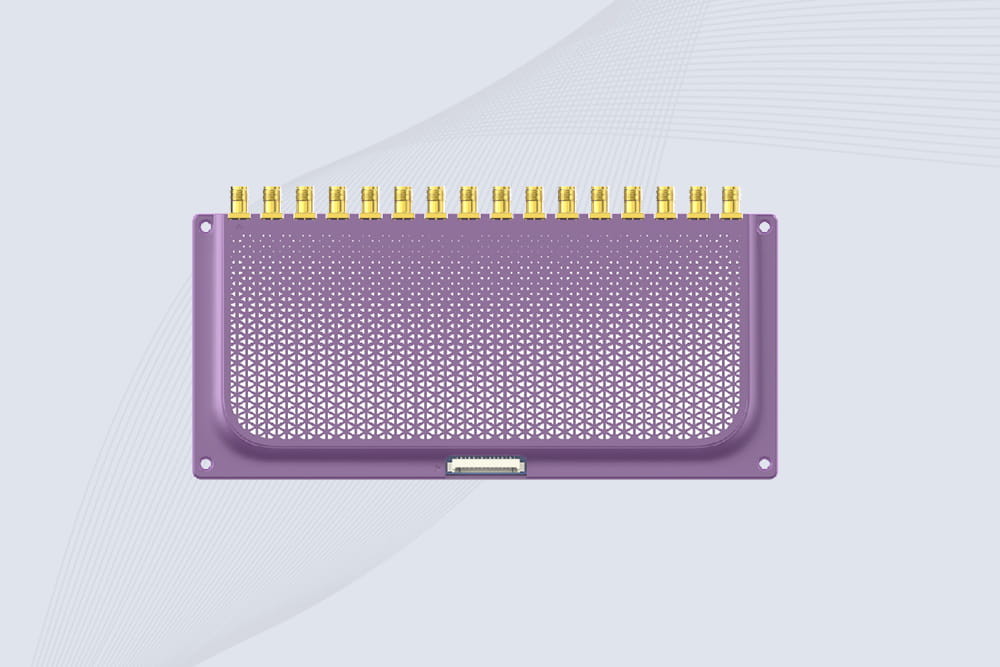
The CYKEO CYKEO-M16L RFID Reader Module is a 16-channel UHF RFID core designed for dense tag environments. With adjustable 33dBm output, multi-protocol support, and stable multi-antenna control, this RFID Tag Reader Module fits industrial automation, warehouse systems, and large-scale IoT deployments.
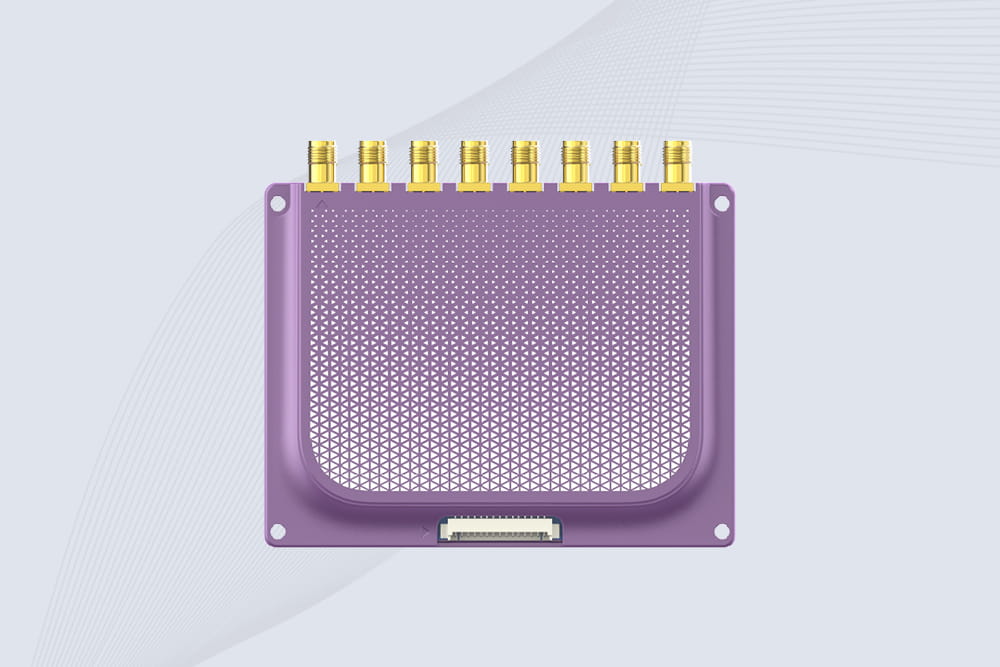
CYKEO CYKEO-M8L module RFID is a compact industrial UHF module built for dense tag and multi-antenna environments. With 8 RF ports, adjustable 33 dBm output, and ISO & GB protocol support, it is widely used in factories, warehouses, and automated tracking systems.
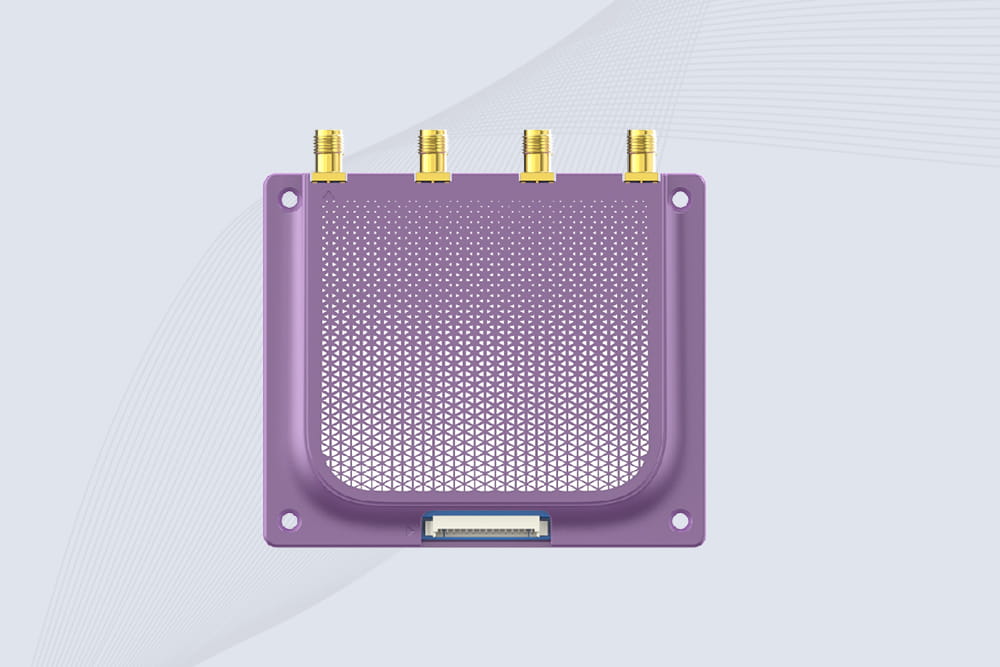
CYKEOCYKEO-M4L UHF RFID Module is a compact 4-channel RFID tag reader module designed for dense tag environments. Supporting ISO and GB protocols, it delivers stable reads up to 10 meters for industrial and IoT systems.
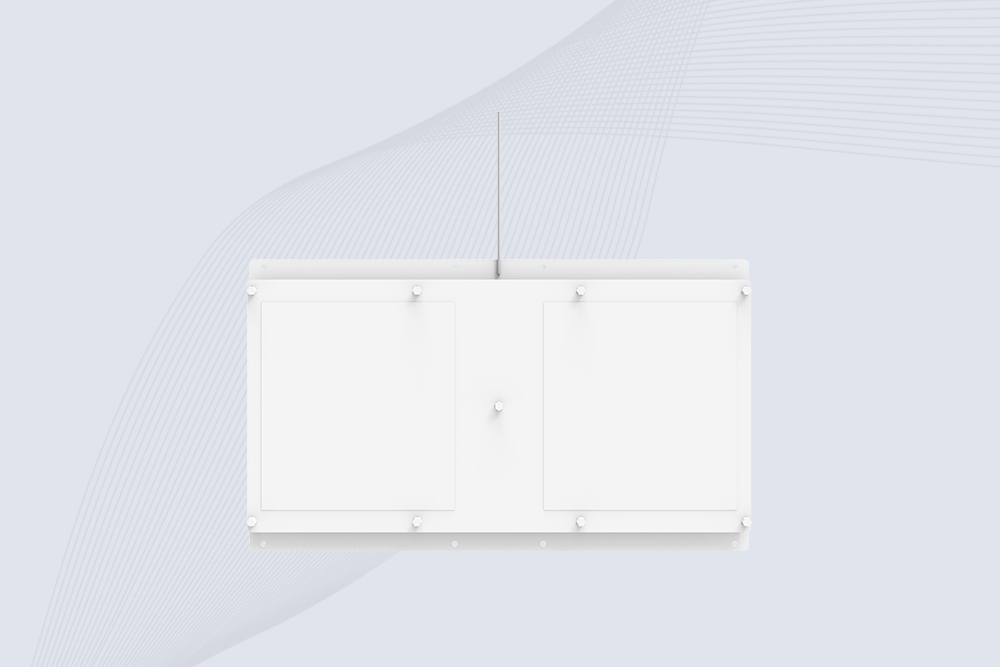
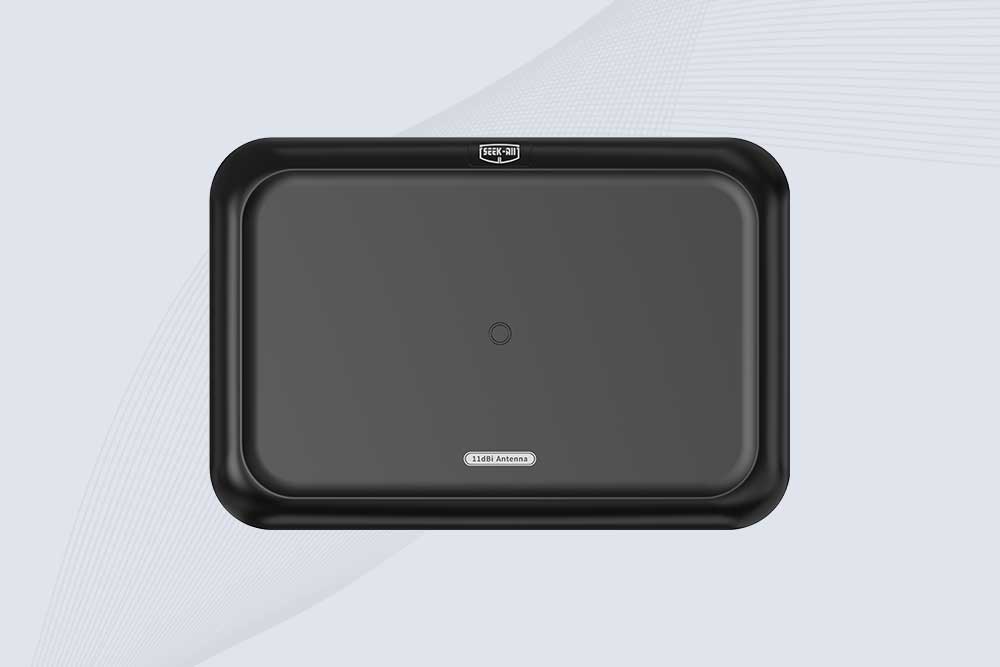
Cykeo CYKEO-A11 UHF RFID reader antenna delivers 11dBi gain, 840-960MHz frequency range, and IP65 ruggedness for retail, logistics, and industrial RFID systems. Features low VSWR and easy installation.

CYKEO Antenna RFID Reader delivers stable long-range UHF performance with a 10.5dBi directional design, built for warehouses, conveyor portals, and industrial RFID systems. This rfid reader antenna provides 20m+ read distance and rugged IP67 protection.

Cykeo CYKEO-PHF3 industrial HF RFID Antenna offers 24-point dynamic tracking, ISO 14443A/15693 protocols, metal-environment stability for archives/libraries/manufacturing.

Cykeo CYKEO-A5B industrial Linear RFID Antenna delivers 5dBi gain, ≤1.5:1 VSWR, and IP65 rugged design for warehouse, production line, and logistics UHF systems.

Cykeo’s CYKEO-B12 Long Range RFID Antenna delivers 15m+ read range with 12dBi gain, IP65 rugged design, and global 840-960MHz UHF support. Ideal for warehouse/logistics asset tracking.
Cykeo CYKEO-B10 Long Distance RFID Antenna offers 10dBi gain, 840-960MHz frequency range, IP65 rating, and 20m+ coverage for logistics/warehousing/ETC systems. Low VSWR ensures stable signal transmission.
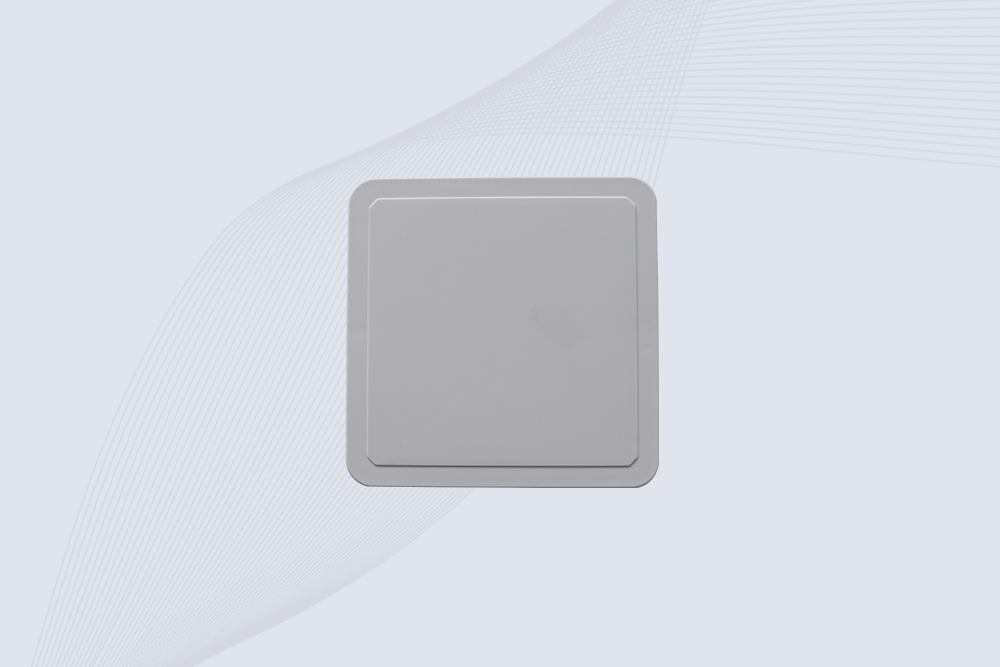
Cykeo CYKEO-A6 UHF RFID panel antenna features 6dBi gain, 840-960MHz broadband, IP65 metal-ready housing for logistics/smart retail. 18mm ultra-thin design with tool-free mounting.

Cykeo CK-A3 industrial antenna RFID UHF offers 5m+ tag detection, ≤1.3:1 VSWR, IP65 rugged design, and global UHF spectrum compatibility (840-960MHz) for warehouses, factories, and retail.
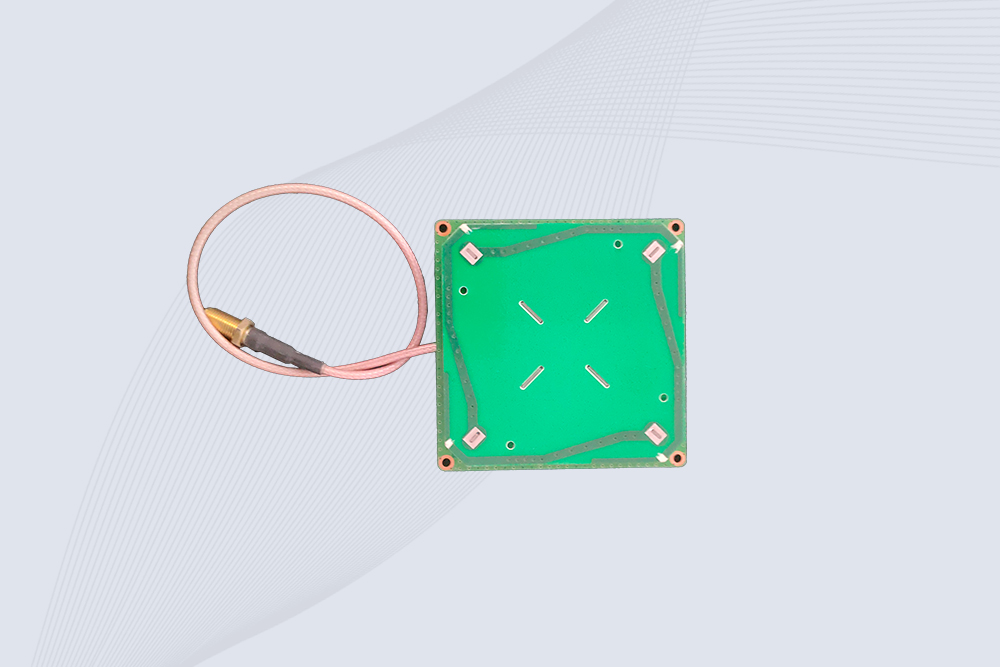
Cykeo CYKEO-B5 directional RFID antenna provides 5dBi gain with 60° narrow beamwidth for precise inventory tracking. IP65-rated, global UHF frequency support, and low VSWR.
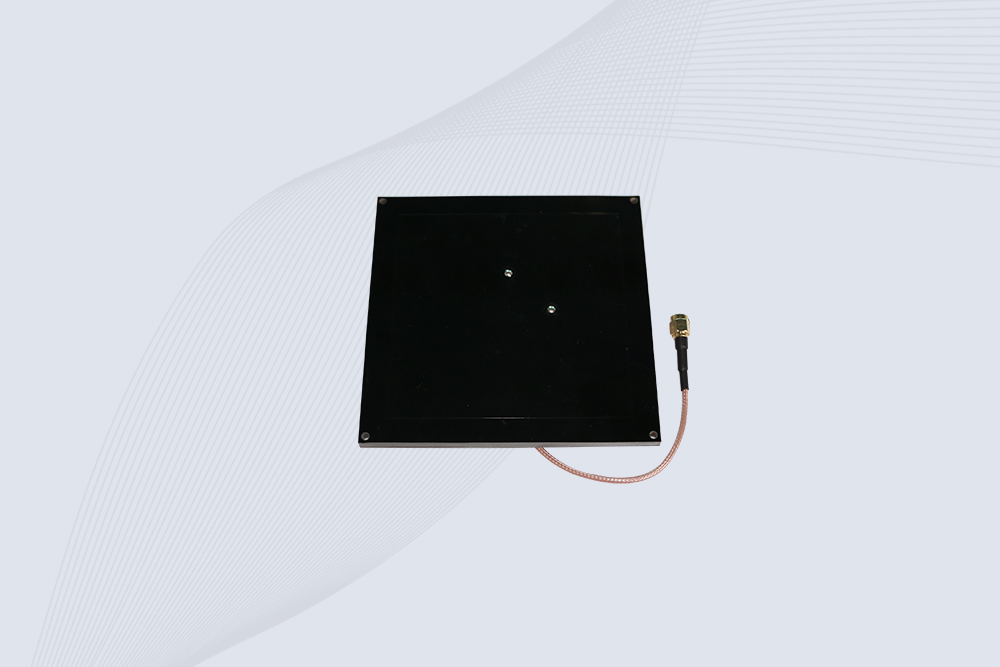
Create your own high-performance DIY RFID antenna! 5dBi gain, 840-960MHz tunable, step-by-step guides. Compatible with Arduino, Raspberry Pi, and commercial UHF readers.
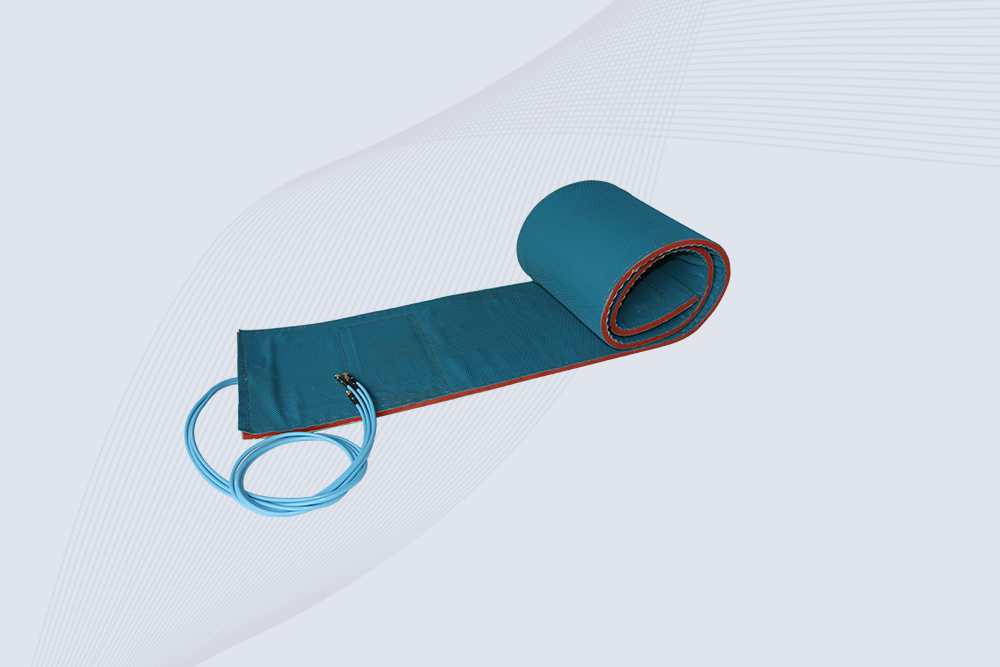
Cykeo CYKEO-A7 Flexible RFID Antenna features 840-960MHz wideband tuning, 7dBi gain, and IP68 rating for medical/retail/industrial curved surface deployments. 98% read accuracy with peel-and-stick installation.

Cykeo CYKEO-B5A industrial Passive RFID Antenna delivers 5dBi gain, 70° beamwidth, and -40°C~55°C operation for warehouses/smart cabinets. Compatible with Zebra/Impinj readers.
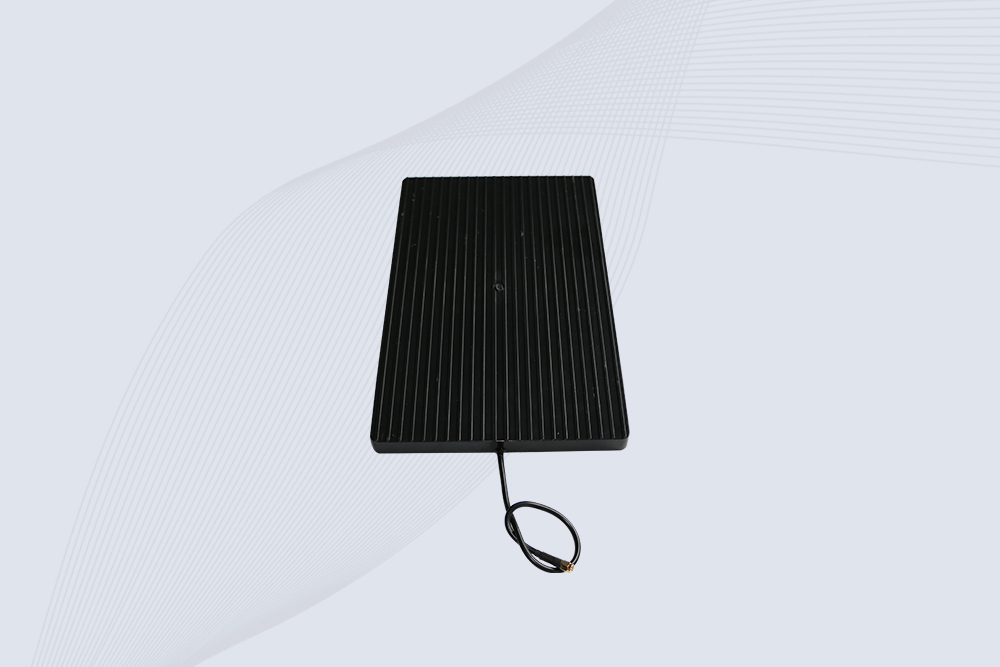
Cykeo’s CYKEO-A9B High Gain RFID Antenna delivers 15m+ read range with 9dBi amplification. Features IP54 rugged design, 840-960MHz bandwidth, and 80° beamwidth for warehouse/manufacturing RFID systems.

Cykeo’s enterprise-grade 8dbi Impinj RFID Antenna 10m+ read range with 840-960MHz tuning. Features IP65 housing, 1.4 VSWR, 35° beamwidth for retail/warehouse RFID systems.
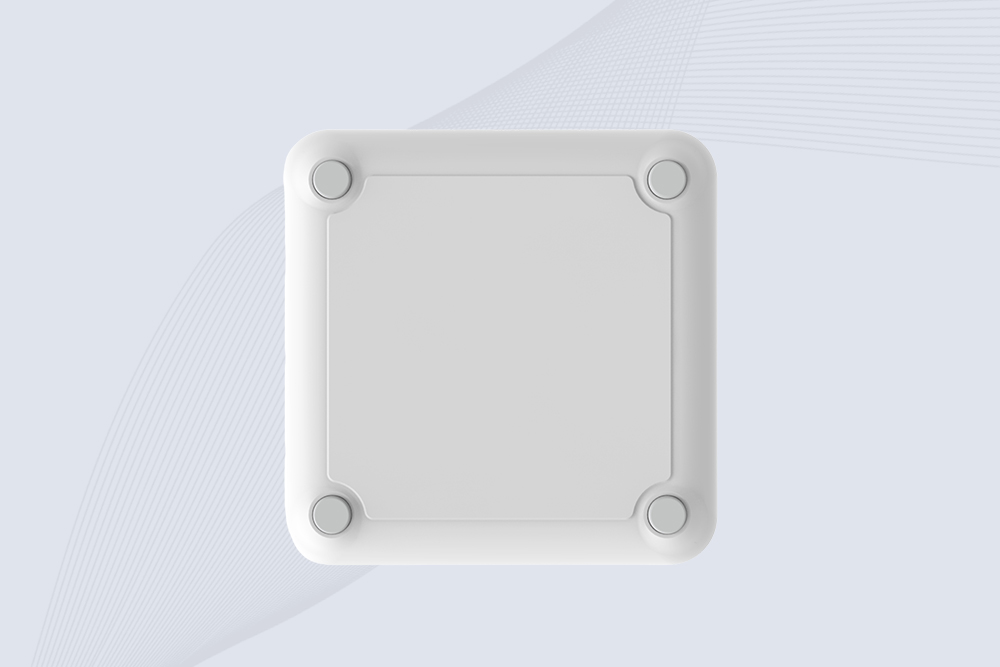
Cykeo CYKEO-A9 industrial UHF RFID antenna delivers 9dBi gain, 840-960MHz frequency range, and IP65 protection for warehouse/logistics/retail RFID systems. Features N-type connector and ≤1.3:1 VSWR.
CYKEO UHF RFID Antenna built for long-distance and industrial applications. This antenna rfid uhf delivers strong gain, outdoor durability, and reliable tag performance in warehouses, yards, and vehicle ID systems.
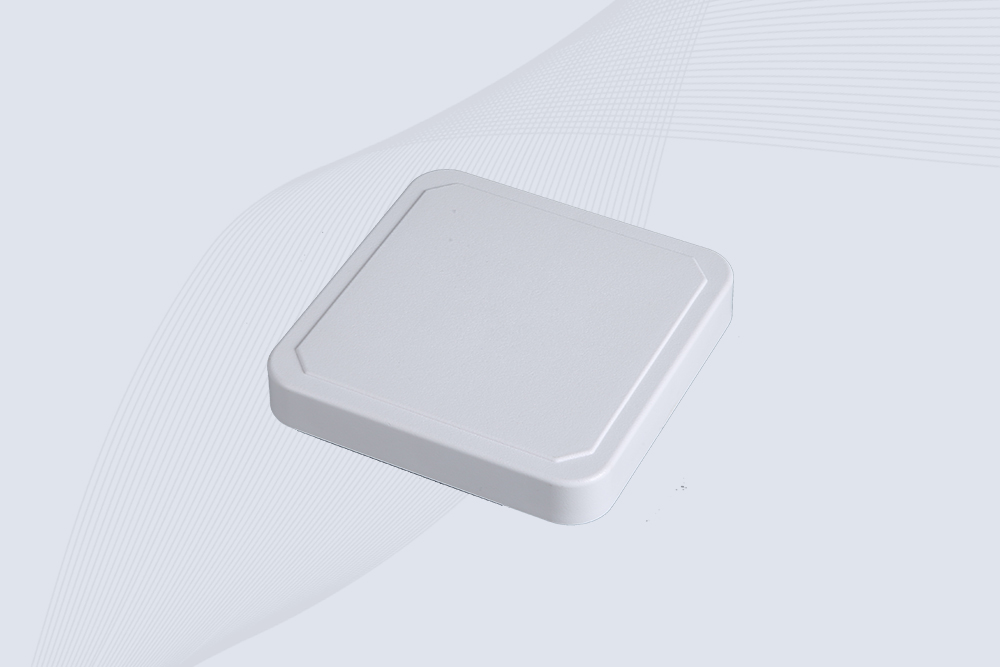
CYKEO Antenna RFID delivers reliable long-range UHF performance in warehouses, retail shelves, and cold-chain environments. This compact uhf rfid antenna provides stable reads with circular polarization and ultra-wide 840–960 MHz support, ideal for industrial tracking, smart shelves, and asset monitoring.
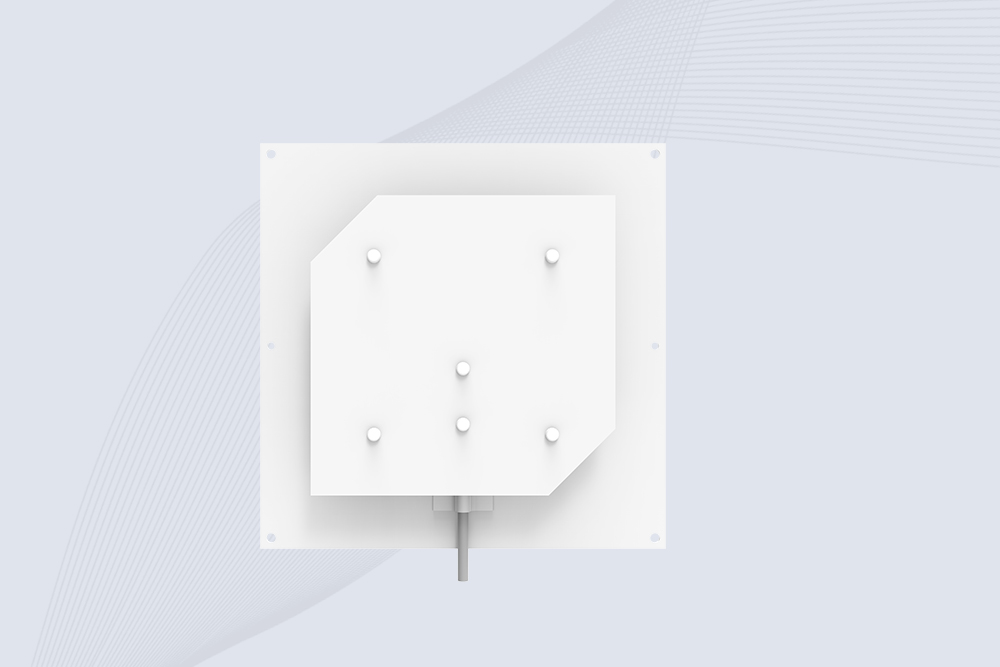
Cykeo’s CYKEO-C8 UHF RFID antennas delivers 8dBi gain, 840-960MHz full-band coverage, and IP65 ruggedness for manufacturing/warehouse RFID systems. Industrial RFID Antennas Features
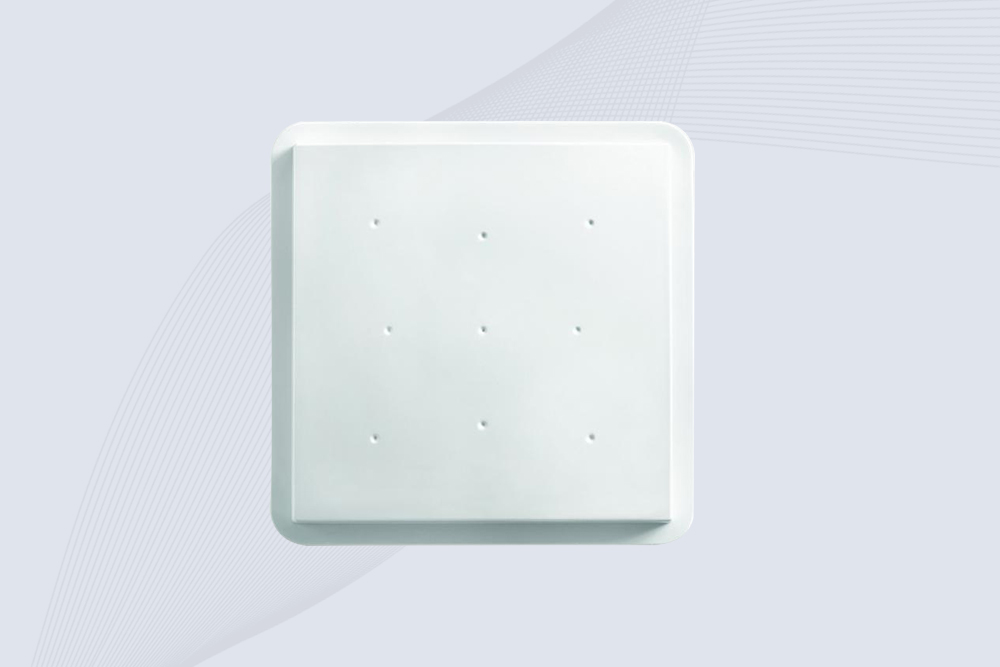
Cykeo’s 8dBi UHF RFID antenna and reader kit delivers 10m+ range, 840-960MHz broadband, and IP65 ruggedness for factories, warehouses, and logistics. ISO 18000-6C & EPC Gen2 certified.
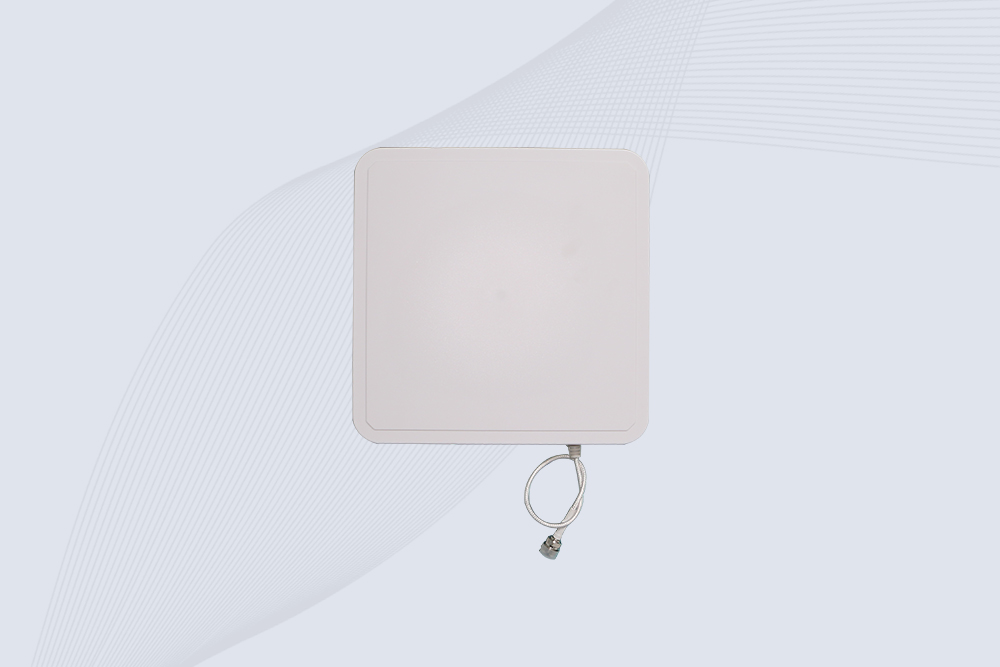
Cykeo CYKEO-A9A industrial UHF RFID reader and antenna kit delivers 10m range, 500 tags/sec, IP65 ruggedness for manufacturing/logistics. Supports EPC Gen2, ISO18000-6C.
RFID Industry Writer | IoT & Asset Tracking Analyst
James writes about RFID technology, asset tracking, and the practical challenges of digital transformation across warehousing, retail, manufacturing, and logistics.
His work focuses on how RFID is applied in real-world operations—improving inventory visibility, automating workflows, and helping businesses manage assets with greater accuracy and efficiency.
He regularly covers topics including UHF RFID, smart cabinets, RFID portals, tool tracking, warehouse automation, and industrial IoT trends..
Understand the real meaning of RFID labels, how they are built, their types, and why they matter. See how RFID labels are used in retail, healthcare, logistics, and manufacturing.
More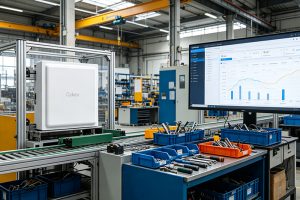
Embeddable RFID tags are RFID transponders designed to be permanently integrated inside tools, equipment, products, or industrial assets, enabling automated identification, tracking, and lifecycle management without exposing the tag to external da...
More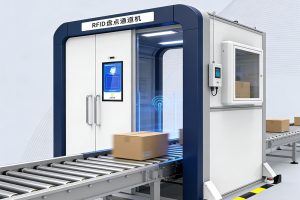
RFID Tunnel systems rely on seamless RFID reader and antenna integration. Learn how open APIs, flexible antenna layouts, and SDK support turn RFID tunnels into scalable warehouse identification solutions.
More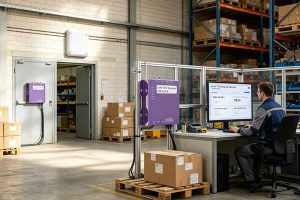
can rfid be used for tracking? Learn how RFID identifies and tracks assets, inventory, products, and tools across warehouses, retail stores, hospitals, and more.
More