Retail businesses use RFID to identify products automatically across receiving, storage, replenishment, shipping, and store operations. Unlike barcode scanning, RFID can capture multiple tagged items without individually presenting each product, giving logistics teams faster inventory visibility and more reliable item-level movement records.
How RFID Fits Into Retail Logistics
Retail RFID is no longer limited to counting merchandise on a sales floor. Its more useful role is connecting physical product movement with the retailer’s logistics data.
A garment arrives at a distribution center. It is received, sorted, packed, shipped, unloaded at a store, moved to the stockroom, and eventually placed on the sales floor. Each handoff creates an opportunity for inventory information to become outdated.
RFID reduces that gap by giving the item a machine-readable identity.
GS1 describes RAIN RFID as a technology that can identify objects without line-of-sight scanning and can support high-speed identification across supply-chain operations.
The difference becomes obvious during busy receiving periods.
An employee with a handheld barcode scanner may need to locate and orient individual labels. With an appropriately engineered UHF RFID system, multiple tagged products can be detected during the same inventory event. That changes the physical workflow—not just the database.
Retail RFID Logistics Starts at Receiving
Inbound Shipment Verification
Distribution centers are one of the strongest environments for RFID because large quantities of merchandise arrive in concentrated waves.
A receiving operator can use fixed or handheld RFID equipment to identify tagged cartons, cases, totes, or individual products. The system can compare the EPC information against an expected shipment record.
A mismatch becomes visible earlier.
For example:
Expected carton: 48 units
RFID-detected units: 47
Missing identifier: flagged for investigation
Receiving record: updated without manually scanning every barcode
The value is not that RFID makes every receiving task automatic. The value is that the operator spends less time proving what is physically present.
RFID Inventory Management Across the Store Network
Retail inventory is constantly moving.
Products leave distribution centers, enter stores, move between stockroom and sales floor, get transferred to another location, or return to a distribution facility. Traditional inventory systems often depend on transaction records. RFID adds another layer: physical observation.
A retailer can perform rapid item-level inventory checks rather than relying entirely on manual counts.
Auburn University research conducted with Macy’s found that RFID-enabled inventory accuracy could reach 95% or higher, compared with substantially lower accuracy before RFID implementation. The study has become one of the better-known real-world references for retail RFID inventory accuracy.
That number matters because logistics decisions are built on inventory records.
If the system says a size medium is available but the item is actually sitting in a stockroom, an online order can fail. If the system knows the physical item is there, replenishment and fulfillment decisions become much more practical.
Why Retailers Use RFID Instead of Relying Only on Barcodes
Barcode technology remains highly useful. RFID does not simply replace it.
The operational difference is the identification method.
Retail logistics requirement
Barcode
UHF RFID
Individual item identification
Yes
Yes
Multiple-item reading
Limited
Yes
Direct line of sight
Usually required
Not normally required
Manual presentation
Usually
Often unnecessary
Item-level inventory
Yes
Yes
Automated gate reading
Limited
Strong fit
Conveyor identification
Possible
Strong fit
Rapid stock counting
Labor-intensive
Well suited
The advantage becomes more pronounced when the retailer handles large item populations.
A stack of 20 shirts is a small problem for RFID. A receiving area containing thousands of tagged items is where the technology starts to change labor allocation.
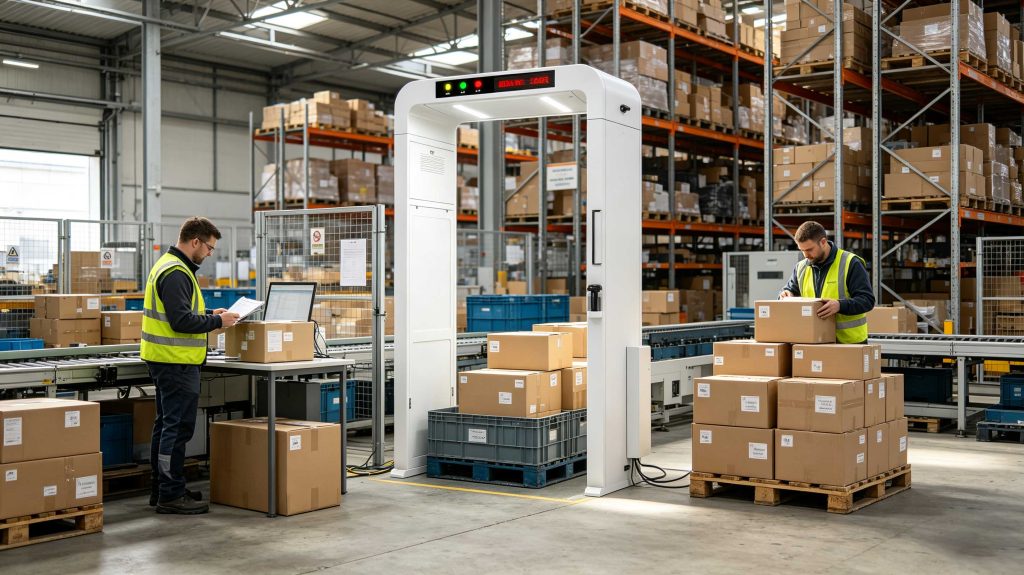
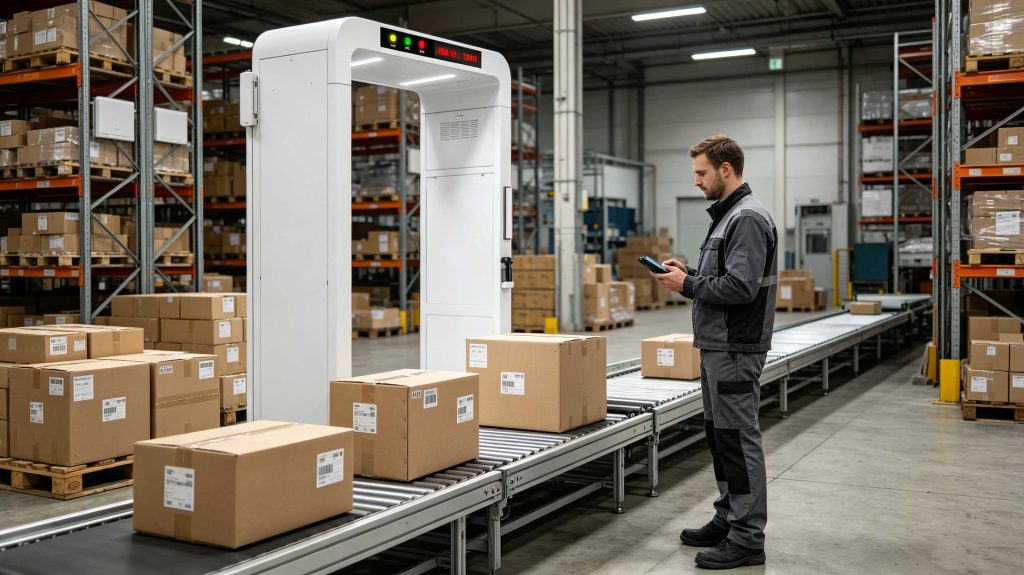
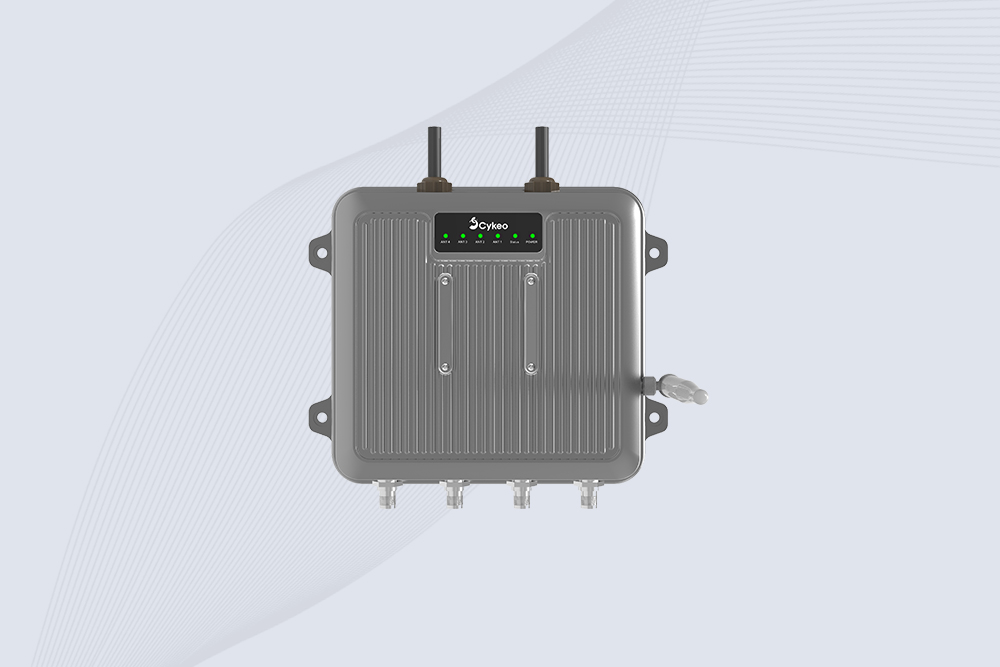
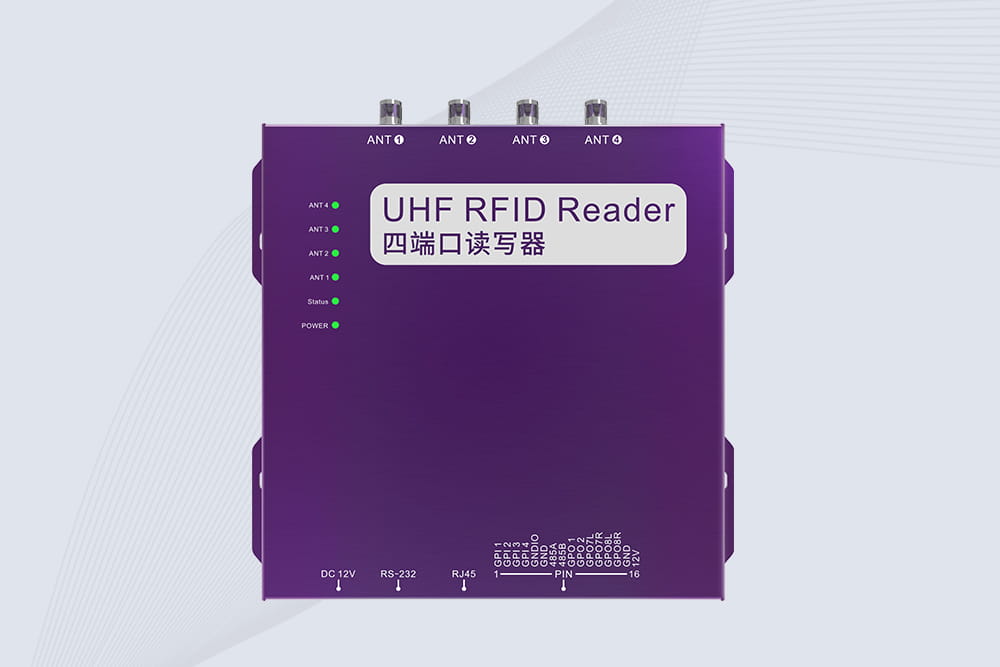
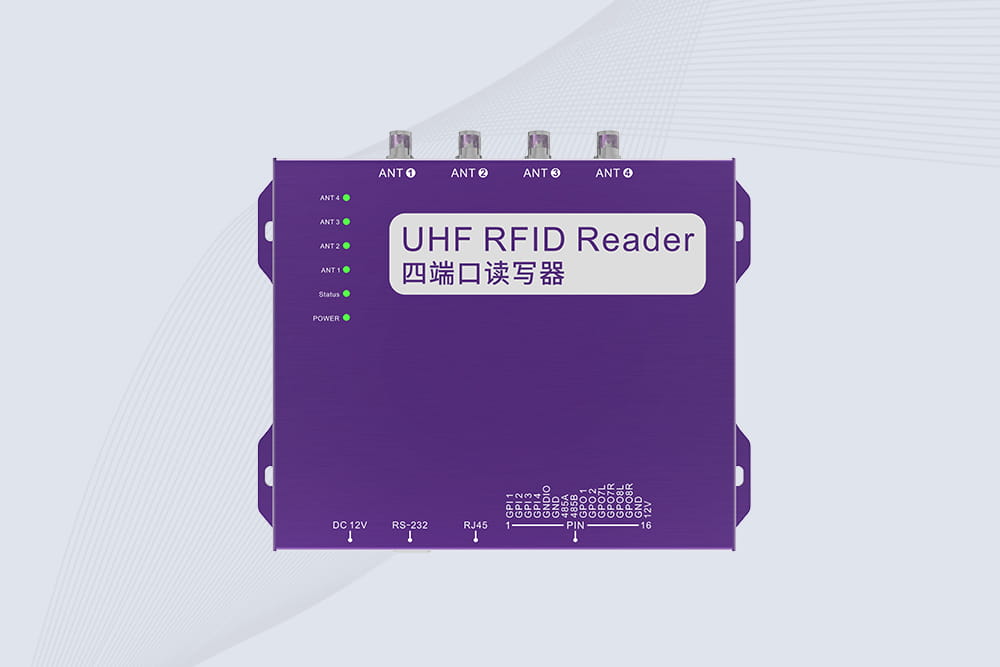
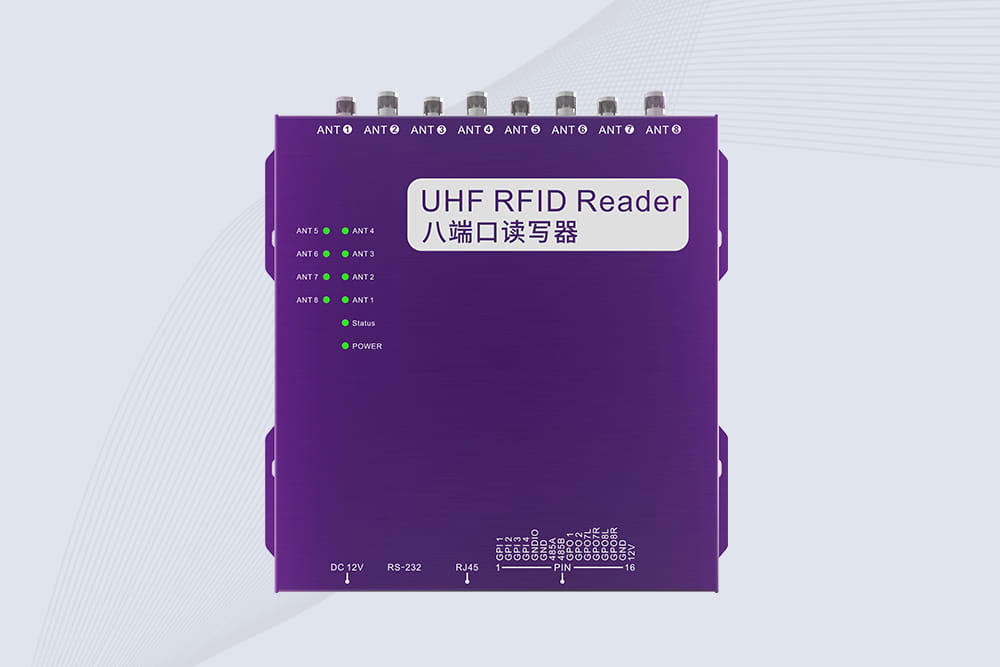
UHF RFID enables retail distribution teams to identify multiple tagged products as merchandise moves through receiving and shipping operations.
RFID Supports Store Replenishment
A logistics system becomes more valuable when it knows not just what was shipped, but where merchandise actually sits.
Retailers can use RFID inventory information to support replenishment decisions. When an item is detected in the stockroom, the system can provide a more current picture of availability. When the product reaches the sales floor, that movement can also become part of the operational record.
This is particularly relevant in apparel.
The number of SKUs can become enormous when color, size, style, and season are combined. A missing unit is not simply “one missing shirt.” It may be the only available size 10 in a particular color.
RFID gives the logistics team an item-level identifier to work with.
Retail Logistics and Omnichannel Fulfillment
The rise of buy-online-pickup-in-store and ship-from-store models makes inventory accuracy more important.
A store may function simultaneously as:
A retail location
A local fulfillment point
A returns location
A temporary inventory holding area
A transfer point between stores
RFID can help create a more accurate physical inventory picture across these overlapping roles.
The technology is especially useful when an online order depends on a specific unit being physically available. Instead of treating inventory as a purely transactional number, retailers can use RFID observations to validate the physical location of merchandise.
Where Cykeo RFID Fits Into Retail Logistics
Cykeo’s UHF RFID solutions are suited to environments where multiple products need to be identified quickly and where read-zone control matters.
For self-service checkout, the emphasis changes again. A controlled reading area can identify multiple tagged garments while an integrated touchscreen presents the customer’s purchase information.
For a warehouse gate, the priority is broader coverage and reliable passage detection.
For a security gate, field containment and event triggering become critical.
This is why RFID equipment should be selected according to the physical workflow rather than by reader specifications alone.
The strongest retail RFID deployments are usually quiet. No dramatic interaction. No operator waving a scanner over every item. Merchandise moves, the RF field detects it, and the software receives an event.
That is the point.
How RFID Supports Retail Logistics Beyond the Store Shelf
RFID becomes especially valuable when retailers stop treating the tag as a checkout accessory and instead use it as an item-level identity throughout the logistics chain.
GS1 describes retail RFID workflows spanning goods receiving, inventory databases, shop-floor replenishment, point-of-sale, returns, and electronic article surveillance. The same item identity can therefore follow a product from receiving dock to selling floor rather than being recreated at every operational step.
That distinction matters.
A barcode tells the operator what was scanned. RFID can capture multiple tagged items without requiring each label to be individually presented to a scanner. GS1 US specifically notes that RFID can automatically process tagged cases and cartons and improve information accuracy because line-of-sight scanning is not required.
Where retailers typically use RFID
Logistics point
RFID function
Operational value
Distribution center receiving
Bulk identification
Faster inbound verification
Put-away
Location association
Better inventory visibility
Store replenishment
Item identification
Faster shelf replenishment
Cycle counting
Bulk inventory reading
Less manual counting
Order fulfillment
Item verification
Fewer picking errors
Checkout
Multiple-item reading
Faster transaction processing
Returns
Item identity verification
Better traceability
Store exit
EAS integration
Loss-prevention support
Technical Advantage: Item-Level Visibility
The most important RFID advantage in retail logistics is not simply reading farther or faster. It is maintaining a usable item identity across operational events.
A 2013 field study published in Production and Operations Management examined RFID-enabled inventory visibility across 13 stores in its first experiment and 62 stores in its second. The first study reported approximately a 26% reduction in inventory record inaccuracy after RFID-enabled visibility was introduced. The second experiment found that improvement varied considerably by product category, reaching as high as 81% in some categories.
That variation is important. RFID is not magic software that fixes every inventory problem. Tag placement, reader positioning, product composition, operating procedures, and the type of merchandise being handled all influence the result.
In apparel, for example, tightly packed garments can create tag-shadowing conditions. Auburn University’s RFID Research Center reported read rates generally above 90% across its apparel/footwear feasibility scenarios, while also identifying tag shadowing as an occasional problem when tags were pressed closely together.
That is exactly the sort of detail that matters during deployment.
What a well-designed RFID logistics system actually captures
A practical implementation can associate:
EPC/tag identity
SKU and product information
Receiving event
Storage or shelf location
Shipping event
Store arrival
Inventory status
Sale or return event
EAS status
Time and reader location
GS1’s architecture explicitly describes RFID-captured EPC data being connected with EPCIS event information so that inventory movement and availability can be represented digitally.
Cykeo RFID Product Architecture for Retail Logistics
Cykeo approaches retail RFID from the reader-and-application layer rather than treating the RFID reader as an isolated device.
A typical architecture can be structured as:
RFID Tag → Antenna → RFID Reader → Communication Interface → Middleware/API → Retail/WMS/ERP System
For a retail environment, this architecture can support fixed reading points at receiving areas, warehouse passages, store entrances, checkout stations, or other controlled zones.
Cykeo UHF RFID equipment is designed around multi-tag identification, controlled read zones, communication interfaces, and integration requirements. Depending on the deployment, Ethernet can provide the primary connection, while additional communication methods can be incorporated where the project requires them.
The important engineering decision is not simply selecting the highest reader power.
A store entrance, for example, needs a controlled interrogation zone. A warehouse portal needs sufficient coverage for cartons or pallets. A self-checkout station needs much tighter read boundaries so merchandise sitting on an adjacent table is not accidentally included in the transaction.
Range is therefore a system parameter, not a product number.
This is one reason Cykeo’s RFID development work emphasizes antenna configuration, power adjustment, anti-collision processing, filtering, and application-level control together.
Retail RFID Logistics Application Cases
1. Distribution Center Receiving
At receiving, RFID can identify multiple tagged cases or individual products as they pass a reading point. The system can compare EPC information with an expected shipment before inventory is accepted.
Auburn research into supplier distribution centers found that RFID-based item-level quantity audits could be performed on more than 99.99% of cartons in the tested scenarios.
That figure comes from a specific research environment, not a universal guarantee. Still, it demonstrates why RFID is attractive where receiving teams repeatedly verify large quantities.
2. Store Replenishment
Retail logistics does not end when merchandise reaches the store.
RFID can identify what is physically available, distinguish inventory that remains in backroom areas from inventory already on the sales floor, and generate replenishment information.
GS1 specifically identifies shop-floor RFID readers as a mechanism for detecting low product levels and triggering replenishment activity.
3. Inventory Counting
Traditional cycle counting requires employees to locate products and scan them individually.
RFID changes the physical workflow. An operator can move through an aisle or designated inventory zone with an RFID reader and capture multiple tagged items during the same pass.
In Dillard’s field research, RFID was evaluated for inventory accuracy, cycle counting, out-of-stock conditions, and loss prevention. The researchers reported that faster cycle counting helped retailers maintain inventory accuracy rather than relying only on large periodic inventories.
4. Self-Checkout and Loss Prevention
Retail RFID can also connect logistics data with the transaction.
At an RFID self-checkout station, multiple garments can be identified simultaneously. Once payment is completed, the associated inventory status can be updated. At the exit, RFID/EAS infrastructure can identify merchandise that has not been marked as sold.
GS1 documents this type of retail workflow, including RFID-enabled self-checkout, EAS, inventory updates, and replenishment triggers.
RFID readers capture multiple tagged retail cartons as inventory moves through a controlled logistics checkpoint.
FAQ: RFID in Retail Logistics
Can RFID improve retail inventory accuracy?
Yes. Field research has demonstrated measurable improvements, including an approximately 26% reduction in inventory record inaccuracy in one RFID retail experiment. Results vary by category and deployment conditions.
Does RFID replace barcodes in retail logistics?
Not necessarily. Many retailers use RFID alongside barcode systems. RFID is particularly useful for bulk identification and automated reading, while barcodes remain practical for many existing workflows and exception handling.
Can RFID read multiple retail products at once?
Yes. UHF RFID systems are designed for multi-tag identification, allowing multiple tagged items to be captured within the reader’s interrogation zone rather than requiring individual line-of-sight scans.
Can RFID support warehouse-to-store tracking?
Yes. RFID can associate item identities with receiving, storage, shipping, store arrival, replenishment, sale, and return events when the reader infrastructure and software are integrated appropriately.
Is RFID suitable for apparel logistics?
Yes. Apparel has been one of the major item-level RFID application areas. Research has evaluated RFID across apparel receiving, inventory management, cycle counting, loss prevention, dressing-room management, and point-of-sale processes.
Does RFID eliminate inventory errors completely?
No. RFID improves data capture, but antenna positioning, tag placement, reader configuration, dense merchandise, interference, and process design still affect performance. A reliable deployment requires both RF engineering and operational validation.
What should retailers evaluate before deploying RFID?
The critical factors include tag type and placement, reader performance, antenna coverage, read-zone control, expected item density, communication interfaces, middleware integration, and the business event that each RFID read is supposed to trigger.
SEO Ending
For retail businesses, RFID is most valuable when it becomes part of the logistics data flow rather than a standalone scanning device. Receiving, warehouse inventory, store replenishment, cycle counting, checkout, returns, and loss prevention can all use the same item-level identity.
The strongest deployments are rarely the ones with the most hardware. They are the ones where every RFID read has a clear operational purpose—and where the reading zone is engineered around the merchandise, movement pattern, and business process.
That is the practical foundation behind how have retail businesses used RFID technology to support logistics: turning individual product identities into usable logistics events across the retail supply chain.
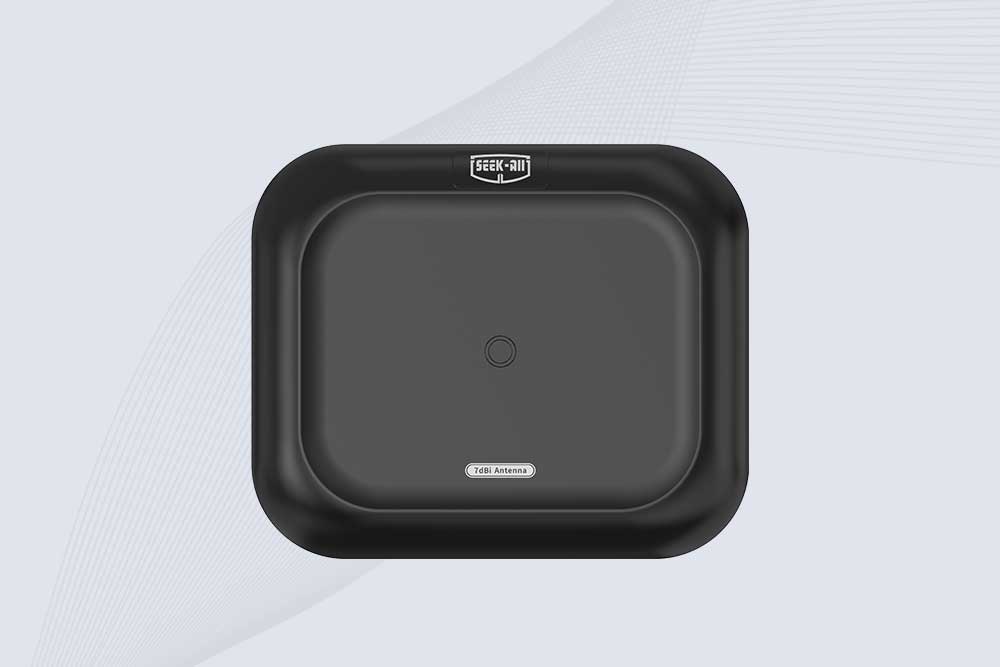
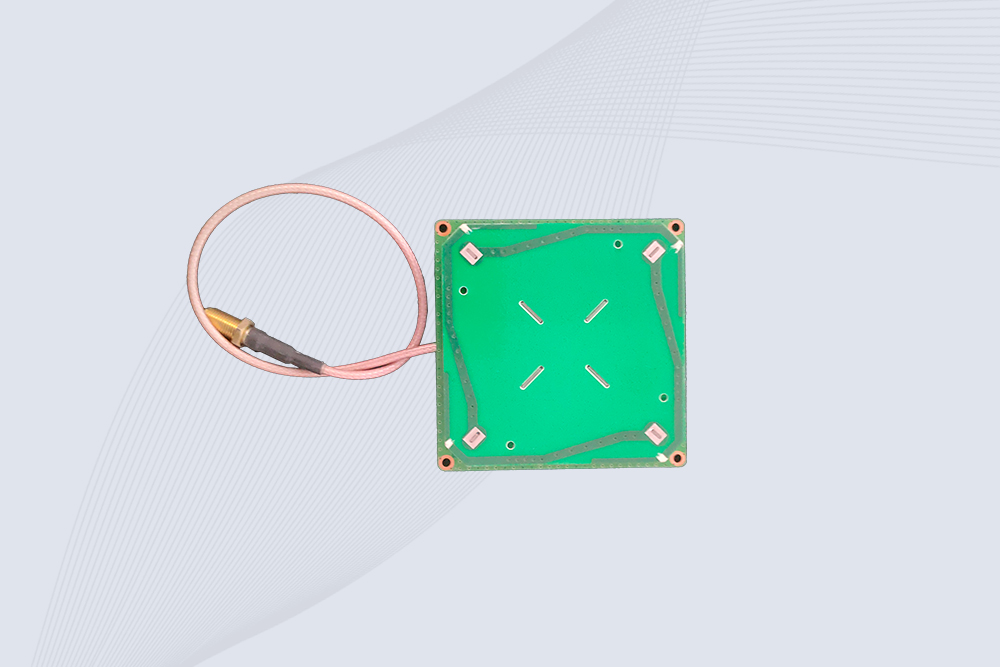
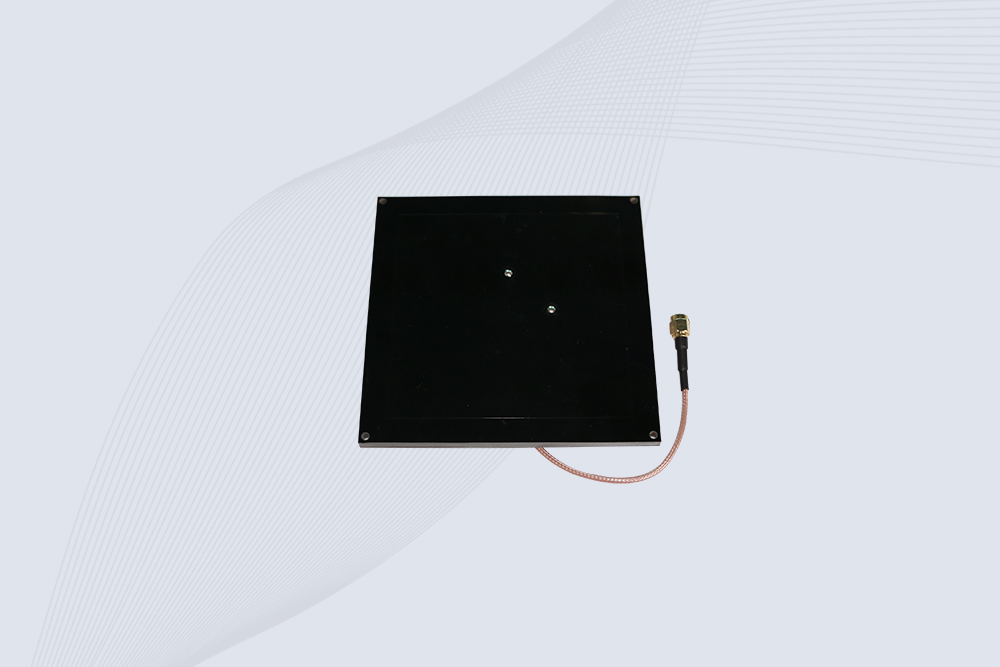
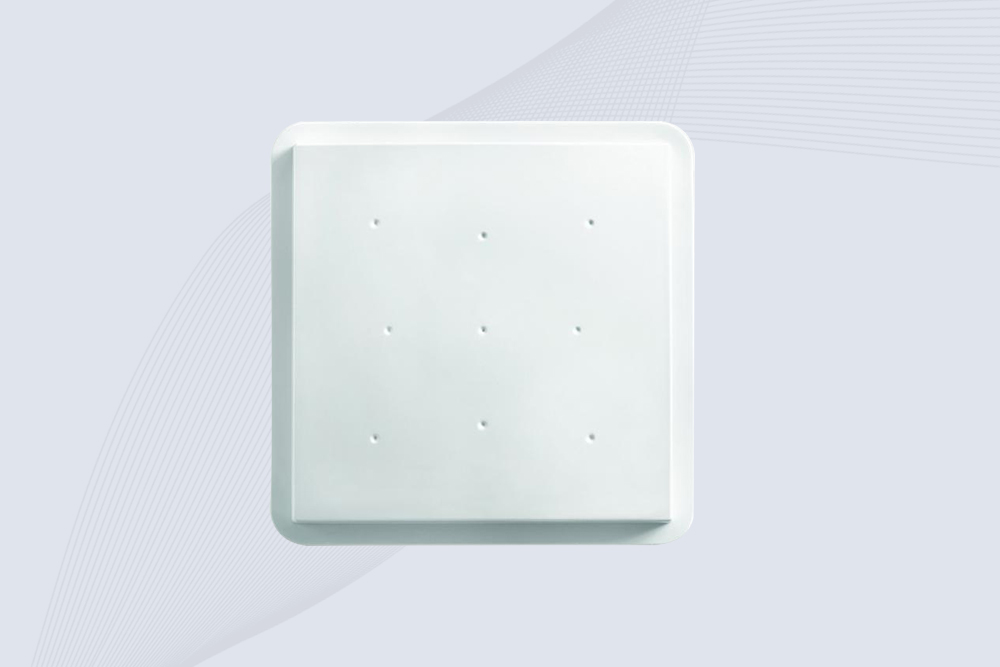
Explore the SSD-A07 UHF RFID antenna with 7 dBi gain, circular polarization, adjustable 840–960 MHz frequency, and 60°/75° beamwidth for stable RFID read/write performance.
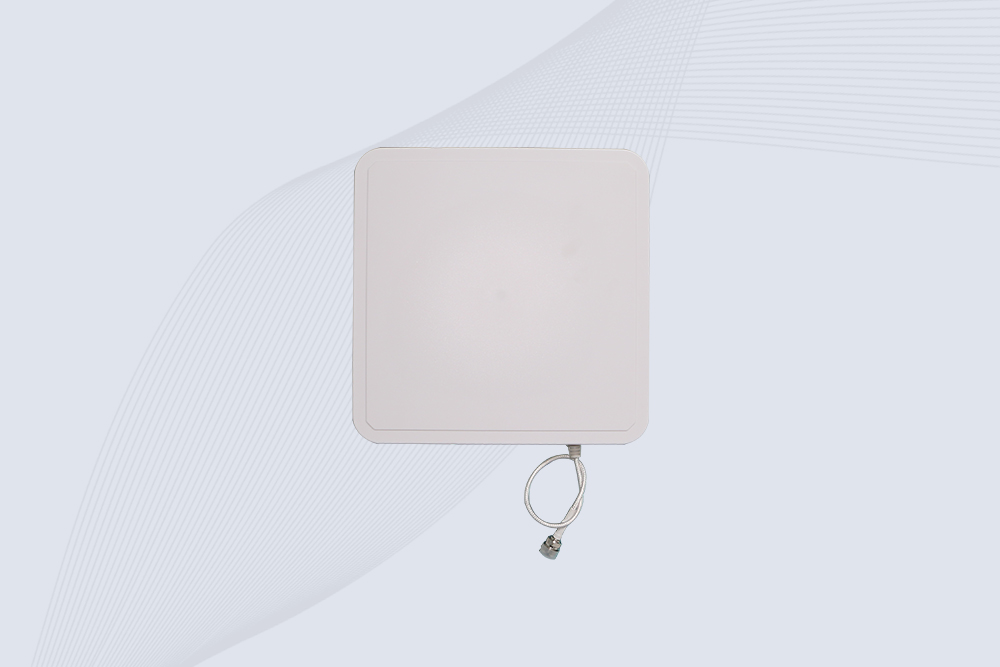
SSD-A06 UHF RFID antenna with circular polarization, adjustable 840–960 MHz frequency, ≥4.5 dBi gain, and a compact directional design for RFID systems.
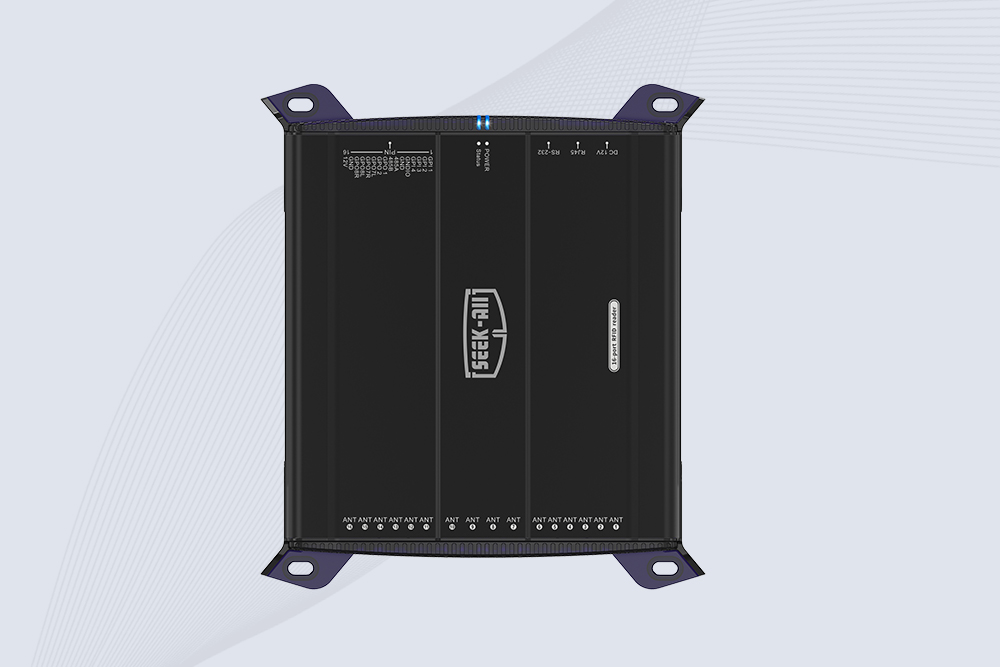
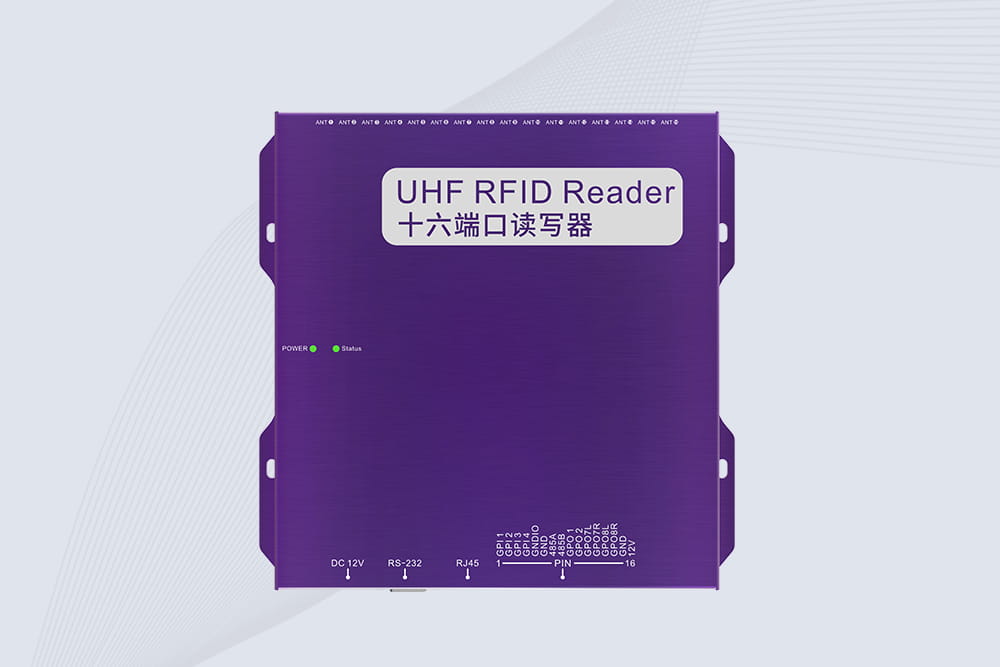
SSD-R16L Multi-Channel RFID Infrastructure for Automated Inventory Management ✔️ 16-Port High-Density RFID Reading Equipped with 16 SMA antenna ports, SSD-R16L supports multi-antenna deployment for warehouses, retail stores, logistics, production lines, and large-area RFID identification. ✔️ High-Speed & Long-Range Performance With up to 33…
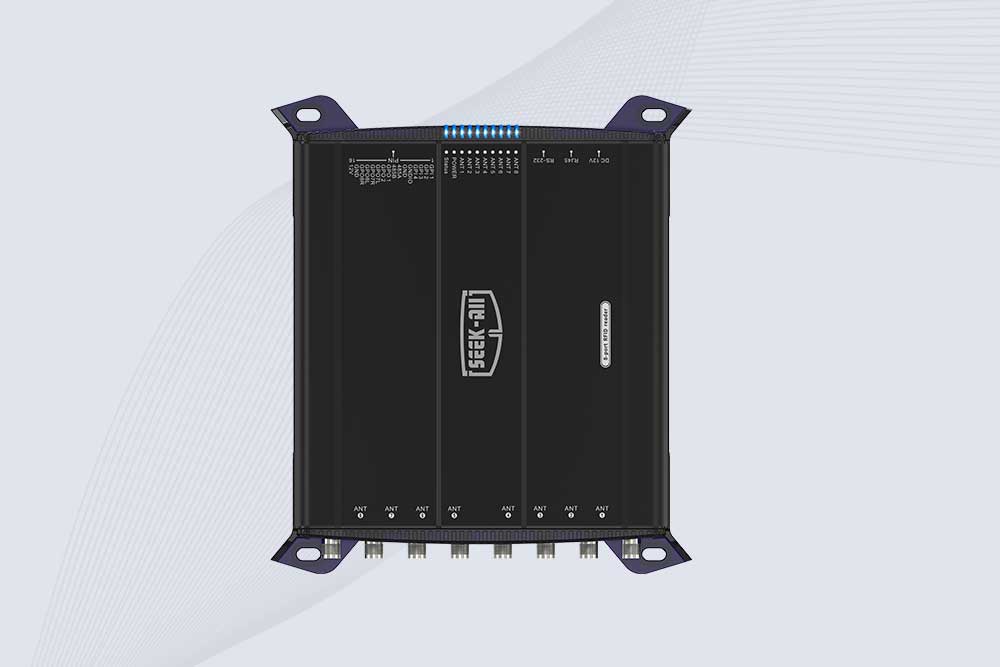
SSD-R8L 8-port UHF RFID reader with 33dBm output, up to 20m reading range and 600+ tags/s recognition. Ideal for warehouse, logistics, retail and asset tracking.
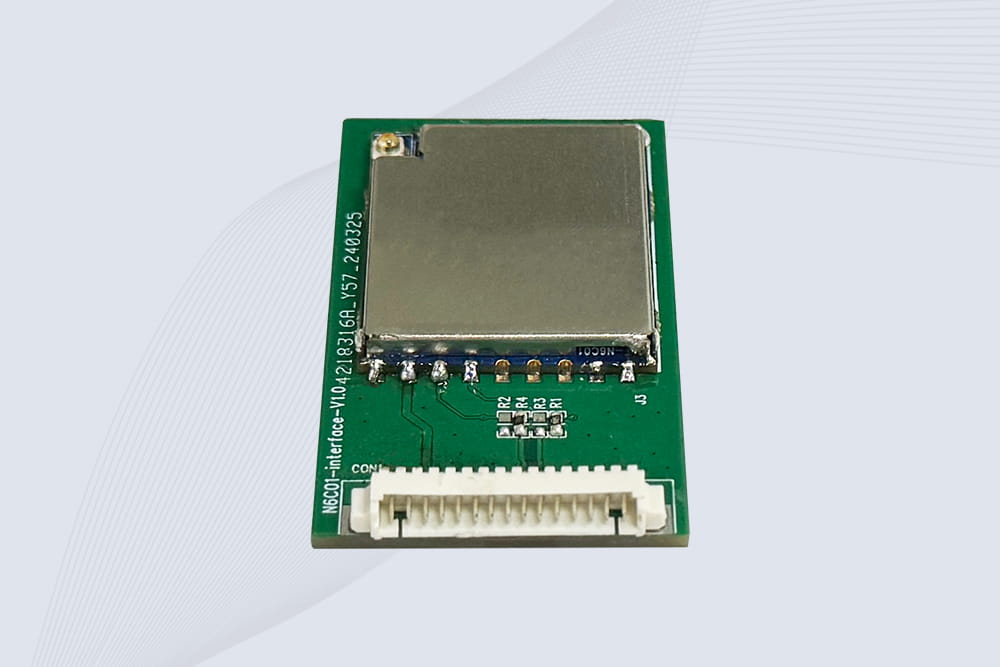
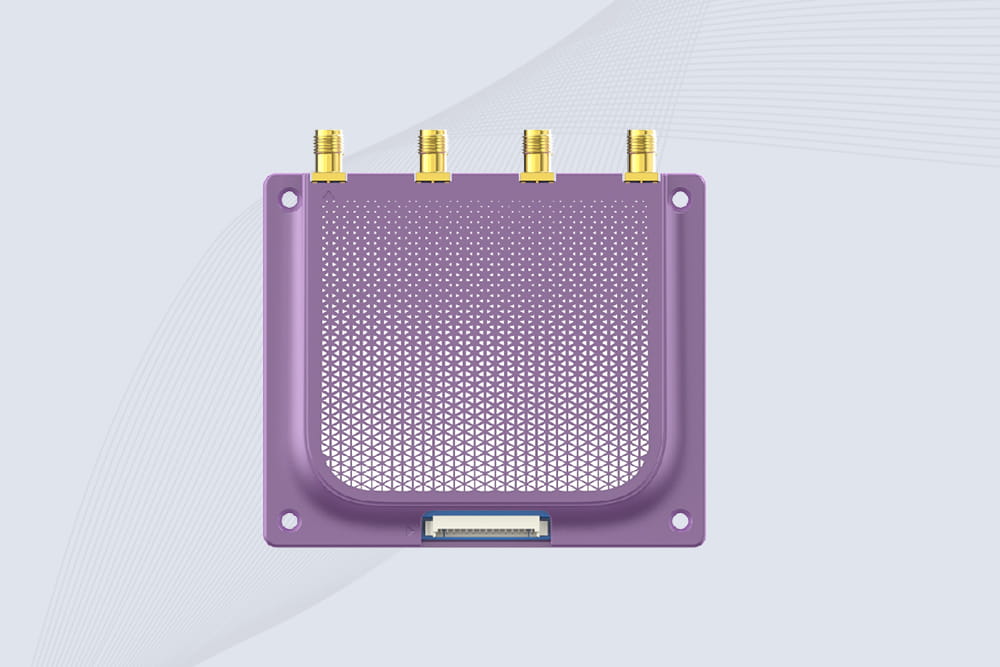
CYKEO Embedded RFID Modules are designed for compact industrial and IoT devices that require stable UHF performance. These UHF RFID Modules support global protocols, flexible power control, and reliable multi-tag reading for smart cabinets, production lines, and asset tracking systems.
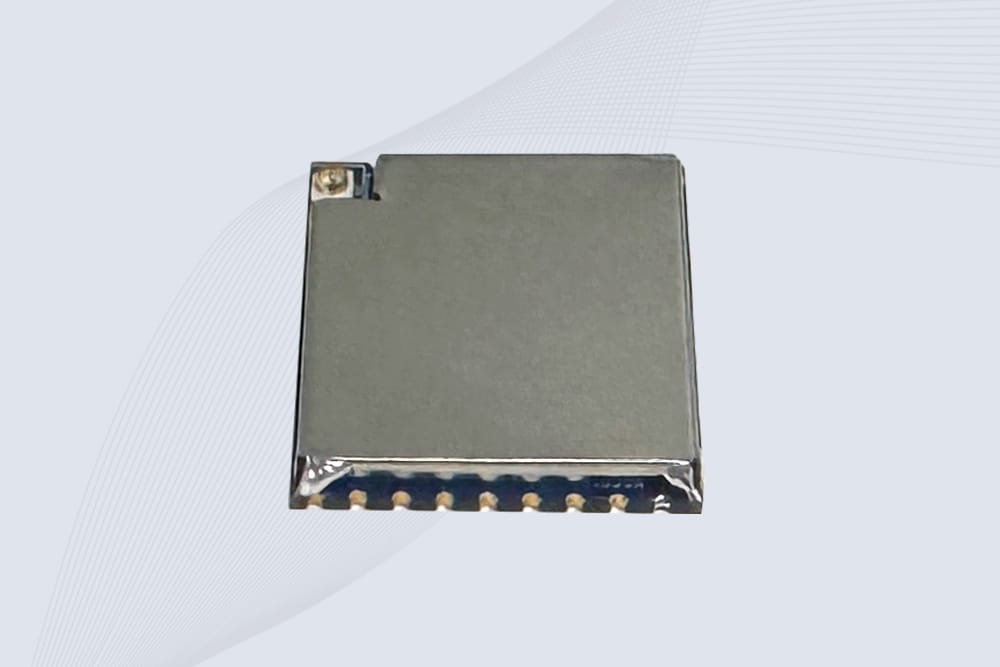
CYKEO Embedded RFID Module is built for compact IoT and industrial devices that need stable UHF performance. This UHF module supports global protocols, low power operation, and reliable multi-tag reading for smart lockers, production lines, and always-on RFID systems.
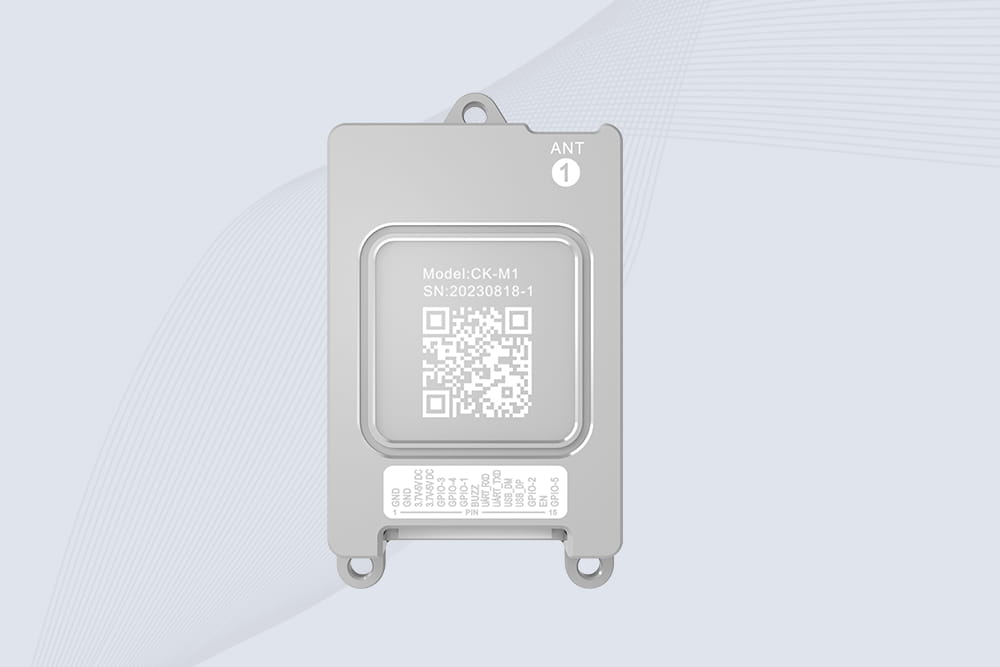
CYKEO CYKEO-M1 drone rfid module is a compact UHF RFID reader module designed for drones and UAV platforms. It supports long-range aerial scanning, fast multi-tag reading, and stable performance in wind, vibration, and outdoor environments.
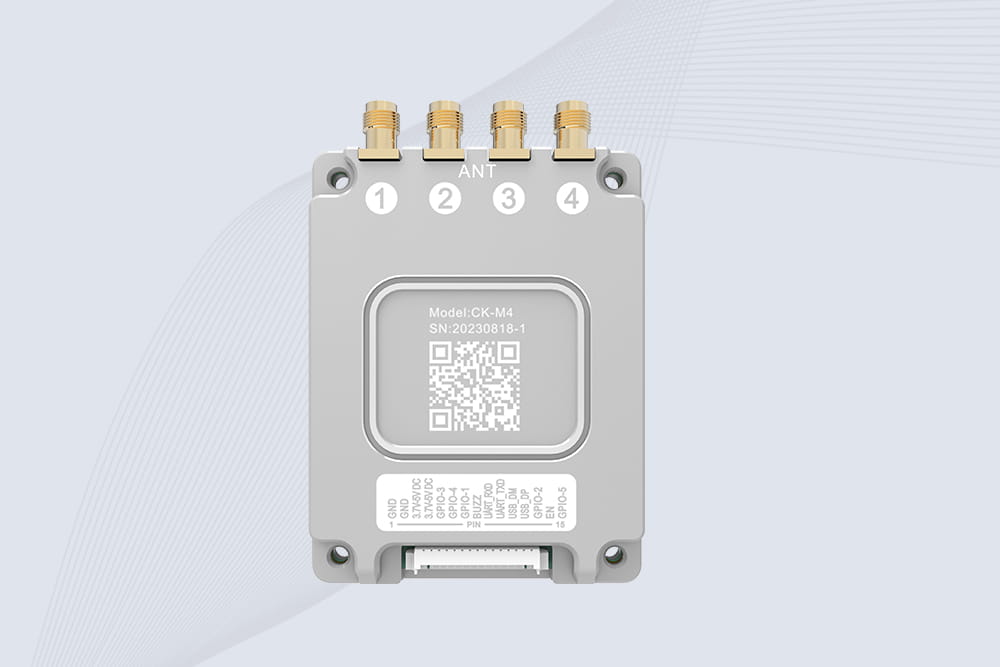
CYKEO CYKEO-M4 RC522 RFID Module is an industrial-grade UHF RFID reader with 4 ports, supporting ISO, EPC, and GB protocols. High-speed, accurate reading for IoT, automation, and warehouse applications.
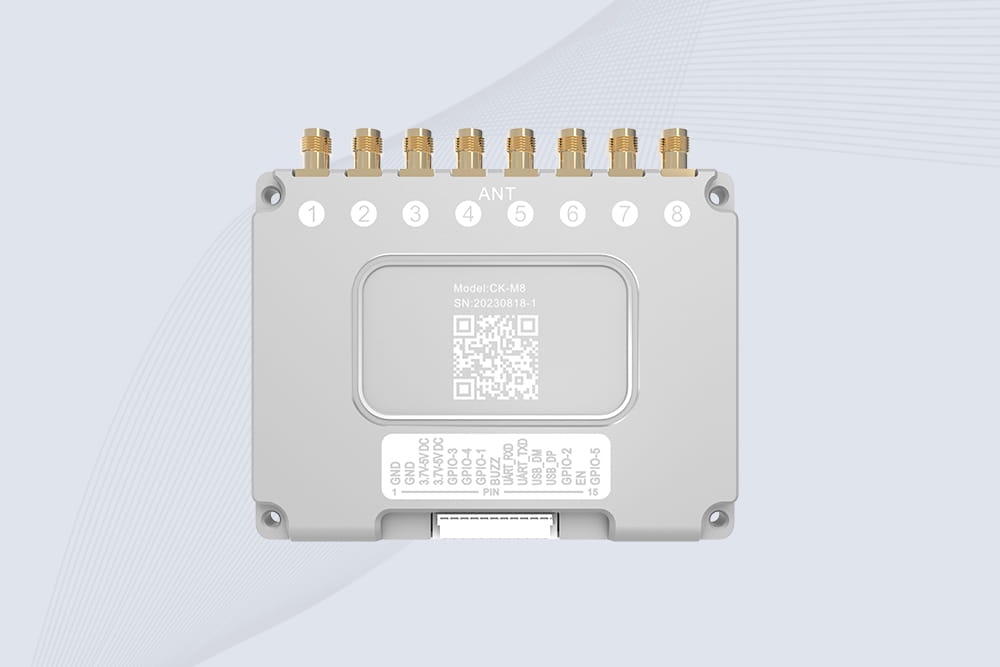
CYKEO CYKEO-M8 Module RFID is an 8-port UHF R2000 RFID Module designed for high-density, multi-tag environments. Stable 33dBm output, ISO & GB protocol support, ideal for warehouses, factories, and automated systems.
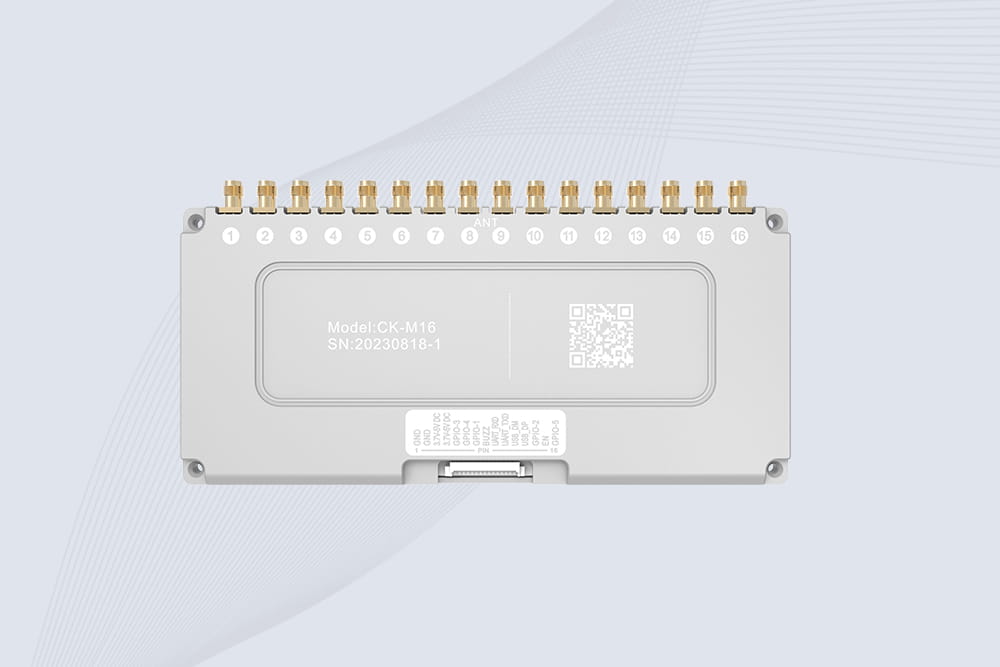
CYKEO CYKEO-M16 RFID Module is a 16-port UHF RFID reader module based on the R2000 chipset. Designed for dense tag environments, it supports ISO and GB standards and delivers stable multi-antenna control for industrial automation.
The CYKEO CYKEO-M16L RFID Reader Module is a 16-channel UHF RFID core designed for dense tag environments. With adjustable 33dBm output, multi-protocol support, and stable multi-antenna control, this RFID Tag Reader Module fits industrial automation, warehouse systems, and large-scale IoT deployments.
CYKEO CYKEO-M8L module RFID is a compact industrial UHF module built for dense tag and multi-antenna environments. With 8 RF ports, adjustable 33 dBm output, and ISO & GB protocol support, it is widely used in factories, warehouses, and automated tracking systems.
CYKEOCYKEO-M4L UHF RFID Module is a compact 4-channel RFID tag reader module designed for dense tag environments. Supporting ISO and GB protocols, it delivers stable reads up to 10 meters for industrial and IoT systems.
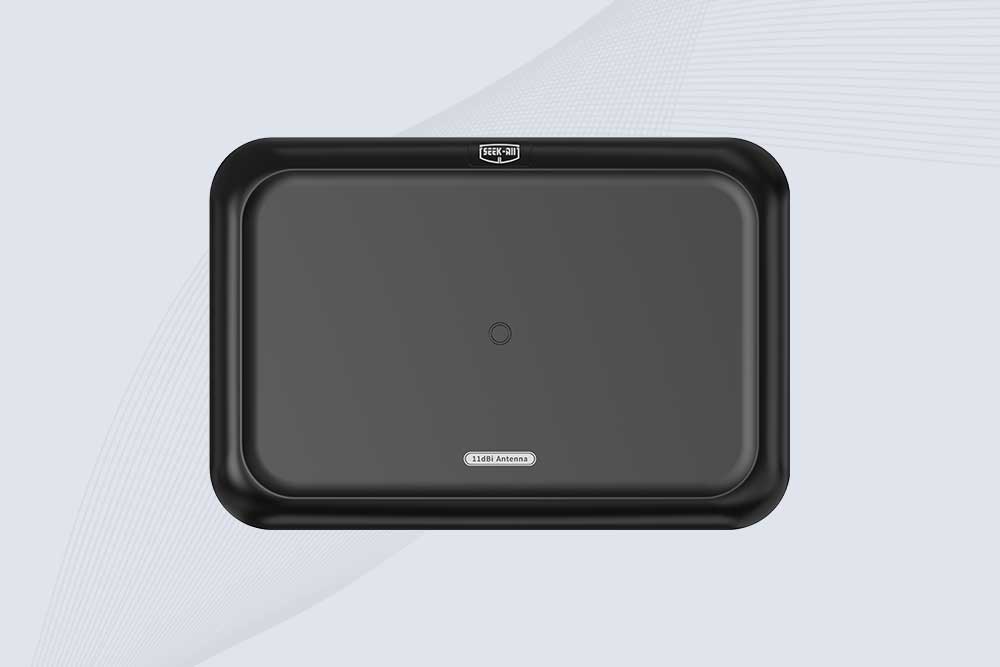
Cykeo CYKEO-A11 UHF RFID reader antenna delivers 11dBi gain, 840-960MHz frequency range, and IP65 ruggedness for retail, logistics, and industrial RFID systems. Features low VSWR and easy installation.
CYKEO Antenna RFID Reader delivers stable long-range UHF performance with a 10.5dBi directional design, built for warehouses, conveyor portals, and industrial RFID systems. This rfid reader antenna provides 20m+ read distance and rugged IP67 protection.
Cykeo CYKEO-A5B industrial Linear RFID Antenna delivers 5dBi gain, ≤1.5:1 VSWR, and IP65 rugged design for warehouse, production line, and logistics UHF systems.
Cykeo’s CYKEO-B12 Long Range RFID Antenna delivers 15m+ read range with 12dBi gain, IP65 rugged design, and global 840-960MHz UHF support. Ideal for warehouse/logistics asset tracking.
Cykeo CYKEO-B10 Long Distance RFID Antenna offers 10dBi gain, 840-960MHz frequency range, IP65 rating, and 20m+ coverage for logistics/warehousing/ETC systems. Low VSWR ensures stable signal transmission.
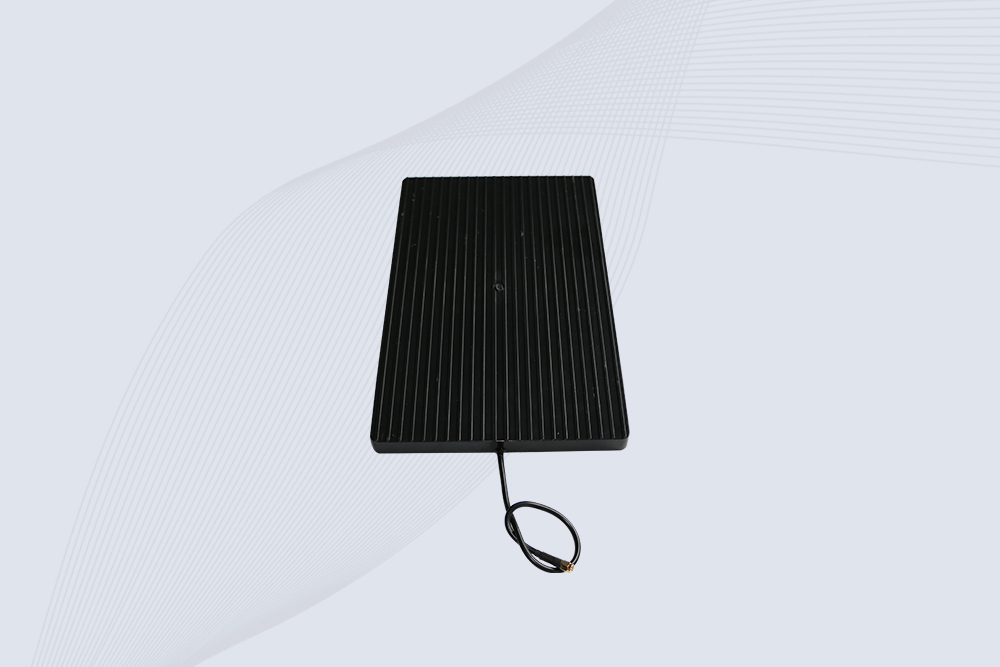
Cykeo CYKEO-A6 UHF RFID panel antenna features 6dBi gain, 840-960MHz broadband, IP65 metal-ready housing for logistics/smart retail. 18mm ultra-thin design with tool-free mounting.
Cykeo CK-A3 industrial antenna RFID UHF offers 5m+ tag detection, ≤1.3:1 VSWR, IP65 rugged design, and global UHF spectrum compatibility (840-960MHz) for warehouses, factories, and retail.
Cykeo CYKEO-B5 directional RFID antenna provides 5dBi gain with 60° narrow beamwidth for precise inventory tracking. IP65-rated, global UHF frequency support, and low VSWR.
Create your own high-performance DIY RFID antenna! 5dBi gain, 840-960MHz tunable, step-by-step guides. Compatible with Arduino, Raspberry Pi, and commercial UHF readers.
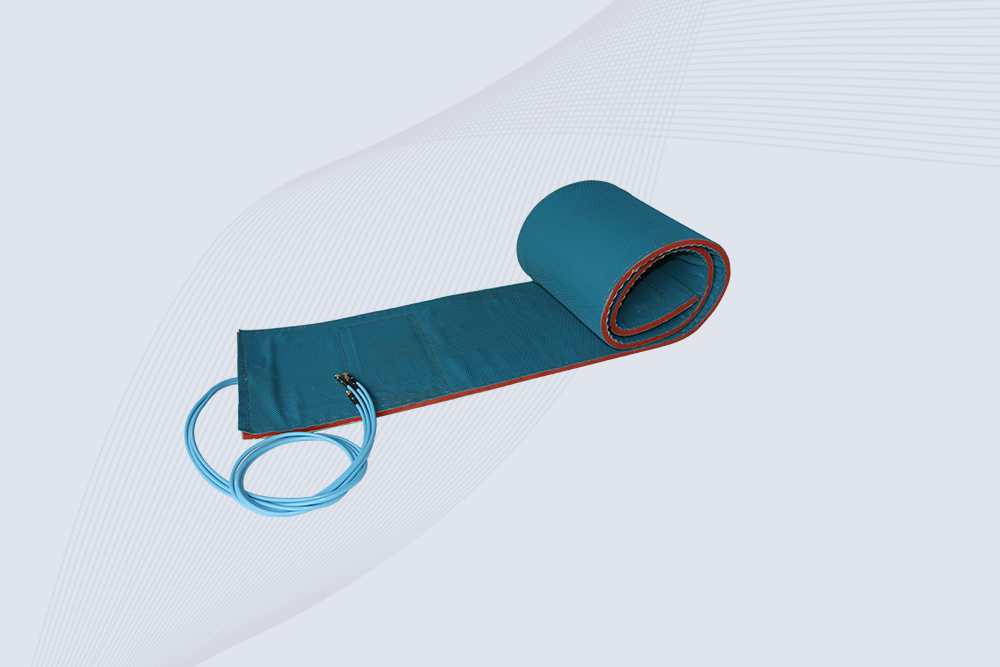
Cykeo CYKEO-A7 Flexible RFID Antenna features 840-960MHz wideband tuning, 7dBi gain, and IP68 rating for medical/retail/industrial curved surface deployments. 98% read accuracy with peel-and-stick installation.
Cykeo CYKEO-B5A industrial Passive RFID Antenna delivers 5dBi gain, 70° beamwidth, and -40°C~55°C operation for warehouses/smart cabinets. Compatible with Zebra/Impinj readers.
Cykeo’s CYKEO-A9B High Gain RFID Antenna delivers 15m+ read range with 9dBi amplification. Features IP54 rugged design, 840-960MHz bandwidth, and 80° beamwidth for warehouse/manufacturing RFID systems.
Cykeo’s enterprise-grade 8dbi Impinj RFID Antenna 10m+ read range with 840-960MHz tuning. Features IP65 housing, 1.4 VSWR, 35° beamwidth for retail/warehouse RFID systems.
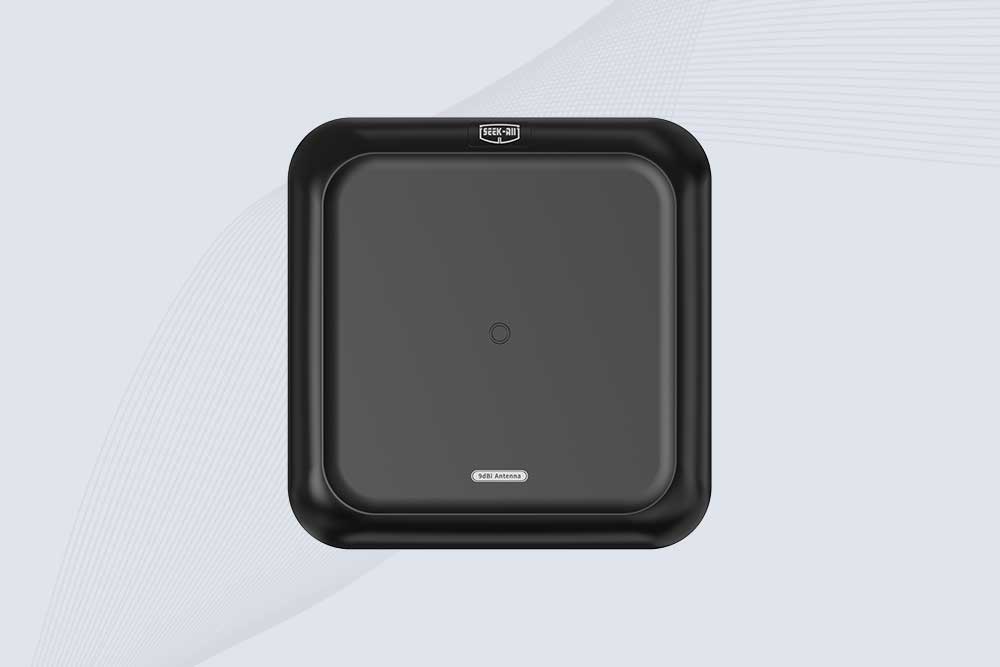
Cykeo CYKEO-A9 industrial UHF RFID antenna delivers 9dBi gain, 840-960MHz frequency range, and IP65 protection for warehouse/logistics/retail RFID systems. Features N-type connector and ≤1.3:1 VSWR.
CYKEO UHF RFID Antenna built for long-distance and industrial applications. This antenna rfid uhf delivers strong gain, outdoor durability, and reliable tag performance in warehouses, yards, and vehicle ID systems.
CYKEO Antenna RFID delivers reliable long-range UHF performance in warehouses, retail shelves, and cold-chain environments. This compact uhf rfid antenna provides stable reads with circular polarization and ultra-wide 840–960 MHz support, ideal for industrial tracking, smart shelves, and asset monitoring.
Cykeo’s CYKEO-C8 UHF RFID antennas delivers 8dBi gain, 840-960MHz full-band coverage, and IP65 ruggedness for manufacturing/warehouse RFID systems. Industrial RFID Antennas Features
Cykeo’s 8dBi UHF RFID antenna and reader kit delivers 10m+ range, 840-960MHz broadband, and IP65 ruggedness for factories, warehouses, and logistics. ISO 18000-6C & EPC Gen2 certified.
Cykeo’s CYKEO-A12C UHF Large RFID Antenna delivers 12dBi gain, 840-960MHz global frequency, IP65 ruggedness for logistics/warehousing/automotive. 40° beamwidth ensures stable 15m+ tag reads.
CYKEO Near Field RFID Antenna provides precise 5–30 cm reading for shelves, cabinets, and workstations. This compact rfid shelf antenna delivers stable short-range performance around metal and clutter, ideal for pharmacies, libraries, and electronics sorting.
Cykeo CYKEO-C1 industrial Forklift RFID Reader features 20m read range, 600 tags/sec scanning, Impinj R2000 chipset, and IP67 rugged design. Ideal for warehouse logistics and manufacturing. Supports ISO 18000-6C/6B protocols.
Cykeo CYKEO-R4 industrial UHF RFID Fixed Reader features 4 TNC ports, 400+ tags/sec speed, IP67 housing, and global frequency compliance for vehicle inspection, smart warehouse, and asset management systems.
CYKEO CYKEO-R8L Fixed RFID Reader with 8-port UHF design, Impinj-based RF core and up to 20m read range. An industrial Fixed RFID Reader for vehicle inspection, warehouse portals, smart manufacturing lines and secure access checkpoints.
RFID Fixed Reader from CYKEO – the CYKEO-R16L 16-port UHF fixed reader for warehouses, smart cabinets, and production lines. Long-range, multi-tag reading, stable performance for 24/7 industrial use.
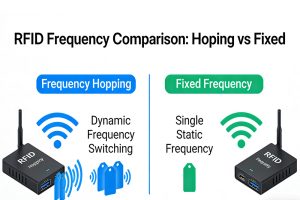
Learn the difference between FHSS and fixed frequency in RFID systems. Understand how frequency hopping improves reliability and why fixed frequency can still work in simple environments.
Explore rfid system for asset tracking solutions that improve asset visibility, automate monitoring, reduce losses, and optimize enterprise management with reliable RFID technology.
Discover how rfid tags labels improve inventory accuracy, asset visibility, and supply chain efficiency. Learn how to choose the right RFID labels with expert insights from Cykeo.
Understand the key factors affecting the 2025 pricing of RFID handheld readers—from reading range and operating systems to configuration options. This comprehensive guide helps international buyers make informed purchasing decisions.
 Cykeo RFID IoT Solution Products R&D Manufacturer