RFID technology has quietly revolutionized industries like retail, logistics, and healthcare. But one question keeps popping up: Are battery-free RFID tags just a buzzword, or do they deliver real savings? Let’s cut through the noise and explore how these tiny, energy-efficient tools are reshaping operations—and why businesses are calling them a game-changer.
What Are Battery-Free RFID Tags?
Battery-free RFID tags (often called passive RFID tags) operate without an internal power source. Instead, they draw energy from the radio waves emitted by RFID readers. When the reader’s signal hits the tag’s antenna, it powers up the chip, transmitting data like product details, location, or temperature.
This simple yet ingenious design eliminates the need for batteries, making these tags lighter, thinner, and far more durable than their battery-powered counterparts. But does this translate to real-world value? Let’s dive in.
The Cost-Saving Power of Passive RFID Technology
1. Lower Upfront and Long-Term Costs Battery-free RFID tags cost up to 80% less than active (battery-powered) tags. For companies deploying thousands of tags—think retail inventory or warehouse logistics—this adds up fast. No batteries also mean no replacement costs or downtime from dead power sources.
2. Sustainability Wins With global focus on eco-friendly practices, battery-free tags reduce electronic waste. A 2023 study estimated that switching to passive RFID technology could prevent 12,000 tons of battery waste annually in the retail sector alone. For brands like Cykeo, sustainability isn’t just a trend—it’s built into every tag.
3. Extended Lifespan Without batteries to degrade, passive RFID tags can last decades. Cykeo’s tags, for example, are tested to withstand extreme temperatures, moisture, and physical stress, making them ideal for industries like agriculture or cold-chain logistics.
Real-World Applications: Where Battery-Free RFID Shines
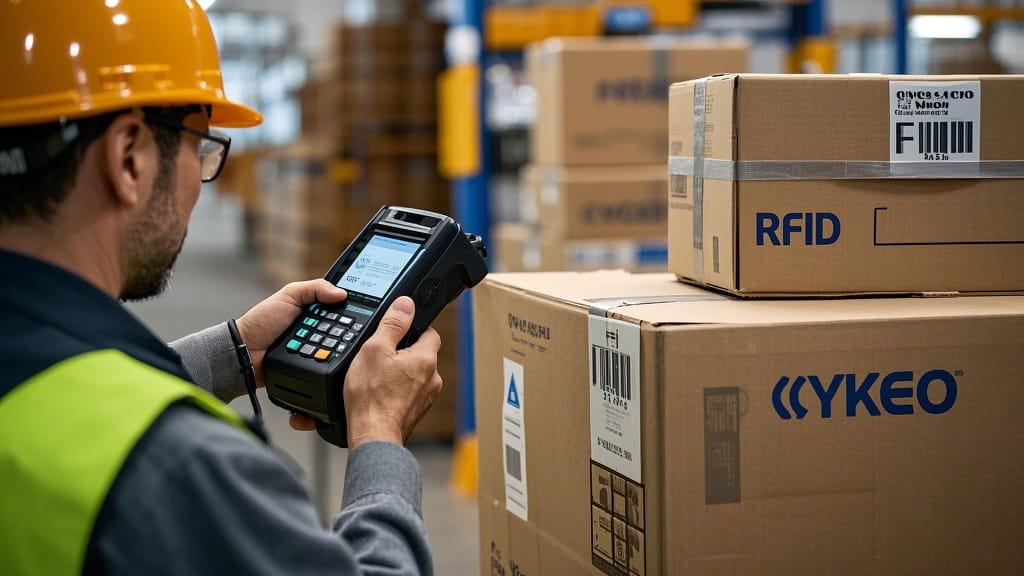
Retail Inventory Management: Walmart reduced stock-checking time by 90% using passive RFID tags, slashing labor costs.
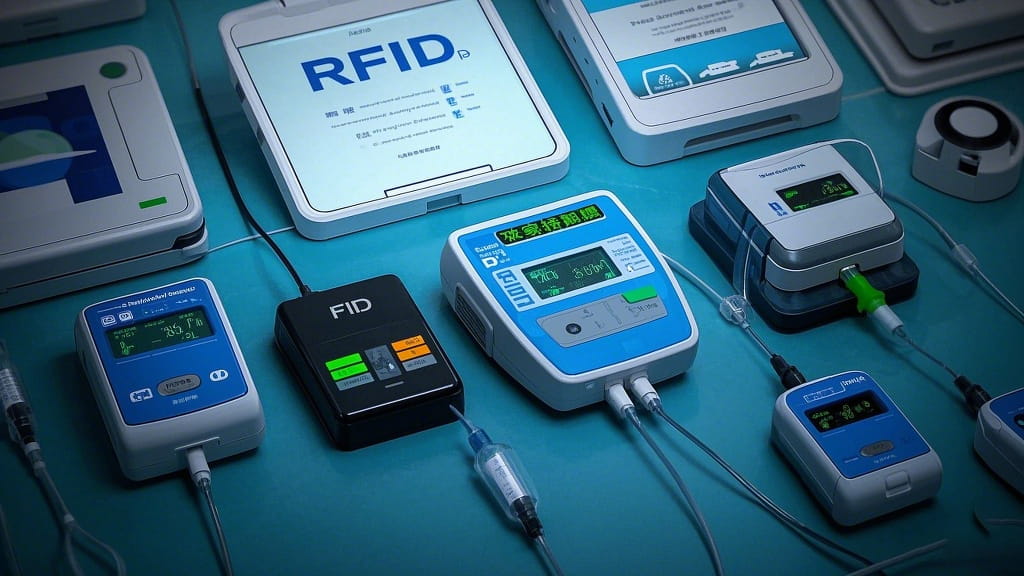
Healthcare Asset Tracking: Hospitals track high-value equipment like IV pumps without worrying about battery failures.
Smart Packaging: Food brands monitor freshness in real-time, reducing waste.
Debunking Myths About Battery-Free RFID
Myth 1: “They Have Short Read Ranges.” While passive tags typically have shorter ranges (3–10 meters) than active tags, advancements like Cykeo’s high-sensitivity antennas now enable reads up to 15 meters—enough for most warehouse or retail needs.
Myth 2: “They Can’t Handle Large Data.” Modern passive tags store up to 8KB of data, sufficient for serial numbers, maintenance histories, or even sensor data like temperature logs.
Myth 3: “They’re Less Secure.” Encryption protocols like AES-128 ensure data security. Cykeo’s tags also support tamper-evident designs, alerting managers if a tag is removed or damaged.
The Bottom Line: Are They Worth It?
For most businesses, the answer is yes. Battery-free RFID tags offer a rare mix of affordability, durability, and eco-friendliness. Companies like Amazon, Zara, and FedEx have already adopted passive RFID systems to streamline operations, proving their scalability.
That said, battery-free isn’t a one-size-fits-all solution. Applications requiring real-time GPS tracking (e.g., cross-country shipments) may still need active tags. But for 90% of use cases, passive RFID technology delivers unmatched ROI.
Introduction In today’s fast-paced technological era, every aspect of life is undergoing unprecedented transformation. At the forefront of this revolution, Sco Information is leading the charge in redefining smart storage solutions with its cuttin...
A practical explanation of how RFID readers and passive RFID cards work in real environments. Understand the real signal process, system behavior, and what matters in deployment for warehouses, access control, and logistics systems.
 Cykeo RFID IoT Solution Products R&D Manufacturer