If you’ve ever been responsible for managing your company’s tools, equipment, or IT assets, you know how painful it can be. Spreadsheets pile up, audits take forever, and sometimes you just can’t find out where a piece of equipment went or who took it.
That’s why more companies are now turning to RFID fixed asset management systems. Not because it sounds “high-tech,” but because it actually makes asset tracking simple, fast, and accurate.
1. How RFID “Sees” Your Assets
RFID (Radio Frequency Identification) works like a small digital ID card for every item. Each asset has an RFID tag containing a chip that can be detected by a reader.
When an item passes near an RFID reader, the system automatically logs its location, time, and status—no scanning, no typing.
For example, in a factory or office, you can walk through with handheld RFID reader, and it automatically detects all nearby equipment in seconds. A process that used to take half a day now takes just a few minutes.
2. The Problems RFID Solves
1. No more manual counting. Inventory checks become automatic, saving hours and reducing errors.
2. Full visibility. Whenever equipment is borrowed, moved, or repaired, RFID logs everything—so you always know where your assets are.
3. Theft prevention. If an item leaves the area without authorization, the system sends an alert instantly.
4. Automated reporting. No more Excel chaos. The software can generate real-time reports and audit records with one click.
3. Real Industry Use Cases
Manufacturing: Tracking tools, molds, and equipment to monitor usage and maintenance.
Hospitals: Locating medical devices, trolleys, and wheelchairs to prevent loss.
Schools & Labs: Managing loaned laptops, lab instruments, and projectors.
Government & Finance: Tracking office assets and confidential documents.
4. How the System Works
A complete RFID fixed asset system usually includes:
Tags: Attached to each asset, customized for heat, metal, or moisture environments.
Readers: Installed at gates, rooms, or used as handheld devices.
Software: Records, visualizes, and connects with ERP or accounting systems.
The workflow is simple: Tags send signals → readers collect data → software updates the asset database in real time.
5. Common Mistakes in Implementation
Wrong tag type: Metal and liquids can block signals—choose anti-metal tags.
Bad reader placement: Test your antenna positions to avoid blind spots.
No data integration: Make sure the RFID system syncs with ERP or finance systems.
Ignoring maintenance: Replace damaged tags and update software regularly.
6. Investment and ROI
The cost varies by scale—from a few thousand dollars for small setups to large installations costing hundreds of thousands. But the returns are clear:
80% faster asset audits
Real-time tracking
Reduced losses
Faster, more accurate reporting
And most importantly—no more stressful, time-consuming inventory days.
7. From Chaos to Control
RFID fixed asset management isn’t just about technology—it’s about visibility and control. When every item can report itself automatically, inventory checks become effortless.
As RFID technology becomes cheaper and more accurate, it’s quickly becoming the new standard for asset management. Whether you run a factory, a hospital, or a government office—if you have assets to manage, RFID is worth the step forward.
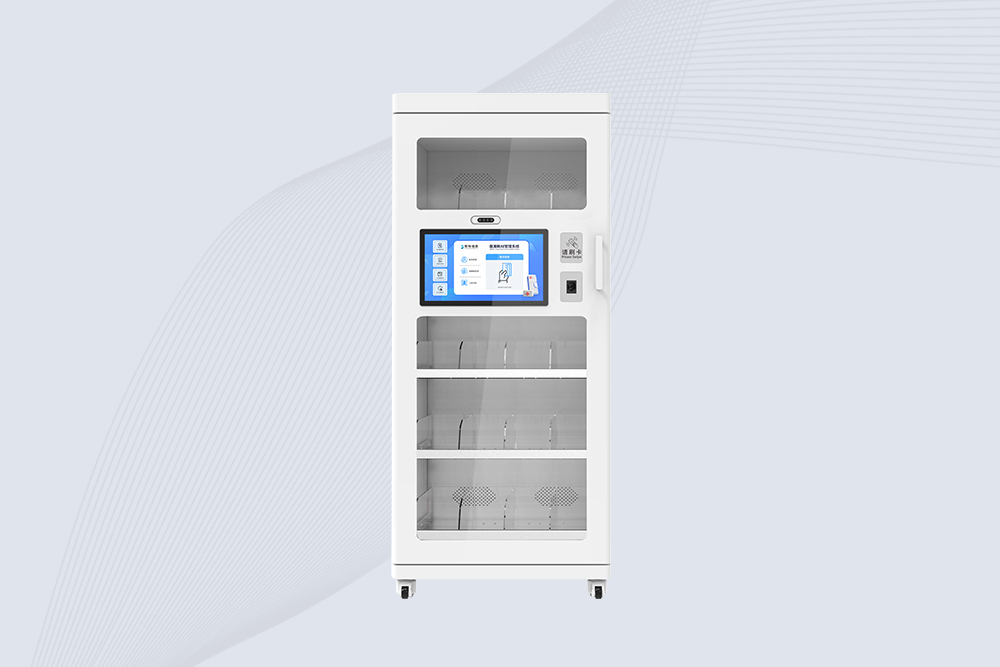
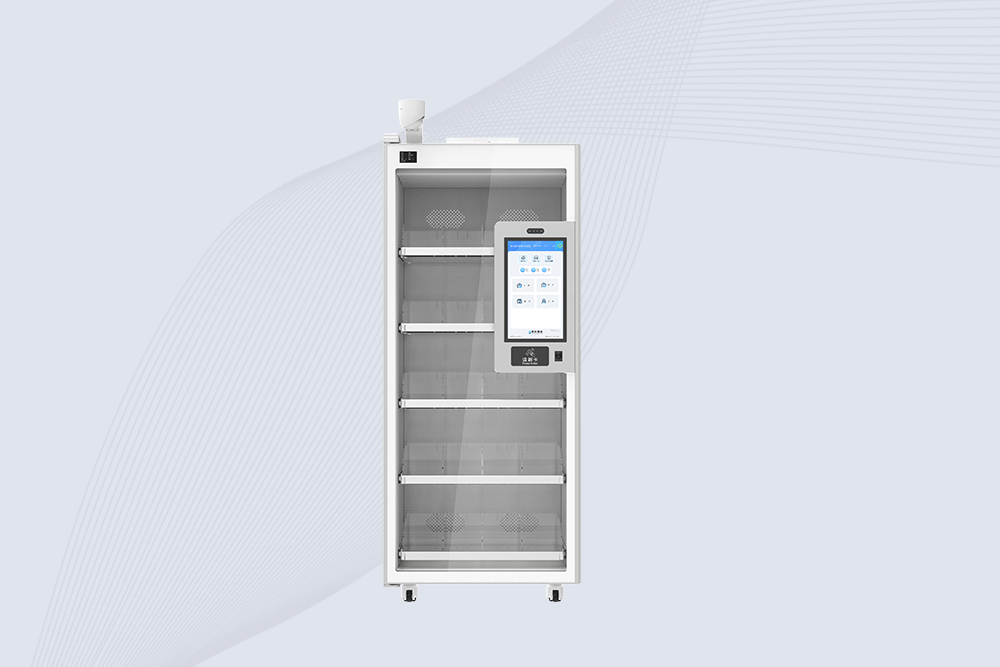
Cykeo’s smart medical cabinet RFID features 21.5″ touchscreen & 99.9% accuracy for OR instrument tracking. Modular shelves for 500+ items. HIPAA compliant. Request demo.
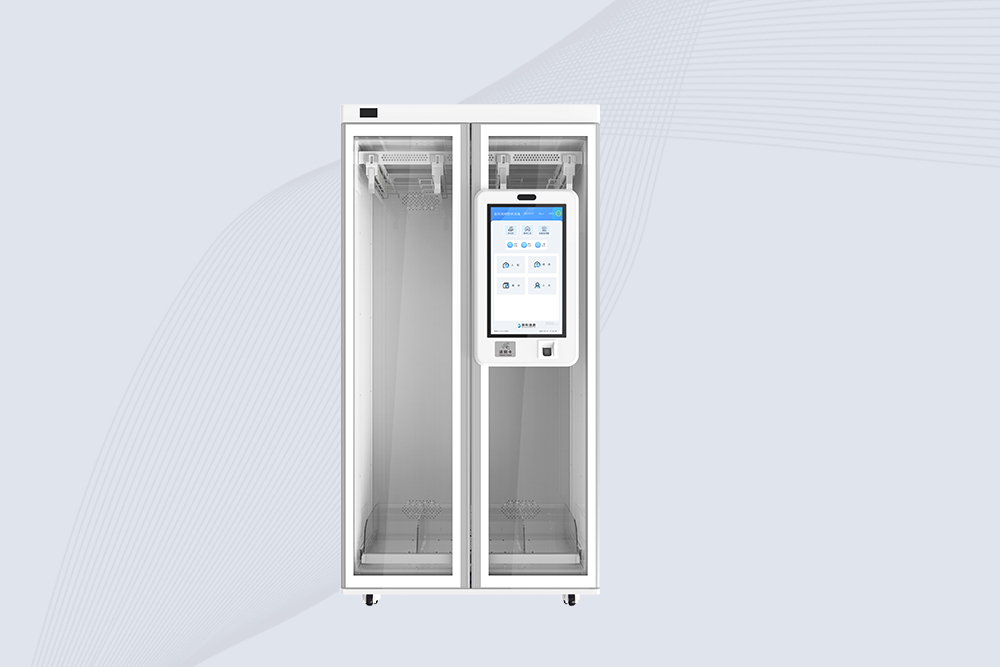
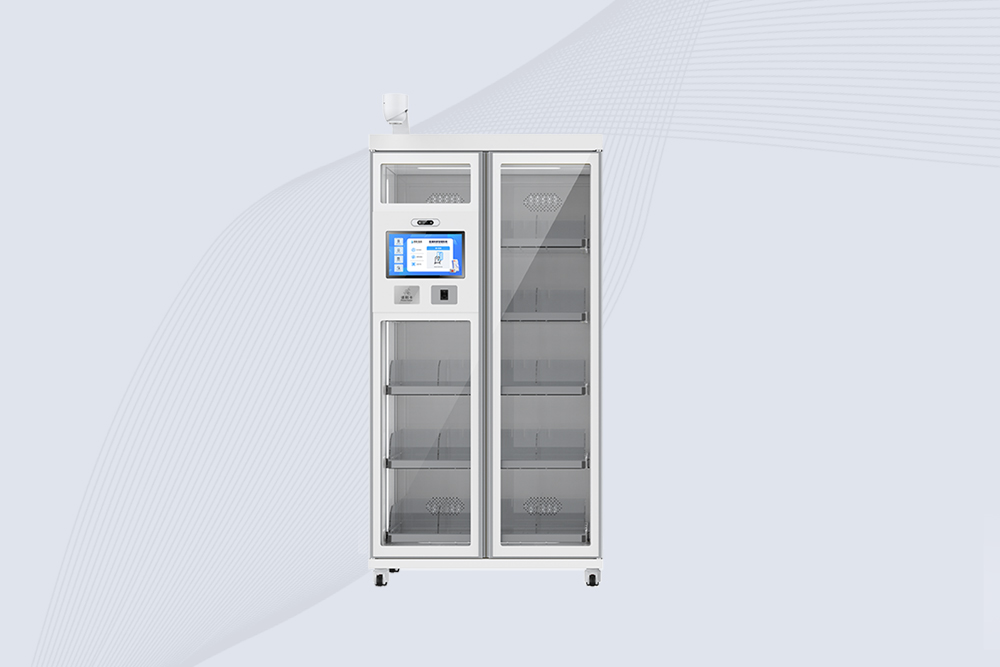
Cykeo’s UHF RFID hospital asset cabinet features dual-door security, antibacterial coating & 99.9% accuracy for OR implants. ISO 13485 compliant. Tracks 2000+ items.
RFID technology is revolutionizing how hospitals manage medical equipment. This article explains how RFID enables real-time asset tracking, improves operational efficiency, and introduces Cykeo RFID smart cabinets to support your hospital digital ...
Discover how Cykeo’s UHF RFID readers reduced inventory errors by 90% for a global retailer. Learn key strategies for RFID warehouse implementation in 2024
Discover the differences between linear and circular RFID antenna polarization and learn which is best for high-density environments like warehouses, retail stores, and logistics hubs.
 Cykeo RFID IoT Solution Products R&D Manufacturer