To use a handheld RFID writer, connect the reader to its mobile terminal, select the correct UHF RFID protocol, identify the target tag, write the required EPC or User Memory data, and read the tag again to verify the result. For field work, control the write zone carefully so nearby tags are not programmed accidentally.
A handheld RFID writer is not simply a barcode scanner with a longer range. In an actual warehouse or asset-maintenance job, the operator is moving, the tagged objects are rarely identical, and there may be dozens of other tags within RF range. The useful skill is controlling which tag is selected, what is written, and how the result is confirmed.
This guide focuses on passive UHF RFID / RAIN RFID. GS1 identifies UHF RFID as operating in the 860–930 MHz range under the GS1/EPC Gen2 and ISO/IEC 18000-63 framework. GS1 also reports that one handheld rfid reader can count hundreds of assets in the time required for a single barcode scan and estimates that RAIN RFID can reduce average inventory time by approximately 95%.
What Is a Handheld RFID Writer?
A handheld RFID writer combines an RFID reader/writer, antenna, processor and mobile user interface into a portable device. It can identify tags, select a particular tag, write supported memory and verify the stored information without requiring the operator to remain at a fixed workstation.
GS1 describes RAIN RFID solutions as systems that can read and write tagged items and manage the resulting data. This write capability is particularly useful when identification needs to change during an asset’s lifecycle rather than only at the point of manufacture.
Handheld function
Practical purpose
What the operator should check
Inventory
Find nearby UHF RFID tags
Expected tags versus unrelated tags
Tag selection
Choose the intended tag
EPC, TID or other identifier
Write
Program supported tag memory
Memory bank, address and permissions
Read-back
Confirm the written value
Returned data matches the source
Application update
Associate tag with an asset record
Tag-to-item relationship
How to Use a Handheld RFID Writer for the First Time
Start with one known tag, not a pile of tags. This is the fastest way to separate a reader configuration problem from a tag-selection problem. In commissioning work, I prefer to establish a clean single-tag read first, then introduce the real working environment.
1. Check the UHF RFID Configuration
Confirm that the handheld supports the frequency and protocol required by the tags. GS1’s current EPC Gen2 standard specifies communications at 860–930 MHz, while national frequency allocations and permitted operating parameters vary by market. GS1’s regulatory overview covers UHF RFID allocations across 81 countries, which is why copying a radio configuration from another region is poor deployment practice.
2. Inventory the Nearby Tags
Hold the handheld at a controlled distance from the target item and run an inventory scan. Do not write immediately. First determine how many tags the device can see.
If the screen shows five tags when only one item should be programmed, stop there. Move away from neighboring products, change the reader angle, reduce the effective RF zone or use the handheld’s tag-selection functions. Writing first and investigating later is how wrong-tag programming happens.
3. Select the Correct Tag
Use the displayed EPC, TID or application identifier to isolate the intended tag. Where the workflow permits, physically separate the target item from nearby tagged products before writing.
This becomes especially important in storage areas. GS1’s Gen2v3 work specifically addresses unwanted tag reads, or “tag clutter,” because unrelated tags can interfere with accurate inventory capture.
How to Write Data with a Handheld RFID Writer
Once the correct tag has been selected, choose the required memory bank and write operation. For many applications, the EPC memory holds the serialized identifier, while additional application information may be stored in User Memory. GS1 notes that simple RAIN RFID tags commonly use 96- or 128-bit identifiers, while some high-memory tags can provide up to 8 KB of storage.
Do not assume that every tag has the same writable capacity. Before writing, check:
Target memory bank Starting address Required data length Encoding format Available writable memory Access or lock status Whether the tag should remain rewritable after deployment
GS1 also documents password-protected memory locking for Gen2v2 tags. Depending on the memory bank and lock configuration, data can be protected against unauthorized rewriting, while permalock can make the lock state permanent.
A handheld UHF RFID writer identifies and programs tagged assets during a controlled warehouse operation.
Why Tag Position Matters During Handheld Writing
Handheld operation gives the operator freedom, but that freedom can become a source of inconsistent results. Metal shelves, liquid-filled products, dense cartons and neighboring tags can change the RF response.
GS1 notes that passive UHF read range depends on reader power, interference and other conditions; it also states that antenna directivity, gain, polarization and tag orientation strongly affect the volume in which tags can be detected.
Metal and liquid deserve particular attention. GS1 explains that metal can reflect and diffract electromagnetic waves, while water or liquids can absorb RF energy and detune RFID tags. Specialized tag designs can mitigate these effects, but the handheld should still be tested against the actual tagged product rather than an empty sample label.
Field Test Before Production
Read the target tag from several angles. Check the tag when mounted on the actual product. Test the distance normally used by operators. Place nearby tagged items back into the environment. Confirm that the handheld selects only the intended tag. Write a test value. Read the tag again and compare the result.
The last step is easy to skip when a handheld displays a successful write message. I would not treat that message as final verification. The stronger test is to read the tag again and compare the returned value with the value that the application intended to store.
Handheld RFID Writing in Warehouse and Asset Operations
A handheld RFID writer is most useful when programming or updating tags must happen away from a fixed workstation. Typical operations include asset identification, item registration, field maintenance, inventory verification and controlled tag encoding.
For example, an operator receiving a reusable container can scan its existing EPC, associate that identifier with an asset record, and write approved application data without carrying the container to a desktop encoder. The handheld becomes part of the workflow rather than a separate RFID device used only for testing.
Use a Controlled Write Workflow
Open the relevant item or asset record. Inventory nearby UHF RFID tags. Select the intended tag by its identifier. Confirm the item-to-tag association. Write the approved EPC or User Memory data. Read the tag again immediately. Compare the returned value with the application record. Save the completed operation.
The physical separation between the target and surrounding tags matters. If several tagged assets are stacked together, a handheld can legitimately detect more than the operator intended to program. In that situation, better tag selection and physical positioning are preferable to simply increasing transmission power.
Handheld RFID Writer Troubleshooting
Problem
What to inspect first
No tag detected
Tag compatibility, reader configuration, orientation and distance
Several tags detected
Physical separation, RF zone and tag-selection settings
Write operation fails
Memory bank, address, data length and access permissions
Write succeeds but data is wrong
Encoding, byte order and application record
Correct tag is difficult to select
Nearby tags, mounting position and filtering
Reader works but application does not
Bluetooth/USB/network connection and SDK/API integration
When troubleshooting, change one variable at a time. If the tag works when held away from the product but fails after installation, the problem is probably related to the application environment rather than the basic handheld communication. That distinction saves a surprising amount of commissioning time.
How Cykeo Supports Handheld RFID Applications
Cykeo’s UHF RFID product architecture can support mobile and field-oriented workflows where RFID identification needs to connect with application software. Depending on the deployment, the RFID reader can be integrated through supported communication interfaces and SDK/API resources.
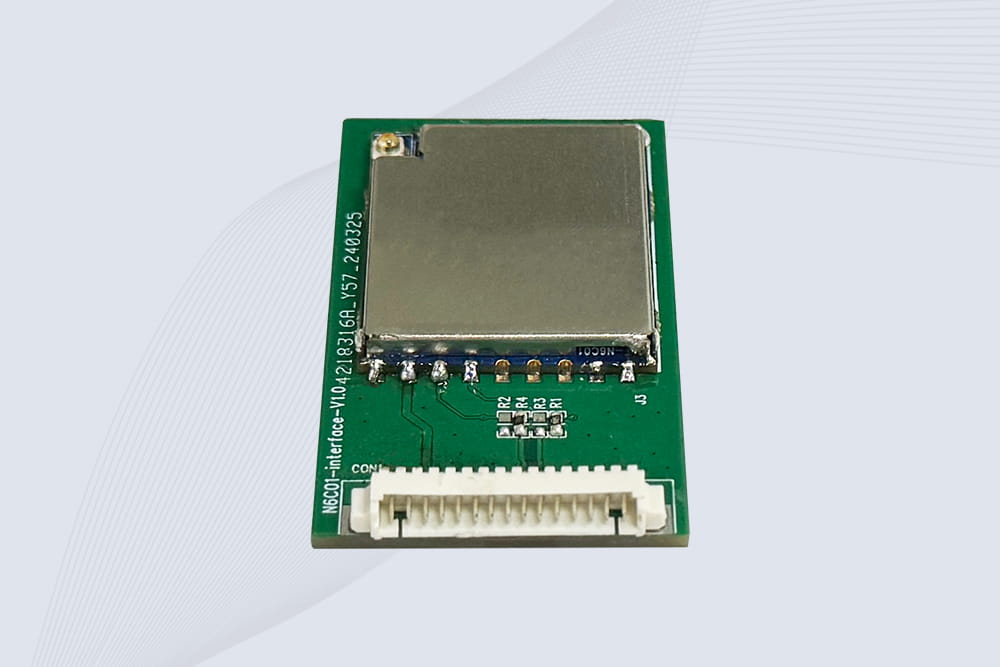
For OEM development, the CYKEO-M4L module provides API support, firmware upgrade capability, filtering and anti-collision functions. Its RF output is adjustable up to 33 dBm in 1 dBm steps, with dense multi-tag recognition capability specified at more than 400 tags per second.
These specifications are useful when designing the RFID engine behind a mobile device, but field performance still has to be validated with the final enclosure, antenna arrangement, tag and product material. A module specification cannot replace an application test.
A technician uses a handheld UHF RFID writer to identify and verify an asset tag during field maintenance.
Handheld RFID Writer Deployment Checklist
Confirm UHF RFID protocol compatibility. Use the correct regional frequency configuration. Test one known-good tag first. Identify the target tag before writing. Check memory capacity and write permissions. Keep unrelated tags outside the programming zone. Test tags on the actual product material. Read back every programmed value. Record the tag-to-item association. Test the complete workflow with realistic field conditions.
FAQ: how to use handheld rfid writer
1. What is a handheld RFID writer used for?
A handheld RFID writer is used to identify UHF RFID tags, write supported tag memory and verify programmed information while the operator works away from a fixed station. Common applications include asset registration, field maintenance, inventory work and mobile tag programming.
2. Can a handheld RFID writer program UHF RFID tags?
Yes, a compatible handheld UHF RFID reader/writer can program writable tag memory. The operation depends on the RFID protocol, chip memory structure, available capacity and access permissions. The written value should always be read back to confirm successful programming.
3. How do I select one RFID tag when several are nearby?
First inventory the tags and identify the intended EPC or TID. Then physically separate the target where possible and use the reader’s tag-selection or filtering functions. Do not assume that the strongest or first displayed tag is automatically the correct tag.
4. Can handheld RFID writers work around metal?
They can be used with tags designed for metal applications, but metal can affect RF behavior and tag performance. The final combination of handheld, antenna, tag and mounting surface should be tested together. A general-purpose label that works in free air may behave differently after installation.
5. Why should I read the RFID tag after writing?
Read-back verification confirms that the intended data was stored in the intended tag. It can reveal incorrect memory addresses, formatting errors, insufficient memory, access restrictions or wrong-tag selection before the asset is returned to service.
6. Can a handheld RFID writer connect to software?
Yes. Depending on the device architecture, RFID data can be passed to application software through supported wireless, USB, network or other host interfaces. SDK/API integration can then associate tag events with inventory, asset or maintenance records.
7. How far can a handheld RFID writer read?
There is no universal distance. Read performance depends on reader output, antenna design, tag characteristics, orientation, product material and the surrounding RF environment. For mobile writing, a controlled and repeatable operating distance is generally more useful than simply maximizing range.
Final Takeaway:
how to use handheld rfid writer is mainly about controlling the complete field operation: identify the correct tag, write only the required memory, verify the returned data and keep unrelated tags outside the programming zone. With the right UHF configuration and application integration, a handheld writer can turn RFID programming and asset updates into a practical mobile workflow.
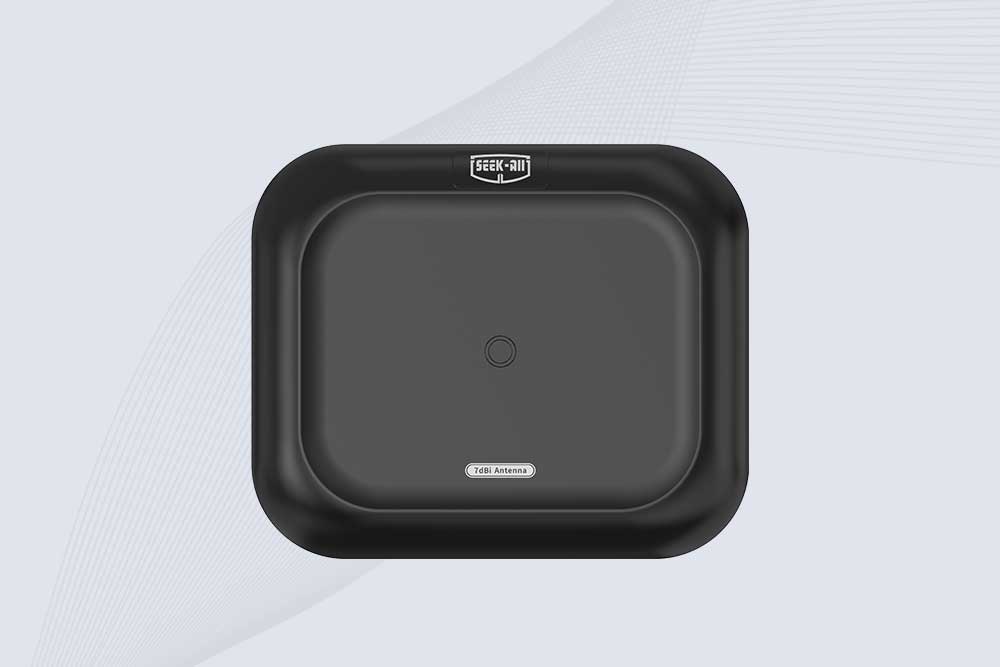
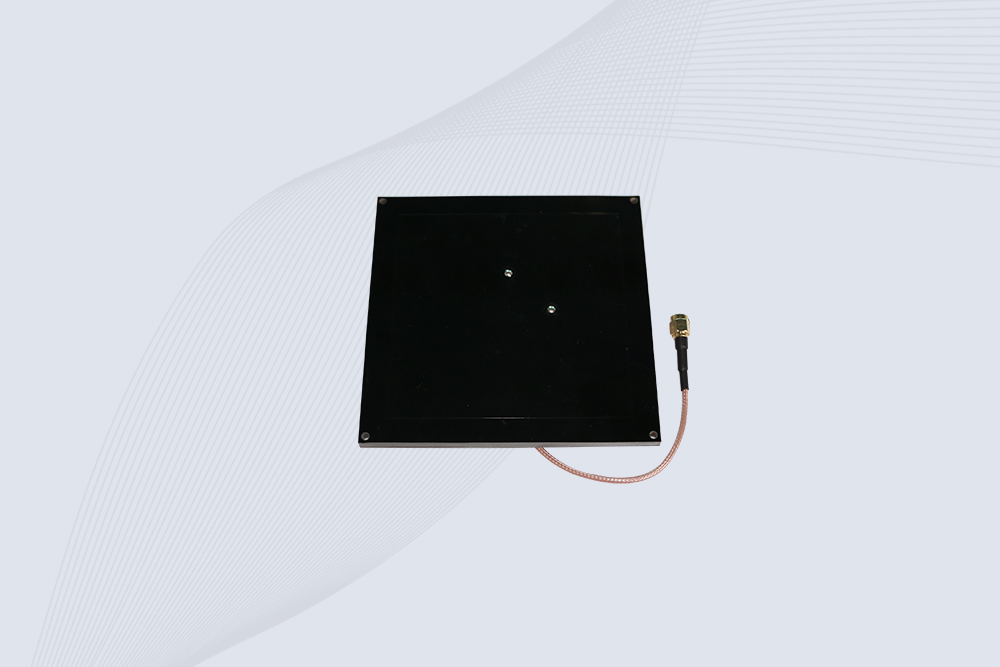
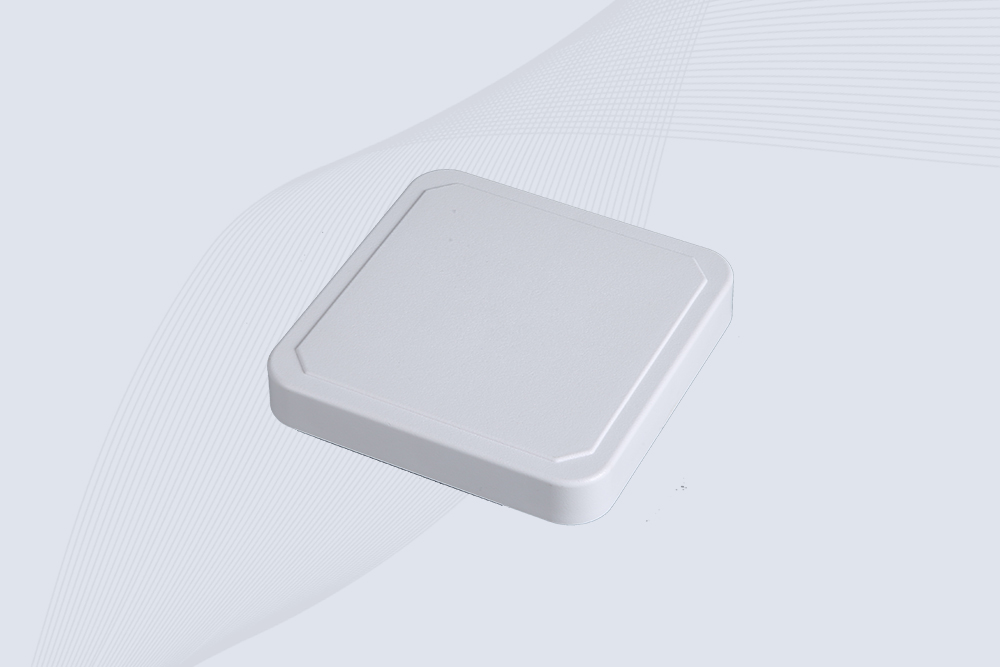
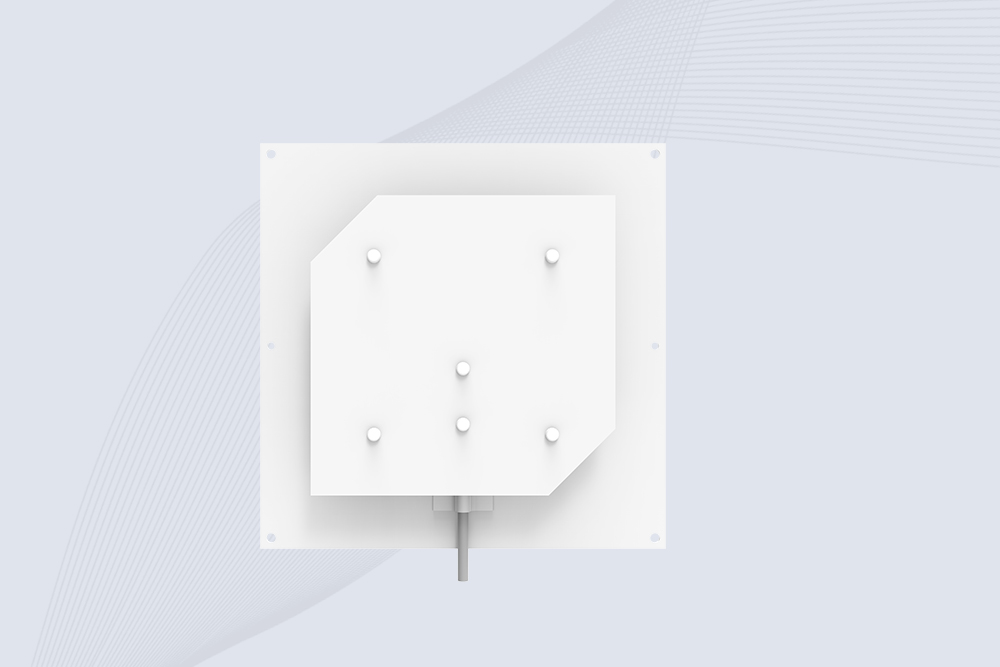
Explore the SSD-A07 UHF RFID antenna with 7 dBi gain, circular polarization, adjustable 840–960 MHz frequency, and 60°/75° beamwidth for stable RFID read/write performance.
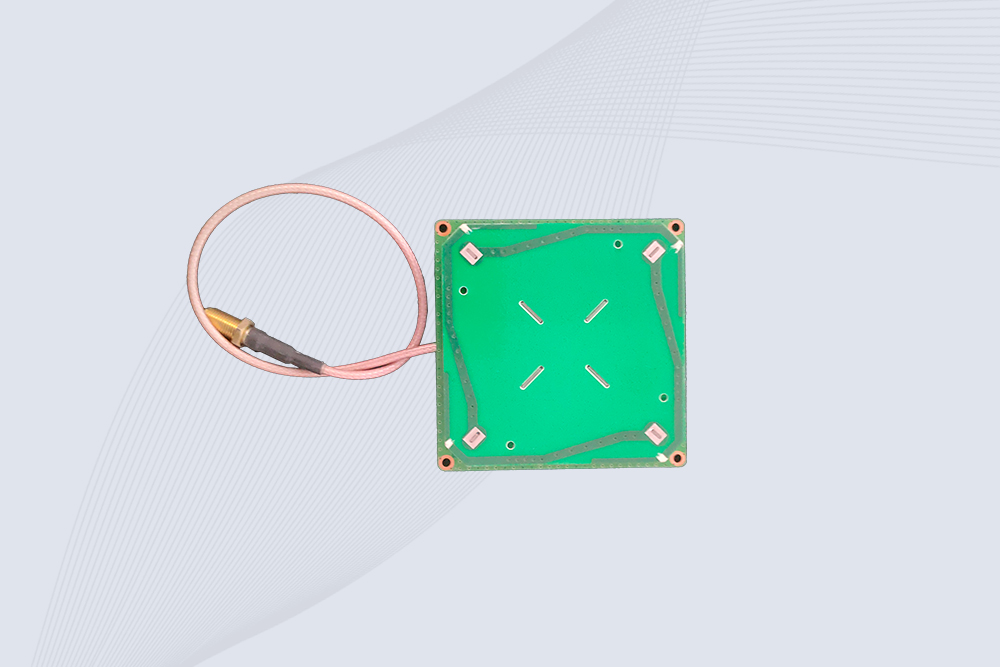
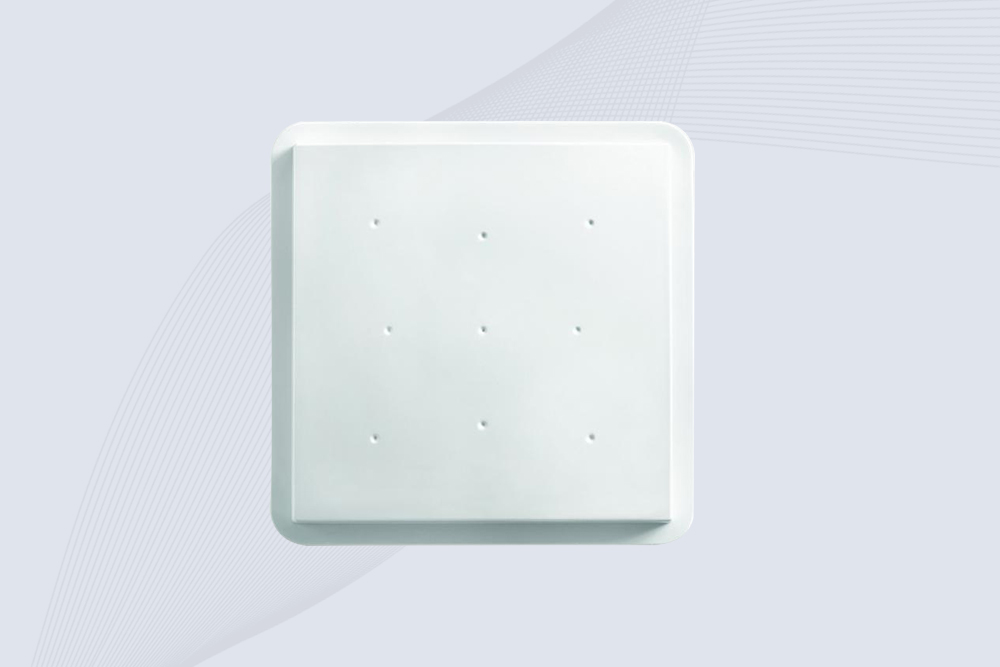
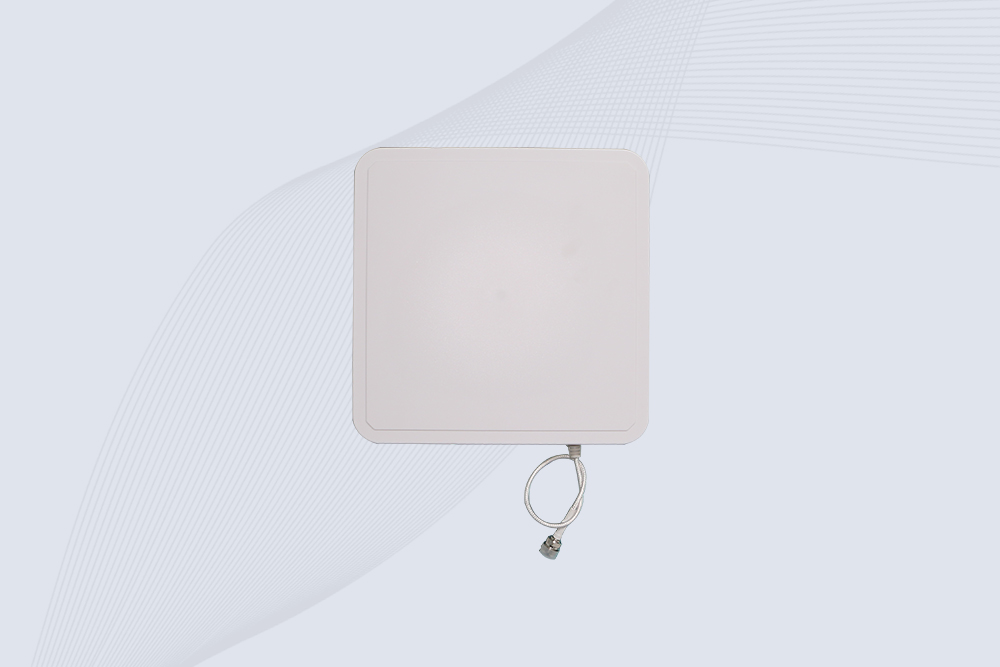
SSD-A06 UHF RFID antenna with circular polarization, adjustable 840–960 MHz frequency, ≥4.5 dBi gain, and a compact directional design for RFID systems.
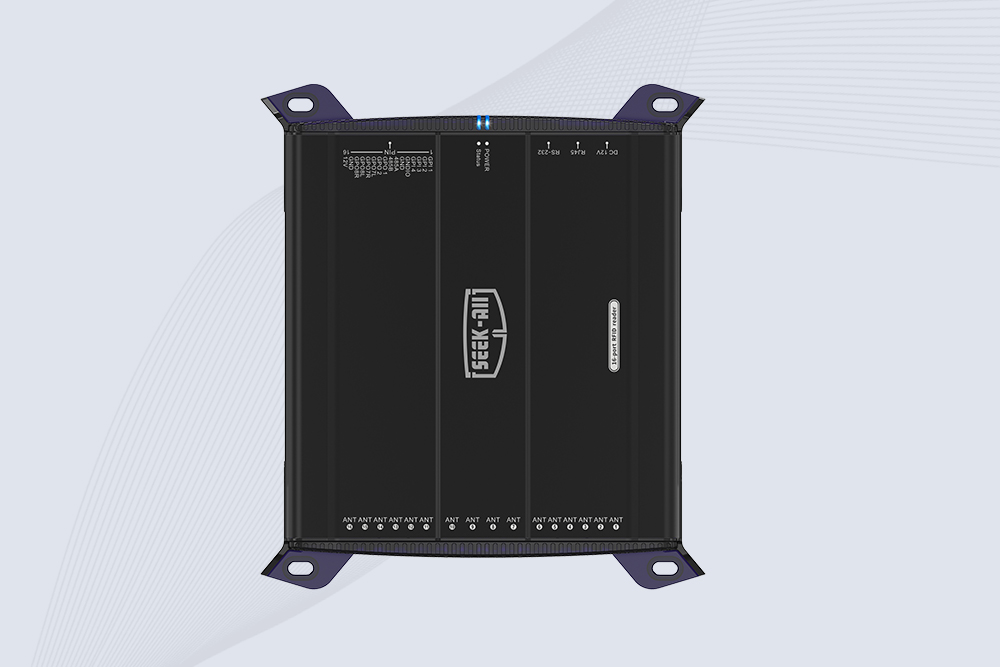
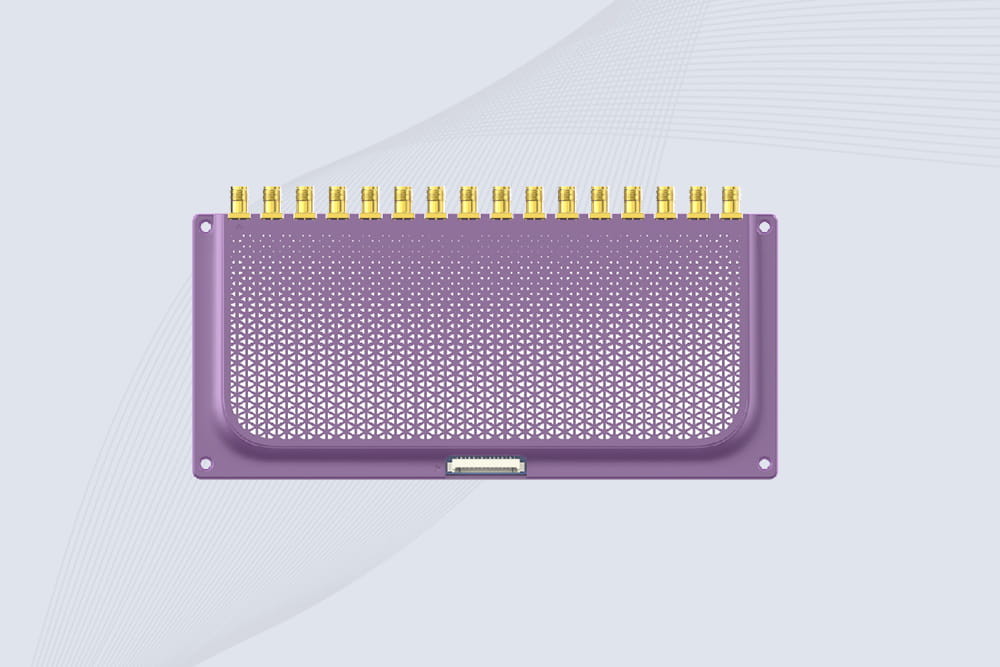
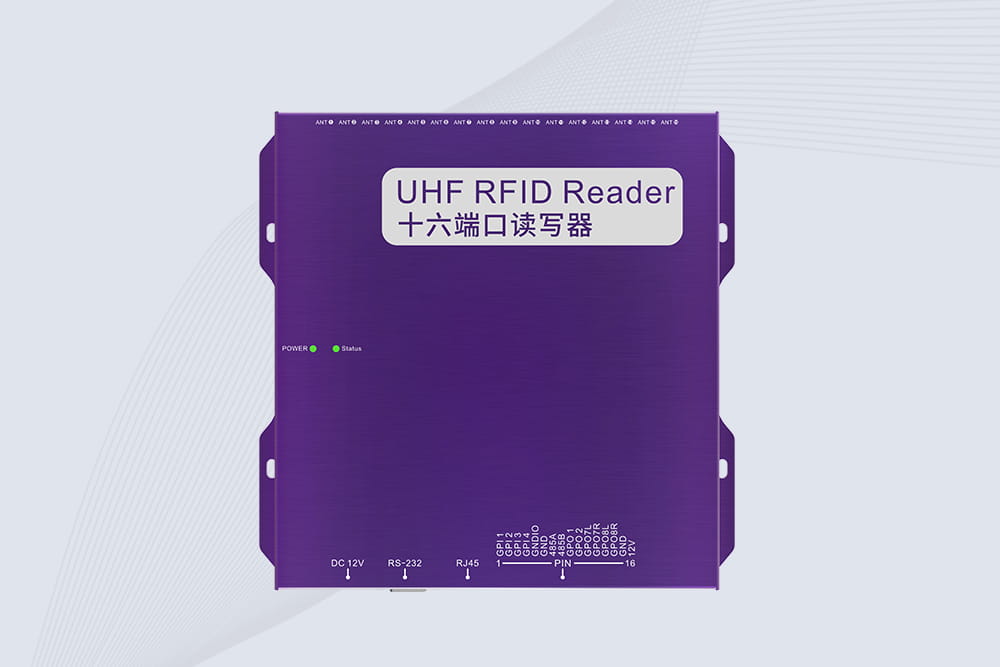
SSD-R16L Multi-Channel RFID Infrastructure for Automated Inventory Management ✔️ 16-Port High-Density RFID Reading Equipped with 16 SMA antenna ports, SSD-R16L supports multi-antenna deployment for warehouses, retail stores, logistics, production lines, and large-area RFID identification. ✔️ High-Speed & Long-Range Performance With up to 33…
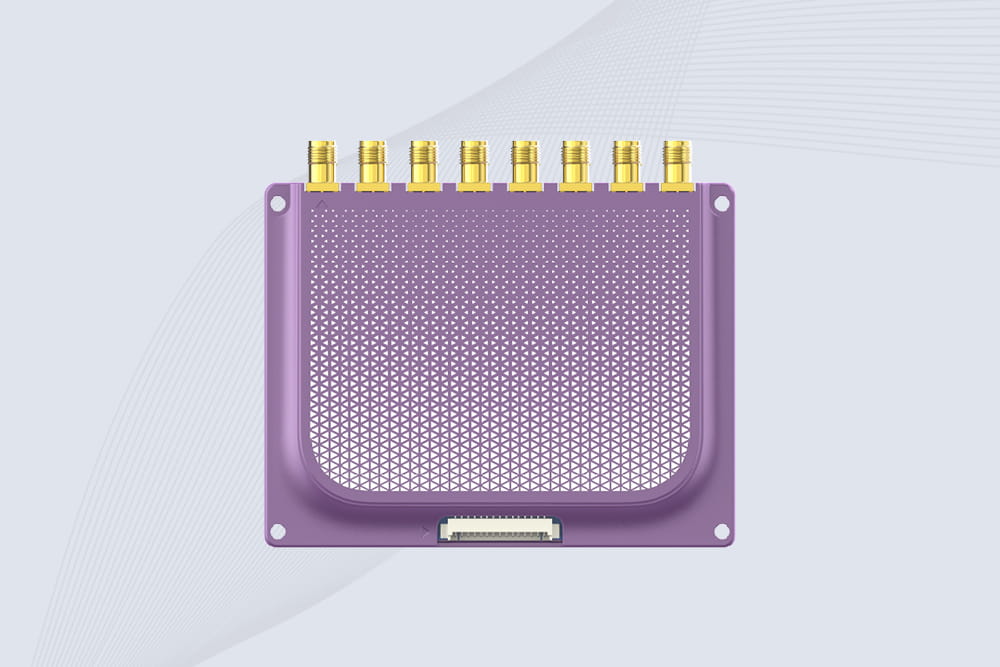
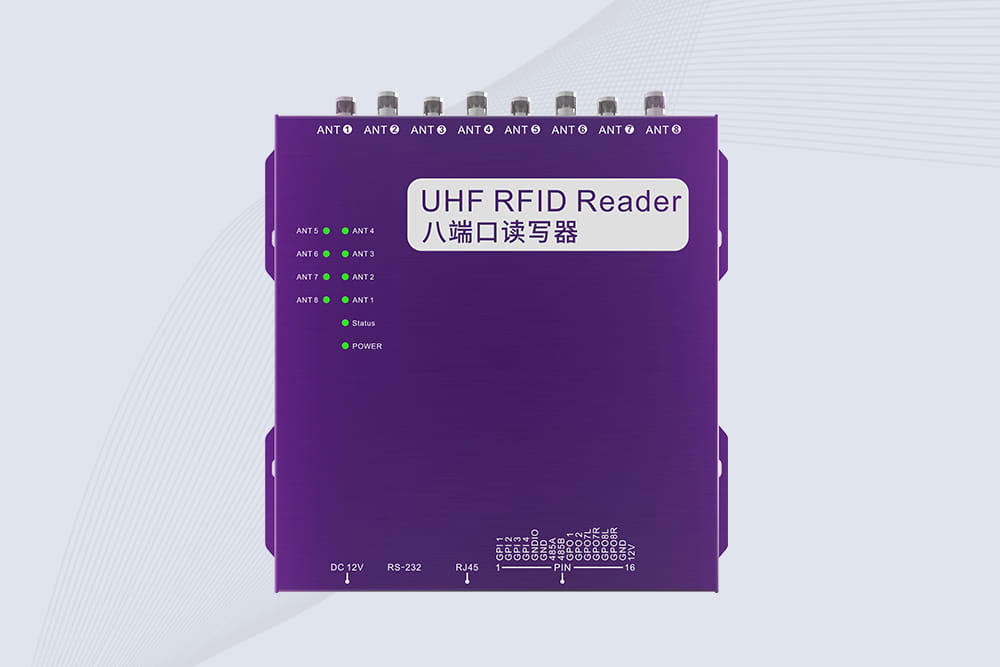
SSD-R8L 8-port UHF RFID reader with 33dBm output, up to 20m reading range and 600+ tags/s recognition. Ideal for warehouse, logistics, retail and asset tracking.
CYKEO Embedded RFID Modules are designed for compact industrial and IoT devices that require stable UHF performance. These UHF RFID Modules support global protocols, flexible power control, and reliable multi-tag reading for smart cabinets, production lines, and asset tracking systems.
CYKEO Embedded RFID Module is built for compact IoT and industrial devices that need stable UHF performance. This UHF module supports global protocols, low power operation, and reliable multi-tag reading for smart lockers, production lines, and always-on RFID systems.
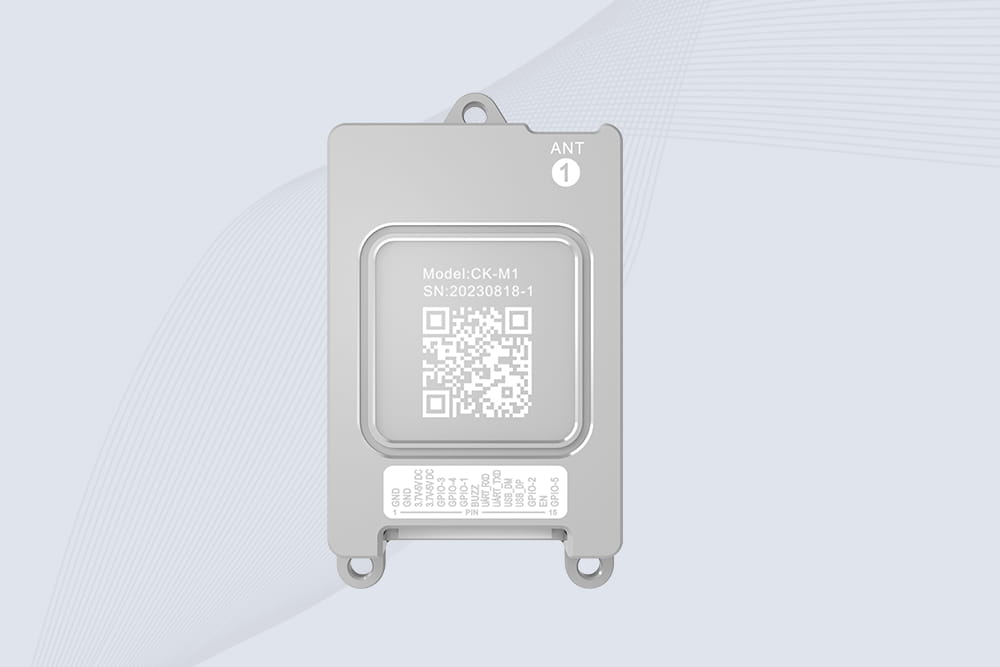
CYKEO CYKEO-M1 drone rfid module is a compact UHF RFID reader module designed for drones and UAV platforms. It supports long-range aerial scanning, fast multi-tag reading, and stable performance in wind, vibration, and outdoor environments.
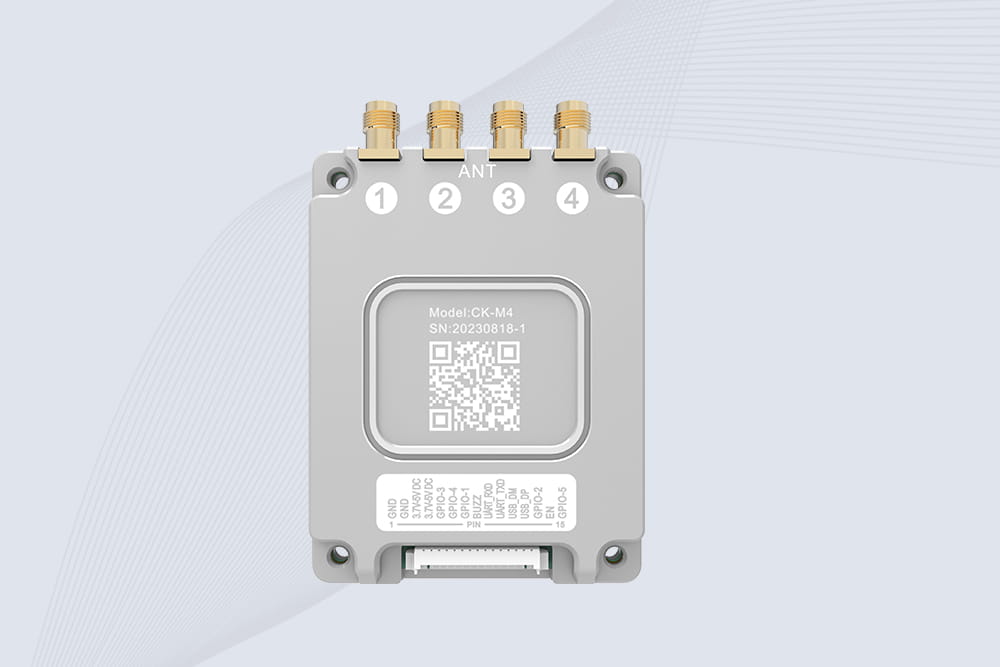
CYKEO CYKEO-M4 RC522 RFID Module is an industrial-grade UHF RFID reader with 4 ports, supporting ISO, EPC, and GB protocols. High-speed, accurate reading for IoT, automation, and warehouse applications.
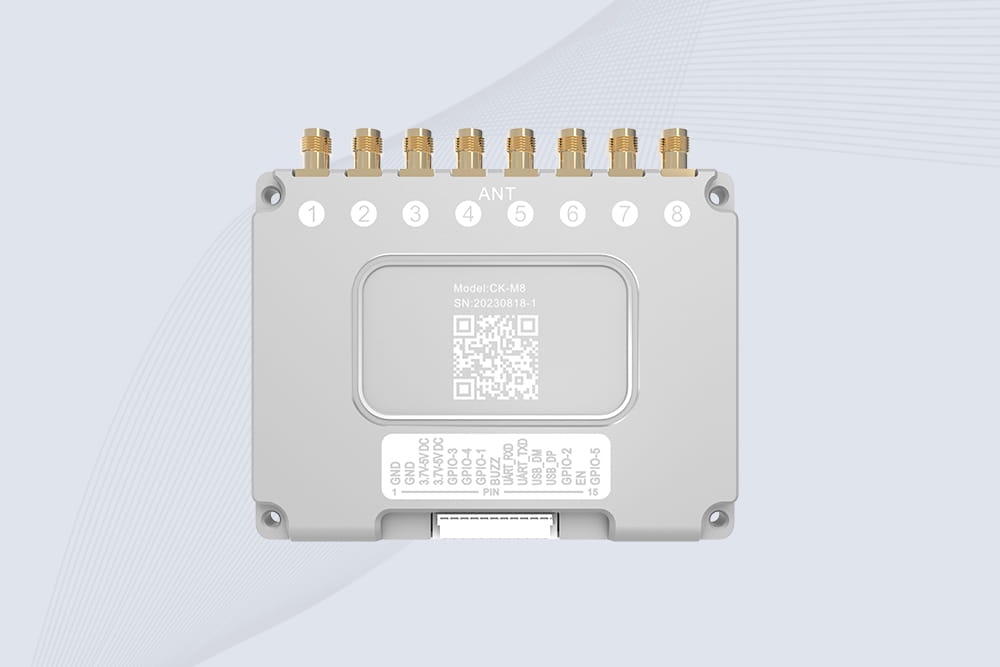
CYKEO CYKEO-M8 Module RFID is an 8-port UHF R2000 RFID Module designed for high-density, multi-tag environments. Stable 33dBm output, ISO & GB protocol support, ideal for warehouses, factories, and automated systems.
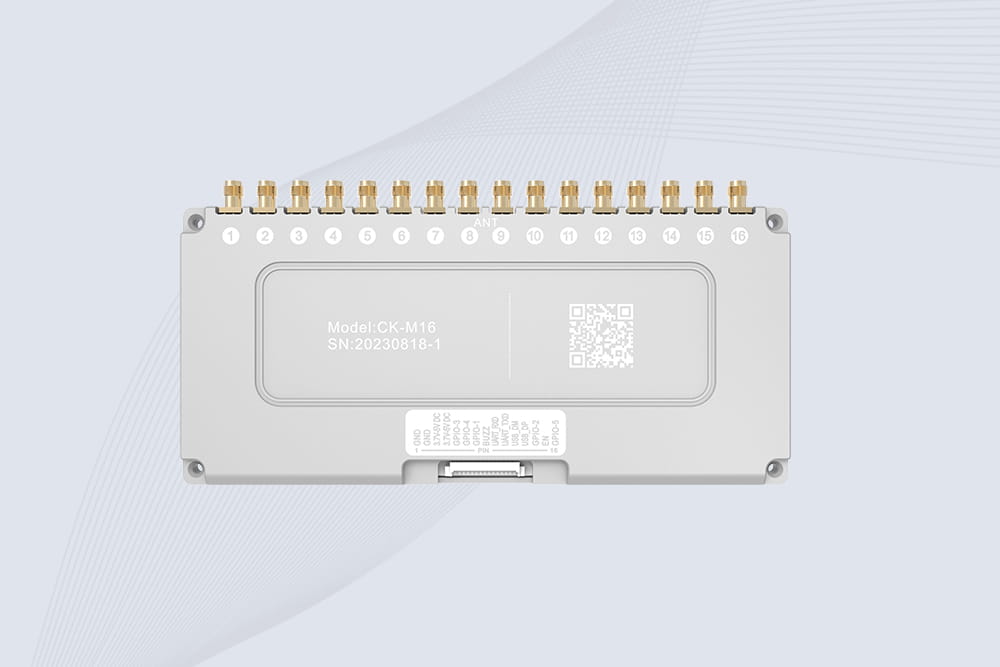
CYKEO CYKEO-M16 RFID Module is a 16-port UHF RFID reader module based on the R2000 chipset. Designed for dense tag environments, it supports ISO and GB standards and delivers stable multi-antenna control for industrial automation.
The CYKEO CYKEO-M16L RFID Reader Module is a 16-channel UHF RFID core designed for dense tag environments. With adjustable 33dBm output, multi-protocol support, and stable multi-antenna control, this RFID Tag Reader Module fits industrial automation, warehouse systems, and large-scale IoT deployments.
CYKEO CYKEO-M8L module RFID is a compact industrial UHF module built for dense tag and multi-antenna environments. With 8 RF ports, adjustable 33 dBm output, and ISO & GB protocol support, it is widely used in factories, warehouses, and automated tracking systems.
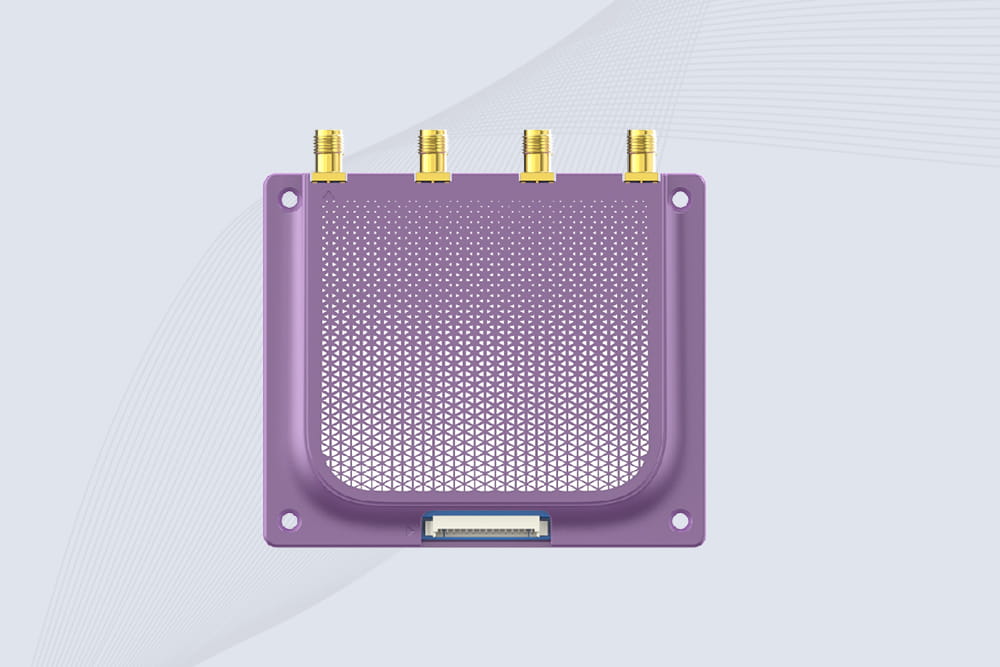
CYKEOCYKEO-M4L UHF RFID Module is a compact 4-channel RFID tag reader module designed for dense tag environments. Supporting ISO and GB protocols, it delivers stable reads up to 10 meters for industrial and IoT systems.
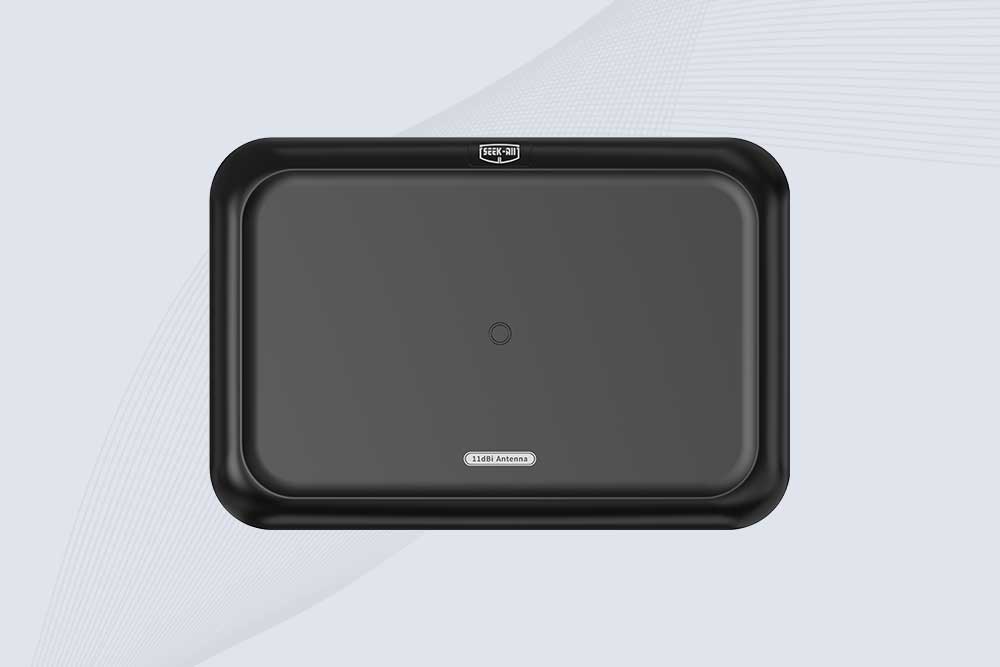
Cykeo CYKEO-A11 UHF RFID reader antenna delivers 11dBi gain, 840-960MHz frequency range, and IP65 ruggedness for retail, logistics, and industrial RFID systems. Features low VSWR and easy installation.
CYKEO Antenna RFID Reader delivers stable long-range UHF performance with a 10.5dBi directional design, built for warehouses, conveyor portals, and industrial RFID systems. This rfid reader antenna provides 20m+ read distance and rugged IP67 protection.
Cykeo CYKEO-A5B industrial Linear RFID Antenna delivers 5dBi gain, ≤1.5:1 VSWR, and IP65 rugged design for warehouse, production line, and logistics UHF systems.
Cykeo’s CYKEO-B12 Long Range RFID Antenna delivers 15m+ read range with 12dBi gain, IP65 rugged design, and global 840-960MHz UHF support. Ideal for warehouse/logistics asset tracking.
Cykeo CYKEO-B10 Long Distance RFID Antenna offers 10dBi gain, 840-960MHz frequency range, IP65 rating, and 20m+ coverage for logistics/warehousing/ETC systems. Low VSWR ensures stable signal transmission.
Cykeo CYKEO-A6 UHF RFID panel antenna features 6dBi gain, 840-960MHz broadband, IP65 metal-ready housing for logistics/smart retail. 18mm ultra-thin design with tool-free mounting.
Cykeo CK-A3 industrial antenna RFID UHF offers 5m+ tag detection, ≤1.3:1 VSWR, IP65 rugged design, and global UHF spectrum compatibility (840-960MHz) for warehouses, factories, and retail.
Cykeo CYKEO-B5 directional RFID antenna provides 5dBi gain with 60° narrow beamwidth for precise inventory tracking. IP65-rated, global UHF frequency support, and low VSWR.
Create your own high-performance DIY RFID antenna! 5dBi gain, 840-960MHz tunable, step-by-step guides. Compatible with Arduino, Raspberry Pi, and commercial UHF readers.
Cykeo CYKEO-A7 Flexible RFID Antenna features 840-960MHz wideband tuning, 7dBi gain, and IP68 rating for medical/retail/industrial curved surface deployments. 98% read accuracy with peel-and-stick installation.
Cykeo CYKEO-B5A industrial Passive RFID Antenna delivers 5dBi gain, 70° beamwidth, and -40°C~55°C operation for warehouses/smart cabinets. Compatible with Zebra/Impinj readers.
Cykeo’s CYKEO-A9B High Gain RFID Antenna delivers 15m+ read range with 9dBi amplification. Features IP54 rugged design, 840-960MHz bandwidth, and 80° beamwidth for warehouse/manufacturing RFID systems.
Cykeo’s enterprise-grade 8dbi Impinj RFID Antenna 10m+ read range with 840-960MHz tuning. Features IP65 housing, 1.4 VSWR, 35° beamwidth for retail/warehouse RFID systems.
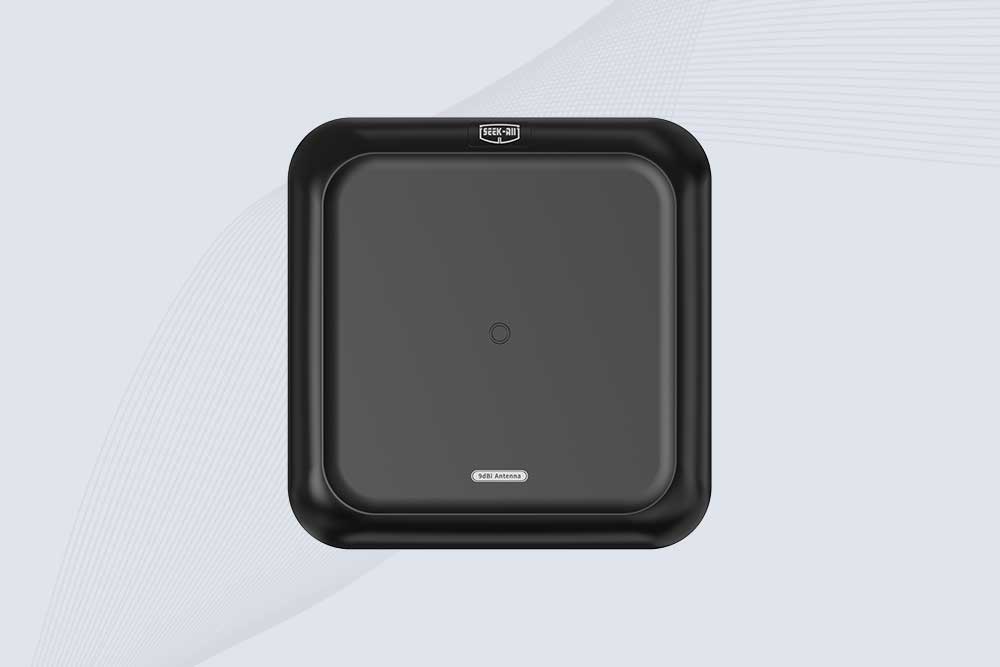
Cykeo CYKEO-A9 industrial UHF RFID antenna delivers 9dBi gain, 840-960MHz frequency range, and IP65 protection for warehouse/logistics/retail RFID systems. Features N-type connector and ≤1.3:1 VSWR.
CYKEO UHF RFID Antenna built for long-distance and industrial applications. This antenna rfid uhf delivers strong gain, outdoor durability, and reliable tag performance in warehouses, yards, and vehicle ID systems.
CYKEO Antenna RFID delivers reliable long-range UHF performance in warehouses, retail shelves, and cold-chain environments. This compact uhf rfid antenna provides stable reads with circular polarization and ultra-wide 840–960 MHz support, ideal for industrial tracking, smart shelves, and asset monitoring.
Cykeo’s CYKEO-C8 UHF RFID antennas delivers 8dBi gain, 840-960MHz full-band coverage, and IP65 ruggedness for manufacturing/warehouse RFID systems. Industrial RFID Antennas Features
Cykeo’s 8dBi UHF RFID antenna and reader kit delivers 10m+ range, 840-960MHz broadband, and IP65 ruggedness for factories, warehouses, and logistics. ISO 18000-6C & EPC Gen2 certified.
Cykeo’s CYKEO-A12C UHF Large RFID Antenna delivers 12dBi gain, 840-960MHz global frequency, IP65 ruggedness for logistics/warehousing/automotive. 40° beamwidth ensures stable 15m+ tag reads.
CYKEO Near Field RFID Antenna provides precise 5–30 cm reading for shelves, cabinets, and workstations. This compact rfid shelf antenna delivers stable short-range performance around metal and clutter, ideal for pharmacies, libraries, and electronics sorting.
Cykeo CYKEO-C1 industrial Forklift RFID Reader features 20m read range, 600 tags/sec scanning, Impinj R2000 chipset, and IP67 rugged design. Ideal for warehouse logistics and manufacturing. Supports ISO 18000-6C/6B protocols.
Cykeo CYKEO-R4 industrial UHF RFID Fixed Reader features 4 TNC ports, 400+ tags/sec speed, IP67 housing, and global frequency compliance for vehicle inspection, smart warehouse, and asset management systems.
CYKEO CYKEO-R8L Fixed RFID Reader with 8-port UHF design, Impinj-based RF core and up to 20m read range. An industrial Fixed RFID Reader for vehicle inspection, warehouse portals, smart manufacturing lines and secure access checkpoints.
RFID Fixed Reader from CYKEO – the CYKEO-R16L 16-port UHF fixed reader for warehouses, smart cabinets, and production lines. Long-range, multi-tag reading, stable performance for 24/7 industrial use.
Explore the Cykeo reader writer machine for fast and reliable RFID tag read/write, asset registration, and management. Ideal for libraries, tools, and inventory tracking with high efficiency.
Improve warehouse efficiency with rfid for material handling. Discover how Cykeo RFID solutions automate material identification, reduce handling errors, and provide real-time inventory visibility across manufacturing and logistics.
Discover how rfid and asset tracking improve inventory accuracy, asset visibility, and operational efficiency. Explore Cykeo RFID solutions for modern businesses.
With the continuous development of technology, RFID (Radio Frequency Identification) is gradually making its way into the agricultural sector. This article explores how RFID technology is being applied in smart agriculture to achieve precise crop ...
 Cykeo RFID IoT Solution Products R&D Manufacturer