 Cykeo RFID IoT Solution Products R&D Manufacturer
RFID Key Cabinet in Real Deployments: Insights for System Integrators
189A field perspective on RFID key cabinets, how integrators implement them, and the practical lessons from real installations in offices, hospitals, and industrial sites.
MoreAll RFID Product
An RFID key is a physical key fitted with an RFID identification tag, allowing an RFID system to associate that key with a specific user, cabinet position, and management record. In smart key cabinets, the RFID identity can be used to detect, register, track, and manage individual keys.
In practice, an RFID key is not necessarily a special electronic key that unlocks a vehicle by radio. It is usually a conventional key mechanically combined with an RFID tag or RFID-enabled key fob.
That distinction matters.
For a fleet department managing company vehicles, the useful question is not simply whether a key exists. The system needs to know which key it is, where it belongs, whether it has been removed, who is authorized to access it, and whether it has been returned.
An RFID key normally carries a unique RFID identifier. The tag is physically attached to the key, often through an RFID key fob or specially enclosed RFID key holder.
Inside a smart RFID key cabinet, each key position can have its own RFID detection and locking control. When a key is inserted, the system can identify the associated RFID tag and update its status. When the key is removed, the cabinet can register that change.
A typical process looks like this:
Key registration: The RFID identifier is associated with a particular physical key.
Position binding: The key is assigned to an individual cabinet slot.
User authentication: An authorized person logs into the cabinet.
Key removal: The selected position is unlocked.
RFID detection: The system verifies the key’s RFID identity.
Return detection: The cabinet recognizes the returned key and updates its status.
This creates a digital relationship between a physical key and its management record.
A traditional key cabinet usually depends heavily on manual control. Someone may sign out a key, record a vehicle number, or rely on a physical key board to determine which keys are missing.
An RFID key management system moves much of that process into software.
| Management Method | Traditional Key Cabinet | RFID Smart Key Cabinet |
|---|---|---|
| Key identification | Visual/manual | RFID-based identification |
| Key position | Physical observation | Individual controlled slot |
| User verification | Manual authorization | Card, fingerprint, facial recognition, or other configured method |
| Key status | Manual checking | Automatic RFID detection |
| Access record | Manual log | Digital management record |
| Remote management | Limited | Can be integrated with network software |
The practical advantage is not simply the RFID label itself. It is the combination of RFID identification, controlled locking, user authentication, software, network communication, and database records.
One of the clearest applications is company vehicle key management.
Consider a government department, enterprise fleet office, factory, or transportation organization with dozens of vehicle keys. The keys may look almost identical. A conventional cabinet makes visual mistakes easy: the wrong key is removed, a returned key is placed in another position, or an unreturned key is discovered only when another employee needs the vehicle.
An RFID smart key cabinet changes the workflow.
Each key can be bound to its corresponding RFID tag and cabinet position. The system can then associate the key with a vehicle and an authorized user.
For a fleet administrator, that creates a much clearer operational record.
Government and public-sector vehicle fleets
Enterprise company vehicles
Factory vehicle management
Rental and fleet operations
Security departments
Maintenance vehicle management
Logistics and transportation organizations
Shared company equipment keys
A smart RFID key cabinet combines several technologies rather than relying on RFID alone.
A typical configuration may include:
RFID key tags or RFID smart key fobs
Individual electronic locking positions
RFID detection for each key position
Touchscreen interface
Identity authentication
Network communication
Management software
Database records
Emergency unlocking mechanism
In the Cykeo smart RFID key cabinet architecture, the cabinet can manage 30 independent key positions. Each position has independent unlocking control and RFID detection. The cabinet uses a 10.1-inch capacitive touchscreen and can support different authentication methods such as card, facial recognition, and fingerprint identification, depending on configuration.
That individual-slot architecture is important. The cabinet is not merely detecting that “a key is somewhere inside.” Each position is treated as a managed location.
The RFID tag provides the key’s identity, while the cabinet position provides its physical location.
For example:
| RFID Key | Assigned Vehicle | Cabinet Position | Status |
|---|---|---|---|
| RFID-KEY-001 | Vehicle 01 | Slot 01 | Returned |
| RFID-KEY-002 | Vehicle 02 | Slot 02 | Checked Out |
| RFID-KEY-003 | Vehicle 03 | Slot 03 | Returned |
The database can therefore connect the RFID identifier with the key’s operational information.
This is particularly useful when many keys are physically similar.
A human operator sees a metal key and a key fob. The software sees an identifiable asset with a defined status.
RFID identification answers which key is present. Authentication answers who is requesting access.
A smart key cabinet can combine RFID key identification with multiple user-verification methods, including:
IC card authentication
Fingerprint recognition
Facial recognition
Other configured identity credentials
This creates a two-sided control mechanism:
User identity → authorization → designated key → individual cabinet slot
For enterprise fleet management, this is considerably more useful than simply attaching an RFID label to a key and placing it in an ordinary cabinet.
RFID is well suited to this application because the cabinet can identify the tagged key electronically rather than relying entirely on visual inspection.
That becomes valuable during routine operations.
Imagine the fleet office at 7:45 in the morning. Several employees arrive almost simultaneously. Vehicle keys are removed, returned, and exchanged throughout the day. A manual sign-out sheet records activity only when someone writes it down correctly.
An RFID-based cabinet can associate the physical key position and RFID identity with the digital management record as part of the cabinet’s normal operation.
There is less dependence on handwriting, visual checking, and memory.
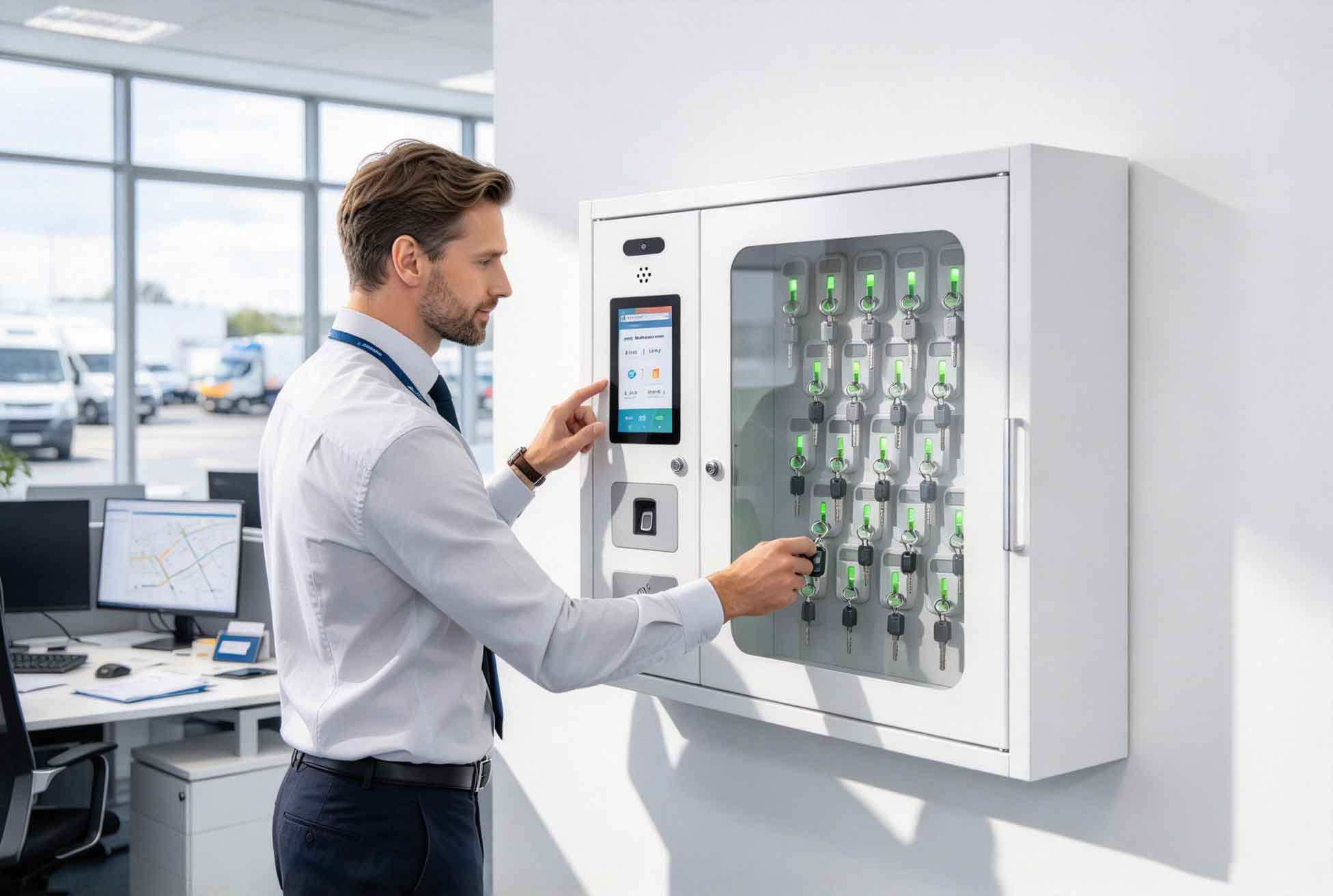
Before a key can be managed electronically, its RFID identity needs to be associated with the correct physical key.
A typical registration record can contain:
RFID tag ID
Key number
Vehicle number
Vehicle license information
Assigned cabinet position
Current key status
Authorized user information
The exact database fields depend on the management software.
What matters operationally is the binding relationship. If Key A belongs to Vehicle A, the system should not silently treat the same RFID identity as Vehicle B after a cabinet position changes.
Good RFID key management begins with clean registration data.
Smart RFID key cabinets can also support key inventory and position indication.
For example, when an administrator needs a specific key, the corresponding cabinet position can be identified through the interface and, depending on the cabinet configuration, the relevant position can use an indicator light to help locate it.
This small operational detail becomes surprisingly useful when the cabinet contains many visually similar keys.
Instead of scanning the entire cabinet visually, the operator can follow the designated position.
For organizations managing vehicle fleets, the combination of RFID identification + independent slot control + position indication creates a more structured key-management workflow.
An RFID key cabinet can manage both sides of the process: taking a key out and putting it back.
For a vehicle fleet, the workflow can be configured around authorization and key status. A user identifies themselves, selects an authorized vehicle or key, and the corresponding cabinet position can be released. The RFID system then detects the key’s status.
When the key is returned, the cabinet detects the RFID key again and records the changed status.
The important detail is that returning a key is not simply closing the cabinet door. RFID detection provides a way to verify that the designated tagged key is actually present in the managed position.
User authentication through the configured identification method.
Selection of the required vehicle or key.
System authorization and access approval.
Individual key position is unlocked.
User removes the RFID key.
Cabinet records the key as checked out.
When returned, RFID detection confirms the key’s presence.
Key status changes back to returned or available.
This creates a traceable relationship between the person, key, cabinet position, and transaction record.
RFID identifies the physical key. It does not, by itself, establish whether a particular person should be allowed to take that key.
That is why smart key cabinets can combine RFID with identity verification.
| Technology | Role in Key Management |
|---|---|
| RFID | Identifies and detects the managed key |
| IC Card | User authentication |
| Fingerprint | Biometric identity verification |
| Facial Recognition | Contactless user authentication |
| Network | Remote communication and management |
| Database | Stores key, user, and transaction information |
The exact authentication combination can be selected according to the deployment requirements.
For a government fleet, for example, administrators may want stronger identity verification than a small private office. The RFID component remains responsible for identifying the key itself.
Yes. When the cabinet is connected to a network and integrated with management software, administrators can access key-related information remotely, depending on the system architecture and software permissions.
Remote management can include functions such as:
Checking key status
Viewing borrowing and return records
Reviewing authorization information
Checking cabinet activity
Monitoring key availability
Supporting approval workflows
This is particularly useful when the people responsible for fleet administration are not standing beside the cabinet all day.
A physical cabinet remains at the site. The management information does not necessarily have to remain there.
Independent slot control provides more precise information than treating the cabinet as one storage area.
In the Cykeo configuration described for this application, the cabinet can manage 30 independent key positions, with each position having independent unlocking control and RFID detection.
That architecture supports a straightforward physical relationship:
One key → one RFID identity → one managed position.
If Key 08 belongs to Vehicle 08, the system can associate that key with Slot 08 rather than merely recording that eight keys are somewhere inside the cabinet.
This is especially useful for organizations where vehicle keys are routinely exchanged throughout the working day.
The RFID key tag should be physically secured to the key or key holder so that the identification remains associated with the correct asset.
In real installations, mechanical reliability deserves as much attention as RFID performance. A tag that works perfectly in a laboratory but becomes loose after repeated handling is not a successful asset-management solution.
The RFID key holder should therefore be considered as part of the complete system rather than as an afterthought.
The cabinet described for this application supports both floor-standing and wall-mounted installation.
Site planning should consider:
Available wall or floor space
Power supply
Network connection
User access height
Emergency access requirements
Visibility of the touchscreen
Daily number of key transactions
A cabinet placed at the wrong height can make frequent transactions uncomfortable. A cabinet positioned too far from the fleet office may complicate daily supervision. These are simple physical details, but they affect adoption more than a specification sheet suggests.
A managed electronic cabinet should also account for exceptional situations.
The Cykeo cabinet configuration includes an emergency unlocking function. This provides an alternative access method when normal electronic operation cannot be used.
Emergency access should remain controlled and documented according to the organization’s security procedures. It should not be treated as an ordinary operating method.
For organizations managing multiple vehicle keys, an RFID smart cabinet can bring several functions together in one system:
Individual identification: Each key can be associated with an RFID identity.
Controlled access: Individual positions can be electronically unlocked.
User authentication: Different identification methods can be supported.
Status detection: RFID can identify whether a managed key is present.
Position management: Each key can have a defined cabinet location.
Inventory checking: Administrators can check managed key status.
Remote management: Network-connected software can support remote queries and monitoring.
Position indication: Key locations can be identified more easily during daily operation.
The value comes from the combination. RFID alone identifies an object; the smart cabinet turns that identity into an operational control point.
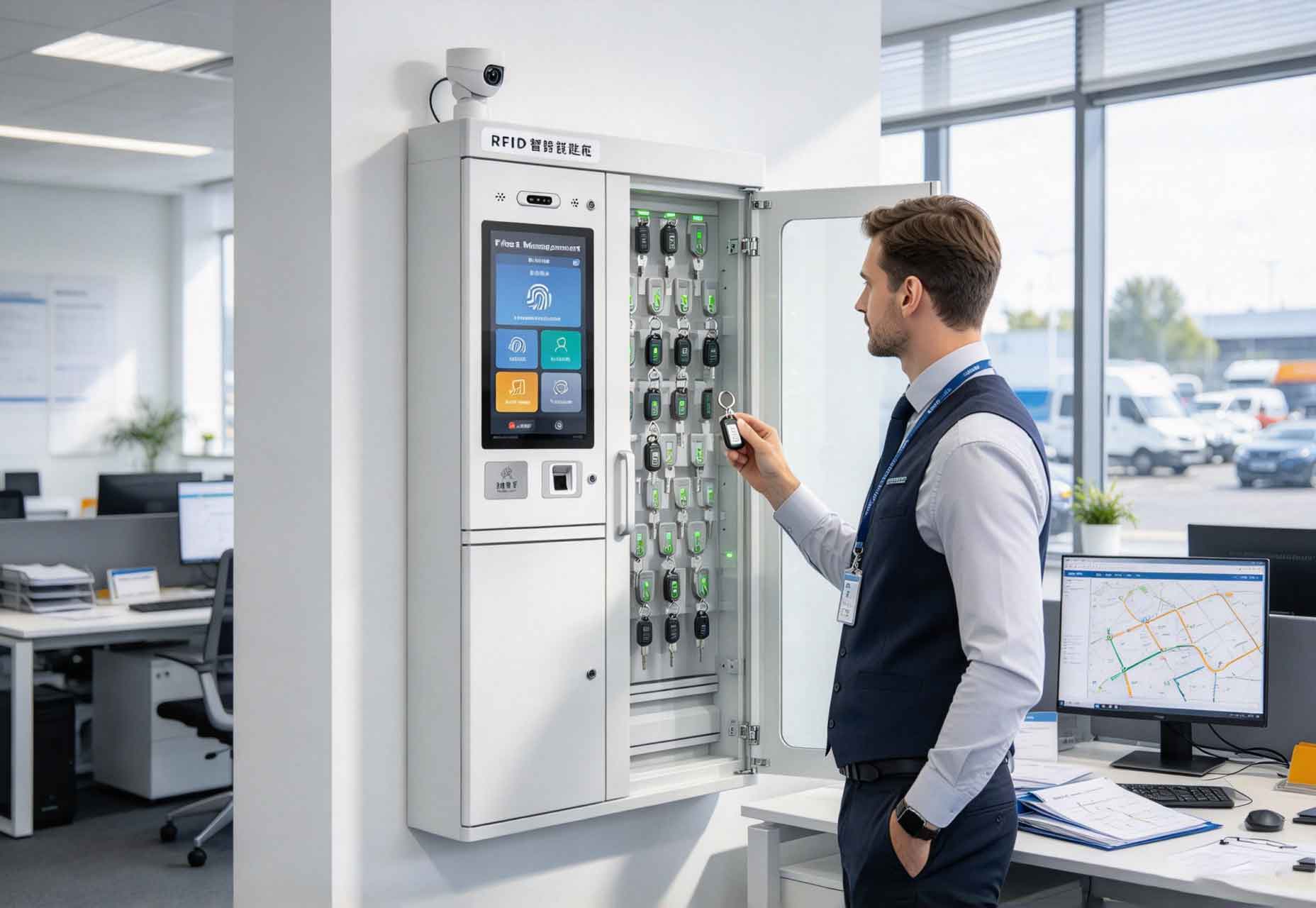
An RFID key is a conventional physical key combined with an RFID tag or RFID-enabled key holder. The RFID identity allows a smart management system to associate the key with a specific vehicle, user, cabinet position, and status.
No. An RFID key used for asset management does not necessarily replace the vehicle’s original electronic key. It can simply add an RFID identification tag to the physical key so that a smart cabinet can identify and manage it.
The cabinet uses RFID detection to identify the tagged key associated with a managed position. When the key is inserted into the designated position, the system can detect its RFID identity and update the corresponding key status.
Capacity depends on the cabinet model. The Cykeo configuration described here supports 30 independent key positions and can be expanded according to the system design.
Yes. Depending on configuration, authentication can include IC cards, fingerprints, facial recognition, or other supported identification methods. RFID identifies the key, while authentication verifies the user.
Yes. RFID smart key cabinets are suitable for managing company vehicle keys because individual keys can be registered, assigned to cabinet positions, detected during borrowing and return, and connected with user and vehicle records.
RFID provides electronic identification of the physical key. When combined with independent locking positions, authentication, software, networking, and database management, it supports structured key borrowing, return, inventory, tracking, and status management.
What is an RFID key? In practical fleet management, it is a physical key linked to an RFID identity so that the key can be individually recognized and managed by a smart cabinet. The RFID tag is only one component; the real management capability comes from combining identification, authentication, slot control, detection, software, and database records.
For organizations handling many vehicle keys, that physical-to-digital connection is the useful part. The key remains a familiar physical object. The cabinet provides the controlled environment around it.
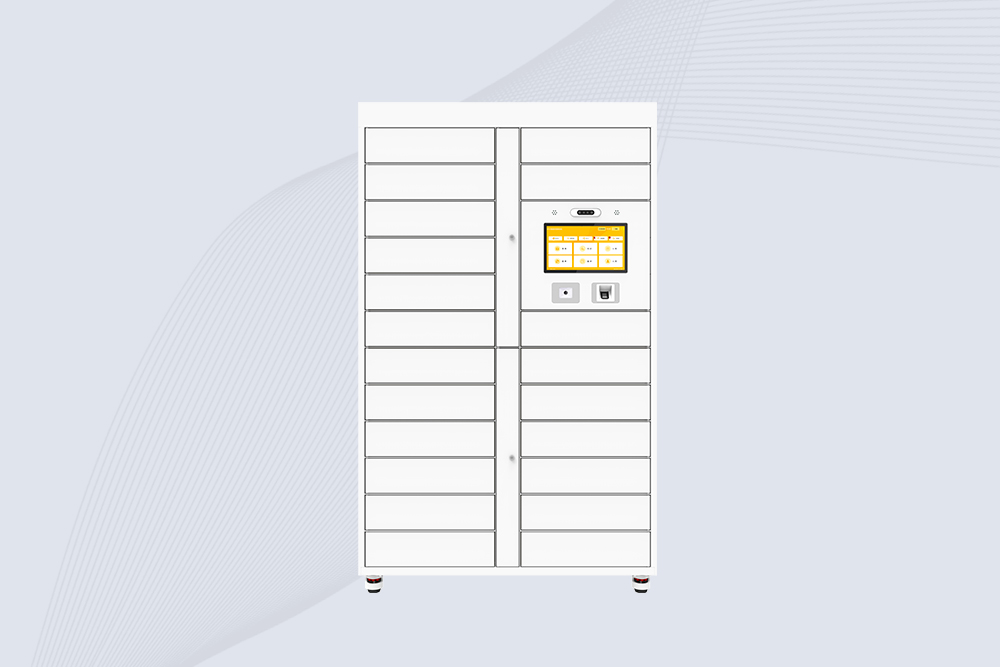
Cykeo’s industrial RFID stock management cabinet offers 14″ touchscreen, bulk UHF scanning, -30°C–60°C operation for tools/PPE/documents. Integrates with Oracle/SAP.
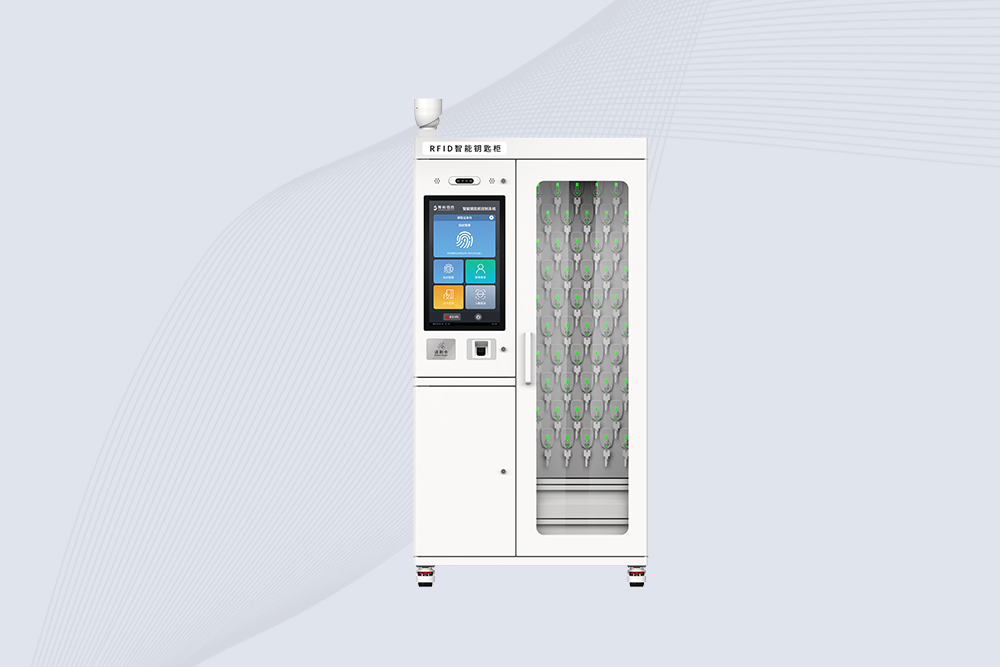
Cykeo’s RFID Key Cabinet offers biometric security & solar options for corporate/rental sectors. Tracks 50 keys with ISO 15693 compliance & ERP integration.
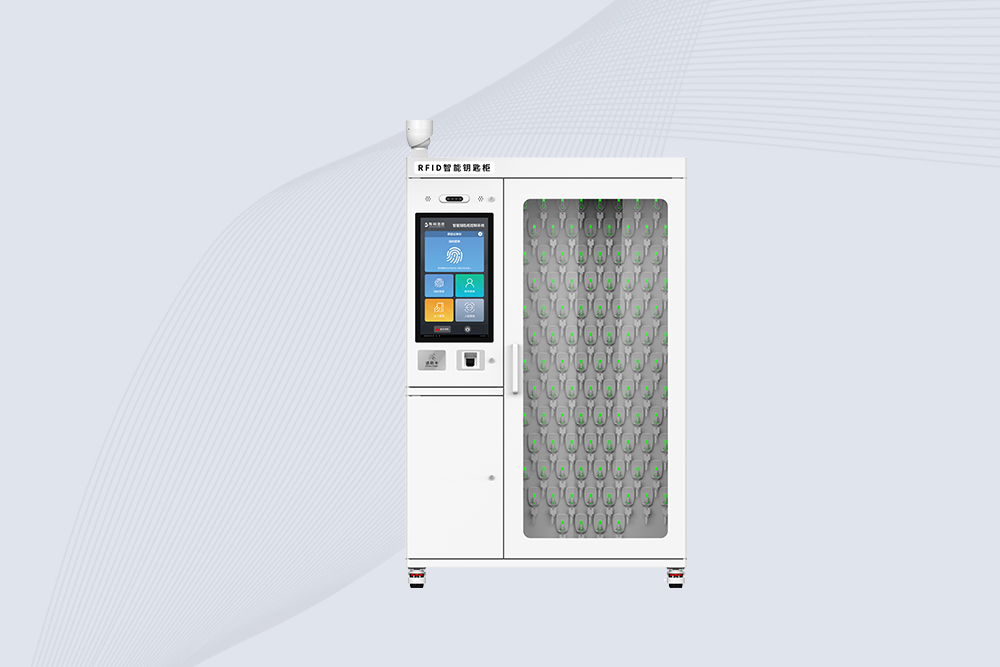
Industrial RFID Key Management Cabinet with biometric auth, unlimited expansion, -30°C operation, and 22″ touchscreen for prisons/utilities. Manages 100+ keys.
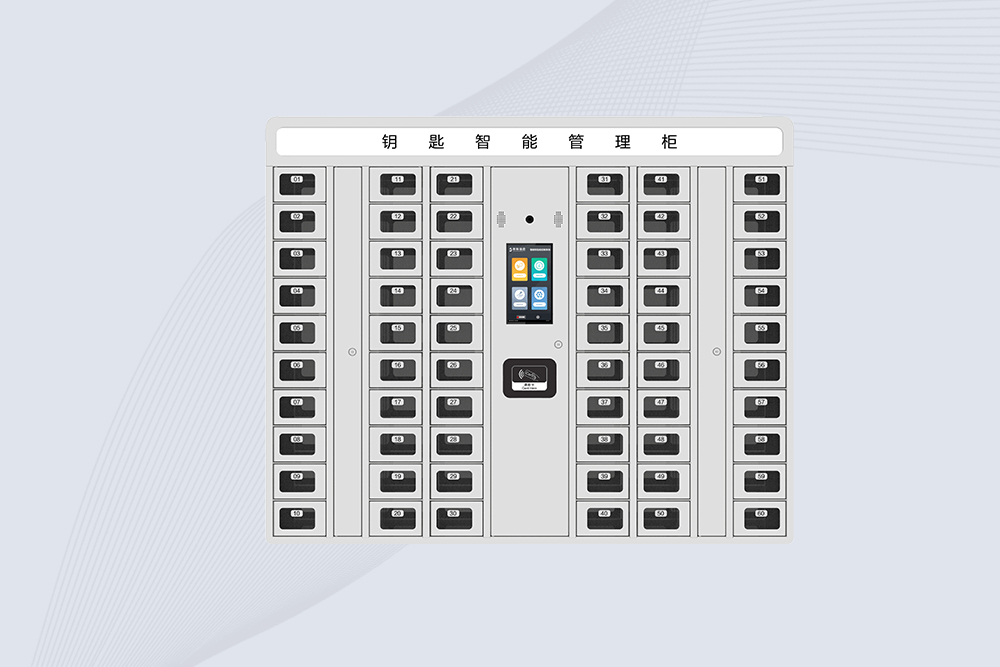
Industrial RFID Smart Key Cabinet with face/fingerprint recognition, 10.1″ touchscreen, SAP integration, and IP54 rating for prisons/utilities. Manages 60+ keys.
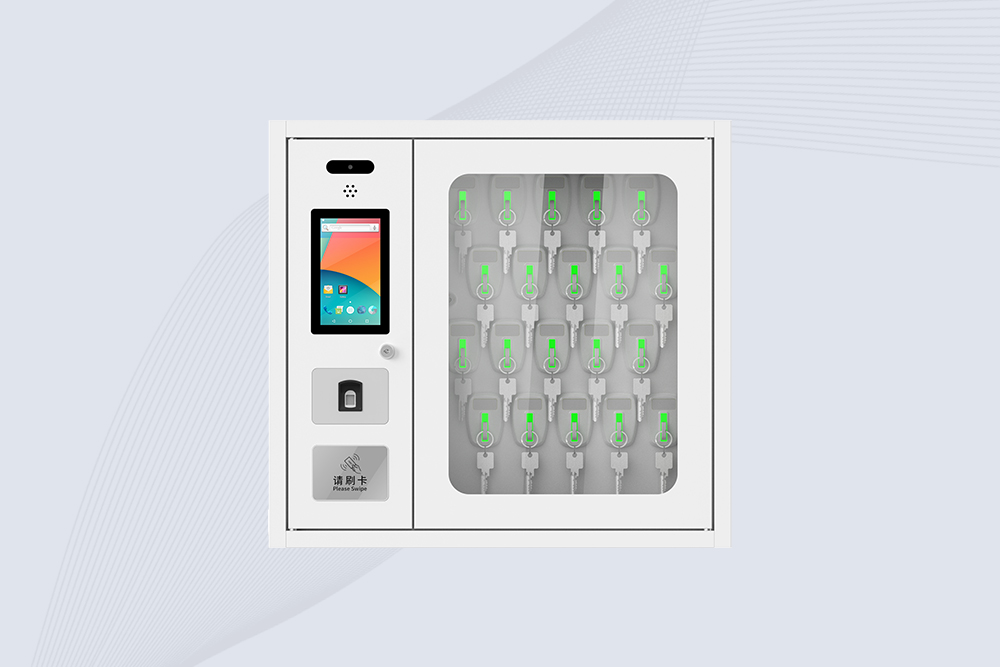
Industrial RFID Biometric Key Cabinet with fingerprint/face recognition, 10.1″ touchscreen, SAP integration, and IP54 rating for fleet/retail key control.
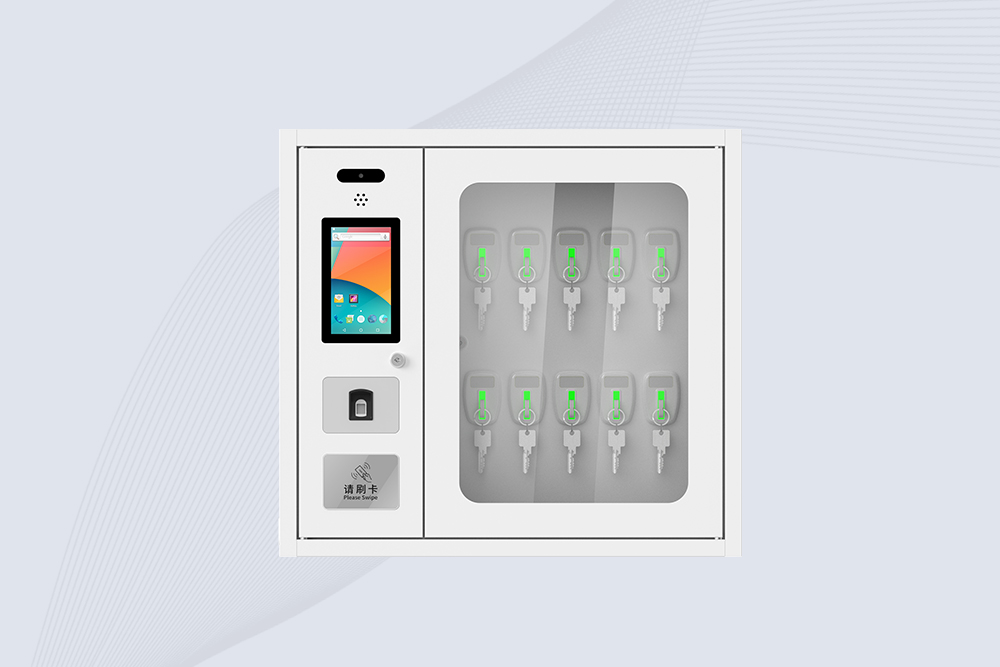
Industrial Smart RFID Key Cabinet with 10.1″ touchscreen, biometric authentication, IP54 rating, and cloud monitoring for fleet/utility key control.
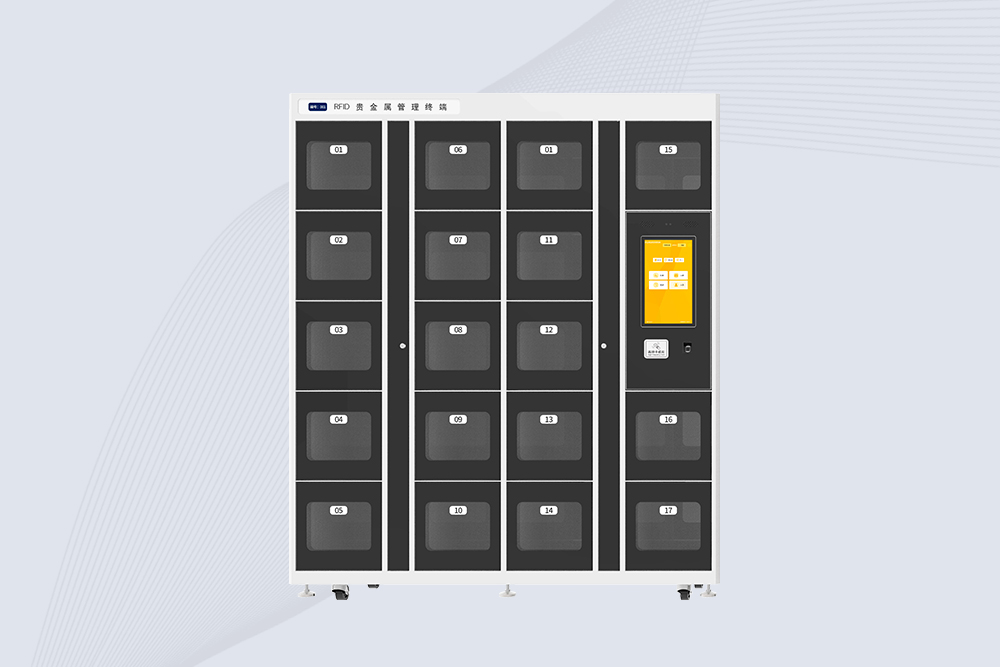
Cykeo’s industrial RFID storage cabinet features UHF tracking, 21.5″ touchscreen, Windows/Android OS, and face/fingerprint access for secure asset management. Real-time alerts for archives, labs, and tool control.
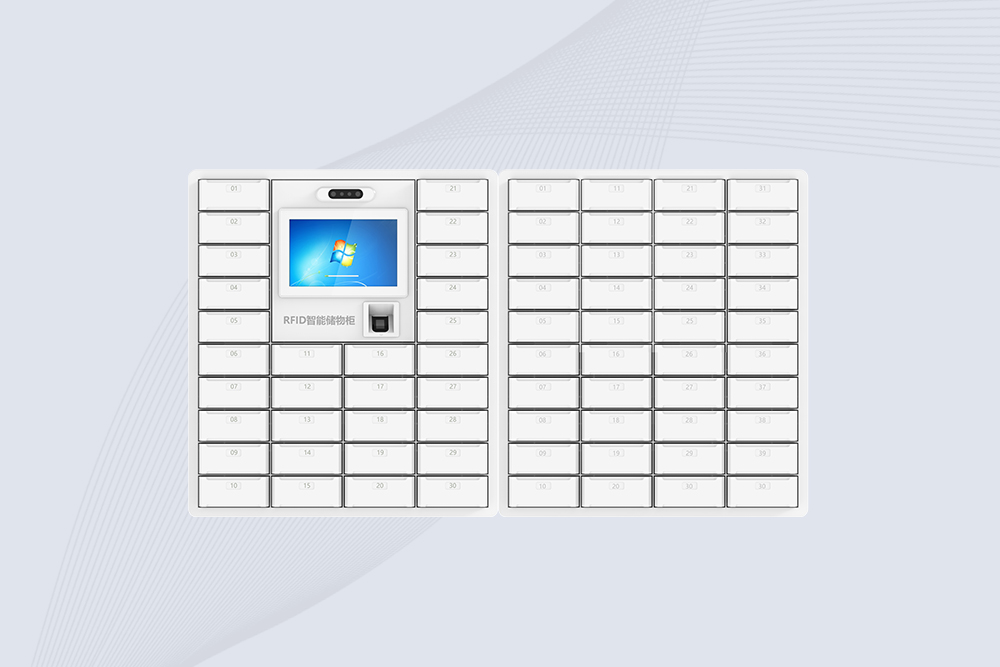
Cykeo’s industrial RFID loss prevention cabinet features UHF sensors, multi-factor authentication, -30°C~60°C operation for pharma/retail/archives. Stops theft with real-time alerts & SAP integration.
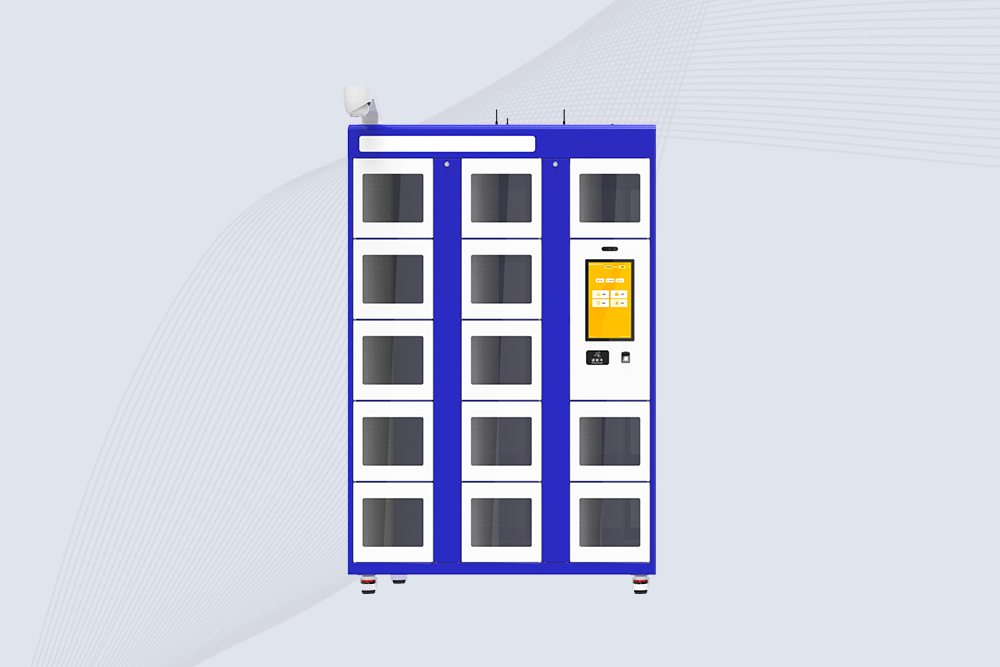
Cykeo’s RFID equipment management cabinet offers 14″ touchscreen, real-time UHF tracking, -30°C–60°C operation for tools/PPE/lab assets. Integrates with Oracle/SAP.
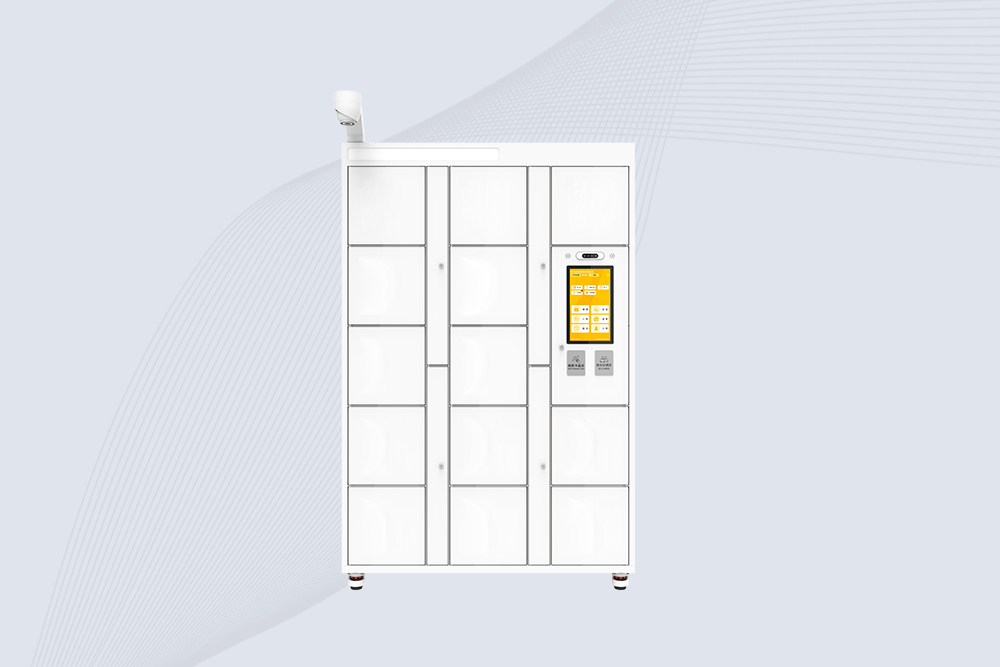
Cykeo’s intelligent weighing cabinet offers 1g-30kg/slot precision, RFID/fingerprint security, Win/Android OS, and real-time SAP/WMS integration. Ideal for pharma/labs/archives.
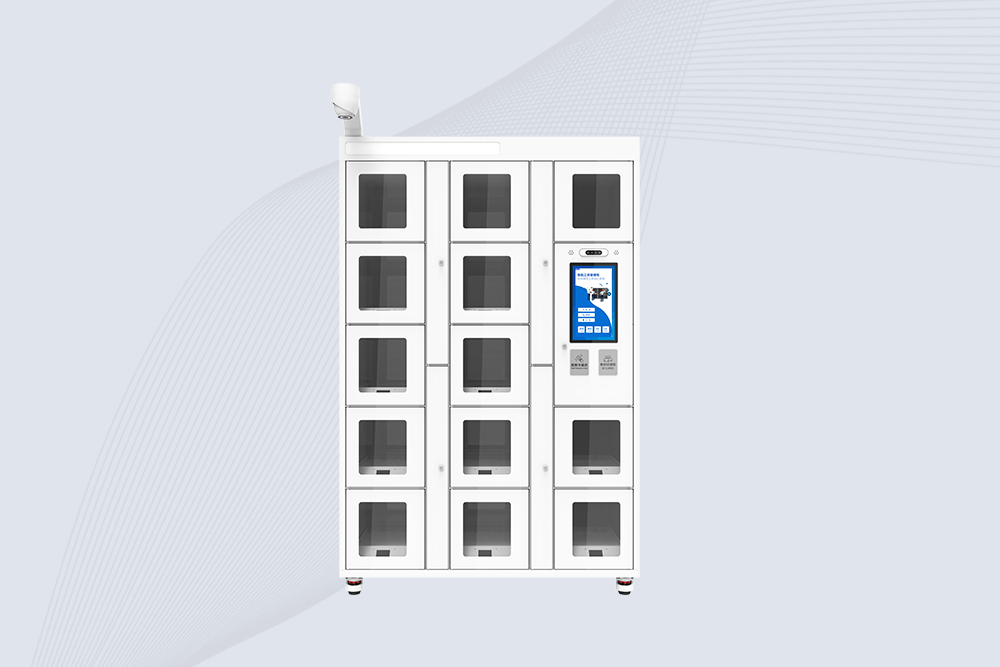
ykeo’s powder weighing cabinet offers ±0.5g precision, UHF RFID tracking, GMP climate control, and SAP integration for labs/chemical plants.
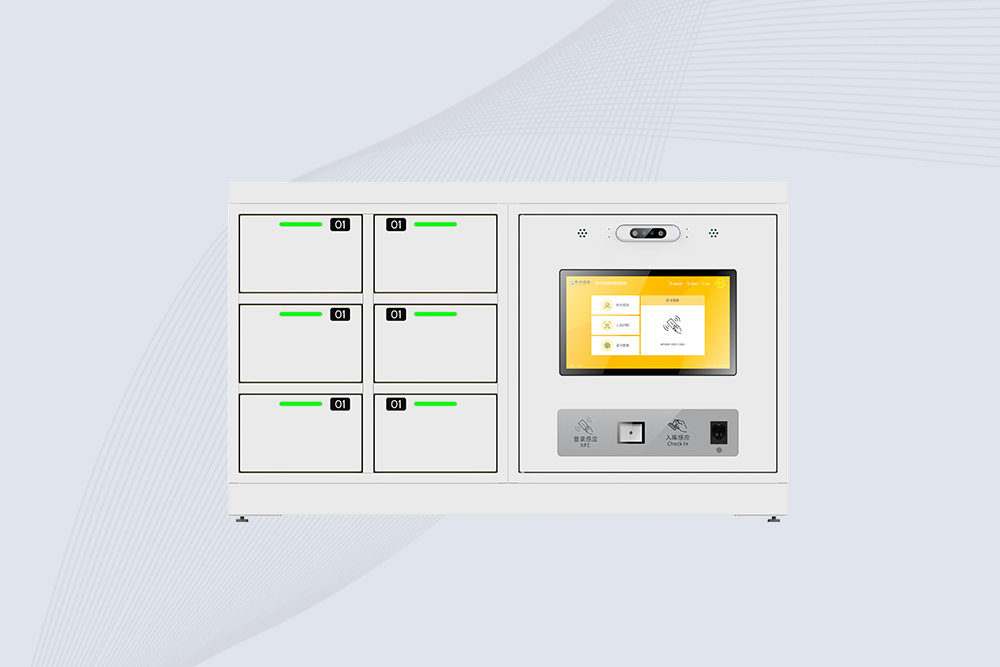
Cykeo’s RFID Seal Management Cabinet offers 100-tag/sec scanning, biometric security, SAP integration, and audit trails for government/banking/compliance.
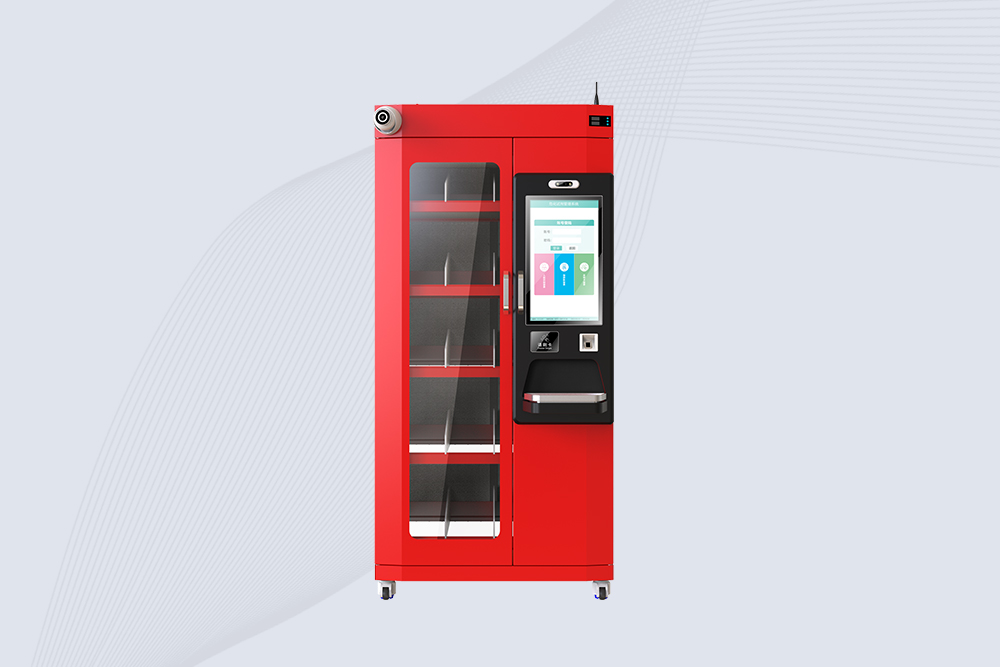
Cykeo’s RFID Chemical Management Cabinet offers 400-tag/sec scanning, VOC leak detection, corrosion-resistant design, and SAP integration for labs/pharma/industrial plants.
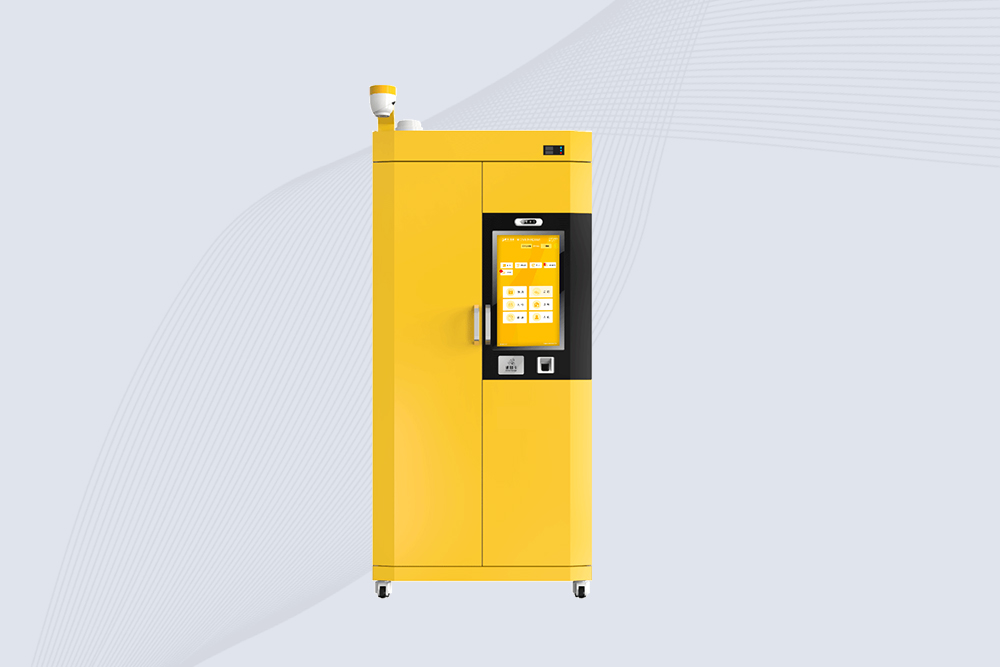
Cykeo’s RFID smart chemical cabinet features 400-tag/sec scanning, leak detection, SAP integration, and nuclear-grade safety for labs/railways/plants.
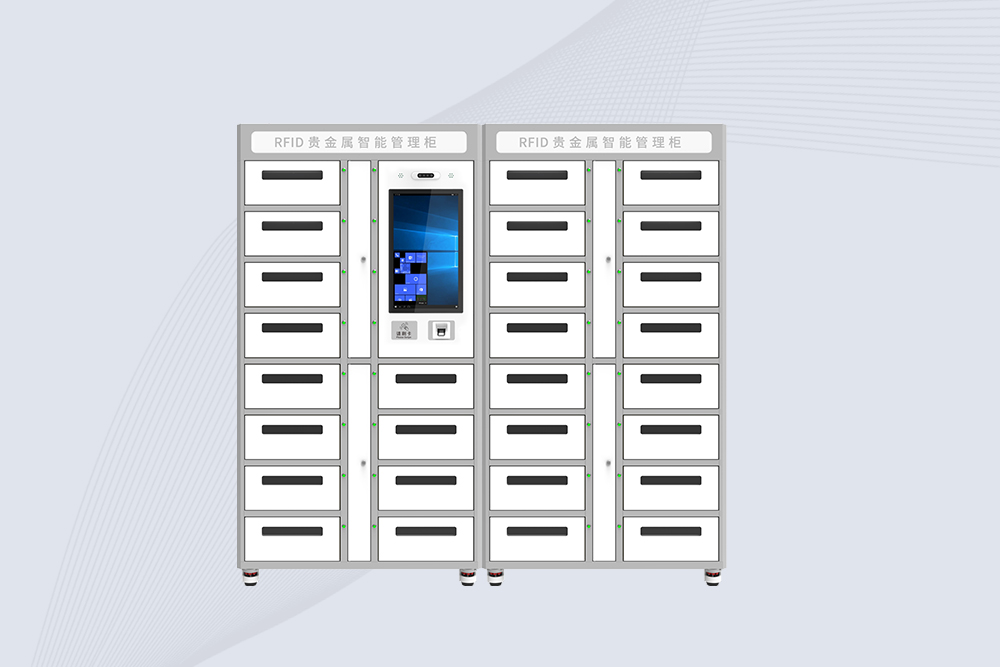
Cykeo’s UHF RFID precious metal cabinet offers drawer-level tracking, biometric access, and SAP integration for banks/vaults/bullion storage. ISO 27001 certified.
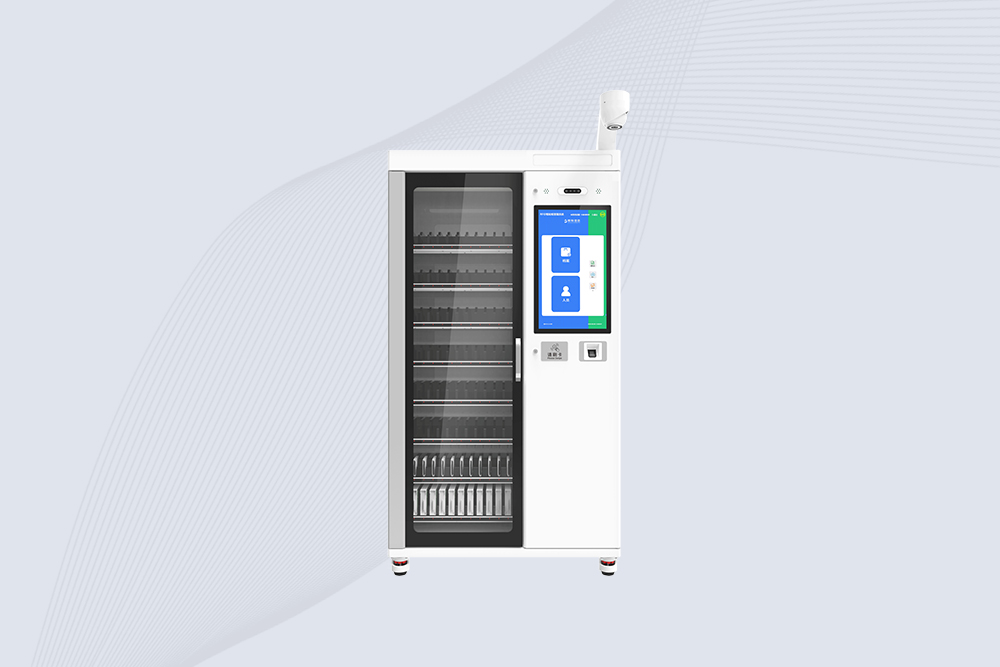
Cykeo’s RFID hard disk cabinet offers military-grade steel, HF RFID tracking, chain-of-custody audits, and Splunk/QRadar integration for government/financial sectors.
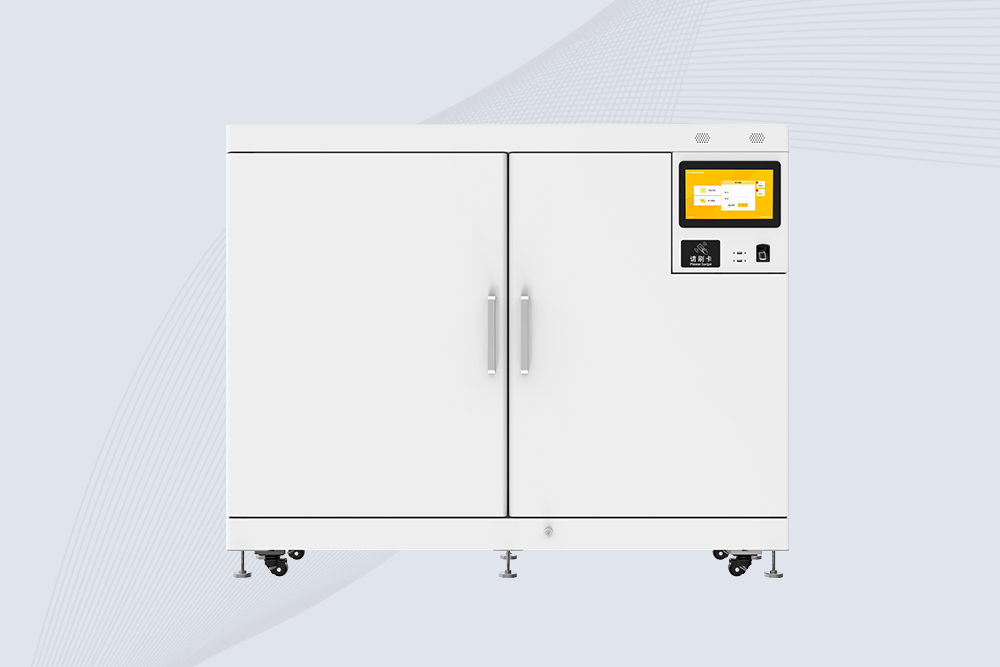
Cykeo’s RFID hard disk management cabinet offers 140-drive capacity, multi-factor authentication, NIST compliance, and Splunk integration for government/financial sectors.
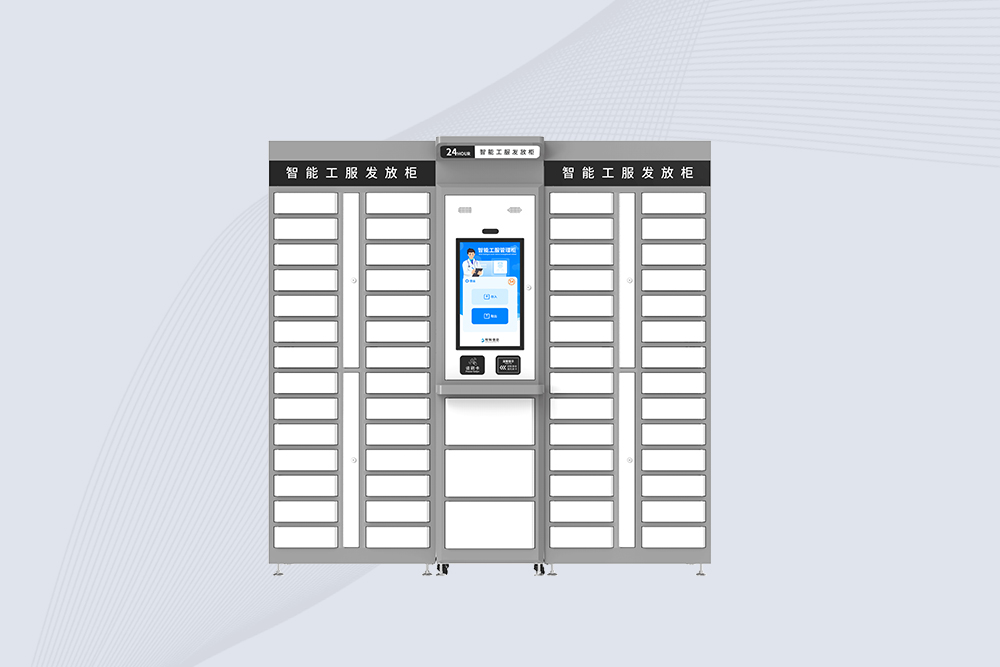
Cykeo CYKEO-MG28 smart rfid locker system features IP54 cabinet, 21.5″ touchscreen, and RFID/QR/biometric authentication for industrial asset security.
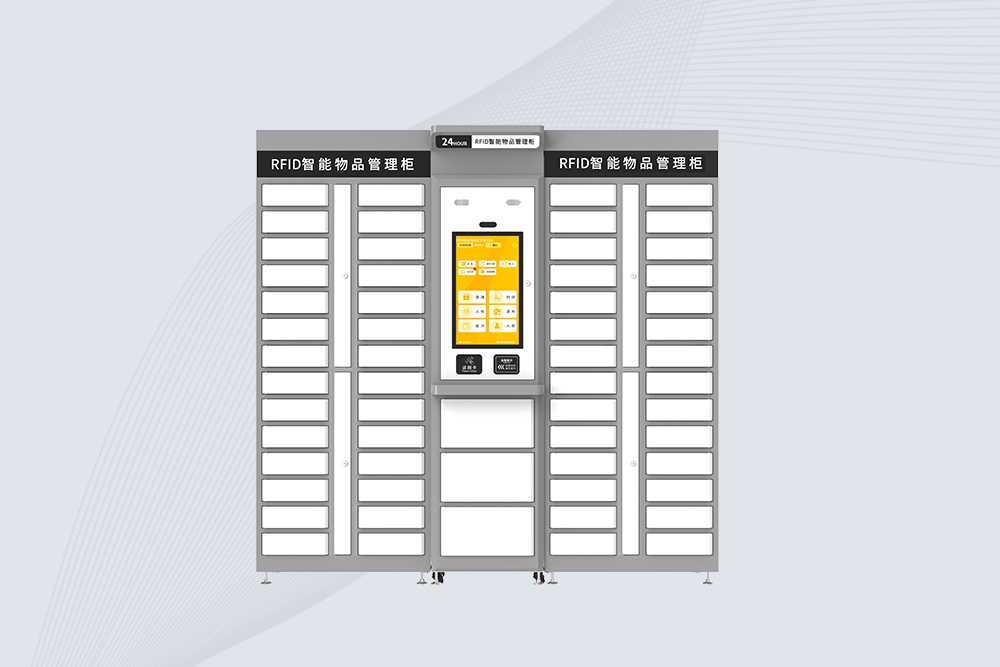
Cykeo CYKEO-G0628 uhf rfid locker system features 21.5″ touchscreen, fingerprint/RFID authentication, and modular cabinets for industrial asset security.
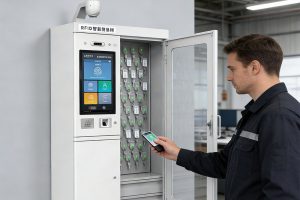
A field perspective on RFID key cabinets, how integrators implement them, and the practical lessons from real installations in offices, hospitals, and industrial sites.
More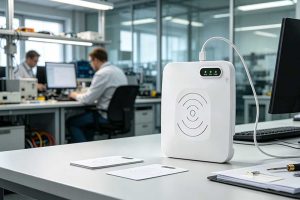
How to use RFID reader: Connect the RFID reader to software, place compatible tags in the reading area, and read or write tag data based on the application r...
More
Need a clear answer? Learn what an RFID reader is, how it works in real life, and why businesses use it for tracking and access control. Simple explanations from CYKEO.
More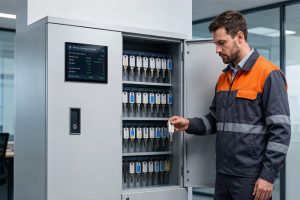
Discover how RFID key tracking helps businesses monitor key movement, prevent losses, automate audits, and improve security. Learn how RFID key management systems work and why organizations are adopting them for scalable asset control.
More