 Cykeo RFID IoT Solution Products R&D Manufacturer
Can My Phone Read RFID Tags? Let’s Get Real About It.
271Wondering "can my phone read RFID tags"? Here’s a realistic look at what your smartphone can and cannot do, and when you need a professional RFID system.
MoreAll RFID Product
How to use a RFID reader: connect the reader to its antenna and host device, configure the correct UHF RFID protocol and operating parameters, place compatible tags within the intended read zone, then start inventory and verify the returned tag data. For production, test the reader with the actual tag, product material, and operating environment.
A reader demonstration is easy to make look successful. Put one loose tag in front of an antenna, press inventory, and an EPC appears. Field deployment is different. The reader has to distinguish the tags that matter from the tags that happen to be nearby, communicate reliably with the application, and maintain a controlled read zone.
For this guide, the focus is passive UHF RFID. GS1 identifies passive UHF RFID, also known as RAIN RFID, as a technology used for fast asset identification, inventory and tracking. GS1 specifies the EPC Gen2 UHF air-interface standard for communications in the 860–930 MHz range; the current Gen2 specification is Release 3.0.1, ratified in February 2026.
A UHF RFID reader is the active communication point between the application and passive RFID tags. It sends RF energy and commands through an antenna. A passive tag harvests operating energy from the reader’s field and responds by backscattering information. The reader receives that response and converts it into digital tag data.
This matters when learning how to use a RFID reader because the reader is not simply a wireless barcode scanner. Its antenna, RF output, receiver sensitivity, protocol settings, filtering and physical installation all influence what the application eventually sees.
| Reader component | Function | What to check |
|---|---|---|
| RFID reader | Generates RF signal and manages tag communication | Protocol, power, inventory settings |
| RFID Antenna | Creates the RF interrogation zone | Gain, polarization, orientation |
| RFID tag | Responds with stored identification/data | UHF compatibility and mounting |
| Host interface | Transfers reader data to software | Ethernet, RS-232, USB or SDK/API |
| Application | Processes RFID events | Filtering, database and business logic |
Start with one known-good UHF RFID tag rather than a box full of tags. Connect the reader and antenna correctly, connect the reader to the host, install the manufacturer’s demonstration software or SDK, and confirm communication before changing RF parameters.
Connect the antenna: use the correct RF port and suitable antenna cable.
Connect the host: establish Ethernet, RS-232, USB, or another supported interface.
Confirm the protocol: use the UHF standard supported by both reader and tag.
Configure regional settings: select the permitted frequency/channel configuration for the deployment location.
Set initial RF power: begin with a controlled level rather than immediately using maximum output.
Start inventory: place one compatible tag inside the intended test zone.
Verify the result: check the EPC or other returned tag information.
Repeat the test: change tag position and orientation before declaring the setup reliable.
GS1’s current Gen2 specification defines the UHF air interface at 860–930 MHz, while actual regulatory frequency use varies by region. Reader configuration should therefore follow the applicable local requirements rather than copying settings from another country.
Antenna placement usually matters more than beginners expect. During commissioning, I look at the physical movement first: where does the tagged object approach, where does it stop, and where should the reader stop seeing it? That determines the useful RF zone.
RAIN Alliance explains that antenna characteristics, radiation pattern, polarization and reader power all affect the detection area. Its guidance also notes that far-field antennas can provide ranges of 15 metres or more in some conditions, while near-field antennas are useful in challenging applications involving materials such as metal and liquid.
GS1 makes a similar practical point: passive UHF read range is not a single specification. It depends on reader power, interference, antenna characteristics and tag orientation. GS1 describes typical UHF passive read ranges as several metres, with much longer distances possible in special configurations.
| Application | Reader position | Primary objective |
|---|---|---|
| Warehouse portal | Beside or above the passage | Capture controlled item movement |
| Conveyor | Along the conveyor read zone | Identify moving products |
| Workstation | Close to the item presentation area | Read or write selected tags |
| Storage shelf | Facing the intended shelf area | Inventory tagged items |
| Asset search | Handheld reader | Locate and verify individual tags |
A common commissioning mistake is to ask, “How far can this reader read?” before asking, “Where should it read?” Those questions are not equivalent.
RAIN Alliance system-design guidance provides sensitivity examples showing how receiver sensitivity can influence operating range: its illustrative values include -75 dBm corresponding to 8 m, -69 dBm to 4 m, and -63 dBm to 2 m. These are system-design examples, not a promise of universal reader performance.
In a warehouse, an eight-metre read may sound attractive until a tag from the adjacent lane appears in the event stream. A narrower, repeatable zone can be much more useful for tracking.
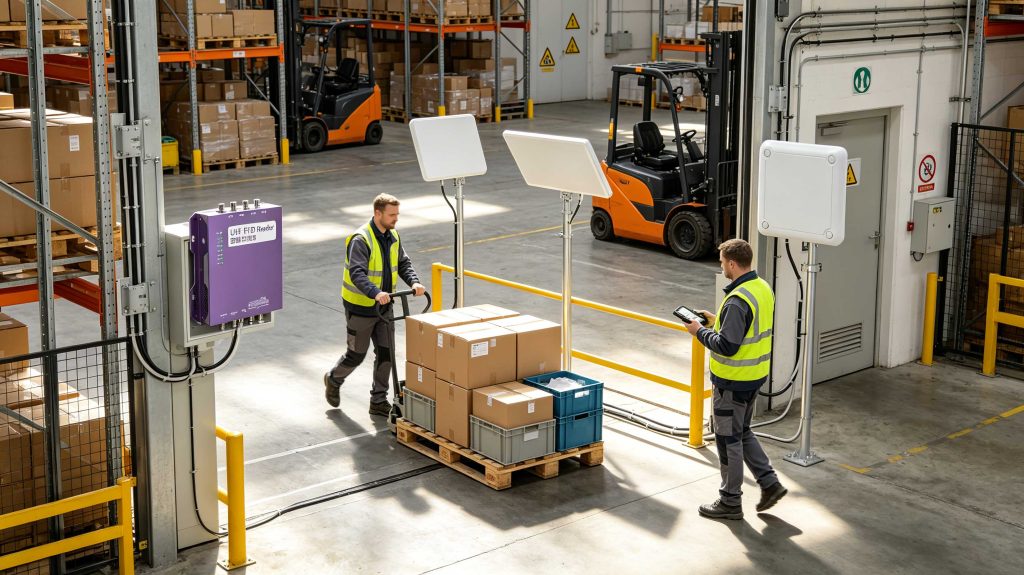
After a single-tag test works, move quickly to the real operating condition. Put several tagged items into the intended zone and observe whether the reader consistently identifies the expected tags without excessive duplicate events.
UHF RFID is designed for multi-tag inventory. GS1’s Gen2 architecture includes inventory and tag-selection functions, while the latest Gen2v3 specification adds inventory features intended to improve tag selection and reduce interference from fringe tags.
For a warehouse trial, I normally record the expected quantity before the test. If ten tagged cartons enter a portal, the useful question is not whether the reader displayed “RFID detected.” It is whether the system identified the correct ten tags, at the correct tracking point, without unrelated tags entering the event stream.
Start with one known tag.
Increase the number of tags gradually.
Change tag spacing and orientation.
Test the actual packaging material.
Move the tagged products through the zone at realistic speed.
Check for tags outside the intended area.
Repeat the same movement several times.
This is where field experience becomes valuable. A reader that performs beautifully on a bench can behave differently beside metal shelving, a conveyor motor, shrink-wrapped cartons or a moving forklift. The installation—not just the reader specification—becomes the test.
How to use a RFID reader in production depends on the application, not only the reader model. A warehouse portal, desktop encoding station, conveyor and handheld operation all need different read-zone control. The same UHF reader can perform very differently when the antenna position, tag orientation, surrounding materials and event-filtering rules change.
For warehouse use, the reader should normally be treated as an event-capture device. The objective is not simply to collect as many EPCs as possible. It is to identify the tags that belong to a defined movement or inventory operation.
At a receiving point, for example, the reader can capture tagged cartons as they pass through a controlled zone. The application can then associate the tag event with receiving, storage or dispatch records. GS1 describes RAIN RFID as suitable for automatic identification without requiring an operator to trigger every scan, which is one reason fixed readers are useful at controlled movement points.
For a warehouse deployment, test the actual pallet configuration rather than loose tags on a workbench. Carton spacing, tag orientation, metal equipment and nearby read points can all change the result.
A desktop UHF RFID reader is normally easier to control because the operator presents the tag within a small, defined area. This makes it useful for tag registration, item association, encoding and verification.
For write operations, keep only the intended tag inside the RF zone. After writing, perform a read-back operation and compare the stored EPC or application data with the source record. This simple step catches wrong-tag selection and incorrect data formatting before the item enters production.
Handheld readers require a different mindset. The operator changes the reader position continuously, so the application should help distinguish useful tag detections from repeated observations of the same tag. For asset searches or shelf inventory, filtering and event logic can be just as important as RF power.
Do not start by increasing RF power to maximum. Configure the reader around the required read zone first, then increase performance only when the actual application requires it.
| Parameter | Why it matters | Practical test |
|---|---|---|
| RF output power | Influences interrogation distance and unwanted reads | Increase gradually while observing the intended zone |
| Antenna selection | Determines which RF path is used | Test each installed antenna independently |
| Frequency/channel | Must comply with regional requirements | Use the appropriate local configuration |
| Inventory mode | Controls how tags are detected | Test single and multi-tag conditions |
| Filtering | Reduces irrelevant or repeated events | Compare raw reads with application events |
| Communication interface | Connects the reader with host software | Verify reader communication separately from RF testing |
GS1 notes that Low Level Reader Protocol (LLRP) provides software with detailed control over reader operation and a standardized interface to low-level reader functions. Where a reader and software architecture support LLRP or a manufacturer SDK/API, this can help separate reader configuration from higher-level business logic.
First reduce the read zone rather than assuming the reader is defective. Lower RF power, change antenna orientation, adjust the physical installation and inspect nearby tagged objects. In a warehouse, an adjacent pallet or another reader may be the actual source of unexpected reads.
Check tag orientation, tag-to-reader distance, antenna polarization, product material and RF obstructions. Then test another known-good tag. If the second tag works consistently, the original tag or its mounting position deserves closer inspection.
Repeated observations are normal during continuous inventory. The application should decide whether every observation is useful or whether repeated reads should be consolidated into a business event. For example, a carton remaining inside a portal for several seconds does not necessarily represent several separate movements.
Separate the RF layer from the software layer. First confirm that the reader itself is detecting the tag. Then inspect the host communication channel, SDK/API response or middleware event. This avoids wasting time changing antenna settings when the actual problem is a communication or application-filtering issue.
For fixed UHF applications, Cykeo’s RA9L/CK-D9L family provides an integrated reader and antenna architecture with RS-232 and Ethernet communication. The design supports UHF RFID applications using ISO18000-6C/6B, with SDK/API resources for integration.
For OEM and embedded development, the CYKEO-M4L module combines an RF front end and baseband DSP with API support and firmware upgrade capability. Its output can be adjusted up to 33 dBm in 1 dBm steps, and the module supports dense multi-tag recognition, filtering and anti-collision functions.
The important point is not to select a reader only from its maximum output specification. A reader should match the antenna arrangement, tag type, physical installation, host interface and application event logic. In a real deployment, those details determine whether the reader produces useful operational data.
Confirm the reader and tag use a compatible UHF RFID protocol.
Check the permitted regional frequency configuration.
Connect the correct antenna and verify the RF path.
Start with one known-good tag.
Define the intended read zone before increasing RF power.
Test different tag orientations.
Test the actual product, packaging and mounting position.
Introduce multiple tags gradually.
Check unwanted reads outside the intended area.
Verify reader-to-host communication separately from RF performance.
Configure filtering and duplicate-event handling according to the application.
Repeat tests under realistic operating conditions before deployment.
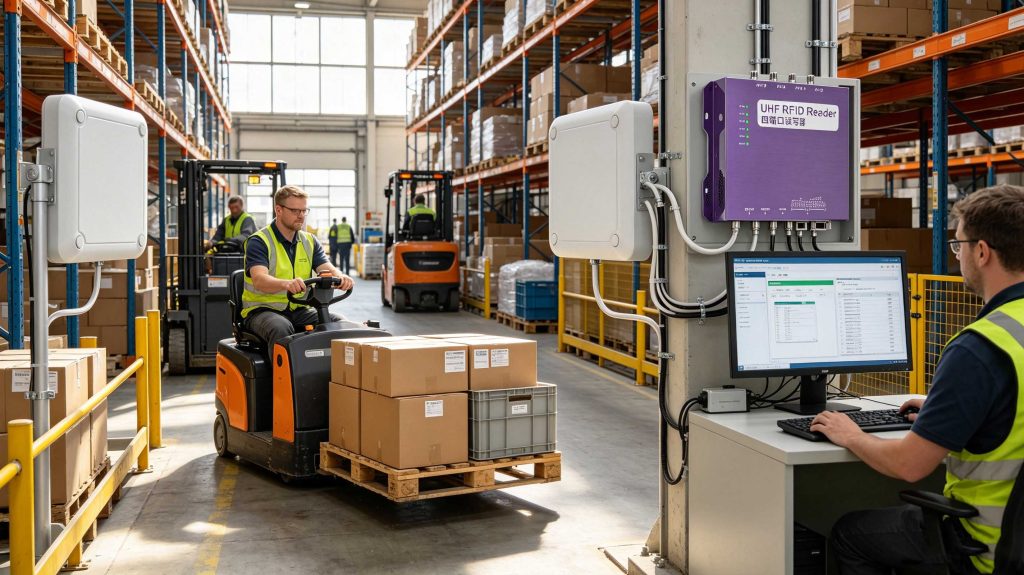
Connect the reader to a compatible antenna and host device, configure the appropriate UHF RFID protocol and regional settings, then test one known-good tag. Confirm the returned EPC before introducing multiple tags. After that, test different orientations, distances and the actual product environment.
A reader may perform basic tag operations through its internal functions or demonstration tools, but practical deployments normally require software to configure the reader, process tag events and connect RFID data with business systems. Depending on the reader, Ethernet, RS-232, USB, SDK or API interfaces may be available.
There is no single universal read distance. Passive UHF RFID can operate over several metres, while specialized configurations can achieve longer ranges. Actual performance depends on antenna characteristics, reader output, tag design, orientation, interference and the surrounding environment. The useful read zone is often more important than maximum range.
Unwanted reads can result from excessive RF power, antenna placement, tag orientation, reflections or nearby tagged objects. Reduce the interrogation zone, reposition the antenna and adjust power gradually. Application-level filtering can also prevent repeated or irrelevant detections from becoming operational events.
Yes. Passive UHF RFID is designed for multi-tag inventory. The reader and protocol manage tag selection and anti-collision so multiple tags can respond within the interrogation zone. For production testing, increase the number of tags gradually and verify that the expected tags—not simply a high number of tags—are being captured.
Compatible UHF RFID reader/writers can write to writable tag memory. The exact operation depends on the tag’s memory structure, capacity and access permissions. GS1 describes EPC and optional User Memory as distinct memory areas, and some RAIN RFID tags support writable application data.
Check the power supply, antenna connection, host communication, regional frequency configuration and RFID protocol first. Then test one known-good tag at a short distance. If the reader communicates with the host but does not detect the tag, investigate the RF path, antenna, tag orientation and surrounding environment separately.
how to use a rfid reader is ultimately about controlling the complete reading process rather than simply powering on a reader and waiting for an EPC. A reliable UHF RFID deployment combines correct reader and antenna setup, a defined RF zone, suitable tag positioning, multi-tag testing, event filtering and dependable host communication. When these elements are tested with the actual products and operating environment, the reader becomes a predictable part of the workflow rather than an isolated piece of RF hardware.
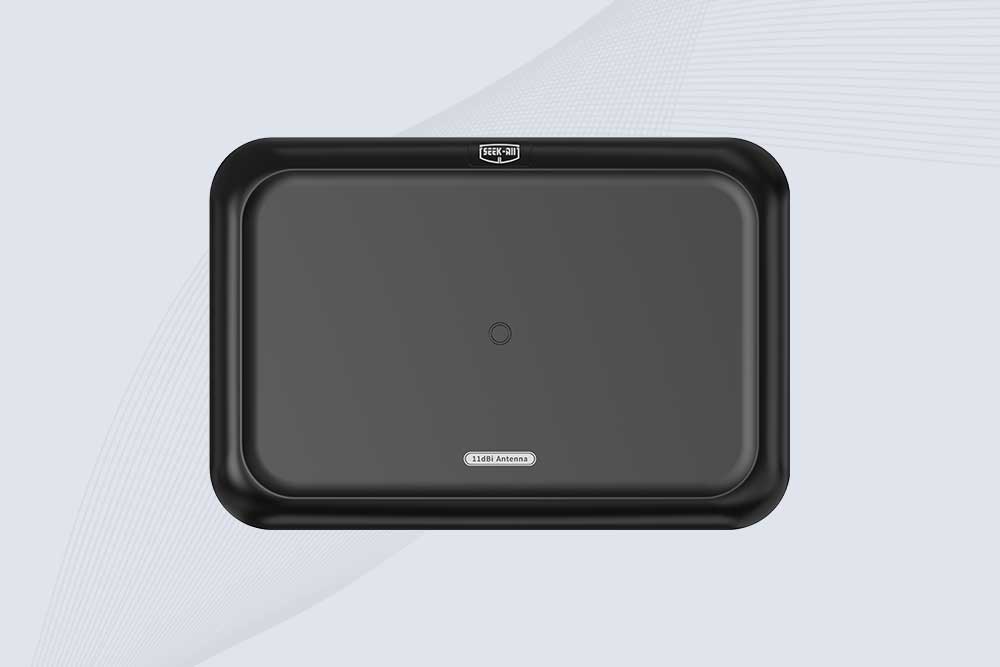
SSD-A11 UHF RFID antenna features 840–960 MHz adjustable frequency, ≥10.5 dBi gain, circular polarization and 50Ω impedance for fixed RFID systems.
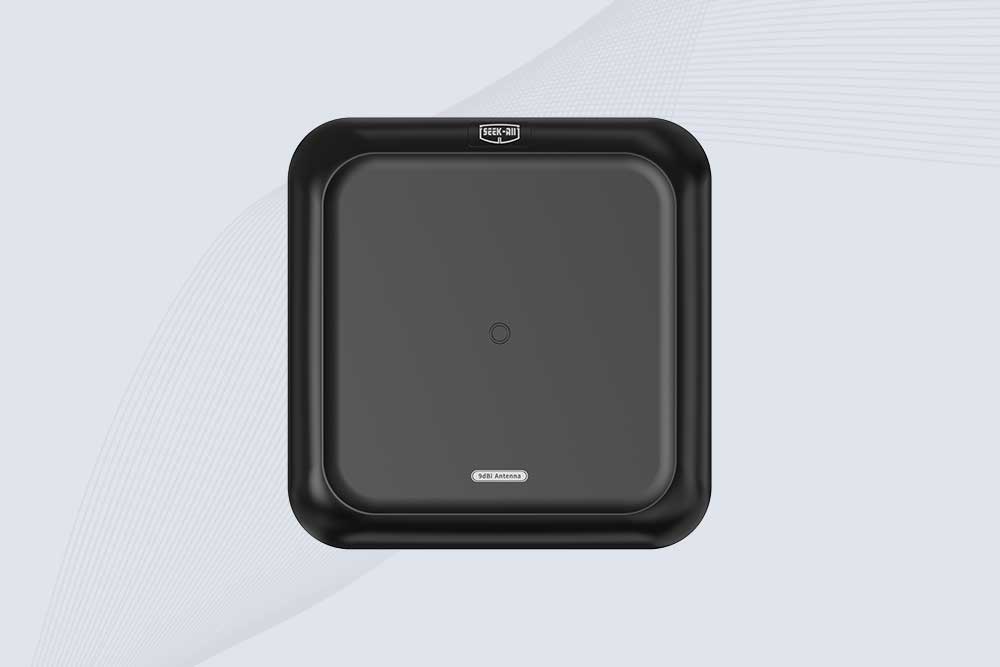
SSD-A09 is a 9 dBi UHF RFID antenna with 840–960 MHz adjustable frequency, circular polarization, 50Ω impedance and directional 60° × 60° coverage.
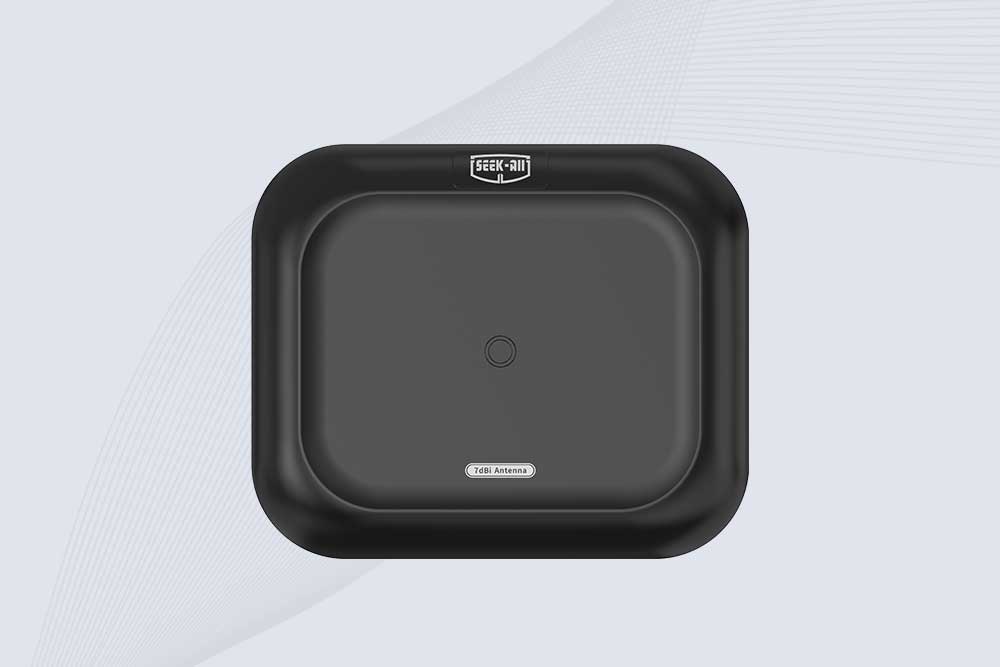
Explore the SSD-A07 UHF RFID antenna with 7 dBi gain, circular polarization, adjustable 840–960 MHz frequency, and 60°/75° beamwidth for stable RFID read/write performance.

SSD-A06 UHF RFID antenna with circular polarization, adjustable 840–960 MHz frequency, ≥4.5 dBi gain, and a compact directional design for RFID systems.
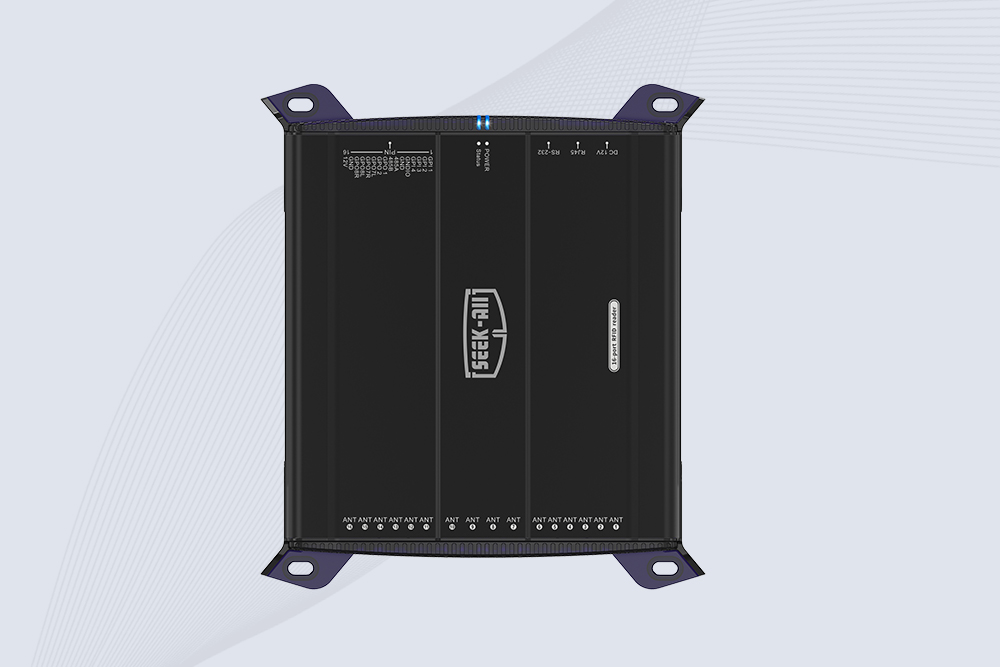
SSD-R16L Multi-Channel RFID Infrastructure for Automated Inventory Management ✔️ 16-Port High-Density RFID Reading Equipped with 16 SMA antenna ports, SSD-R16L supports multi-antenna deployment for warehouses, retail stores, logistics, production lines, and large-area RFID identification. ✔️ High-Speed & Long-Range Performance With up to 33…
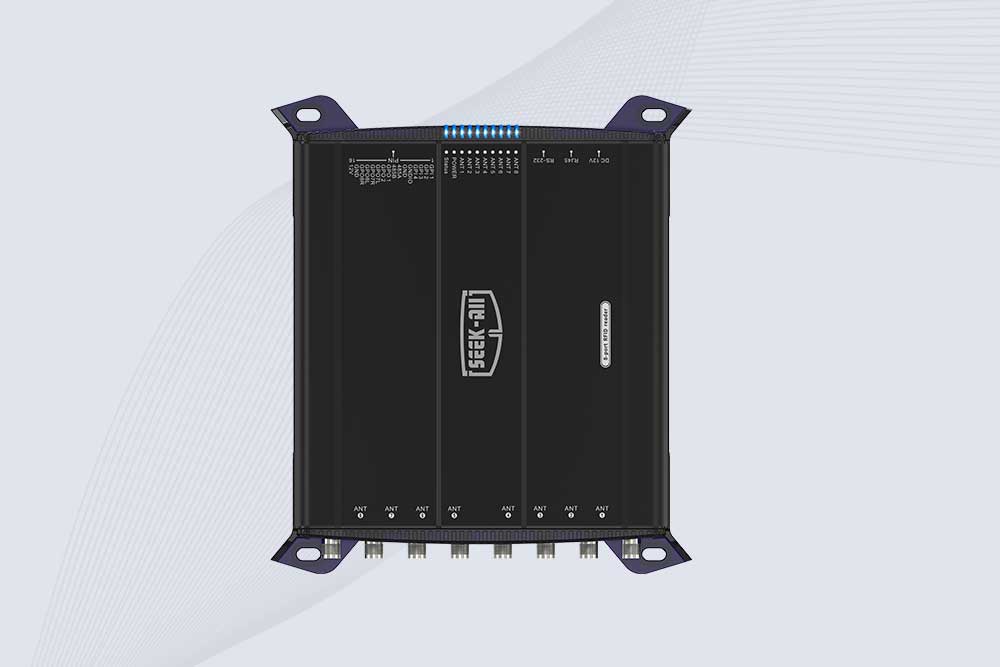
SSD-R8L 8-port UHF RFID reader with 33dBm output, up to 20m reading range and 600+ tags/s recognition. Ideal for warehouse, logistics, retail and asset tracking.
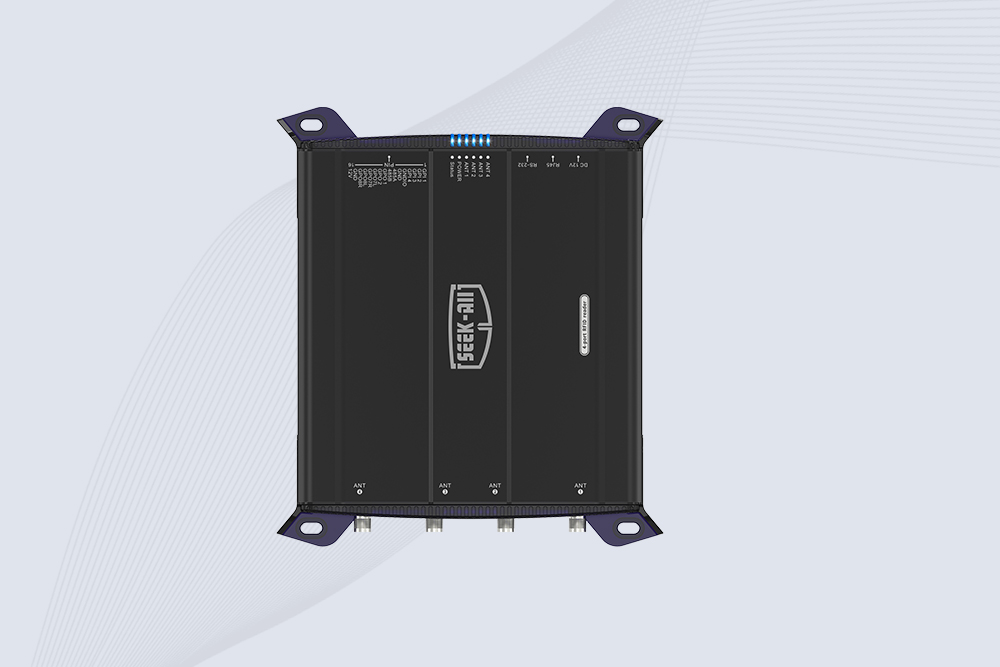
SSD-R4L is a 4-port UHF RFID fixed reader with 33dBm output power, up to 20m reading range, EPC C1G2 support and 600+ tags/s reading speed.
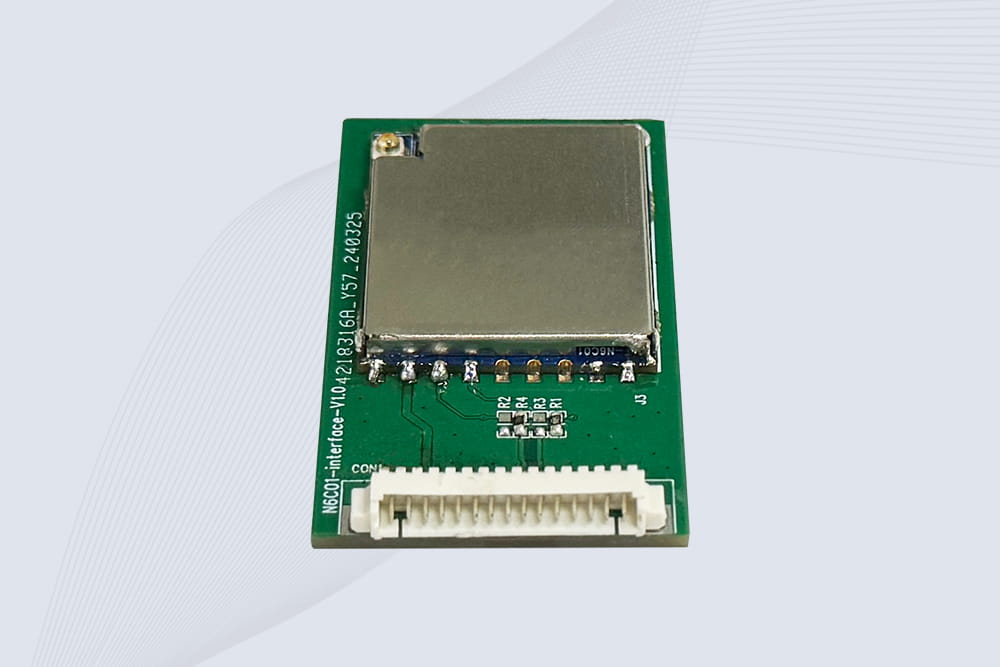
CYKEO Embedded RFID Modules are designed for compact industrial and IoT devices that require stable UHF performance. These UHF RFID Modules support global protocols, flexible power control, and reliable multi-tag reading for smart cabinets, production lines, and asset tracking systems.
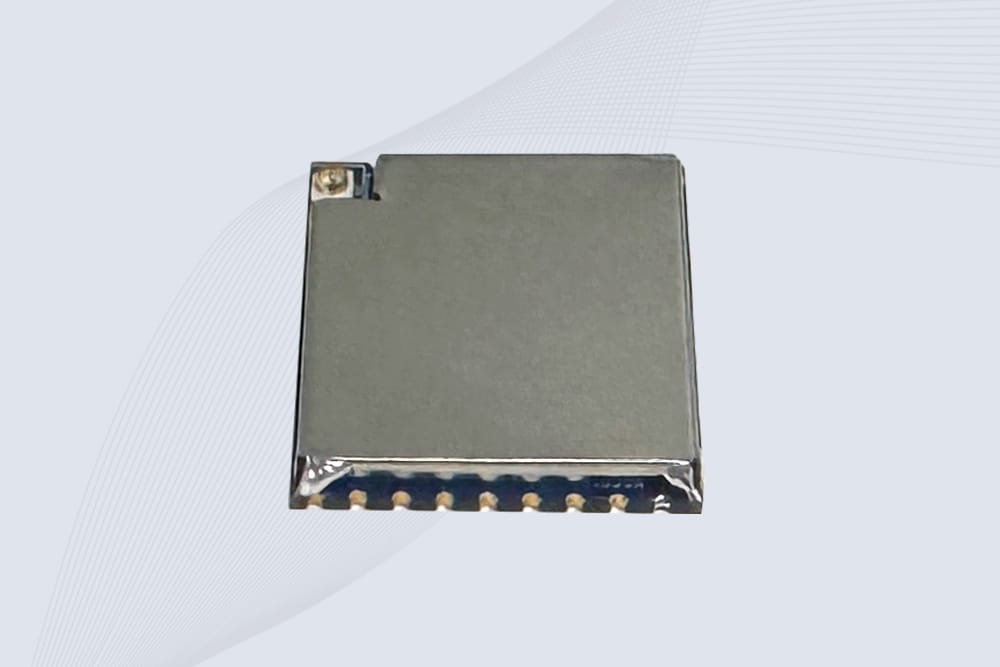
CYKEO Embedded RFID Module is built for compact IoT and industrial devices that need stable UHF performance. This UHF module supports global protocols, low power operation, and reliable multi-tag reading for smart lockers, production lines, and always-on RFID systems.
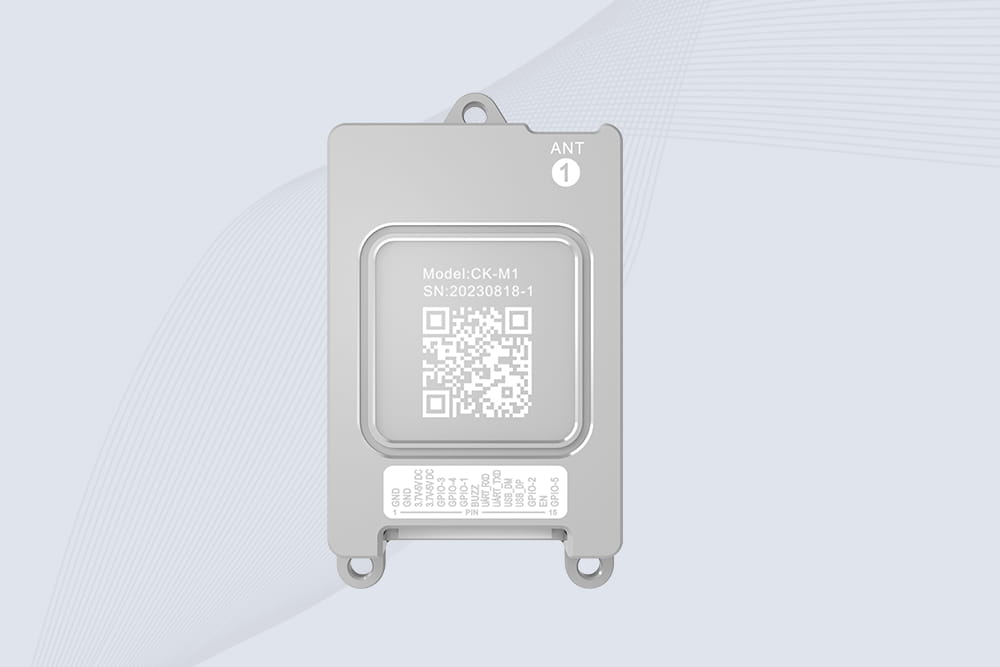
CYKEO CYKEO-M1 drone rfid module is a compact UHF RFID reader module designed for drones and UAV platforms. It supports long-range aerial scanning, fast multi-tag reading, and stable performance in wind, vibration, and outdoor environments.
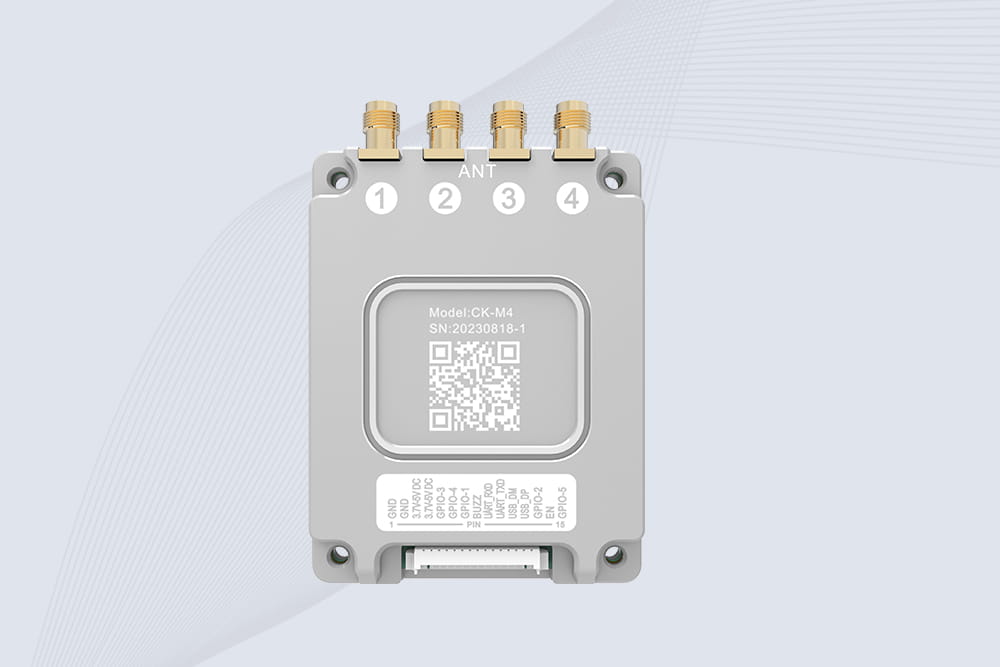
CYKEO CYKEO-M4 RC522 RFID Module is an industrial-grade UHF RFID reader with 4 ports, supporting ISO, EPC, and GB protocols. High-speed, accurate reading for IoT, automation, and warehouse applications.
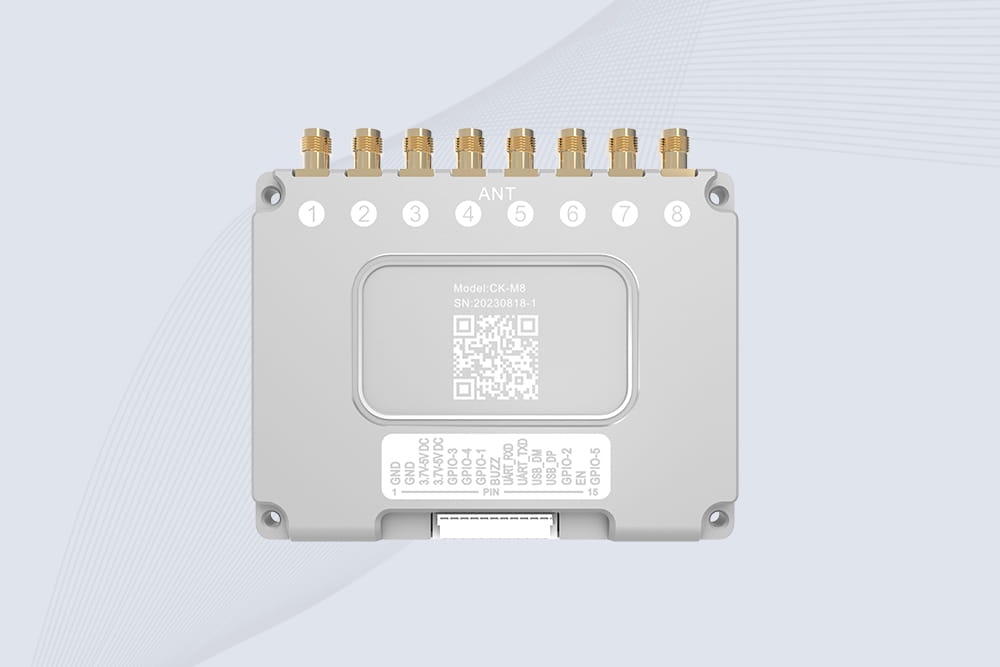
CYKEO CYKEO-M8 Module RFID is an 8-port UHF R2000 RFID Module designed for high-density, multi-tag environments. Stable 33dBm output, ISO & GB protocol support, ideal for warehouses, factories, and automated systems.
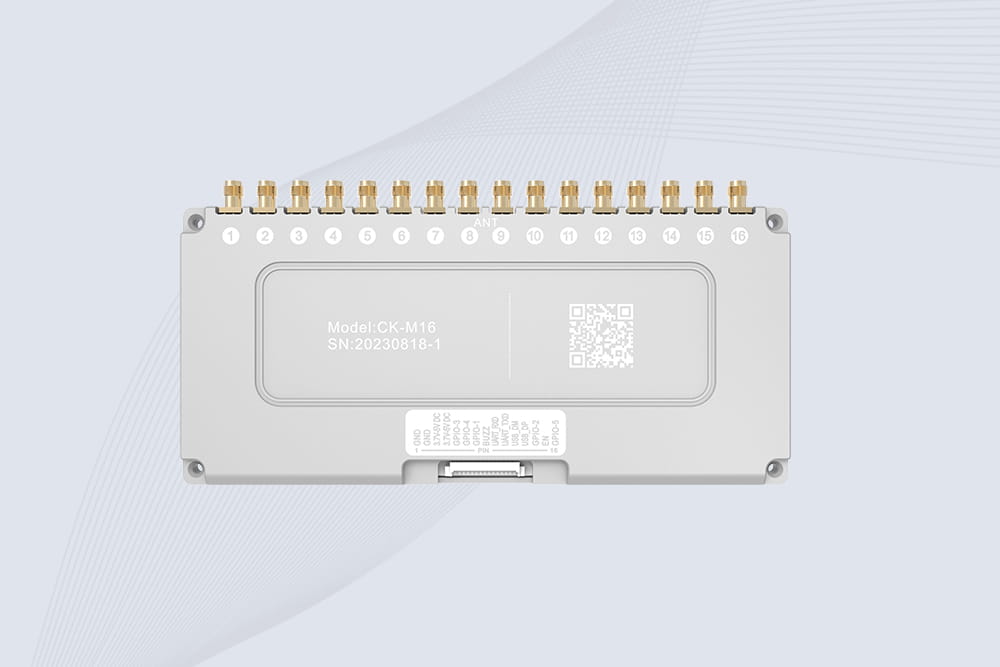
CYKEO CYKEO-M16 RFID Module is a 16-port UHF RFID reader module based on the R2000 chipset. Designed for dense tag environments, it supports ISO and GB standards and delivers stable multi-antenna control for industrial automation.
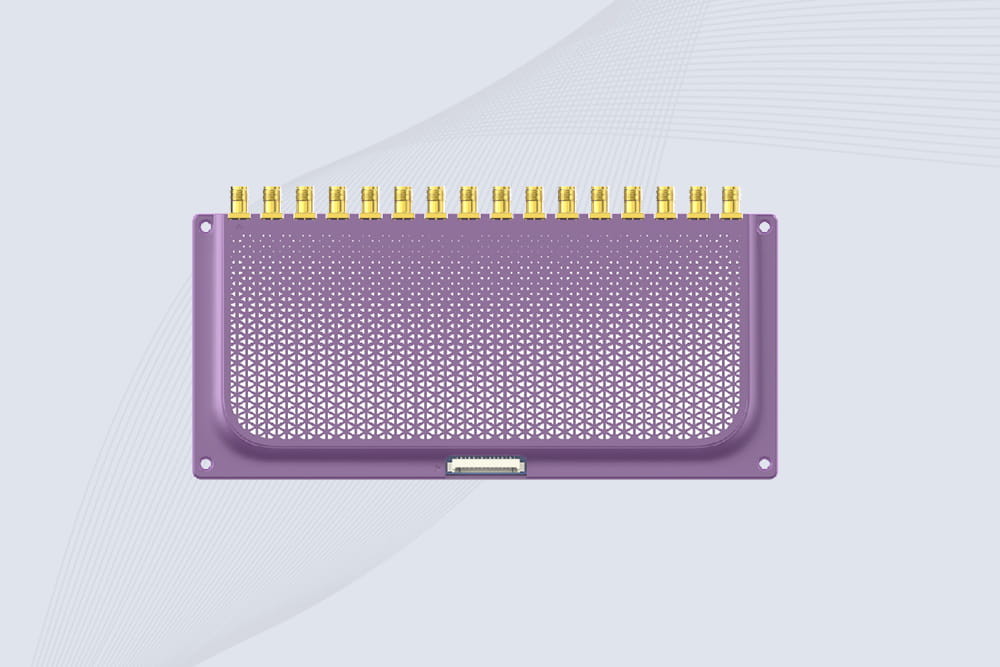
The CYKEO CYKEO-M16L RFID Reader Module is a 16-channel UHF RFID core designed for dense tag environments. With adjustable 33dBm output, multi-protocol support, and stable multi-antenna control, this RFID Tag Reader Module fits industrial automation, warehouse systems, and large-scale IoT deployments.
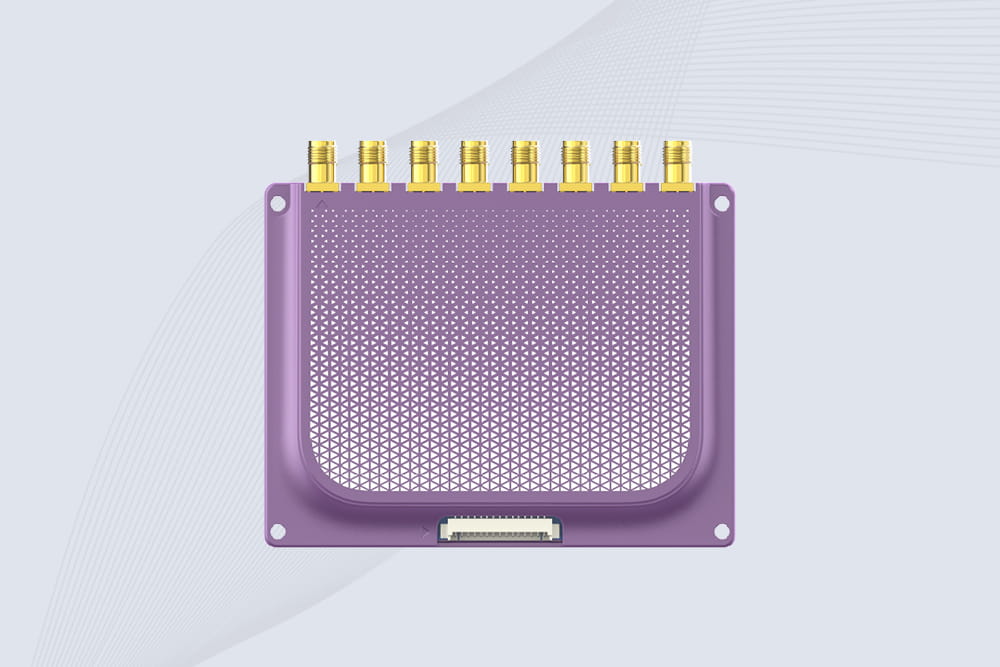
CYKEO CYKEO-M8L module RFID is a compact industrial UHF module built for dense tag and multi-antenna environments. With 8 RF ports, adjustable 33 dBm output, and ISO & GB protocol support, it is widely used in factories, warehouses, and automated tracking systems.
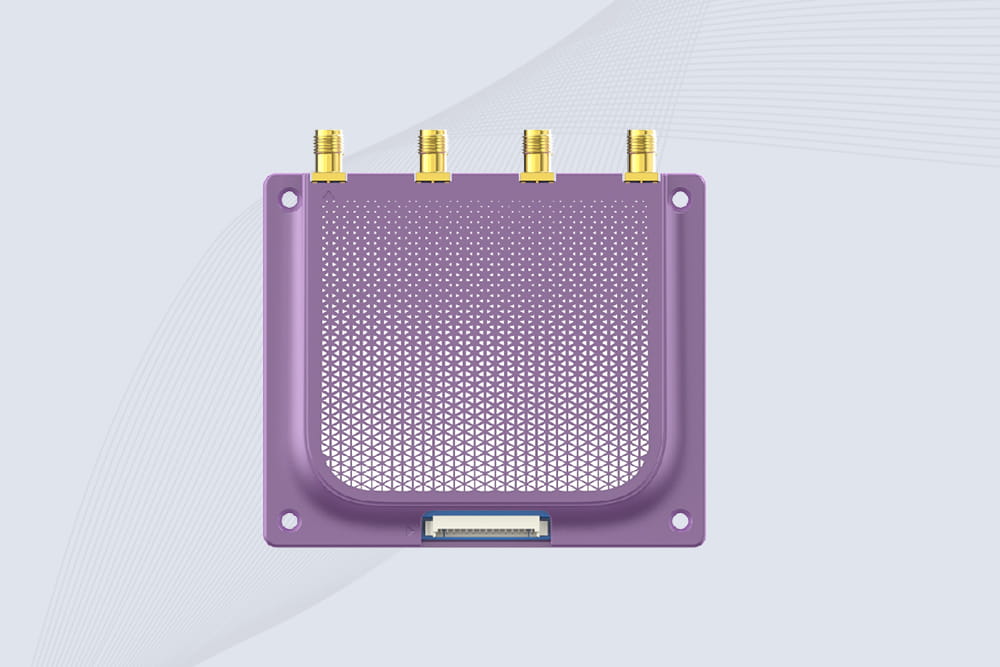
CYKEOCYKEO-M4L UHF RFID Module is a compact 4-channel RFID tag reader module designed for dense tag environments. Supporting ISO and GB protocols, it delivers stable reads up to 10 meters for industrial and IoT systems.
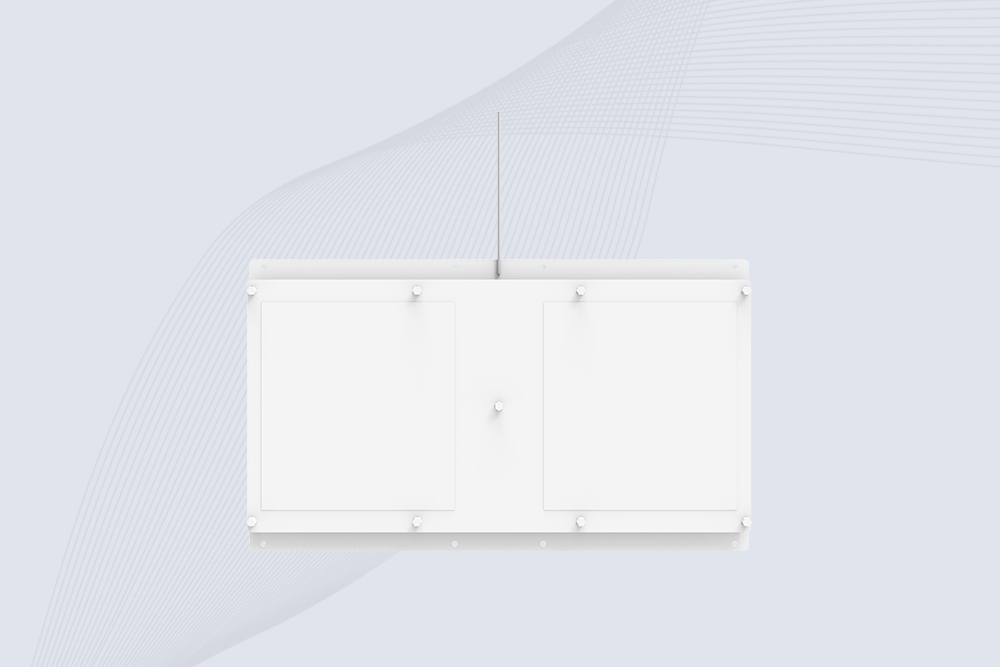
Cykeo CYKEO-A11 UHF RFID reader antenna delivers 11dBi gain, 840-960MHz frequency range, and IP65 ruggedness for retail, logistics, and industrial RFID systems. Features low VSWR and easy installation.
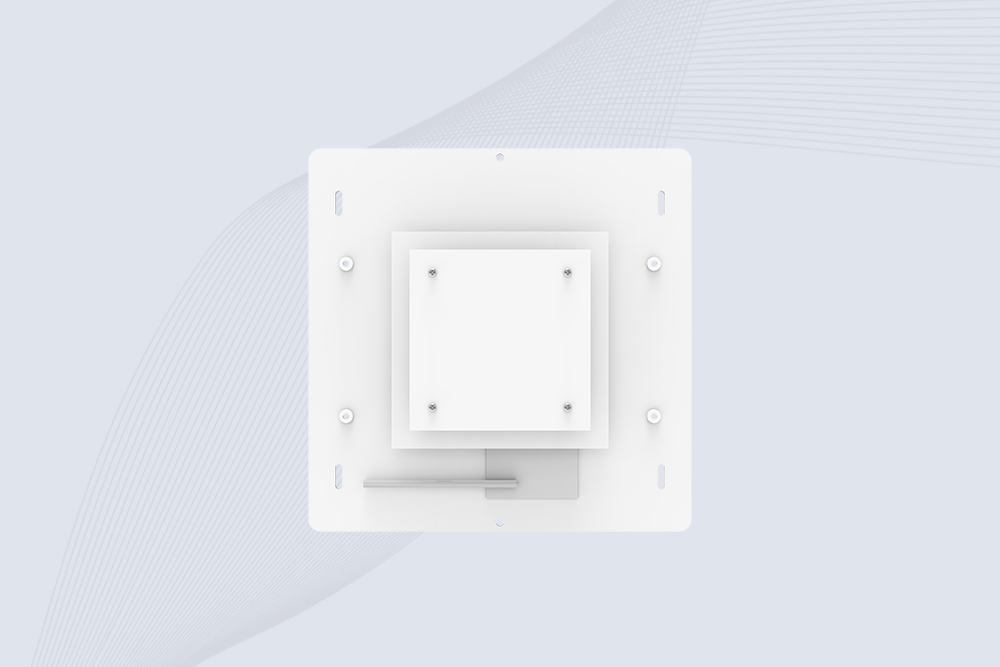
CYKEO Antenna RFID Reader delivers stable long-range UHF performance with a 10.5dBi directional design, built for warehouses, conveyor portals, and industrial RFID systems. This rfid reader antenna provides 20m+ read distance and rugged IP67 protection.

Cykeo CYKEO-PHF3 industrial HF RFID Antenna offers 24-point dynamic tracking, ISO 14443A/15693 protocols, metal-environment stability for archives/libraries/manufacturing.

Cykeo CYKEO-A5B industrial Linear RFID Antenna delivers 5dBi gain, ≤1.5:1 VSWR, and IP65 rugged design for warehouse, production line, and logistics UHF systems.

Cykeo’s CYKEO-B12 Long Range RFID Antenna delivers 15m+ read range with 12dBi gain, IP65 rugged design, and global 840-960MHz UHF support. Ideal for warehouse/logistics asset tracking.
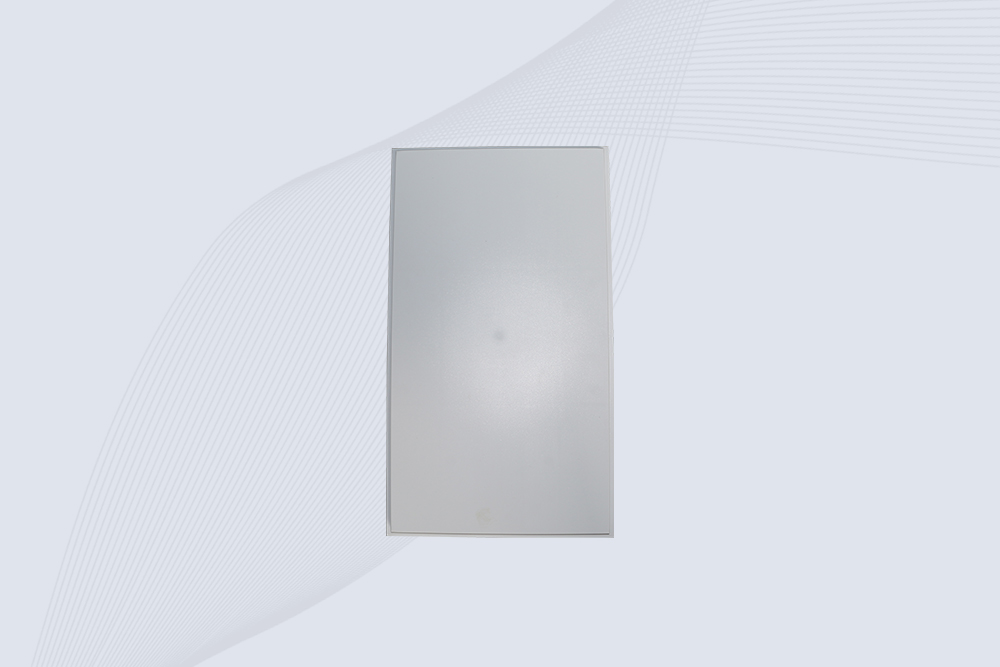
Cykeo CYKEO-B10 Long Distance RFID Antenna offers 10dBi gain, 840-960MHz frequency range, IP65 rating, and 20m+ coverage for logistics/warehousing/ETC systems. Low VSWR ensures stable signal transmission.
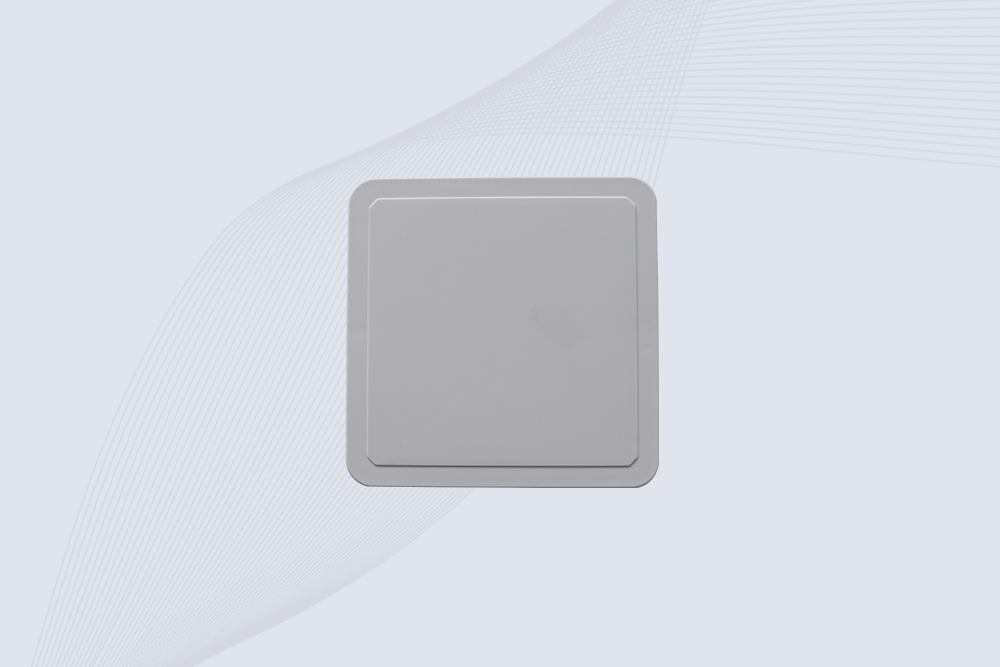
Cykeo CYKEO-A6 UHF RFID panel antenna features 6dBi gain, 840-960MHz broadband, IP65 metal-ready housing for logistics/smart retail. 18mm ultra-thin design with tool-free mounting.

Cykeo CK-A3 industrial antenna RFID UHF offers 5m+ tag detection, ≤1.3:1 VSWR, IP65 rugged design, and global UHF spectrum compatibility (840-960MHz) for warehouses, factories, and retail.
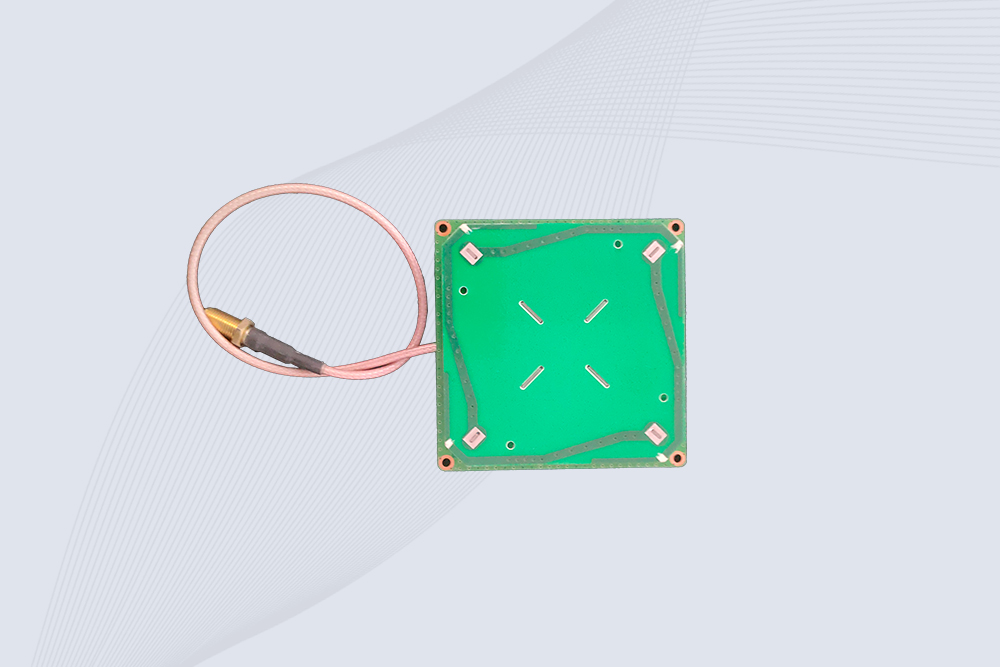
Cykeo CYKEO-B5 directional RFID antenna provides 5dBi gain with 60° narrow beamwidth for precise inventory tracking. IP65-rated, global UHF frequency support, and low VSWR.
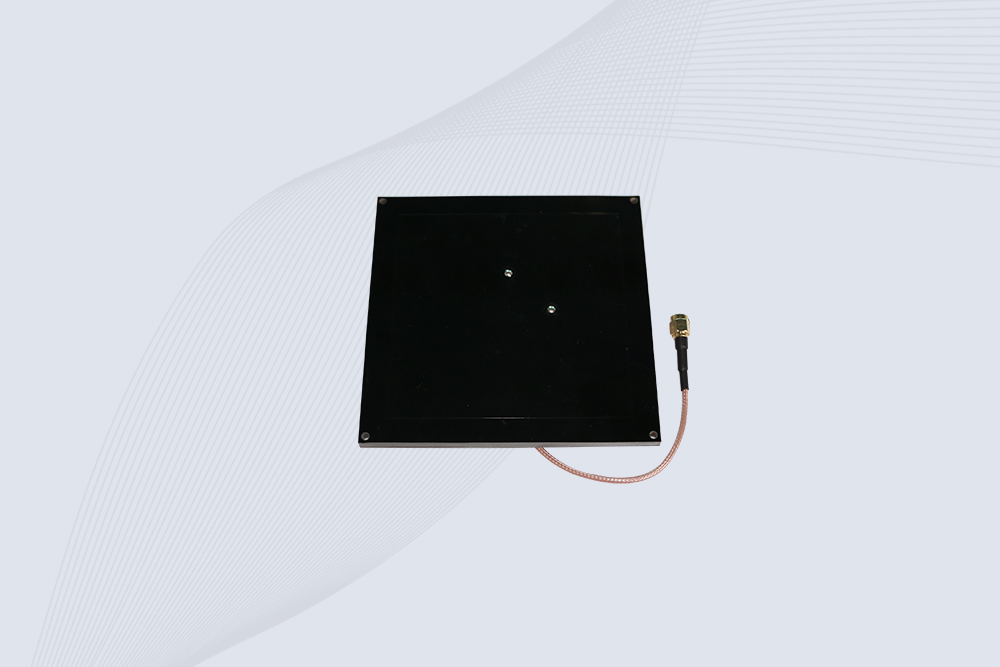
Create your own high-performance DIY RFID antenna! 5dBi gain, 840-960MHz tunable, step-by-step guides. Compatible with Arduino, Raspberry Pi, and commercial UHF readers.
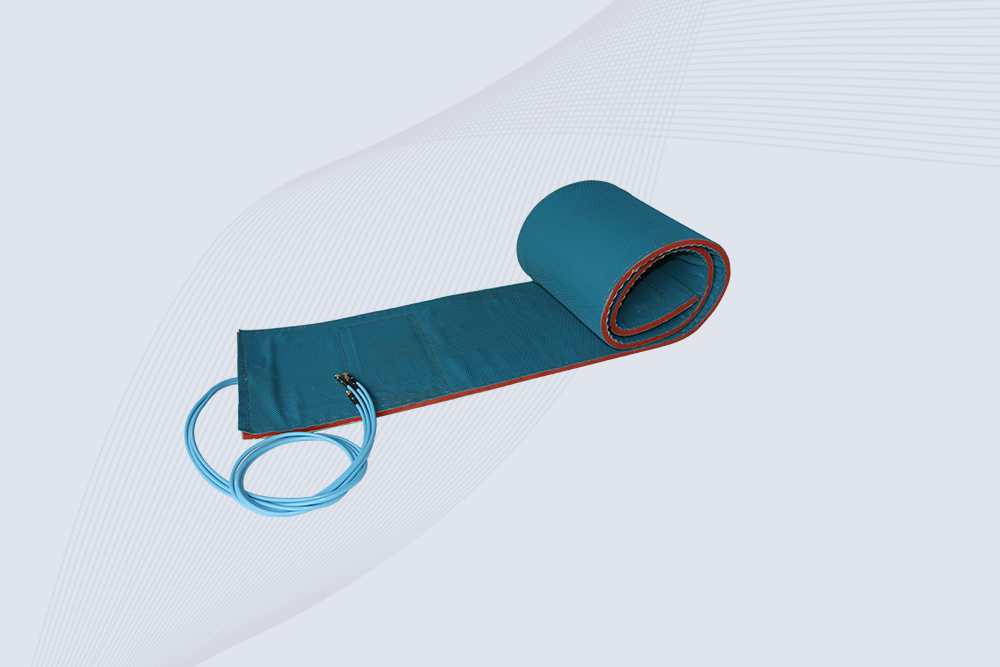
Cykeo CYKEO-A7 Flexible RFID Antenna features 840-960MHz wideband tuning, 7dBi gain, and IP68 rating for medical/retail/industrial curved surface deployments. 98% read accuracy with peel-and-stick installation.
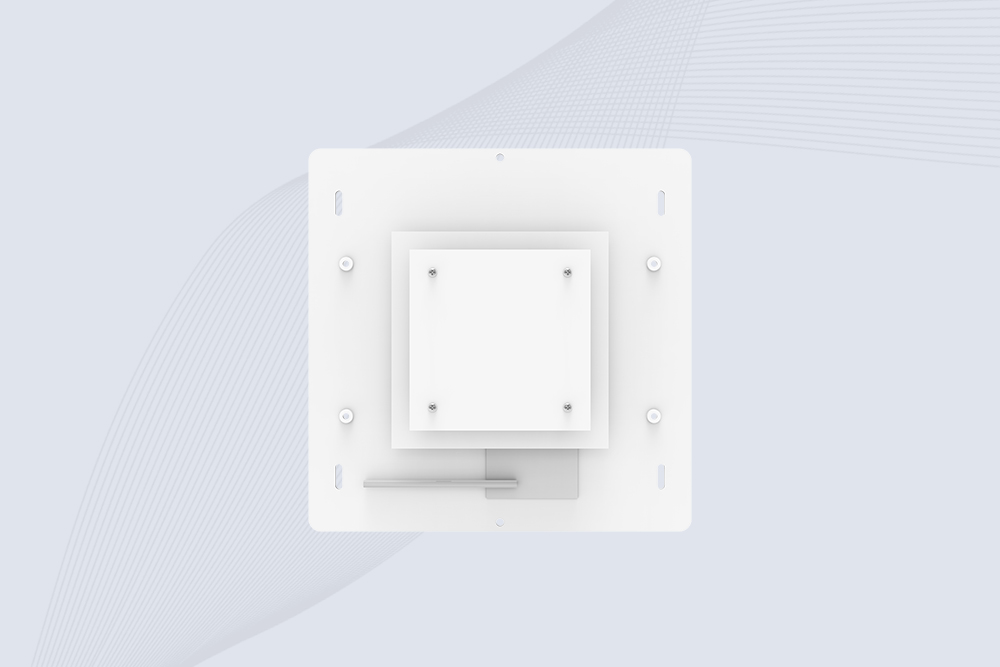
Cykeo CYKEO-B5A industrial Passive RFID Antenna delivers 5dBi gain, 70° beamwidth, and -40°C~55°C operation for warehouses/smart cabinets. Compatible with Zebra/Impinj readers.
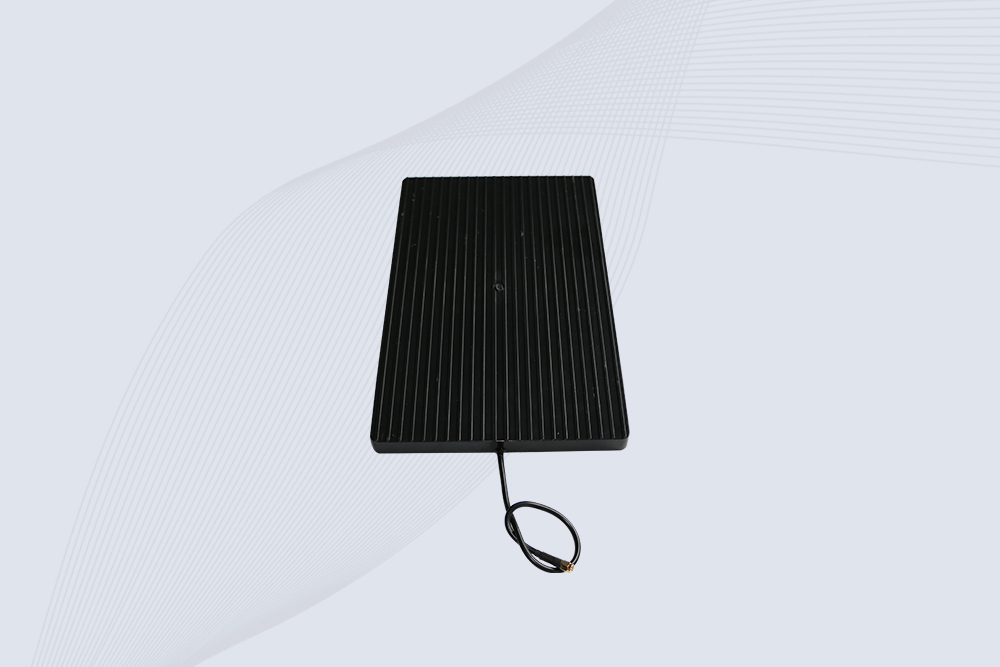
Cykeo’s CYKEO-A9B High Gain RFID Antenna delivers 15m+ read range with 9dBi amplification. Features IP54 rugged design, 840-960MHz bandwidth, and 80° beamwidth for warehouse/manufacturing RFID systems.

Cykeo’s enterprise-grade 8dbi Impinj RFID Antenna 10m+ read range with 840-960MHz tuning. Features IP65 housing, 1.4 VSWR, 35° beamwidth for retail/warehouse RFID systems.
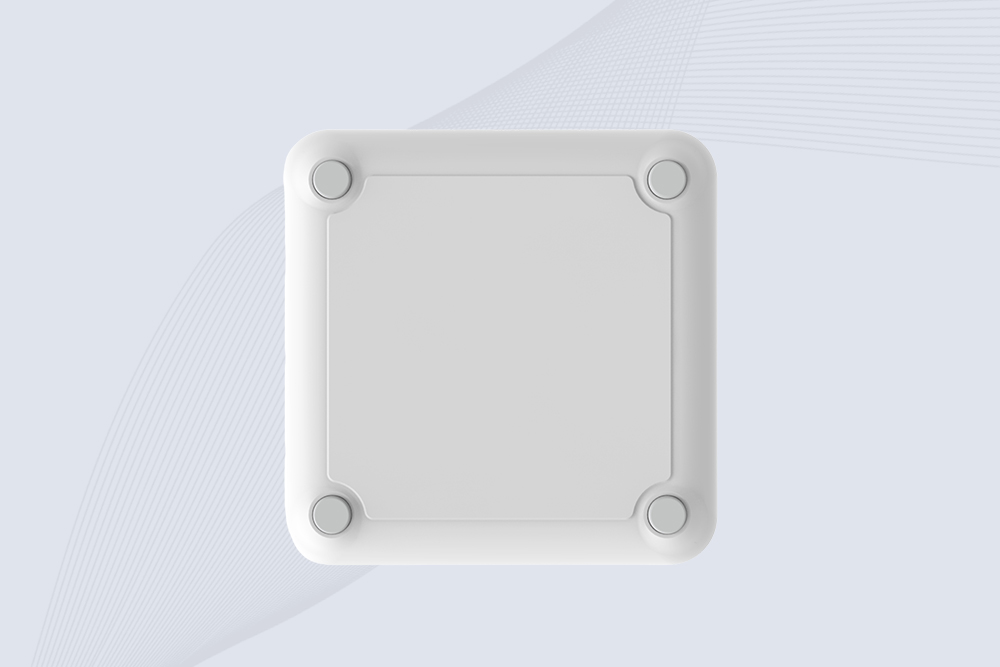
Cykeo CYKEO-A9 industrial UHF RFID antenna delivers 9dBi gain, 840-960MHz frequency range, and IP65 protection for warehouse/logistics/retail RFID systems. Features N-type connector and ≤1.3:1 VSWR.
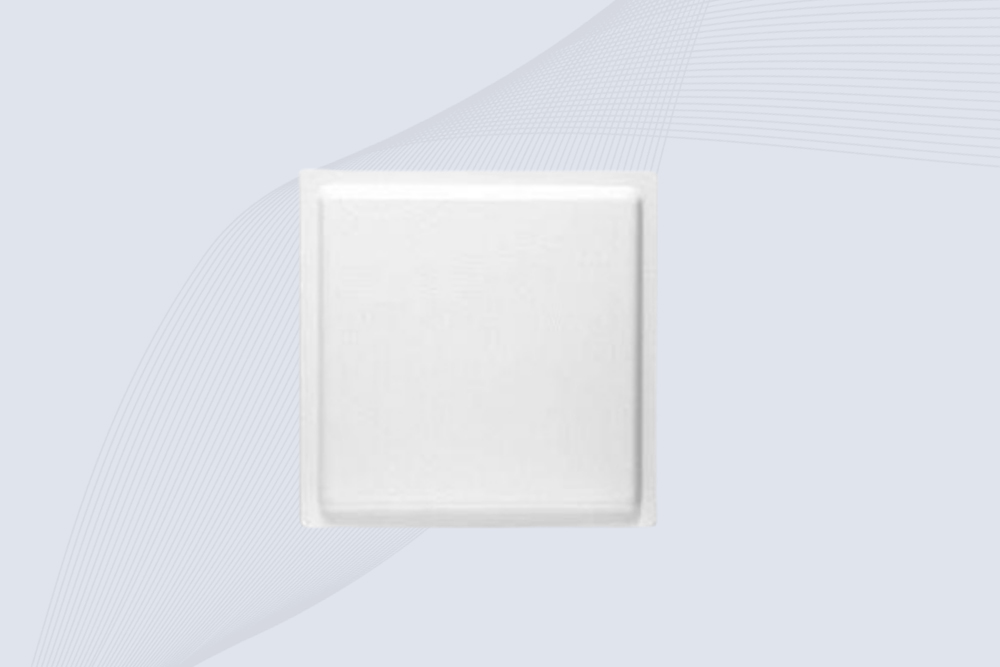
CYKEO UHF RFID Antenna built for long-distance and industrial applications. This antenna rfid uhf delivers strong gain, outdoor durability, and reliable tag performance in warehouses, yards, and vehicle ID systems.
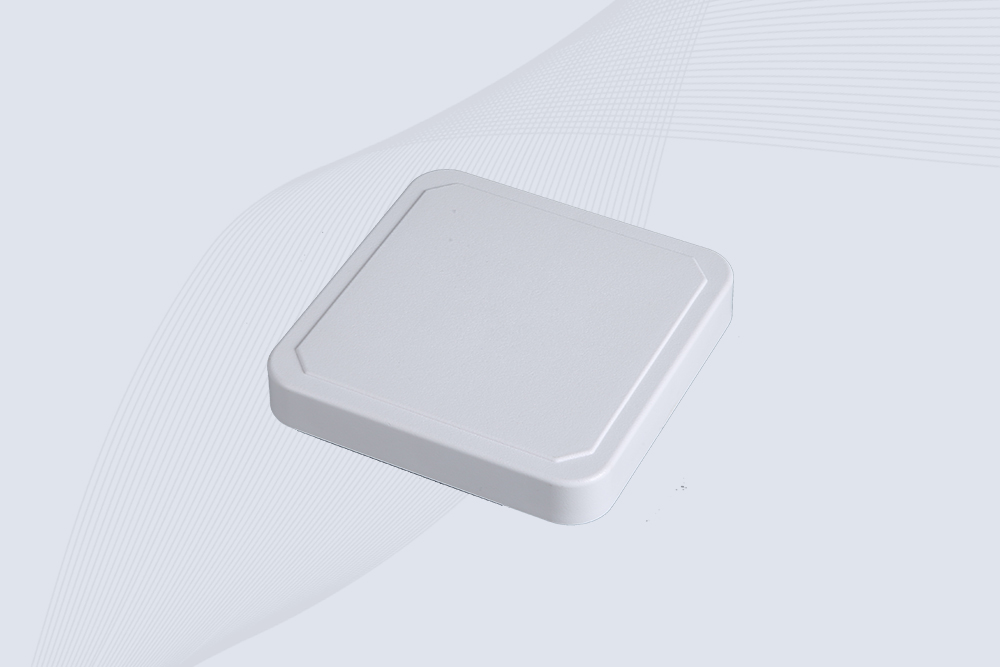
CYKEO Antenna RFID delivers reliable long-range UHF performance in warehouses, retail shelves, and cold-chain environments. This compact uhf rfid antenna provides stable reads with circular polarization and ultra-wide 840–960 MHz support, ideal for industrial tracking, smart shelves, and asset monitoring.
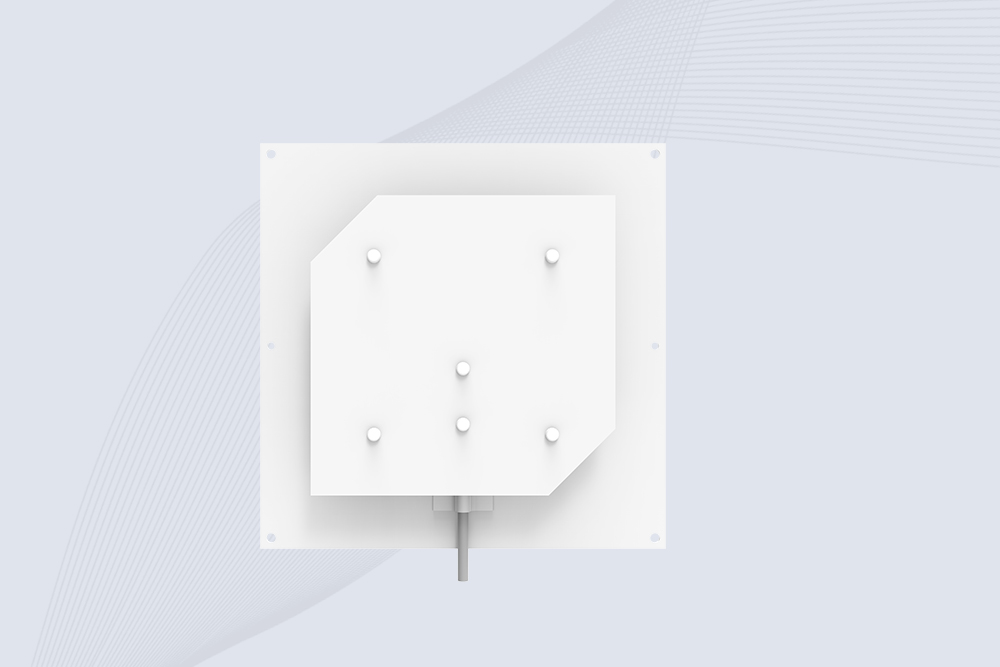
Cykeo’s CYKEO-C8 UHF RFID antennas delivers 8dBi gain, 840-960MHz full-band coverage, and IP65 ruggedness for manufacturing/warehouse RFID systems. Industrial RFID Antennas Features
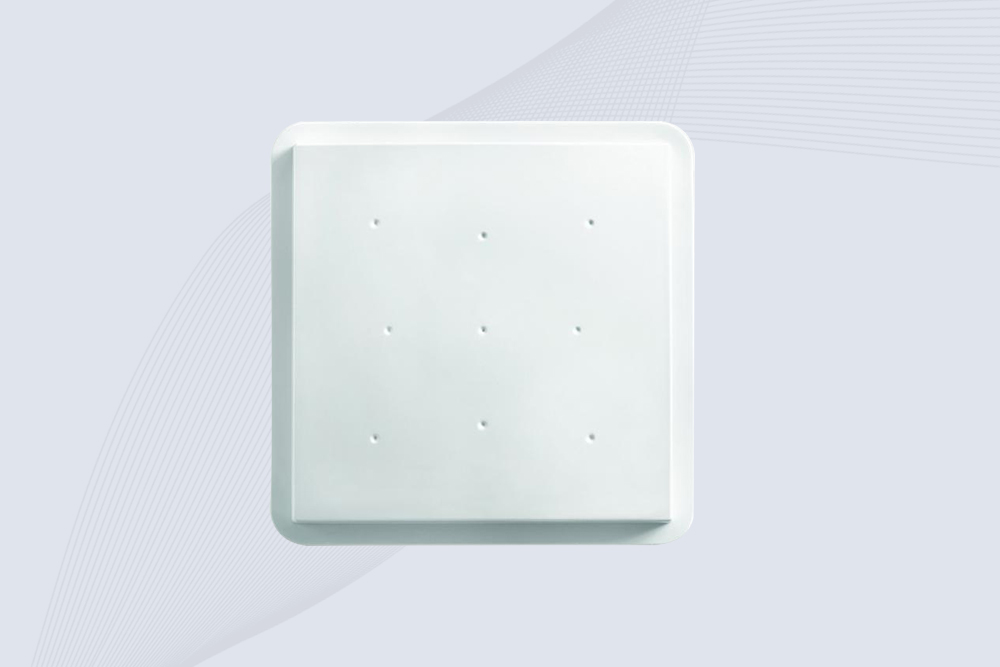
Cykeo’s 8dBi UHF RFID antenna and reader kit delivers 10m+ range, 840-960MHz broadband, and IP65 ruggedness for factories, warehouses, and logistics. ISO 18000-6C & EPC Gen2 certified.
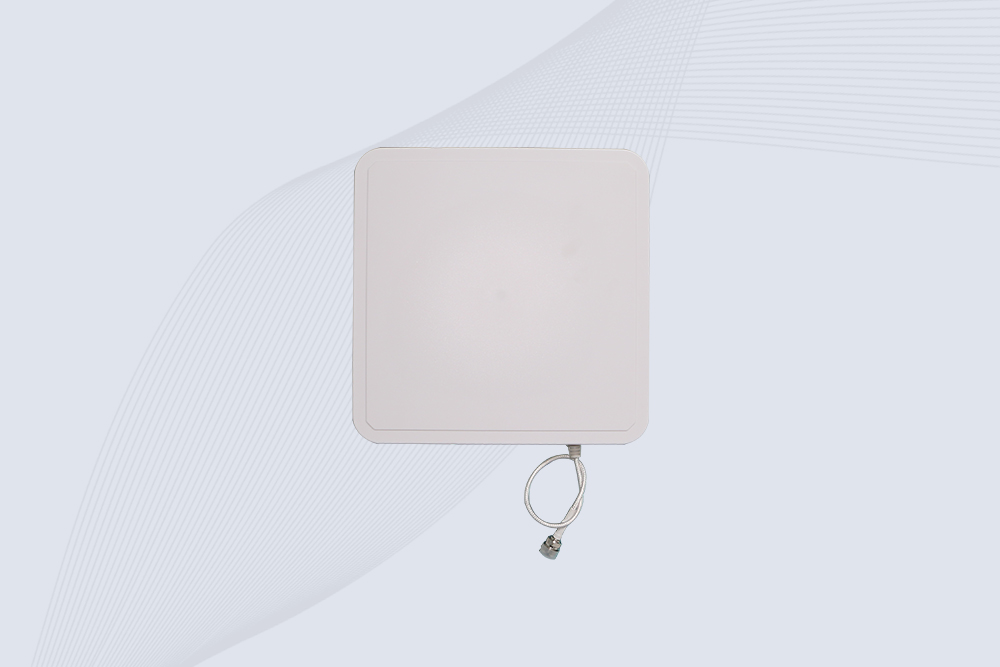
Cykeo CYKEO-A9A industrial UHF RFID reader and antenna kit delivers 10m range, 500 tags/sec, IP65 ruggedness for manufacturing/logistics. Supports EPC Gen2, ISO18000-6C.
Cykeo’s CYKEO-A12C UHF Large RFID Antenna delivers 12dBi gain, 840-960MHz global frequency, IP65 ruggedness for logistics/warehousing/automotive. 40° beamwidth ensures stable 15m+ tag reads.

CYKEO Near Field RFID Antenna provides precise 5–30 cm reading for shelves, cabinets, and workstations. This compact rfid shelf antenna delivers stable short-range performance around metal and clutter, ideal for pharmacies, libraries, and electronics sorting.
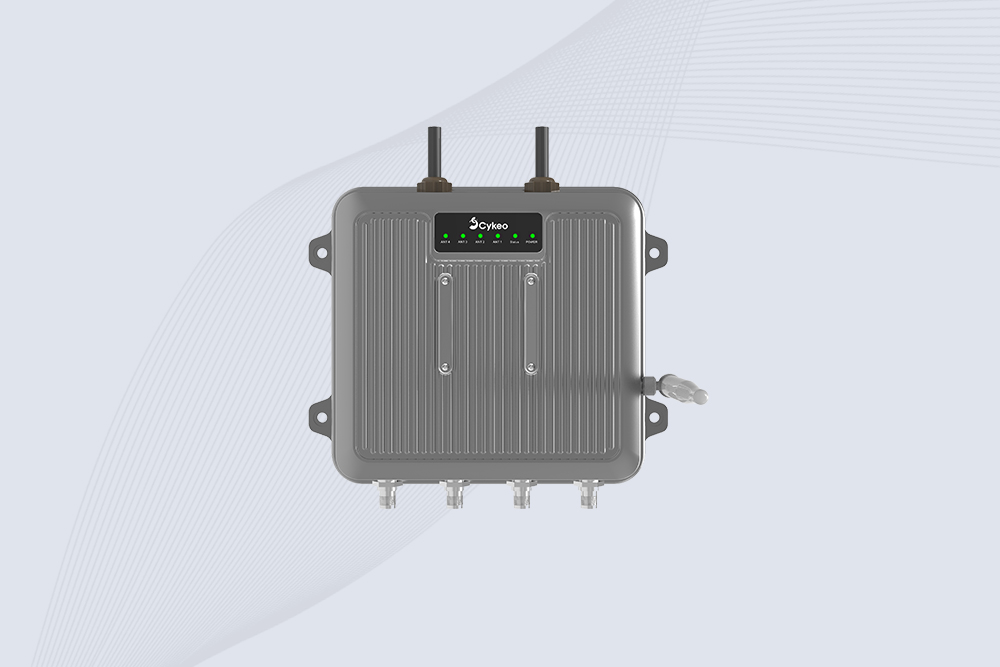
Cykeo CYKEO-C1 industrial Forklift RFID Reader features 20m read range, 600 tags/sec scanning, Impinj R2000 chipset, and IP67 rugged design. Ideal for warehouse logistics and manufacturing. Supports ISO 18000-6C/6B protocols.
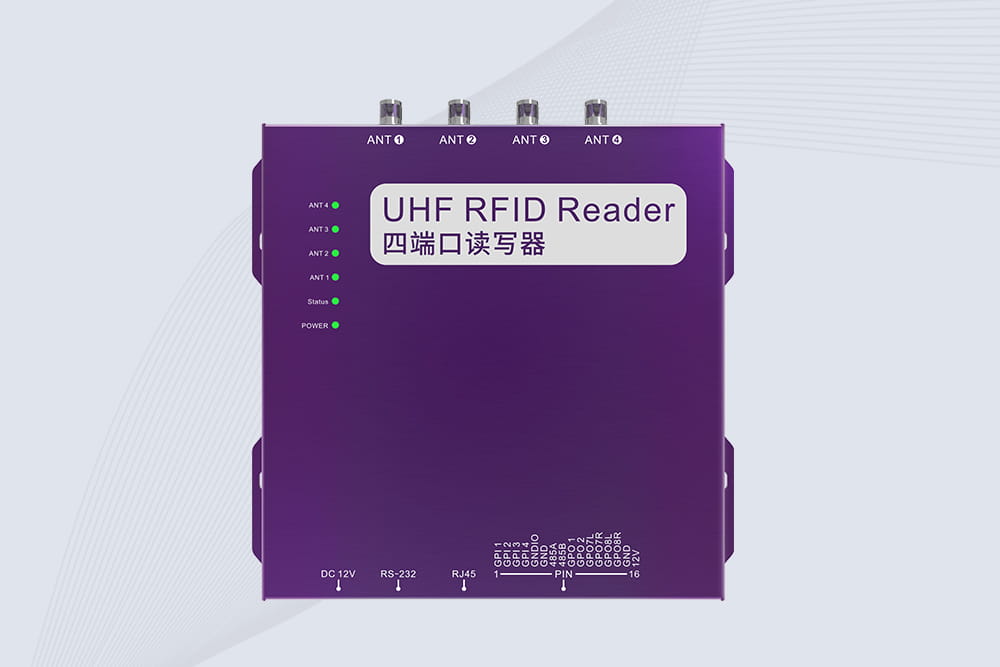
Cykeo CYKEO-R4 industrial UHF RFID Fixed Reader features 4 TNC ports, 400+ tags/sec speed, IP67 housing, and global frequency compliance for vehicle inspection, smart warehouse, and asset management systems.
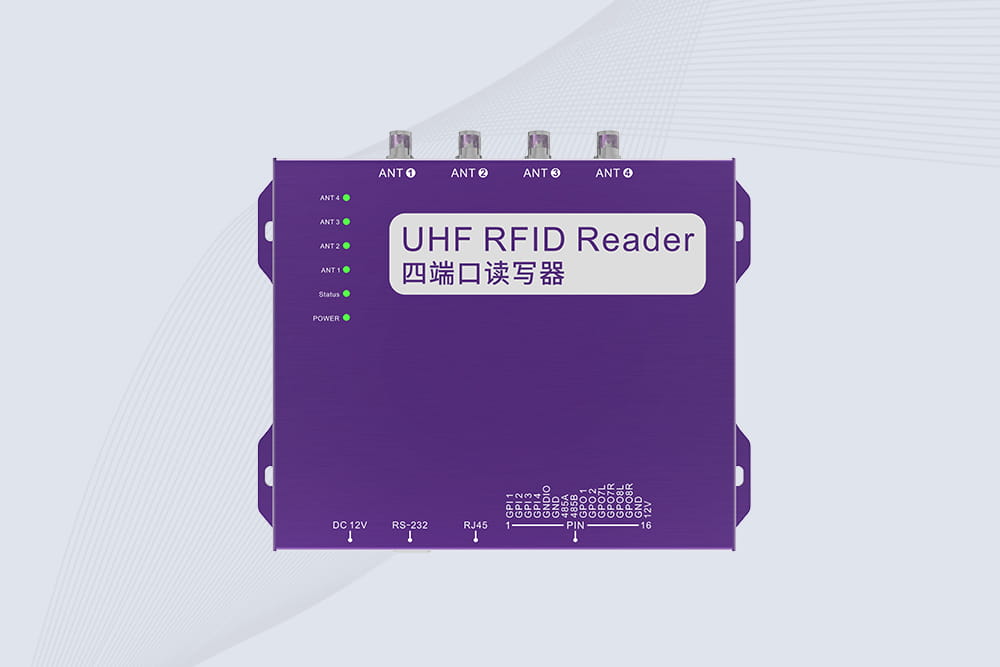
Cykeo’s CYKEO-R4L 4-port Fixed UHF RFID Reader delivers 400 tags/sec scanning, ISO 18000-6C compliance, and IP65 protection. Ideal for warehouse automation, manufacturing WIP tracking, and logistics management.
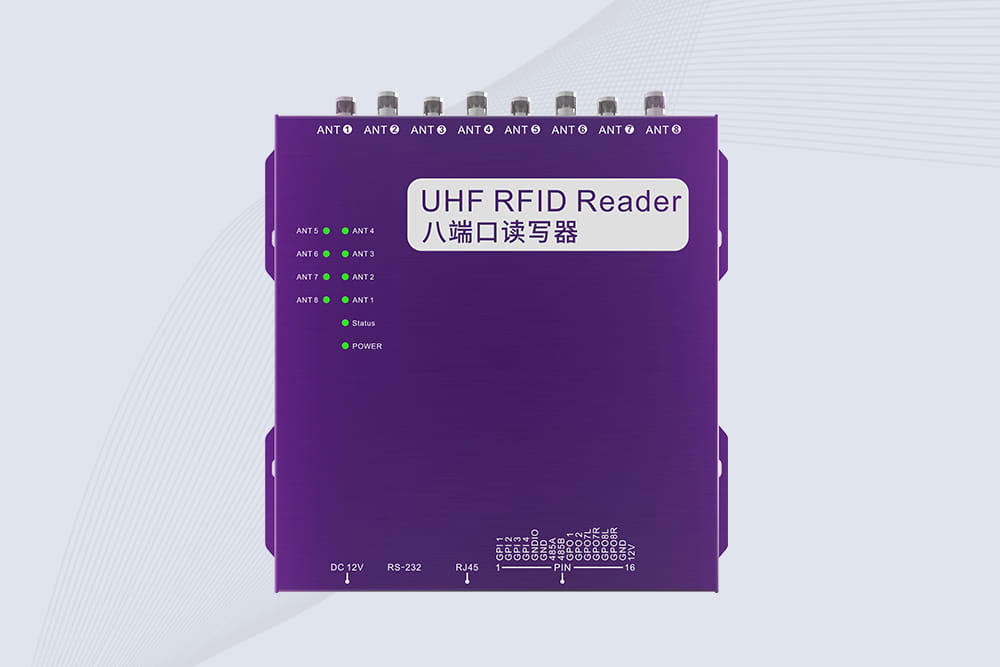
CYKEO CYKEO-R8L Fixed RFID Reader with 8-port UHF design, Impinj-based RF core and up to 20m read range. An industrial Fixed RFID Reader for vehicle inspection, warehouse portals, smart manufacturing lines and secure access checkpoints.
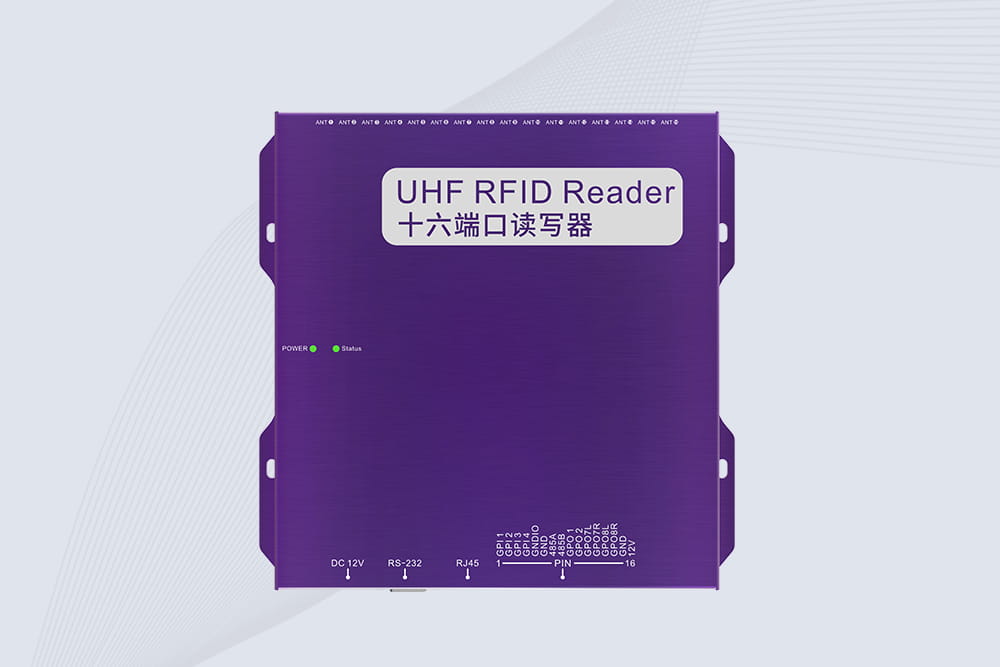
RFID Fixed Reader from CYKEO – the CYKEO-R16L 16-port UHF fixed reader for warehouses, smart cabinets, and production lines. Long-range, multi-tag reading, stable performance for 24/7 industrial use.

Wondering "can my phone read RFID tags"? Here’s a realistic look at what your smartphone can and cannot do, and when you need a professional RFID system.
More
Explore key challenges in UHF passive RFID technology, including signal interference, material limitations, and scalability. Discover how Cykeo addresses these issues.
More
Industry Overview With the rapid advancement of the information age, file management methods have undergone profound transformations. While traditional file cabinets meet basic storage and management needs, their efficiency and accuracy are increa...
More
Can rfid chips be tracked? Learn how RFID chip tracking works, its real-world applications, limitations, and how Cykeo RFID solutions enable smart identification.
More