 Cykeo RFID IoT Solution Products R&D Manufacturer
How RFID Is Used in Inventory Management: Complete Guide to Smart Stock Control
110Discover how rfid is used in inventory management to improve stock accuracy, automate tracking, and optimize warehouse operations with Cykeo RFID solutions.
MoreAll RFID Product
If you’ve been working in RFID projects for a while, you’ve probably come across Impinj RFID reader solutions. They’re widely used, well-documented, and often the default choice in many deployments.
But here’s the reality most solution providers run into sooner or later:
Not every project needs a premium-priced reader
In fact, many clients start asking a more practical question:
“Is there a more cost-effective alternative that still gets the job done?”
That’s exactly what we’re going to break down here.
It usually doesn’t happen at the beginning.
At the early stage, clients are more focused on reliability than cost.
But as projects scale, a few things change:
At that point, sticking to one brand—especially a high-cost one—can limit flexibility.
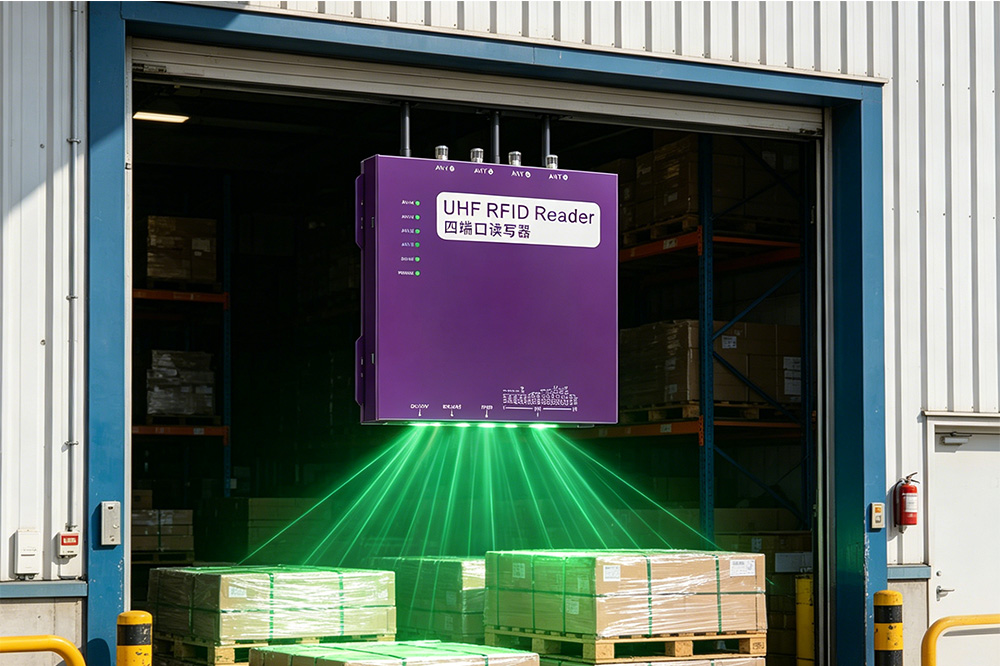
A common assumption is:
higher price = significantly better performance
That used to be true. Not anymore.
Today, many industrial UHF RFID readers offer:
In real-world warehouse or industrial environments,
the performance difference is often less noticeable than expected.
What matters more is how the system is designed.
Instead of focusing on brand names, experienced integrators usually look at these:
Make sure the reader supports EPC Gen2 / ISO 18000-6C.
This ensures:
Without this, you’re locked into a closed ecosystem.
In real deployments, one antenna is rarely enough.
Look for:
This directly affects coverage and accuracy.
This is critical for:
A good reader should handle dozens to hundreds of tags simultaneously without missing data.
Warehouses aren’t clean lab environments.
You’ll deal with:
A reliable reader must maintain consistent performance under these conditions.
Check whether the device supports:
Because in most projects, hardware is only part of the system.
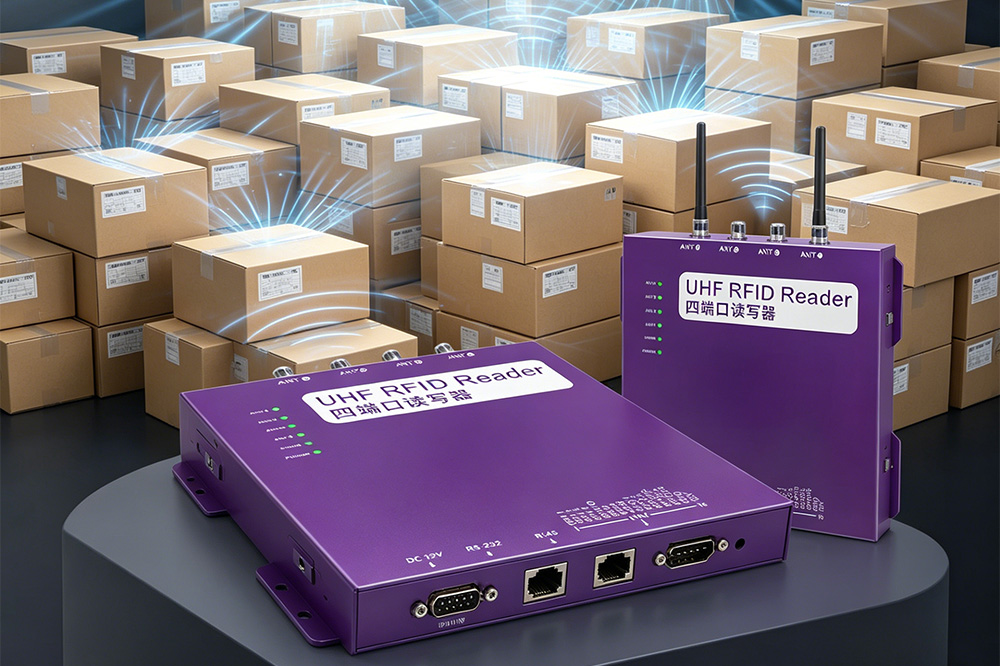
If you’re evaluating options beyond Impinj,
this type of solution is commonly used in real deployments:UHF RFID fixed reader
In projects we’ve seen, readers in this category typically provide:
More importantly, they offer a better balance between performance and cost,
which becomes crucial in large-scale rollouts.
Not every project needs a premium reader.
Alternatives are especially suitable for:
Inbound/outbound gates, pallet tracking
Work-in-progress (WIP) tracking, production flow control
Equipment tracking in industrial environments
RFID gates and secure zones
To keep things realistic—there are cases where sticking with Impinj makes sense:
In these scenarios, switching may not be worth the effort.
This is something many clients overlook.
Even the best reader won’t perform well if:
In many projects, success depends more on deployment design than on the brand itself.
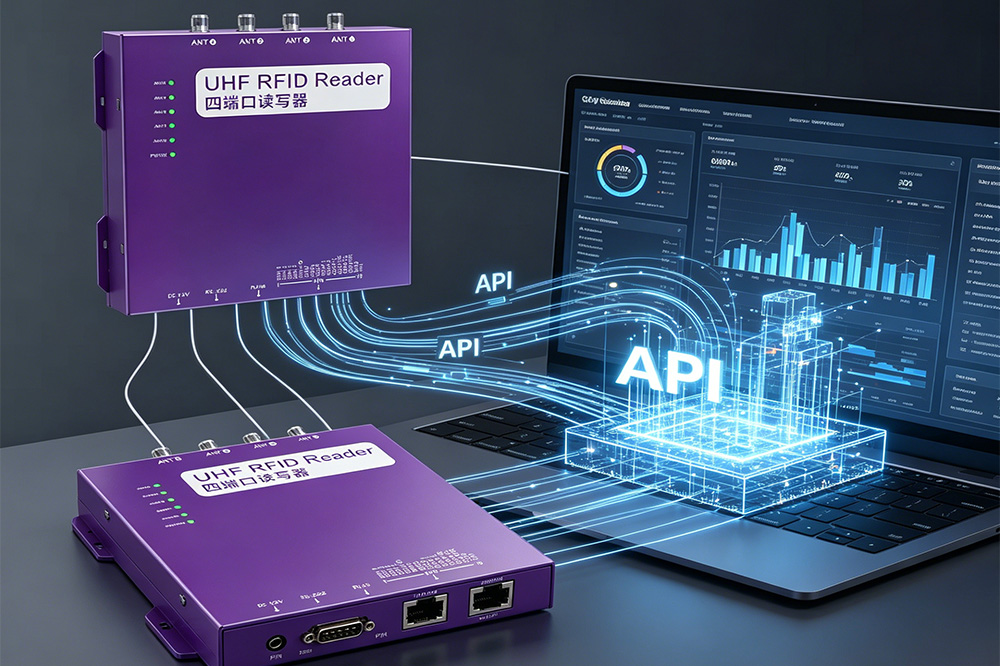
Instead of asking:“Which brand is better?”
Ask:“What does this project actually need?”
Because in the end:
The goal is balance.
Impinj RFID reader solutions are solid—no doubt about that.
But they’re not the only option anymore.
For many RFID solution providers,
the smarter move is to evaluate alternatives based on:
And in a lot of cases,
a well-chosen industrial UHF RFID reader can deliver almost the same results at a much better cost structure.
Guide Recommendations
Fixed RFID Reader: Why It’s Becoming Must-Have
Fixed RFID Readers: What I Didn’t Expect and What I Learned
RFID Handheld Reader vs. Fixed Reader: Which Is Better for Retail?
Different Types of RFID Readers: A Simple Introduction
Best Budget USB RFID Readers Under $100 for Small Business Inventory Systems
RFID Module vs. RFID Reader: What’s the Difference?
Fixed RFID Reader Buying Guide: 5 Core Parameters You Must Know
What is an RFID Reader Used For?
How RFID Reader Works: The Simple Explanation
How to Choose the Best Long-Range RFID Reader for Warehouse Management
RFID Readers for Boom Barriers ,Where Efficiency Meets Access Control
Why Your Warehouse Needs Smarter RFID Readers in 2025
Understanding RFID Readers,Essential Devices for Efficient Tracking

Discover how rfid is used in inventory management to improve stock accuracy, automate tracking, and optimize warehouse operations with Cykeo RFID solutions.
More
Improve inventory accuracy and speed with RFID stocktake solutions. The CK-DP13A RFID Inventory Tracking Station reads hundreds of items in seconds and integrates with ERP/WMS systems. Flexible setup with RFID readers and antennas makes it ideal f...
More
Explore how mobile RFID equipment carts enhance efficiency in healthcare, industrial, and warehouse settings. Learn about automation in asset management, real-world case studies, selection advice, and practical user experience.
More
A practical guide to choosing UHF RFID book tags for library projects, including performance, cost, and bulk purchasing tips.
More