If you’ve worked on warehouse projects, you’ve probably seen this happen: everything runs fine at the beginning, then volume grows—and suddenly barcode scanning becomes the bottleneck.
At first, most clients don’t think about changing the technology. But once these issues show up, the conversation shifts quickly:
Scanning speed can’t keep up with outbound flow
Manual errors increase during peak hours
Multi-item handling becomes inefficient
No way to support unattended or night operations
This is usually where Impinj RFID reader–based systems start to make real sense—not as an upgrade, but as a solution.
Where the Real Problem Is (Hint: Not Your WMS)
A lot of warehouse managers assume the system is the issue. But in many projects, the real limitation is the data capture layer.
You can have a powerful WMS, but if data collection is slow or inconsistent, performance still suffers.
Barcode systems struggle because they require:
Line-of-sight scanning
One-by-one operation
Heavy reliance on manual labor
RFID changes that completely:
Non-contact reading Multiple tags at once Fully automated identification
Typical Warehouse Setup Using Impinj RFID Reader
In real deployments, RFID isn’t just one device—it’s a system. Here’s how it typically fits into warehouse operations:
1. Inbound Processing
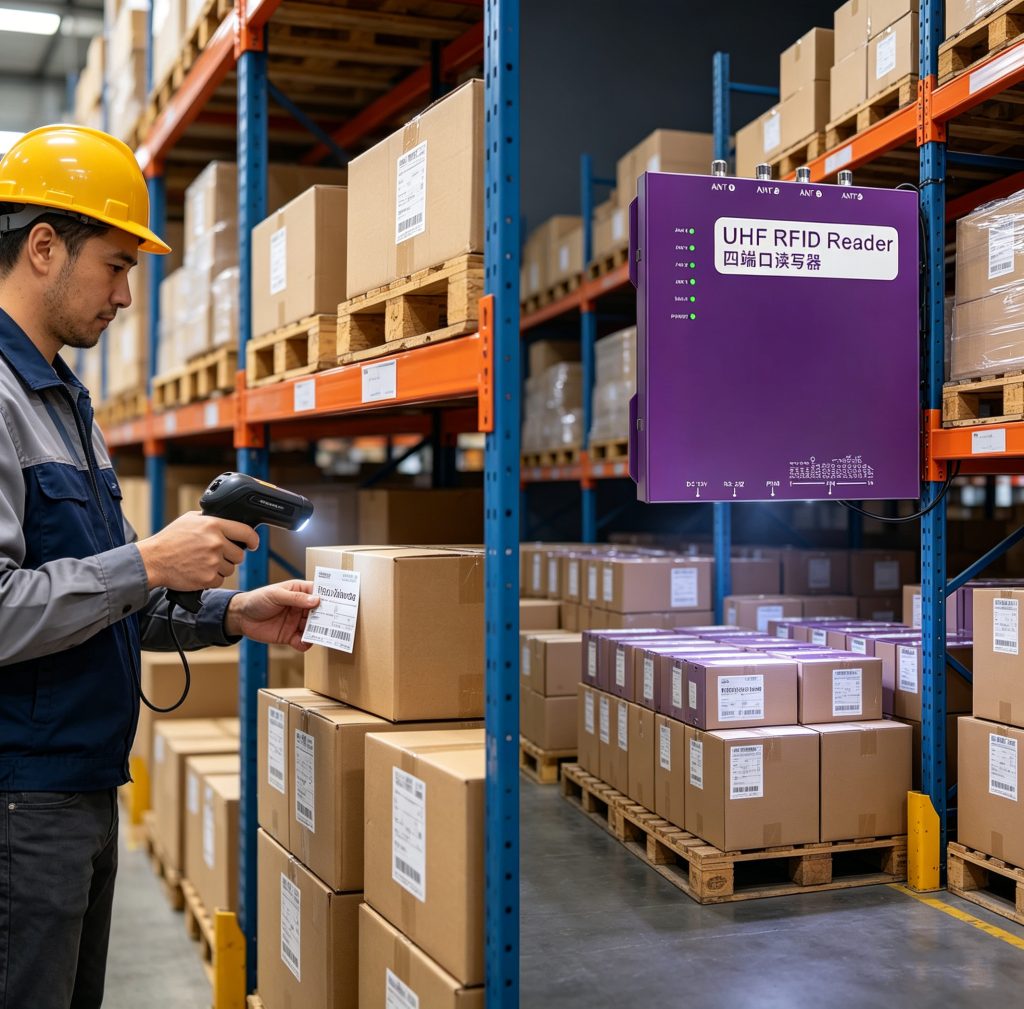
Fixed reading points installed at receiving docks
RFID tags applied to pallets or cartons
Automatic data capture when goods pass through
No scanning. No manual input. Just real-time updates.
2. Outbound Verification
RFID gate or tunnel at shipping area
Multiple cartons read simultaneously
System verifies shipment accuracy automatically
This is where most ROI becomes visible.
3. Inventory Management
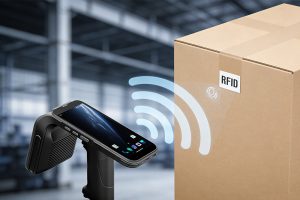
Handheld devices for flexible checks
Or fixed readers in high-value zones
In many projects, inventory time drops dramatically—sometimes by 80–90%.
4. Loss Prevention
Unauthorized movement triggers alerts
Can integrate with alarms or software notifications
Why Fixed RFID Readers Are the Core of Automation
A common mistake is starting with handheld devices. They’re useful—but they don’t create automation.
If the goal is hands-free operation, fixed readers are essential.
They are typically deployed at:
Entry/exit gates
Conveyor lines
Sorting stations
Controlled access areas
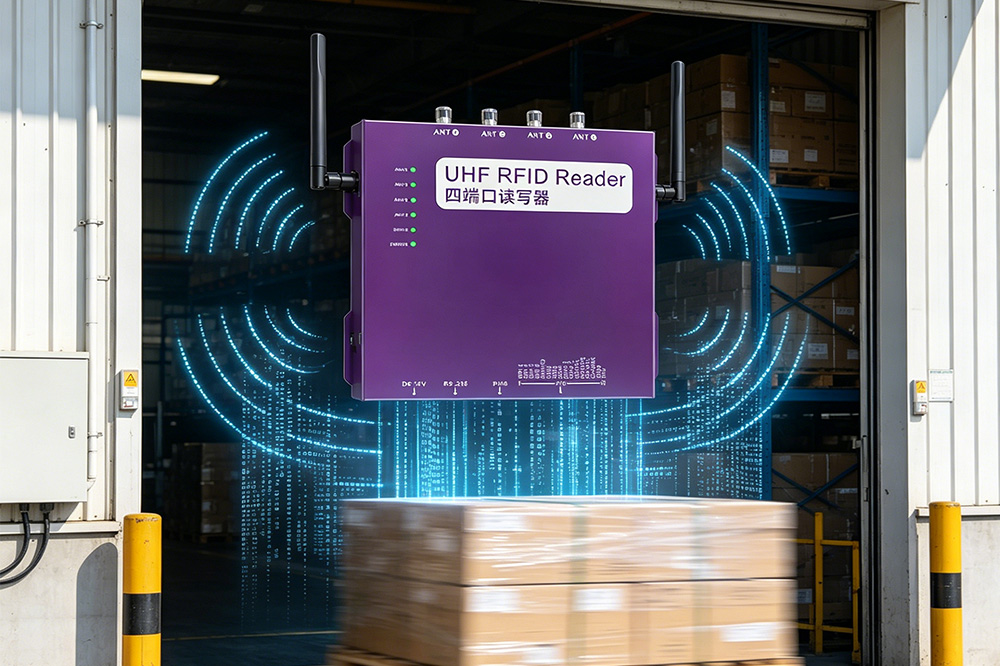
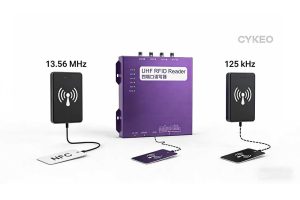
If you’re planning a similar setup, this type of solution is worth looking at:UHF RFID fixed reader
In practice, devices in this category usually offer:
Multi-antenna support for wider coverage
Stable long-range reading
High tag throughput in dense environments
Industrial-grade reliability for continuous operation
Think of it this way:It’s the “invisible operator” inside your warehouse
Deployment Matters More Than Hardware
Here’s something many projects learn the hard way: good hardware doesn’t guarantee good performance.
Common mistakes include:
Poor Antenna Placement
Creates blind spots or redundant reads
Incorrect Power Settings
Too high → cross-reading Too low → missed tags
Wrong Tag Selection
Especially in metal-heavy environments
A Better Approach
Start with workflow design (inbound, outbound, inventory)
Define reading points
Then choose hardware and antenna layout
Order matters more than people expect.
Is RFID Worth the Investment?
Clients always ask this—and the answer depends on the use case.
RFID makes sense when:
High SKU volume
Fast turnover
Pallet or carton-level operations
Labor cost pressure
Automation goals
It may not fit if:
Item-level handling dominates
Low operational frequency
Extreme cost sensitivity
One Practical Tip (Often Overlooked)
Don’t try to upgrade the entire warehouse at once.
A smarter approach:Start with an outbound verification gate
Why?
Fastest ROI
Easiest to measure impact
Lowest technical risk
Once that works, scaling becomes much easier.
Final Thoughts
RFID in warehousing isn’t new—but doing it well still requires experience.
The difference usually comes down to:
Understanding real workflows
Designing proper reading logic
Choosing stable hardware
For solution providers, Impinj RFID reader–based systems are already a standard path in warehouse automation.
And in many cases, selecting the right fixed reader—and deploying it correctly—makes a bigger impact than upgrading the entire software stack.
Learn how RFID tags work, how RFID systems read and identify objects, and what businesses should consider when sourcing RFID tags for inventory, retail, warehouse, and industrial applications.
Wondering what RFID reader means? We explain the definition, how it works, the different types available, and how to select the right one for your application. Clear guidance from CYKEO engineers.
Confused by RFID tech? Learn what a RFID reader is, how it works, and why it's used in warehouses, stores, and access control. Get the plain facts here.
 Cykeo RFID IoT Solution Products R&D Manufacturer