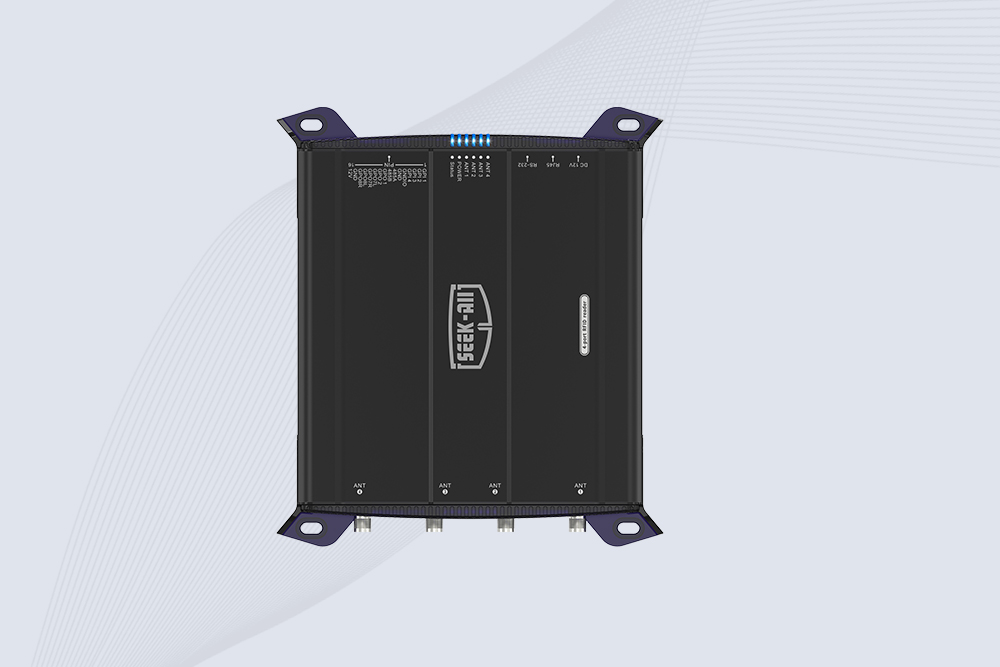
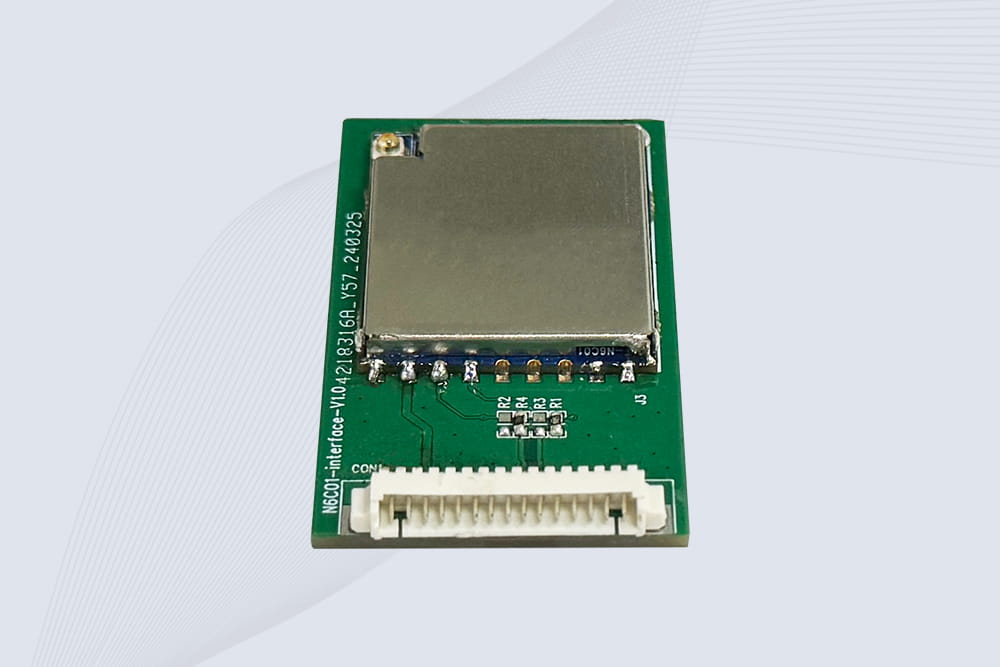
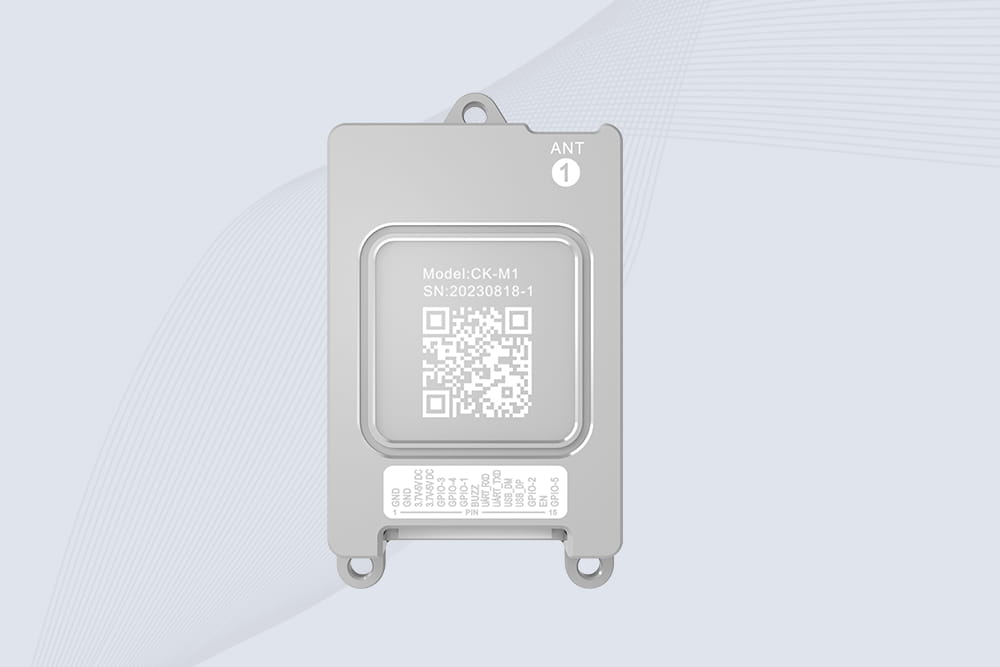
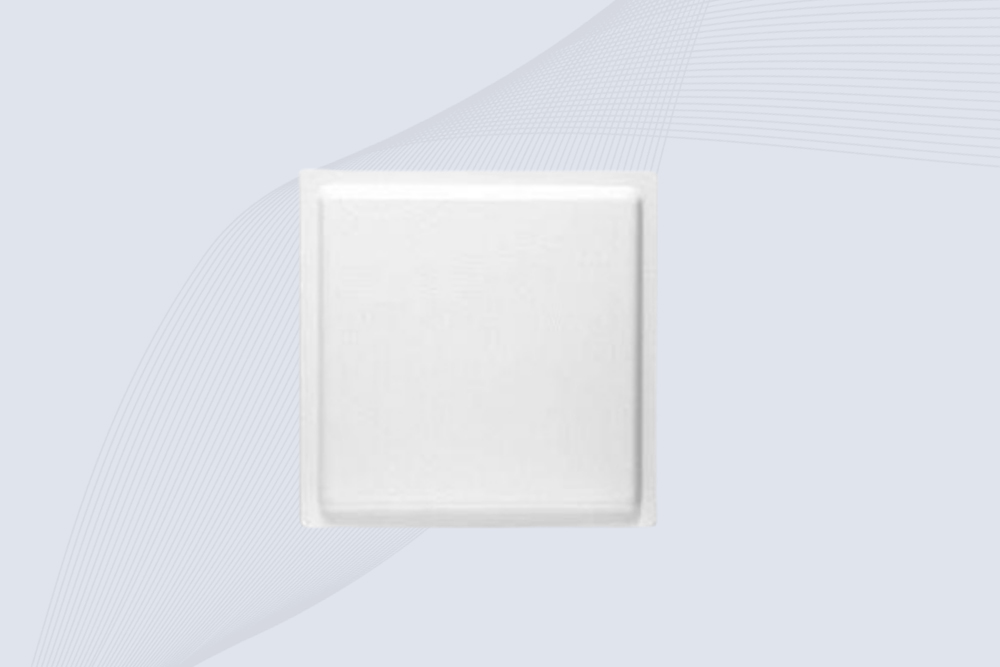
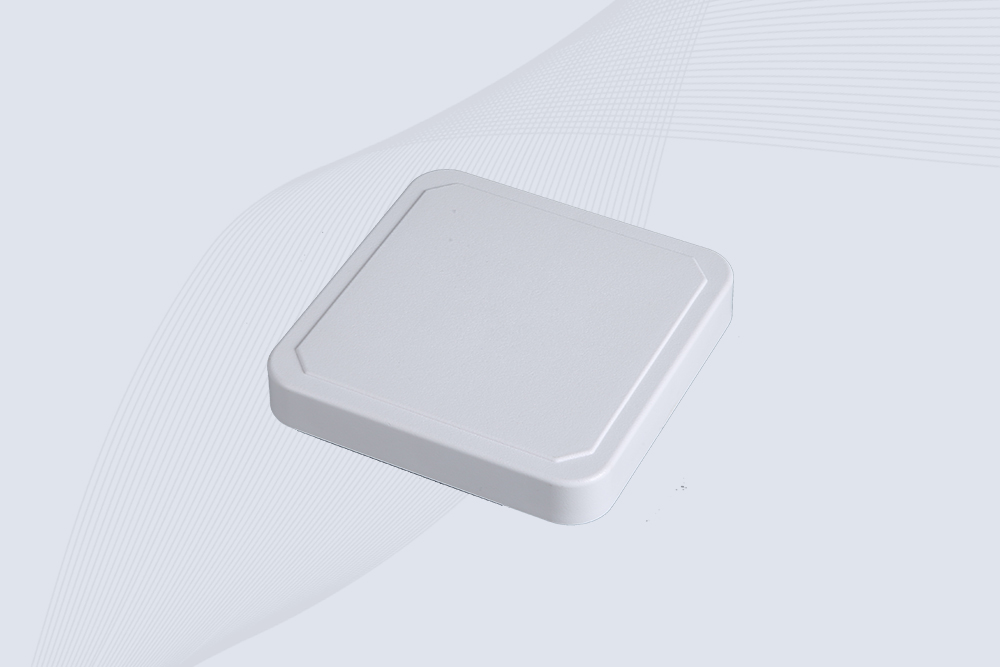
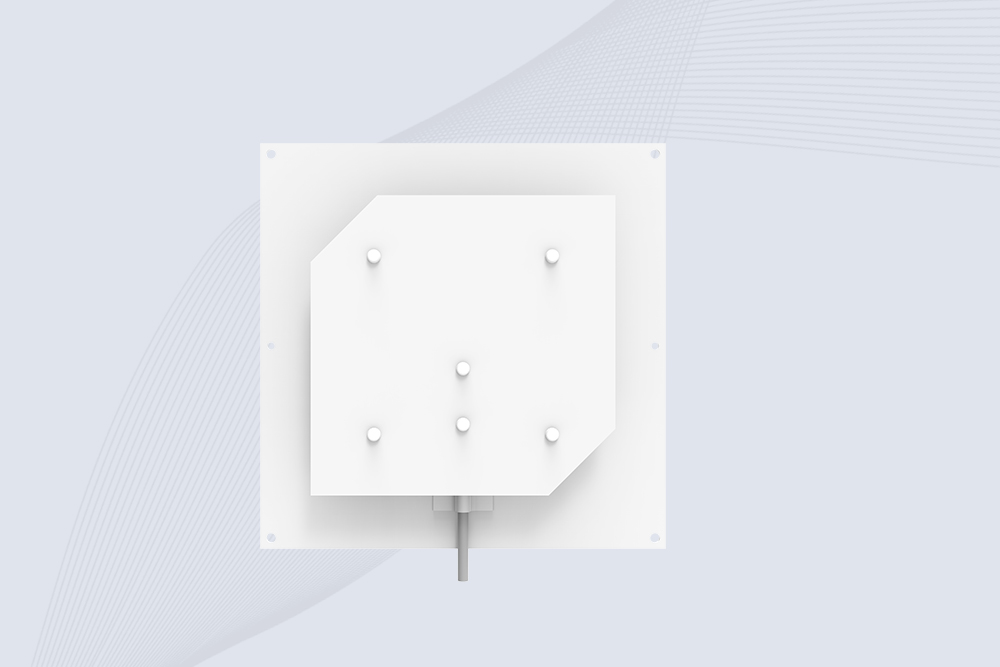
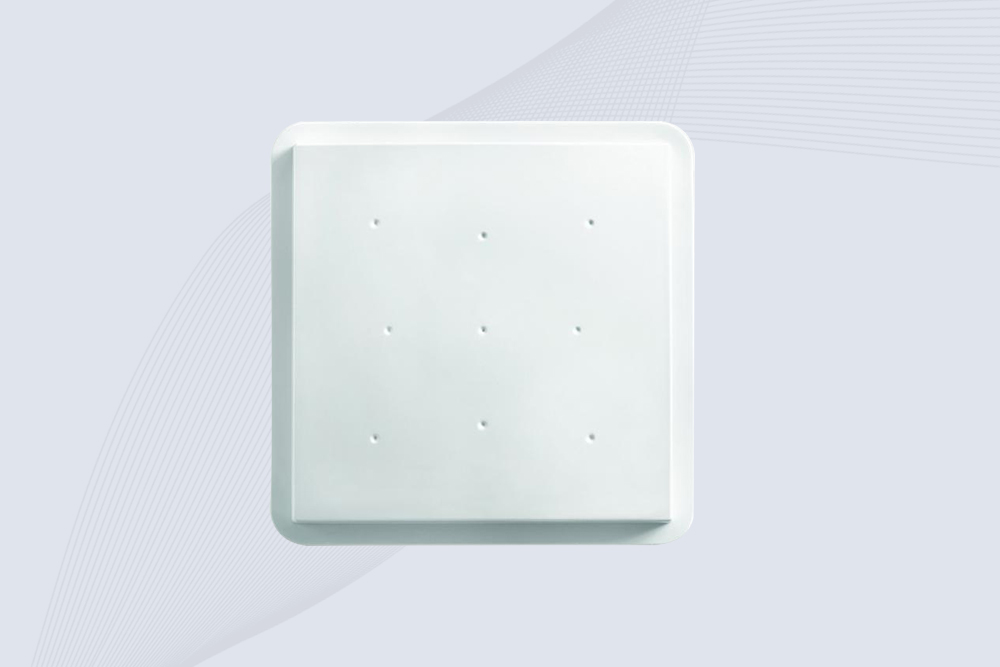
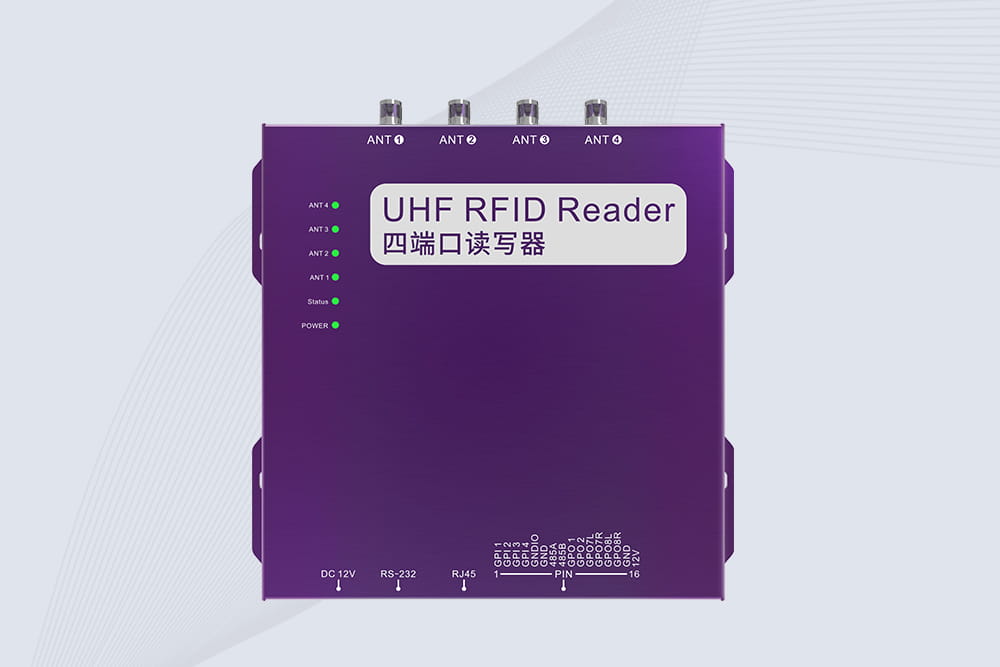
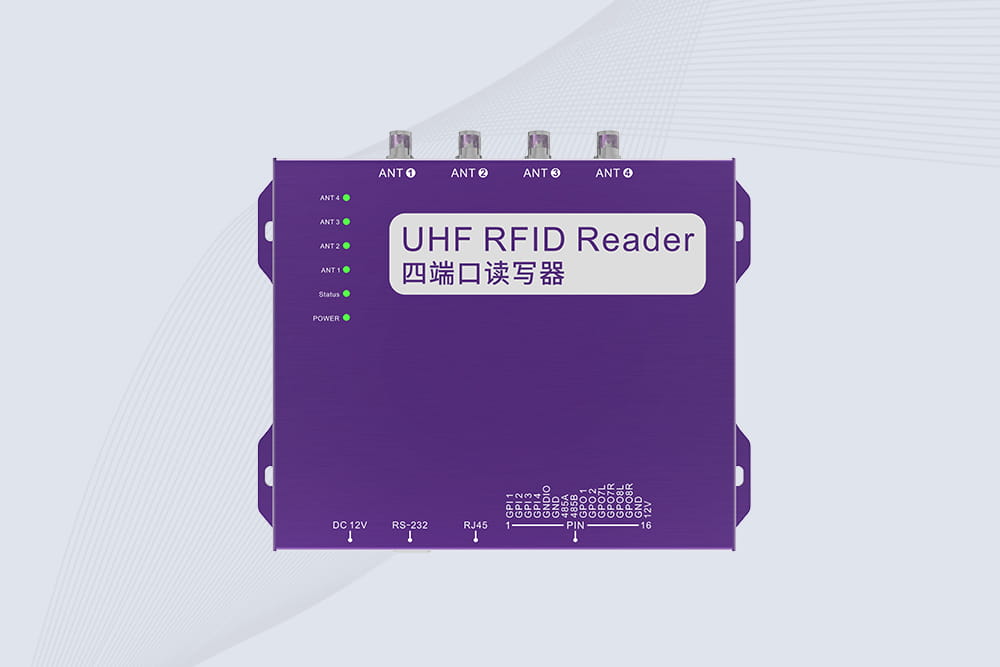
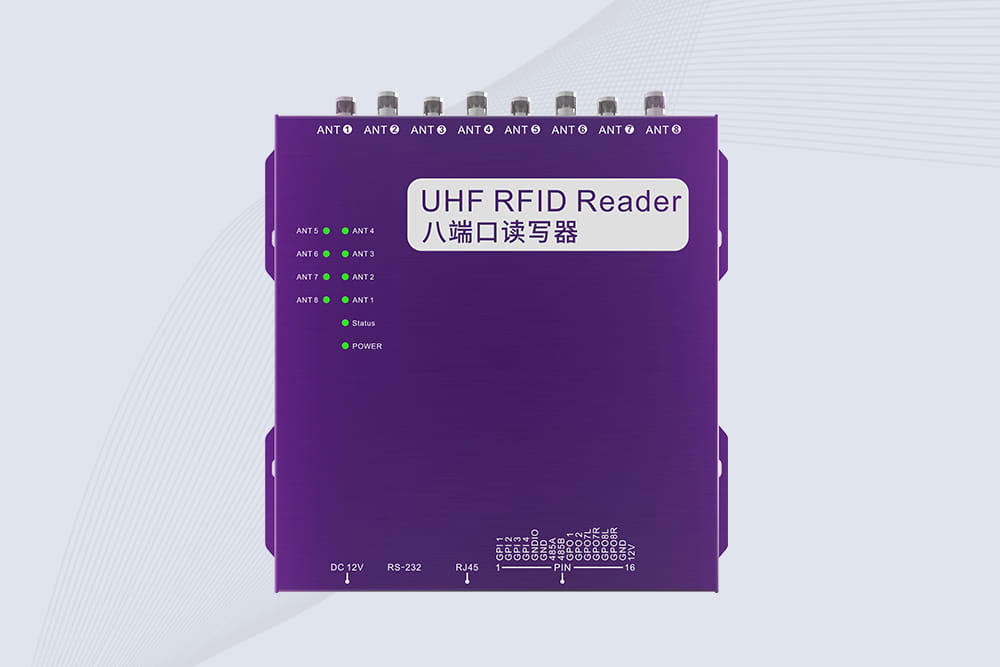
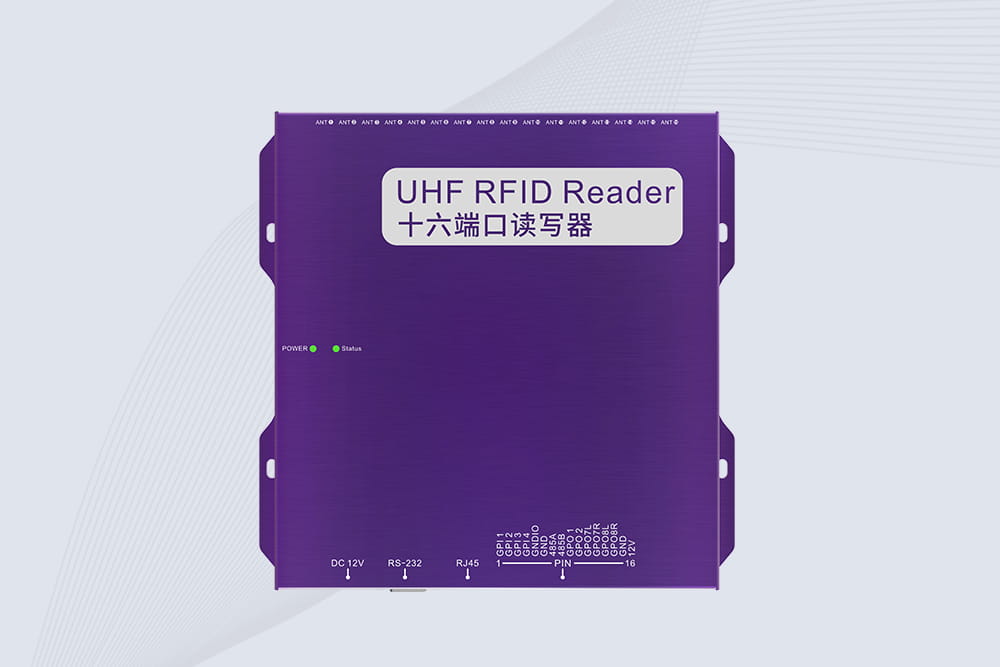
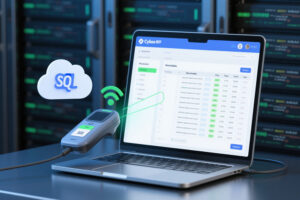
What is a rfid reader? A RFID reader is a device that uses radio frequency signals to communicate with RFID tags, capture stored identification data, and transfer information to software systems. It enables automatic identification without direct contact, making it essential for inventory tracking, industrial automation, logistics management, and asset monitoring.
Understanding What a RFID Reader Does in Real RFID Systems
Many people first encounter RFID readers as simple scanning devices, but industrial RFID deployment tells a different story. A professional RFID reader is not only responsible for “reading tags”; it manages radio communication, signal processing, anti-collision handling, and reliable data transmission in complex environments.
I have worked with RFID deployment projects involving manufacturing lines, warehouse inventory systems, and tool management environments where thousands of tagged items move every day. One lesson from these projects is clear: the reader is the decision point of the entire RFID system.
A barcode scanner waits for a human operator to align the code. An RFID reader continuously communicates with multiple tags through radio waves, allowing companies to identify objects automatically while they move through production areas, storage zones, or access points.
At Cykeo, RFID engineers evaluate reader performance based on actual operating conditions rather than laboratory distance numbers. Metal shelves, liquid products, moving equipment, and electromagnetic interference can significantly affect RFID performance.
RFID Reader Working Principle: How Does an RFID Reader Communicate?
How RFID readers send and receive information
An RFID reader works through a two-way wireless communication process.
The basic workflow includes:
Step
RFID Reader Operation
1
Reader antenna sends radio frequency signals
2
RFID tag receives energy and responds
3
Reader captures tag identification information
4
Internal processor filters and organizes data
5
Software system updates inventory or tracking records
Unlike optical scanners, RFID readers do not require a visible line of sight. The reader can identify multiple tags simultaneously depending on frequency, antenna design, and environmental conditions.
For UHF RFID systems, readers typically operate according to EPC Class 1 Gen 2 / ISO 18000-63 standards, which define communication protocols between RFID readers and tags.
According to GS1, EPC-enabled RFID technology allows organizations to uniquely identify individual physical objects across global supply chains.
Why RFID Readers Are Different From Barcode Scanners
how RFID readers communicate with tags
The difference becomes obvious inside busy operational environments.
A warehouse worker checking 500 items manually may spend hours verifying inventory. An RFID reader installed at a doorway can automatically identify tagged products as they pass through.
Key differences:
Feature
RFID Reader
Barcode Scanner
Reading Method
Radio frequency communication
Optical scanning
Line of Sight Required
No
Usually yes
Multiple Item Reading
Yes
Usually one by one
Environmental Flexibility
Higher with correct tag selection
Limited by label visibility
Automation Capability
High
Moderate
In one manufacturing project, I observed operators spending nearly half of their inventory checking time searching for missing tools rather than performing maintenance tasks. After implementing RFID identification points, the workflow changed from searching to verification.
The improvement was not caused by the RFID reader alone. The result came from combining the correct reader, tag type, installation position, and management software.
UHF RFID Reader Applications in Industrial Environments
Modern RFID readers are widely used where companies need real-time visibility.
Manufacturing
Production facilities use RFID readers for:
Work-in-process tracking
Component identification
Assembly line monitoring
Quality traceability
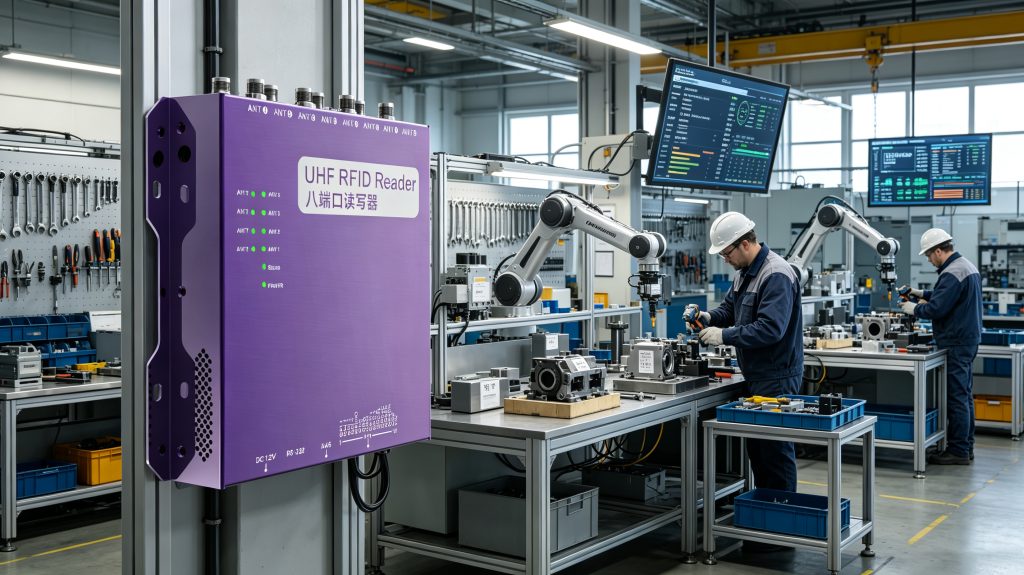
A fixed RFID reader installed beside a production station can automatically record when materials arrive or leave without interrupting workers.
Logistics and Warehousing
In logistics environments, RFID readers support:
Pallet identification
Shipment verification
Warehouse inventory
Automated receiving and dispatch
According to the RFID Lab at Auburn University, RFID technology has demonstrated significant benefits in supply chain accuracy and inventory visibility when properly implemented.
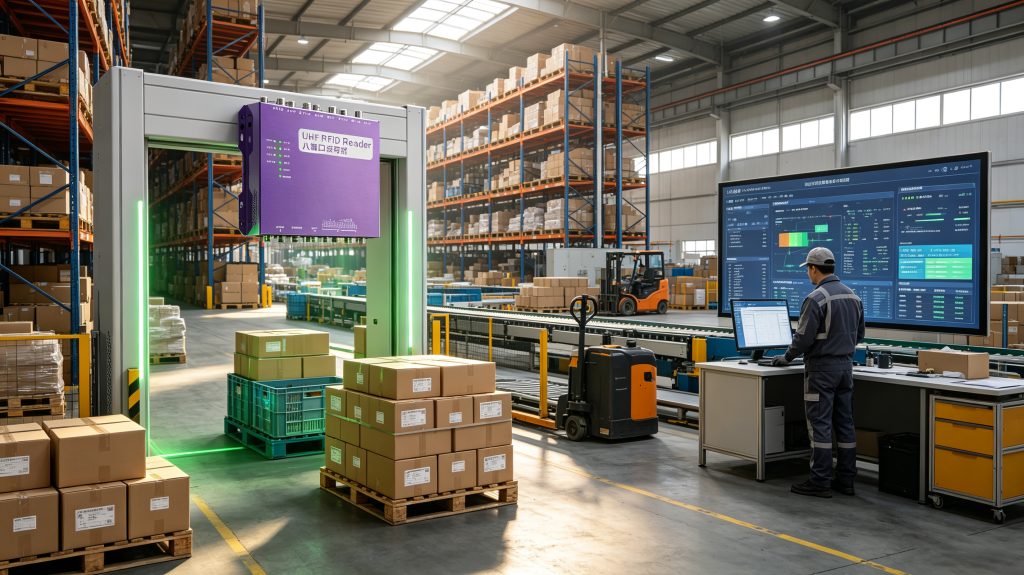
A Cykeo RFID reader automatically captures tagged inventory information in a smart warehouse environment.
Cykeo RFID Reader Technology Advantages: Engineering for Real Industrial Environments
Industrial RFID Reader System: Why Professional RFID Readers Need More Than Reading Distance
A common mistake in RFID projects is selecting a reader only by maximum reading distance. In real deployments, the reader must handle interference, high tag density, moving objects, and continuous operation.
During RFID system installations, I have seen fixed readers perform well in open testing areas but struggle after installation inside actual factories. A warehouse with metal racks, forklifts, and thousands of tagged items creates a completely different RF environment.
This is where industrial RFID reader design becomes important.
Cykeo RFID readers are developed around practical deployment requirements:
Stable RF communication in complex environments
High-speed multi-tag identification
Flexible communication interfaces
Industrial-grade protection
Easy integration with enterprise software systems
The goal is not simply to read one RFID tag. The goal is to create a reliable identification layer connecting physical assets with digital management platforms.
Cykeo RFID Reader Technical Advantages
UHF RFID Reader Performance for High-Density Tag Environments
Modern supply chains require readers capable of processing large numbers of tags quickly.
In applications such as warehouse receiving, production tracking, and tool management, hundreds or thousands of RFID tags may enter the reader field simultaneously.
Cykeo UHF RFID readers integrate advanced anti-collision algorithms to separate multiple tag responses and maintain stable identification performance.
Typical technical advantages include:
Technology Feature
Practical Benefit
UHF EPC Class 1 Gen 2 Support
Compatible with global RFID tag standards
Adjustable RF Output Power
Optimizes reading performance for different environments
Multi-Tag Recognition Algorithm
Supports dense inventory identification
Industrial Housing Design
Suitable for factory and outdoor environments
Multiple Communication Interfaces
Simplifies system integration
According to the GS1 EPC Gen2 standard, modern UHF RFID systems are designed specifically for fast identification of multiple objects through standardized air-interface communication.
Industrial Reliability: RFID Readers Designed for Harsh Conditions
industrial RFID reader system applications
A reader installed in a clean office environment and a reader installed beside a manufacturing line face completely different challenges.
Industrial applications may include:
Dust exposure
Temperature changes
Metal interference
Mechanical vibration
Continuous operation requirements
Cykeo industrial RFID readers use engineering-grade designs to support demanding environments.
For example, fixed RFID readers used in outdoor vehicle management or industrial gateways require:
Stable enclosure structure
Reliable heat dissipation
Protection against environmental conditions
Long-term communication stability
In a vehicle tracking project, the reader installation location was close to a metal gate structure. Initial tests showed unstable reads because reflected signals created interference. After adjusting antenna positioning and reader parameters, the system achieved consistent vehicle identification.
This type of field adjustment is rarely visible in product specifications, but it determines whether an RFID project succeeds.
RFID Reader Integration With Enterprise Systems
how RFID readers communicate with software platforms
An RFID reader does not work independently. Its real value appears when connected with business systems.
Typical integration architecture:
RFID Tag
   ↓
RFID Reader
   ↓
Middleware / API
   ↓
ERP / WMS / Asset Management Platform
Cykeo RFID solutions support integration scenarios including:
Warehouse management systems
Manufacturing execution systems
Tool tracking platforms
Library management systems
Smart cabinet systems
The reader collects raw identification data, while software transforms this information into operational decisions.
For example:
A factory manager does not simply need to know that a tool tag was detected. They need to know:
Who used the tool
When it left the storage area
Whether it returned
Whether maintenance is required
RFID readers become valuable when they connect physical movement with business information.
Cykeo RFID Reader Applications
Smart Manufacturing
In manufacturing facilities, RFID readers help track:
Components moving between production stages
Work-in-process products
Assembly history
Quality inspection records
A fixed RFID reader positioned near a workstation can automatically record material movement without requiring workers to manually scan every item.
Warehouse Automation
Modern warehouses increasingly depend on automatic identification.
RFID readers support:
Automatic inventory counting
Receiving verification
Shipping confirmation
Location tracking
Compared with manual counting processes, RFID enables faster data collection because multiple tagged objects can be identified simultaneously.
Tool and Equipment Management
Industrial tools often move between departments, maintenance areas, and construction locations.
RFID reader systems help companies:
Reduce missing equipment
Track usage history
Improve maintenance scheduling
Increase asset visibility
This application is particularly valuable in aviation maintenance, railway maintenance, power facilities, and large manufacturing plants.
Cykeo RFID readers provide real-time identification and asset visibility for smart manufacturing environments.
Expert Insight: Selecting the Right RFID Reader Requires System Thinking
After years working with RFID systems, my experience is that choosing a reader should begin with the application environment, not the product brochure.
Before deployment, engineers should evaluate:
Environment
Indoor or outdoor installation
Metal or liquid materials nearby
Temperature and humidity conditions
Operation Requirements
Required reading speed
Number of tags per second
Reading distance
Data update frequency
System Requirements
Communication protocol
Software compatibility
Future expansion capability
A powerful RFID reader installed incorrectly may perform worse than a properly configured standard reader.
The strongest RFID projects are built through the combination of hardware engineering, RF optimization, and application understanding.
FAQ About What Is a RFID Reader
What is a RFID reader used for?
A RFID reader is used to identify, collect, and transfer information from RFID tags automatically. It is widely applied in inventory management, logistics tracking, manufacturing automation, healthcare asset management, retail operations, and industrial equipment monitoring.
Unlike manual identification methods, RFID readers allow organizations to capture real-time information about physical objects and connect that data with enterprise software systems.
How does a RFID reader read tags?
A RFID reader communicates with tags by transmitting radio frequency energy through its antenna.
The process includes:
The reader sends an RF signal.
The RFID tag receives the signal.
The tag chip activates and sends stored information.
The reader receives and processes the response.
The software system updates operational data.
For passive RFID tags, the reader provides the energy required for communication because the tag does not contain an internal power source.
What is the difference between fixed RFID readers and handheld RFID readers?
Fixed RFID Reader
Fixed readers are installed permanently in locations such as:
Warehouse entrances
Production lines
Smart cabinets
Vehicle gates
Library management stations
They are designed for automatic, continuous identification.
Handheld RFID Reader
Handheld readers provide mobility and are commonly used for:
Inventory counting
Field asset inspection
Tool searching
Warehouse auditing
The choice depends on workflow requirements. A warehouse that needs automatic receiving usually benefits from fixed readers, while maintenance teams inspecting equipment may prefer handheld devices.
How far can an RFID reader detect tags?
The reading distance depends on several factors:
Factor
Impact on Reading Distance
RFID Frequency
Determines communication characteristics
Reader Power Output
Affects signal strength
Antenna Design
Controls signal coverage
Tag Type
Determines response efficiency
Environment
Metal, liquid, and interference influence performance
UHF RFID readers can typically achieve several meters of reading range, while optimized industrial systems may reach longer distances depending on installation conditions.
The EPC Gen2 standard developed for UHF RFID communication supports scalable identification systems used across supply chains worldwide.
Can RFID readers read multiple tags at the same time?
Yes. One of the biggest advantages of RFID readers is multi-tag identification.
Barcode systems generally require individual scanning, while RFID readers can communicate with multiple tags within their operating field.
This capability is especially important for:
Warehouse inventory
Retail stock counting
Production tracking
Tool management
In practical deployments, multi-tag performance depends on reader processing capability, antenna configuration, tag density, and RF environment.
Are RFID readers secure?
RFID readers are designed with security features including:
Unique tag identification numbers
Access control integration
Data encryption options
Network authentication methods
However, security depends on the complete RFID system design, including tag selection, software architecture, and data management practices.
Why Businesses Choose Cykeo RFID Reader Solutions
industrial RFID reader system for intelligent management
A successful RFID project requires more than hardware installation. It requires understanding how information moves from physical objects into business systems.
Cykeo focuses on developing RFID identification solutions that connect:
RFID readers
RFID tags
Software platforms
Enterprise workflows
Our engineering experience comes from real application environments including:
Manufacturing plants
Logistics centers
Tool management systems
Smart storage solutions
In real projects, the most valuable RFID improvement is often invisible. Workers no longer spend time searching for missing items. Managers no longer rely on delayed manual records. Data becomes available when decisions need to be made.
That operational change is where RFID technology creates measurable value.
What is a RFID reader and why does it matter?
What is a RFID reader? It is the communication bridge between physical objects and digital management systems. By using radio frequency technology, RFID readers identify tagged items automatically and provide accurate data for modern automation.
From warehouses and factories to healthcare and asset tracking, RFID readers help organizations improve visibility, reduce manual processes, and build smarter operational environments.
Cykeo RFID reader solutions are designed for companies that need reliable identification performance, flexible integration, and industrial-level stability.
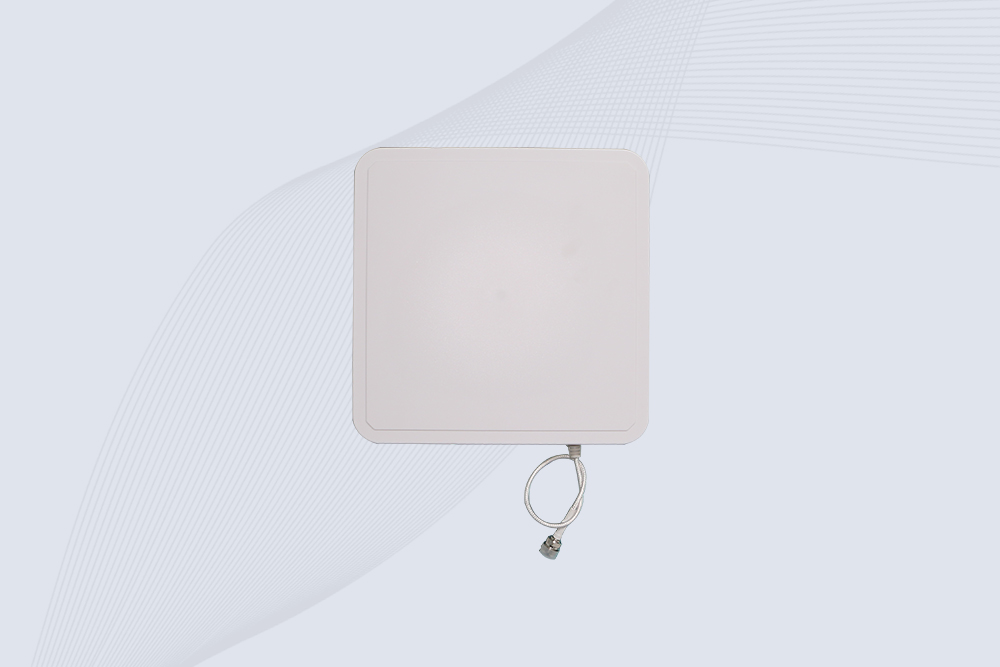
SSD-A06 UHF RFID antenna with circular polarization, adjustable 840–960 MHz frequency, ≥4.5 dBi gain, and a compact directional design for RFID systems.
SSD-R16L Multi-Channel RFID Infrastructure for Automated Inventory Management ✔️ 16-Port High-Density RFID Reading Equipped with 16 SMA antenna ports, SSD-R16L supports multi-antenna deployment for warehouses, retail stores, logistics, production lines, and large-area RFID identification. ✔️ High-Speed & Long-Range Performance With up to 33…
SSD-R8L 8-port UHF RFID reader with 33dBm output, up to 20m reading range and 600+ tags/s recognition. Ideal for warehouse, logistics, retail and asset tracking.
CYKEO Embedded RFID Modules are designed for compact industrial and IoT devices that require stable UHF performance. These UHF RFID Modules support global protocols, flexible power control, and reliable multi-tag reading for smart cabinets, production lines, and asset tracking systems.
CYKEO Embedded RFID Module is built for compact IoT and industrial devices that need stable UHF performance. This UHF module supports global protocols, low power operation, and reliable multi-tag reading for smart lockers, production lines, and always-on RFID systems.
CYKEO CYKEO-M1 drone rfid module is a compact UHF RFID reader module designed for drones and UAV platforms. It supports long-range aerial scanning, fast multi-tag reading, and stable performance in wind, vibration, and outdoor environments.
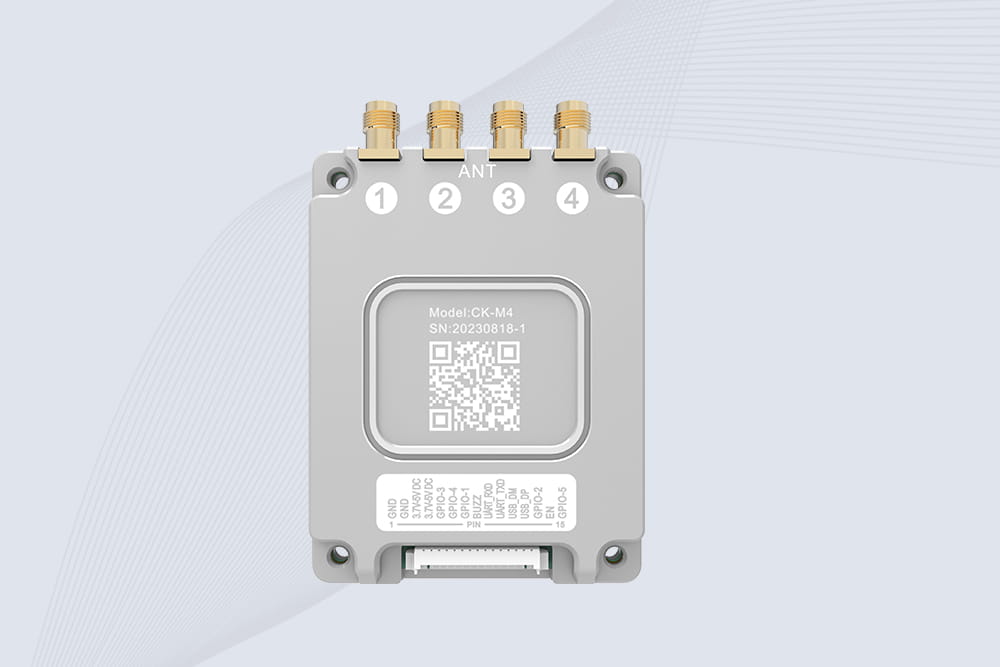
CYKEO CYKEO-M4 RC522 RFID Module is an industrial-grade UHF RFID reader with 4 ports, supporting ISO, EPC, and GB protocols. High-speed, accurate reading for IoT, automation, and warehouse applications.
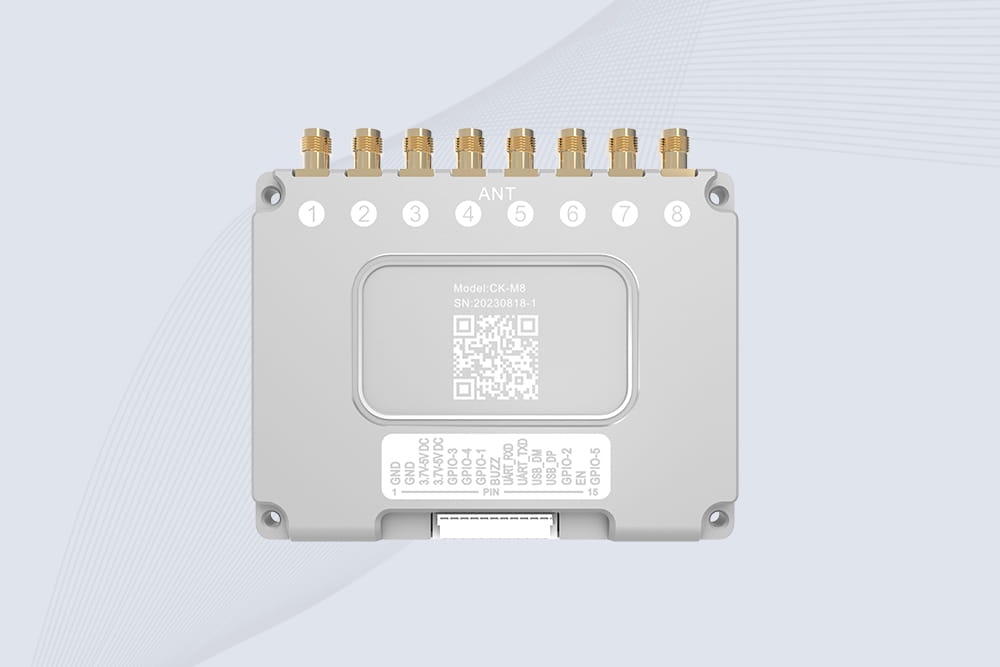
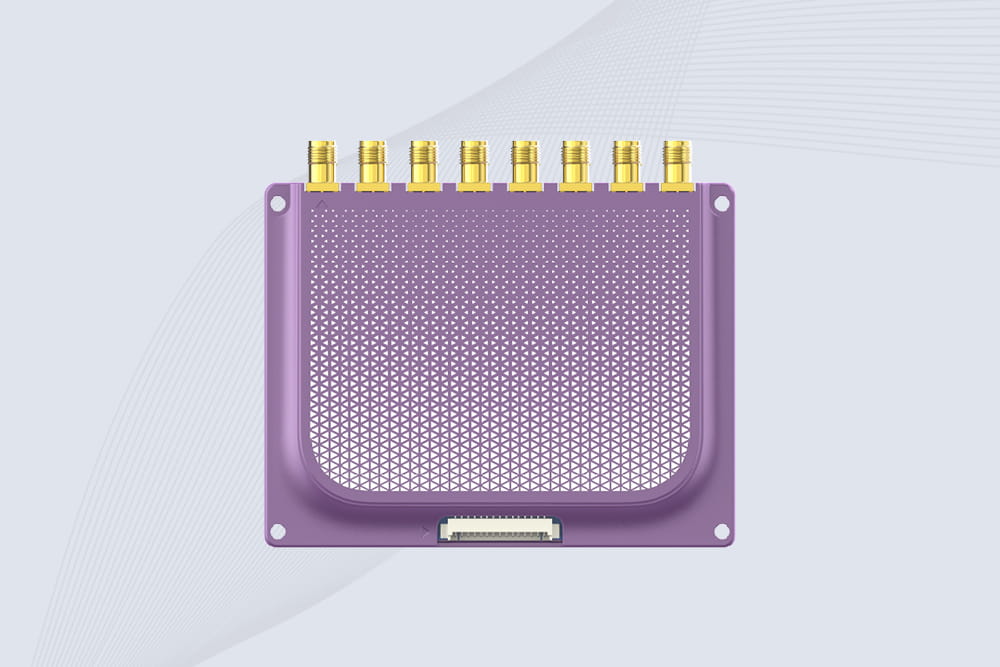
CYKEO CYKEO-M8 Module RFID is an 8-port UHF R2000 RFID Module designed for high-density, multi-tag environments. Stable 33dBm output, ISO & GB protocol support, ideal for warehouses, factories, and automated systems.
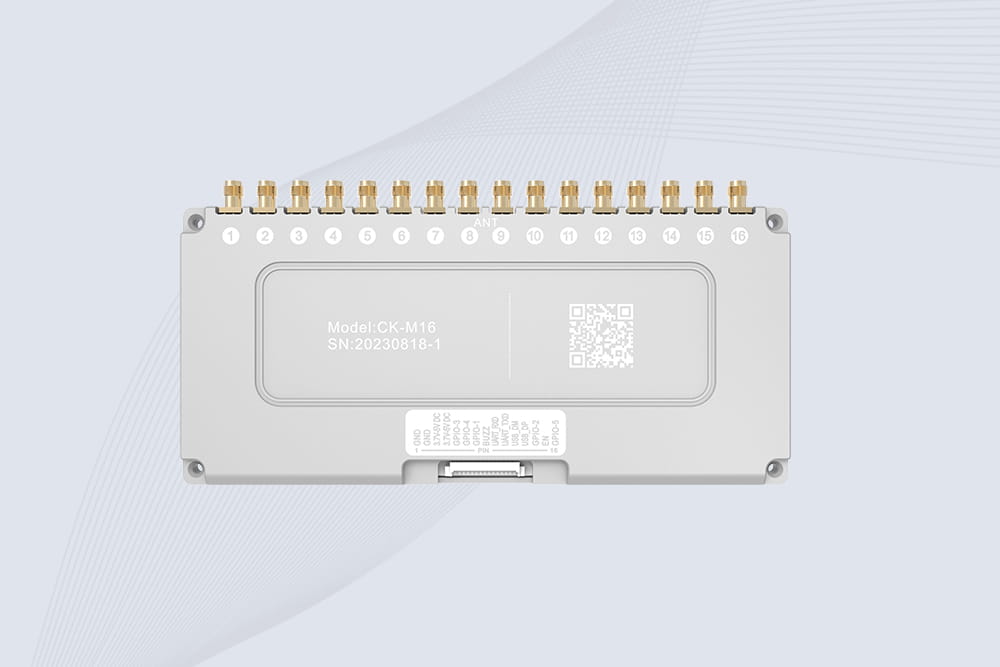
CYKEO CYKEO-M16 RFID Module is a 16-port UHF RFID reader module based on the R2000 chipset. Designed for dense tag environments, it supports ISO and GB standards and delivers stable multi-antenna control for industrial automation.
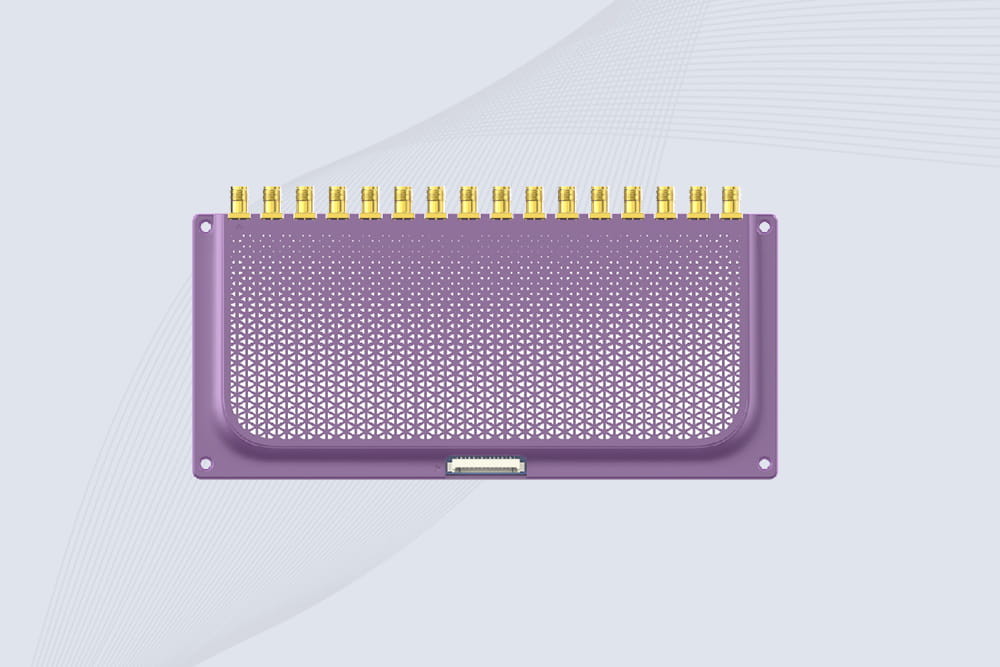
The CYKEO CYKEO-M16L RFID Reader Module is a 16-channel UHF RFID core designed for dense tag environments. With adjustable 33dBm output, multi-protocol support, and stable multi-antenna control, this RFID Tag Reader Module fits industrial automation, warehouse systems, and large-scale IoT deployments.
CYKEO CYKEO-M8L module RFID is a compact industrial UHF module built for dense tag and multi-antenna environments. With 8 RF ports, adjustable 33 dBm output, and ISO & GB protocol support, it is widely used in factories, warehouses, and automated tracking systems.
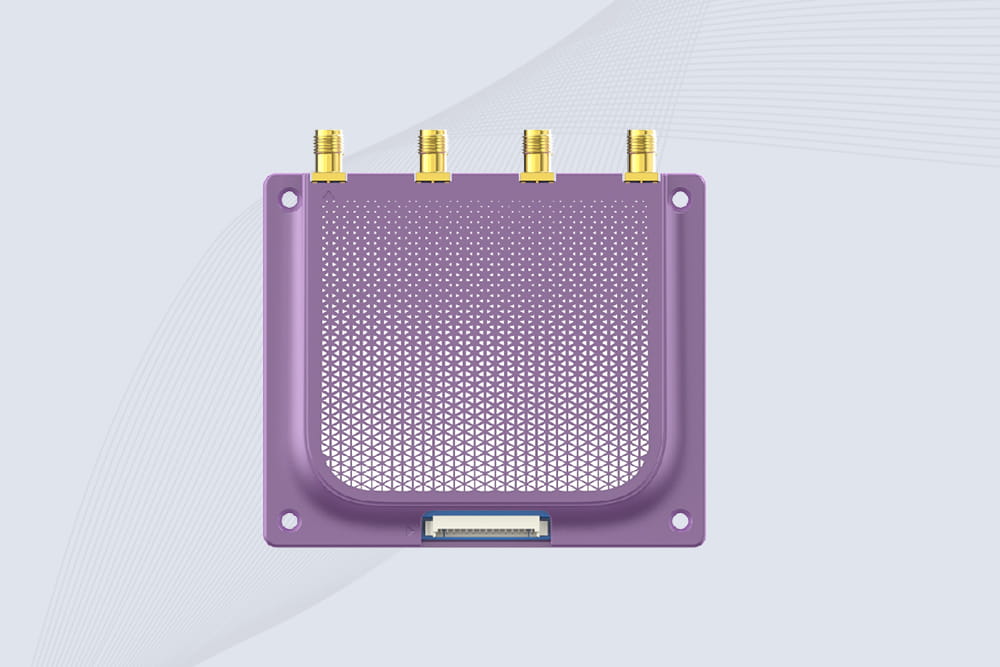
CYKEOCYKEO-M4L UHF RFID Module is a compact 4-channel RFID tag reader module designed for dense tag environments. Supporting ISO and GB protocols, it delivers stable reads up to 10 meters for industrial and IoT systems.
Cykeo CYKEO-A11 UHF RFID reader antenna delivers 11dBi gain, 840-960MHz frequency range, and IP65 ruggedness for retail, logistics, and industrial RFID systems. Features low VSWR and easy installation.
CYKEO Antenna RFID Reader delivers stable long-range UHF performance with a 10.5dBi directional design, built for warehouses, conveyor portals, and industrial RFID systems. This rfid reader antenna provides 20m+ read distance and rugged IP67 protection.
Cykeo CYKEO-A5B industrial Linear RFID Antenna delivers 5dBi gain, ≤1.5:1 VSWR, and IP65 rugged design for warehouse, production line, and logistics UHF systems.
Cykeo’s CYKEO-B12 Long Range RFID Antenna delivers 15m+ read range with 12dBi gain, IP65 rugged design, and global 840-960MHz UHF support. Ideal for warehouse/logistics asset tracking.
Cykeo CYKEO-B10 Long Distance RFID Antenna offers 10dBi gain, 840-960MHz frequency range, IP65 rating, and 20m+ coverage for logistics/warehousing/ETC systems. Low VSWR ensures stable signal transmission.
Cykeo CYKEO-A6 UHF RFID panel antenna features 6dBi gain, 840-960MHz broadband, IP65 metal-ready housing for logistics/smart retail. 18mm ultra-thin design with tool-free mounting.
Cykeo CK-A3 industrial antenna RFID UHF offers 5m+ tag detection, ≤1.3:1 VSWR, IP65 rugged design, and global UHF spectrum compatibility (840-960MHz) for warehouses, factories, and retail.
Cykeo CYKEO-B5 directional RFID antenna provides 5dBi gain with 60° narrow beamwidth for precise inventory tracking. IP65-rated, global UHF frequency support, and low VSWR.
Create your own high-performance DIY RFID antenna! 5dBi gain, 840-960MHz tunable, step-by-step guides. Compatible with Arduino, Raspberry Pi, and commercial UHF readers.
Cykeo CYKEO-A7 Flexible RFID Antenna features 840-960MHz wideband tuning, 7dBi gain, and IP68 rating for medical/retail/industrial curved surface deployments. 98% read accuracy with peel-and-stick installation.
Cykeo CYKEO-B5A industrial Passive RFID Antenna delivers 5dBi gain, 70° beamwidth, and -40°C~55°C operation for warehouses/smart cabinets. Compatible with Zebra/Impinj readers.
Cykeo’s CYKEO-A9B High Gain RFID Antenna delivers 15m+ read range with 9dBi amplification. Features IP54 rugged design, 840-960MHz bandwidth, and 80° beamwidth for warehouse/manufacturing RFID systems.
Cykeo’s enterprise-grade 8dbi Impinj RFID Antenna 10m+ read range with 840-960MHz tuning. Features IP65 housing, 1.4 VSWR, 35° beamwidth for retail/warehouse RFID systems.
Cykeo CYKEO-A9 industrial UHF RFID antenna delivers 9dBi gain, 840-960MHz frequency range, and IP65 protection for warehouse/logistics/retail RFID systems. Features N-type connector and ≤1.3:1 VSWR.
CYKEO UHF RFID Antenna built for long-distance and industrial applications. This antenna rfid uhf delivers strong gain, outdoor durability, and reliable tag performance in warehouses, yards, and vehicle ID systems.
CYKEO Antenna RFID delivers reliable long-range UHF performance in warehouses, retail shelves, and cold-chain environments. This compact uhf rfid antenna provides stable reads with circular polarization and ultra-wide 840–960 MHz support, ideal for industrial tracking, smart shelves, and asset monitoring.
Cykeo’s CYKEO-C8 UHF RFID antennas delivers 8dBi gain, 840-960MHz full-band coverage, and IP65 ruggedness for manufacturing/warehouse RFID systems. Industrial RFID Antennas Features
Cykeo’s 8dBi UHF RFID antenna and reader kit delivers 10m+ range, 840-960MHz broadband, and IP65 ruggedness for factories, warehouses, and logistics. ISO 18000-6C & EPC Gen2 certified.
Cykeo’s CYKEO-A12C UHF Large RFID Antenna delivers 12dBi gain, 840-960MHz global frequency, IP65 ruggedness for logistics/warehousing/automotive. 40° beamwidth ensures stable 15m+ tag reads.
CYKEO Near Field RFID Antenna provides precise 5–30 cm reading for shelves, cabinets, and workstations. This compact rfid shelf antenna delivers stable short-range performance around metal and clutter, ideal for pharmacies, libraries, and electronics sorting.
Cykeo CYKEO-C1 industrial Forklift RFID Reader features 20m read range, 600 tags/sec scanning, Impinj R2000 chipset, and IP67 rugged design. Ideal for warehouse logistics and manufacturing. Supports ISO 18000-6C/6B protocols.
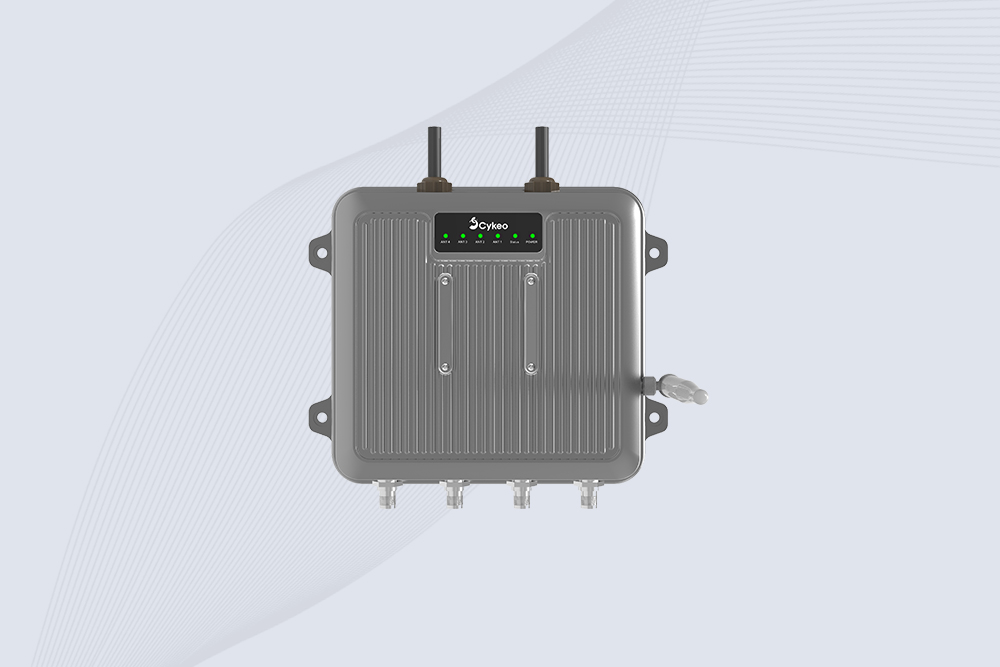
Cykeo CYKEO-R4 industrial UHF RFID Fixed Reader features 4 TNC ports, 400+ tags/sec speed, IP67 housing, and global frequency compliance for vehicle inspection, smart warehouse, and asset management systems.
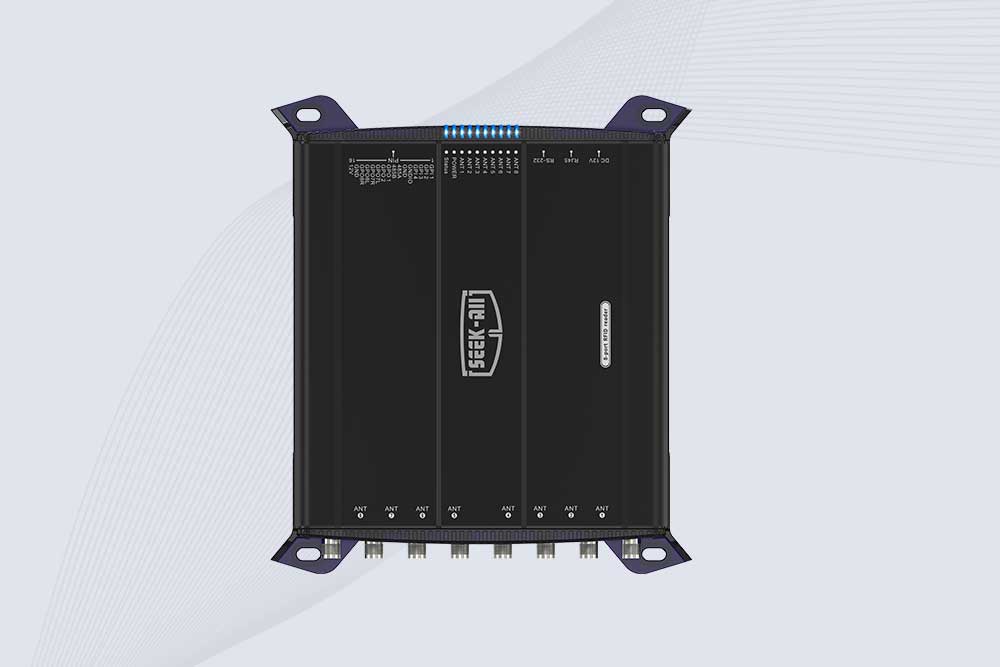
CYKEO CYKEO-R8L Fixed RFID Reader with 8-port UHF design, Impinj-based RF core and up to 20m read range. An industrial Fixed RFID Reader for vehicle inspection, warehouse portals, smart manufacturing lines and secure access checkpoints.
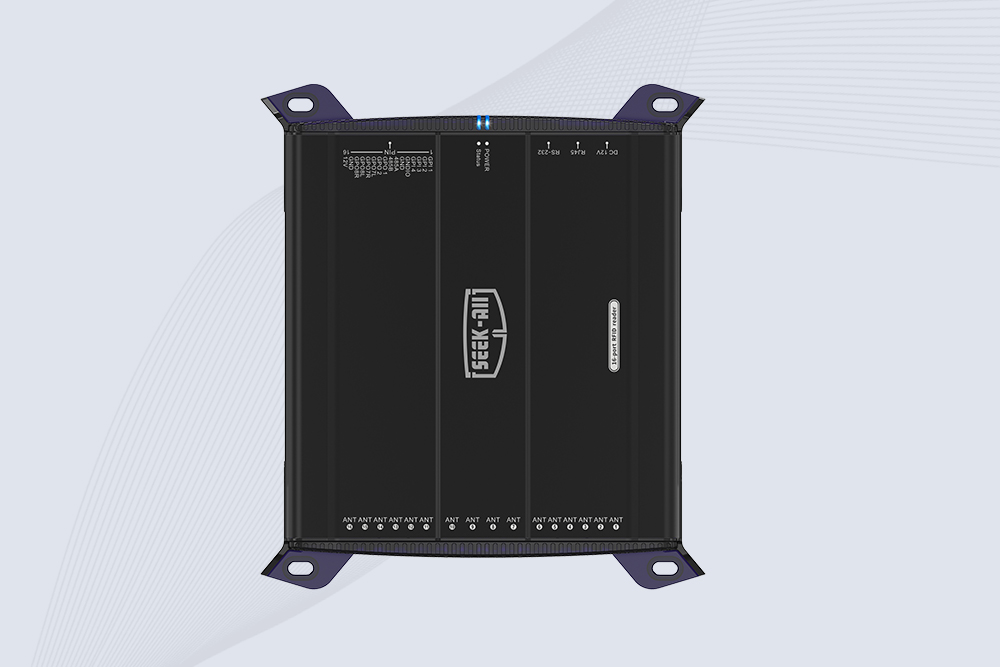
RFID Fixed Reader from CYKEO – the CYKEO-R16L 16-port UHF fixed reader for warehouses, smart cabinets, and production lines. Long-range, multi-tag reading, stable performance for 24/7 industrial use.
Discover how portable RFID scanners help retail stores perform faster inventory counts, reduce stock discrepancies, and improve real-time product visibility across shelves and backrooms.
Explore power solutions for fixed RFID readers in remote areas: solar, battery, PoE, and hybrid systems. Ensure 24/7 uptime for asset tracking in off-grid environments.
Vehicle RFID tags are transforming modern transportation with fast, accurate identification and tracking. Discover how this technology improves traffic flow, toll collection, and logistics management.
Learn how to link RFID tag IDs to data in a MySQL database for asset tracking, inventory management, and more. Follow step-by-step integration tips with Cykeo’s solutions.
 Cykeo RFID IoT Solution Products R&D Manufacturer