 Cykeo RFID IoT Solution Products R&D Manufacturer
Does iPhone Have RFID Reader? Let’s Clear This Up.
659Wondering "does iPhone have RFID reader"? We explain the NFC technology in iPhones, what it can actually read, and its limits for business RFID use.
MoreAll RFID Product
An RFID code is data stored on or associated with a radio frequency identification (RFID) tag to identify an item, asset, or other object. It may be a unique identifier, such as an Electronic Product Code (EPC), or additional information used by a compatible RFID system to support inventory, tracking, and identification.
An RFID code is the information a system uses to distinguish or describe an item identified through RFID. In many supply-chain applications, the code is an identifier rather than a full description of the product.
For example, an RFID label attached to a carton may carry an EPC that identifies that particular trade item or logistics unit. When a reader captures the code, business software can use it to retrieve the associated product record, location, stock status, or other information held in a database.
GS1 defines the Electronic Product Code as a system for uniquely identifying physical objects, including trade items, assets, and locations. EPCs can be represented in binary form for RFID tags and in text formats for exchanging information between business systems. The GS1 EPC Tag Data Standard defines how these identifiers are structured and encoded.
It is important to distinguish three related terms:
The terms are related, but they are not interchangeable. Not every RFID tag uses an EPC, and not every RFID application follows the same coding scheme.
An RFID code may appear as a string of letters and numbers in a software interface, while the data transmitted over the air is encoded in a format the reader and tag understand. The displayed string is not necessarily the same as the tag’s raw binary representation.
A warehouse operator might see a code such as 3034... in an inventory application. That visible value alone does not tell the operator which product it represents unless the relevant coding rules or database records are available. The exact format depends on the identifier scheme and how the software presents it.
Many passive UHF RFID tags used in supply chains follow the GS1 EPC Gen2 framework. These tags can contain several logical memory banks for different purposes.
| Memory area | General purpose |
|---|---|
| EPC memory | Stores the Electronic Product Code or related identifier data. |
| TID memory | Contains tag-identification information associated with the chip. |
| User memory | Can hold additional application data if the tag supports it. |
| Reserved memory | Contains access and kill passwords on applicable Gen2 tags. |
GS1 describes these memory areas and their intended uses in its RAIN RFID technical guidance. Not every tag provides the same amount of writable memory, and some tags have little or no user memory available for application data.
This distinction matters when encoding tags. If an application only needs to identify individual items, a unique EPC linked to a database record may be sufficient. Storing long descriptions directly on every tag is not automatically necessary or desirable.
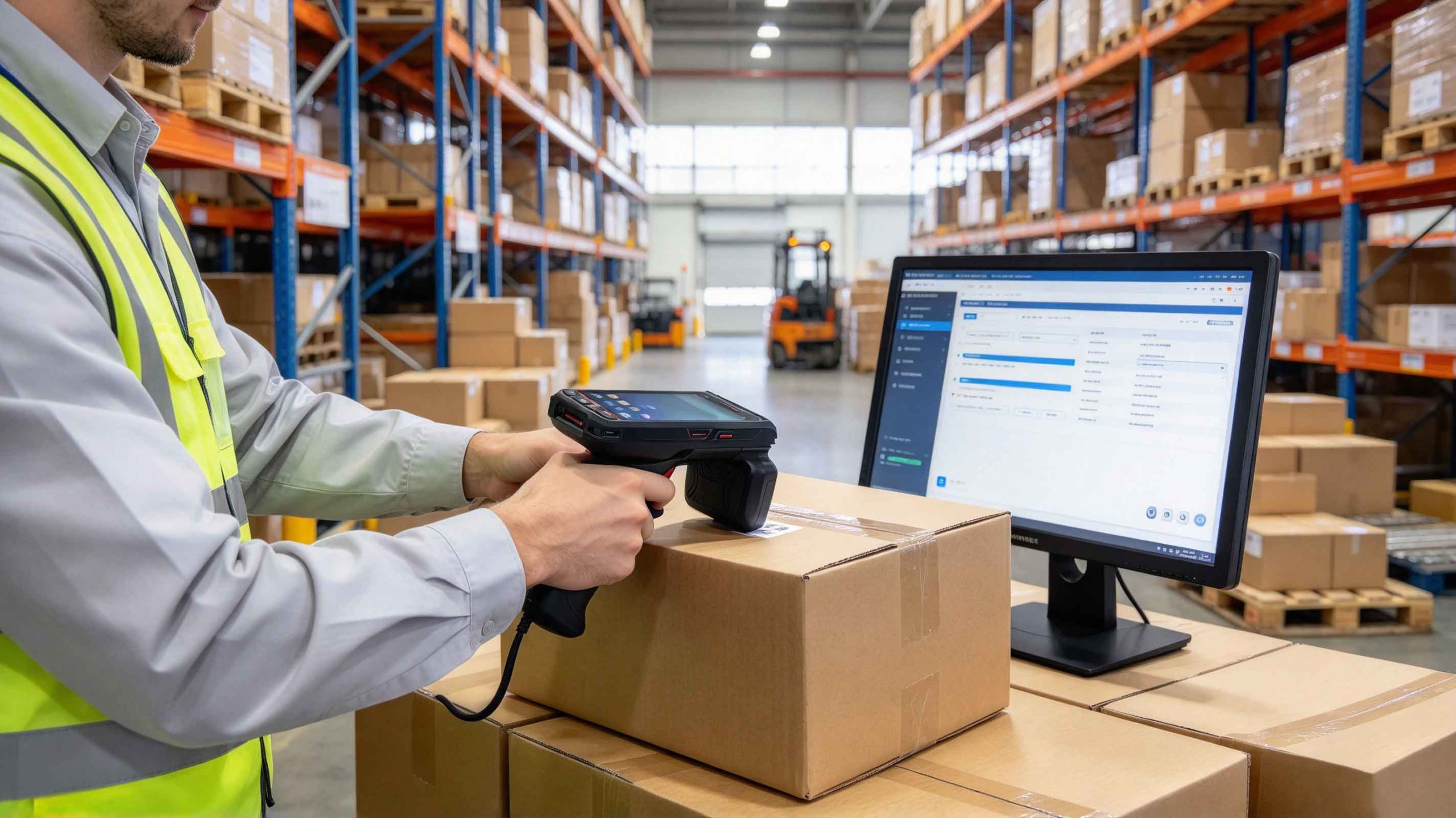
An RFID code becomes operationally useful when the reader, tag, and software agree on what the code means. The reader captures data; the business system interprets it and connects it with a process.
Common applications include:
GS1 notes that uniquely encoded RAIN RFID tags can support rapid identification without requiring line-of-sight scanning. Its published overview describes capture at distances well beyond 10 metres in suitable conditions. That is a capability of particular RAIN RFID implementations, not a guaranteed reading distance for every tag or reader.
For deployment teams, the code design deserves as much attention as the reader specification. Duplicate identifiers can create ambiguous records; inconsistent encoding can cause integration problems between suppliers and internal systems. Establishing a coding standard before mass tag issuance is usually easier than correcting thousands of records afterward.
Reading an RFID code requires a compatible reader and tag. Writing a code requires a reader-writer, a writable tag, and software that supports the tag’s protocol and memory layout.
For a typical UHF RFID workflow, the process looks like this:
A common mistake is assuming that every RFID code can be edited. Some identifiers are read-only or manufacturer-programmed; others may be writable under specific conditions. Access passwords, tag configuration, and software permissions can also affect whether a write operation succeeds.
For inventory applications, avoid changing identifiers casually after tags have entered circulation. If the code is the key linking a physical item to its database record, an uncoordinated change can break that relationship.
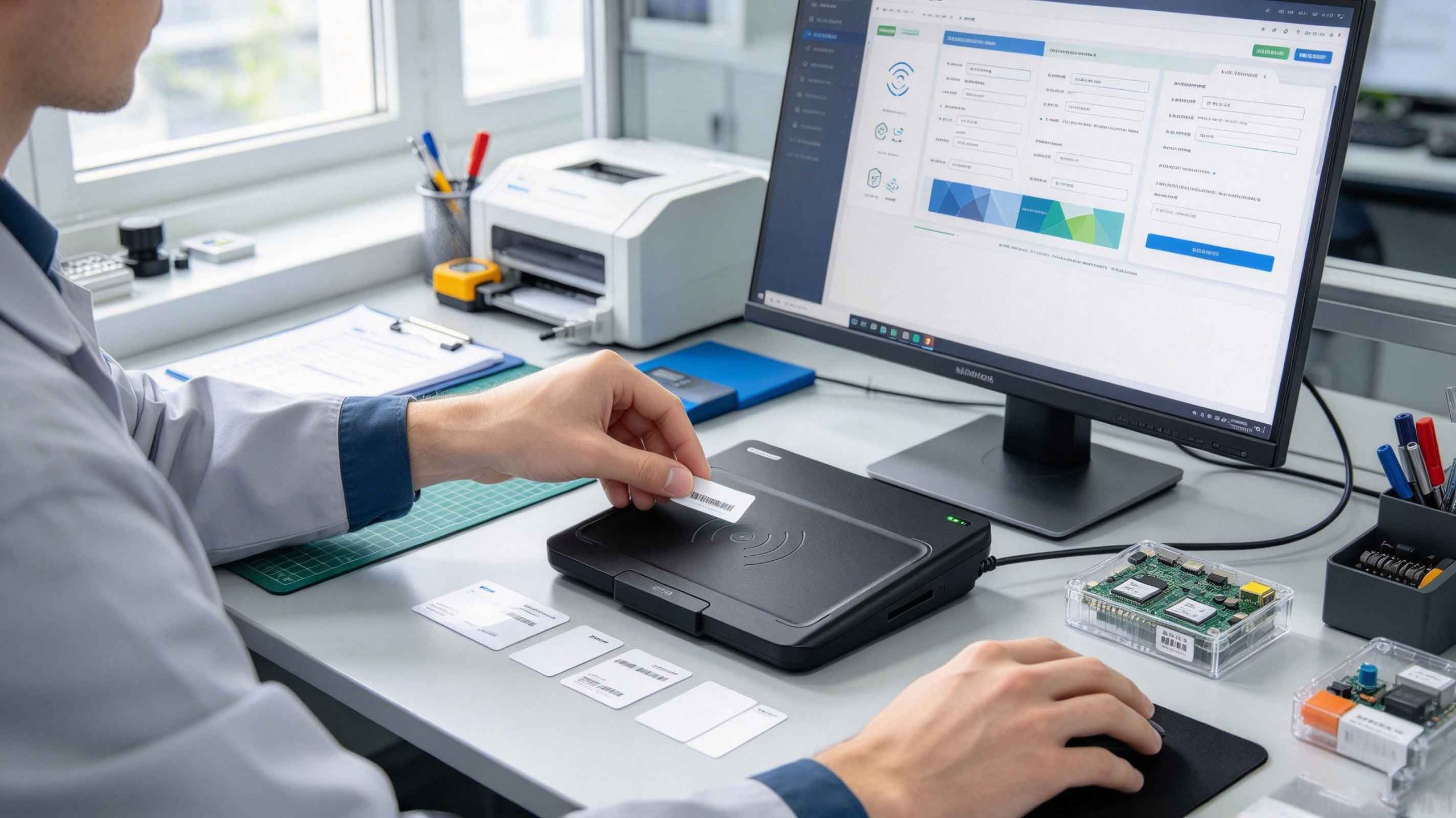
An RFID code should be planned as part of a larger identification system, not treated as an arbitrary string placed on a chip. Before a deployment, decide which objects need unique identifiers, which coding standard applies, and which system will maintain the corresponding records.
Practical checks include:
RFID is an identification technology, not a guarantee of security. A readable tag identifier should not automatically be treated as proof of identity or authorization. For access control or other sensitive applications, use an appropriate authentication and security design rather than relying on an identifier alone.
An RFID code identifies or describes an item through an RFID system. Applications include inventory control, asset tracking, retail operations, logistics, and access credentials. Software commonly uses the captured code to find the item’s associated record.
No. EPC stands for Electronic Product Code, a standardized identification scheme used in many supply-chain RFID applications. RFID is the broader technology, and an RFID tag can use other identifiers or data formats.
Sometimes. Whether a code can be changed depends on the tag type, memory area, access controls, and reader software. Some identifiers are factory-programmed or not writable. Always confirm tag capabilities and verify the result after writing.
It is stored in a tag’s memory when the tag technology supports that data format. In many UHF Gen2 tags, EPC memory stores the EPC, TID memory contains chip-identification information, and user memory may provide additional storage. The available memory varies by tag model.
Many RFID applications assign a unique identifier to each tracked item, but uniqueness is not guaranteed simply because a tag uses RFID. The coding scheme and commissioning process must prevent duplicate assignments where individual identification is required.
It can, depending on the application and the data written to the tag. As a good practice, avoid storing unnecessary sensitive information directly on a tag. Use a suitable identifier and retrieve protected records from a secured system when appropriate.
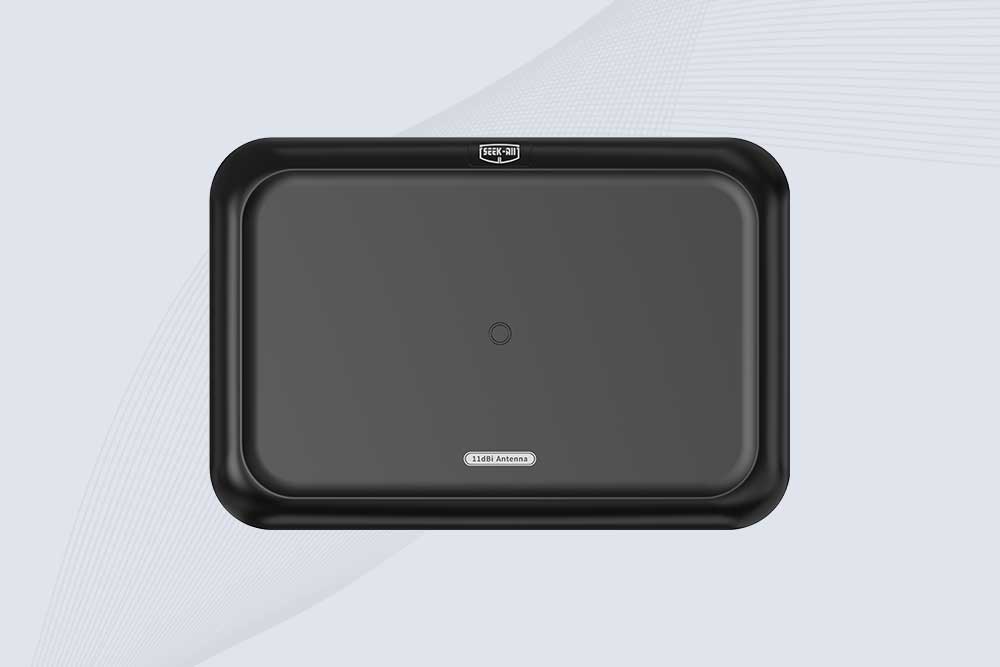
SSD-A11 UHF RFID antenna features 840–960 MHz adjustable frequency, ≥10.5 dBi gain, circular polarization and 50Ω impedance for fixed RFID systems.
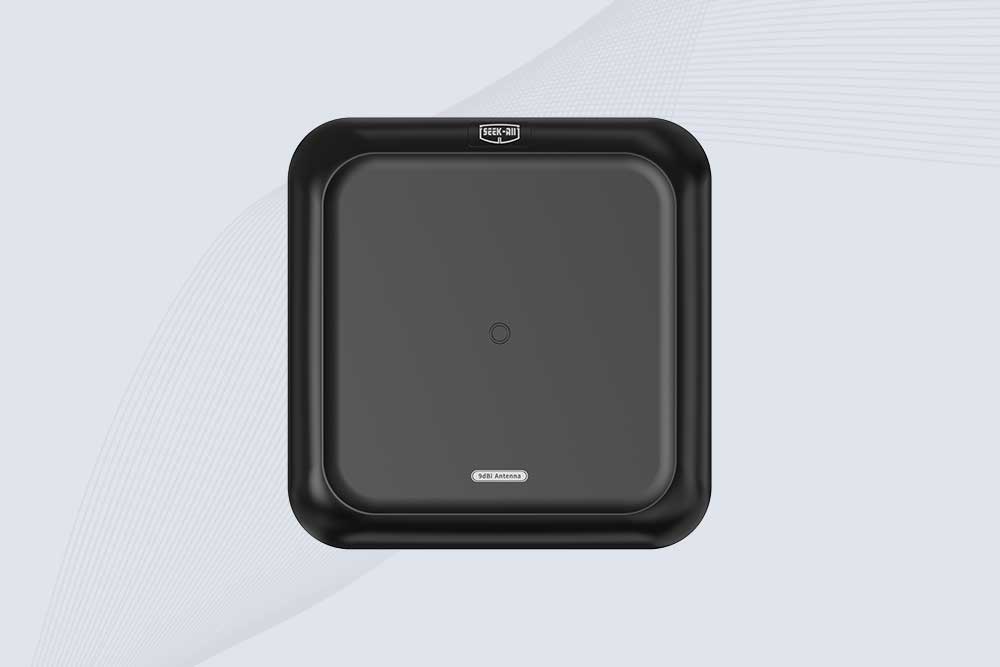
SSD-A09 is a 9 dBi UHF RFID antenna with 840–960 MHz adjustable frequency, circular polarization, 50Ω impedance and directional 60° × 60° coverage.
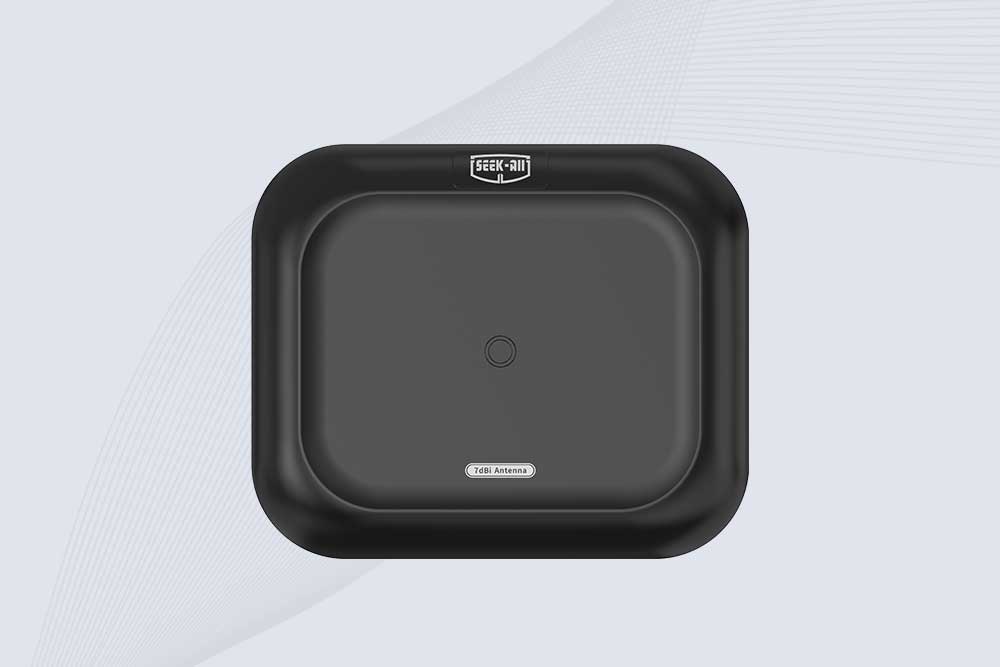
Explore the SSD-A07 UHF RFID antenna with 7 dBi gain, circular polarization, adjustable 840–960 MHz frequency, and 60°/75° beamwidth for stable RFID read/write performance.

SSD-A06 UHF RFID antenna with circular polarization, adjustable 840–960 MHz frequency, ≥4.5 dBi gain, and a compact directional design for RFID systems.

Discover SSD-D4AL, a USB-HID UHF RFID reader with 4/8/16 antenna options, Impinj E710/X3M1 chipset, plug-and-play USB power, and OEM customization.
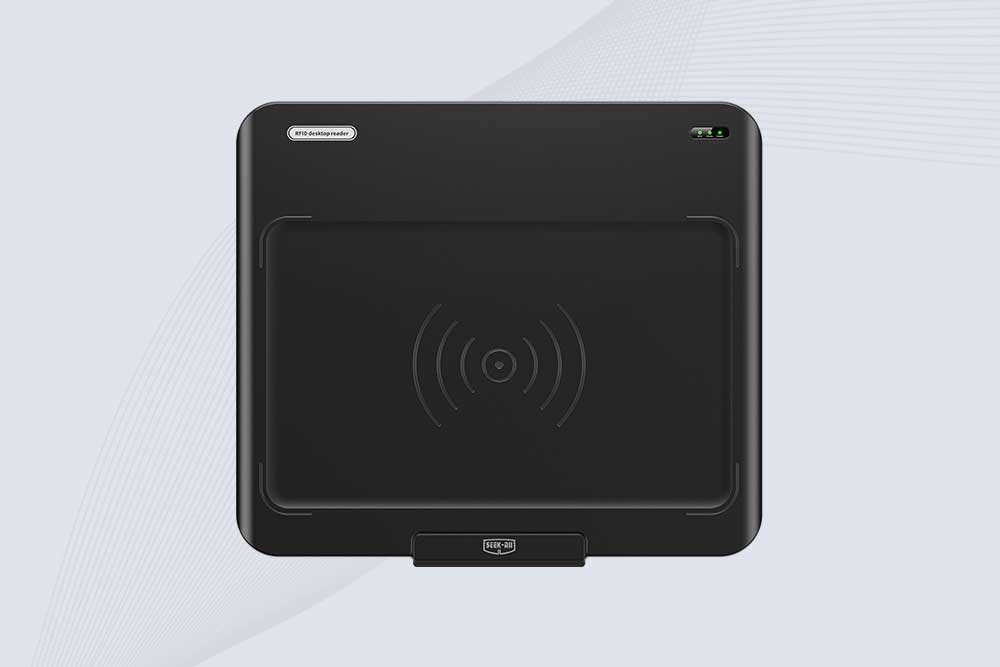
SSD-D3AL is a USB-HID UHF RFID reader with 0–30 cm reading, 0–15 cm writing, over 600 tags/s recognition, USB plug-and-play operation and OEM Logo customization.
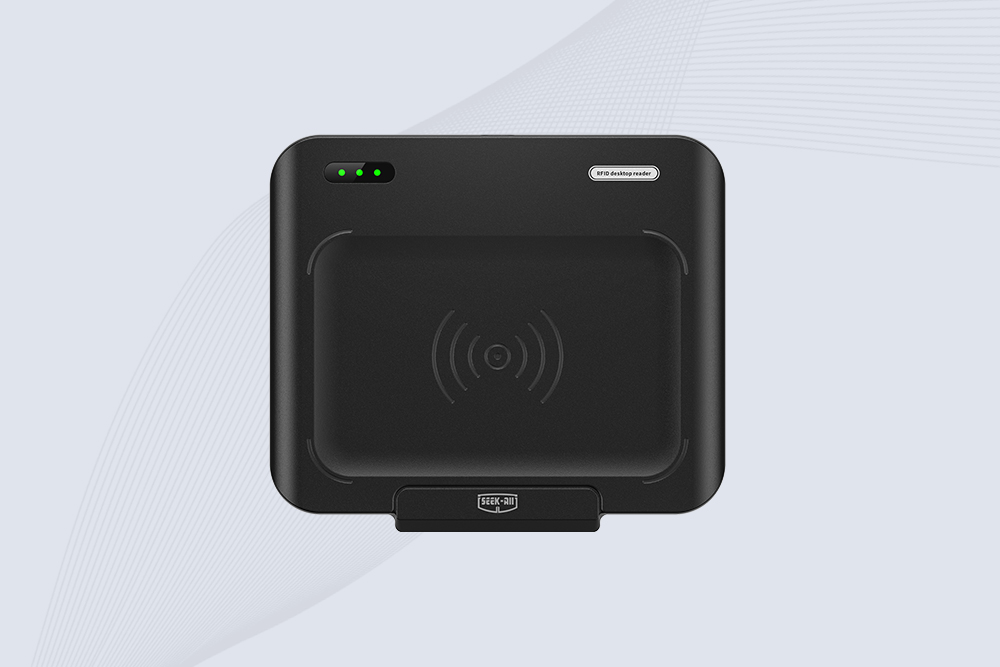
SSD-D1AL is a compact USB UHF RFID reader with Impinj E710/X3M1 chipset, USB-HID, 600+ tags/s recognition, 4/8/16 antenna support and plug-and-play USB power.

CYKEO CYKEO-D1LA USB RFID Reader is a compact desktop solution with near-field control for precise tag reading and encoding. Powered by USB, supporting ISO 18000-6C, and built for stable batch writing, this usb rfid tag reader fits retail, libraries, offices, and controlled RFID encoding tasks.
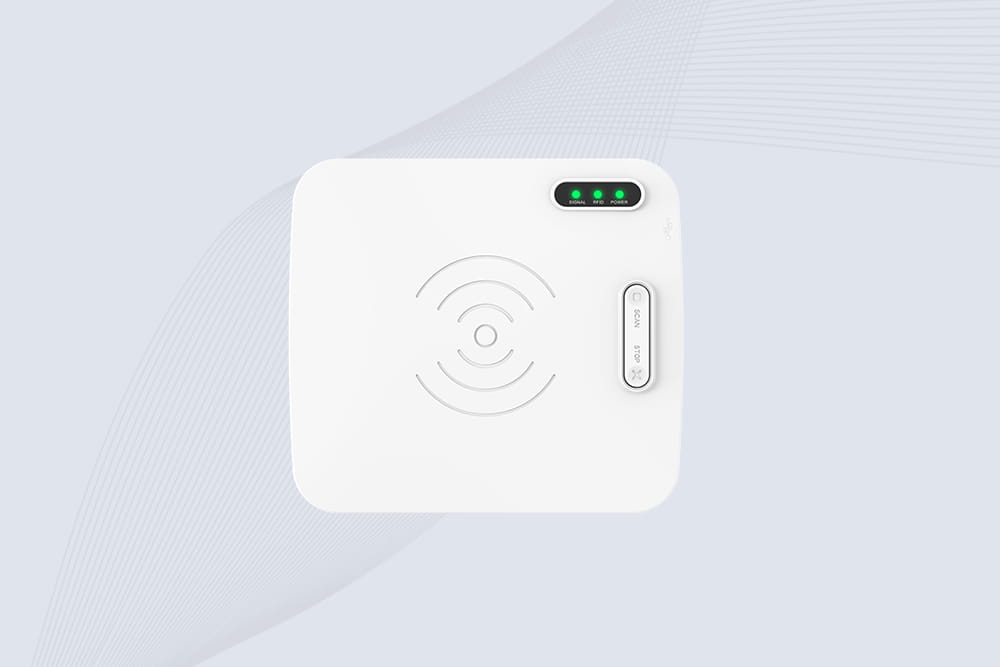
CYKEO CYKEO-D1L RFID scanner USB is a compact desktop UHF RFID scanner designed for short-range tag writing and verification. This usb rfid scanner supports batch encoding, stable 0–26 dBm output, and works across Windows, Linux, and Android systems.
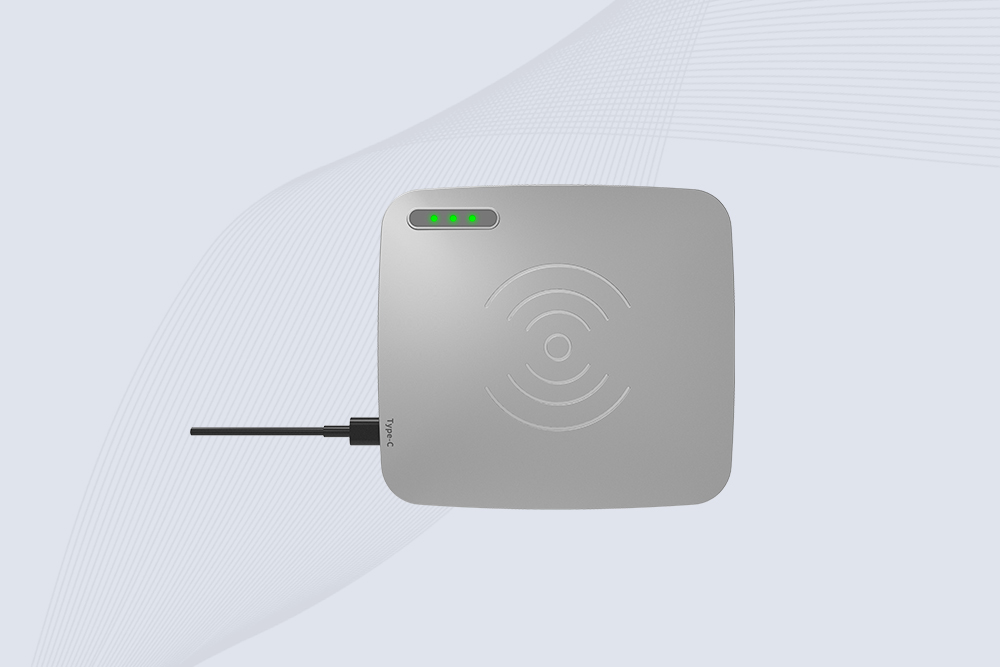
CYKEO CYKEO-D1C USB RFID Card Reader is a near-field UHF desktop writer designed for secure, short-range tag encoding. With USB-C connectivity and stable 26 dBm output, this rfid reader usb c is ideal for badge issuance, label encoding, and controlled desktop RFID workflows.
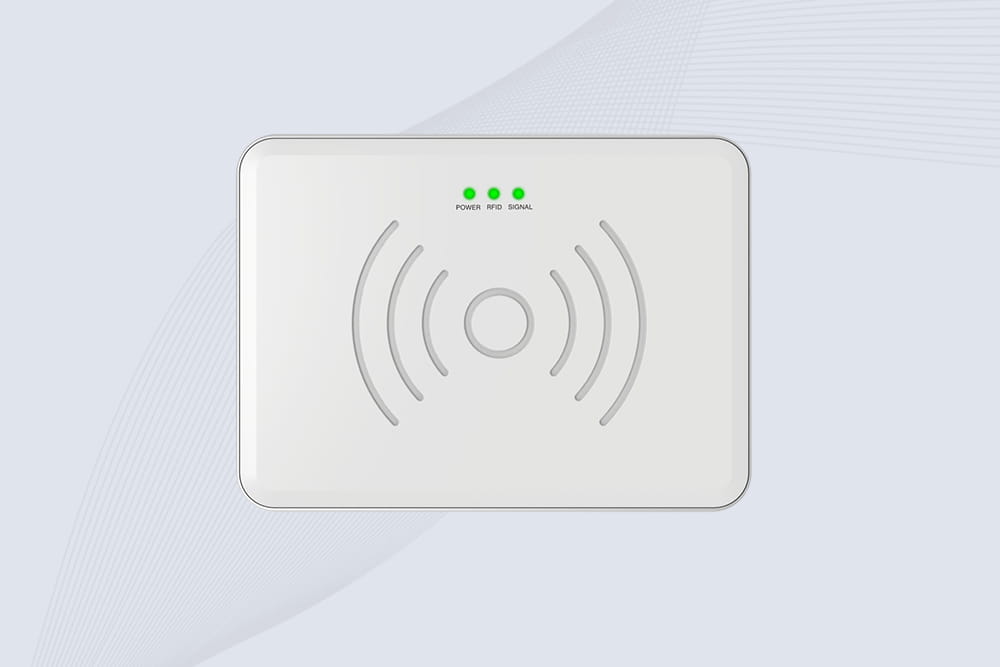
CYKEO CYKEO-D2L RFID Reader USB is a compact desktop encoder built on the Impinj R500 chip. With near-field control and stable USB power, this usb rfid card reader delivers precise tag writing for offices, retail counters, and small-scale logistics encoding tasks.
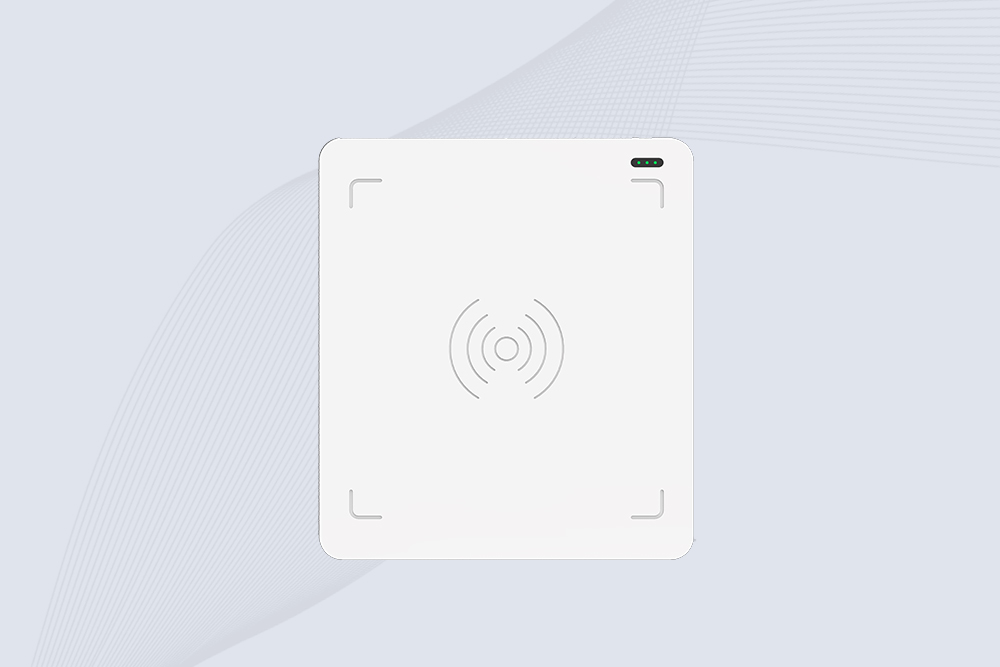
CYKEO CYKEO-D3L USB RFID Tag Reader delivers stable UHF tag reading and writing for daily desktop and light industrial tasks. Designed for controlled short-range operation, this USB RFID Tag Reader works reliably with rfid tag and reader systems in libraries, tool tracking, and inventory registration.
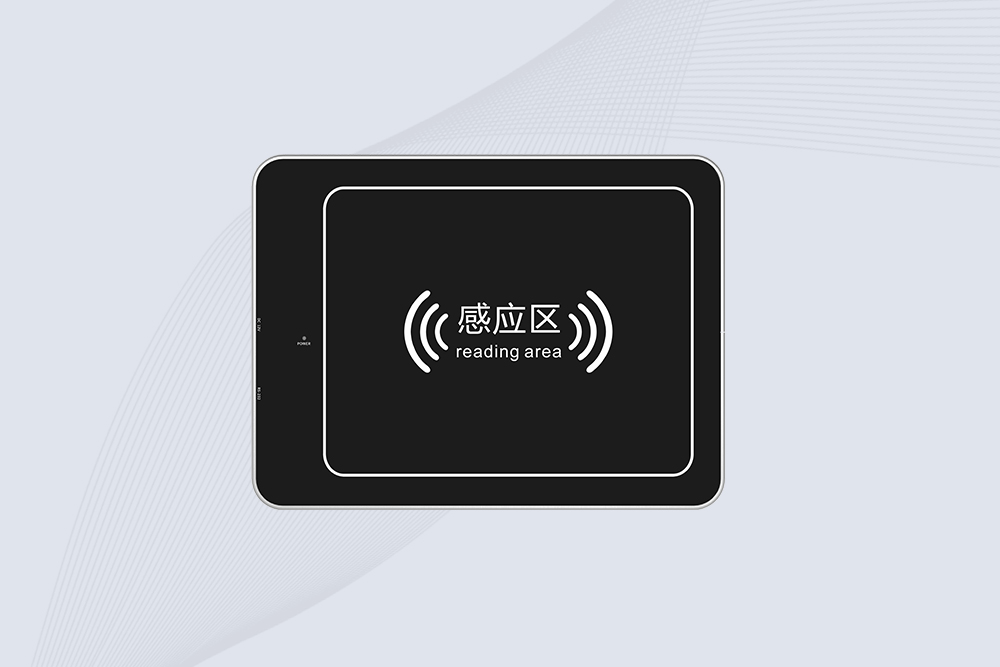
The CYKEO CYKEO-D4L UHF RFID Tag Reader is a stable Desktop RFID Reader designed for accurate tag registration, borrowing, and return workflows. Built with the Impinj R2000 chip, this UHF RFID Tag Reader delivers controlled short-range reads for libraries, asset tracking, and inventory management environments.
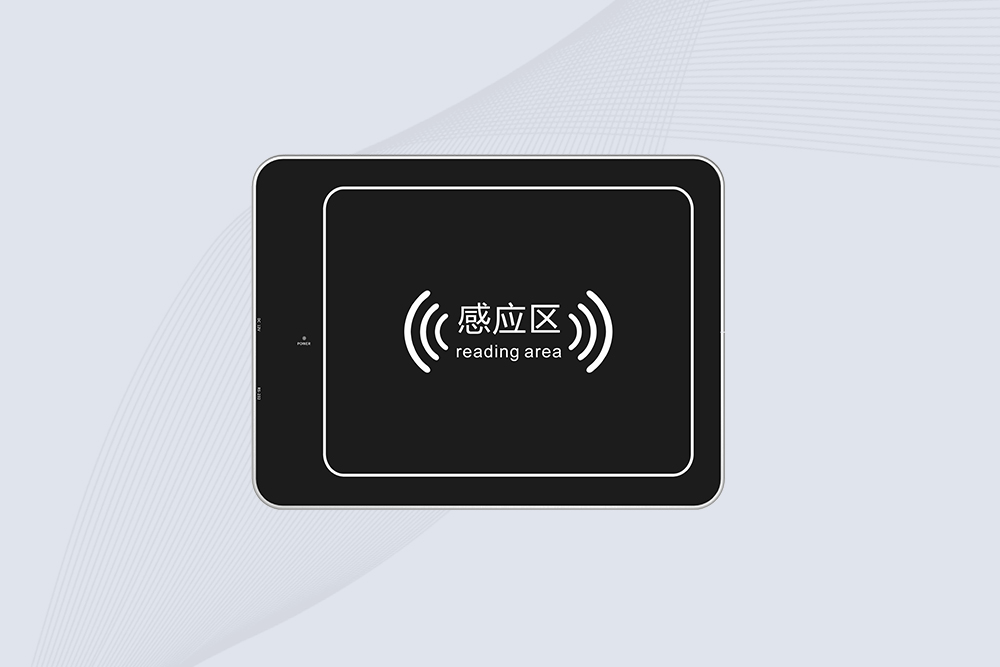
The CYKEO CYKEO-D5L Desktop RFID Card Reader is a stable UHF RFID Card Reader designed for controlled short-range reading and writing. Built for libraries, tool rooms, and asset desks, this UHF RFID Card Reader supports dense tag handling, secure data processing, and easy USB integration.
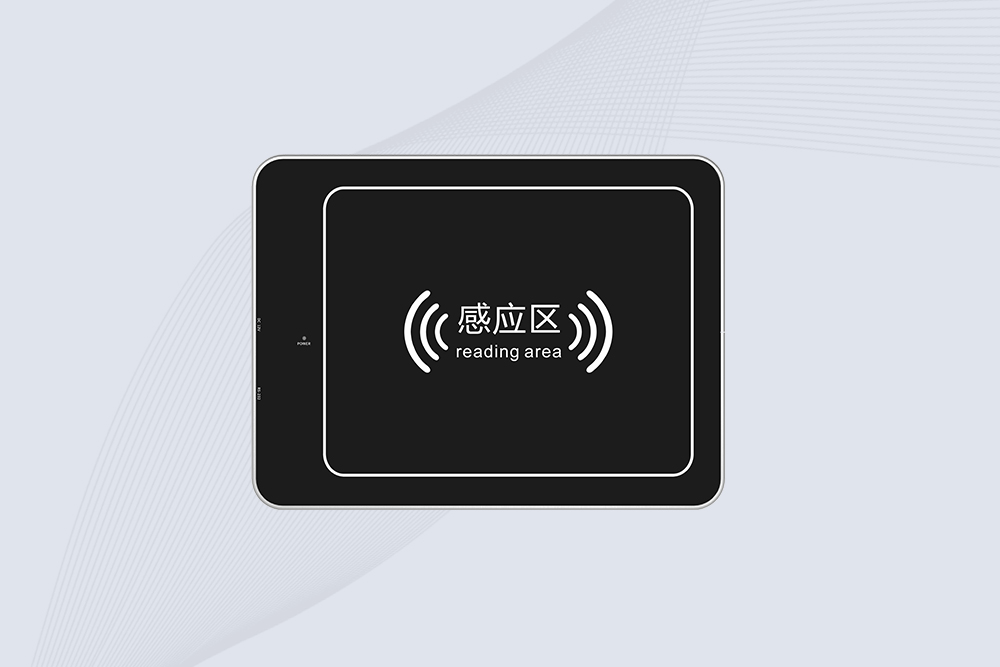
The CYKEO CYKEO-D6L RFID Reader Writer is a heavy-duty Desktop RFID Reader designed for short-range, high-accuracy tag programming. Built for libraries, labs, and asset desks, this RFID Reader Writer supports batch processing, stable 33dBm output, and seamless integration with existing management systems.
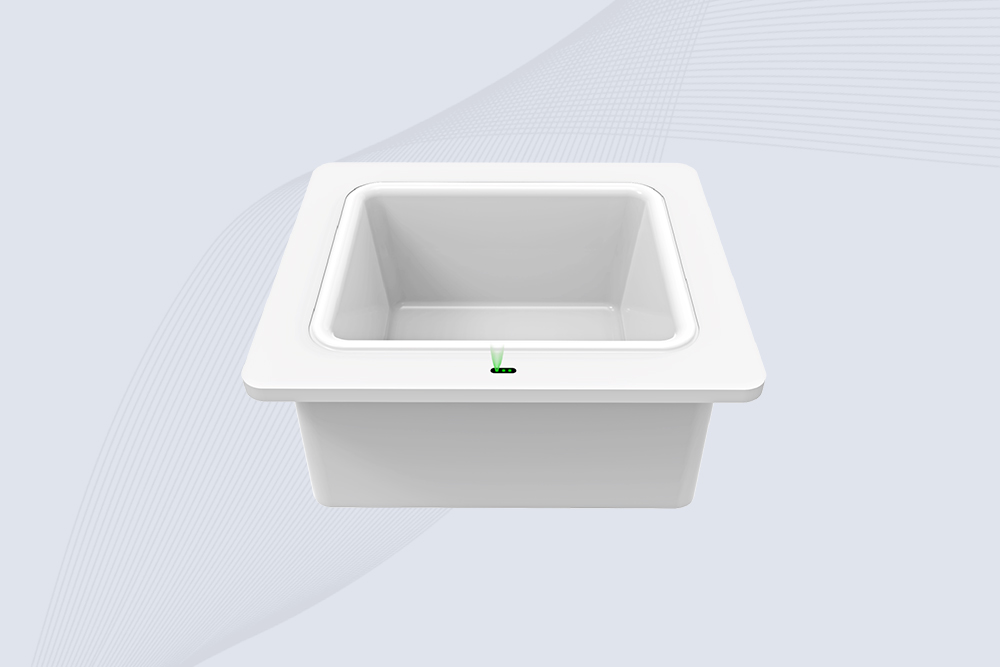
Cykeo CYKEO-D8B UHF RFID tunnel and RFID Desktop Reader features 30+ items batch reading,
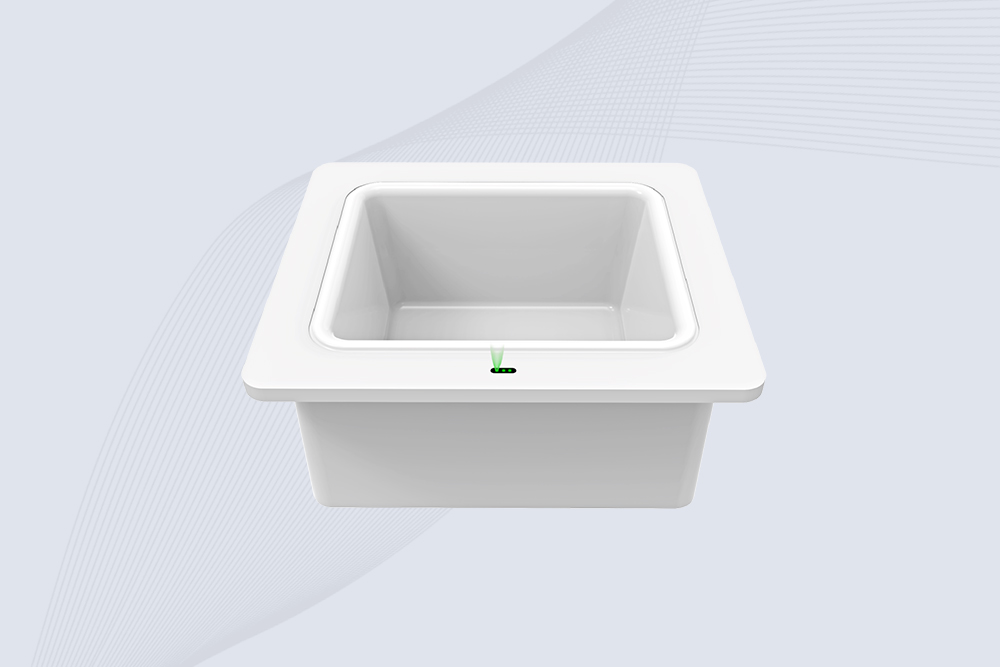
Cykeo CYKEO-D8A embedded RFID badge reader offers 30+ tags/sec scanning, 20cm anti-crosstalk precision, and DC 12V power for unmanned stores, warehouses, and smart inventory systems.
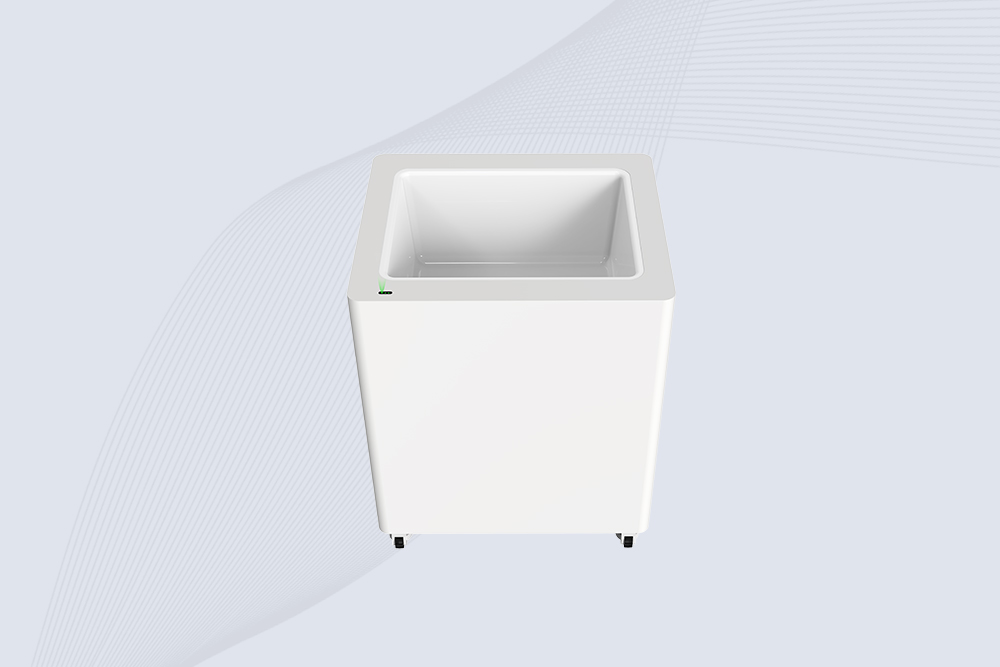
Cykeo’s CYKEO-D8C UHF RFID gate reader achieves 200-tag/batch scanning with adjustable power control, ideal for retail inventory and smart warehouse management.
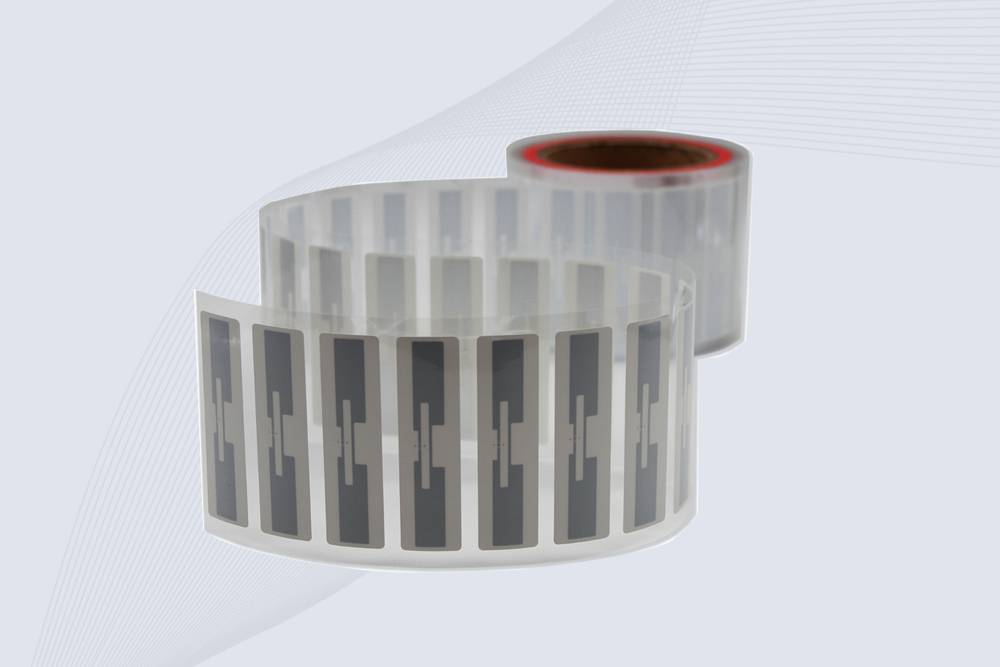
CYKEO Passive RFID Tags are made for wet and high-humidity environments where standard labels do not last. This rfid passive tag is often used around liquids, chemicals and temperature changes, providing stable reading distance and long data life for industrial tracking.
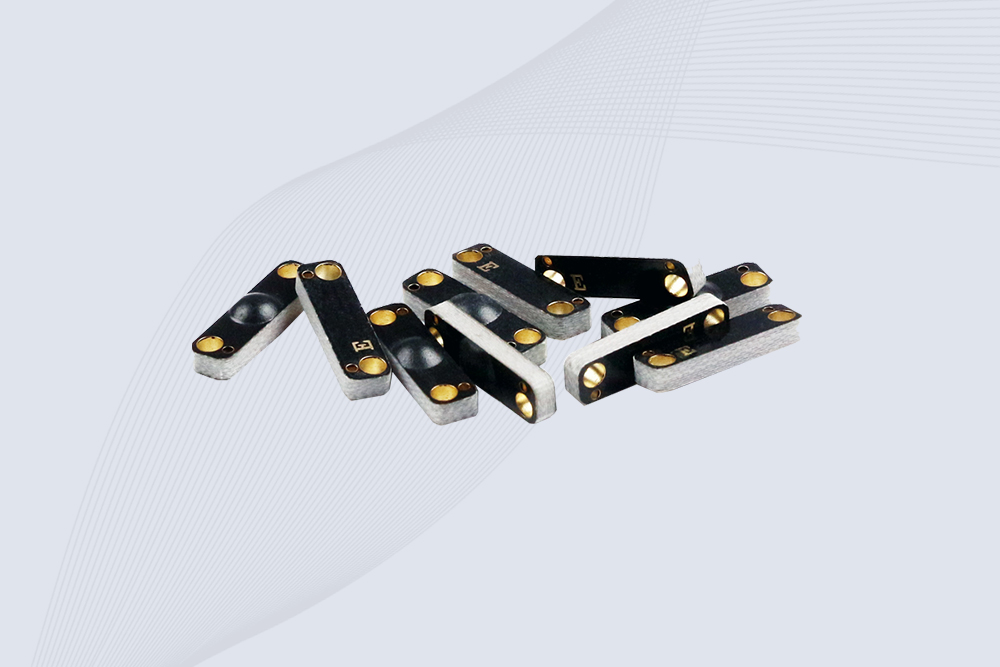
CYKEO CYKEO-PCB1504 Metal RFID Tags is a compact anti-metal UHF RFID solution built for direct mounting on metal surfaces. With stable 8-meter read range, Ucode-8 chip, and long data retention, this rfid metal tag fits tools, containers, automotive parts, and industrial asset tracking.
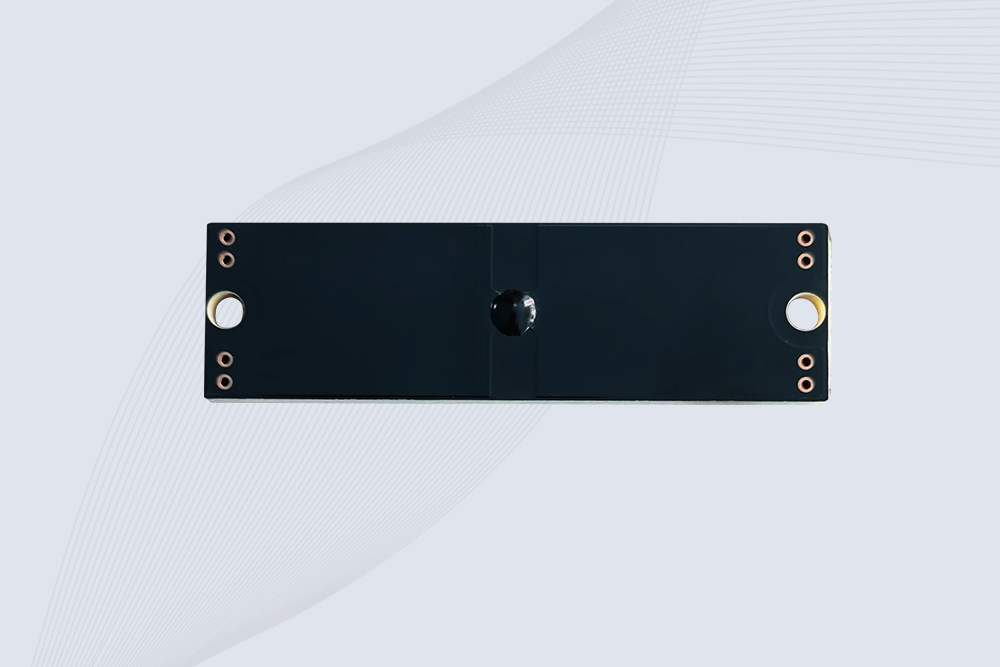
CYKEO CYKEO-PCB7020 On-Metal RFID Tags are designed for reliable tracking on steel and metal surfaces. Built with an FR4 epoxy body and industrial-grade chips, these On-Metal RFID Tags deliver stable performance, long data life, and chemical resistance, making them a dependable RFID anti-metal tag for harsh environments.
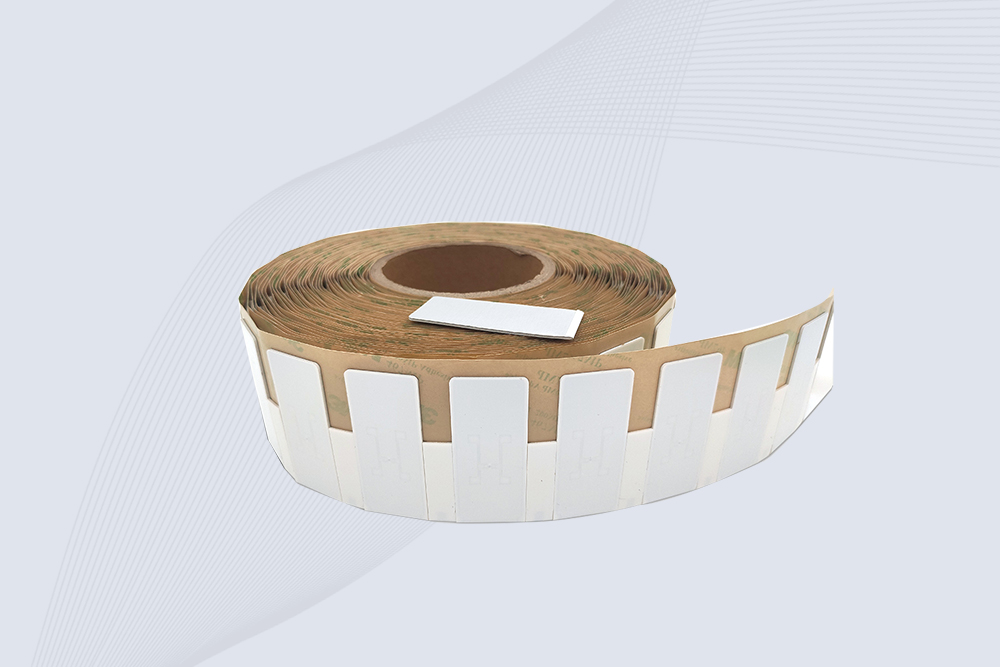
The CYKEO CYKEO-60-25 Anti-Metal RFID Tag is built for metal surfaces where standard tags fail. Designed for long-range performance, harsh environments, and stable data retention, this Anti-Metal RFID Tag is ideal for industrial assets, containers, and equipment tracking using on metal RFID tags.
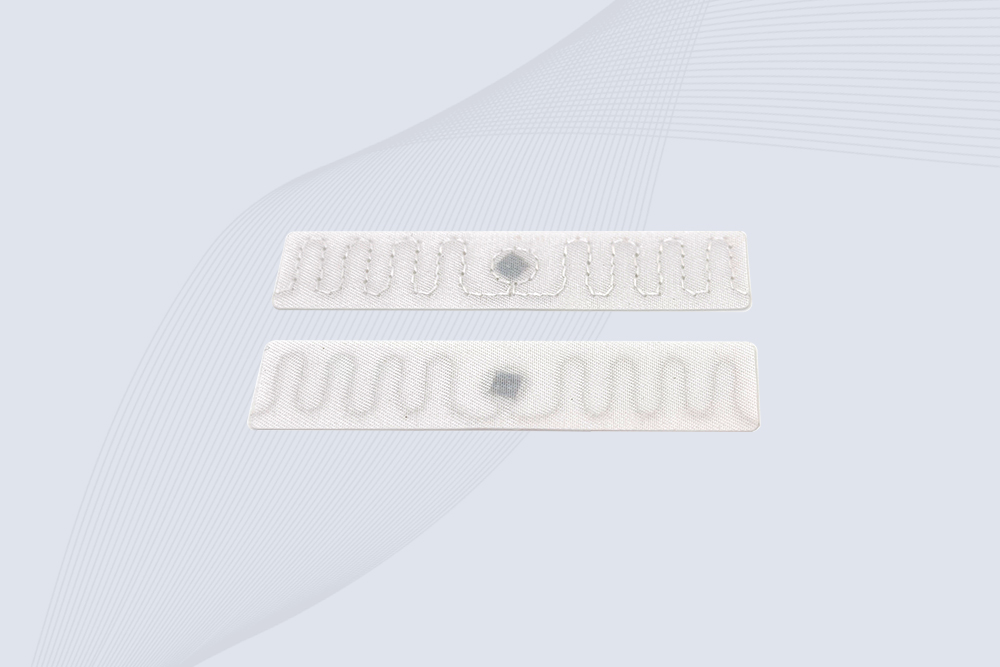
The CYKEO RFID Laundry Tag is designed for long-term textile identification in harsh laundry environments. Built to withstand high heat, chemicals, and repeated washing, this RFID Laundry Tag delivers stable performance for hotels, hospitals, and industrial laundry operations using laundry rfid tags at scale.
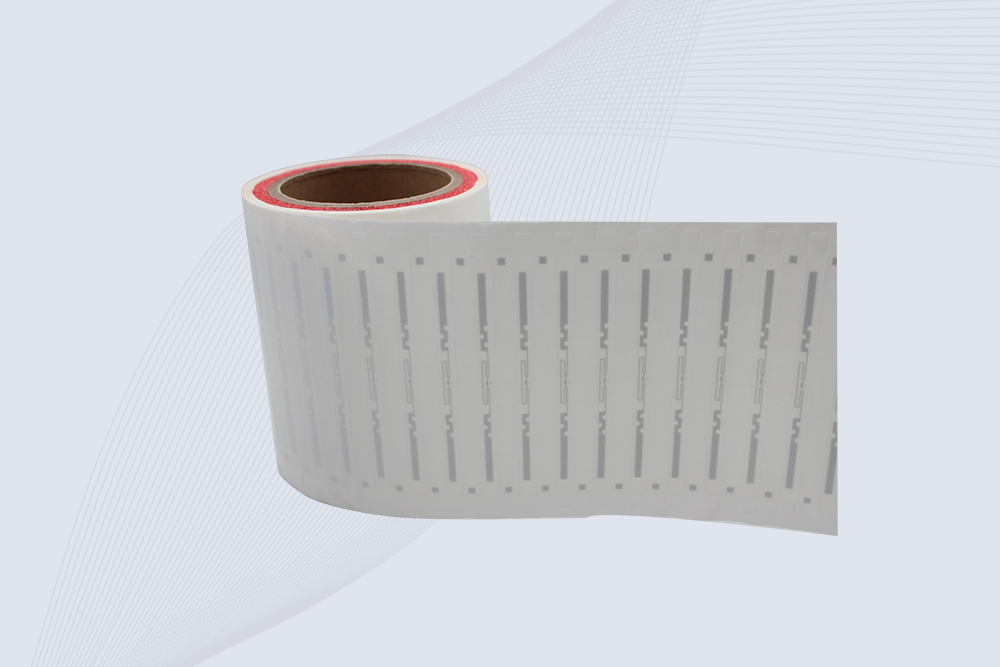
The CYKEO CYKEO-125-7 RFID Book Tag is designed for reliable book and document tracking in libraries and archives. This RFID Book Tag delivers long read range, dense placement support, and stable performance on shelves, making it a practical rfid tag on books for library automation, file management, and archival systems.
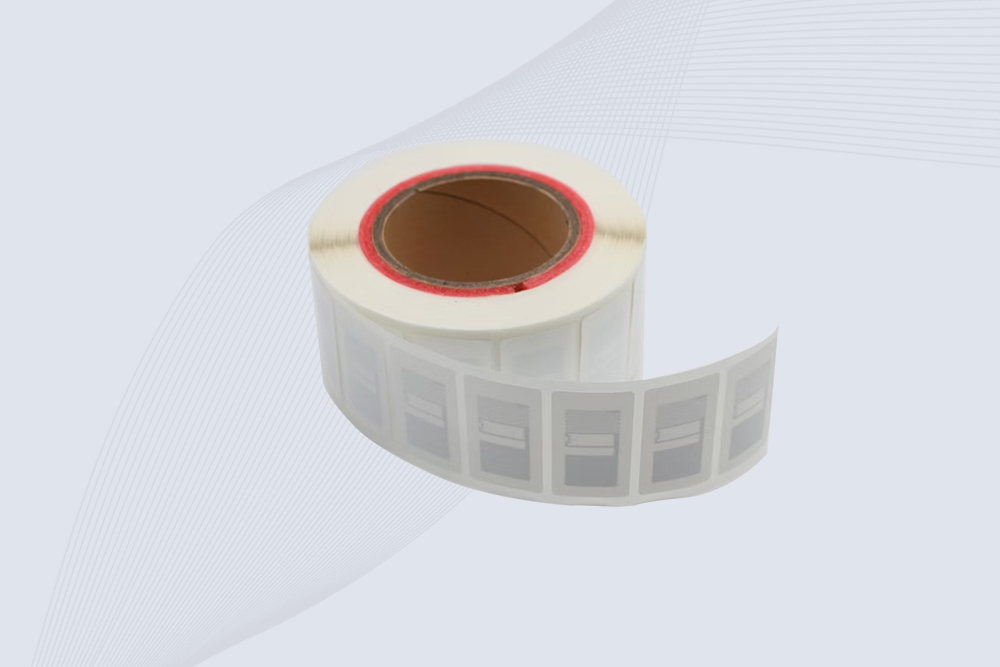
CYKEO RFID tags in hospitals are designed for sterile environments where accuracy matters. These autoclavable RFID tags support long-term tracking of surgical tools, implants, and medications, helping hospitals improve visibility, compliance, and patient safety.

CYKEO RFID Cable Tie Tag is built for reliable identification on metal surfaces. This UHF RFID Cable Tie Tag is widely used in rfid tags for inventory systems, industrial asset management and Hospital RFID Tags, offering stable read performance, long service life and global EPC Gen2 compatibility.
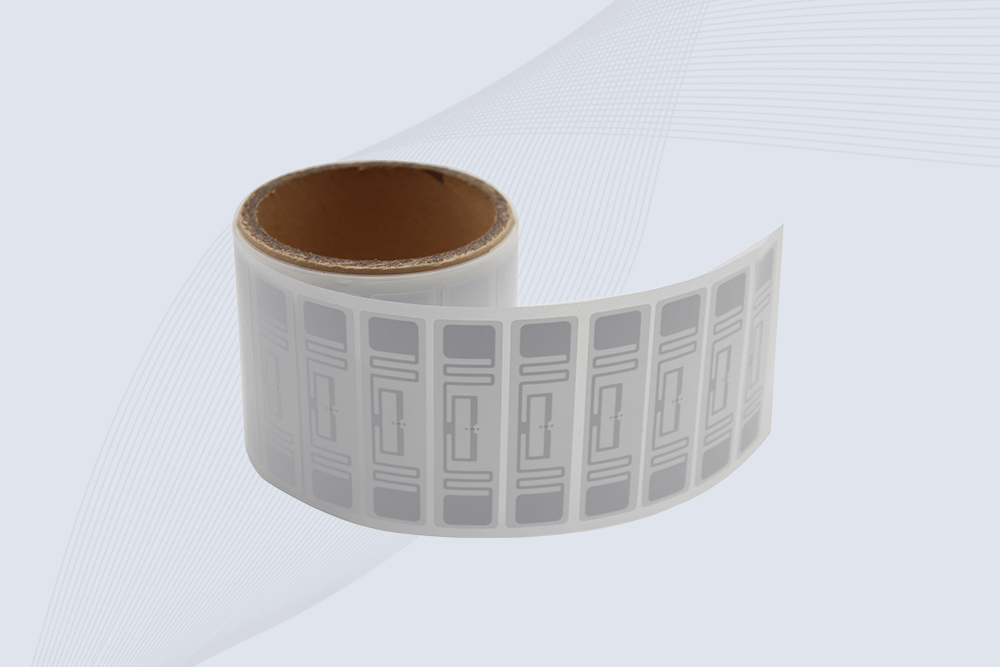
CYKEO RFID Asset Tag is designed for stable identification of metal assets in industrial environments. This UHF RFID Asset Tag is commonly used for rfid tag asset tracking on equipment, tools and containers, providing reliable reads, long service life and ISO/IEC 18000-6C support.

CYKEO UHF RFID Card is designed for fast identification and long-term use in industrial and commercial systems. Supporting ISO 18000-6C, this UHF RFID Card works at 860–960 MHz and is suitable for custom RFID cards used in asset tracking, access control and inventory management.
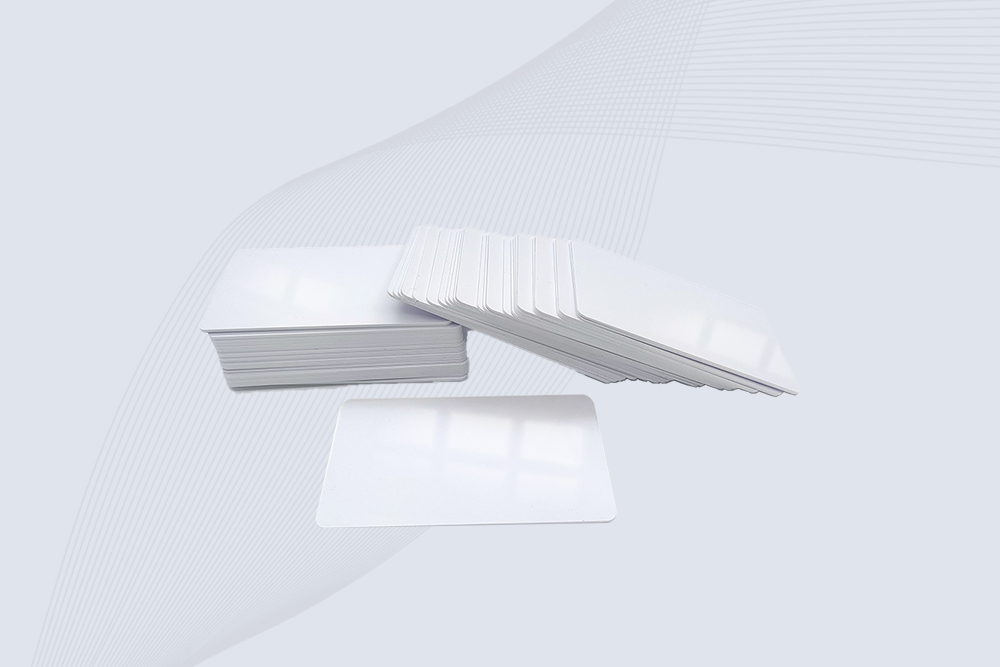
CYKEO HF RFID Cards are designed for secure and stable access control systems. These 13.56 MHz RFID key cards support ISO 14443-A, reliable rewriting and long service life, making HF RFID Cards suitable for offices, campuses, events and membership management.
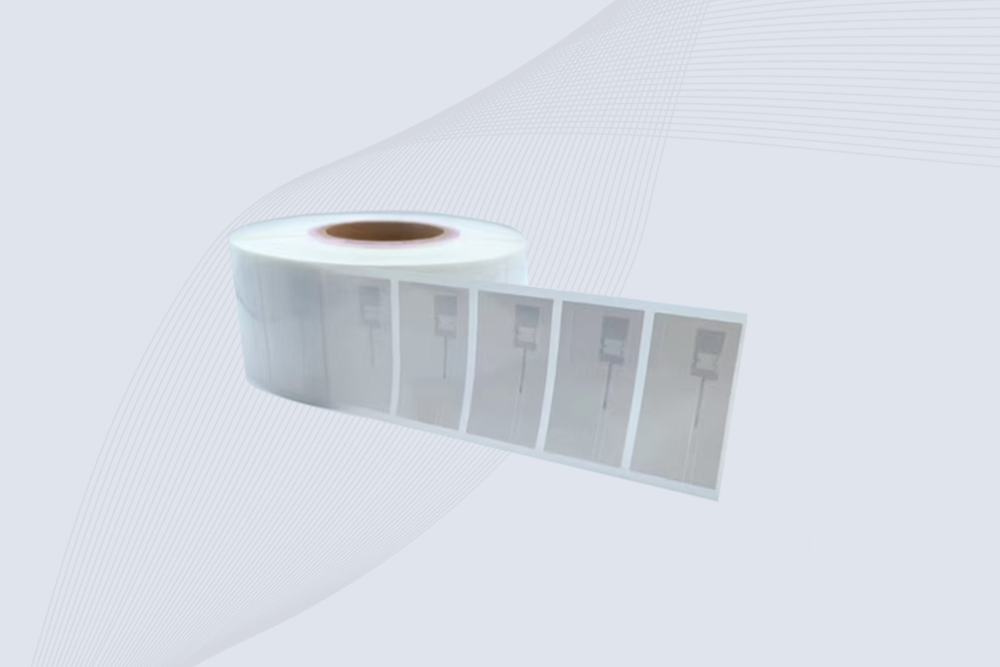
CYKEO UHF RFID Tag is designed for reliable tracking of metal jewelry and high-value items. This Jewelry RFID Tag supports long-range reading up to 8 meters, anti-counterfeit protection and stable performance on metal, making it suitable for retail, inventory control and asset management.
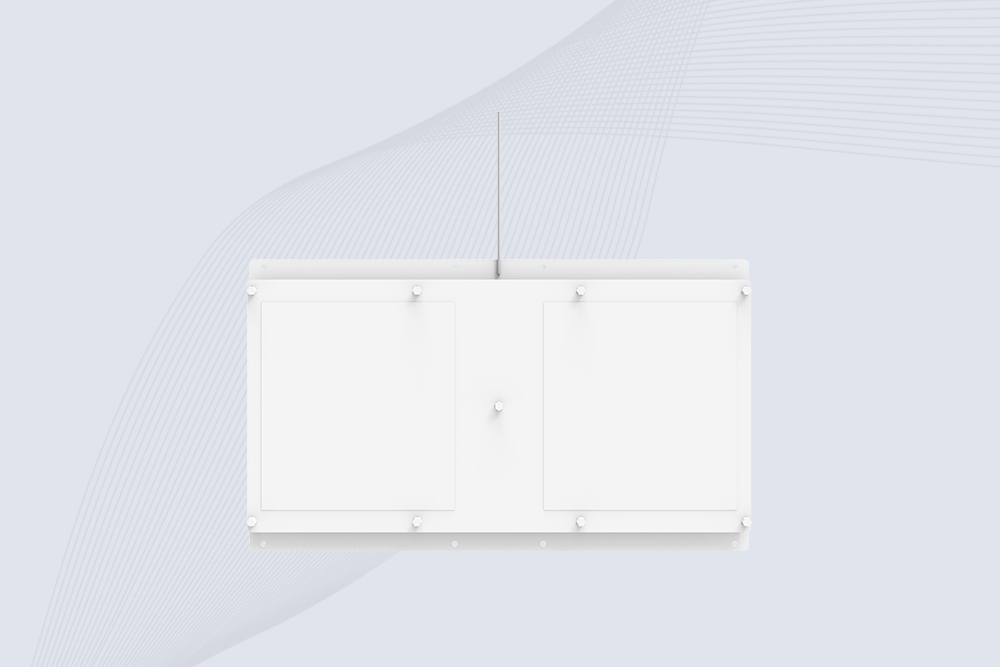
Cykeo CYKEO-A11 UHF RFID reader antenna delivers 11dBi gain, 840-960MHz frequency range, and IP65 ruggedness for retail, logistics, and industrial RFID systems. Features low VSWR and easy installation.

CYKEO Antenna RFID Reader delivers stable long-range UHF performance with a 10.5dBi directional design, built for warehouses, conveyor portals, and industrial RFID systems. This rfid reader antenna provides 20m+ read distance and rugged IP67 protection.

Cykeo CYKEO-PHF3 industrial HF RFID Antenna offers 24-point dynamic tracking, ISO 14443A/15693 protocols, metal-environment stability for archives/libraries/manufacturing.

Cykeo CYKEO-A5B industrial Linear RFID Antenna delivers 5dBi gain, ≤1.5:1 VSWR, and IP65 rugged design for warehouse, production line, and logistics UHF systems.

Cykeo’s CYKEO-B12 Long Range RFID Antenna delivers 15m+ read range with 12dBi gain, IP65 rugged design, and global 840-960MHz UHF support. Ideal for warehouse/logistics asset tracking.
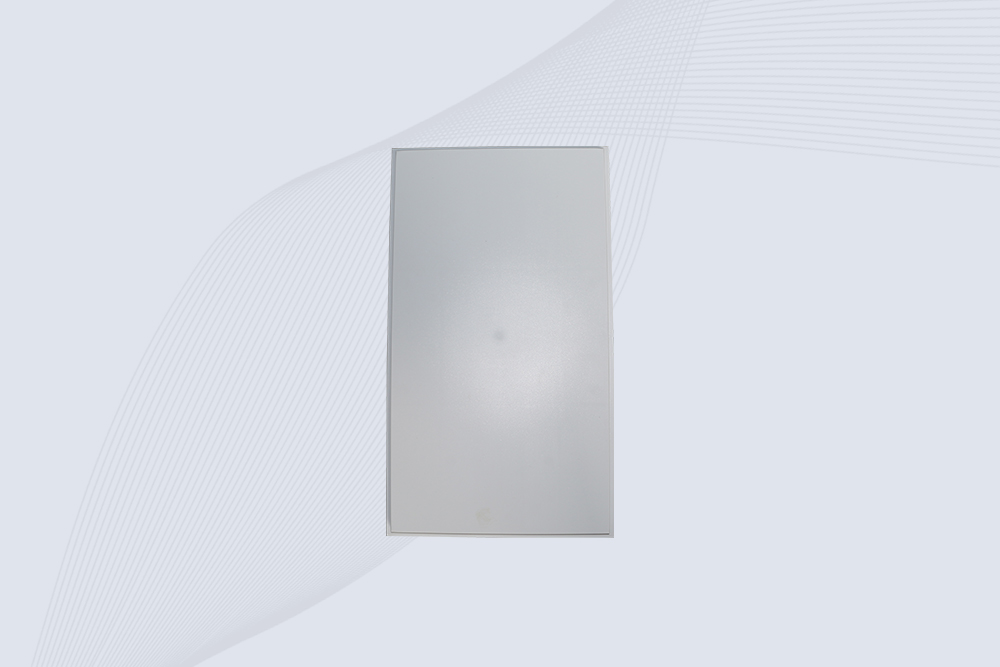
Cykeo CYKEO-B10 Long Distance RFID Antenna offers 10dBi gain, 840-960MHz frequency range, IP65 rating, and 20m+ coverage for logistics/warehousing/ETC systems. Low VSWR ensures stable signal transmission.
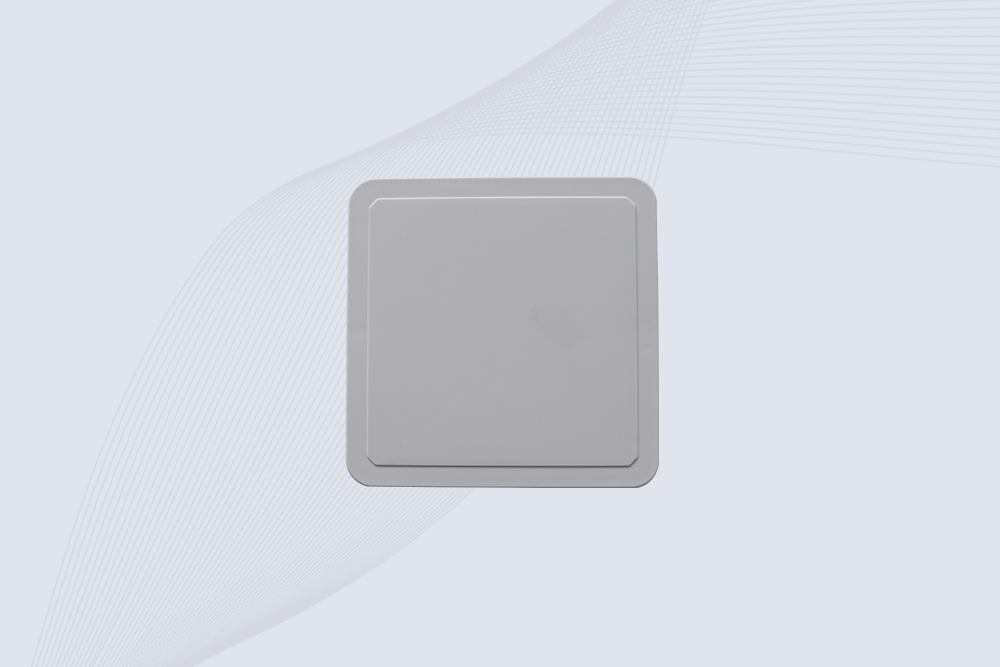
Cykeo CYKEO-A6 UHF RFID panel antenna features 6dBi gain, 840-960MHz broadband, IP65 metal-ready housing for logistics/smart retail. 18mm ultra-thin design with tool-free mounting.

Cykeo CK-A3 industrial antenna RFID UHF offers 5m+ tag detection, ≤1.3:1 VSWR, IP65 rugged design, and global UHF spectrum compatibility (840-960MHz) for warehouses, factories, and retail.
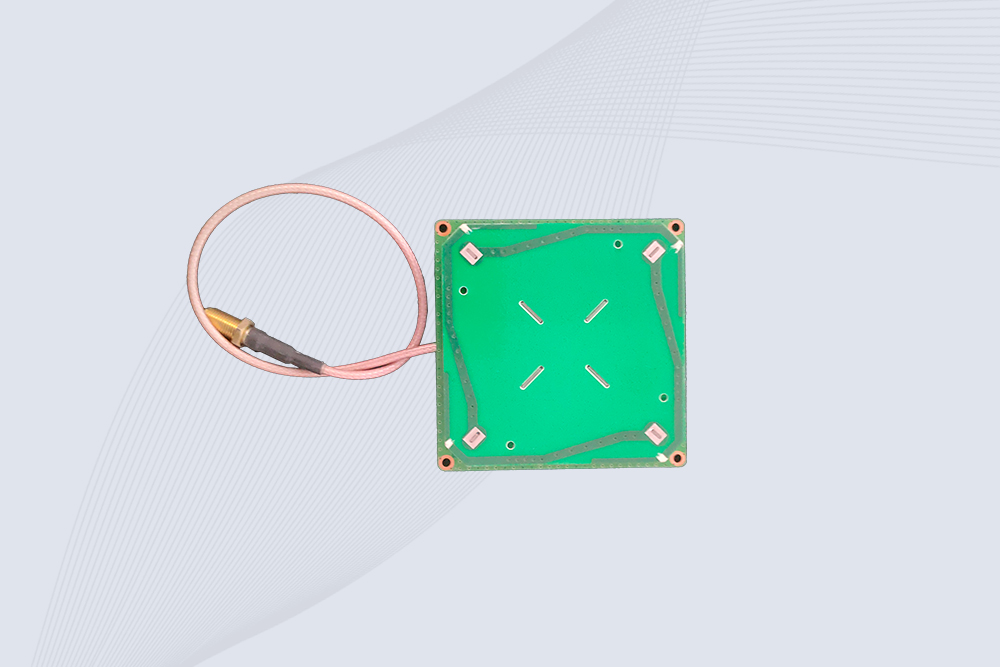
Cykeo CYKEO-B5 directional RFID antenna provides 5dBi gain with 60° narrow beamwidth for precise inventory tracking. IP65-rated, global UHF frequency support, and low VSWR.
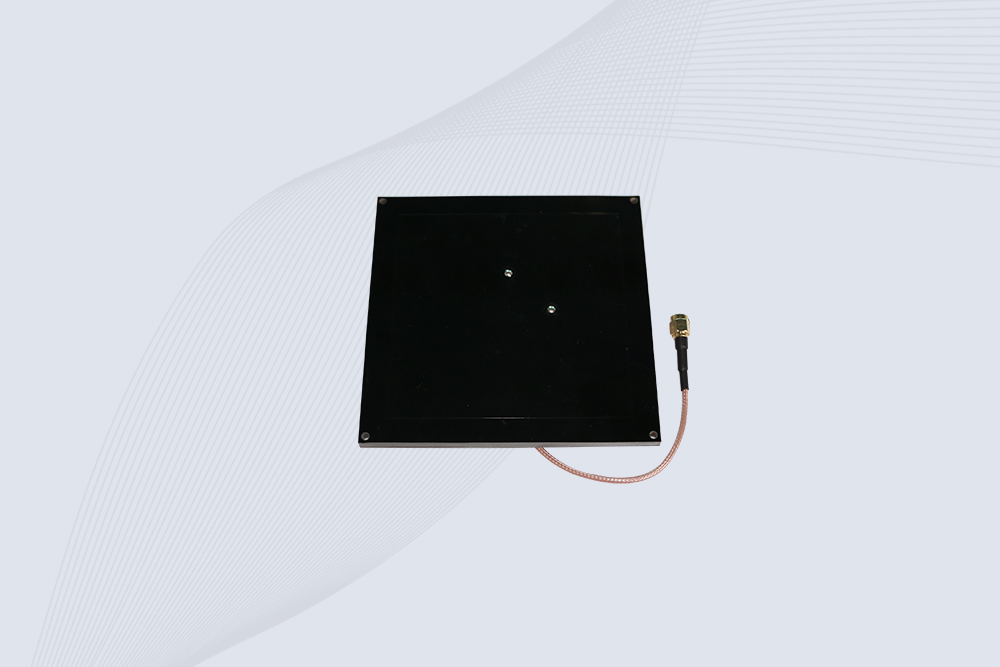
Create your own high-performance DIY RFID antenna! 5dBi gain, 840-960MHz tunable, step-by-step guides. Compatible with Arduino, Raspberry Pi, and commercial UHF readers.
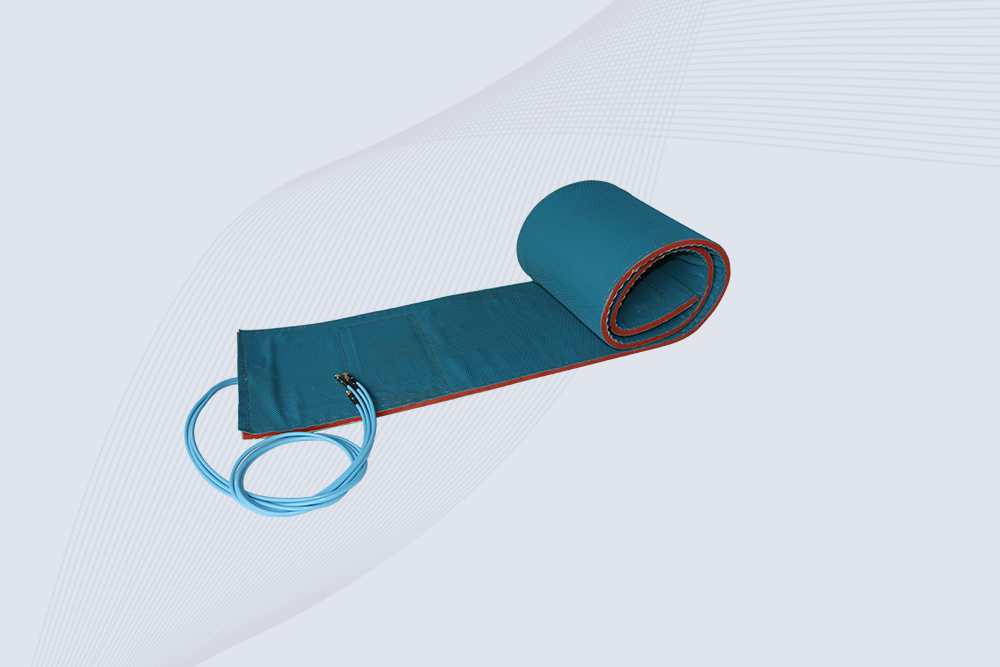
Cykeo CYKEO-A7 Flexible RFID Antenna features 840-960MHz wideband tuning, 7dBi gain, and IP68 rating for medical/retail/industrial curved surface deployments. 98% read accuracy with peel-and-stick installation.

Cykeo CYKEO-B5A industrial Passive RFID Antenna delivers 5dBi gain, 70° beamwidth, and -40°C~55°C operation for warehouses/smart cabinets. Compatible with Zebra/Impinj readers.
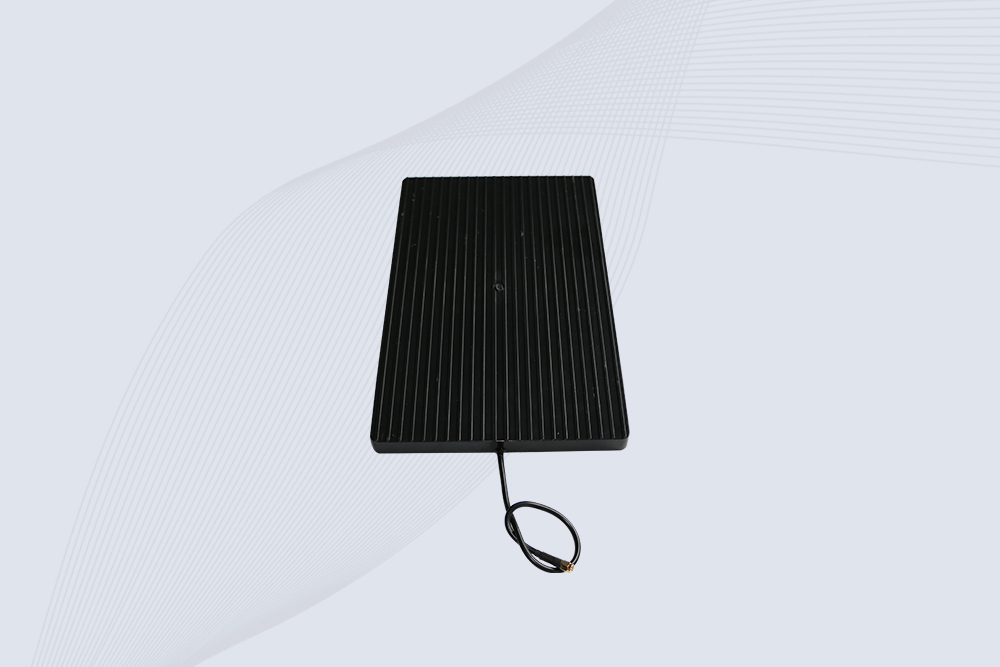
Cykeo’s CYKEO-A9B High Gain RFID Antenna delivers 15m+ read range with 9dBi amplification. Features IP54 rugged design, 840-960MHz bandwidth, and 80° beamwidth for warehouse/manufacturing RFID systems.

Cykeo’s enterprise-grade 8dbi Impinj RFID Antenna 10m+ read range with 840-960MHz tuning. Features IP65 housing, 1.4 VSWR, 35° beamwidth for retail/warehouse RFID systems.
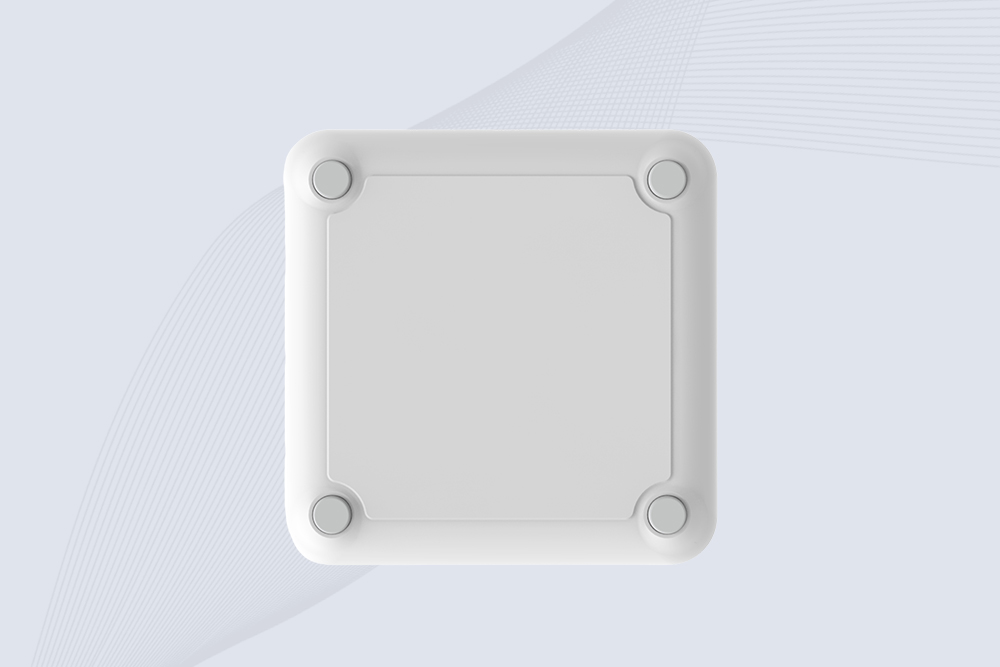
Cykeo CYKEO-A9 industrial UHF RFID antenna delivers 9dBi gain, 840-960MHz frequency range, and IP65 protection for warehouse/logistics/retail RFID systems. Features N-type connector and ≤1.3:1 VSWR.
CYKEO UHF RFID Antenna built for long-distance and industrial applications. This antenna rfid uhf delivers strong gain, outdoor durability, and reliable tag performance in warehouses, yards, and vehicle ID systems.
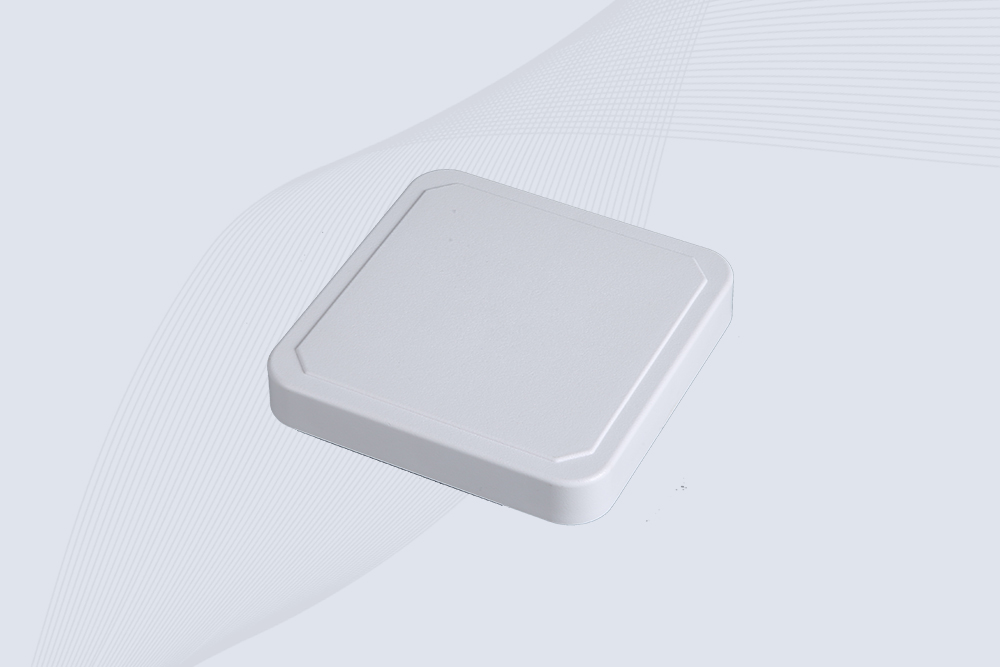
CYKEO Antenna RFID delivers reliable long-range UHF performance in warehouses, retail shelves, and cold-chain environments. This compact uhf rfid antenna provides stable reads with circular polarization and ultra-wide 840–960 MHz support, ideal for industrial tracking, smart shelves, and asset monitoring.
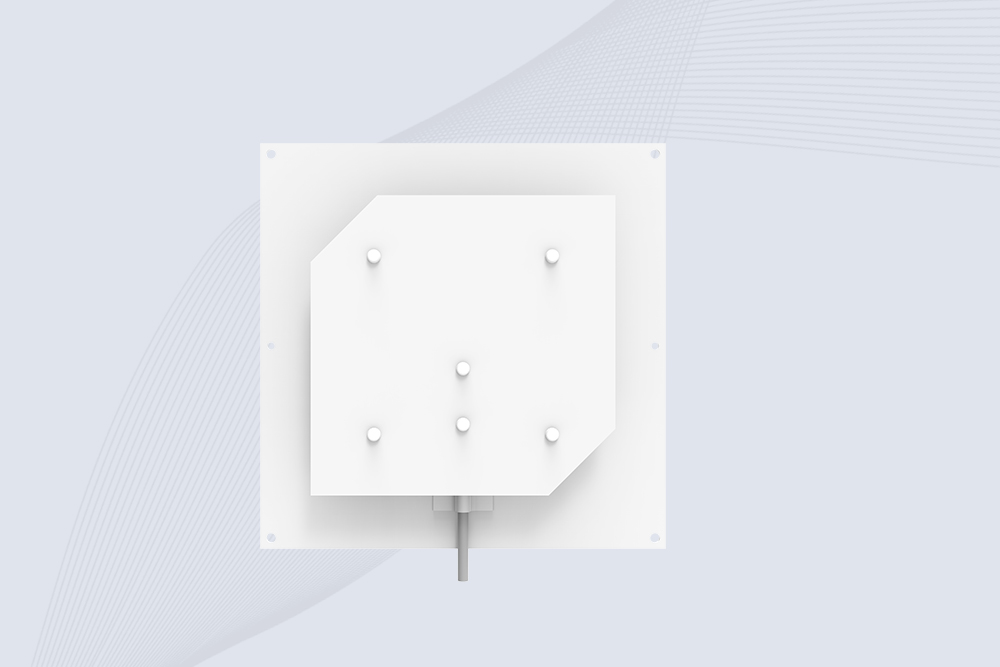
Cykeo’s CYKEO-C8 UHF RFID antennas delivers 8dBi gain, 840-960MHz full-band coverage, and IP65 ruggedness for manufacturing/warehouse RFID systems. Industrial RFID Antennas Features
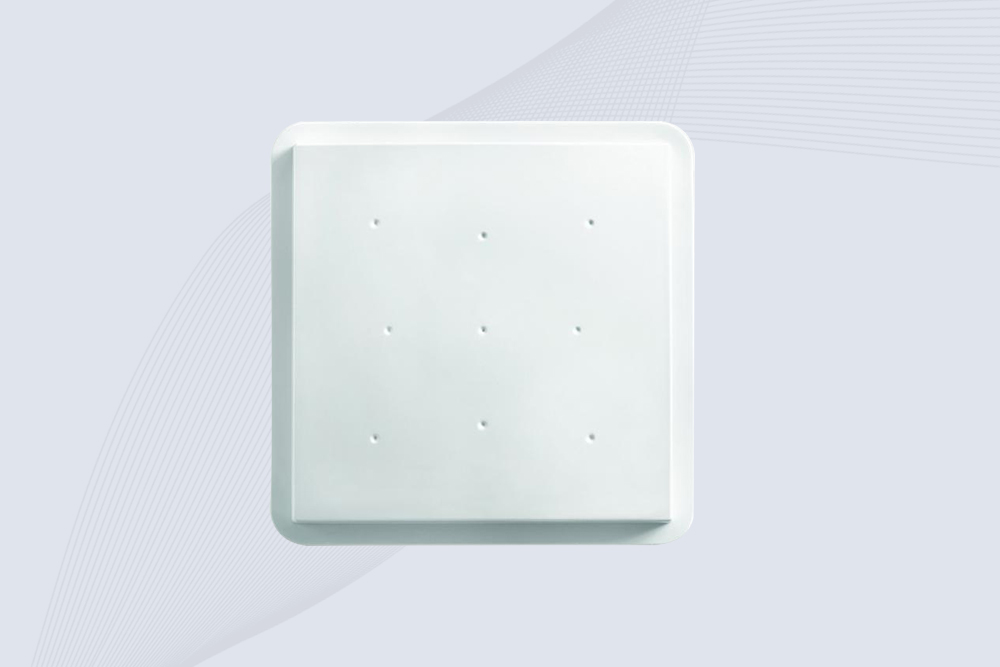
Cykeo’s 8dBi UHF RFID antenna and reader kit delivers 10m+ range, 840-960MHz broadband, and IP65 ruggedness for factories, warehouses, and logistics. ISO 18000-6C & EPC Gen2 certified.
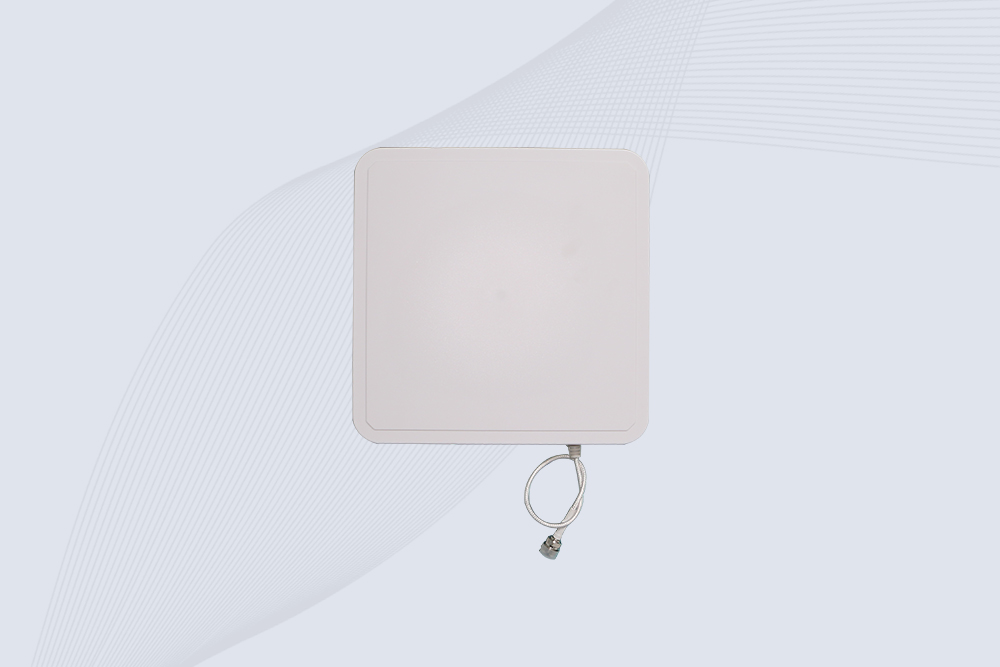
Cykeo CYKEO-A9A industrial UHF RFID reader and antenna kit delivers 10m range, 500 tags/sec, IP65 ruggedness for manufacturing/logistics. Supports EPC Gen2, ISO18000-6C.
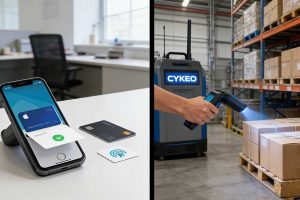
Wondering "does iPhone have RFID reader"? We explain the NFC technology in iPhones, what it can actually read, and its limits for business RFID use.
More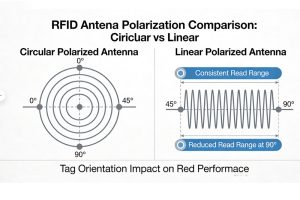
Choosing the right UHF RFID antenna is critical for system performance. Learn how polarization, gain, and beam width affect RFID deployments for warehouses and industrial environments.
More
Choosing an RFID antenna involves more than gain and polarization. Learn how to match RFID antennas with readers, compare TNC, SMA and RP-TNC connectors, and understand how cable loss affects UHF RFID system performance.
More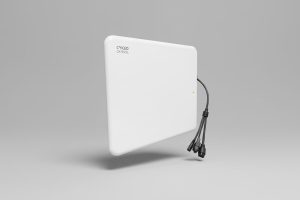
CYKEO long range RFID tag reader with 9dBi integrated antenna, rugged design, outdoor-ready, real-time tag reading, and multi-protocol support. Perfect for warehouses, logistics, and industrial automation.
More