 Cykeo RFID IoT Solution Products R&D Manufacturer

How Many RFID Tags Can Be Read at Once? From Dozens to Hundreds.
277Need bulk scanning? Learn how many RFID tags can be read at once with UHF technology and what factors affect real-world multi-tag reading performance.
MoreAll RFID Product
One purchasing manager emailed us after replacing four RFID antennas.
The reading distance hadn’t improved.
The tags were the same.
The reader was the same.
Even the mounting position barely changed.
After a short conversation, the actual problem turned out to be something much less obvious.
The antenna cable was almost fifteen meters long, and it wasn’t designed for UHF RFID.
Nobody had questioned the cable because, well, it looked fine.
Moments like that are surprisingly common.
When people compare RFID antennas, they usually focus on gain, polarization or price.
Compatibility often gets checked at the very end.
In real projects, it probably deserves attention much earlier.
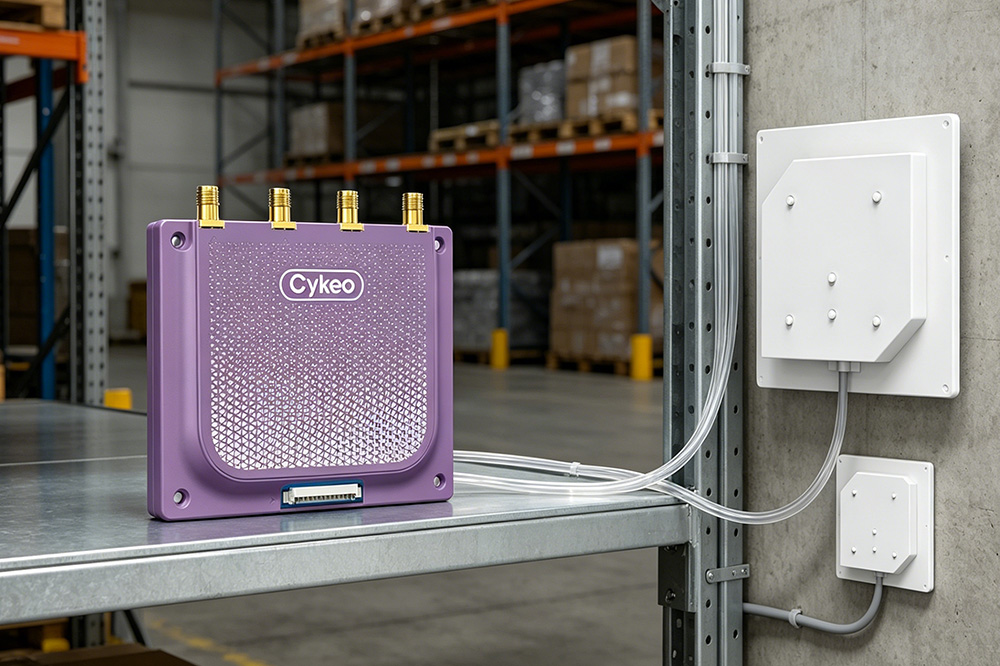
This is probably the first question many buyers ask.
The short answer is…
Usually yes.
But “usually” isn’t the same as “always.”
Most modern UHF RFID readers follow standard RF specifications, which means antennas from different manufacturers can often work together without major issues.
For example, readers based on the widely adopted RAIN RFID ecosystem—including platforms built around chips from Impinj—are commonly paired with third-party antennas in warehouse, logistics and manufacturing projects.
That doesn’t automatically guarantee compatibility.
You still need to verify a few practical details.
Most incompatibility problems don’t come from the antenna itself.
They come from overlooking one of those details.
Connector selection rarely gets much attention during quotation discussions.
Then the equipment arrives.
Someone opens the box.
The connector doesn’t match.
Work stops.
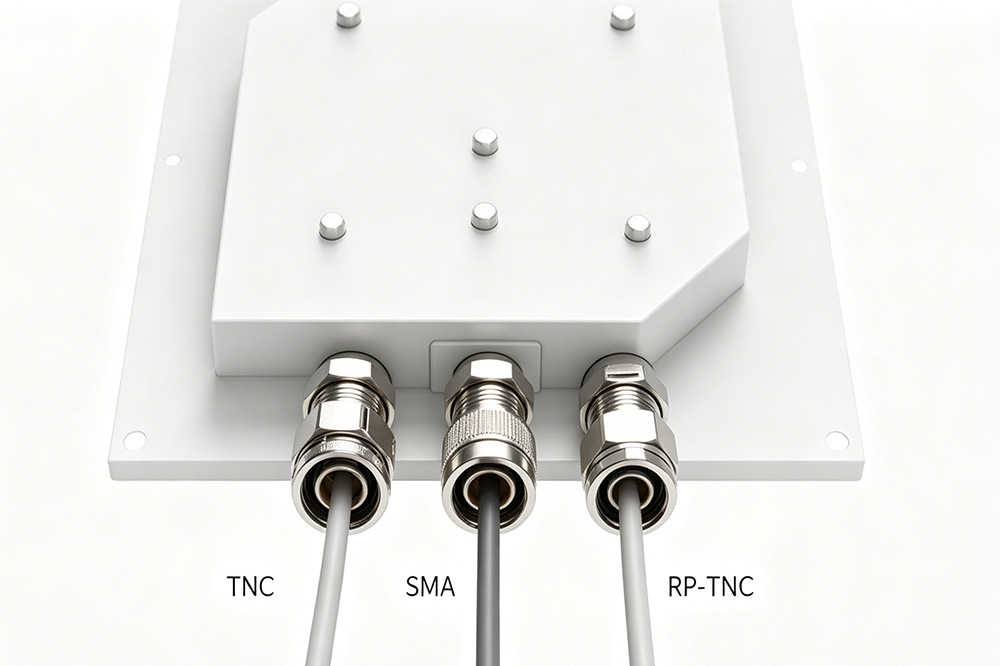
The three connector types most buyers encounter are:
TNC connectors are probably the most common choice for industrial RFID installations.
They’re mechanically secure and resist vibration well.
That’s one reason warehouse gates and outdoor systems frequently use them.
If forklifts, conveyors or industrial equipment create constant vibration, TNC is often the safer option.
SMA connectors are much smaller.
They’re common in compact RFID readers, embedded modules and development boards.
They work well.
They just aren’t designed for repeated industrial cable movement.
If the installation remains fixed, that’s usually not a concern.
RP-TNC connectors appear less frequently in RFID than in wireless networking, but they’re still found in some specialized equipment.
At first glance they look almost identical to standard TNC connectors.
The center pin arrangement is different.
More than one installer has discovered that after trying to tighten the connector.
It’s a simple mistake.
Still frustrating when the project is waiting.
Here’s something I’ve noticed over the years.
Teams will spend days comparing antennas.
They’ll compare gain, beam width and polarization.
Then they’ll purchase the least expensive RF cable available.
That decision can quietly reduce system performance.
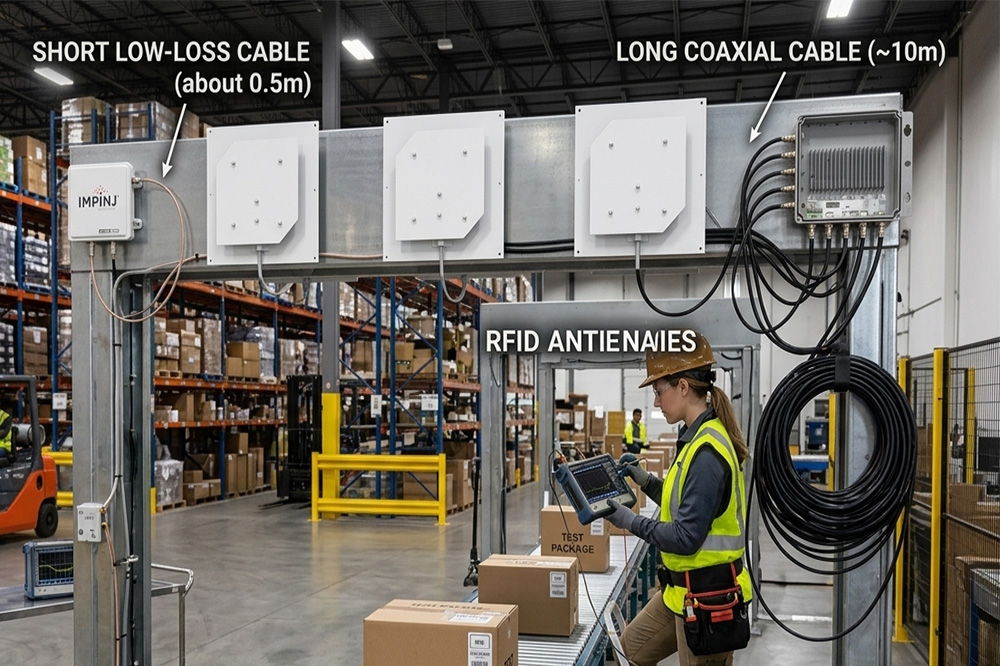
Every RF cable introduces signal loss.
The longer the cable, the greater the attenuation.
A one-meter cable isn’t much of a concern.
Ten or fifteen meters can become another story, especially if lower-quality coaxial cable is used.
The reader doesn’t know why performance changed.
It simply receives less usable RF energy.
Sometimes installers position the reader far away because it seems more convenient.
A control cabinet may already have available power.
Network access is nearby.
Maintenance is easier.
Then the antenna requires a long cable.
In some situations, moving the reader closer to the antenna actually improves performance more than changing antennas.
It’s one of those small design decisions that doesn’t appear on the quotation sheet but becomes obvious after commissioning.
An RFID system isn’t just:
Reader → Antenna
There’s more happening between those two devices.
Reader.
Connector.
Cable.
Connector again.
Antenna.
Every connection introduces a small amount of loss.
Usually it’s insignificant.
Occasionally it adds up.
Especially in outdoor projects where surge protectors or extension cables are also installed.
Looking at only one component rarely tells the whole story.
After working with enough deployments, procurement teams start asking different questions.
Instead of asking only whether the antenna is compatible, they ask:
Those questions usually prevent installation delays later.
OEM customers sometimes need something slightly different.
A different connector.
A custom cable length.
Specific mounting hardware.
Weatherproof cable glands.
Factory-installed jumpers.
These details may seem small individually.
Together they determine how smoothly the equipment integrates into an existing RFID system.
That’s why many RFID manufacturers offer connector and cable customization alongside the antenna itself.
When projects move from the laboratory into warehouses, factories or logistics centers, compatibility becomes much more practical than theoretical.
The antenna has to fit the reader.
The connector has to fit the cable.
The cable has to preserve enough RF power.
And the complete assembly has to survive the environment where it’s installed.
Manufacturers supplying complete RFID antenna solutions, including companies such as Cykeo, often support OEM connector options, customized cable lengths and compatibility testing before shipment because these details tend to matter more during installation than they do on a specification sheet.
In many deployments, the antenna that works best isn’t necessarily the one with the highest gain.
It’s the one that fits the entire system without creating unexpected problems.
| Connector | Typical Applications | Advantages | Considerations |
|---|---|---|---|
| TNC | Warehouse gates, industrial RFID readers | Secure threaded connection, vibration resistant | Larger physical size |
| SMA | Embedded RFID modules, compact readers | Small, lightweight, widely available | Less suitable for frequent cable movement |
| RP-TNC | Some specialized RF devices | Similar mechanical design to TNC | Not interchangeable with standard TNC |
| Cable Length | Typical RF Loss Impact | Recommendation |
|---|---|---|
| 1–3 m | Very Low | Ideal for most indoor readers |
| 3–5 m | Low | Suitable for standard warehouse installations |
| 5–10 m | Moderate | Consider using low-loss coaxial cable |
| Over 10 m | Higher | Evaluate reader placement before extending cable |
SSD-A11 UHF RFID antenna features 840–960 MHz adjustable frequency, ≥10.5 dBi gain, circular polarization and 50Ω impedance for fixed RFID systems.
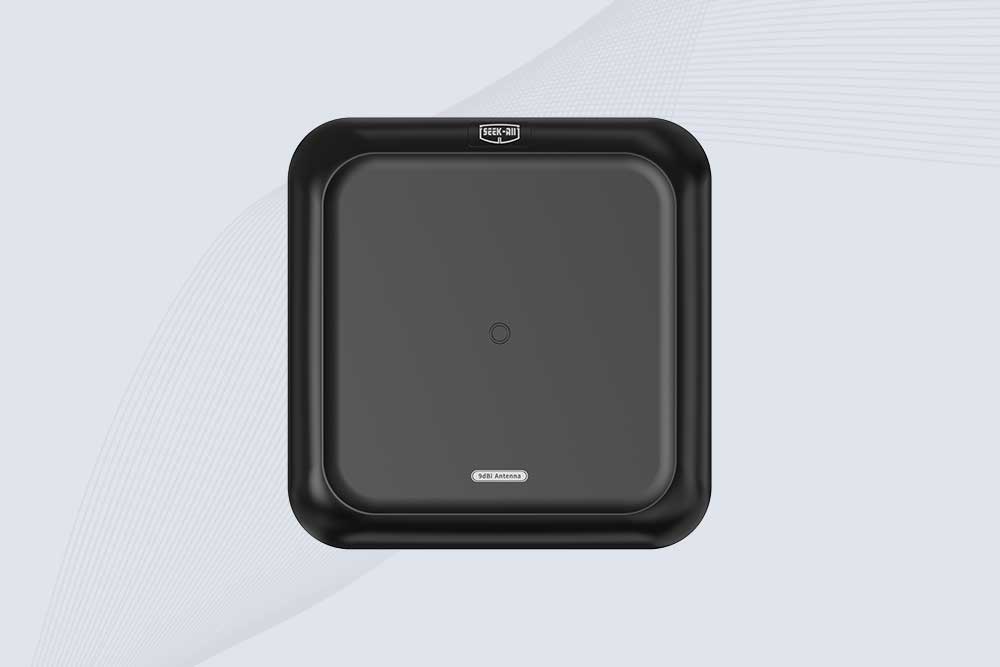
SSD-A09 is a 9 dBi UHF RFID antenna with 840–960 MHz adjustable frequency, circular polarization, 50Ω impedance and directional 60° × 60° coverage.
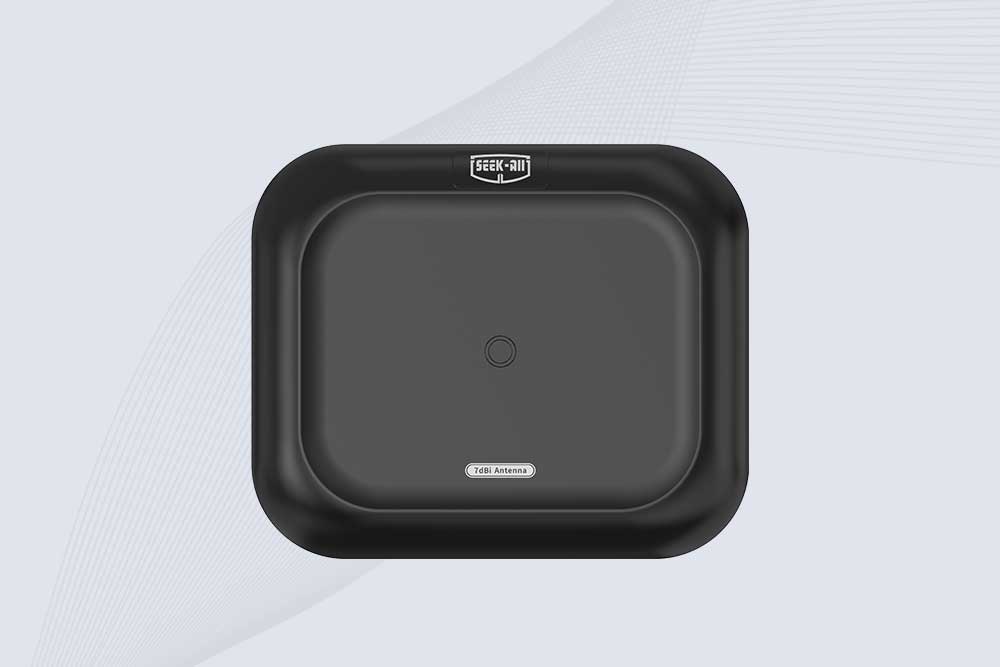
Explore the SSD-A07 UHF RFID antenna with 7 dBi gain, circular polarization, adjustable 840–960 MHz frequency, and 60°/75° beamwidth for stable RFID read/write performance.

SSD-A06 UHF RFID antenna with circular polarization, adjustable 840–960 MHz frequency, ≥4.5 dBi gain, and a compact directional design for RFID systems.
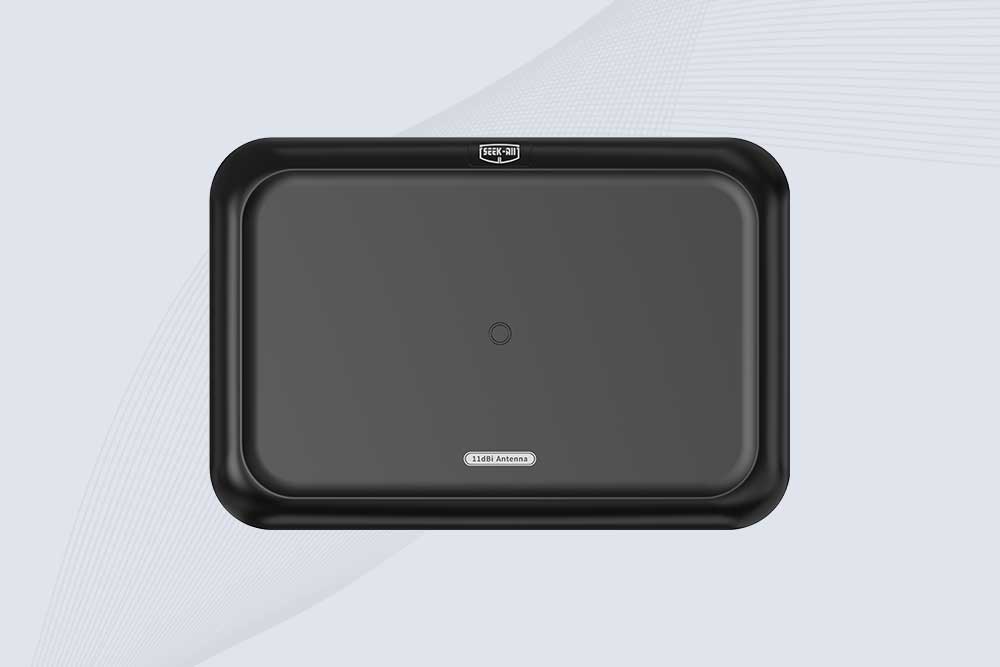
Cykeo CYKEO-A11 UHF RFID reader antenna delivers 11dBi gain, 840-960MHz frequency range, and IP65 ruggedness for retail, logistics, and industrial RFID systems. Features low VSWR and easy installation.

CYKEO Antenna RFID Reader delivers stable long-range UHF performance with a 10.5dBi directional design, built for warehouses, conveyor portals, and industrial RFID systems. This rfid reader antenna provides 20m+ read distance and rugged IP67 protection.

Cykeo CYKEO-PHF3 industrial HF RFID Antenna offers 24-point dynamic tracking, ISO 14443A/15693 protocols, metal-environment stability for archives/libraries/manufacturing.

Cykeo CYKEO-A5B industrial Linear RFID Antenna delivers 5dBi gain, ≤1.5:1 VSWR, and IP65 rugged design for warehouse, production line, and logistics UHF systems.

Cykeo’s CYKEO-B12 Long Range RFID Antenna delivers 15m+ read range with 12dBi gain, IP65 rugged design, and global 840-960MHz UHF support. Ideal for warehouse/logistics asset tracking.
Cykeo CYKEO-B10 Long Distance RFID Antenna offers 10dBi gain, 840-960MHz frequency range, IP65 rating, and 20m+ coverage for logistics/warehousing/ETC systems. Low VSWR ensures stable signal transmission.
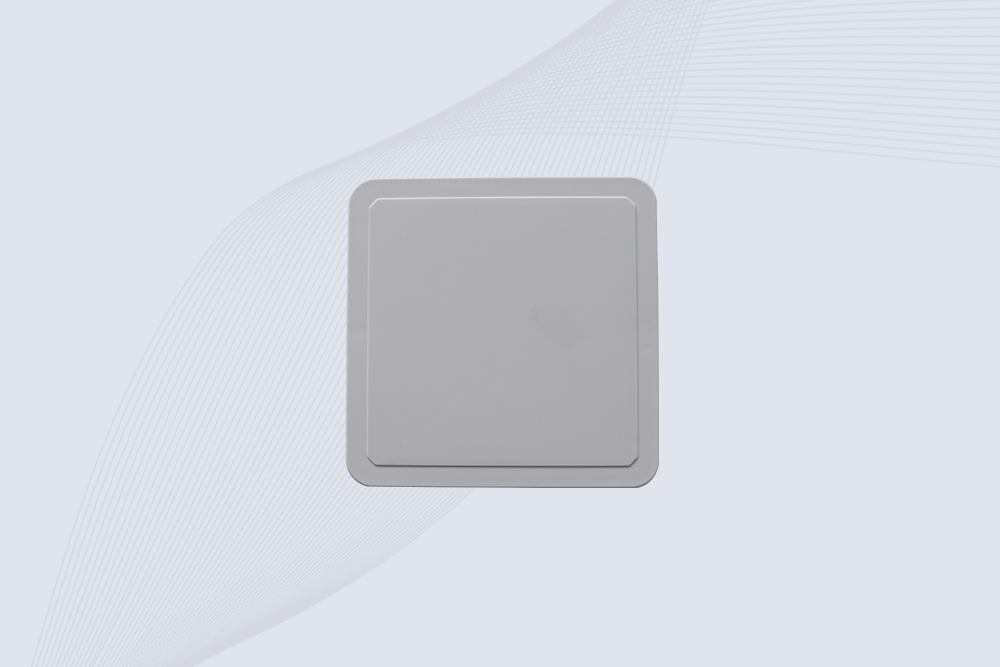
Cykeo CYKEO-A6 UHF RFID panel antenna features 6dBi gain, 840-960MHz broadband, IP65 metal-ready housing for logistics/smart retail. 18mm ultra-thin design with tool-free mounting.

Cykeo CK-A3 industrial antenna RFID UHF offers 5m+ tag detection, ≤1.3:1 VSWR, IP65 rugged design, and global UHF spectrum compatibility (840-960MHz) for warehouses, factories, and retail.
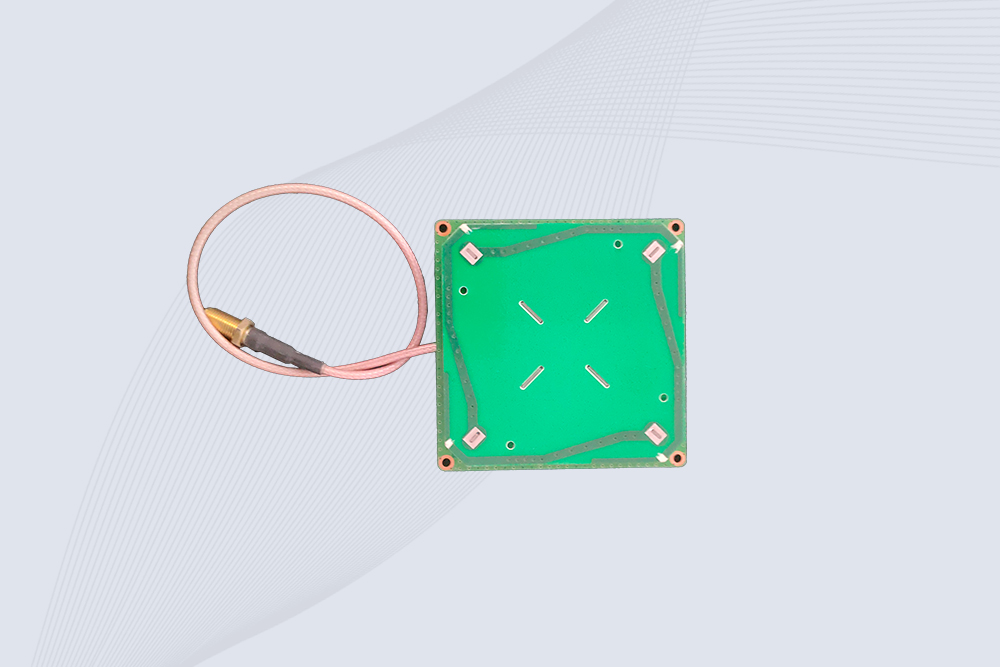
Cykeo CYKEO-B5 directional RFID antenna provides 5dBi gain with 60° narrow beamwidth for precise inventory tracking. IP65-rated, global UHF frequency support, and low VSWR.
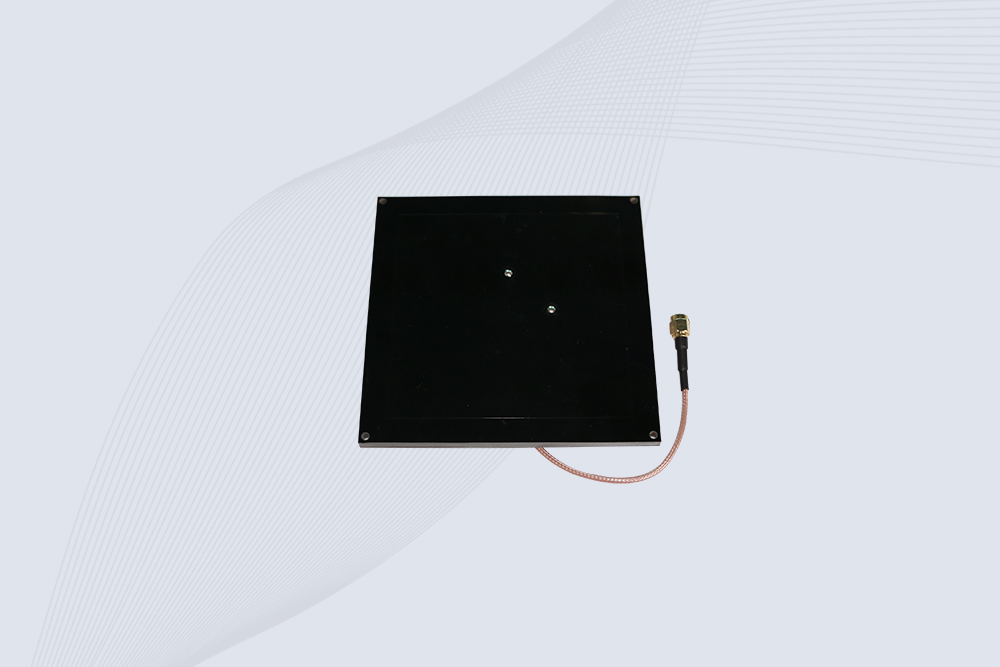
Create your own high-performance DIY RFID antenna! 5dBi gain, 840-960MHz tunable, step-by-step guides. Compatible with Arduino, Raspberry Pi, and commercial UHF readers.
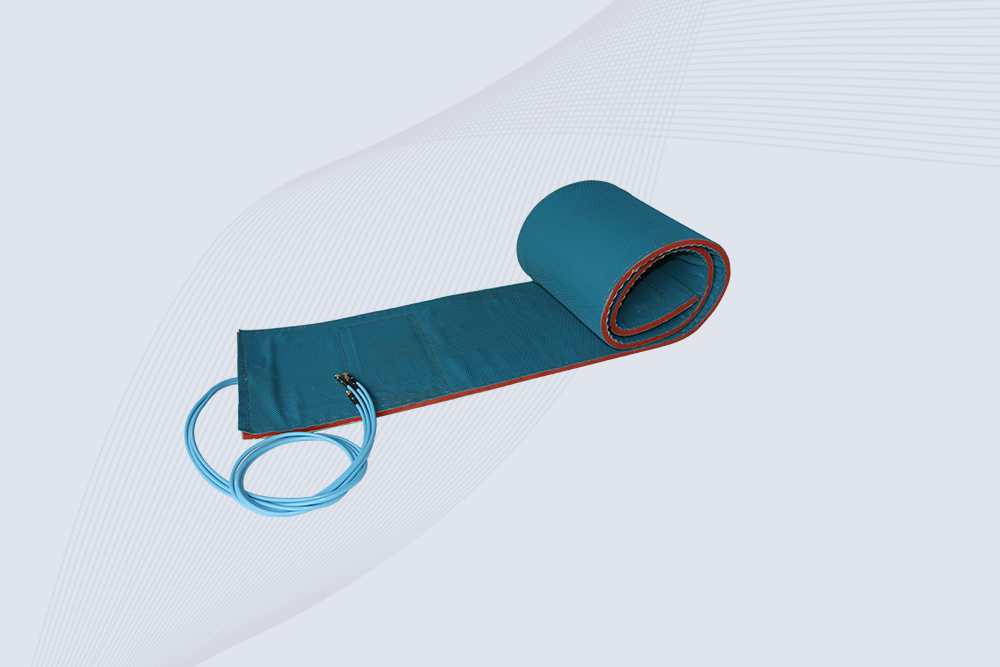
Cykeo CYKEO-A7 Flexible RFID Antenna features 840-960MHz wideband tuning, 7dBi gain, and IP68 rating for medical/retail/industrial curved surface deployments. 98% read accuracy with peel-and-stick installation.

Cykeo CYKEO-B5A industrial Passive RFID Antenna delivers 5dBi gain, 70° beamwidth, and -40°C~55°C operation for warehouses/smart cabinets. Compatible with Zebra/Impinj readers.
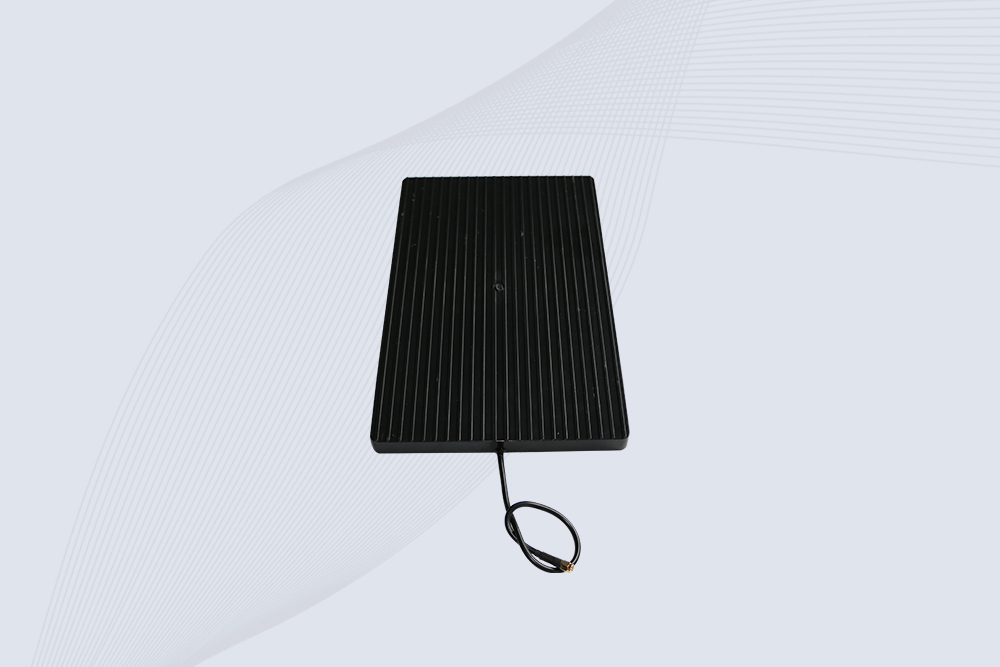
Cykeo’s CYKEO-A9B High Gain RFID Antenna delivers 15m+ read range with 9dBi amplification. Features IP54 rugged design, 840-960MHz bandwidth, and 80° beamwidth for warehouse/manufacturing RFID systems.

Cykeo’s enterprise-grade 8dbi Impinj RFID Antenna 10m+ read range with 840-960MHz tuning. Features IP65 housing, 1.4 VSWR, 35° beamwidth for retail/warehouse RFID systems.
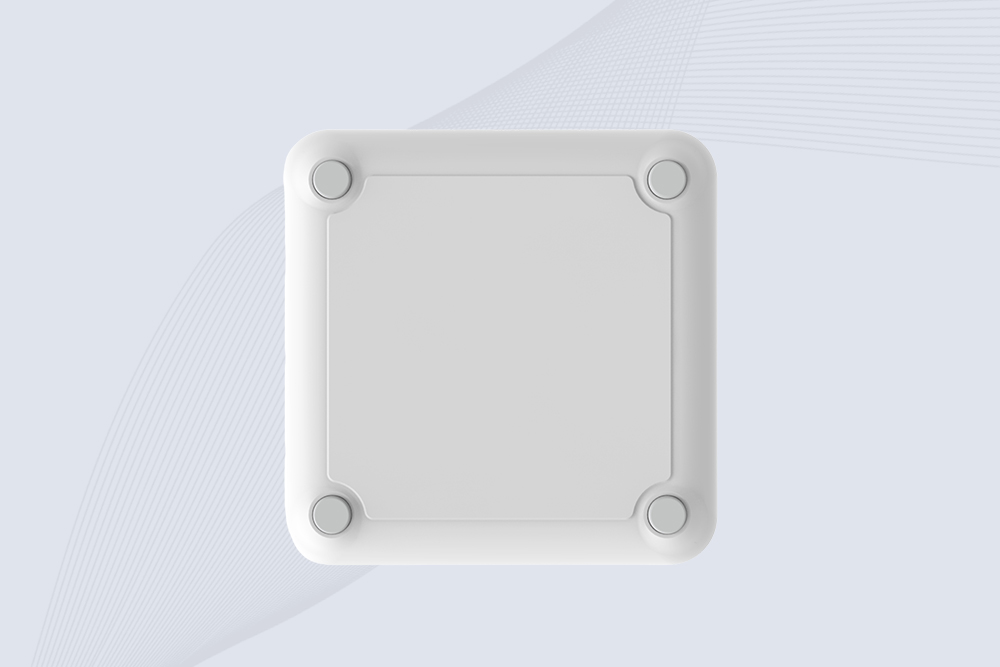
Cykeo CYKEO-A9 industrial UHF RFID antenna delivers 9dBi gain, 840-960MHz frequency range, and IP65 protection for warehouse/logistics/retail RFID systems. Features N-type connector and ≤1.3:1 VSWR.
CYKEO UHF RFID Antenna built for long-distance and industrial applications. This antenna rfid uhf delivers strong gain, outdoor durability, and reliable tag performance in warehouses, yards, and vehicle ID systems.
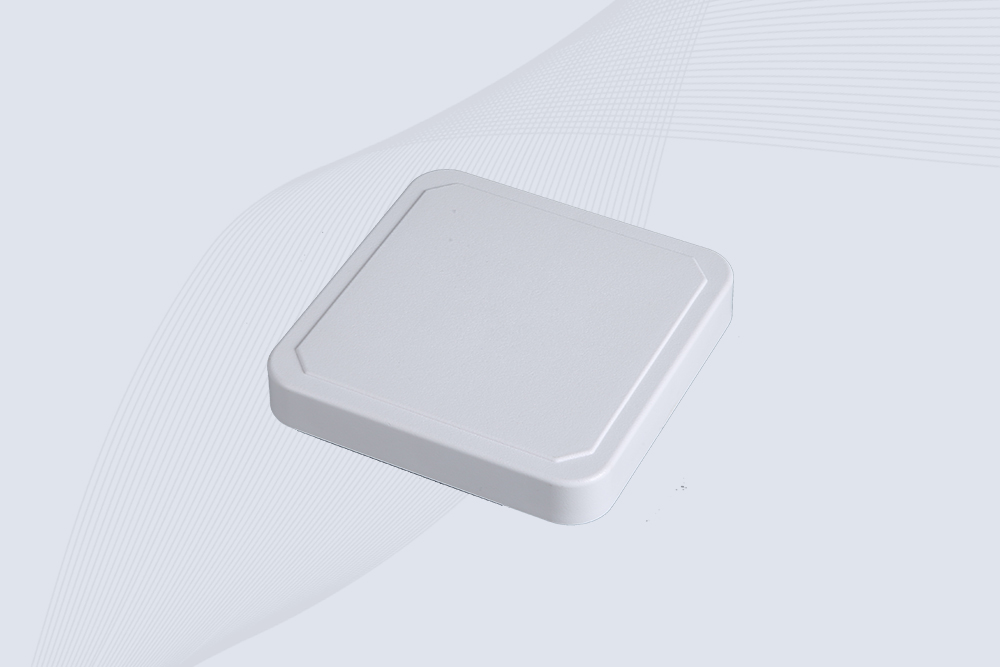
CYKEO Antenna RFID delivers reliable long-range UHF performance in warehouses, retail shelves, and cold-chain environments. This compact uhf rfid antenna provides stable reads with circular polarization and ultra-wide 840–960 MHz support, ideal for industrial tracking, smart shelves, and asset monitoring.
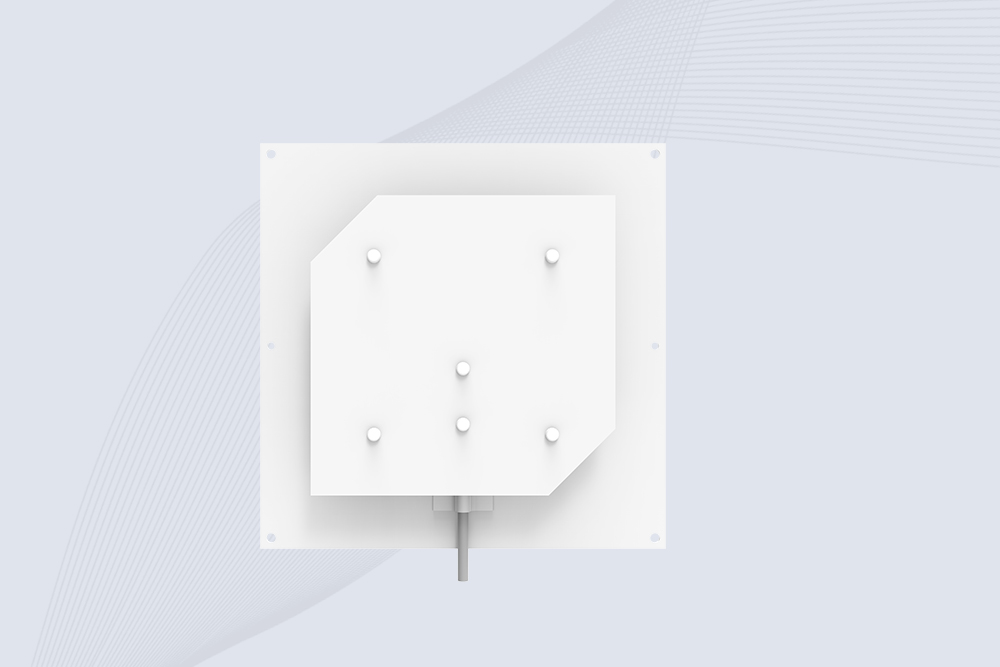
Cykeo’s CYKEO-C8 UHF RFID antennas delivers 8dBi gain, 840-960MHz full-band coverage, and IP65 ruggedness for manufacturing/warehouse RFID systems. Industrial RFID Antennas Features
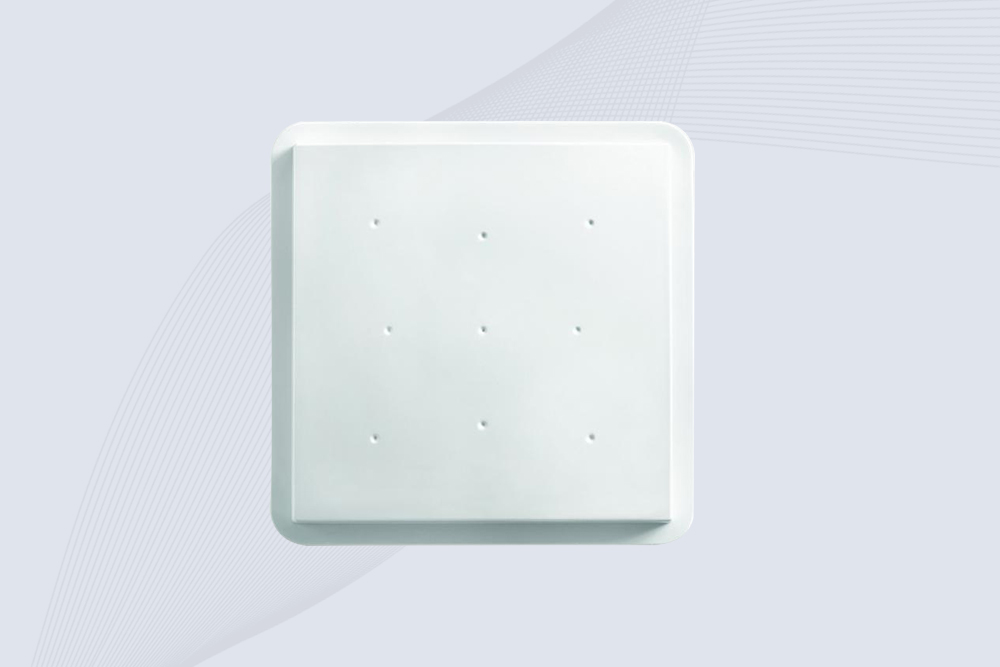
Cykeo’s 8dBi UHF RFID antenna and reader kit delivers 10m+ range, 840-960MHz broadband, and IP65 ruggedness for factories, warehouses, and logistics. ISO 18000-6C & EPC Gen2 certified.
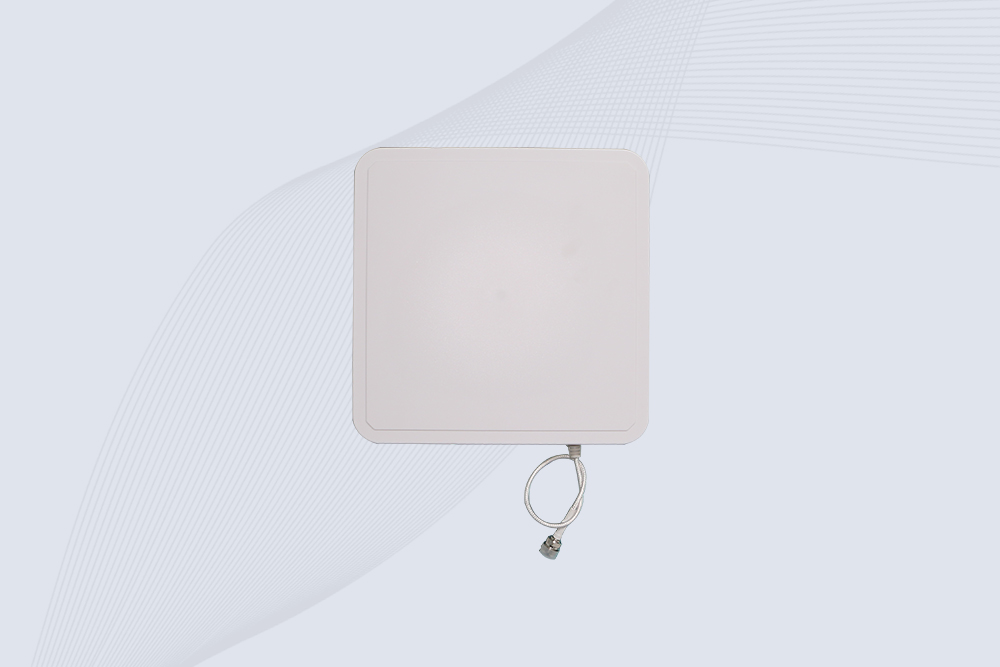
Cykeo CYKEO-A9A industrial UHF RFID reader and antenna kit delivers 10m range, 500 tags/sec, IP65 ruggedness for manufacturing/logistics. Supports EPC Gen2, ISO18000-6C.
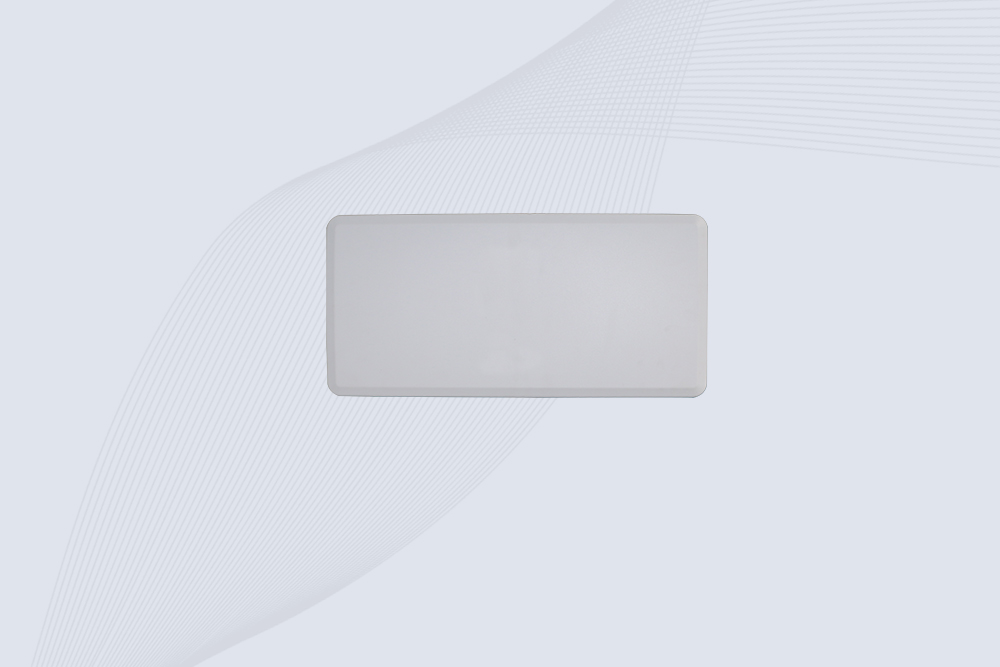
Cykeo’s CYKEO-A12C UHF Large RFID Antenna delivers 12dBi gain, 840-960MHz global frequency, IP65 ruggedness for logistics/warehousing/automotive. 40° beamwidth ensures stable 15m+ tag reads.

CYKEO Near Field RFID Antenna provides precise 5–30 cm reading for shelves, cabinets, and workstations. This compact rfid shelf antenna delivers stable short-range performance around metal and clutter, ideal for pharmacies, libraries, and electronics sorting.
RFID Industry Writer | IoT & Asset Tracking Analyst
James writes about RFID technology, asset tracking, and the practical challenges of digital transformation across warehousing, retail, manufacturing, and logistics.
His work focuses on how RFID is applied in real-world operations—improving inventory visibility, automating workflows, and helping businesses manage assets with greater accuracy and efficiency.
He regularly covers topics including UHF RFID, smart cabinets, RFID portals, tool tracking, warehouse automation, and industrial IoT trends..

Need bulk scanning? Learn how many RFID tags can be read at once with UHF technology and what factors affect real-world multi-tag reading performance.
More
In modern business, efficiency and accuracy are key to success. Radio Frequency Identification (RFID) technology has become a game-changer across industries, and the four-port RFID reader has emerged as a powerful tool for enhancing operational ef...
More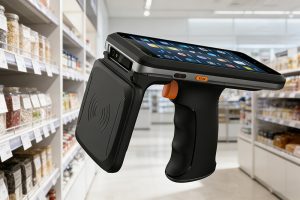
Explore how handheld rfid writer powers RFID retail security tags to reduce theft, improve inventory accuracy, and enable real-time retail visibility.
More
RFID tag printer enables high-speed UHF encoding and printing in one step. Boost accuracy, streamline asset tracking, and reduce errors with Cykeo industrial RFID solutions.
More