retail tag is a small electronic or mechanical security label used in retail stores to prevent theft and improve inventory tracking. In Cykeo retail deployments, it is widely applied in apparel, electronics, and high-value goods environments, forming a basic but critical layer of modern loss prevention systems.
In real store operations, retail tag systems are often invisible to customers but heavily relied upon by staff during daily workflows.
retail tag in Modern Retail Security Architecture
Retail loss remains a global operational issue.
According to the National Retail Federation (NRF), shrinkage in U.S. retail reached $112.1 billion in 2022, with theft and process errors being key contributors.
In Cykeo field experience, retail tag systems are not isolated tools—they are part of a layered architecture that includes:
EAS gate detection systems
POS deactivation workflow
RFID inventory tracking integration
Staff tagging discipline at store level
How retail tag Systems Actually Work
A retail tag works through a simple but effective chain:
Tag attached to merchandise
Item passes detection gate
Alarm triggers if tag is not deactivated
POS system removes or deactivates tag signal
Different technologies include:
RF (Radio Frequency) tags
AM (Acousto-Magnetic) tags
RFID-based smart retail tags
Each type is selected based on store layout, product type, and loss risk level.
Field Observation from Cykeo Deployments
In real European retail projects, the biggest issue is rarely the technology itself.
Instead, operational friction appears in:
Incorrect tag placement on soft fabrics
Inconsistent deactivation at checkout
Signal interference from metal fixtures
Peak-hour congestion near store exits
One Cykeo deployment in a fashion outlet reduced false alarms by adjusting tag positioning rules rather than changing hardware—showing that behavior often matters more than equipment.
Learn how RFID parking systems improve vehicle access control for hospitals, commercial buildings, and smart parking projects using long range RFID readers and automated gate management.
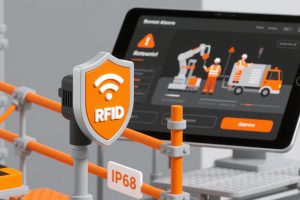
Discover how to select the best fixed RFID readers for construction site tool tracking. Learn Cykeo’s durability, range, and integration tips for rugged environments.
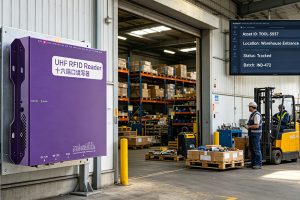
RFID enabled asset tracking delivers real-time asset visibility, automated inventory, and improved utilization. Discover how Cykeo RFID solutions reduce loss and boost operational efficiency.
 Cykeo RFID IoT Solution Products R&D Manufacturer