 Cykeo RFID IoT Solution Products R&D Manufacturer
How Far Can a Long-Range RFID Reader Reach? Real-World Distances
221Wondering "how far can a long-range RFID reader reach"? Real numbers from 12m to 200m+ for parking, yards, and warehouses. No fluff, just actual ranges with CYKEO.
MoreAll RFID Product
retail clothing security tags are anti-theft devices used in apparel stores to prevent merchandise loss and improve retail security. They are widely deployed in fashion chains, department stores, and outlet environments to reduce shrinkage and support automated inventory protection systems.
In Cykeo retail security integrations, these tags are not visible “add-ons”—they are part of the operational backbone of modern apparel protection.
Retail loss is not theoretical. It directly impacts margins.
According to the National Retail Federation (NRF), retail shrink reached $112.1 billion in the U.S. in 2022, driven largely by theft and operational errors.
In real Cykeo retail deployments, clothing security tags act as a first barrier—simple in structure, but highly effective when properly integrated with EAS (Electronic Article Surveillance) systems.
The working principle is straightforward but effective:
Different technologies include:
Each has different interference resistance and detection accuracy depending on store layout.
In Cykeo apparel security projects, the biggest challenges rarely come from the tags themselves.
Instead, real-world issues include:
One European fashion retailer we worked with reduced false alarms by adjusting gate spacing by just 12 cm—something not visible in planning drawings but critical in operation.
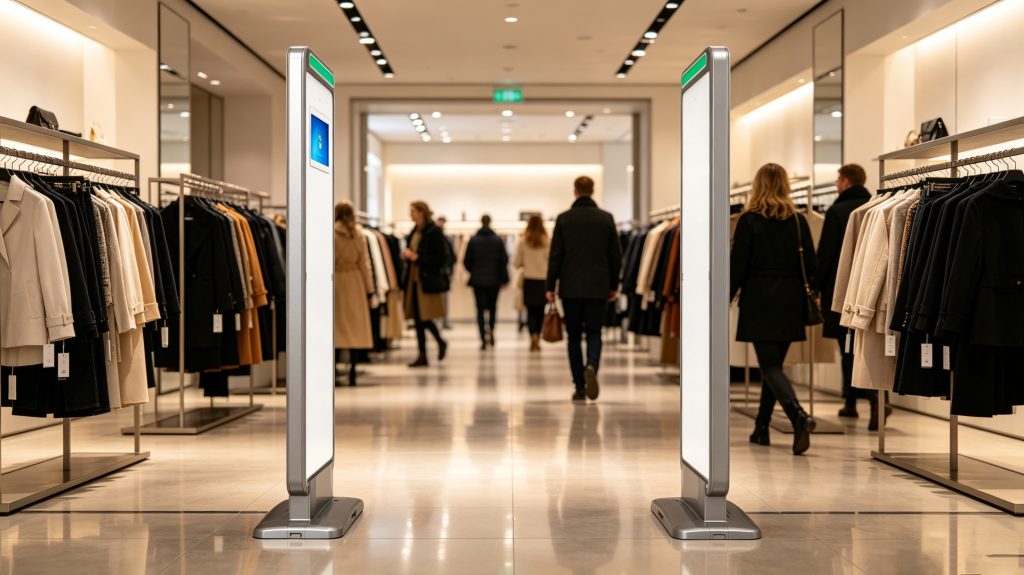
Retailers don’t adopt security tags for aesthetics—they do it for measurable loss reduction.
Industry observations show:
The NRF study also highlights that retailers increasingly invest in layered loss prevention systems combining tags, surveillance, and analytics.
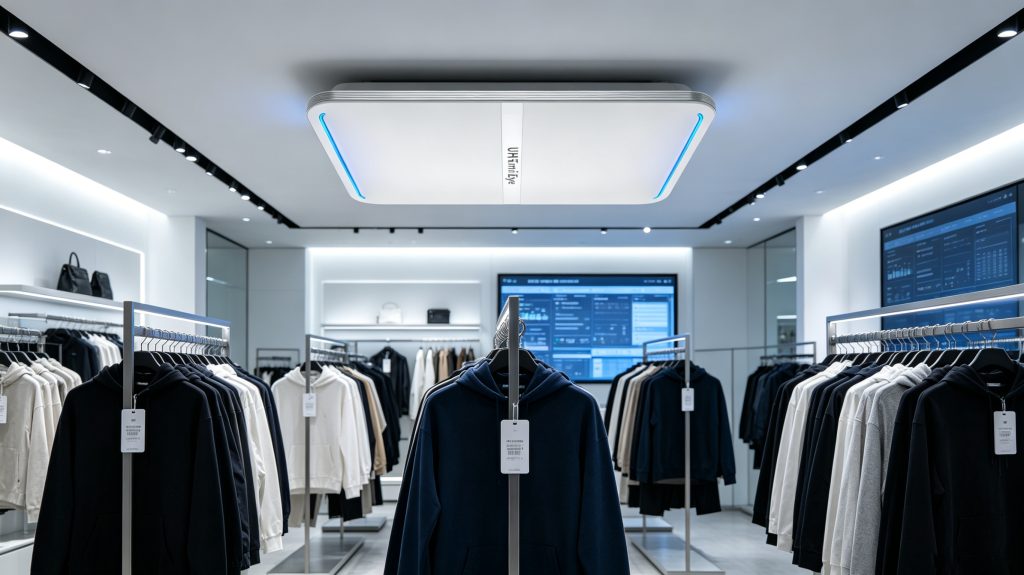
Most retailers focus on hardware selection. In reality, deployment success depends on:
One Cykeo project in a European outlet mall showed that improving staff tagging consistency had more impact on shrink reduction than upgrading hardware.
Hard tags are reusable; soft labels are disposable.
When properly installed, they are nearly invisible to customers during normal shopping.
In some systems yes, but many retailers still use hybrid setups for redundancy.

Wondering "how far can a long-range RFID reader reach"? Real numbers from 12m to 200m+ for parking, yards, and warehouses. No fluff, just actual ranges with CYKEO.
More
Small RFID tags make it possible to track assets in tight spaces without changing workflows. See how compact RFID tags are used in real projects.
More
Learn how to secure RFID readers from cyber threats and protect sensitive data. Discover Cykeo’s best practices for RFID cybersecurity in 2024.
More
Rewritable RFID tags for RFID software solution providers and developers
More