 Cykeo RFID IoT Solution Products R&D Manufacturer

Can You Use NFC to Read RFID? Let’s Cut Through the Jargon.
392Can you use NFC to read RFID tags? We explain the technical relationship, what’s possible in practice, and why NFC fails for industrial RFID applications.
MoreAll RFID Product
That might sound a little surprising.
Price is usually the first thing discussed during an RFQ.
But after a project has been running for six months, the conversation often changes.
Can the supplier keep the same performance across every production batch?
Can they still deliver when demand suddenly doubles?
Can they modify the antenna housing without restarting the entire project?
Those questions don’t usually appear on the first quotation sheet.
They become important later.
And they’re often the reason buyers decide whether to continue working with the same factory.
If you search online, you’ll find dozens of UHF RFID antennas that look almost identical.
The housing is similar.
The specifications look familiar.
Even the product photos sometimes seem interchangeable.
What isn’t visible is everything behind the enclosure.
The RF tuning.
Material selection.
Assembly process.
Quality control.
Batch testing.
I’ve spoken with integrators who said the first samples performed well, but six months later the production units behaved differently.
The design hadn’t changed.
Somewhere in the manufacturing process, consistency had.
For warehouse gates or industrial automation systems, small differences can become noticeable over time.

Many OEM customers begin with a standard antenna.
That makes sense.
It reduces development time.
But after deployment, new requirements usually appear.
A different connector.
A thinner enclosure.
Higher IP protection.
Custom mounting brackets.
Company branding.
Longer RF cables.
Different logo colors.
Sometimes the changes are small.
Sometimes they affect the RF design itself.
The point is that OEM manufacturing isn’t just about printing a logo on the front panel.
It’s about having an engineering team that can respond without turning every modification into a completely new project.
A pilot project may require twenty antennas.
A nationwide rollout could require two thousand.
Those are very different situations.
One thing I’ve noticed is that buyers don’t worry much about production capacity at the beginning.
Then a project is approved.
Suddenly everyone wants delivery within a few weeks.
Factories with stable production planning usually handle that transition much more comfortably than workshops producing small batches only when orders arrive.
Scalability isn’t exciting to talk about.
Until the schedule becomes tight.
Imagine installing sixty RFID gates across multiple distribution centers.
Everything is configured the same way.
Then one location behaves slightly differently.
The reader settings haven’t changed.
The tags haven’t changed.
Eventually someone discovers that one production batch of antennas performs a little differently from the others.
No single antenna is defective.
They’re just not identical enough.
For system integrators, that creates unnecessary commissioning work.
That’s why batch consistency often becomes more valuable than achieving the absolute highest reading distance in laboratory conditions.
One of the more interesting purchasing conversations I’ve had started with a supplier asking about the warehouse instead of the order quantity.
How wide is the gate?
How are the tags positioned?
Indoor or outdoor?
Metal nearby?
Conveyor or forklift traffic?
At first, those questions felt unrelated.
Later they made perfect sense.
Choosing the right antenna depends on the application.
A factory focused only on selling products may immediately recommend the highest-gain model.
A factory focused on long-term cooperation usually wants to understand the project first.

Some projects work immediately.
Others need adjustment.
A different mounting angle.
Reader power changes.
Cable routing.
Antenna spacing.
None of those necessarily indicate a product problem.
They’re simply part of real deployments.
For OEM customers, access to engineering support can save days of troubleshooting.
Especially when projects are installed in another country where replacing hardware isn’t convenient.
After enough conversations with distributors and system integrators, certain questions appear again and again.
Interestingly, price isn’t always the first topic.
Reliability usually is.
The best supplier relationships rarely begin with the biggest order.
They usually begin with a small project that goes smoothly.
Samples arrive on time.
Communication is clear.
The engineering team responds quickly.
Production remains consistent.
Then the next order becomes larger.
Manufacturers specializing in OEM RFID infrastructure, including companies such as Cykeo, increasingly work with distributors, system integrators and equipment manufacturers on long-term development rather than one-time product sales.
That often includes custom antenna housings, connector options, cable assemblies, branding, application testing and production planning.
When projects grow from a single warehouse to multiple sites, those capabilities become much more important than they seemed during the first quotation request.
Choosing an RFID antenna supplier isn’t only about today’s order.
It’s about whether the factory can still support the next project, the next customization and the next production run with the same level of confidence.
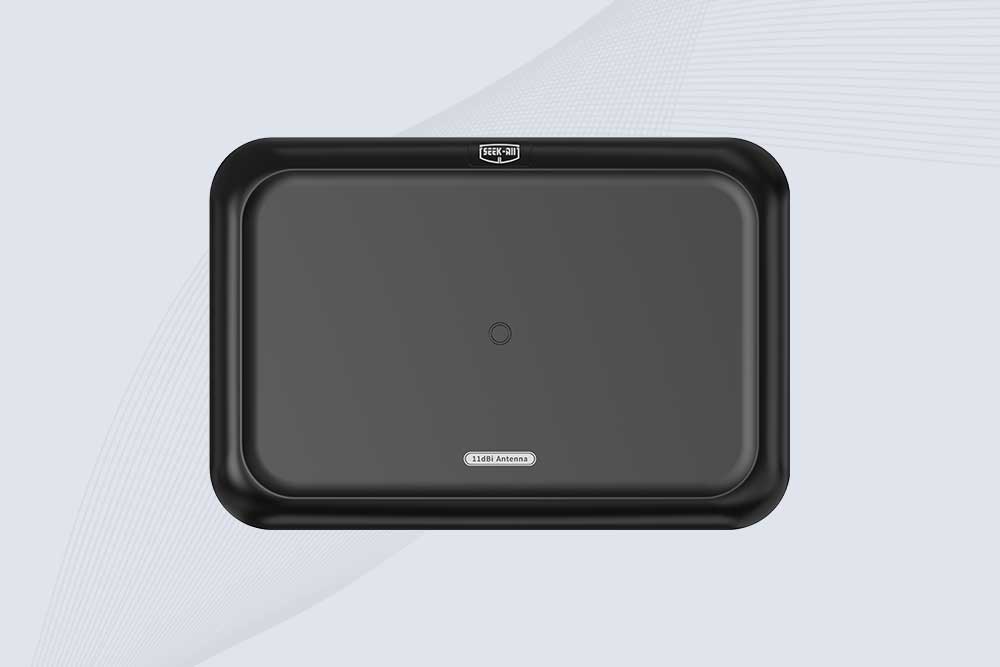
SSD-A11 UHF RFID antenna features 840–960 MHz adjustable frequency, ≥10.5 dBi gain, circular polarization and 50Ω impedance for fixed RFID systems.
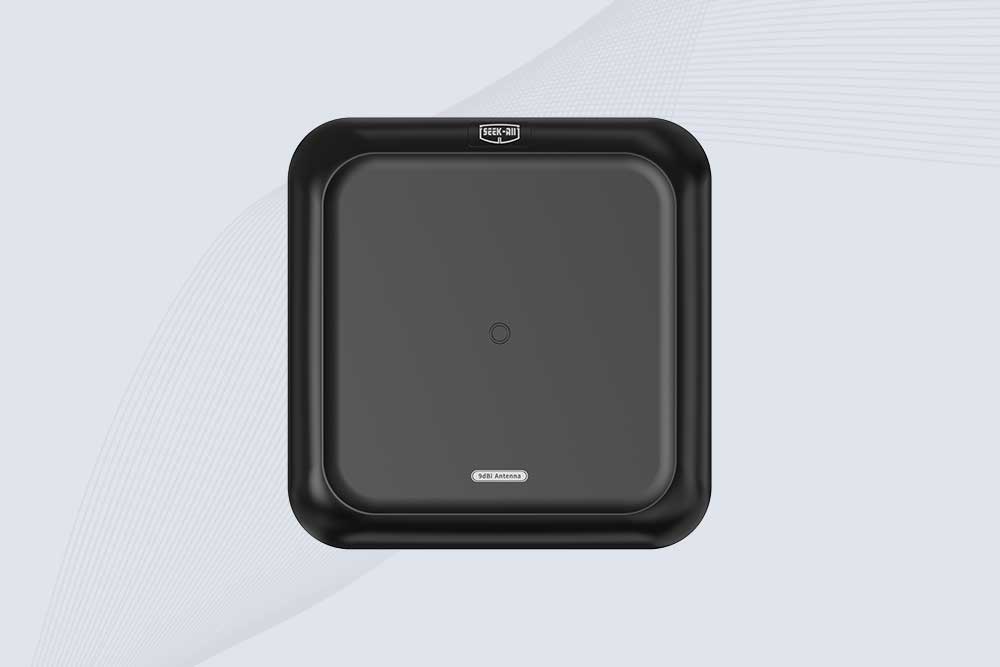
SSD-A09 is a 9 dBi UHF RFID antenna with 840–960 MHz adjustable frequency, circular polarization, 50Ω impedance and directional 60° × 60° coverage.
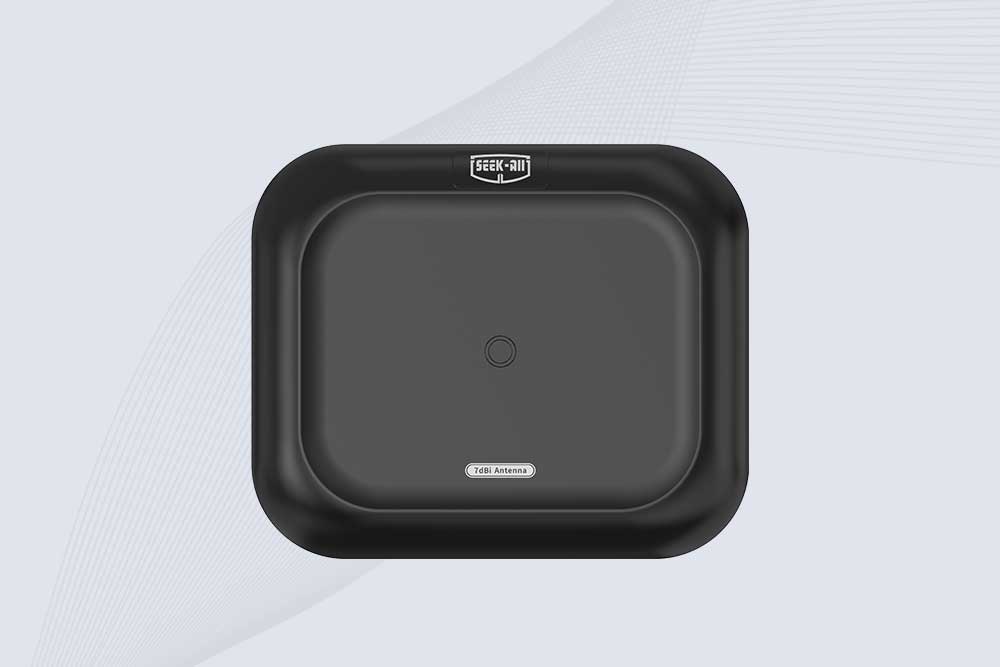
Explore the SSD-A07 UHF RFID antenna with 7 dBi gain, circular polarization, adjustable 840–960 MHz frequency, and 60°/75° beamwidth for stable RFID read/write performance.

SSD-A06 UHF RFID antenna with circular polarization, adjustable 840–960 MHz frequency, ≥4.5 dBi gain, and a compact directional design for RFID systems.
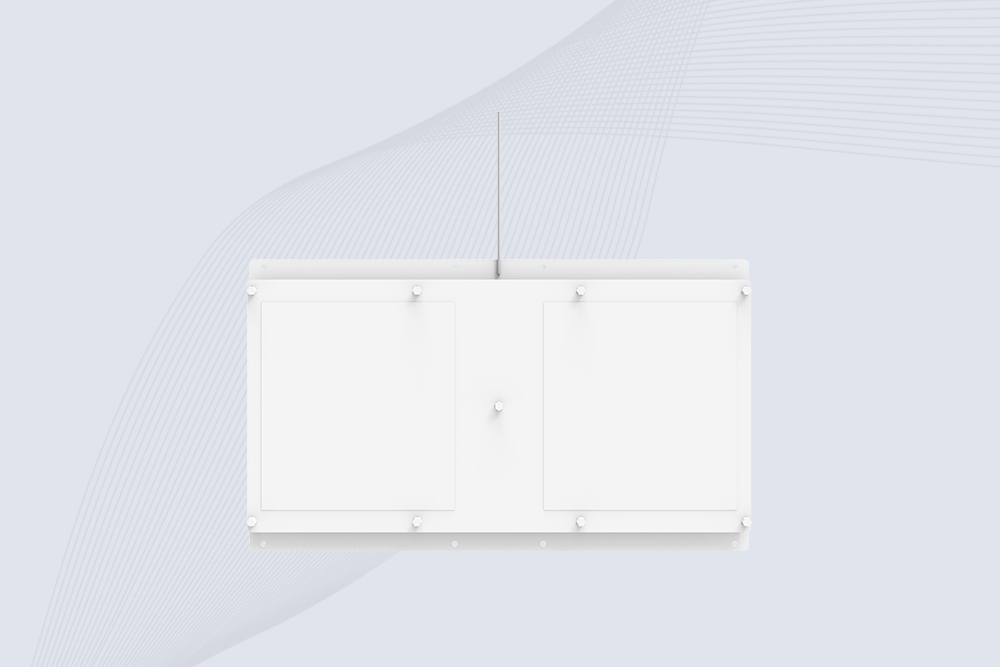
Cykeo CYKEO-A11 UHF RFID reader antenna delivers 11dBi gain, 840-960MHz frequency range, and IP65 ruggedness for retail, logistics, and industrial RFID systems. Features low VSWR and easy installation.
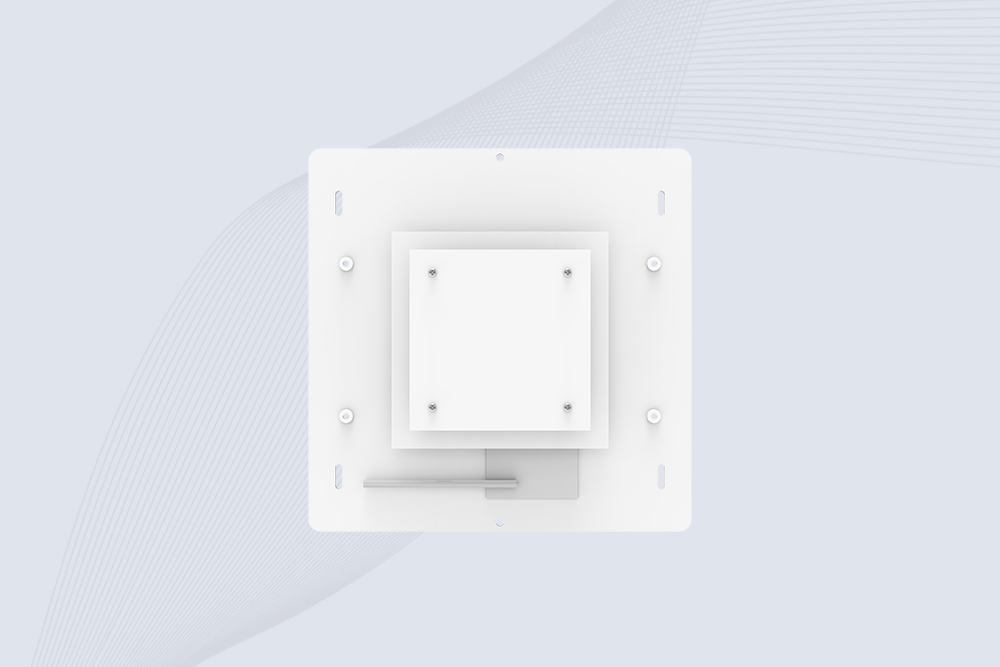
CYKEO Antenna RFID Reader delivers stable long-range UHF performance with a 10.5dBi directional design, built for warehouses, conveyor portals, and industrial RFID systems. This rfid reader antenna provides 20m+ read distance and rugged IP67 protection.

Cykeo CYKEO-PHF3 industrial HF RFID Antenna offers 24-point dynamic tracking, ISO 14443A/15693 protocols, metal-environment stability for archives/libraries/manufacturing.

Cykeo CYKEO-A5B industrial Linear RFID Antenna delivers 5dBi gain, ≤1.5:1 VSWR, and IP65 rugged design for warehouse, production line, and logistics UHF systems.

Cykeo’s CYKEO-B12 Long Range RFID Antenna delivers 15m+ read range with 12dBi gain, IP65 rugged design, and global 840-960MHz UHF support. Ideal for warehouse/logistics asset tracking.
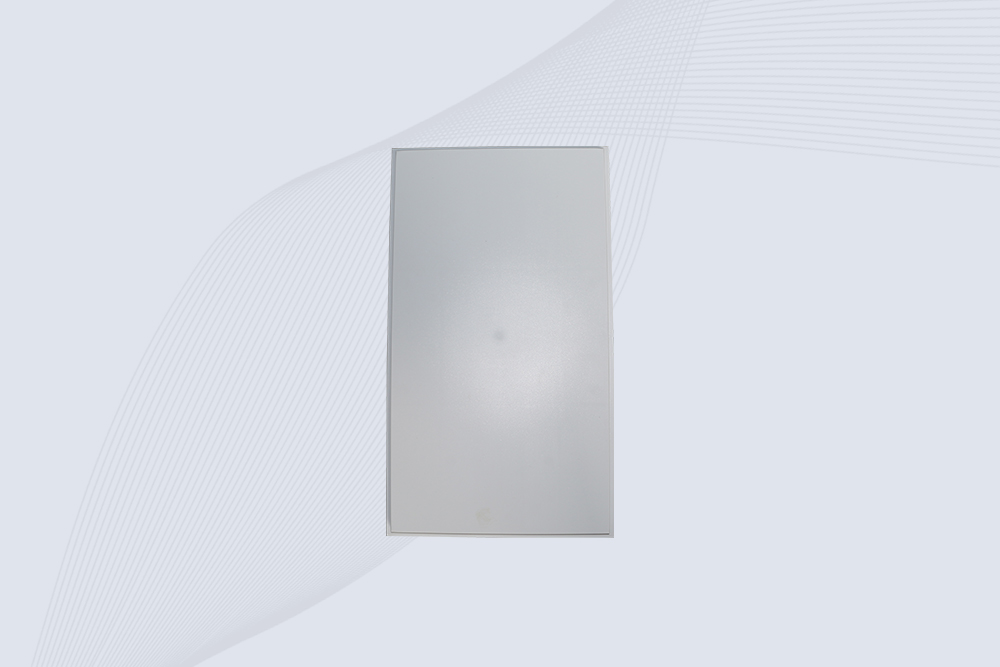
Cykeo CYKEO-B10 Long Distance RFID Antenna offers 10dBi gain, 840-960MHz frequency range, IP65 rating, and 20m+ coverage for logistics/warehousing/ETC systems. Low VSWR ensures stable signal transmission.
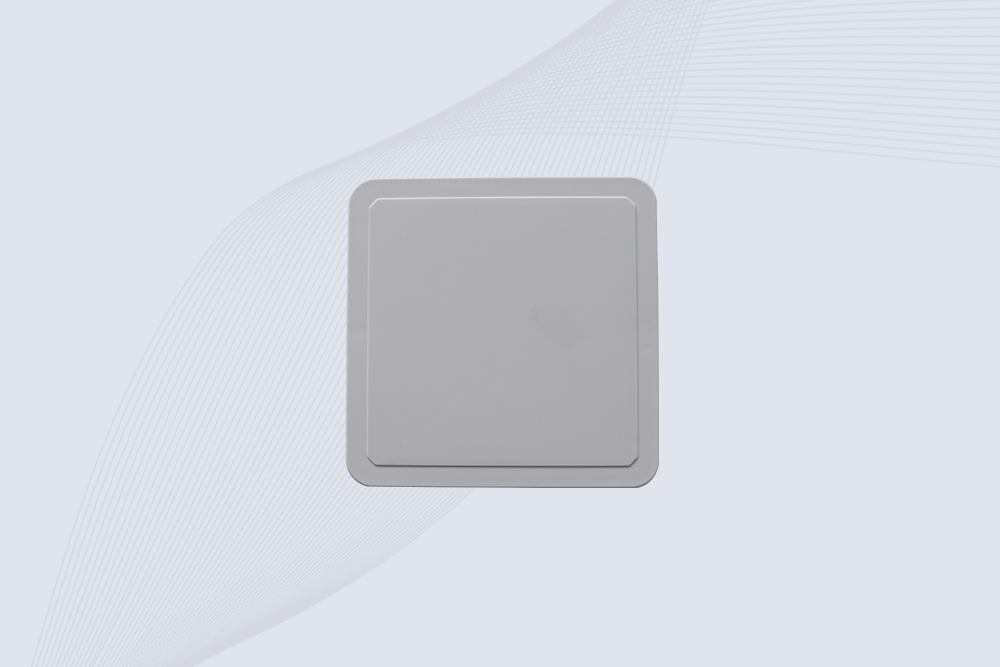
Cykeo CYKEO-A6 UHF RFID panel antenna features 6dBi gain, 840-960MHz broadband, IP65 metal-ready housing for logistics/smart retail. 18mm ultra-thin design with tool-free mounting.

Cykeo CK-A3 industrial antenna RFID UHF offers 5m+ tag detection, ≤1.3:1 VSWR, IP65 rugged design, and global UHF spectrum compatibility (840-960MHz) for warehouses, factories, and retail.
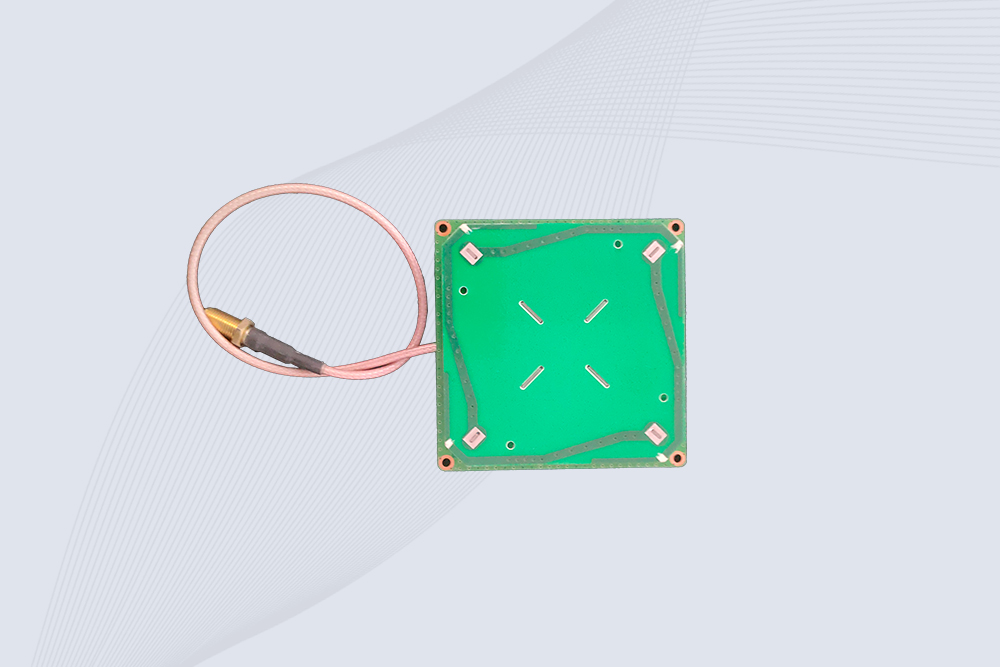
Cykeo CYKEO-B5 directional RFID antenna provides 5dBi gain with 60° narrow beamwidth for precise inventory tracking. IP65-rated, global UHF frequency support, and low VSWR.
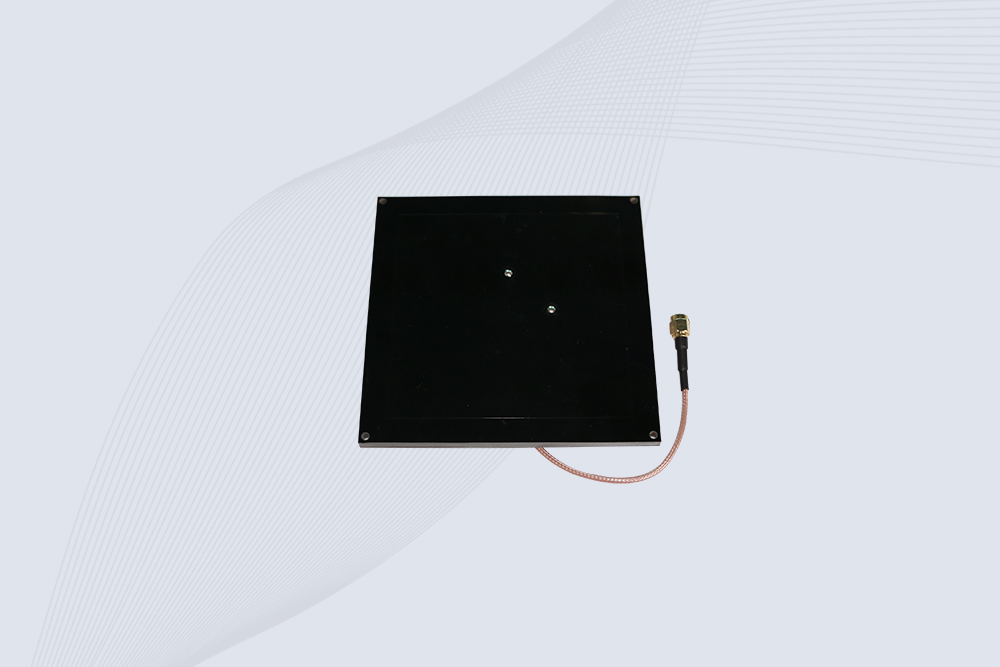
Create your own high-performance DIY RFID antenna! 5dBi gain, 840-960MHz tunable, step-by-step guides. Compatible with Arduino, Raspberry Pi, and commercial UHF readers.
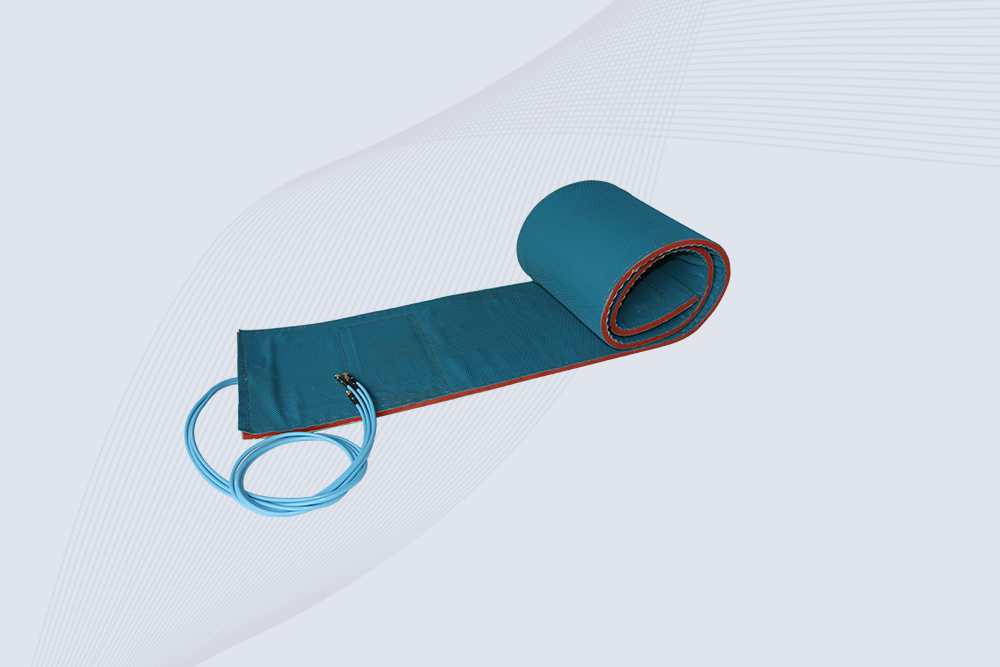
Cykeo CYKEO-A7 Flexible RFID Antenna features 840-960MHz wideband tuning, 7dBi gain, and IP68 rating for medical/retail/industrial curved surface deployments. 98% read accuracy with peel-and-stick installation.
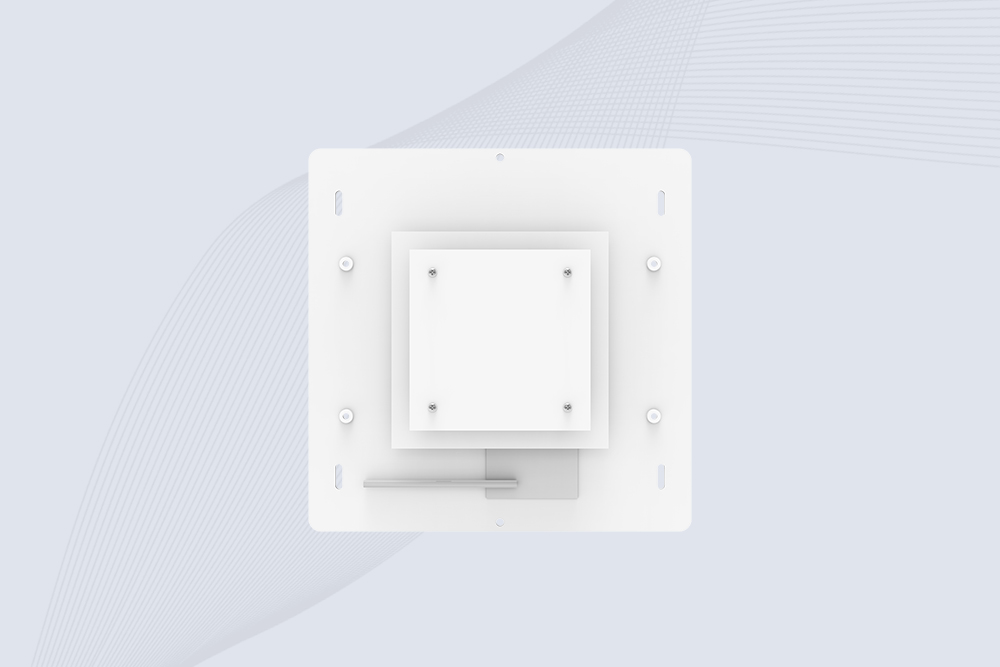
Cykeo CYKEO-B5A industrial Passive RFID Antenna delivers 5dBi gain, 70° beamwidth, and -40°C~55°C operation for warehouses/smart cabinets. Compatible with Zebra/Impinj readers.
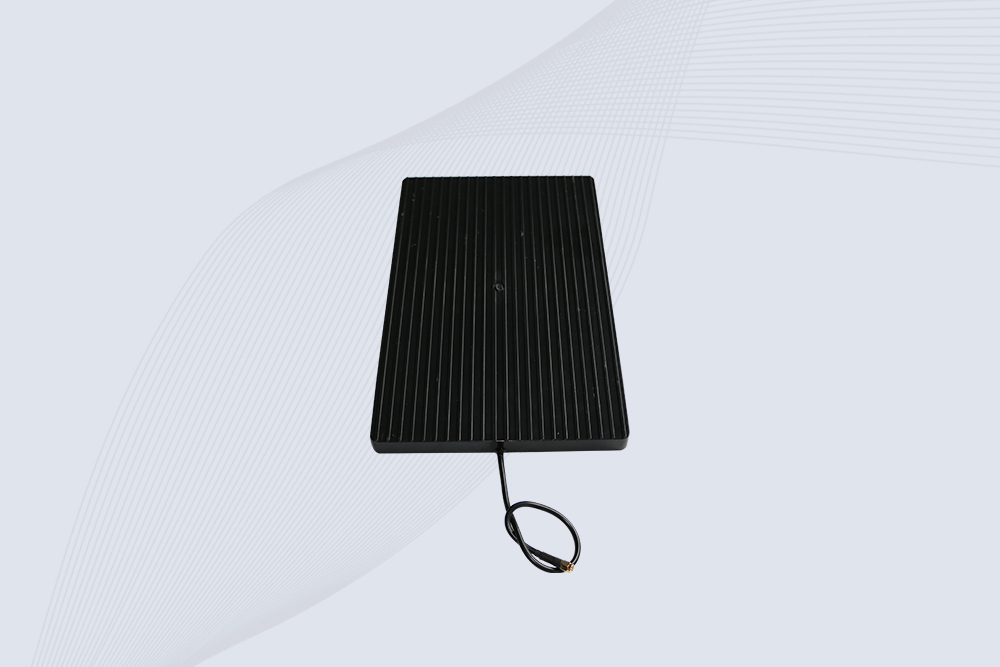
Cykeo’s CYKEO-A9B High Gain RFID Antenna delivers 15m+ read range with 9dBi amplification. Features IP54 rugged design, 840-960MHz bandwidth, and 80° beamwidth for warehouse/manufacturing RFID systems.

Cykeo’s enterprise-grade 8dbi Impinj RFID Antenna 10m+ read range with 840-960MHz tuning. Features IP65 housing, 1.4 VSWR, 35° beamwidth for retail/warehouse RFID systems.
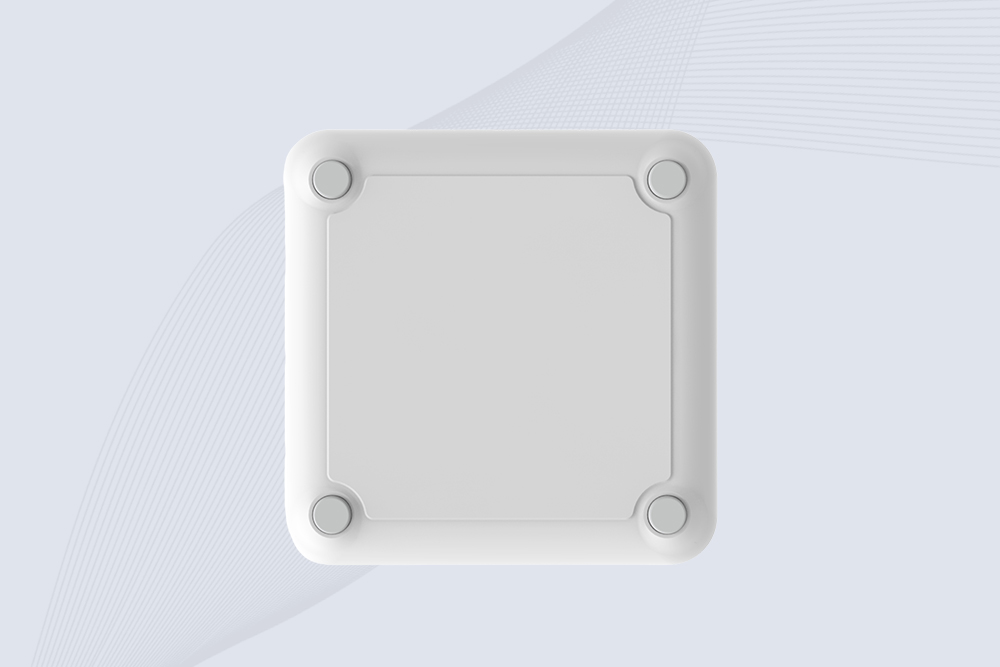
Cykeo CYKEO-A9 industrial UHF RFID antenna delivers 9dBi gain, 840-960MHz frequency range, and IP65 protection for warehouse/logistics/retail RFID systems. Features N-type connector and ≤1.3:1 VSWR.
CYKEO UHF RFID Antenna built for long-distance and industrial applications. This antenna rfid uhf delivers strong gain, outdoor durability, and reliable tag performance in warehouses, yards, and vehicle ID systems.
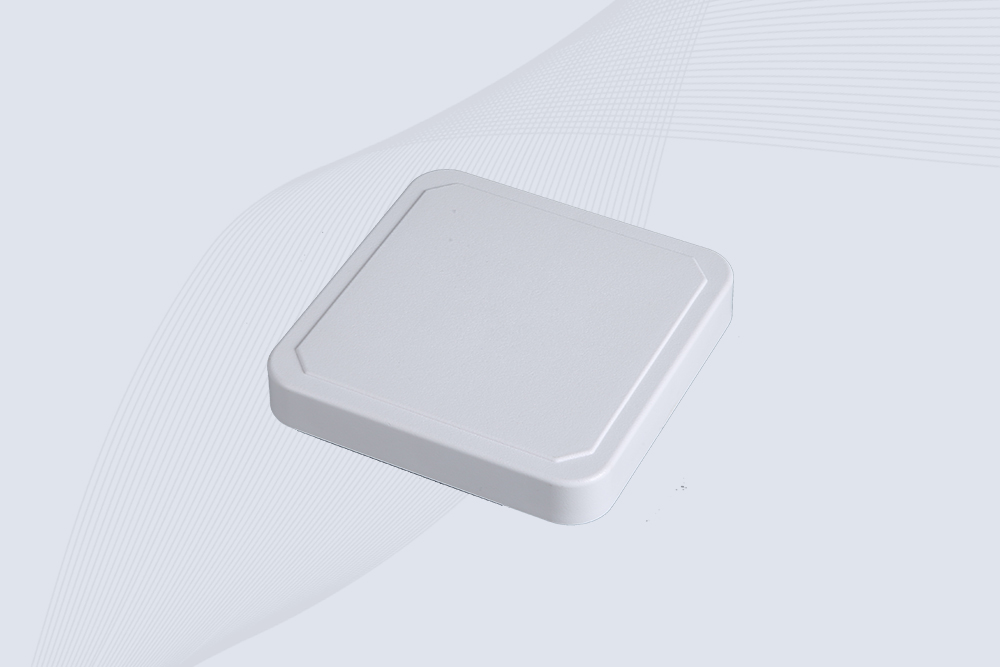
CYKEO Antenna RFID delivers reliable long-range UHF performance in warehouses, retail shelves, and cold-chain environments. This compact uhf rfid antenna provides stable reads with circular polarization and ultra-wide 840–960 MHz support, ideal for industrial tracking, smart shelves, and asset monitoring.
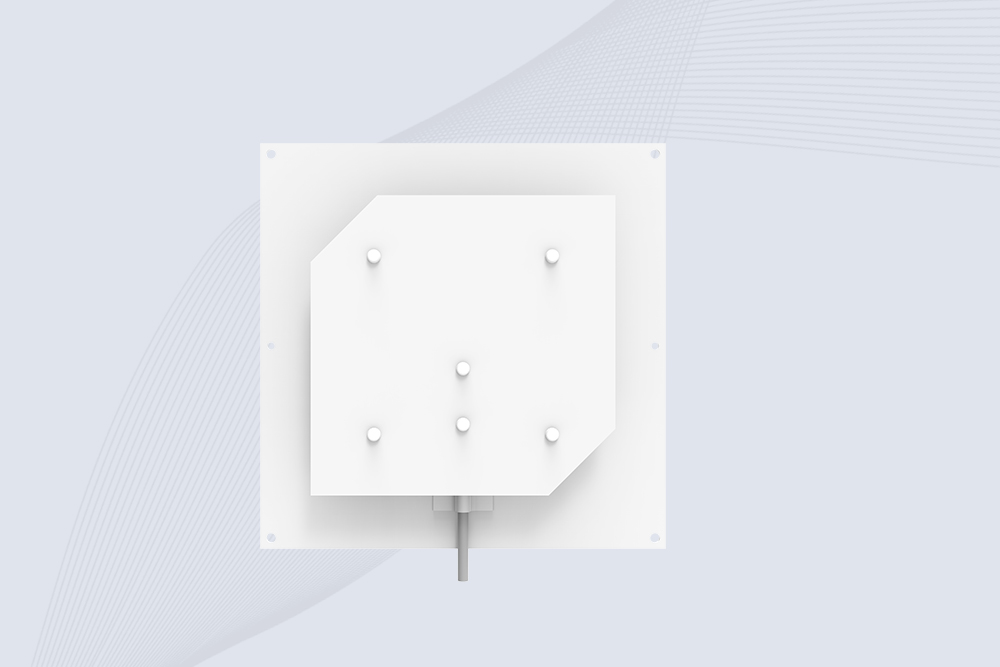
Cykeo’s CYKEO-C8 UHF RFID antennas delivers 8dBi gain, 840-960MHz full-band coverage, and IP65 ruggedness for manufacturing/warehouse RFID systems. Industrial RFID Antennas Features
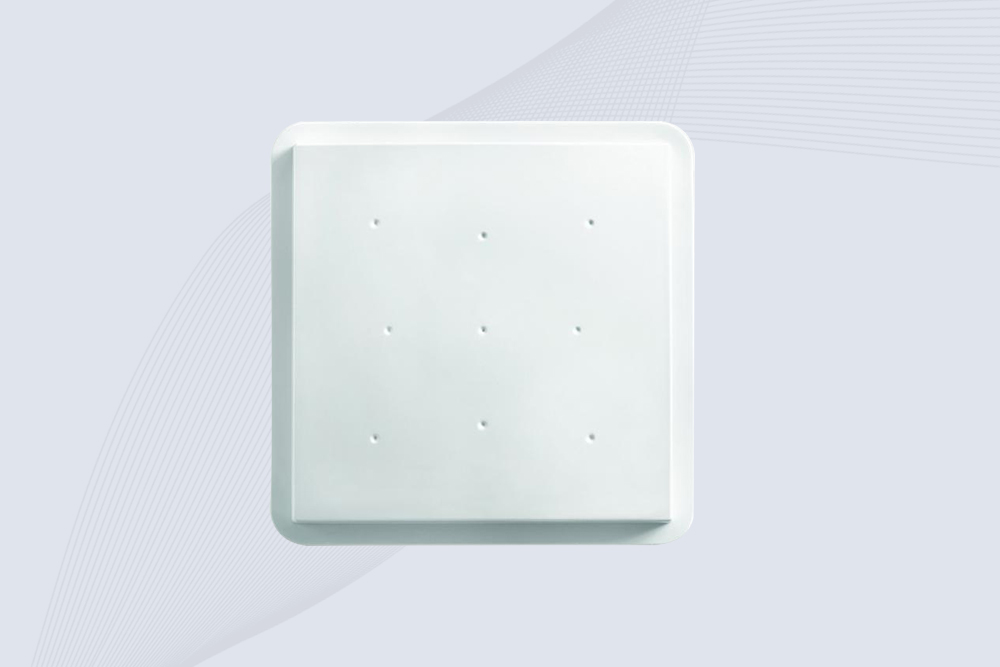
Cykeo’s 8dBi UHF RFID antenna and reader kit delivers 10m+ range, 840-960MHz broadband, and IP65 ruggedness for factories, warehouses, and logistics. ISO 18000-6C & EPC Gen2 certified.
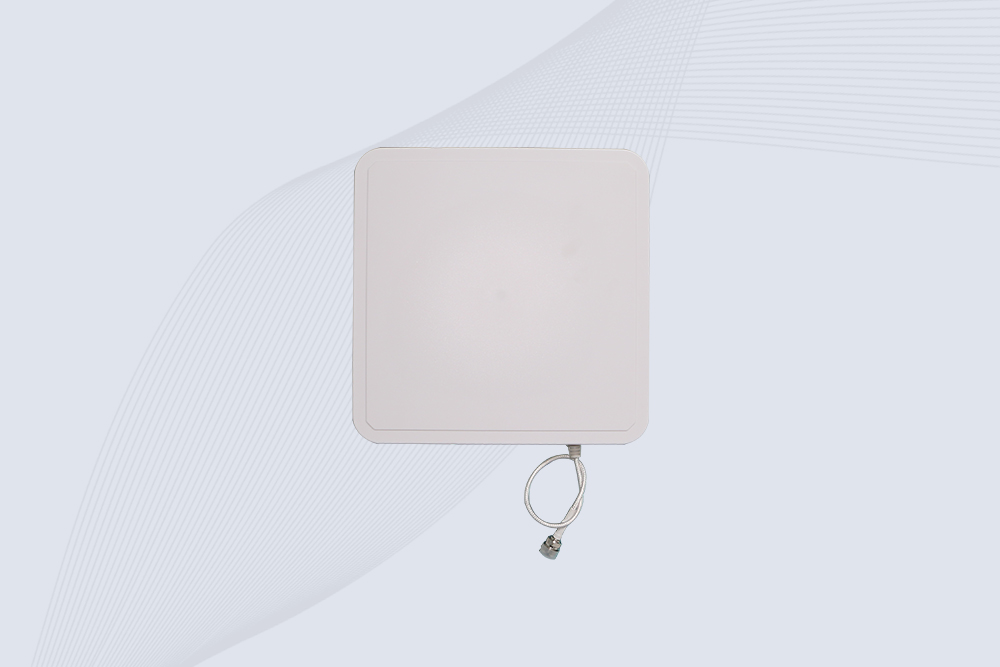
Cykeo CYKEO-A9A industrial UHF RFID reader and antenna kit delivers 10m range, 500 tags/sec, IP65 ruggedness for manufacturing/logistics. Supports EPC Gen2, ISO18000-6C.
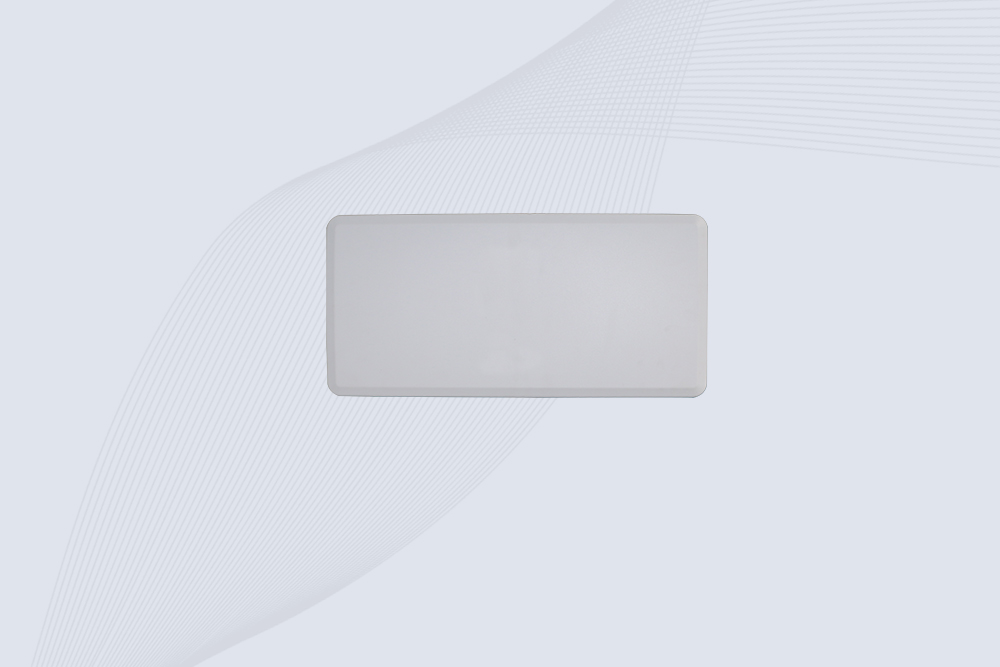
Cykeo’s CYKEO-A12C UHF Large RFID Antenna delivers 12dBi gain, 840-960MHz global frequency, IP65 ruggedness for logistics/warehousing/automotive. 40° beamwidth ensures stable 15m+ tag reads.

CYKEO Near Field RFID Antenna provides precise 5–30 cm reading for shelves, cabinets, and workstations. This compact rfid shelf antenna delivers stable short-range performance around metal and clutter, ideal for pharmacies, libraries, and electronics sorting.
RFID Industry Writer | IoT & Asset Tracking Analyst
James writes about RFID technology, asset tracking, and the practical challenges of digital transformation across warehousing, retail, manufacturing, and logistics.
His work focuses on how RFID is applied in real-world operations—improving inventory visibility, automating workflows, and helping businesses manage assets with greater accuracy and efficiency.
He regularly covers topics including UHF RFID, smart cabinets, RFID portals, tool tracking, warehouse automation, and industrial IoT trends..
Can you use NFC to read RFID tags? We explain the technical relationship, what’s possible in practice, and why NFC fails for industrial RFID applications.
More
RFID transponder technology enables reliable identification across logistics, assets, and industry. Learn how it works and when to use it.
More
Learn how to read RFID chips. We break down the process for LF, HF & UHF chips, the tools you'll need, and when DIY methods hit their limits.
More
Learn how RFID reader modules are used in industrial automation systems including conveyors, AGVs, smart cabinets, and production tracking environments.
More