 Cykeo RFID IoT Solution Products R&D Manufacturer
What is rfid wristband system and applications?
139rfid wristband system improves access control, cashless payment, and attendee tracking using Cykeo ultra-high frequency RFID technology.
MoreAll RFID Product
An RFID card reader is a device that uses radio frequency signals to communicate with compatible RFID cards or tags, retrieving stored data or writing information when supported. Desktop RFID reader-writers can also support card issuance, batch encoding, and small-scale checkout tasks, with near-field antennas helping control the working area.
An RFID card reader exchanges data with an RFID card or tag without requiring a conventional electrical contact. Depending on its design, it may identify a card, read its stored data, or write new information to supported tag memory.
For desktop applications, the distinction between a reader and a reader-writer matters. A read-only device retrieves information; a reader-writer can also encode data when the tag type, software, permissions, and device configuration support writing.
A desktop RFID reader-writer is useful when cards or tags need to be processed at a workstation rather than detected across a doorway or warehouse. Typical tasks include:
The practical objective is not simply to maximize read distance. It is to read the intended tag, write the correct data, and avoid accidentally interacting with nearby tags.
Range control is especially important on a crowded desk. A stack of cards, a box of labels, or a previously encoded tag may sit only a few centimetres from the target. If the reader detects unintended tags, an operator can register the wrong identifier or repeat a writing task unnecessarily.
A near-field antenna helps concentrate operation around a defined working area. The actual range still depends on antenna design, tag characteristics, orientation, surrounding materials, and reader settings.
For the Cykeo desktop RFID reader-writer configuration described here, the specified operating distances are:
| Feature | Specified capability |
|---|---|
| Reading range | Within 30 cm |
| Writing range | Within 10 cm |
| Maximum port output | 33 dBm |
| Communication interface | Mini USB |
| Development resources | C# and Java materials |
| Software support | Demo software for card reading and automatic card writing |
These figures are product specifications, not a guarantee that every tag will perform identically at the stated distance. For reliable deployment, test with the actual tag model and placement used in daily work.
Why is the writing range shorter? Writing changes tag memory, so keeping the target closer can help reduce unintended interactions with adjacent tags. A controlled range is particularly useful for card issuance, where an incorrect write may require verification and re-encoding.
The supplied product specification identifies an Impinj R500-based reader platform and a maximum port output of 33 dBm. These are relevant hardware details, but output power alone does not establish a universal write-success rate. Results also depend on tag sensitivity, antenna coupling, memory settings, software commands, and the consistency of the encoding process.
For production use, verify every write where the application requires data integrity. A practical workflow is to write the required value, read it back, compare it with the source record, and flag mismatches for review. This catches failures that a simple “command sent” status may miss.
A desktop RFID reader-writer can serve as a compact station for issuing tags, maintaining card records, and processing items at a counter. Cykeo’s described configuration combines a near-field antenna, Mini USB communication, and demo software for reading cards and automatically writing compatible tags.
Its small footprint is useful where staff need to encode labels or cards repeatedly without installing a fixed industrial reader. The same general setup can support a small checkout workflow when the reader is integrated with suitable transaction software.
The supplied demo software is designed to simplify card reading and writing. Batch encoding can reduce repetitive manual operations when multiple tags need to be registered, while tag filtering helps operators focus on relevant records.
A dependable workflow should include more than pressing “Write”:
This verification step is particularly important when cards represent inventory, equipment, or customer transactions. A successful communication command does not, by itself, prove that the intended data was stored correctly.
Hardware selection note: Impinj’s published reader-chip portfolio lists the R500 as a RAIN RFID reader IC and states that the R500 and R2000 are not recommended for new designs. Buyers developing a new product should confirm component lifecycle and future supply with their supplier before specifying an R500-based configuration. citeturn950957search25turn950957search27
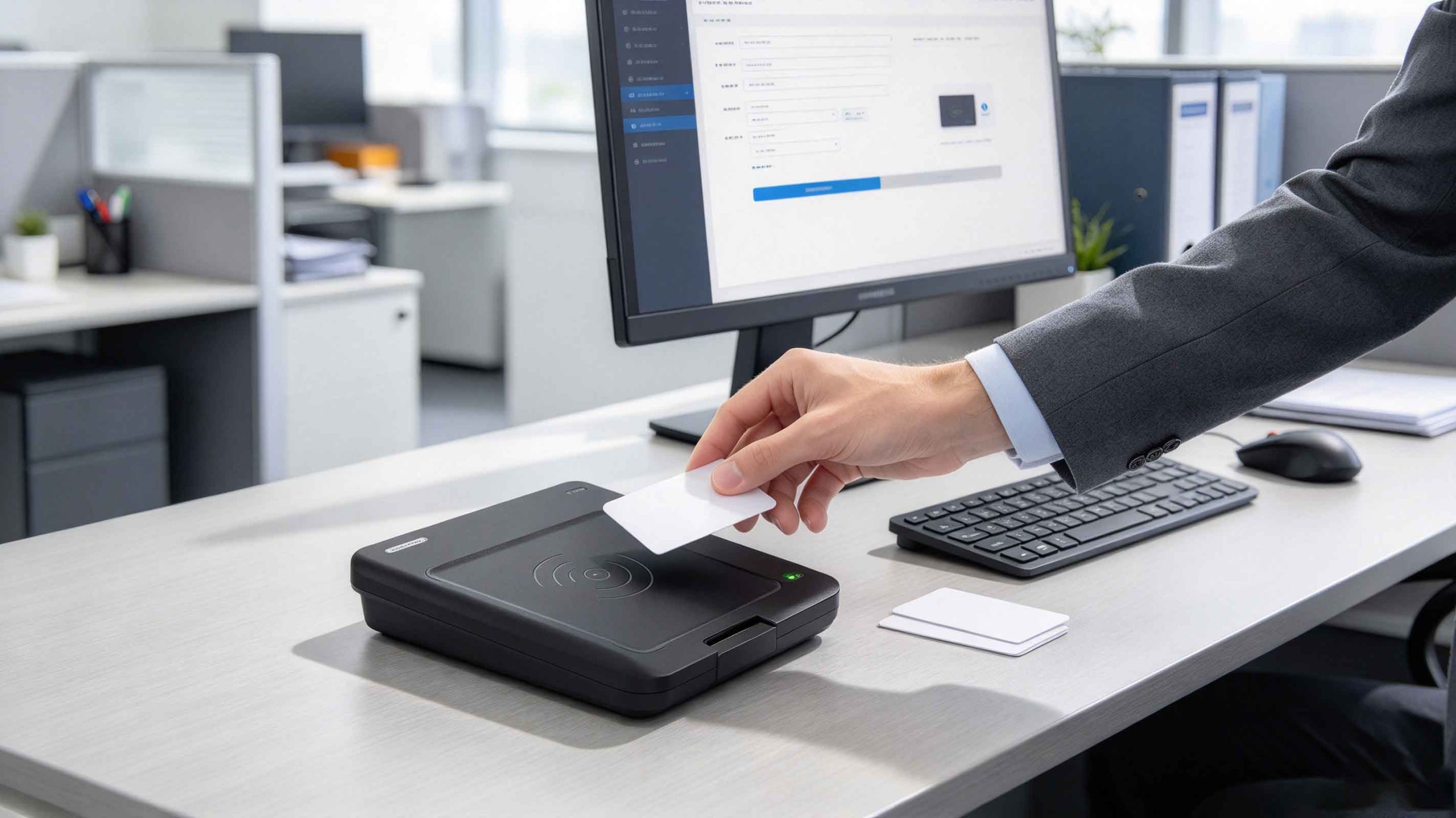
Not every RFID card reader can read or write every RFID card. The reader and tag must use compatible radio technology, protocols, and memory operations. NIST’s interoperability guidance emphasizes the need for compatible card-reader communication characteristics; its RFID security guidance also discusses implementation risks and protective measures. citeturn950957search0turn950957search9
Before choosing a desktop unit, confirm these details:
A desktop RFID card reader is most useful when identification and data entry happen at the same workstation. Its compact design and controlled read/write zone can suit several recurring tasks.
For small checkout applications, the reader is only one part of the system. Product records, pricing rules, transaction handling, and payment processing must be provided by the connected application or other appropriate equipment. An RFID reader alone does not constitute a complete point-of-sale system.
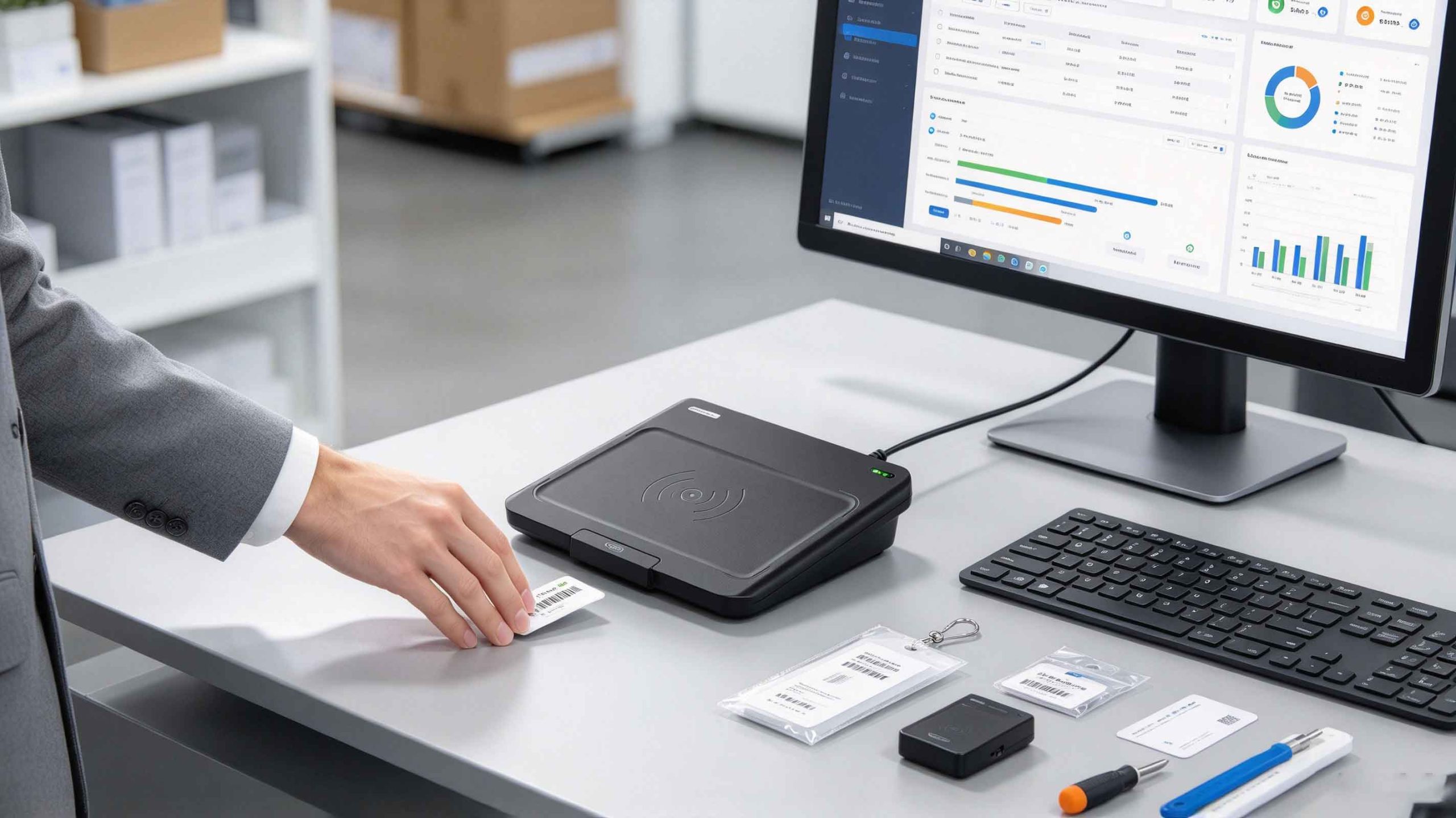
An RFID card reader communicates with compatible RFID cards or tags to retrieve data. A reader-writer can also write information when the tag, protocol, and software support the required operation. Common uses include access credentials, card issuance, asset registration, and retail identification.
Yes, if it is a reader-writer with compatible tag support and the required writing functions. Confirm the tag protocol and writable memory area before encoding. For important records, read the tag again after writing and compare the stored value with the intended data.
An RFID reader retrieves information from a compatible tag. An RFID writer changes supported tag memory. Many desktop devices combine both functions, allowing staff to register a tag, write data, and verify the result from the same workstation.
A near-field antenna can help control the area in which tags are read or written. This is useful when several cards or labels are close together. Actual performance depends on the antenna, tag design, orientation, surrounding materials, and reader configuration, so test the intended setup before deployment.
No. The specified maximum port output of 33 dBm describes an output capability, not a guaranteed write-success percentage. Tag sensitivity, antenna coupling, memory settings, protocol compatibility, and software handling also affect results. Validate writing performance using the actual tags and operating conditions.
Integration depends on the device’s supported interfaces, SDK or API, and communication protocol. The Cykeo configuration described in this article provides Mini USB communication and C# and Java development materials. Confirm the available functions and development documentation with the supplier before starting integration.

Discover SSD-D4AL, a USB-HID UHF RFID reader with 4/8/16 antenna options, Impinj E710/X3M1 chipset, plug-and-play USB power, and OEM customization.
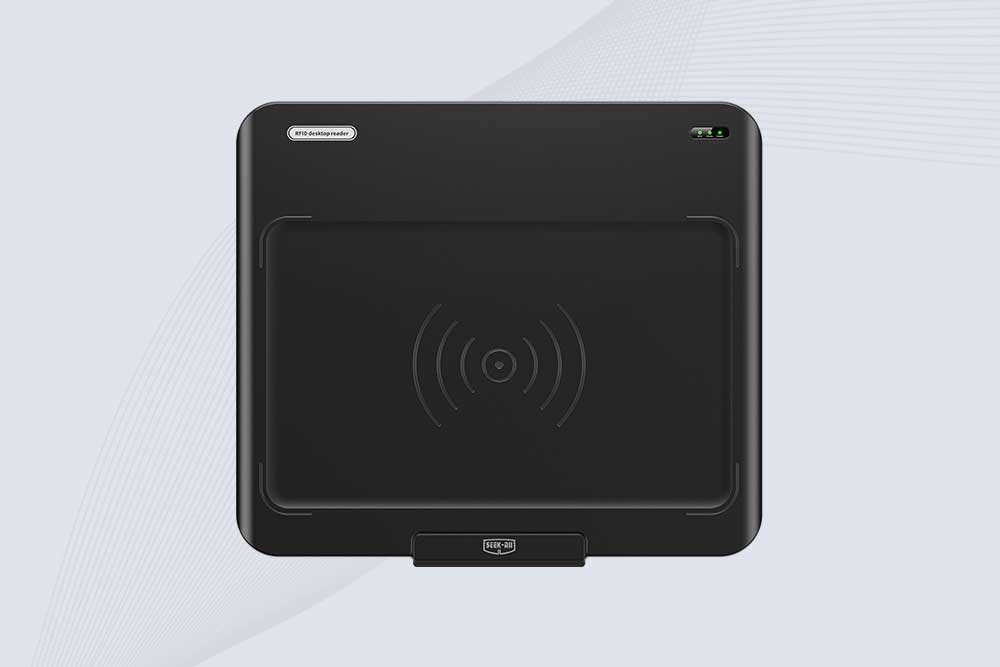
SSD-D3AL is a USB-HID UHF RFID reader with 0–30 cm reading, 0–15 cm writing, over 600 tags/s recognition, USB plug-and-play operation and OEM Logo customization.
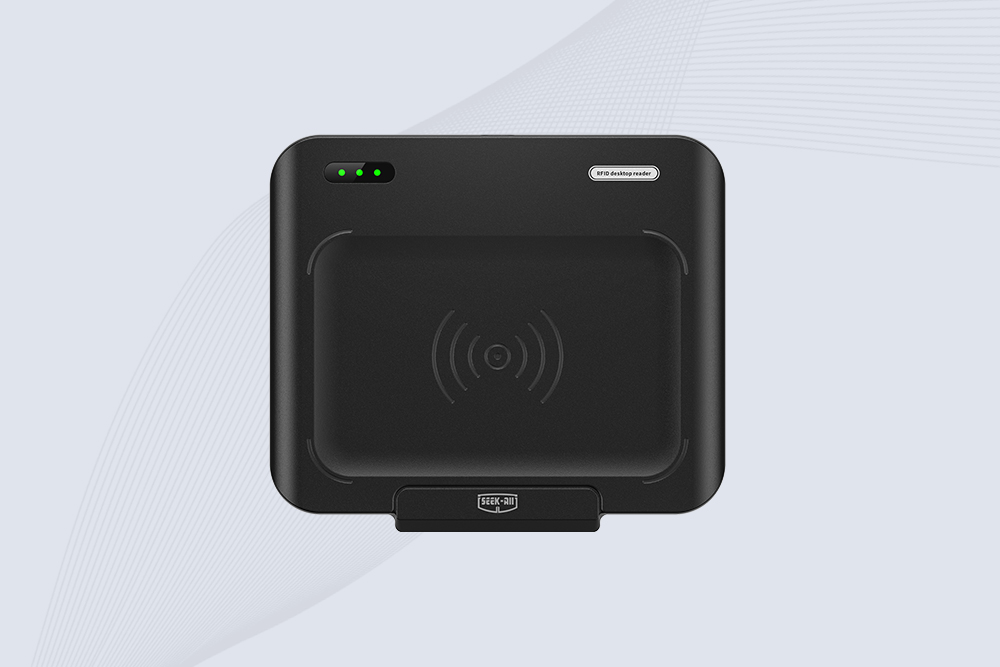
SSD-D1AL is a compact USB UHF RFID reader with Impinj E710/X3M1 chipset, USB-HID, 600+ tags/s recognition, 4/8/16 antenna support and plug-and-play USB power.

CYKEO CYKEO-D1LA USB RFID Reader is a compact desktop solution with near-field control for precise tag reading and encoding. Powered by USB, supporting ISO 18000-6C, and built for stable batch writing, this usb rfid tag reader fits retail, libraries, offices, and controlled RFID encoding tasks.
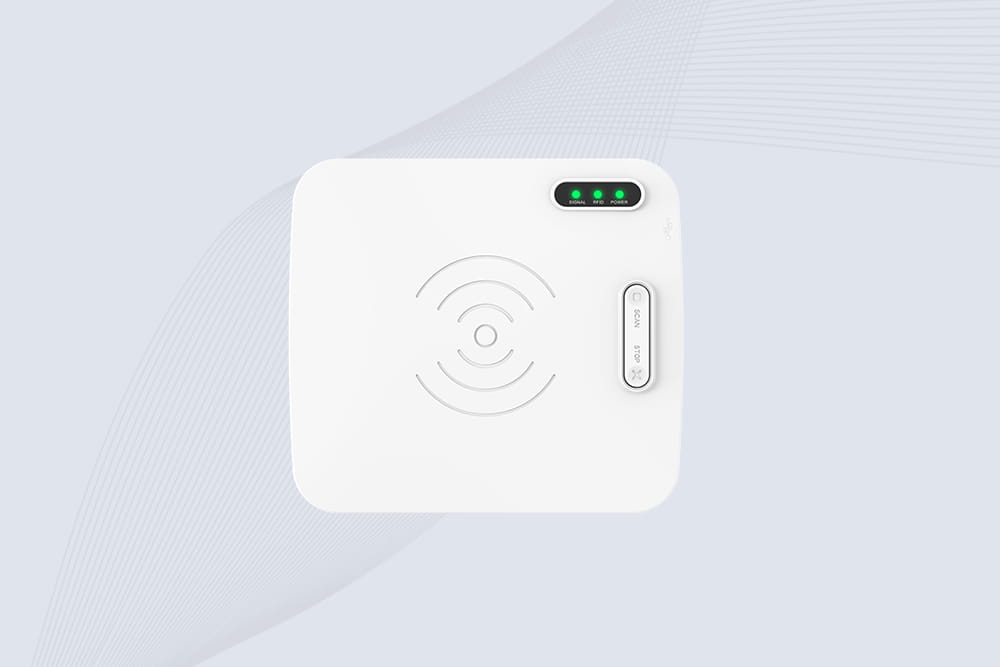
CYKEO CYKEO-D1L RFID scanner USB is a compact desktop UHF RFID scanner designed for short-range tag writing and verification. This usb rfid scanner supports batch encoding, stable 0–26 dBm output, and works across Windows, Linux, and Android systems.
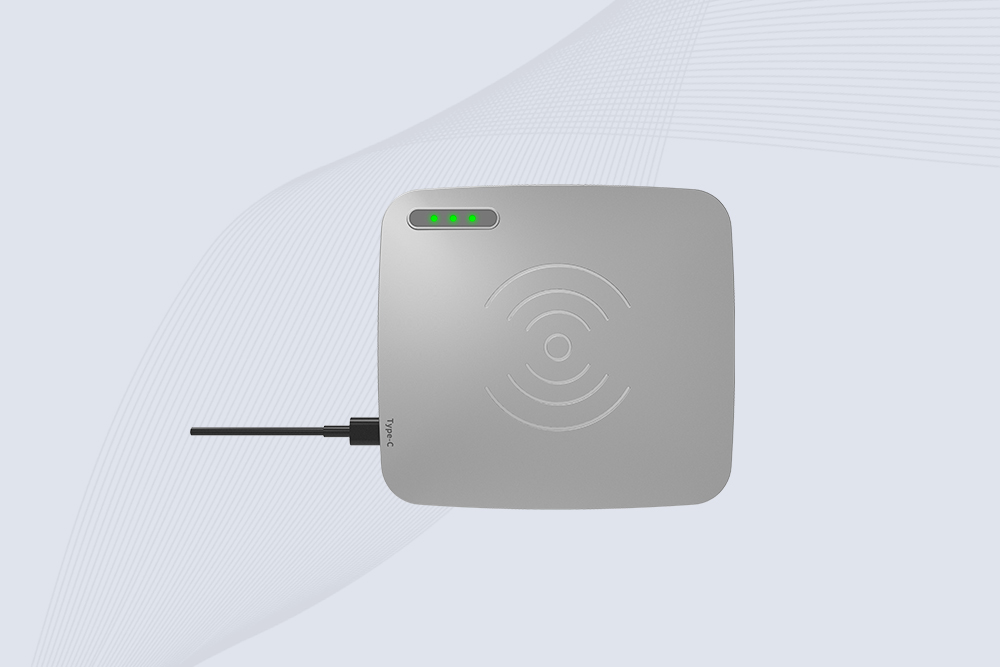
CYKEO CYKEO-D1C USB RFID Card Reader is a near-field UHF desktop writer designed for secure, short-range tag encoding. With USB-C connectivity and stable 26 dBm output, this rfid reader usb c is ideal for badge issuance, label encoding, and controlled desktop RFID workflows.
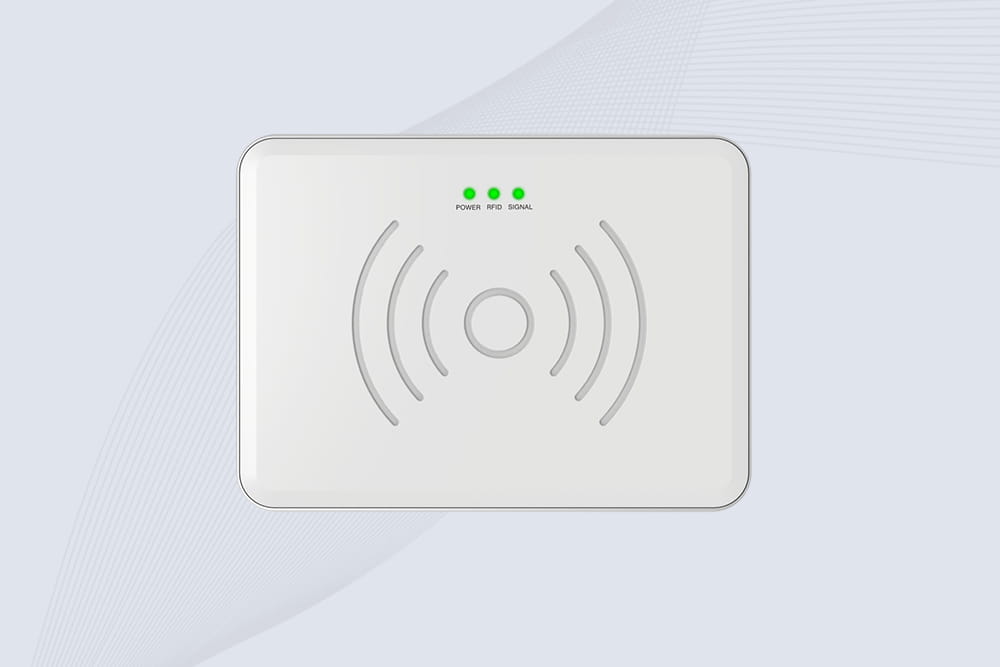
CYKEO CYKEO-D2L RFID Reader USB is a compact desktop encoder built on the Impinj R500 chip. With near-field control and stable USB power, this usb rfid card reader delivers precise tag writing for offices, retail counters, and small-scale logistics encoding tasks.
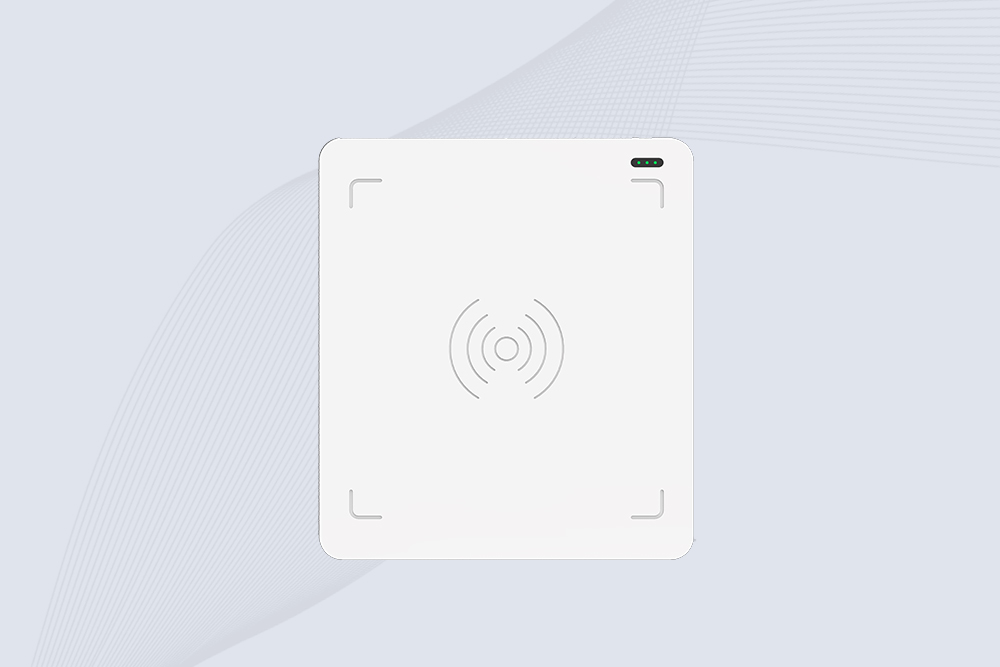
CYKEO CYKEO-D3L USB RFID Tag Reader delivers stable UHF tag reading and writing for daily desktop and light industrial tasks. Designed for controlled short-range operation, this USB RFID Tag Reader works reliably with rfid tag and reader systems in libraries, tool tracking, and inventory registration.
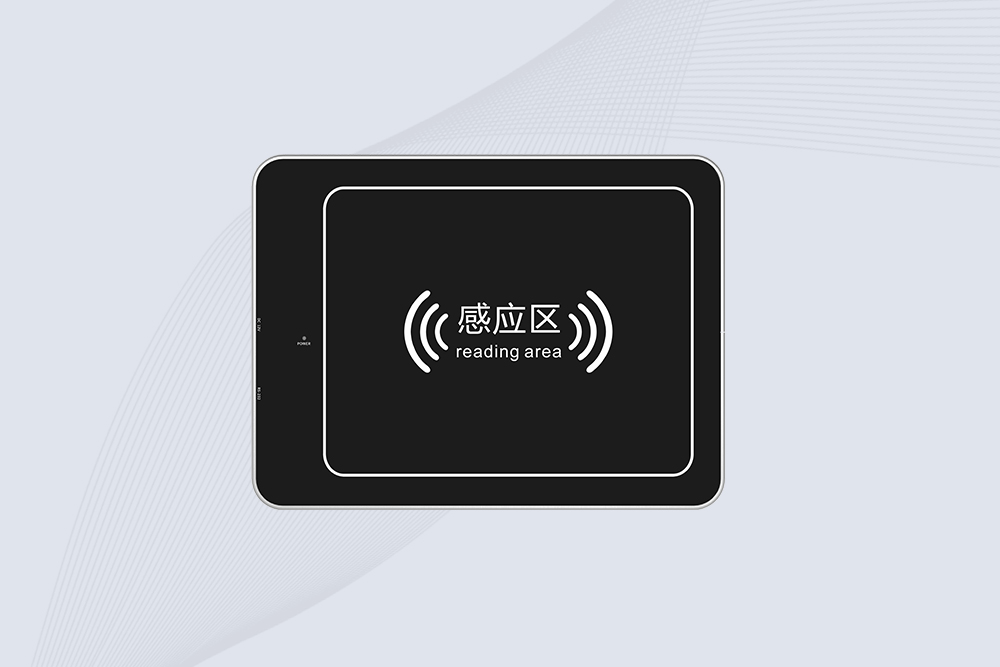
The CYKEO CYKEO-D4L UHF RFID Tag Reader is a stable Desktop RFID Reader designed for accurate tag registration, borrowing, and return workflows. Built with the Impinj R2000 chip, this UHF RFID Tag Reader delivers controlled short-range reads for libraries, asset tracking, and inventory management environments.
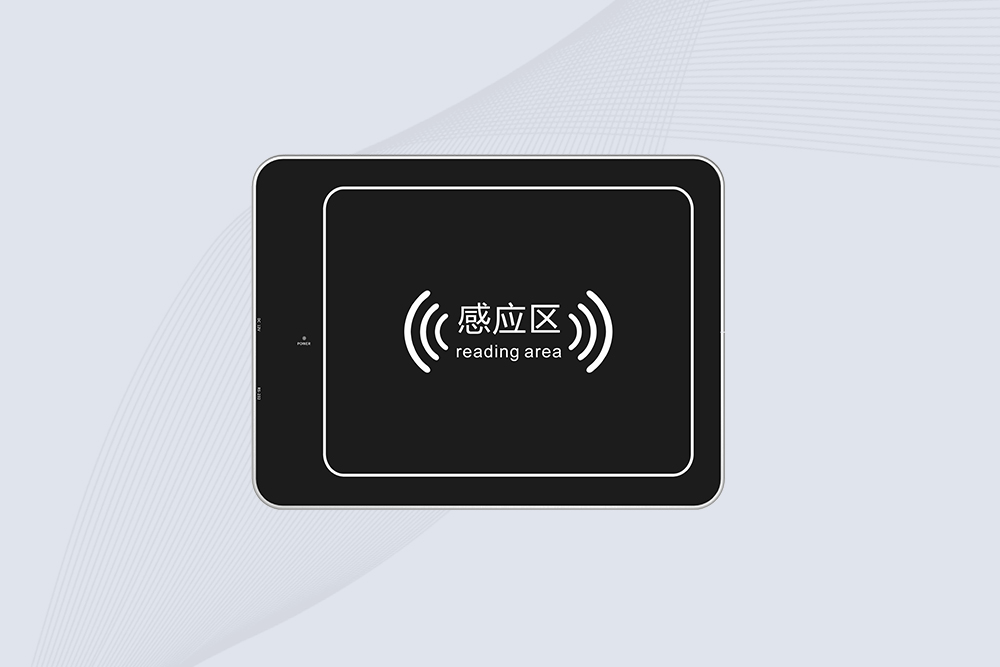
The CYKEO CYKEO-D5L Desktop RFID Card Reader is a stable UHF RFID Card Reader designed for controlled short-range reading and writing. Built for libraries, tool rooms, and asset desks, this UHF RFID Card Reader supports dense tag handling, secure data processing, and easy USB integration.
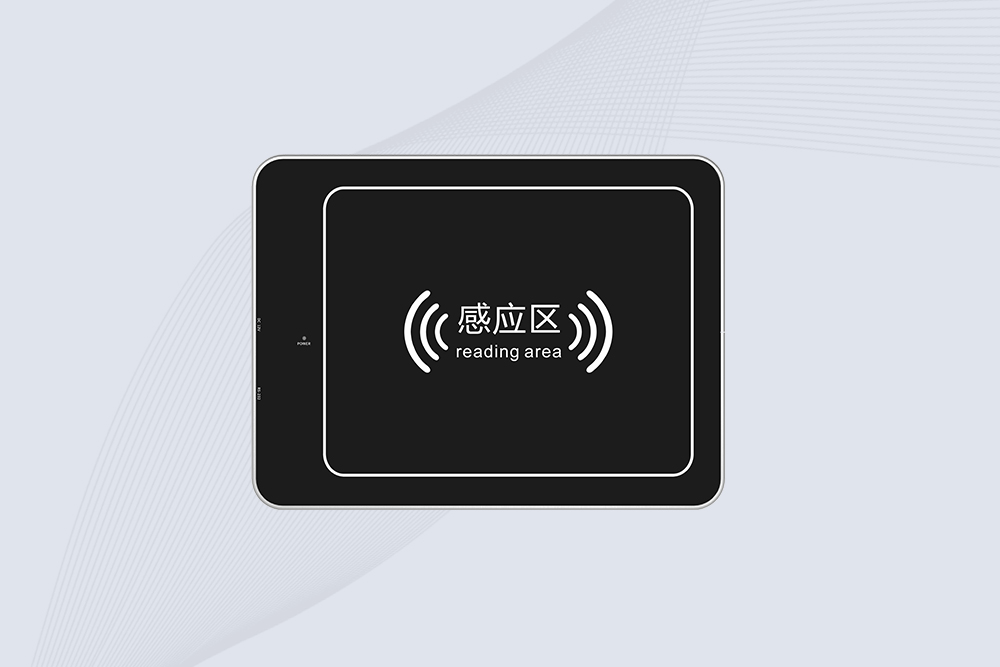
The CYKEO CYKEO-D6L RFID Reader Writer is a heavy-duty Desktop RFID Reader designed for short-range, high-accuracy tag programming. Built for libraries, labs, and asset desks, this RFID Reader Writer supports batch processing, stable 33dBm output, and seamless integration with existing management systems.
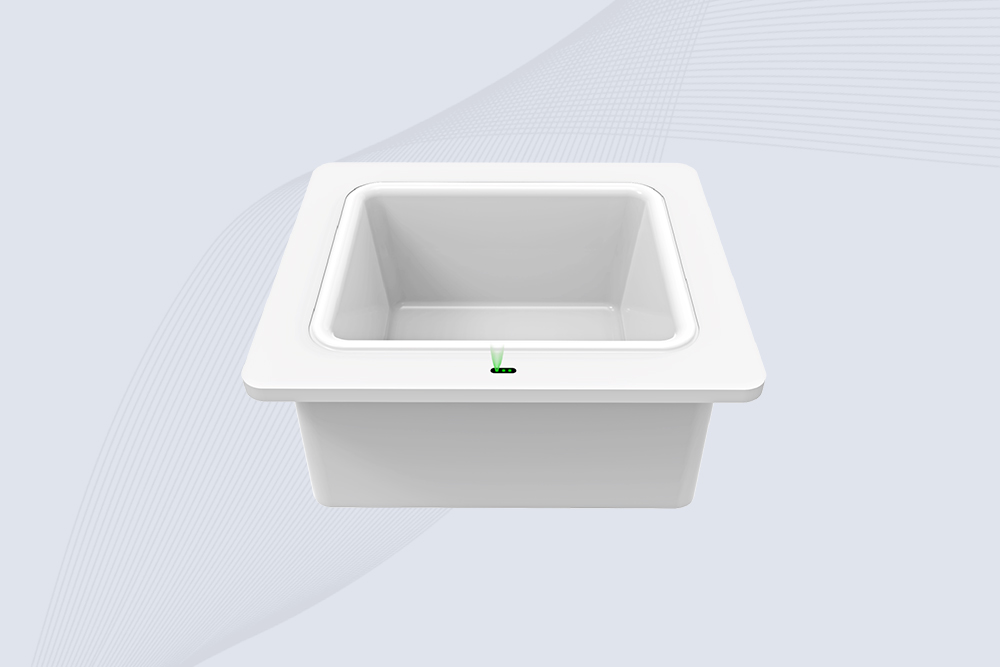
Cykeo CYKEO-D8B UHF RFID tunnel and RFID Desktop Reader features 30+ items batch reading,
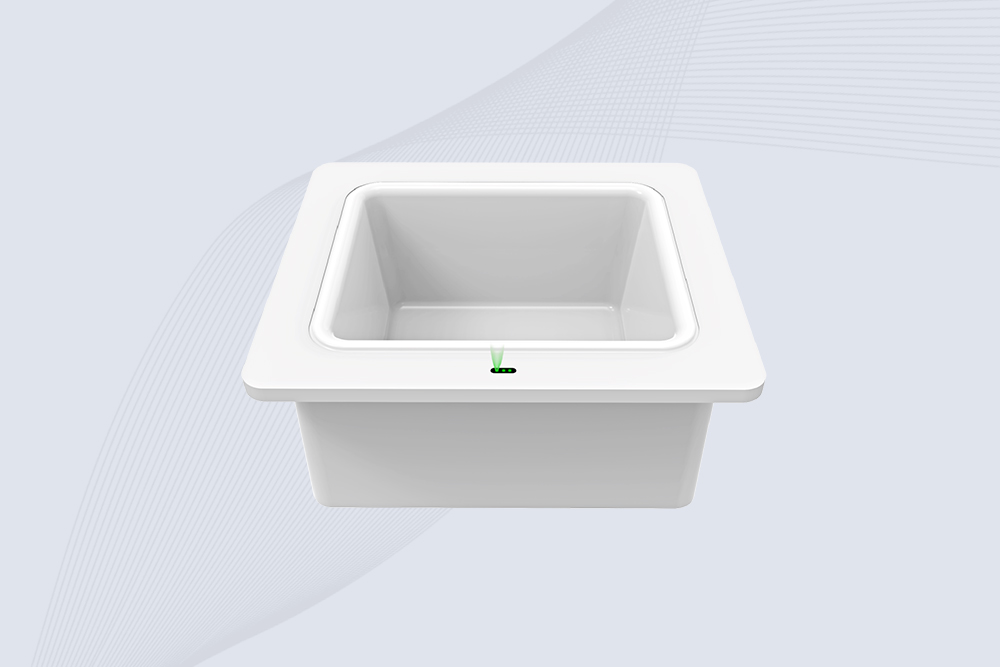
Cykeo CYKEO-D8A embedded RFID badge reader offers 30+ tags/sec scanning, 20cm anti-crosstalk precision, and DC 12V power for unmanned stores, warehouses, and smart inventory systems.
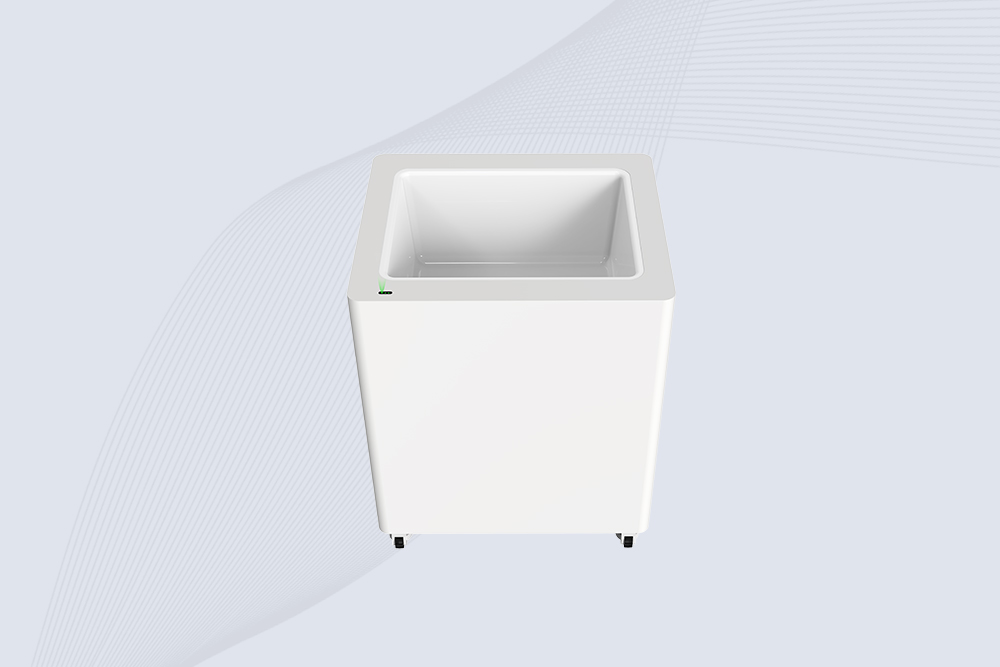
Cykeo’s CYKEO-D8C UHF RFID gate reader achieves 200-tag/batch scanning with adjustable power control, ideal for retail inventory and smart warehouse management.

rfid wristband system improves access control, cashless payment, and attendee tracking using Cykeo ultra-high frequency RFID technology.
More
Having trouble with your CK-R4 UHF RFID reader? This guide walks you through common issues with TCP client mode, network connection, and demo software. Plus, learn how to optimize integration with CYKEO RFID antennas for faster and more accurate r...
More
Can an Android phone read an RFID tag? Yes—but only 13.56 MHz HF/NFC tags within 1-4 cm. For UHF warehouse tags? Absolutely not. Here’s exactly what works.
More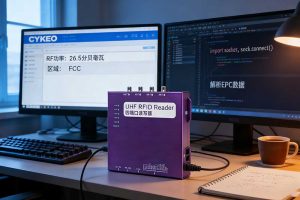
Learn what it truly means to program an RFID reader. Our guide covers configuration, software integration, and the realities of custom firmware development.
More