 Cykeo RFID IoT Solution Products R&D Manufacturer
How to Read and Write RFID Tags: It’s Way More Than Copy-Paste
351A no-fluff guide on how to read and write RFID tags. Learn the actual steps, the software hiccups, and why your first write attempt will probably fail
MoreAll RFID Product
what is rfid bag? An RFID bag is a smart bag that uses RFID automatic identification to recognize tagged tools or other items inside it. In maintenance operations, it can automatically check the tool inventory when leaving a work area and alert personnel when a tool is missing.
For a conventional tool bag, the final check usually depends on the technician remembering what was carried in and manually counting it back out. That process is workable in a controlled workshop. It becomes less comfortable when the same tool kit is taken onto a high-speed train, into an aircraft maintenance area, or around power-station equipment.
A smart RFID tool bag changes the point of control. Instead of asking the technician to visually inspect every tool, the bag can use RFID identification to establish and compare the tool inventory.
Cykeo’s RFID smart tool bag is designed for this type of field-maintenance requirement. It complies with ISO 18000-6C and is intended for high-speed rail and metro maintenance, aircraft maintenance, power-station inspection, and similar mobile repair operations.
The basic arrangement is straightforward: RFID tags are associated with the tools, while the RFID system inside the bag detects those tagged items.
ISO/IEC 18000-63:2021 specifies the Type C RFID air interface for item management in the 860–960 MHz range. The standard describes a reader-to-tag communication process and includes collision arbitration for identifying tags in a multiple-tag environment.
That multiple-tag capability is particularly relevant to a tool bag. A technician does not normally place one screwdriver into the bag, close it, scan it, and repeat the operation for every item. Several tools are stored together. The RFID system is intended to work with that physical reality.
One of the practical functions of the Cykeo RFID bag is one-button locking.
The tools can be placed inside the bag without requiring a rigid arrangement. Once the contents are ready, the operator can initiate the locking operation to establish the bag’s tool inventory.
This matters in field work because the inside of a maintenance bag rarely remains perfectly organized. A technician may use a wrench, put it back into a different compartment, add a screwdriver temporarily, or rearrange tools according to the job.
The useful question is therefore not whether every tool sits in a predetermined position. It is whether the system can determine which tagged tools belong to the current inventory.
The aviation industry provides a clear example of why missing-tool control deserves more than a casual visual check.
The U.S. Federal Aviation Administration states in its active AC 150/5210-24A that during aircraft maintenance activities, small objects such as rivets, safety wire, and bolts can become foreign object debris when inadvertently left behind. The FAA specifically states that all tools should be accounted for as a matter of practice and lists checklists, shadow boards, and tool-tray liners among the control aids.
The FAA’s guidance does not recommend RFID specifically, so it would be misleading to claim that RFID is required for aircraft maintenance. The important point is different: positive tool accountability is already an established maintenance-control principle.
An RFID bag provides another way to implement that principle.
In our RFID deployment work at Cykeo, the most useful question is often not “How far can the reader detect a tag?” It is when does the inventory need to be checked?
For a mobile maintenance bag, departure is a particularly meaningful event.
The technician finishes the repair. The work area looks clean. The bag is closed. The crew is ready to move to the next location.
That is exactly when a forgotten tool can become a problem.
A conventional process may require the technician to stop and manually count. An RFID bag can instead perform an automated inventory check as the operator leaves, compare the detected tools with the expected inventory, and provide a reminder when something is missing.
This does not replace established maintenance procedures or human responsibility. It adds an electronic control point to a task that is already safety-sensitive.
The Cykeo RFID smart tool bag is designed around four operational functions:
| Function | Practical purpose |
|---|---|
| One-button locking | Establishes the current inventory of tools inside the bag |
| Automatic departure inventory | Detects the tool quantity as the operator leaves |
| Real-time alarm | Alerts the operator when a tool is detected as missing |
| Smart configuration | Uses Bluetooth connection with a mobile phone for functional settings |
The intended result is simple: a tool should not quietly remain at the previous work location because the final count was forgotten.
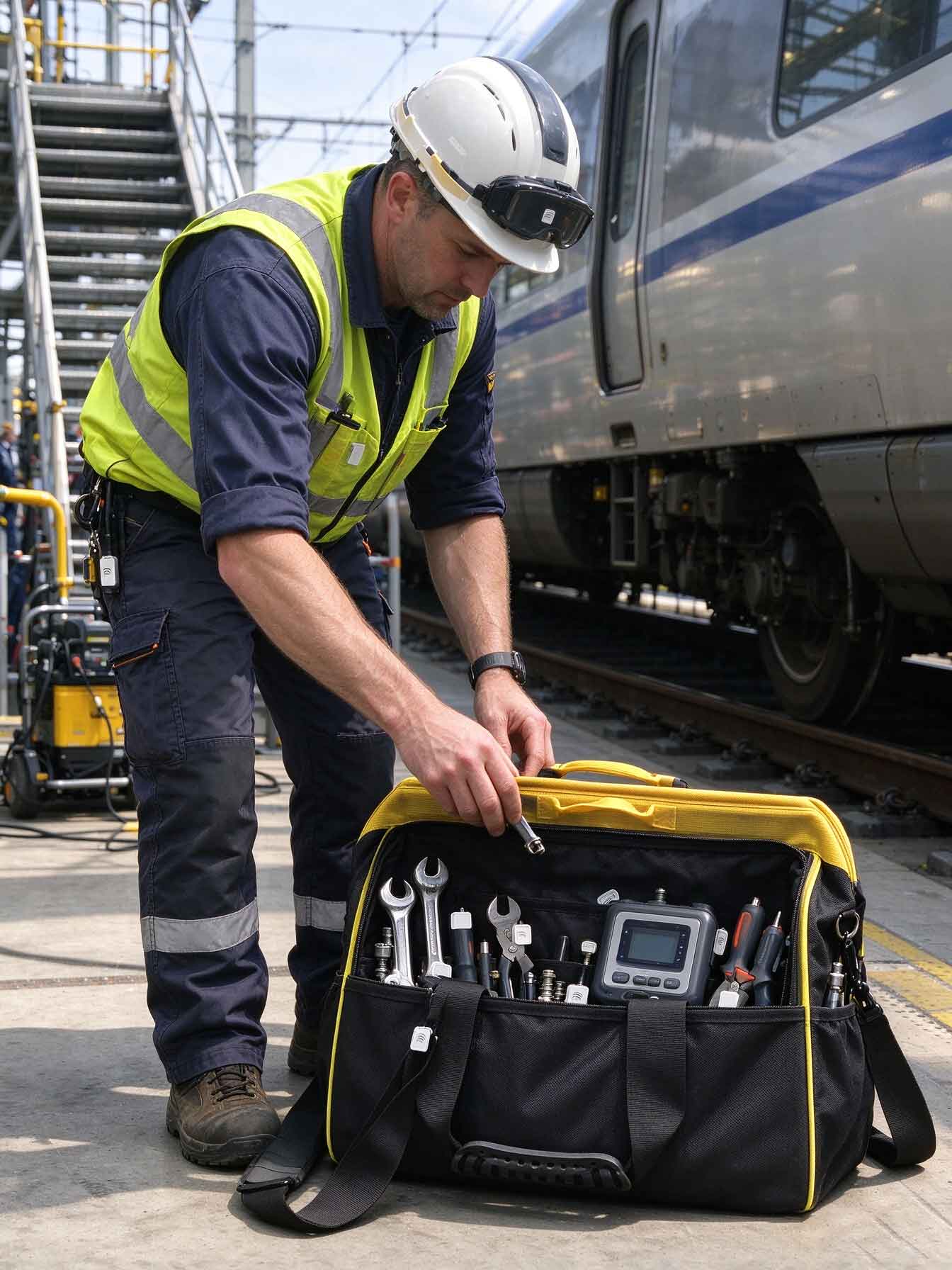
The main advantage of an RFID bag is that it moves tool control closer to the actual work environment.
A technician may leave a workshop with ten tools and return with nine. The missing item might be sitting beneath a machine, inside a train compartment, beside an aircraft access panel, or near electrical equipment. A manual count can identify the problem only if someone performs the count correctly.
With the Cykeo RFID smart tool bag, the intended workflow is different:
This is particularly useful for mobile maintenance teams because the bag itself becomes part of the control procedure rather than merely a container.
The product is intended for environments where technicians routinely transport tools between a storage location and a work site.
Rail maintenance often involves distributed work locations. Tools can move from a workshop to a train, inspection area, depot, or trackside location and then return.
An RFID tool bag provides an automated checkpoint when the operator leaves the work area. The objective is not simply to count tools faster; it is to identify an exception before the crew has moved too far from the site.
Aircraft maintenance places particular importance on tool accountability. FAA guidance identifies accounting for tools as an established FOD-management practice.
An RFID bag can provide an additional electronic check alongside existing maintenance procedures, helping technicians identify a missing tagged tool before completing the departure process.
Power-station inspection teams also carry specialized hand tools and instruments between work areas. Here, the useful feature is mobility: the same RFID tool bag can accompany the technician rather than requiring a fixed cabinet at every location.
The Cykeo RFID bag supports Bluetooth connection with a mobile phone for configuration.
This allows the operating settings to be adjusted according to the requirements of the application. In a field environment, that is more practical than treating the bag as a fixed device with one permanent operating mode.
From an engineering perspective, configuration should be validated with the actual tool set. Tag position, tool arrangement, metal components, and the way technicians normally pack the bag can all influence RFID behavior. A laboratory test with an empty bag does not represent the final operating condition.

An RFID bag is used to automatically identify and manage RFID-tagged items. In the Cykeo maintenance application, it is specifically designed to check tools and identify missing tools during departure from a work area.
The Cykeo RFID smart tool bag complies with ISO 18000-6C and uses RFID automatic identification technology for maintenance-tool inventory control.
Yes. The supplied product design allows tools to be placed freely inside the bag. A one-button operation can then lock the tool inventory.
During departure, the bag automatically detects the tool quantity. If a tool is missing from the expected inventory, the system provides an alarm reminder.
Yes. The bag supports Bluetooth connection with a mobile phone, allowing users to configure and adjust its functions according to operational requirements.
The Cykeo solution is designed for high-speed rail and metro maintenance, aircraft maintenance, power-station inspection, and other field-service maintenance environments where tools must be transported between work locations.
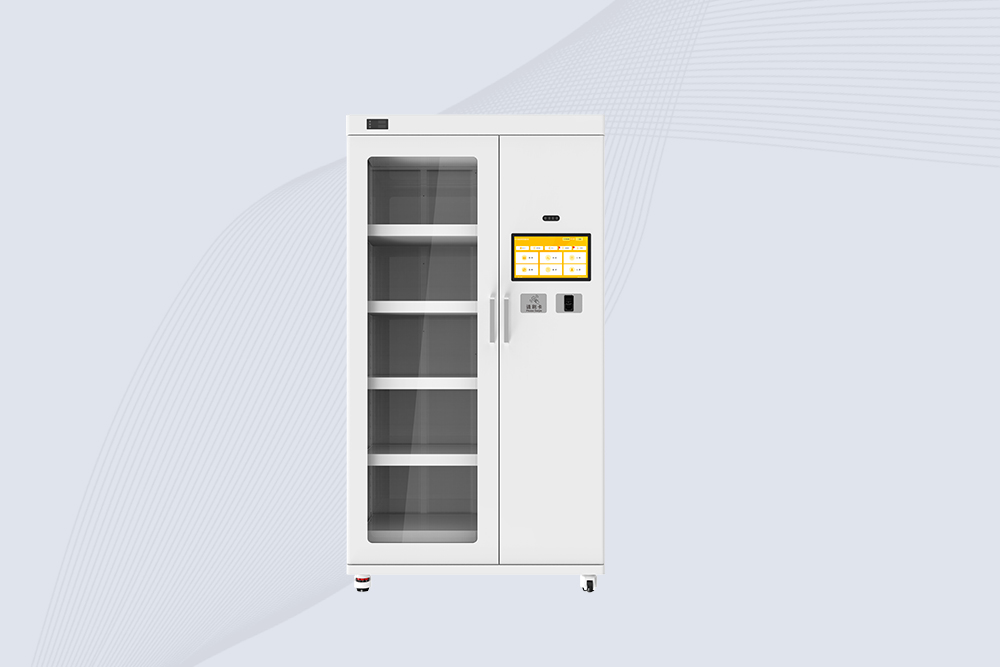
Cykeo’s RFID Smart Tool Cabinet enables 10-second tool audits, user access control & real-time alerts for construction/oil/gas. Features 21.5″ touchscreen, IP54 steel body & -30°C~60°C operation. Supports SAP/Oracle integration.
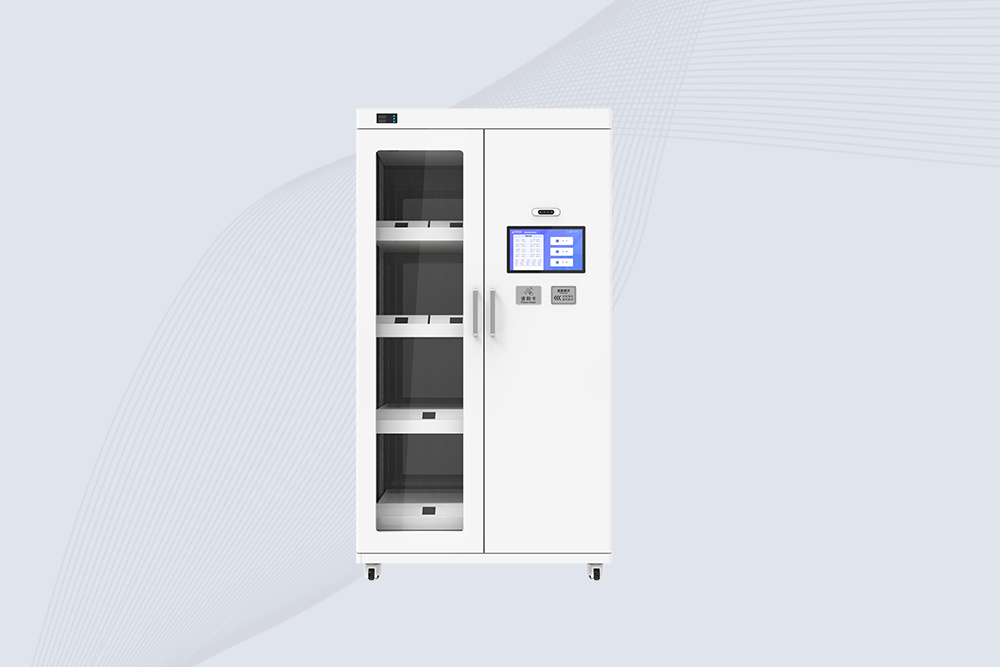
Cykeo’s Intelligent Weighing Tool Cabinet combines weight sensors & RFID for 100% tool accountability. Features solar/4G options, IP54 steel-glass body & nuclear/rail compliance. Supports SAP/Oracle integration.
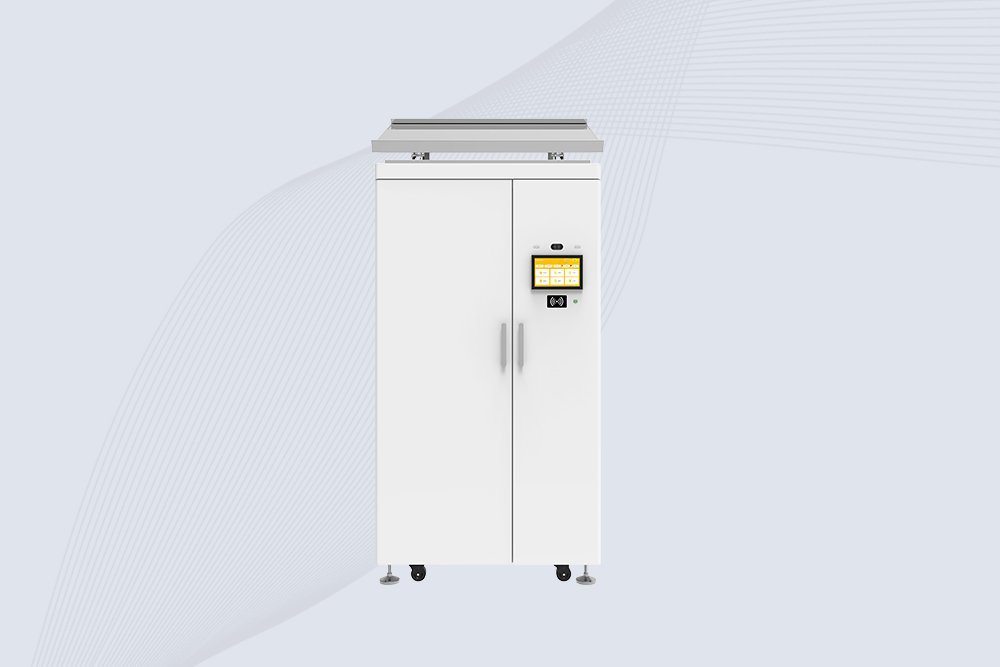
Cykeo’s solar-powered RFID Inventory Tool Cabinet enables 5-second audits for remote sites. Features 160W solar, Android 7.1, 4G & extreme temp operation for oil/energy/mining sectors.
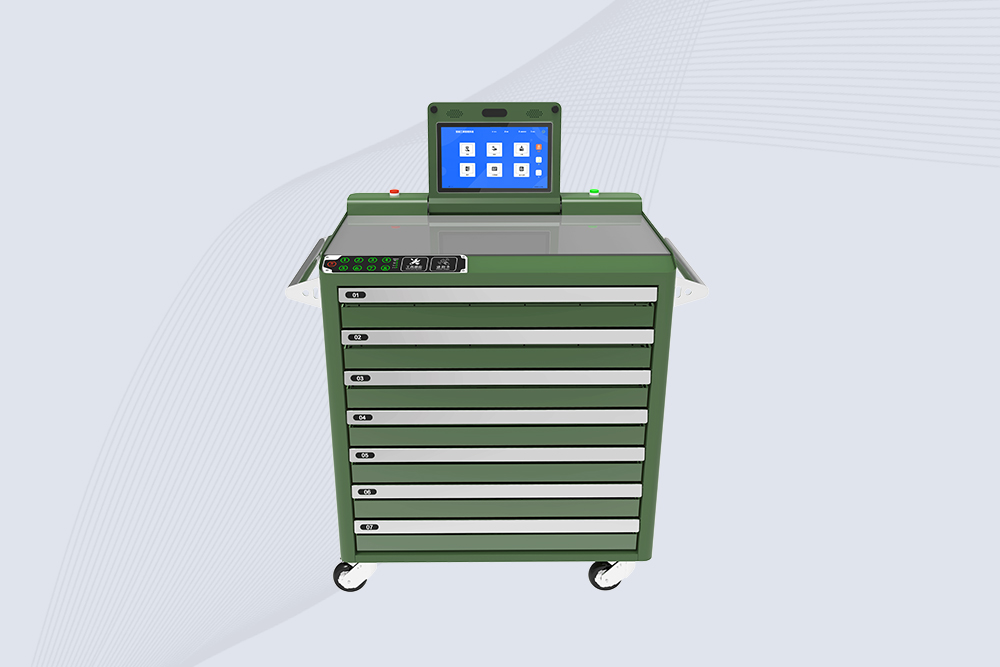
Cykeo’s industrial RFID Tool Cart features 14″ touchscreen, 400+ tool scanning, and carbon steel construction for aviation MRO, power plants and construction sites. 5-second inventory scans.
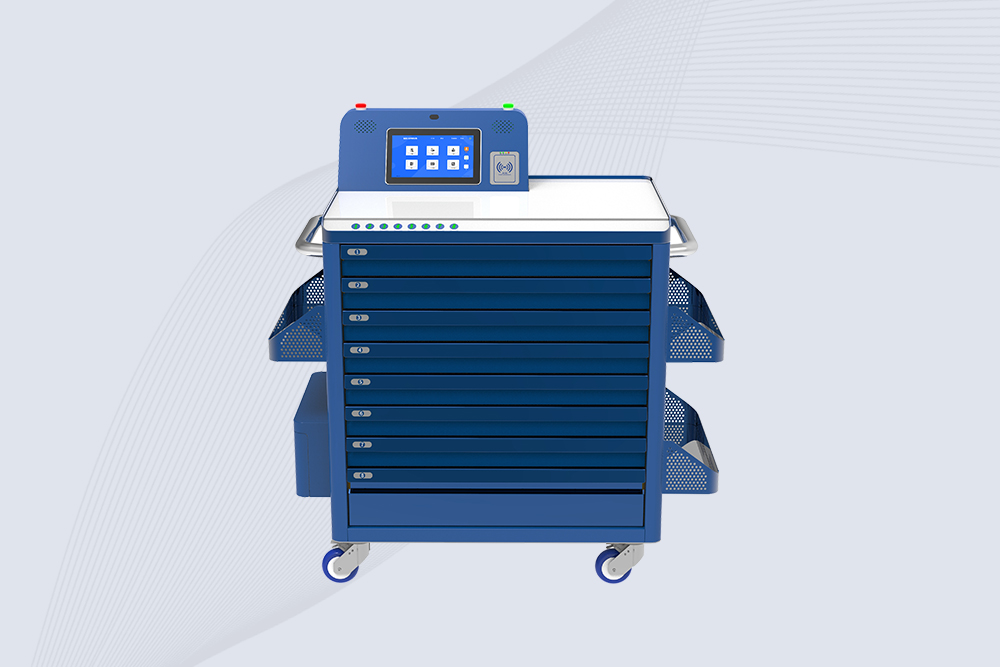
Cykeo CYKEO-TC RFID multi-drawer tool cart manages 300+ tools via UHF RFID, features fingerprint/face recognition, Android/Windows OS, and SAP integration for nuclear/railway/fire safety sectors. IP54 rated for harsh environments.
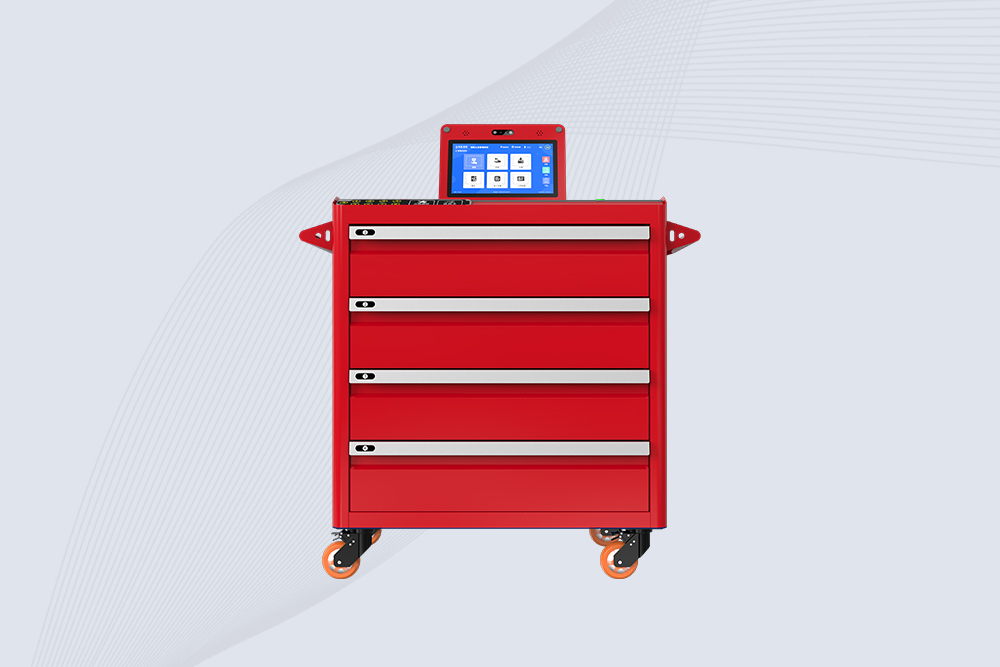
Cykeo CYKEO-GTC4 RFID tool inventory cart manages 300+ tools via UHF RFID, features instant scanning, fingerprint/face recognition, and SAP integration for nuclear/railway/fire safety sectors. IP54 rated for harsh environments.
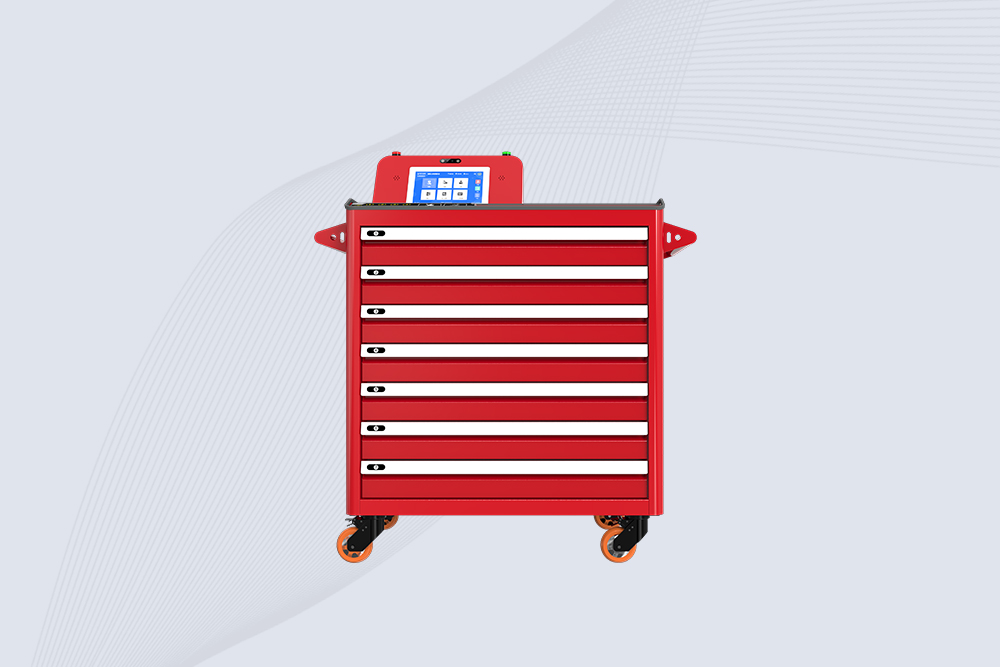
Cykeo CYKEO-GTC7 RFID aviation maintenance cart features military-grade build, blockchain audits, and predictive tool alerts for aircraft MRO. Achieves EASA/FAA compliance.
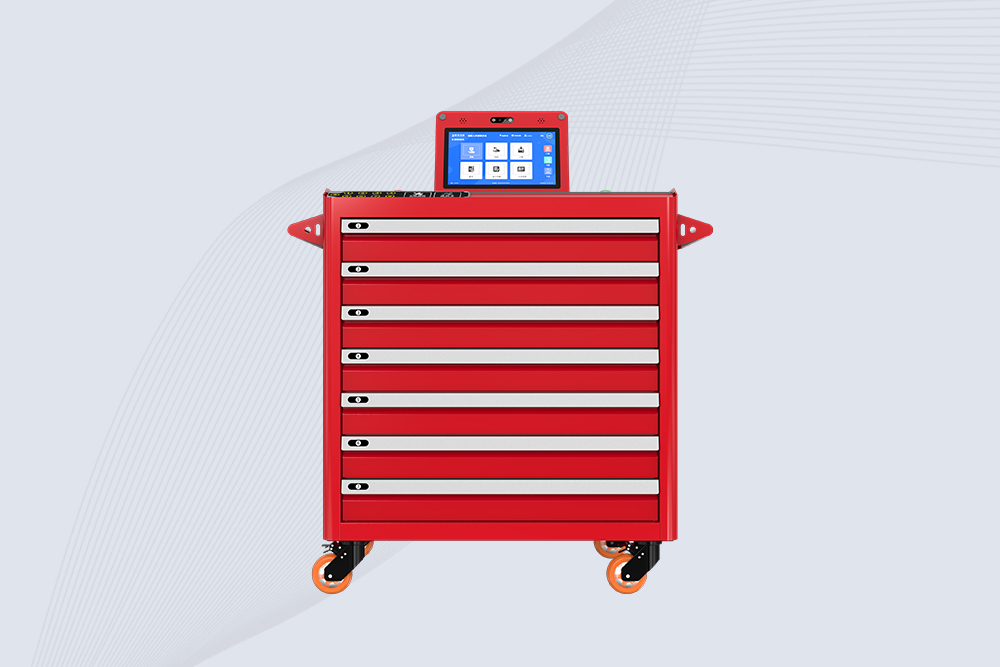
Cykeo CYKEO-GTC7A RFID real-time tool tracking cart features 99.9% accuracy, FOD prevention, and SAP integration for aviation/plant maintenance. Military-grade construction.
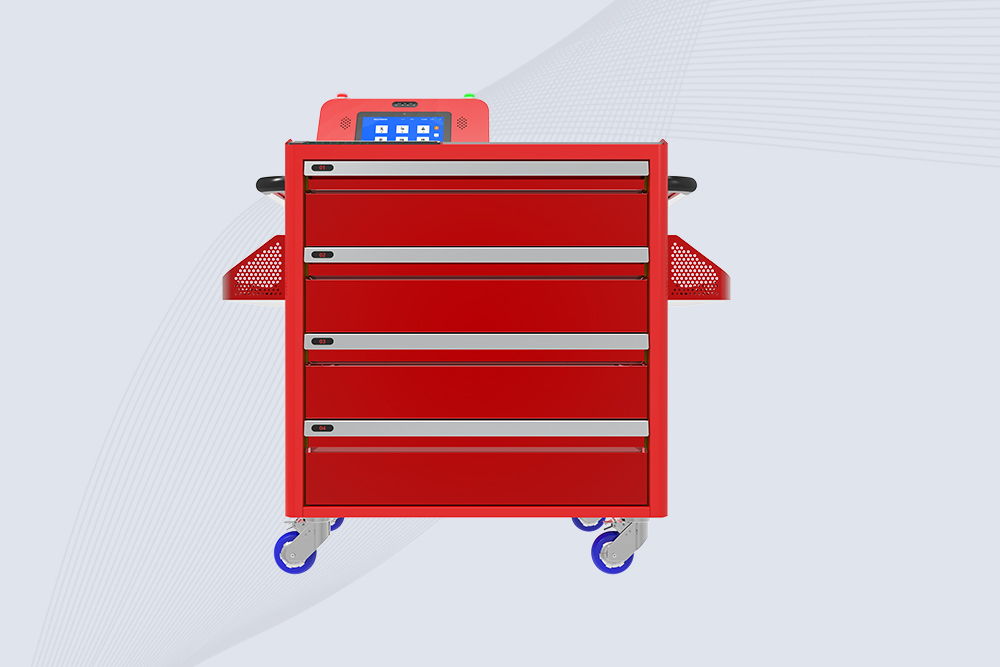
Cykeo CYKEO-GTC4B RFID mobile tool cart delivers 300-tool verification in 7 seconds with modular drawers, ≤150W power, and SAP integration for industrial/aviation use.
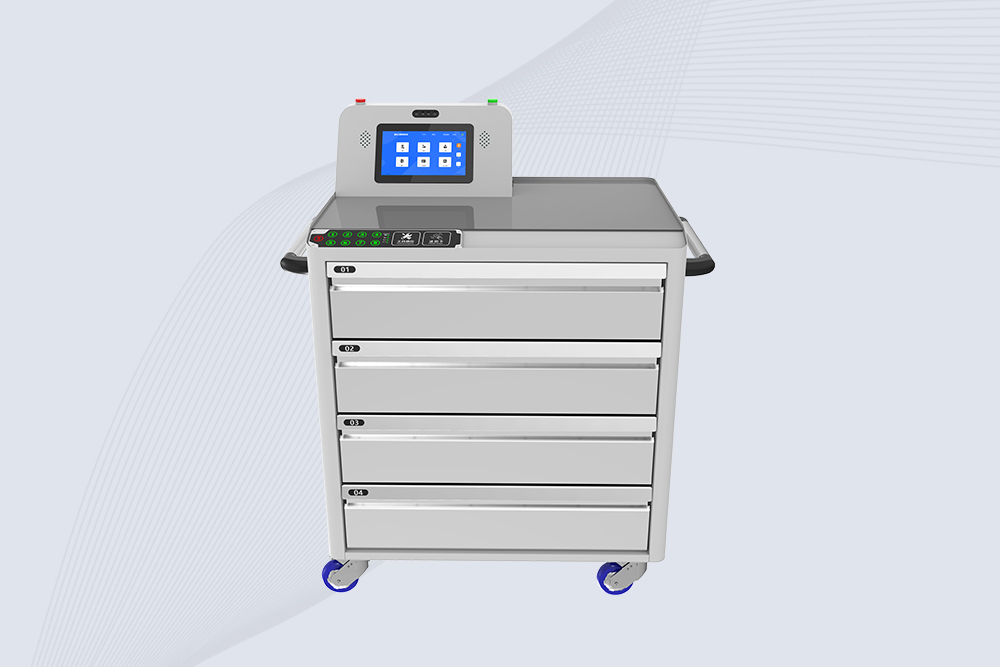
Cykeo CYKEO-GTC4C RFID workshop tool control cart delivers 300-tool inventory in 3 seconds with 10hr battery, SAP integration, and FOD prevention for industrial workshops.
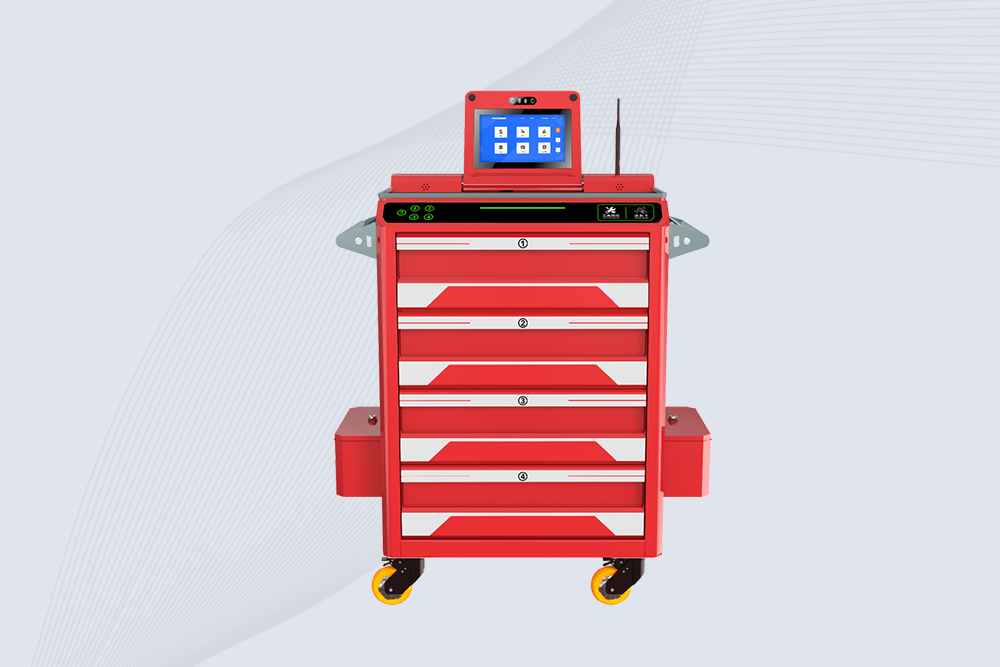
Cykeo’s CYKEO-GTC4A multi-drawer RFID tool cart delivers 7-second aviation tool inventories, 10-hour battery, and dual authentication. ISO 18000-6C compliant for MRO/manufacturing.
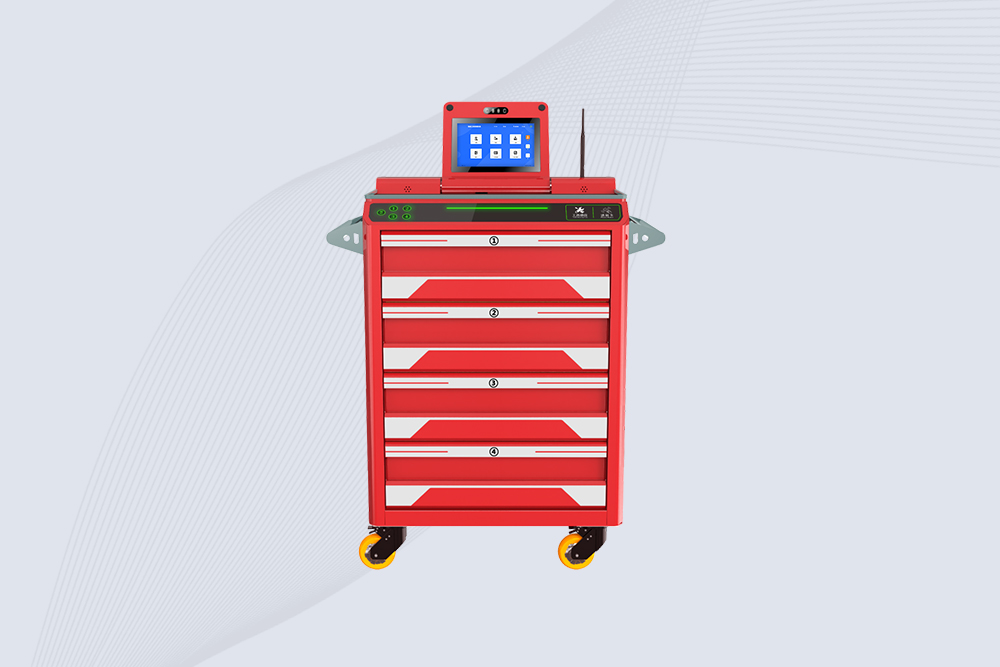
Cykeo’s MIL-STD RFID tool tracking cart scans 300 tools in 7 seconds, with -20°C~60°C operation and FOD prevention for aviation/energy industries.
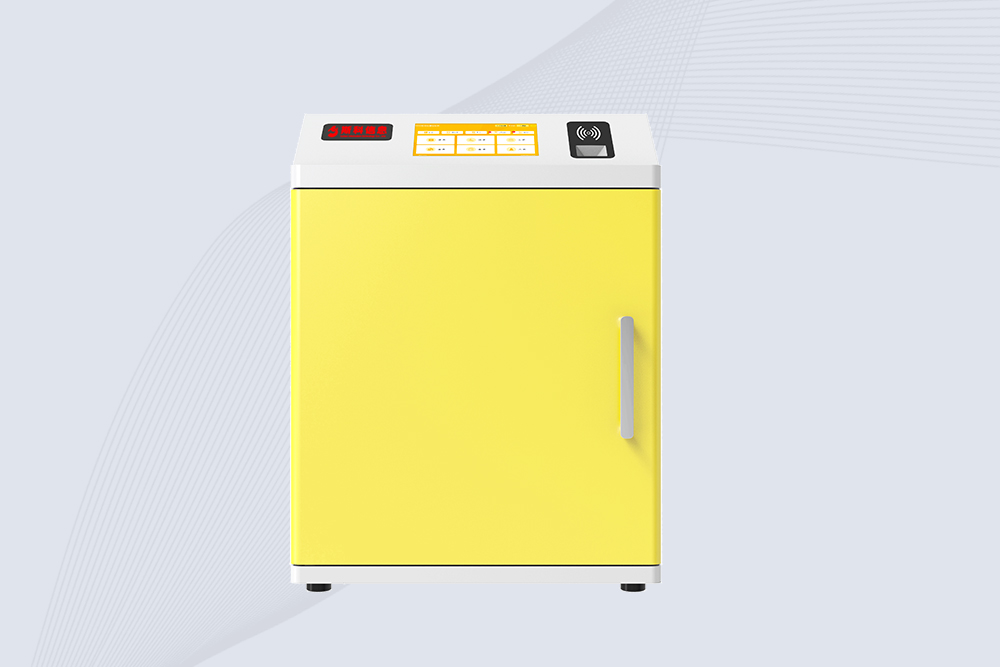
Cykeo’s space-saving RFID tool management cabinet offers 1000-tool capacity, ≤5s scans, and 24/7 unmanned operation for manufacturing/assembly plants.
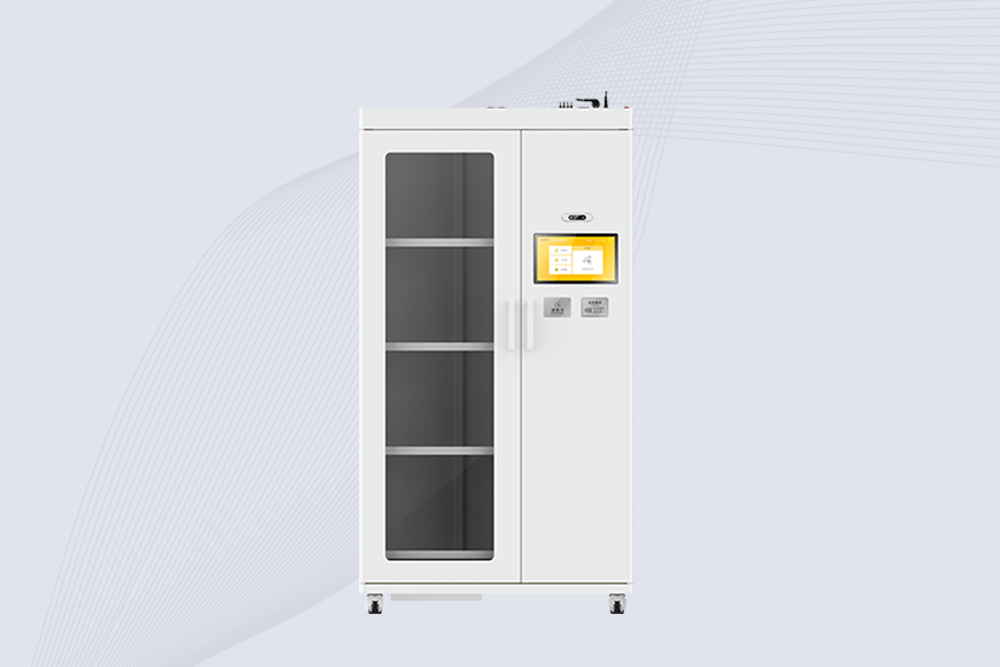
Cykeo’s RFID industrial tool cabinet offers modular shelves, 21.5″ touchscreen, and voice guidance for manufacturing/energy sectors. 24/7 operation with ≤80W power.
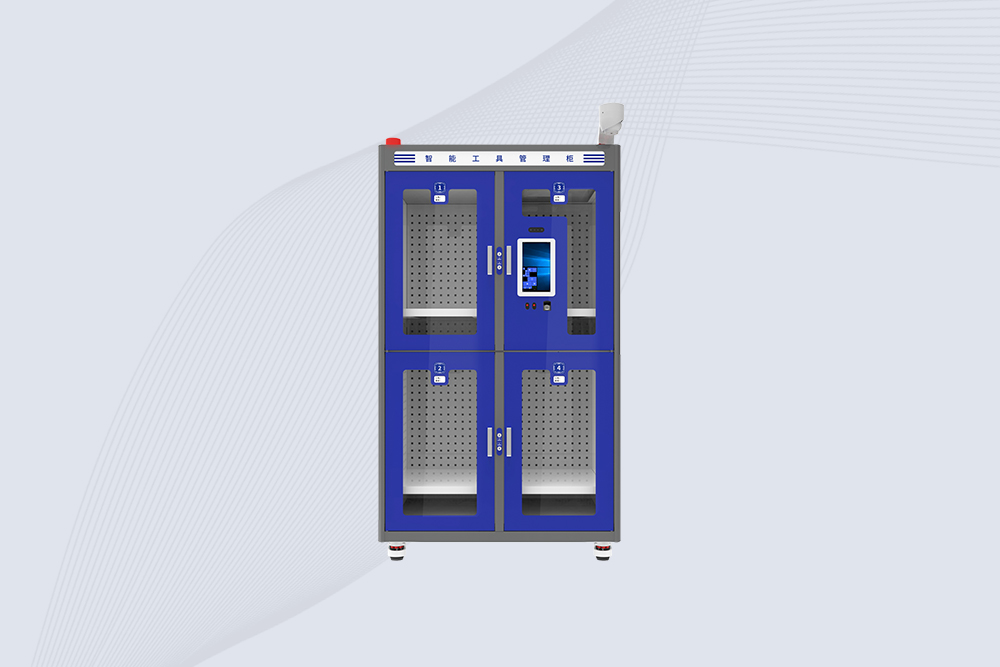
Cykeo’s RFID secure tool cabinet features 4 lockable compartments, ≤150W power, and 24/7 monitoring for pharma/aerospace/electronics industries.
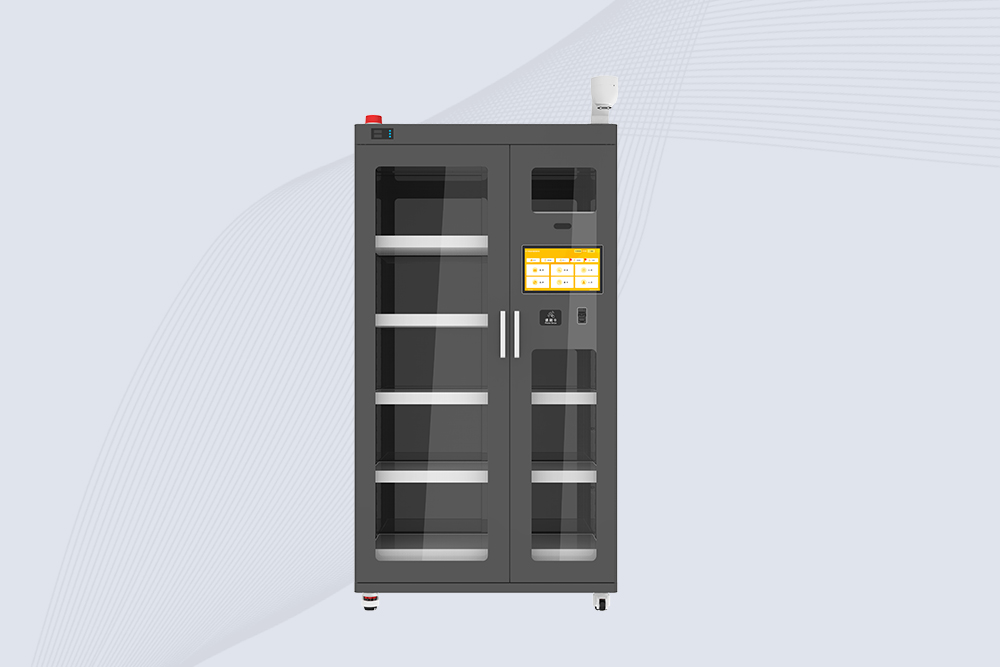
Cykeo’s RFID aviation tool cabinet features triple authentication, 14″ HD touchscreen, and thermostatic control for aircraft MRO/FAA compliance.
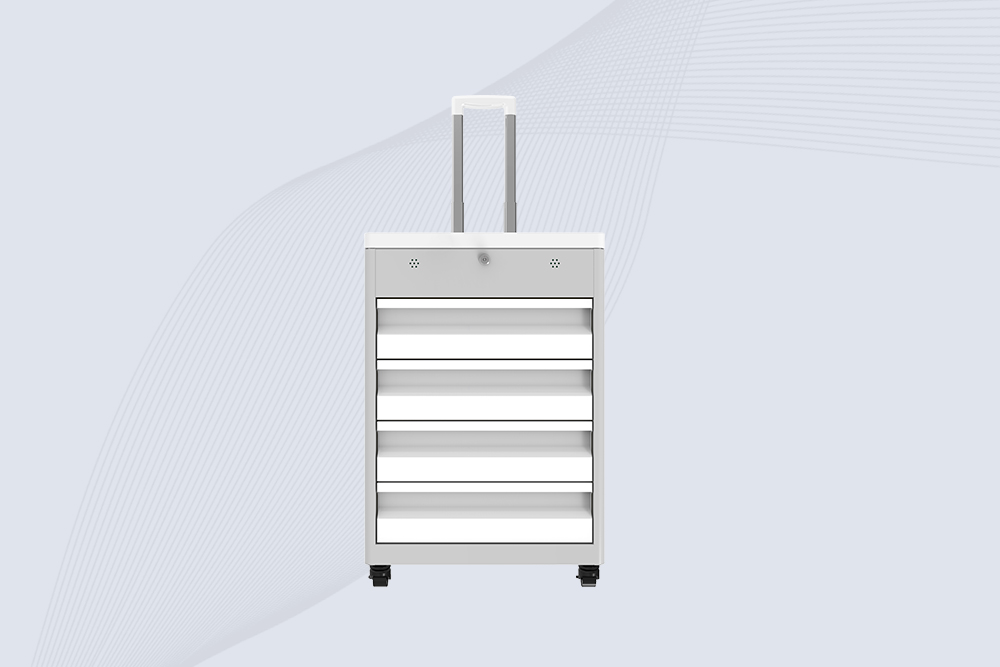
Cykeo’s RFID tool tracking system delivers self-service check-in/out, real-time alerts, and multilingual interface for correctional/military security.
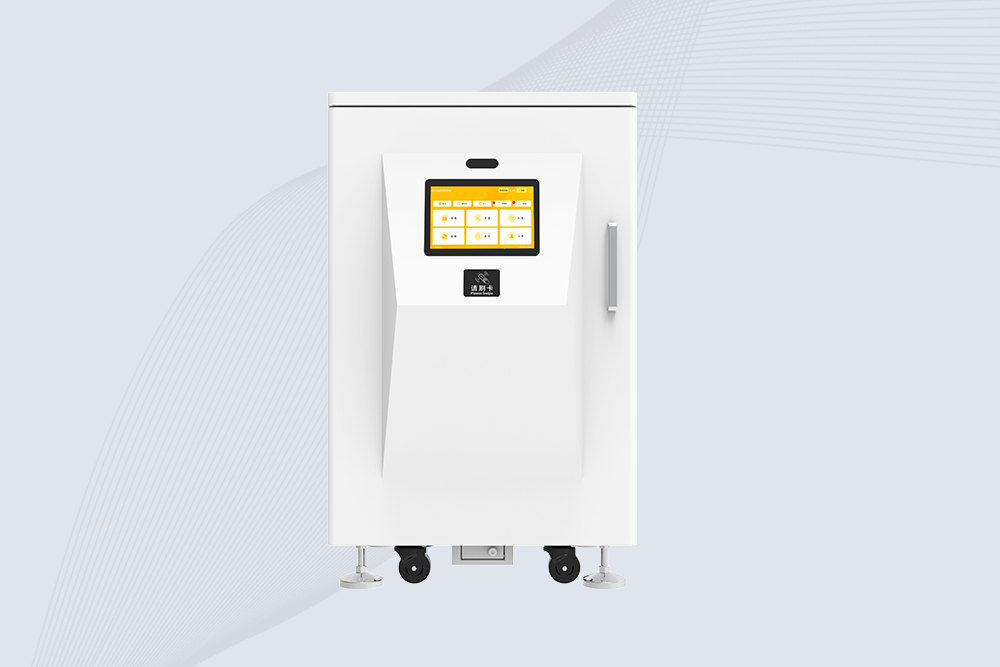
Cykeo’s off-grid RFID tool inventory system features solar/wind power, -30°C~60°C operation, and military-grade durability for mining/energy/military sectors.
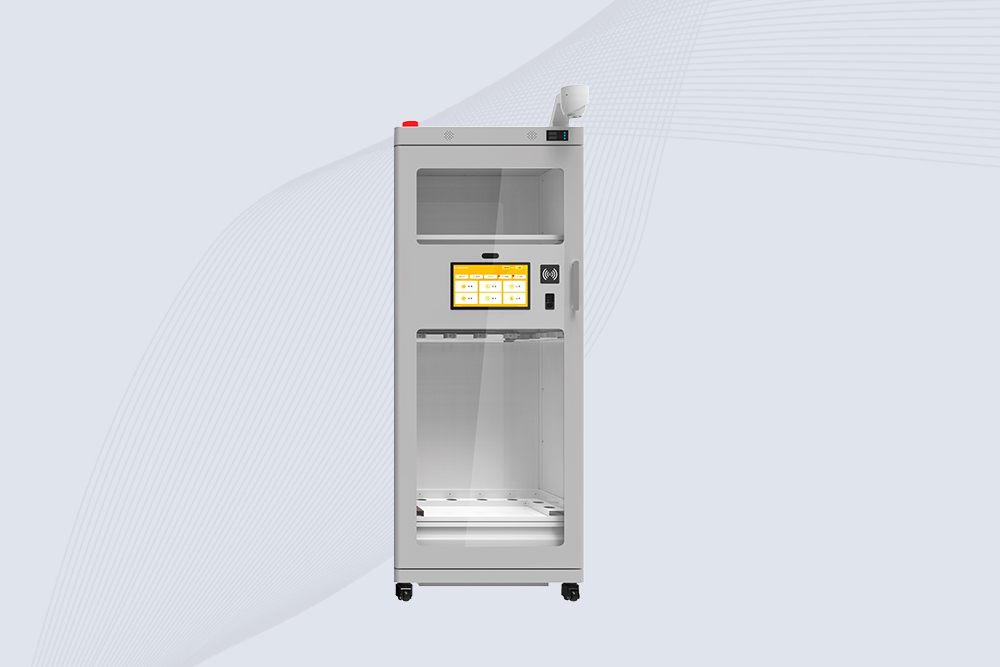
Cykeo’s industrial RFID tool accountability cabinet delivers 99.9% scan accuracy, adjustable shelves, and 24/7 operation for automotive/aerospace manufacturing.
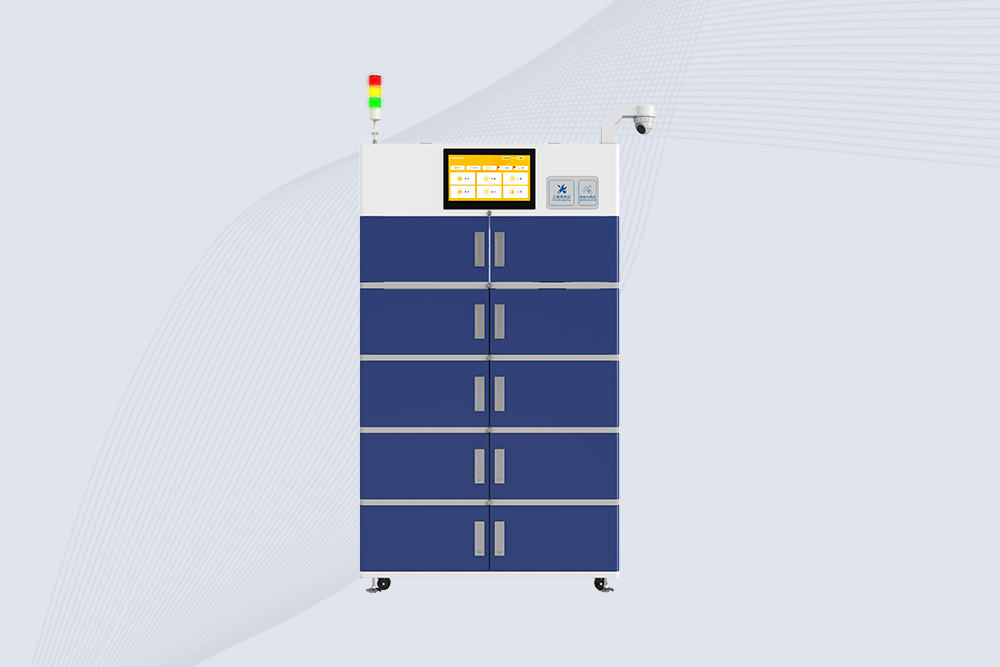
Cykeo’s RFID multi-drawer tool cabinet features 5 adjustable drawers, biometric access, and 99.9% scan accuracy for automotive/aerospace manufacturing.
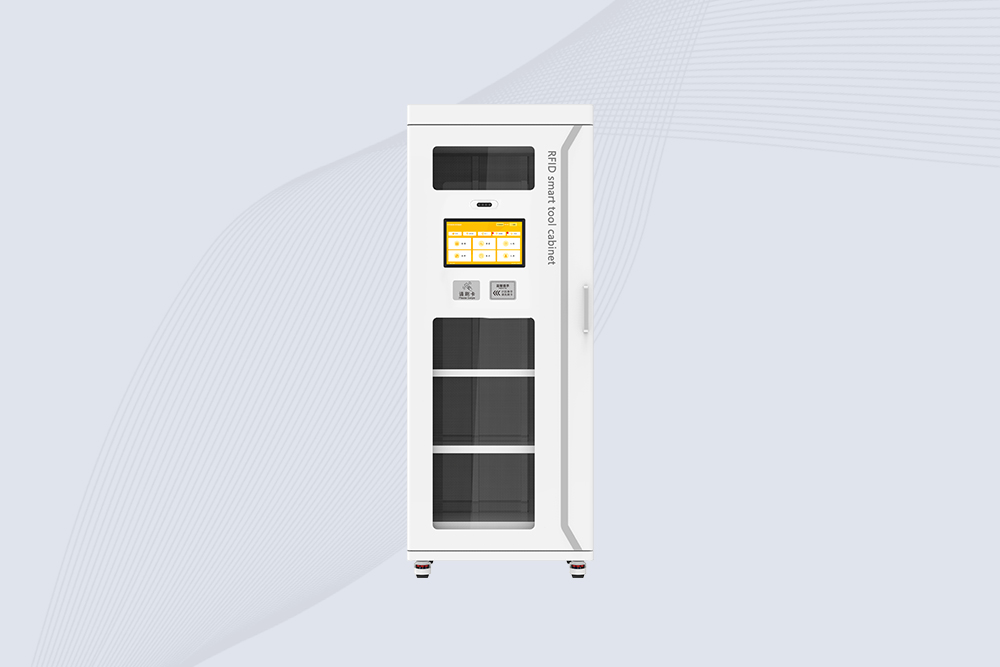
Cykeo’s RFID Automated Tool Cabinet delivers military security, adjustable shelving, and Java/C# SDK integration for defense/aerospace manufacturing.

Cykeo’s RFID scalable tool cabinet features multi-unit management, voice guidance, and semi-outdoor durability for automotive/construction/logistics.
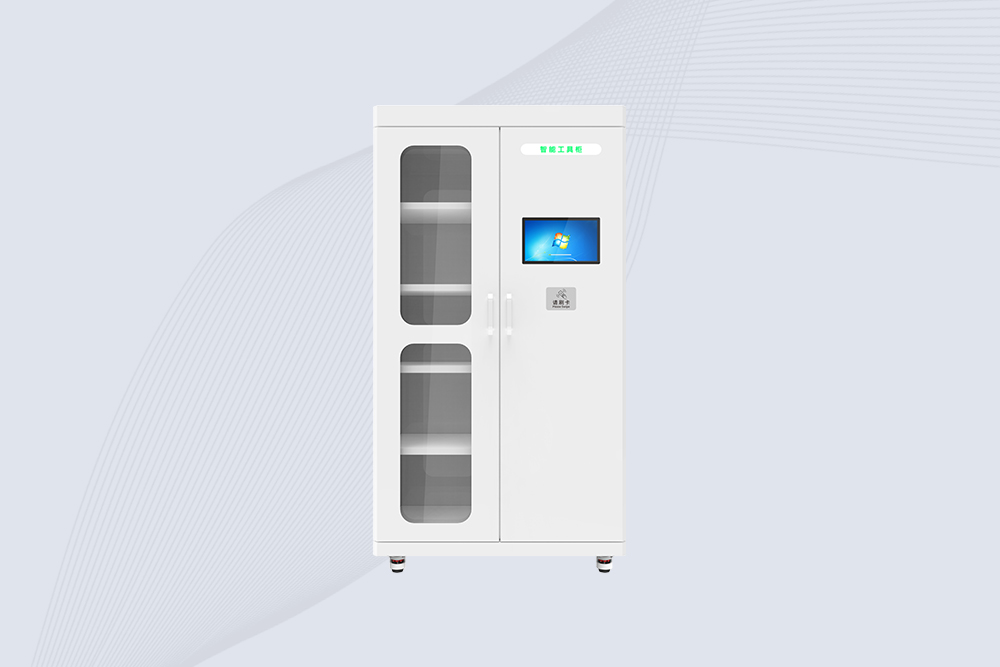
Cykeo CYKEO-GT1B industrial RFID tool storage cabinet features Impinj R2000 UHF technology, 1,000+ tool capacity, IP54 protection, and Windows/Android OS for manufacturing/aviation MRO. Includes auto check-in/out and SAP/Oracle sync.
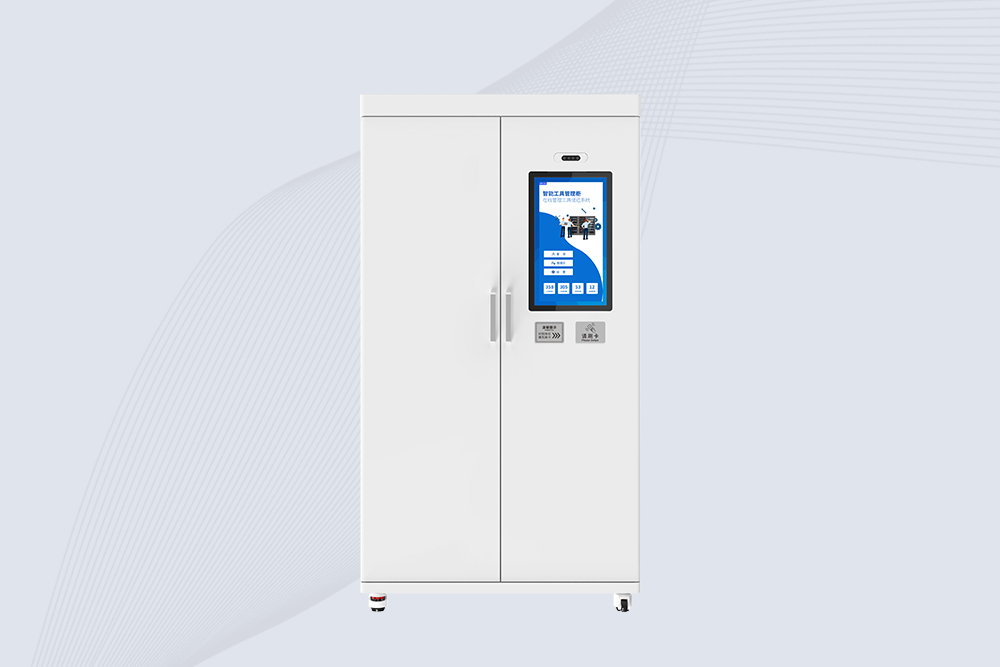
Cykeo CYKEO-GT3C industrial RFID tool checkout system Cabinet features millimeter-wave scanning, 280-layer storage, dual OS, and 99.9% accuracy for aviation/semiconductor sectors. Supports auto check-in/out and real-time SAP sync.
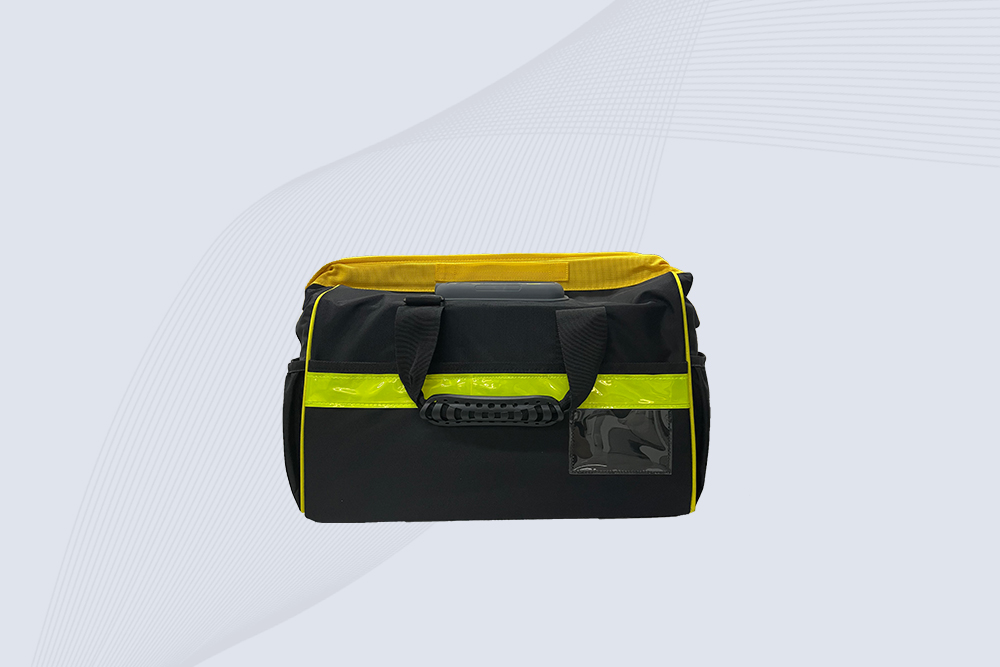
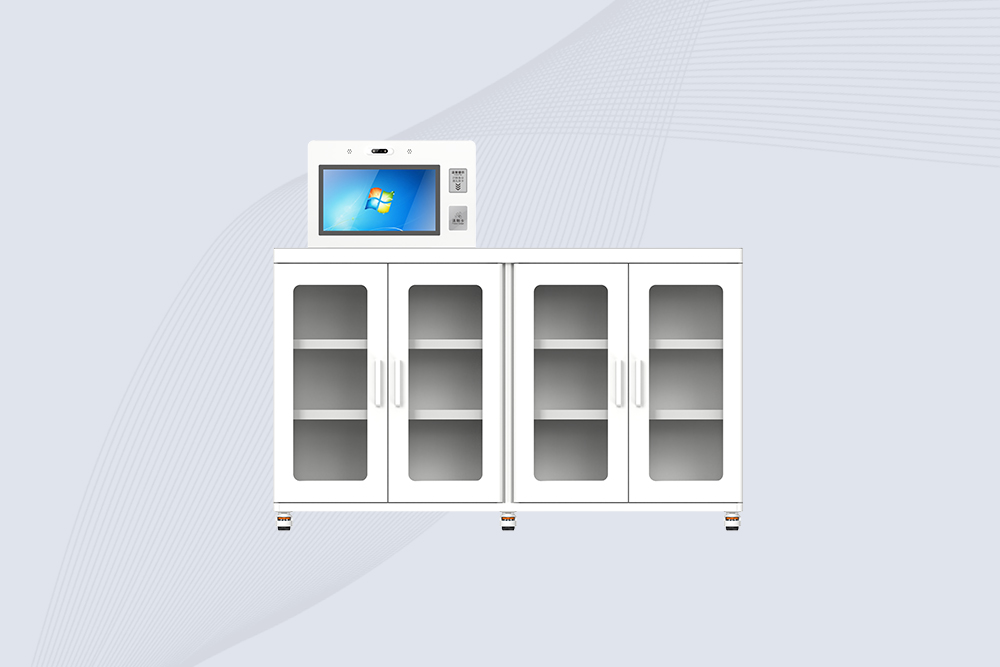
Cykeo CYKEO-GT3D RFID smart tool cabinet offers 5-second inventory scanning for 300+ tools, dual authentication, and 24/7 automated management for industrial facilities.
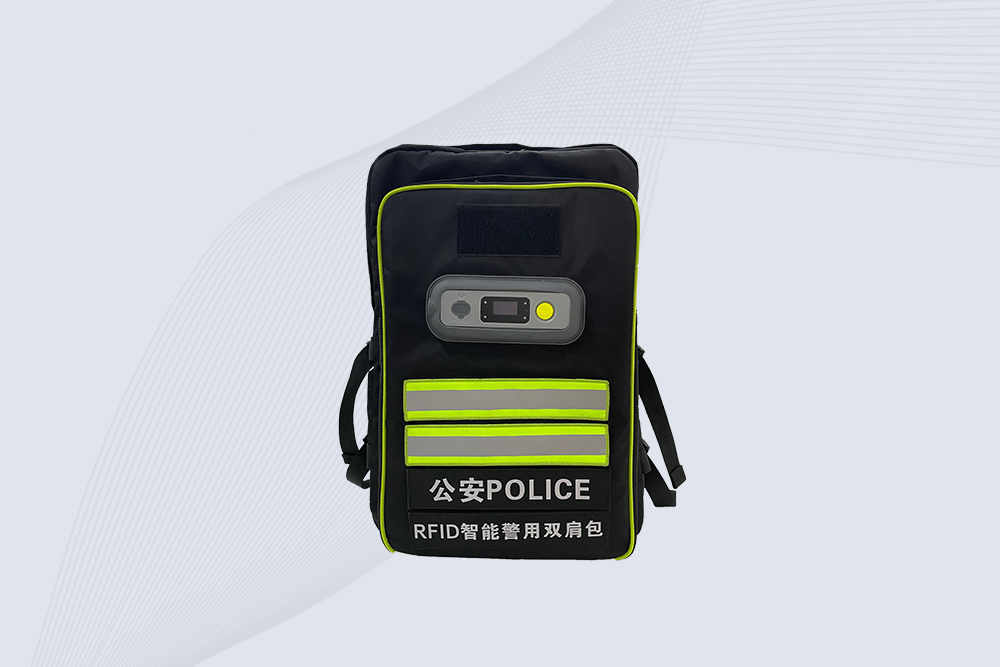
Discover the CYKEO-B1A Industrial RFID Backpack featuring advanced tool tracking technology with 25cm RF shielding, 7-day battery life, and wearable design for field maintenance professionals.

A no-fluff guide on how to read and write RFID tags. Learn the actual steps, the software hiccups, and why your first write attempt will probably fail
More
Understand the differences between UHF and HF handheld RFID readers. Compare range, applications, costs, and choose the right technology for logistics, healthcare, or retail.
More
In real-world RFID projects, off-the-shelf products often fail to meet site-specific requirements. Whether it’s chips, tags, or readers, custom RFID solutions can address these challenges. This article shares practical insights and examples for in...
More
Learn how to check if an RFID tag is working correctly, test different RFID tag types, avoid common reading problems, and choose reliable RFID tags for your projects.
More