 Cykeo RFID IoT Solution Products R&D Manufacturer
how to reprogram rfid card
140RFID card reprogramming requires a writable RFID card, compatible reader writer, proper software, and verified data writing to update stored information safely.
MoreAll RFID Product
An RFID device is an electronic component that uses radio waves to identify, read, or exchange data with RFID tags without requiring direct physical contact. Depending on its role, it may be a reader, antenna, tag, or integrated RFID system used for inventory management, asset tracking, access control, and logistics.
RFID devices are widely used in warehouses, factories, libraries, retail stores, and healthcare facilities. Their main advantage is that compatible tags can be identified without the operator scanning each barcode individually.
An RFID device enables objects to be identified through radio-frequency communication. The exact function depends on the hardware and how it is configured.
For example, an RFID reader sends out a radio-frequency signal. When a compatible tag enters the effective read zone, the tag responds with stored identification data. The reader forwards that information to connected software, where it can be matched with a product record, equipment number, or inventory entry.
In a warehouse, this can change how stock is counted. Instead of locating and scanning each carton label, an operator can use a handheld RFID reader to identify multiple tagged items in a single scanning session. A fixed reader installed at a doorway can also record tagged goods moving through a defined area.
However, an RFID device does not automatically provide GPS-style location tracking. Most conventional RFID systems identify tags within a reader’s operating range. More advanced location functions require suitable hardware, system design, and supporting software.
Different RFID devices perform different jobs. Choosing the right type starts with understanding where identification takes place and how much data the application needs to capture.
RFID readers communicate with compatible tags and collect their identification data. They are available in several forms:
A desktop reader is particularly useful when employees need to issue new tags or verify tag data before attaching labels to products.
RFID tags store identification data and respond to compatible readers. They may be attached to cartons, tools, garments, reusable containers, or individual products.
Passive RFID tags draw operating energy from the reader’s radio-frequency field rather than relying on an onboard battery. Active RFID devices, by contrast, use a battery to support their operation and are used in applications that require different communication or detection characteristics.
An RFID antenna transmits and receives radio-frequency energy. Some readers use external antennas to control coverage across a loading bay or production line. Other products combine the reader electronics and antenna in one enclosure, simplifying installation where space is limited.
An RFID system normally includes tags, a reader, suitable antennas where required, and software that processes the captured data.
The practical challenge is not simply making a tag respond. It is making sure the right tags are read at the right time.
Consider a European distribution warehouse receiving several pallets of packaged goods. A fixed UHF RFID reader can be installed near the receiving area, with antennas positioned to cover the intended passage. When tagged goods pass through, the reader captures tag identifiers and sends the results to warehouse software.
If the antenna field extends into a nearby staging area, tags that are not part of the receiving transaction may also be detected. Metal shelving, liquid-filled products, tag orientation, and overlapping read zones can affect performance. Antenna placement and read-power adjustment therefore deserve attention before a site goes live.
| Industry | Typical application | Common device |
|---|---|---|
| Warehousing | Receiving, stocktaking, shipment verification | Fixed or handheld reader |
| Manufacturing | Work-in-process and tool identification | Fixed reader or integrated reader |
| Retail | Product identification and inventory checks | Handheld or fixed reader |
| Libraries | Item registration and circulation | Desktop reader and RFID tags |
| Access control | Contactless credential identification | RFID card reader |
The appropriate device depends on tag frequency, reading distance, environmental conditions, data interface, and the required workflow—not simply the advertised maximum read range.

A device that works well at a desk may perform poorly beside a metal conveyor. Before selecting hardware, assess the operating environment and the information your application needs to collect.
According to GS1, passive UHF RFID systems commonly operate in the 860–930 MHz range under the EPC Gen2 air-interface standard. GS1 also notes that passive UHF RFID read distances can reach several metres, with exceptional cases extending to around 15 metres. Actual performance depends on antenna characteristics, tag orientation, reader settings, and surrounding materials.
This is why a published maximum reading distance should not be treated as a guaranteed working distance. A better evaluation measures whether the device consistently identifies the intended tags while avoiding unwanted reads in the actual installation area.
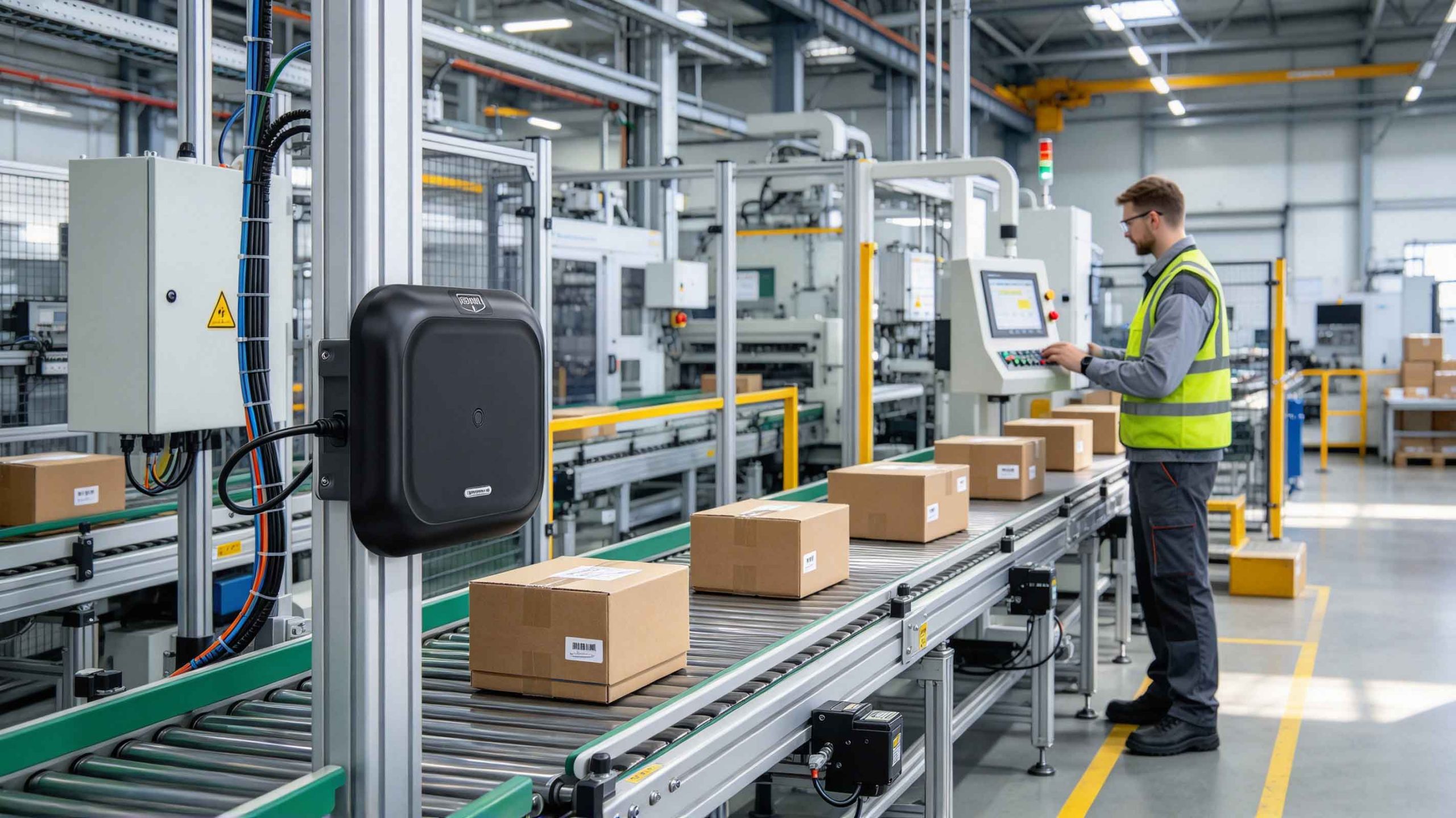
When comparing RFID devices, start with the business event you need to capture. Is it a tool being returned, a carton entering receiving, or a tagged component passing a workstation? Each event has different requirements for read timing, coverage, and data handling.
For Cykeo applications, the distinction between handheld, fixed, and desktop RFID equipment helps narrow the choice. A handheld reader suits mobile stock checks; a fixed reader supports repeatable identification at a defined point; and a desktop reader is useful for controlled tag registration and encoding.
The most useful acceptance test is a real workflow trial. Run tagged items through the intended read zone, include nearby tags that should not be captured, and verify that the software receives the correct identifiers. Record missed reads, unwanted reads, and duplicate events before deployment.
What is rfid device? It refers to hardware that enables radio-frequency identification through tags, readers, antennas, or integrated systems. Selecting the right RFID device requires matching the technology to the application, operating environment, and data workflow—not choosing equipment by read range alone.
An RFID device is used to identify and track tagged items through radio-frequency communication. Common applications include warehouse inventory management, retail stocktaking, manufacturing, library circulation, access control, and equipment tracking. The specific function depends on the reader, tag type, operating frequency, and software connected to the system.
An RFID reader is one type of RFID device. It communicates with compatible RFID tags and collects their data. The broader term RFID device can also refer to RFID tags, antennas, card readers, encoding equipment, and integrated reader systems. The correct terminology depends on the component’s role in the application.
An RFID device’s reading distance depends on its frequency, antenna design, transmission power, tag sensitivity, and surrounding materials. LF and HF systems are generally used for shorter-range applications, while UHF RFID can support reading across several metres in suitable conditions. Actual performance should be verified with the intended tags and installation environment.
No. An RFID device does not inherently require Wi-Fi or an internet connection to identify a compatible tag. Some readers communicate with a local computer or controller through USB, serial, or Ethernet connections. Internet connectivity may be needed when the application must synchronize inventory data with a remote server or cloud platform.
Yes. Many RFID readers support anti-collision protocols that allow multiple compatible tags to be identified within the reader’s operating zone. The number of tags captured reliably depends on the reader’s capabilities, tag population, read settings, antenna arrangement, and environment. Dense-tag applications should be tested under realistic operating conditions.
An RFID device can identify compatible tags using radio waves without requiring a direct optical view of each tag. A barcode scanner reads printed codes using optical technology and generally needs the code to be visible. RFID can support multi-tag identification, while barcode scanning remains a practical choice for many low-cost, item-by-item workflows.
Start by identifying the application, required reading distance, tag type, operating environment, and software interface. Choose handheld readers for mobile tasks, fixed readers for automated checkpoints, and desktop readers for tag registration or encoding. Test the selected hardware with actual tagged products before finalizing the installation.
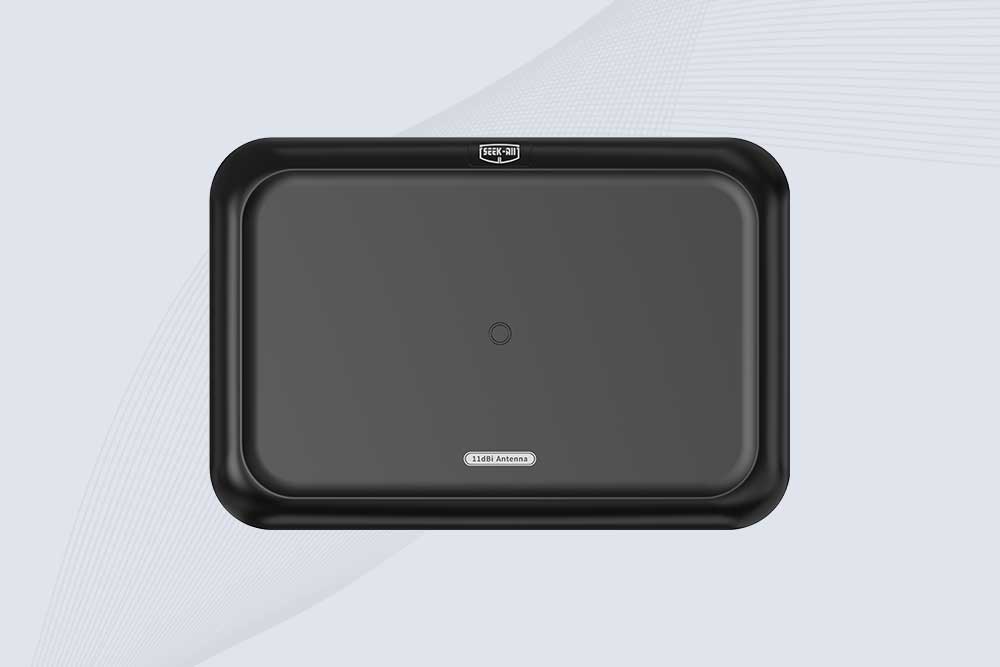
SSD-A11 UHF RFID antenna features 840–960 MHz adjustable frequency, ≥10.5 dBi gain, circular polarization and 50Ω impedance for fixed RFID systems.
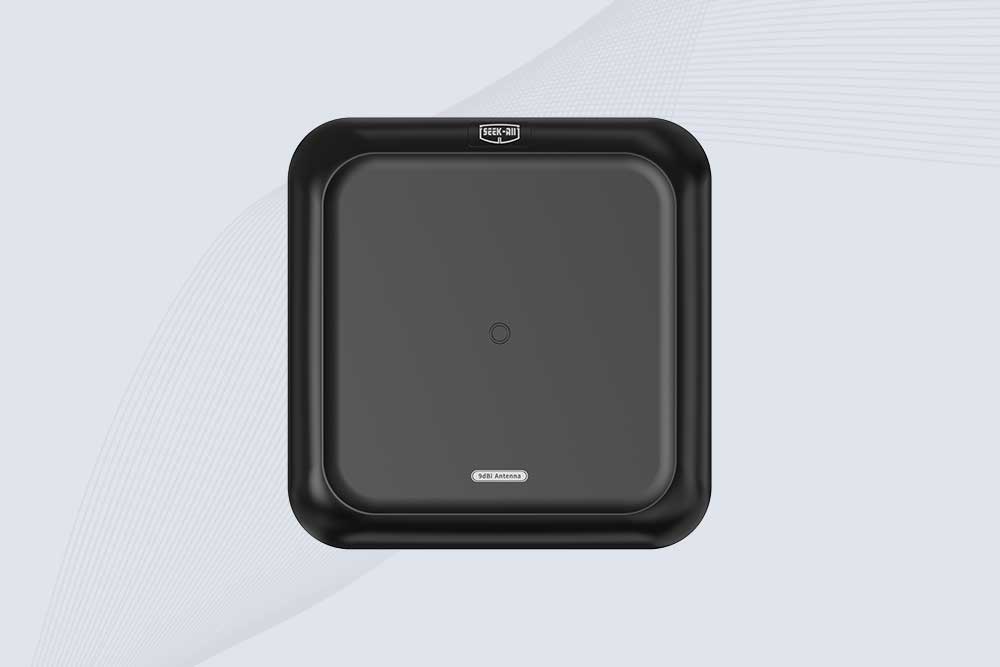
SSD-A09 is a 9 dBi UHF RFID antenna with 840–960 MHz adjustable frequency, circular polarization, 50Ω impedance and directional 60° × 60° coverage.
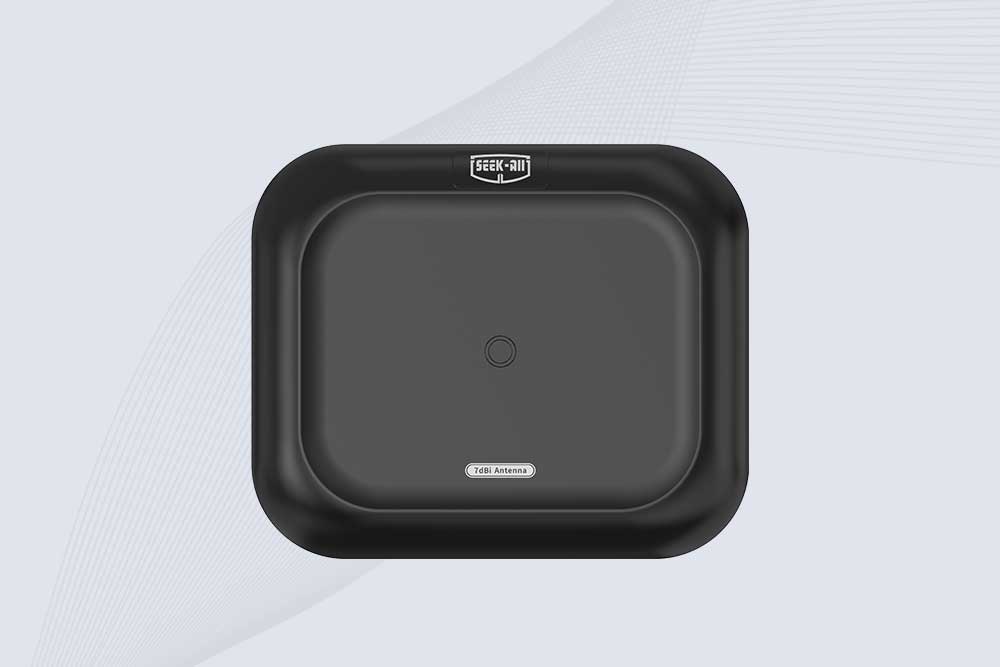
Explore the SSD-A07 UHF RFID antenna with 7 dBi gain, circular polarization, adjustable 840–960 MHz frequency, and 60°/75° beamwidth for stable RFID read/write performance.

SSD-A06 UHF RFID antenna with circular polarization, adjustable 840–960 MHz frequency, ≥4.5 dBi gain, and a compact directional design for RFID systems.

Discover SSD-D4AL, a USB-HID UHF RFID reader with 4/8/16 antenna options, Impinj E710/X3M1 chipset, plug-and-play USB power, and OEM customization.
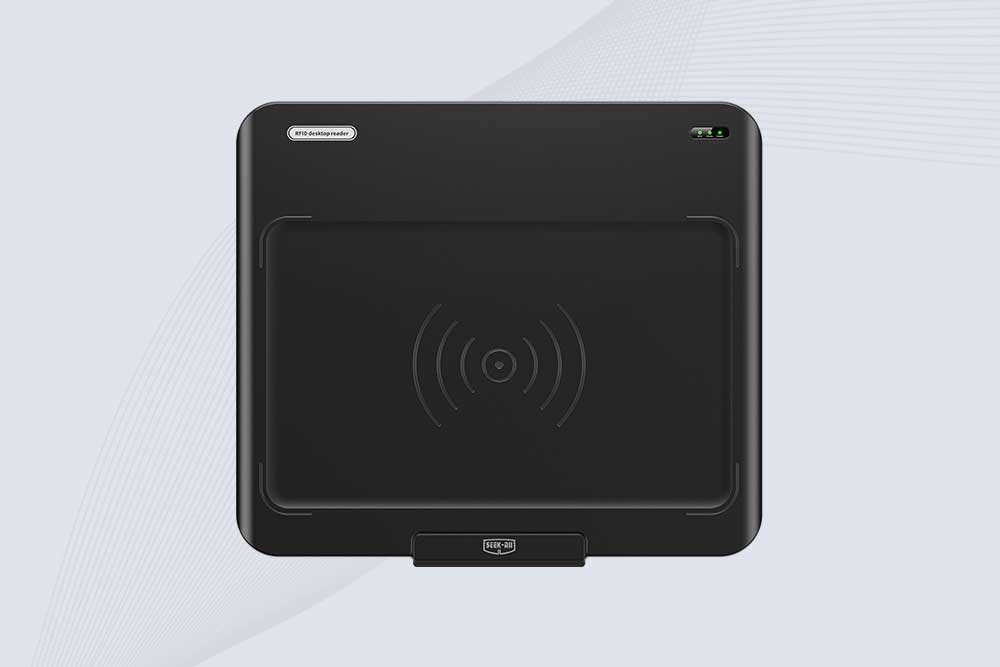
SSD-D3AL is a USB-HID UHF RFID reader with 0–30 cm reading, 0–15 cm writing, over 600 tags/s recognition, USB plug-and-play operation and OEM Logo customization.
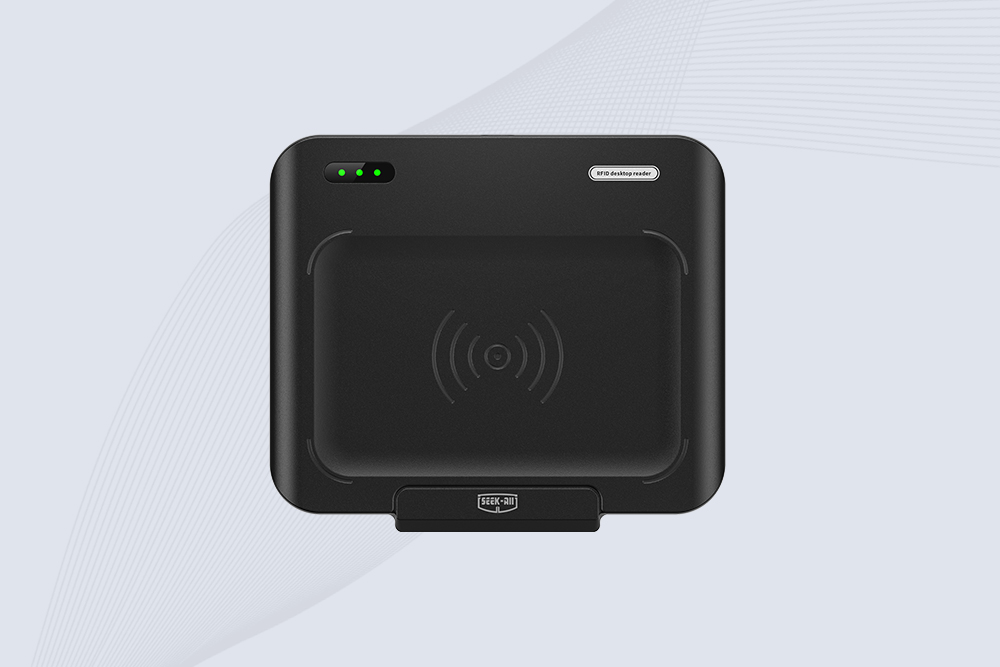
SSD-D1AL is a compact USB UHF RFID reader with Impinj E710/X3M1 chipset, USB-HID, 600+ tags/s recognition, 4/8/16 antenna support and plug-and-play USB power.

CYKEO CYKEO-D1LA USB RFID Reader is a compact desktop solution with near-field control for precise tag reading and encoding. Powered by USB, supporting ISO 18000-6C, and built for stable batch writing, this usb rfid tag reader fits retail, libraries, offices, and controlled RFID encoding tasks.
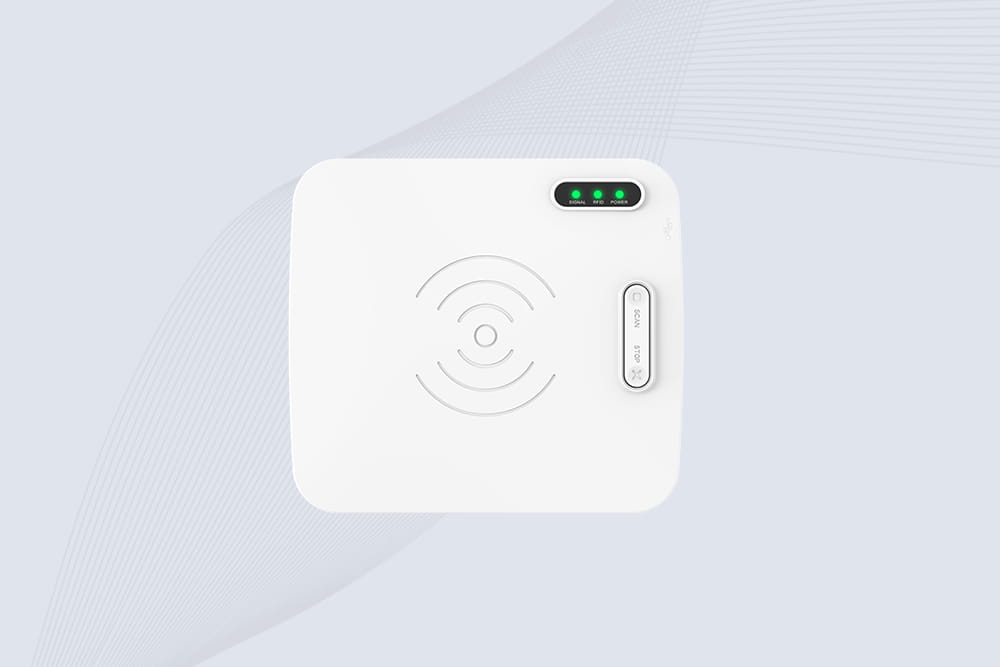
CYKEO CYKEO-D1L RFID scanner USB is a compact desktop UHF RFID scanner designed for short-range tag writing and verification. This usb rfid scanner supports batch encoding, stable 0–26 dBm output, and works across Windows, Linux, and Android systems.
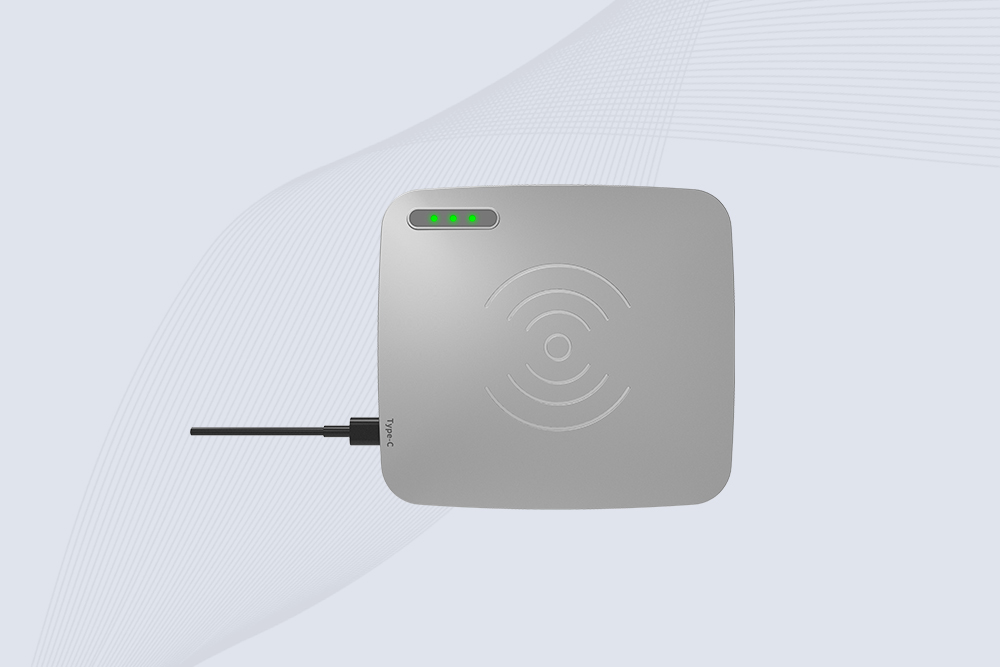
CYKEO CYKEO-D1C USB RFID Card Reader is a near-field UHF desktop writer designed for secure, short-range tag encoding. With USB-C connectivity and stable 26 dBm output, this rfid reader usb c is ideal for badge issuance, label encoding, and controlled desktop RFID workflows.
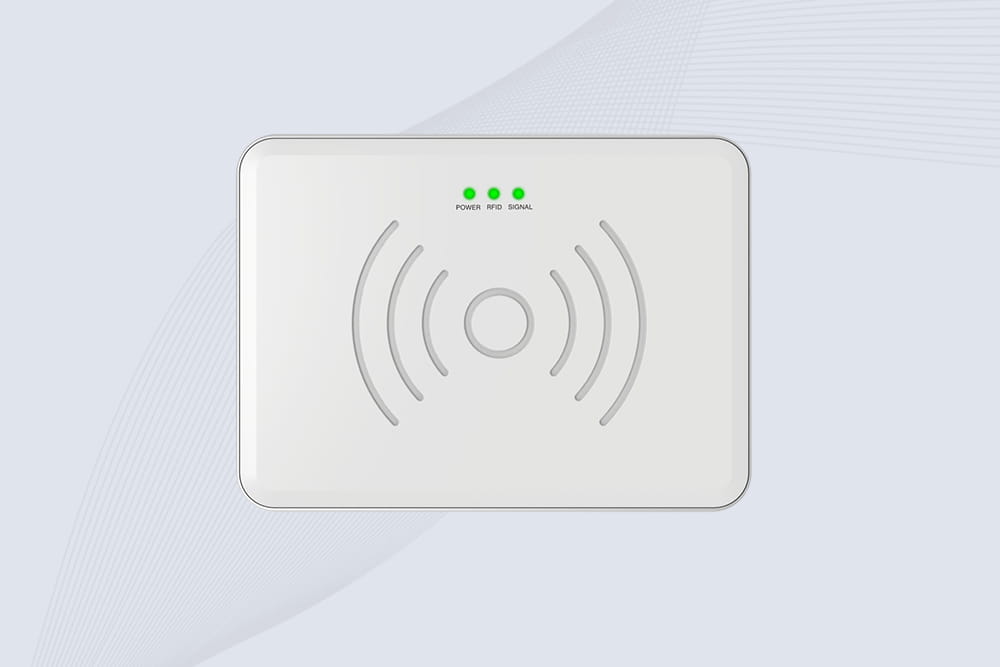
CYKEO CYKEO-D2L RFID Reader USB is a compact desktop encoder built on the Impinj R500 chip. With near-field control and stable USB power, this usb rfid card reader delivers precise tag writing for offices, retail counters, and small-scale logistics encoding tasks.
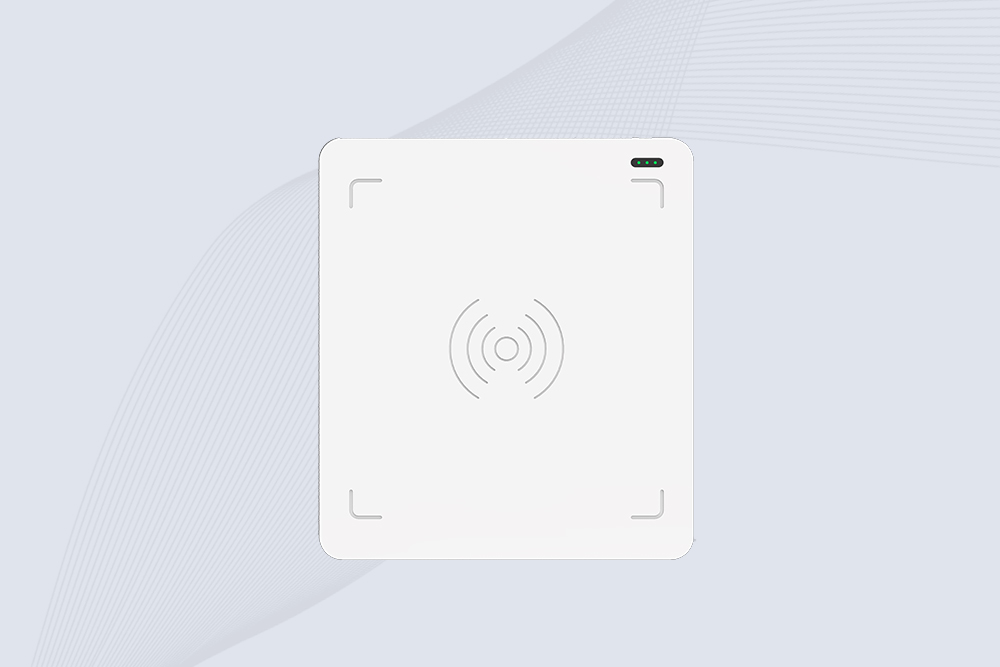
CYKEO CYKEO-D3L USB RFID Tag Reader delivers stable UHF tag reading and writing for daily desktop and light industrial tasks. Designed for controlled short-range operation, this USB RFID Tag Reader works reliably with rfid tag and reader systems in libraries, tool tracking, and inventory registration.
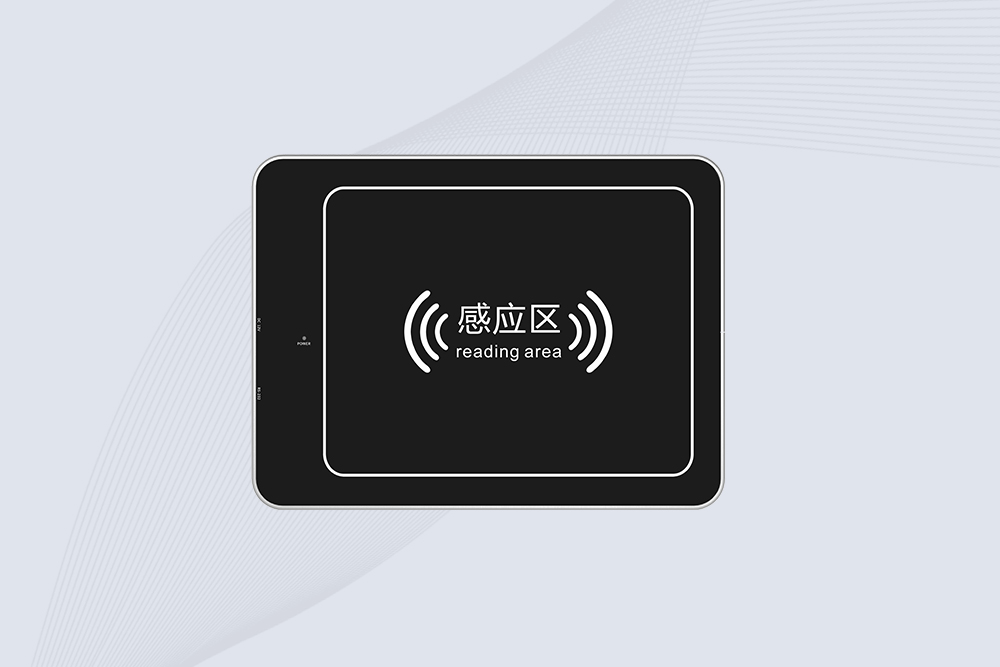
The CYKEO CYKEO-D4L UHF RFID Tag Reader is a stable Desktop RFID Reader designed for accurate tag registration, borrowing, and return workflows. Built with the Impinj R2000 chip, this UHF RFID Tag Reader delivers controlled short-range reads for libraries, asset tracking, and inventory management environments.
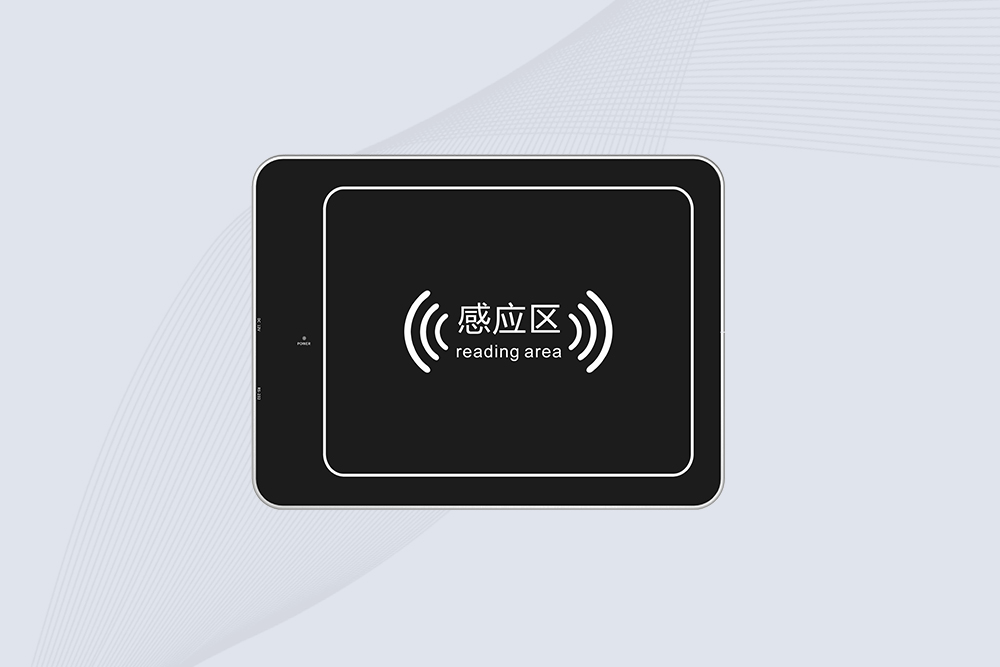
The CYKEO CYKEO-D5L Desktop RFID Card Reader is a stable UHF RFID Card Reader designed for controlled short-range reading and writing. Built for libraries, tool rooms, and asset desks, this UHF RFID Card Reader supports dense tag handling, secure data processing, and easy USB integration.
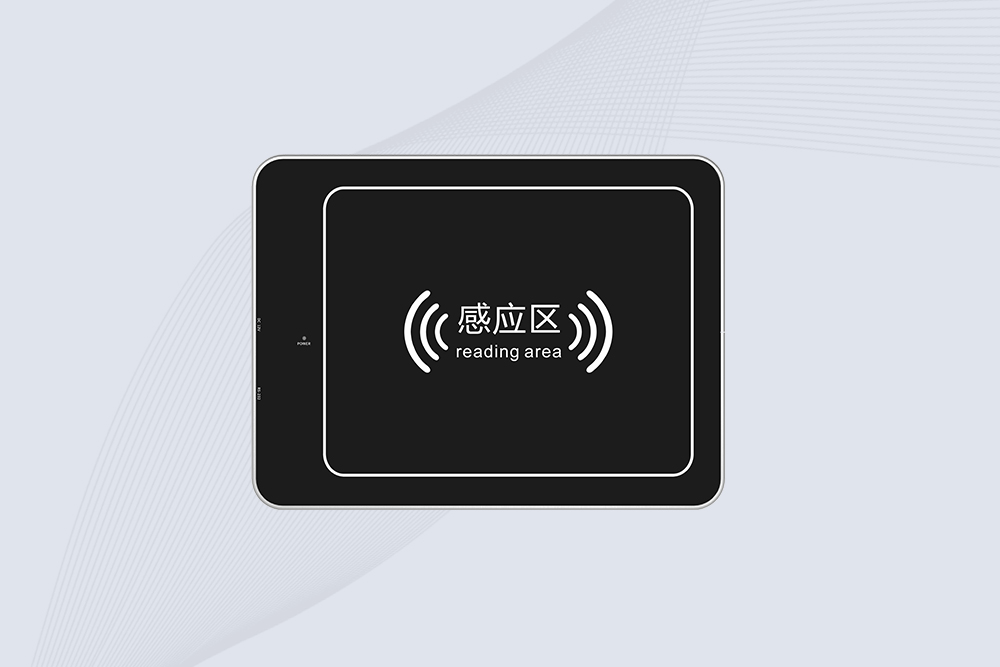
The CYKEO CYKEO-D6L RFID Reader Writer is a heavy-duty Desktop RFID Reader designed for short-range, high-accuracy tag programming. Built for libraries, labs, and asset desks, this RFID Reader Writer supports batch processing, stable 33dBm output, and seamless integration with existing management systems.
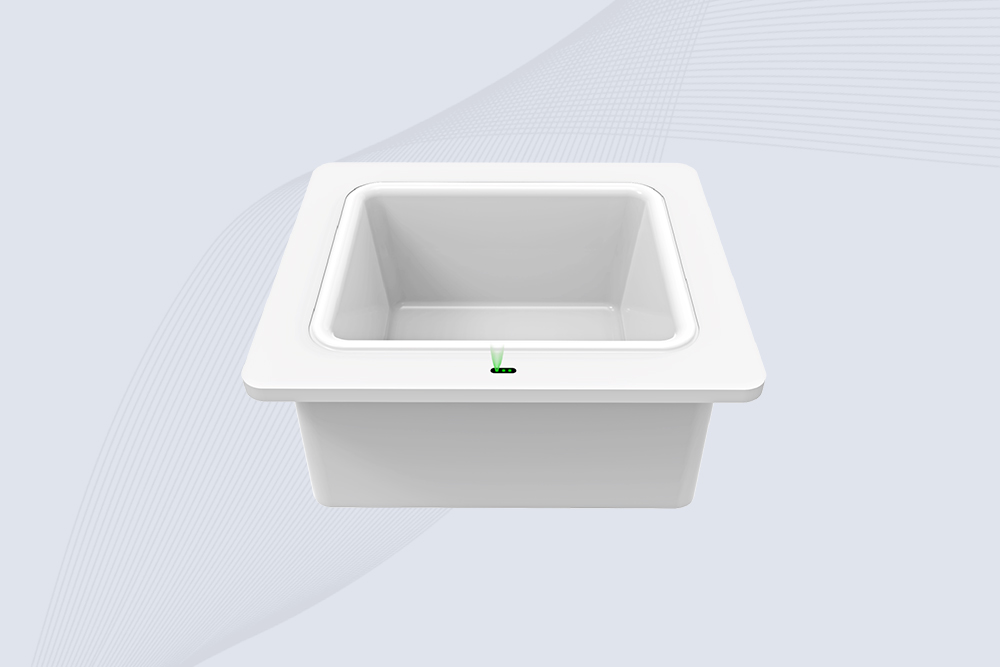
Cykeo CYKEO-D8B UHF RFID tunnel and RFID Desktop Reader features 30+ items batch reading,
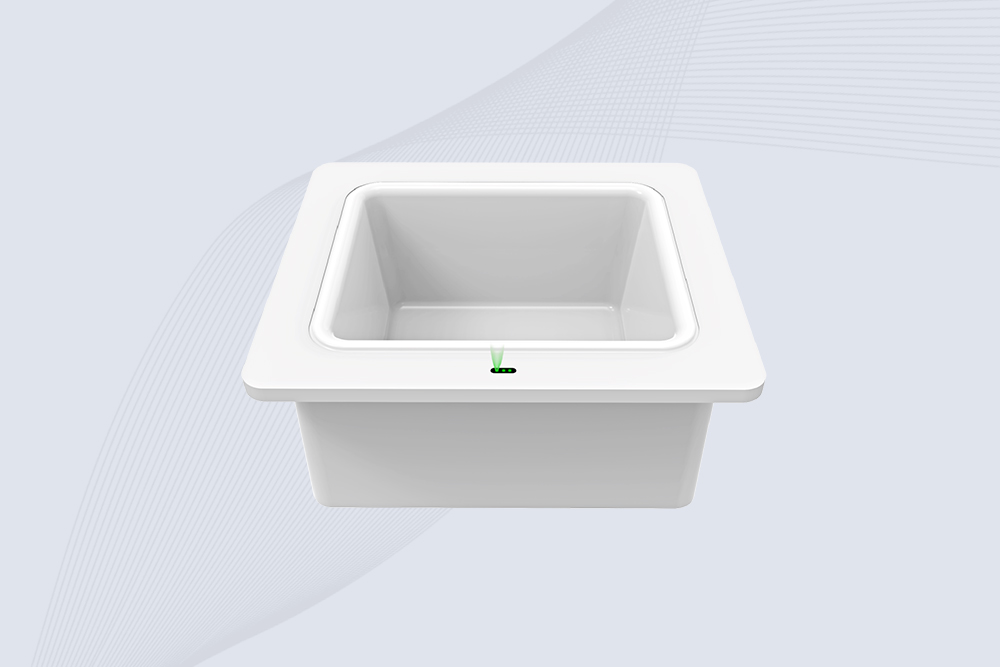
Cykeo CYKEO-D8A embedded RFID badge reader offers 30+ tags/sec scanning, 20cm anti-crosstalk precision, and DC 12V power for unmanned stores, warehouses, and smart inventory systems.
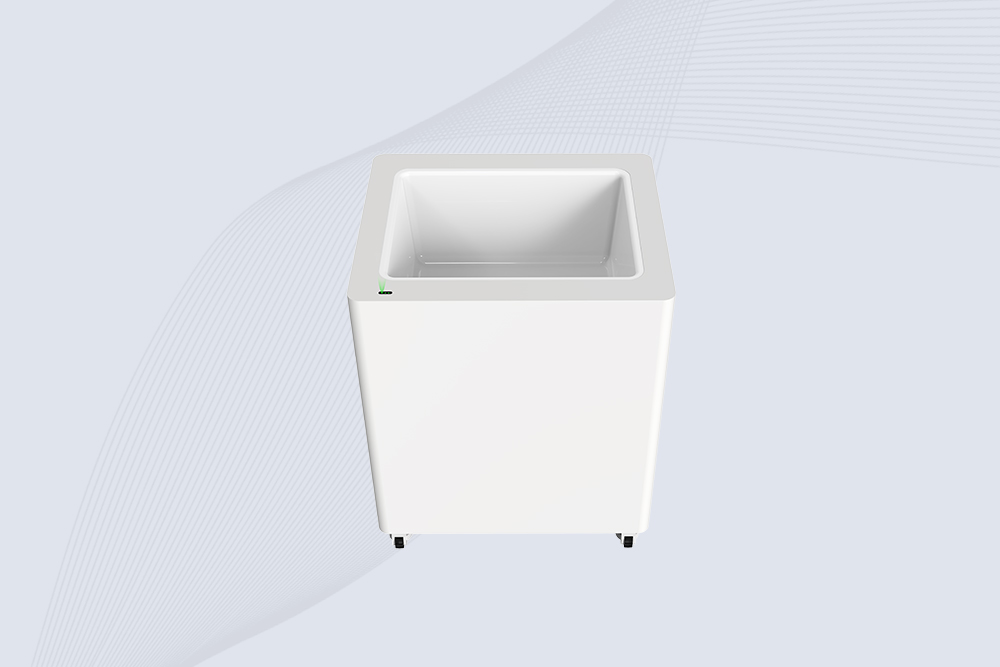
Cykeo’s CYKEO-D8C UHF RFID gate reader achieves 200-tag/batch scanning with adjustable power control, ideal for retail inventory and smart warehouse management.
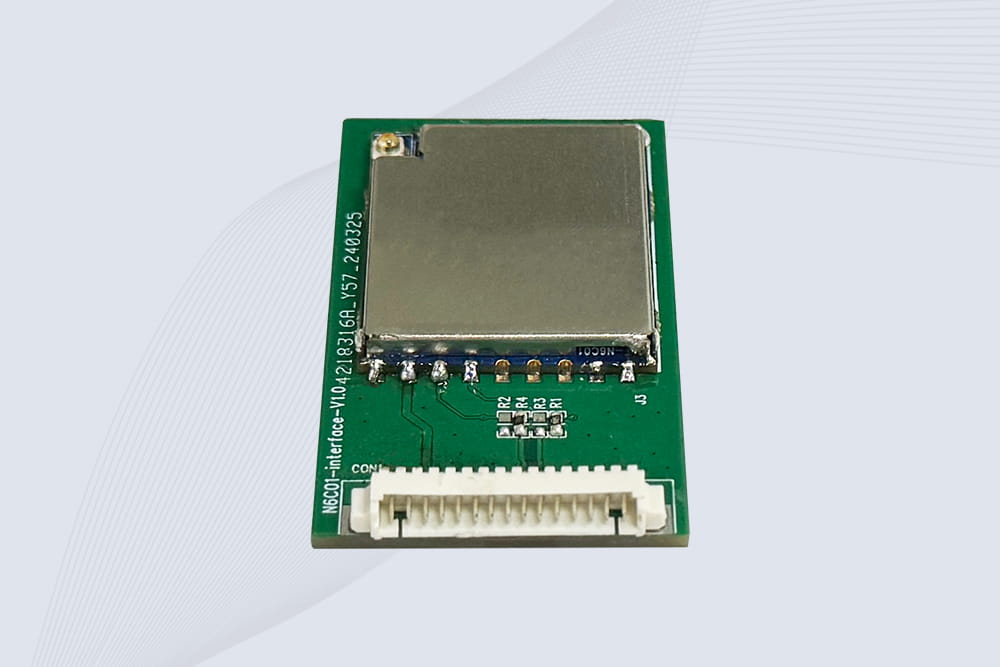
CYKEO Embedded RFID Modules are designed for compact industrial and IoT devices that require stable UHF performance. These UHF RFID Modules support global protocols, flexible power control, and reliable multi-tag reading for smart cabinets, production lines, and asset tracking systems.
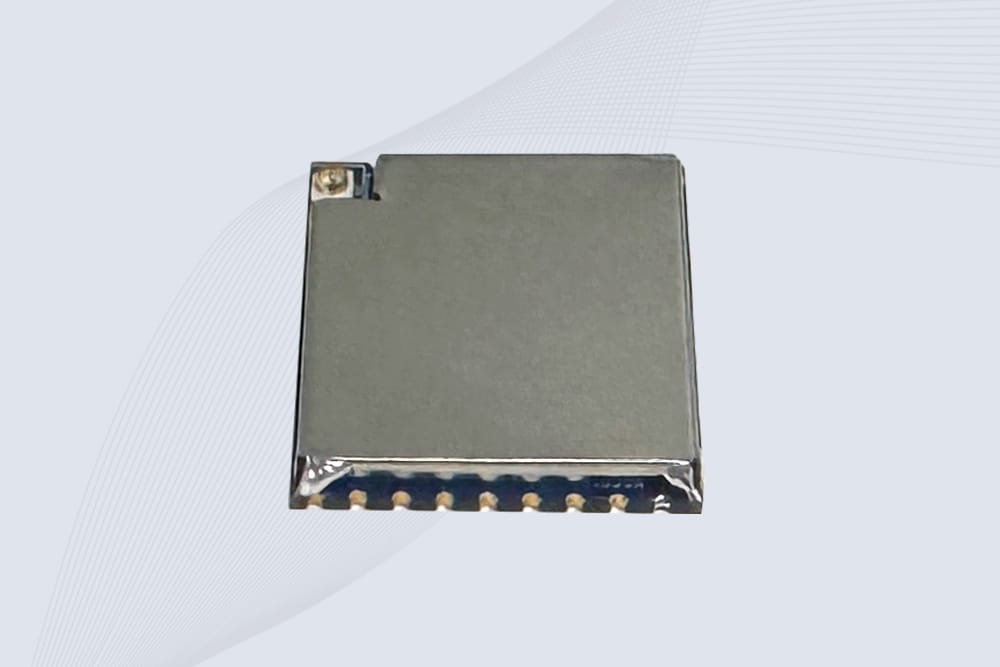
CYKEO Embedded RFID Module is built for compact IoT and industrial devices that need stable UHF performance. This UHF module supports global protocols, low power operation, and reliable multi-tag reading for smart lockers, production lines, and always-on RFID systems.
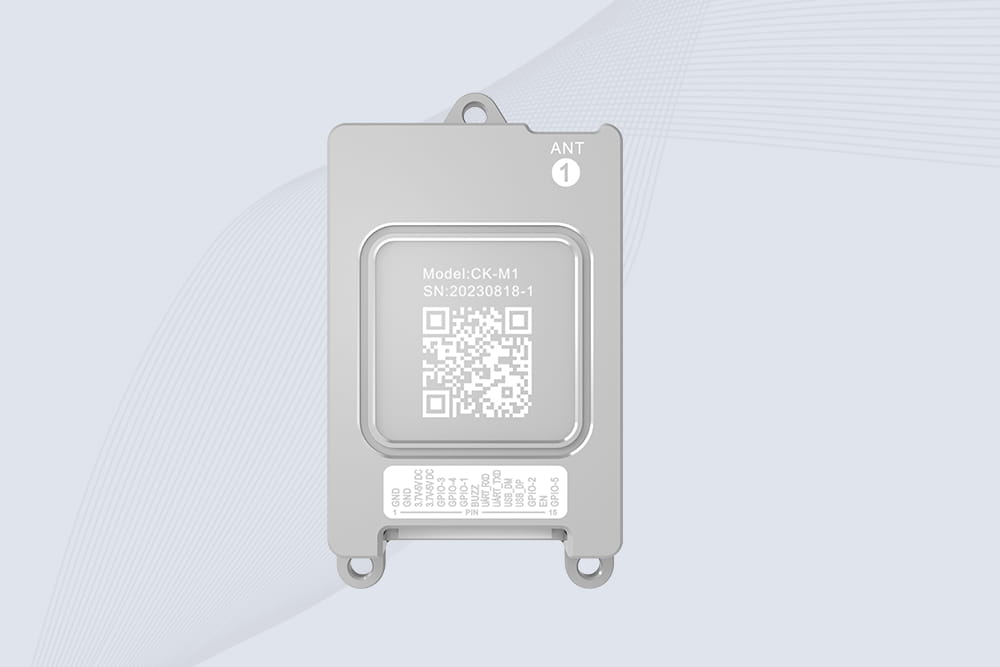
CYKEO CYKEO-M1 drone rfid module is a compact UHF RFID reader module designed for drones and UAV platforms. It supports long-range aerial scanning, fast multi-tag reading, and stable performance in wind, vibration, and outdoor environments.
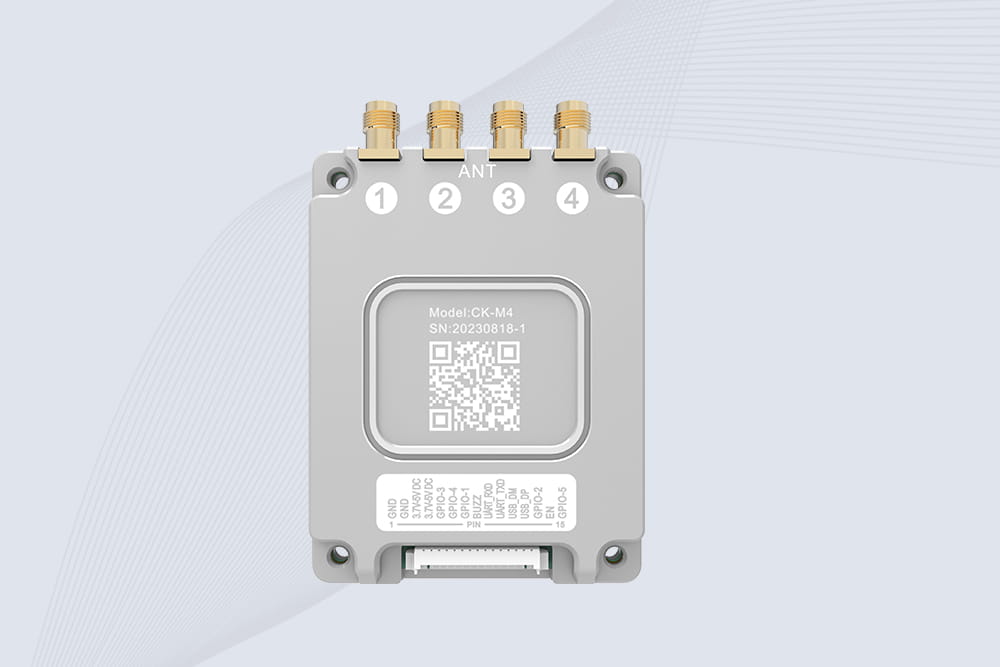
CYKEO CYKEO-M4 RC522 RFID Module is an industrial-grade UHF RFID reader with 4 ports, supporting ISO, EPC, and GB protocols. High-speed, accurate reading for IoT, automation, and warehouse applications.
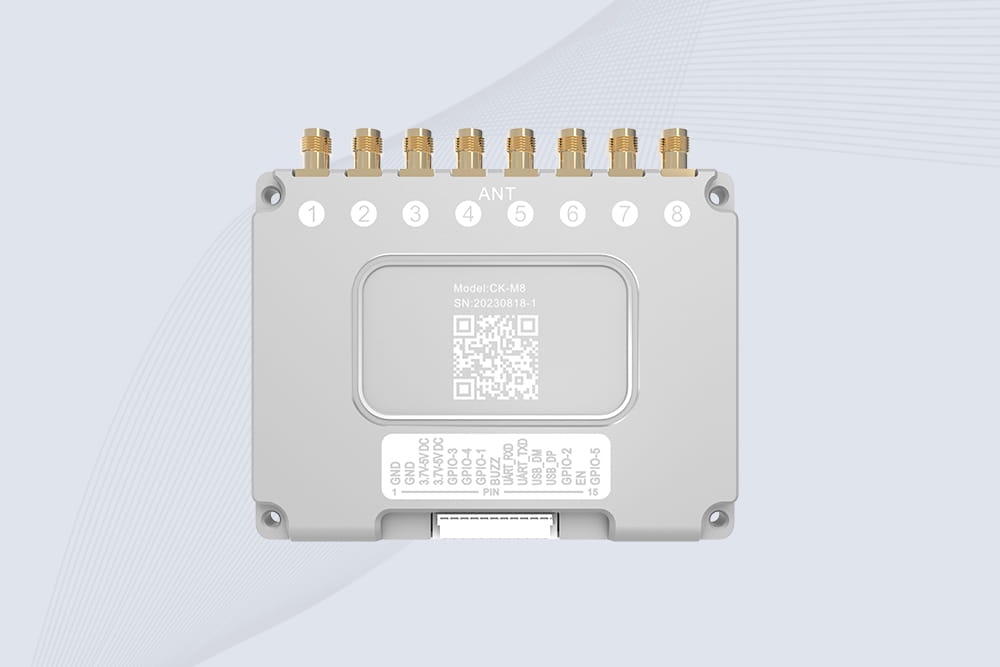
CYKEO CYKEO-M8 Module RFID is an 8-port UHF R2000 RFID Module designed for high-density, multi-tag environments. Stable 33dBm output, ISO & GB protocol support, ideal for warehouses, factories, and automated systems.
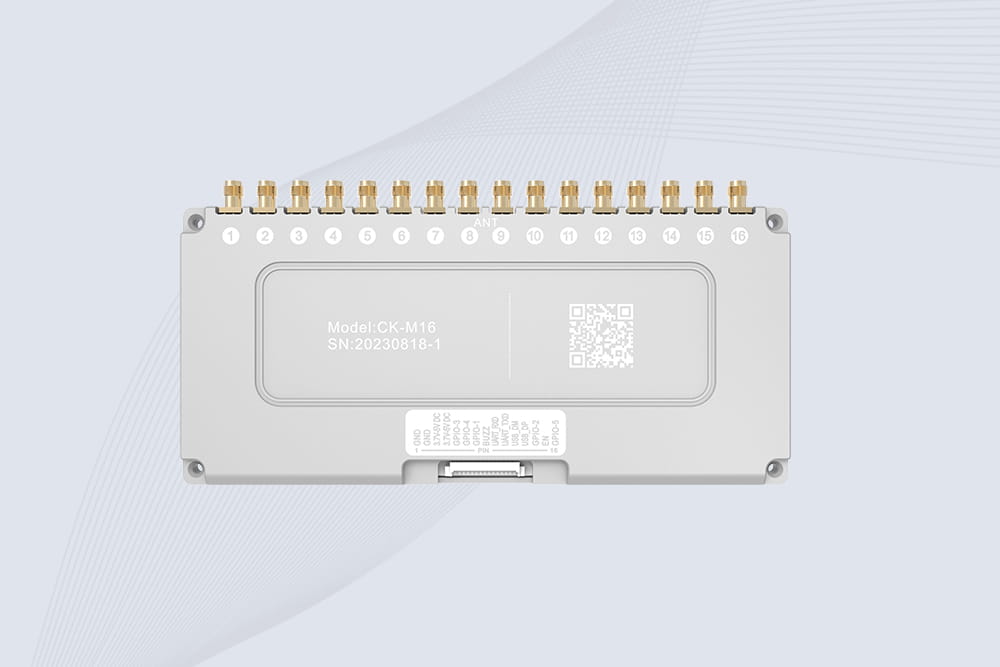
CYKEO CYKEO-M16 RFID Module is a 16-port UHF RFID reader module based on the R2000 chipset. Designed for dense tag environments, it supports ISO and GB standards and delivers stable multi-antenna control for industrial automation.
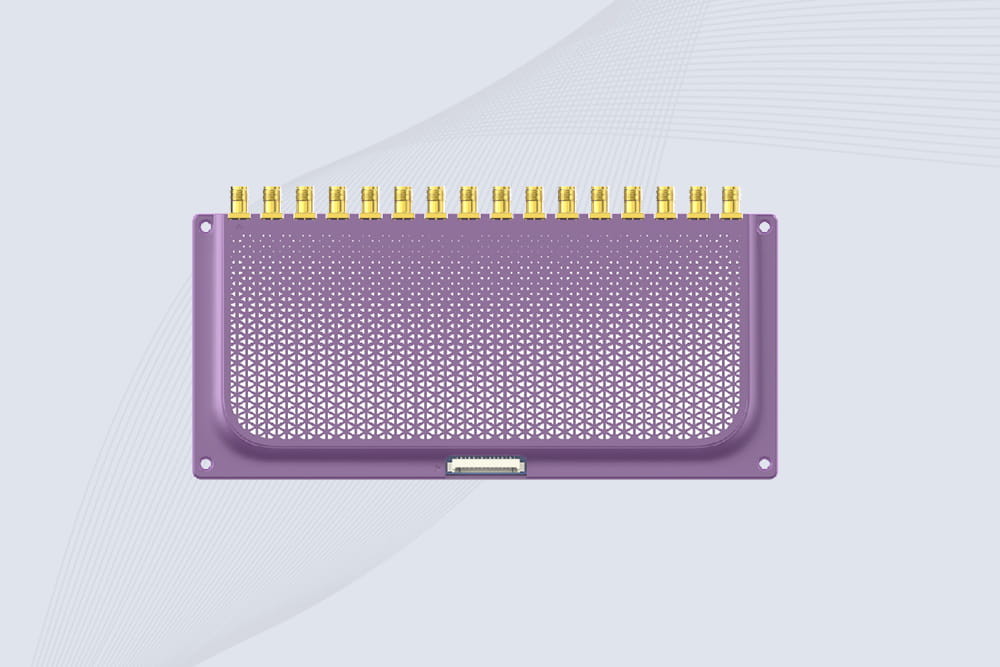
The CYKEO CYKEO-M16L RFID Reader Module is a 16-channel UHF RFID core designed for dense tag environments. With adjustable 33dBm output, multi-protocol support, and stable multi-antenna control, this RFID Tag Reader Module fits industrial automation, warehouse systems, and large-scale IoT deployments.
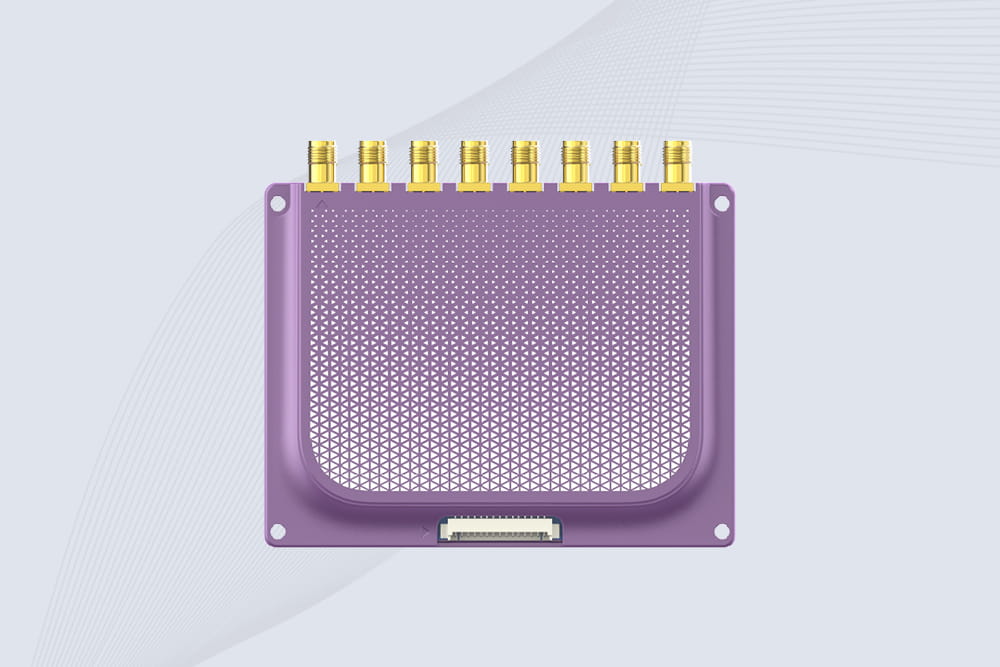
CYKEO CYKEO-M8L module RFID is a compact industrial UHF module built for dense tag and multi-antenna environments. With 8 RF ports, adjustable 33 dBm output, and ISO & GB protocol support, it is widely used in factories, warehouses, and automated tracking systems.
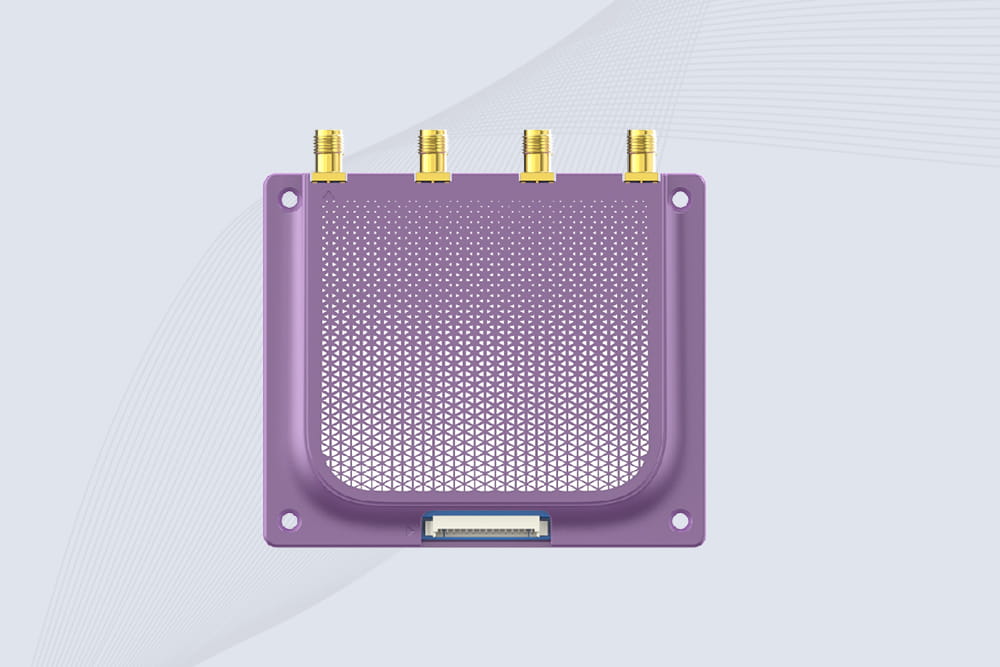
CYKEOCYKEO-M4L UHF RFID Module is a compact 4-channel RFID tag reader module designed for dense tag environments. Supporting ISO and GB protocols, it delivers stable reads up to 10 meters for industrial and IoT systems.
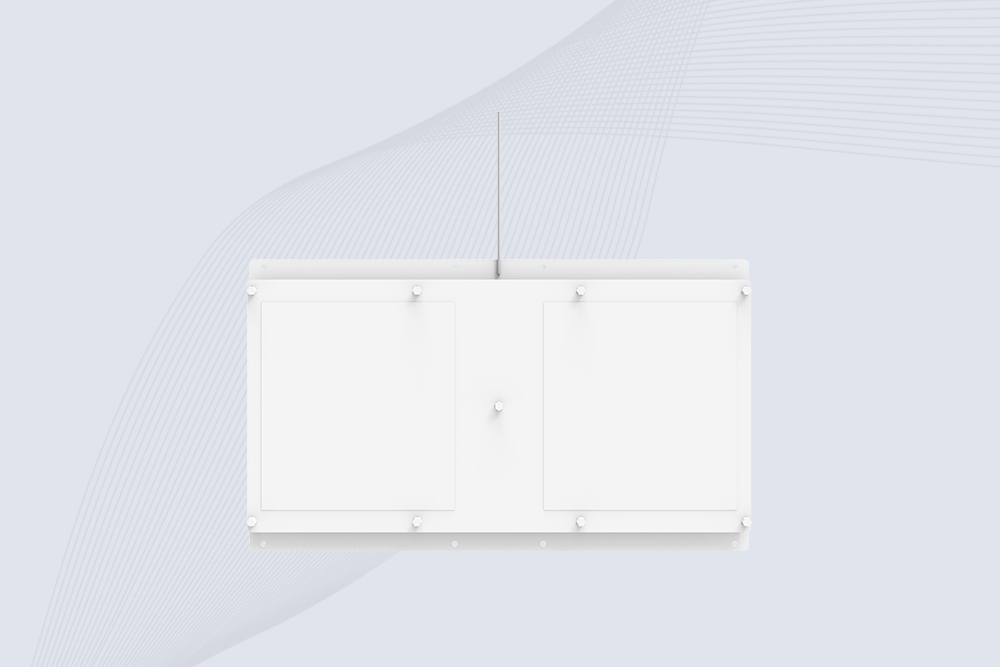
Cykeo CYKEO-A11 UHF RFID reader antenna delivers 11dBi gain, 840-960MHz frequency range, and IP65 ruggedness for retail, logistics, and industrial RFID systems. Features low VSWR and easy installation.
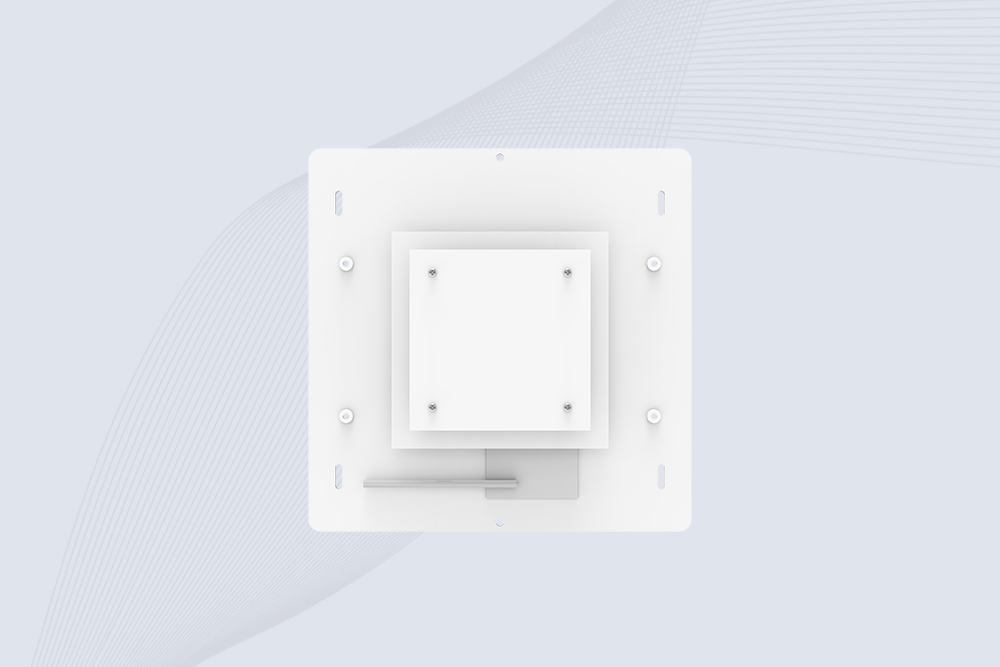
CYKEO Antenna RFID Reader delivers stable long-range UHF performance with a 10.5dBi directional design, built for warehouses, conveyor portals, and industrial RFID systems. This rfid reader antenna provides 20m+ read distance and rugged IP67 protection.

Cykeo CYKEO-PHF3 industrial HF RFID Antenna offers 24-point dynamic tracking, ISO 14443A/15693 protocols, metal-environment stability for archives/libraries/manufacturing.

Cykeo CYKEO-A5B industrial Linear RFID Antenna delivers 5dBi gain, ≤1.5:1 VSWR, and IP65 rugged design for warehouse, production line, and logistics UHF systems.

Cykeo’s CYKEO-B12 Long Range RFID Antenna delivers 15m+ read range with 12dBi gain, IP65 rugged design, and global 840-960MHz UHF support. Ideal for warehouse/logistics asset tracking.
Cykeo CYKEO-B10 Long Distance RFID Antenna offers 10dBi gain, 840-960MHz frequency range, IP65 rating, and 20m+ coverage for logistics/warehousing/ETC systems. Low VSWR ensures stable signal transmission.
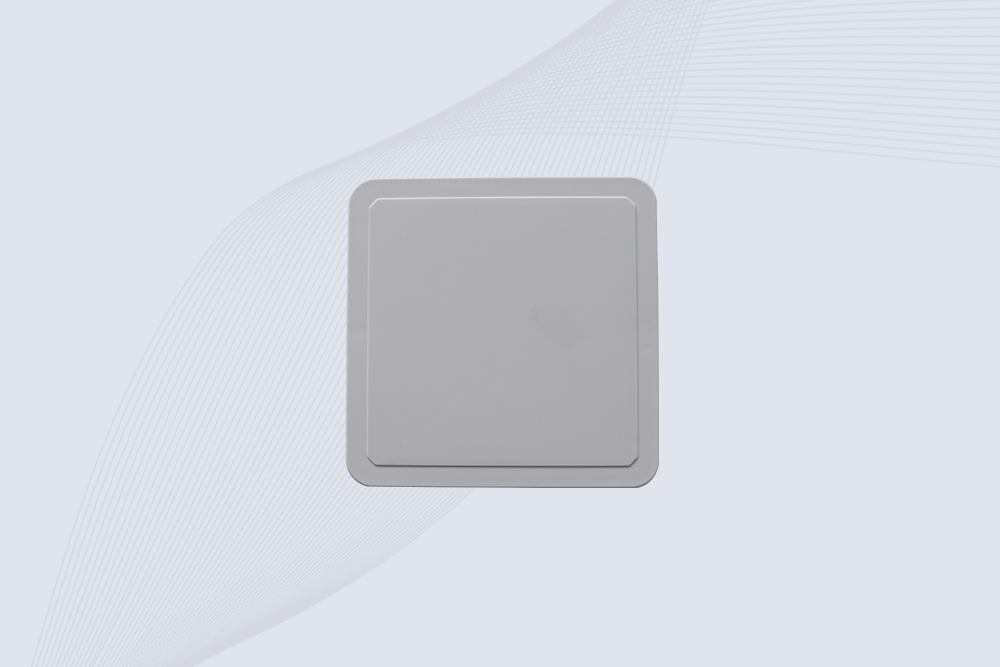
Cykeo CYKEO-A6 UHF RFID panel antenna features 6dBi gain, 840-960MHz broadband, IP65 metal-ready housing for logistics/smart retail. 18mm ultra-thin design with tool-free mounting.

Cykeo CK-A3 industrial antenna RFID UHF offers 5m+ tag detection, ≤1.3:1 VSWR, IP65 rugged design, and global UHF spectrum compatibility (840-960MHz) for warehouses, factories, and retail.
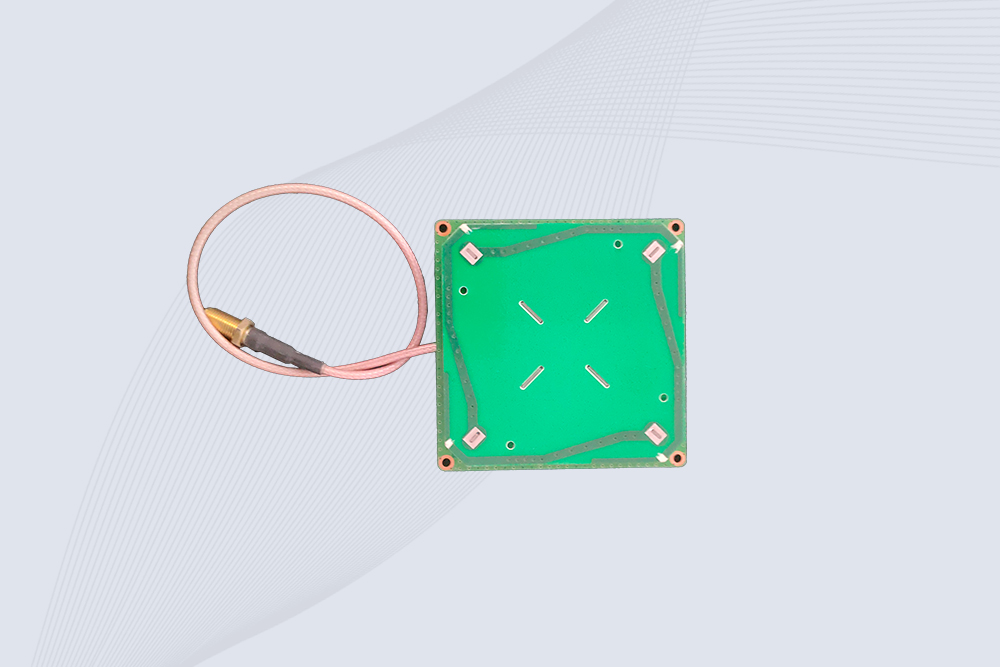
Cykeo CYKEO-B5 directional RFID antenna provides 5dBi gain with 60° narrow beamwidth for precise inventory tracking. IP65-rated, global UHF frequency support, and low VSWR.
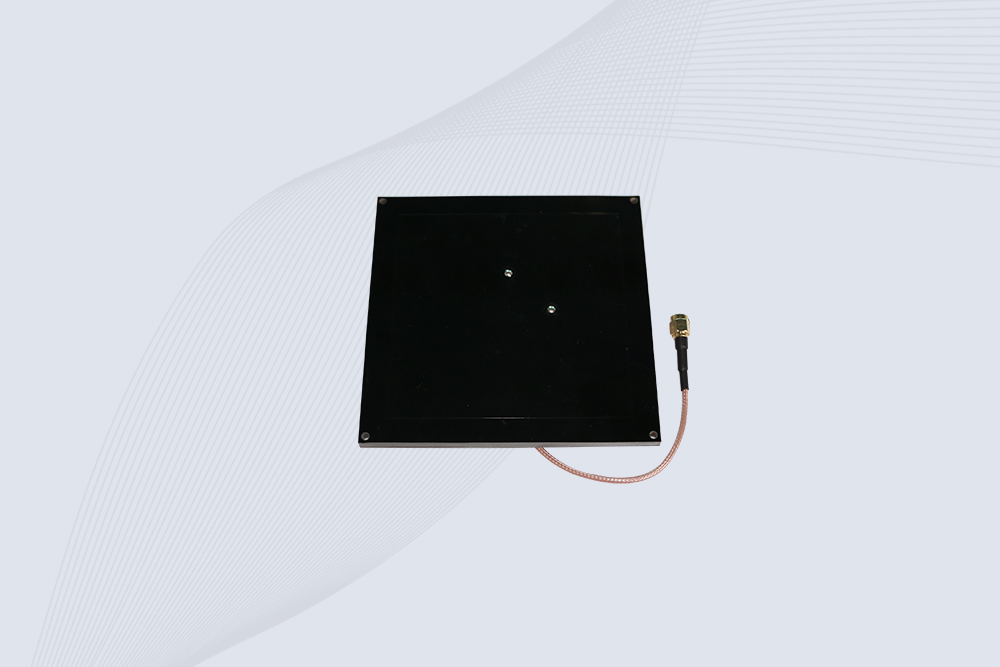
Create your own high-performance DIY RFID antenna! 5dBi gain, 840-960MHz tunable, step-by-step guides. Compatible with Arduino, Raspberry Pi, and commercial UHF readers.
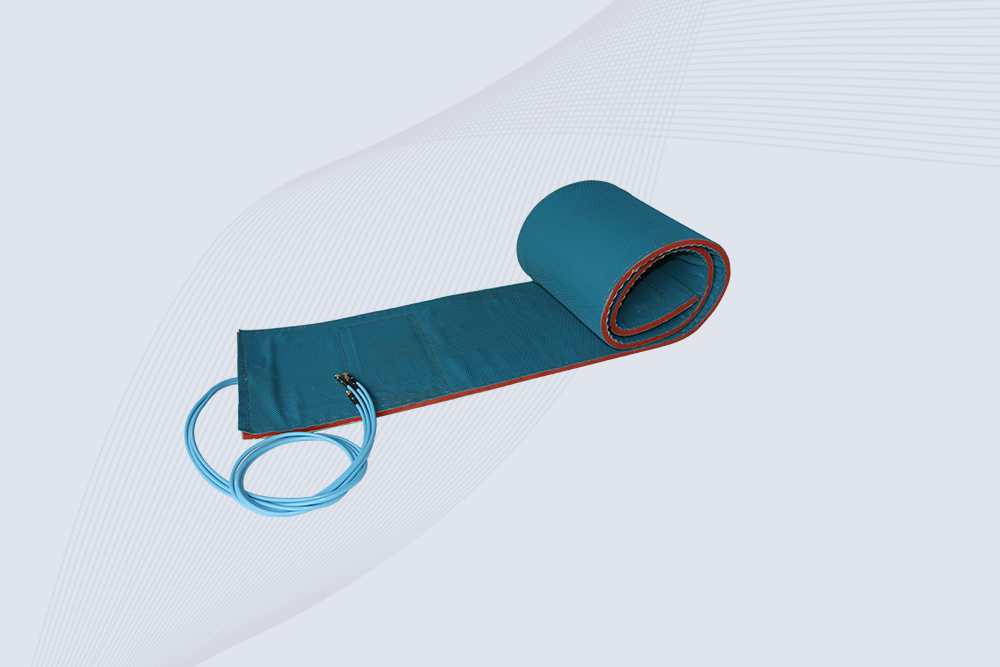
Cykeo CYKEO-A7 Flexible RFID Antenna features 840-960MHz wideband tuning, 7dBi gain, and IP68 rating for medical/retail/industrial curved surface deployments. 98% read accuracy with peel-and-stick installation.
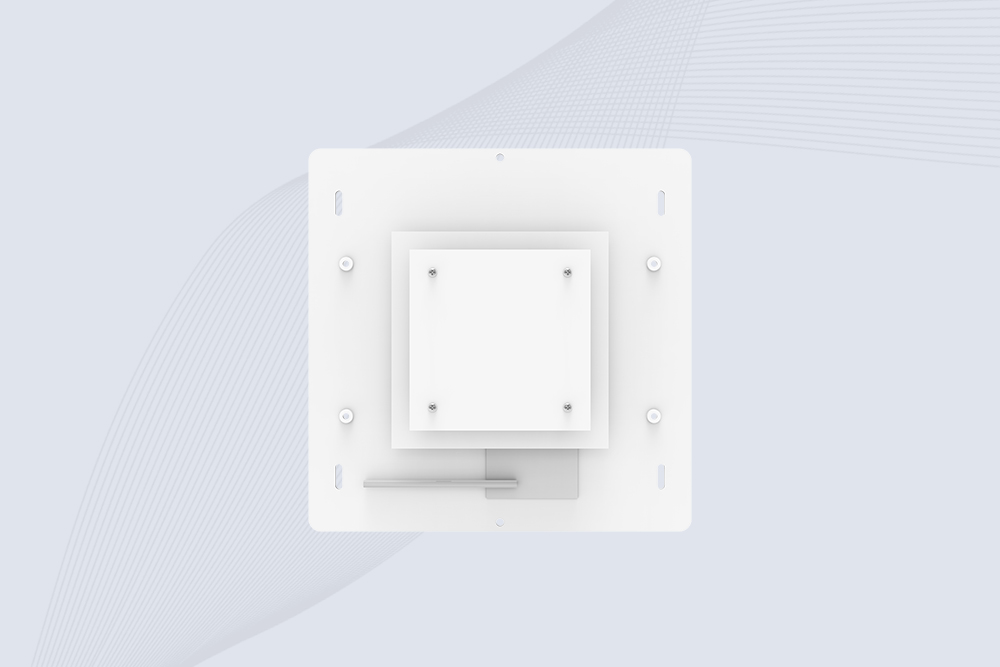
Cykeo CYKEO-B5A industrial Passive RFID Antenna delivers 5dBi gain, 70° beamwidth, and -40°C~55°C operation for warehouses/smart cabinets. Compatible with Zebra/Impinj readers.
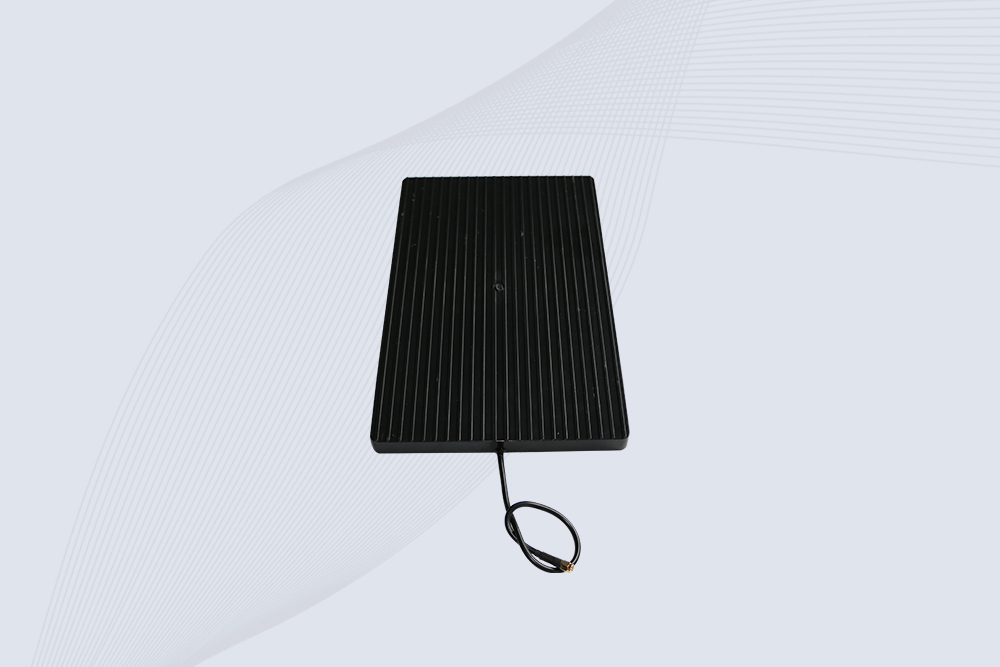
Cykeo’s CYKEO-A9B High Gain RFID Antenna delivers 15m+ read range with 9dBi amplification. Features IP54 rugged design, 840-960MHz bandwidth, and 80° beamwidth for warehouse/manufacturing RFID systems.

Cykeo’s enterprise-grade 8dbi Impinj RFID Antenna 10m+ read range with 840-960MHz tuning. Features IP65 housing, 1.4 VSWR, 35° beamwidth for retail/warehouse RFID systems.
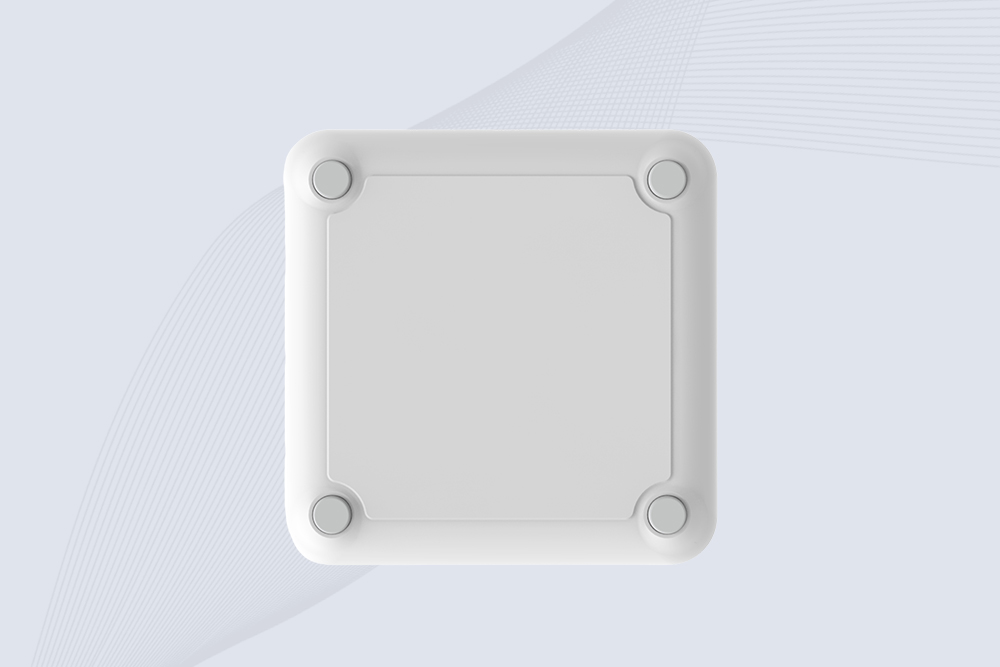
Cykeo CYKEO-A9 industrial UHF RFID antenna delivers 9dBi gain, 840-960MHz frequency range, and IP65 protection for warehouse/logistics/retail RFID systems. Features N-type connector and ≤1.3:1 VSWR.
CYKEO UHF RFID Antenna built for long-distance and industrial applications. This antenna rfid uhf delivers strong gain, outdoor durability, and reliable tag performance in warehouses, yards, and vehicle ID systems.
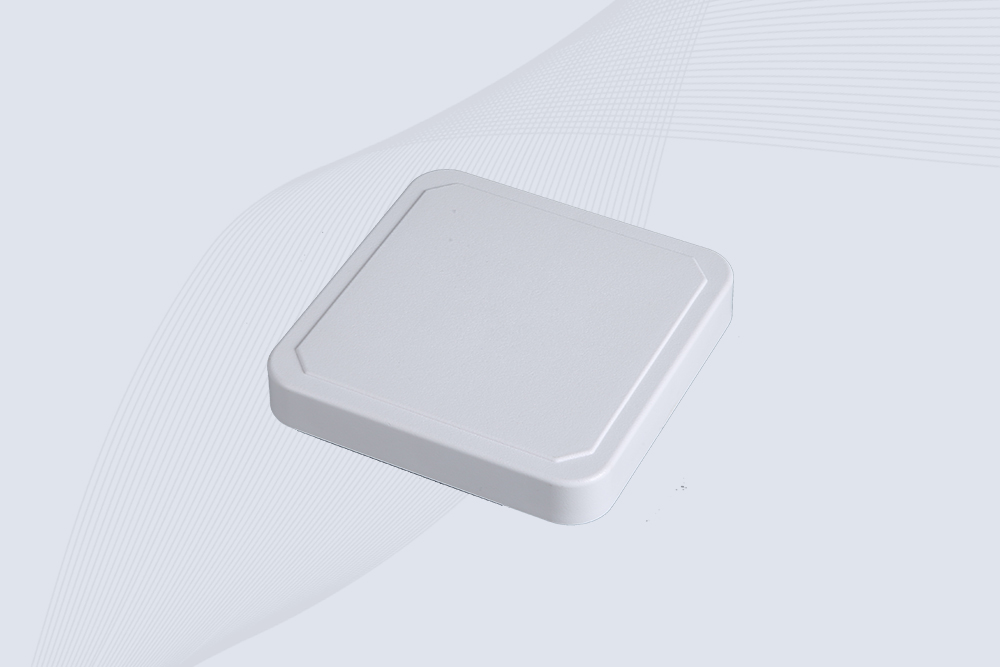
CYKEO Antenna RFID delivers reliable long-range UHF performance in warehouses, retail shelves, and cold-chain environments. This compact uhf rfid antenna provides stable reads with circular polarization and ultra-wide 840–960 MHz support, ideal for industrial tracking, smart shelves, and asset monitoring.
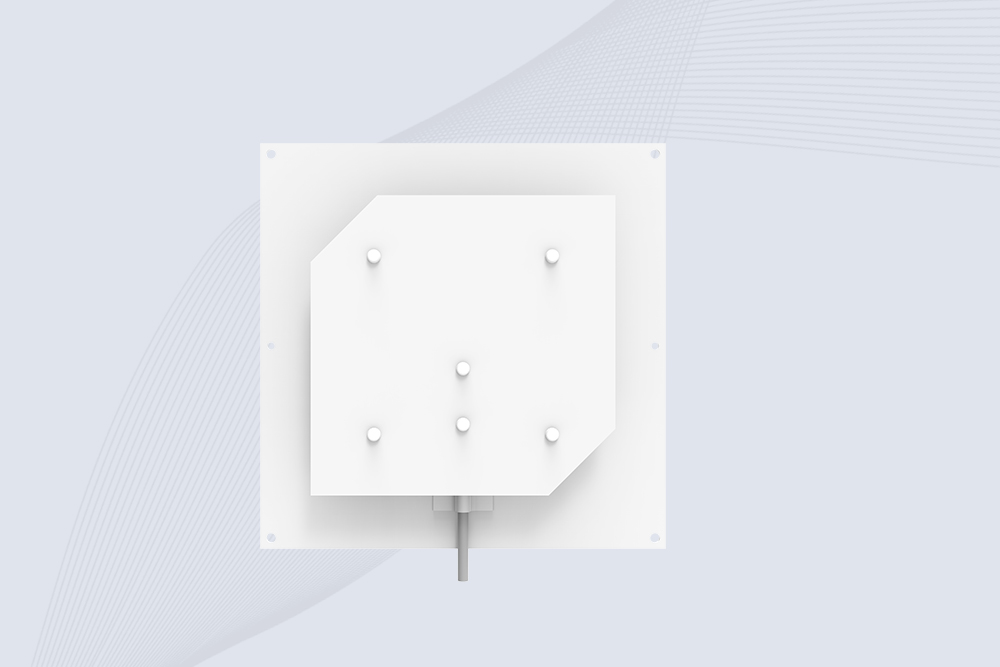
Cykeo’s CYKEO-C8 UHF RFID antennas delivers 8dBi gain, 840-960MHz full-band coverage, and IP65 ruggedness for manufacturing/warehouse RFID systems. Industrial RFID Antennas Features
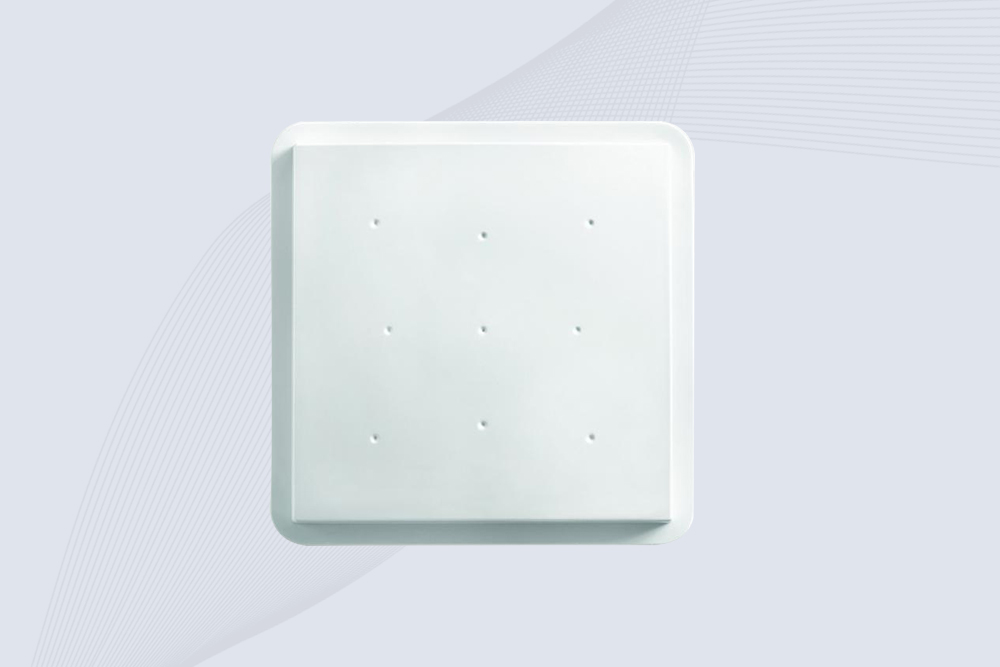
Cykeo’s 8dBi UHF RFID antenna and reader kit delivers 10m+ range, 840-960MHz broadband, and IP65 ruggedness for factories, warehouses, and logistics. ISO 18000-6C & EPC Gen2 certified.
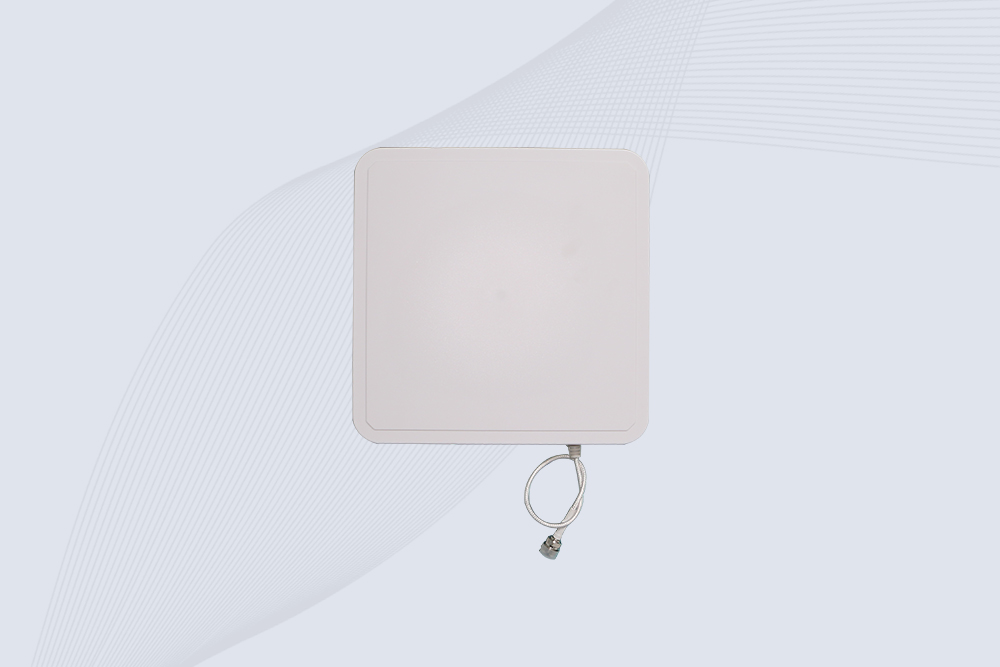
Cykeo CYKEO-A9A industrial UHF RFID reader and antenna kit delivers 10m range, 500 tags/sec, IP65 ruggedness for manufacturing/logistics. Supports EPC Gen2, ISO18000-6C.
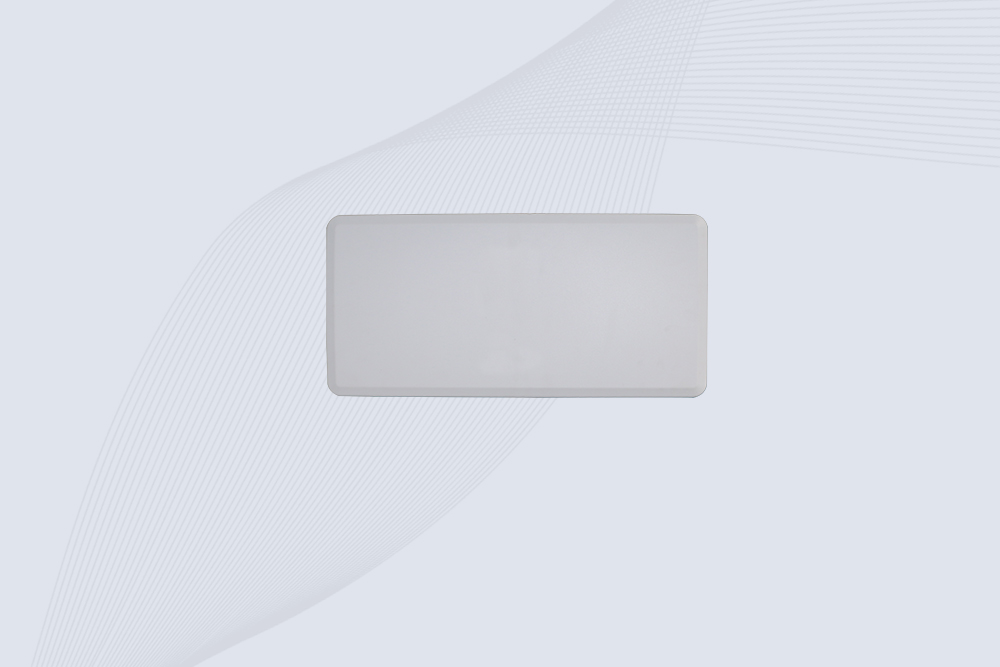
Cykeo’s CYKEO-A12C UHF Large RFID Antenna delivers 12dBi gain, 840-960MHz global frequency, IP65 ruggedness for logistics/warehousing/automotive. 40° beamwidth ensures stable 15m+ tag reads.

CYKEO Near Field RFID Antenna provides precise 5–30 cm reading for shelves, cabinets, and workstations. This compact rfid shelf antenna delivers stable short-range performance around metal and clutter, ideal for pharmacies, libraries, and electronics sorting.

RFID card reprogramming requires a writable RFID card, compatible reader writer, proper software, and verified data writing to update stored information safely.
More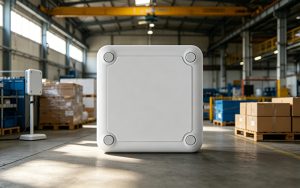
Learn how does rfid work without battery using passive RFID technology. Discover energy harvesting, real-world performance, and deployment insights with Cykeo solutions.
More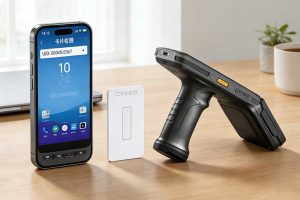
Can you read an RFID card with an iPhone? We explain the real limitations, the types of cards you can read, and the hardware you'll need for the rest.
More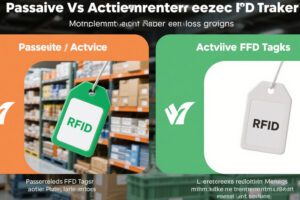
Compare passive and active RFID tags: costs, range, and use cases. Discover which system (passive or active RFID) fits logistics, healthcare, or industrial tracking.
More