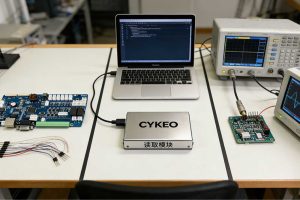
To read and write rfid tags, use an RFID reader/writer compatible with the tag frequency and communication protocol. The reader retrieves stored tag data and can encode new information into writable RFID memory through specialized software.
RFID tag reading and writing are two essential operations in RFID identification systems. Reading allows users to collect stored information from tags, while writing enables organizations to create, update, or manage tag data before deployment.
In practical RFID projects, writing a tag is often more demanding than reading one. A reader may detect a tag easily, but successful writing requires stable communication, accurate power control, suitable antenna design, and reliable software interaction.
During RFID equipment testing and application development, I have worked with different RFID environments, from desktop tag registration stations to industrial identification systems. One repeated finding is that writing reliability depends heavily on controlling the RF environment. A small change in tag position or antenna distance can determine whether a write operation succeeds or fails.
For example, when preparing hundreds of RFID tags for asset management, operators need more than a device that can write one tag. They need a stable platform that supports batch writing, data verification, filtering, and integration with existing software.
According to GS1, RFID systems use radio communication between readers and tags to support automatic identification and data capture across supply chains and business processes.
Understanding how to read and write RFID tags
How RFID tag reading works
Reading an RFID tag means retrieving information stored inside the RFID chip.
The process includes:
Step
Operation
1
RFID reader sends a radio frequency signal
2
RFID tag receives energy from the signal
3
RFID chip responds with stored information
4
Reader captures and processes the response
5
Software displays or stores tag data
RFID reading is mainly used for:
Inventory management
Asset tracking
Product identification
Access control
Logistics monitoring
The reader does not physically contact the tag. Communication happens through electromagnetic signals.
How RFID tag writing works
Writing an RFID tag means storing new information into the memory area of the RFID chip.
Typical writing operations include:
Adding product identification numbers
Encoding asset information
Updating inventory records
Registering new RFID tags
Changing user-defined data fields
A complete RFID writing process usually requires:
RFID writable tag
RFID reader/writer device
Programming software
Data management system
Unlike simple barcode printing, RFID writing creates electronic data directly inside the chip.
RFID tag memory structure and programming
Different memory areas of RFID tags
Many UHF RFID tags contain several memory sections.
Memory Area
Purpose
EPC Memory
Stores electronic product information
TID Memory
Stores unique chip identification
User Memory
Stores customized information
Reserved Memory
Stores security information
The exact memory structure depends on the RFID chip model.
For industrial applications, EPC memory is commonly used for product identification, while user memory may store additional operational information.
RFID protocols for reading and writing
Professional RFID systems must support compatible communication standards.
Common RFID standards include:
ISO 18000-6C
EPC Class 1 Gen 2
ISO 18000-6B
The EPC Gen2 standard defines communication methods between UHF RFID readers and tags, including commands for reading and writing tag memory.
Equipment required for RFID tag reading and writing
RFID reader writer device
An RFID reader/writer is the core hardware for programming RFID tags.
Different applications require different devices:
Device Type
Application
Desktop RFID reader writer
Tag registration and programming
Fixed RFID reader writer
Industrial automation
Handheld RFID reader writer
Mobile operations
Embedded RFID module
OEM equipment integration
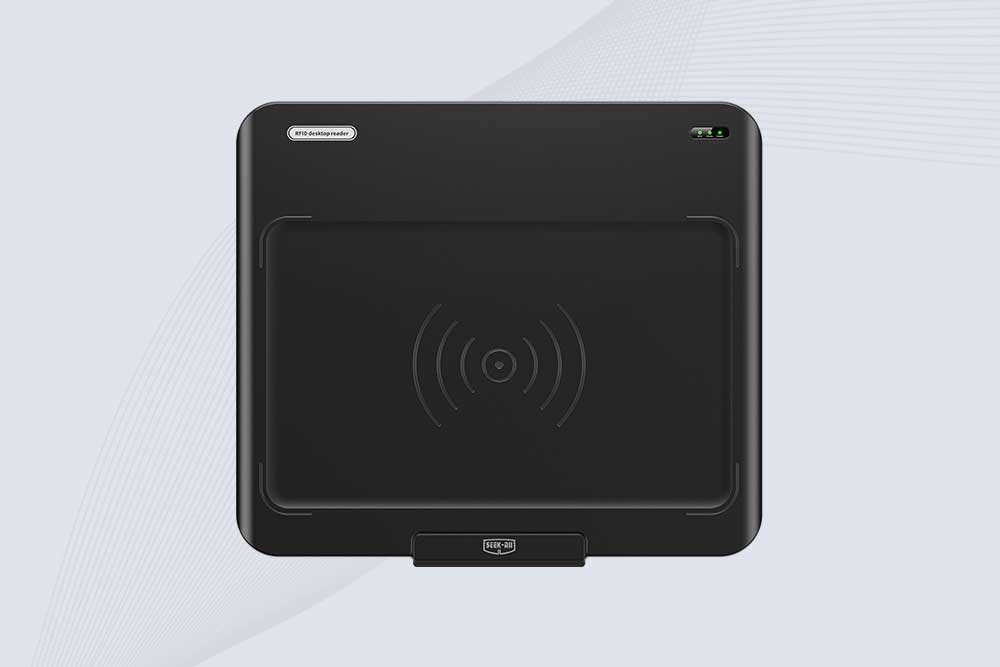
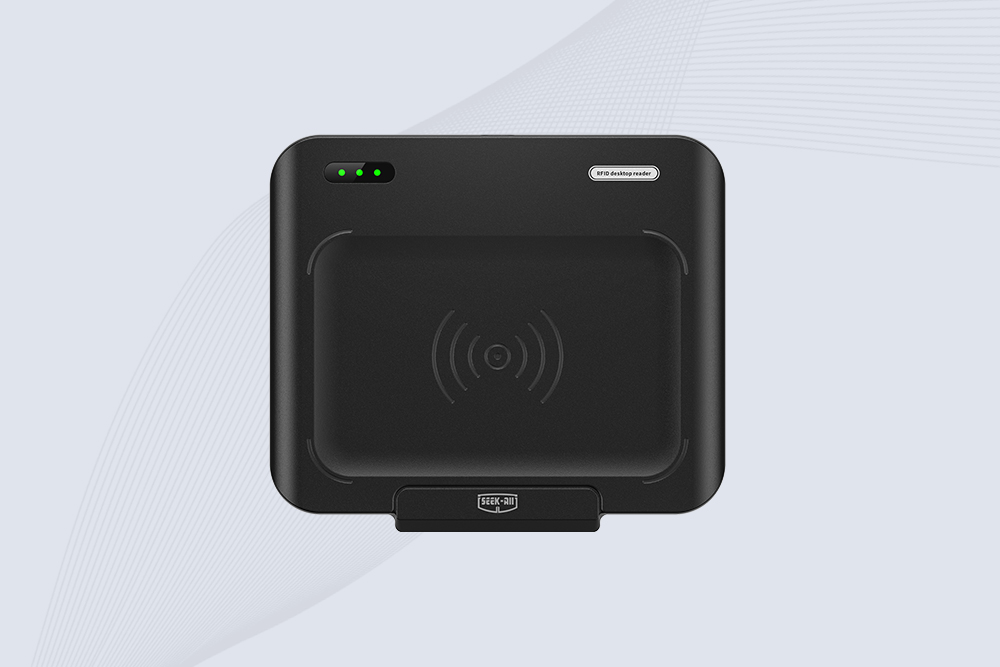
For tag programming workstations, desktop RFID readers are often preferred because they provide controlled reading and writing zones.
Cykeo RFID desktop reader writer solution
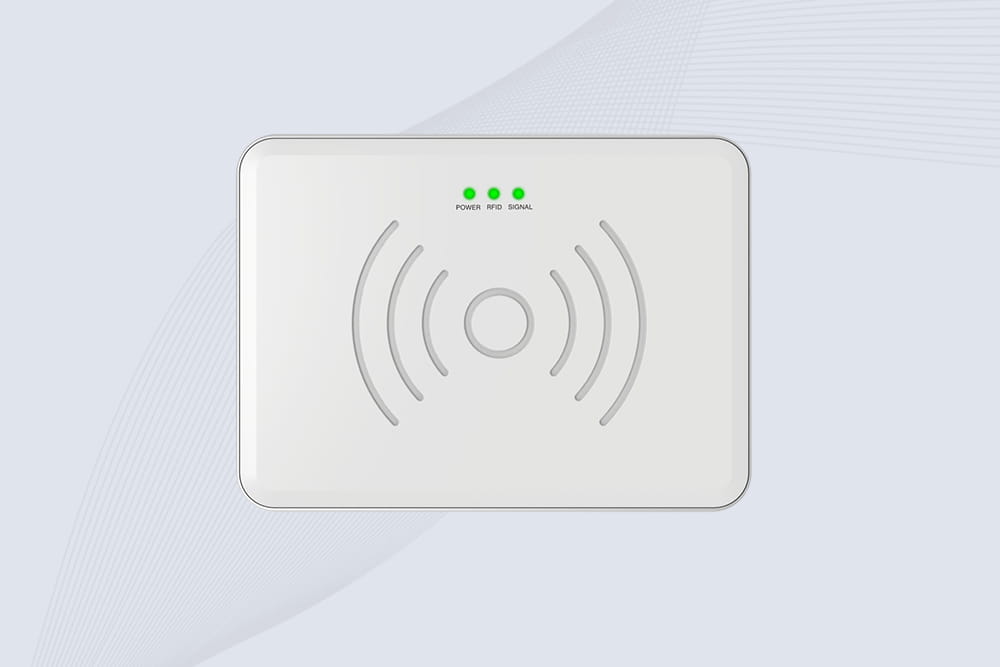
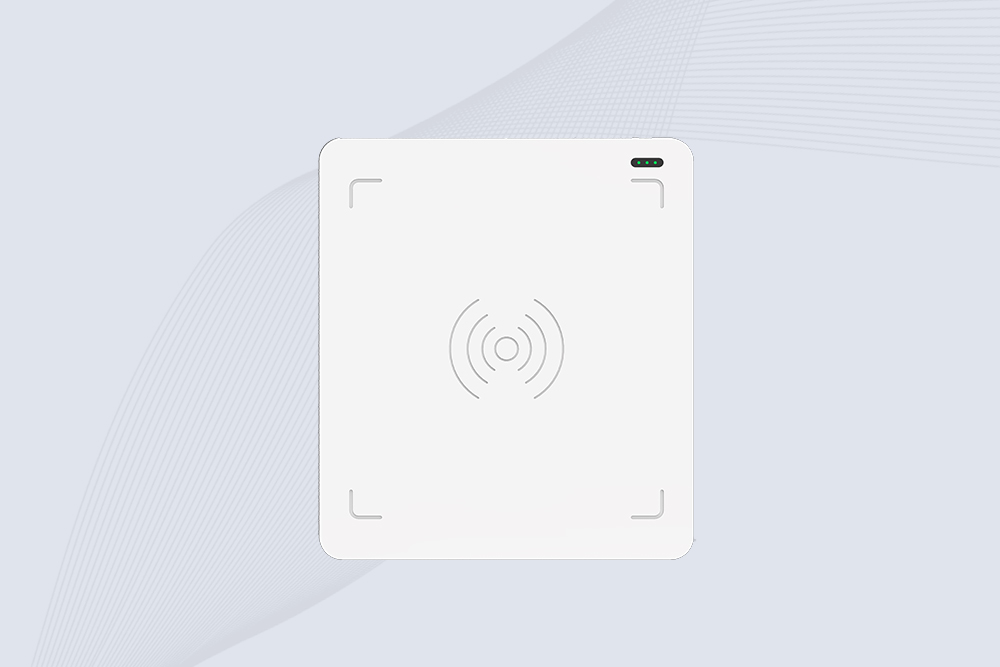
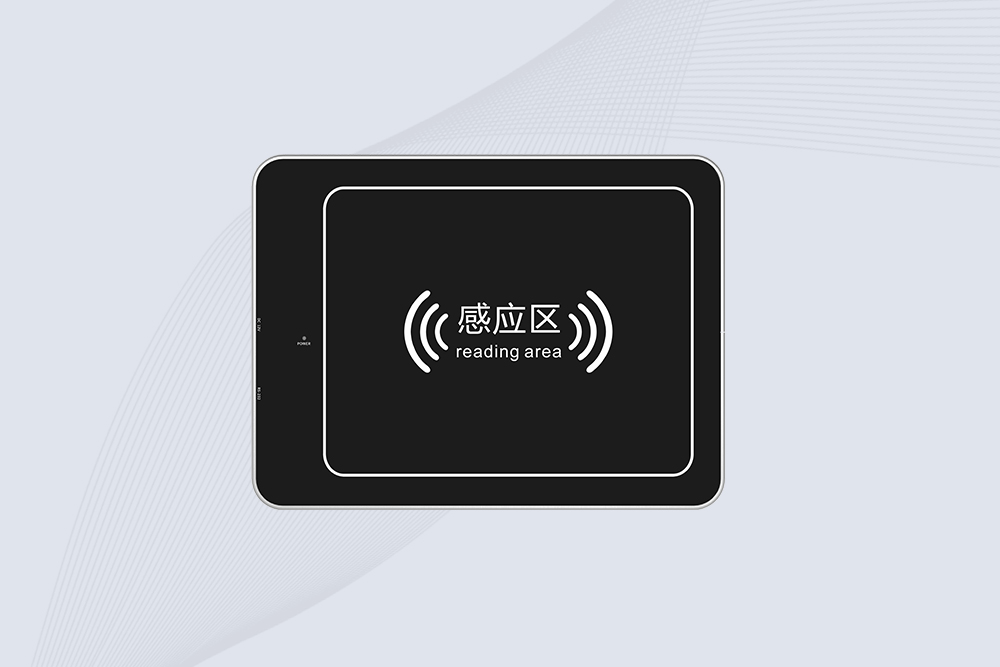
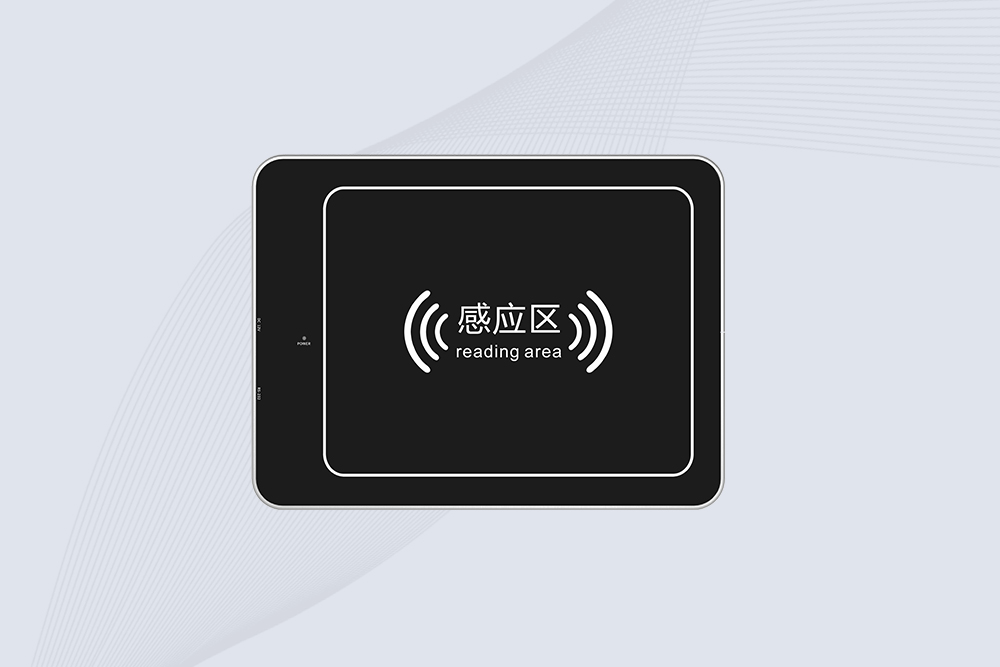
Cykeo RFID desktop reading platforms are designed for RFID tag registration, programming, and small-scale identification applications.
The device uses near-field antenna technology to control the communication area.
Key characteristics include:
Compact desktop design
Stable RFID tag writing performance
Controlled reading distance
Controlled writing distance
USB communication
Developer resources support
The near-field antenna design helps reduce unwanted tag detection during programming operations.
For example, when an operator writes information to one RFID label, nearby unused tags should not accidentally receive the same command. Controlled communication improves operational accuracy.
How to write RFID tags efficiently
Step 1: Prepare RFID tags and data
Before writing, confirm:
RFID tag type
Supported frequency
Memory capacity
Required data format
A clear data structure prevents problems during later inventory management.
Step 2: Connect RFID reader writer software
Professional RFID writing systems usually provide:
Automatic writing tools
Demonstration software
Data verification functions
Batch programming features
Cykeo provides RFID demo software to support automatic card writing and tag management operations.
Step 3: Perform writing and verification
A reliable RFID writing workflow includes:
Place RFID tag in reading area
Send writing command
Confirm memory update
Read back stored information
Save operation records
Verification is important because successful communication does not always mean correct data storage.
Desktop RFID reader writers provide controlled RFID tag programming and verification.
Factors affecting RFID tag writing success
Antenna distance control
Writing requires stable communication between reader and tag.
If the distance is too far:
Signal strength decreases
Writing errors may increase
If the reading area is too wide:
Unwanted tags may respond
Data accuracy may decrease
Controlled writing distance is especially important for desktop RFID programming.
RF output power stability
RF power affects communication reliability.
Professional RFID readers allow engineers to adjust output power according to application requirements.
Cykeo desktop RFID solutions support stable writing performance with maximum port output power up to 33 dBm, helping improve tag programming reliability.
Software integration
Large-scale RFID applications require software support.
Common integration functions include:
Database connection
Batch writing
Data filtering
Operation records
User management
Cykeo provides C# and Java development materials to support customized RFID applications.
Practical applications of RFID tag reading and writing
Asset management
Organizations write unique information into RFID tags before attaching them to:
Tools
Equipment
Documents
Containers
Later, RFID readers retrieve the stored information for tracking.
Retail and smart checkout systems
RFID writing enables product tags to contain digital identification information.
Applications include:
Product registration
Inventory management
Smart payment systems
Industrial production
Manufacturers use RFID writing during production preparation.
Examples:
Component identification
Work order association
Production tracking
Advanced RFID tag reading and writing techniques
Reading and writing RFID tags in professional environments requires more than connecting a reader and pressing a button. The quality of the final result depends on how the RFID device manages communication stability, tag positioning, power control, and software workflow.
In real RFID projects, I have seen two very different situations:
A reader can successfully read hundreds of tags during a demonstration.
But when operators begin encoding thousands of tags for daily business operations, unstable writing, duplicate detection, and data verification issues become the real challenges.
A reliable RFID writing system needs three capabilities:
Accurate tag communication
Stable write performance
Repeatable production workflow
This is why desktop RFID reader writers are widely used for tag preparation before deployment.
How to improve RFID tag writing success rate
Control the RFID writing area
The writing environment directly affects programming accuracy.
For desktop RFID applications, a controlled communication area is usually preferred.
A smaller writing zone helps prevent:
Accidental writing to nearby tags
Incorrect tag selection
Data duplication
Operator mistakes
For example, when issuing RFID employee cards, the operator normally wants to write information to only one card placed on the reader surface, not every RFID card nearby.
Cykeo RFID desktop reader writers use near-field antenna technology to control the reading and writing area. The design keeps reading within approximately 30 cm and writing within approximately 10 cm, making the device suitable for controlled desktop RFID operations.
Use stable RFID writing hardware
RFID writing requires consistent RF communication.
Important hardware factors include:
Hardware Factor
Influence
Reader chip performance
Communication stability
RF output power
Signal strength
Antenna design
Writing accuracy
Interface stability
Data transmission reliability
The RFID reader chip is especially important because writing requires precise communication between the reader and tag memory.
The Impinj R500 reader chip supports RAIN RFID / ISO 18000-63 and EPCglobal Gen2v2 communication standards. Impinj documentation lists R500 characteristics including UHF operation and reader communication capabilities for RFID applications.
RFID tag writing workflow for professional applications
Step 1: Prepare tag information
Before writing RFID tags, define the data structure.
Common information includes:
Product ID
Asset number
Employee information
Equipment code
Inventory reference
A consistent format makes later management easier.
Example:
Data Field
Example
EPC
Product identification number
User Memory
Custom information
Serial Number
Unique asset code
Date
Registration time
Step 2: Place RFID tags correctly
Tag placement is important during writing.
Recommended practices:
Keep one target tag in the writing area
Avoid overlapping multiple tags
Maintain stable distance
Keep tag orientation consistent
For batch operations, operators should use software-controlled writing sequences rather than manually entering data for every tag.
Step 3: Write and verify RFID data
A professional RFID writing process should include verification.
The workflow normally includes:
Detect RFID tag
Write required information
Read written data again
Compare original and stored information
Save operation records
Verification reduces errors during large-scale RFID deployment.
RFID desktop reader writer applications
RFID card issuance
Many organizations use desktop RFID readers for issuing:
Employee identification cards
Access cards
Membership cards
Library cards
The controlled writing area improves operator efficiency because only the intended RFID card is programmed.
Retail RFID label preparation
Retail systems often require thousands of RFID labels before products enter stores.
Desktop RFID writing equipment supports:
Product label initialization
Batch encoding
Tag verification
Inventory preparation
A desktop encoder can become the first checkpoint of RFID data quality.
Asset tracking preparation
Before attaching RFID tags to tools, equipment, or documents, organizations often encode identification information first.
Applications include:
Tool management
Equipment tracking
Document management
Laboratory asset control
Cykeo RFID desktop reader writer advantages
Cykeo RFID desktop reader writers are designed for users who need reliable RFID tag programming in daily operations.
The main advantages include: <h3>Compact desktop design</h3>
The small form factor allows deployment at:
Office desks
Registration stations
Production preparation areas
Service counters
The device is designed for continuous daily use rather than occasional testing.
Stable RFID writing performance
Cykeo desktop RFID reader writers use high-performance RFID reader technology to improve tag writing reliability.
Key features include:
Maximum output power up to 33 dBm
Stable RFID communication
High writing success rate
Batch tag programming support
The use of Impinj R500 technology helps support stable UHF RFID communication for desktop encoding applications.
Developer-friendly integration
For system developers, RFID hardware must connect easily with existing software.
Cykeo provides:
C# development resources
Java development resources
Demo software
Automatic card writing tools
Tag filtering functions
This allows customers to integrate RFID writing functions into their own systems.
Simple USB communication
Desktop RFID equipment is often used where easy installation matters.
Cykeo desktop RFID reader writers support Mini USB communication, allowing quick connection with computers without complicated hardware installation.
Common RFID tag reading and writing problems
Why does RFID writing fail?
Possible reasons include:
Problem
Solution
Tag outside writing area
Adjust tag position
Weak communication
Check reader settings
Wrong tag protocol
Confirm compatibility
Multiple tags nearby
Use controlled reading zone
Software data error
Verify input data
Why can RFID tags be read but not written?
Reading and writing are different operations.
A tag may be readable but fail during writing because:
The memory area is locked
Writing distance is unsuitable
Reader power is insufficient
Software permissions are incorrect
Writing requires stronger communication control than simple identification.
Desktop RFID reader writers provide accurate tag encoding and verification for daily RFID operations.
FAQ: how to read and write rfid tags
1. Can all RFID tags be written?
No. Some RFID tags are read-only, while others support writable memory depending on the RFID chip design.
2. What device is needed to write RFID tags?
An RFID reader writer compatible with the tag frequency and protocol is required. Desktop RFID reader writers are commonly used for controlled tag programming.
3. How close should an RFID tag be when writing?
The required distance depends on the reader design and antenna. Desktop RFID writers often use short-range antennas for accurate programming.
4. Can multiple RFID tags be written at the same time?
Yes, some RFID systems support batch writing, but controlled workflows are recommended to avoid incorrect data programming.
5. Does RFID writing require special software?
Yes. RFID writing normally requires software that manages commands, data formatting, verification, and records.
6. Can RFID tags be rewritten?
Many RFID tags support rewriting if their memory areas are not permanently locked.
SSD-D3AL is a USB-HID UHF RFID reader with 0–30 cm reading, 0–15 cm writing, over 600 tags/s recognition, USB plug-and-play operation and OEM Logo customization.
SSD-D1AL is a compact USB UHF RFID reader with Impinj E710/X3M1 chipset, USB-HID, 600+ tags/s recognition, 4/8/16 antenna support and plug-and-play USB power.
CYKEO CYKEO-D1LA USB RFID Reader is a compact desktop solution with near-field control for precise tag reading and encoding. Powered by USB, supporting ISO 18000-6C, and built for stable batch writing, this usb rfid tag reader fits retail, libraries, offices, and controlled RFID encoding tasks.
CYKEO CYKEO-D1L RFID scanner USB is a compact desktop UHF RFID scanner designed for short-range tag writing and verification. This usb rfid scanner supports batch encoding, stable 0–26 dBm output, and works across Windows, Linux, and Android systems.
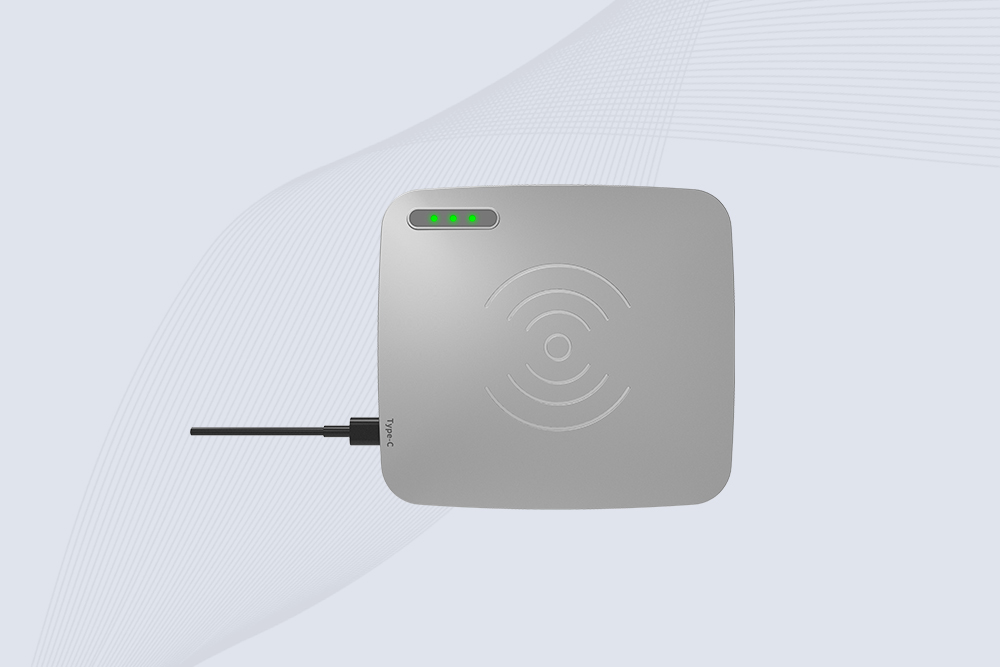
CYKEO CYKEO-D1C USB RFID Card Reader is a near-field UHF desktop writer designed for secure, short-range tag encoding. With USB-C connectivity and stable 26 dBm output, this rfid reader usb c is ideal for badge issuance, label encoding, and controlled desktop RFID workflows.
CYKEO CYKEO-D2L RFID Reader USB is a compact desktop encoder built on the Impinj R500 chip. With near-field control and stable USB power, this usb rfid card reader delivers precise tag writing for offices, retail counters, and small-scale logistics encoding tasks.
CYKEO CYKEO-D3L USB RFID Tag Reader delivers stable UHF tag reading and writing for daily desktop and light industrial tasks. Designed for controlled short-range operation, this USB RFID Tag Reader works reliably with rfid tag and reader systems in libraries, tool tracking, and inventory registration.
The CYKEO CYKEO-D4L UHF RFID Tag Reader is a stable Desktop RFID Reader designed for accurate tag registration, borrowing, and return workflows. Built with the Impinj R2000 chip, this UHF RFID Tag Reader delivers controlled short-range reads for libraries, asset tracking, and inventory management environments.
The CYKEO CYKEO-D5L Desktop RFID Card Reader is a stable UHF RFID Card Reader designed for controlled short-range reading and writing. Built for libraries, tool rooms, and asset desks, this UHF RFID Card Reader supports dense tag handling, secure data processing, and easy USB integration.
The CYKEO CYKEO-D6L RFID Reader Writer is a heavy-duty Desktop RFID Reader designed for short-range, high-accuracy tag programming. Built for libraries, labs, and asset desks, this RFID Reader Writer supports batch processing, stable 33dBm output, and seamless integration with existing management systems.
Cykeo CYKEO-D8A embedded RFID badge reader offers 30+ tags/sec scanning, 20cm anti-crosstalk precision, and DC 12V power for unmanned stores, warehouses, and smart inventory systems.
Cykeo’s CYKEO-D8C UHF RFID gate reader achieves 200-tag/batch scanning with adjustable power control, ideal for retail inventory and smart warehouse management.
CYKEO Passive RFID Tags are made for wet and high-humidity environments where standard labels do not last. This rfid passive tag is often used around liquids, chemicals and temperature changes, providing stable reading distance and long data life for industrial tracking.
CYKEO CYKEO-PCB1504 Metal RFID Tags is a compact anti-metal UHF RFID solution built for direct mounting on metal surfaces. With stable 8-meter read range, Ucode-8 chip, and long data retention, this rfid metal tag fits tools, containers, automotive parts, and industrial asset tracking.
CYKEO CYKEO-PCB7020 On-Metal RFID Tags are designed for reliable tracking on steel and metal surfaces. Built with an FR4 epoxy body and industrial-grade chips, these On-Metal RFID Tags deliver stable performance, long data life, and chemical resistance, making them a dependable RFID anti-metal tag for harsh environments.
The CYKEO CYKEO-60-25 Anti-Metal RFID Tag is built for metal surfaces where standard tags fail. Designed for long-range performance, harsh environments, and stable data retention, this Anti-Metal RFID Tag is ideal for industrial assets, containers, and equipment tracking using on metal RFID tags.
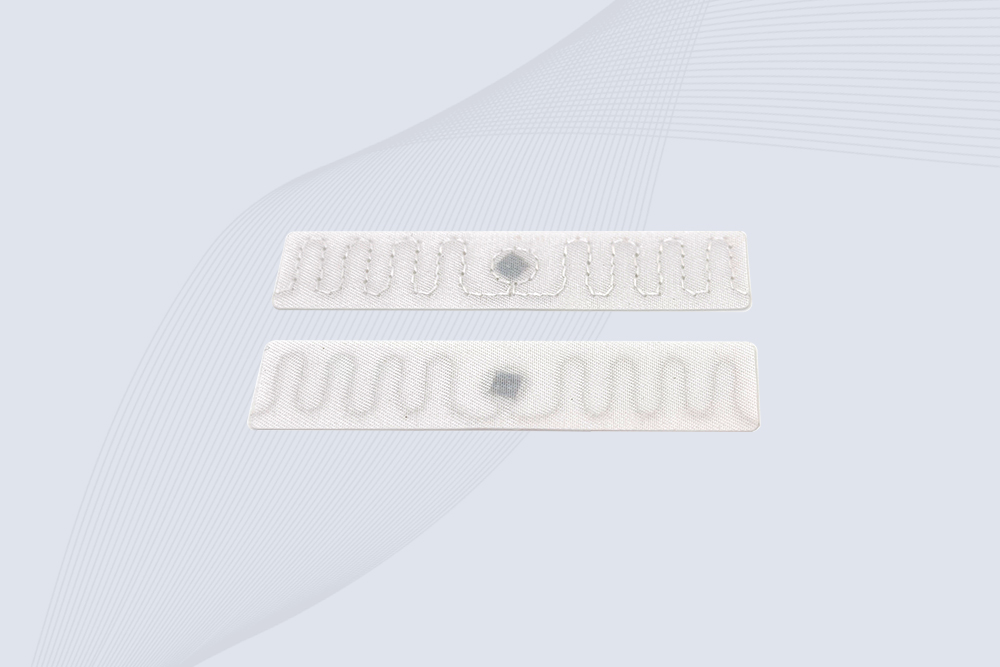
The CYKEO RFID Laundry Tag is designed for long-term textile identification in harsh laundry environments. Built to withstand high heat, chemicals, and repeated washing, this RFID Laundry Tag delivers stable performance for hotels, hospitals, and industrial laundry operations using laundry rfid tags at scale.
The CYKEO CYKEO-125-7 RFID Book Tag is designed for reliable book and document tracking in libraries and archives. This RFID Book Tag delivers long read range, dense placement support, and stable performance on shelves, making it a practical rfid tag on books for library automation, file management, and archival systems.
CYKEO RFID tags in hospitals are designed for sterile environments where accuracy matters. These autoclavable RFID tags support long-term tracking of surgical tools, implants, and medications, helping hospitals improve visibility, compliance, and patient safety.
CYKEO RFID Cable Tie Tag is built for reliable identification on metal surfaces. This UHF RFID Cable Tie Tag is widely used in rfid tags for inventory systems, industrial asset management and Hospital RFID Tags, offering stable read performance, long service life and global EPC Gen2 compatibility.
CYKEO RFID Asset Tag is designed for stable identification of metal assets in industrial environments. This UHF RFID Asset Tag is commonly used for rfid tag asset tracking on equipment, tools and containers, providing reliable reads, long service life and ISO/IEC 18000-6C support.
CYKEO UHF RFID Card is designed for fast identification and long-term use in industrial and commercial systems. Supporting ISO 18000-6C, this UHF RFID Card works at 860–960 MHz and is suitable for custom RFID cards used in asset tracking, access control and inventory management.
CYKEO HF RFID Cards are designed for secure and stable access control systems. These 13.56 MHz RFID key cards support ISO 14443-A, reliable rewriting and long service life, making HF RFID Cards suitable for offices, campuses, events and membership management.
CYKEO UHF RFID Tag is designed for reliable tracking of metal jewelry and high-value items. This Jewelry RFID Tag supports long-range reading up to 8 meters, anti-counterfeit protection and stable performance on metal, making it suitable for retail, inventory control and asset management.
RFID antennas are a critical component of radio frequency identification systems, responsible for transmitting and receiving electromagnetic signals to enable communication between tags and readers. This article introduces the working principle, c...
Want to learn how to make an RFID reader? We break down the real engineering choices: build a simple HF cloner, integrate a UHF module, or embark on a multi-year RF design journey.
Learn how passive RFID tags work without batteries, how they get powered by RFID readers, and why they are widely used in libraries, retail, and inventory management.
Learn how far can rfid transmit in real deployments. Compare passive and active RFID ranges, key distance factors, antenna choices, and practical Cykeo applications.
 Cykeo RFID IoT Solution Products R&D Manufacturer