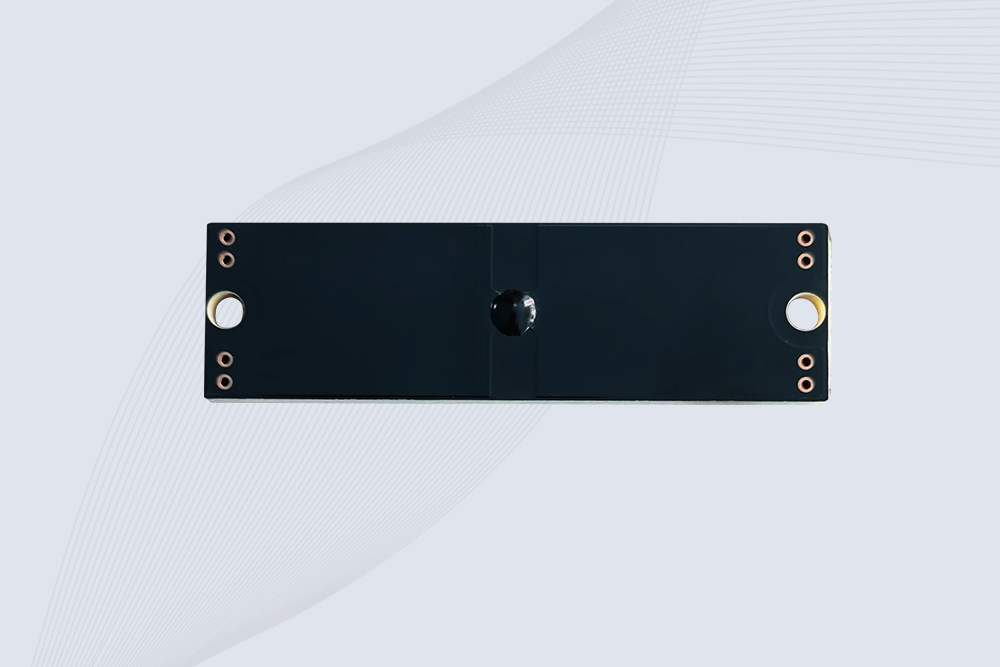
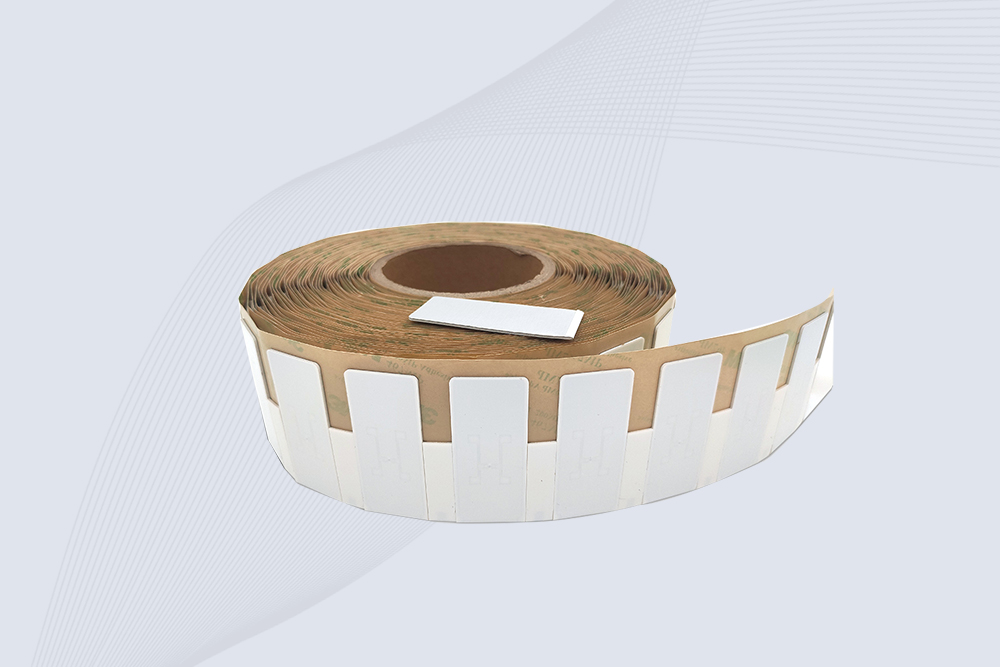
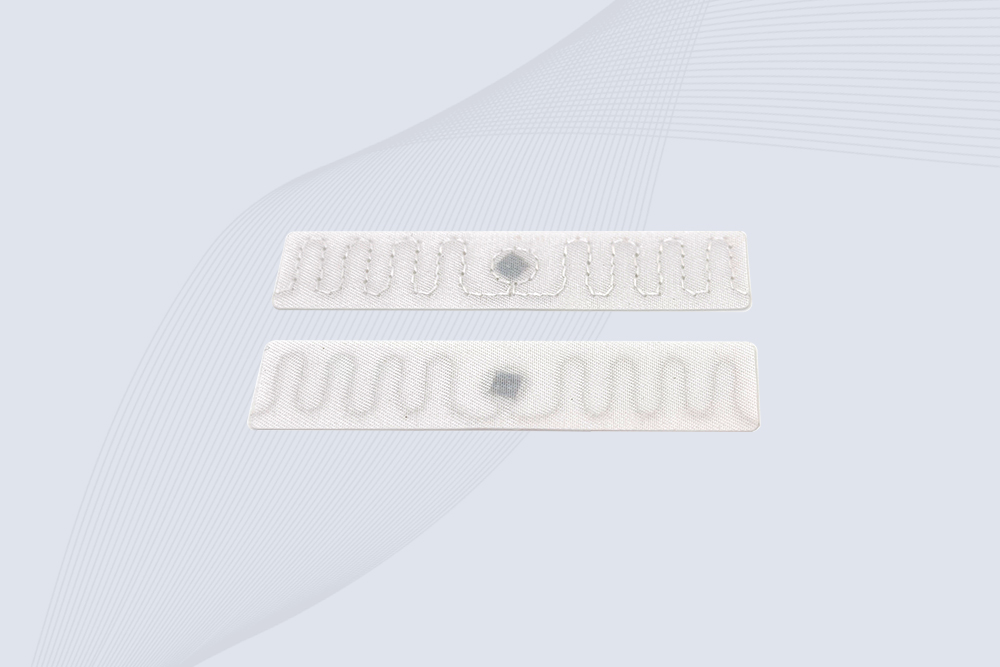
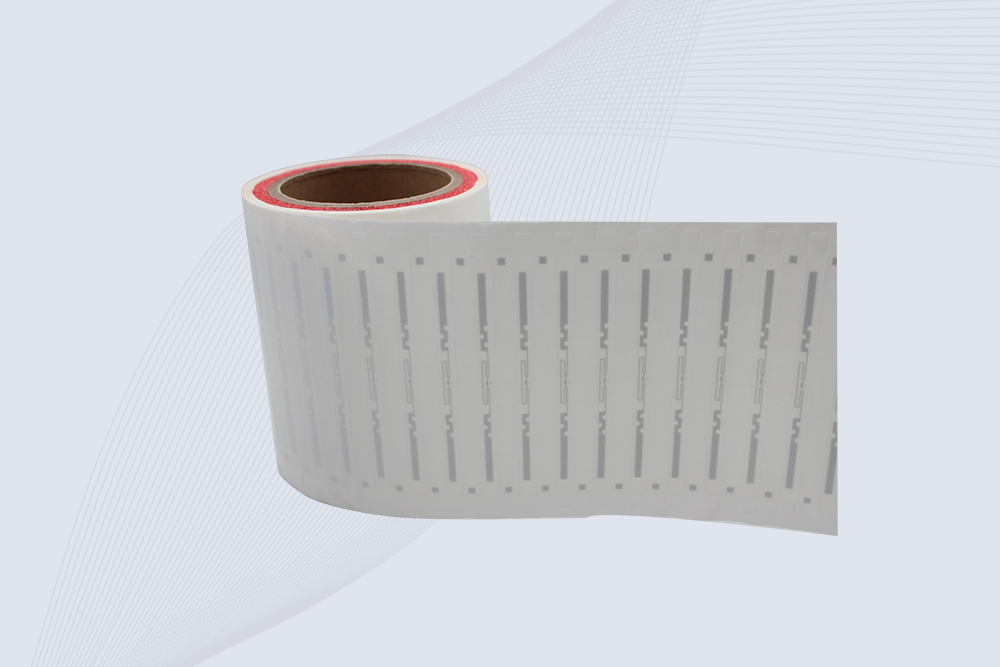
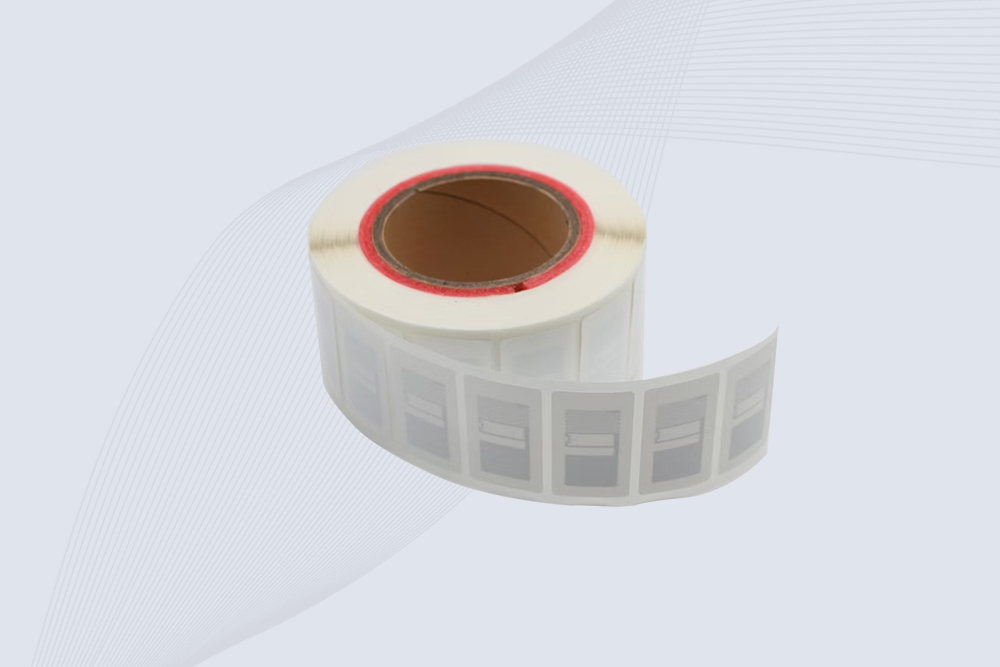
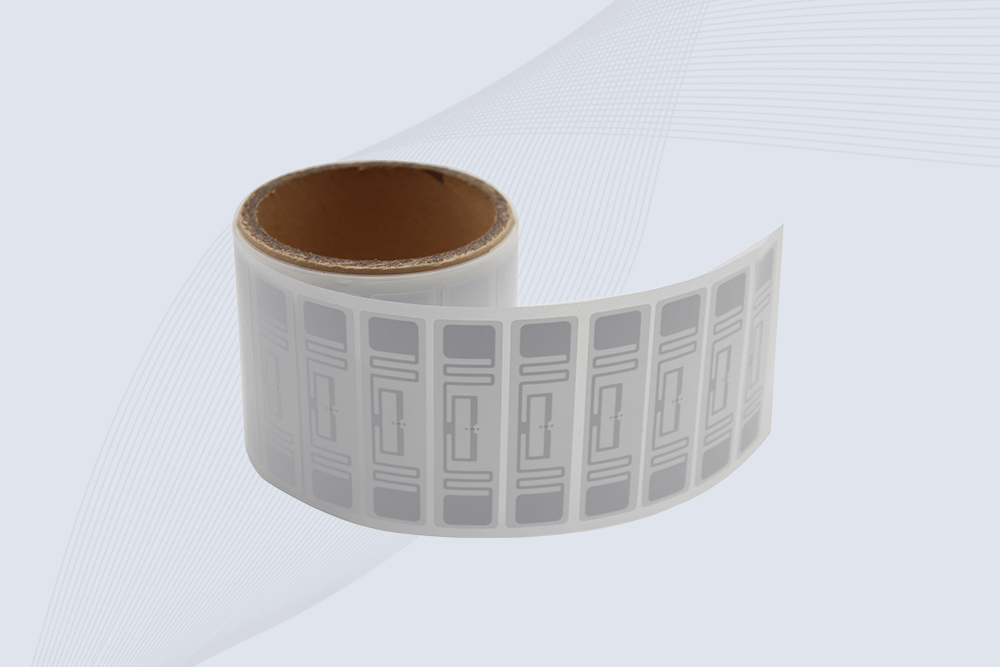
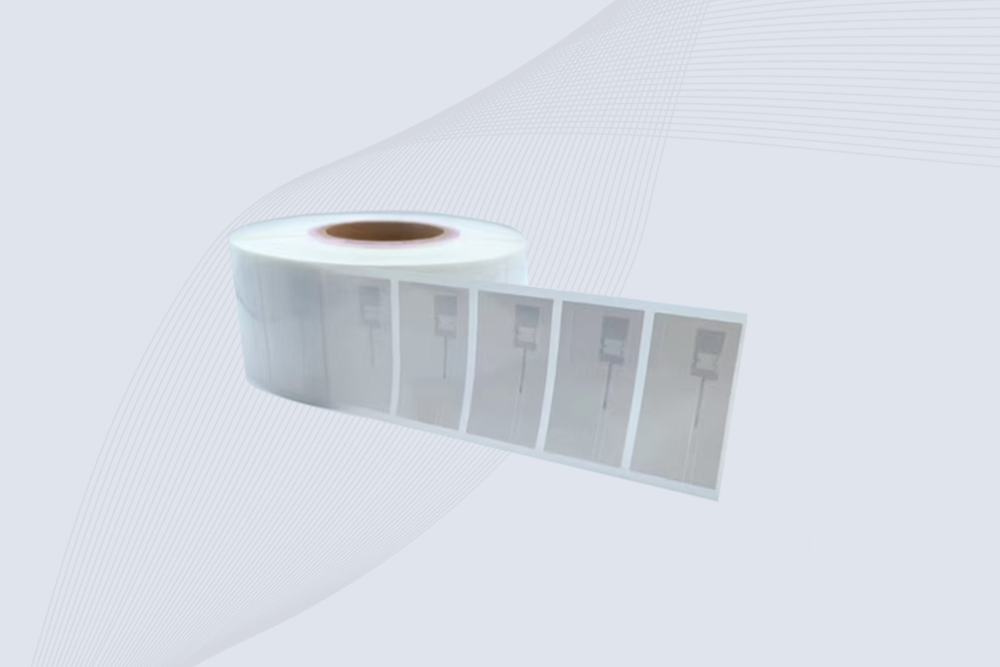
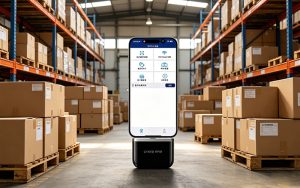
What is an rfid tag? An RFID tag is a small electronic identification device that stores digital information and communicates wirelessly with RFID readers. It enables automatic tracking, inventory management, and asset identification without direct scanning.
Expert Introduction: Understanding RFID Tags From Real Deployment Experience
Written by Cykeo RFID engineering specialists with practical experience in designing RFID identification systems for manufacturing plants, warehouses, libraries, power equipment management, and enterprise asset tracking projects.
In real deployment environments, an RFID tag often looks like a simple label or small component. However, the engineering behind it determines whether an RFID project succeeds or fails.
During RFID system testing for warehouse and industrial applications, our engineers found that tag selection was one of the earliest decisions affecting the entire system. A tag attached to clothing behaves differently from a tag mounted on a metal tool, electrical equipment, or liquid container.
A common mistake is assuming that every RFID tag performs the same way. In practice, antenna design, operating frequency, material compatibility, read distance, and environmental conditions all influence performance.
At Cykeo, RFID tag evaluation starts from the actual application environment rather than only focusing on specifications.
What Is an RFID Tag and How Does It Work?
what is an rfid tag Technology Explained
An RFID tag is a wireless identification device that uses radio frequency technology to store and transmit information.
Unlike traditional barcode labels, RFID tags do not require direct visual contact with scanners. A reader sends radio waves to the tag, the tag responds with stored information, and the system records the identification data.
An RFID tag normally includes three main elements:
RFID Tag Component
Function
RFID Chip
Stores unique identification data and controls communication
This entire process happens within seconds, allowing companies to identify large numbers of items efficiently.
According to the RAIN Alliance, RAIN RFID technology is based on EPC Gen2 standards and is widely used in supply chain, retail, healthcare, and industrial applications worldwide.
Different Types of RFID Tags
RFID Tag Technology Classification
RFID tags are mainly divided into three categories based on their power source.
Type
Power Source
Typical Applications
Passive RFID Tags
Powered by reader signal
Inventory, retail, logistics
Active RFID Tags
Internal battery
Long-range tracking
Semi-Passive RFID Tags
Battery-assisted
Specialized monitoring
For most inventory and industrial identification systems, passive UHF RFID tags are the preferred choice because they provide a balance between cost, durability, and reading performance.
Cykeo RFID systems commonly work with passive UHF RFID tags supporting ISO18000-6C (EPC C1G2), a widely adopted standard for global supply chain applications.
How RFID Tags Store Information
RFID Chip and Data Structure
The RFID chip inside a tag stores digital information.
Common stored data includes:
Electronic Product Code (EPC)
Unique identification number
Product information
Asset reference data
Manufacturing records
An RFID tag does not usually store large amounts of information like a database. Instead, it provides a unique identity that connects physical objects with digital management systems.
This approach is important in industrial environments.
For example:
A clothing manufacturer may attach RFID tags to garments. The tag does not need to contain every product detail. Instead, the unique ID connects to software containing size, production batch, warehouse location, and shipping information.
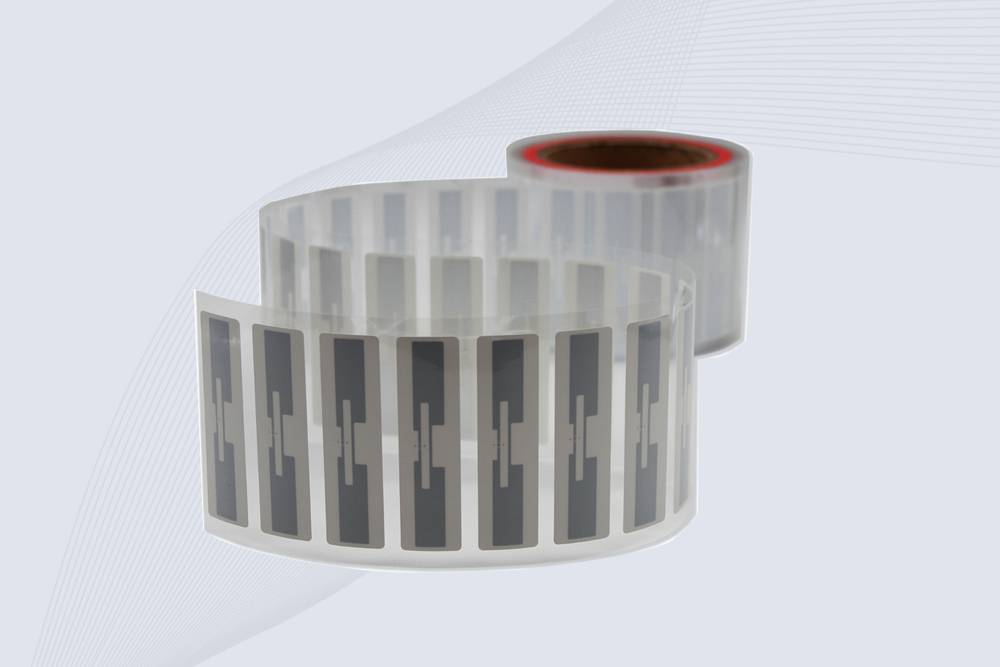
An RFID tag combines a chip and antenna to exchange identification data wirelessly with RFID readers.
Why Businesses Use RFID Tags for Tracking
how RFID tags improve inventory management
Companies choose RFID tags because they provide automation and visibility that traditional identification methods cannot easily achieve.
Common advantages include:
1. Faster Inventory Counting
Instead of scanning products individually, RFID readers can identify multiple tagged items simultaneously.
In warehouse environments, this can significantly reduce manual counting time.
2. Better Asset Visibility
RFID tags help companies understand:
Where assets are located
When products move
Which items require inspection
Whether inventory records match reality
3. Reduced Human Error
Manual recording can introduce mistakes during receiving, shipping, and inventory checks.
RFID automatically captures identification information and sends it to management software.
RFID Tags Used in Real Industrial Applications
Manufacturing
RFID tags are used for:
Production tracking
Component identification
Tool management
Work-in-progress monitoring
Warehouse and Logistics
Applications include:
Automated receiving
Shipment verification
Inventory control
Cart tracking
Retail and Apparel
RFID tags support:
Faster stock checking
Product availability monitoring
Anti-counterfeit management
Power and Energy Industry
RFID tags are applied to:
Electrical meters
Maintenance tools
Inspection equipment
RFID tags connect physical products with digital inventory systems for faster and more accurate management.
RFID Tag Selection Guide
Choosing the correct RFID tag requires understanding the application environment.
Application
Recommended RFID Tag Consideration
Clothing
Flexible label RFID tags
Metal Equipment
On-metal RFID tags
Outdoor Assets
Waterproof durable RFID tags
Library Items
Compact HF/UHF RFID tags
Industrial Tools
Rugged RFID tags
Important selection factors:
Operating frequency
Reading distance
Attachment material
Environmental protection
Required lifespan
Frequently Asked Questions About RFID Tags
Are RFID tags reusable?
Some RFID tags can be reused, especially durable industrial tags. Disposable RFID labels are usually designed for single-use applications.
Do RFID tags need batteries?
Most inventory RFID tags are passive and do not require batteries. They receive energy from RFID readers.
Can RFID tags be tracked in real time?
RFID tags can support tracking when combined with RFID readers, software platforms, and properly designed identification networks.
How long do RFID tags last?
The lifespan depends on tag construction and environment. Industrial RFID tags can often operate for many years when properly selected.
Final Understanding: What Is an RFID Tag in Modern Business?
What is an rfid tag is no longer only a technical question. In modern industries, RFID tags act as the connection between physical products and digital management systems.
From warehouse inventory to industrial asset tracking, RFID tags provide companies with faster identification, improved accuracy, and better operational visibility.
At Cykeo, RFID solutions are designed around real application requirements, combining reliable RFID tags, readers, and management systems to help businesses create smarter identification workflows.
CYKEO Passive RFID Tags are made for wet and high-humidity environments where standard labels do not last. This rfid passive tag is often used around liquids, chemicals and temperature changes, providing stable reading distance and long data life for industrial tracking.
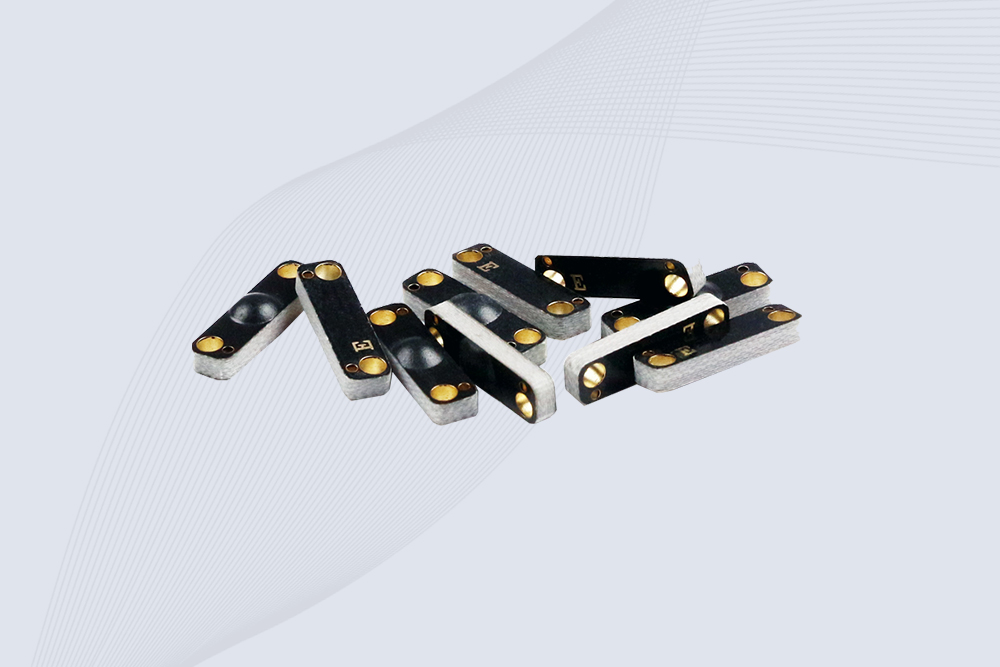
CYKEO CYKEO-PCB1504 Metal RFID Tags is a compact anti-metal UHF RFID solution built for direct mounting on metal surfaces. With stable 8-meter read range, Ucode-8 chip, and long data retention, this rfid metal tag fits tools, containers, automotive parts, and industrial asset tracking.
CYKEO CYKEO-PCB7020 On-Metal RFID Tags are designed for reliable tracking on steel and metal surfaces. Built with an FR4 epoxy body and industrial-grade chips, these On-Metal RFID Tags deliver stable performance, long data life, and chemical resistance, making them a dependable RFID anti-metal tag for harsh environments.
The CYKEO CYKEO-60-25 Anti-Metal RFID Tag is built for metal surfaces where standard tags fail. Designed for long-range performance, harsh environments, and stable data retention, this Anti-Metal RFID Tag is ideal for industrial assets, containers, and equipment tracking using on metal RFID tags.
The CYKEO RFID Laundry Tag is designed for long-term textile identification in harsh laundry environments. Built to withstand high heat, chemicals, and repeated washing, this RFID Laundry Tag delivers stable performance for hotels, hospitals, and industrial laundry operations using laundry rfid tags at scale.
The CYKEO CYKEO-125-7 RFID Book Tag is designed for reliable book and document tracking in libraries and archives. This RFID Book Tag delivers long read range, dense placement support, and stable performance on shelves, making it a practical rfid tag on books for library automation, file management, and archival systems.
CYKEO RFID tags in hospitals are designed for sterile environments where accuracy matters. These autoclavable RFID tags support long-term tracking of surgical tools, implants, and medications, helping hospitals improve visibility, compliance, and patient safety.
CYKEO RFID Cable Tie Tag is built for reliable identification on metal surfaces. This UHF RFID Cable Tie Tag is widely used in rfid tags for inventory systems, industrial asset management and Hospital RFID Tags, offering stable read performance, long service life and global EPC Gen2 compatibility.
CYKEO RFID Asset Tag is designed for stable identification of metal assets in industrial environments. This UHF RFID Asset Tag is commonly used for rfid tag asset tracking on equipment, tools and containers, providing reliable reads, long service life and ISO/IEC 18000-6C support.
CYKEO UHF RFID Card is designed for fast identification and long-term use in industrial and commercial systems. Supporting ISO 18000-6C, this UHF RFID Card works at 860–960 MHz and is suitable for custom RFID cards used in asset tracking, access control and inventory management.
CYKEO HF RFID Cards are designed for secure and stable access control systems. These 13.56 MHz RFID key cards support ISO 14443-A, reliable rewriting and long service life, making HF RFID Cards suitable for offices, campuses, events and membership management.
CYKEO UHF RFID Tag is designed for reliable tracking of metal jewelry and high-value items. This Jewelry RFID Tag supports long-range reading up to 8 meters, anti-counterfeit protection and stable performance on metal, making it suitable for retail, inventory control and asset management.
Learn how rfids works with expert insights into RFID chips, readers, communication methods, and real-world applications. Cykeo explains RFID technology solutions.
Wondering how to design an RFID antenna? We break down the practical steps from defining your goal to prototyping, and when to choose a commercial solution.
Discover how RFID improves logistics with faster inventory tracking, fewer errors, and smarter supply chain visibility. Learn Cykeo RFID solutions for modern logistics operations.
Learn how to read RFID tags with Android using mobile readers. Improve efficiency with fast, accurate scanning solutions trusted in logistics and retail.
 Cykeo RFID IoT Solution Products R&D Manufacturer