 Cykeo RFID IoT Solution Products R&D Manufacturer
How to Connect RFID Reader to Database
239Wondering how to connect RFID reader to database? We break down the real-world steps, from data capture to SQL integration, and show how CYKEO makes it simpler.
MoreAll RFID Product
To read RFID tags with Android, connect a compatible RFID reader (USB or Bluetooth), install an app, and scan tags within range for instant data capture. This method ensures fast, accurate identification in real-time operations.
That’s the short version. In practice, the difference between a “working demo” and a stable field deployment comes down to antenna design, signal tuning, and how the Android device handles continuous reads. I’ve spent the last six years deploying mobile RFID in warehouses and inspection lines—this is where theory bends a bit.
An Android phone alone cannot read UHF RFID tags. It needs an external reader module. Devices like the Cykeo B4L bridge that gap by supplying RF power and decoding EPC data.
Typical workflow:
In controlled environments, read speeds can exceed 300–400 tags/sec, aligning with performance benchmarks defined by GS1 EPC Gen2 standards.
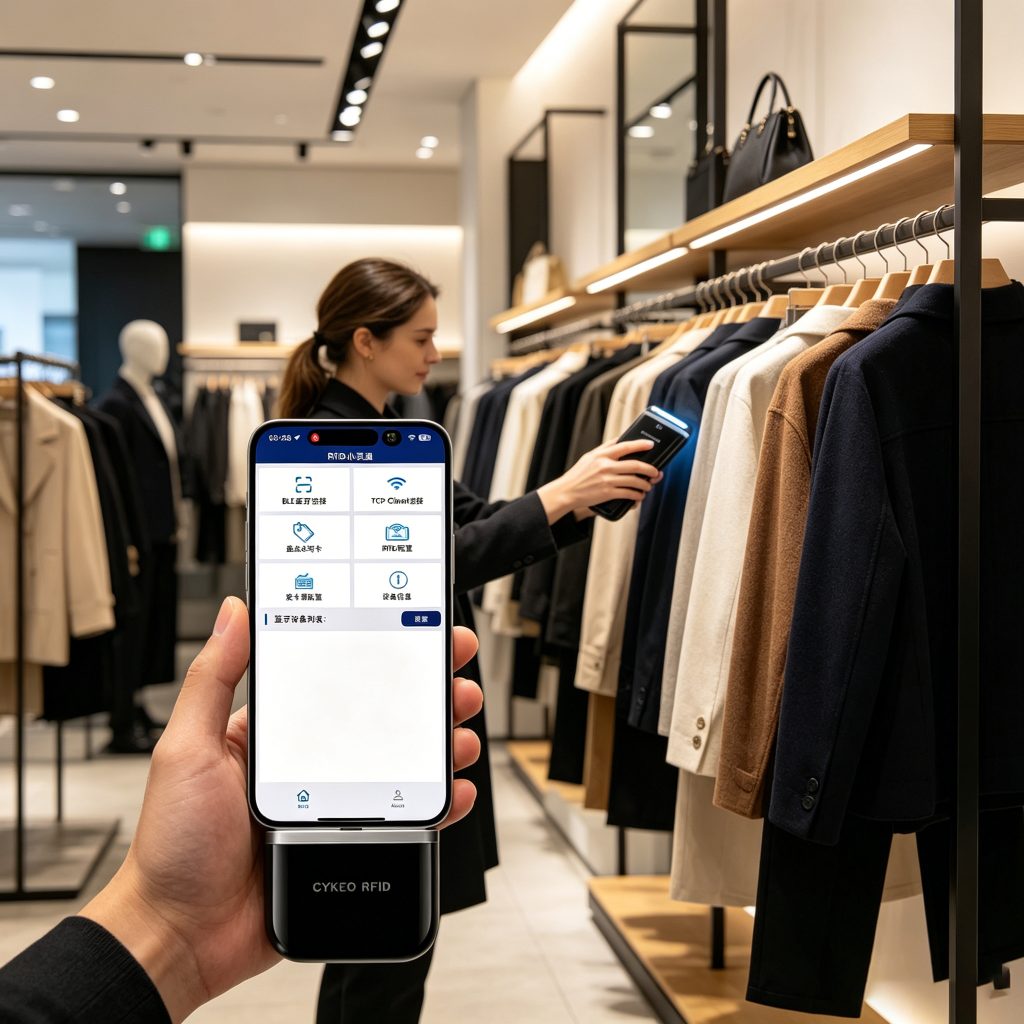
In one retail pilot, we used a compact reader similar to your CYKEO-B4L. The difference was immediate—staff stopped “aiming” like barcode scanners and simply swept shelves.
Key capabilities:
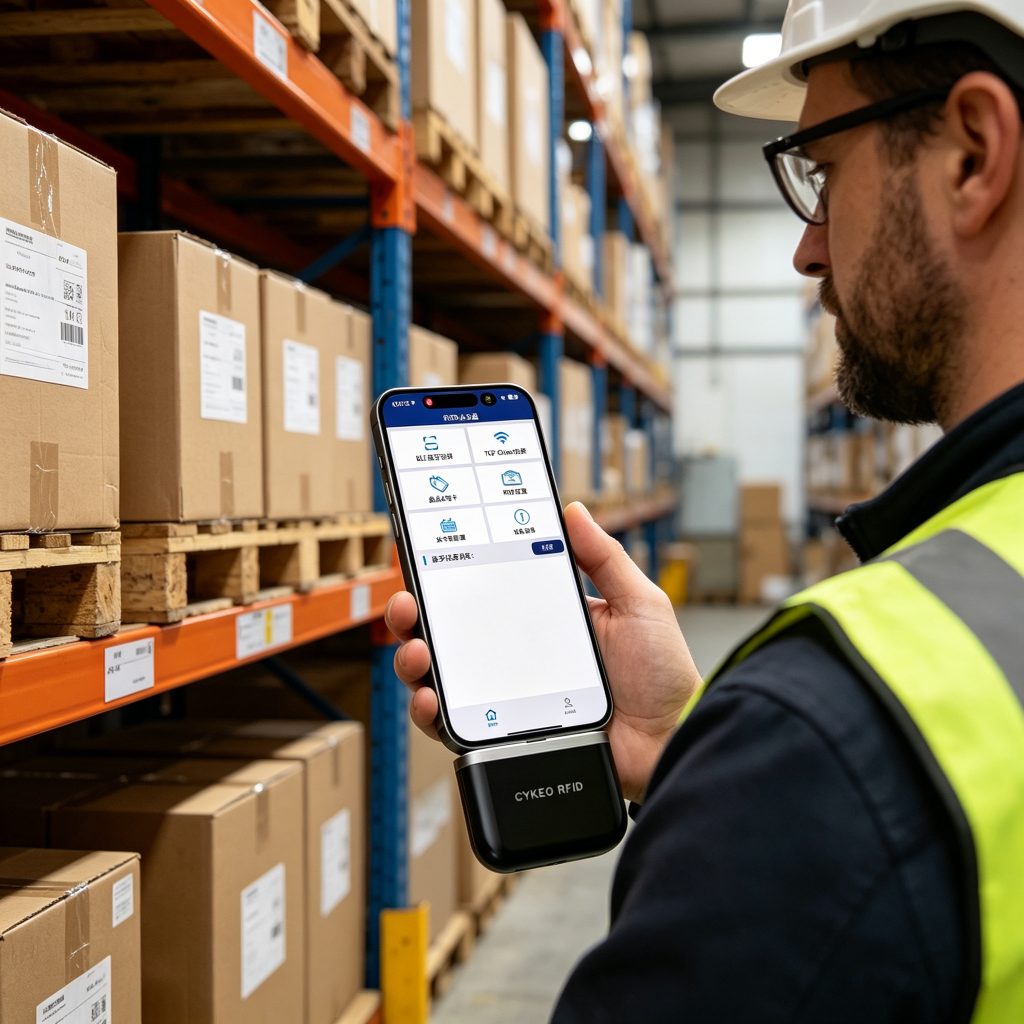
From deployment experience, three factors matter more than specs on paper:
| Factor | Real Impact |
|---|---|
| Antenna type | Near-field avoids misreads in dense environments |
| Tag orientation | UHF sensitivity varies up to 40% |
| RF interference | Metal/liquid reduces range significantly |
According to RAIN RFID Alliance, UHF RFID can achieve >99% inventory accuracy, compared to 60–80% with manual counting.
Many projects fail not at hardware—but software integration.
With Cykeo devices, you typically get:
In one project, we reduced stock counting time from 6 hours to 45 minutes just by optimizing the scan loop and filtering duplicate EPC reads.
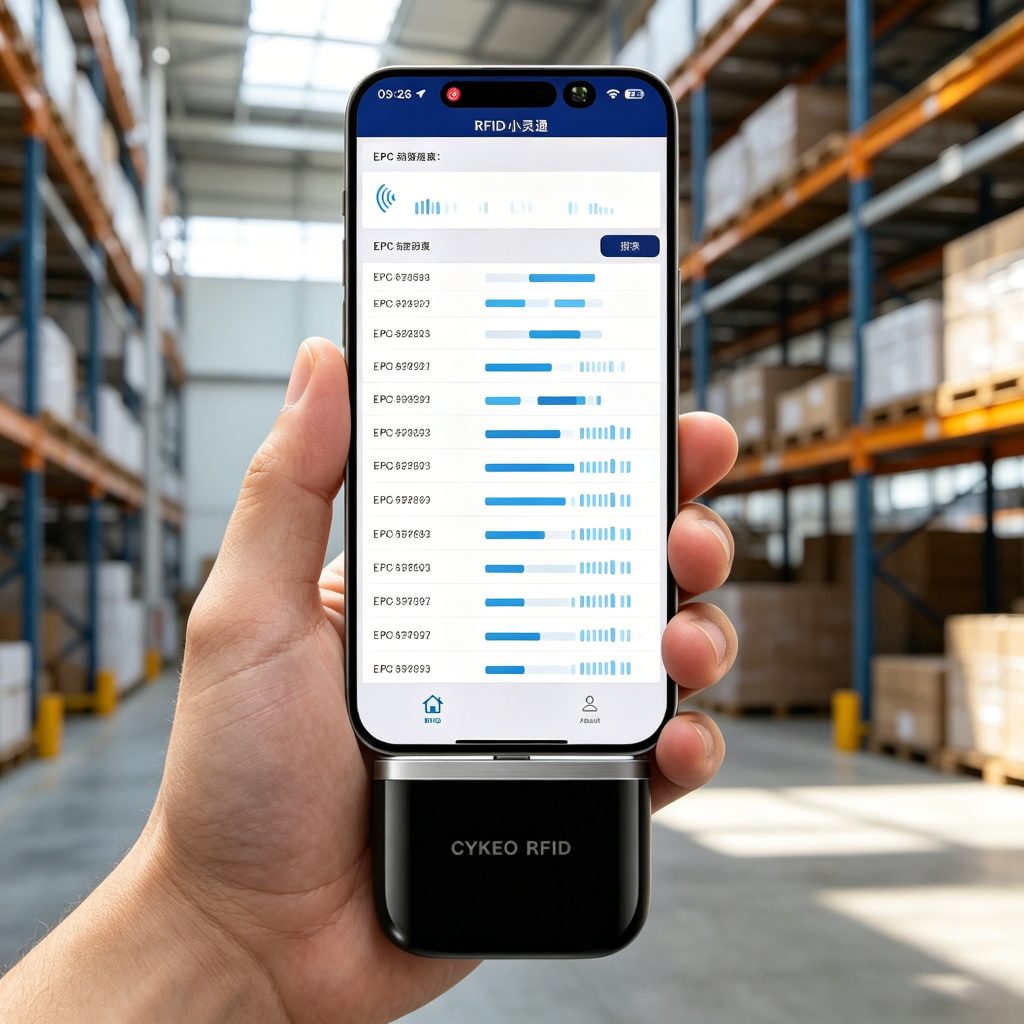
Not every scenario needs RFID. But when it fits, the impact is immediate:
A McKinsey & Company report noted RFID adoption in retail can increase inventory visibility by 20–30%, directly improving sales availability.
There’s always a moment—first live test—when tags start popping on screen in bulk. That’s when teams realize this isn’t just faster; it changes how work feels.
No. Standard Android phones only support NFC (short-range HF). UHF RFID requires an external reader.
With near-field devices like B4L: 10–30cm. Long-range readers can reach several meters.
For bulk reading and no line-of-sight scenarios, yes—significantly faster and more accurate.
Not always. Demo apps work, but integration with WMS/ERP unlocks full value.
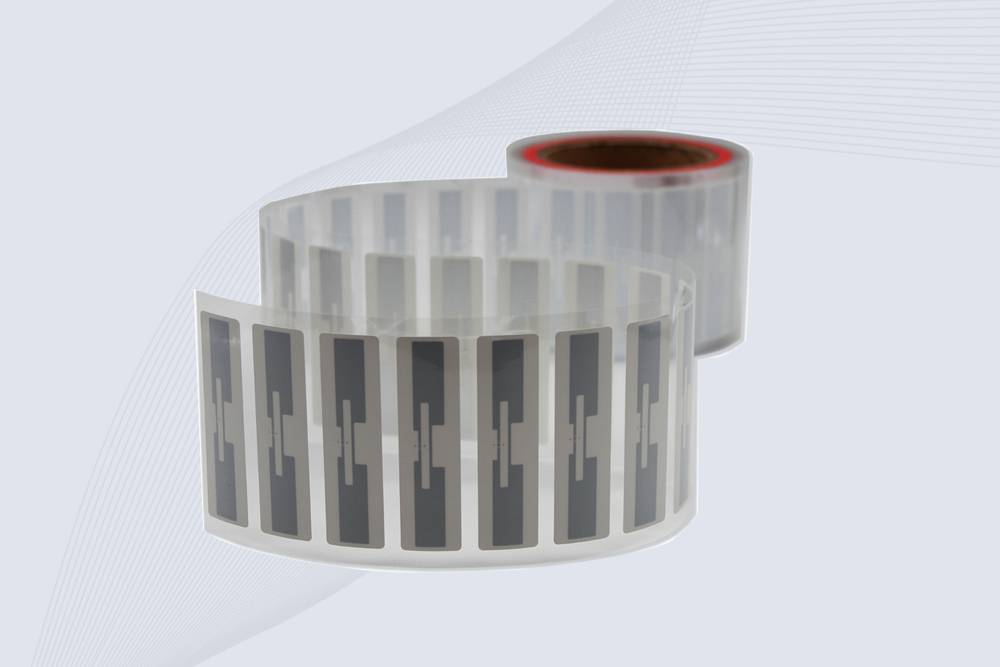
CYKEO Passive RFID Tags are made for wet and high-humidity environments where standard labels do not last. This rfid passive tag is often used around liquids, chemicals and temperature changes, providing stable reading distance and long data life for industrial tracking.
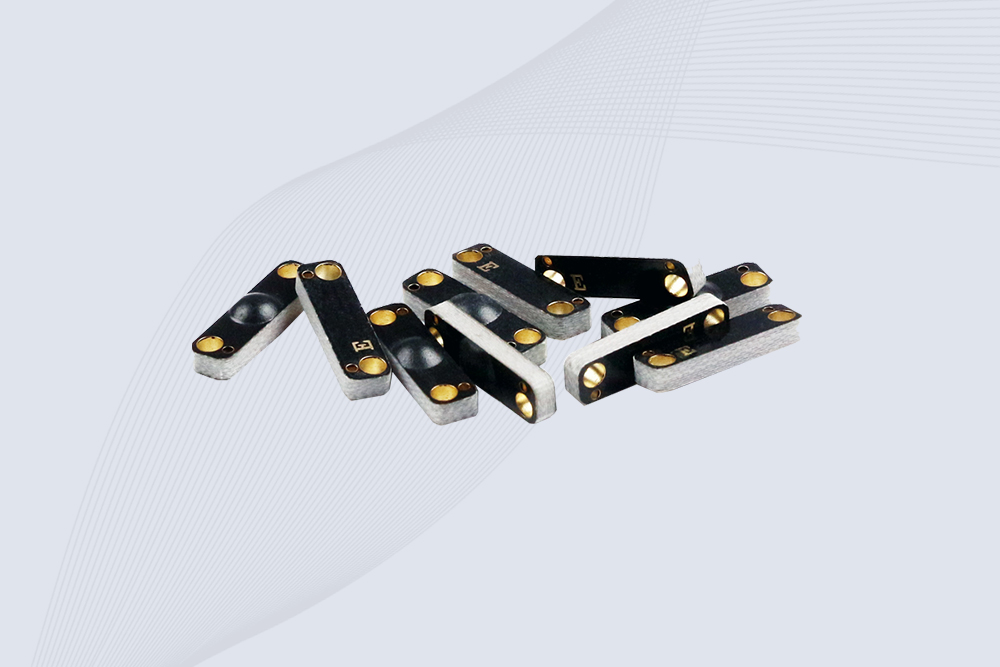
CYKEO CYKEO-PCB1504 Metal RFID Tags is a compact anti-metal UHF RFID solution built for direct mounting on metal surfaces. With stable 8-meter read range, Ucode-8 chip, and long data retention, this rfid metal tag fits tools, containers, automotive parts, and industrial asset tracking.
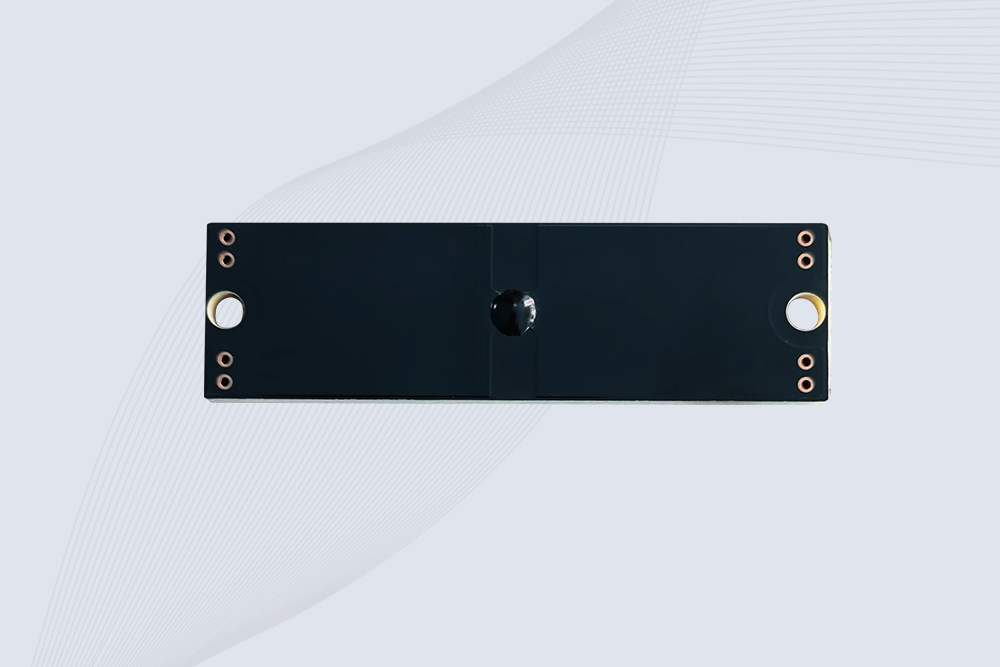
CYKEO CYKEO-PCB7020 On-Metal RFID Tags are designed for reliable tracking on steel and metal surfaces. Built with an FR4 epoxy body and industrial-grade chips, these On-Metal RFID Tags deliver stable performance, long data life, and chemical resistance, making them a dependable RFID anti-metal tag for harsh environments.
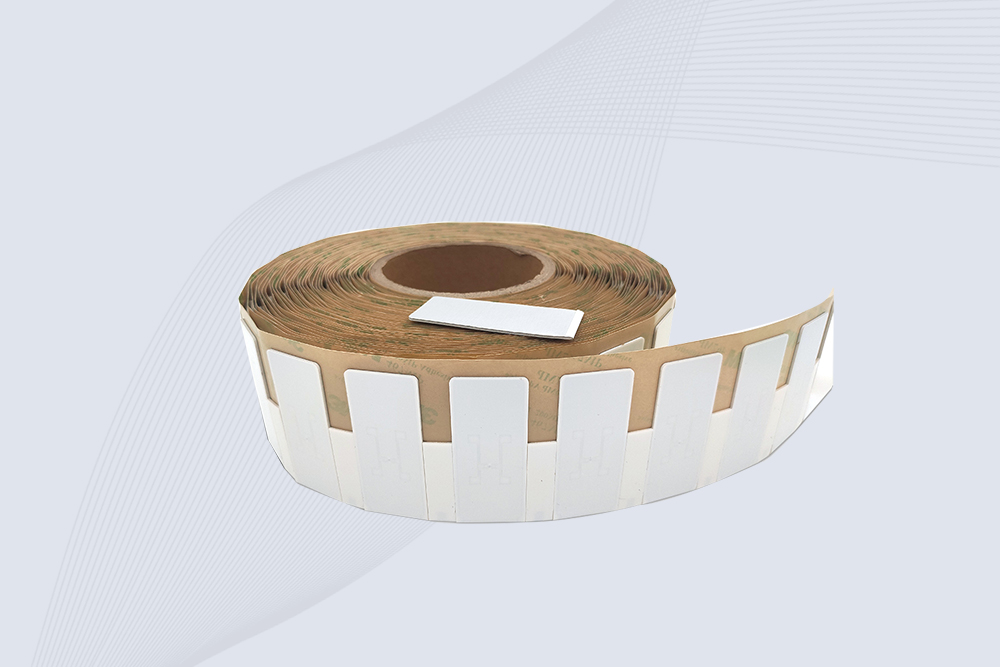
The CYKEO CYKEO-60-25 Anti-Metal RFID Tag is built for metal surfaces where standard tags fail. Designed for long-range performance, harsh environments, and stable data retention, this Anti-Metal RFID Tag is ideal for industrial assets, containers, and equipment tracking using on metal RFID tags.
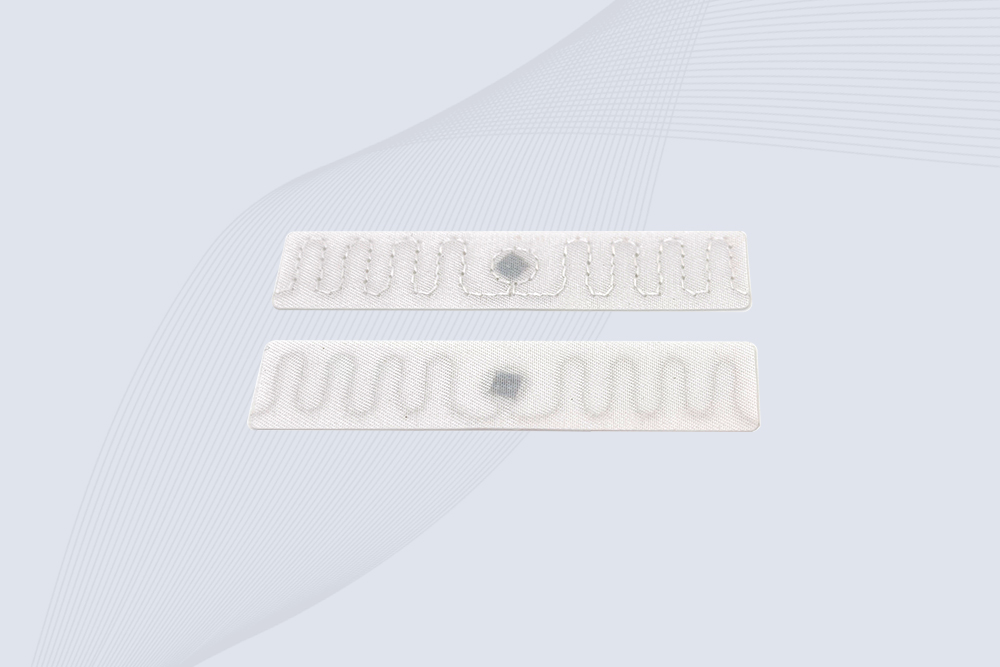
The CYKEO RFID Laundry Tag is designed for long-term textile identification in harsh laundry environments. Built to withstand high heat, chemicals, and repeated washing, this RFID Laundry Tag delivers stable performance for hotels, hospitals, and industrial laundry operations using laundry rfid tags at scale.
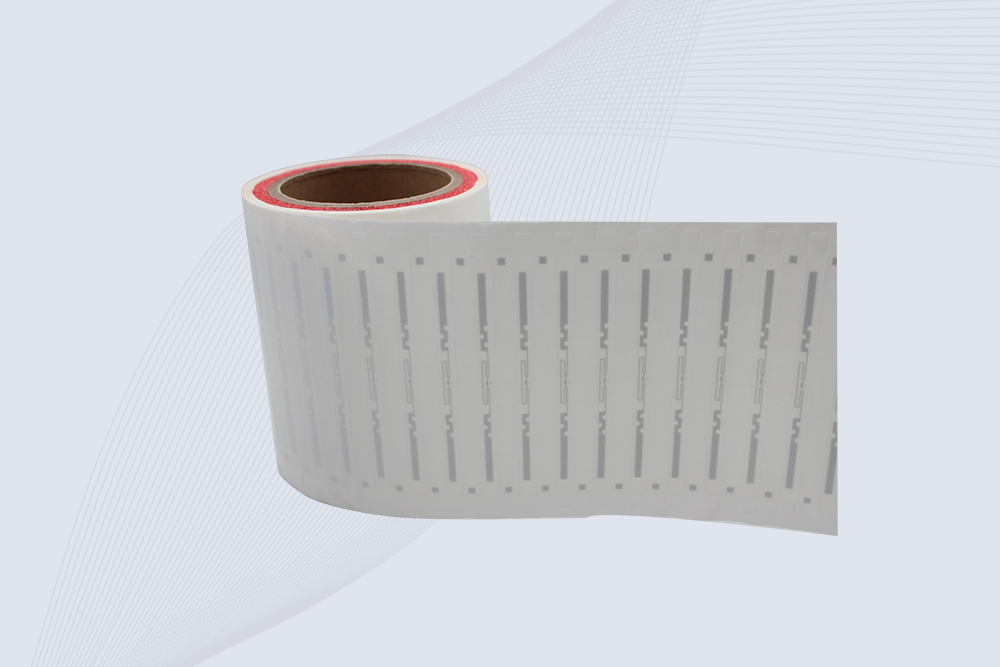
The CYKEO CYKEO-125-7 RFID Book Tag is designed for reliable book and document tracking in libraries and archives. This RFID Book Tag delivers long read range, dense placement support, and stable performance on shelves, making it a practical rfid tag on books for library automation, file management, and archival systems.
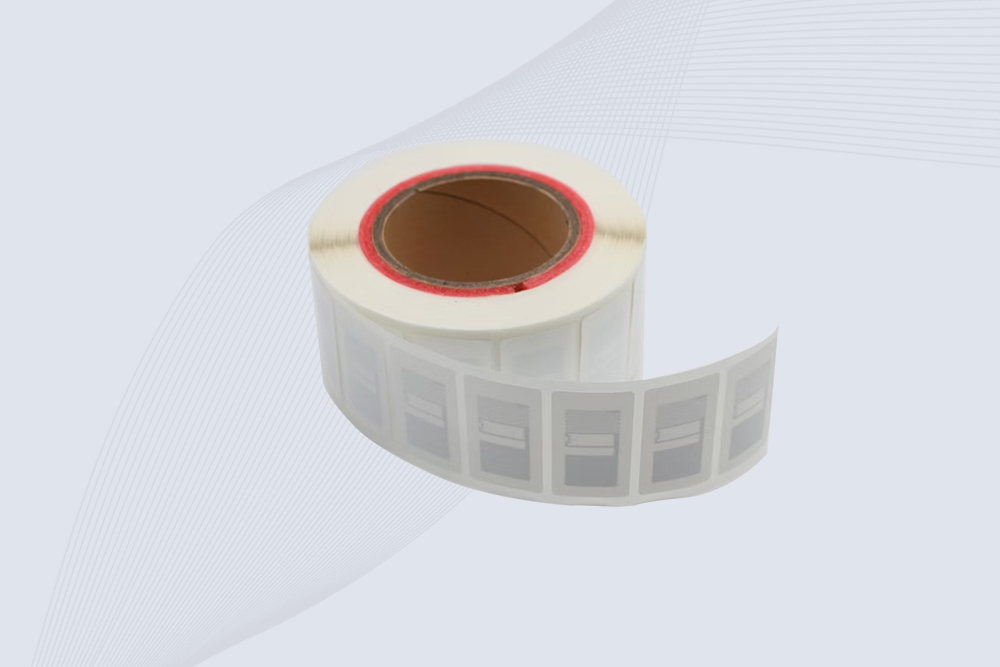
CYKEO RFID tags in hospitals are designed for sterile environments where accuracy matters. These autoclavable RFID tags support long-term tracking of surgical tools, implants, and medications, helping hospitals improve visibility, compliance, and patient safety.

CYKEO RFID Cable Tie Tag is built for reliable identification on metal surfaces. This UHF RFID Cable Tie Tag is widely used in rfid tags for inventory systems, industrial asset management and Hospital RFID Tags, offering stable read performance, long service life and global EPC Gen2 compatibility.
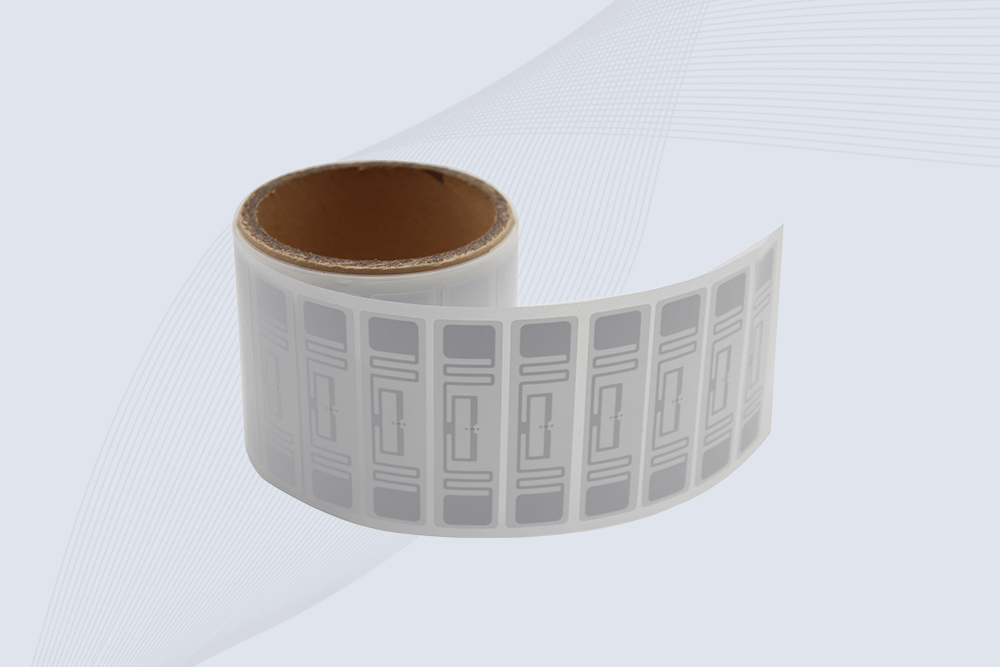
CYKEO RFID Asset Tag is designed for stable identification of metal assets in industrial environments. This UHF RFID Asset Tag is commonly used for rfid tag asset tracking on equipment, tools and containers, providing reliable reads, long service life and ISO/IEC 18000-6C support.
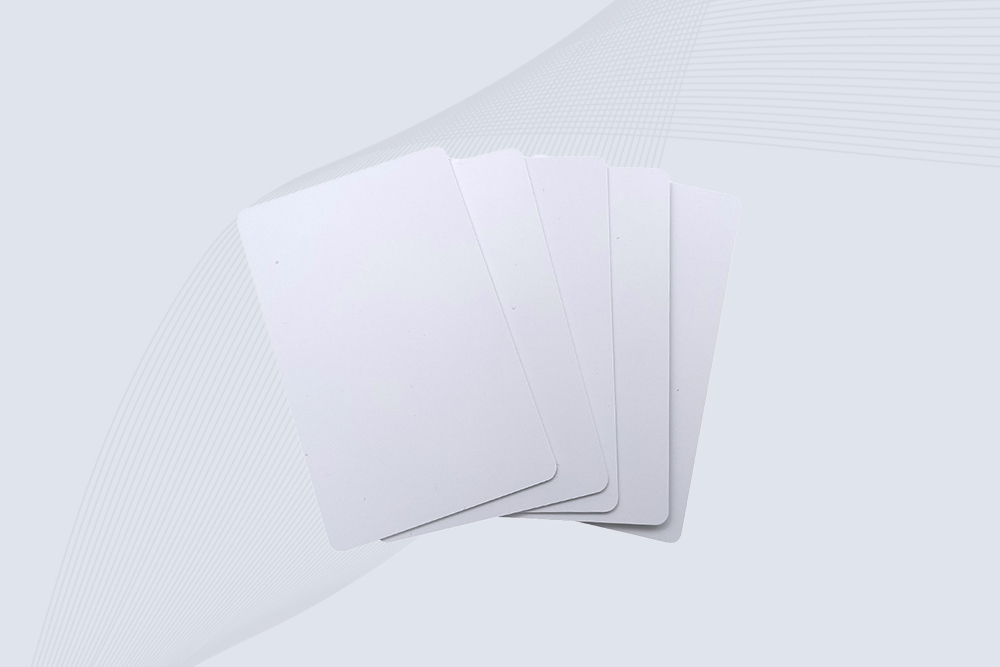
CYKEO UHF RFID Card is designed for fast identification and long-term use in industrial and commercial systems. Supporting ISO 18000-6C, this UHF RFID Card works at 860–960 MHz and is suitable for custom RFID cards used in asset tracking, access control and inventory management.
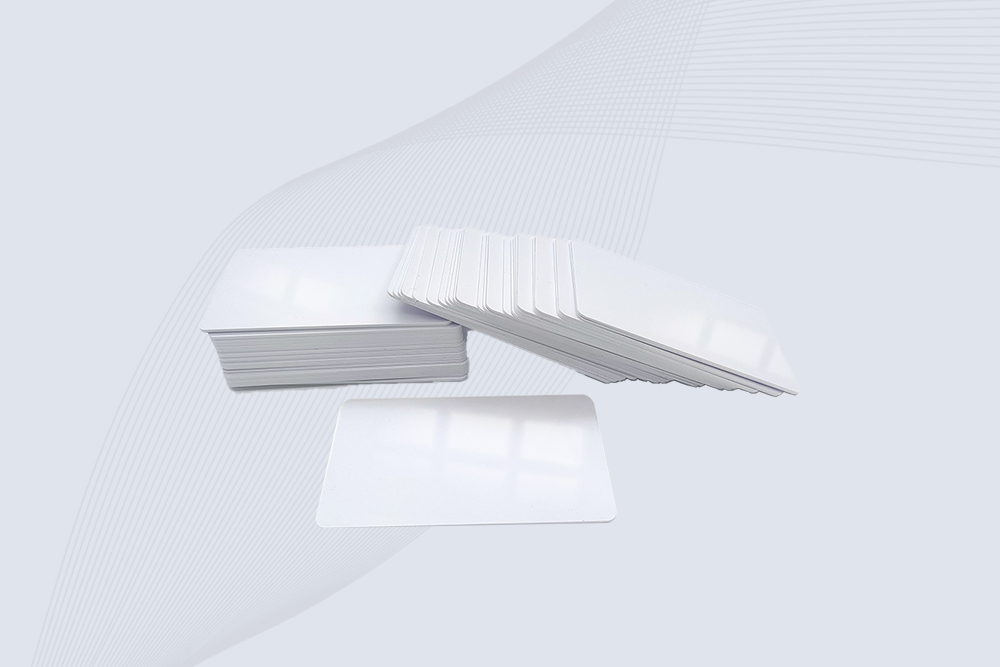
CYKEO HF RFID Cards are designed for secure and stable access control systems. These 13.56 MHz RFID key cards support ISO 14443-A, reliable rewriting and long service life, making HF RFID Cards suitable for offices, campuses, events and membership management.
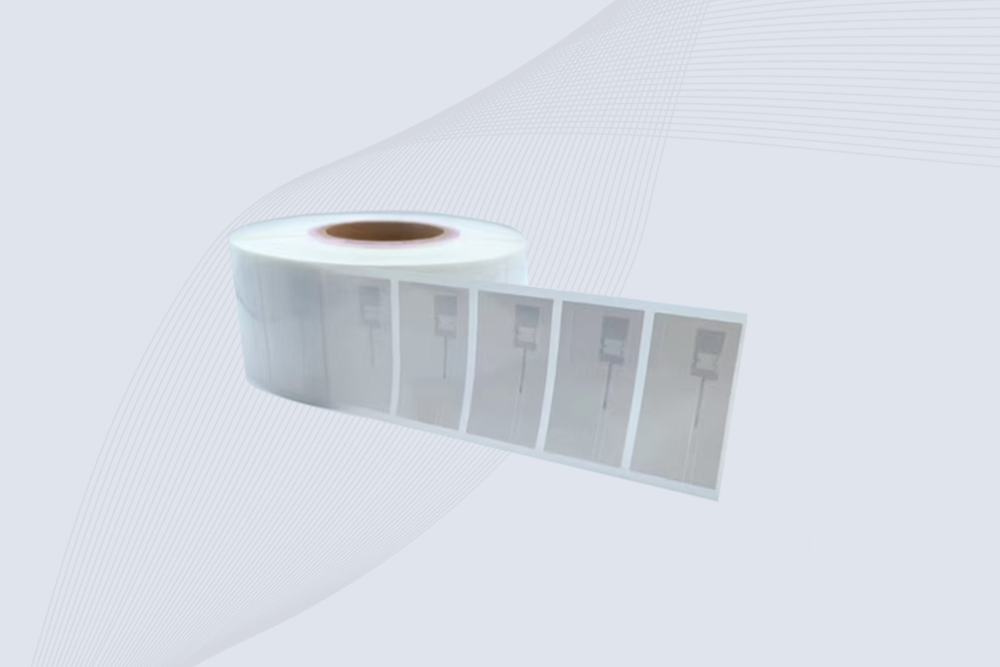
CYKEO UHF RFID Tag is designed for reliable tracking of metal jewelry and high-value items. This Jewelry RFID Tag supports long-range reading up to 8 meters, anti-counterfeit protection and stable performance on metal, making it suitable for retail, inventory control and asset management.

Wondering how to connect RFID reader to database? We break down the real-world steps, from data capture to SQL integration, and show how CYKEO makes it simpler.
More
Explore how RFID vehicle tracking systems revolutionize logistics, fleet visibility, and operational control — beyond GPS tracking and manual management.
More
Discover why iPhones can't emulate RFID cards natively. Learn how Cykeo's Bluetooth device turns your iPhone into an RFID emulator for keycards & badges.
More
Learn how RFID solution providers and integrators build scalable apparel inventory systems. From garment RFID tags to reader and antenna layouts, optimize retail and warehouse tracking with reliable RFID solutions.
More