RFID works by transmitting radio waves between a reader and a tag to identify and track objects wirelessly, enabling fast, non-contact data exchange in real time.
That’s the short answer. But in real deployments—warehouse gates, customs lanes, or even jewelry counters—it behaves very differently depending on hardware tuning, antenna positioning, and environmental noise.
I’ve spent years testing UHF deployments in logistics hubs where metal racks and forklifts constantly interfere with signals. What looks simple on paper becomes a balancing act of physics and engineering.
rfid system working principle in real environments
A McKinsey report highlights that RFID adoption in supply chains can reduce inventory errors by up to 50%.
High-precision RFID tracking in jewelry retail environments
why fixed rfid readers outperform handhelds in scale
Fixed vs handheld (based on deployment experience)
Feature
Fixed Reader
Handheld
Automation
High
Low
Speed
Continuous
Manual
Accuracy
Stable
Operator dependent
Use case
Gates, lines
Spot checks
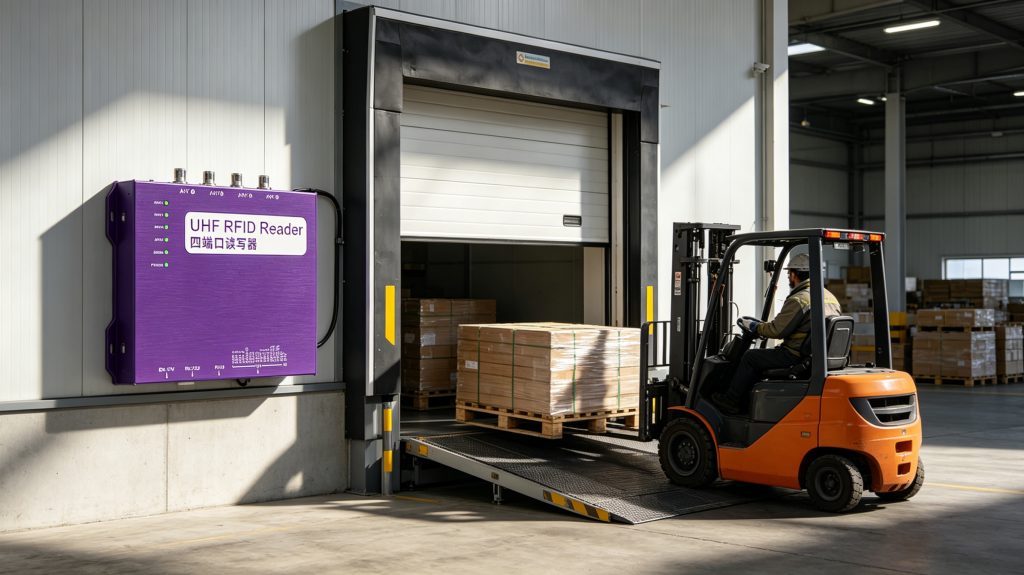
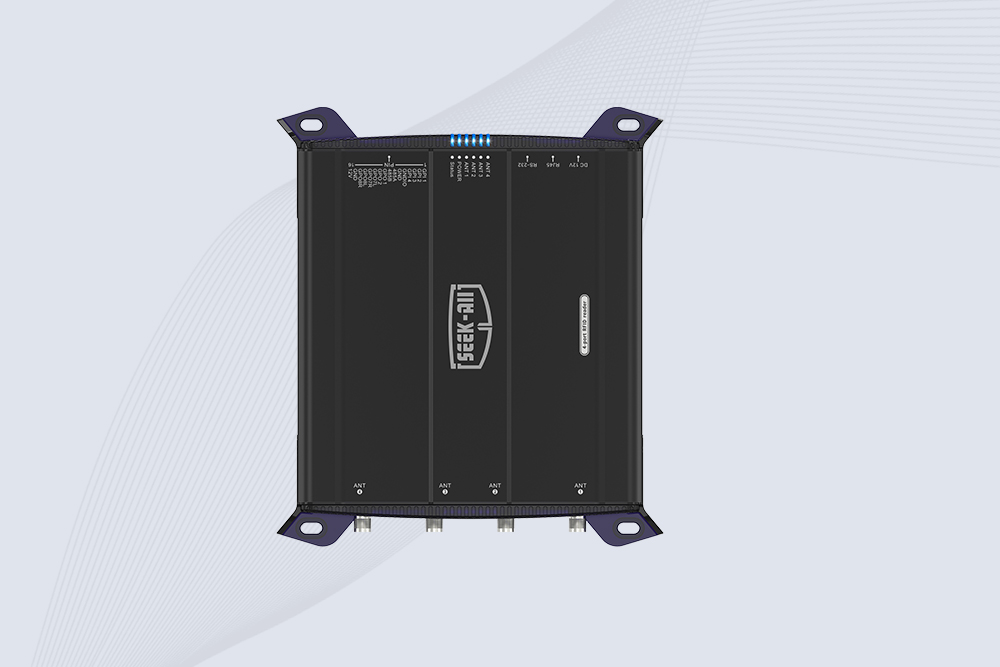
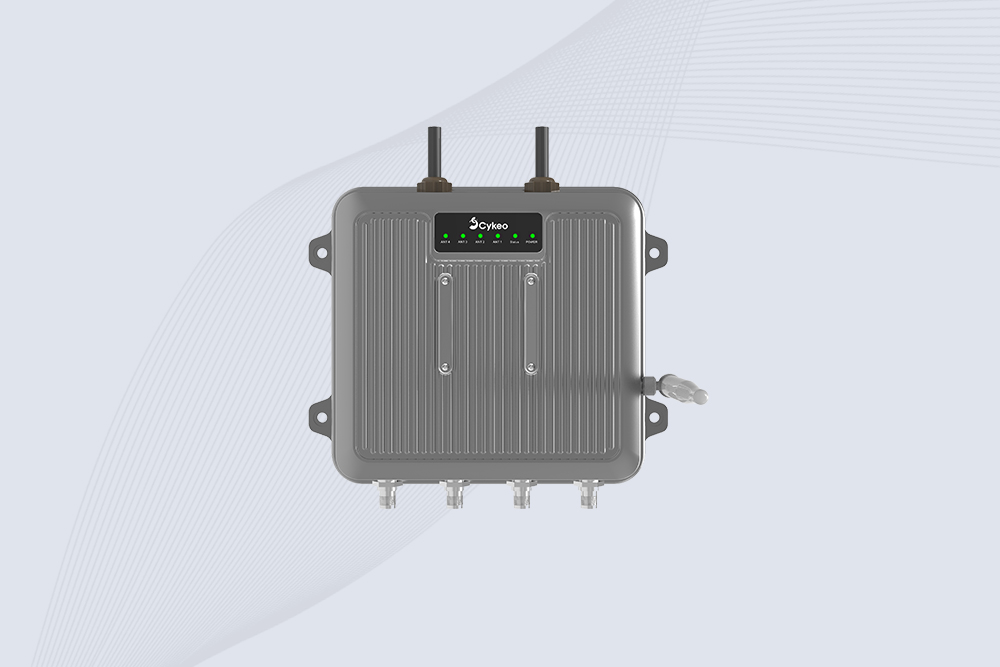
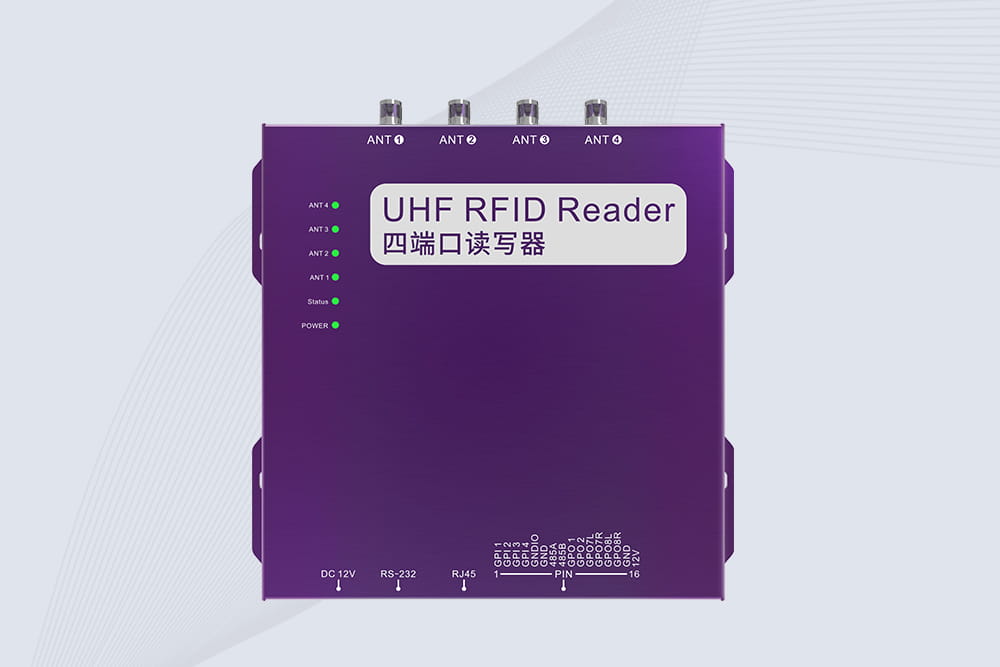
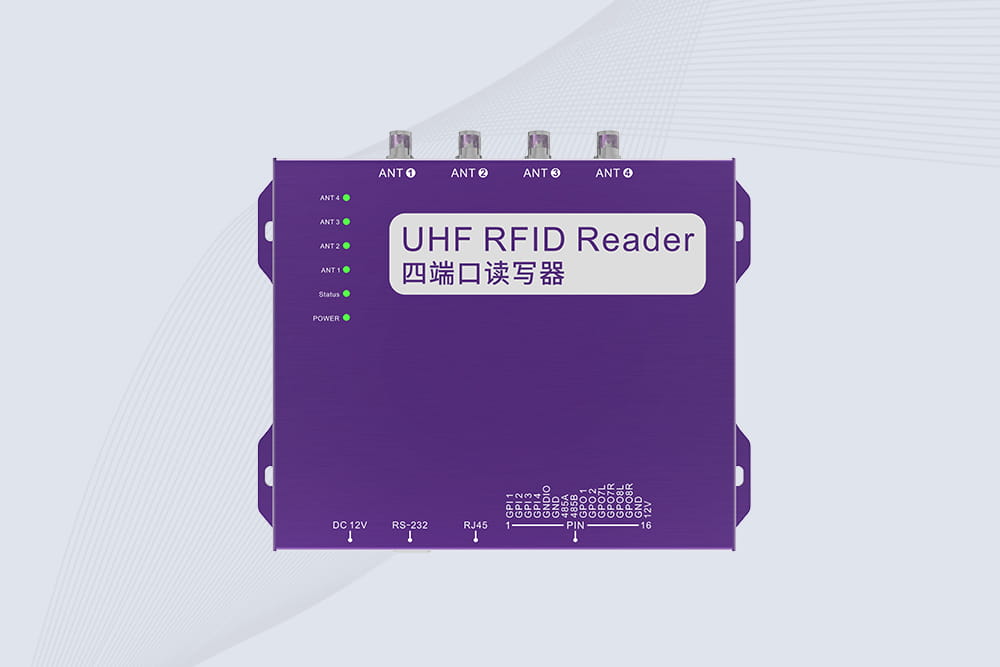
CYKEO-R4L, with GPI/GPO support, integrates directly into automation systems—triggering alarms, conveyors, or gates without human input.
practical insights you won’t find in manuals
A few things that only show up during real deployments:
Tag orientation affects read rate more than distance
Metal surfaces require special tags or spacing
Too much power = more interference, not better reads
Antenna placement often matters more than reader specs
These details decide whether your system works… or silently fails.
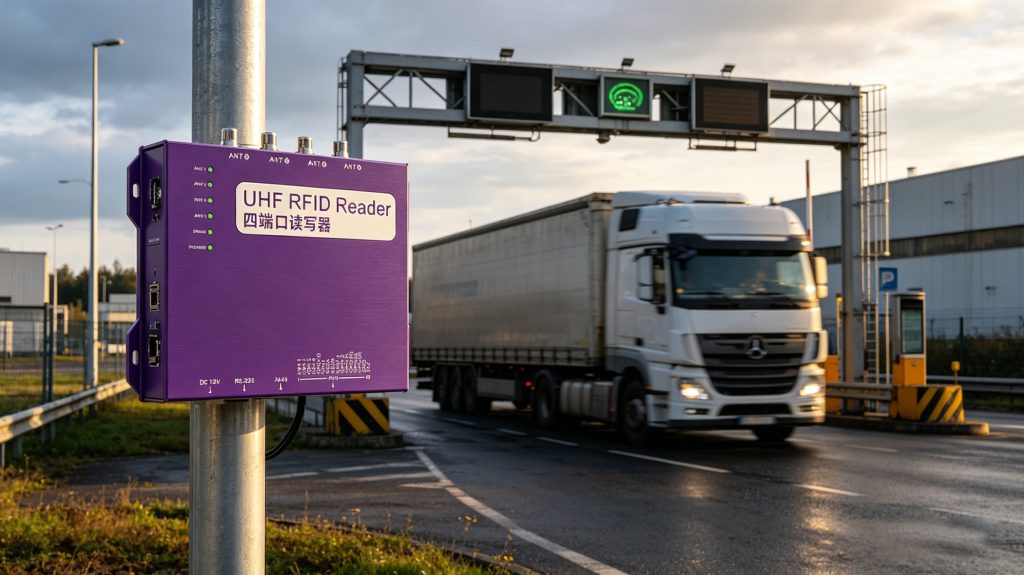
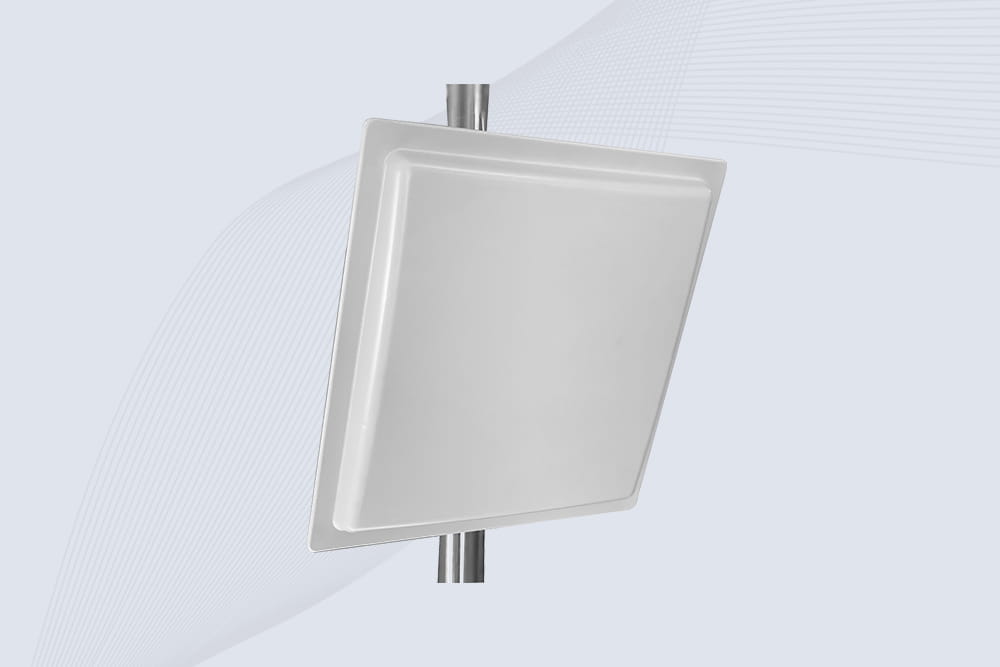
Weatherproof RFID system for vehicle and access control
FAQ – how does rfid work in practice
Is RFID better than barcodes?
Yes. RFID reads multiple items without line-of-sight, unlike barcodes.
What limits RFID performance?
Metal, liquids, interference, and poor antenna placement.
How fast can RFID read tags?
Industrial systems like CYKEO-R4L exceed 400 tags per second.
Is RFID secure?
With proper encryption and protocols (EPC Gen2), it is suitable for enterprise use.
final thoughts on how does rfid work
Understanding how does rfid work goes beyond theory—it’s about how signals behave in real environments, how hardware like CYKEO-R4L is configured, and how systems integrate into workflows.
In controlled demos, everything works. In the field, only well-designed systems survive.
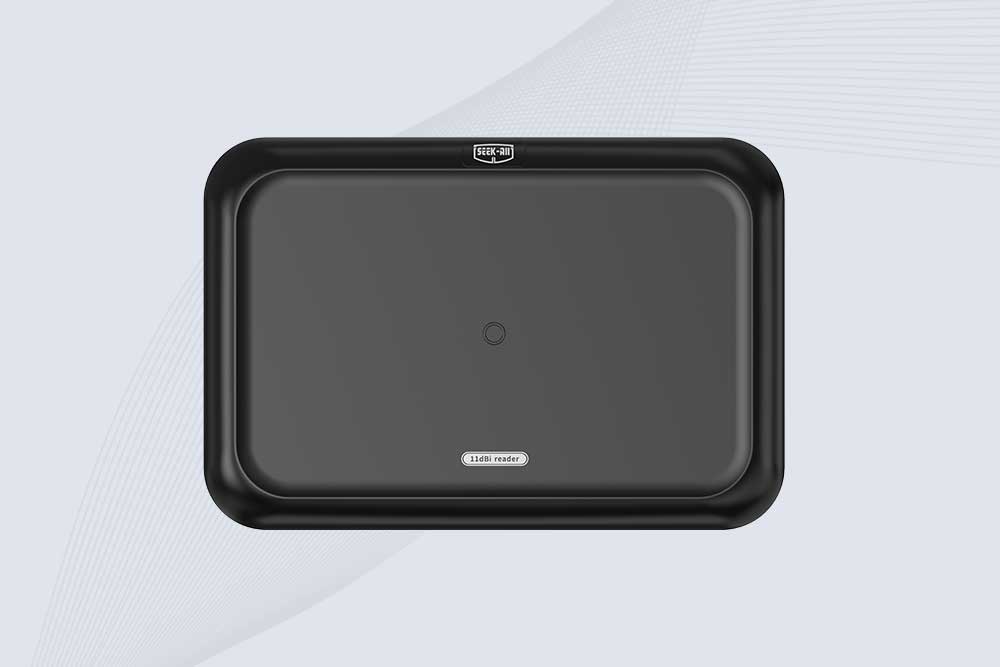
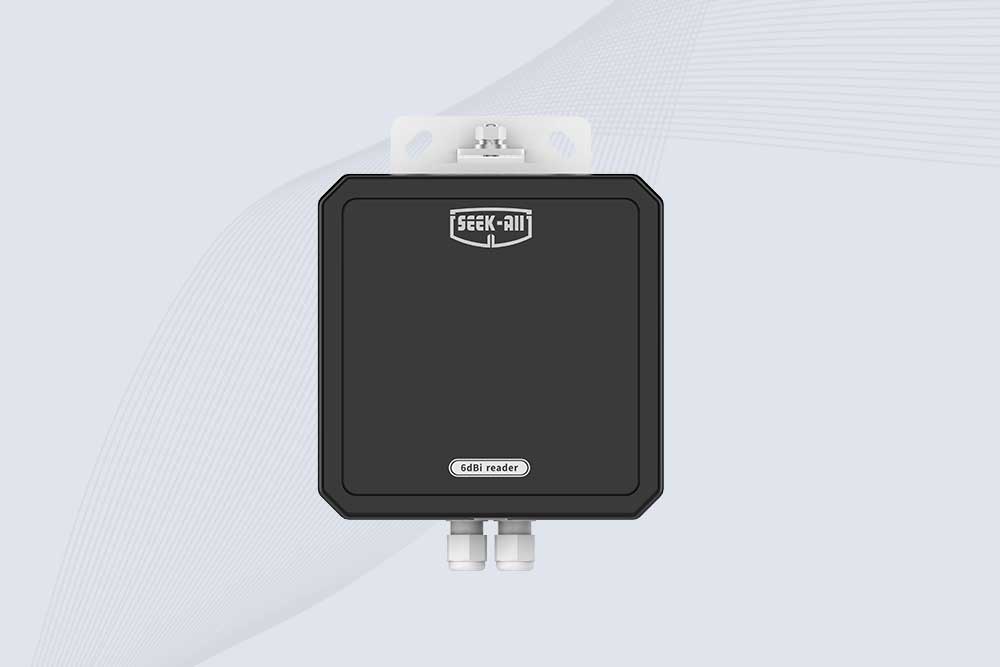
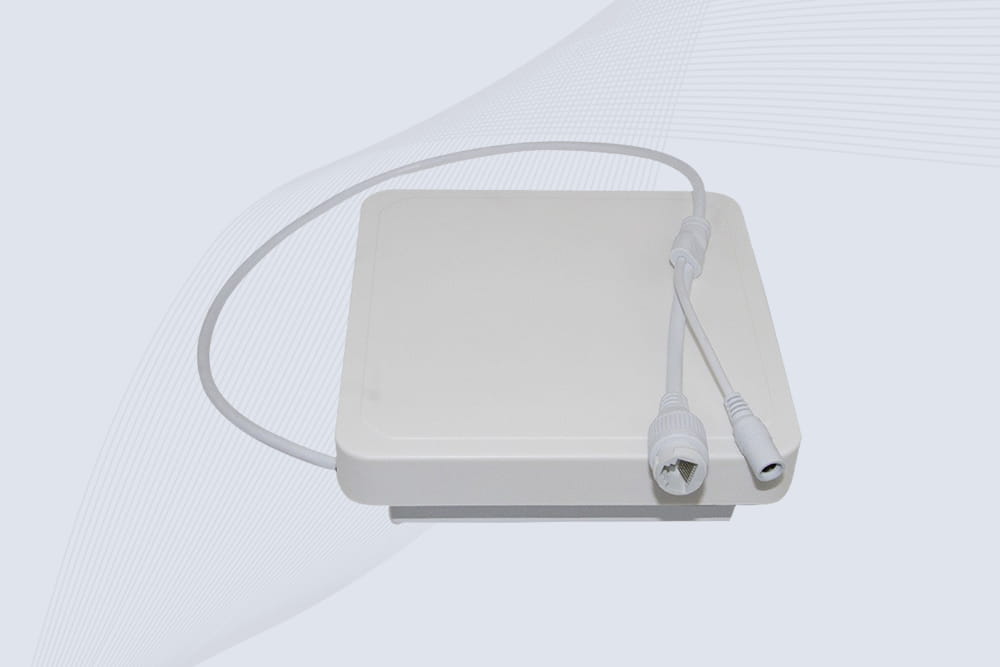
SSD-RA06L is an industrial UHF RFID reader with a built-in 6 dBi antenna, 3 m read range, 600+ tags/s, Ethernet, RS232, and optional Wi-Fi, 4G, and PoE.
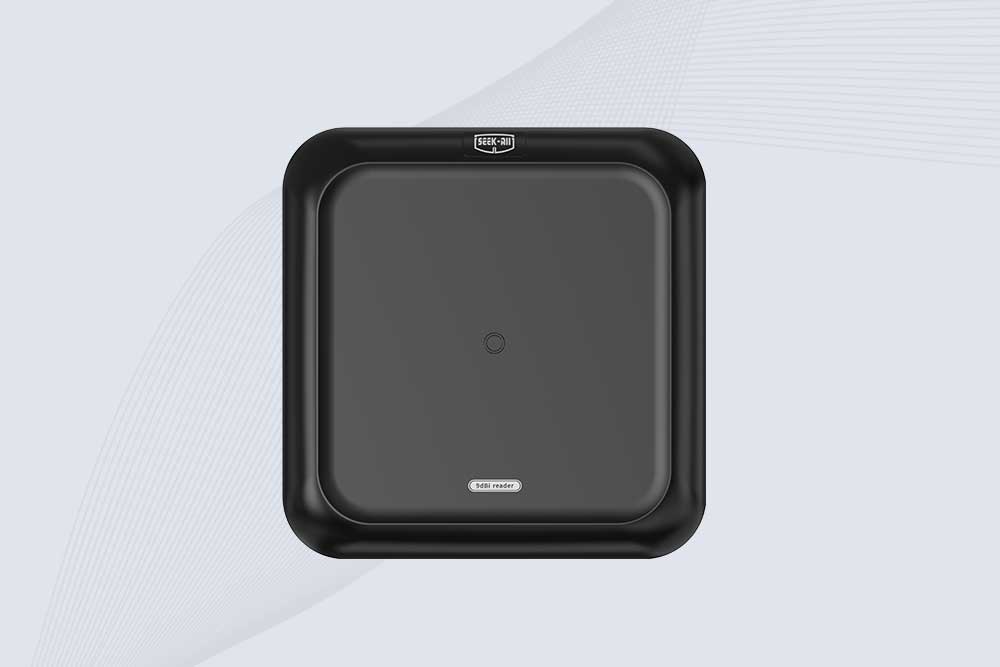
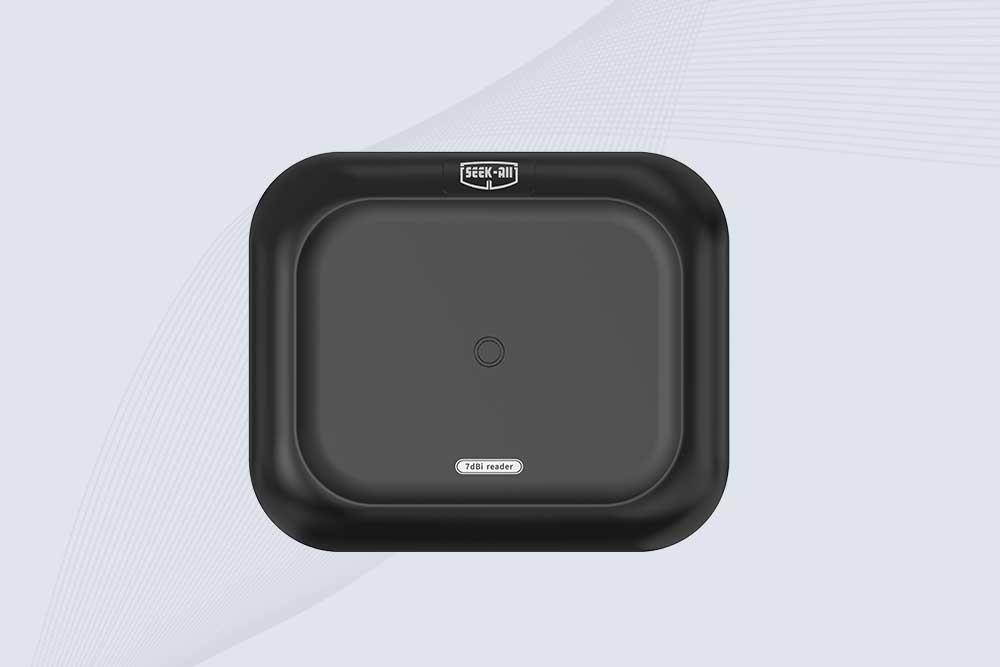
SSD-RA07L industrial UHF RFID reader with integrated 7 dBi antenna, up to 6 m reading distance, over 600 tags/s, Ethernet, RS232, and optional Wi-Fi, 4G, and PoE.
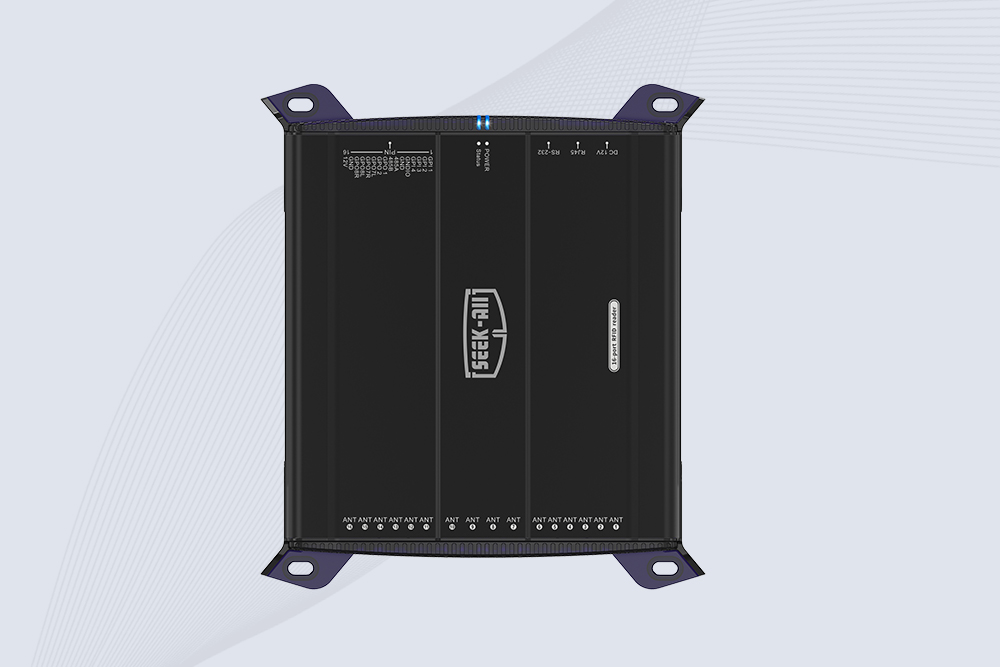
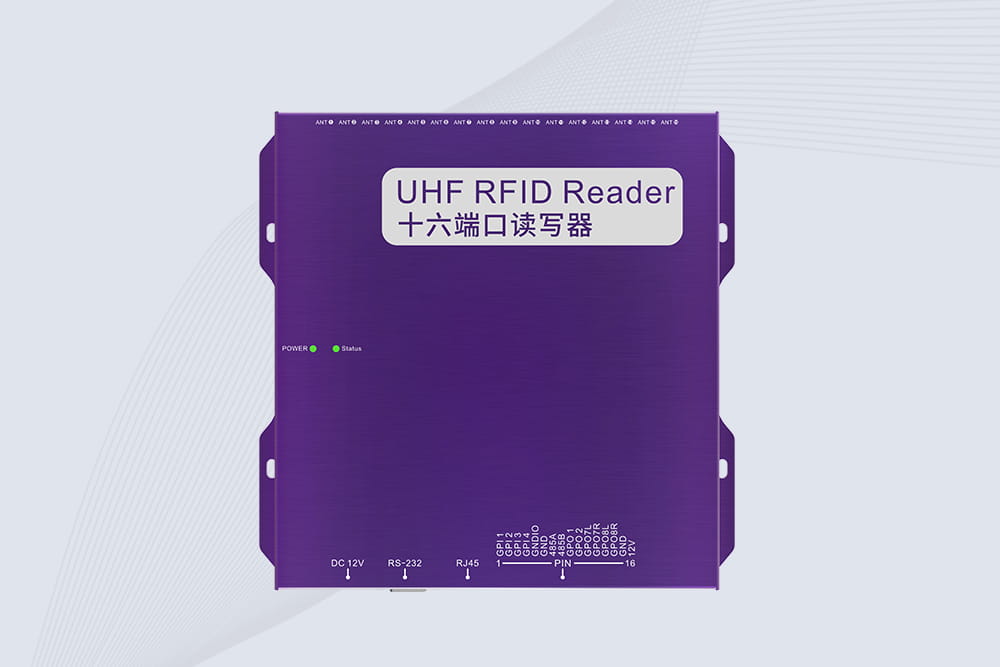
SSD-R16L Multi-Channel RFID Infrastructure for Automated Inventory Management ✔️ 16-Port High-Density RFID Reading Equipped with 16 SMA antenna ports, SSD-R16L supports multi-antenna deployment for warehouses, retail stores, logistics, production lines, and large-area RFID identification. ✔️ High-Speed & Long-Range Performance With up to 33…
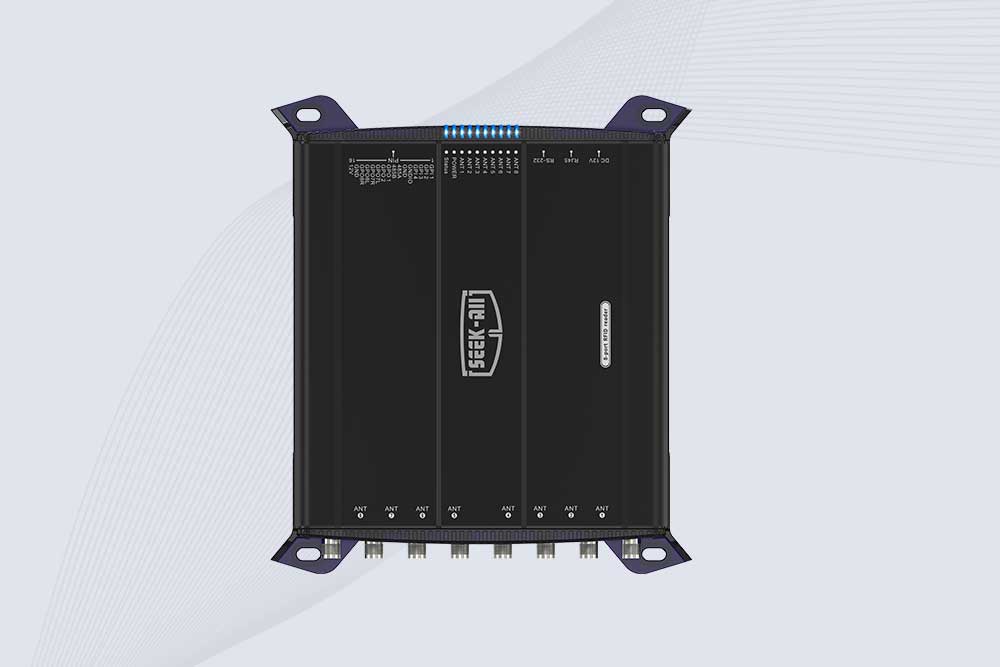
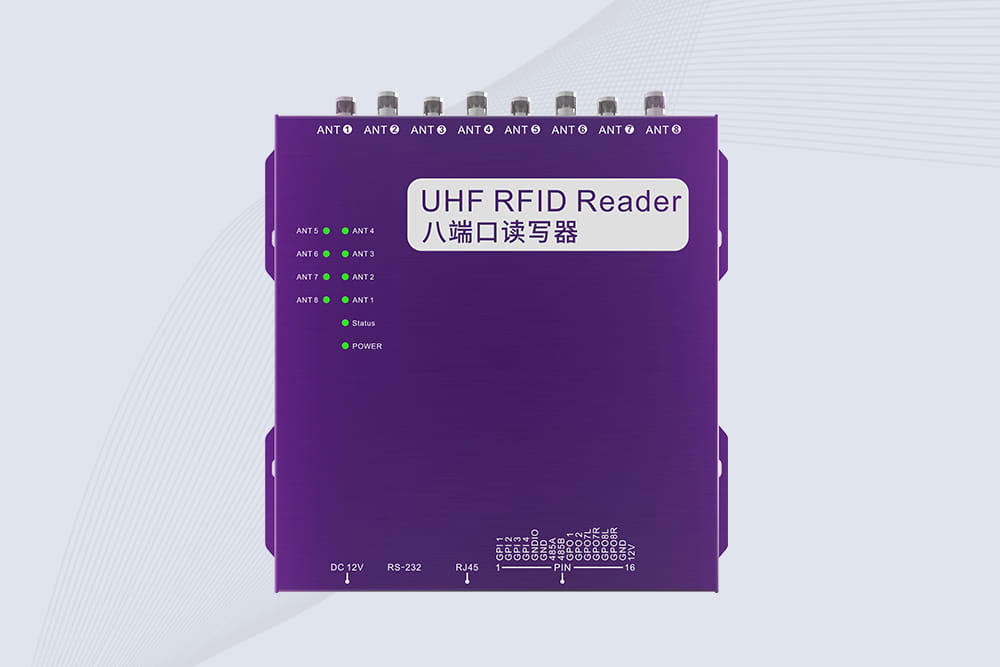
SSD-R8L 8-port UHF RFID reader with 33dBm output, up to 20m reading range and 600+ tags/s recognition. Ideal for warehouse, logistics, retail and asset tracking.
Cykeo’s industrial long range RFID reader delivers 20-meter scanning, 500+ tags/sec speed, and IP67 waterproof design for automated warehouses, logistics, and harsh environment applications.
Cykeo’s CYKEO-RA6L industrial RFID long range reader features 20m read distance, 500 tags/sec speed, and IP67 protection. Ideal for warehouse automation, manufacturing WIP tracking, and smart logistics. Supports ISO 18000-6C/6B protocols.
CYKEO Long Range RFID Tag Reader built for outdoor and industrial operations. This Outdoor RFID Reader delivers 20m read distance, fast tag processing, and IP67 durability for wide-area tracking.
Cykeo CYKEO-RA12L industrial Long Range RFID Reader delivers 20m read range, 200+ tags/sec scanning, and IP67 protection for manufacturing/logistics applications. Supports ISO 18000-6C/GB protocols.
Cykeo CYKEO-C1 industrial Forklift RFID Reader features 20m read range, 600 tags/sec scanning, Impinj R2000 chipset, and IP67 rugged design. Ideal for warehouse logistics and manufacturing. Supports ISO 18000-6C/6B protocols.
Cykeo CYKEO-R4 industrial UHF RFID Fixed Reader features 4 TNC ports, 400+ tags/sec speed, IP67 housing, and global frequency compliance for vehicle inspection, smart warehouse, and asset management systems.
CYKEO CYKEO-R8L Fixed RFID Reader with 8-port UHF design, Impinj-based RF core and up to 20m read range. An industrial Fixed RFID Reader for vehicle inspection, warehouse portals, smart manufacturing lines and secure access checkpoints.
RFID Fixed Reader from CYKEO – the CYKEO-R16L 16-port UHF fixed reader for warehouses, smart cabinets, and production lines. Long-range, multi-tag reading, stable performance for 24/7 industrial use.
Wondering what happens if an RFID reader picks up multiple RFID tags? We explain tag collision, how readers handle simultaneous reads, and anti-collision technologies. Real guidance from CYKEO engineers.
Discover why RFID is critical for modern supply chains, enabling real-time tracking, reducing errors, and enhancing transparency. Explore Cykeo’s scalable RFID solutions.
rfid for jewellery improves jewelry identification, inventory accuracy and security management. Cykeo provides advanced RFID tags and tracking solutions.
A practical, step-by-step guide to building an RFID tool tracking system using smart cabinets, antennas, and RFID modules. Designed for integrators and bulk buyers.
 Cykeo RFID IoT Solution Products R&D Manufacturer