 Cykeo RFID IoT Solution Products R&D Manufacturer

Building Flexible and Open USB RFID Tag Writing Solution
257how USB RFID Readers with open SDK support streamline RFID tag writing, batch encoding, and system integration. Perfect for solution providers, developers, and warehouse automation.
MoreAll RFID Product
A long range RFID scanner for industrial asset tracking helps companies identify and monitor tools, equipment, containers, and other valuable assets as they move through warehouses, factories, and checkpoints. The practical result depends heavily on tag selection, metal conditions, antenna positioning, and how RFID events are connected to the asset management system.
A missing tool can cause more trouble than its price suggests.
A maintenance department may have hundreds of tools and pieces of equipment moving between workshops, production lines, warehouses, and job sites.
Someone borrows a torque wrench.
Someone puts it back in another cabinet.
Another worker assumes it is still in the original location.
By Friday, nobody is quite sure where it went.
This is one of the situations where a long range RFID scanner for asset tracking can be useful.
RFID does not magically tell you the exact GPS location of every object. Instead, it can identify an asset when it passes a reader or enters a defined reading zone.
That difference is important.
For many industrial applications, knowing that a tool left the tool room at 9:15 AM and entered the maintenance area at 9:27 AM may already be valuable enough.
Asset tracking looks easy on a spreadsheet.
There is an asset number.
There is an employee.
There is a location.
There is a status.
Real life is messier.
Industrial assets move.
Tools get borrowed.
Containers are stacked.
Equipment is transferred between departments.
Some items sit on metal shelves.
Others are stored inside cabinets.
A warehouse may have thousands of reusable containers moving through the same doors every day.
Manually updating all of these movements takes time, and sooner or later some records become outdated.
RFID provides a way to capture certain movement events automatically.
The answer is broader than many people expect.
RFID can be used for:
The key question is not simply whether an object can carry an RFID tag.
The question is whether the tag can perform reliably on that particular object.
A plastic container is usually easier than a large metal machine.
A metal tool may need a specialized on-metal RFID tag.
That is where project testing starts becoming important.
Tool tracking is a good example.
Imagine a maintenance department with 2,000 tools.
A worker takes 15 tools in the morning.
Without RFID, the system may depend on manual check-out records.
With RFID, tags can be attached to the tools and readers installed at important locations.
When a tool passes through a reading zone, the system can record the event.
It may not identify the exact position of the tool every second.
But it can provide useful movement history.
For many businesses, that is already a major improvement.
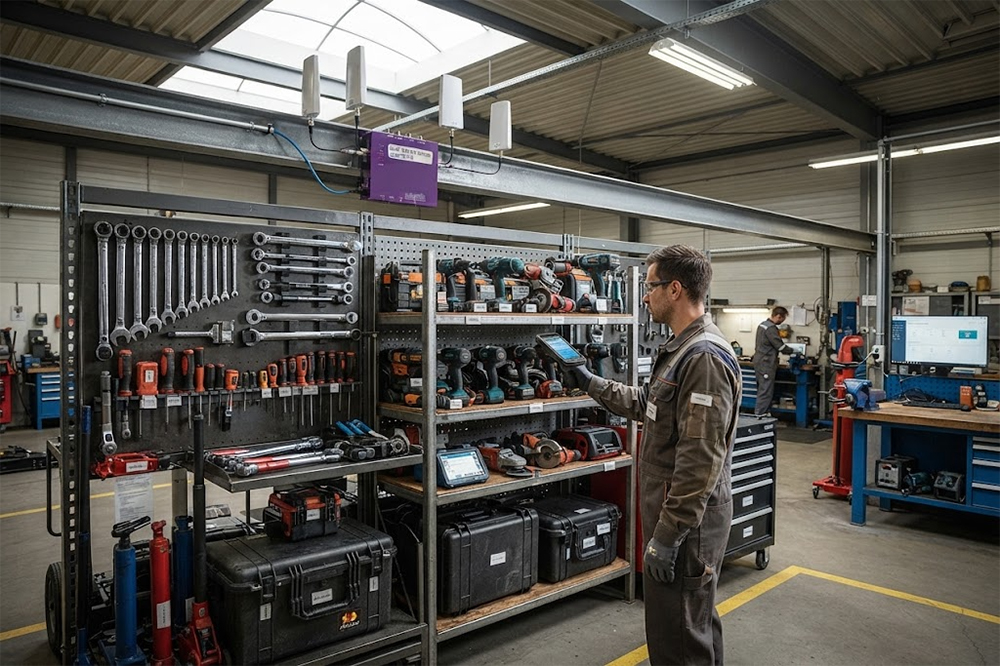
This depends on what the customer is trying to solve.
A fixed long range RFID reader works well when assets pass through known points.
For example:
A handheld RFID scanner is more useful when workers need to search or verify assets manually.
For example, a supervisor may want to find out whether a particular machine component is somewhere inside a storage area.
In practice, some projects use both.
The fixed readers capture movement.
The handheld reader helps with physical inventory checks.
This point deserves more attention.
Suppose an RFID reader can detect a tag from 15 meters away.
That sounds good.
But imagine the reader is installed beside a tool room door.
There are 500 tagged tools inside the room.
Do you really want the reader detecting all 500 tools every time someone walks past the door?
Probably not.
For asset tracking, the reading zone needs to match the workflow.
Sometimes 3–5 meters of controlled coverage is more useful than an uncontrolled 15-meter range.
This is one reason experienced RFID integrators pay close attention to antenna direction and installation position.
Industrial environments contain a lot of metal.
Tools.
Machines.
Shelves.
Carts.
Storage cabinets.
Production equipment.
Metal can change RFID performance considerably.
A standard RFID label that performs well on cardboard may not work the same way when placed directly onto a steel tool.
For these applications, an on-metal RFID tag may be more appropriate.
Even then, there is no substitute for testing.
Different metal surfaces and tag designs can behave differently.
A distributor should be careful about promising a specific reading distance before testing the actual asset.
Consider a company that manages 10,000 reusable plastic containers.
The containers move between the warehouse and production floor every day.
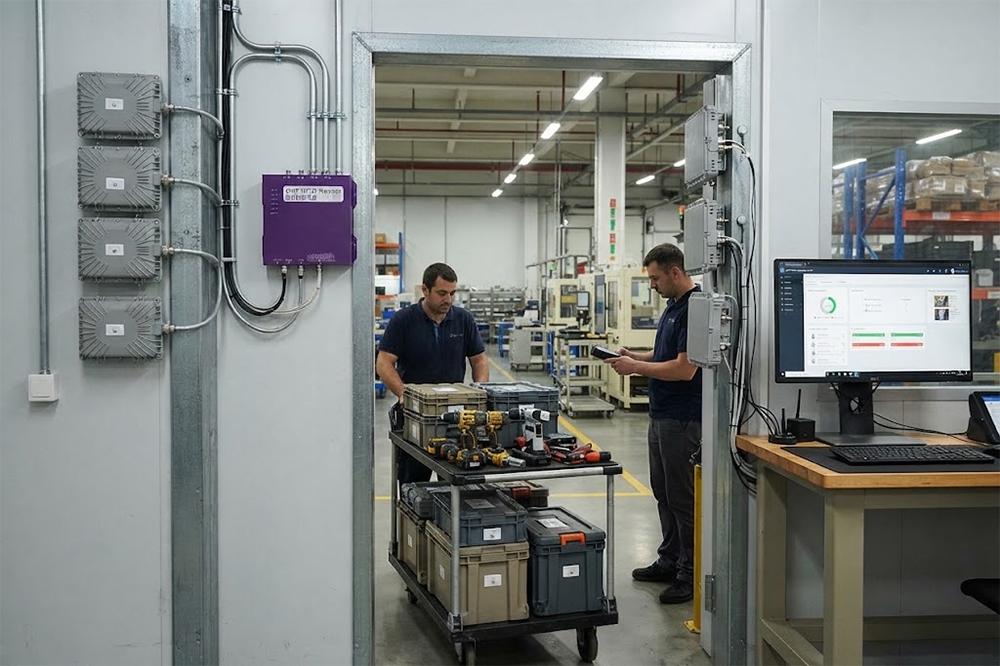
A fixed RFID reader is installed at the doorway.
Each container has a unique RFID tag.
When containers pass through, the reader detects them.
The software records:
Container ID → Door → Time → Movement
After several weeks, the company has a much clearer picture of how containers are moving.
It can identify slow-returning containers.
It can find unusual movement patterns.
It can also reduce some manual counting work.
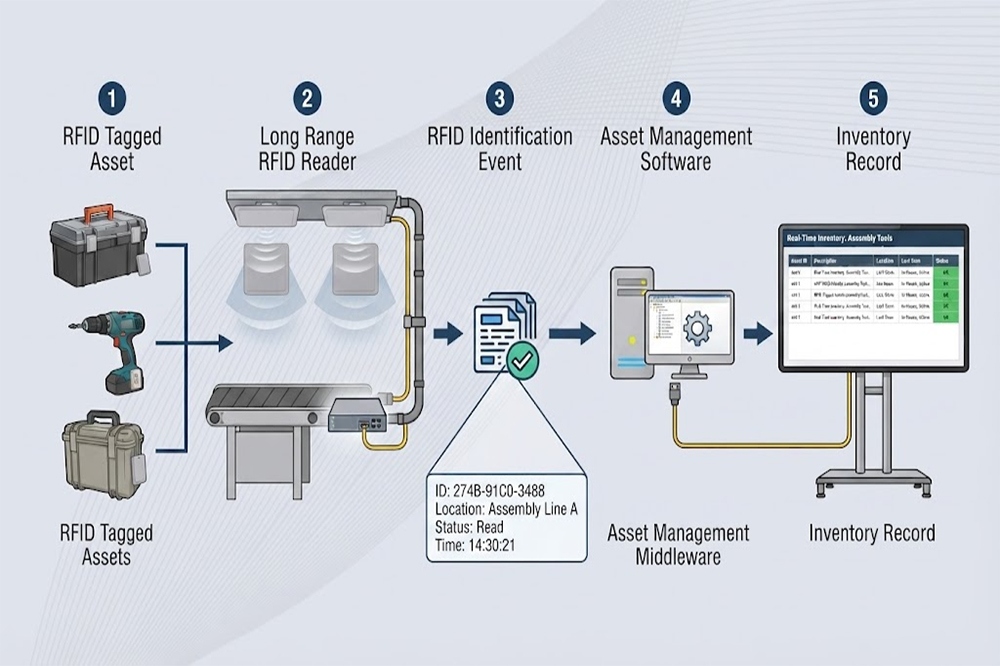
The RFID reader is basically creating a stream of asset events.
The software turns those events into something the warehouse manager can use.
This is another area where hardware specifications alone are not enough.
A reader can detect a tag.
But the customer usually wants something more.
They may want the system to show:
This means the RFID reader needs to communicate with the customer’s software.
For RFID solution providers, API and SDK support can make the integration process much easier.
A reader that is difficult to integrate can become a problem even if its RF performance is excellent.
This is worth explaining to customers.
If a reader is installed at the warehouse entrance, it knows that the asset passed the entrance.
It does not automatically know that the asset is now sitting on Shelf B-17.
To achieve more detailed location information, the system may need additional readers, antennas, sensing points, or another positioning technology.
So there are different levels of asset tracking.
Know when an asset passes a checkpoint.
Know which area or room the asset entered.
Use more hardware or other technologies to determine a more precise position.
The right approach depends on the application and budget.
Consider a factory with several maintenance departments.
Tools are shared between production lines.
The company has noticed that some high-value tools disappear from the normal storage area.
Instead of installing RFID everywhere, the company starts with three important locations:
Tool room
Production area entrance
Maintenance workshop
RFID readers record when tagged tools move through these checkpoints.
After a few months, the company can see where tools are moving and which department frequently has them.
This is often a more practical starting point than trying to create a huge RFID network throughout the entire factory.
A reader may detect assets that are not supposed to be part of the current transaction.
The tag may not perform properly on the asset.
Some RFID tags perform better in certain orientations.
The reader detects assets in a nearby room or storage area.
An asset remains in the reading zone and generates multiple events.
The software needs to filter these repeated reads.
These are normal engineering considerations, not necessarily signs that RFID “doesn’t work.”
Before quoting a long range RFID scanner for an asset tracking project, I would ask the customer:
What type of assets are being tracked?
Tools and plastic containers are very different from steel equipment.
How many assets are there?
The scale affects reader placement, tag management, and software design.
Where do assets move?
Doors, corridors, production lines, loading areas?
Does the customer need checkpoint tracking or location tracking?
These are not the same thing.
What is the required reading distance?
More distance is not automatically better.
What software needs to receive RFID events?
This determines the integration requirements.
For industrial asset tracking, testing the actual asset is probably the most useful step.
Take one RFID tag.
Attach it to the real tool.
Put the tool where it normally sits.
Move it through the planned reading zone.
Then test several assets together.
Try metal shelves.
Try different tag positions.
Move the assets at normal working speed.
Check whether the reader detects items that are outside the intended area.
A small pilot can expose these problems before the customer orders hundreds of readers and thousands of tags.
For wholesalers and solution providers, this also gives the customer more confidence before moving into a larger project.
For an RFID integrator, the commercial opportunity is usually larger than the reader itself.
A project may require:
Long range RFID reader
RFID antennas
RFID tags
Mounting accessories
Communication interfaces
SDK/API integration
Customized hardware
Technical support
Some customers may begin with 10 readers.
If the pilot works, the project could later expand to several warehouses or factories.
That is why stable product supply and customization capability can matter just as much as the reader’s RF specifications.
If you are sourcing long range RFID scanners, UHF RFID readers, RFID antennas, or industrial RFID asset tracking hardware, send us your asset type, reading distance, environment, application workflow, and expected quantity for bulk pricing and solution support.
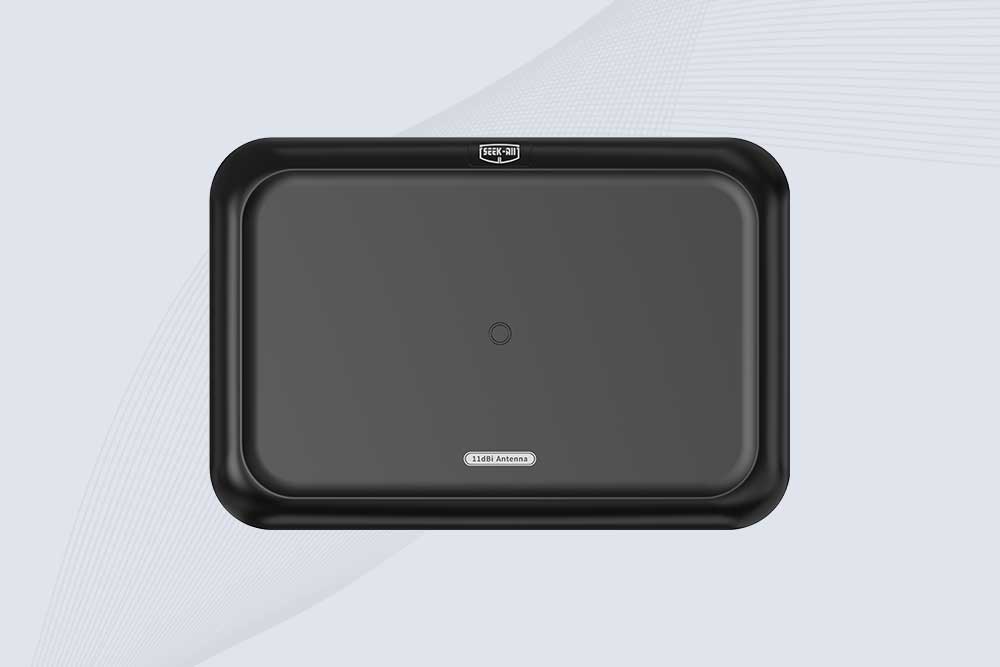
SSD-A11 UHF RFID antenna features 840–960 MHz adjustable frequency, ≥10.5 dBi gain, circular polarization and 50Ω impedance for fixed RFID systems.
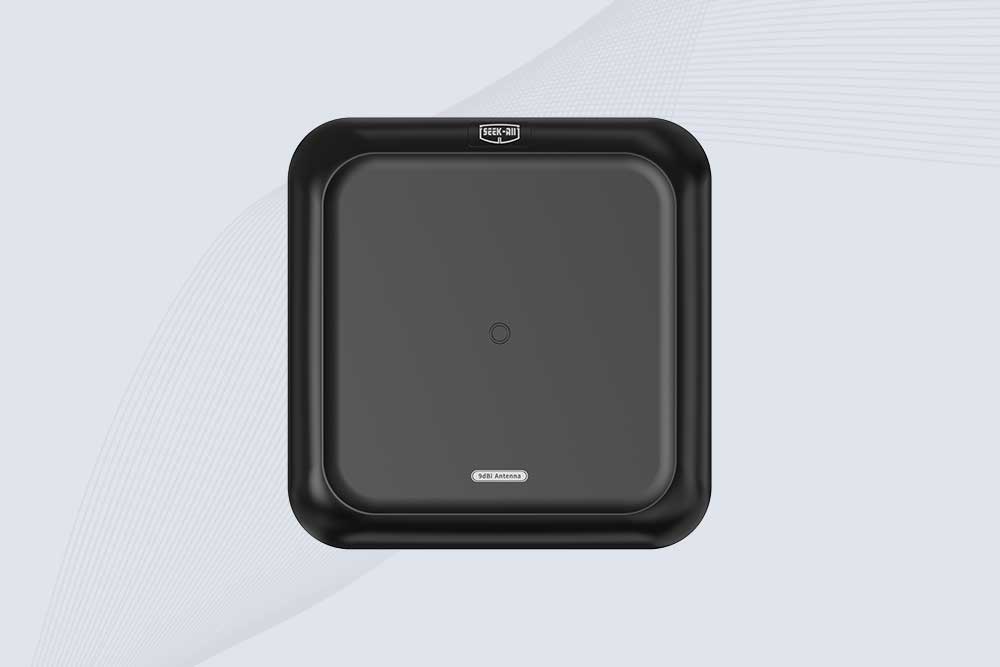
SSD-A09 is a 9 dBi UHF RFID antenna with 840–960 MHz adjustable frequency, circular polarization, 50Ω impedance and directional 60° × 60° coverage.
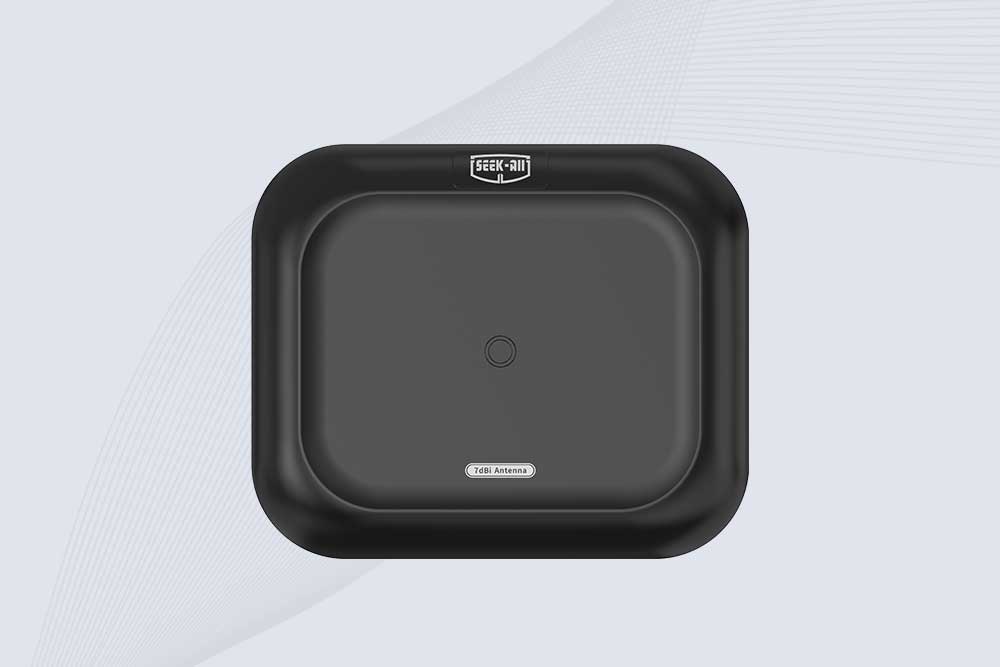
Explore the SSD-A07 UHF RFID antenna with 7 dBi gain, circular polarization, adjustable 840–960 MHz frequency, and 60°/75° beamwidth for stable RFID read/write performance.

SSD-A06 UHF RFID antenna with circular polarization, adjustable 840–960 MHz frequency, ≥4.5 dBi gain, and a compact directional design for RFID systems.
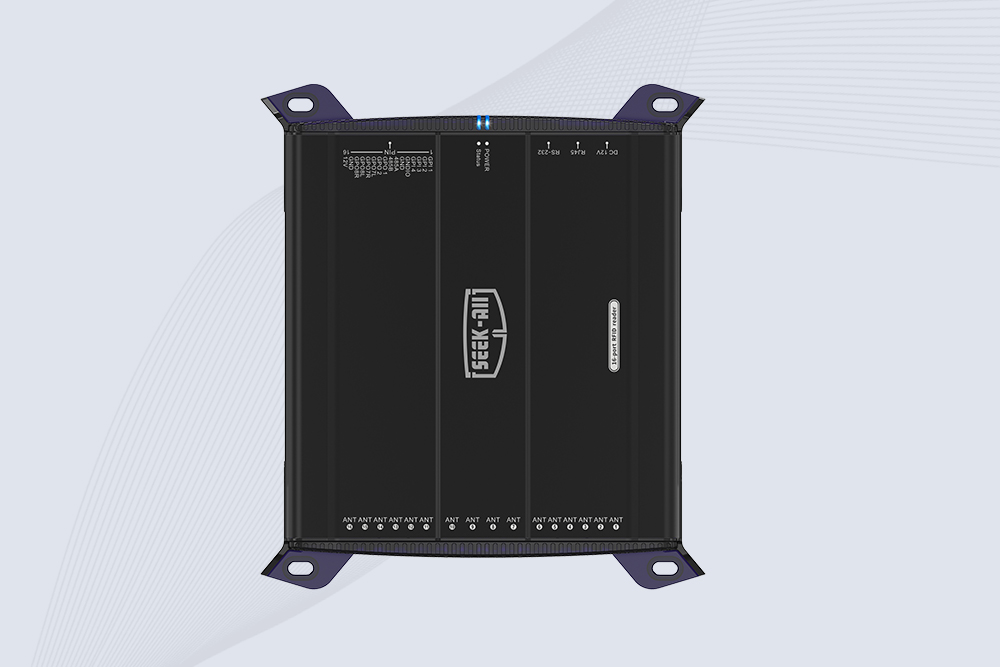
SSD-R16L Multi-Channel RFID Infrastructure for Automated Inventory Management ✔️ 16-Port High-Density RFID Reading Equipped with 16 SMA antenna ports, SSD-R16L supports multi-antenna deployment for warehouses, retail stores, logistics, production lines, and large-area RFID identification. ✔️ High-Speed & Long-Range Performance With up to 33…
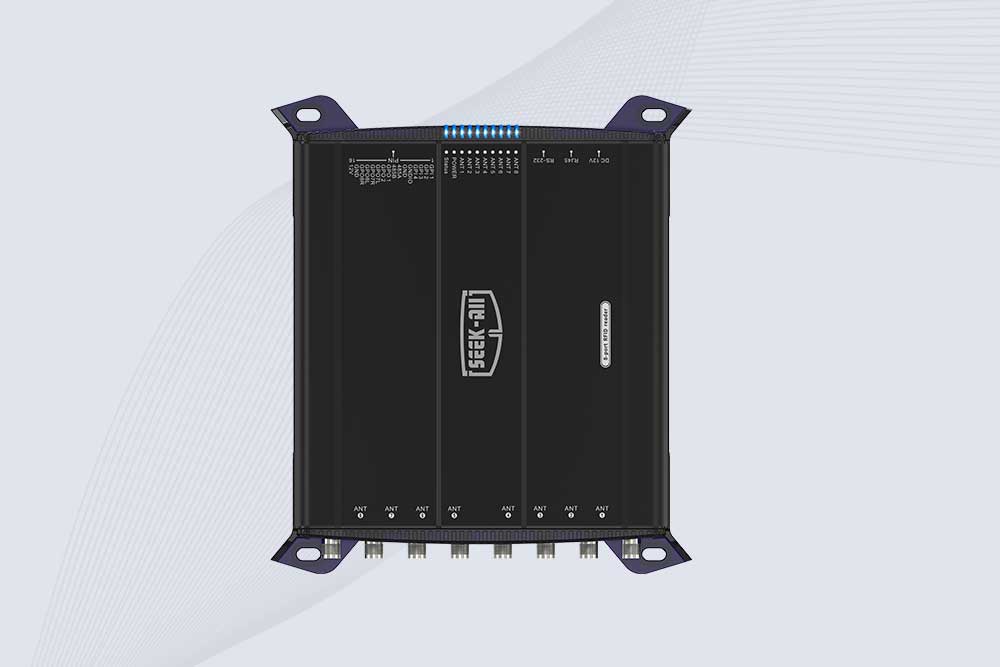
SSD-R8L 8-port UHF RFID reader with 33dBm output, up to 20m reading range and 600+ tags/s recognition. Ideal for warehouse, logistics, retail and asset tracking.
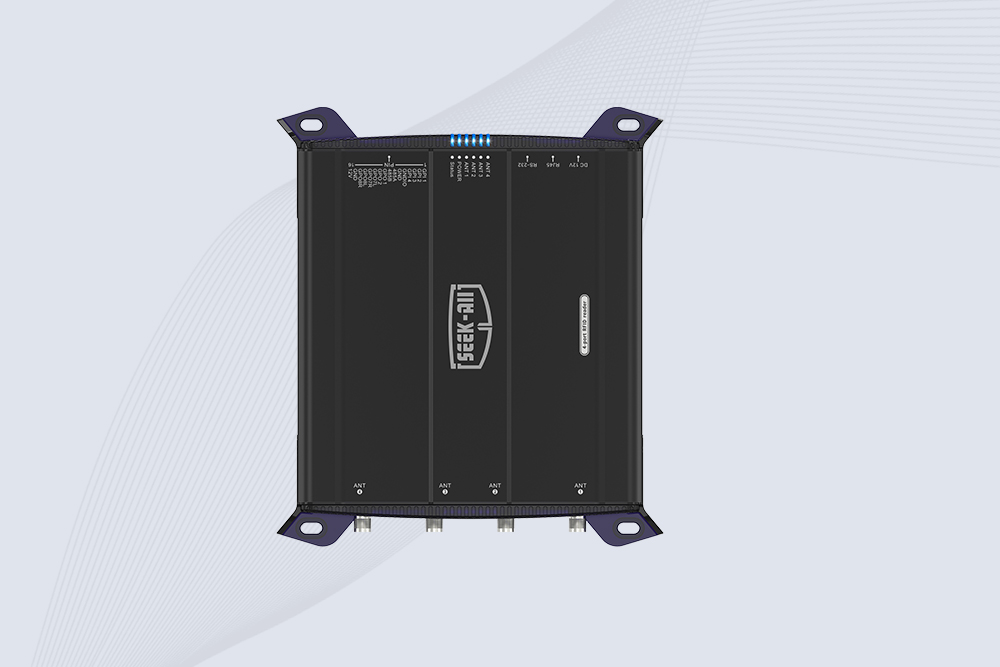
SSD-R4L is a 4-port UHF RFID fixed reader with 33dBm output power, up to 20m reading range, EPC C1G2 support and 600+ tags/s reading speed.
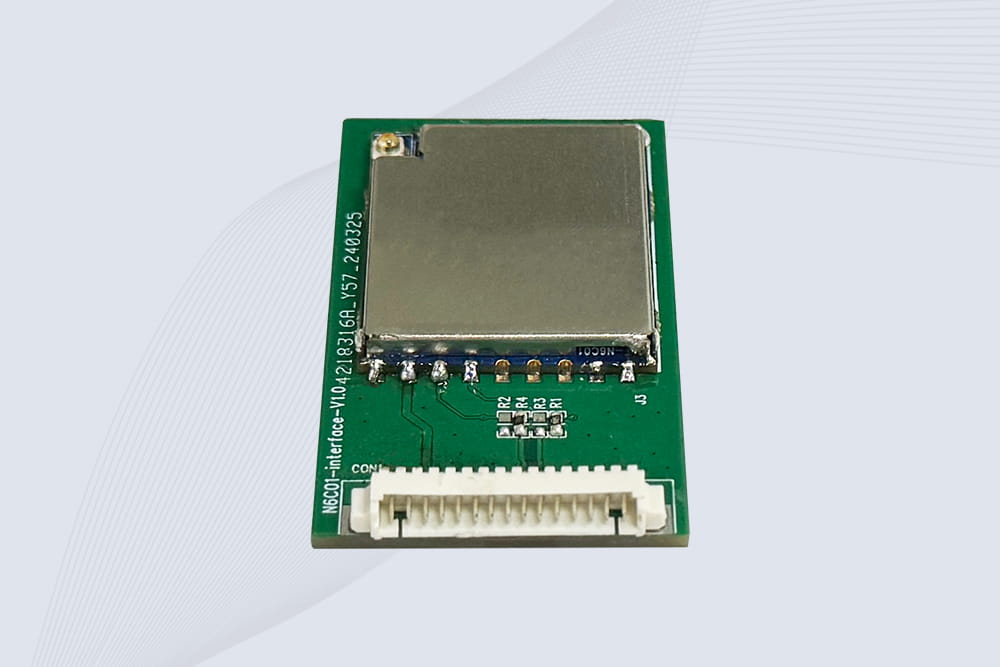
CYKEO Embedded RFID Modules are designed for compact industrial and IoT devices that require stable UHF performance. These UHF RFID Modules support global protocols, flexible power control, and reliable multi-tag reading for smart cabinets, production lines, and asset tracking systems.
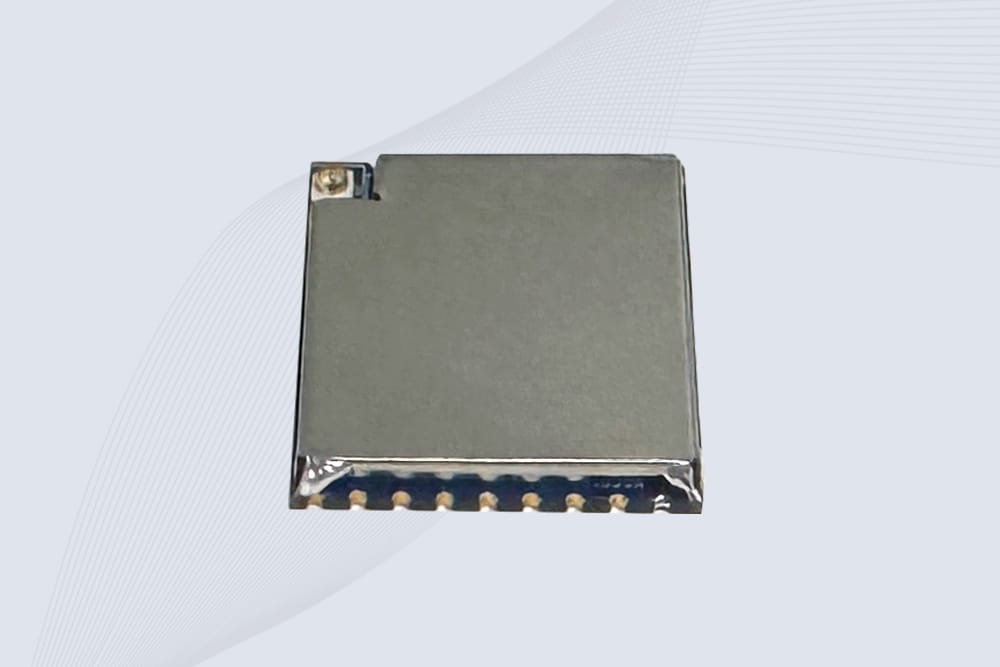
CYKEO Embedded RFID Module is built for compact IoT and industrial devices that need stable UHF performance. This UHF module supports global protocols, low power operation, and reliable multi-tag reading for smart lockers, production lines, and always-on RFID systems.
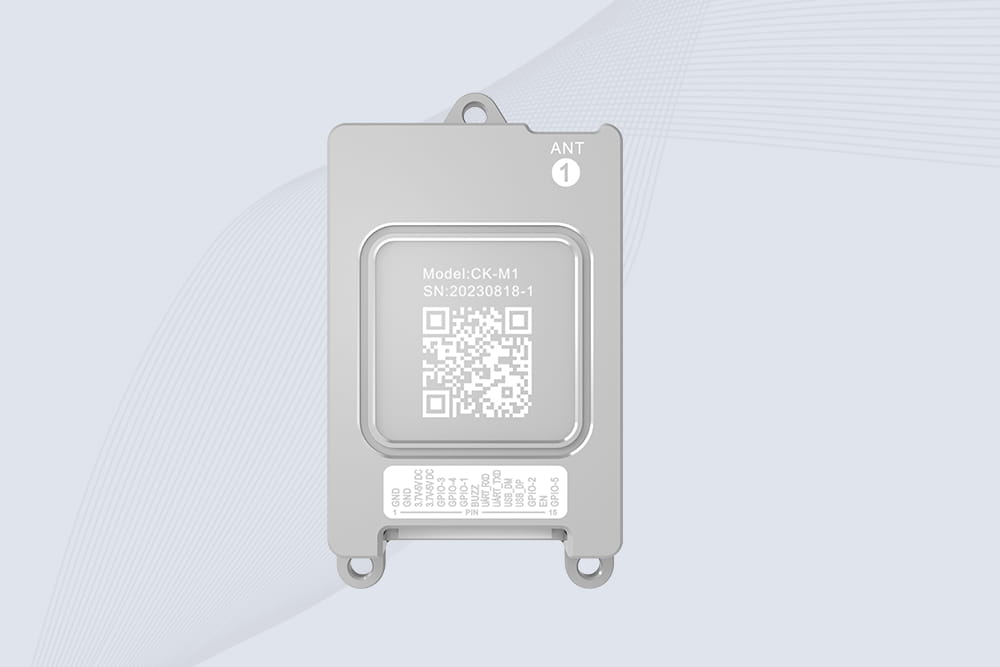
CYKEO CYKEO-M1 drone rfid module is a compact UHF RFID reader module designed for drones and UAV platforms. It supports long-range aerial scanning, fast multi-tag reading, and stable performance in wind, vibration, and outdoor environments.
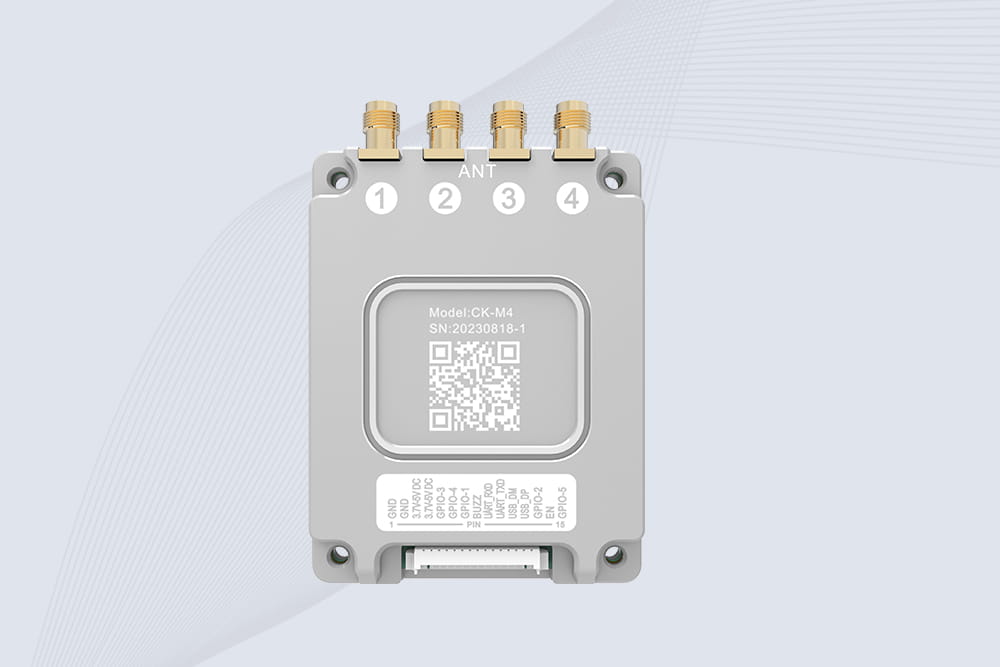
CYKEO CYKEO-M4 RC522 RFID Module is an industrial-grade UHF RFID reader with 4 ports, supporting ISO, EPC, and GB protocols. High-speed, accurate reading for IoT, automation, and warehouse applications.
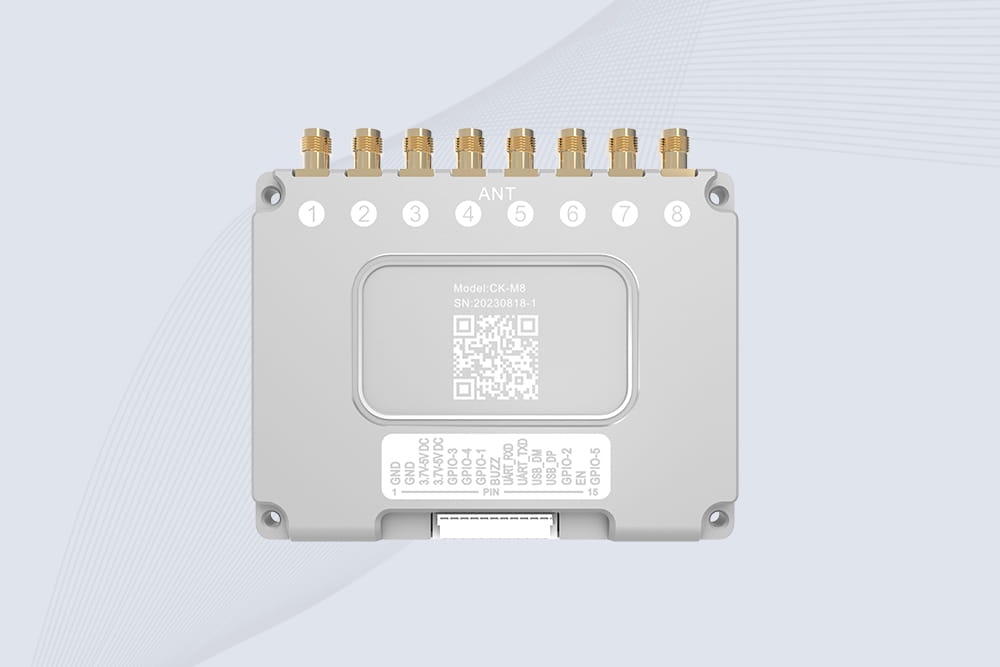
CYKEO CYKEO-M8 Module RFID is an 8-port UHF R2000 RFID Module designed for high-density, multi-tag environments. Stable 33dBm output, ISO & GB protocol support, ideal for warehouses, factories, and automated systems.
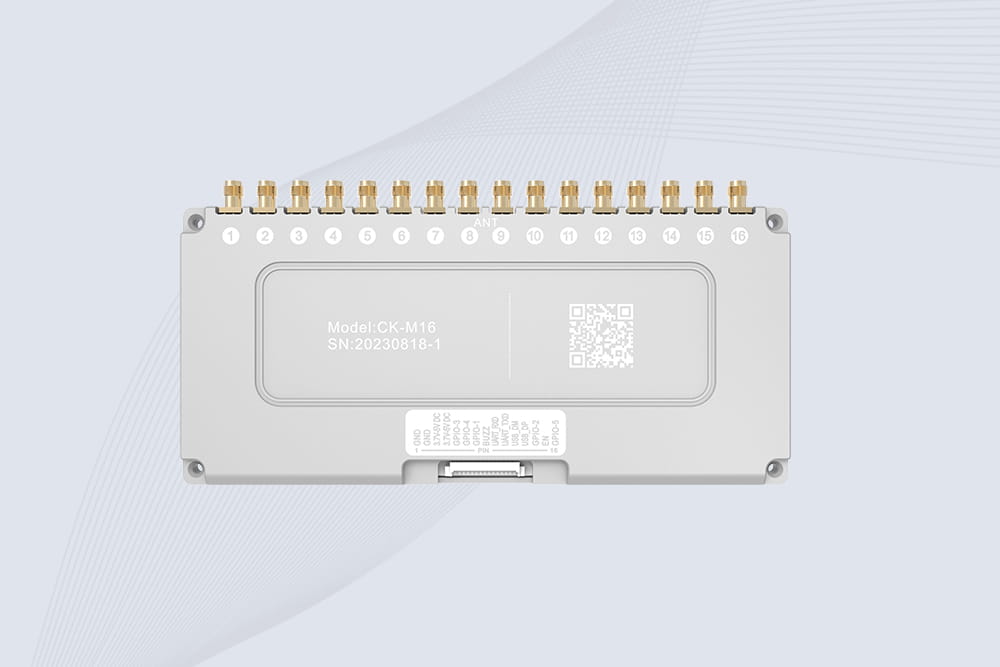
CYKEO CYKEO-M16 RFID Module is a 16-port UHF RFID reader module based on the R2000 chipset. Designed for dense tag environments, it supports ISO and GB standards and delivers stable multi-antenna control for industrial automation.
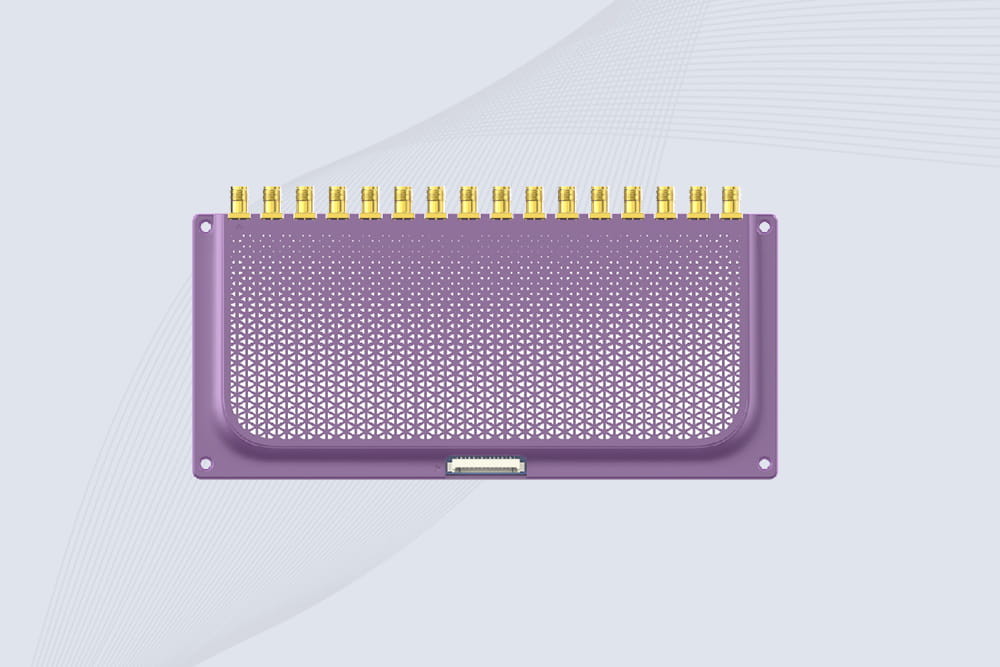
The CYKEO CYKEO-M16L RFID Reader Module is a 16-channel UHF RFID core designed for dense tag environments. With adjustable 33dBm output, multi-protocol support, and stable multi-antenna control, this RFID Tag Reader Module fits industrial automation, warehouse systems, and large-scale IoT deployments.
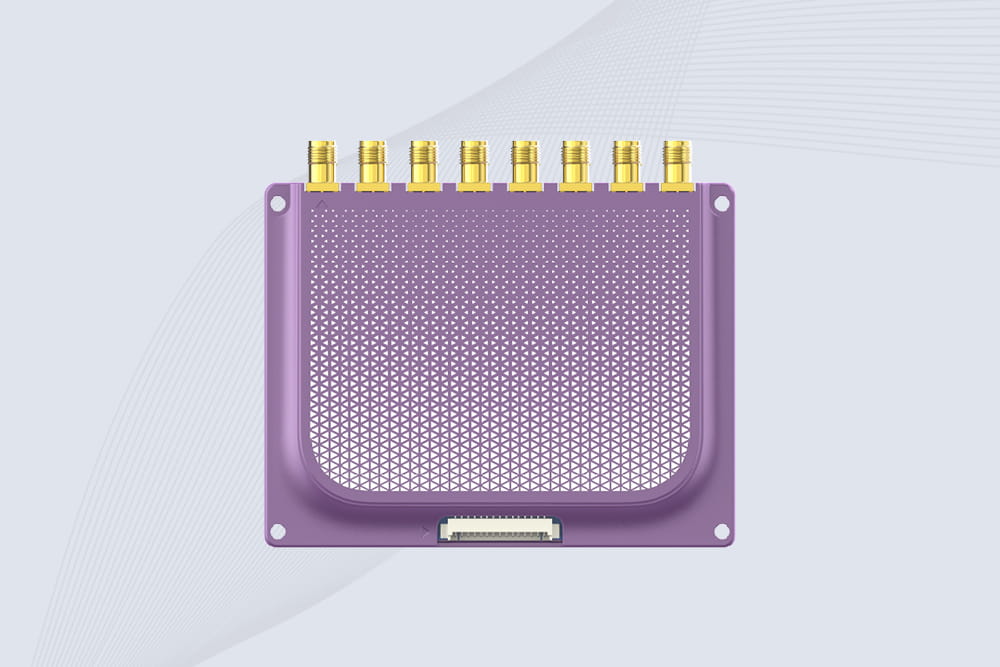
CYKEO CYKEO-M8L module RFID is a compact industrial UHF module built for dense tag and multi-antenna environments. With 8 RF ports, adjustable 33 dBm output, and ISO & GB protocol support, it is widely used in factories, warehouses, and automated tracking systems.
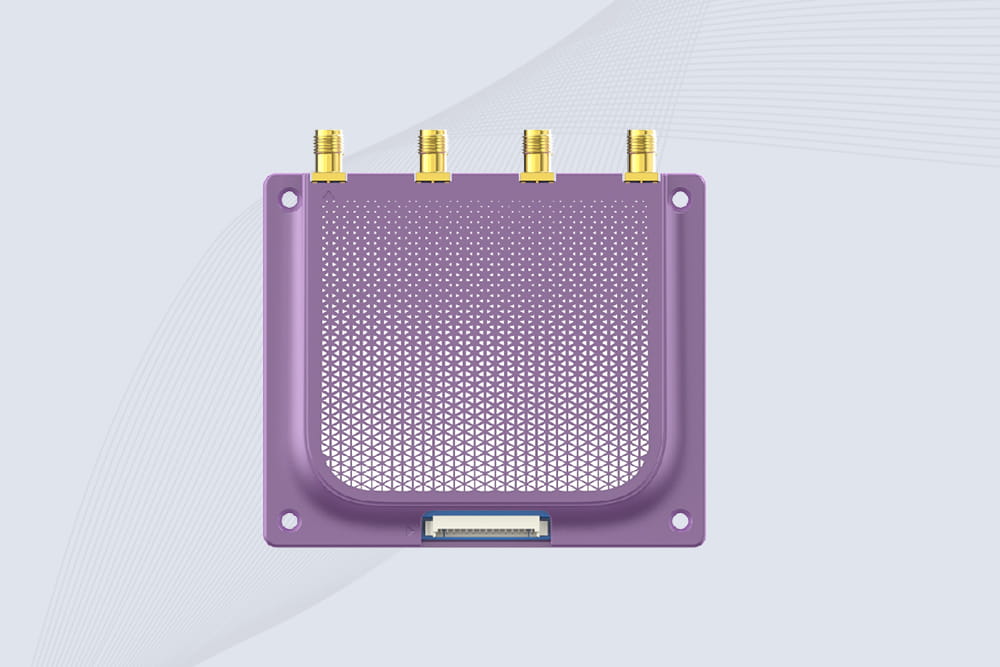
CYKEOCYKEO-M4L UHF RFID Module is a compact 4-channel RFID tag reader module designed for dense tag environments. Supporting ISO and GB protocols, it delivers stable reads up to 10 meters for industrial and IoT systems.
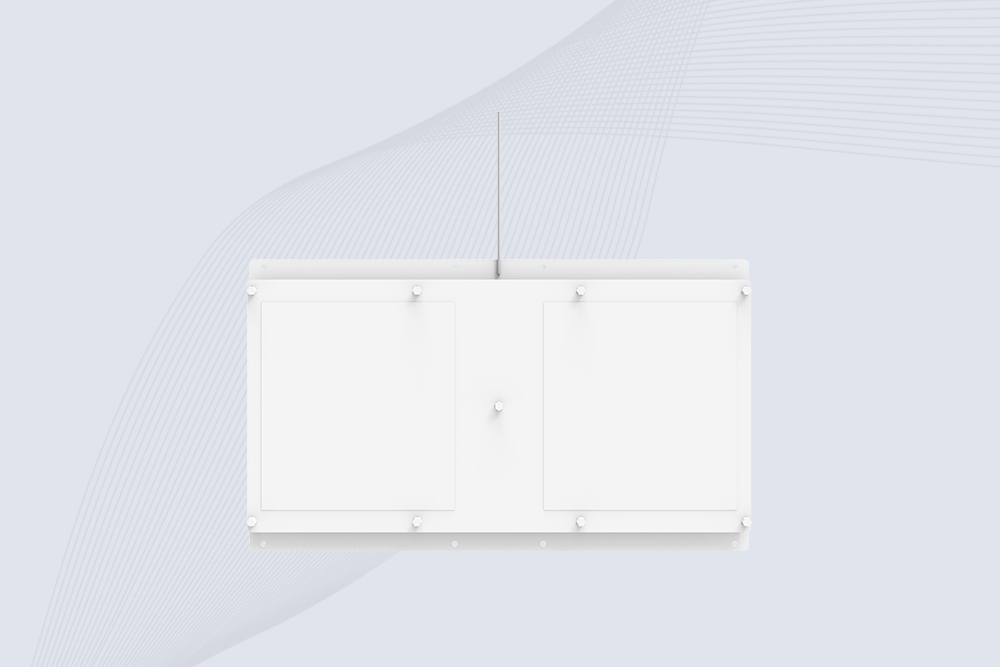
Cykeo CYKEO-A11 UHF RFID reader antenna delivers 11dBi gain, 840-960MHz frequency range, and IP65 ruggedness for retail, logistics, and industrial RFID systems. Features low VSWR and easy installation.
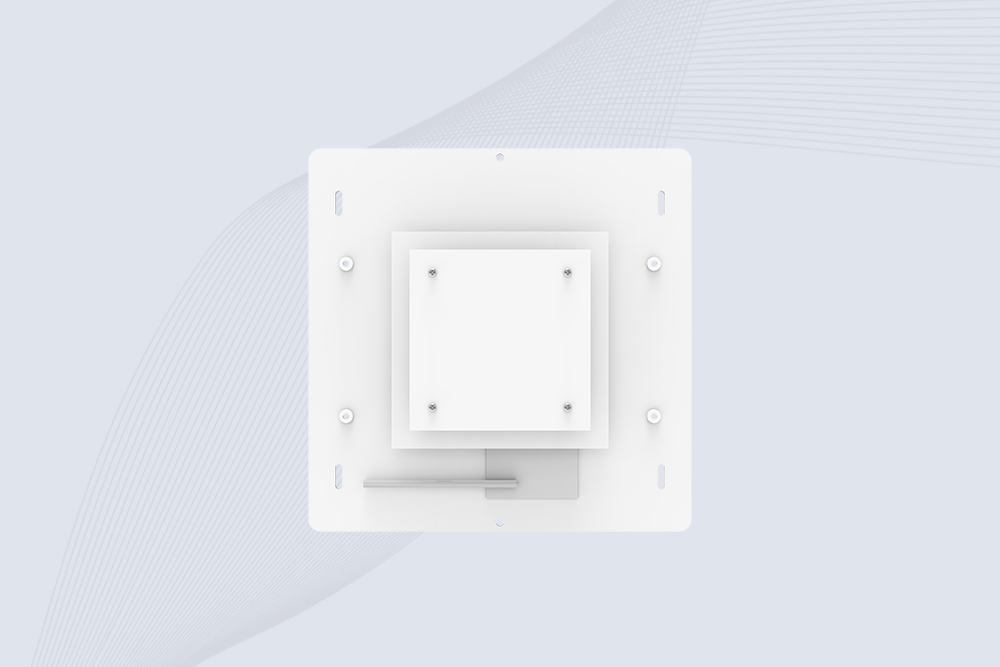
CYKEO Antenna RFID Reader delivers stable long-range UHF performance with a 10.5dBi directional design, built for warehouses, conveyor portals, and industrial RFID systems. This rfid reader antenna provides 20m+ read distance and rugged IP67 protection.

Cykeo CYKEO-PHF3 industrial HF RFID Antenna offers 24-point dynamic tracking, ISO 14443A/15693 protocols, metal-environment stability for archives/libraries/manufacturing.

Cykeo CYKEO-A5B industrial Linear RFID Antenna delivers 5dBi gain, ≤1.5:1 VSWR, and IP65 rugged design for warehouse, production line, and logistics UHF systems.

Cykeo’s CYKEO-B12 Long Range RFID Antenna delivers 15m+ read range with 12dBi gain, IP65 rugged design, and global 840-960MHz UHF support. Ideal for warehouse/logistics asset tracking.
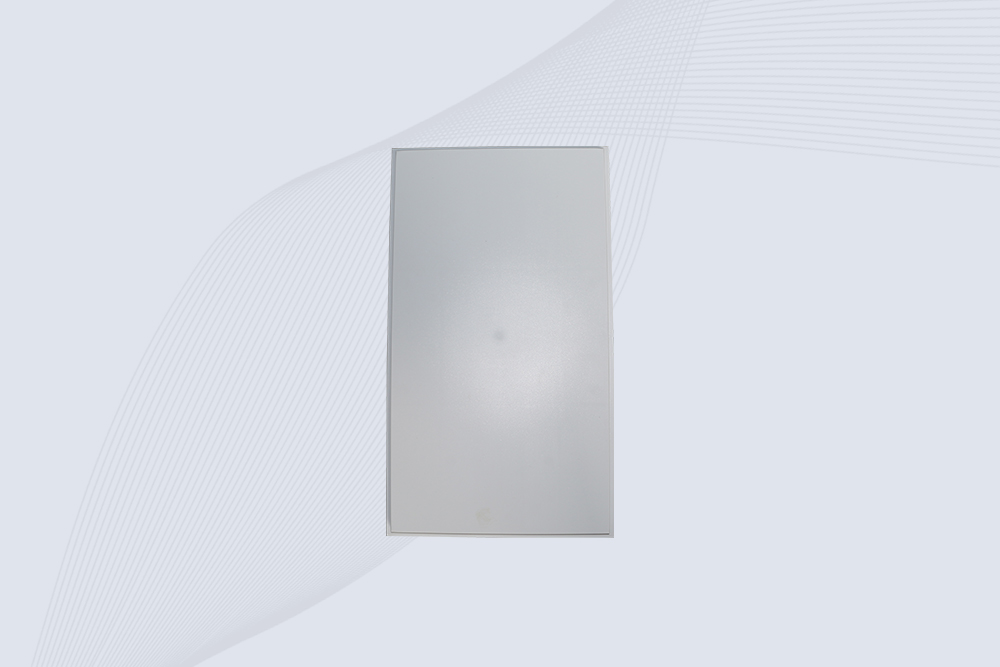
Cykeo CYKEO-B10 Long Distance RFID Antenna offers 10dBi gain, 840-960MHz frequency range, IP65 rating, and 20m+ coverage for logistics/warehousing/ETC systems. Low VSWR ensures stable signal transmission.
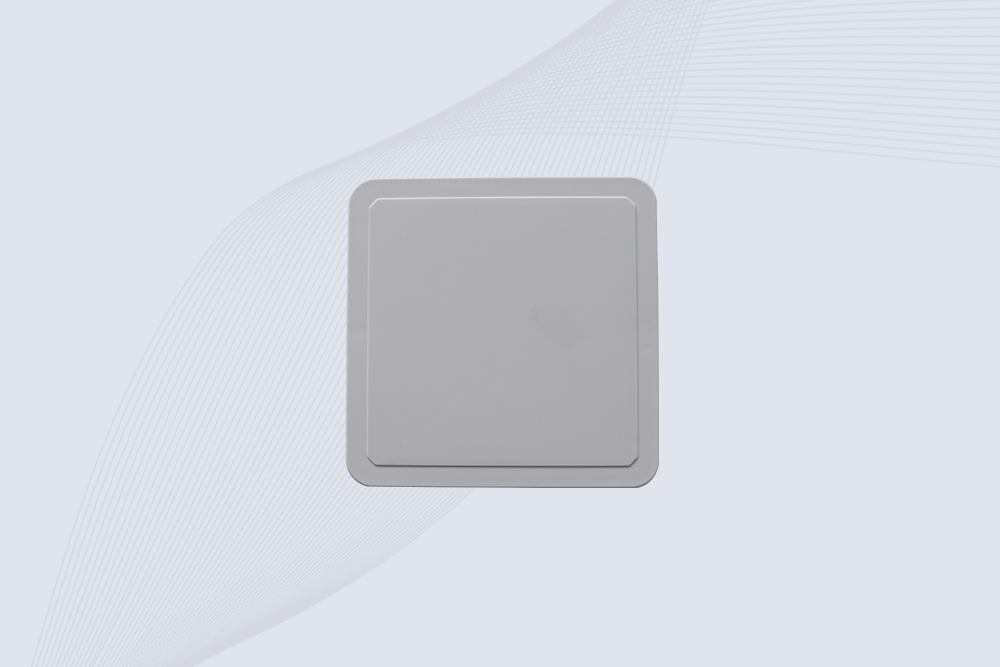
Cykeo CYKEO-A6 UHF RFID panel antenna features 6dBi gain, 840-960MHz broadband, IP65 metal-ready housing for logistics/smart retail. 18mm ultra-thin design with tool-free mounting.

Cykeo CK-A3 industrial antenna RFID UHF offers 5m+ tag detection, ≤1.3:1 VSWR, IP65 rugged design, and global UHF spectrum compatibility (840-960MHz) for warehouses, factories, and retail.
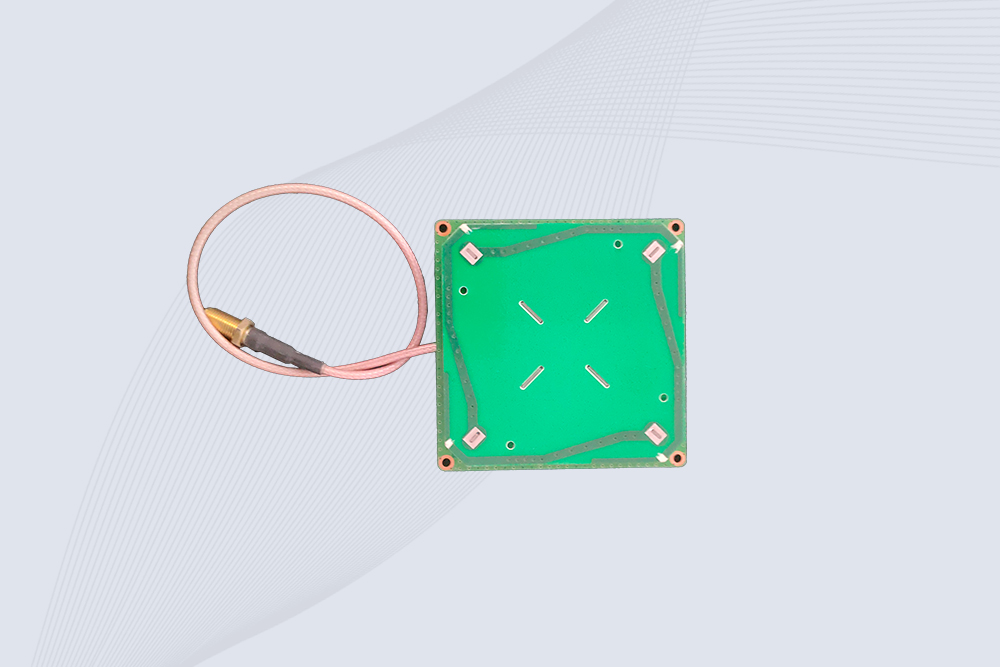
Cykeo CYKEO-B5 directional RFID antenna provides 5dBi gain with 60° narrow beamwidth for precise inventory tracking. IP65-rated, global UHF frequency support, and low VSWR.
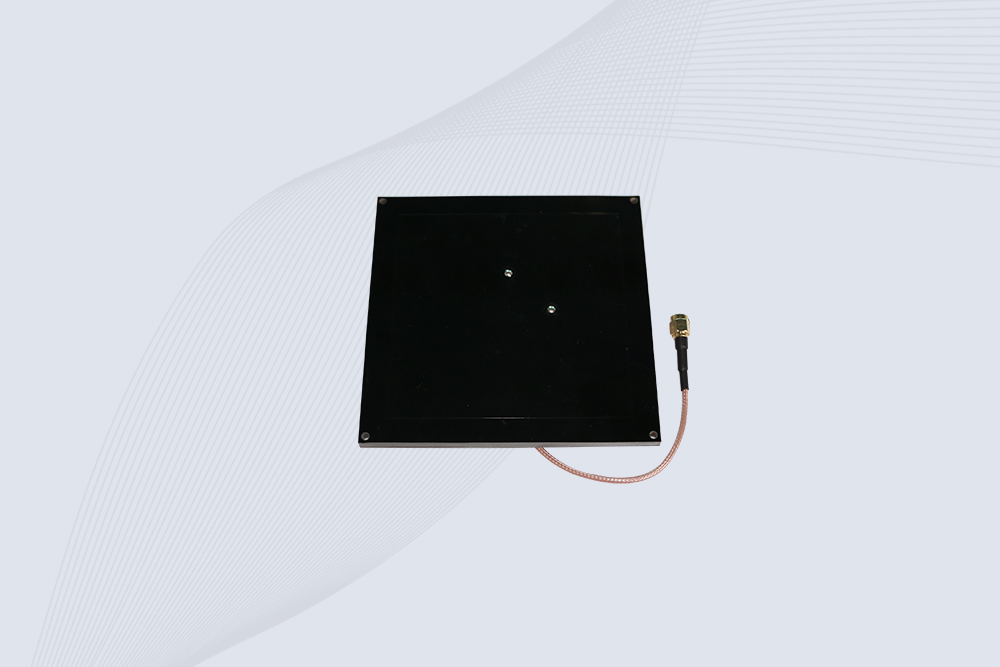
Create your own high-performance DIY RFID antenna! 5dBi gain, 840-960MHz tunable, step-by-step guides. Compatible with Arduino, Raspberry Pi, and commercial UHF readers.
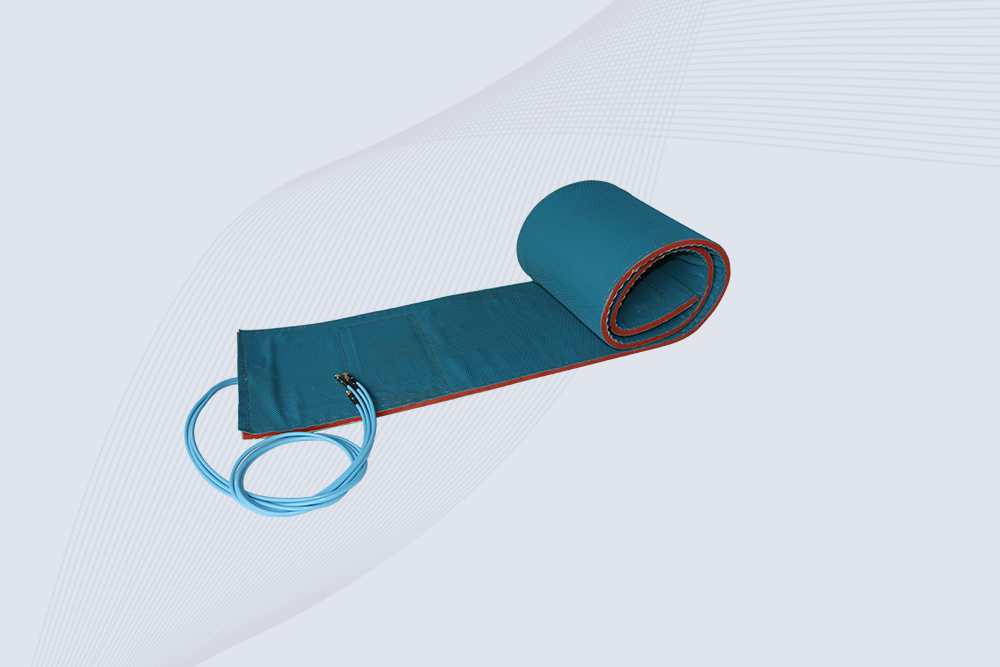
Cykeo CYKEO-A7 Flexible RFID Antenna features 840-960MHz wideband tuning, 7dBi gain, and IP68 rating for medical/retail/industrial curved surface deployments. 98% read accuracy with peel-and-stick installation.
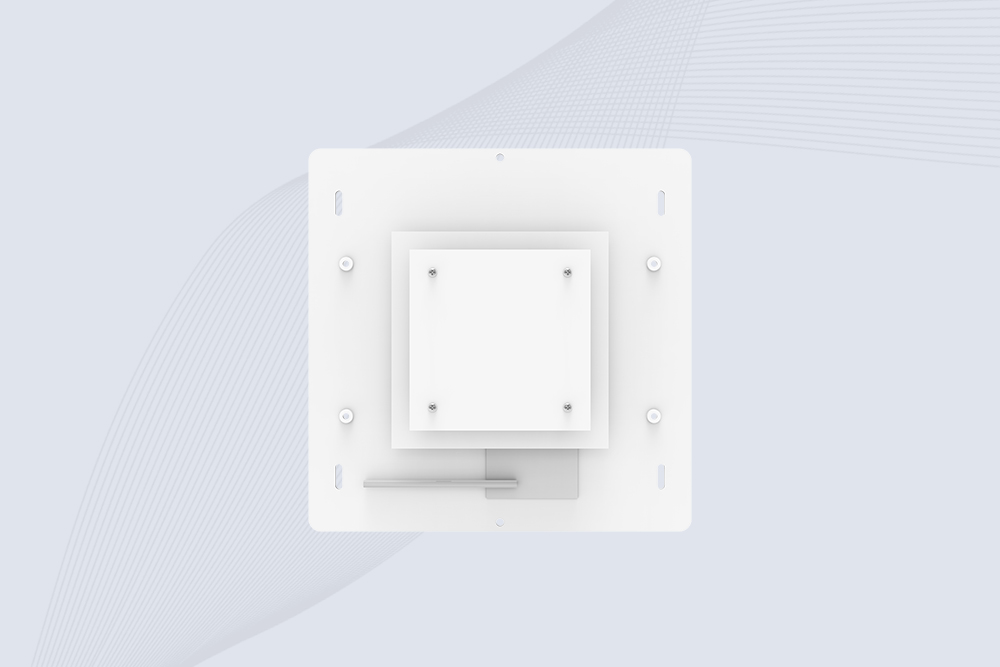
Cykeo CYKEO-B5A industrial Passive RFID Antenna delivers 5dBi gain, 70° beamwidth, and -40°C~55°C operation for warehouses/smart cabinets. Compatible with Zebra/Impinj readers.
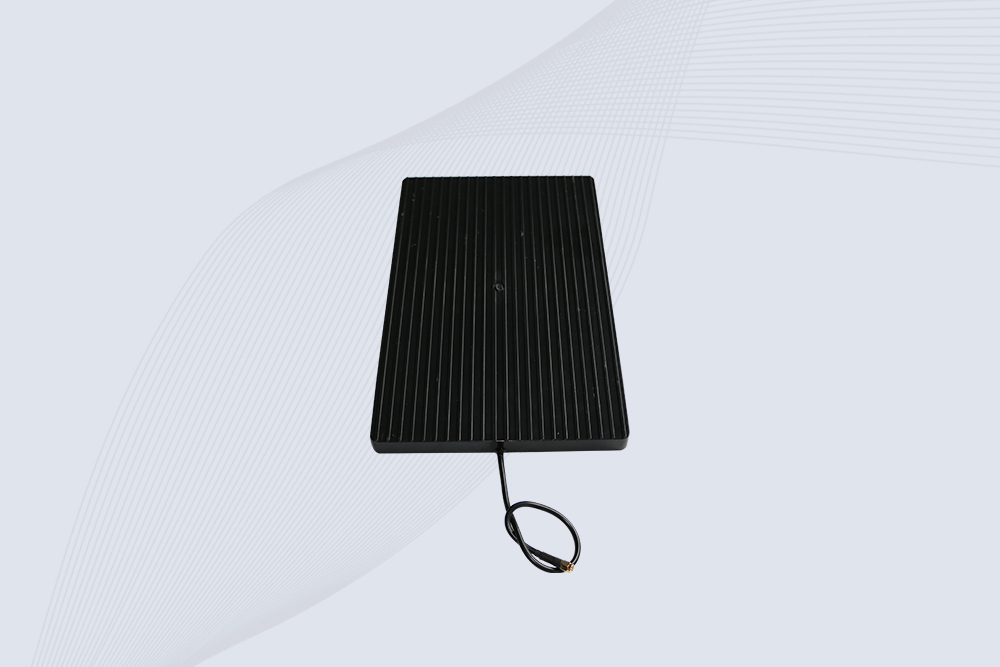
Cykeo’s CYKEO-A9B High Gain RFID Antenna delivers 15m+ read range with 9dBi amplification. Features IP54 rugged design, 840-960MHz bandwidth, and 80° beamwidth for warehouse/manufacturing RFID systems.

Cykeo’s enterprise-grade 8dbi Impinj RFID Antenna 10m+ read range with 840-960MHz tuning. Features IP65 housing, 1.4 VSWR, 35° beamwidth for retail/warehouse RFID systems.
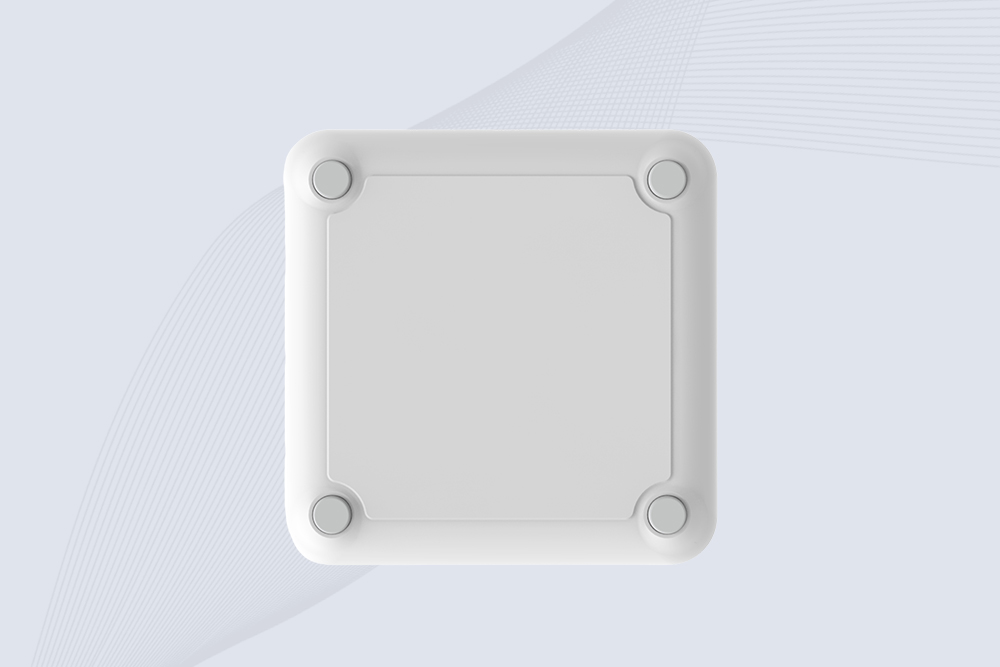
Cykeo CYKEO-A9 industrial UHF RFID antenna delivers 9dBi gain, 840-960MHz frequency range, and IP65 protection for warehouse/logistics/retail RFID systems. Features N-type connector and ≤1.3:1 VSWR.
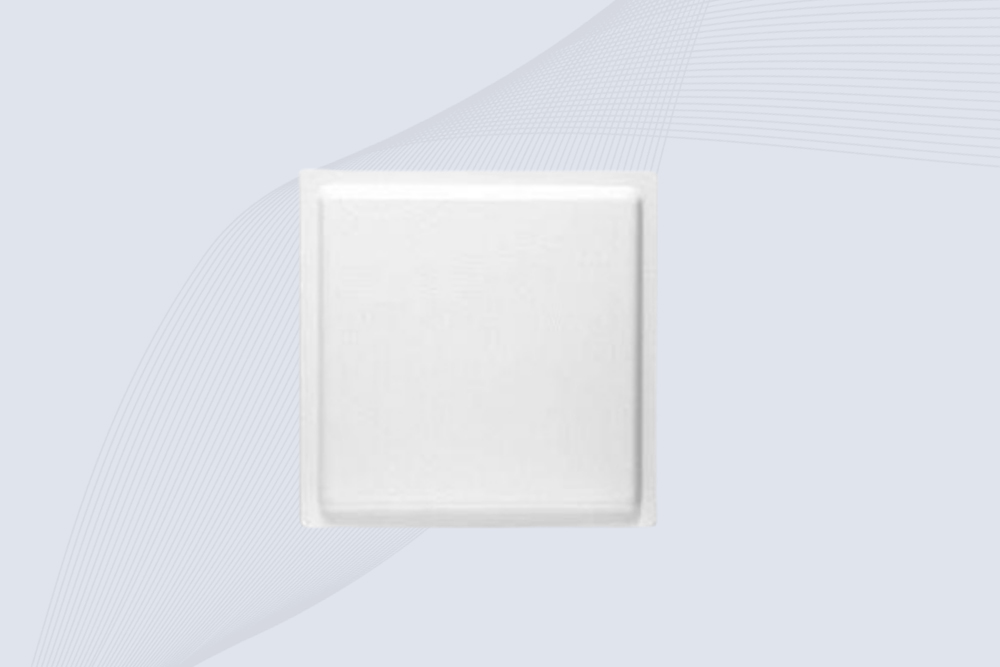
CYKEO UHF RFID Antenna built for long-distance and industrial applications. This antenna rfid uhf delivers strong gain, outdoor durability, and reliable tag performance in warehouses, yards, and vehicle ID systems.
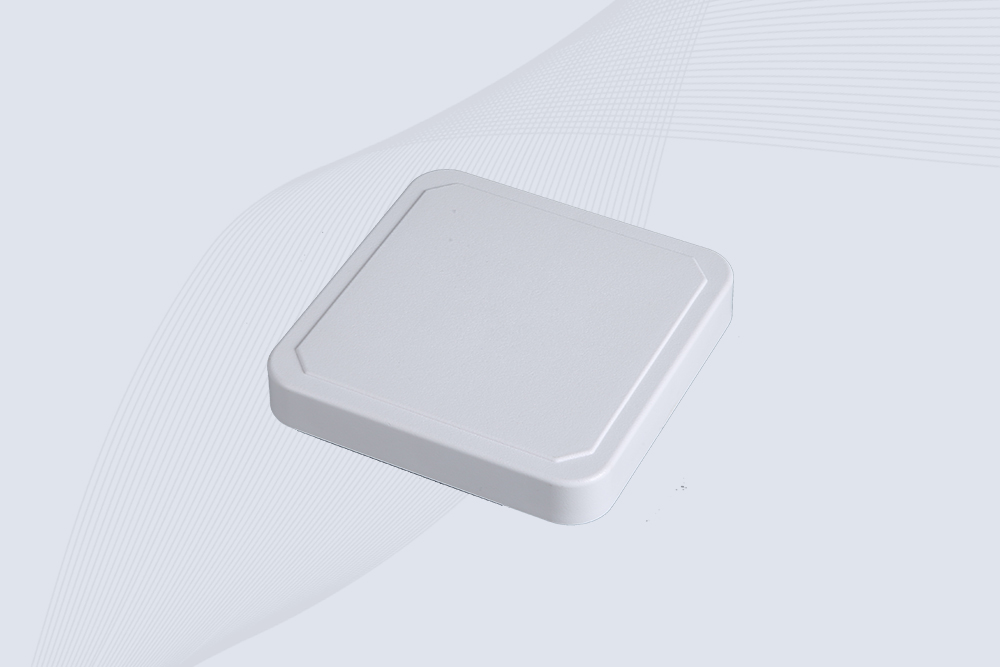
CYKEO Antenna RFID delivers reliable long-range UHF performance in warehouses, retail shelves, and cold-chain environments. This compact uhf rfid antenna provides stable reads with circular polarization and ultra-wide 840–960 MHz support, ideal for industrial tracking, smart shelves, and asset monitoring.
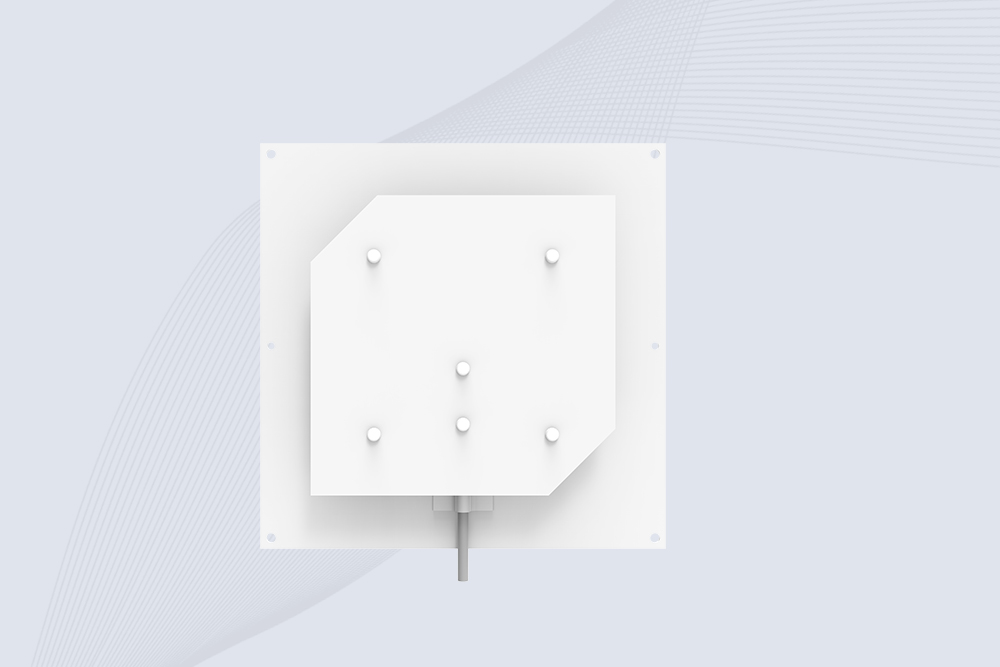
Cykeo’s CYKEO-C8 UHF RFID antennas delivers 8dBi gain, 840-960MHz full-band coverage, and IP65 ruggedness for manufacturing/warehouse RFID systems. Industrial RFID Antennas Features
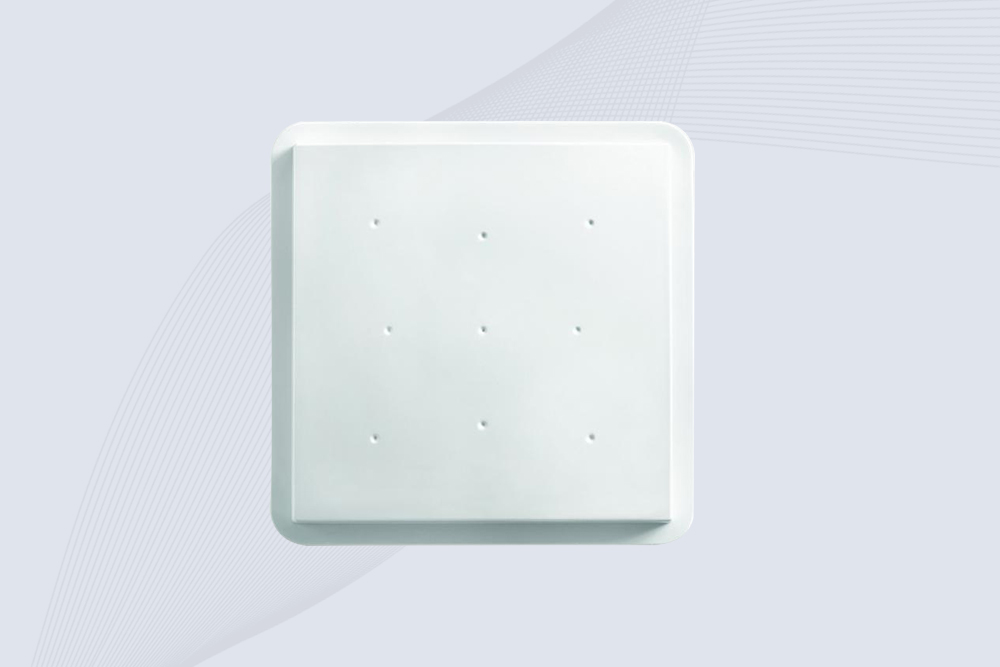
Cykeo’s 8dBi UHF RFID antenna and reader kit delivers 10m+ range, 840-960MHz broadband, and IP65 ruggedness for factories, warehouses, and logistics. ISO 18000-6C & EPC Gen2 certified.
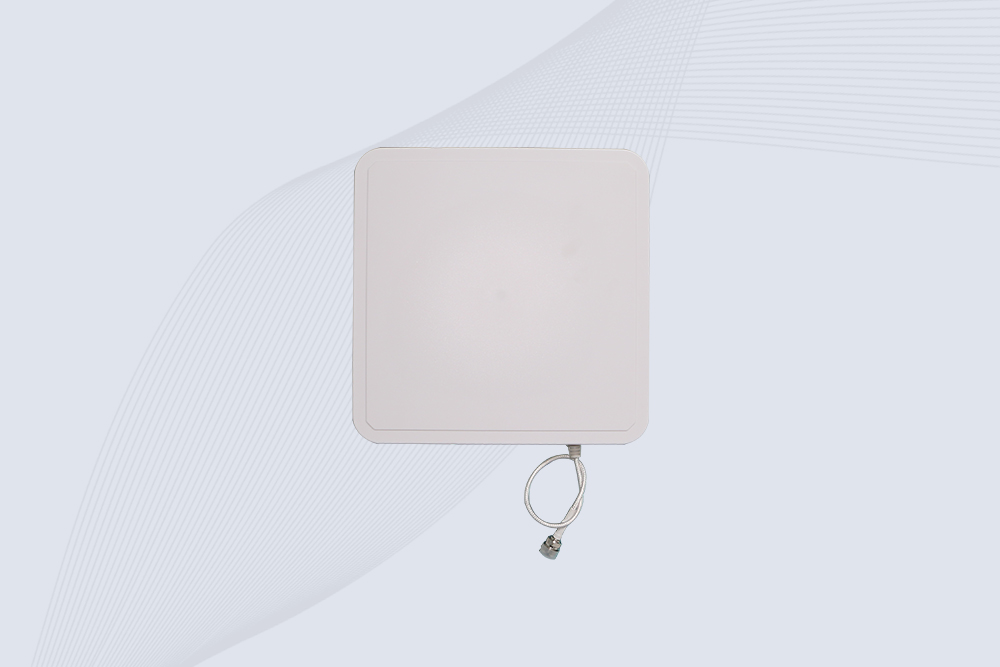
Cykeo CYKEO-A9A industrial UHF RFID reader and antenna kit delivers 10m range, 500 tags/sec, IP65 ruggedness for manufacturing/logistics. Supports EPC Gen2, ISO18000-6C.
Cykeo’s CYKEO-A12C UHF Large RFID Antenna delivers 12dBi gain, 840-960MHz global frequency, IP65 ruggedness for logistics/warehousing/automotive. 40° beamwidth ensures stable 15m+ tag reads.

CYKEO Near Field RFID Antenna provides precise 5–30 cm reading for shelves, cabinets, and workstations. This compact rfid shelf antenna delivers stable short-range performance around metal and clutter, ideal for pharmacies, libraries, and electronics sorting.
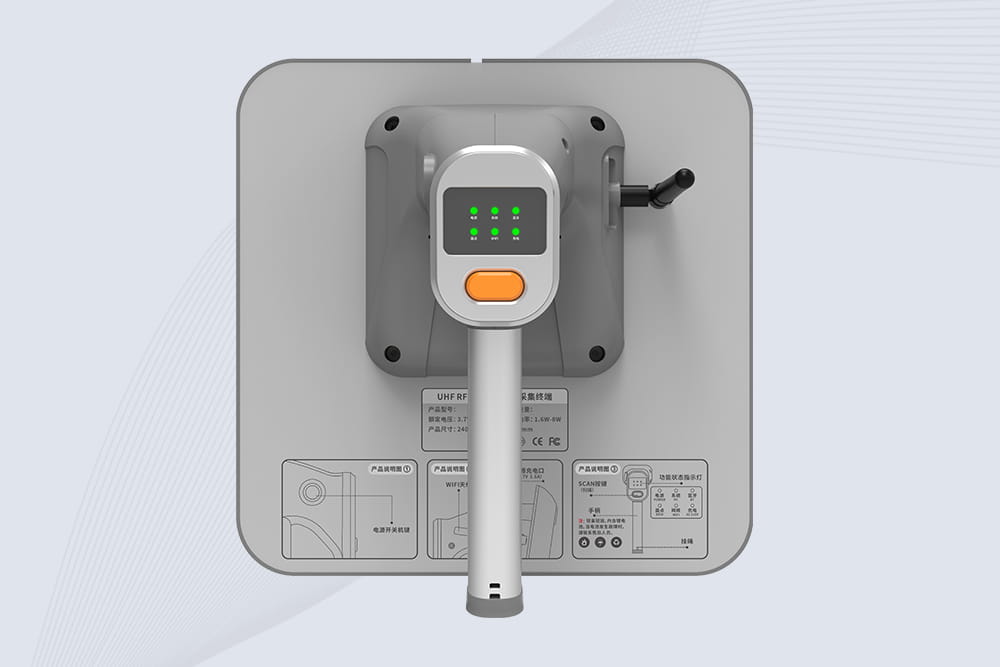
Cykeo CYKEO-B9 UHF Bluetooth handheld RFID scanner features 12m UHF range, 200+ tags/sec scanning, IP67 rugged design for retail/warehouse/pharma. Supports Android SDK & real-time Bluetooth 5.0 transmission.
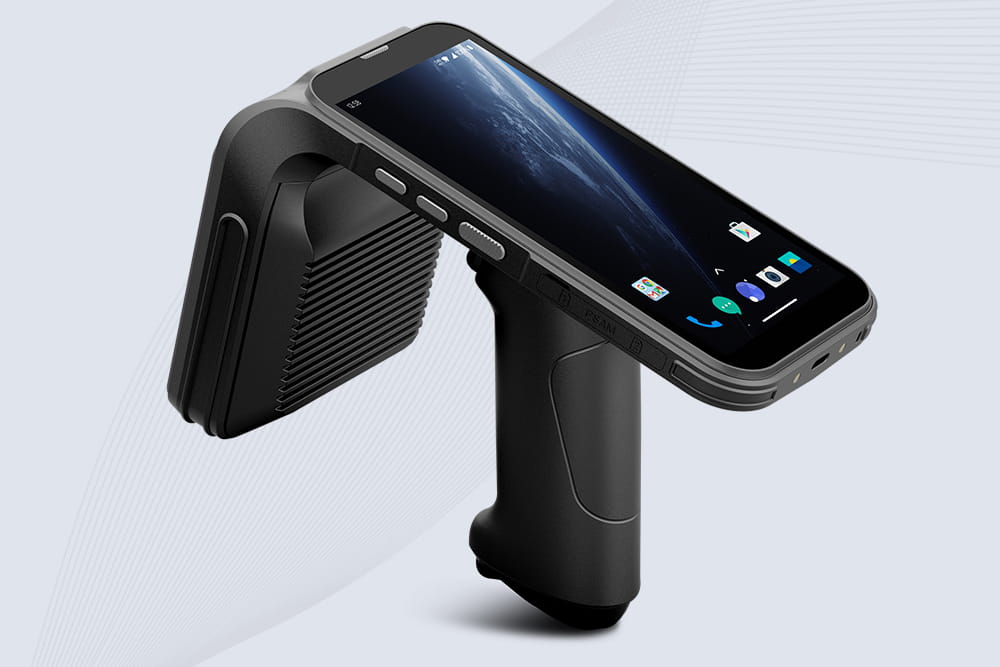
Cykeo CYKEO-B4 UHF Handheld RFID Reader scanner delivers 1300 tags/sec reading, 30m UHF range, and 12-hour battery life. IP65 rugged design with barcode/NFC/ID scanning for retail/manufacturing/logistics.
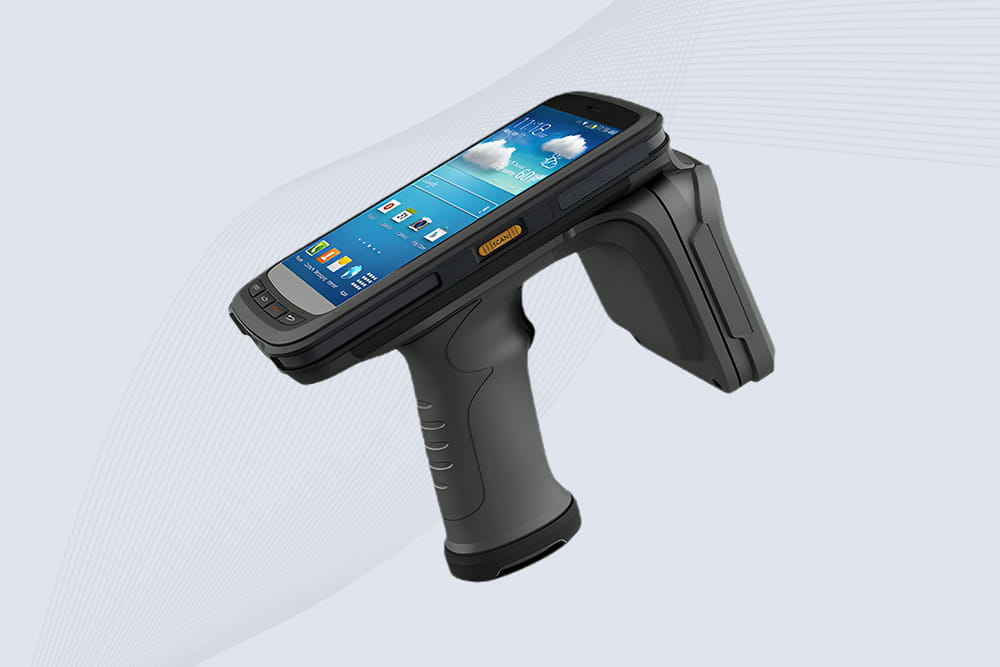
Cykeo CYKEO-B2 industrial UHF RFID handheld Scanner offers 10m range, 500 tags/sec scanning, Android 11 OS, and IP65 rugged design for retail/warehouse/manufacturing.
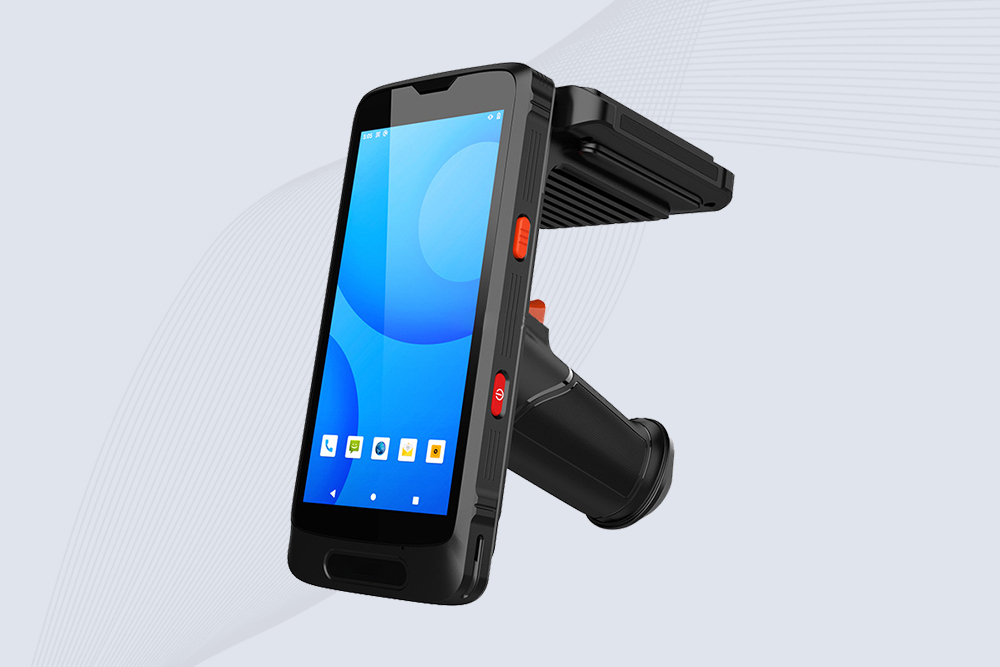
Cykeo CYKEO-B3 industrial RFID Reader Handheld, terminal offers 2m read range, multi-protocol scanning (NFC/barcode/ID), Android 10 OS, and IP65 ruggedness for logistics/retail/manufacturing.
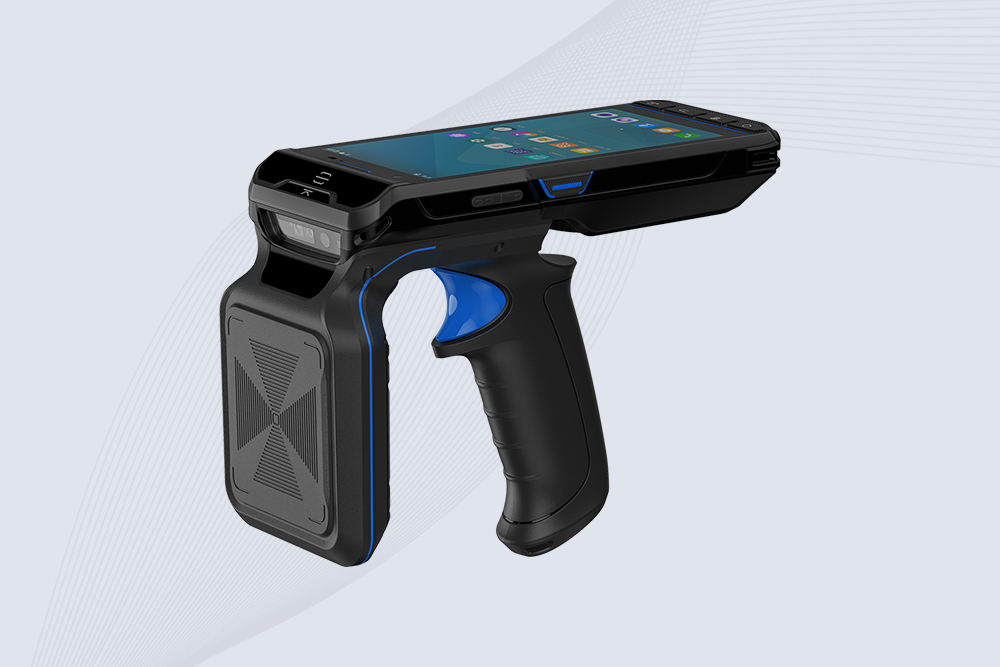
Cykeo CYKEO-B3L industrial handheld UHF RFID Reader terminal features 20m read range, 500 tags/sec scanning, Android 13 OS, 12-hour battery for logistics/retail/manufacturing. Supports barcode/NFC/ID reading.
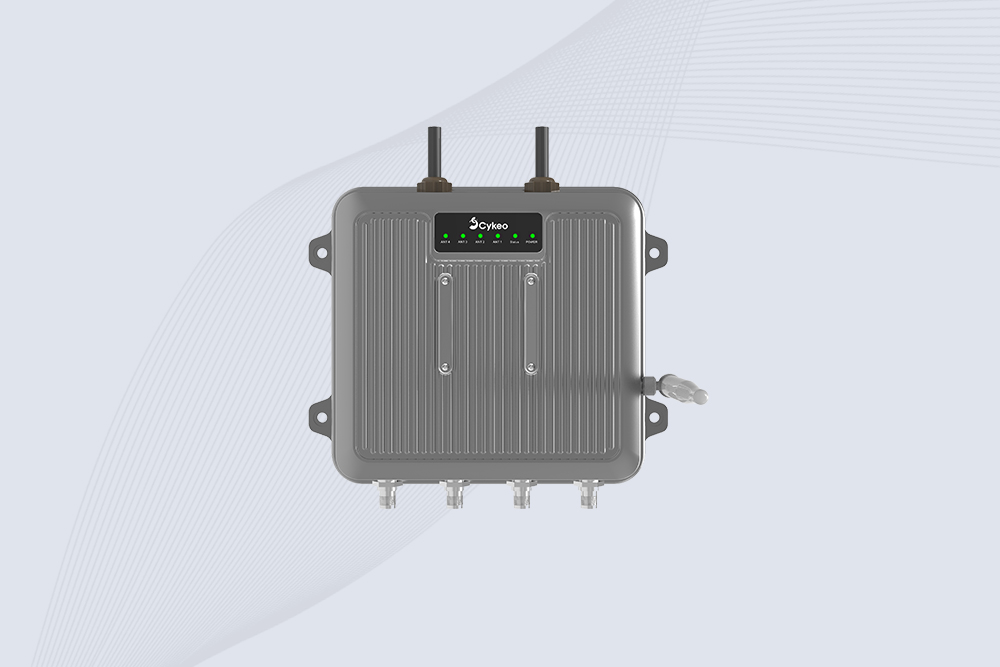
Cykeo CYKEO-C1 industrial Forklift RFID Reader features 20m read range, 600 tags/sec scanning, Impinj R2000 chipset, and IP67 rugged design. Ideal for warehouse logistics and manufacturing. Supports ISO 18000-6C/6B protocols.
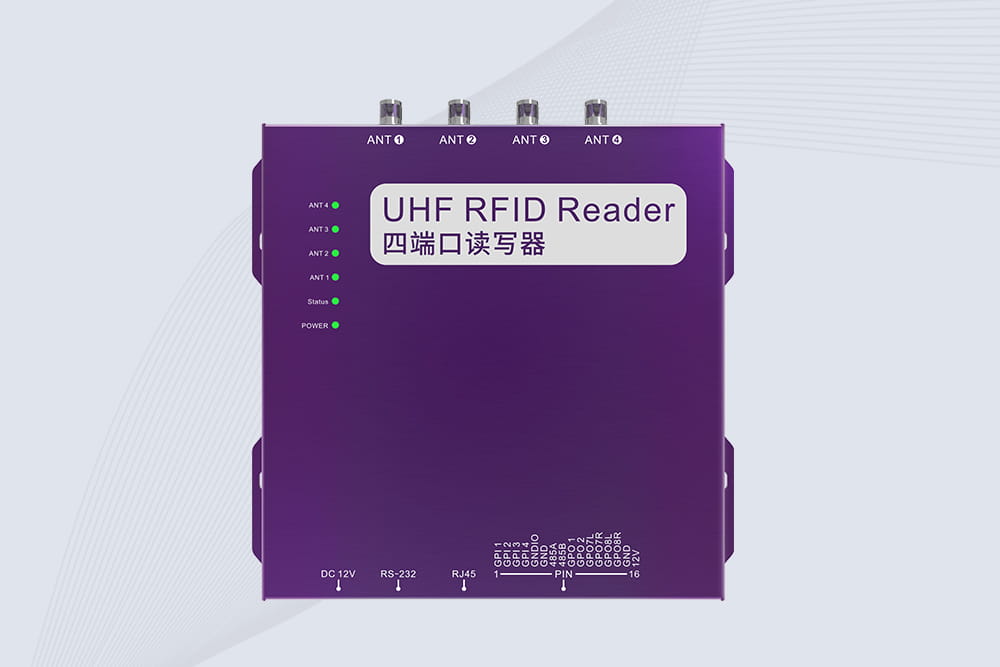
Cykeo CYKEO-R4 industrial UHF RFID Fixed Reader features 4 TNC ports, 400+ tags/sec speed, IP67 housing, and global frequency compliance for vehicle inspection, smart warehouse, and asset management systems.
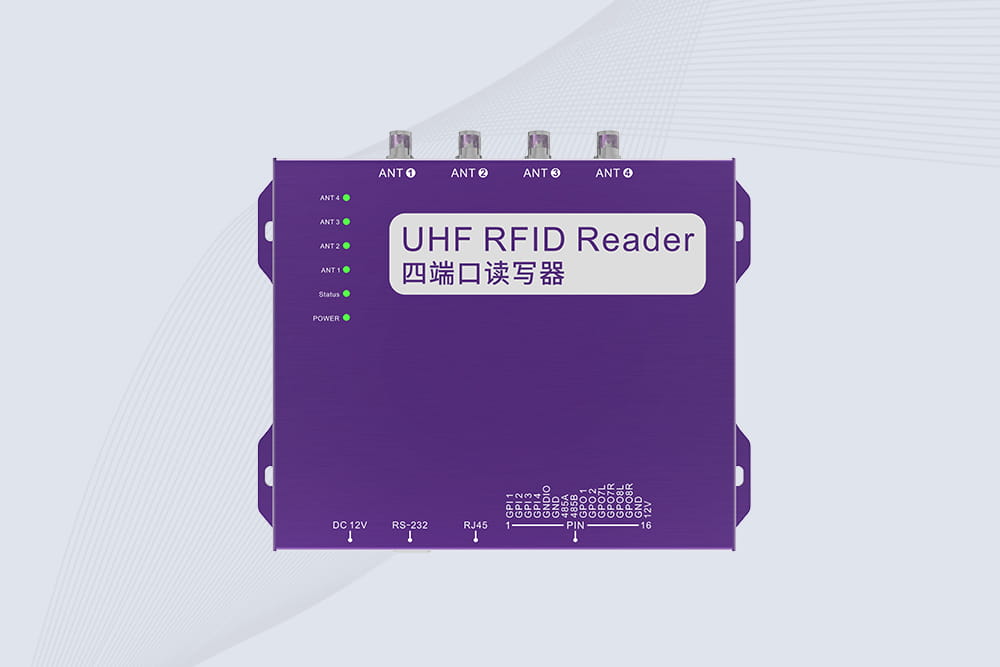
Cykeo’s CYKEO-R4L 4-port Fixed UHF RFID Reader delivers 400 tags/sec scanning, ISO 18000-6C compliance, and IP65 protection. Ideal for warehouse automation, manufacturing WIP tracking, and logistics management.
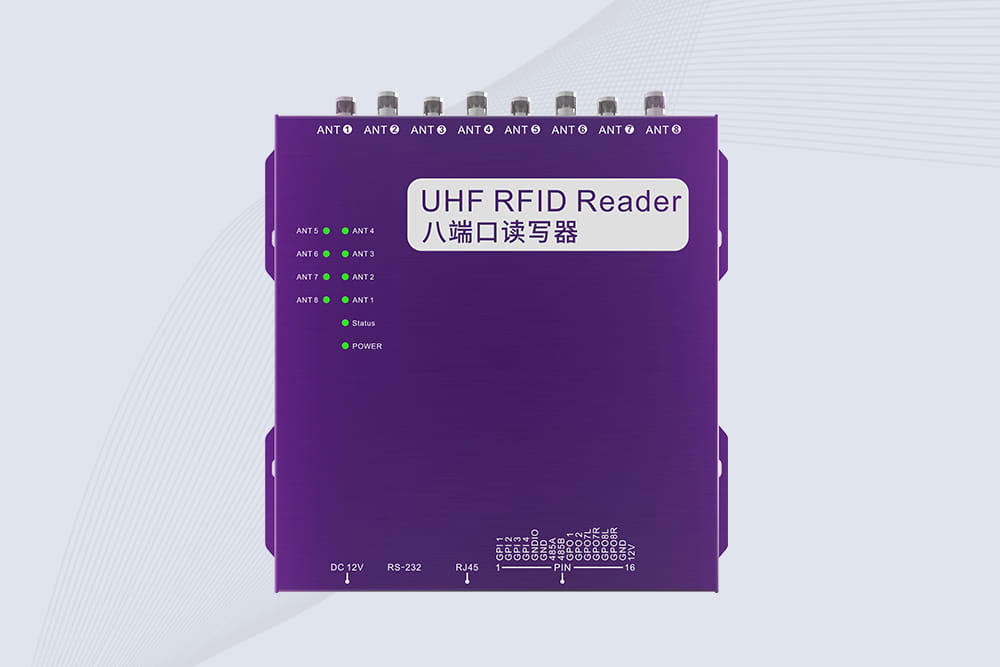
CYKEO CYKEO-R8L Fixed RFID Reader with 8-port UHF design, Impinj-based RF core and up to 20m read range. An industrial Fixed RFID Reader for vehicle inspection, warehouse portals, smart manufacturing lines and secure access checkpoints.
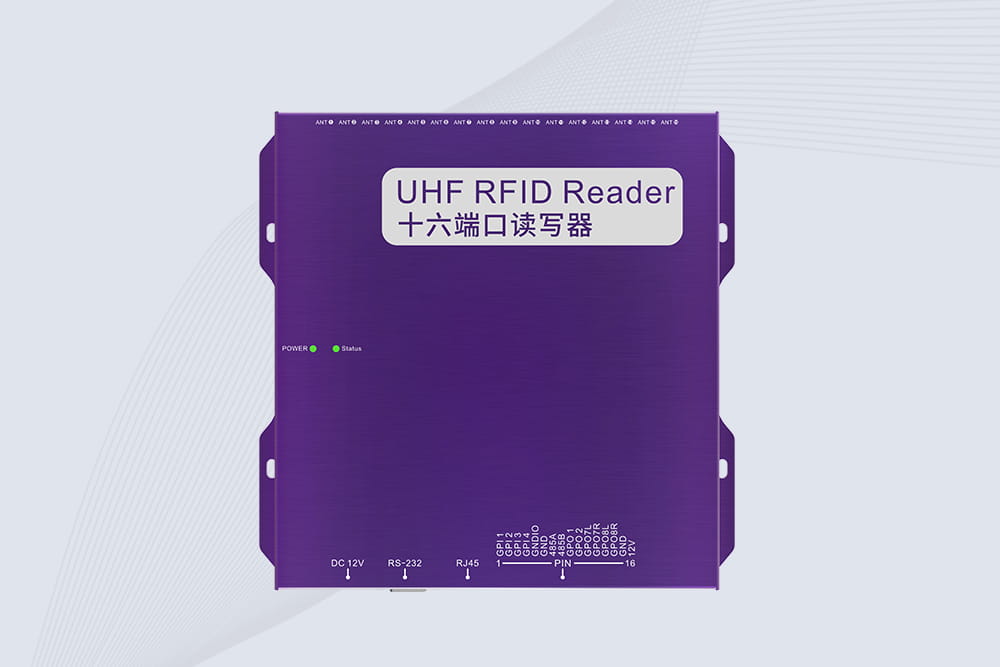
RFID Fixed Reader from CYKEO – the CYKEO-R16L 16-port UHF fixed reader for warehouses, smart cabinets, and production lines. Long-range, multi-tag reading, stable performance for 24/7 industrial use.
RFID Industry Writer | IoT & Asset Tracking Analyst
James writes about RFID technology, asset tracking, and the practical challenges of digital transformation across warehousing, retail, manufacturing, and logistics.
His work focuses on how RFID is applied in real-world operations—improving inventory visibility, automating workflows, and helping businesses manage assets with greater accuracy and efficiency.
He regularly covers topics including UHF RFID, smart cabinets, RFID portals, tool tracking, warehouse automation, and industrial IoT trends..
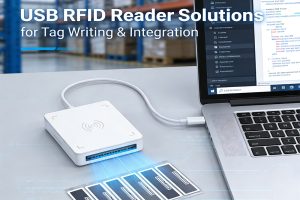
how USB RFID Readers with open SDK support streamline RFID tag writing, batch encoding, and system integration. Perfect for solution providers, developers, and warehouse automation.
More
how the CK-TP2C RFID Tunnel Reader boosts warehouse accuracy, speeds up carton scanning, and automates inbound workflows. Ideal for logistics, retail, and manufacturing operations needing fast and reliable RFID performance.
More
A developer’s real-world experience integrating an RFID tool cabinet with ERP and IoT systems using RESTful and native APIs. Covers system workflows, real-time events, and practical integration insights for software teams and system integrators.
More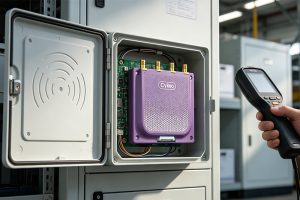
Learn how embedded RFID reader modules are used in smart cabinets, handheld terminals, warehouse automation, and industrial devices for OEM RFID integration projects.
More