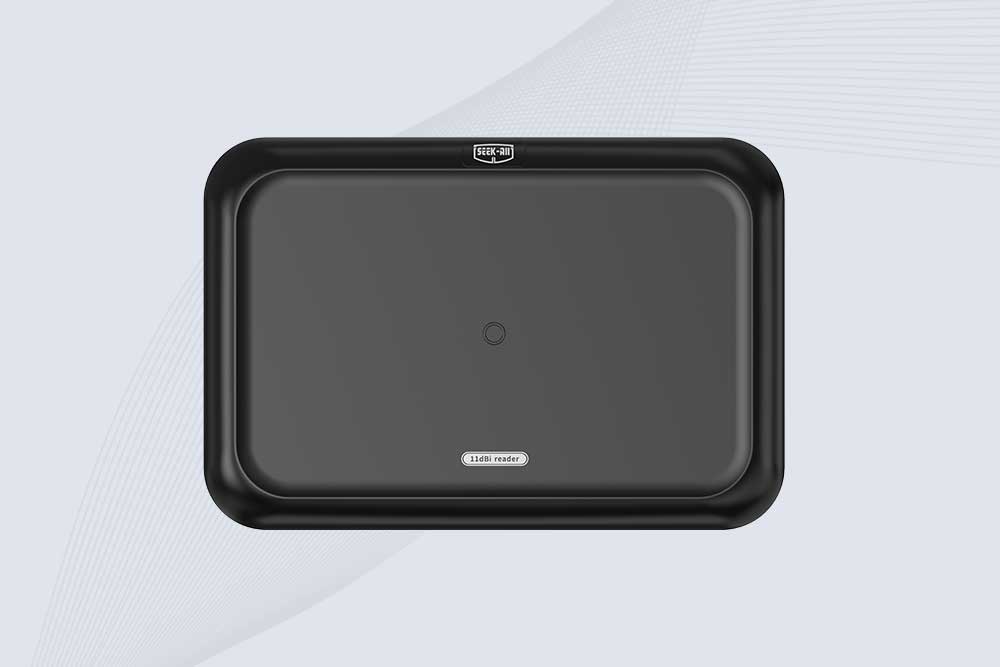
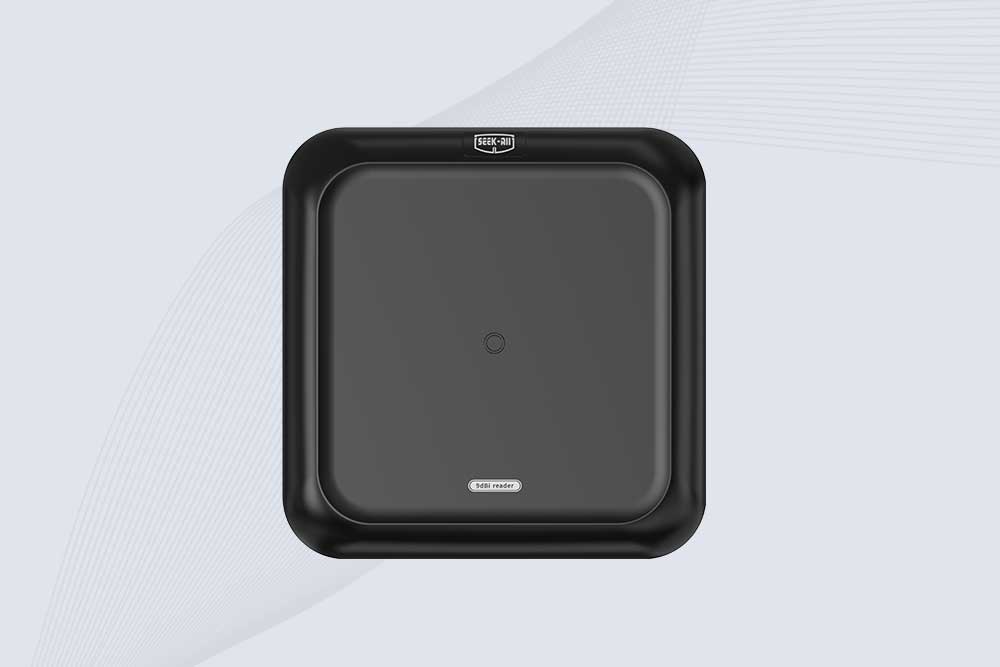
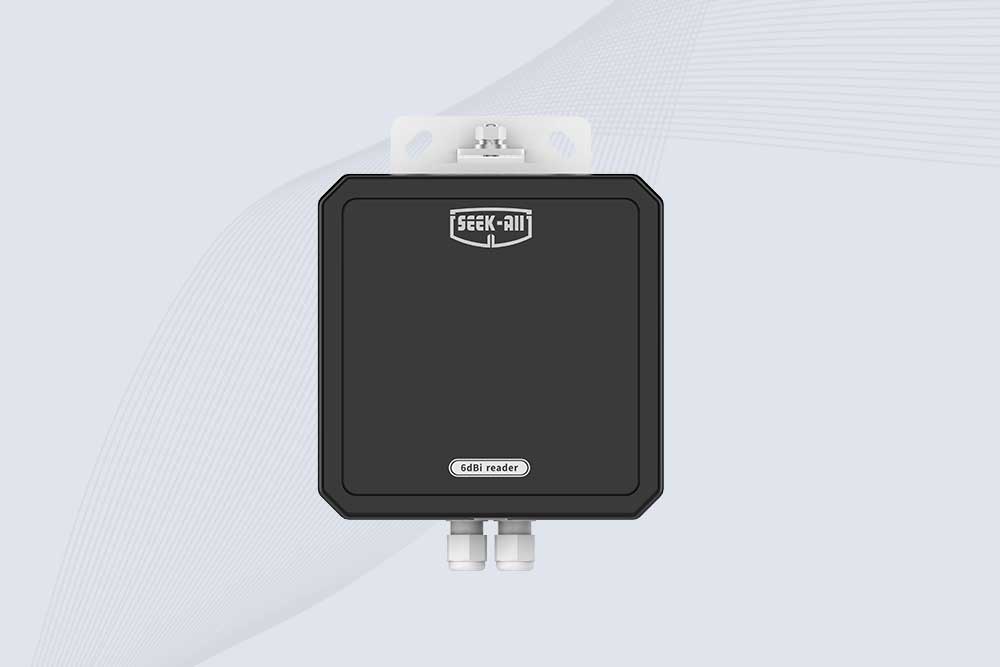
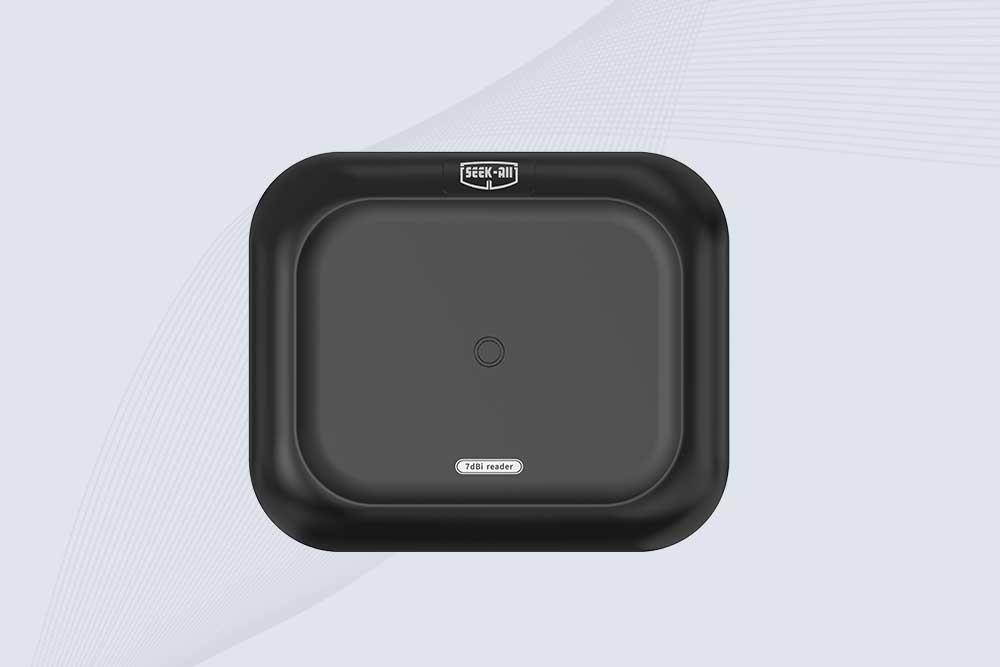
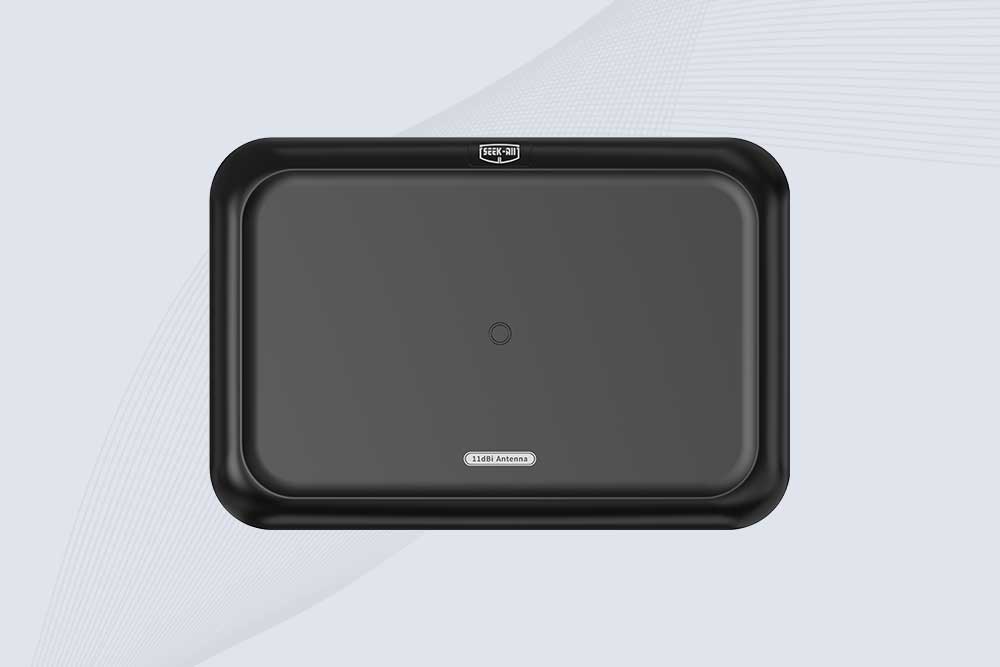
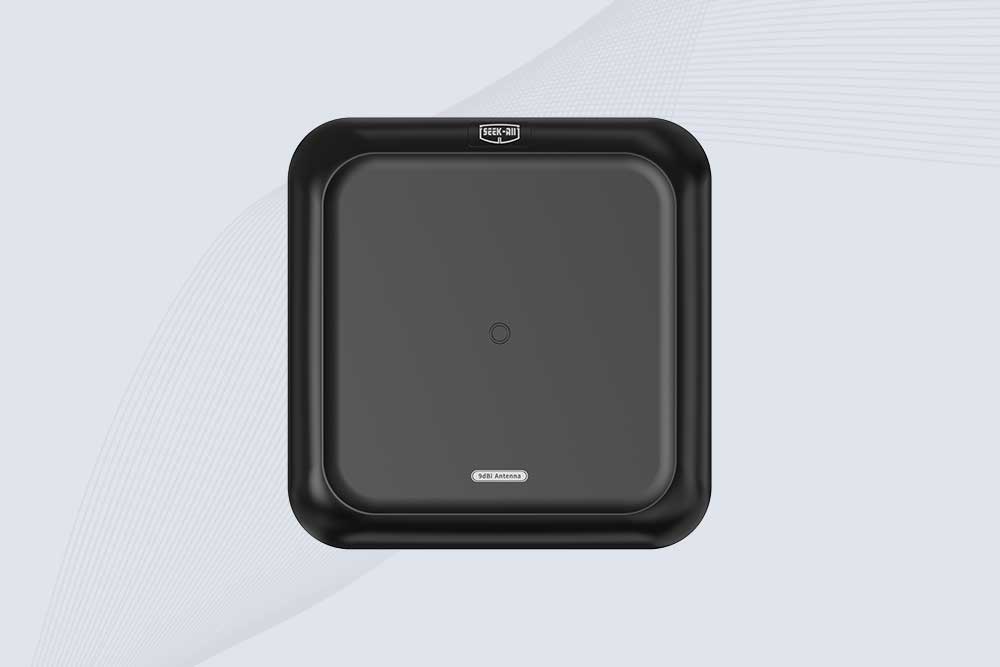
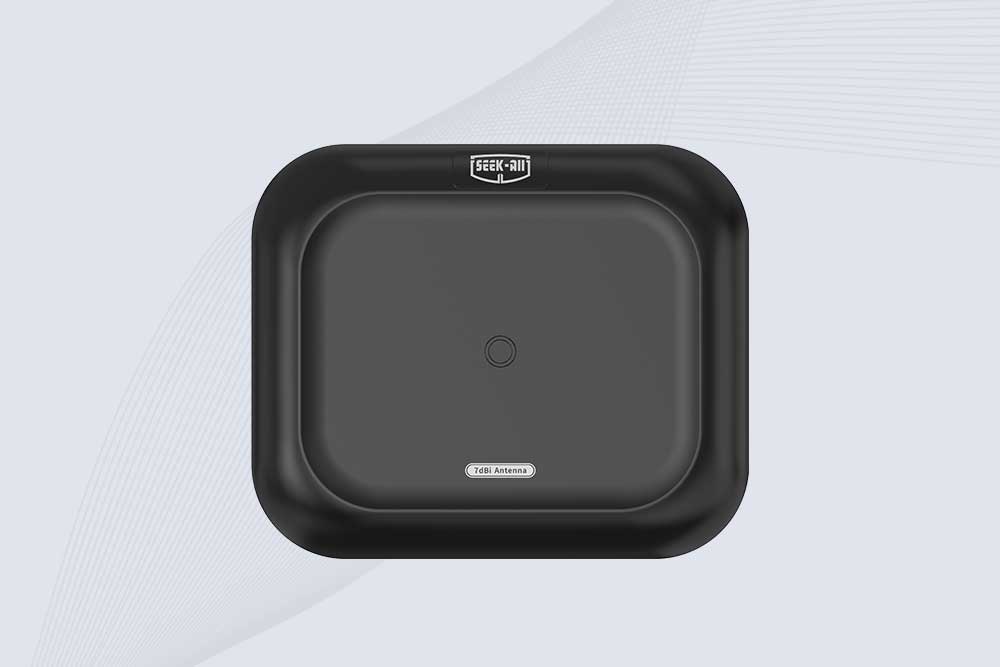
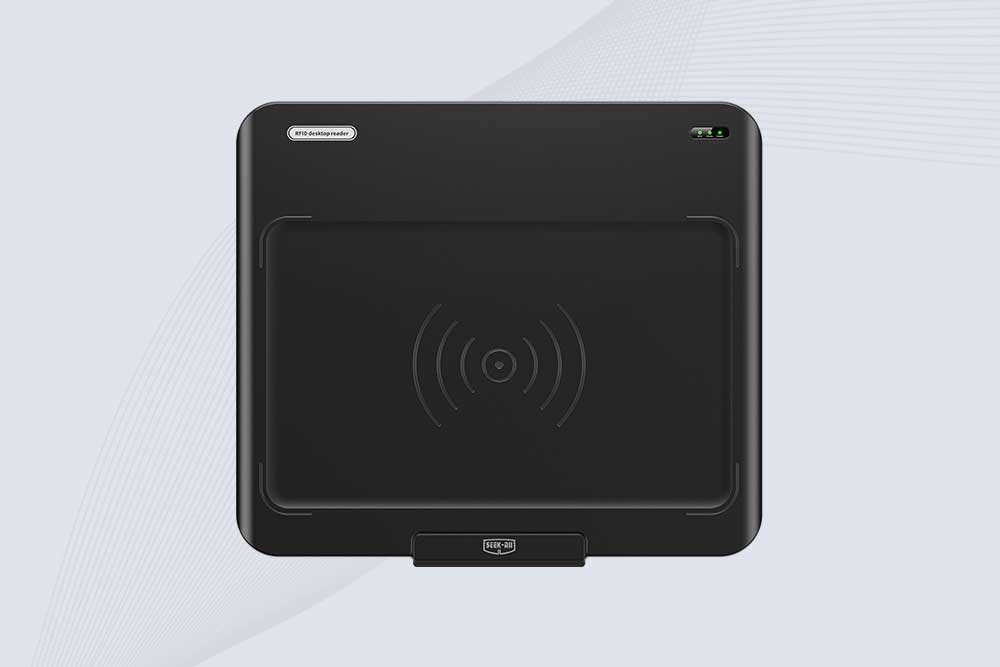
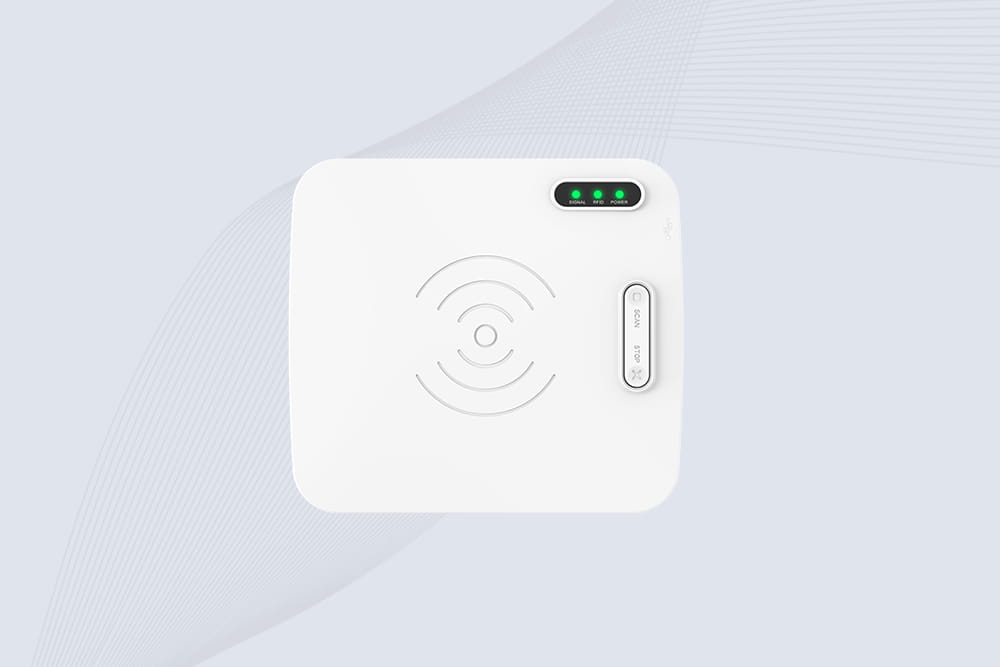
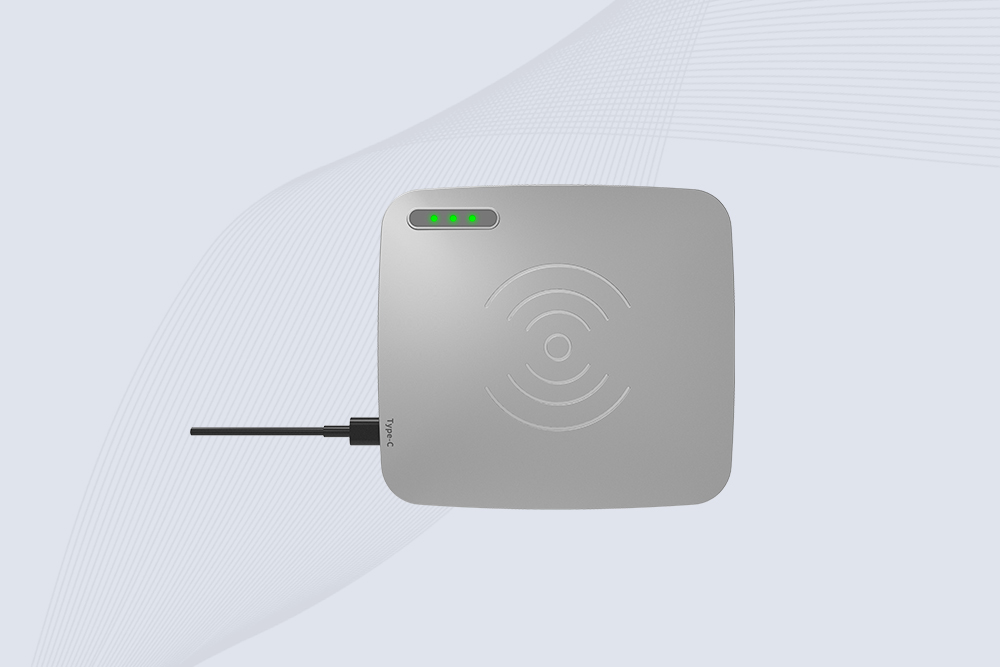
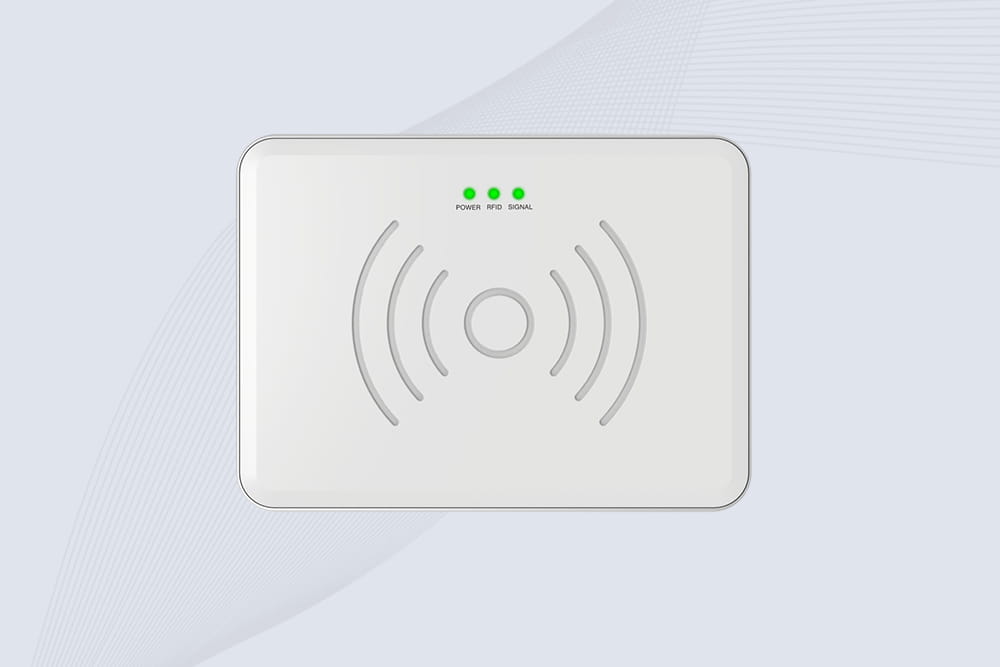
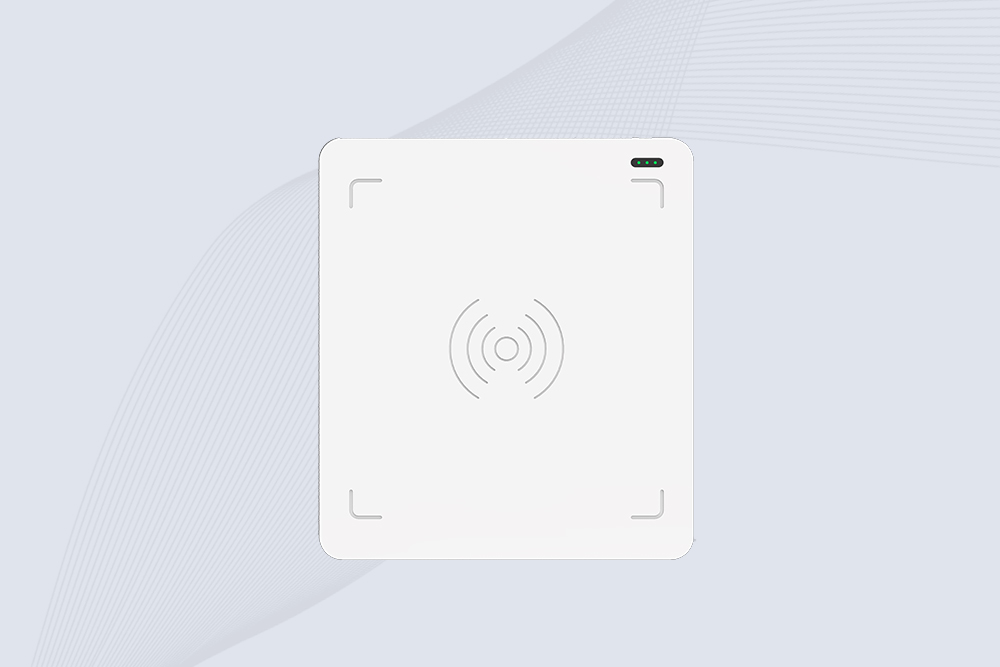
RFID readers can make retail inventory checks much faster by identifying multiple tagged products without requiring employees to scan every item individually. The real benefit, however, depends on tag placement, reader selection, store layout, and how the RFID data is connected to the inventory system.
RFID Reader for Retail Inventory: Where Does It Actually Help?
Walk into a clothing store during a busy weekend and look at what happens behind the scenes.
Products are moving constantly.
Customers pick up shirts, try on jackets, return items to the wrong rack, move products between shelves, and sometimes leave merchandise in fitting rooms.
The inventory system may still say everything is where it should be.
Until someone counts it.
That is where RFID becomes interesting.
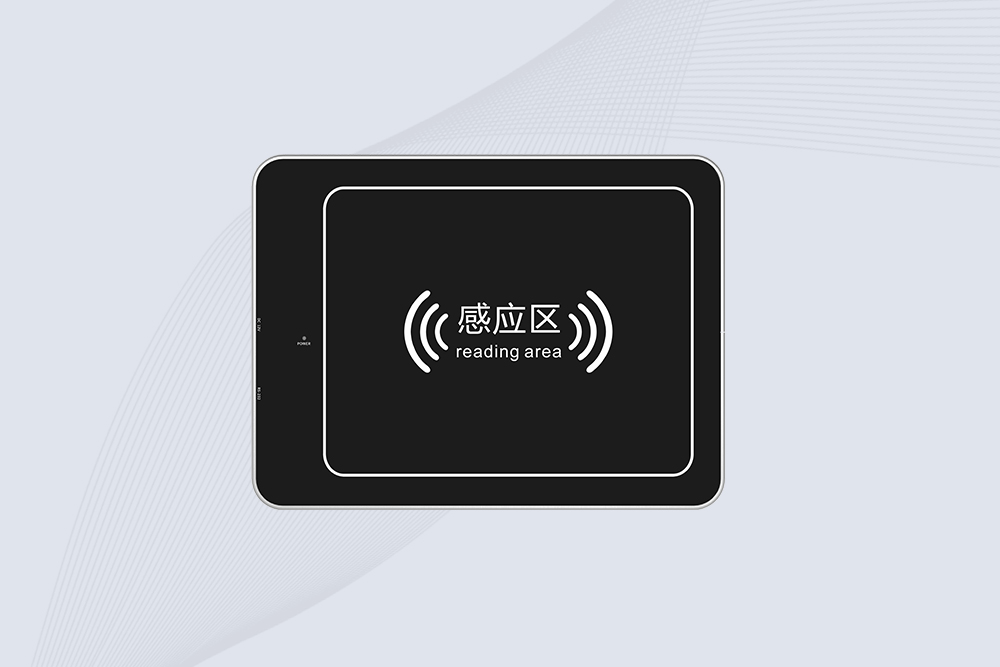
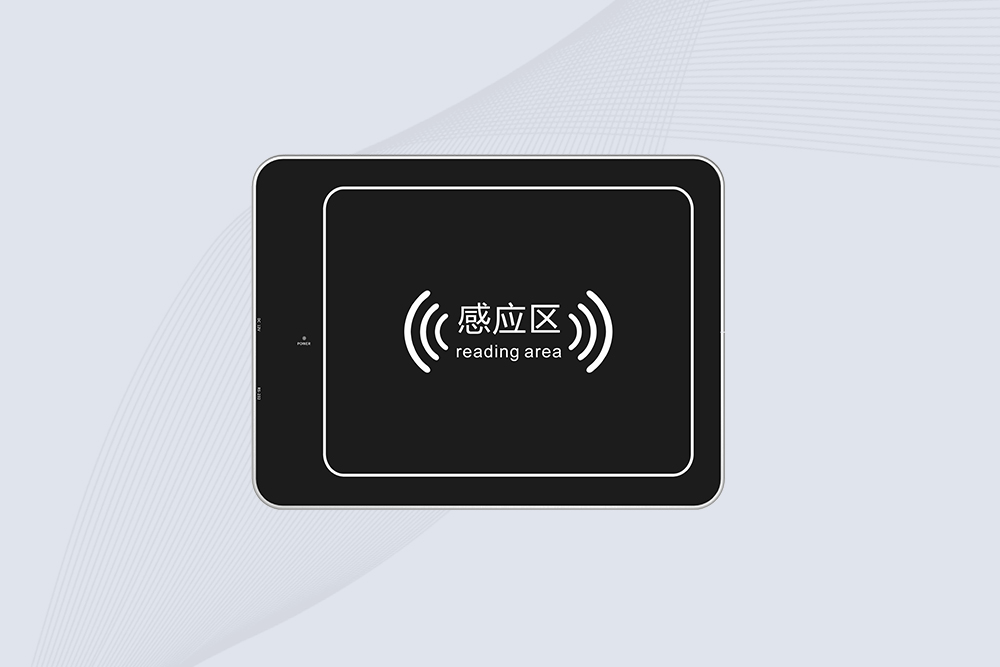
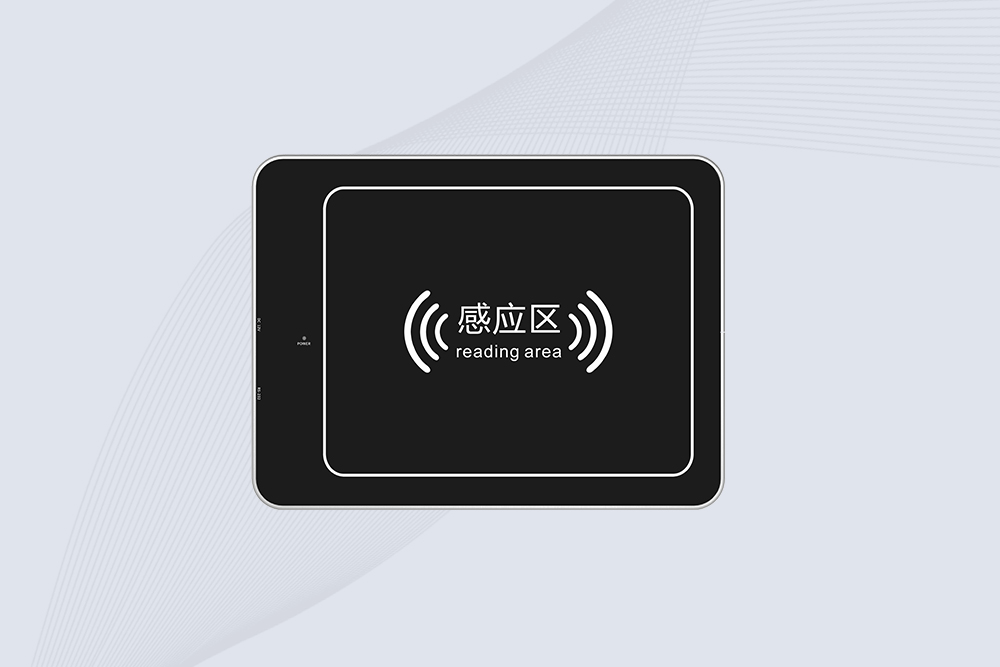
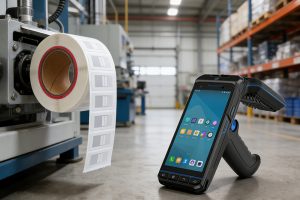
Instead of requiring an employee to point a scanner at every individual barcode, a UHF RFID reader can identify multiple tagged products within its reading area.
For a retailer with thousands of items, that difference can be significant.
But there is a common misunderstanding here.
Buying an RFID reader does not automatically create an accurate retail inventory system.
The tags, reader, RFID antenna, store layout, software and employee workflow all need to fit together.
Before selecting RFID hardware for a retail project, it helps to understand what is happening between the reader, antenna and tag. If RFID is still new to your team, our guide explains how an RFID reader works and why the different components matter.
Why Retailers Look at RFID in the First Place
Barcode systems are not bad.
In fact, they work very well for many retail operations.
The problem is the amount of manual work involved.
An employee doing a stock count might need to:
Find the product.
Locate the barcode.
Point the scanner.
Scan the item.
Move to the next product.
Do this for hundreds or thousands of products and the labor adds up.
RFID changes the interaction.
The reader can detect RFID tags within a suitable reading area, so the employee does not necessarily have to aim at every product.
For clothing retailers, this can be particularly useful because garments are often densely arranged on racks.
A handheld RFID reader can move along a rack while collecting tag information.
The employee can focus more on where the products are and less on physically scanning each barcode.
Handheld RFID Readers Are Often a Good Starting Point
For retail stores, handheld readers can be surprisingly practical.
Imagine an employee doing a morning stock check.
They walk into the store with a handheld UHF RFID reader.
Instead of picking up every shirt and scanning its barcode, they walk slowly along the racks.
The reader detects nearby tagged products.
The software compares those tags with the expected inventory.
Missing products become easier to identify.
Of course, the exact performance depends on the tag and store environment. A crowded rack, metal shelving, folded clothing, and overlapping products can all affect the reading result.
Still, this workflow is one reason handheld RFID readers are attractive for retail inventory.
Cykeo provides handheld RFID reader solutions alongside fixed and other RFID reader types, allowing retailers and system integrators to choose according to the actual application. Cykeo RFID Reader Product Range
Retail RFID Is Not Only About Stock Counting
Inventory counting is probably the easiest application to understand, but it is not the only one.
RFID can also support:
Receiving
Store transfers
Backroom inventory
Item locating
Replenishment
Fitting room processes
Loss prevention workflows
Shipment verification
Omnichannel order fulfillment
Consider a store that sells clothing both online and offline.
A customer orders a jacket online.
The system needs to know whether that jacket is actually available.
If the inventory database says there are five jackets but only two can be found in the store, the retailer has a problem.
RFID does not magically fix the inventory database, but frequent RFID-based stock checks can help reduce the gap between system inventory and physical inventory.
That can be quite valuable for retailers operating both physical stores and e-commerce channels.
RFID Reader Choice Depends on the Store Layout
A small fashion store and a large retail warehouse should not necessarily use the same RFID setup.
This sounds obvious, but it gets overlooked when buyers compare products only by specifications.
For a small store, a handheld reader may be enough.
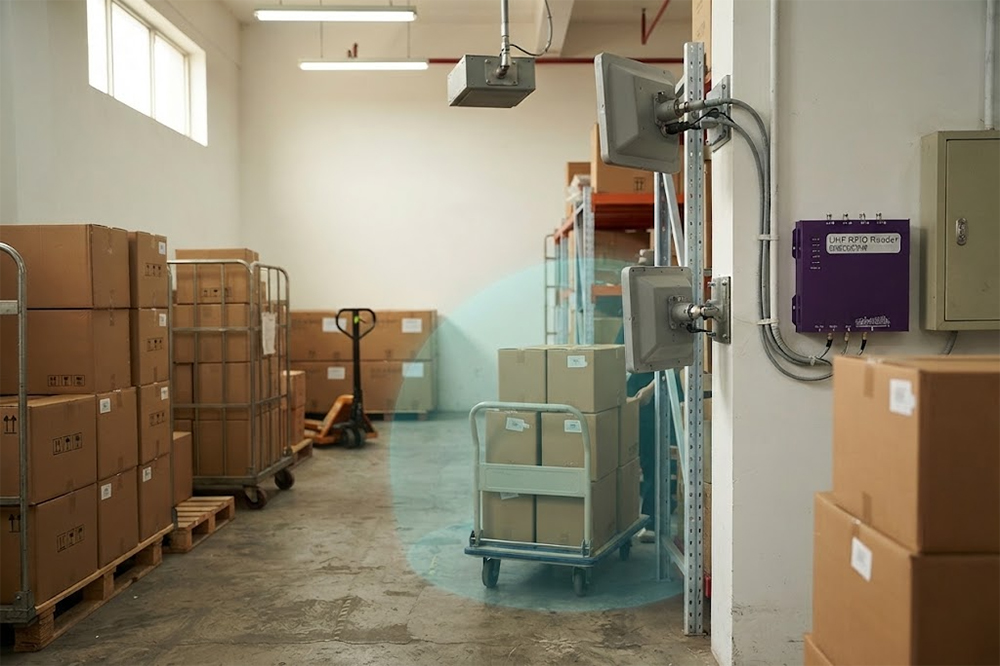
For a large backroom, fixed readers could be useful at receiving or dispatch points.
For a store entrance, a specialized RFID gate system may make sense if the project requires automatic item detection as products pass through a defined area.
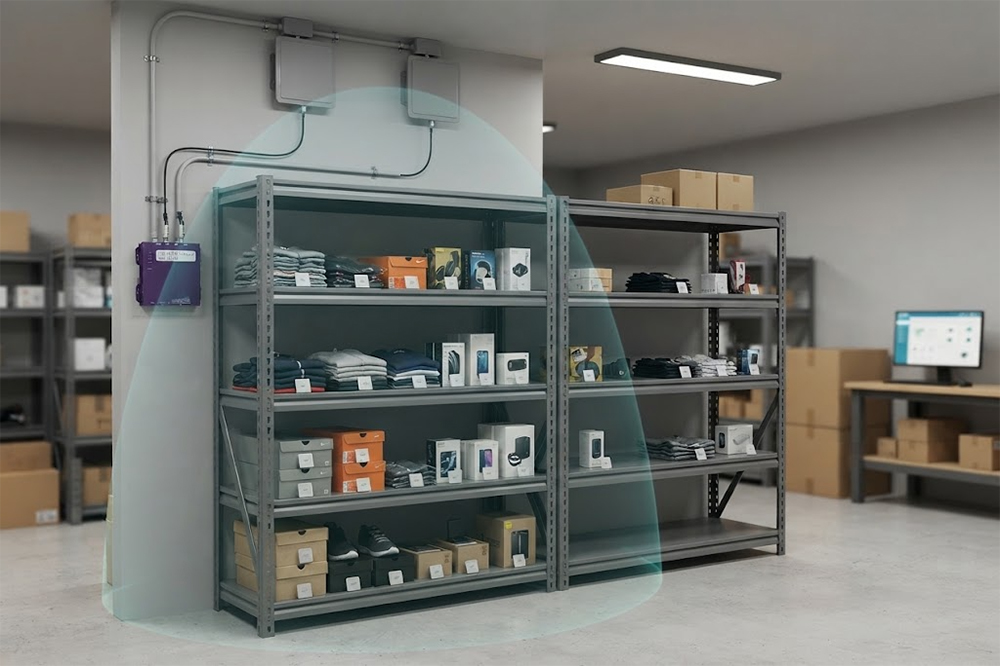
The important thing is to define the reading zone.
A retail store has lots of products close together.
If the reader detects everything within 15 meters, that may not be helpful.
In fact, it could make the data harder to interpret.
Reading Too Far Can Become a Retail Problem
This is one of those things that sounds strange until you see it in practice.
A retailer may initially ask:
“Can we get a long-range RFID reader?”
But what they often really need is:
“Can we read the products in this area without reading products somewhere else?”
Those are different requirements.
Suppose Store A and Store B share a wall.
If a reader in Store A detects tags from Store B, the retailer has a data problem.
The same issue can happen between a backroom and sales floor.
Or between two nearby stock areas.
This is why RFID reader range should be designed around the intended coverage area.
A previous article in this cluster covers this issue in more detail in RFID reader reading distance, including antenna gain, reader power, tag orientation and environmental factors.
Retail stores can be surprisingly sensitive to RFID reading distance because products may be stored close together. If the reading zone is too large, unwanted tags may be detected. Our guide to RFID reader reading distance explains the main factors behind practical RFID range.
Clothing Stores Have Their Own RFID Challenges
Retail clothing is a particularly interesting RFID application.
Garments can be packed tightly.
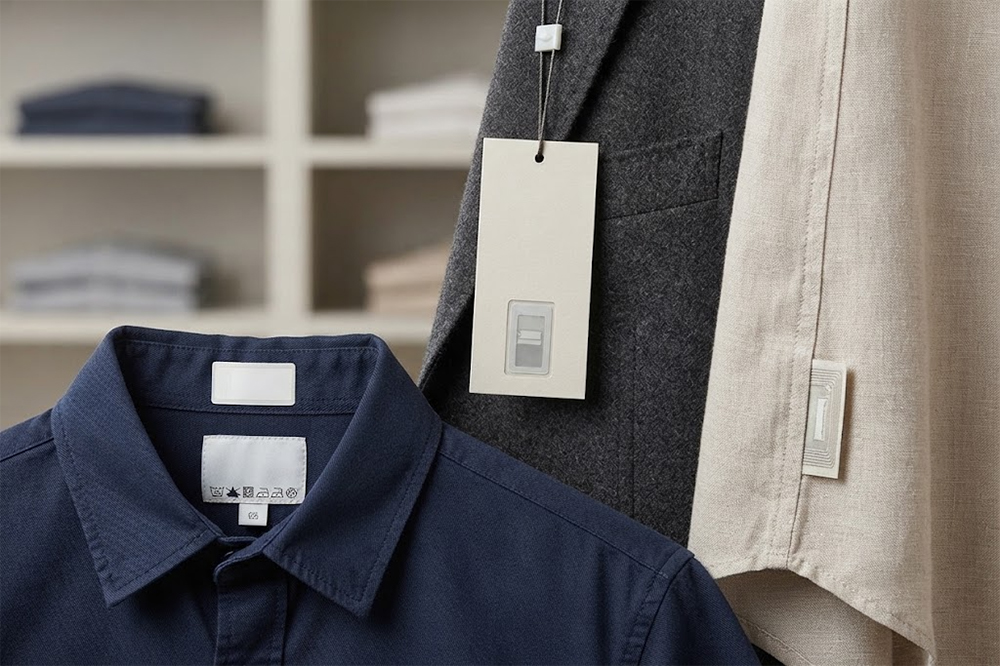
Tags may hang from labels or packaging.
Products may overlap.
Some stores use metal display structures.
Customers constantly move products around.
The same shirt may face the RFID antenna one minute and be turned sideways the next.
That means a perfect laboratory test is not enough.
The actual product should be tested in the real retail environment.
If the customer plans to use RFID on jackets, test jackets.
If the tags will be attached to shoes, test shoes.
If the store sells metal accessories, test those too.
This sounds obvious, but it is much better than discovering after installation that the selected tag performs poorly on a particular product.
RFID Tags Matter More Than Many Retail Buyers Expect
The reader gets most of the attention because it is the expensive electronic device.
But the tag is physically attached to the product.
That makes it extremely important.
A clothing RFID tag may be designed differently from a tag intended for metal equipment.
Tag size also matters.
So does antenna design.
So does where the tag is placed on the product.
For example, placing the tag close to a metal zipper, foil packaging or other RF-sensitive material may produce different results from attaching it to a cardboard hangtag.
For a retail rollout, it is worth testing the actual tag design before ordering large quantities.
What About Fixed RFID Readers in Retail?
Fixed rfid readers can be useful when products pass through predictable locations.
For example:
Receiving area
A retailer receives a shipment of 500 tagged products.
A fixed RFID system can help identify the shipment as it enters the store or backroom.
Backroom transfer
Products move from storage toward the sales floor.
A fixed checkpoint can record the movement.
Shipping area
For online orders or store transfers, RFID can help verify products before dispatch.
This is where fixed RFID readers become more interesting than handheld devices.
The reader does not depend on an employee remembering to perform the scan.
It can become part of the physical workflow.
A Practical Retail Example
Imagine a clothing retailer with 20 stores.
Each store receives new products several times a week.
The company currently performs manual stock counts.
Store employees spend several hours each week checking inventory.
The retailer wants to introduce RFID.
Instead of immediately installing expensive fixed readers everywhere, the company could begin with handheld RFID readers for inventory counting.
A pilot might cover three stores.
The retailer can compare:
Counting time
Inventory accuracy
Missing-item detection
Employee workload
Tag read performance
Software integration
If the results are good, fixed readers can later be introduced at receiving and dispatch points.
That staged approach is often less risky than trying to automate the entire retail network in one step.
RFID and Retail Loss Prevention Are Not Exactly the Same Thing
RFID can support retail security workflows, but it is important not to confuse inventory tracking with a complete electronic article surveillance system.
RFID knows that a tagged item exists and can identify its unique tag.
A retail security system may have different requirements around alarms, exit gates and unauthorized movement.
Some projects combine RFID with other technologies.
Others use RFID mainly for inventory accuracy.
The correct setup depends on what the retailer is actually trying to achieve.
This distinction is especially important when a buyer asks for an “RFID anti-theft reader.”
The supplier should first clarify the actual workflow.
Software Integration Can Make or Break the Project
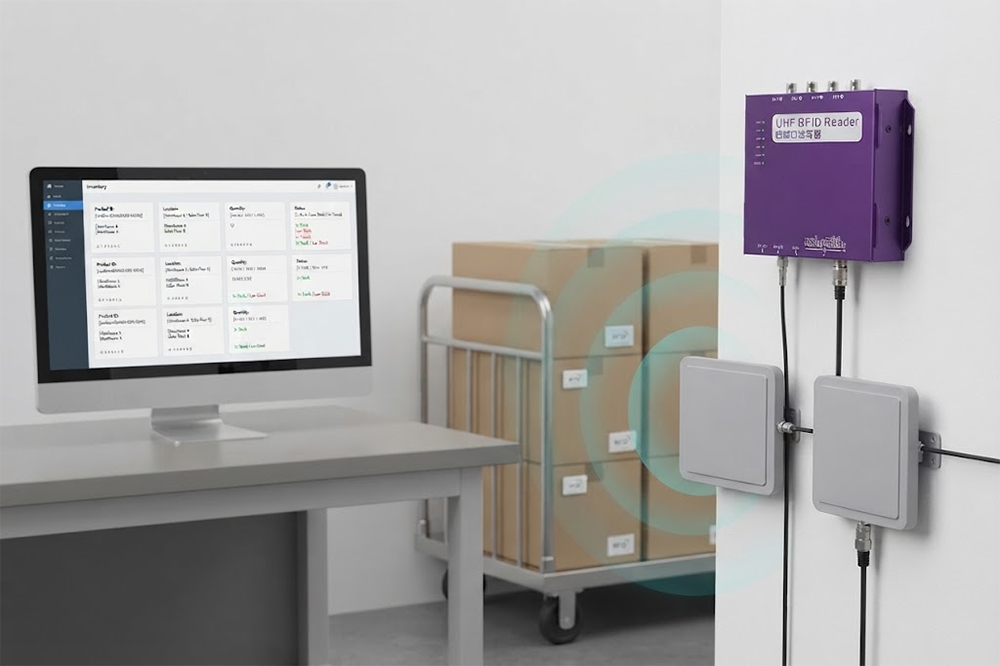
A retail RFID reader produces tag information.
The retailer needs to turn that information into something useful.
For example:
Tag ID → Product → Store → Location → Inventory Status
That data may need to connect with a POS, WMS, ERP, inventory platform or custom software.
If the hardware works perfectly but the software integration is awkward, employees may stop using the system.
That is why B2B buyers should ask RFID suppliers about communication interfaces and development support before purchasing.
Cykeo supports API and SDK integration for RFID products, which can be useful for system integrators building retail inventory solutions around existing software platforms.
How Many Products Can RFID Reader Read?
There is no simple number that applies to every retail installation.
UHF RFID readers can identify multiple tags, but actual performance depends on:
Tag quantity
Tag spacing
Reader power
Antenna configuration
Tag orientation
Product material
Reading distance
RF environment
A rack containing 20 loosely arranged tagged garments is different from a rack containing 200 tightly packed products.
Again, this is why testing matters.
A product datasheet can tell you what the hardware supports.
A pilot tells you what the system does.
Those are not always the same thing.
What Should Retailers Ask an RFID Supplier?
Before requesting a quotation, prepare some basic information.
What products will be tagged?
Clothing, shoes, electronics, cosmetics, tools or mixed goods?
Where will the reader be used?
Sales floor, stockroom, receiving area, warehouse or store entrance?
How many items are expected in the reading area?
This helps determine tag density.
How far should the reader detect products?
Try to give an actual distance or coverage area.
Will employees carry the reader?
If yes, a handheld reader may be more appropriate.
Does the retailer need automatic reading?
If products pass through fixed checkpoints, fixed readers may make more sense.
What software needs to receive the RFID data?
POS, WMS, ERP or custom software?
These details allow the supplier to recommend a more realistic configuration.
Start Small Before Going Nationwide
For a retailer with dozens or hundreds of stores, I would not recommend starting with a massive deployment unless there is already extensive RFID experience inside the organization.
A pilot store can reveal things that a conference room discussion will not.
Maybe employees prefer handheld readers over fixed systems.
Maybe one type of tag works well on most clothing but poorly on accessories.
Maybe the store layout creates unexpected reads.
Maybe the software integration takes longer than expected.
None of these are unusual.
The purpose of a pilot is to find them early.
Once the workflow is stable, scaling the system becomes much easier.
Choosing RFID Reader for Retail Inventory
For retail applications, there is no single “best” RFID reader.
A fixed reader may be better for receiving and shipping.
A long-range configuration could be useful in a warehouse connected to the retail operation.
Some businesses will eventually use several reader types.
That is perfectly reasonable.
The important thing is to start with the inventory problem rather than the product catalog.
If you are sourcing RFID readers for retail stores, distribution centers or a multi-store inventory project, you can review the Cykeo RFID reader product range and send the application details for a wholesale or project quotation.
SSD-RA06L is an industrial UHF RFID reader with a built-in 6 dBi antenna, 3 m read range, 600+ tags/s, Ethernet, RS232, and optional Wi-Fi, 4G, and PoE.
SSD-RA07L industrial UHF RFID reader with integrated 7 dBi antenna, up to 6 m reading distance, over 600 tags/s, Ethernet, RS232, and optional Wi-Fi, 4G, and PoE.
Explore the SSD-A07 UHF RFID antenna with 7 dBi gain, circular polarization, adjustable 840–960 MHz frequency, and 60°/75° beamwidth for stable RFID read/write performance.
SSD-A06 UHF RFID antenna with circular polarization, adjustable 840–960 MHz frequency, ≥4.5 dBi gain, and a compact directional design for RFID systems.
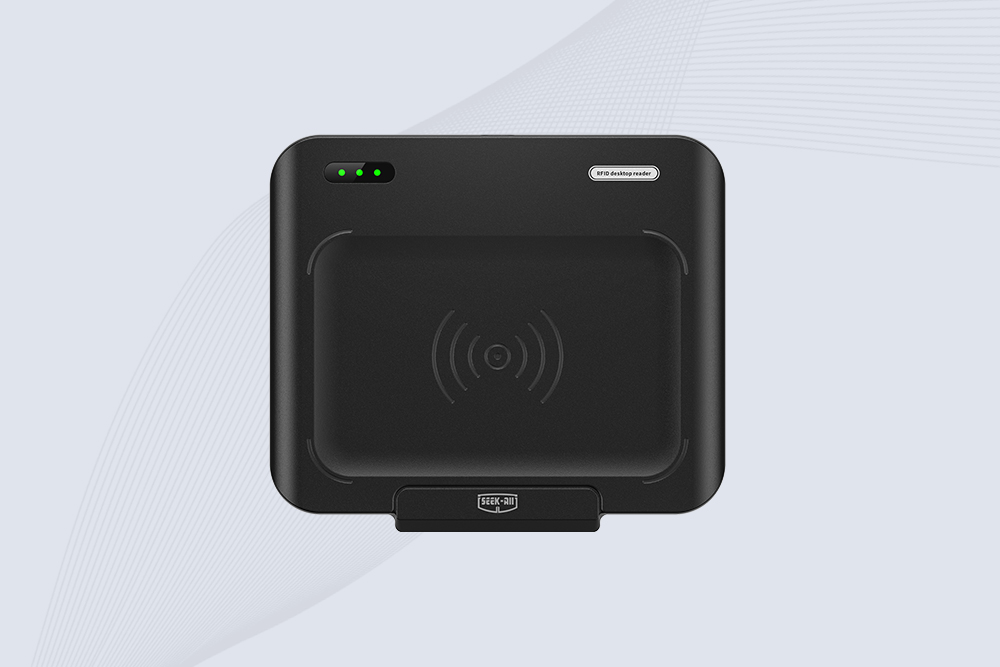
SSD-D3AL is a USB-HID UHF RFID reader with 0–30 cm reading, 0–15 cm writing, over 600 tags/s recognition, USB plug-and-play operation and OEM Logo customization.
SSD-D1AL is a compact USB UHF RFID reader with Impinj E710/X3M1 chipset, USB-HID, 600+ tags/s recognition, 4/8/16 antenna support and plug-and-play USB power.
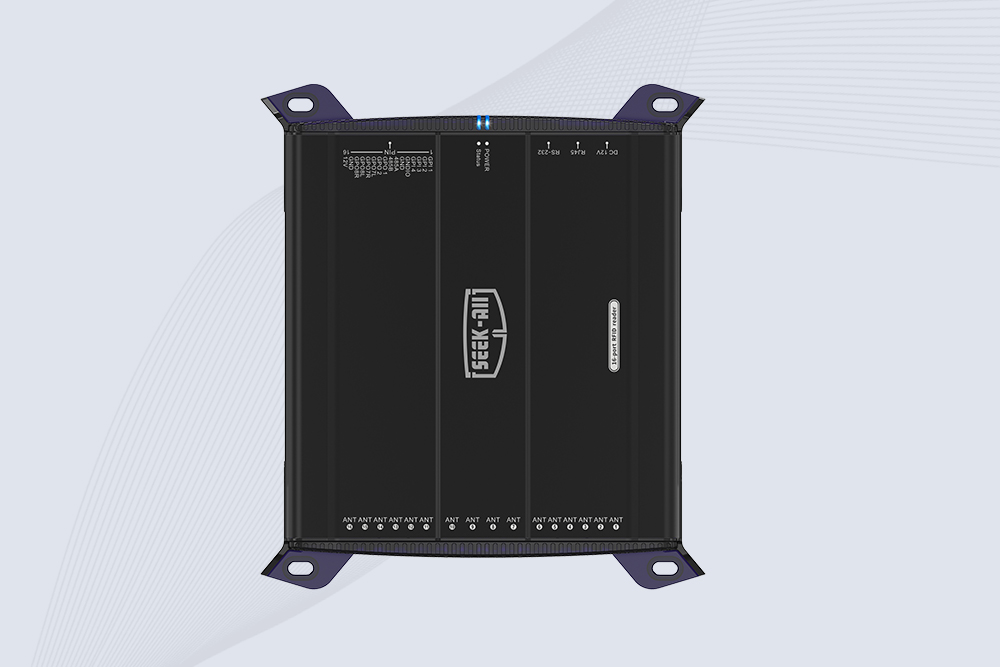
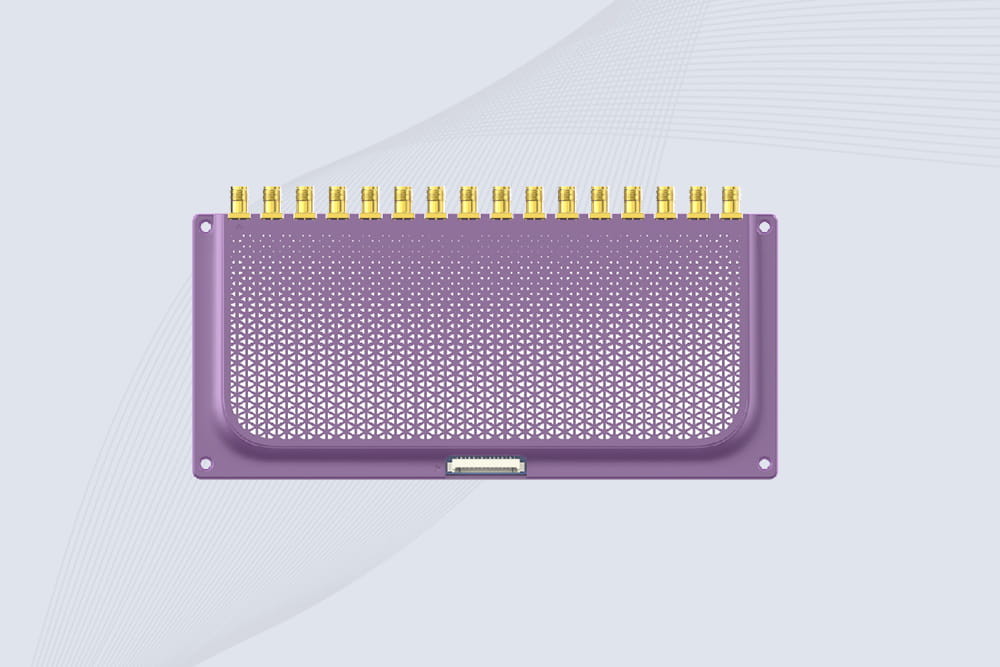
SSD-R16L Multi-Channel RFID Infrastructure for Automated Inventory Management ✔️ 16-Port High-Density RFID Reading Equipped with 16 SMA antenna ports, SSD-R16L supports multi-antenna deployment for warehouses, retail stores, logistics, production lines, and large-area RFID identification. ✔️ High-Speed & Long-Range Performance With up to 33…
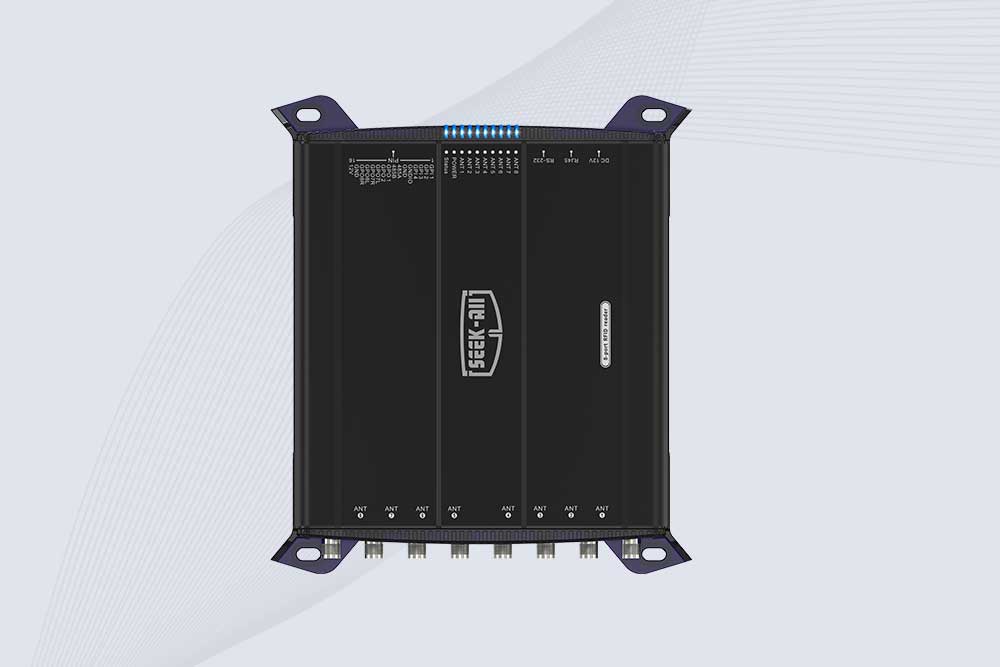
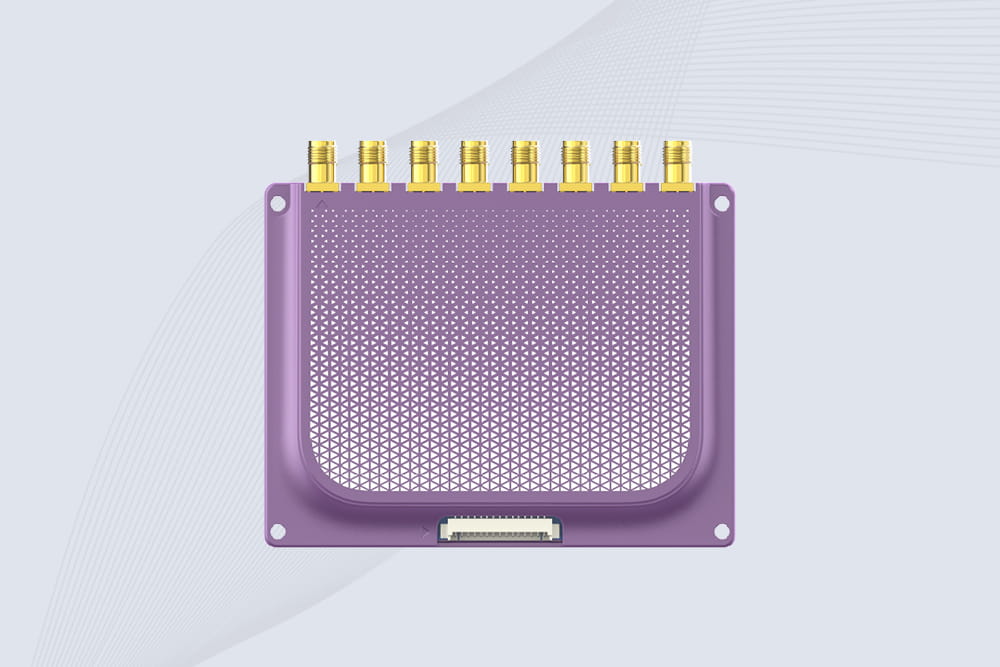
SSD-R8L 8-port UHF RFID reader with 33dBm output, up to 20m reading range and 600+ tags/s recognition. Ideal for warehouse, logistics, retail and asset tracking.
CYKEO CYKEO-D1LA USB RFID Reader is a compact desktop solution with near-field control for precise tag reading and encoding. Powered by USB, supporting ISO 18000-6C, and built for stable batch writing, this usb rfid tag reader fits retail, libraries, offices, and controlled RFID encoding tasks.
CYKEO CYKEO-D1L RFID scanner USB is a compact desktop UHF RFID scanner designed for short-range tag writing and verification. This usb rfid scanner supports batch encoding, stable 0–26 dBm output, and works across Windows, Linux, and Android systems.
CYKEO CYKEO-D1C USB RFID Card Reader is a near-field UHF desktop writer designed for secure, short-range tag encoding. With USB-C connectivity and stable 26 dBm output, this rfid reader usb c is ideal for badge issuance, label encoding, and controlled desktop RFID workflows.
CYKEO CYKEO-D2L RFID Reader USB is a compact desktop encoder built on the Impinj R500 chip. With near-field control and stable USB power, this usb rfid card reader delivers precise tag writing for offices, retail counters, and small-scale logistics encoding tasks.
CYKEO CYKEO-D3L USB RFID Tag Reader delivers stable UHF tag reading and writing for daily desktop and light industrial tasks. Designed for controlled short-range operation, this USB RFID Tag Reader works reliably with rfid tag and reader systems in libraries, tool tracking, and inventory registration.
The CYKEO CYKEO-D4L UHF RFID Tag Reader is a stable Desktop RFID Reader designed for accurate tag registration, borrowing, and return workflows. Built with the Impinj R2000 chip, this UHF RFID Tag Reader delivers controlled short-range reads for libraries, asset tracking, and inventory management environments.
The CYKEO CYKEO-D5L Desktop RFID Card Reader is a stable UHF RFID Card Reader designed for controlled short-range reading and writing. Built for libraries, tool rooms, and asset desks, this UHF RFID Card Reader supports dense tag handling, secure data processing, and easy USB integration.
The CYKEO CYKEO-D6L RFID Reader Writer is a heavy-duty Desktop RFID Reader designed for short-range, high-accuracy tag programming. Built for libraries, labs, and asset desks, this RFID Reader Writer supports batch processing, stable 33dBm output, and seamless integration with existing management systems.
Cykeo CYKEO-D8A embedded RFID badge reader offers 30+ tags/sec scanning, 20cm anti-crosstalk precision, and DC 12V power for unmanned stores, warehouses, and smart inventory systems.
Cykeo’s CYKEO-D8C UHF RFID gate reader achieves 200-tag/batch scanning with adjustable power control, ideal for retail inventory and smart warehouse management.
CYKEO Embedded RFID Modules are designed for compact industrial and IoT devices that require stable UHF performance. These UHF RFID Modules support global protocols, flexible power control, and reliable multi-tag reading for smart cabinets, production lines, and asset tracking systems.
CYKEO Embedded RFID Module is built for compact IoT and industrial devices that need stable UHF performance. This UHF module supports global protocols, low power operation, and reliable multi-tag reading for smart lockers, production lines, and always-on RFID systems.
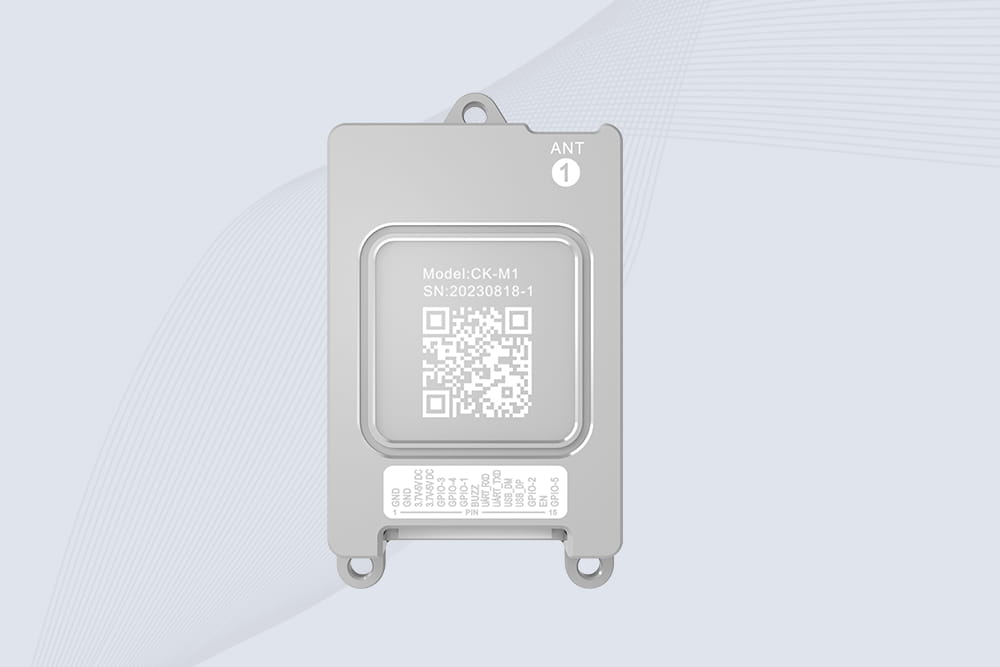
CYKEO CYKEO-M1 drone rfid module is a compact UHF RFID reader module designed for drones and UAV platforms. It supports long-range aerial scanning, fast multi-tag reading, and stable performance in wind, vibration, and outdoor environments.
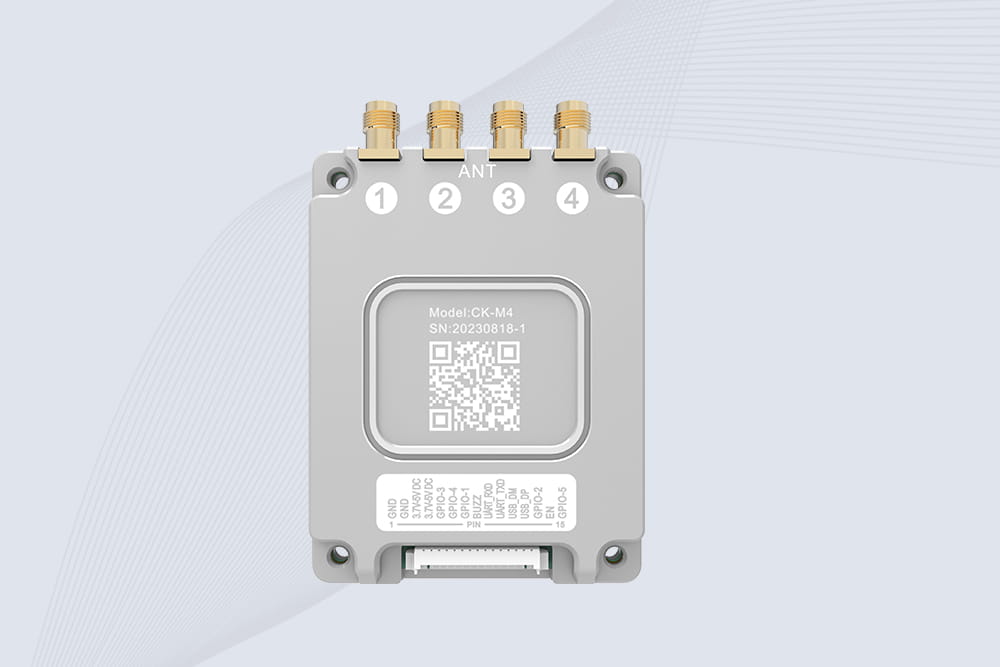
CYKEO CYKEO-M4 RC522 RFID Module is an industrial-grade UHF RFID reader with 4 ports, supporting ISO, EPC, and GB protocols. High-speed, accurate reading for IoT, automation, and warehouse applications.
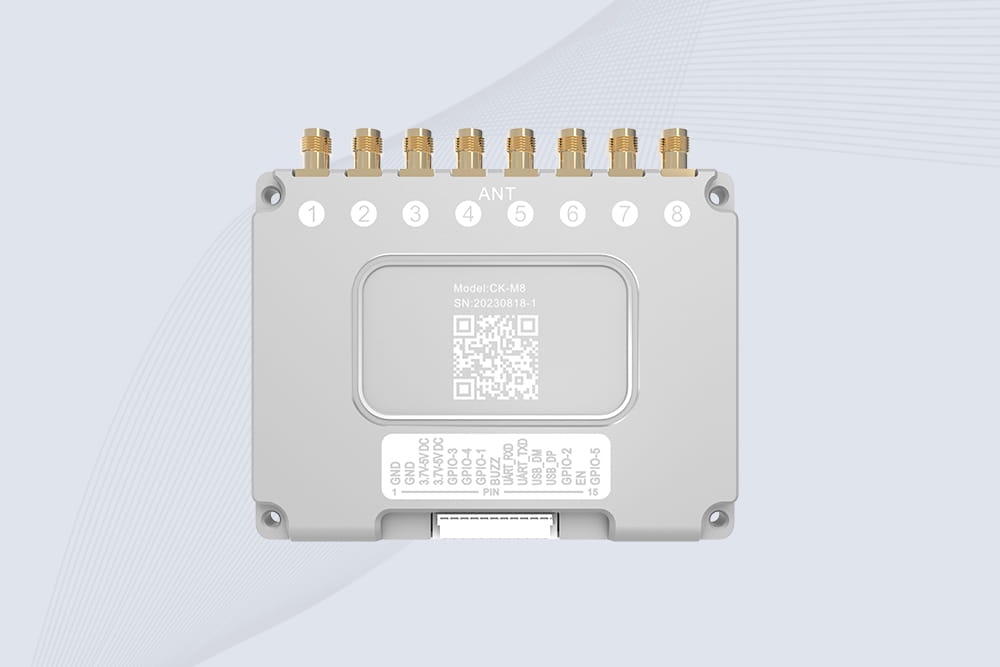
CYKEO CYKEO-M8 Module RFID is an 8-port UHF R2000 RFID Module designed for high-density, multi-tag environments. Stable 33dBm output, ISO & GB protocol support, ideal for warehouses, factories, and automated systems.
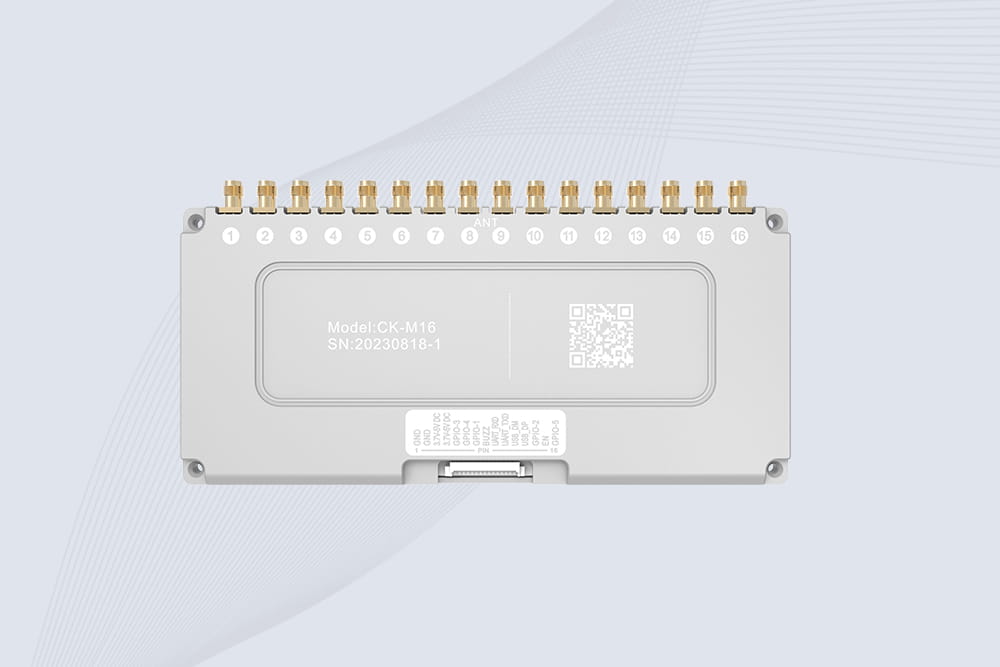
CYKEO CYKEO-M16 RFID Module is a 16-port UHF RFID reader module based on the R2000 chipset. Designed for dense tag environments, it supports ISO and GB standards and delivers stable multi-antenna control for industrial automation.
The CYKEO CYKEO-M16L RFID Reader Module is a 16-channel UHF RFID core designed for dense tag environments. With adjustable 33dBm output, multi-protocol support, and stable multi-antenna control, this RFID Tag Reader Module fits industrial automation, warehouse systems, and large-scale IoT deployments.
CYKEO CYKEO-M8L module RFID is a compact industrial UHF module built for dense tag and multi-antenna environments. With 8 RF ports, adjustable 33 dBm output, and ISO & GB protocol support, it is widely used in factories, warehouses, and automated tracking systems.
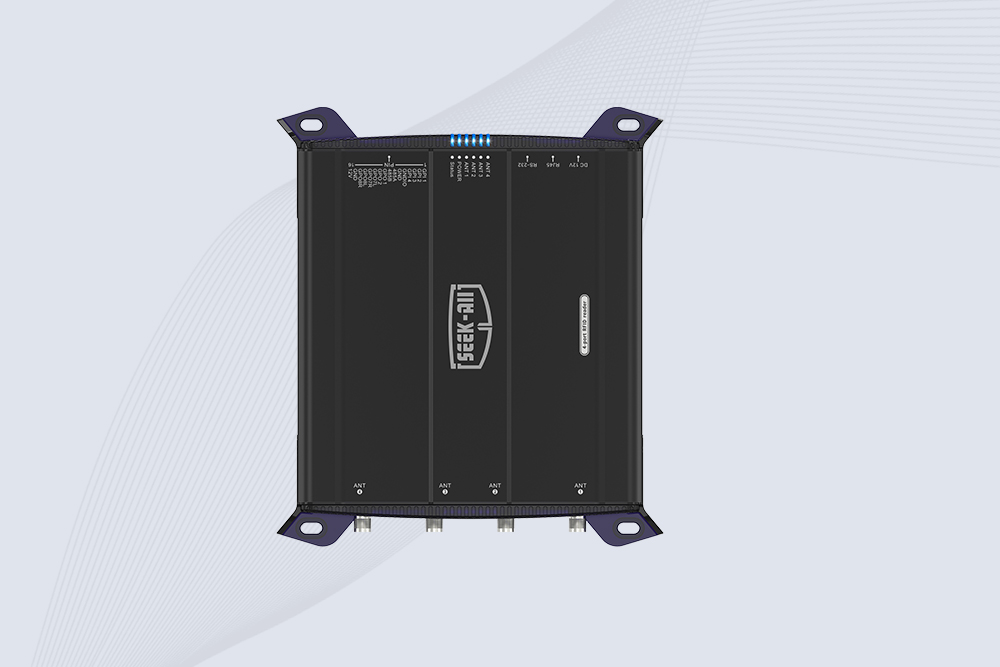
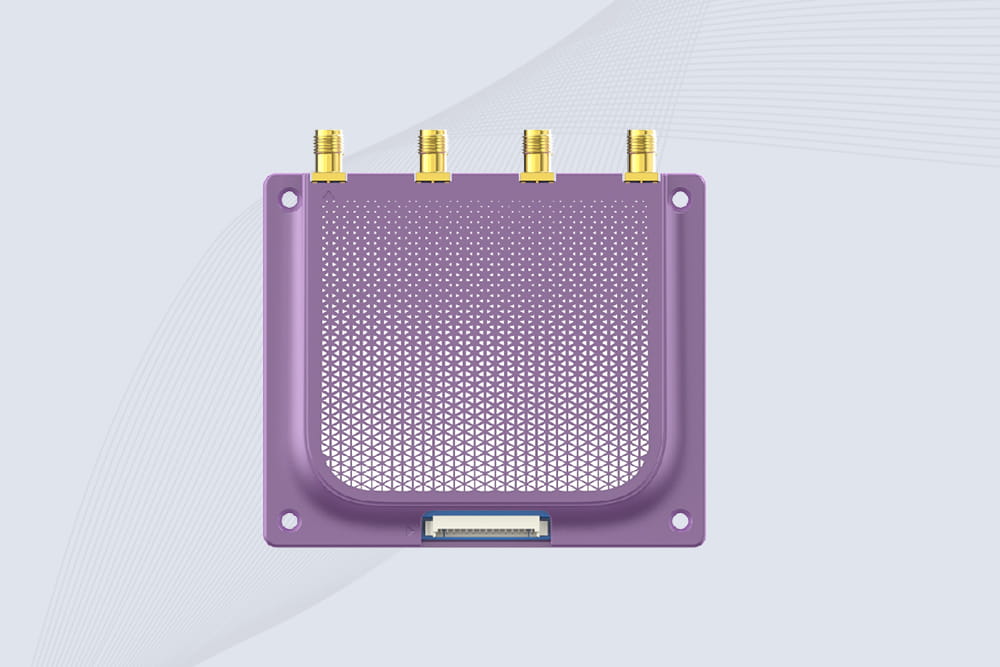
CYKEOCYKEO-M4L UHF RFID Module is a compact 4-channel RFID tag reader module designed for dense tag environments. Supporting ISO and GB protocols, it delivers stable reads up to 10 meters for industrial and IoT systems.
Cykeo CYKEO-A11 UHF RFID reader antenna delivers 11dBi gain, 840-960MHz frequency range, and IP65 ruggedness for retail, logistics, and industrial RFID systems. Features low VSWR and easy installation.
CYKEO Antenna RFID Reader delivers stable long-range UHF performance with a 10.5dBi directional design, built for warehouses, conveyor portals, and industrial RFID systems. This rfid reader antenna provides 20m+ read distance and rugged IP67 protection.
Cykeo CYKEO-A5B industrial Linear RFID Antenna delivers 5dBi gain, ≤1.5:1 VSWR, and IP65 rugged design for warehouse, production line, and logistics UHF systems.
Cykeo’s CYKEO-B12 Long Range RFID Antenna delivers 15m+ read range with 12dBi gain, IP65 rugged design, and global 840-960MHz UHF support. Ideal for warehouse/logistics asset tracking.
Cykeo CYKEO-B10 Long Distance RFID Antenna offers 10dBi gain, 840-960MHz frequency range, IP65 rating, and 20m+ coverage for logistics/warehousing/ETC systems. Low VSWR ensures stable signal transmission.
Cykeo CYKEO-A6 UHF RFID panel antenna features 6dBi gain, 840-960MHz broadband, IP65 metal-ready housing for logistics/smart retail. 18mm ultra-thin design with tool-free mounting.
Cykeo CK-A3 industrial antenna RFID UHF offers 5m+ tag detection, ≤1.3:1 VSWR, IP65 rugged design, and global UHF spectrum compatibility (840-960MHz) for warehouses, factories, and retail.
Cykeo CYKEO-B5 directional RFID antenna provides 5dBi gain with 60° narrow beamwidth for precise inventory tracking. IP65-rated, global UHF frequency support, and low VSWR.
Create your own high-performance DIY RFID antenna! 5dBi gain, 840-960MHz tunable, step-by-step guides. Compatible with Arduino, Raspberry Pi, and commercial UHF readers.
Cykeo CYKEO-A7 Flexible RFID Antenna features 840-960MHz wideband tuning, 7dBi gain, and IP68 rating for medical/retail/industrial curved surface deployments. 98% read accuracy with peel-and-stick installation.
Cykeo CYKEO-B5A industrial Passive RFID Antenna delivers 5dBi gain, 70° beamwidth, and -40°C~55°C operation for warehouses/smart cabinets. Compatible with Zebra/Impinj readers.
Cykeo’s CYKEO-A9B High Gain RFID Antenna delivers 15m+ read range with 9dBi amplification. Features IP54 rugged design, 840-960MHz bandwidth, and 80° beamwidth for warehouse/manufacturing RFID systems.
Cykeo’s enterprise-grade 8dbi Impinj RFID Antenna 10m+ read range with 840-960MHz tuning. Features IP65 housing, 1.4 VSWR, 35° beamwidth for retail/warehouse RFID systems.
Cykeo CYKEO-A9 industrial UHF RFID antenna delivers 9dBi gain, 840-960MHz frequency range, and IP65 protection for warehouse/logistics/retail RFID systems. Features N-type connector and ≤1.3:1 VSWR.
CYKEO UHF RFID Antenna built for long-distance and industrial applications. This antenna rfid uhf delivers strong gain, outdoor durability, and reliable tag performance in warehouses, yards, and vehicle ID systems.
RFID Industry Writer | IoT & Asset Tracking Analyst
James writes about RFID technology, asset tracking, and the practical challenges of digital transformation across warehousing, retail, manufacturing, and logistics.
His work focuses on how RFID is applied in real-world operations—improving inventory visibility, automating workflows, and helping businesses manage assets with greater accuracy and efficiency.
He regularly covers topics including UHF RFID, smart cabinets, RFID portals, tool tracking, warehouse automation, and industrial IoT trends..
A field-style breakdown of directional RFID antennas for integrators and wholesalers. Real deployment notes, beam control issues, warehouse gate behavior, and what actually matters when building stable RFID reading zones.
Learn how long do led tennis court lights last and how asset tracking tag systems improve visibility, reduce loss, and enable real-time tracking efficiency.
Many ask: can an RFID antenna activate devices? We explain the limitations and possibilities of UHF antenna power transfer for sensors and simple circuits.
Discover how RFID technology and smart cabinets transform factories and assembly lines. Track parts, tools, and inventory in real-time, prevent mistakes, and optimize production with full visibility.
 Cykeo RFID IoT Solution Products R&D Manufacturer