I still remember one warehouse project where everything looked fine on paper.
Two antennas, UHF reader, standard gate setup. Nothing fancy.
But when pallets started moving through… tags were popping up from the next aisle. Even from a metal rack maybe 3–4 meters away. The client wasn’t happy, obviously. They didn’t care about “signal theory”. They just wanted clean entry/exit logs.
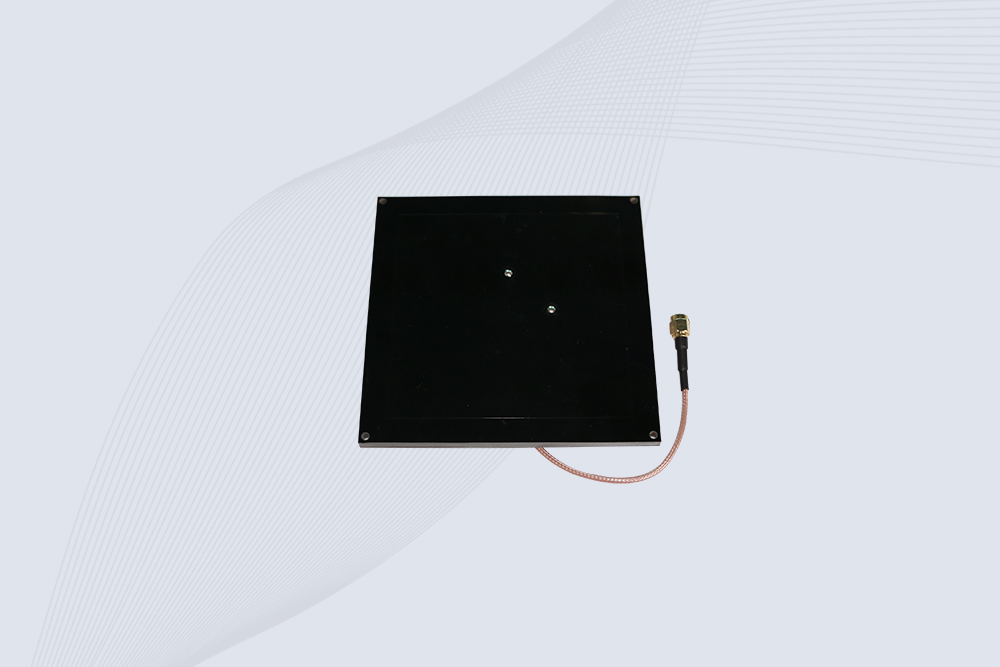
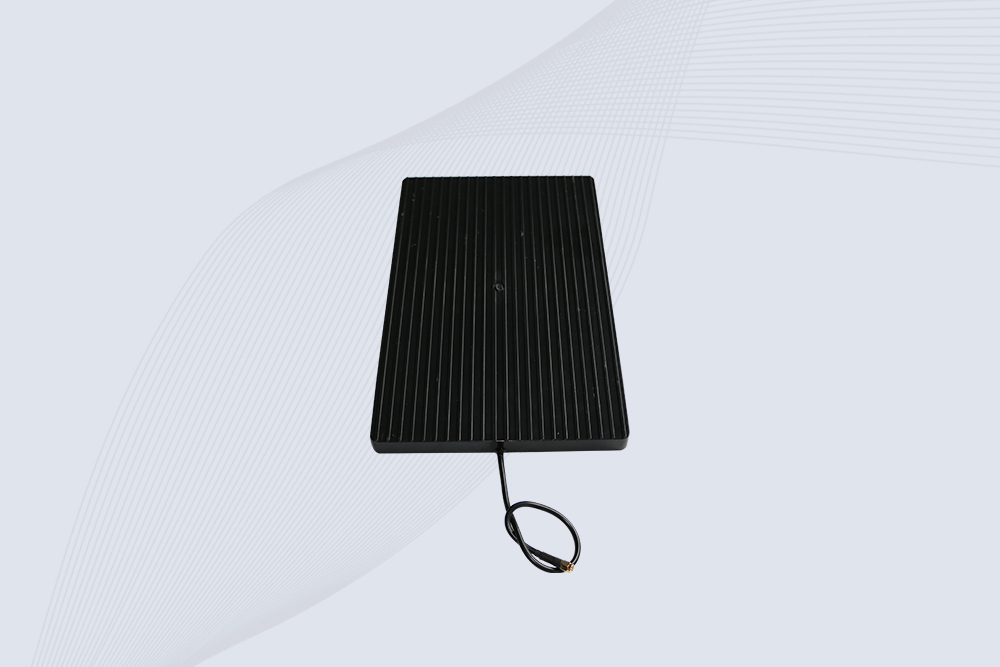
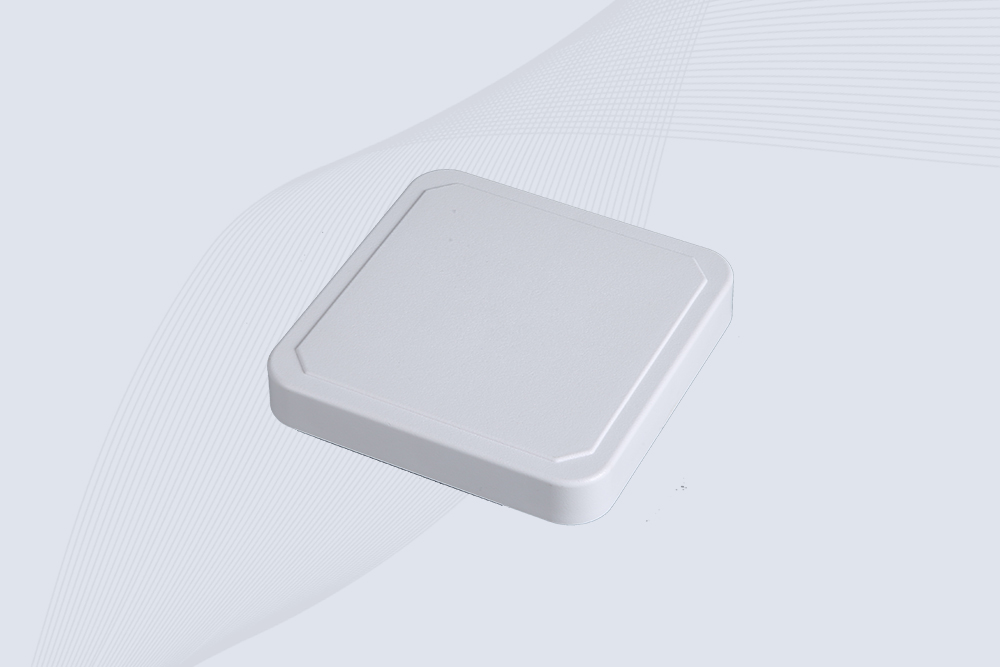
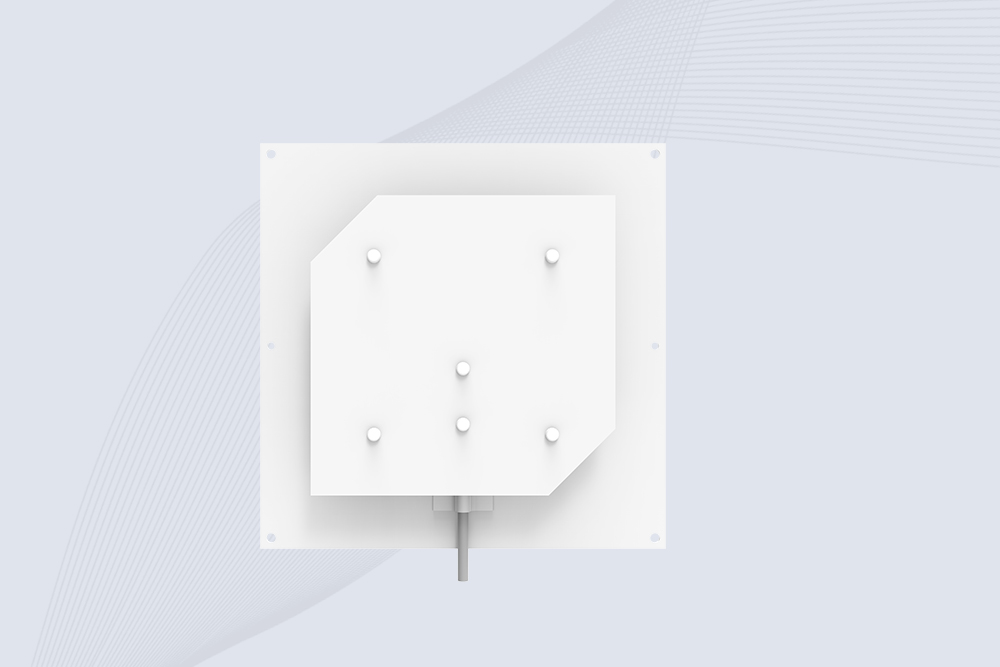
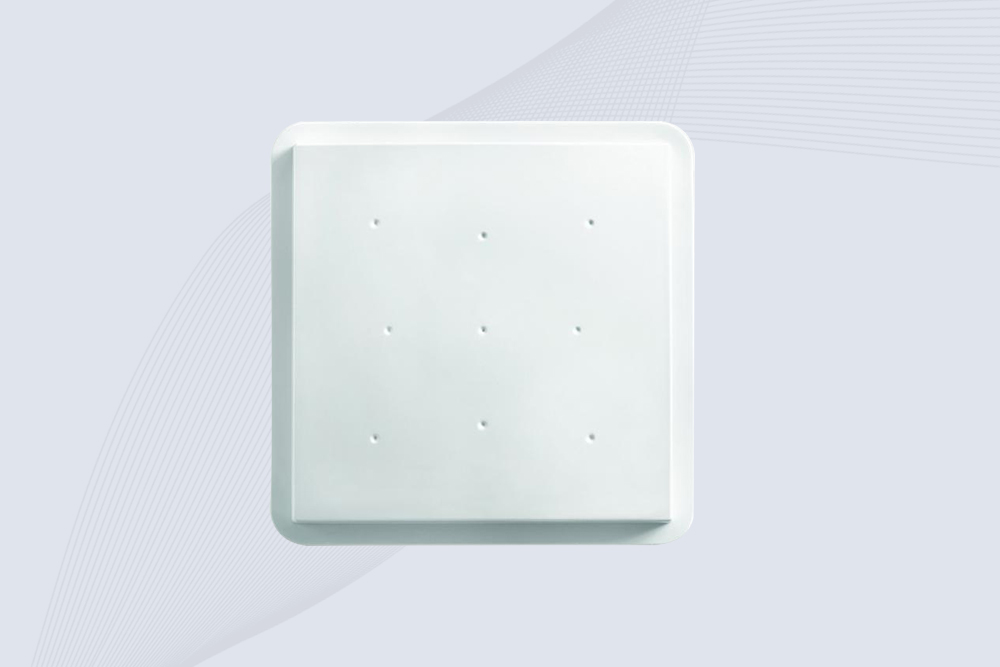
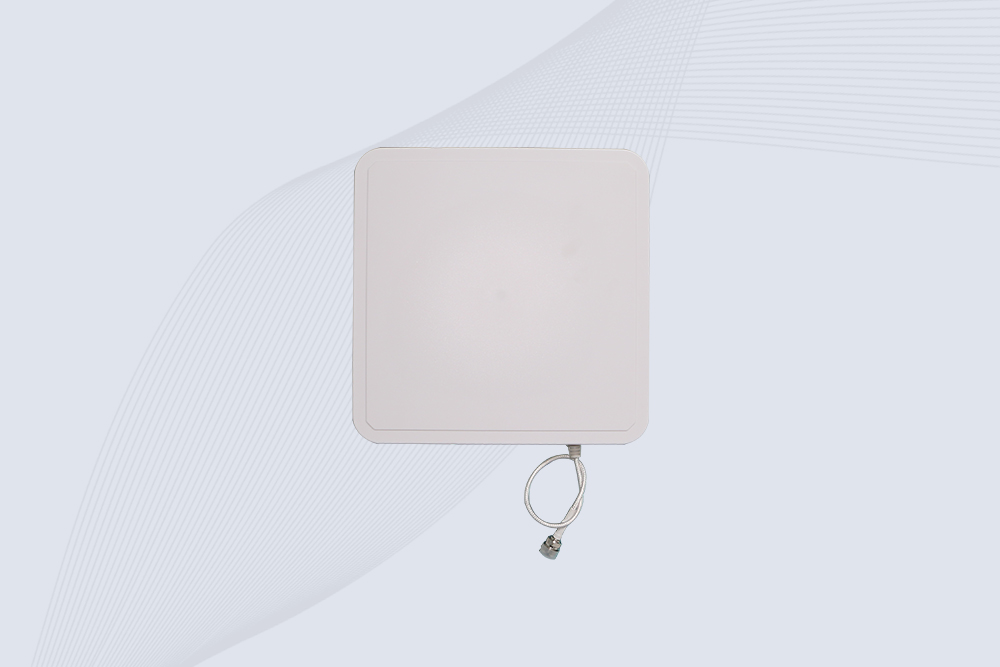
That’s usually where directional RFID antennas start to matter in a very practical way.
Not as a spec sheet item. More like a control tool.
It’s not really about “reading more” — sometimes it’s about reading less
This sounds a bit wrong at first, especially if you come from a hardware sales background.
Most people ask:
“How far can it read?”
“What’s the gain?”
“Can we increase power?”
But in real deployments, especially in warehouses or gate systems, the problem is often the opposite.
Too much reading.
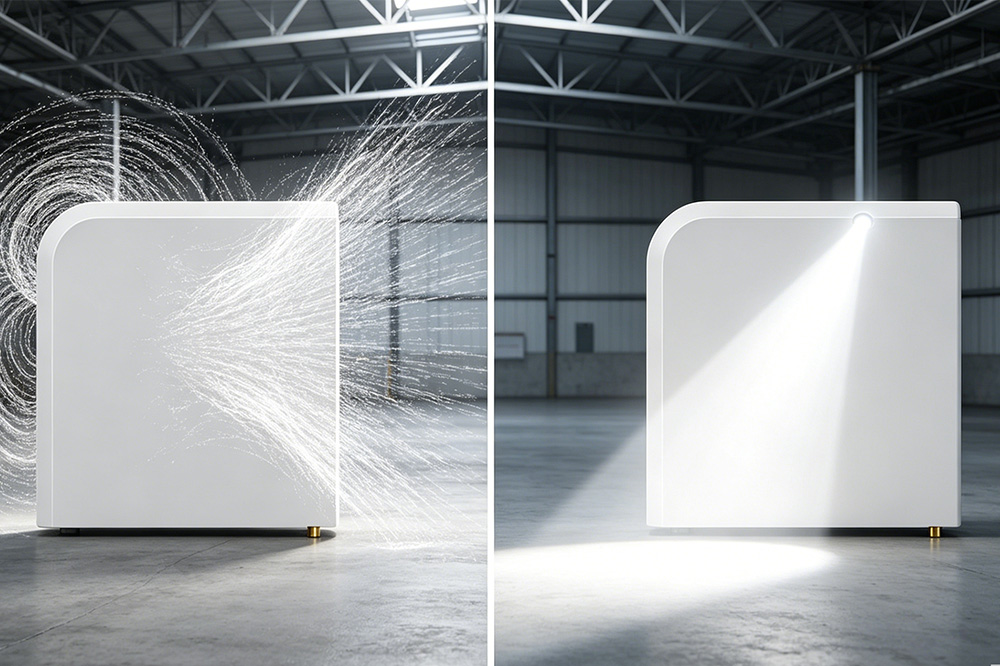
A directional RFID antenna kind of behaves like a flashlight instead of a bulb. You stop illuminating everything around you. You start choosing where the signal should actually matter.
In one textile project (garment cartons stacked quite densely), we even had to reduce coverage on purpose. Otherwise, the system was mixing inbound and outbound flows at the same time. That wasn’t obvious until the system went live.
Beam width is where things get a bit “real”
Datasheets usually show clean numbers:
30°, 60°, 90° beam
9dBi, 12dBi, 15dBi gain
But in the field, those numbers don’t behave like neat diagrams.
A 60° antenna might still “spill” into areas you didn’t expect, especially if:
metal racks are nearby
tags are highly reflective
installation height is slightly off (this one happens more than expected)
I’ve seen engineers try to fix software filtering first. EPC filtering, time windows, middleware logic…
Sometimes it works. Sometimes it just adds complexity on top of a physical problem.
Then someone swaps in a narrower beam antenna, and suddenly everything becomes “boringly stable”.
Not always, but often enough that integrators start paying attention.
Gain is not a “more is better” game
Higher gain sounds attractive in brochures.
But in directional RFID antenna setups, higher gain often means:
longer range
narrower focus
more sensitivity to angle mistakes
And this is where installation teams sometimes get stuck.
I remember a parking access project where 12dBi antennas were initially used. The gate was reading vehicles on the adjacent lane. Not because the hardware was bad, but because the beam was simply too aggressive for that environment.
They downgraded to a lower gain + adjusted tilt angle.
It worked better, even though on paper it looked like a “reduction”.
This kind of thing doesn’t show up in spec comparisons.
Polarization is usually ignored… until tags start behaving randomly
Linear vs circular polarization doesn’t sound exciting.
But in real warehouses:
tags are not always aligned
cartons rotate
labels face different directions
Circular polarization tends to “hide problems” caused by randomness. Linear polarization can be more precise, but less forgiving.
One integrator told me something like:
“Circular is safer when we don’t control how customers stick tags.”
That stuck with me because it’s very practical thinking, not theoretical preference.
Installation angle… this is where most “RFID failures” quietly come from
There’s a pattern I’ve seen more than once.
People assume:
hardware issue → replace device
But sometimes the real issue is just angle.
A small tilt change (maybe 10–15 degrees) can:
shift read zone inward
reduce cross-reading
improve tag consistency at edges
One warehouse gate had antennas mounted too flat. They were basically “looking” too far across the corridor.
After adjusting the angle slightly downward, the system became noticeably more stable.
No firmware change. No reader replacement.
Just physics behaving differently.
Directional RFID antenna in system design — it’s not isolated
This is where integrators usually separate from basic installers.
I’ve seen systems where hardware was fine, but the workflow was chaotic. Mixed inbound/outbound paths, unclear lanes… and then people blame RFID accuracy.
Sometimes the system is doing exactly what it’s supposed to do — just in a messy environment.
Typical use cases where directional antennas actually matter
Not every project needs them. That’s probably worth saying.
But when they matter, they really matter:
warehouse dock doors with mixed traffic
retail inventory zones close to each other
laundry tracking tunnels
tool tracking rooms or cabinets
industrial asset portals with metal-heavy surroundings
In cleaner environments, omnidirectional antennas can still work fine. But once you introduce overlapping zones, things get complicated fast.
For wholesalers / solution providers — what buyers usually ask
When customers contact us for rfid antennas, the conversation often starts with specs.
But later it shifts to things like:
“Can we avoid cross-reading between gates?”
“Will this behave the same in another warehouse?”
“How much tuning is needed onsite?”
That “repeatability” concern is actually more important than gain or frequency range.
Some integrators prefer suppliers who can provide:
consistent beam behavior
stable mounting options
cable flexibility
reader compatibility testing
This is where OEM/ODM direction becomes relevant.
In projects we worked on with RFID automation lines, including systems like those from Cykeo, antennas are rarely treated as standalone products. They are more like part of a controlled reading environment.
One thing that doesn’t get said enough
Directional RFID antennas don’t “solve RFID problems”.
They just reduce uncertainty in a very physical way.
Sometimes the improvement is immediate. Sometimes it takes a few adjustments that nobody predicted at the start.
And sometimes, honestly, the issue is still somewhere else in the system.
But when the reading zone finally behaves like a controlled space instead of a messy RF field… the whole system feels different.
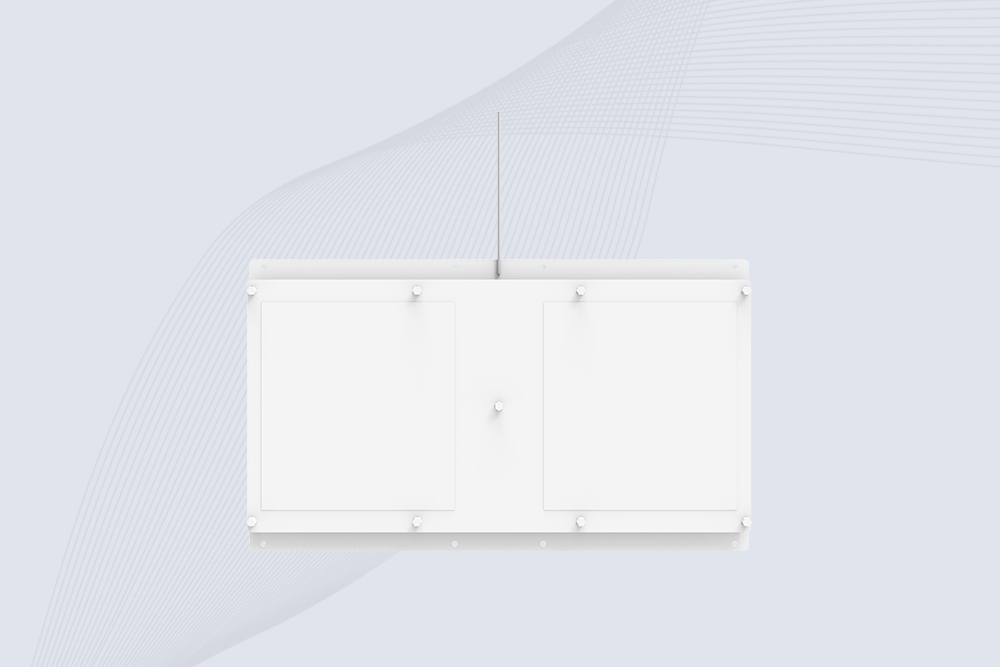
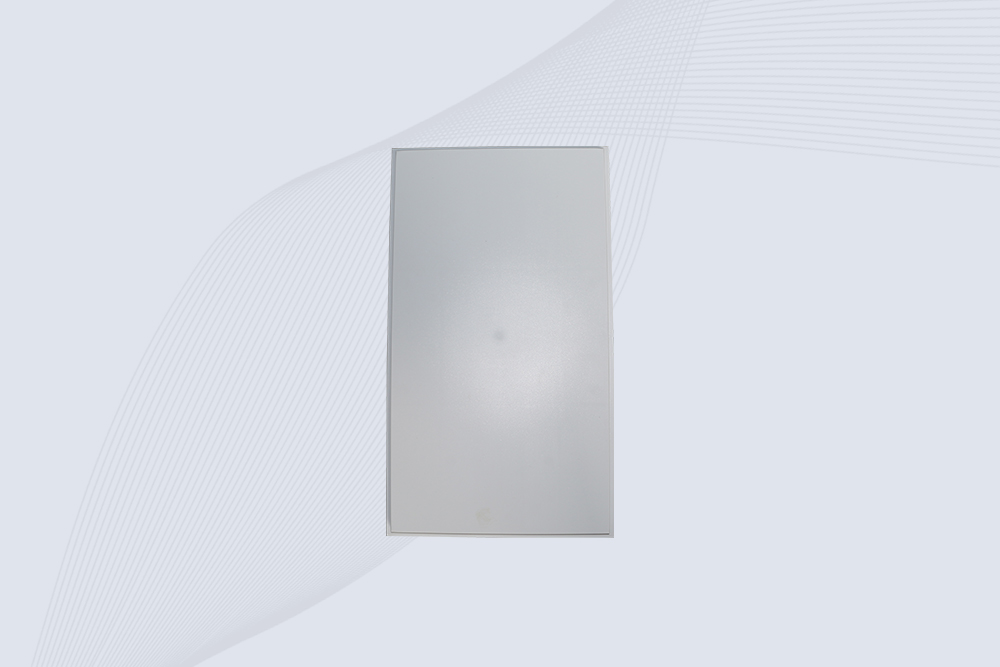
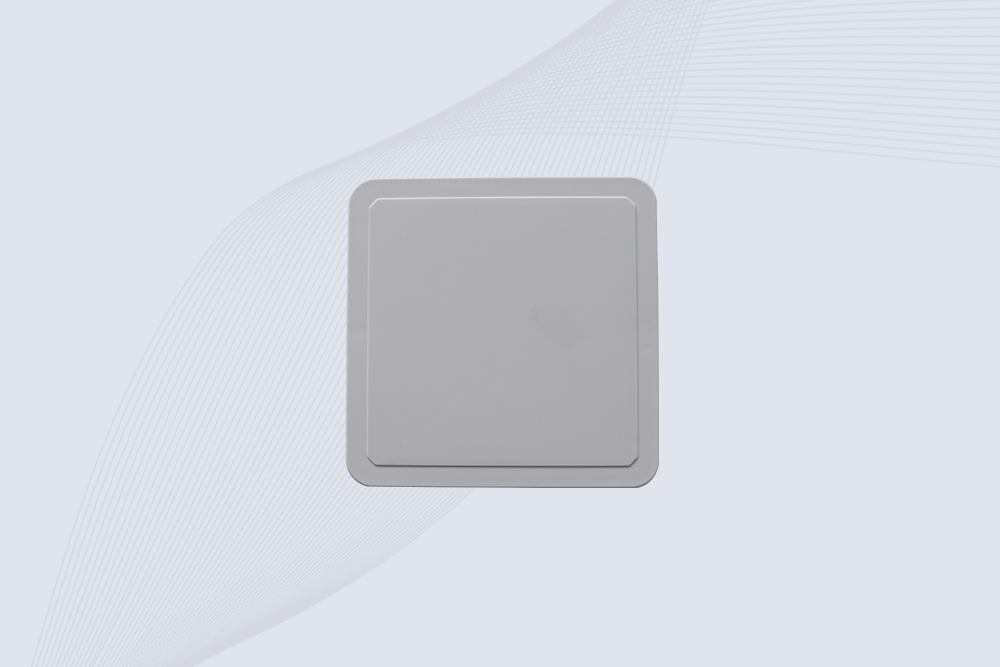
Explore the SSD-A07 UHF RFID antenna with 7 dBi gain, circular polarization, adjustable 840–960 MHz frequency, and 60°/75° beamwidth for stable RFID read/write performance.
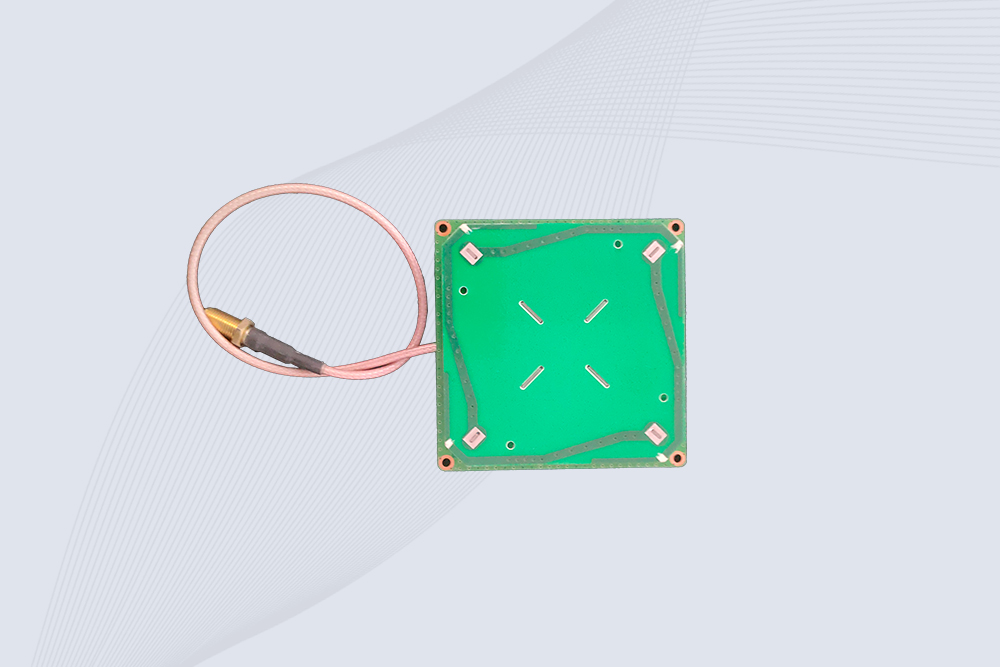
SSD-A06 UHF RFID antenna with circular polarization, adjustable 840–960 MHz frequency, ≥4.5 dBi gain, and a compact directional design for RFID systems.
Cykeo CYKEO-A11 UHF RFID reader antenna delivers 11dBi gain, 840-960MHz frequency range, and IP65 ruggedness for retail, logistics, and industrial RFID systems. Features low VSWR and easy installation.
CYKEO Antenna RFID Reader delivers stable long-range UHF performance with a 10.5dBi directional design, built for warehouses, conveyor portals, and industrial RFID systems. This rfid reader antenna provides 20m+ read distance and rugged IP67 protection.
Cykeo CYKEO-A5B industrial Linear RFID Antenna delivers 5dBi gain, ≤1.5:1 VSWR, and IP65 rugged design for warehouse, production line, and logistics UHF systems.
Cykeo’s CYKEO-B12 Long Range RFID Antenna delivers 15m+ read range with 12dBi gain, IP65 rugged design, and global 840-960MHz UHF support. Ideal for warehouse/logistics asset tracking.
Cykeo CYKEO-B10 Long Distance RFID Antenna offers 10dBi gain, 840-960MHz frequency range, IP65 rating, and 20m+ coverage for logistics/warehousing/ETC systems. Low VSWR ensures stable signal transmission.
Cykeo CYKEO-A6 UHF RFID panel antenna features 6dBi gain, 840-960MHz broadband, IP65 metal-ready housing for logistics/smart retail. 18mm ultra-thin design with tool-free mounting.
Cykeo CK-A3 industrial antenna RFID UHF offers 5m+ tag detection, ≤1.3:1 VSWR, IP65 rugged design, and global UHF spectrum compatibility (840-960MHz) for warehouses, factories, and retail.
Cykeo CYKEO-B5 directional RFID antenna provides 5dBi gain with 60° narrow beamwidth for precise inventory tracking. IP65-rated, global UHF frequency support, and low VSWR.
Create your own high-performance DIY RFID antenna! 5dBi gain, 840-960MHz tunable, step-by-step guides. Compatible with Arduino, Raspberry Pi, and commercial UHF readers.
Cykeo CYKEO-A7 Flexible RFID Antenna features 840-960MHz wideband tuning, 7dBi gain, and IP68 rating for medical/retail/industrial curved surface deployments. 98% read accuracy with peel-and-stick installation.
Cykeo CYKEO-B5A industrial Passive RFID Antenna delivers 5dBi gain, 70° beamwidth, and -40°C~55°C operation for warehouses/smart cabinets. Compatible with Zebra/Impinj readers.
Cykeo’s CYKEO-A9B High Gain RFID Antenna delivers 15m+ read range with 9dBi amplification. Features IP54 rugged design, 840-960MHz bandwidth, and 80° beamwidth for warehouse/manufacturing RFID systems.
Cykeo’s enterprise-grade 8dbi Impinj RFID Antenna 10m+ read range with 840-960MHz tuning. Features IP65 housing, 1.4 VSWR, 35° beamwidth for retail/warehouse RFID systems.
Cykeo CYKEO-A9 industrial UHF RFID antenna delivers 9dBi gain, 840-960MHz frequency range, and IP65 protection for warehouse/logistics/retail RFID systems. Features N-type connector and ≤1.3:1 VSWR.
CYKEO UHF RFID Antenna built for long-distance and industrial applications. This antenna rfid uhf delivers strong gain, outdoor durability, and reliable tag performance in warehouses, yards, and vehicle ID systems.
CYKEO Antenna RFID delivers reliable long-range UHF performance in warehouses, retail shelves, and cold-chain environments. This compact uhf rfid antenna provides stable reads with circular polarization and ultra-wide 840–960 MHz support, ideal for industrial tracking, smart shelves, and asset monitoring.
Cykeo’s CYKEO-C8 UHF RFID antennas delivers 8dBi gain, 840-960MHz full-band coverage, and IP65 ruggedness for manufacturing/warehouse RFID systems. Industrial RFID Antennas Features
Cykeo’s 8dBi UHF RFID antenna and reader kit delivers 10m+ range, 840-960MHz broadband, and IP65 ruggedness for factories, warehouses, and logistics. ISO 18000-6C & EPC Gen2 certified.
Cykeo’s CYKEO-A12C UHF Large RFID Antenna delivers 12dBi gain, 840-960MHz global frequency, IP65 ruggedness for logistics/warehousing/automotive. 40° beamwidth ensures stable 15m+ tag reads.
CYKEO Near Field RFID Antenna provides precise 5–30 cm reading for shelves, cabinets, and workstations. This compact rfid shelf antenna delivers stable short-range performance around metal and clutter, ideal for pharmacies, libraries, and electronics sorting.
RFID Industry Writer | IoT & Asset Tracking Analyst
James writes about RFID technology, asset tracking, and the practical challenges of digital transformation across warehousing, retail, manufacturing, and logistics.
His work focuses on how RFID is applied in real-world operations—improving inventory visibility, automating workflows, and helping businesses manage assets with greater accuracy and efficiency.
He regularly covers topics including UHF RFID, smart cabinets, RFID portals, tool tracking, warehouse automation, and industrial IoT trends..
Explore rfid receiver solutions from Cykeo for stable RFID signal detection, asset tracking, inventory automation, and industrial identification with accurate real-time data capture.
how RFID gate systems provide contactless, automated access for residential, commercial, and industrial sites. Explore UHF RFID readers and integration options.
Wondering "how far away can an active RFID tag be read"? Discover maximum distances from 40m to 100m+, factors affecting range, and real-world performance data with CYKEO.
Wondering what is a fixed RFID reader? We explain the definition, how it differs from handhelds, common applications in warehouses and factories, and key features like multi-port antennas. Real guidance from CYKEO engineers.
 Cykeo RFID IoT Solution Products R&D Manufacturer