 Cykeo RFID IoT Solution Products R&D Manufacturer
RFID Physics: Energy Flow in RFID Systems
182Discover how RFID systems work from a physics perspective. Learn how energy flows between reader and tag, how backscatter works, and why RFID tags don’t need batteries.
MoreAll RFID Product
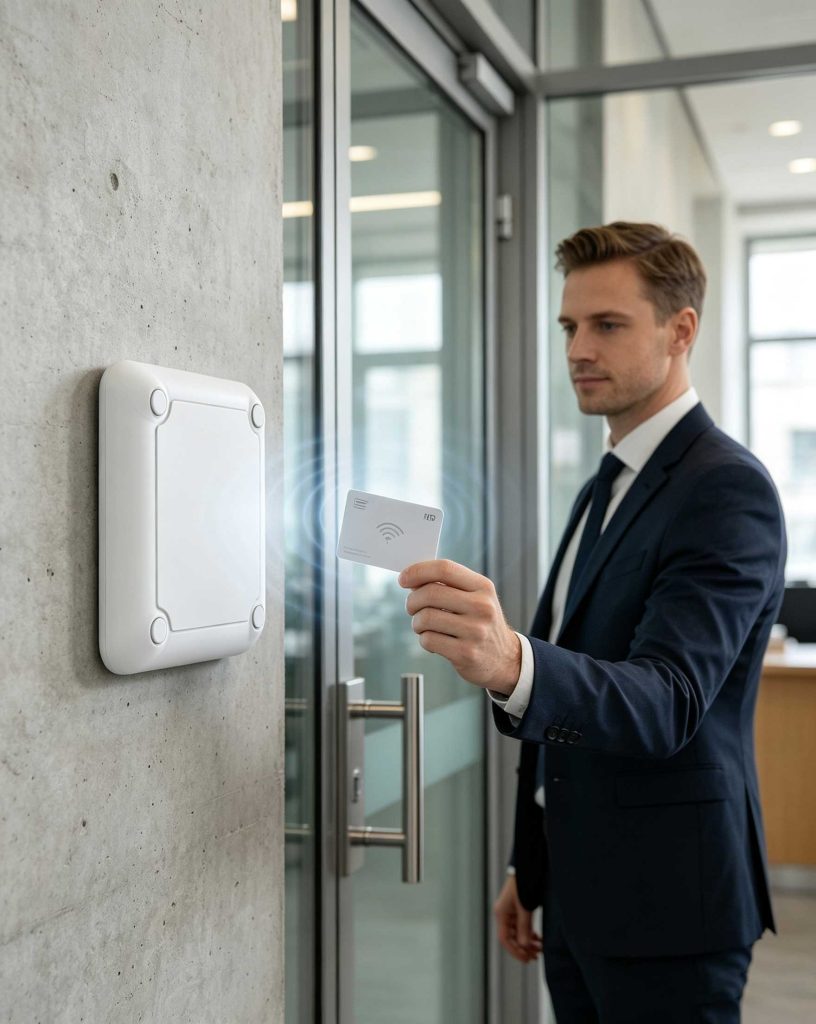
How does an RFID card work? An RFID card works by using radio-frequency energy to communicate wirelessly with a compatible reader. The reader creates an RF field, the card antenna couples with it, and the embedded chip exchanges identification or application data without physical electrical contact.
The explanation is simple; the engineering underneath it is not.
A typical passive RFID card contains a small integrated circuit and an antenna embedded inside the card body. When the card approaches a compatible reader, the reader generates an electromagnetic field. The antenna in the card couples with that field and obtains the energy needed by the chip to operate.
The reader and card then communicate.
For proximity-card systems covered by ISO/IEC 14443, the RF interface is formally defined for both power delivery and bidirectional communication. ISO/IEC 14443-2:2020 specifies the characteristics of the fields used to provide power and communication between the reader-side coupling device and the proximity card.
That means an RFID card is not simply broadcasting a number into the room. The interaction is controlled by a defined RF interface and communication protocol.
The construction is surprisingly compact. A standard card can contain:
During product evaluation at Cykeo, I usually look at the antenna before assuming the chip is the limiting component. A card may contain a perfectly functional IC and still perform poorly when the antenna design does not match the reader or the installation.
That problem is especially easy to miss on a clean laboratory bench.
Put the same card near a metal surface, change its orientation, place another RFID card behind it, or mount the reader behind an unsuitable panel. The result can change.
The interaction normally begins when the card enters the reader’s operating field.
ISO/IEC 14443-3:2018 defines polling, initialization, and anti-collision procedures for proximity cards. It also specifies mechanisms for detecting and communicating with one card when several cards are simultaneously present in the reader field.
A practical communication sequence can be represented as:
The entire interaction can happen quickly enough that a user experiences it as a single tap or presentation.
There is no visible pause between these stages. The RF protocol is doing the work.
Most passive RFID cards are designed without an internal battery.
The reader supplies the RF field. The antenna embedded in the card captures energy from that field, allowing the chip to perform its communication functions.
This is one of the reasons RFID cards can remain thin and convenient for identification applications. There is no battery compartment, charging connector, or exposed electrical contact.
But there is a trade-off.
Because the card depends on energy coupled from the reader, the RF environment matters. Reader antenna geometry, card antenna construction, distance, orientation, nearby materials, and field conditions can influence performance.
ISO/IEC 14443-2 specifically addresses the RF power and signal interface between the reader-side device and the card.
The antenna is not decorative copper hidden inside a plastic card. It is part of the electrical system.
A poorly matched antenna can reduce usable operating margin even when the RFID IC itself is fully functional. Manufacturing tolerances can also matter because the antenna and chip must operate together within the intended RF environment.
In field testing, I have found that the most revealing test is rarely the first successful read.
It is the awkward one.
Hold the card slightly sideways. Move it across the reader rather than directly toward the center. Put a second card behind it. Repeat the presentation dozens of times.
That is where the difference between a working prototype and a dependable RFID card system becomes visible.
A real reader may encounter more than one card.
An employee may carry several credentials in a wallet. A visitor may approach a reader while another person is standing nearby. Cards can overlap physically even when only one user intends to present a credential.
ISO/IEC 14443-3 includes anti-collision procedures specifically for this situation. The standard describes methods for detecting and communicating with one card among several cards within the reader field.
For system designers, this is an important distinction: single-card read performance is not the same as multi-card behavior.
A reader that performs well in a controlled demonstration still needs validation under realistic presentation conditions.
Read distance gets most of the attention in product specifications. In actual deployments, it is only one variable.
For an RFID card system, I would check:
| Engineering factor | Why it matters |
|---|---|
| Card antenna | Determines how efficiently the card couples with the reader field |
| Reader antenna | Establishes the RF interaction zone |
| Card orientation | Changes coupling conditions during presentation |
| Distance | Affects available operating energy and communication margin |
| Nearby metal | Can disturb the intended RF environment |
| Multiple cards | Requires appropriate anti-collision handling |
| Protocol compatibility | Determines whether card and reader can communicate |
| Installation structure | Materials around the reader can affect performance |
| Repeated operation | Reveals reliability issues hidden by one-time testing |
ISO has also established a dedicated test-method standard, ISO/IEC 10373-6:2025, covering contactless proximity cards, coupling devices, and related equipment. The current edition was published in February 2025 and contains 240 pages of test methodology.
That is useful context for manufacturers: RFID card performance is something to test systematically, not something to infer from one successful tap.
The card is only one part of the system.
A typical deployment looks like:
RFID Card → RFID Reader → Access Controller → Authorization Software → Door or Gate
The card provides credential information. The reader handles the RF interaction. The access-control system determines whether that credential is authorized.
This separation is important.
A technically excellent RFID card cannot compensate for an unsuitable reader installation. Likewise, a high-performance reader cannot solve a fundamental card-protocol incompatibility.
At Cykeo, this is why card-reader validation is treated as a system-level exercise. The useful question is not simply whether the card reads. It is whether it reads consistently at the actual mounting position, with the actual card orientation, under the conditions users create every day.
This article is written from the perspective of RFID hardware and deployment work at Cykeo, with particular attention to reader-card interaction, antenna behavior, multi-tag recognition, protocol compatibility, and real installation conditions.
In practical projects, the difficult failure is rarely the obvious one. It is the reader that works perfectly during commissioning but becomes inconsistent after the surrounding structure, card-carrying habits, or user traffic changes.
That is why RF behavior should be verified where the system will actually operate.
How does an RFID card work once it leaves the laboratory? The card becomes one component in a larger identification system: the card antenna couples with the reader field, the chip responds according to its protocol, and the reader passes the relevant credential information to the application or access-control controller.
That distinction matters.
An RFID card can be technically functional while the complete installation is unreliable. At Cykeo, we have seen this most often around reader mounting surfaces, card orientation, multiple credentials carried together, and RF conditions that were not reproduced during the original bench test.
ISO/IEC 14443-2:2020 formally defines the RF power and bidirectional communication interface between proximity coupling devices and proximity cards. The standard is 47 pages and was published in July 2020.
The physical interaction may take only a moment. The engineering variables behind it are much less forgiving.
A reader receiving a card identifier does not automatically mean that the credential is secure.
The security level depends on the RFID IC, memory architecture, authentication mechanism, cryptographic capability, reader implementation, and backend authorization system.
A basic card may provide a fixed identifier for a database lookup. A more sophisticated credential can require authentication before protected information is released.
This is why “RFID card security” should not be evaluated from read distance or frequency alone.
A useful project review separates three questions:
They are different engineering problems.
The situation changes when several RFID cards are inside the reader’s operating field.
Imagine an employee approaches an access point with two cards in the same wallet. The reader must distinguish the cards rather than treating their responses as one undefined transmission.
This is where anti-collision procedures become important. ISO/IEC 14443 includes initialization and anti-collision procedures as part of the communication architecture for proximity cards. ISO’s current catalogue identifies ISO/IEC 14443-3 as the relevant standard family for initialization and anti-collision.
In practical testing, I do not stop after confirming that one card reads ten times in succession.
I deliberately make the conditions worse.
Two cards together.
Card slightly off-axis.
Card presented from the side.
Reader mounted against the actual wall material.
Those tests tell us considerably more about the installation.
Read performance is determined by the interaction between the card, reader and environment.
| Factor | Practical effect |
|---|---|
| Card antenna | Determines coupling efficiency with the reader field |
| Reader antenna | Shapes the usable RF interaction area |
| Card orientation | Changes the coupling condition |
| Presentation distance | Influences available operating energy |
| Nearby metal | Can alter the RF environment |
| Multiple cards | Introduces anti-collision requirements |
| Protocol compatibility | Determines whether communication can occur |
| Reader mounting | Materials behind or around the reader can affect RF behavior |
| Card construction | Antenna and chip integration affect repeatability |
| Repeated transactions | Exposes marginal performance that one successful read hides |
The last point is frequently underestimated.
A reader that succeeds during installation is not necessarily a reader that will perform consistently after months of daily use.
There is a useful difference between a demonstration test and a qualification test.
A demonstration asks:
“Can this card be read?”
A qualification test asks:
“Under what conditions does this card continue to be read reliably?”
The second question is the one I prefer.
ISO/IEC 10373-6:2025 is the current ISO test-method standard for contactless proximity objects. It defines test methods for proximity cards, proximity coupling devices and related equipment covered by the ISO/IEC 14443 series. The fifth edition was published in February 2025 and contains 240 pages.
That is a useful reminder of how much more complicated professional card validation is than placing a card beside a reader and waiting for a successful response.
For a Cykeo project, practical validation can include:
The awkward tests usually produce the useful findings.
RFID cards remain practical wherever people need fast, repeatable credential identification.
Common applications include:
The technology is mature enough to support very large deployments. As one indication of the scale of contactless chip-card infrastructure, EMVCo reports that 97% of card-based transactions globally were EMV Chip transactions as of Q4 2025. This statistic applies to EMV chip payments rather than RFID cards as a whole, so it should not be presented as an RFID adoption figure.
That distinction is important when publishing technical content. Good RFID data needs to describe the technology it actually measures.
At Cykeo, RFID development is approached from the reader-card-system perspective rather than treating the card as an isolated component.
Our experience with RFID hardware development places particular attention on:
The practical advantage is not simply having an RFID reader that performs well on a test bench.
It is understanding why performance changes when the reader is installed in a real facility.
A wall may contain metal reinforcement. A reader may sit behind a decorative panel. Employees may carry several credentials together. A card may be presented at a completely different angle from the one used during commissioning.
Those details belong in the engineering specification.

A passive RFID card receives energy from the electromagnetic field generated by the reader. Its antenna couples with the field and provides the chip with enough energy to operate and communicate.
No. A passive card does not continuously broadcast like a powered radio transmitter. It responds when it enters an appropriate reader field and receives the required operating energy.
The practical distance depends on the card, reader antenna, RF characteristics, orientation, installation and surrounding materials. Proximity-card systems are designed for relatively close interaction rather than long-distance identification.
It can encounter multiple cards within its operating field. Appropriate anti-collision procedures allow the reader to manage multiple credentials rather than treating their responses as a single card. ISO/IEC 14443 includes dedicated initialization and anti-collision procedures.
Possible causes include poor antenna coupling, unsuitable reader installation, incorrect orientation, nearby metal, multiple cards, protocol incompatibility or marginal RF conditions. Replacing the card immediately is not always the correct diagnosis.
Yes. Depending on the IC, an RFID card can contain memory for identification, application data or credentials. Memory capacity and security functions vary considerably between card technologies.
Security depends on the specific card technology and system architecture. A fixed identifier provides a different security level from a credential using authentication and cryptographic protection. Card selection should therefore follow the application’s security requirements.
How does an RFID card work? It uses an antenna, integrated circuit, RF field and communication protocol to exchange information with a compatible reader without physical electrical contact.
The important engineering detail is what happens around that basic mechanism.
Card construction matters. Reader antenna design matters. Installation materials matter. Card orientation matters. Multiple-card behavior matters. Security architecture matters.
A dependable RFID system is built around those details rather than around a single advertised read-distance number.
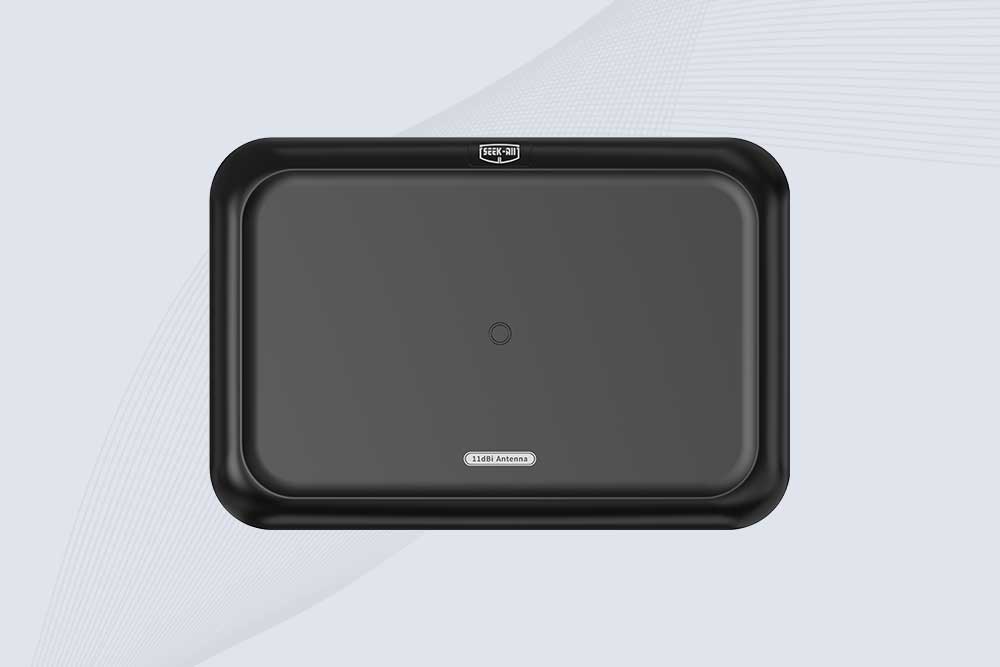
SSD-A11 UHF RFID antenna features 840–960 MHz adjustable frequency, ≥10.5 dBi gain, circular polarization and 50Ω impedance for fixed RFID systems.
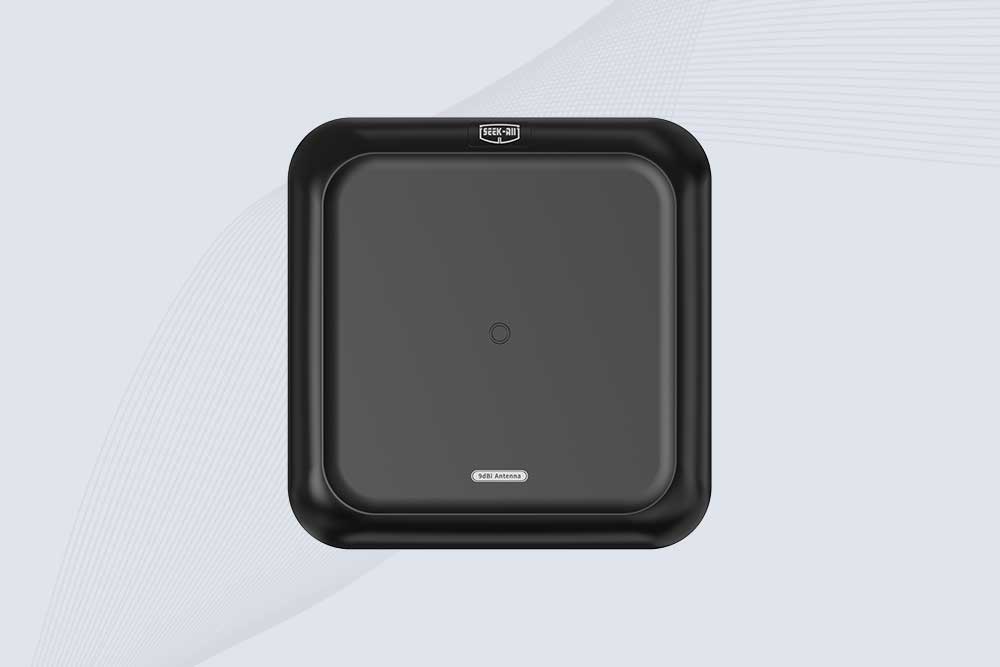
SSD-A09 is a 9 dBi UHF RFID antenna with 840–960 MHz adjustable frequency, circular polarization, 50Ω impedance and directional 60° × 60° coverage.
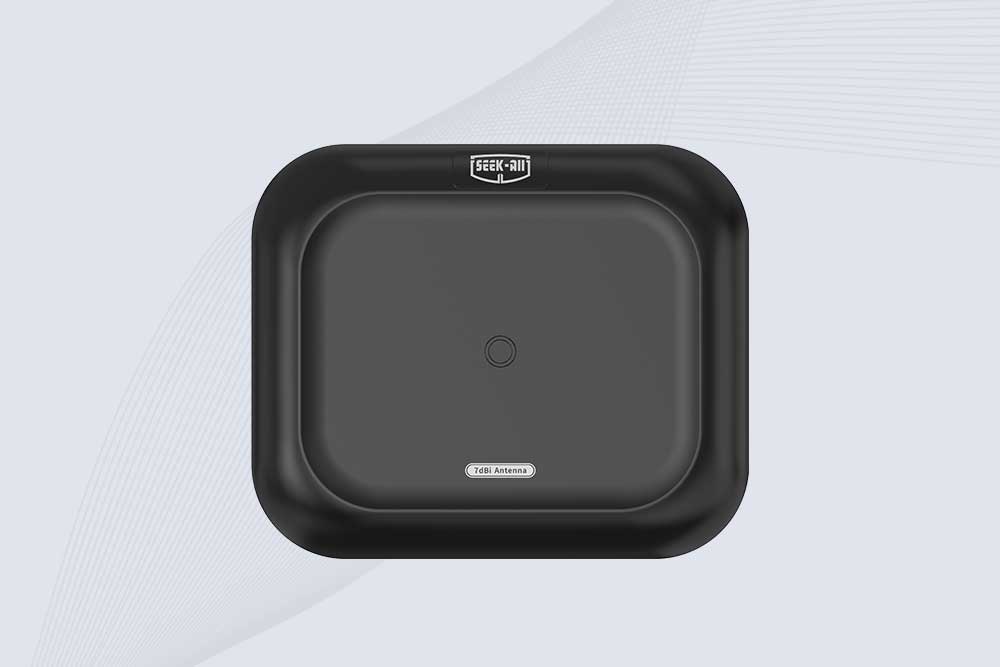
Explore the SSD-A07 UHF RFID antenna with 7 dBi gain, circular polarization, adjustable 840–960 MHz frequency, and 60°/75° beamwidth for stable RFID read/write performance.

SSD-A06 UHF RFID antenna with circular polarization, adjustable 840–960 MHz frequency, ≥4.5 dBi gain, and a compact directional design for RFID systems.

Discover SSD-D4AL, a USB-HID UHF RFID reader with 4/8/16 antenna options, Impinj E710/X3M1 chipset, plug-and-play USB power, and OEM customization.
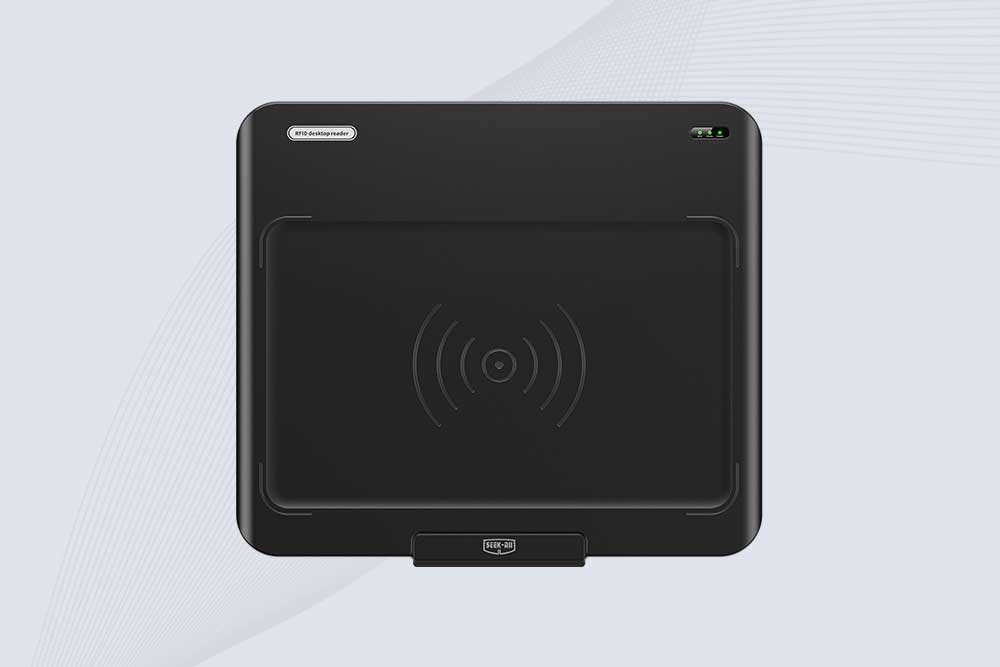
SSD-D3AL is a USB-HID UHF RFID reader with 0–30 cm reading, 0–15 cm writing, over 600 tags/s recognition, USB plug-and-play operation and OEM Logo customization.
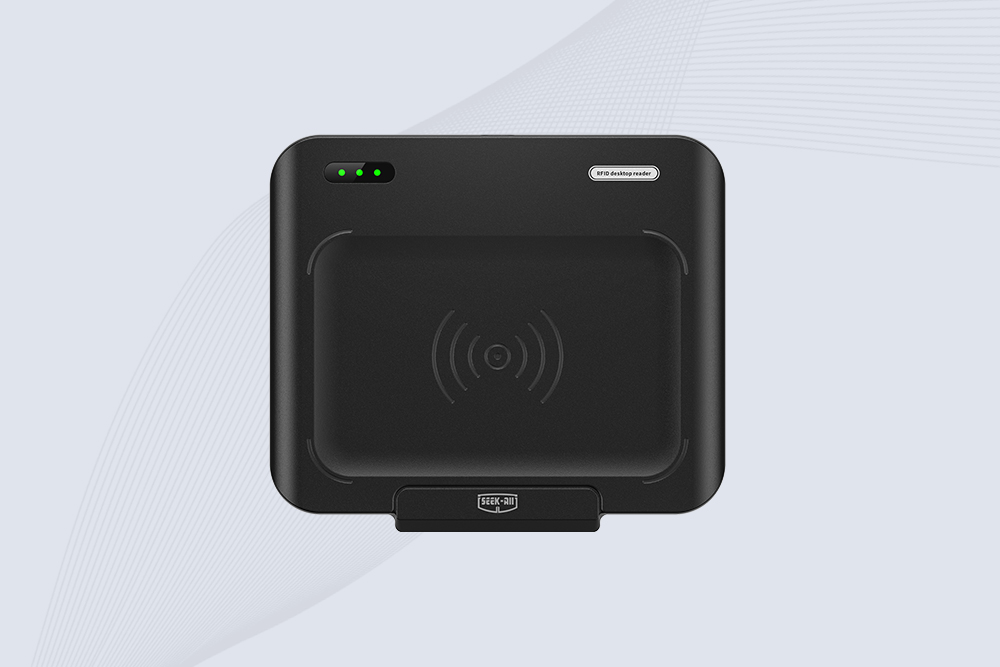
SSD-D1AL is a compact USB UHF RFID reader with Impinj E710/X3M1 chipset, USB-HID, 600+ tags/s recognition, 4/8/16 antenna support and plug-and-play USB power.
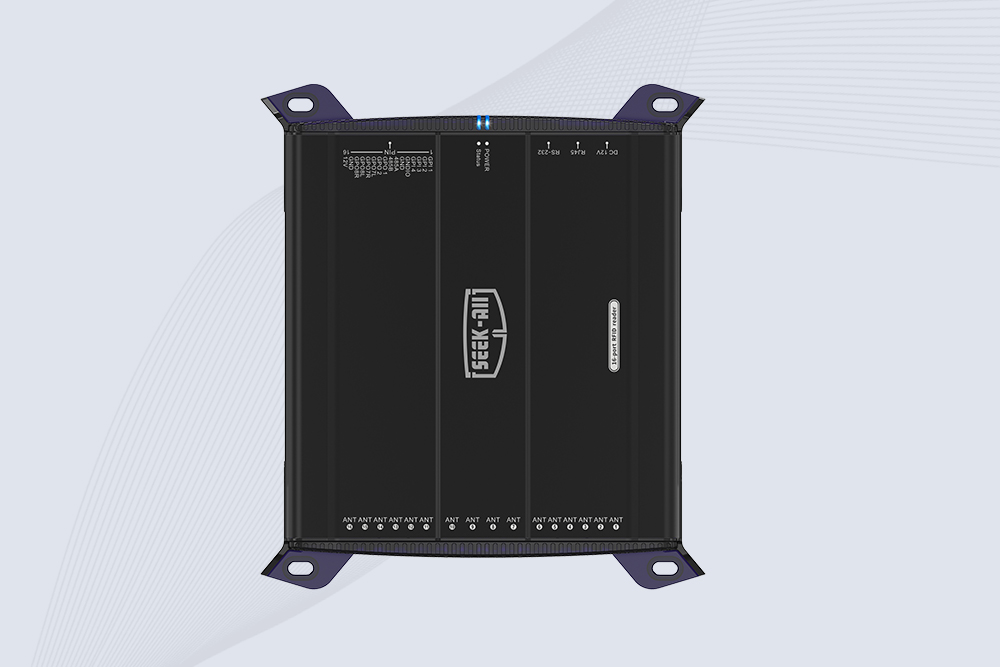
SSD-R16L Multi-Channel RFID Infrastructure for Automated Inventory Management ✔️ 16-Port High-Density RFID Reading Equipped with 16 SMA antenna ports, SSD-R16L supports multi-antenna deployment for warehouses, retail stores, logistics, production lines, and large-area RFID identification. ✔️ High-Speed & Long-Range Performance With up to 33…
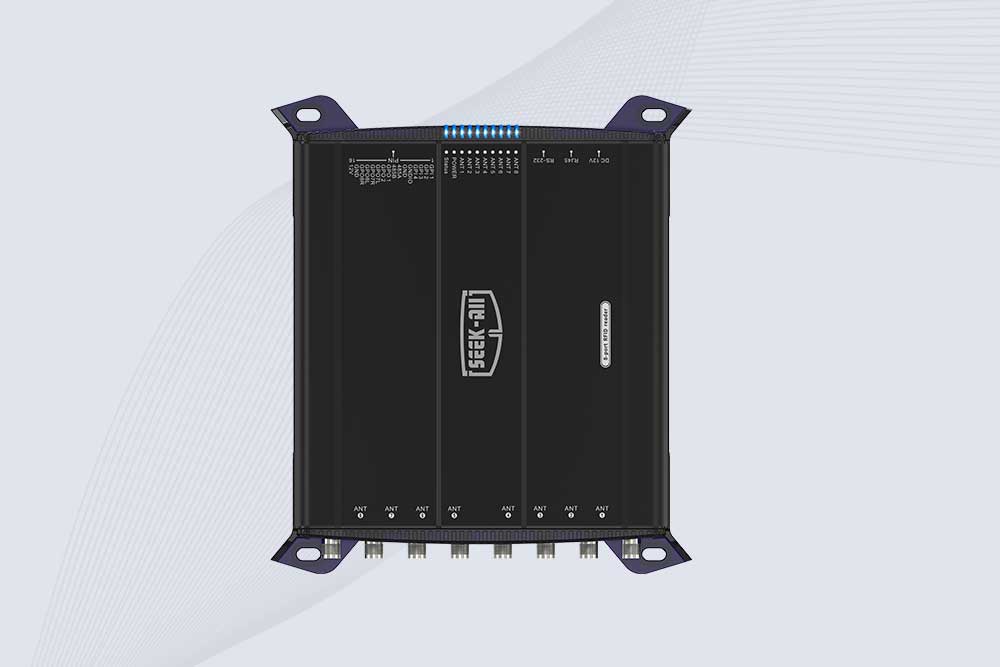
SSD-R8L 8-port UHF RFID reader with 33dBm output, up to 20m reading range and 600+ tags/s recognition. Ideal for warehouse, logistics, retail and asset tracking.
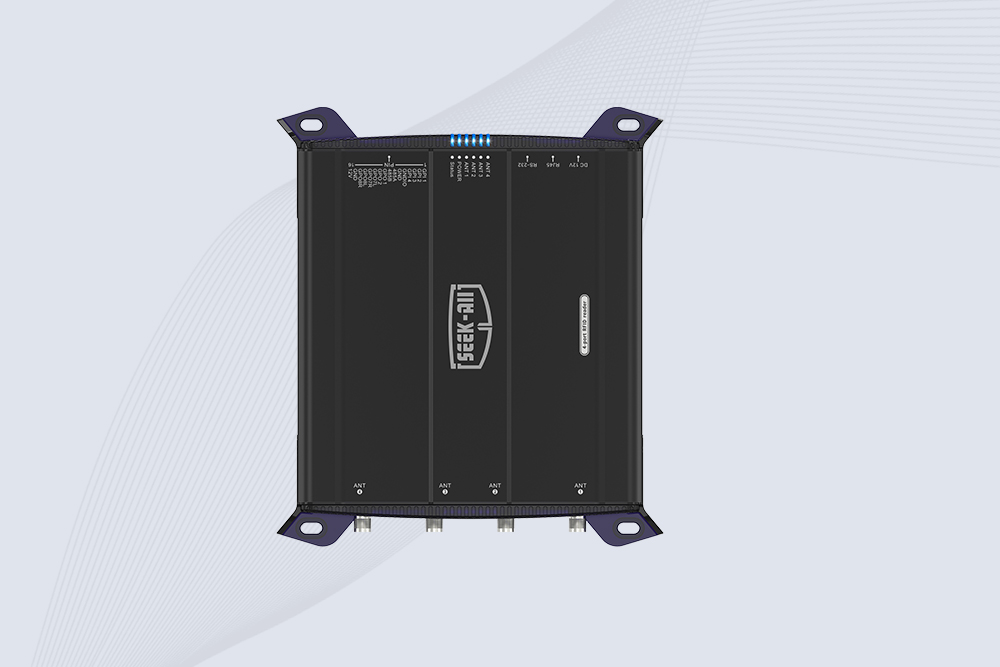
SSD-R4L is a 4-port UHF RFID fixed reader with 33dBm output power, up to 20m reading range, EPC C1G2 support and 600+ tags/s reading speed.

CYKEO CYKEO-D1LA USB RFID Reader is a compact desktop solution with near-field control for precise tag reading and encoding. Powered by USB, supporting ISO 18000-6C, and built for stable batch writing, this usb rfid tag reader fits retail, libraries, offices, and controlled RFID encoding tasks.
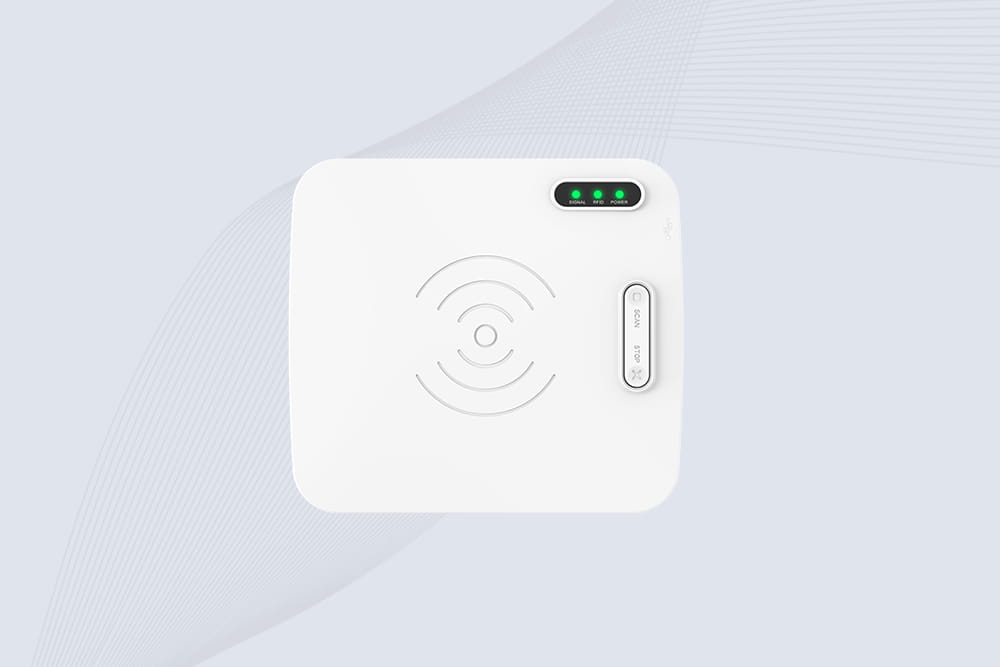
CYKEO CYKEO-D1L RFID scanner USB is a compact desktop UHF RFID scanner designed for short-range tag writing and verification. This usb rfid scanner supports batch encoding, stable 0–26 dBm output, and works across Windows, Linux, and Android systems.
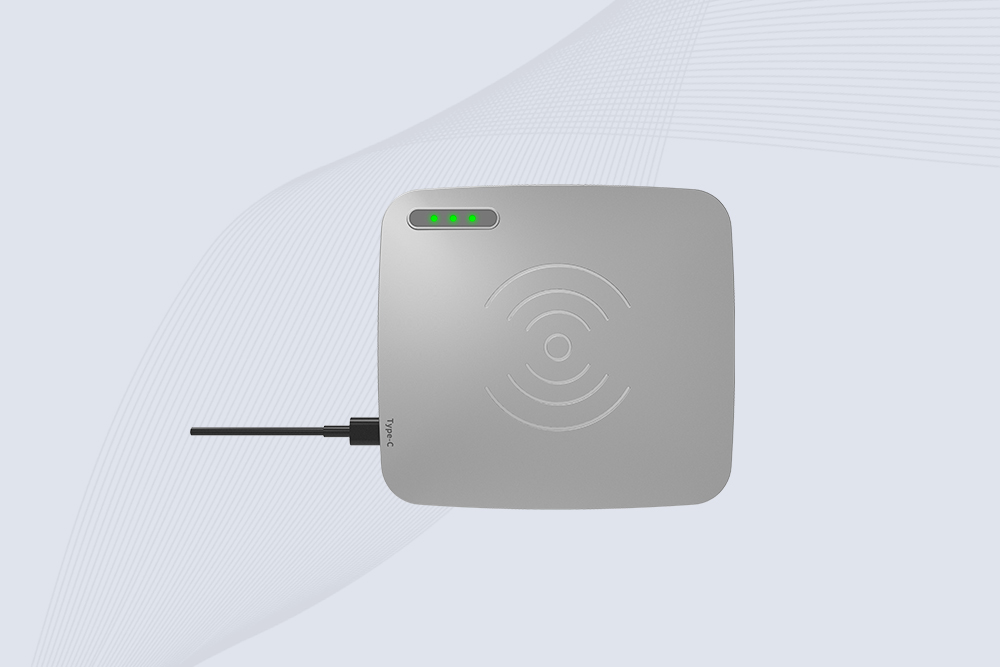
CYKEO CYKEO-D1C USB RFID Card Reader is a near-field UHF desktop writer designed for secure, short-range tag encoding. With USB-C connectivity and stable 26 dBm output, this rfid reader usb c is ideal for badge issuance, label encoding, and controlled desktop RFID workflows.
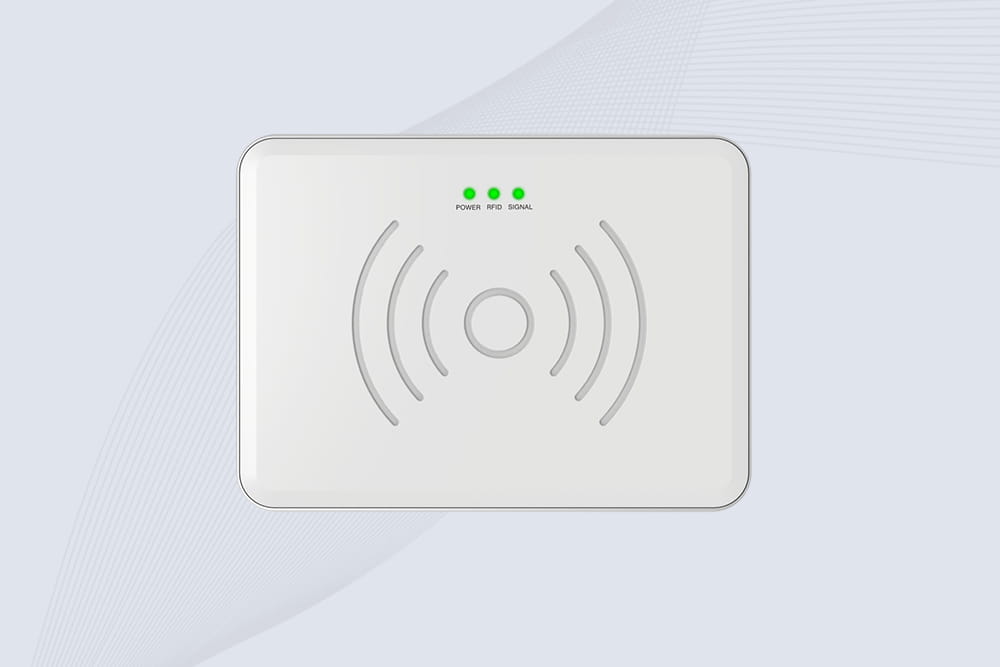
CYKEO CYKEO-D2L RFID Reader USB is a compact desktop encoder built on the Impinj R500 chip. With near-field control and stable USB power, this usb rfid card reader delivers precise tag writing for offices, retail counters, and small-scale logistics encoding tasks.
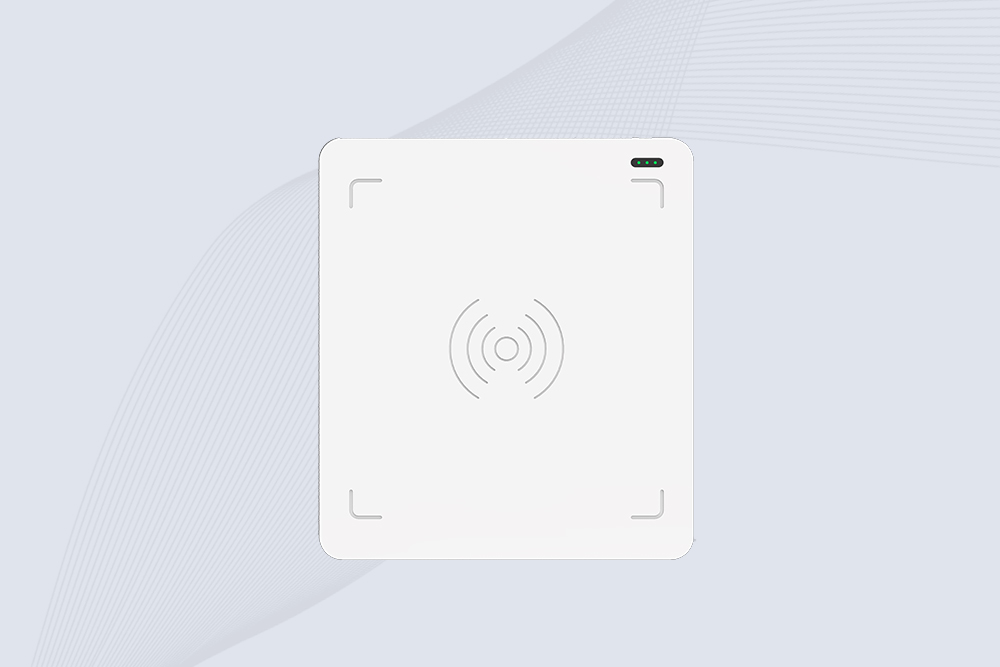
CYKEO CYKEO-D3L USB RFID Tag Reader delivers stable UHF tag reading and writing for daily desktop and light industrial tasks. Designed for controlled short-range operation, this USB RFID Tag Reader works reliably with rfid tag and reader systems in libraries, tool tracking, and inventory registration.
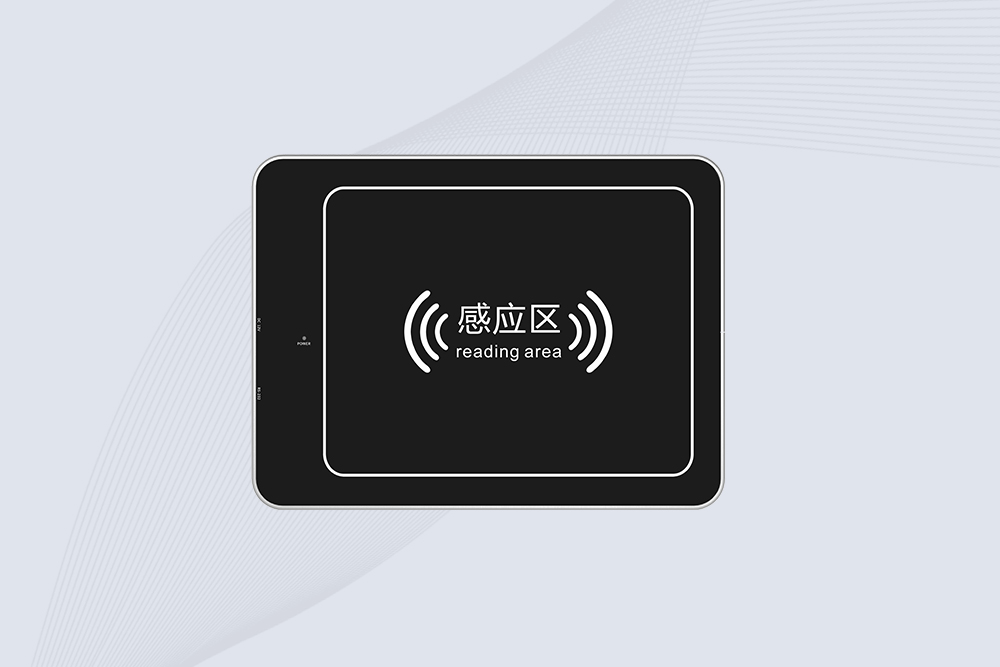
The CYKEO CYKEO-D4L UHF RFID Tag Reader is a stable Desktop RFID Reader designed for accurate tag registration, borrowing, and return workflows. Built with the Impinj R2000 chip, this UHF RFID Tag Reader delivers controlled short-range reads for libraries, asset tracking, and inventory management environments.
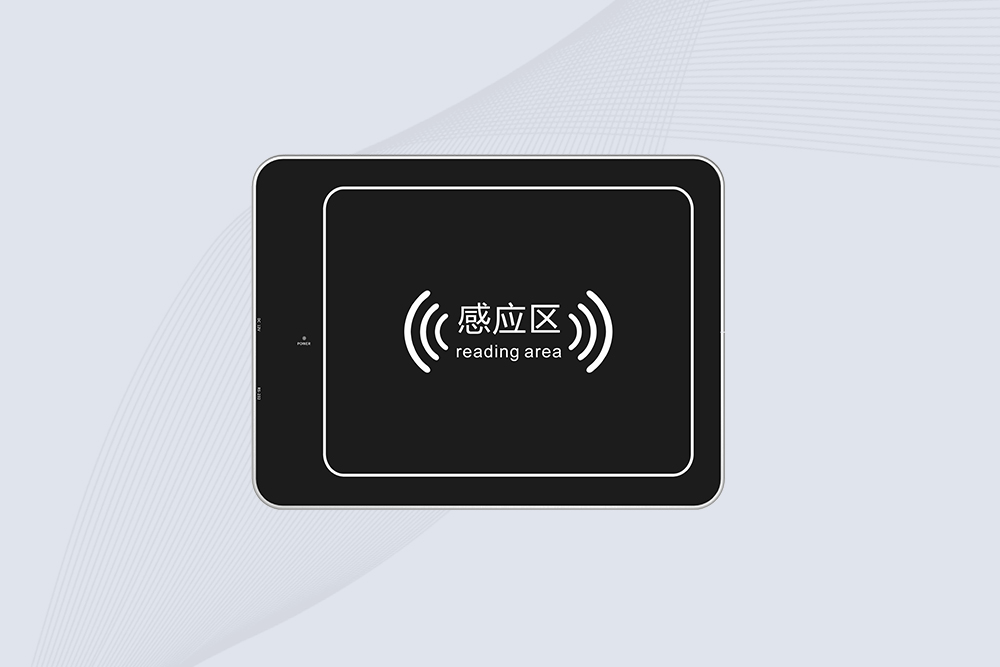
The CYKEO CYKEO-D5L Desktop RFID Card Reader is a stable UHF RFID Card Reader designed for controlled short-range reading and writing. Built for libraries, tool rooms, and asset desks, this UHF RFID Card Reader supports dense tag handling, secure data processing, and easy USB integration.
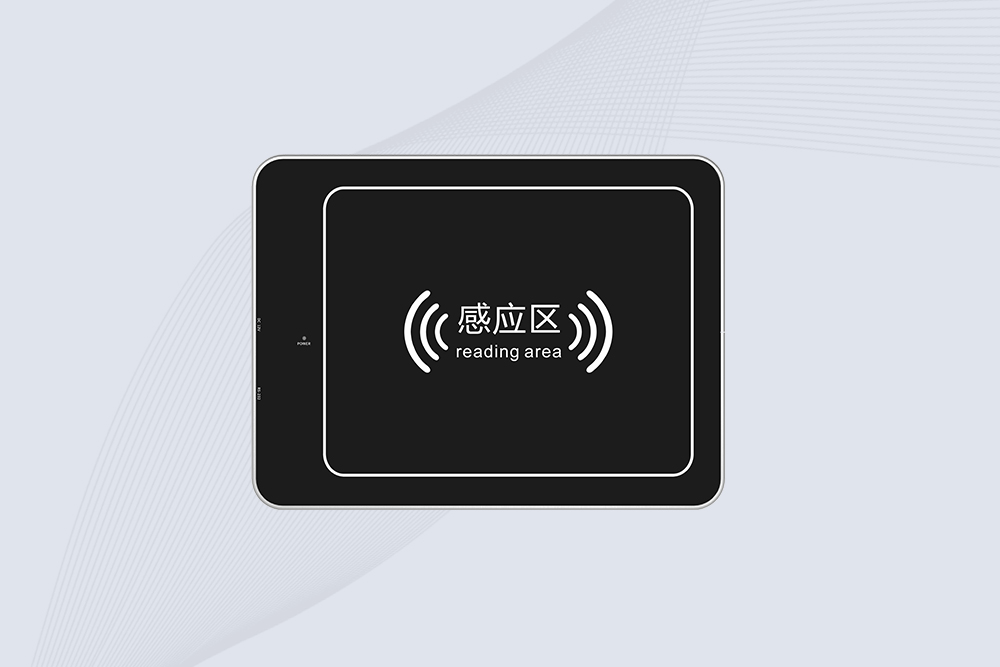
The CYKEO CYKEO-D6L RFID Reader Writer is a heavy-duty Desktop RFID Reader designed for short-range, high-accuracy tag programming. Built for libraries, labs, and asset desks, this RFID Reader Writer supports batch processing, stable 33dBm output, and seamless integration with existing management systems.
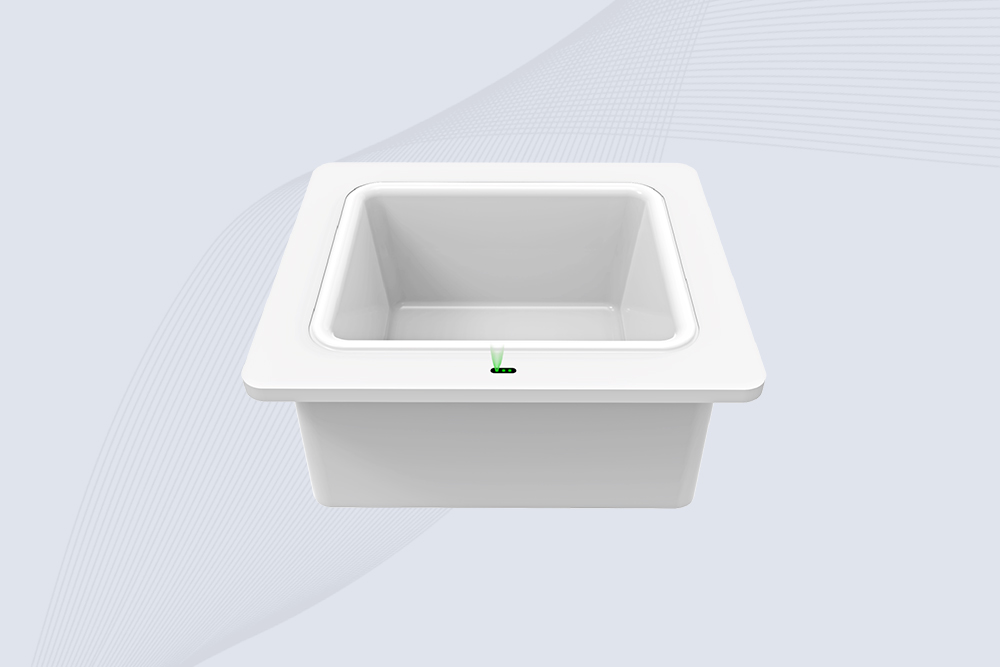
Cykeo CYKEO-D8B UHF RFID tunnel and RFID Desktop Reader features 30+ items batch reading,
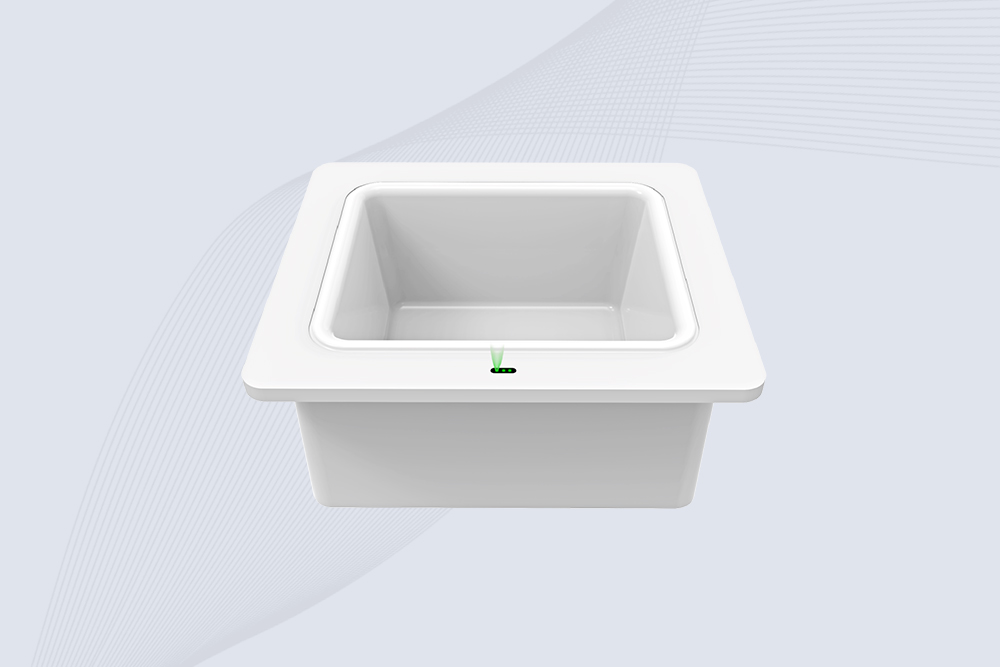
Cykeo CYKEO-D8A embedded RFID badge reader offers 30+ tags/sec scanning, 20cm anti-crosstalk precision, and DC 12V power for unmanned stores, warehouses, and smart inventory systems.
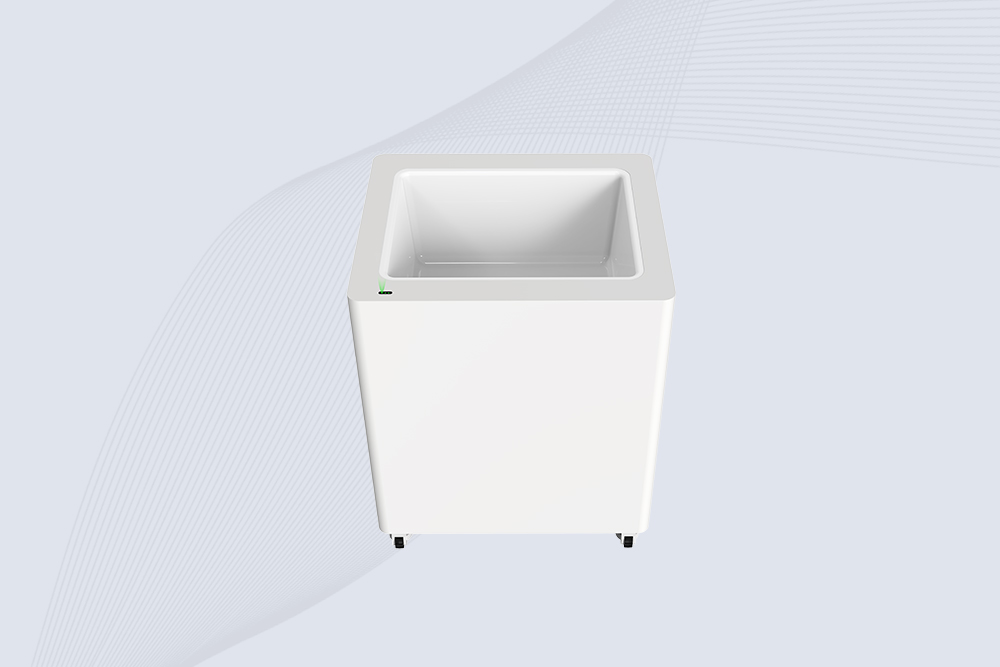
Cykeo’s CYKEO-D8C UHF RFID gate reader achieves 200-tag/batch scanning with adjustable power control, ideal for retail inventory and smart warehouse management.
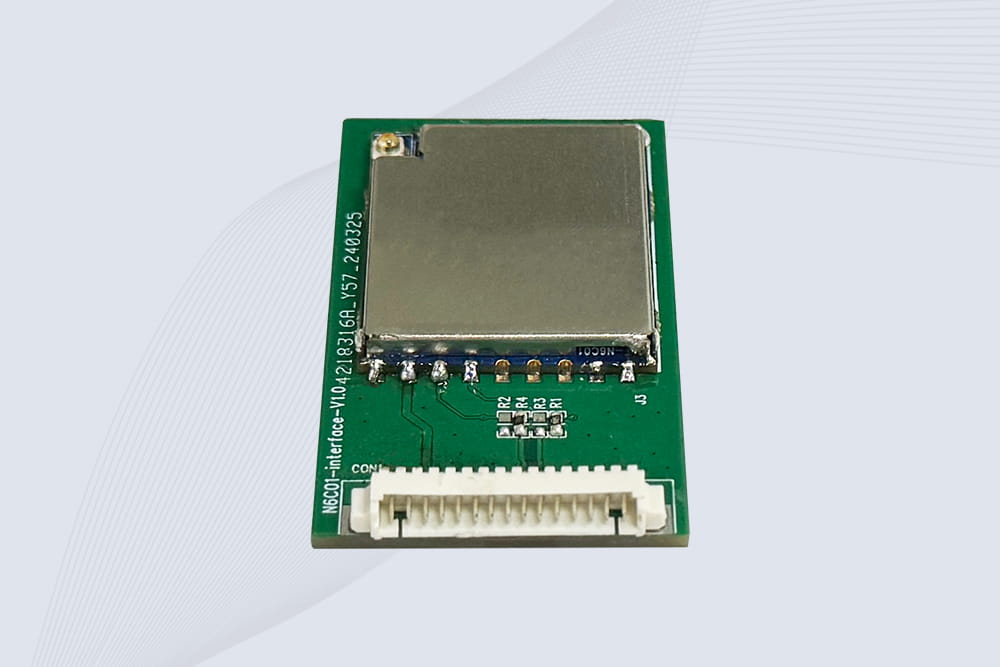
CYKEO Embedded RFID Modules are designed for compact industrial and IoT devices that require stable UHF performance. These UHF RFID Modules support global protocols, flexible power control, and reliable multi-tag reading for smart cabinets, production lines, and asset tracking systems.
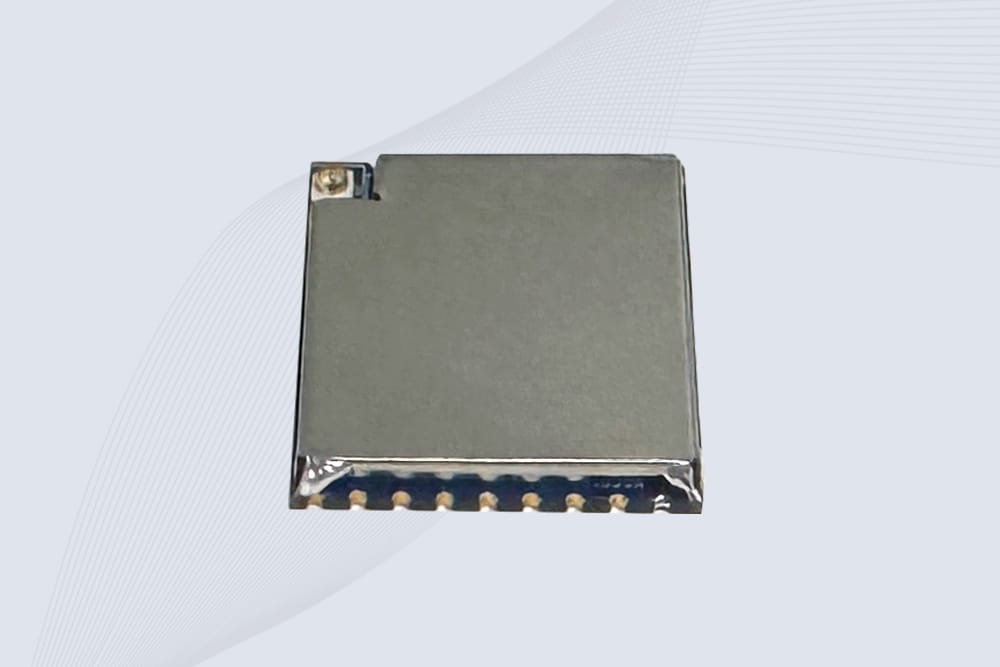
CYKEO Embedded RFID Module is built for compact IoT and industrial devices that need stable UHF performance. This UHF module supports global protocols, low power operation, and reliable multi-tag reading for smart lockers, production lines, and always-on RFID systems.
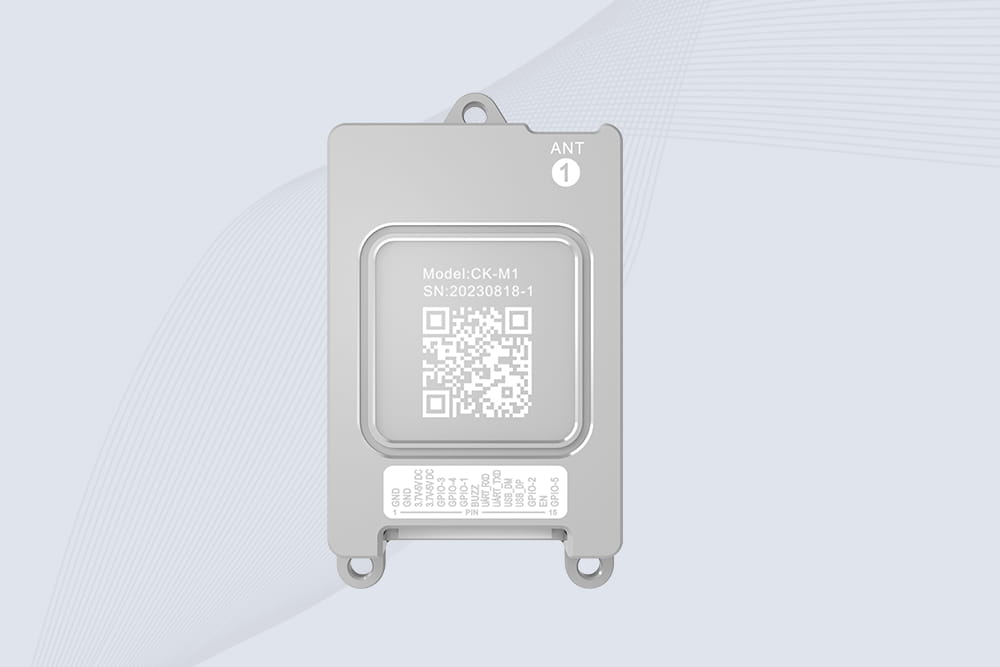
CYKEO CYKEO-M1 drone rfid module is a compact UHF RFID reader module designed for drones and UAV platforms. It supports long-range aerial scanning, fast multi-tag reading, and stable performance in wind, vibration, and outdoor environments.
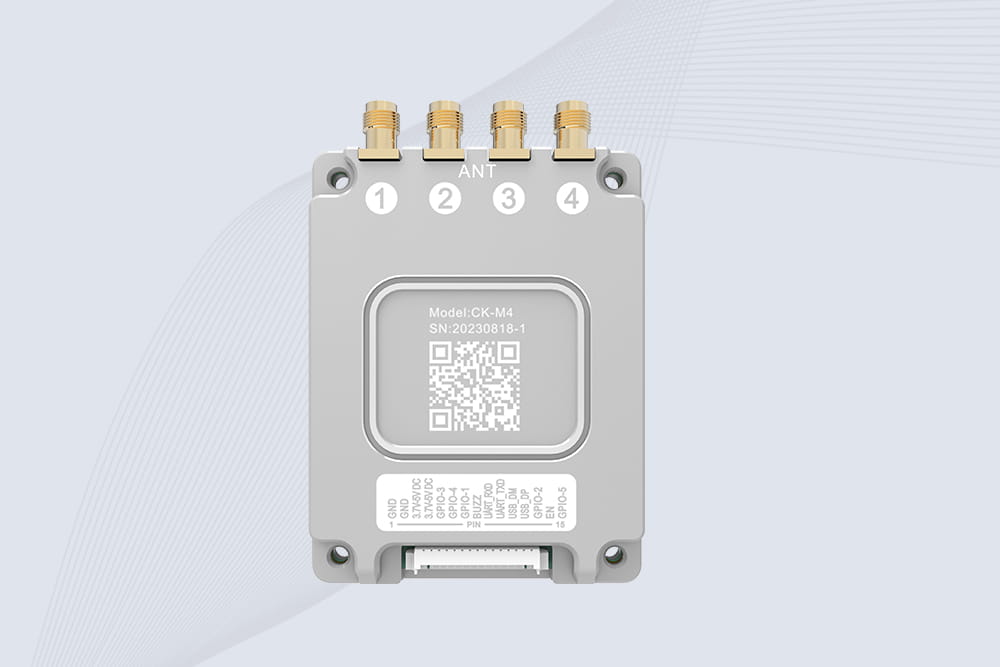
CYKEO CYKEO-M4 RC522 RFID Module is an industrial-grade UHF RFID reader with 4 ports, supporting ISO, EPC, and GB protocols. High-speed, accurate reading for IoT, automation, and warehouse applications.
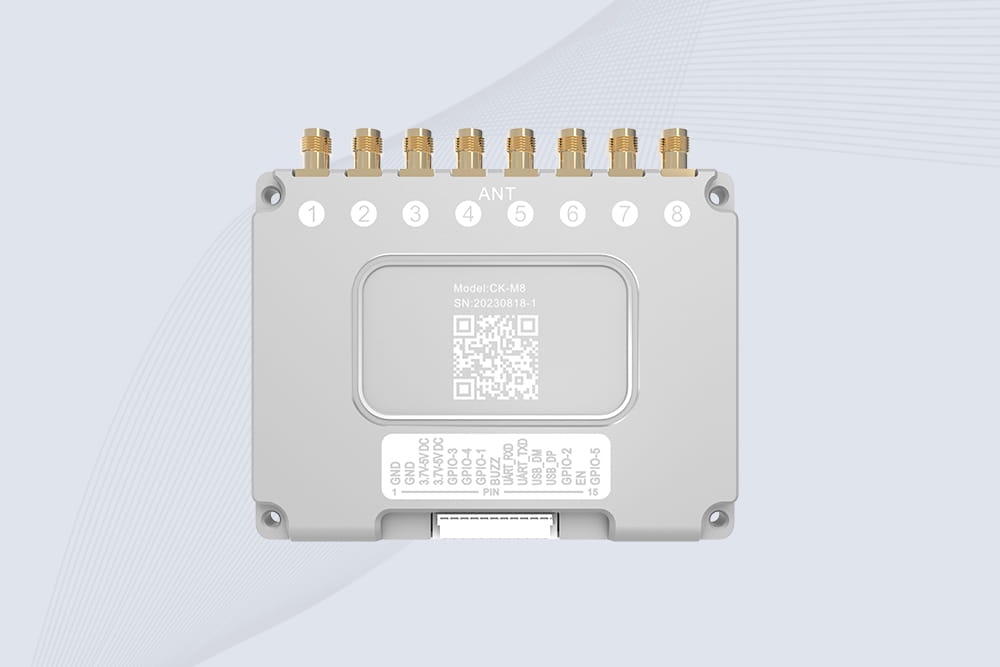
CYKEO CYKEO-M8 Module RFID is an 8-port UHF R2000 RFID Module designed for high-density, multi-tag environments. Stable 33dBm output, ISO & GB protocol support, ideal for warehouses, factories, and automated systems.
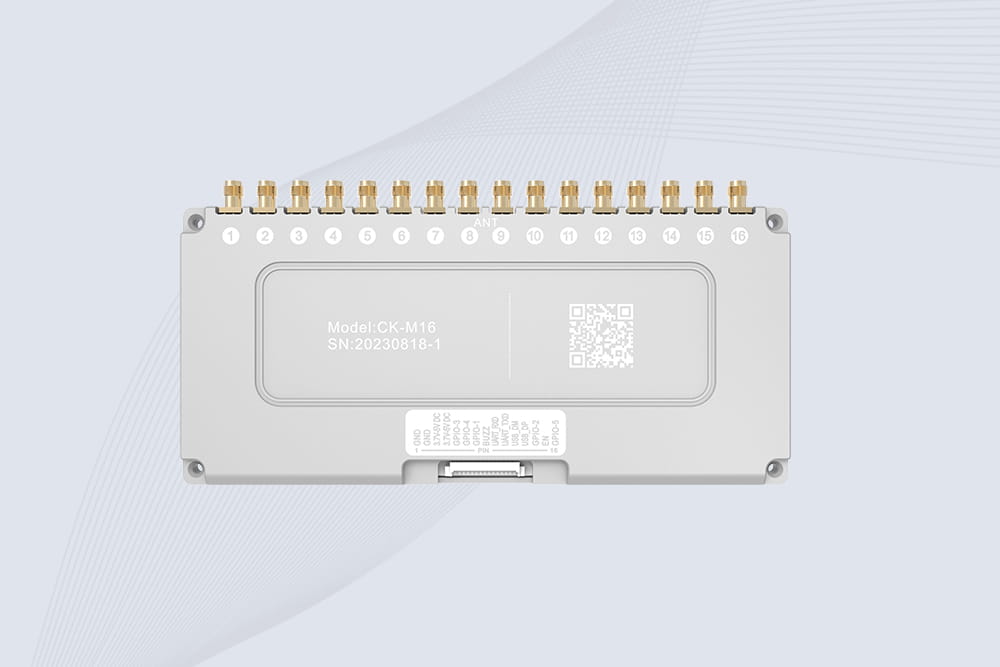
CYKEO CYKEO-M16 RFID Module is a 16-port UHF RFID reader module based on the R2000 chipset. Designed for dense tag environments, it supports ISO and GB standards and delivers stable multi-antenna control for industrial automation.
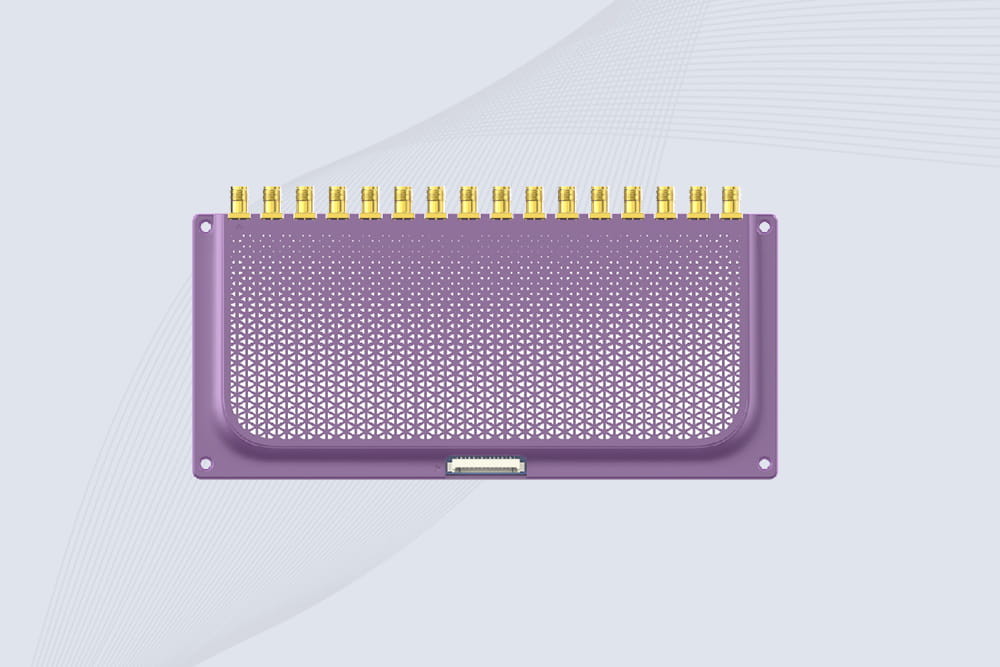
The CYKEO CYKEO-M16L RFID Reader Module is a 16-channel UHF RFID core designed for dense tag environments. With adjustable 33dBm output, multi-protocol support, and stable multi-antenna control, this RFID Tag Reader Module fits industrial automation, warehouse systems, and large-scale IoT deployments.
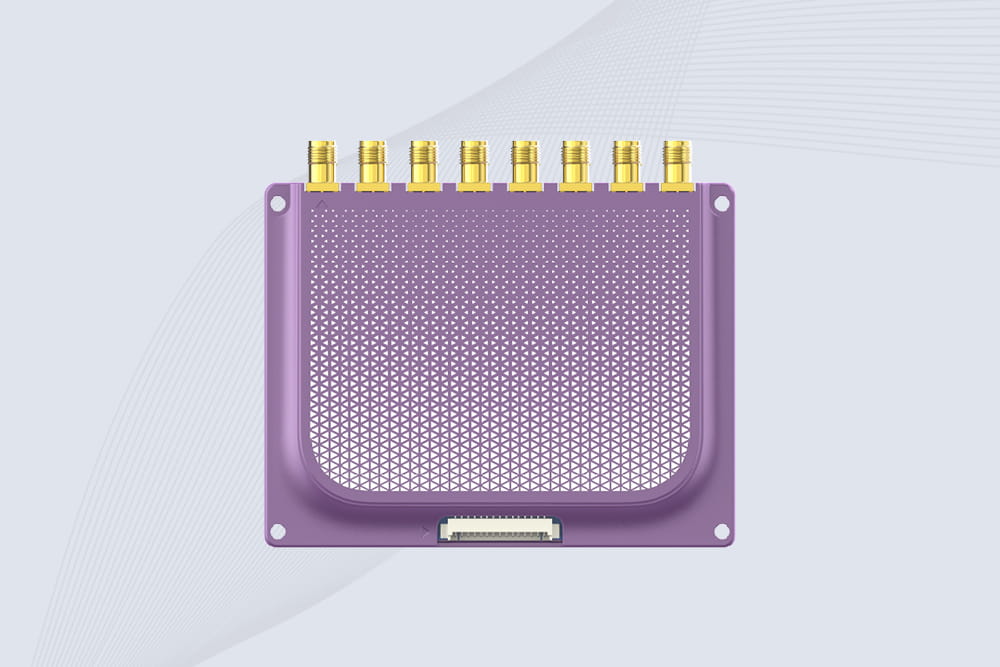
CYKEO CYKEO-M8L module RFID is a compact industrial UHF module built for dense tag and multi-antenna environments. With 8 RF ports, adjustable 33 dBm output, and ISO & GB protocol support, it is widely used in factories, warehouses, and automated tracking systems.
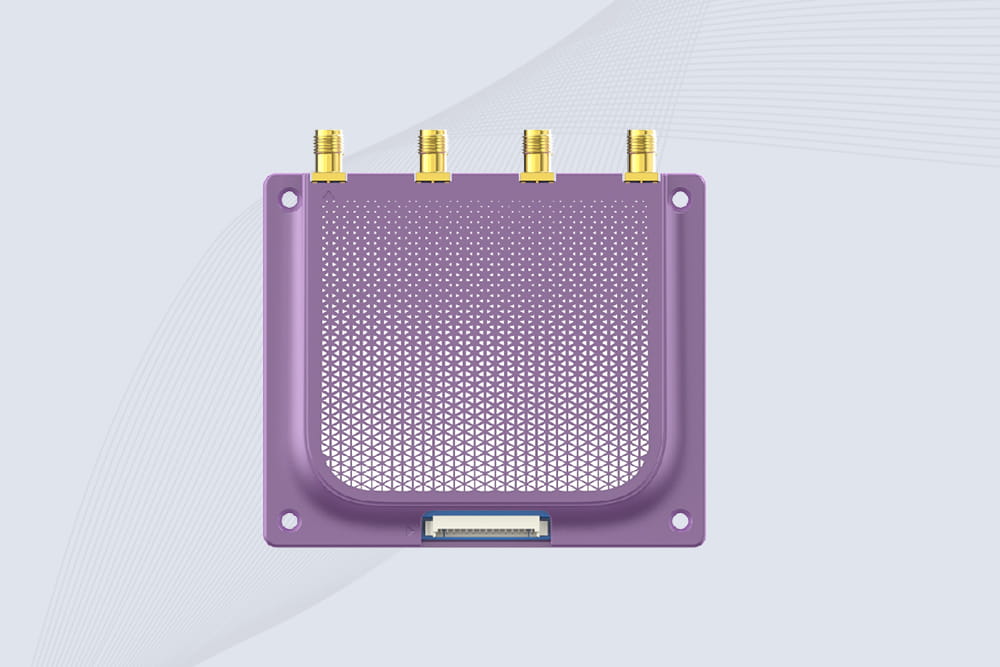
CYKEOCYKEO-M4L UHF RFID Module is a compact 4-channel RFID tag reader module designed for dense tag environments. Supporting ISO and GB protocols, it delivers stable reads up to 10 meters for industrial and IoT systems.
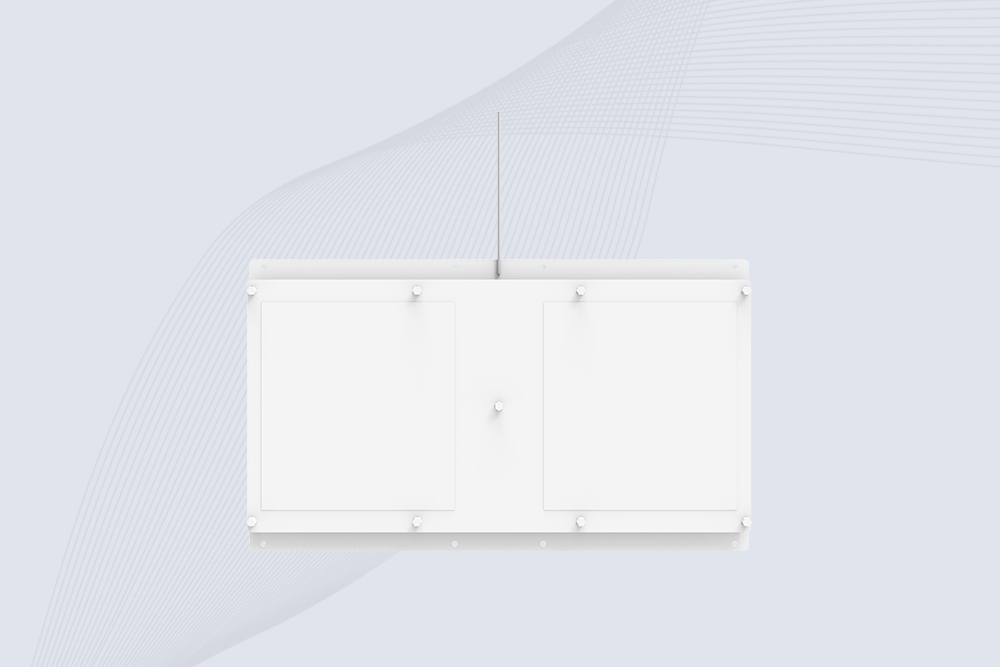
Cykeo CYKEO-A11 UHF RFID reader antenna delivers 11dBi gain, 840-960MHz frequency range, and IP65 ruggedness for retail, logistics, and industrial RFID systems. Features low VSWR and easy installation.

CYKEO Antenna RFID Reader delivers stable long-range UHF performance with a 10.5dBi directional design, built for warehouses, conveyor portals, and industrial RFID systems. This rfid reader antenna provides 20m+ read distance and rugged IP67 protection.

Cykeo CYKEO-PHF3 industrial HF RFID Antenna offers 24-point dynamic tracking, ISO 14443A/15693 protocols, metal-environment stability for archives/libraries/manufacturing.

Cykeo CYKEO-A5B industrial Linear RFID Antenna delivers 5dBi gain, ≤1.5:1 VSWR, and IP65 rugged design for warehouse, production line, and logistics UHF systems.

Cykeo’s CYKEO-B12 Long Range RFID Antenna delivers 15m+ read range with 12dBi gain, IP65 rugged design, and global 840-960MHz UHF support. Ideal for warehouse/logistics asset tracking.
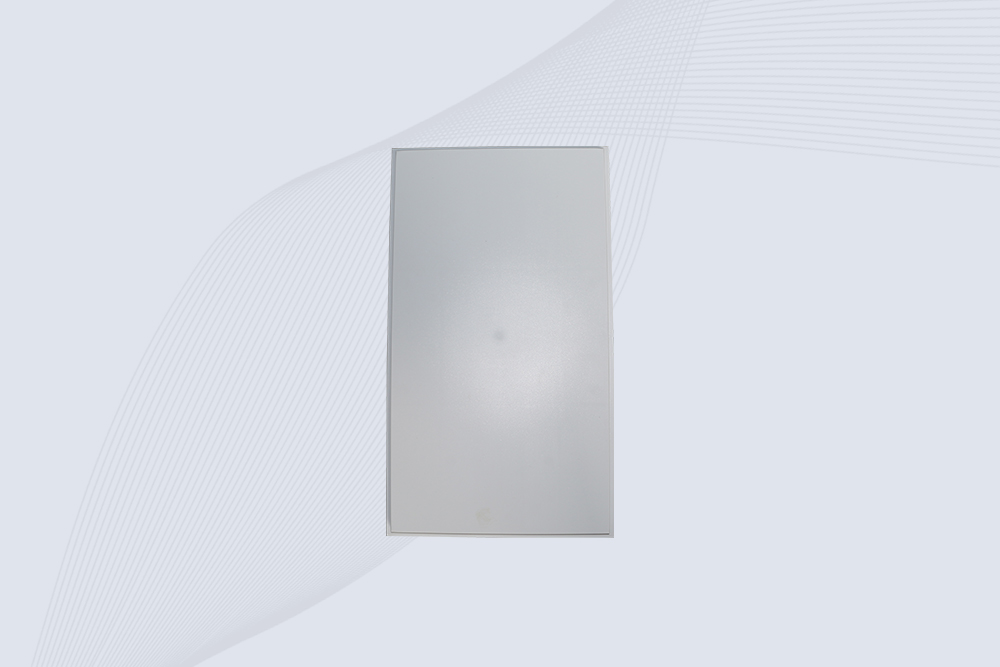
Cykeo CYKEO-B10 Long Distance RFID Antenna offers 10dBi gain, 840-960MHz frequency range, IP65 rating, and 20m+ coverage for logistics/warehousing/ETC systems. Low VSWR ensures stable signal transmission.
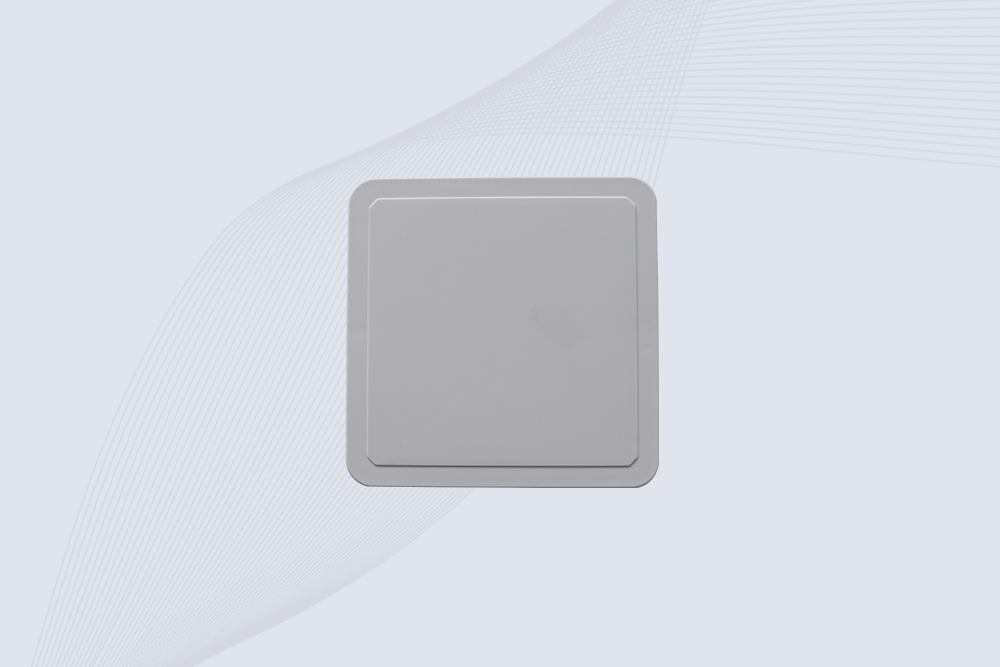
Cykeo CYKEO-A6 UHF RFID panel antenna features 6dBi gain, 840-960MHz broadband, IP65 metal-ready housing for logistics/smart retail. 18mm ultra-thin design with tool-free mounting.

Cykeo CK-A3 industrial antenna RFID UHF offers 5m+ tag detection, ≤1.3:1 VSWR, IP65 rugged design, and global UHF spectrum compatibility (840-960MHz) for warehouses, factories, and retail.
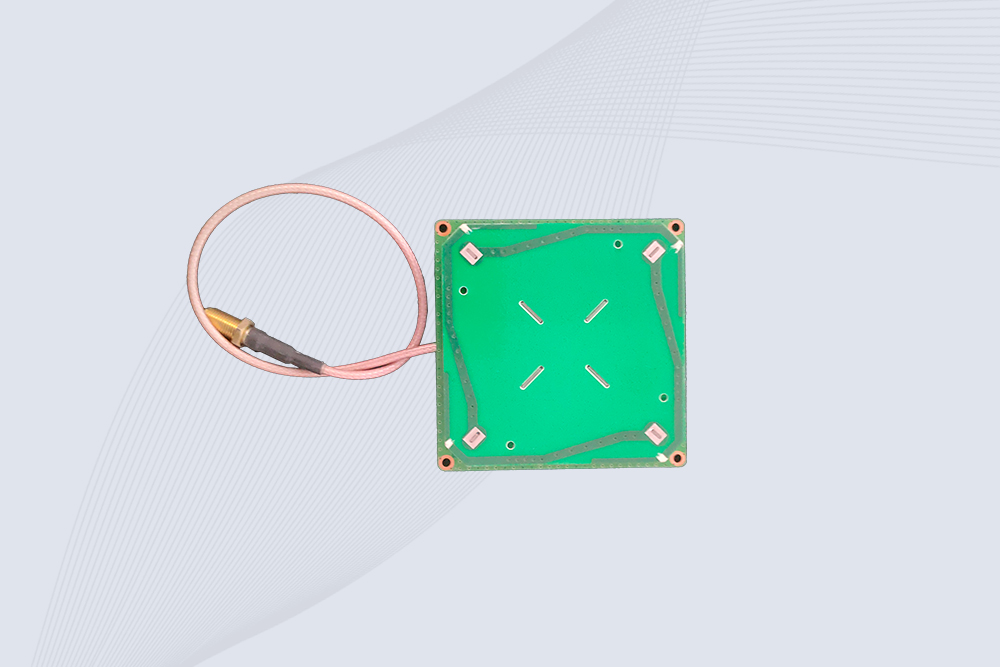
Cykeo CYKEO-B5 directional RFID antenna provides 5dBi gain with 60° narrow beamwidth for precise inventory tracking. IP65-rated, global UHF frequency support, and low VSWR.
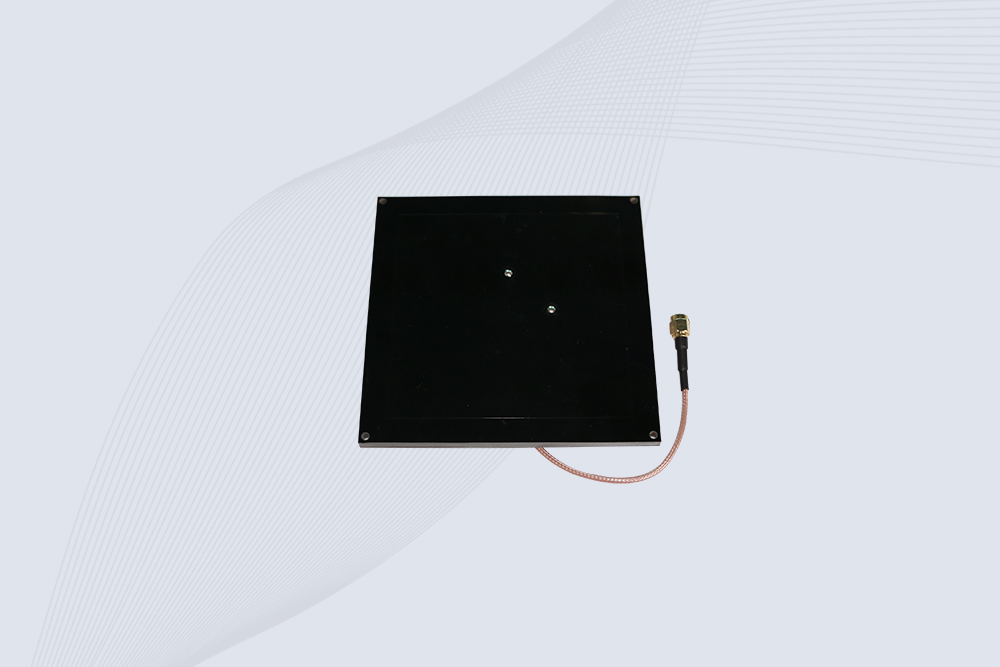
Create your own high-performance DIY RFID antenna! 5dBi gain, 840-960MHz tunable, step-by-step guides. Compatible with Arduino, Raspberry Pi, and commercial UHF readers.
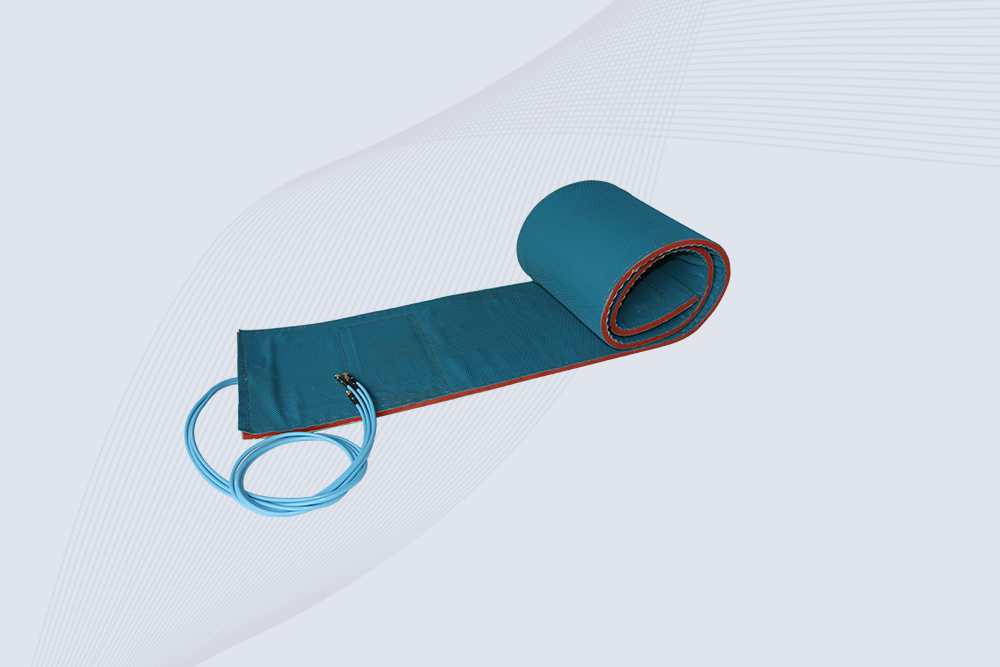
Cykeo CYKEO-A7 Flexible RFID Antenna features 840-960MHz wideband tuning, 7dBi gain, and IP68 rating for medical/retail/industrial curved surface deployments. 98% read accuracy with peel-and-stick installation.

Cykeo CYKEO-B5A industrial Passive RFID Antenna delivers 5dBi gain, 70° beamwidth, and -40°C~55°C operation for warehouses/smart cabinets. Compatible with Zebra/Impinj readers.
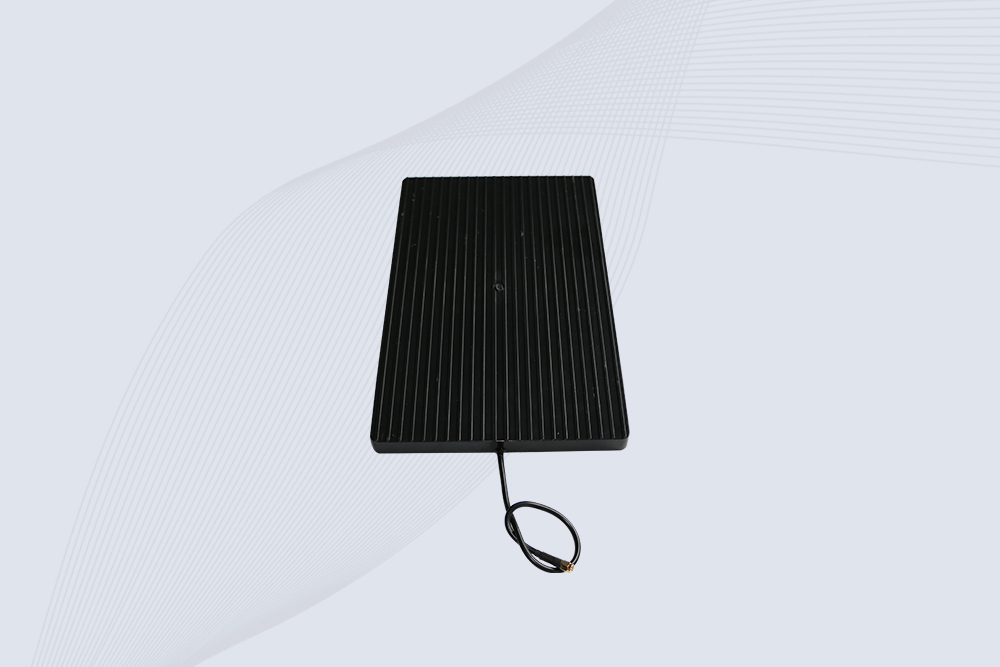
Cykeo’s CYKEO-A9B High Gain RFID Antenna delivers 15m+ read range with 9dBi amplification. Features IP54 rugged design, 840-960MHz bandwidth, and 80° beamwidth for warehouse/manufacturing RFID systems.

Cykeo’s enterprise-grade 8dbi Impinj RFID Antenna 10m+ read range with 840-960MHz tuning. Features IP65 housing, 1.4 VSWR, 35° beamwidth for retail/warehouse RFID systems.
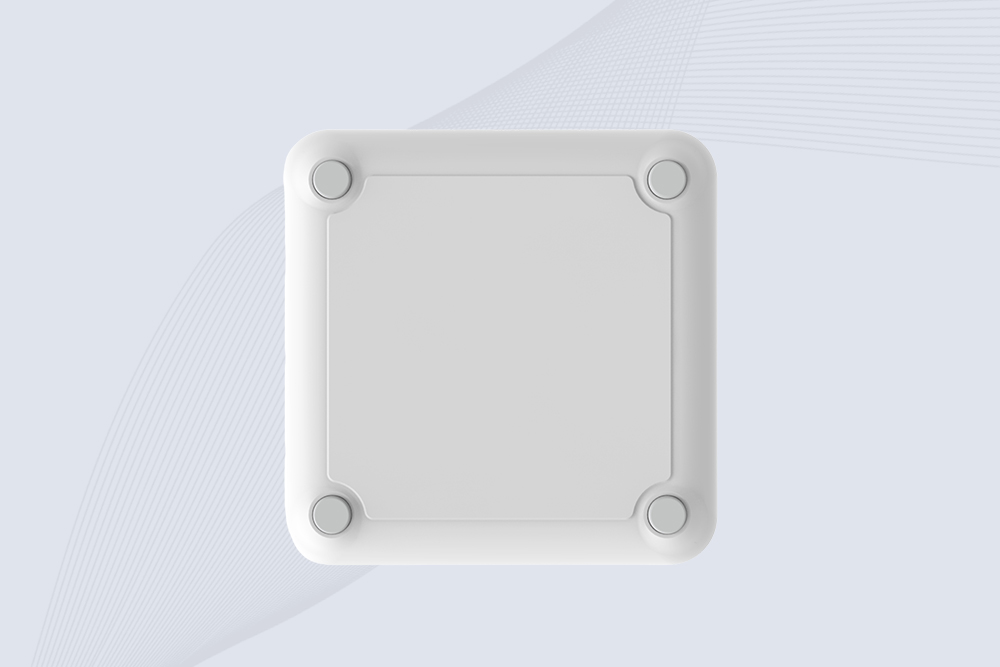
Cykeo CYKEO-A9 industrial UHF RFID antenna delivers 9dBi gain, 840-960MHz frequency range, and IP65 protection for warehouse/logistics/retail RFID systems. Features N-type connector and ≤1.3:1 VSWR.
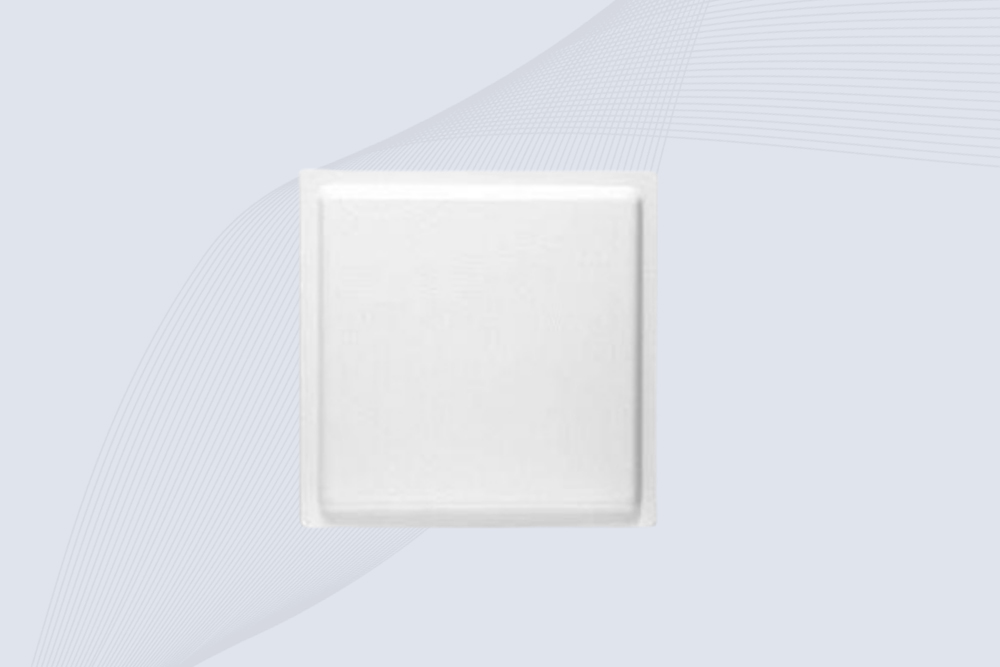
CYKEO UHF RFID Antenna built for long-distance and industrial applications. This antenna rfid uhf delivers strong gain, outdoor durability, and reliable tag performance in warehouses, yards, and vehicle ID systems.
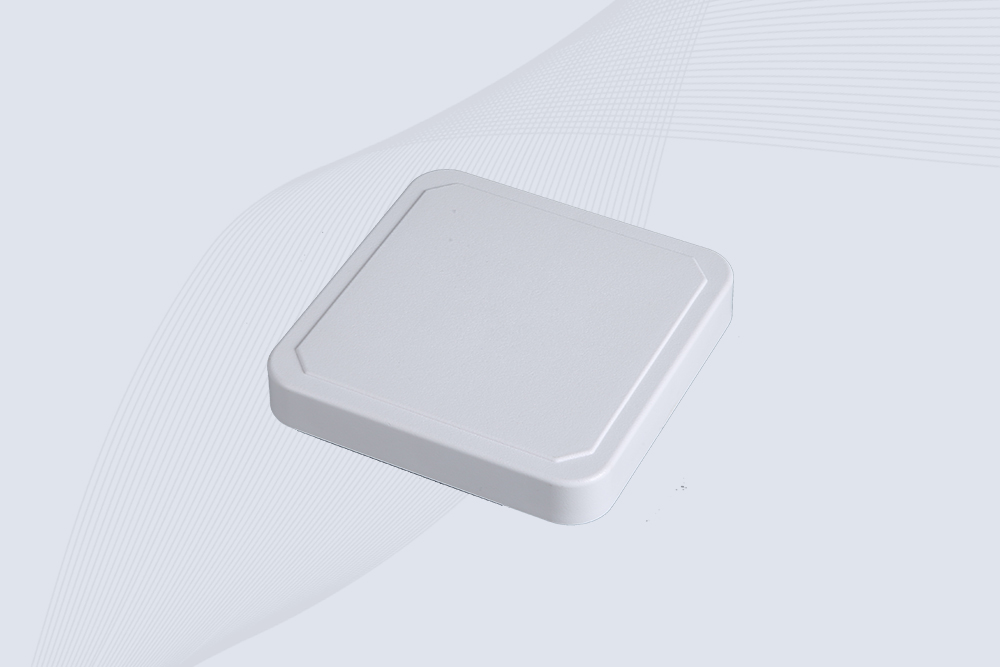
CYKEO Antenna RFID delivers reliable long-range UHF performance in warehouses, retail shelves, and cold-chain environments. This compact uhf rfid antenna provides stable reads with circular polarization and ultra-wide 840–960 MHz support, ideal for industrial tracking, smart shelves, and asset monitoring.
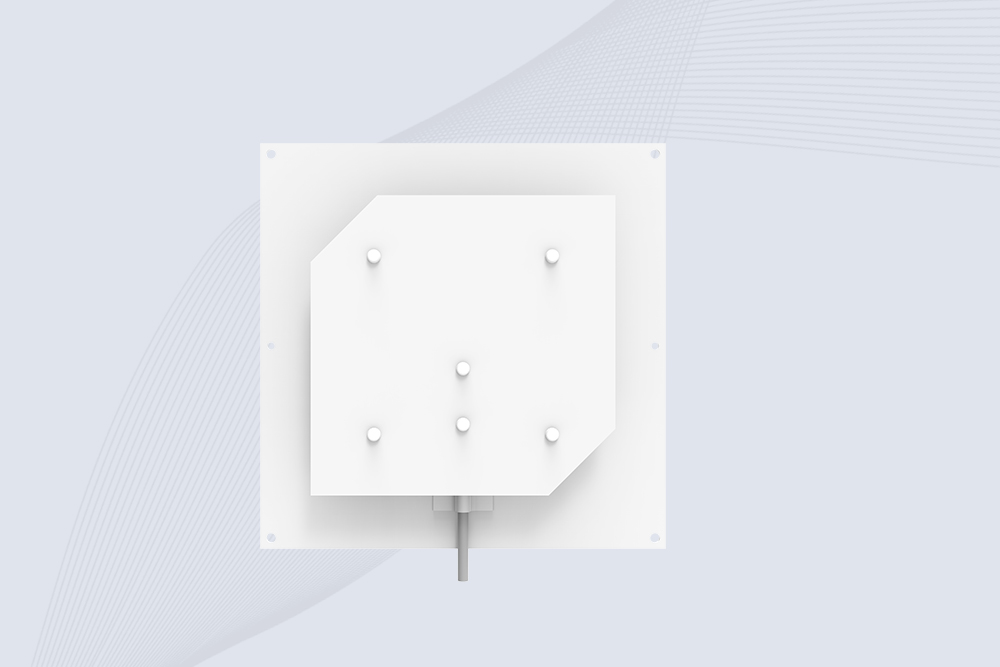
Cykeo’s CYKEO-C8 UHF RFID antennas delivers 8dBi gain, 840-960MHz full-band coverage, and IP65 ruggedness for manufacturing/warehouse RFID systems. Industrial RFID Antennas Features
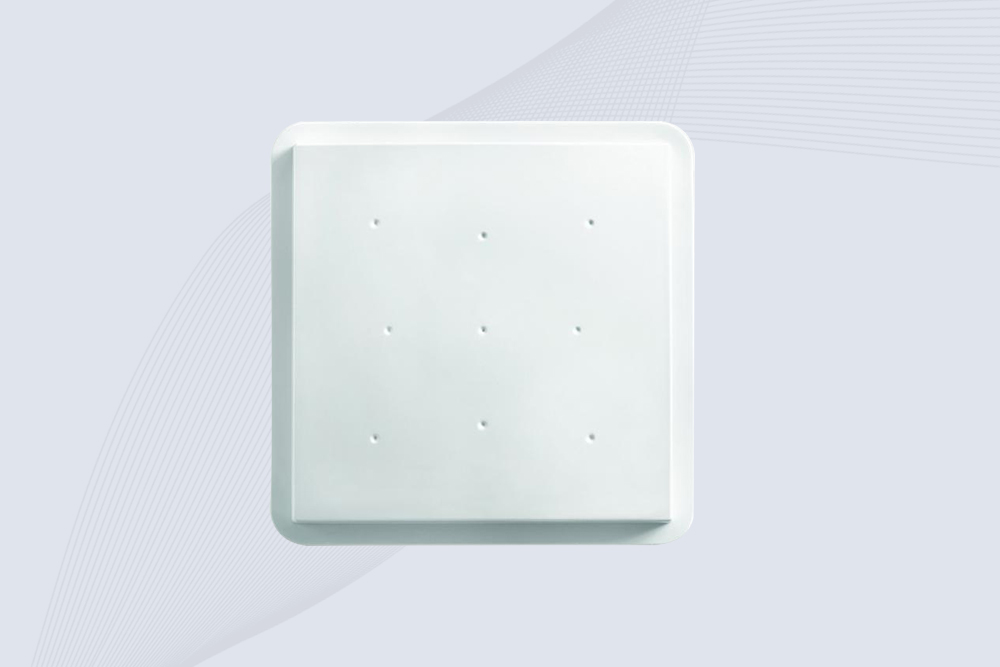
Cykeo’s 8dBi UHF RFID antenna and reader kit delivers 10m+ range, 840-960MHz broadband, and IP65 ruggedness for factories, warehouses, and logistics. ISO 18000-6C & EPC Gen2 certified.
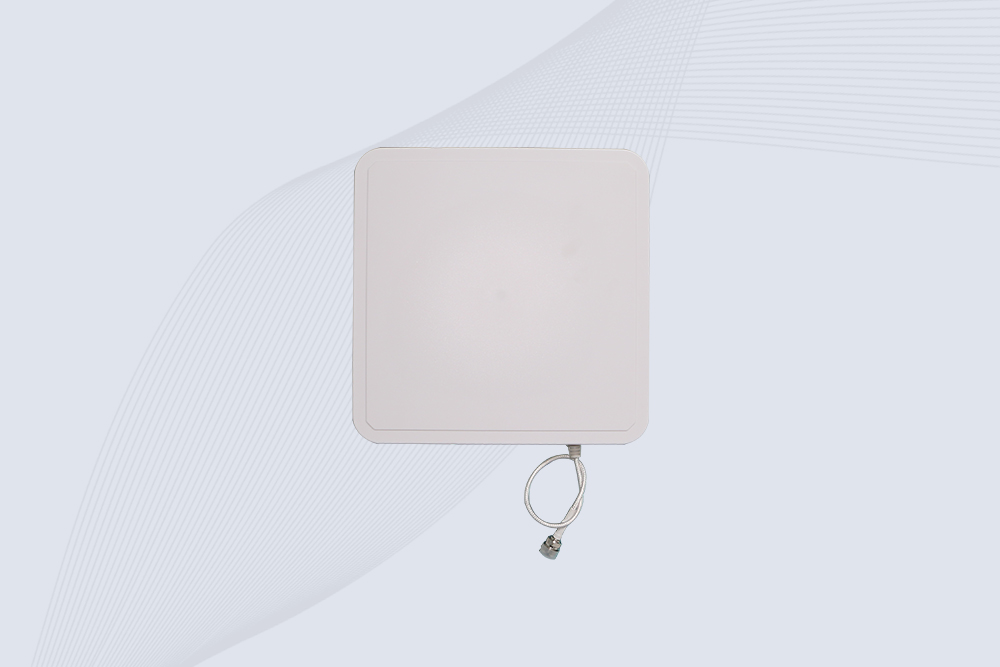
Cykeo CYKEO-A9A industrial UHF RFID reader and antenna kit delivers 10m range, 500 tags/sec, IP65 ruggedness for manufacturing/logistics. Supports EPC Gen2, ISO18000-6C.

Discover how RFID systems work from a physics perspective. Learn how energy flows between reader and tag, how backscatter works, and why RFID tags don’t need batteries.
More
RFID reader module selection, how to choose RFID module, UHF RFID module guide, OEM RFID module, embedded RFID reader, RFID integration guide, RFID module supplier, RFID SDK support, industrial RFID system design, RFID module buying guide
More
Compare handheld and fixed RFID readers for retail. Learn pros, cons, and ideal use cases with Cykeo’s solutions to boost inventory accuracy and theft prevention.
More
Retail RFID technology improves stock accuracy, loss prevention, and inventory visibility with ultra high frequency RFID solutions for modern retail stores.
More