 Cykeo RFID IoT Solution Products R&D Manufacturer
what is a rfid device
85An RFID device communicates with RFID tags to identify objects, read or write tag data, and connect physical assets with digital systems.
MoreAll RFID Product
A few years ago, choosing an RFID handheld reader was mostly about hardware.
Range, speed, durability.
Now, that’s only part of the decision.
What really matters in most projects today is:
How easily the device works with your system.
That’s one of the main reasons why Android RFID handheld readers have become the default choice.
If you’re comparing options, it helps to review different Android RFID handheld reader models to see how they support integration and application development.
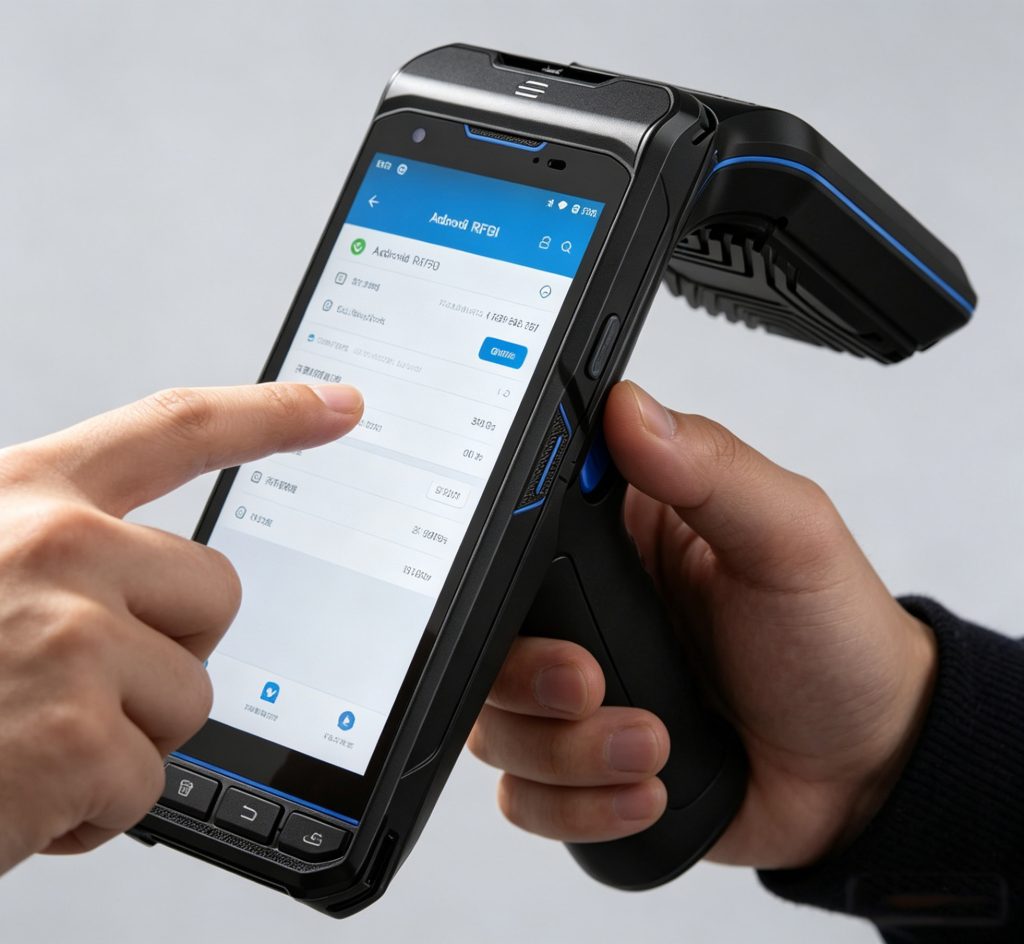
Most companies already work with Android in some form.
That means:
Compared to proprietary systems, Android reduces development friction.
This is a key point for any real deployment.
A good RFID handheld device should provide:
Without these, integrating with your system becomes difficult.
With Android-based devices, SDK support is usually more complete and easier to work with.
Most businesses already have systems in place:
Android RFID handheld readers can connect to these systems through custom apps or middleware.
This flexibility is often more important than raw hardware specs.
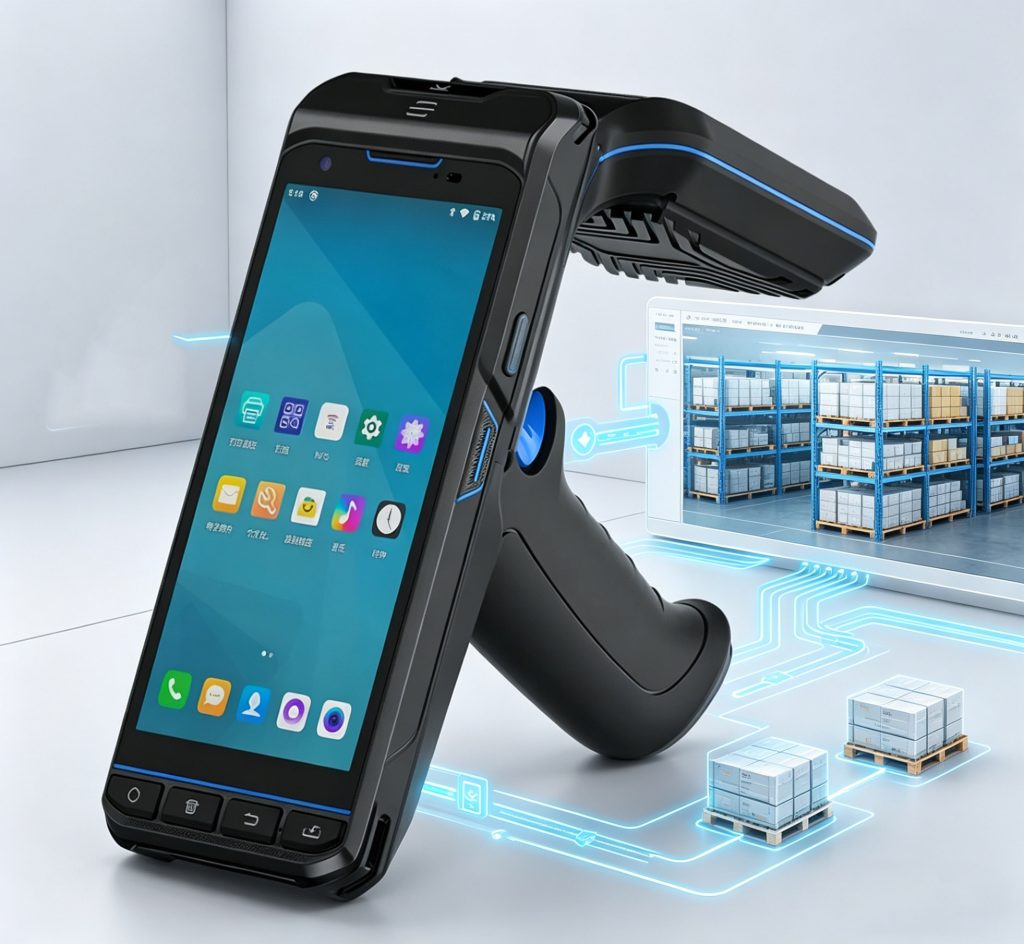
This part is often overlooked.
Operators don’t need to learn a completely new system.
This reduces onboarding time and user errors.
In practice, they are widely used in:
In all these cases, integration with software is just as important as scanning performance.
Not all Android RFID devices are equal.
Here’s what usually matters:
You can compare different UHF RFID handheld reader solutions to see which models align with your requirements.
Even if software is the focus, hardware still matters.
If your environment includes:
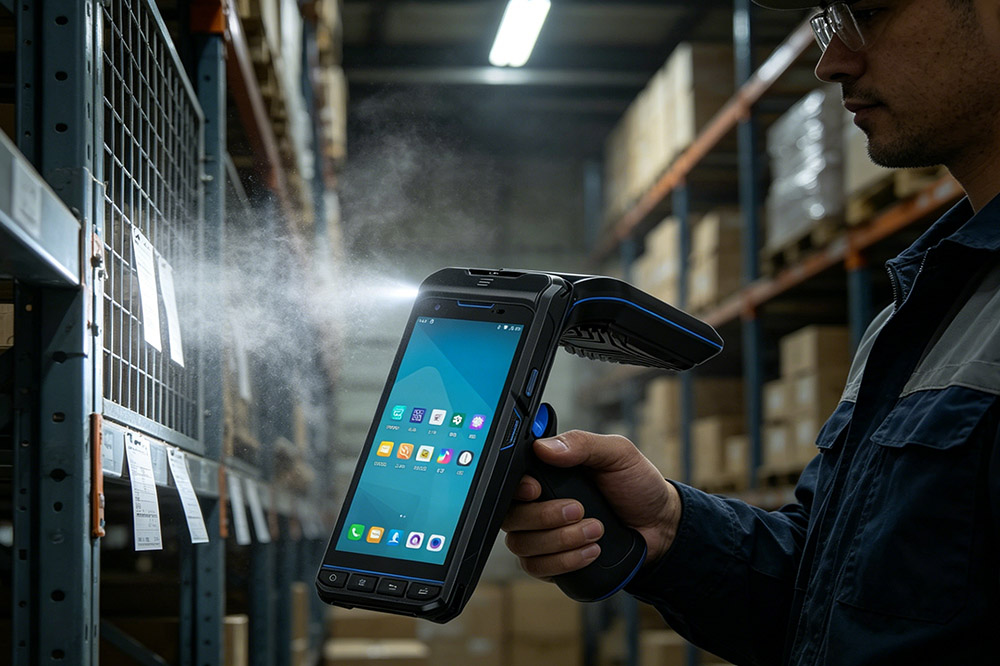
You’ll likely need a rugged Android RFID handheld reader that can handle daily use without performance drops.
Even with the right device, problems can come from:
These are usually integration issues, not hardware limitations.
If you’re planning a project, keep it simple:
This avoids unnecessary delays.
In real-world deployments, Android wins because it balances:
It’s not perfect, but it’s practical.
And in most cases, that’s what matters.
Choosing an Android RFID handheld reader isn’t just a technical decision.
It’s about how smoothly your hardware, software, and workflow come together.
If integration is part of your project — and it usually is — Android is often the easiest path forward.
Guide Recommendations
What Are the Best Handheld RFID Readers for Small Business Inventory?
How to Choose the Best RFID Handheld Reader for Warehouse Inventory?
Handheld RFID Readers: Working Principle, Product Types, and Selection Guide
What are the best handheld RFID readers for tracking tools on construction sites?
What Is RFID Handheld Reader? Mobile Scanning for Inventory and Assets
What Are the Most Durable Handheld RFID Readers for Construction Sites?
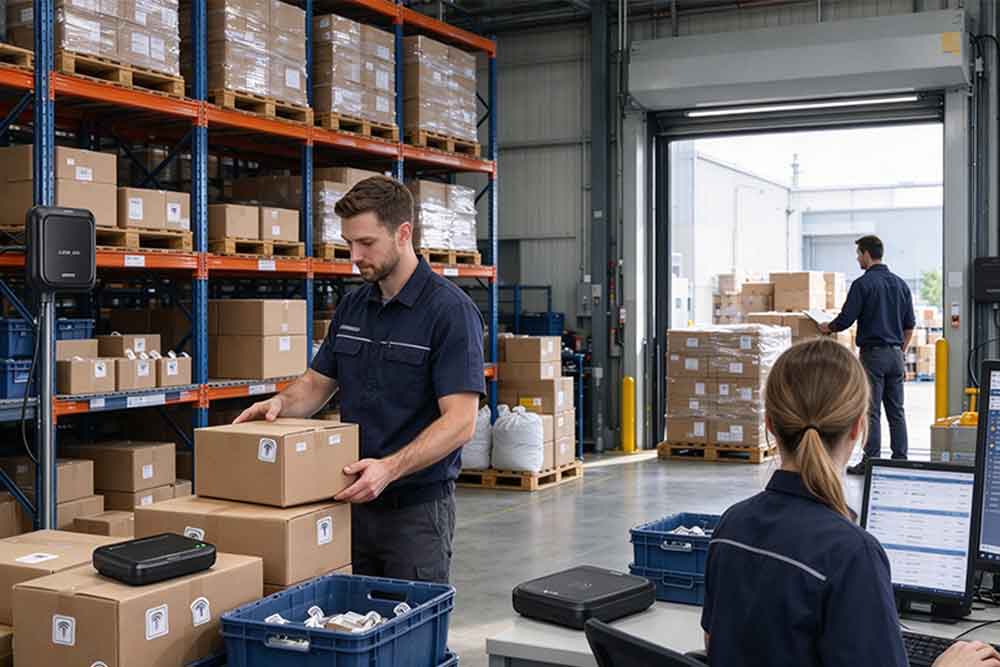
An RFID device communicates with RFID tags to identify objects, read or write tag data, and connect physical assets with digital systems.
More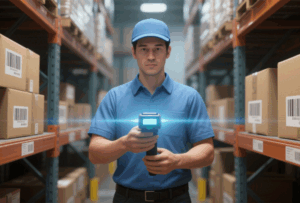
The Guide breaks down the working principles, applications, and benefits of RFID technology in warehouses
More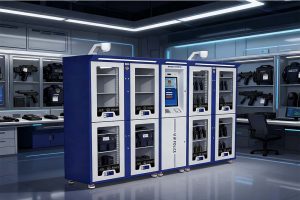
Trying to understand what an RFID Intelligent Police Equipment Cabinet really solves? This real-world breakdown covers police gear management, law enforcement storage workflows, keyless RFID locker systems, and smart cabinet setups — including wha...
More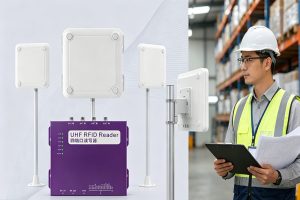
Choosing the right UHF RFID fixed reader? Learn how to select the right model based on range, antenna ports, environment, and system integration for your project.
More