The Question Everyone Asks First
“How far can it read?”
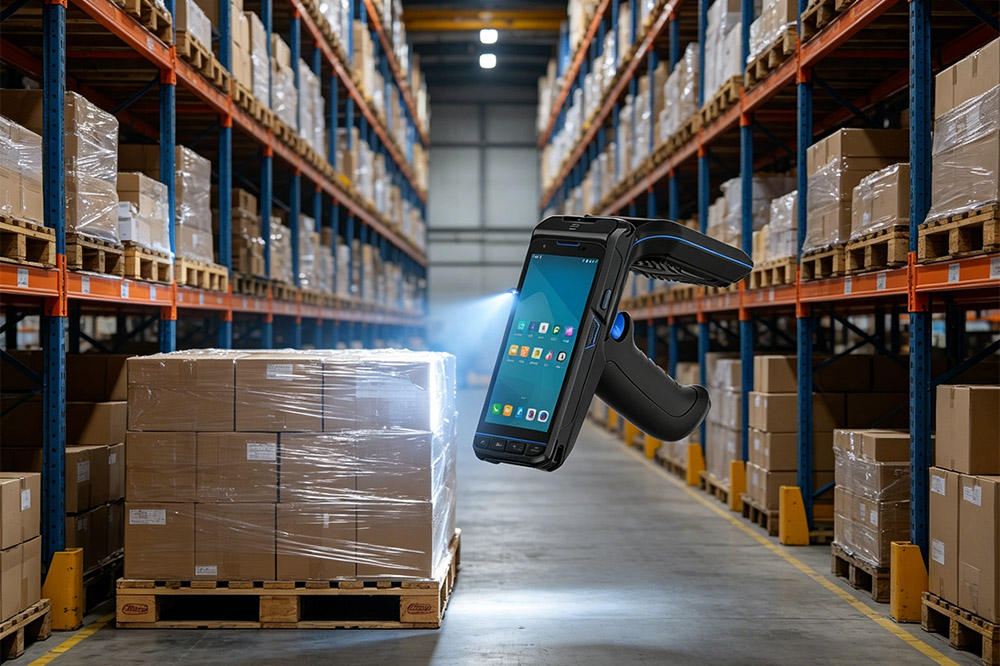
If you’re looking at a long range RFID handheld reader , that’s usually the first thing you want to know.
And most datasheets will give you a number.
But here’s the part that often gets missed:
That number is usually measured under ideal conditions.
Real-world performance can be very different.
What “Long Range” Actually Means
In most UHF RFID handheld reader setups:
Lab conditions → up to 10+ meters
Real warehouse use → typically 3–8 meters
Challenging environments → sometimes less
That doesn’t mean the device is underperforming.
If you’re comparing options, it’s useful to review different long range RFID handheld reader models
What Actually Affects Reading Distance
This is where most of the confusion comes from.
Range is not just about the reader.
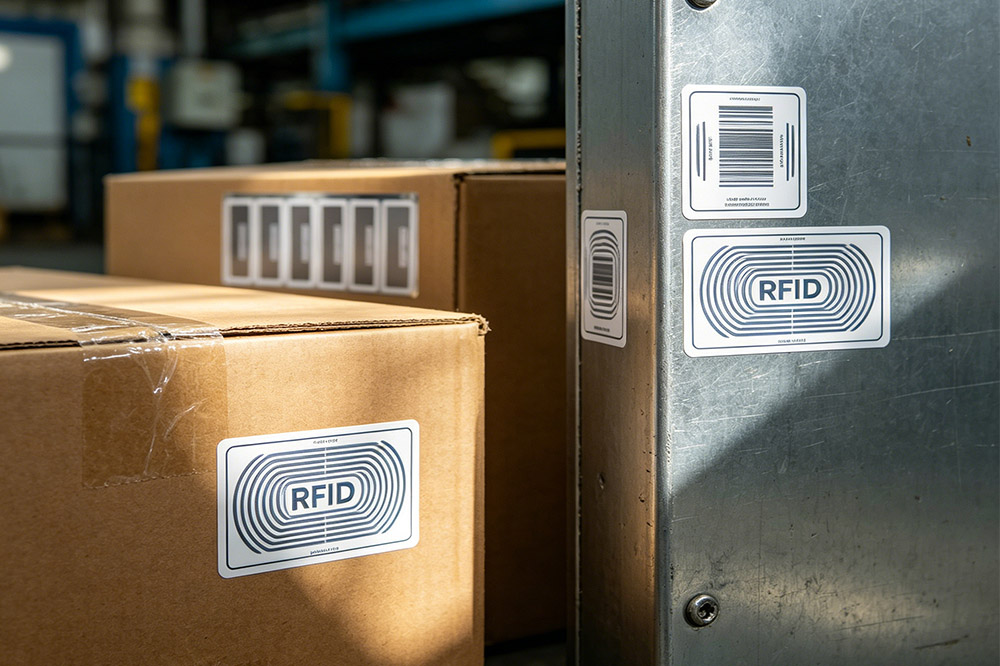
1. RFID Tags (More Important Than You Think)
Different tags behave very differently.
High-quality UHF tags → better range
Small or low-cost tags → shorter range
Metal-mounted tags → need special design
In many cases, the tag limits the range — not the reader.
2. Environment (The Biggest Variable)
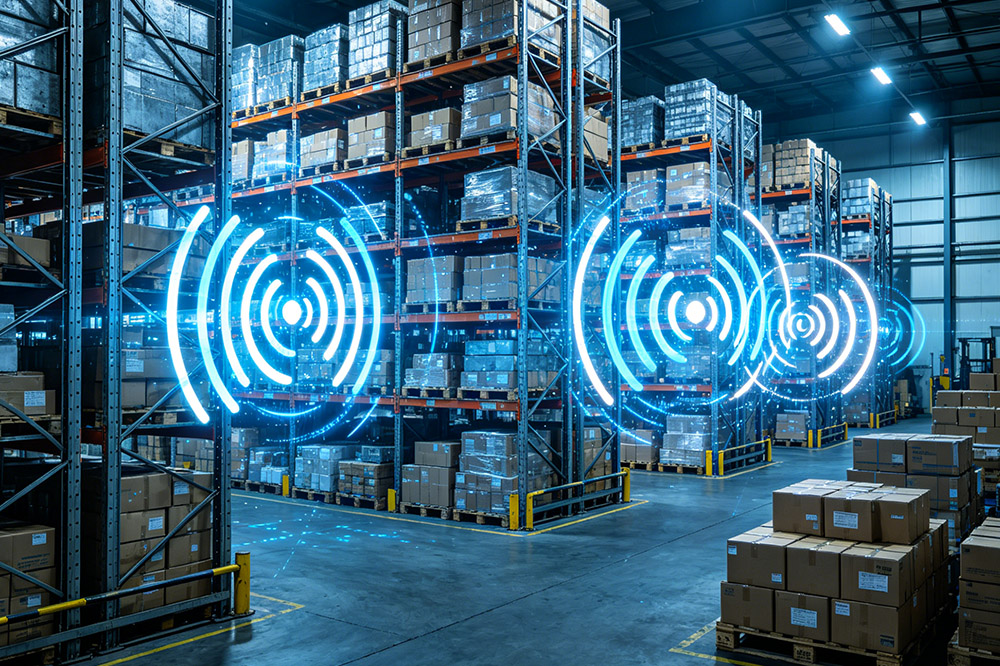
Warehouses are not clean signal environments.
You’ll often have:
Metal racks reflecting signals
Liquids absorbing RF energy
Dense storage blocking paths
All of this reduces effective reading distance.
3. Antenna Design and Angle
Even with the same device:
Angle matters
Distance matters
Orientation matters
A small change in position can affect performance noticeably.
4. Tag Density
Reading one tag at 8 meters is very different from reading 200 tags in the same area.
Higher density can reduce:
Speed
Accuracy
Effective range
5. Device Power and Stability
Not all handheld readers perform the same over time.
A stable UHF RFID handheld reader
In demanding environments, a rugged RFID handheld reader writer
The Mistake Most Buyers Make
A common mistake is choosing a device based only on maximum range.
In practice, what matters more is:
Stable reading
Consistent performance
Real-world accuracy
A reader that reliably scans at 5 meters is often more useful than one that “can” reach 10 meters under perfect conditions.
How to Test Reading Distance Properly
If you’re evaluating devices, the best approach is simple:
Use your actual tags
Test in your real environment
Simulate real workflows
Not a lab test. Not a demo video.
Real conditions.
That’s the only way to get meaningful results.
When Long Range Actually Matters
You don’t always need maximum distance.
Long range becomes important when:
Scanning high shelves or pallets
Covering larger areas quickly
Reducing walking distance for operators
In smaller or controlled environments, shorter range can actually improve accuracy.
A Practical Expectation
If you’re planning a deployment, a realistic expectation is:
3–5 meters → stable, consistent
5–8 meters → achievable with good setup
8m+ → possible, but condition-dependent
Anything beyond that should be tested carefully.
Final Thoughts
“Long range” is not a fixed number.
It’s a combination of:
Device capability
Tag selection
Environment
The best way to approach it is not to chase the highest number — but to find what works reliably in your setup.
If the reader performs consistently where you need it, that’s what actually matters.
rfid handheld reader writer Guide
 Cykeo RFID IoT Solution Products R&D Manufacturer