I’ve tested RFID in clean demo labs. Everything works there. Perfect tag alignment. No customer interference. No random metal baskets nearby.
Then you install the same system in a real retail store—and suddenly read rates drop 15%.
That’s when you realize retail is not a lab. And antenna choice matters more than people expect.
Tags Don’t Sit Still in Retail
In a warehouse, pallet tags usually face one direction. On a retail shelf? Not a chance.
Customers pick up items. They rotate them. They put them back at strange angles. Some tags end up sideways. Some are half-covered by other products.
This is where polarization becomes practical, not theoretical.
In most smart shelf projects I’ve worked on, circularly polarized UHF RFID antennas consistently outperform linear ones. Not because they are “better” in theory, but because they tolerate randomness. And retail is full of randomness.
Linear polarization can still work — especially when product orientation is controlled — but you need discipline in placement. Most stores don’t have that.
Near-Field Isn’t Just for Special Cases
One mistake I see often: integrators default to far-field antennas for everything.
But in smart shelf environments, especially when shelves are narrow and items are tightly packed, near-field antennas can give much cleaner reads. Less spillover. Less cross-reading from adjacent shelves.
I once worked on a cosmetics retail project where far-field antennas kept reading products from the shelf behind the wall. Switching to a controlled near-field setup solved it almost immediately.
Sometimes shorter range gives you better accuracy.
Metal Shelves Will Test Your Design
Retail shelving is often metal. That’s a blessing for durability. It’s a curse for RF.
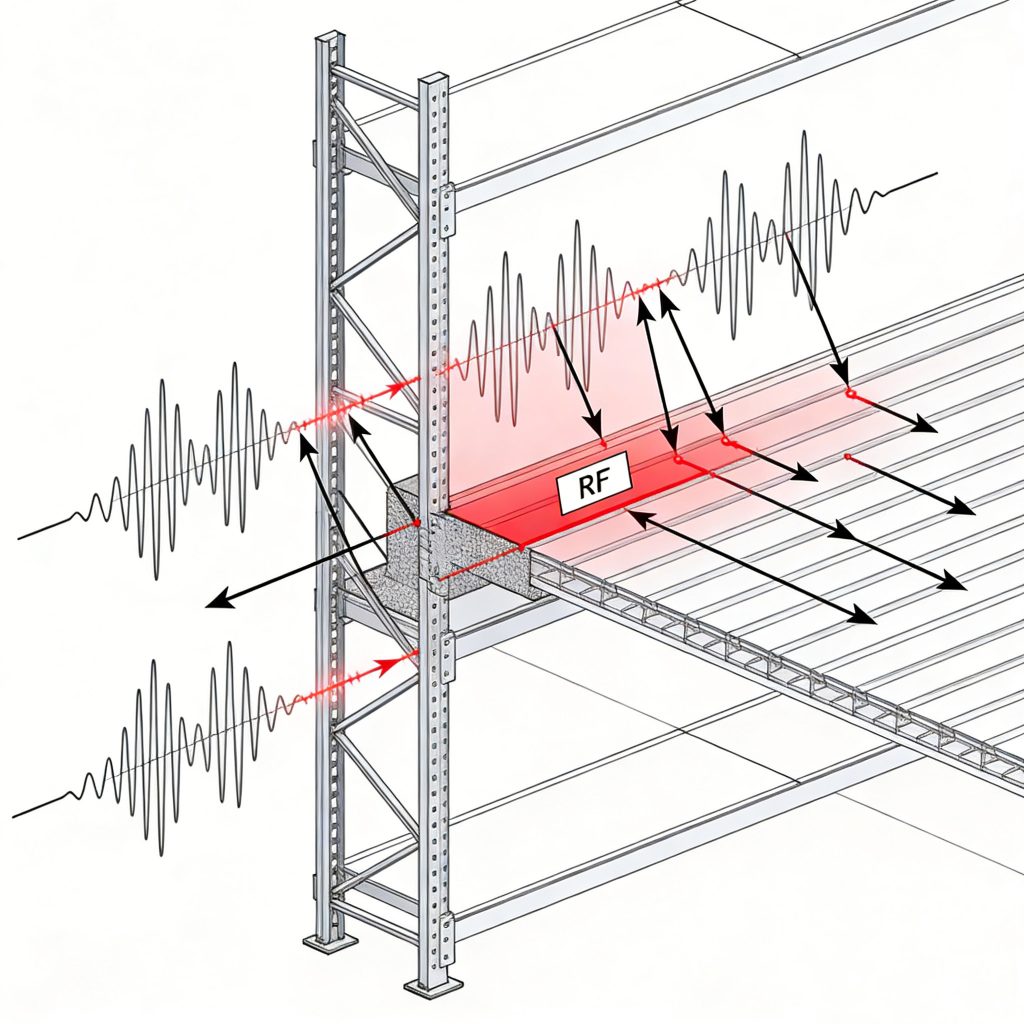
Metal reflects signals. It creates multipath effects. It forms unexpected dead zones. You can simulate it, but you won’t fully understand it until you test onsite.
In these environments, antenna mounting distance from the metal surface becomes critical. Even a few centimeters can change performance noticeably.
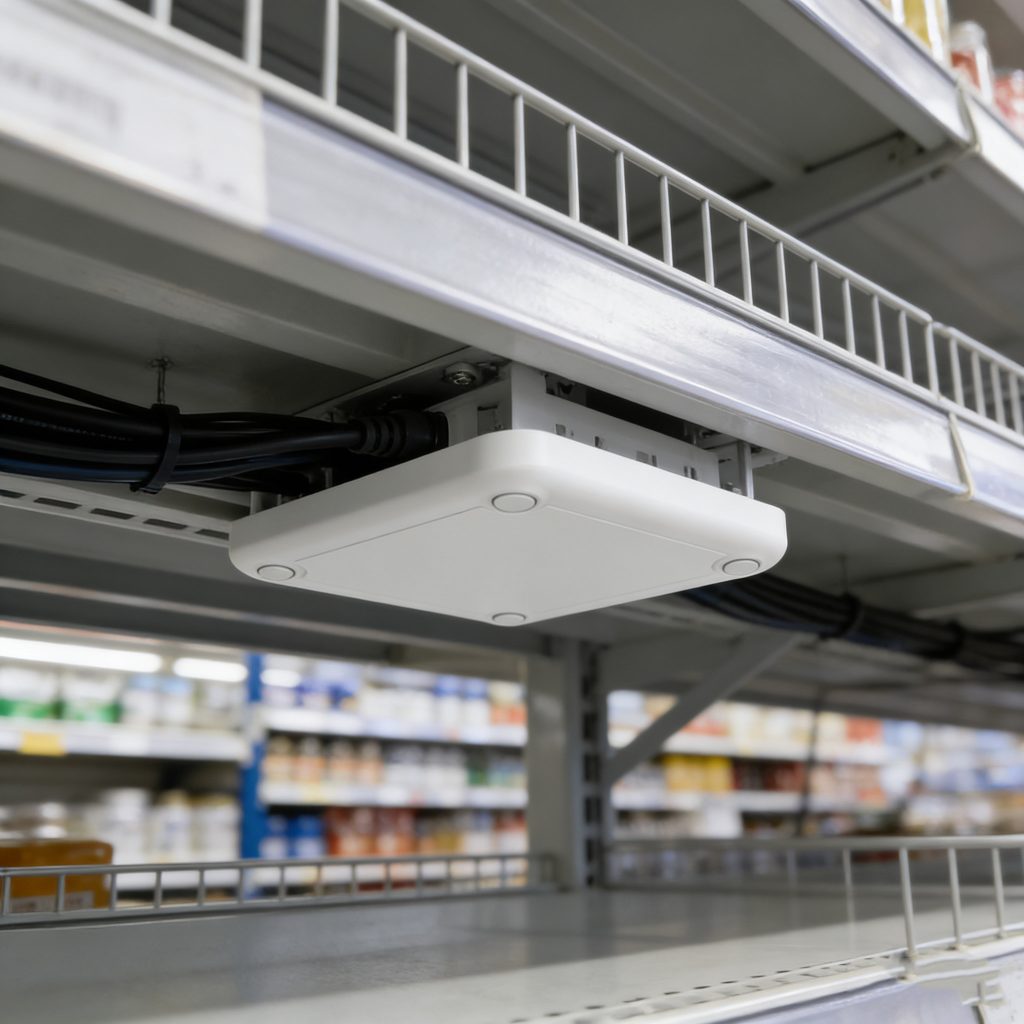
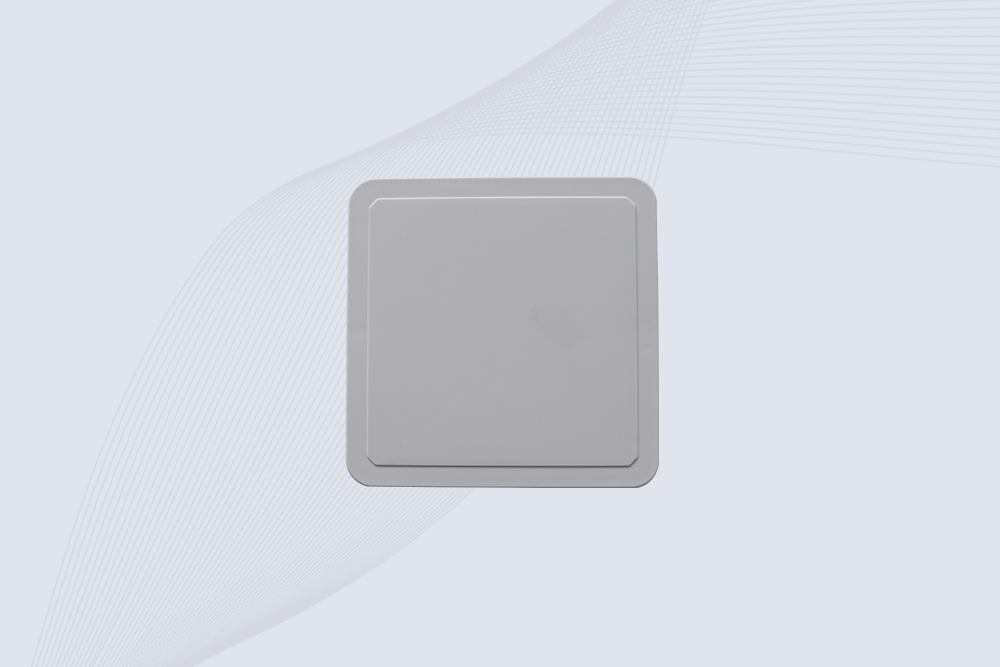
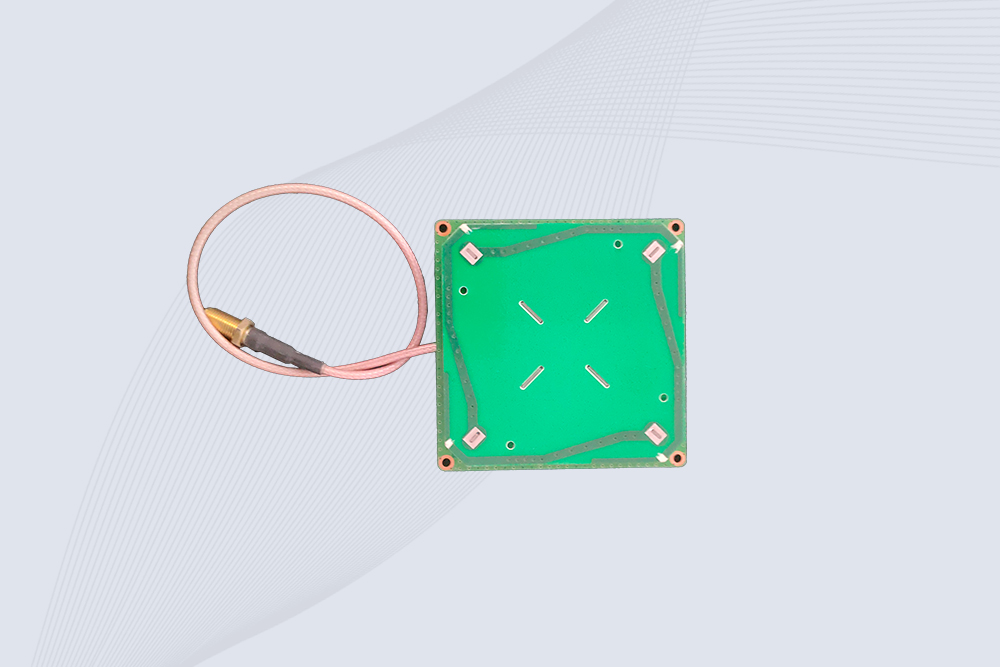
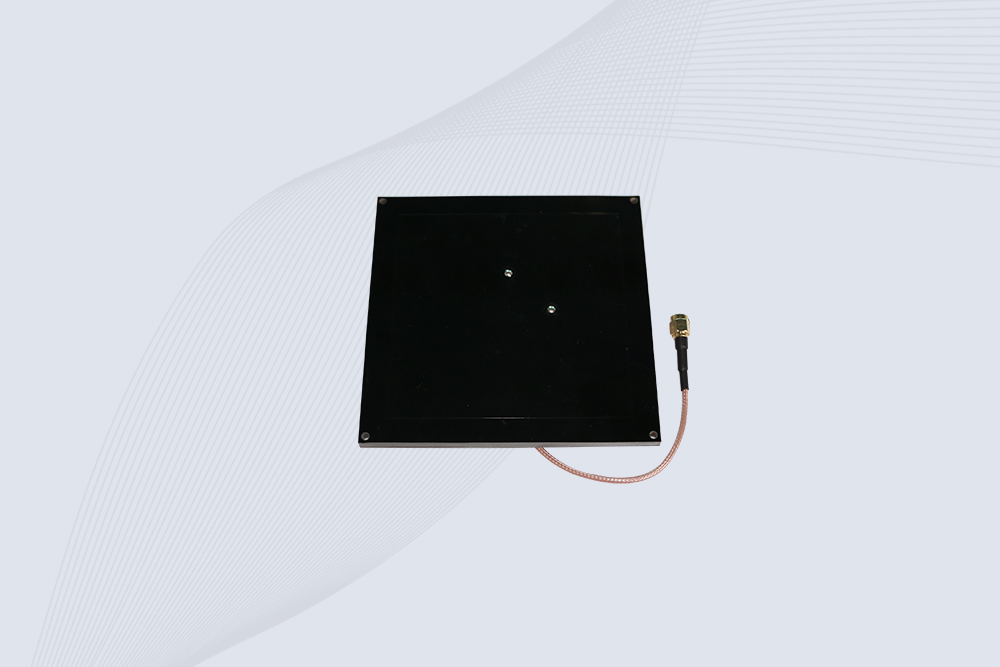
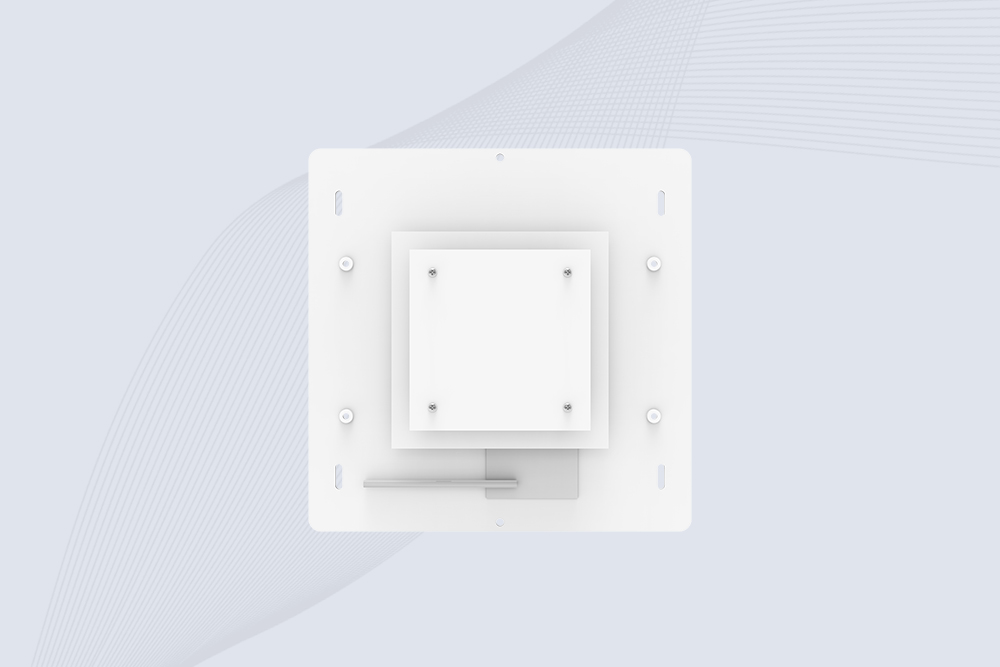
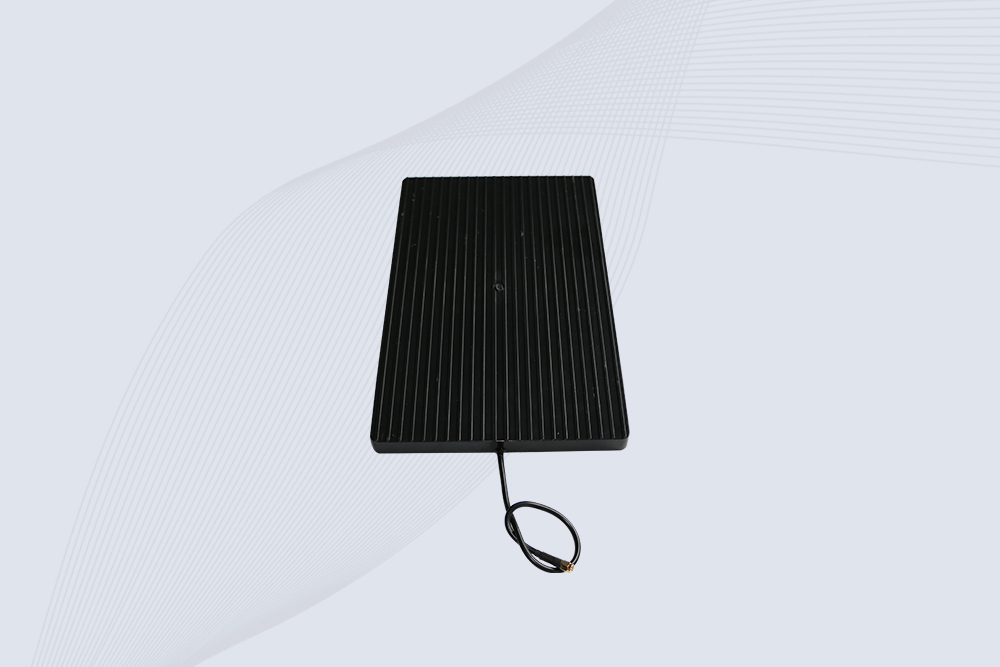
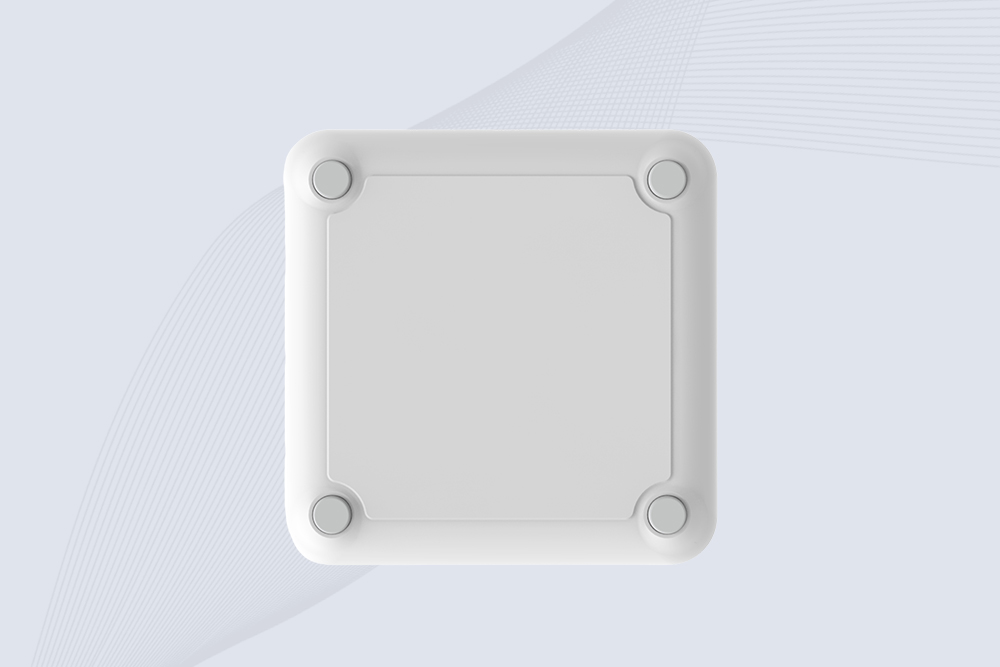
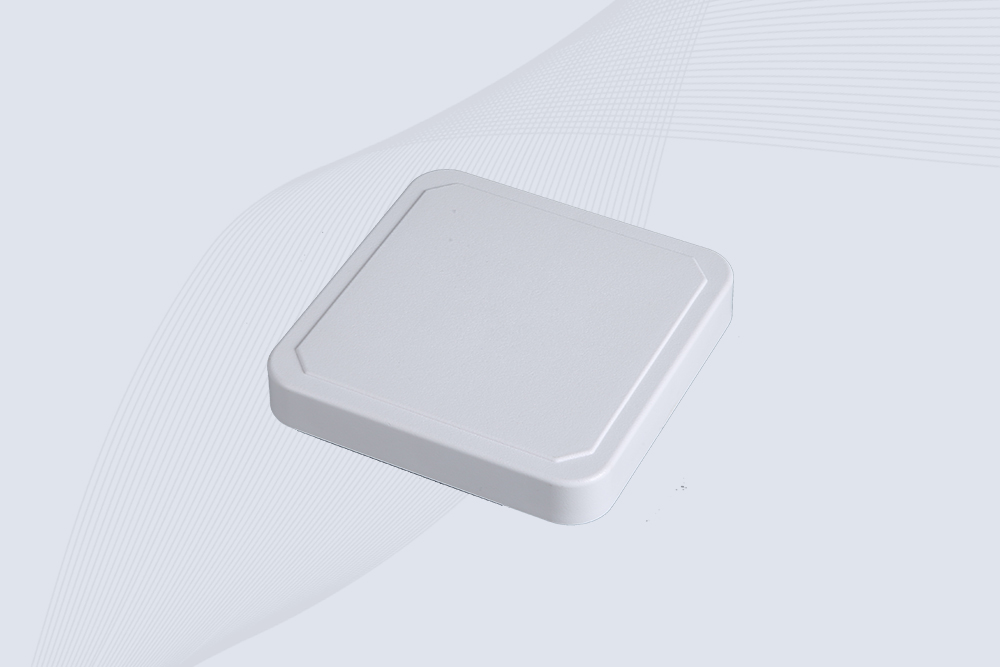
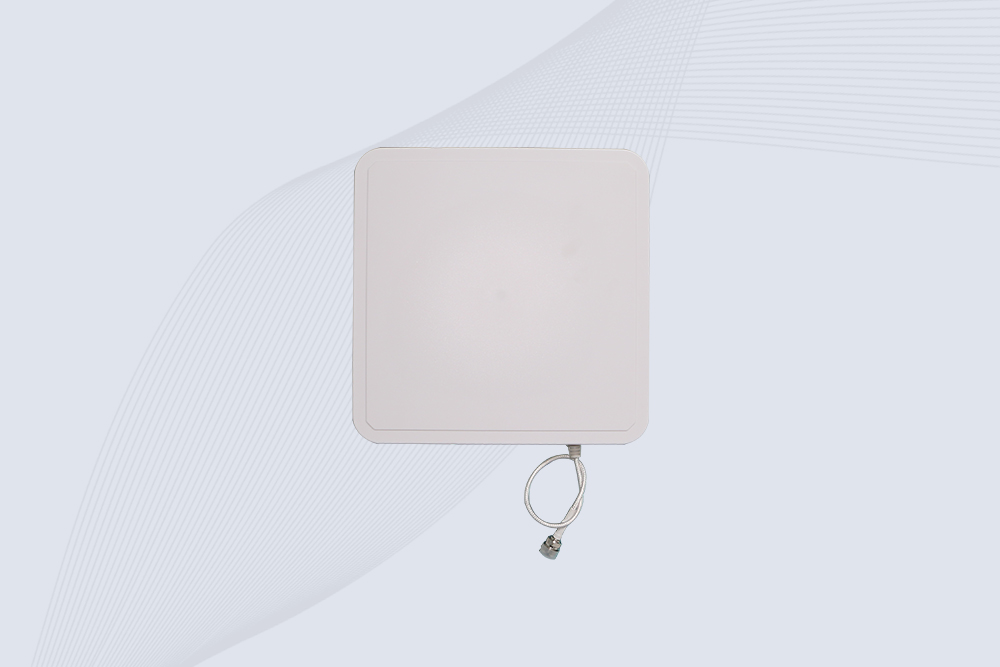
When selecting hardware, I usually look for antennas designed with retail and indoor environments in mind. For example, the models available on the Cykeo RFID antenna page offer different gain levels and form factors that work well for shelf integration, especially when space is limited.
Compact design is not just aesthetic — it affects how close you can mount to products and structures.
Multi-Antenna Strategy: Less Can Be More
Retail shelves are modular. So it’s tempting to assign one antenna per section.
But too many antennas too close together can cause overlapping fields and unstable reads. I’ve seen systems where removing one antenna actually improved overall performance.
The goal isn’t coverage everywhere. The goal is controlled coverage.
When deploying Cykeo UHF RFID antennas in shelf systems, I usually start with minimal coverage zones, then expand only if read blind spots appear during testing.
That approach reduces interference and simplifies reader configuration.
Software Filtering Is Not Optional
Retail projects live or die by data accuracy.
Even with perfect antenna selection, you’ll still get occasional stray reads. Products from neighboring shelves. Items passing by on carts.
This is where good middleware filtering matters. Define read zones logically. Add dwell time rules. Ignore transient reads.
Hardware gives you signal. Software defines meaning.
Smart shelf systems are not just about antennas. But bad antennas make good software struggle.
Final Thoughts from the Field
If you’re designing UHF RFID for smart shelves, don’t overcomplicate it. Focus on:
Polarization that tolerates random orientation
Controlled coverage (often near-field)
Careful mounting near metal
Fewer, smarter antenna placements
Software working together with hardware
Retail RFID is subtle. Small RF differences create big inventory differences.
And in a store, a 5% read error doesn’t just affect data — it affects replenishment, shrinkage, and customer experience.
That’s why antenna choice is never just a hardware decision. It’s a business decision.
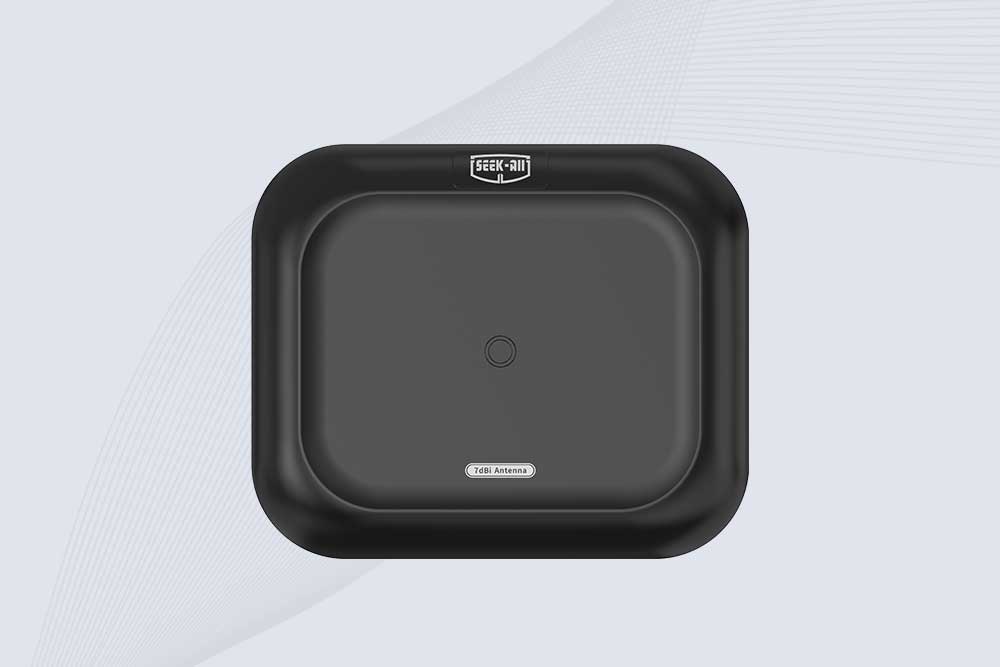
Explore the SSD-A07 UHF RFID antenna with 7 dBi gain, circular polarization, adjustable 840–960 MHz frequency, and 60°/75° beamwidth for stable RFID read/write performance.
SSD-A06 UHF RFID antenna with circular polarization, adjustable 840–960 MHz frequency, ≥4.5 dBi gain, and a compact directional design for RFID systems.
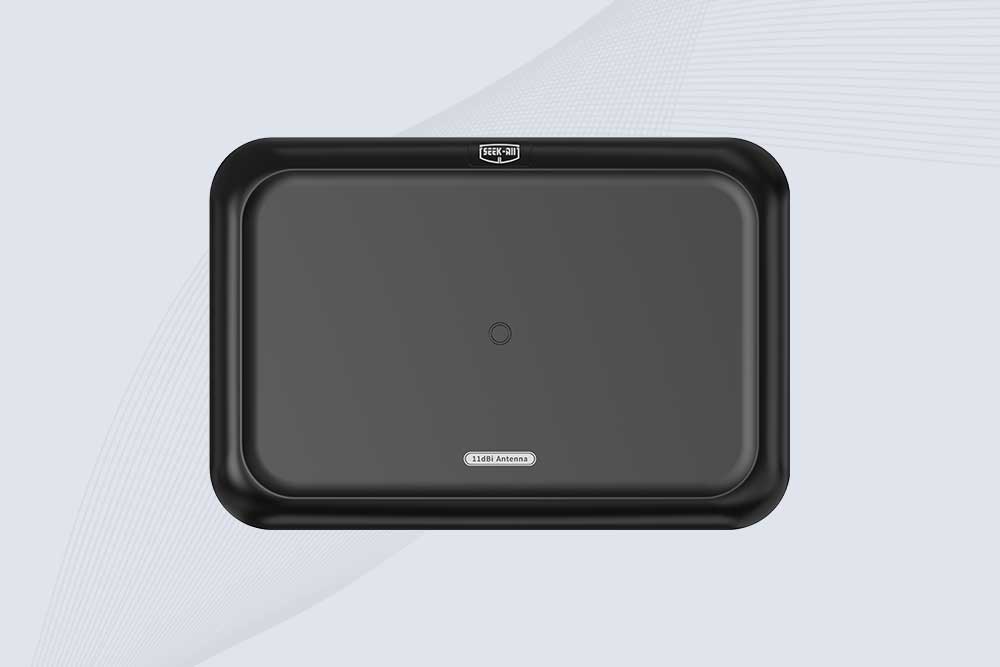
Cykeo CYKEO-A11 UHF RFID reader antenna delivers 11dBi gain, 840-960MHz frequency range, and IP65 ruggedness for retail, logistics, and industrial RFID systems. Features low VSWR and easy installation.
CYKEO Antenna RFID Reader delivers stable long-range UHF performance with a 10.5dBi directional design, built for warehouses, conveyor portals, and industrial RFID systems. This rfid reader antenna provides 20m+ read distance and rugged IP67 protection.
Cykeo CYKEO-A5B industrial Linear RFID Antenna delivers 5dBi gain, ≤1.5:1 VSWR, and IP65 rugged design for warehouse, production line, and logistics UHF systems.
Cykeo’s CYKEO-B12 Long Range RFID Antenna delivers 15m+ read range with 12dBi gain, IP65 rugged design, and global 840-960MHz UHF support. Ideal for warehouse/logistics asset tracking.
Cykeo CYKEO-B10 Long Distance RFID Antenna offers 10dBi gain, 840-960MHz frequency range, IP65 rating, and 20m+ coverage for logistics/warehousing/ETC systems. Low VSWR ensures stable signal transmission.
Cykeo CYKEO-A6 UHF RFID panel antenna features 6dBi gain, 840-960MHz broadband, IP65 metal-ready housing for logistics/smart retail. 18mm ultra-thin design with tool-free mounting.
Cykeo CK-A3 industrial antenna RFID UHF offers 5m+ tag detection, ≤1.3:1 VSWR, IP65 rugged design, and global UHF spectrum compatibility (840-960MHz) for warehouses, factories, and retail.
Cykeo CYKEO-B5 directional RFID antenna provides 5dBi gain with 60° narrow beamwidth for precise inventory tracking. IP65-rated, global UHF frequency support, and low VSWR.
Create your own high-performance DIY RFID antenna! 5dBi gain, 840-960MHz tunable, step-by-step guides. Compatible with Arduino, Raspberry Pi, and commercial UHF readers.
Cykeo CYKEO-A7 Flexible RFID Antenna features 840-960MHz wideband tuning, 7dBi gain, and IP68 rating for medical/retail/industrial curved surface deployments. 98% read accuracy with peel-and-stick installation.
Cykeo CYKEO-B5A industrial Passive RFID Antenna delivers 5dBi gain, 70° beamwidth, and -40°C~55°C operation for warehouses/smart cabinets. Compatible with Zebra/Impinj readers.
Cykeo’s CYKEO-A9B High Gain RFID Antenna delivers 15m+ read range with 9dBi amplification. Features IP54 rugged design, 840-960MHz bandwidth, and 80° beamwidth for warehouse/manufacturing RFID systems.
Cykeo’s enterprise-grade 8dbi Impinj RFID Antenna 10m+ read range with 840-960MHz tuning. Features IP65 housing, 1.4 VSWR, 35° beamwidth for retail/warehouse RFID systems.
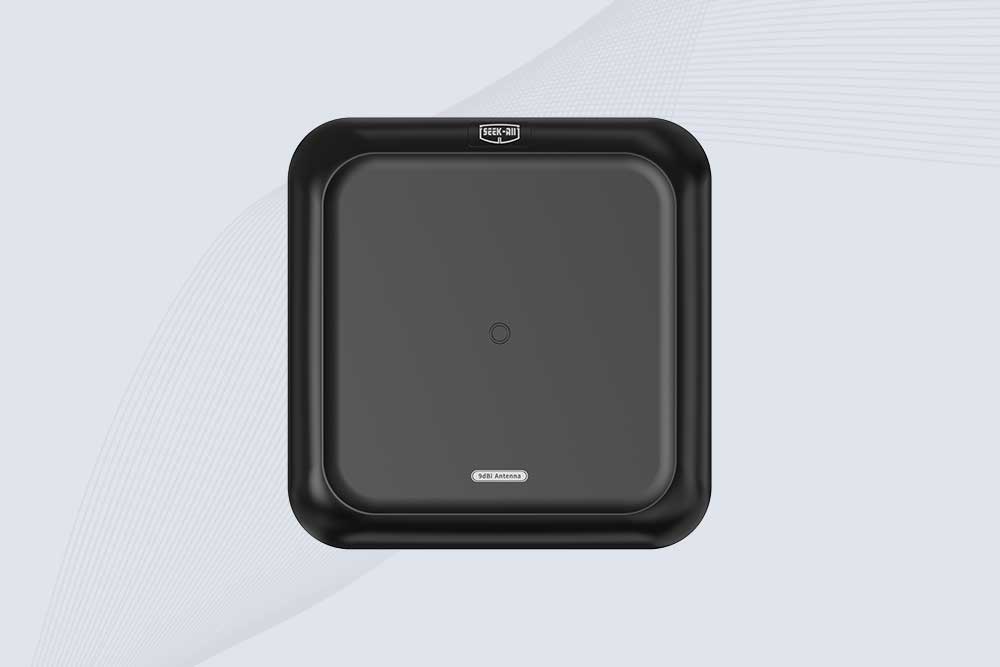
Cykeo CYKEO-A9 industrial UHF RFID antenna delivers 9dBi gain, 840-960MHz frequency range, and IP65 protection for warehouse/logistics/retail RFID systems. Features N-type connector and ≤1.3:1 VSWR.
CYKEO UHF RFID Antenna built for long-distance and industrial applications. This antenna rfid uhf delivers strong gain, outdoor durability, and reliable tag performance in warehouses, yards, and vehicle ID systems.
CYKEO Antenna RFID delivers reliable long-range UHF performance in warehouses, retail shelves, and cold-chain environments. This compact uhf rfid antenna provides stable reads with circular polarization and ultra-wide 840–960 MHz support, ideal for industrial tracking, smart shelves, and asset monitoring.
Cykeo’s CYKEO-C8 UHF RFID antennas delivers 8dBi gain, 840-960MHz full-band coverage, and IP65 ruggedness for manufacturing/warehouse RFID systems. Industrial RFID Antennas Features
Cykeo’s 8dBi UHF RFID antenna and reader kit delivers 10m+ range, 840-960MHz broadband, and IP65 ruggedness for factories, warehouses, and logistics. ISO 18000-6C & EPC Gen2 certified.
Cykeo’s CYKEO-A12C UHF Large RFID Antenna delivers 12dBi gain, 840-960MHz global frequency, IP65 ruggedness for logistics/warehousing/automotive. 40° beamwidth ensures stable 15m+ tag reads.
CYKEO Near Field RFID Antenna provides precise 5–30 cm reading for shelves, cabinets, and workstations. This compact rfid shelf antenna delivers stable short-range performance around metal and clutter, ideal for pharmacies, libraries, and electronics sorting.
Learning how to find the range of an RFID reader? Stop trusting datasheet claims. Step-by-step field testing, factors affecting read distance, and environment setup. Real advice from CYKEO engineers.
Asset RFID tracking enables automated asset identification, inventory visibility, and real-time location management. Discover how Cykeo RFID solutions improve efficiency and reduce asset loss.
Can a high frequency RFID scanner read UHF tags? No—and here’s why. Learn the real differences between 13.56 MHz HF and 860–960 MHz UHF RFID systems, including physics, protocols, read range, and dual-frequency reader options.
Struggling with RFID reader interference? Learn proven methods to eliminate signal noise in busy environments and maintain scan accuracy. Expert tips from Cykeo.
 Cykeo RFID IoT Solution Products R&D Manufacturer