 Cykeo RFID IoT Solution Products R&D Manufacturer

What Does an RFID Antenna Do? (It’s More Than You Think)
368Discover what does an RFID antenna do. Learn how it enables wireless communication, powers passive tags, and is used in access control, logistics, and asset tracking.
MoreAll RFID Product
When people first hear about RFID, many imagine a small sticker that can somehow “send information” without any connection. In real projects, however, RFID is a little more interesting than that.
An RFID tag does not actively transmit data like a mobile phone. Most RFID tags are actually waiting quietly until an RFID reader sends out a signal. Once activated, the tag responds by sending its stored information back to the reader.
This simple communication process is the reason RFID is now widely used in warehouses, retail stores, hospitals, manufacturing lines, logistics tracking, and asset management systems.
For companies planning to purchase RFID tags in bulk, understanding how RFID tags work is not only about technology. It directly affects tag selection, reading distance, system reliability, and final project cost.
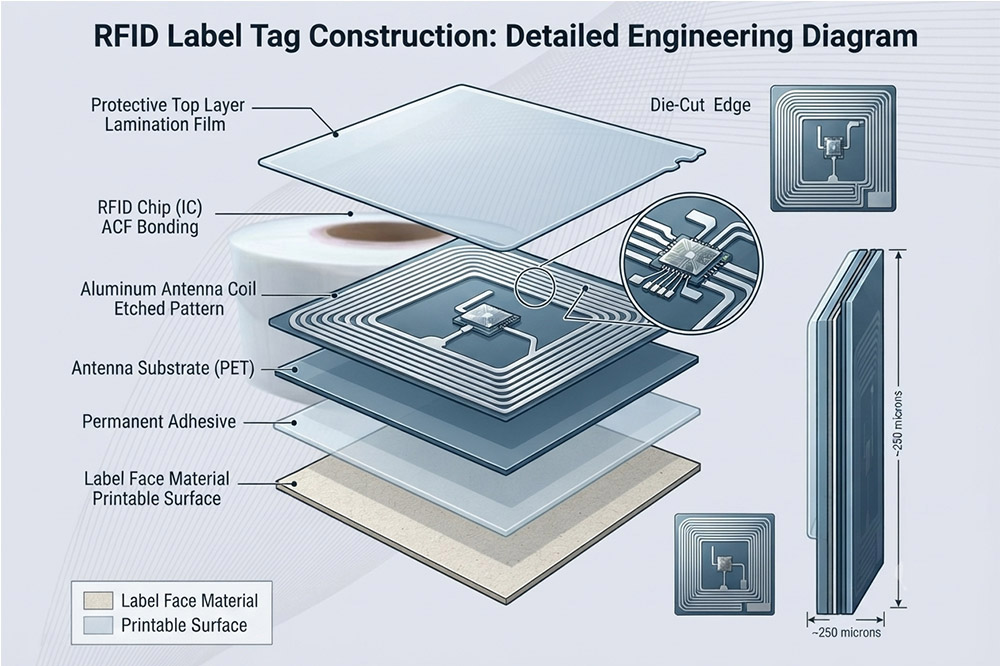
An RFID tag usually contains three main parts:
The RFID chip stores identification data, such as a unique serial number or product information.
The antenna is responsible for receiving energy from the RFID reader and sending signals back.
The outer material protects the internal components and determines where the tag can be applied. For example, a normal RFID label may work well on cardboard packaging, while metal environments require special on-metal RFID tags.
In many wholesale projects, the biggest mistake is choosing RFID tags based only on price. A cheaper tag may work perfectly during testing but fail after installation because the material, frequency, or environment was not considered.
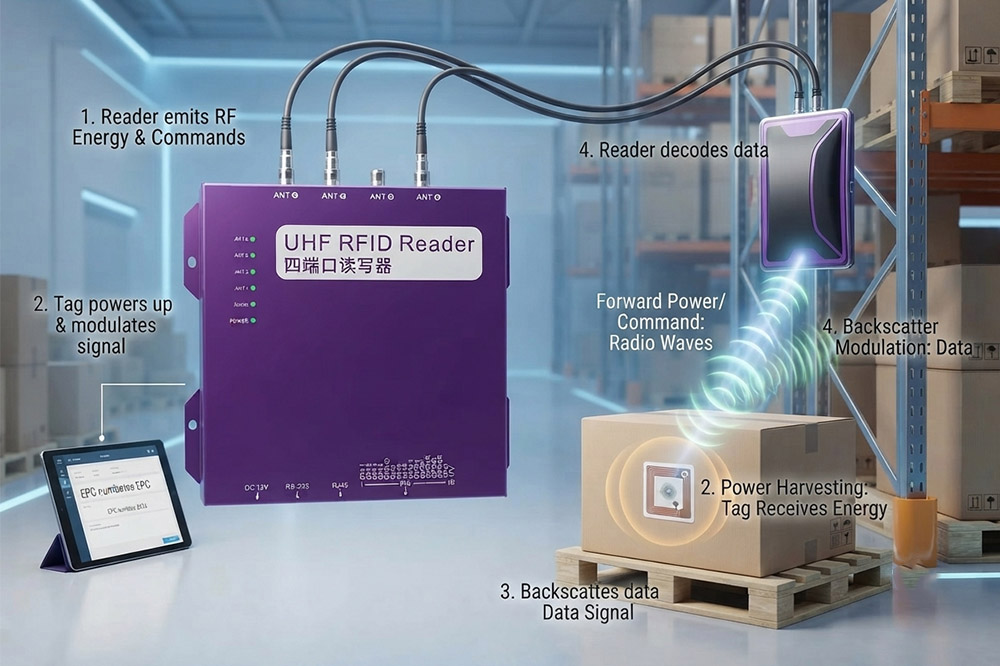
The working process looks simple, but several steps happen within milliseconds.
First, the RFID reader creates a radio frequency field.
When an RFID tag enters this area, its antenna captures energy from the reader signal. Passive RFID tags use this energy to power the chip temporarily.
The chip then processes the request and sends stored information back through the antenna.
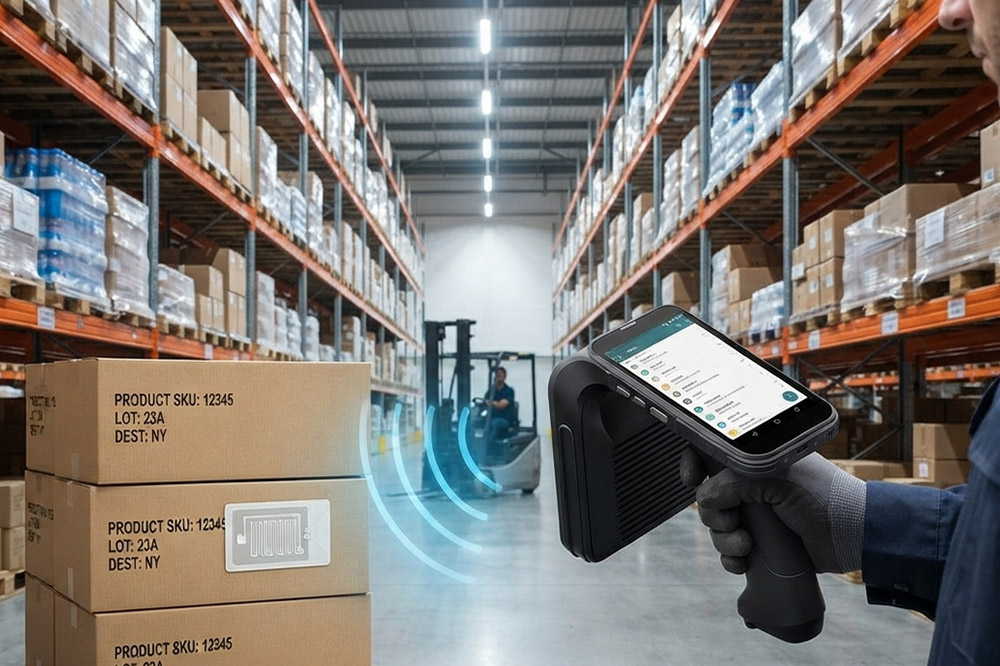
The reader receives the signal, converts it into digital information, and transfers the data to software systems such as warehouse management systems, ERP platforms, or inventory databases.
A warehouse worker may only see “Product A scanned successfully” on a screen, but behind that action there is continuous wireless communication between the tag, reader, and software.
Not all RFID tags operate the same way.
Passive RFID tags are the most common type used in commercial applications.
They have no internal battery and rely completely on the reader’s energy.
Advantages:
They are widely used for:
For companies ordering thousands or millions of tags, passive RFID is usually the first choice because the unit cost is easier to control.
Active RFID tags contain their own battery.
Because they have their own power source, they can achieve longer reading distances and stronger communication performance.
They are often used for:
The downside is that active tags are larger and more expensive compared with passive tags.
Semi-passive RFID tags combine features from both types.
They have a battery to power internal functions but still communicate through reader signals.
These are sometimes used in applications where environmental monitoring or higher reliability is needed.
One detail that many buyers overlook is frequency.
Different RFID frequencies create different reading characteristics.
Used for:
Reading distance is usually short.
Common applications include:
It provides relatively stable short-range communication.
This is the most popular choice for industrial RFID applications.
UHF RFID offers:
For warehouse inventory, pallet tracking, and manufacturing applications, UHF RFID tags are often preferred.
Choosing RFID tags for a real project usually requires more than understanding the basic working principle. Factors such as frequency selection, tag materials, reading range, and application environment can affect system performance. For a deeper explanation of RFID identification technology and how RFID systems operate from tag to software level, we recommend reading our previous guide: How RFID Tags Work: A Complete Guide to RFID Identification Technology.
From a supplier perspective, many RFID projects fail not because RFID technology does not work, but because the wrong tag was selected.
For example:
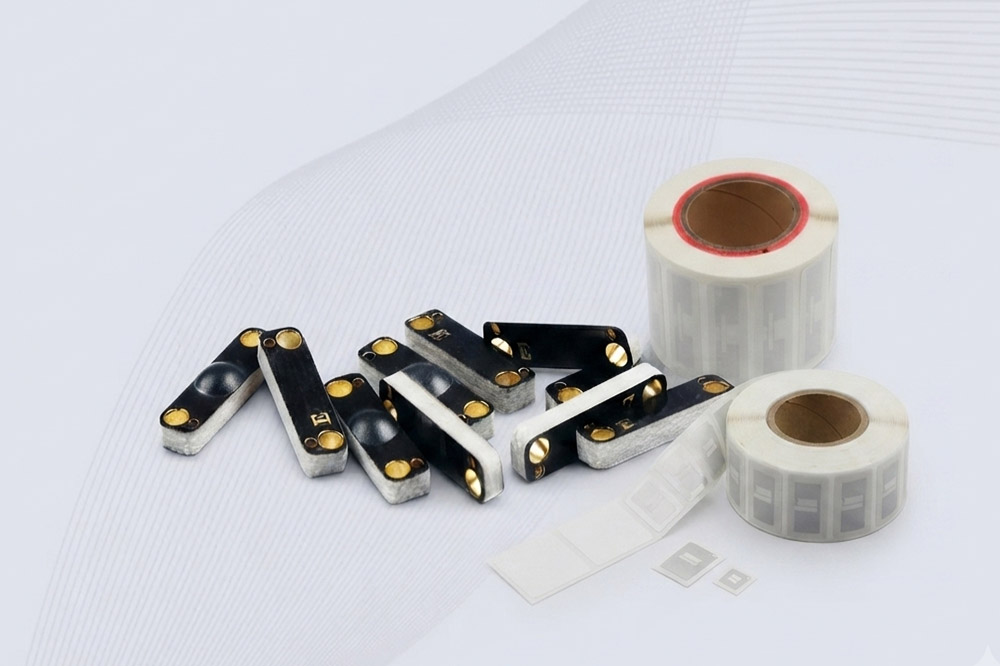
A retail company may need thousands of product labels. Standard UHF paper RFID labels might be enough.
But a manufacturer tracking metal tools or automotive components may need special RFID tags designed for metal surfaces.
A warehouse with dense shelves may require different RFID readers and antenna layouts compared with an open storage area.
Before placing a bulk order, buyers usually need to confirm:
This is where working with an experienced RFID manufacturer becomes important. A good supplier does not simply provide tags; they help match the RFID solution with the actual working environment.
Today RFID tags are used in many industries:
RFID helps companies track inventory movement automatically and reduce manual scanning work.
Stores use RFID tags for product visibility, stock counting, and loss prevention.
RFID supports production tracking, tool management, and process control.
Hospitals use RFID for equipment tracking, medical supplies management, and asset identification.
Industrial companies increasingly use RFID-enabled cabinets and systems to monitor tool borrowing and return processes.
RFID tags work through a simple idea: a reader sends a signal, a tag responds with stored information, and software turns that data into useful business information.
The technology itself is not complicated, but choosing the right RFID tag for a real application requires experience. A tag that works well in one environment may perform poorly in another.
For companies looking for RFID tags in bulk, OEM customization, or complete RFID identification solutions, understanding the working principle is the first step toward building a reliable system.
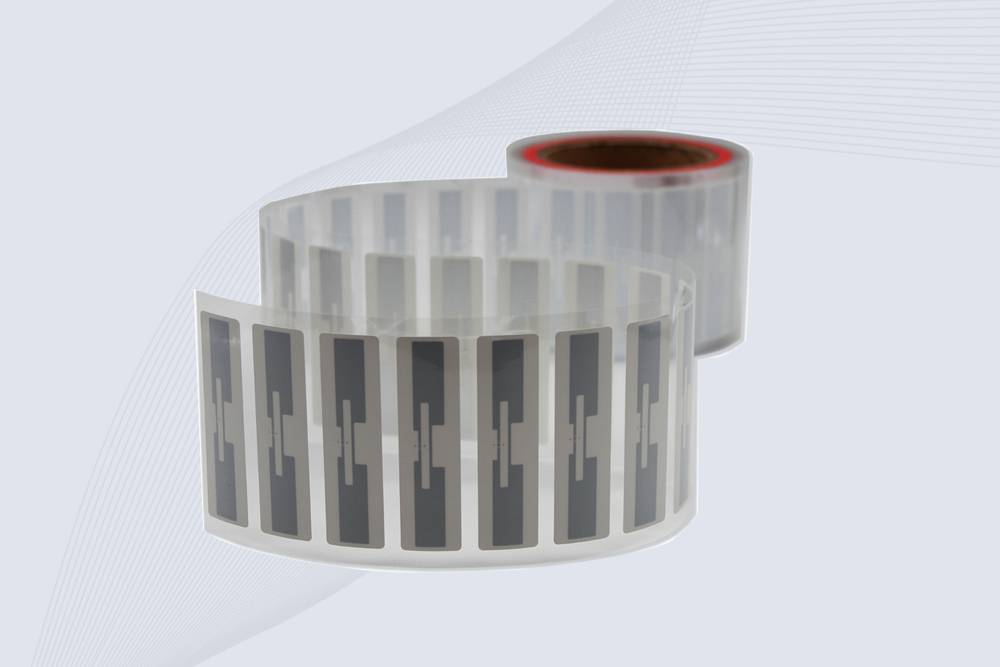
CYKEO Passive RFID Tags are made for wet and high-humidity environments where standard labels do not last. This rfid passive tag is often used around liquids, chemicals and temperature changes, providing stable reading distance and long data life for industrial tracking.
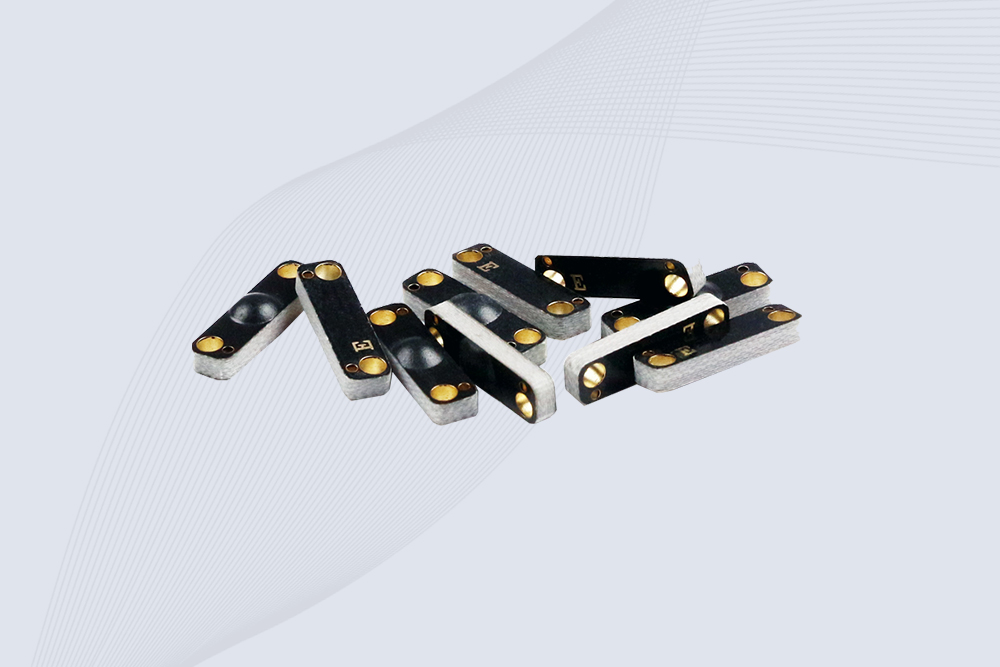
CYKEO CYKEO-PCB1504 Metal RFID Tags is a compact anti-metal UHF RFID solution built for direct mounting on metal surfaces. With stable 8-meter read range, Ucode-8 chip, and long data retention, this rfid metal tag fits tools, containers, automotive parts, and industrial asset tracking.
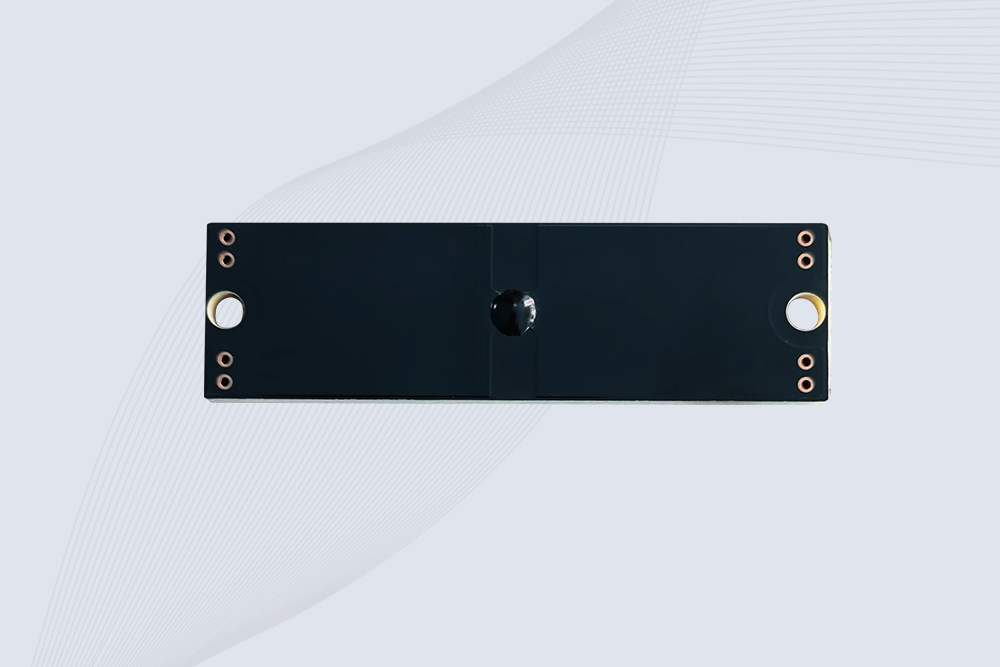
CYKEO CYKEO-PCB7020 On-Metal RFID Tags are designed for reliable tracking on steel and metal surfaces. Built with an FR4 epoxy body and industrial-grade chips, these On-Metal RFID Tags deliver stable performance, long data life, and chemical resistance, making them a dependable RFID anti-metal tag for harsh environments.
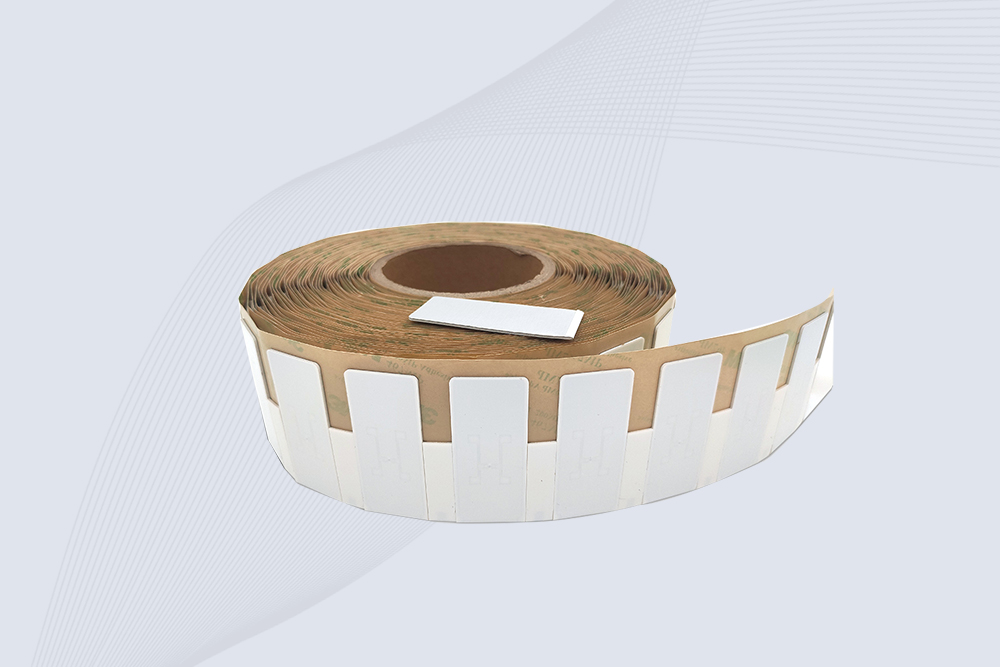
The CYKEO CYKEO-60-25 Anti-Metal RFID Tag is built for metal surfaces where standard tags fail. Designed for long-range performance, harsh environments, and stable data retention, this Anti-Metal RFID Tag is ideal for industrial assets, containers, and equipment tracking using on metal RFID tags.
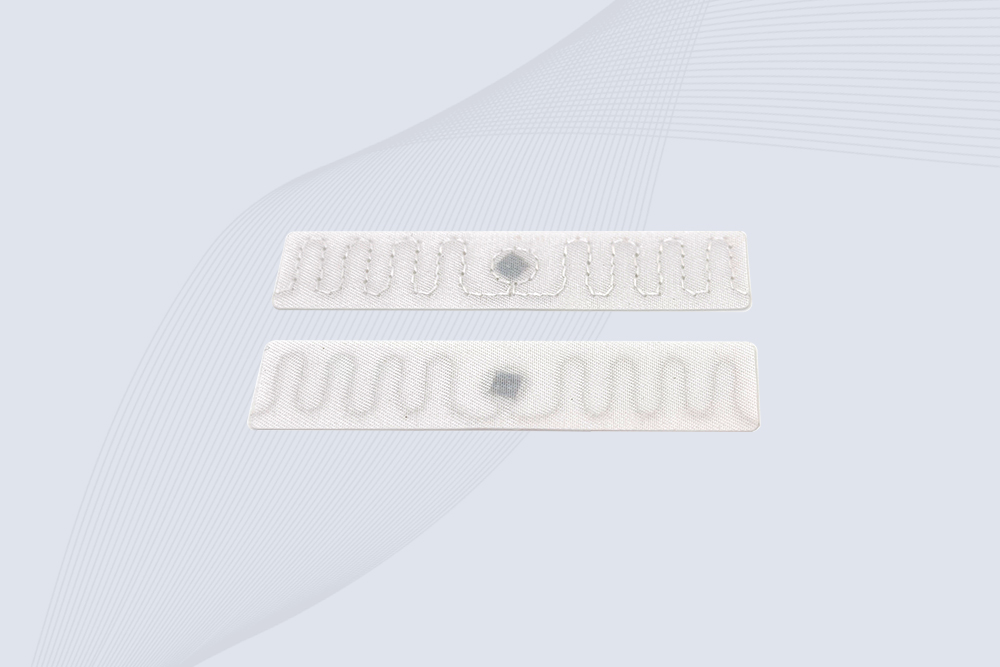
The CYKEO RFID Laundry Tag is designed for long-term textile identification in harsh laundry environments. Built to withstand high heat, chemicals, and repeated washing, this RFID Laundry Tag delivers stable performance for hotels, hospitals, and industrial laundry operations using laundry rfid tags at scale.
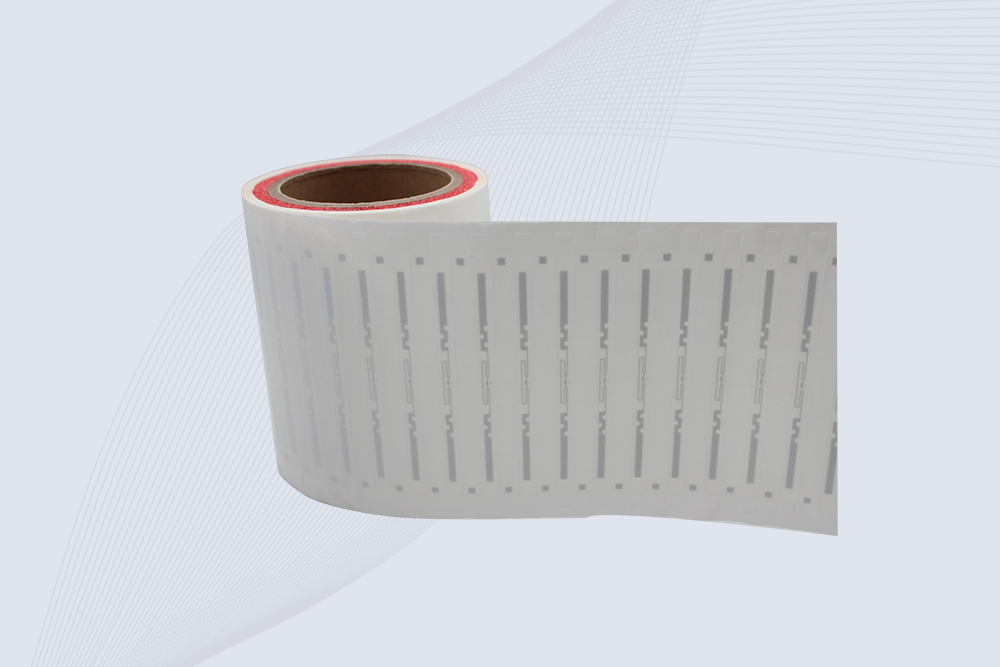
The CYKEO CYKEO-125-7 RFID Book Tag is designed for reliable book and document tracking in libraries and archives. This RFID Book Tag delivers long read range, dense placement support, and stable performance on shelves, making it a practical rfid tag on books for library automation, file management, and archival systems.
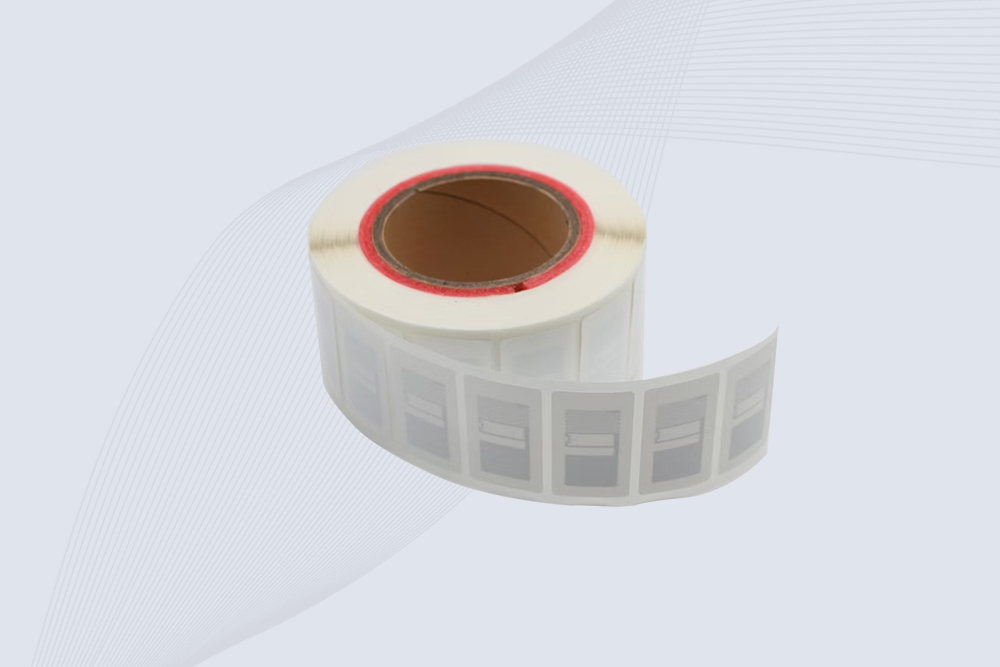
CYKEO RFID tags in hospitals are designed for sterile environments where accuracy matters. These autoclavable RFID tags support long-term tracking of surgical tools, implants, and medications, helping hospitals improve visibility, compliance, and patient safety.

CYKEO RFID Cable Tie Tag is built for reliable identification on metal surfaces. This UHF RFID Cable Tie Tag is widely used in rfid tags for inventory systems, industrial asset management and Hospital RFID Tags, offering stable read performance, long service life and global EPC Gen2 compatibility.
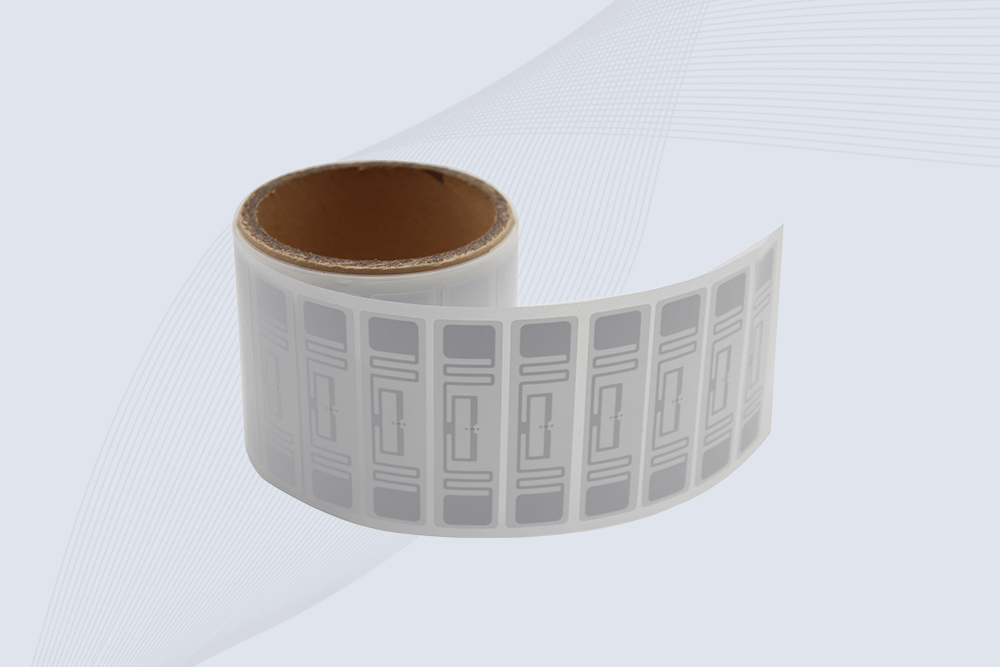
CYKEO RFID Asset Tag is designed for stable identification of metal assets in industrial environments. This UHF RFID Asset Tag is commonly used for rfid tag asset tracking on equipment, tools and containers, providing reliable reads, long service life and ISO/IEC 18000-6C support.

CYKEO UHF RFID Card is designed for fast identification and long-term use in industrial and commercial systems. Supporting ISO 18000-6C, this UHF RFID Card works at 860–960 MHz and is suitable for custom RFID cards used in asset tracking, access control and inventory management.
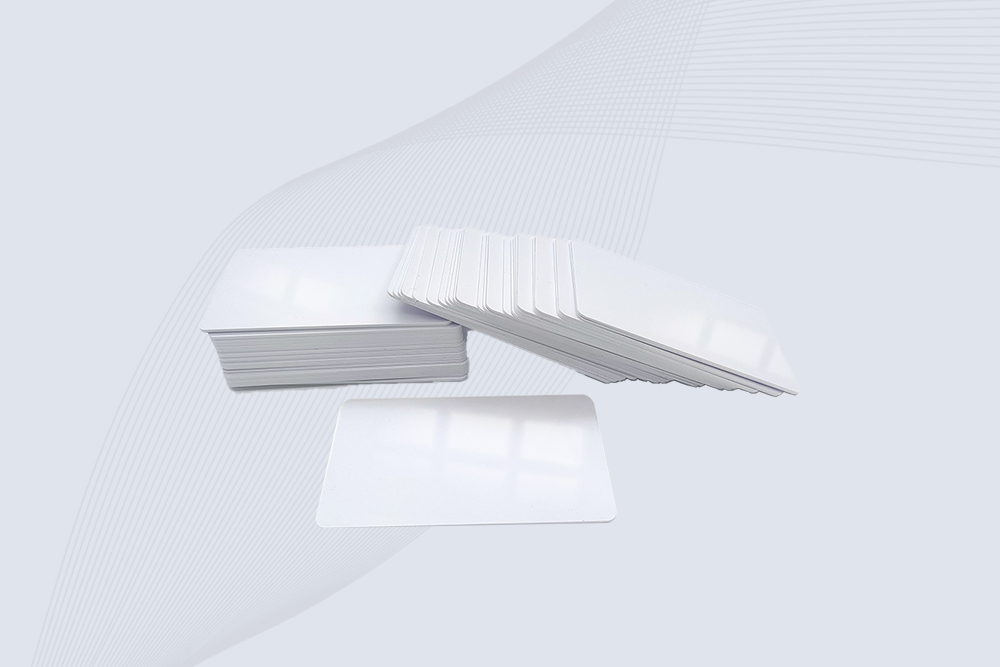
CYKEO HF RFID Cards are designed for secure and stable access control systems. These 13.56 MHz RFID key cards support ISO 14443-A, reliable rewriting and long service life, making HF RFID Cards suitable for offices, campuses, events and membership management.
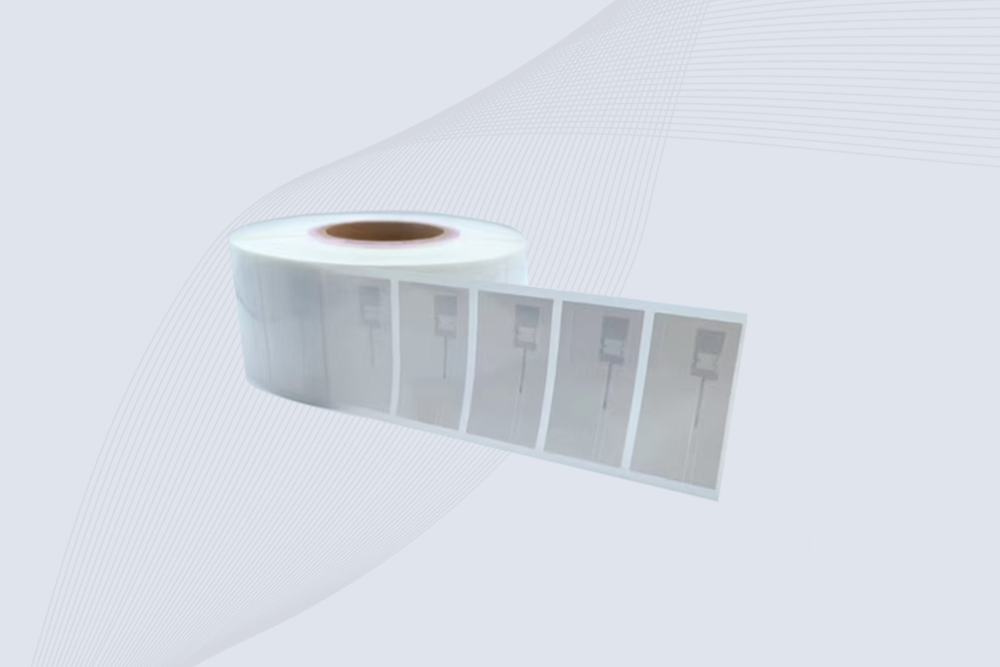
CYKEO UHF RFID Tag is designed for reliable tracking of metal jewelry and high-value items. This Jewelry RFID Tag supports long-range reading up to 8 meters, anti-counterfeit protection and stable performance on metal, making it suitable for retail, inventory control and asset management.
RFID Industry Writer | IoT & Asset Tracking Analyst
James writes about RFID technology, asset tracking, and the practical challenges of digital transformation across warehousing, retail, manufacturing, and logistics.
His work focuses on how RFID is applied in real-world operations—improving inventory visibility, automating workflows, and helping businesses manage assets with greater accuracy and efficiency.
He regularly covers topics including UHF RFID, smart cabinets, RFID portals, tool tracking, warehouse automation, and industrial IoT trends..

Discover what does an RFID antenna do. Learn how it enables wireless communication, powers passive tags, and is used in access control, logistics, and asset tracking.
More
Can you reprogram RFID tags? Learn which RFID memories can be rewritten, what locking changes, how readers encode tags, and when a tag must be replaced.
More
Wondering "how far can an RFID be read from"? Get straight answers for LF, HF, UHF passive, and active tags. Real ranges for access control, inventory, and yard management with CYKEO.
More
Discover how RFID cable tags improve cable identification, asset tracking, inventory accuracy, and operational efficiency. Ideal for telecom networks, data centers, utilities, industrial facilities, and rental equipment management.
More